

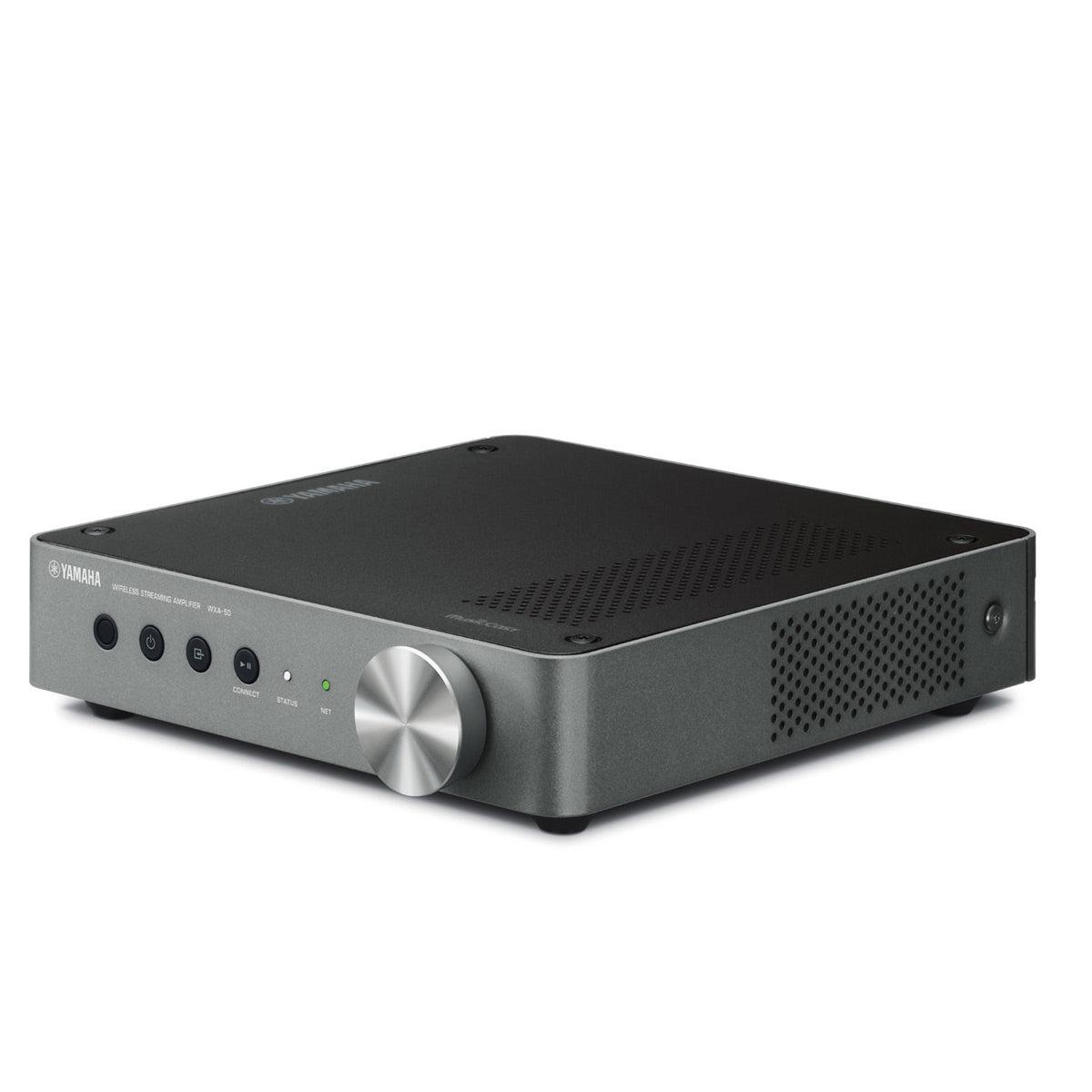
When building a great audio system, the amplifier sits at the heart of everything. It's the component that takes your music sources and transforms them into the powerful electrical signals that drive your speakers. But choosing the right amplifier has become more complex in recent years, as traditional designs compete with modern streaming-focused alternatives.
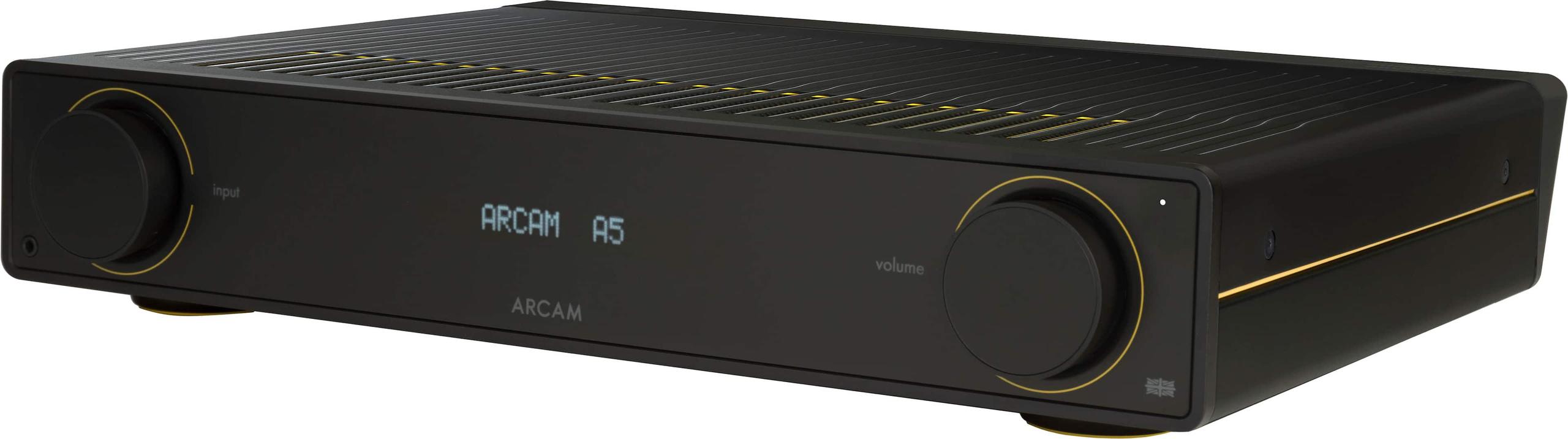
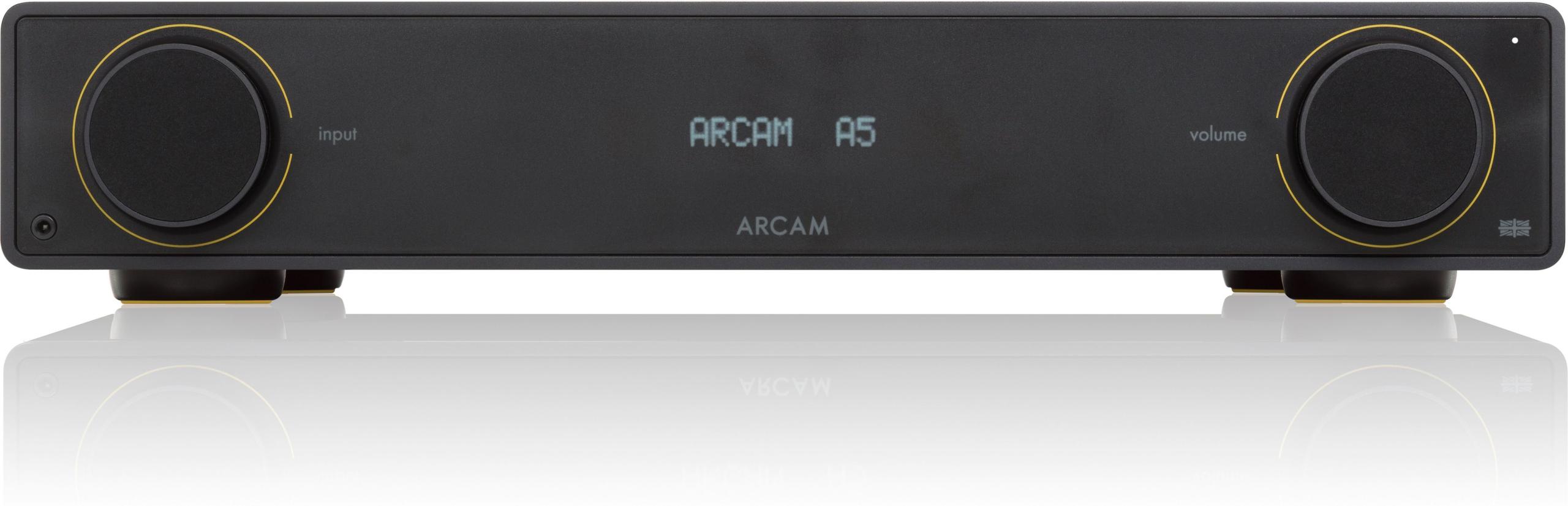
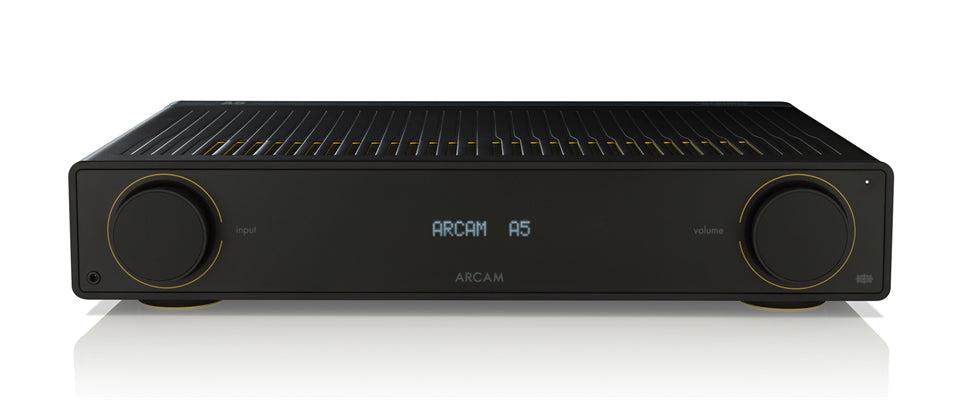
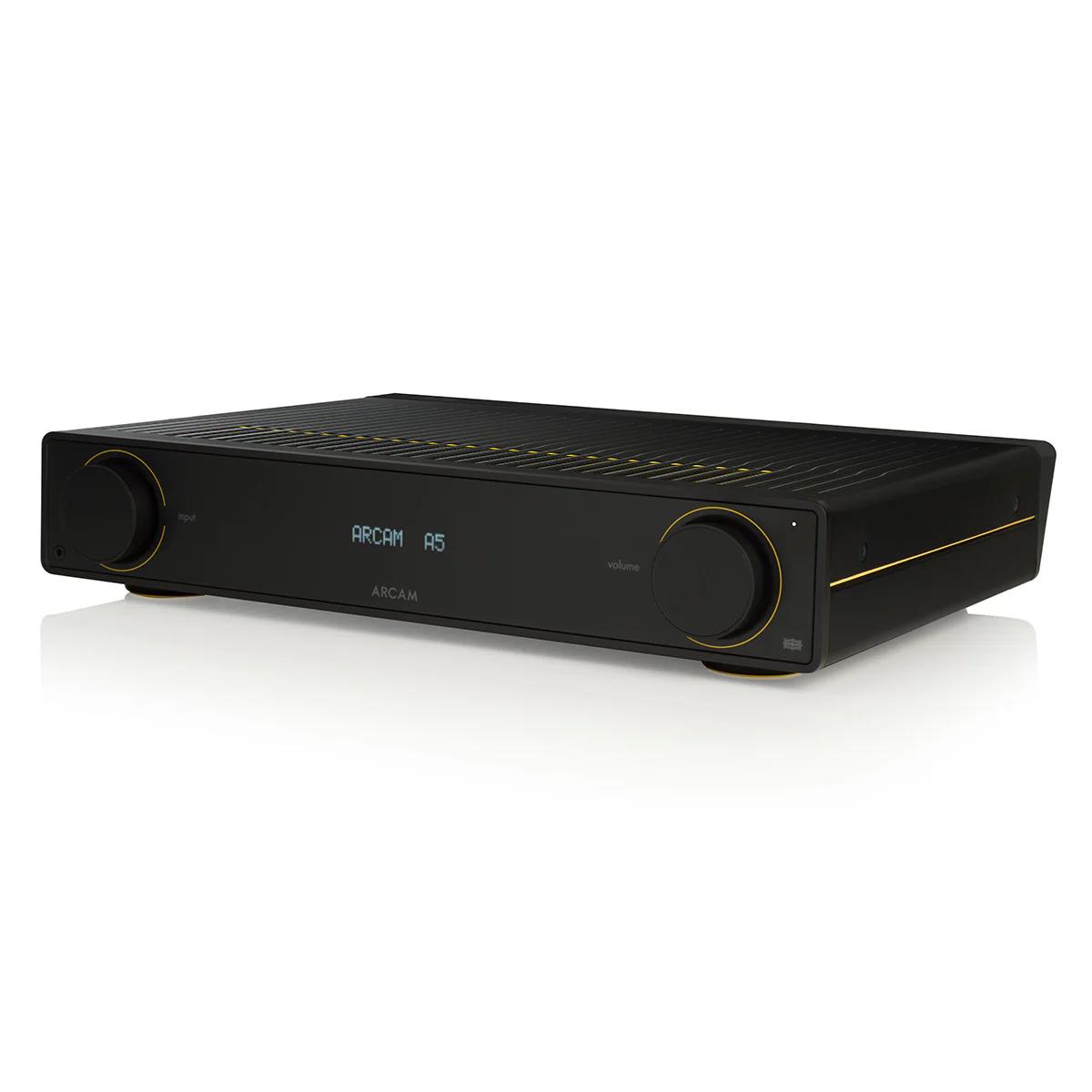
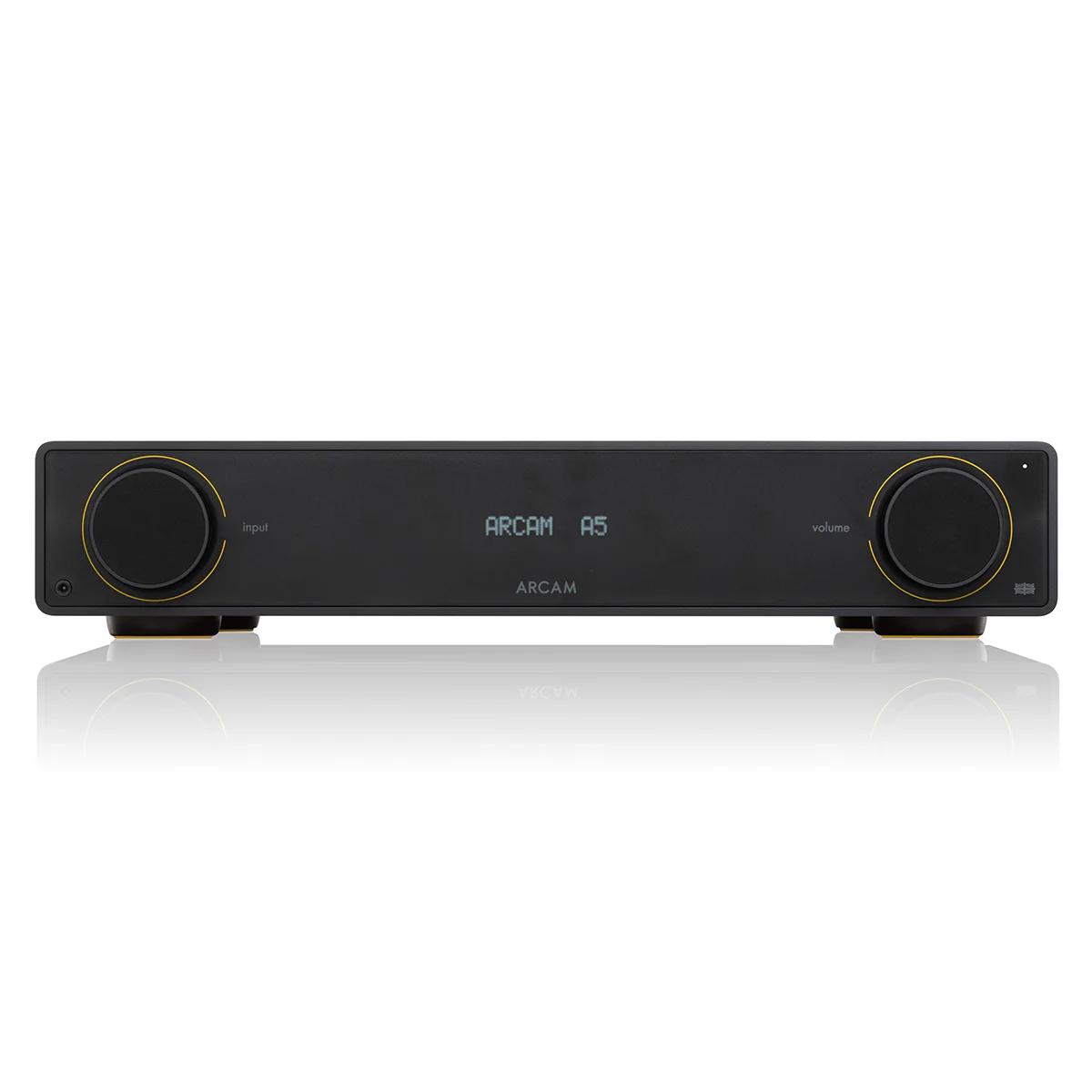
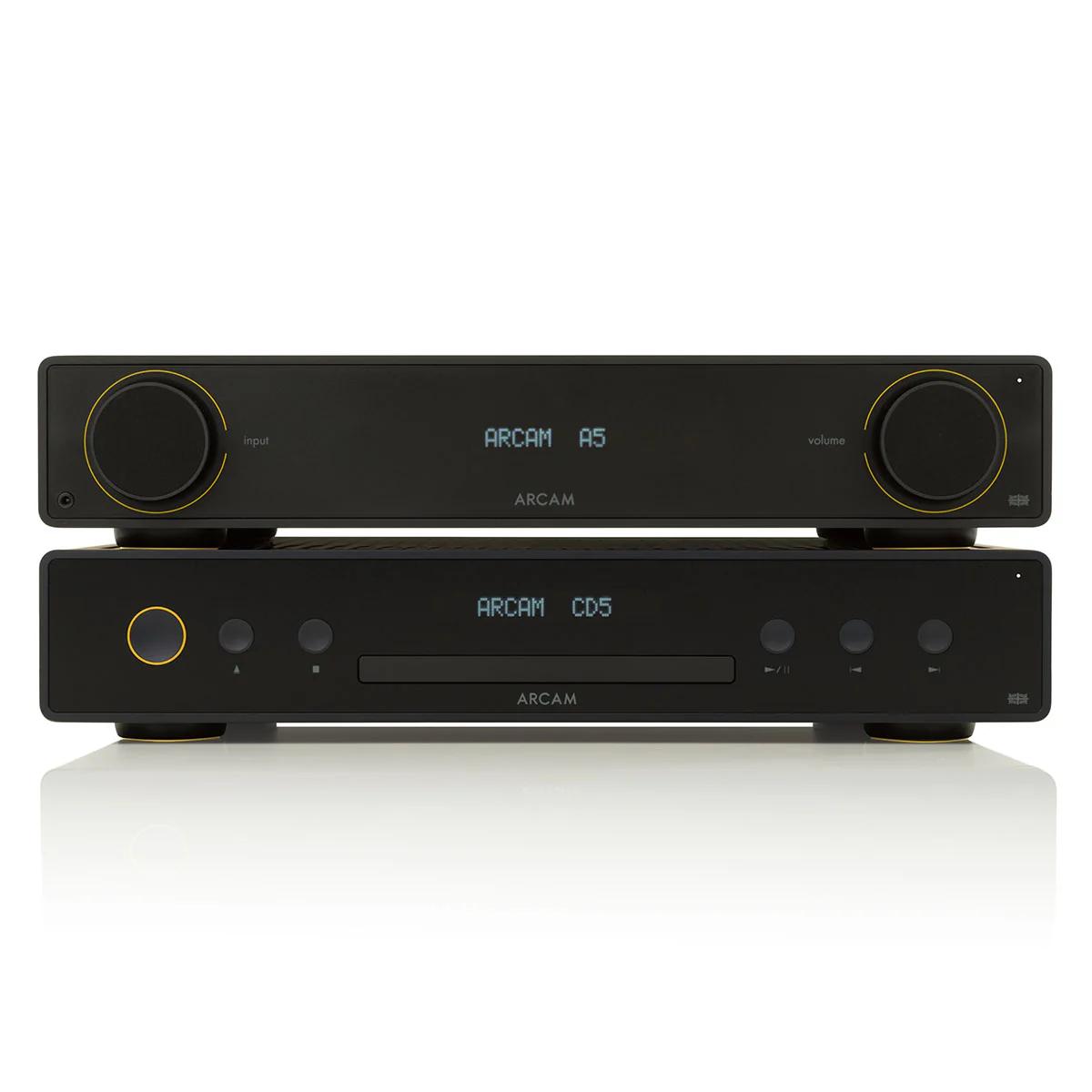
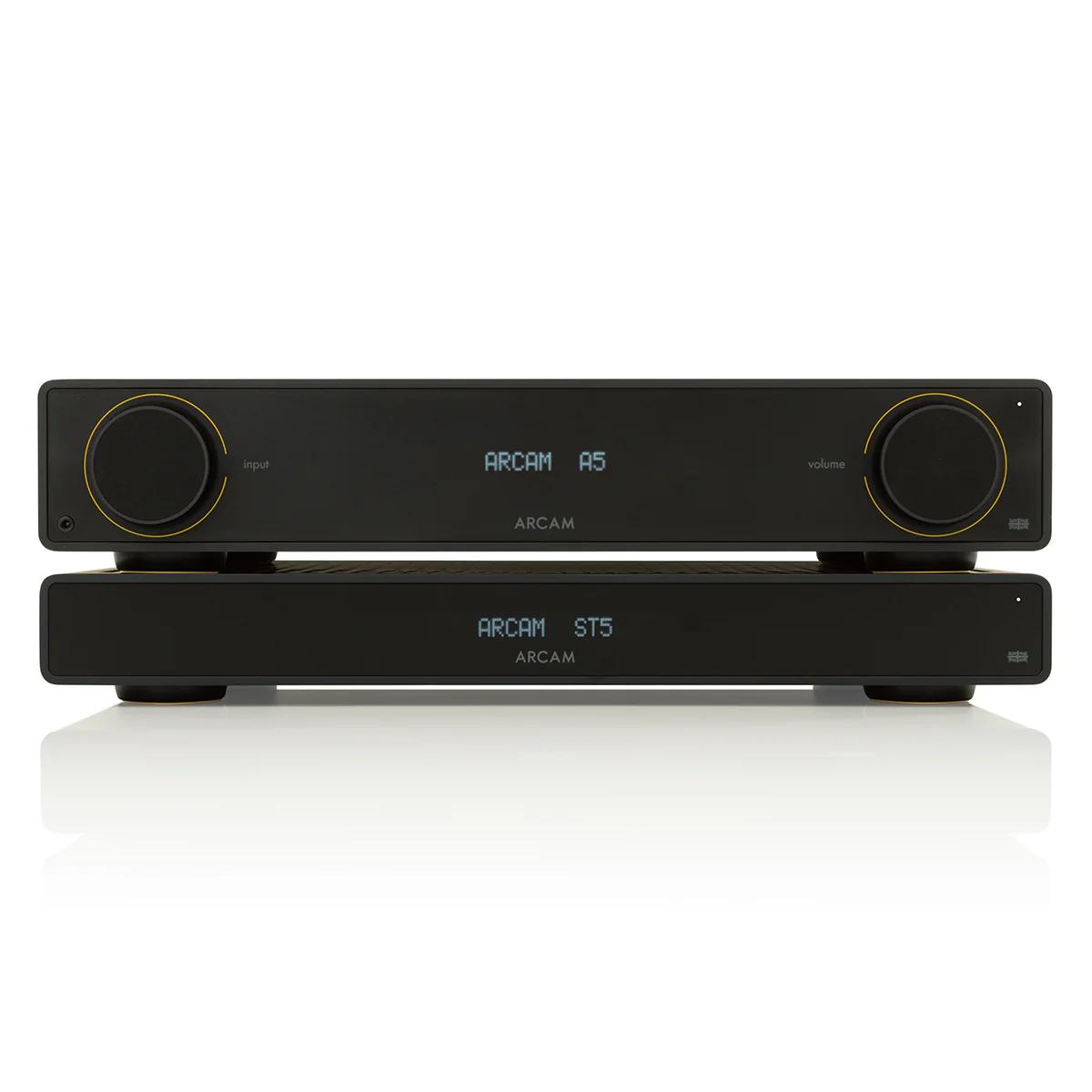
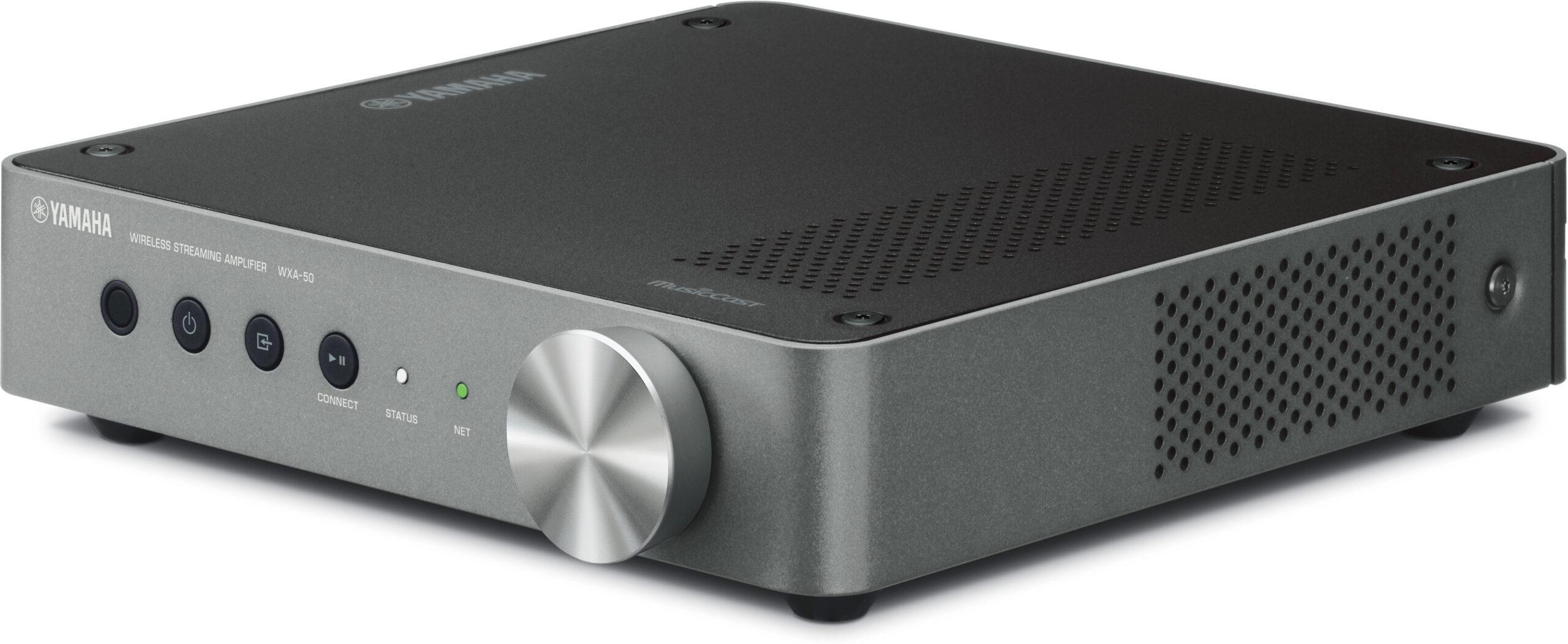
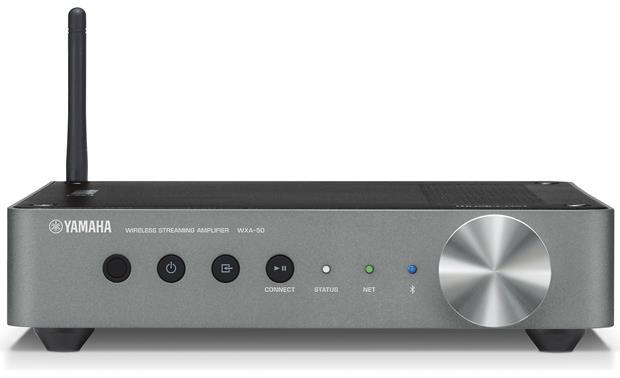
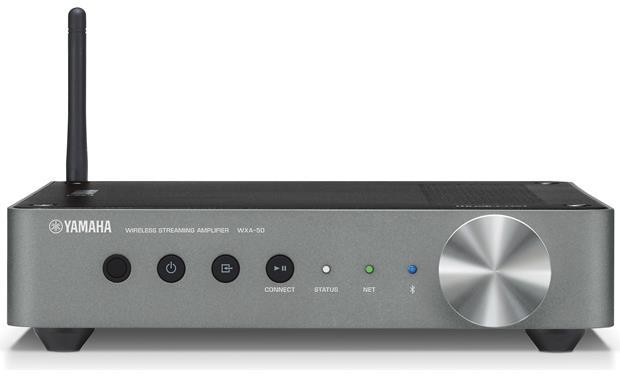
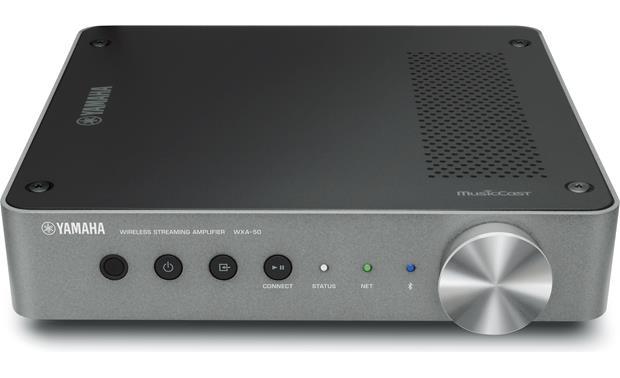
Today we're comparing two fundamentally different approaches: the Arcam Radia A5, a traditional integrated amplifier that prioritizes pure sound quality, and the Yamaha MusicCast Wireless Streaming Amplifier, which emphasizes connectivity and modern convenience features. Both were released in 2024, representing the latest thinking in their respective categories.
Understanding the difference between these approaches will help you make the right choice for your listening habits, space, and budget.
An integrated amplifier like the Arcam Radia A5 combines a preamplifier (which handles source selection and volume control) with a power amplifier (which provides the muscle to drive speakers) in one chassis. Think of it as the traditional hi-fi approach – you connect your sources directly to the amplifier, which then powers your speakers. These designs typically focus on delivering the purest possible sound reproduction with minimal electronic interference.
A wireless streaming amplifier like the Yamaha MusicCast takes a different approach entirely. While it still amplifies audio signals to drive speakers, it's built around the idea that most of your music comes from streaming services, networked devices, or wireless sources. These units prioritize connectivity options and often include built-in digital-to-analog converters (DACs – the circuits that convert digital music files into analog signals your speakers can reproduce), wireless capabilities, and smart home integration.
The fundamental question becomes: do you want an amplifier optimized for pure sound quality, or one designed for modern convenience and connectivity?
When comparing amplifiers, power output gets talked about constantly, but the numbers don't tell the whole story. The Arcam Radia A5 delivers 50 watts per channel into 8-ohm speakers and 75 watts into 4-ohm loads. The Yamaha MusicCast provides 55 watts into 8 ohms, 70 watts into 6 ohms, and up to 105 watts into 4-ohm speakers.
At first glance, the Yamaha appears more powerful, but power ratings can be misleading. The impedance (measured in ohms) refers to how much electrical resistance your speakers present to the amplifier. Lower impedance speakers are harder to drive and require more current – think of it like trying to push water through a narrower pipe.
What matters more is the total harmonic distortion (THD) – essentially how much the amplifier changes your music as it amplifies it. The Arcam A5 achieves an exceptional 0.003% THD at 80% power, meaning it adds virtually no unwanted artifacts to your music. The Yamaha measures 0.06% THD, which is still good but represents twenty times more distortion than the Arcam.
In real-world terms, both amplifiers provide adequate power for most home listening scenarios. The Arcam will sound cleaner and more refined, especially at higher volumes, while the Yamaha might have a slight edge driving very difficult speaker loads due to its higher 4-ohm rating.
For typical bookshelf speakers or efficient floor-standing models in medium-sized rooms, either amplifier provides sufficient power. If you own particularly inefficient speakers (those requiring more power to reach the same volume levels), the Arcam's superior current delivery and lower distortion characteristics give it an advantage despite the slightly lower power rating.
This represents the biggest philosophical difference between these products. The Arcam Radia A5 employs Class AB amplification – a time-tested topology that balances efficiency with sound quality. Class AB designs use two sets of output transistors that work together to recreate your music's waveform, with each set handling different portions of the signal. This approach typically delivers the warm, natural sound that audiophiles prefer.
The Arcam also incorporates an ESS Sabre ES9018 DAC, which is considered among the best digital-to-analog converters available outside ultra-expensive equipment. DACs are crucial because they determine how accurately digital music files get converted back into analog signals. The ES9018 is renowned for its incredibly low noise floor and high dynamic range, meaning quiet musical passages stay truly quiet while loud sections retain their impact without compression.
The Yamaha MusicCast uses an ESS Sabre DAC as well, though the specific model isn't specified. More importantly, Yamaha includes various digital signal processing features like their Compressed Music Enhancer (which attempts to restore information lost in MP3 compression) and Volume-Adaptive EQ (which adjusts the tonal balance as you change volume levels).
These processing features represent a fundamental difference in approach. The Arcam philosophy prioritizes signal purity – the idea that the best amplifier should change your music as little as possible. The Yamaha takes a more interventionist approach, offering tools to potentially improve certain types of audio content.
From our research into expert and user reviews, the consensus clearly favors the Arcam for pure sound quality. Reviewers consistently describe its presentation as more refined, detailed, and natural-sounding. The Yamaha receives praise for being clean and capable, but doesn't quite reach the same level of sonic sophistication.
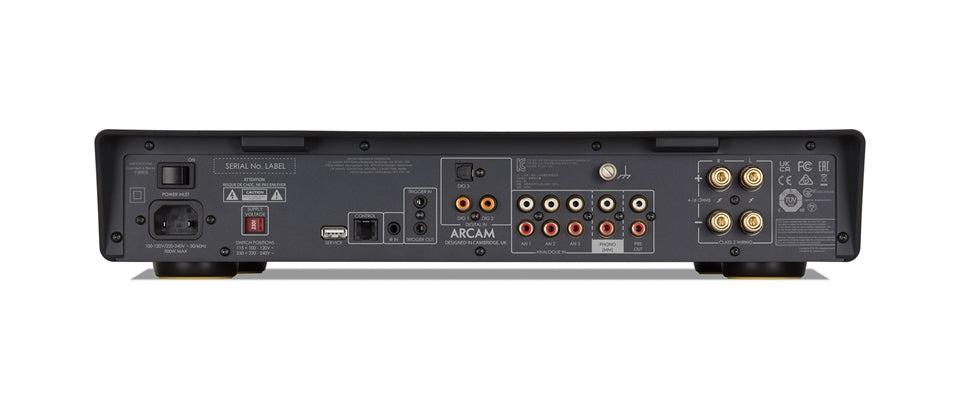
Here's where the Yamaha MusicCast absolutely dominates. While the Arcam A5 offers solid but traditional connectivity – three analog RCA inputs, two coaxial and one optical digital input, plus Bluetooth 5.2 with aptX Adaptive – it's clearly designed for people who own separate source components.
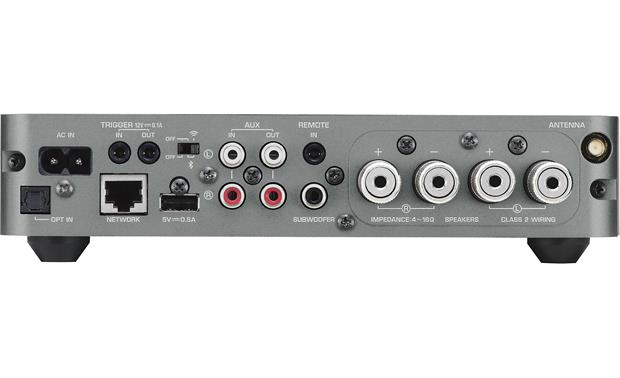
The Yamaha reads like a connectivity spec sheet from the future: Wi-Fi, Ethernet, Bluetooth, Apple AirPlay, and native support for streaming services including Spotify, TIDAL, Pandora, and internet radio. It's DLNA certified, meaning it can play music stored on networked computers or media servers. The MusicCast platform allows multi-room audio throughout your home, with the ability to synchronize music across multiple rooms or play different content in each space.
For vinyl enthusiasts, the Arcam A5 includes a dedicated moving magnet phono stage – the specialized amplification circuit needed to boost the tiny signal from a turntable cartridge to line level. This is optimized specifically for the RIAA equalization curve used in vinyl mastering, ensuring accurate reproduction of records. The Yamaha lacks any vinyl input, requiring a separate phono preamp if you want to connect a turntable.
The Arcam's Bluetooth implementation deserves special mention. It's bidirectional, meaning you can not only stream music to the amplifier from your phone, but also stream from the amplifier to Bluetooth headphones or speakers. This unusual feature adds flexibility for late-night listening without disturbing others.
The technology gap between these products becomes most apparent in their digital capabilities. The Yamaha MusicCast essentially puts a streaming media player inside an amplifier. You can browse and control music using Yamaha's smartphone app, create presets for favorite stations, and integrate with smart home systems including Amazon Alexa and Google Assistant.
The Yamaha also supports higher-resolution digital audio formats, including DSD up to 5.6MHz – a format primarily used for very high-quality classical and jazz recordings. While both amplifiers handle standard high-resolution formats up to 24-bit/192kHz (which covers virtually all available digital music), DSD support appeals to serious digital audio enthusiasts.
The Arcam A5 takes a more conservative approach to digital features. It focuses on doing the basics exceptionally well rather than offering extensive processing options. This philosophy extends to its Pure Direct mode, which bypasses unnecessary circuitry for the cleanest possible signal path.
Since 2024, both manufacturers have continued refining their approaches. Yamaha has expanded MusicCast compatibility and added more streaming services, while Arcam has focused on incremental improvements to their analog circuitry and component selection.
The Arcam Radia A5 makes the most sense for listeners who prioritize sound quality above convenience. If you have a dedicated listening room, own high-quality speakers, and care about extracting maximum performance from your music collection, the Arcam's superior amplification and lower distortion characteristics justify its approach.
Vinyl collectors particularly benefit from the Arcam's built-in phono stage, which saves money and rack space compared to buying a separate phono preamp. The quality of this circuit rivals standalone units costing several hundred dollars, making it exceptional value for turntable owners.
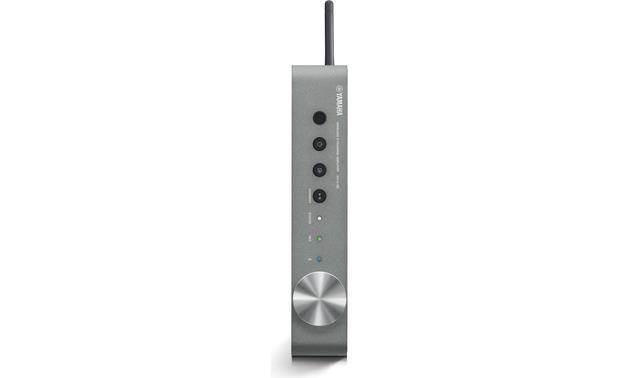
The Yamaha MusicCast excels in modern lifestyle applications. If you primarily stream music, want multi-room capability, or need smart home integration, its comprehensive feature set provides outstanding value. The compact form factor works well in space-constrained installations, and the ability to place it horizontally or vertically adds installation flexibility.
For home theater applications, both amplifiers can serve as stereo music systems alongside your main theater setup. The Yamaha's wireless capabilities make it ideal for streaming music when the main theater system is off, while the Arcam's superior sound quality makes it perfect for critical music listening in the same space.
When evaluating amplifiers, several measurements indicate real-world performance. Signal-to-noise ratio shows how quiet the background noise is – higher numbers mean a blacker background that lets subtle musical details emerge. The Arcam A5 achieves 109dB for digital inputs and 106dB for analog, while the Yamaha reaches 110dB for digital inputs, indicating both provide excellent noise performance.
Frequency response shows how evenly the amplifier reproduces different frequencies. Both units achieve flat response across the audible spectrum (20Hz-20kHz), ensuring they don't artificially emphasize or reduce any frequencies.
The most crucial spec remains total harmonic distortion at realistic power levels. While maximum power ratings grab attention, most listening happens at far lower levels. The Arcam's 0.003% THD represents truly exceptional performance, explaining why it sounds more refined than alternatives with higher distortion.
At the time of writing, these amplifiers occupy different price segments, with the Yamaha MusicCast positioned as a more affordable option while the Arcam A5 commands a premium for its audiophile-focused design.
The Yamaha delivers remarkable value for users who need its connectivity features. When you consider that a quality streaming device alone costs several hundred dollars, getting that functionality plus a capable amplifier represents excellent value. The MusicCast ecosystem adds further value if you plan to expand to multiple rooms.
The Arcam A5 justifies its premium through superior build quality, a five-year warranty, and component quality typically found in much more expensive equipment. For listeners focused on sound quality, it provides a level of performance that would require significantly more expensive separate components to match.
Choose the Arcam Radia A5 if sound quality represents your primary concern. Its combination of low distortion, high-quality components, and thoughtful design makes it ideal for serious listening. The built-in phono stage adds exceptional value for vinyl enthusiasts, while the traditional input selection works perfectly with high-quality source components.
The Yamaha MusicCast makes more sense for listeners who prioritize convenience and modern features. If you stream most of your music, want multi-room capability, or need smart home integration, its comprehensive feature set provides outstanding functionality at an attractive price point.
Both represent excellent examples of their respective approaches. The Arcam proves that traditional amplifier design still offers advantages for pure music reproduction, while the Yamaha demonstrates how modern technology can enhance the listening experience through connectivity and convenience features.
Your choice ultimately depends on whether you value the last word in sound quality or prefer comprehensive modern features. Either way, you'll end up with a capable amplifier that can anchor a satisfying music system for years to come.
| Arcam Radia A5 Integrated Amplifier | Yamaha MusicCast Wireless Streaming Amplifier |
|---|---|
| Power Output - Determines how loud you can play music and what speakers you can drive | |
| 50W/8Ω, 75W/4Ω (sufficient for most speakers) | 55W/8Ω, 70W/6Ω, 105W/4Ω (more power for difficult loads) |
| Total Harmonic Distortion - Lower numbers mean cleaner, more accurate sound | |
| 0.003% THD (audiophile-grade distortion performance) | 0.06% THD (good performance, 20x higher distortion) |
| Digital Audio Support - Affects sound quality of streaming and digital files | |
| ESS Sabre ES9018 DAC, up to 24-bit/192kHz | ESS Sabre DAC, up to 24-bit/192kHz + DSD 5.6MHz |
| Analog Inputs - For connecting traditional audio sources | |
| 3x RCA line inputs + dedicated MM phono stage | 1x RCA input (no phono stage for turntables) |
| Digital Inputs - For connecting digital sources like CD players or streamers | |
| 2x coaxial, 1x optical (traditional hi-fi approach) | 1x optical, 1x USB (basic digital connectivity) |
| Wireless Connectivity - Modern convenience features for streaming | |
| Bluetooth 5.2 with aptX Adaptive (bidirectional) | Wi-Fi, Bluetooth, AirPlay, MusicCast multi-room |
| Streaming Services - Built-in access to music platforms | |
| None (requires external streamer or phone) | Spotify, TIDAL, Pandora, internet radio, DLNA |
| Multi-Room Audio - Ability to play music throughout your home | |
| Not supported | Full MusicCast ecosystem with room synchronization |
| Smart Home Integration - Voice control and automation compatibility | |
| None | Amazon Alexa, Google Assistant, Control4, Crestron |
| Signal-to-Noise Ratio - How quiet the background noise is during playback | |
| 109dB digital, 106dB analog (excellent noise performance) | 110dB digital, 98dB analog (very good performance) |
| Build Quality and Design Philosophy - Affects longevity and sound character | |
| Audiophile-focused, premium components, 5-year warranty | Consumer-friendly, feature-rich, compact design |
| High-Resolution Audio Formats - Support for audiophile-quality files | |
| PCM up to 24-bit/192kHz via digital inputs | PCM 24-bit/192kHz + DSD support up to 5.6MHz |
| Size and Installation Flexibility - Important for room integration | |
| 17" x 3.3" x 14.3", horizontal only | 8.4" x 2" x 9.6", horizontal or vertical placement |
The Arcam Radia A5 delivers superior sound quality with its 0.003% total harmonic distortion and premium ESS Sabre ES9018 DAC. The Yamaha MusicCast offers good sound but has 20 times higher distortion at 0.06% THD. For critical listening, the Arcam A5 provides more refined, accurate audio reproduction.
Only the Arcam Radia A5 includes a built-in moving magnet phono stage for direct turntable connection. The Yamaha MusicCast lacks a phono input, requiring a separate phono preamp to connect a turntable. Vinyl enthusiasts should choose the Arcam A5 for convenience and superior analog performance.
The Yamaha MusicCast excels at streaming with built-in Wi-Fi, native support for Spotify, TIDAL, and other services, plus multi-room capability. The Arcam Radia A5 requires external streaming devices or relies on Bluetooth. For streaming-focused users, the Yamaha MusicCast offers far more convenience.
Both provide adequate power for most home speakers. The Arcam A5 delivers 50W into 8 ohms with exceptional current delivery, while the Yamaha MusicCast offers 55W into 8 ohms and up to 105W into 4-ohm loads. Either amplifier handles typical bookshelf or floor-standing speakers effectively.
The Yamaha MusicCast is specifically designed for multi-room audio with wireless synchronization across MusicCast devices. The Arcam Radia A5 is designed for single-room use, though its bidirectional Bluetooth can stream to wireless headphones. For whole-home audio, choose the Yamaha MusicCast.
The Yamaha MusicCast provides extensive connectivity including Wi-Fi, Ethernet, AirPlay, and streaming services. The Arcam A5 offers traditional hi-fi connections with 3 analog inputs, 2 coaxial, 1 optical digital input, plus high-quality Bluetooth. The Yamaha wins for modern connectivity needs.
Both can serve as stereo music systems alongside home theater setups. The Yamaha MusicCast works well for background music streaming when your main theater is off. The Arcam A5 excels for dedicated two-channel music listening in theater rooms, offering superior sound quality for critical sessions.
The Arcam Radia A5 features premium audiophile construction with high-quality components and a 5-year warranty. The Yamaha MusicCast offers solid build quality focused on features and compact design. For long-term reliability and premium materials, the Arcam A5 has the advantage.
Both support high-resolution audio up to 24-bit/192kHz. The Yamaha MusicCast adds DSD support up to 5.6MHz for specialized audiophile formats. The Arcam A5 focuses on exceptional PCM conversion quality. Both handle standard hi-res files excellently, with the Yamaha offering broader format support.
Value depends on priorities. The Yamaha MusicCast offers exceptional feature-to-price ratio with streaming, multi-room, and smart home integration. The Arcam A5 provides audiophile-grade performance and build quality typically found in much more expensive equipment. Consider whether you prioritize features or pure sound quality.
The Yamaha MusicCast includes a comprehensive smartphone app for control, streaming, and multi-room management. The Arcam Radia A5 relies primarily on its included remote control, though you can stream via Bluetooth from phones. For smartphone-centric control, the Yamaha MusicCast is far superior.
Beginners who primarily stream music should choose the Yamaha MusicCast for its user-friendly app, built-in streaming services, and simple setup. Those interested in traditional hi-fi or vinyl should consider the Arcam A5 for its superior sound quality and comprehensive analog inputs. The Yamaha offers easier entry into high-quality audio.
We've done our best to create useful and informative comparisons to help you decide what product to buy. Our research uses advanced automated methods to create this comparison and perfection is not possible - please contact us for corrections or questions. These are the sites we've researched in the creation of this article: whathifi.com - upscaleaudio.com - hifiverse.io - theaudiotailor.com.au - crutchfield.com - musicdirect.com - crutchfield.com - listenup.com - audioadvice.com - houseofstereo.com - skybygramophone.com - arcam.co.uk - fidelity-magazine.com - arcam.co.uk - sweetwater.com - skybygramophone.com - crutchfield.ca - usa.yamaha.com - avluxurygroup.com - crutchfield.com - crutchfield.com - teamiu.com - audiosciencereview.com - snapav.com - avsforum.com - youtube.com - hifiheaven.net - usa.yamaha.com - usa.yamaha.com - audiokarma.org - usa.yamaha.com - bestbuy.com - usa.yamaha.com - ooberpad.com - dugoutnorthbrook.com - parts-express.com

Privacy Policy
Terms and Conditions - Affiliate Policy
Home Security
© Copyright 2008-2026.
11816 Inwood Rd #1211, Dallas, TX 75244