

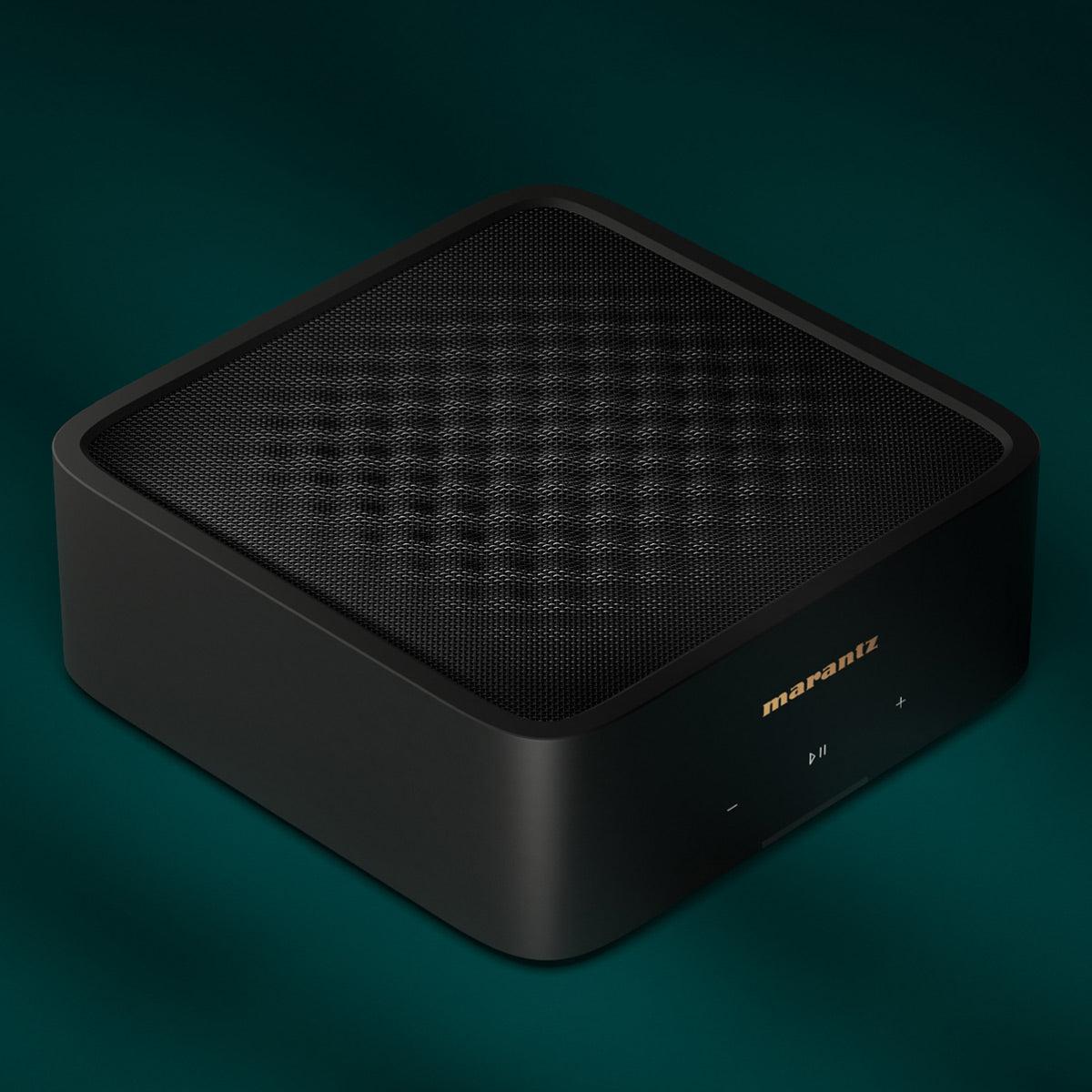
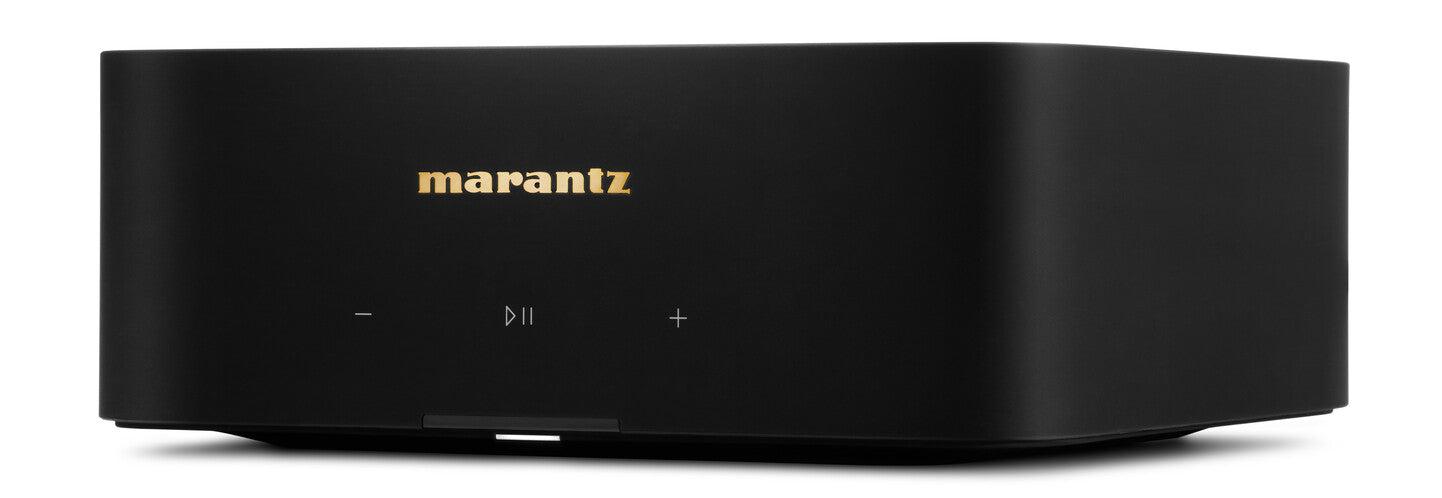
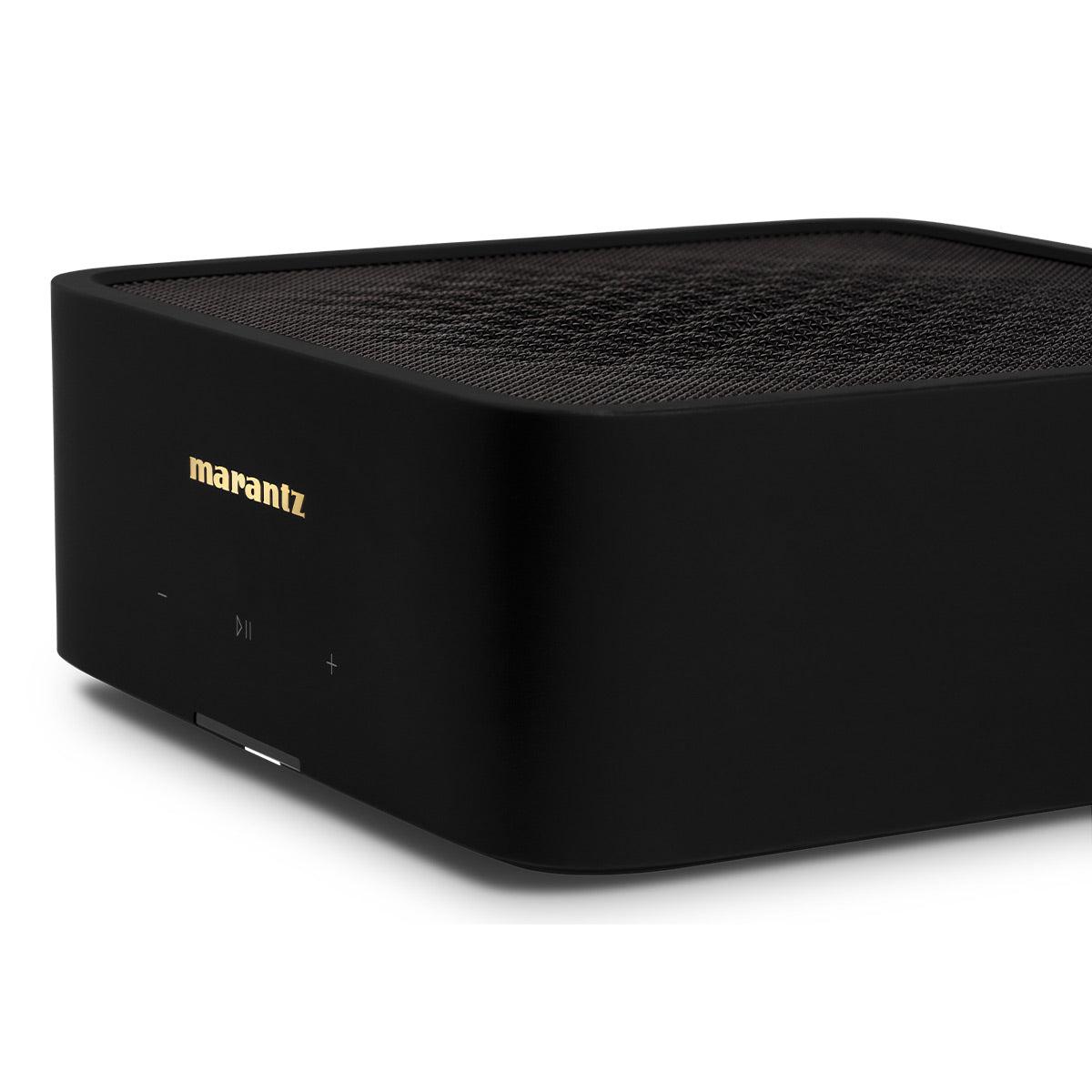


The wireless streaming amplifier has quietly become one of the most important components in modern home audio. These clever devices take your traditional passive speakers—the ones that need an amplifier to make sound—and transform them into connected, streaming-capable systems. It's like giving your bookshelf speakers the smarts of a Sonos speaker while keeping the flexibility to upgrade components individually.
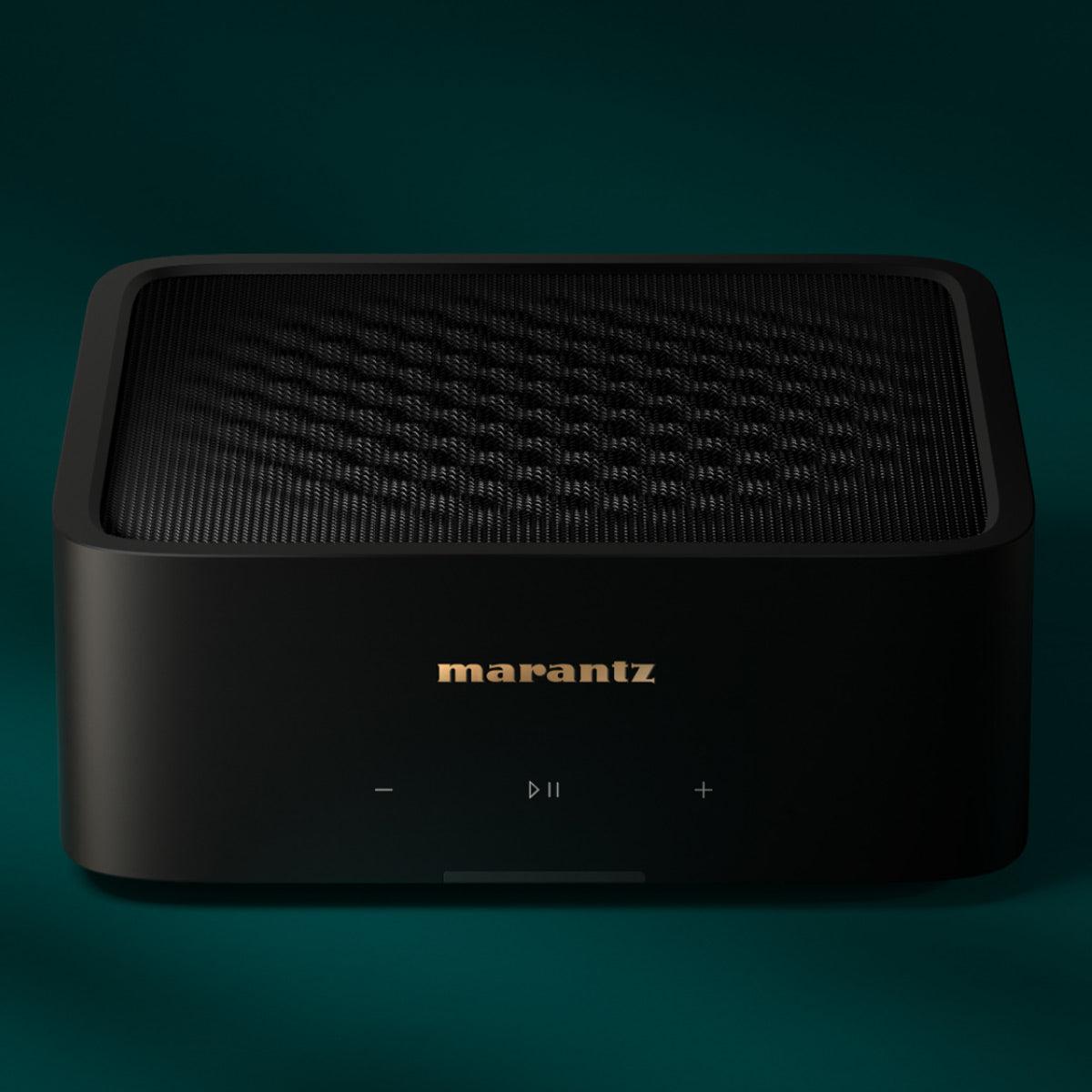
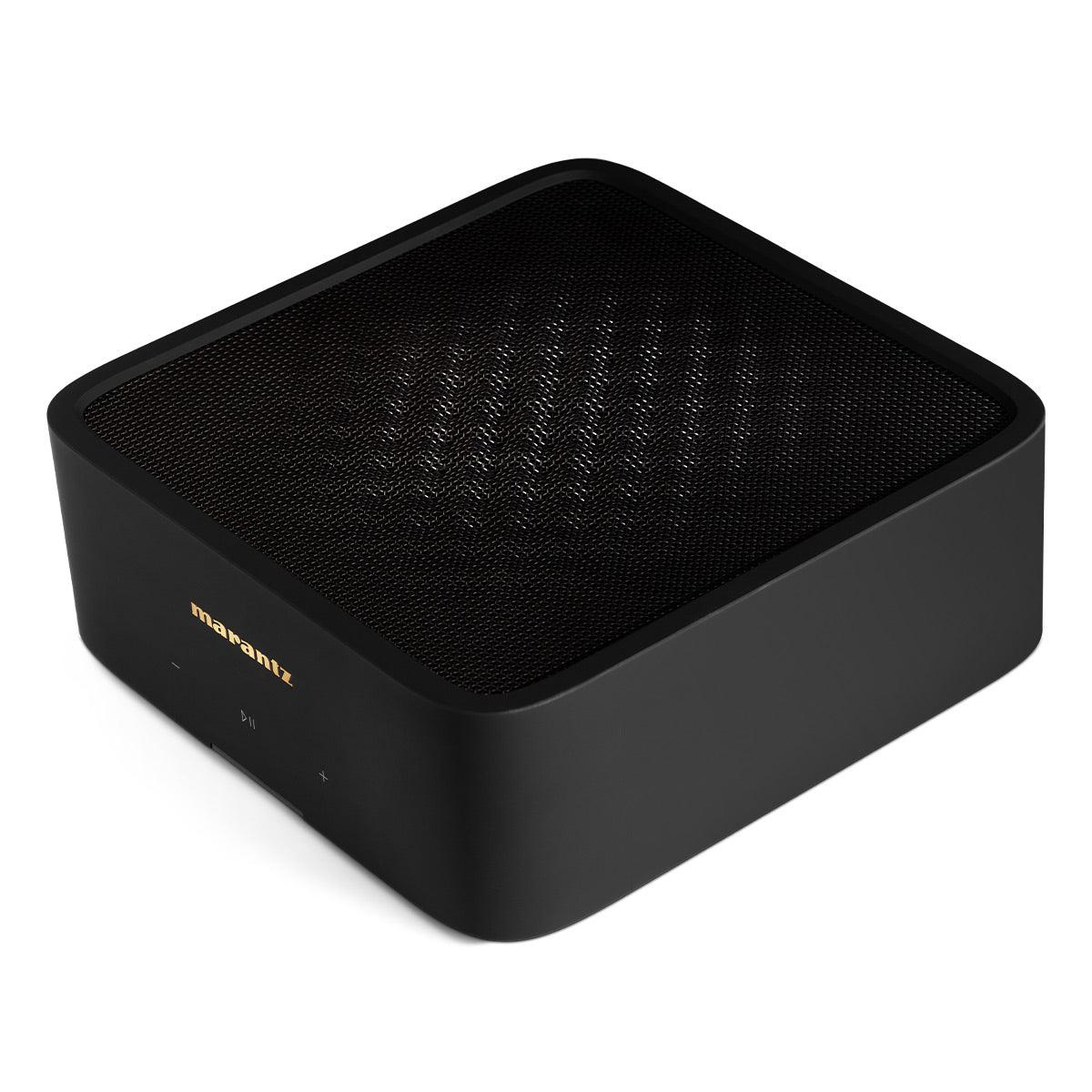
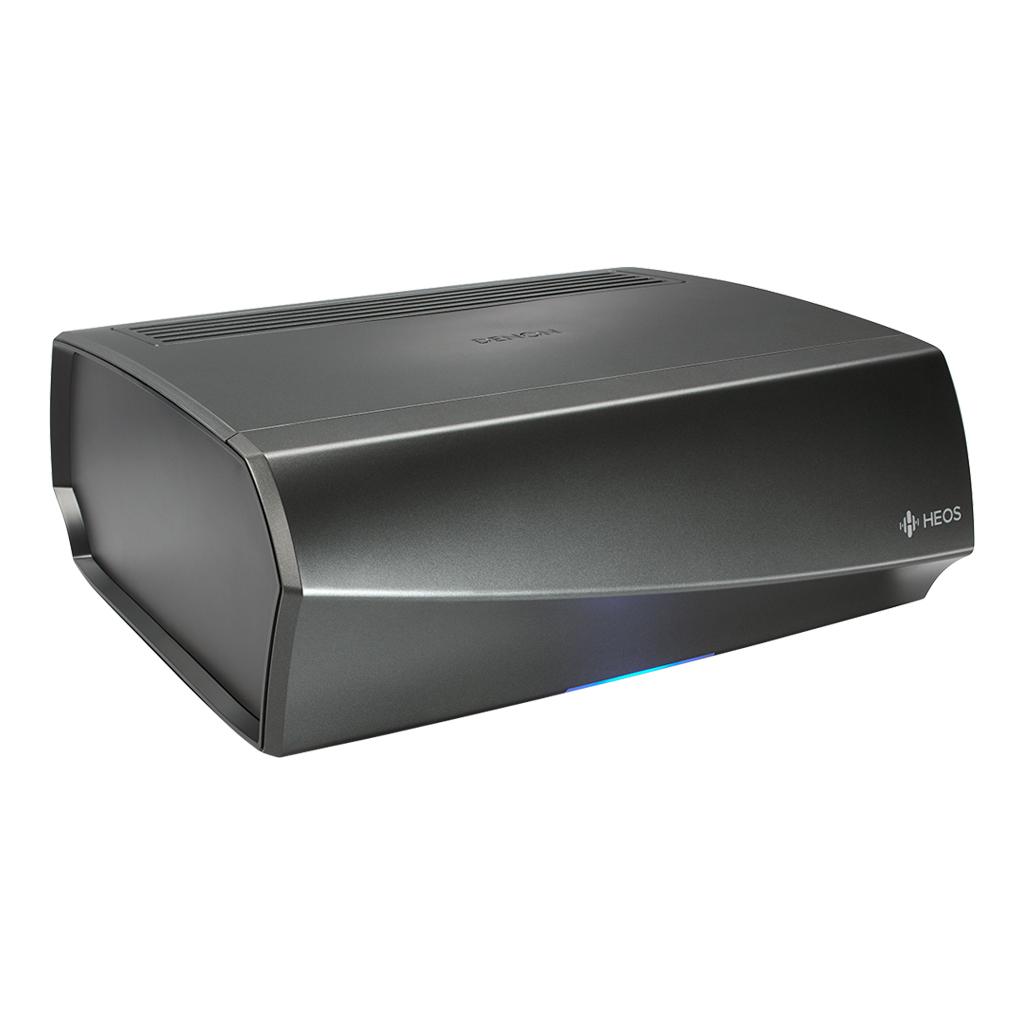
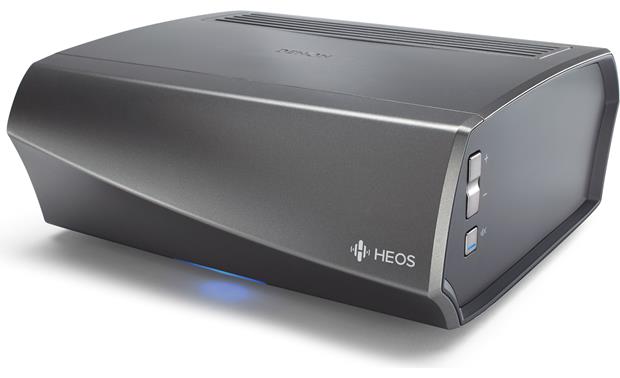
When comparing the Marantz Model M1 against the Denon HEOS Amp HS2, we're looking at two fundamentally different approaches to the same problem. Both were designed to bring wireless streaming to passive speakers, but they target very different users with distinct priorities.
Before diving into specifics, it's worth understanding what makes a good streaming amplifier. Unlike traditional amplifiers that simply boost audio signals, these devices must excel at multiple jobs simultaneously. They need robust wireless connectivity that doesn't drop out during your favorite song, enough power to drive various speaker types, and the processing capability to handle everything from compressed MP3s to high-resolution studio masters.
The most critical factors are power output consistency, wireless reliability, audio processing quality, and ecosystem integration. Power output isn't just about raw watts—it's about maintaining clean, distortion-free sound across different speaker impedances (the electrical resistance that affects how much power speakers draw). Wireless reliability separates the frustrating products from the ones you'll actually want to use daily.
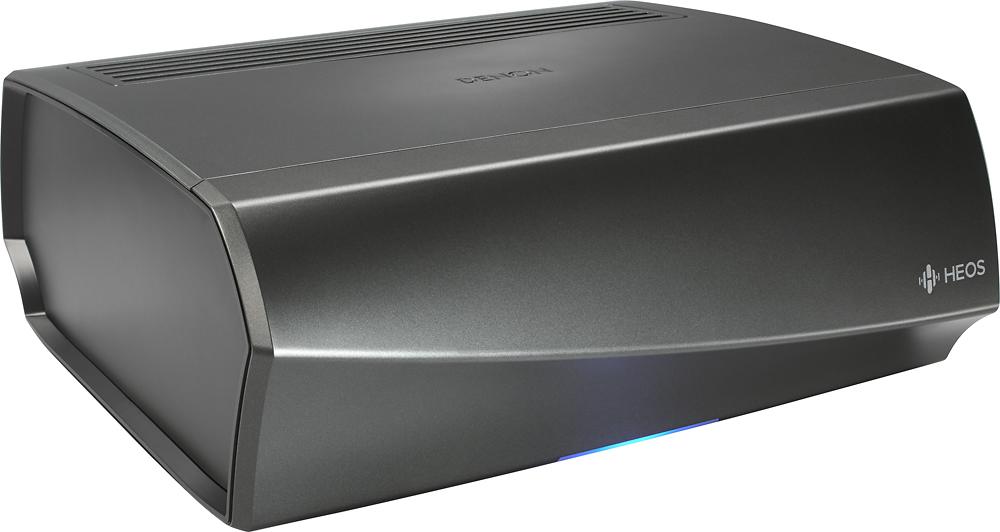
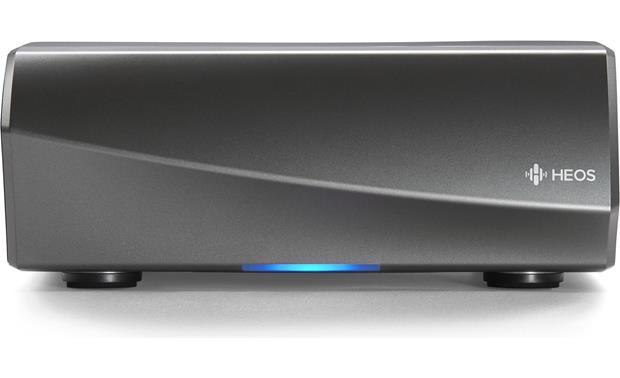
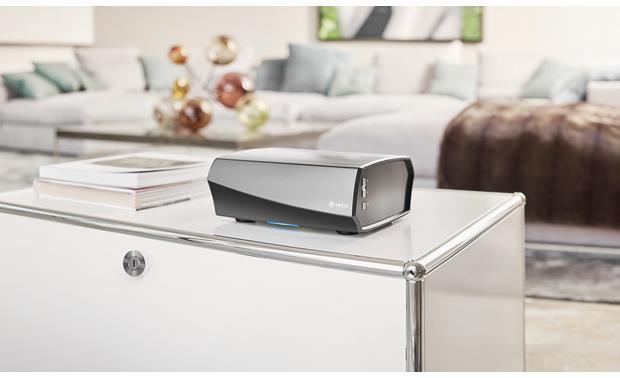
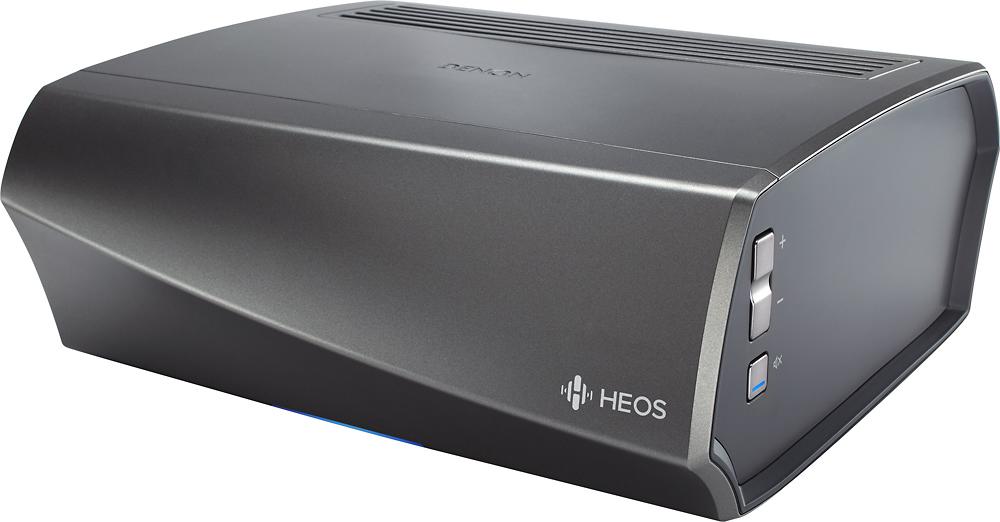
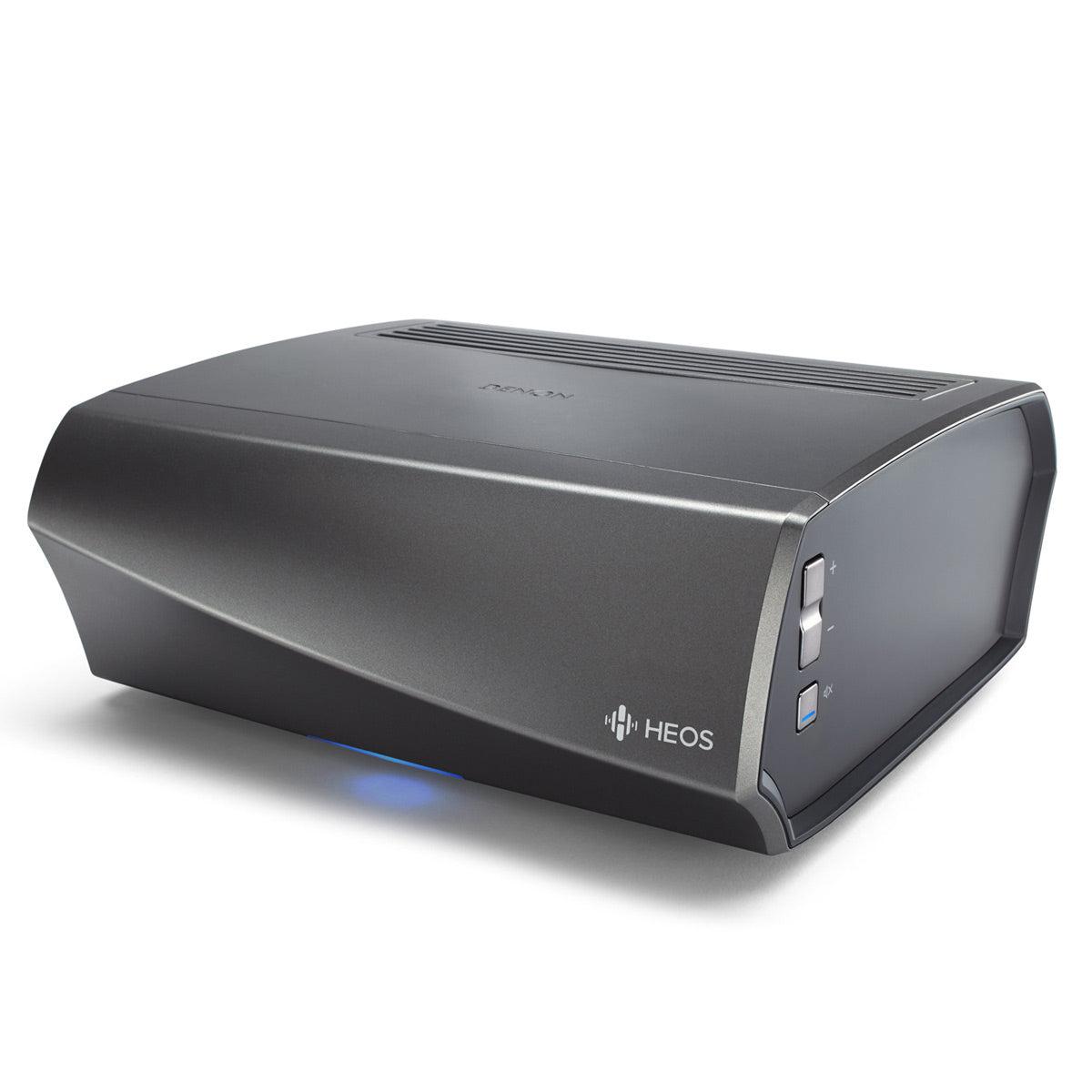
The Denon HEOS Amp HS2 launched in 2016 as part of Denon's answer to the growing multi-room audio market dominated by Sonos. At that time, wireless streaming amplifiers were relatively new, and Denon positioned this as an affordable entry point into their HEOS ecosystem.
The Marantz Model M1, arriving in 2024, represents eight years of technological evolution and lessons learned. Released at a time when streaming had fully matured and consumers demanded both convenience and audiophile-level performance, it embodies a no-compromise approach to wireless amplification.
This timing difference matters significantly. The technology improvements between 2016 and 2024 include more efficient Class D amplification, better digital signal processing, enhanced wireless protocols, and more sophisticated audio filtering. The Marantz M1 benefits from all these advances, while the Denon HEOS Amp HS2 represents the earlier generation's capabilities.
Power specifications tell only part of the story, but they're crucial for understanding what each amplifier can actually accomplish in your listening room. The Marantz Model M1 delivers 100 watts per channel into 8-ohm speakers and 125 watts into 4-ohm speakers across the full 20Hz to 20kHz frequency range. This consistent power delivery means you get the same strong performance whether you're playing bass-heavy electronic music or delicate acoustic recordings.
The Denon HEOS Amp HS2 takes a different approach, delivering 100 watts per channel into 6-ohm speakers, but only at 1kHz—a single test frequency that doesn't represent real-world music. When measured across the full frequency range into 8-ohm speakers, it drops to 70 watts per channel. This isn't necessarily bad, but it means less headroom for demanding speakers or loud listening levels.
Why does this matter? Speaker impedance affects how much current an amplifier needs to supply. Lower impedance speakers (4 ohms) are harder to drive and require more current. Many high-quality bookshelf speakers, including popular models from KEF, Bowers & Wilkins, and ELAC, present 4-ohm loads at certain frequencies. The Marantz M1 handles this gracefully, while the Denon HS2 might struggle or clip (distort) earlier.
The total harmonic distortion (THD) figures—0.05% for the Marantz versus 0.1% for the Denon—might seem trivial, but they represent the difference between transparent amplification and audible coloration. Lower distortion means the amplifier adds less of its own character to the music.
Here's where these two amplifiers reveal their fundamental differences. The Denon HEOS Amp HS2 takes a straightforward approach—clean amplification without fancy processing. It receives digital audio, converts it to analog, amplifies it, and sends it to your speakers. This simplicity has merit; there's less to go wrong, and purists often prefer minimal signal processing.
The Marantz Model M1 incorporates Marantz Musical Digital Filtering (MMDF), a proprietary technology that sounds more complex than it actually is. Digital filtering affects how the amplifier reconstructs the smooth analog waveform from the digital "stair steps" of digital audio. Different filter characteristics can emphasize different aspects of the sound—some prioritize accuracy, others focus on musicality.
What makes MMDF interesting is the choice it offers. Through the HEOS app, you can switch between two different filter characteristics depending on your music and mood. One might work better for jazz recordings, another for rock. It's like having tone controls, but applied at the digital conversion stage where they can be more precise and less intrusive.
The Marantz also includes Sound Master tuning, which means Marantz engineers in Japan listened to the amplifier and adjusted its behavior to match their house sound philosophy. This isn't just marketing—different brands really do have recognizable sound signatures, and Marantz traditionally aims for warmth and musicality over clinical accuracy.
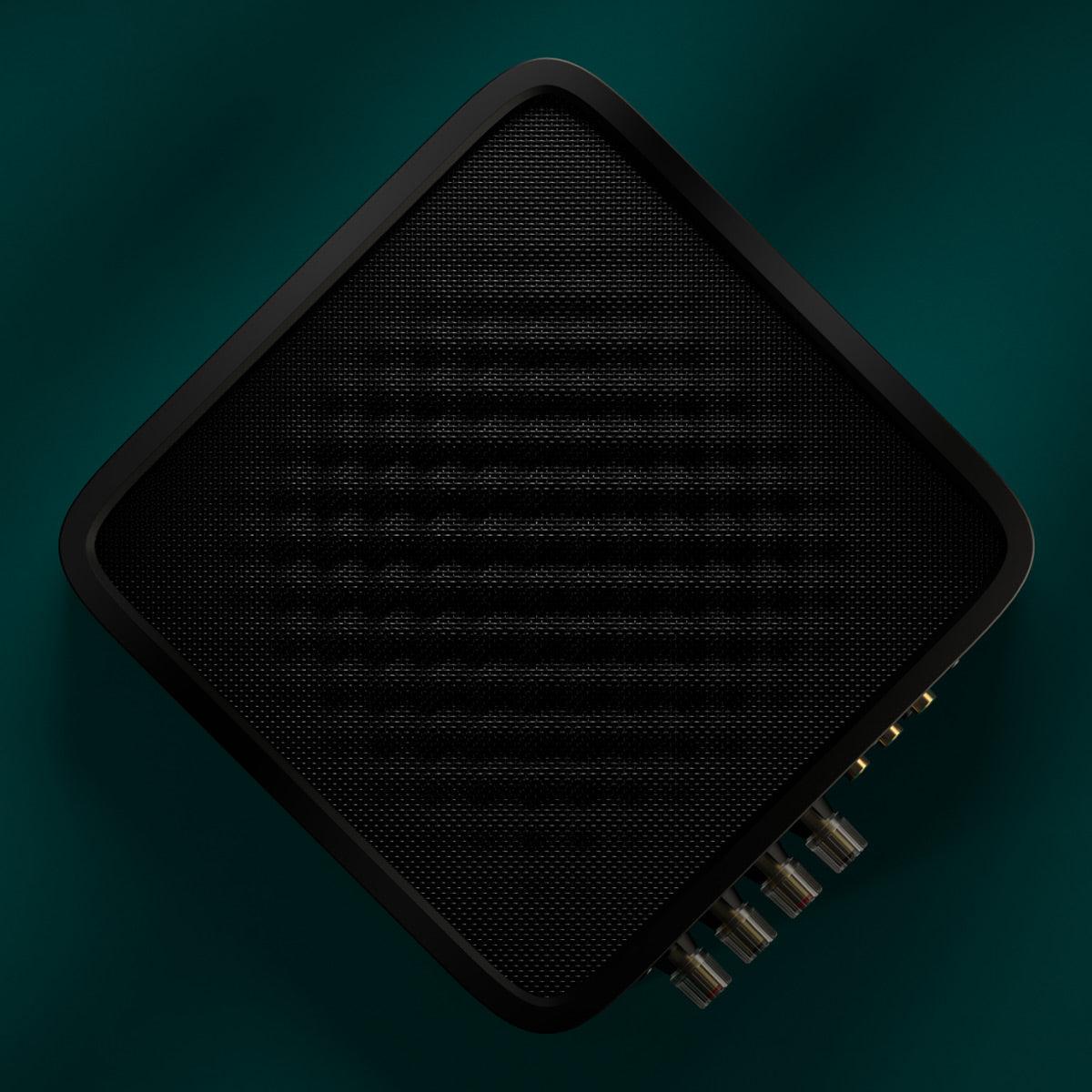
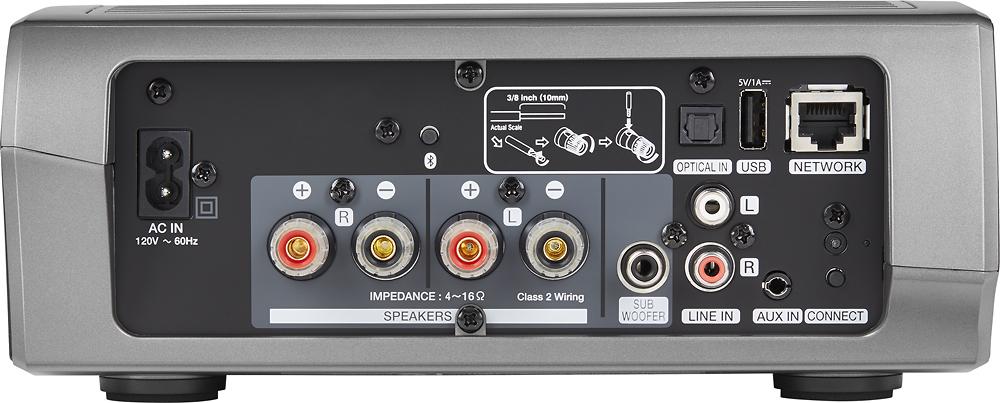
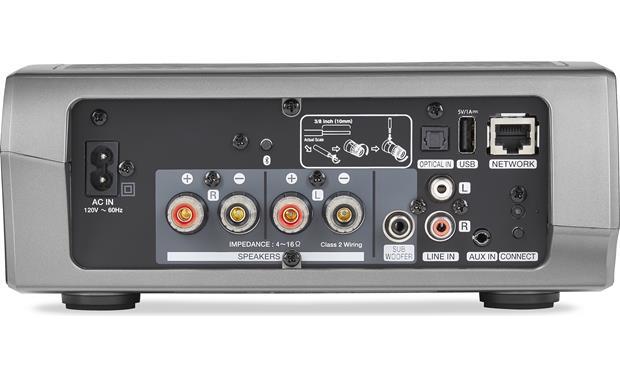
Both amplifiers handle the wireless streaming basics well, supporting the HEOS ecosystem, major streaming services, and high-resolution audio up to 24-bit/192kHz. Both include Wi-Fi, Bluetooth, Ethernet, optical digital inputs, and analog RCA inputs. The fundamentals are covered.
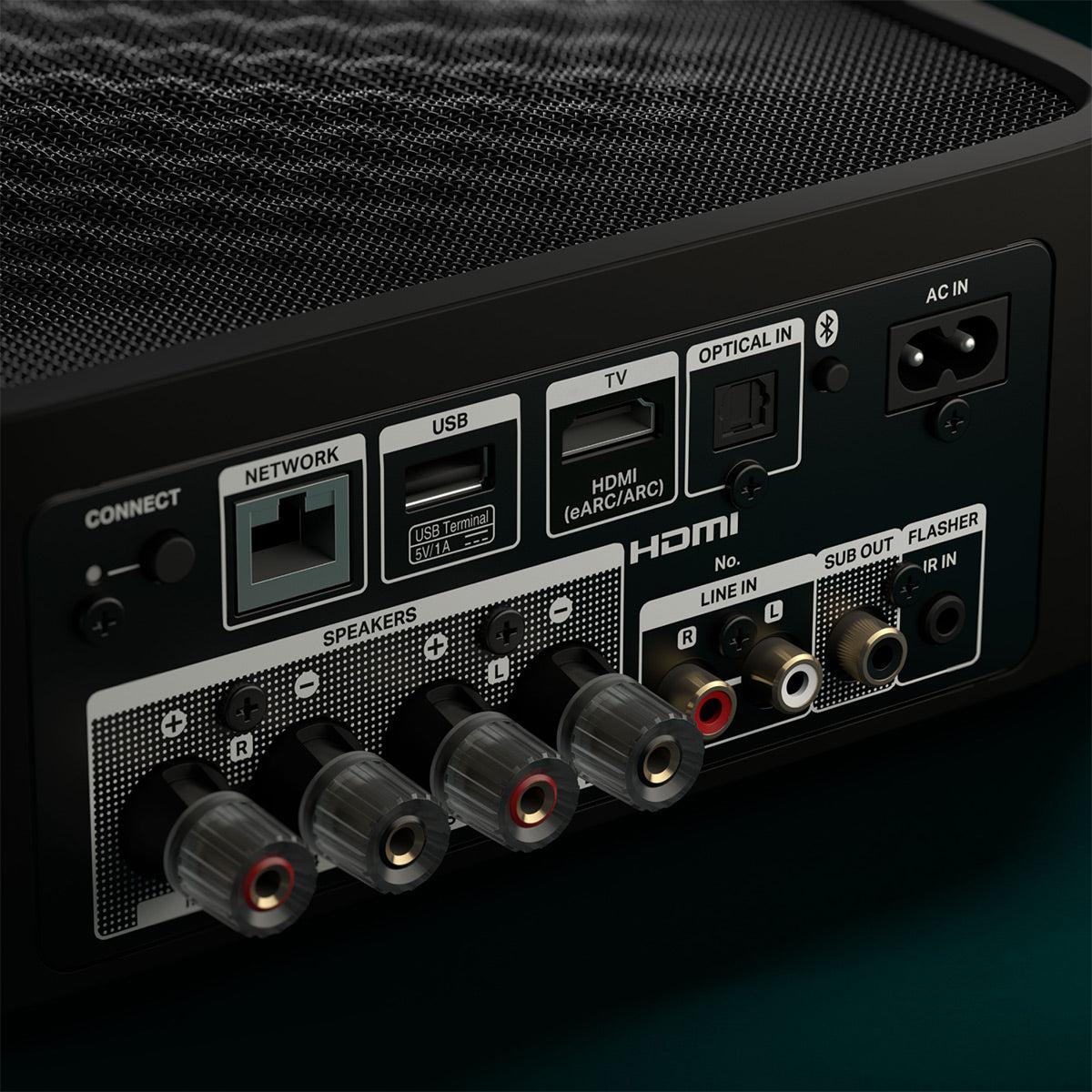
Where they diverge significantly is in additional connectivity. The Marantz Model M1 includes an HDMI eARC (enhanced Audio Return Channel) input—a game-changer for home theater integration. This single connection lets your TV send audio back to the amplifier, whether it's from the TV's built-in apps, a connected cable box, or a gaming console. The amplifier also decodes Dolby Digital+, handling compressed surround formats and converting them to stereo.
This HDMI connection transforms the Marantz from a pure music system into a legitimate TV audio solution. Many people struggle with poor TV audio and don't want the complexity of a full surround system. The Marantz offers a clean solution—connect two good speakers and a subwoofer, run one HDMI cable from the TV, and enjoy dramatically better dialogue clarity and music presence.
The Denon HEOS Amp HS2 lacks HDMI entirely, limiting its TV integration options to the optical input. While this works, it requires more cables and doesn't support some of the newer audio formats that HDMI can carry.
For custom installation, the Marantz includes IR learning (it can learn remote control commands), 12V triggers (to turn other equipment on/off automatically), and compatibility with professional control systems like Crestron and Control4. These features matter if you're building a serious home theater or whole-house audio system.
Both amplifiers use the same HEOS platform for multi-room audio, so the basic functionality is identical. You can group rooms, play different music in each zone, and control everything through the HEOS app. The platform supports all major streaming services and integrates well with voice assistants.
However, the Marantz M1's superior power handling and more robust build quality make it better suited as the foundation amplifier in a multi-room system. If you're powering your main living room speakers, you want the headroom and reliability that come with better specifications.
The Denon HS2 works perfectly well as a secondary zone amplifier—perhaps powering speakers in a bedroom or office where critical listening isn't the priority and moderate volume levels are sufficient.
The construction difference between these amplifiers reflects their market positioning and price points. The Marantz Model M1 is designed and built in Shirakawa, Japan, at a facility known for producing high-end audio components. The materials, component selection, and assembly quality reflect this heritage.
At the time of writing, the Marantz costs roughly twice as much as the Denon HS2, but it includes a five-year warranty compared to the Denon's two years. This warranty difference isn't just about confidence—it reflects the expected lifespan and repair likelihood of each product.
The Marantz is also significantly lighter (4.84 lbs vs 6.2 lbs) despite its more complex feature set. This suggests more efficient design and possibly better heat management, both important for long-term reliability.
For home theater use, the Marantz Model M1 is simply in a different league. The HDMI eARC connection, Dolby Digital+ decoding, and dialog enhancement mode are specifically designed for TV and movie audio. The subwoofer integration is also more sophisticated, with adjustable crossover filters that let you precisely tune where your main speakers hand off to the subwoofer.
In practice, this means you can set your bookshelf speakers to handle frequencies down to 80Hz while sending everything below that to a powered subwoofer. This division of labor lets smaller speakers play louder and cleaner while the subwoofer handles the heavy lifting. The Denon HS2 provides a basic subwoofer output but without the filtering controls to optimize the integration.
The night mode and dialog enhancement features on the Marantz address real-world TV watching scenarios—late-night viewing when you need to keep the volume down, or dialogue-heavy content where speech needs to cut through background music and sound effects.
Based on our research into expert and user reviews, the most important performance characteristics for streaming amplifiers are power consistency, low-frequency control, and wireless stability. Power consistency means maintaining clean output across different speaker impedances and volume levels—something the Marantz M1 handles better due to its more robust power supply design.
Low-frequency control—the amplifier's ability to start and stop bass notes precisely—separates good amplifiers from mediocre ones. Reviews consistently praise the Marantz for its "controlled" and "authoritative" bass, while describing the Denon HS2 as adequate but less dynamic in demanding passages.
Wireless stability, while similar between both products due to their shared HEOS platform, can be affected by the amplifier's internal processing power and heat management. The Marantz's more sophisticated design appears to handle wireless connectivity more reliably under stress.
The Denon HEOS Amp HS2 makes sense for specific scenarios. If you want to add streaming capability to efficient speakers in a secondary room, don't need TV integration, and prefer to spend less money, it delivers the core functionality well. It's also a smart choice for someone testing the waters with streaming amplifiers before committing to a more expensive system.
However, for most people building a primary listening system, the Marantz Model M1 represents better long-term value despite its higher initial cost. The superior power handling means it'll work with a wider range of speakers, including future upgrades you might consider. The HDMI connectivity and home theater features add genuine utility that many users discover they need once they start using the system.
The build quality difference also matters for a component you expect to use daily for years. Audio equipment tends to have a long lifespan, and the Marantz's five-year warranty and Japanese construction suggest it's designed for the long haul.
At the time of writing, the price difference between these amplifiers is significant but justifiable based on the feature and performance gaps. The Marantz Model M1 isn't just twice the price—it's a fundamentally more capable product with features that address real-world use cases the Denon HS2 simply cannot handle.
If your budget allows for the Marantz and you value superior audio quality, TV integration, or plan to use demanding speakers, it's the clear choice. The additional features aren't just nice-to-have luxuries—they're solutions to problems you'll likely encounter as you use and expand your system.
The Denon HEOS Amp HS2 remains a solid choice for specific applications, particularly as a secondary zone amplifier or for users with simple needs and budget constraints. Just understand its limitations going in, and don't expect it to handle the same demanding scenarios as its more expensive sibling.
Both products serve the HEOS ecosystem well, but they're really designed for different users with different priorities. The key is honestly assessing your needs, speaker requirements, and integration goals before choosing between them.
| Marantz Model M1 Wireless Streaming Amplifier | Denon HEOS Amp HS2 Wireless Stereo Amplifier |
|---|---|
| Power Output - Critical for speaker compatibility and volume headroom | |
| 100W @ 8Ω, 125W @ 4Ω (full frequency range) | 70W @ 8Ω, 100W @ 6Ω (limited frequency testing) |
| Total Harmonic Distortion - Lower means cleaner, more accurate sound | |
| 0.05% THD (audiophile-grade clarity) | 0.1% THD (adequate for most listeners) |
| Signal-to-Noise Ratio - Higher numbers mean less background hiss | |
| 105 dB (excellent quiet background) | 83 dB (noticeable in quiet passages) |
| Audio Processing - Advanced features for sound customization | |
| Marantz Musical Digital Filtering (MMDF), Sound Master Tuning, multiple sound modes | Standard Class D amplification, no proprietary processing |
| TV Integration - Essential for home theater use | |
| HDMI eARC with Dolby Digital+ decoding, dialog enhancement | Optical input only, no advanced TV features |
| Subwoofer Integration - Important for full-range sound systems | |
| 2.1 channels with adjustable crossover filters (40-250Hz high-pass, 40-120Hz low-pass) | Basic mono RCA output without filtering controls |
| Build Quality and Origin - Affects long-term reliability | |
| Designed and built in Shirakawa, Japan | Standard manufacturing, origin not specified |
| Warranty Coverage - Protection for your investment | |
| 5 years parts and labor | 2 years parts and labor |
| High-Resolution Audio Support - Future-proofing for quality sources | |
| 24-bit/192kHz PCM, DSD up to 5.6MHz, AIFF support | 24-bit/192kHz PCM, DSD support via future firmware |
| Physical Design - Installation flexibility and aesthetics | |
| 4.84 lbs, compact Japanese design, rack-mountable | 6.2 lbs, larger footprint, basic design |
| Custom Installation Features - Important for integrated home systems | |
| IR learning, 12V trigger, Crestron/Control4 compatibility | Basic connectivity, no professional integration features |
| Speaker Impedance Compatibility - Determines which speakers you can use | |
| 4-16 ohms (handles demanding speakers well) | 4-8 ohms (limited to easier-to-drive speakers) |
| Connectivity Options - Flexibility for different source devices | |
| HDMI eARC, optical, RCA (gold-plated), USB-A, IR input | Optical, RCA, 3.5mm aux, USB |
| Multi-Room Ecosystem - Both use identical HEOS platform | |
| HEOS Built-in with all streaming services | HEOS Built-in with all streaming services |
The Marantz Model M1 delivers significantly more power with 100 watts per channel into 8-ohm speakers and 125 watts into 4-ohm speakers across the full frequency range. The Denon HEOS Amp HS2 provides 70 watts per channel into 8-ohm speakers, making the Marantz better suited for demanding speakers or larger rooms.
The Marantz Model M1 excels at TV integration with its HDMI eARC connection and built-in Dolby Digital+ decoding, requiring just one cable from your TV. The Denon HEOS Amp HS2 only offers optical digital input for TV connection, which works but lacks the advanced features and convenience of HDMI eARC.
The Marantz Model M1 provides superior audio specifications with 0.05% total harmonic distortion and 105 dB signal-to-noise ratio, plus proprietary Marantz Musical Digital Filtering for sound customization. The Denon HEOS Amp HS2 offers adequate sound quality with 0.1% distortion and 83 dB signal-to-noise ratio, suitable for casual listening.
Yes, both the Marantz Model M1 and Denon HEOS Amp HS2 use the identical HEOS platform, supporting Spotify, TIDAL, Amazon Music, Pandora, and other major streaming services. They also both support AirPlay 2, Bluetooth, and high-resolution audio up to 24-bit/192kHz.
The Marantz Model M1 is significantly better for home theater use, featuring HDMI eARC connectivity, Dolby Digital+ decoding, dialog enhancement mode, and sophisticated subwoofer integration with adjustable crossover filters. The Denon HEOS Amp HS2 lacks these home theater-specific features.
Both amplifiers support subwoofers, but the Marantz Model M1 offers true 2.1 channel capability with adjustable high-pass and low-pass filters for precise integration. The Denon HEOS Amp HS2 provides a basic subwoofer output without the advanced filtering controls needed for optimal performance.
The Marantz Model M1 handles speaker impedances from 4-16 ohms and maintains its full 125-watt output into 4-ohm speakers, making it compatible with demanding bookshelf speakers from brands like KEF and B&W. The Denon HEOS Amp HS2 supports 4-8 ohm speakers but may struggle with the most demanding low-impedance models.
Yes, both the Marantz Model M1 and Denon HEOS Amp HS2 work excellently in multi-room HEOS systems. However, the Marantz's superior power and build quality make it better suited as a main zone amplifier, while the Denon works well for secondary rooms or zones with lower demands.
The Marantz Model M1 is designed and manufactured in Shirakawa, Japan, with premium materials and comes with a 5-year warranty, reflecting superior build quality. The Denon HEOS Amp HS2 offers standard construction with a 2-year warranty, adequate for its market segment but not matching the Marantz's premium approach.
Both amplifiers support high-resolution audio up to 24-bit/192kHz PCM formats. The Marantz Model M1 additionally supports DSD files up to 5.6MHz and AIFF format currently, while the Denon HEOS Amp HS2 promises DSD support through future firmware updates.
The Marantz Model M1 includes professional installation features like IR learning, 12V trigger outputs, and compatibility with Crestron, Control4, and AMX control systems. The Denon HEOS Amp HS2 lacks these custom installation features, making it less suitable for integrated smart home systems.
The choice depends on your needs: the Denon HEOS Amp HS2 offers excellent value for basic wireless streaming in secondary rooms or simple stereo setups. The Marantz Model M1 provides better long-term value for main listening systems, offering superior power, home theater integration, and build quality that justify its higher cost for serious audio enthusiasts.
We've done our best to create useful and informative comparisons to help you decide what product to buy. Our research uses advanced automated methods to create this comparison and perfection is not possible - please contact us for corrections or questions. These are the sites we've researched in the creation of this article: bestbuy.com - crutchfield.com - audioadvisor.com - youtube.com - soundstagesimplifi.com - marantz.com - marantz.com - audioadvice.com - whathifi.com - manuals.marantz.com - audiosciencereview.com - youtube.com - marantz.com - sweetwater.com - audiosciencereview.com - accessories4less.com - bestbuy.com - consumerreports.org - audiosciencereview.com - youtube.com - crutchfield.com - avsforum.com - whathifi.com - audiosciencereview.com - youtube.com - versus.com - easylounge.com - snapav.com - crutchfield.com - accessories4less.com - richersounds.com - wave-electronics.com - bestbuy.com - safeandsoundhq.com - theaudiotailor.com.au - retailspecs.com

Privacy Policy
Terms and Conditions - Affiliate Policy
Home Security
© Copyright 2008-2026.
11816 Inwood Rd #1211, Dallas, TX 75244