

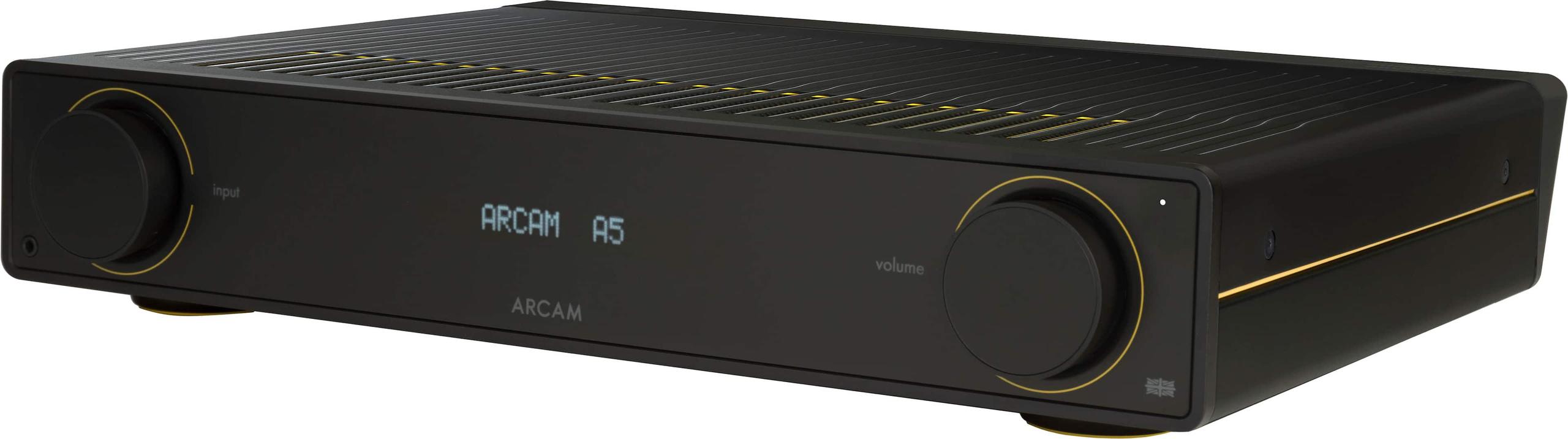
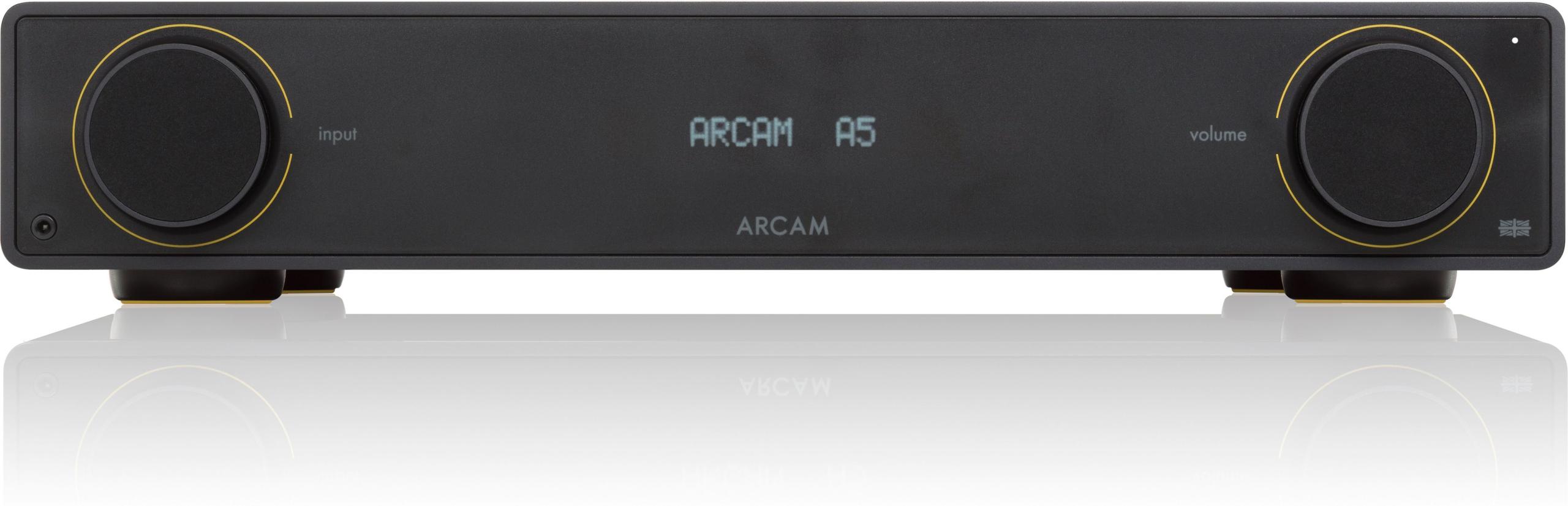
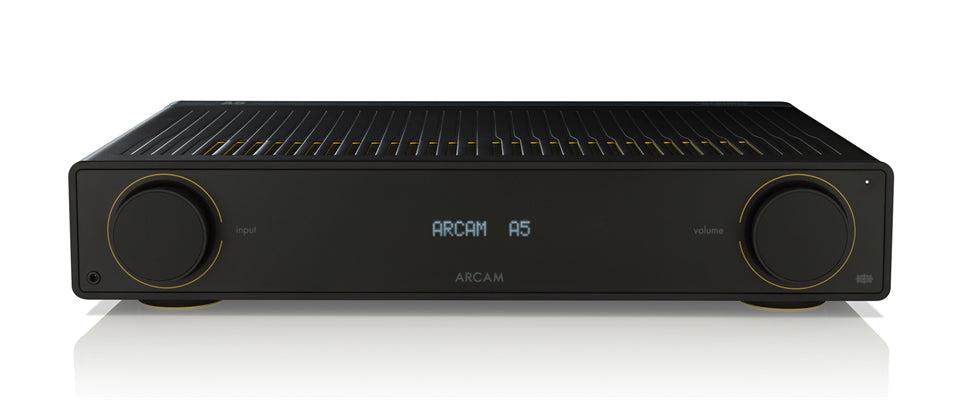
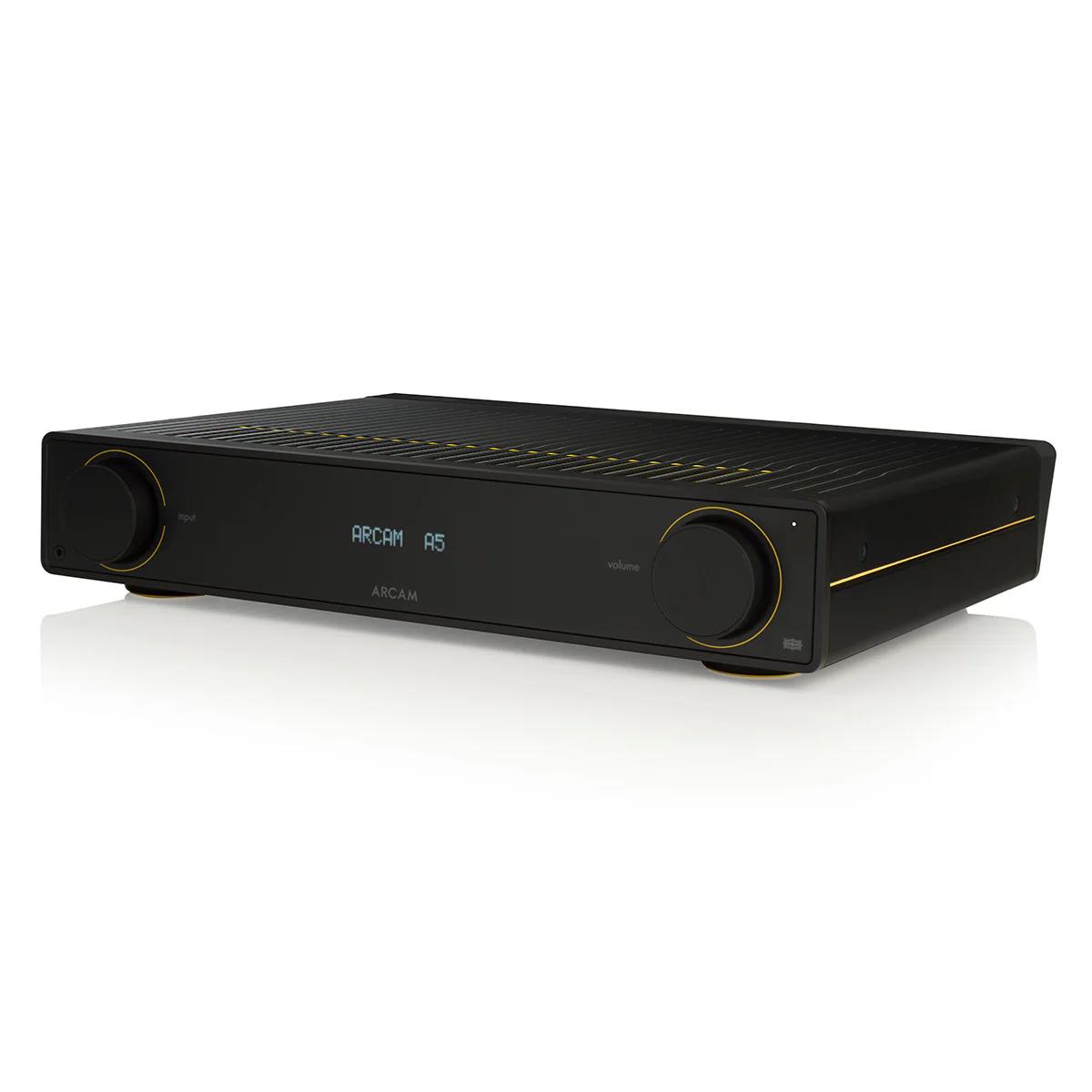
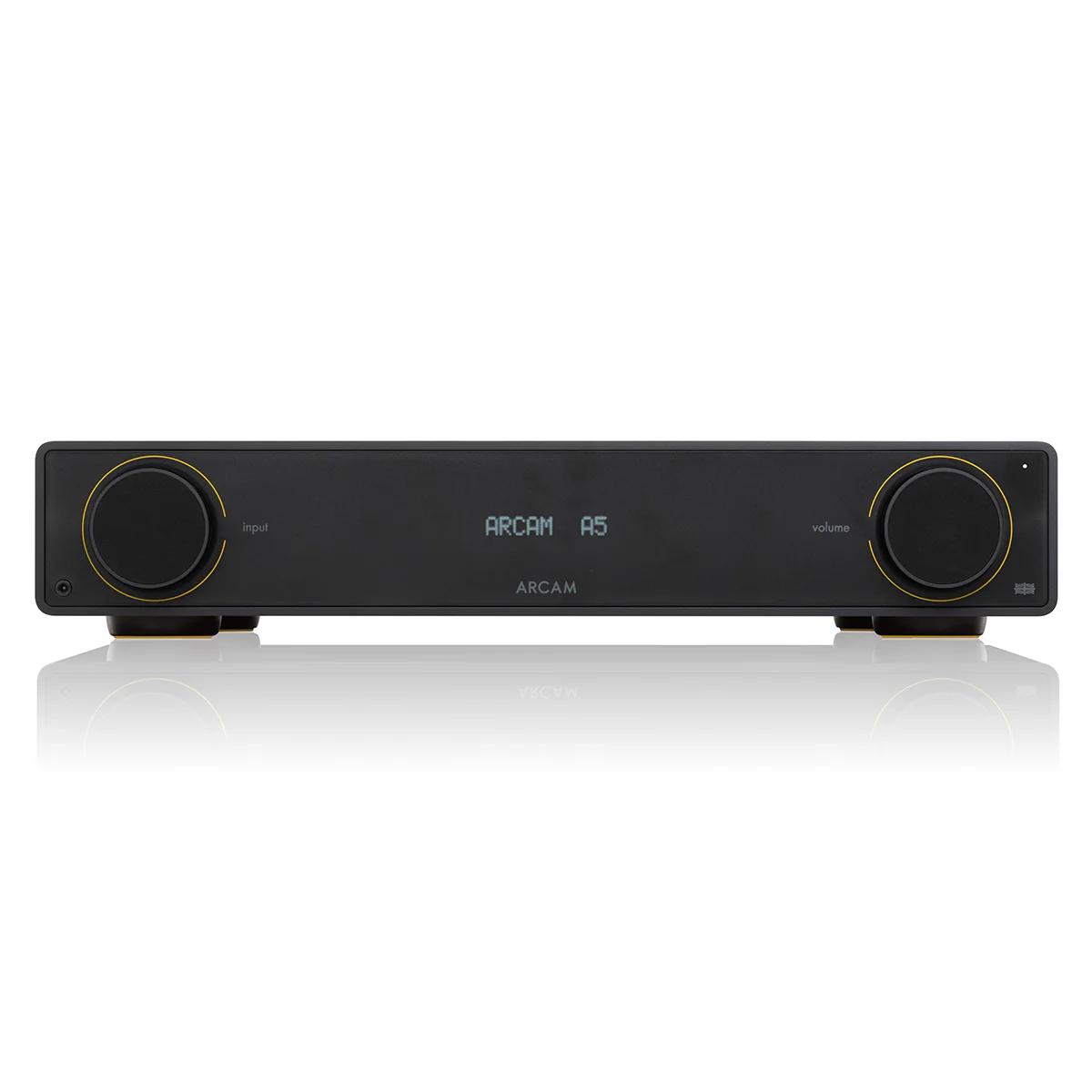
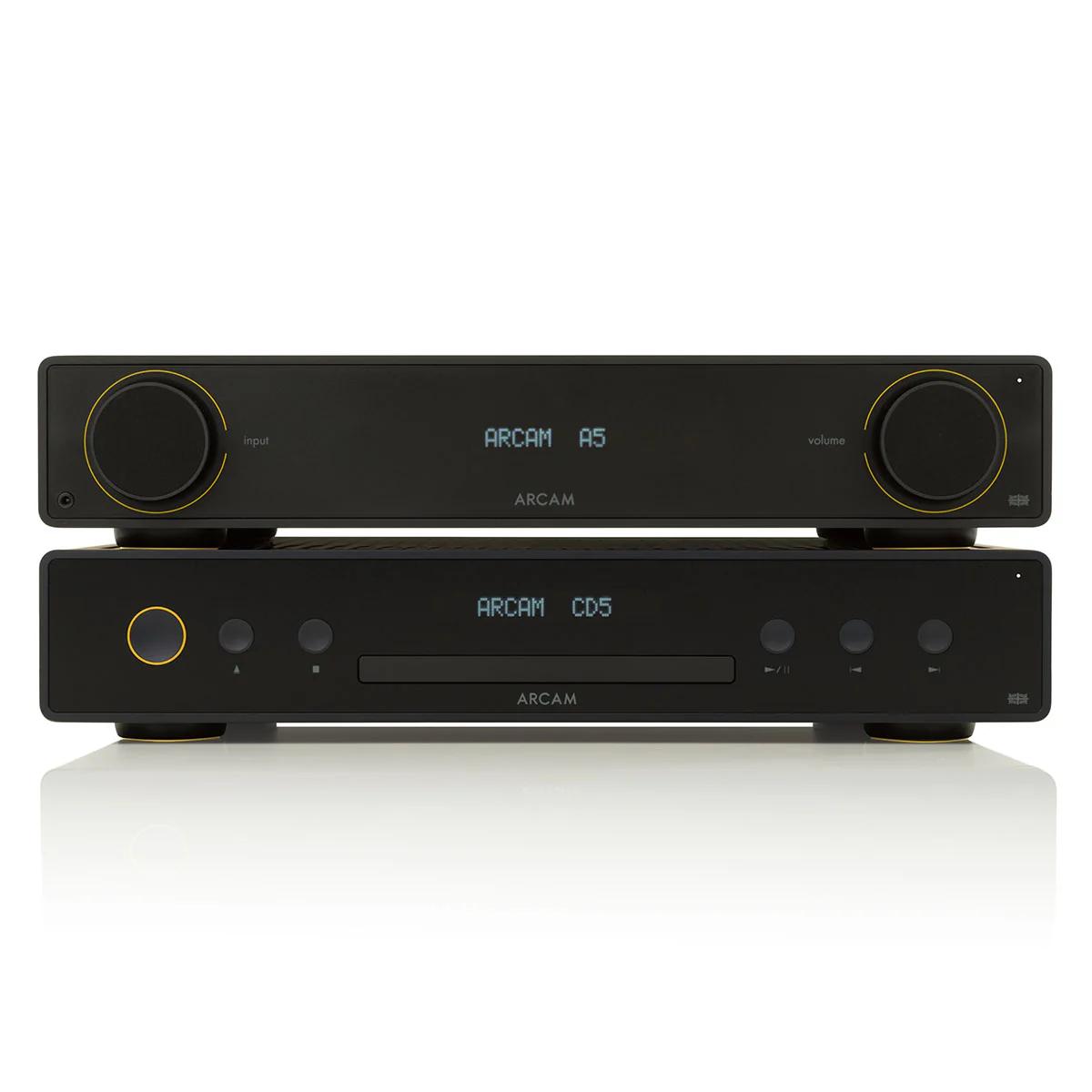
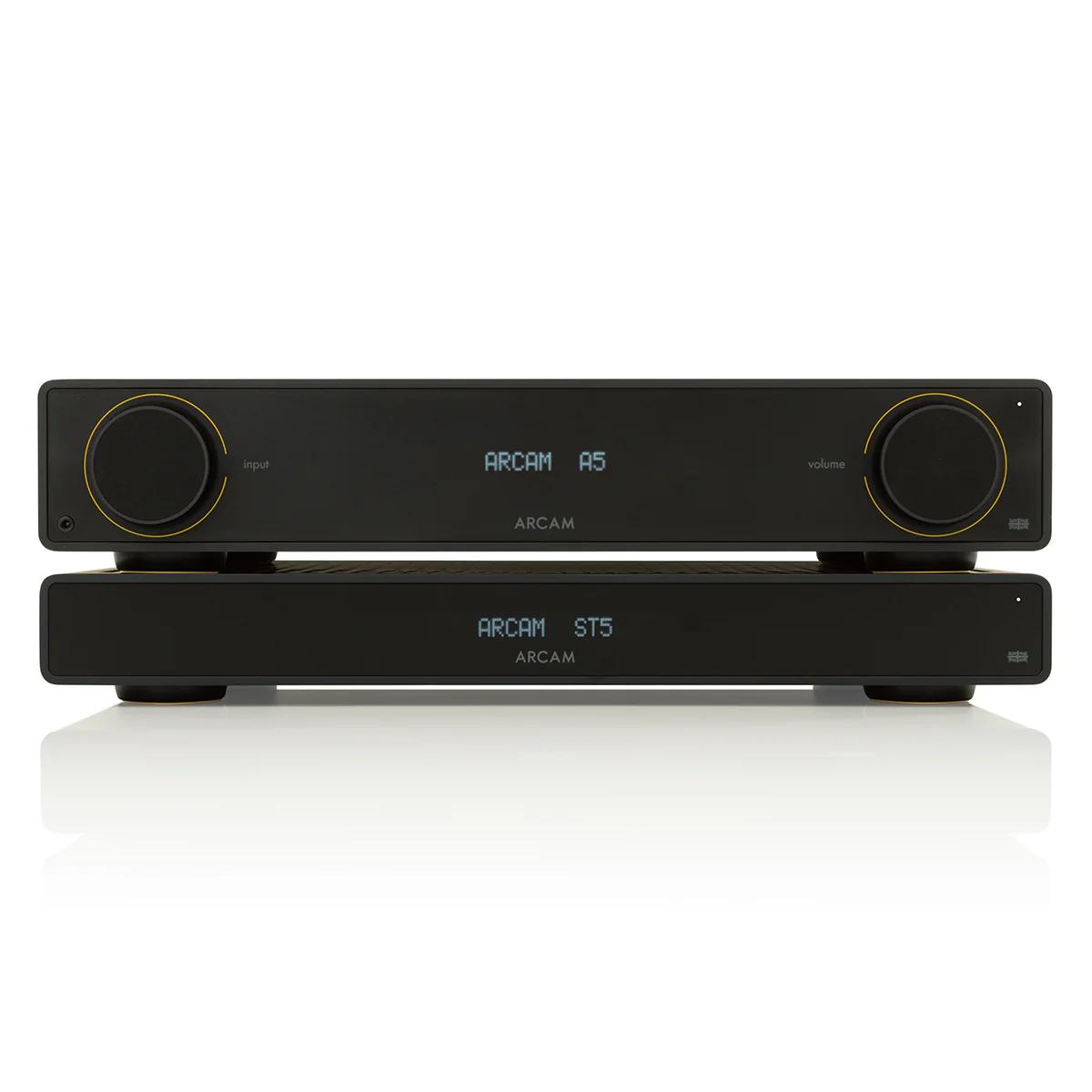
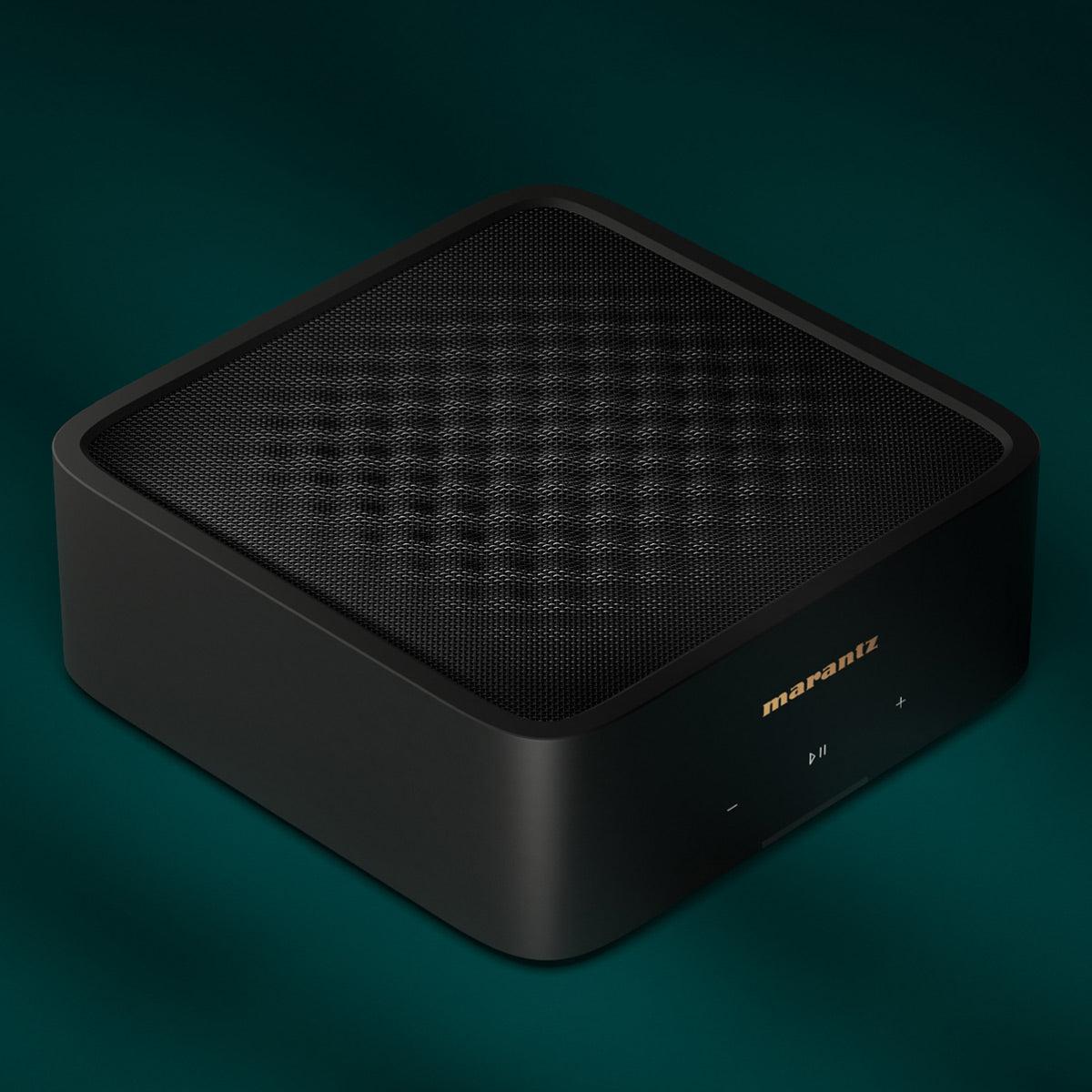
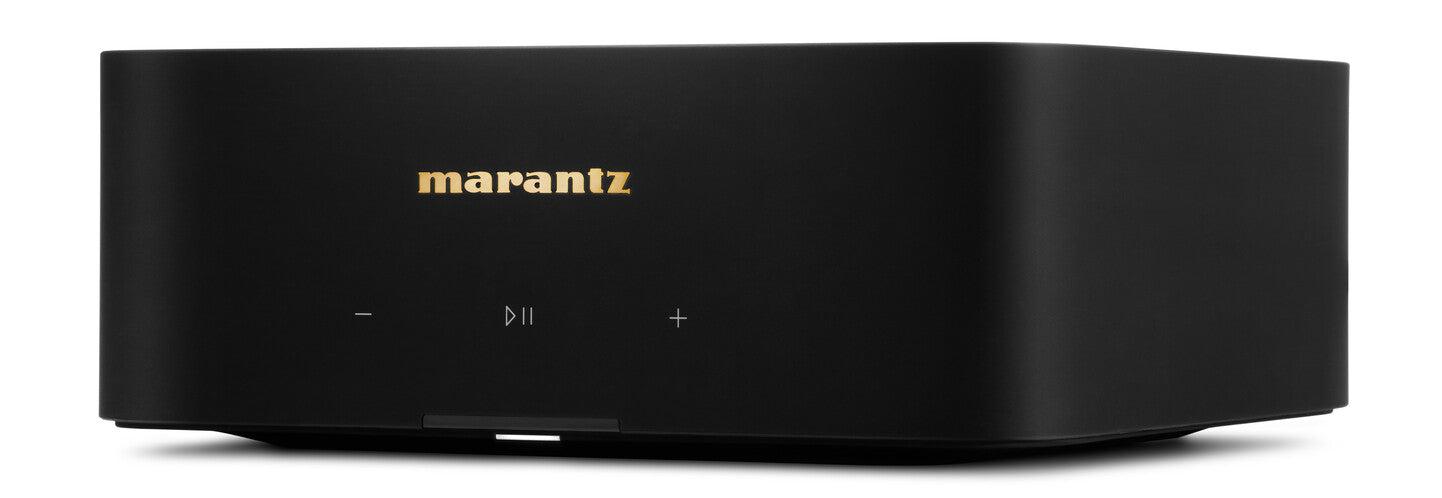
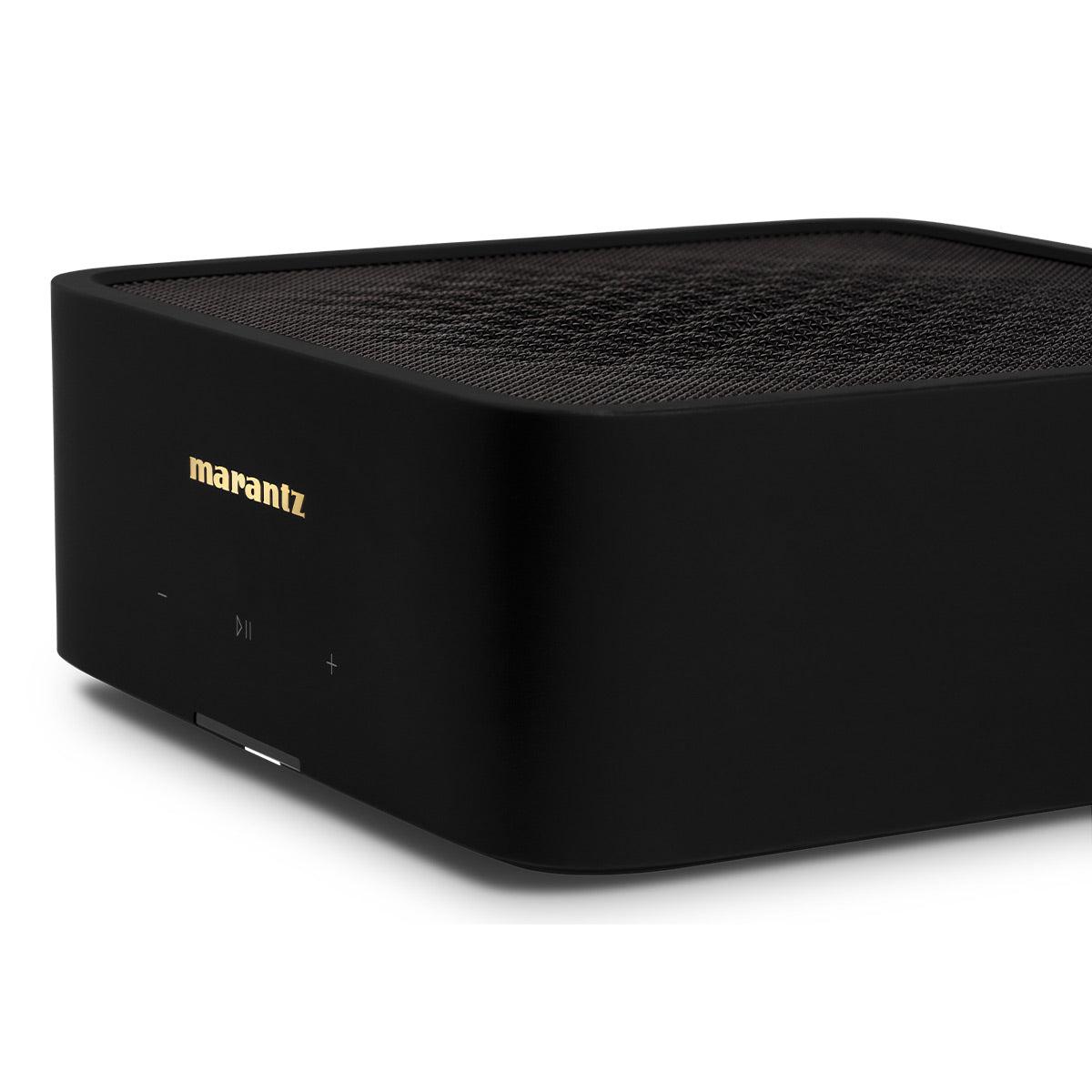
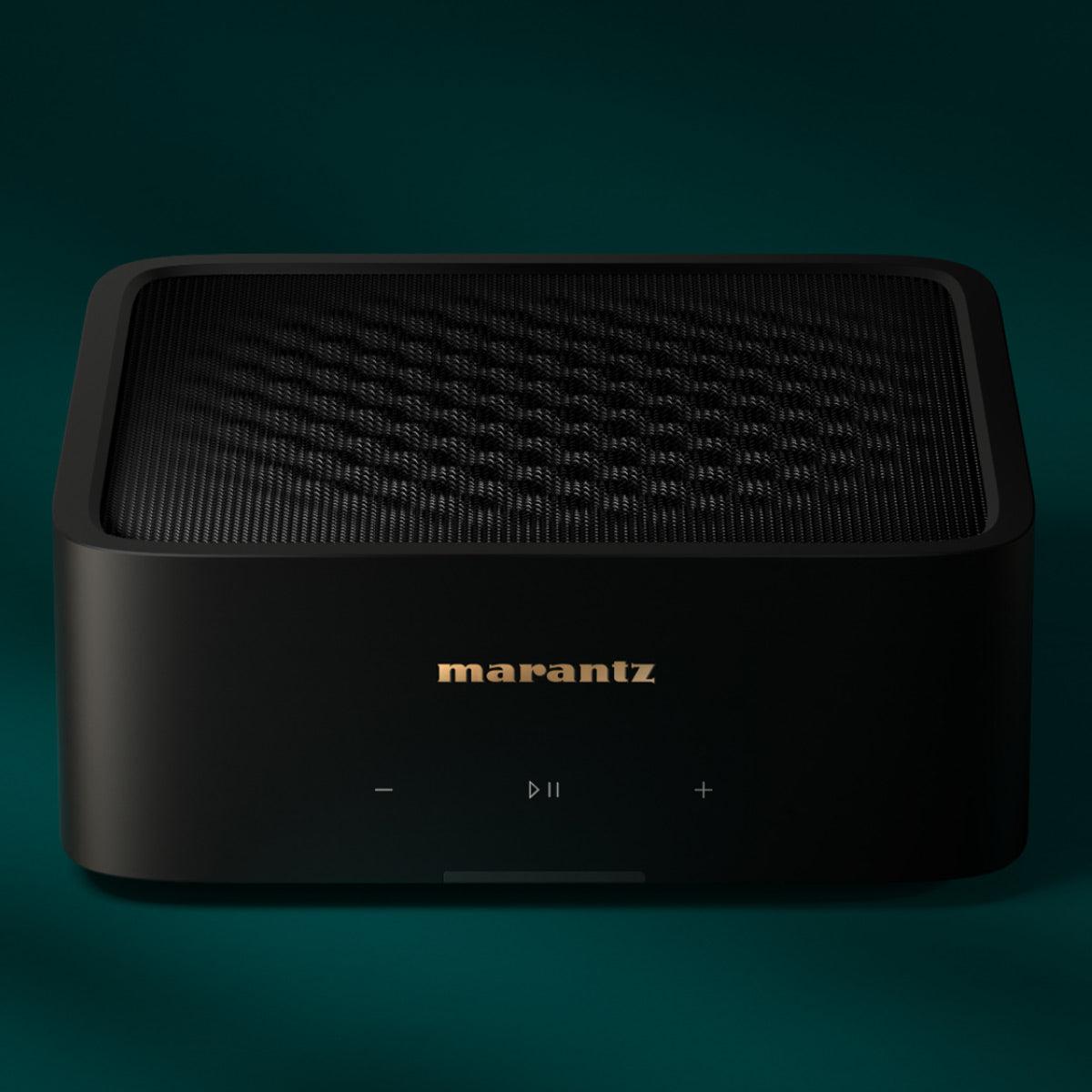
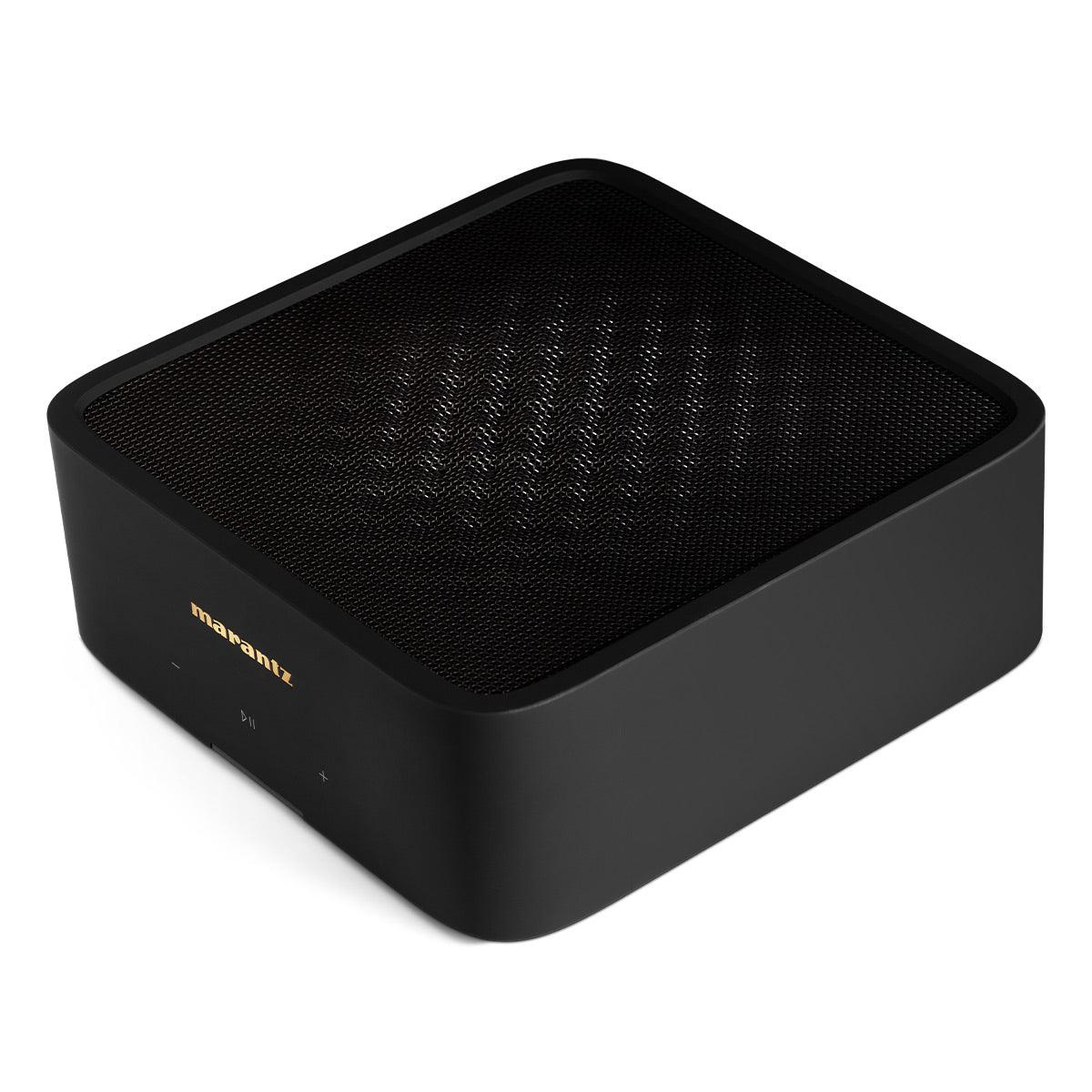
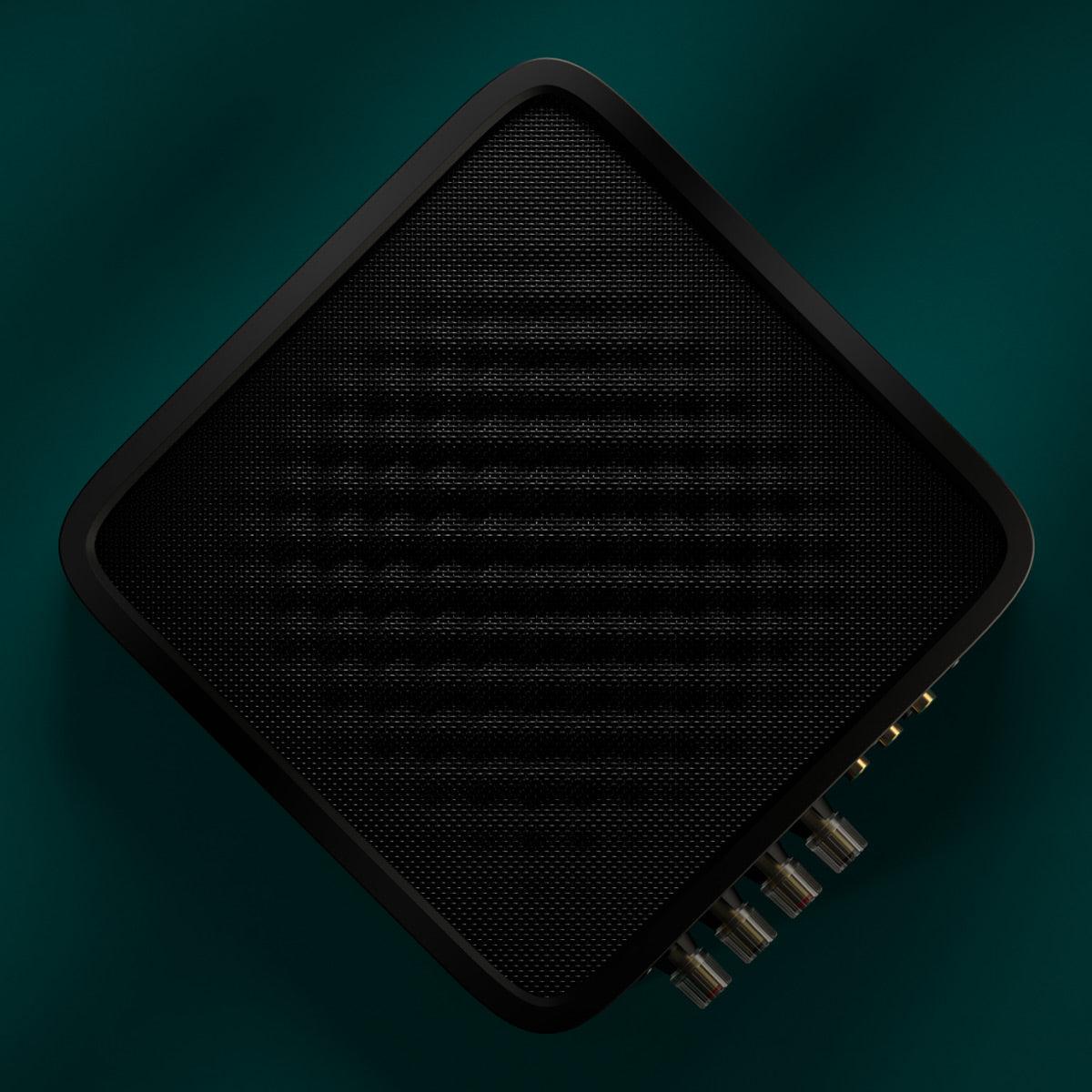


When shopping for an amplifier in 2024, you're facing a fundamental choice that didn't exist a decade ago. Do you want a traditional integrated amplifier that focuses purely on sound quality, or a modern streaming amplifier that prioritizes convenience and connectivity? This decision becomes crystal clear when comparing two excellent examples: the Arcam Radia A5 integrated amplifier and the Marantz Model M1 wireless streaming amplifier.
Both products launched within the past couple of years, representing the current state-of-the-art in their respective approaches. The Arcam A5 debuted in early 2024 as a spiritual successor to Arcam's legendary integrated amplifiers, while the Marantz M1 arrived in mid-2024 as part of Marantz's push into compact, streaming-focused products. These timing differences matter because they show how quickly the audio industry is evolving toward streaming-first designs.
At their core, both amplifiers do the same basic job: they take audio signals from various sources and make them loud enough to drive speakers. However, they approach this task from completely different angles, and understanding these philosophies will help you decide which fits your needs better.
The Arcam Radia A5 represents the traditional integrated amplifier approach. An integrated amplifier combines a preamplifier (which selects sources and controls volume) with a power amplifier (which drives the speakers) in one chassis. This design has been refined over decades and prioritizes pure audio performance above all else. Arcam has been perfecting this formula for over 45 years, and their expertise shows in every aspect of the A5's design.
The Marantz Model M1, on the other hand, is what we call a streaming amplifier. While it includes the same basic amplification functions, it's designed around the assumption that most of your music will come from streaming services like Spotify, Tidal, or Apple Music. Instead of focusing primarily on traditional source connections, the M1 emphasizes wireless connectivity and smart home integration.
This fundamental difference affects everything from the physical design to the sound characteristics, and it's the key to understanding which product might work better for your specific situation.
One of the most misunderstood aspects of amplifiers is power output, measured in watts. Many people assume more watts always equals better sound, but the reality is more nuanced. What matters is matching your amplifier's power to your speakers and room size.
The Arcam A5 delivers 50 watts per channel into 8-ohm speakers (a standard speaker impedance) and 75 watts into 4-ohm speakers. These numbers might seem modest compared to some amplifiers, but they're more than adequate for many situations. The key is that the A5 achieves exceptionally low distortion – just 0.003% total harmonic distortion (THD) at 80% power. THD measures how much the amplifier changes the original signal, and lower numbers mean cleaner sound.
The Marantz M1 takes a different approach, delivering 100 watts per channel into 8 ohms and 125 watts into 4 ohms. This represents more than double the power of the Arcam, which translates to better control over demanding speakers and the ability to play louder without strain. However, the M1's THD is higher at 0.05% – still excellent, but not quite as pristine as the A5.
In practical terms, the Arcam's 50 watts will drive most bookshelf speakers and many tower speakers to satisfying levels in small to medium rooms. If you're using efficient speakers (those that produce more sound per watt), 50 watts can actually be plenty even for larger spaces. However, if you have power-hungry speakers like planar magnetics or certain tower designs, or if you're trying to fill a large room, the Marantz M1's extra power becomes genuinely useful.
The power difference also affects dynamic range – the difference between the quietest and loudest sounds in music. More powerful amplifiers typically handle sudden loud passages better, maintaining control and clarity even during complex orchestral crescendos or the punch of a kick drum.
Both amplifiers include digital-to-analog converters (DACs), which transform the digital music files on your phone or computer into analog signals that speakers can reproduce. However, they approach this crucial task quite differently.
The Arcam A5 uses an ESS Sabre ES9018 DAC, which is widely considered one of the finest consumer DAC chips available. This chip supports high-resolution audio up to 24-bit/192kHz, which means it can handle music files with much more detail than standard CD quality (16-bit/44.1kHz). The ES9018's reputation among audiophiles stems from its extremely low noise floor and excellent dynamic range, contributing to the A5's impressive 109dB signal-to-noise ratio for digital inputs.
The Marantz M1 takes a more integrated approach, combining its DAC with Marantz Musical Digital Filtering (MMDF). This proprietary technology allows you to choose between different digital filter characteristics, essentially letting you tune the sound to your preference. While the technical specifications aren't as eye-catching as the Arcam's – the M1 achieves a 105dB signal-to-noise ratio – the focus is on musical enjoyment rather than ultimate technical performance.
Signal-to-noise ratio, by the way, measures how much background noise the amplifier adds to your music. Higher numbers mean a quieter background and more detail in quiet passages. The 4dB difference between these amplifiers is audible to trained ears but unlikely to matter in most real-world listening situations.
Both amplifiers support high-resolution audio formats, but the Marantz M1 goes further by also supporting DSD (Direct Stream Digital), a different high-resolution format used by some audiophile recordings. This broader format support reflects the M1's streaming focus, as many high-resolution streaming services offer both PCM and DSD content.
Here's where the philosophical differences between these amplifiers become most apparent. The Arcam A5 excels at handling traditional analog sources, while the Marantz M1 treats them as secondary considerations.
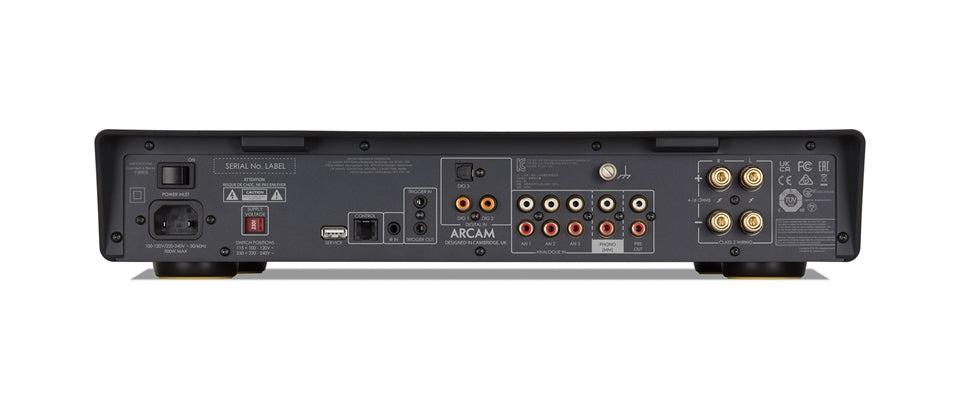
The A5 provides three sets of RCA inputs for connecting sources like CD players, tape decks, or streaming devices with analog outputs. More importantly, it includes a dedicated moving magnet (MM) phono stage for turntables. A phono stage is essential for vinyl playback because turntables output a much weaker signal than other sources, and the signal requires special equalization to sound correct.
The A5's phono stage demonstrates Arcam's attention to analog detail. It provides the correct 47kΩ input impedance that most moving magnet cartridges expect, along with 100pF of capacitance for proper frequency response. The phono stage applies the industry-standard RIAA equalization curve, which corrects for the intentional frequency modifications made during the record cutting process. For vinyl enthusiasts, having this built-in capability saves the cost and complexity of an external phono stage.
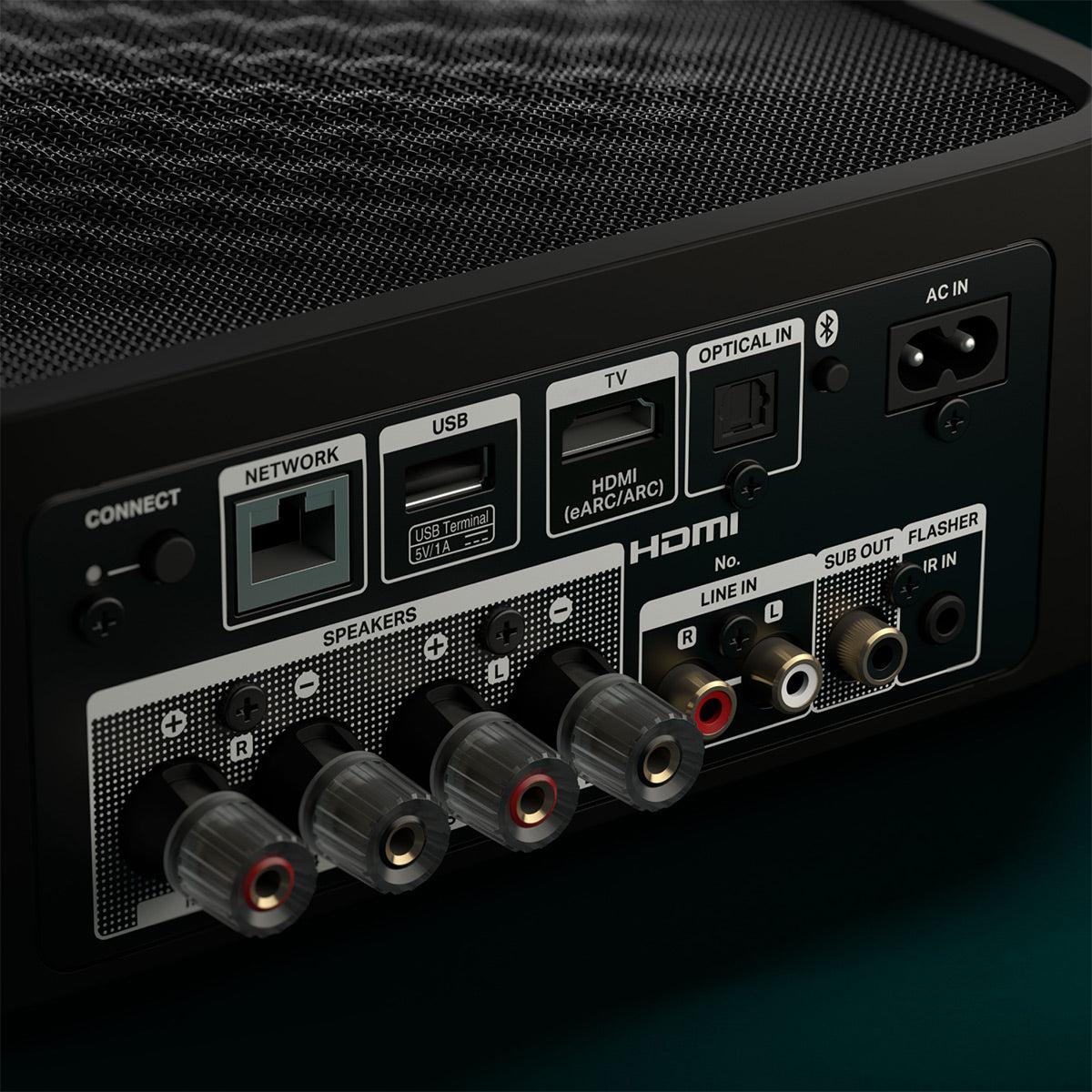
In contrast, the Marantz M1 provides just one analog RCA input. This isn't necessarily a problem if you're primarily streaming music, but it limits your options for traditional sources. The M1 assumes that most of your non-streaming sources will connect digitally, which reflects the modern reality for many listeners.
The analog performance differences extend to the signal-to-noise ratio, where the Arcam A5 achieves 106dB for analog inputs – slightly better than its digital performance and notably superior to typical performance from this type of input. This suggests careful attention to the analog signal path design.
The connectivity options between these amplifiers tell the story of how audio consumption has evolved. The Arcam A5 focuses on traditional hi-fi connections, while the Marantz M1 prioritizes modern streaming and smart home integration.
The A5 provides comprehensive traditional connectivity. Beyond the analog inputs and phono stage, it offers two coaxial digital inputs and one optical digital input, all supporting up to 24-bit/192kHz resolution. For wireless connectivity, it includes Bluetooth 5.2 with aptX Adaptive technology, which can stream near-CD quality audio from your phone or tablet. Uniquely, the A5's Bluetooth is bidirectional – you can stream music to it or from it to Bluetooth headphones.
The Marantz M1 takes a radically different approach. It includes HEOS streaming technology, which connects to your home network and provides access to dozens of streaming services including Spotify, Tidal, Qobuz, and Amazon Music HD. The M1 also supports AirPlay 2 for seamless integration with Apple devices, and standard Bluetooth for basic wireless streaming.
Perhaps most significantly for home theater users, the M1 includes HDMI eARC (enhanced Audio Return Channel) connectivity. This single connection can handle audio from your TV, including surround sound formats like Dolby Digital+. The M1 can decode these formats and present them in stereo, making it an excellent choice for improving TV audio quality.
The M1's front-panel USB port accepts flash drives loaded with high-resolution music files, supporting everything from MP3 to DSD. This provides a middle ground between streaming and traditional sources – you can load your favorite high-resolution albums on a USB drive for the best possible quality.
How you'll actually use these amplifiers day-to-day differs dramatically, and this might be the deciding factor for many users.
The Arcam A5 comes with a traditional infrared remote control and focuses on direct, immediate operation. Want to change the volume? Press a button. Want to switch inputs? Press another button. There's something to be said for this immediacy – you're never waiting for an app to load or dealing with connectivity issues.
The Marantz M1 is controlled primarily through the HEOS app on your smartphone or tablet. This app provides access to all the streaming services, equalizer controls, and multi-room audio features. While this offers more sophisticated control options, it also means you need to have your phone nearby and charged to operate your audio system effectively.
For home theater integration, this difference becomes particularly relevant. The A5 can be controlled by universal remotes and responds immediately to commands. The M1 can also integrate with home automation systems like Control4 or Crestron, but its reliance on network connectivity adds potential complexity.
The M1's multi-room capabilities deserve special mention. If you have multiple M1 units throughout your home, the HEOS system can synchronize them to play the same music everywhere, or different music in each room. This level of integration is impossible with traditional amplifiers like the A5.
While specifications tell part of the story, the actual listening experience is what matters most. Based on extensive research of professional reviews and user feedback, these amplifiers have distinctly different sonic personalities.
The Arcam A5 consistently receives praise for its neutral, transparent sound. Reviewers describe it as revealing musical details without adding its own character to the sound. The Class AB amplification topology, combined with the high-quality ESS DAC, creates a sound that many describe as "accurate" and "engaging." The low distortion figures translate to clean sound even at higher volumes, and the ample current delivery helps maintain control over speakers during complex passages.
The Marantz M1 demonstrates what many describe as a slightly warmer, more full-bodied presentation. This isn't necessarily better or worse than the Arcam's approach – it's a different philosophy. The M1's Class D amplification topology is highly efficient and runs cool, but some listeners find it slightly less engaging than Class AB designs, though this gap has narrowed significantly in recent years.
The power difference between these amplifiers becomes apparent with demanding speakers or at higher volumes. The M1's 100+ watts provide a sense of effortless control that the A5's 50 watts can't match when pushed hard. However, within their respective comfort zones, both amplifiers perform admirably.
While both amplifiers are designed primarily for stereo music listening, they handle home theater duties quite differently.
The Arcam A5 can work in a home theater system, but it requires separate connections from your TV or AV receiver. You might connect it to the stereo output of your TV or use it for the front left and right channels in a larger surround sound system. The A5's high-quality analog and digital inputs make it an excellent choice for elevating the music performance in a mixed-use system.
The Marantz M1 is much more home theater-friendly thanks to its HDMI eARC input and Dolby Digital+ decoding. Connect it directly to your TV, and it can handle all the audio from your streaming services, game consoles, and other TV-connected sources. The M1 also includes a subwoofer output with crossover controls, allowing you to create a 2.1 system that significantly improves both music and movie experiences.
For dedicated two-channel setups focused on music, the A5 might have the edge in pure performance. For systems that need to handle both music and TV/movie audio elegantly, the M1 is the clear winner.
At the time of writing, these amplifiers sit in different price categories, with the Marantz M1 commanding a premium over the Arcam A5. The price difference reflects their different feature sets and target markets.
The A5 represents exceptional value for traditional hi-fi applications. You're getting audiophile-grade components, a built-in phono stage, and multiple analog inputs at a price point that makes sense for many budgets. The five-year warranty provides additional peace of mind, and the traditional design approach means it's unlikely to become obsolete.
The M1's higher price reflects its streaming capabilities, higher power output, and smart home integration features. If you value these features, the price premium makes sense. The M1 also offers better future-proofing in some ways – streaming services continue to expand their high-resolution offerings, and the HEOS platform receives regular updates.
However, future-proofing cuts both ways. The A5's simpler approach means fewer potential points of failure or obsolescence. Streaming services and apps change, but analog inputs and traditional amplification remain constant.
After researching these products extensively and considering their different approaches, the choice comes down to your priorities and listening habits.
Choose the Arcam Radia A5 if you're building a dedicated stereo system focused on music quality. It's ideal for listeners who own vinyl records, have multiple traditional sources, or simply want the best possible sound quality for their budget. The A5 makes sense if you prefer the simplicity and immediacy of traditional controls, and if your room size and speaker efficiency work well with its 50-watt output.
The A5 is particularly appealing for upgrading from entry-level amplifiers or receiver-based systems. Its combination of analog and digital inputs provides flexibility without complexity, and the built-in phono stage saves money if you're interested in vinyl.
Choose the Marantz Model M1 if streaming services are your primary music source and you want the convenience of app-based control. It's the better choice for home theater integration, thanks to HDMI connectivity and surround sound decoding. The M1 makes sense if you have power-hungry speakers, a large listening room, or plans for multi-room audio expansion.
The M1 is particularly attractive for modernizing an older hi-fi system or building a system that handles both music and TV audio well. Its streaming capabilities and regular software updates help ensure compatibility with future services and features.
The fundamental question is whether you prioritize pure audio performance or modern convenience features. Both approaches have merit, and both amplifiers execute their respective visions very well. The Arcam A5 delivers traditional hi-fi excellence with modern touches, while the Marantz M1 provides streaming-era convenience without sacrificing too much audio quality.
In my assessment, there's no wrong choice between these two – only the choice that better matches your specific needs and preferences. Consider your sources, your room, your speakers, and your control preferences, and the right amplifier will become clear.
| Arcam Radia A5 Integrated Amplifier | Marantz Model M1 Wireless Streaming Amplifier |
|---|---|
| Power Output - Critical for driving speakers and achieving clean sound at volume | |
| 50W @ 8Ω, 75W @ 4Ω (adequate for most bookshelf speakers) | 100W @ 8Ω, 125W @ 4Ω (drives demanding speakers confidently) |
| Amplifier Type - Affects sound character and efficiency | |
| Class AB (traditional topology, warm sound, runs warmer) | Class D (modern digital design, efficient, runs cool) |
| Total Harmonic Distortion - Lower numbers mean cleaner sound | |
| 0.003% (exceptionally clean, audiophile-grade performance) | 0.05% (still excellent, slight compromise for features) |
| Digital Audio Quality - Important for streaming and digital sources | |
| ESS Sabre ES9018 DAC, 24-bit/192kHz, 109dB SNR | Built-in DAC with MMDF filtering, 24-bit/192kHz + DSD, 105dB SNR |
| Analog Inputs - Essential for traditional sources like CD players | |
| 3× stereo RCA inputs + dedicated MM phono stage | 1× stereo RCA input (minimal analog connectivity) |
| Digital Inputs - For connecting modern sources | |
| 2× coaxial, 1× optical (comprehensive traditional digital) | 1× optical, HDMI eARC (focused on streaming and TV) |
| Wireless Connectivity - Convenience for mobile devices | |
| Bluetooth 5.2 with aptX Adaptive (bidirectional streaming) | HEOS streaming, AirPlay 2, Bluetooth 4.2, Wi-Fi |
| Streaming Services - Built-in access to music platforms | |
| None (requires external streamer or Bluetooth) | Spotify, Tidal, Qobuz, Amazon Music HD, and more built-in |
| Phono Stage - Essential for vinyl playback without external equipment | |
| Built-in MM phono stage with proper RIAA equalization | Not included (requires external phono preamp for turntables) |
| Control Method - How you operate the amplifier daily | |
| Traditional IR remote control (immediate response) | HEOS app on smartphone/tablet (more features, requires device) |
| Home Theater Integration - Connecting to TV and handling video audio | |
| Basic analog/digital connections only | HDMI eARC with Dolby Digital+ decoding (TV-ready) |
| Multi-Room Capability - Expanding audio throughout your home | |
| None (single-room focused) | HEOS multi-room system (sync multiple units) |
| Subwoofer Output - Adding bass extension to your system | |
| None (full-range to main speakers only) | Dedicated sub output with crossover controls |
| Warranty Coverage - Protection for your investment | |
| 5 years parts and labor (exceptional coverage) | 5 years parts and labor (matches Arcam coverage) |
| Best Use Case - Who should choose this amplifier | |
| Audiophiles prioritizing sound quality with vinyl/analog sources | Streaming-focused users wanting modern convenience and TV integration |
The Marantz Model M1 delivers significantly more power with 100W per channel into 8 ohms and 125W into 4 ohms, compared to the Arcam Radia A5's 50W into 8 ohms and 75W into 4 ohms. This makes the Marantz M1 better suited for driving demanding speakers and filling larger rooms with sound.
The Arcam Radia A5 is the clear choice for vinyl enthusiasts because it includes a built-in moving magnet phono stage with proper RIAA equalization. The Marantz Model M1 lacks a phono input, so you'd need to purchase a separate phono preamp to connect a turntable.
The Marantz Model M1 excels at streaming with built-in HEOS technology, native support for Spotify, Tidal, Qobuz, Amazon Music HD, and AirPlay 2 connectivity. The Arcam A5 only offers Bluetooth streaming, requiring external devices or streamers for accessing music services.
The Marantz M1 is designed for TV integration with HDMI eARC input and Dolby Digital+ decoding, making it plug-and-play with modern TVs. The Arcam A5 can connect to TVs through analog or optical outputs but lacks the advanced TV audio features of the Marantz M1.
The Arcam Radia A5 is generally considered to have superior pure audio quality with its ESS Sabre DAC and exceptionally low 0.003% distortion, delivering transparent and detailed sound. The Marantz Model M1 offers good sound quality but prioritizes convenience features over ultimate audio performance.
The Marantz M1 is much better suited for home theater use with its HDMI eARC connection, surround sound decoding, and subwoofer output for creating 2.1 systems. The Arcam A5 works better as a dedicated stereo amplifier or for the front channels in a larger surround system.
The Arcam Radia A5 uses a traditional remote control for immediate, simple operation without needing a smartphone. The Marantz Model M1 relies primarily on the HEOS smartphone app, offering more advanced features but requiring your phone to control basic functions.
Only the Marantz Model M1 supports multi-room audio through the HEOS ecosystem, allowing you to sync multiple units throughout your home. The Arcam A5 is designed for single-room use and doesn't offer multi-room capabilities.
The Arcam Radia A5 offers more traditional connectivity with three analog inputs plus phono, two coaxial and one optical digital input. The Marantz M1 focuses on modern connectivity with extensive streaming options, HDMI, and wireless capabilities but fewer analog inputs.
The Marantz Model M1 is more beginner-friendly for modern users who primarily stream music, offering simple setup and comprehensive streaming integration. The Arcam A5 appeals to those who prefer traditional hi-fi operation and have multiple source components to connect.
The Arcam Radia A5 typically offers better value for pure audio quality and traditional hi-fi use, while the Marantz M1 justifies its higher price through streaming features, more power, and smart home integration capabilities.
The fundamental difference is philosophy: the Arcam Radia A5 is a traditional integrated amplifier focused on pure sound quality and analog sources, while the Marantz Model M1 is a modern streaming amplifier designed for wireless convenience and smart home integration.
We've done our best to create useful and informative comparisons to help you decide what product to buy. Our research uses advanced automated methods to create this comparison and perfection is not possible - please contact us for corrections or questions. These are the sites we've researched in the creation of this article: whathifi.com - upscaleaudio.com - hifiverse.io - theaudiotailor.com.au - crutchfield.com - musicdirect.com - crutchfield.com - listenup.com - audioadvice.com - houseofstereo.com - skybygramophone.com - arcam.co.uk - fidelity-magazine.com - arcam.co.uk - sweetwater.com - skybygramophone.com - bestbuy.com - crutchfield.com - audioadvisor.com - youtube.com - soundstagesimplifi.com - marantz.com - marantz.com - audioadvice.com - whathifi.com - manuals.marantz.com - audiosciencereview.com - youtube.com - marantz.com - sweetwater.com - audiosciencereview.com - accessories4less.com

Privacy Policy
Terms and Conditions - Affiliate Policy
Home Security
© Copyright 2008-2026.
11816 Inwood Rd #1211, Dallas, TX 75244