

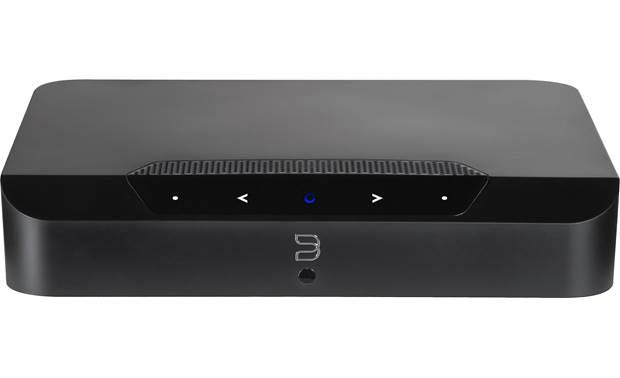
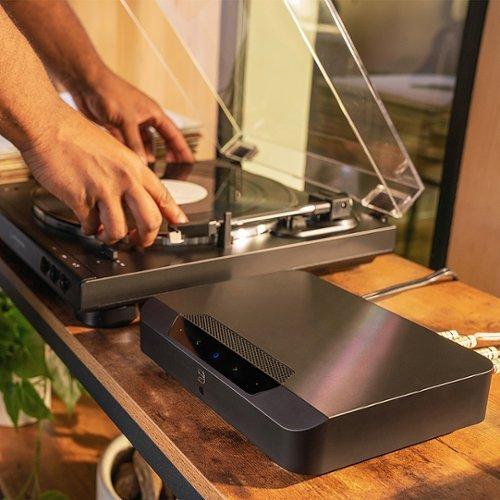

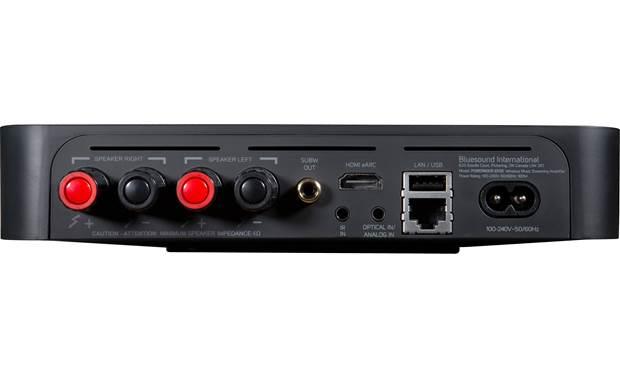
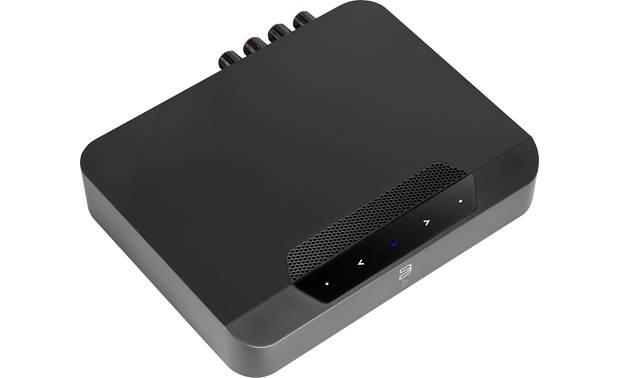
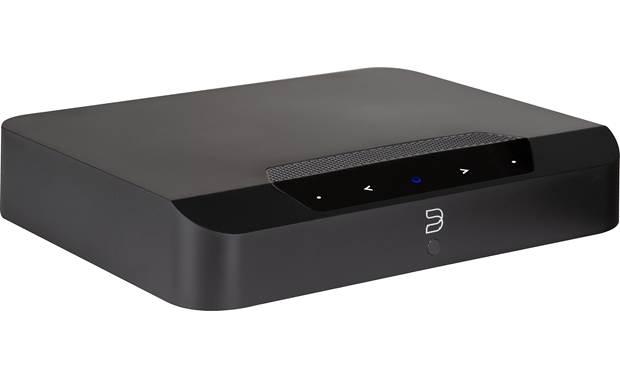
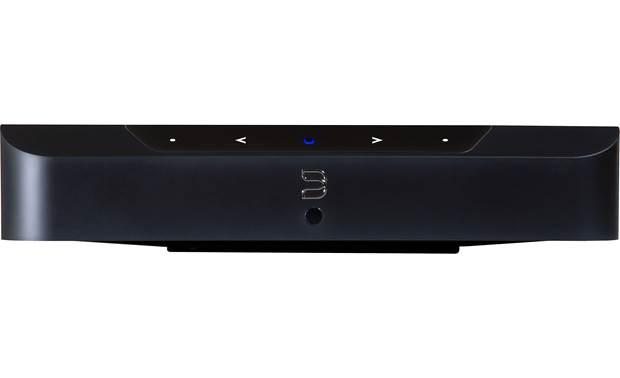
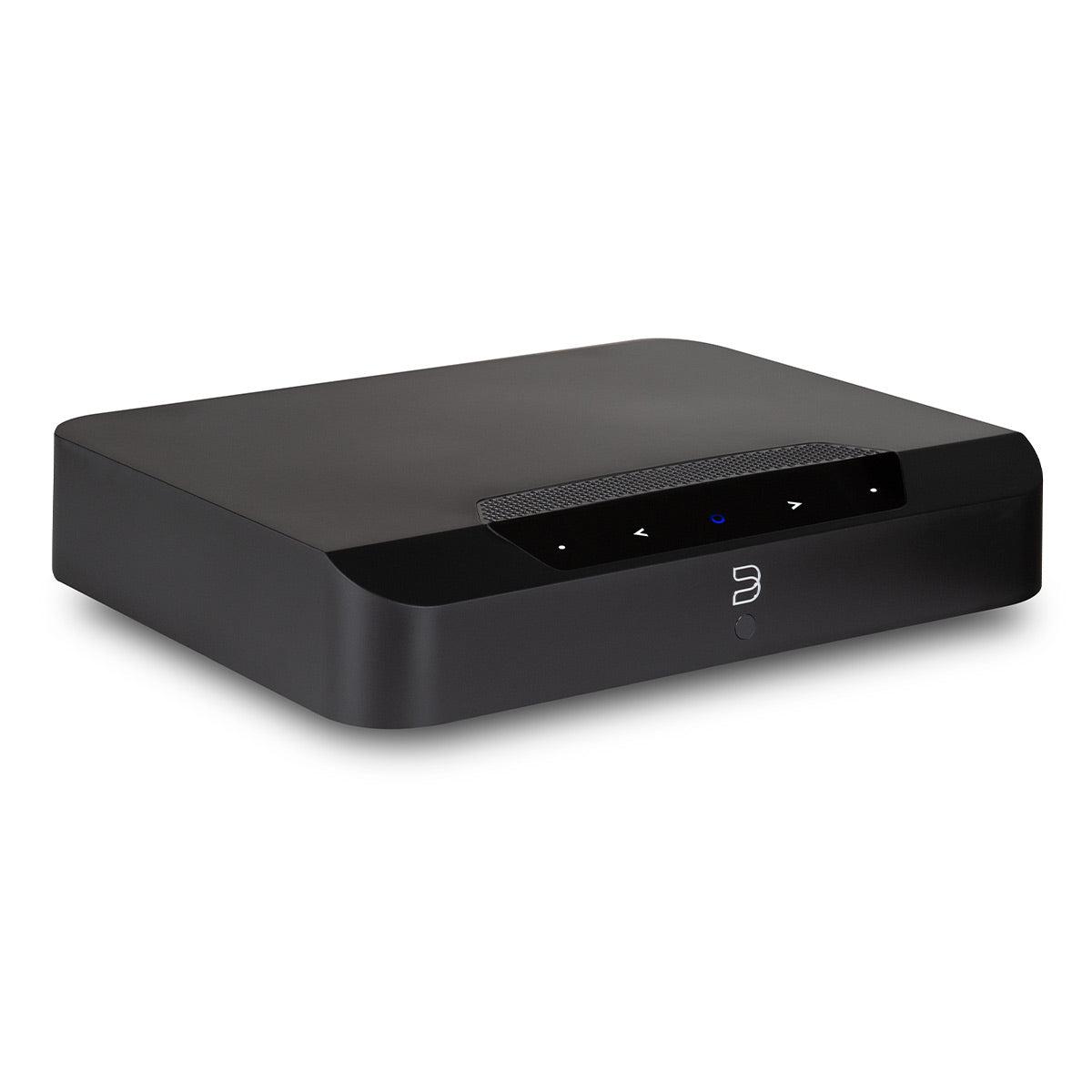
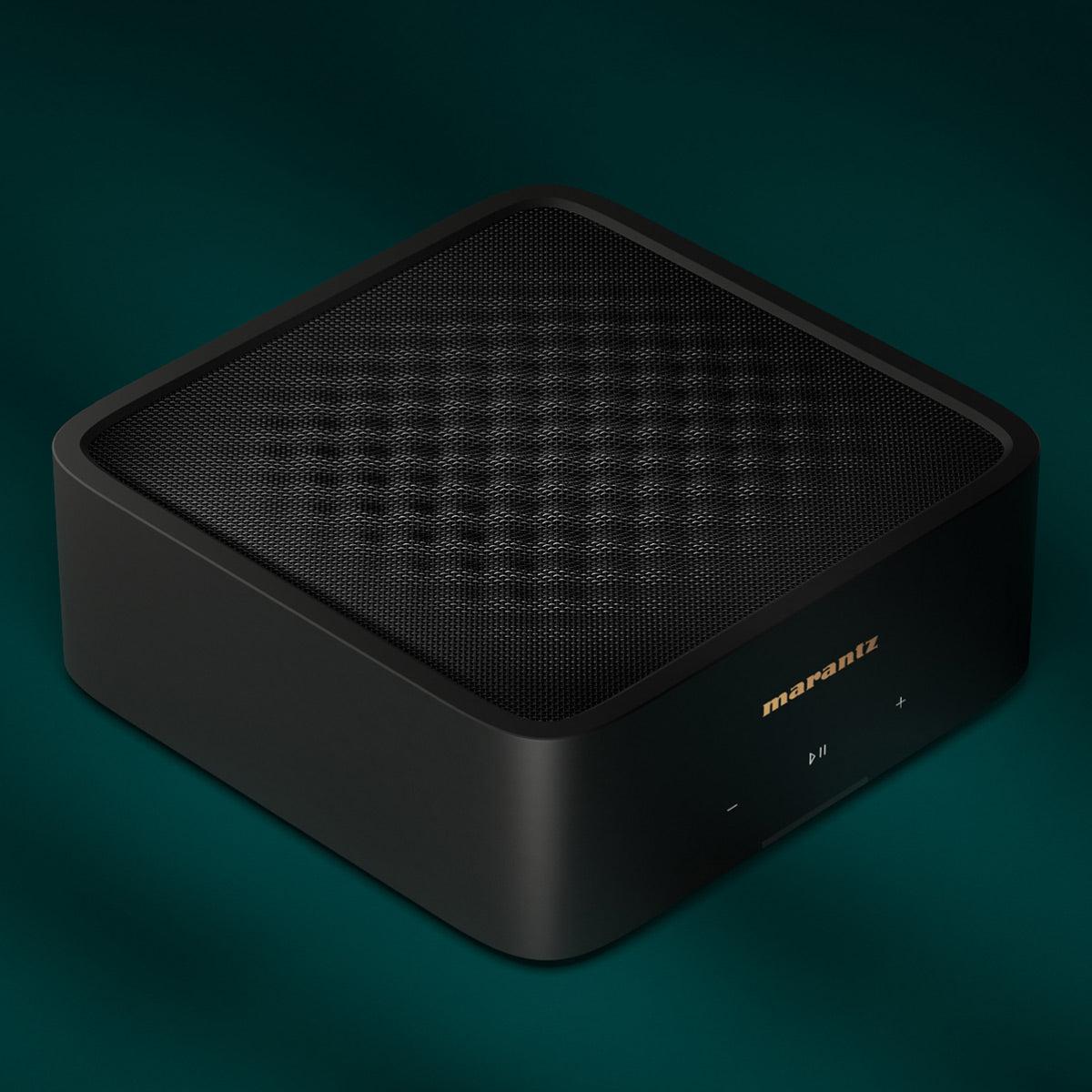
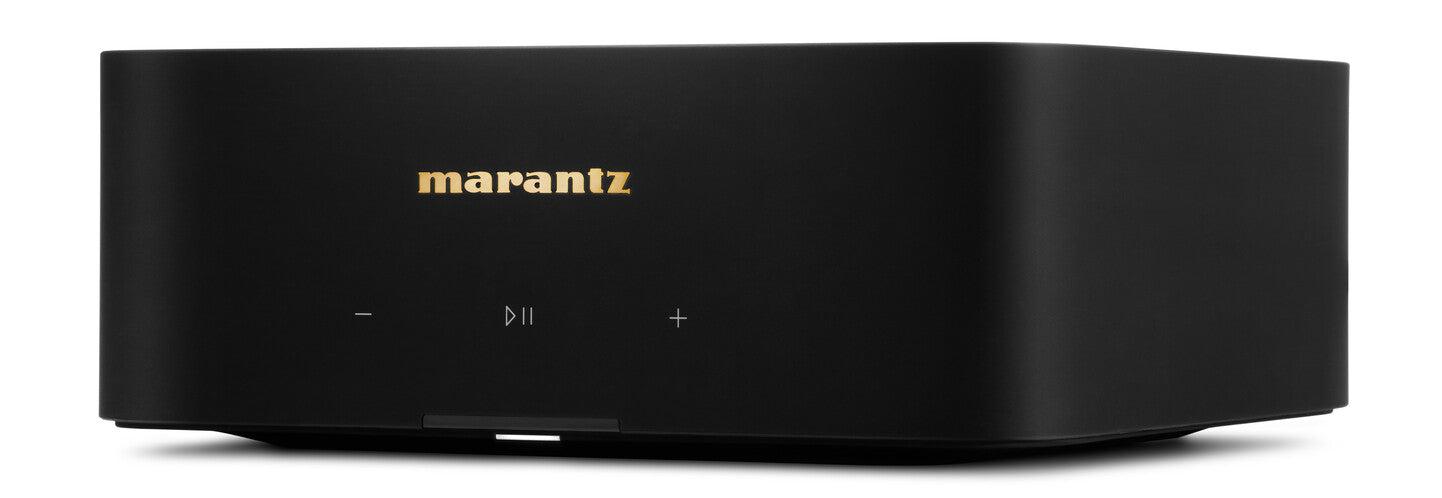
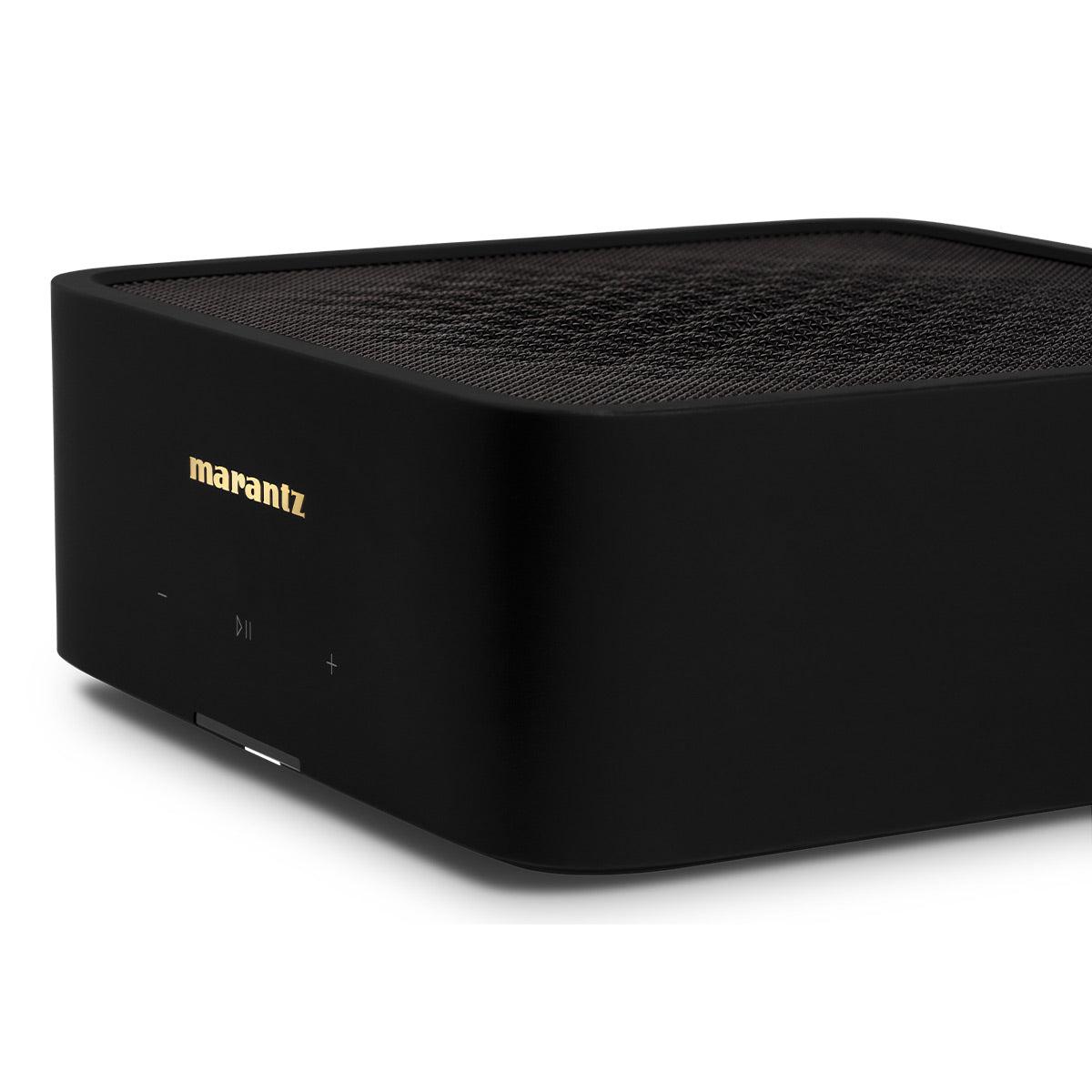
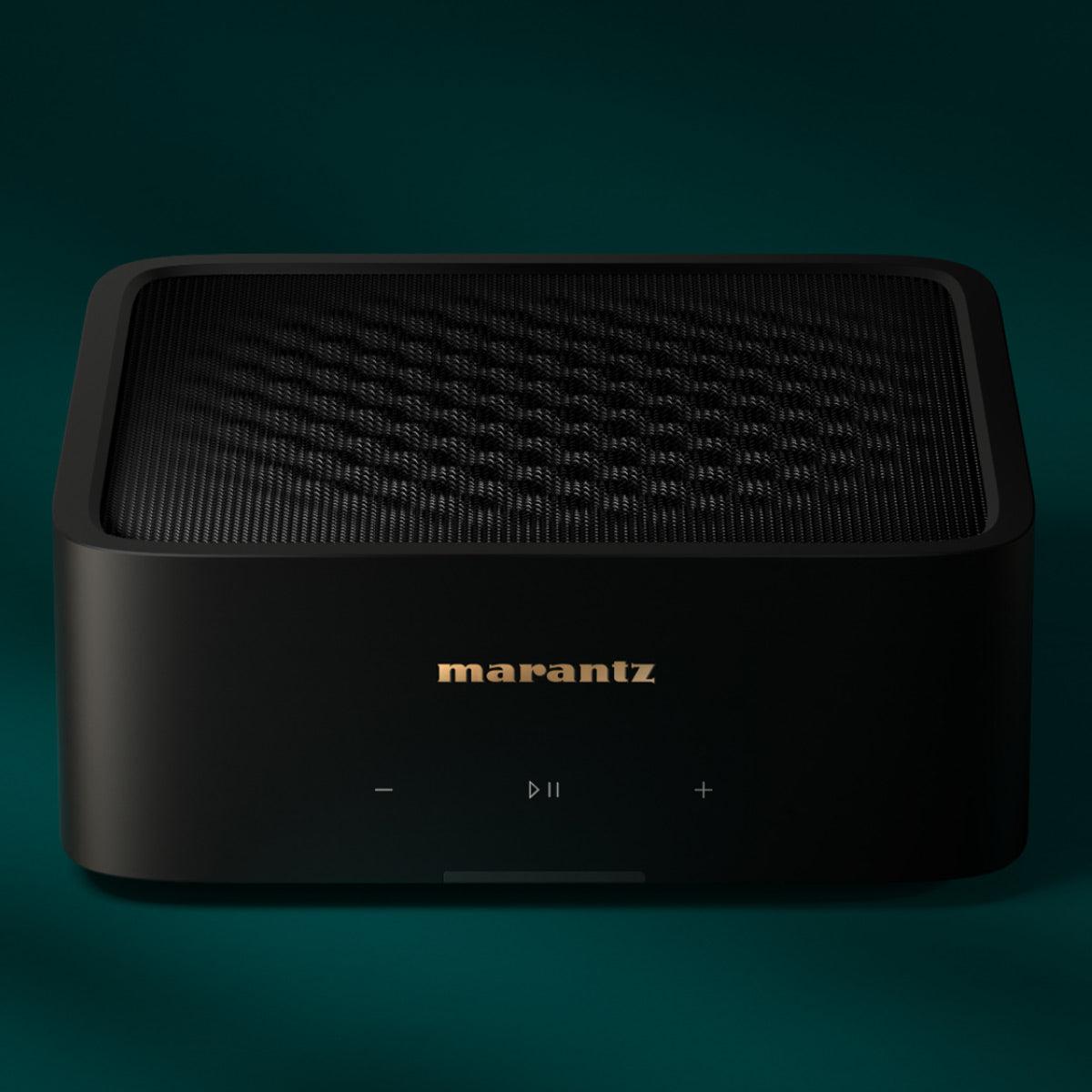
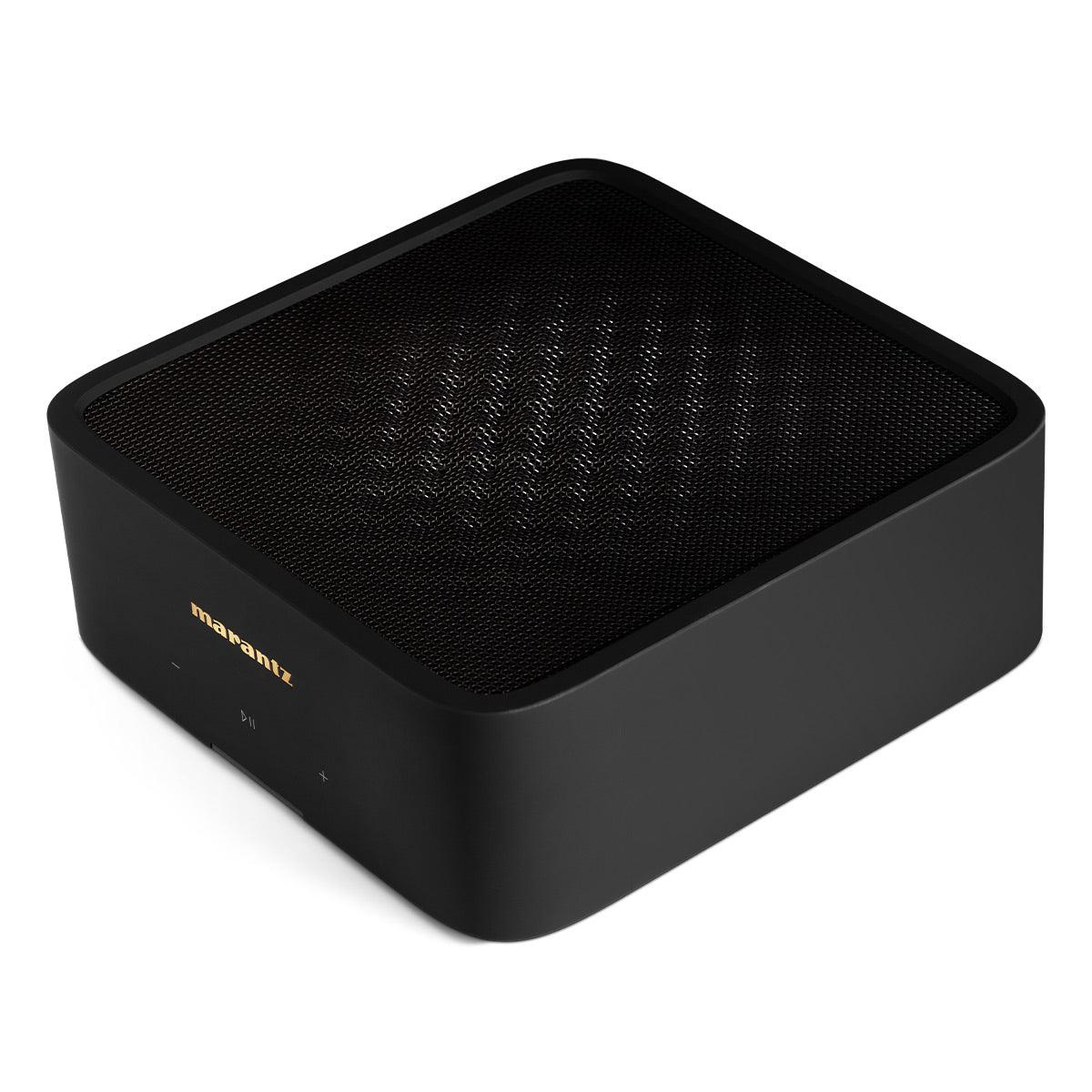


If you're looking to upgrade your home audio setup without the complexity and space requirements of separate components, compact streaming amplifiers have become the go-to solution. These clever devices pack a DAC (digital-to-analog converter), amplifier, and wireless streaming capabilities into a single box that's often smaller than a hardcover book. Two standout options that consistently appear on shopping lists are the Bluesound PowerNode Edge and the Marantz Model M1, but they take notably different approaches to achieving great sound.
Before diving into the comparison, it's worth understanding what these devices actually do. Traditional hi-fi setups require multiple components: a source (like a CD player), a preamp to control volume and switch inputs, a power amplifier to drive speakers, and increasingly, a network streamer to access Spotify, Tidal, and other services. Streaming amplifiers consolidate all of this into one unit.
The magic happens through digital signal processing and Class D amplification. Instead of the traditional approach where audio signals are converted to analog early in the chain, modern streaming amps keep everything digital until the very last moment before the speakers. This reduces noise and distortion while enabling features like room correction and multi-room audio that would be impossible with purely analog designs.
What really matters when choosing between streaming amplifiers is understanding how much power you need, which ecosystem works best for your home, and whether the sound character matches your preferences. These aren't just technical specifications—they directly impact your daily listening experience.
The Bluesound PowerNode Edge arrived in 2022 as the company's most affordable entry into streaming amplification. Bluesound, a Canadian company with roots in NAD Electronics, built their reputation on the BluOS platform—widely considered one of the most reliable multi-room audio systems available. The PowerNode Edge represents their attempt to bring this ecosystem to budget-conscious buyers without sacrificing the core BluOS experience.
On the other side, the Marantz Model M1 launched in 2024 as part of Marantz's push into the compact streaming market. This represents a significant move for Marantz, a company known for premium AV receivers and hi-fi components. What's particularly noteworthy is that the Model M1 is manufactured at the same Shirakawa Audio Works facility in Japan where Marantz builds their high-end gear—not something you typically see at this price point.
At the time of writing, the PowerNode Edge positions itself as the more affordable option, while the Model M1 commands a premium that reflects its higher power output and Japanese manufacturing. The price difference is significant enough that many buyers will need to decide whether the Marantz's advantages justify the extra cost.
The most immediately obvious difference between these amplifiers is power output, and this matters more than you might think. The Marantz Model M1 delivers 100 watts per channel into 8-ohm speakers, with 125 watts available for 4-ohm loads. The PowerNode Edge provides 40 watts per channel into 8 ohms. This isn't just a numbers game—it directly affects which speakers you can use and how loud your system can play without strain.
Here's why this matters: speaker sensitivity (measured in decibels at one watt of power) varies dramatically. Efficient speakers like many from Klipsch or certain B&W models might achieve satisfying volume levels with 20-30 watts. But if you're planning to use larger bookshelf speakers or floor-standing models, particularly those from brands like Focal, KEF, or some B&W lines, you'll appreciate the Marantz's extra headroom.
Our research into user experiences reveals that the PowerNode Edge performs admirably with speakers rated at 87dB sensitivity or higher, which covers most bookshelf speakers and many smaller towers. However, owners who've paired it with demanding speakers like the B&W 805 D4 or similar models report that while it works, the system lacks the dynamic punch you get with more powerful amplification.
The Model M1, by contrast, has consistently impressed users even when driving notoriously difficult loads. One particularly telling example from user reports involves the amplifier successfully powering Martin Logan electrostatic speakers—notoriously power-hungry designs that reveal amplifier limitations quickly. The additional power headroom doesn't just mean louder music; it provides better control over speaker drivers, resulting in tighter bass, cleaner highs, and more natural dynamics during complex musical passages.
Beyond raw power, these amplifiers exhibit distinctly different sound characters that reflect their design philosophies. The Marantz Model M1 incorporates what the company calls Marantz Musical Digital Filtering (MMDF)—a proprietary digital signal processing technology that allows users to choose between different filter characteristics. This might sound like marketing speak, but the practical result is meaningful: you can tailor the sound signature to match your preferences or optimize for different types of music.
Based on extensive user feedback and professional reviews, the Model M1 tends to create a more expansive soundstage—the three-dimensional space where instruments appear to be positioned. Users consistently report better separation between instruments and a more natural sense of depth. The top-end frequency response appears more extended, revealing subtle details in recordings that might get lost with other amplifiers.
The PowerNode Edge, drawing from Bluesound's NAD heritage, takes a warmer, more forgiving approach. This isn't necessarily better or worse—it's different. The sound signature emphasizes musicality over analytical precision, which makes it particularly good for extended listening sessions. Many users find it less fatiguing than more revealing amplifiers, especially when listening to compressed music from streaming services or older recordings that weren't mastered with modern standards.
Interestingly, several comparative reviews suggest the PowerNode Edge actually provides more dynamic punch in the midrange frequencies where most vocals and lead instruments live. This gives certain types of music—particularly rock, pop, and electronic genres—an engaging, forward presentation that some listeners prefer over the Marantz's more refined approach.
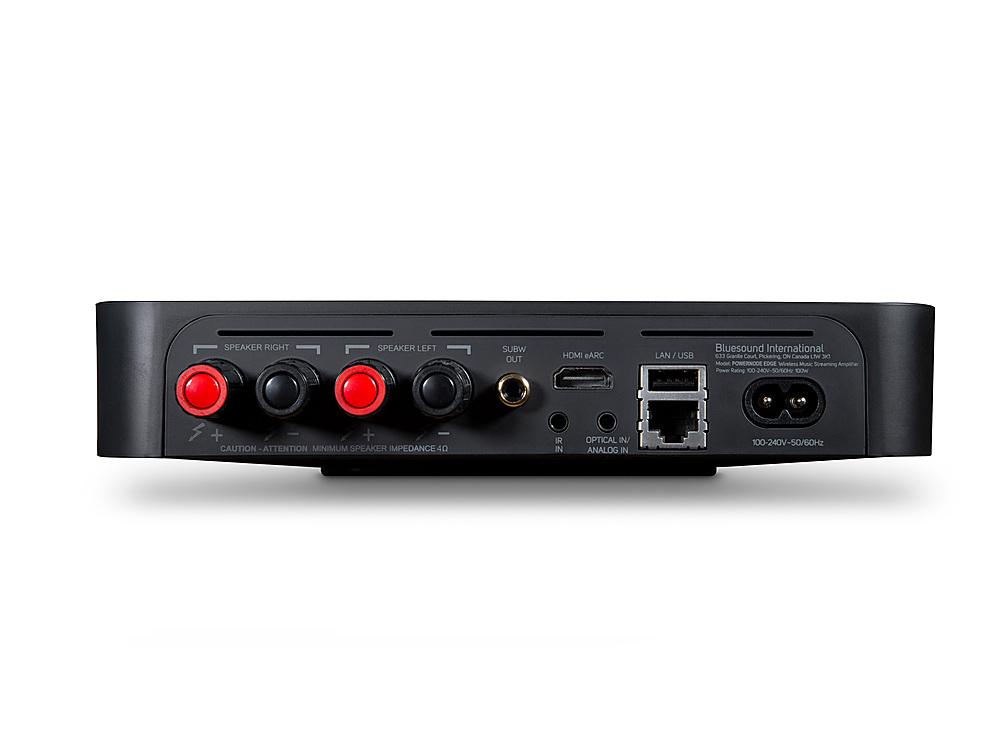
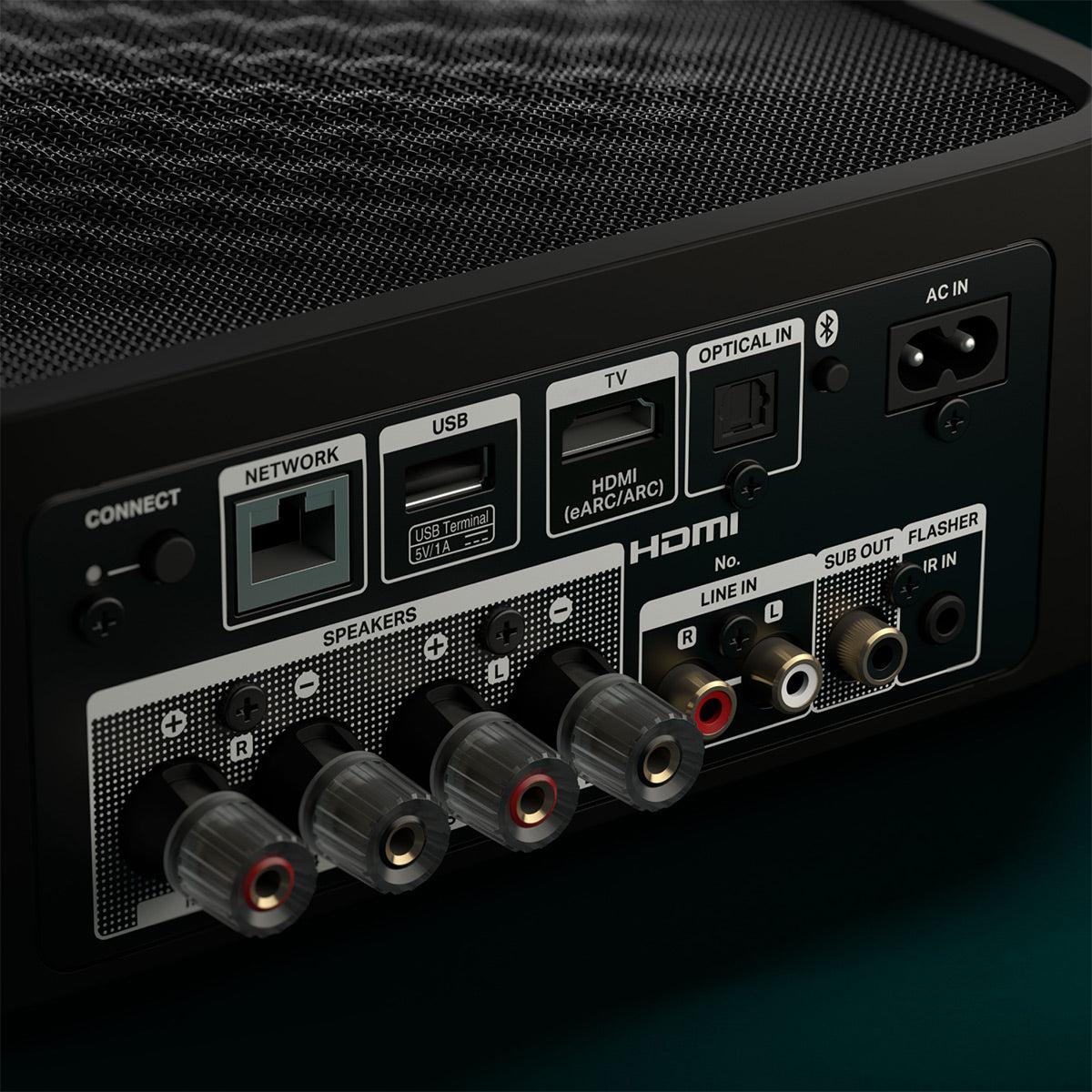
Both amplifiers excel in different aspects of connectivity, reflecting their target audiences. The Model M1 includes HDMI eARC (enhanced Audio Return Channel) with Dolby Digital+ decoding—features that make it particularly attractive for home theater integration. This means you can connect it directly to your TV and enjoy improved audio quality for movies, shows, and streaming content without additional cables or components.
The HDMI eARC support is particularly valuable because it handles the latest audio formats from streaming services and Blu-ray players automatically. When you're watching a movie on Netflix that includes Dolby Digital+ audio, the Model M1 can decode this surround information and present it through your stereo speakers more effectively than your TV's built-in processing would manage.
The PowerNode Edge takes a different approach, focusing intensively on music streaming rather than home theater integration. Its BluOS platform supports over 20 streaming services natively, with particularly strong integration for services like Spotify, Tidal, and Qobuz. The BluOS app is consistently praised for its stability and intuitive interface—crucial factors when you're using the system daily.
Both amplifiers support high-resolution audio playback, but with different emphases. The Model M1 handles up to 24-bit/192kHz PCM files and DSD (Direct Stream Digital) up to 5.6MHz through its USB input, appealing to listeners with extensive high-resolution music collections. The PowerNode Edge also supports high-resolution formats but integrates them more seamlessly through its streaming platform rather than requiring local file management.
This is where the differences become particularly important for long-term satisfaction. Both amplifiers offer multi-room audio capabilities, but they operate in different ecosystems with distinct advantages.
BluOS, powering the PowerNode Edge, has earned respect for its reliability and ease of use. If you plan to add more zones throughout your home, BluOS components from various manufacturers (including NAD, PSB, and other Lenbrook brands) can work together seamlessly. The system handles synchronization exceptionally well, meaning music starts and stops simultaneously across multiple rooms without the lag or dropout issues that plague some competitors.
The Marantz HEOS system powering the Model M1 offers similar functionality with particularly strong integration within Marantz and Denon products. If you already own or plan to purchase a Marantz receiver for your main home theater, the Model M1 can integrate as a zone within that larger system. HEOS has also gained Roon Ready certification, which appeals to serious music enthusiasts who prefer Roon's superior metadata handling and discovery features.
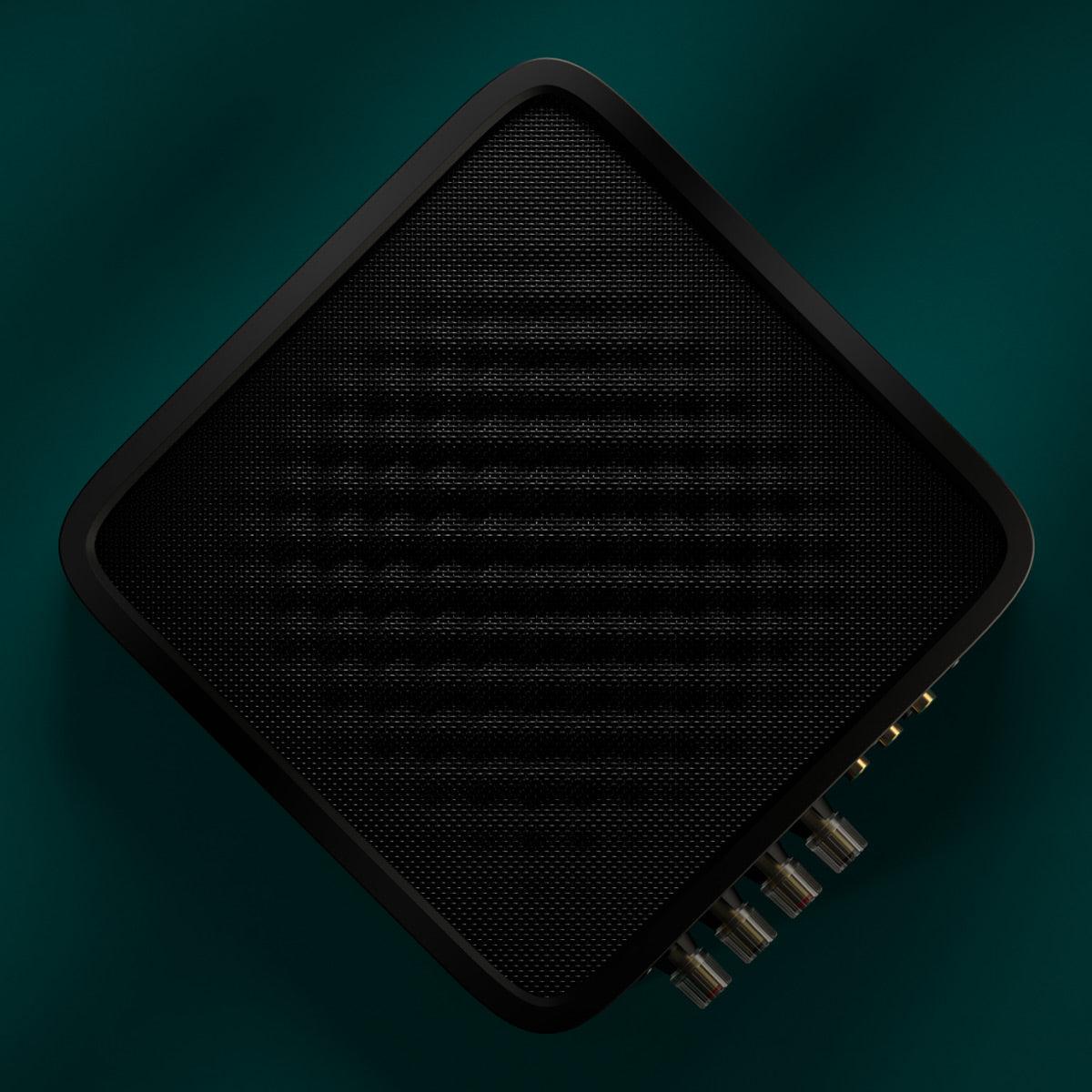
The manufacturing differences between these amplifiers reflect their market positioning and help justify their price differential. The Model M1 benefits from Japanese manufacturing at a facility known for producing Marantz's premium components. This shows in details like the binding posts for speaker connections, which are significantly more robust than typical budget amplifier terminals, and the overall chassis construction.
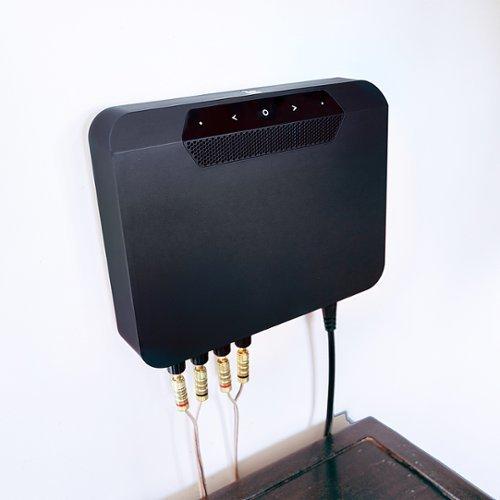
The PowerNode Edge prioritizes practical design over premium materials. Its compact form factor and included wall-mounting hardware make it exceptionally versatile for installation. You can mount it behind a TV, on a bookshelf, or in a media cabinet without worrying about ventilation—the efficient Class D amplification runs cool enough for enclosed spaces.
Both amplifiers run essentially silent during operation, but the Model M1 includes more sophisticated thermal management, allowing sustained high-power operation without performance degradation. This becomes relevant if you regularly listen at high volumes or use demanding speakers.
For buyers considering these amplifiers as part of a home theater setup, the differences become more pronounced. The Model M1 with its HDMI eARC connection can serve as the audio system for your TV, handling everything from streaming service audio to gaming sound effects. The Dolby Digital+ decoding means it can take multichannel soundtracks and optimize them for stereo playback more effectively than basic stereo downmixing.
The PowerNode Edge can certainly work in a home theater context using its optical digital input, but it lacks the seamless integration that HDMI eARC provides. You'll need to manage input switching manually and won't get the benefit of advanced audio processing for movie soundtracks.
This difference extends to practical use: with the Model M1, your TV remote can control volume directly through HDMI-CEC (Consumer Electronics Control), creating a more integrated experience. The PowerNode Edge requires either using its app for volume control or adding an optional remote control.
The decision between these amplifiers ultimately depends on your specific needs, room size, speaker choice, and long-term plans. The PowerNode Edge makes the most sense for buyers who prioritize streaming music over home theater integration, have efficient speakers, and want to enter the BluOS ecosystem at the most affordable point. It's particularly appealing for secondary zones, bedrooms, or offices where its compact size and wall-mounting capability provide installation flexibility.
The Model M1 justifies its premium for buyers who want the flexibility to use a wider range of speakers, plan to integrate with TV audio, or simply prefer the more refined sound quality that comes with higher-quality components and more sophisticated engineering. The Japanese manufacturing and premium materials suggest better long-term reliability, which matters if you view this as a long-term investment rather than a stepping stone to something else.
For home theater applications, the Model M1 is clearly superior thanks to HDMI eARC and Dolby Digital+ processing. For pure music streaming in smaller rooms with efficient speakers, the PowerNode Edge offers excellent value and might actually provide a more engaging listening experience depending on your musical preferences.
Both amplifiers represent thoughtful approaches to solving the modern audio challenge of combining streaming convenience with quality amplification. The PowerNode Edge prioritizes accessibility and ecosystem integration, while the Model M1 focuses on performance and versatility. Your choice should align with which priorities matter most for your specific situation and listening preferences.
| Bluesound PowerNode Edge | Marantz Model M1 |
|---|---|
| Power Output - Determines which speakers you can drive effectively | |
| 40W per channel (8Ω) - Good for efficient bookshelf speakers | 100W per channel (8Ω), 125W (4Ω) - Drives demanding floorstanding speakers |
| Manufacturing Origin - Affects build quality and component selection | |
| Canadian design, standard manufacturing | Manufactured in Shirakawa, Japan at premium Marantz facility |
| Streaming Platform - Your daily control experience and multi-room capabilities | |
| BluOS ecosystem - Industry-leading reliability and app interface | HEOS platform - Integrates well with Marantz/Denon systems |
| Home Theater Integration - Essential for TV audio improvement | |
| Optical input only - Basic TV connection | HDMI eARC with Dolby Digital+ - Seamless TV integration |
| High-Resolution Audio Support - Future-proofing for audiophile sources | |
| Up to 24-bit/192kHz via streaming - Good for most users | 24-bit/192kHz + DSD support via USB - Appeals to serious audiophiles |
| Installation Flexibility - Where and how you can place the amplifier | |
| Wall-mountable with included bracket - Extremely versatile placement | Compact desktop/shelf design - Traditional component placement |
| Sound Processing Features - Ability to customize audio performance | |
| DirectDigital amplification - Clean, efficient power delivery | Marantz Musical Digital Filtering - User-selectable sound character |
| Subwoofer Integration - Important for full-range music and movies | |
| Basic subwoofer output | Dedicated sub out with adjustable crossover filters - Professional setup |
| Voice Control Support - Hands-free operation convenience | |
| Alexa, Google Assistant, Siri via BluVoice | Limited voice integration through HEOS |
| Custom Installation Features - Professional integrator requirements | |
| Basic IR learning | IR input, 12V triggers, Control4/Crestron compatibility |
| Ideal Room Size - Practical power and performance considerations | |
| Small to medium rooms, near-field listening | Medium to large rooms, demanding speaker loads |
The Marantz Model M1 delivers significantly more power with 100 watts per channel into 8 ohms compared to the Bluesound PowerNode Edge's 40 watts per channel. This extra power means the Marantz Model M1 can drive demanding speakers and fill larger rooms more effectively.
Yes, but the Marantz Model M1 offers superior TV integration with HDMI eARC and Dolby Digital+ decoding for seamless connection and enhanced movie audio. The Bluesound PowerNode Edge connects via optical input, which works but lacks the advanced features for home theater use.
Both excel at multi-room audio but use different platforms. The Bluesound PowerNode Edge uses the highly-regarded BluOS system known for reliability and easy setup. The Marantz Model M1 uses HEOS, which integrates particularly well if you have other Marantz or Denon components.
The Bluesound PowerNode Edge works best with efficient speakers (87dB sensitivity or higher) due to its 40-watt output. The Marantz Model M1 can handle a much wider range of speakers, including power-hungry floorstanding models that would strain the PowerNode Edge.
Sound quality depends on your preferences and speakers. The Marantz Model M1 offers more detailed, spacious sound with better bass control, while the Bluesound PowerNode Edge provides a warmer, more forgiving character that many find engaging for extended listening sessions.
Yes, both support high-resolution audio. The Bluesound PowerNode Edge handles up to 24-bit/192kHz through streaming services, while the Marantz Model M1 adds DSD support and USB playback for local high-resolution files, appealing to serious audiophiles.
The Bluesound PowerNode Edge is more installation-friendly with its compact size and included wall-mounting bracket, allowing placement behind TVs or in tight spaces. The Marantz Model M1 requires traditional shelf or rack placement but offers more professional installation features.
The Bluesound PowerNode Edge offers comprehensive voice control through Alexa, Google Assistant, and Siri via BluVoice technology. The Marantz Model M1 has more limited voice integration through the HEOS platform.
Both support major streaming services like Spotify, Tidal, and Apple Music. The Bluesound PowerNode Edge natively supports over 20 services through BluOS, while the Marantz Model M1 uses HEOS for streaming integration and is Roon Ready certified.
Yes, but the Marantz Model M1 offers superior subwoofer integration with dedicated output and adjustable crossover filters for precise tuning. The Bluesound PowerNode Edge has basic subwoofer output without advanced bass management features.
The Marantz Model M1 is manufactured at Marantz's premium facility in Japan using higher-grade components and materials. The Bluesound PowerNode Edge offers solid build quality but focuses more on practical design and value rather than premium construction.
Choose the Bluesound PowerNode Edge if you want excellent value, have efficient speakers, prioritize multi-room music streaming, and need flexible installation options. Pick the Marantz Model M1 if you want more power for demanding speakers, superior home theater integration, premium build quality, and don't mind paying extra for enhanced performance.
We've done our best to create useful and informative comparisons to help you decide what product to buy. Our research uses advanced automated methods to create this comparison and perfection is not possible - please contact us for corrections or questions. These are the sites we've researched in the creation of this article: futureaudiophile.com - alpha-audio.net - theaudiofactory.com - audiophilia.com - youtube.com - qaudio.com - crutchfield.com - youtube.com - bluesound.com - audioadvisor.com - crutchfield.com - bluesound.com - audiosciencereview.com - bluesound.com - soundstagesimplifi.com - mysoundconcepts.com - bestbuy.com - crutchfield.com - audioadvisor.com - youtube.com - soundstagesimplifi.com - marantz.com - marantz.com - audioadvice.com - whathifi.com - manuals.marantz.com - audiosciencereview.com - youtube.com - marantz.com - sweetwater.com - audiosciencereview.com - accessories4less.com

Privacy Policy
Terms and Conditions - Affiliate Policy
Home Security
© Copyright 2008-2026.
11816 Inwood Rd #1211, Dallas, TX 75244