

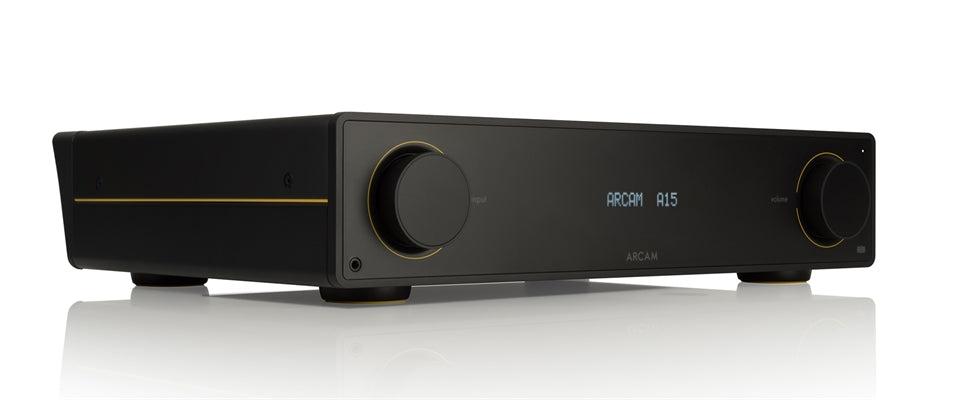
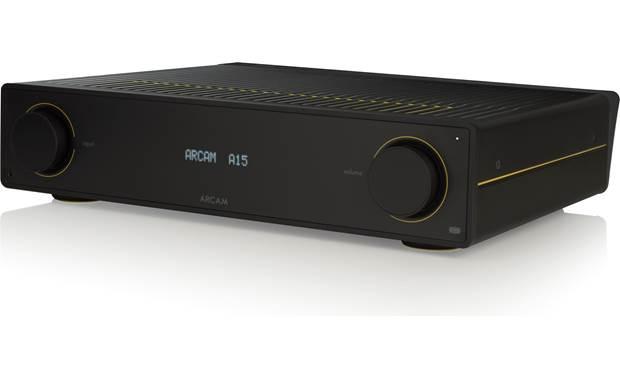
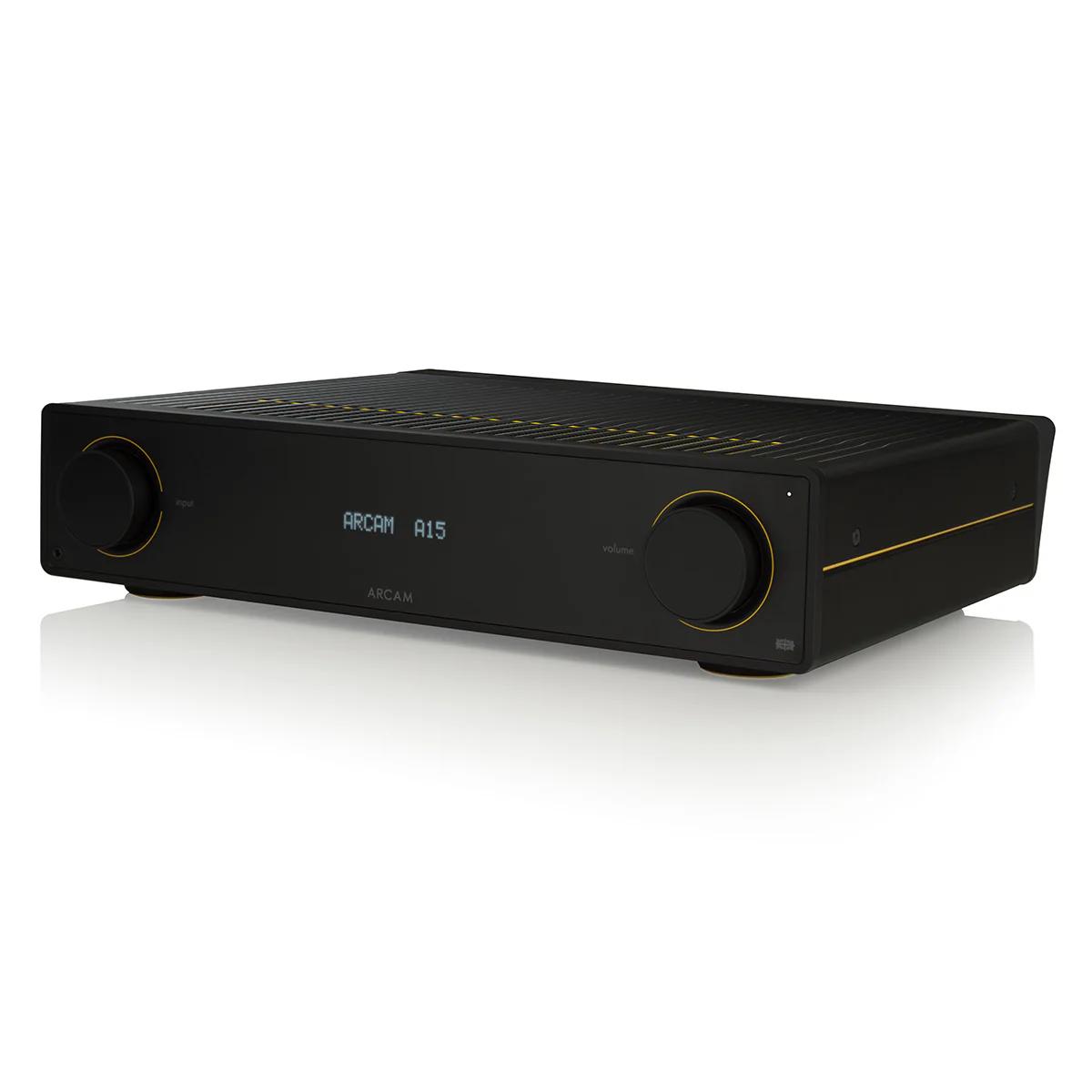
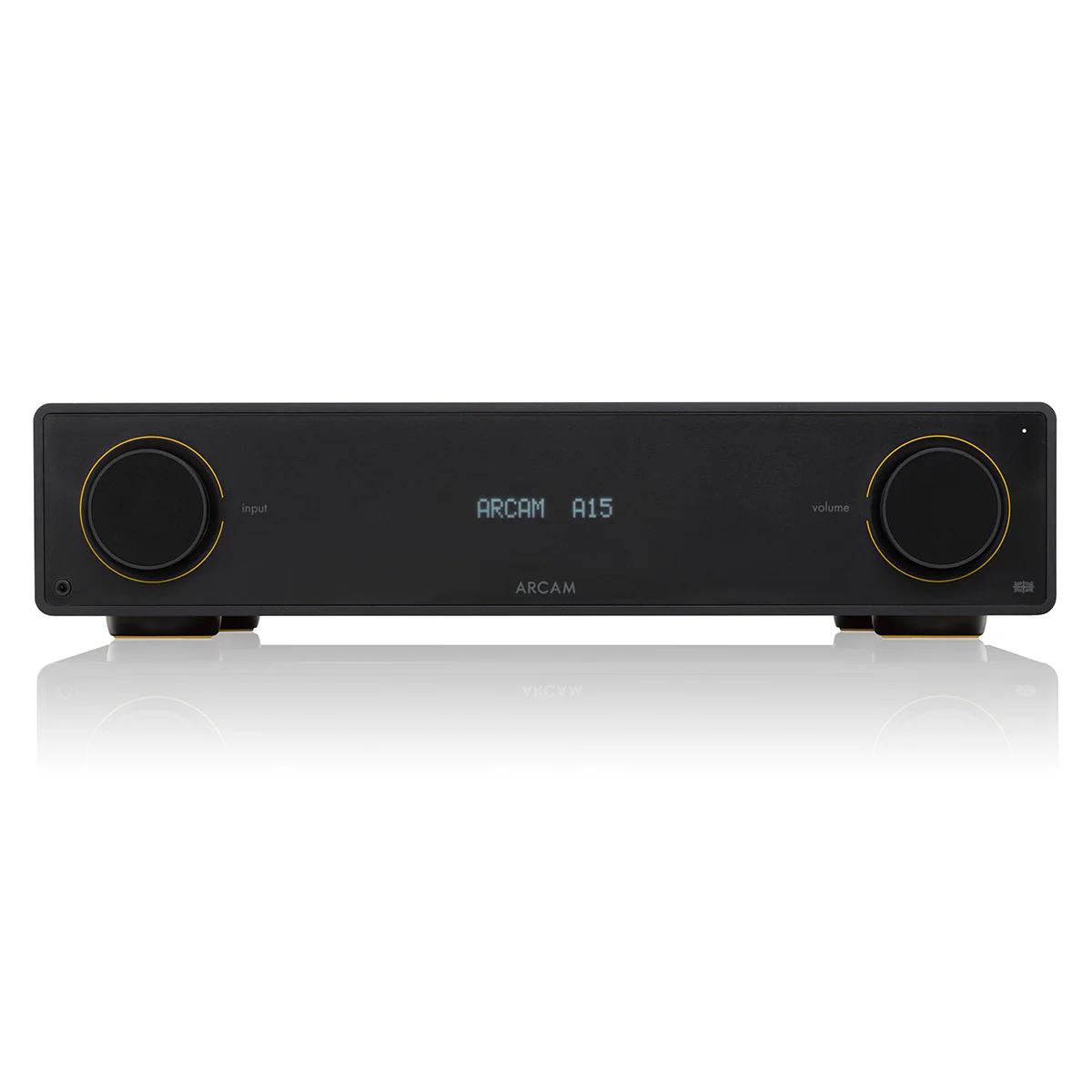
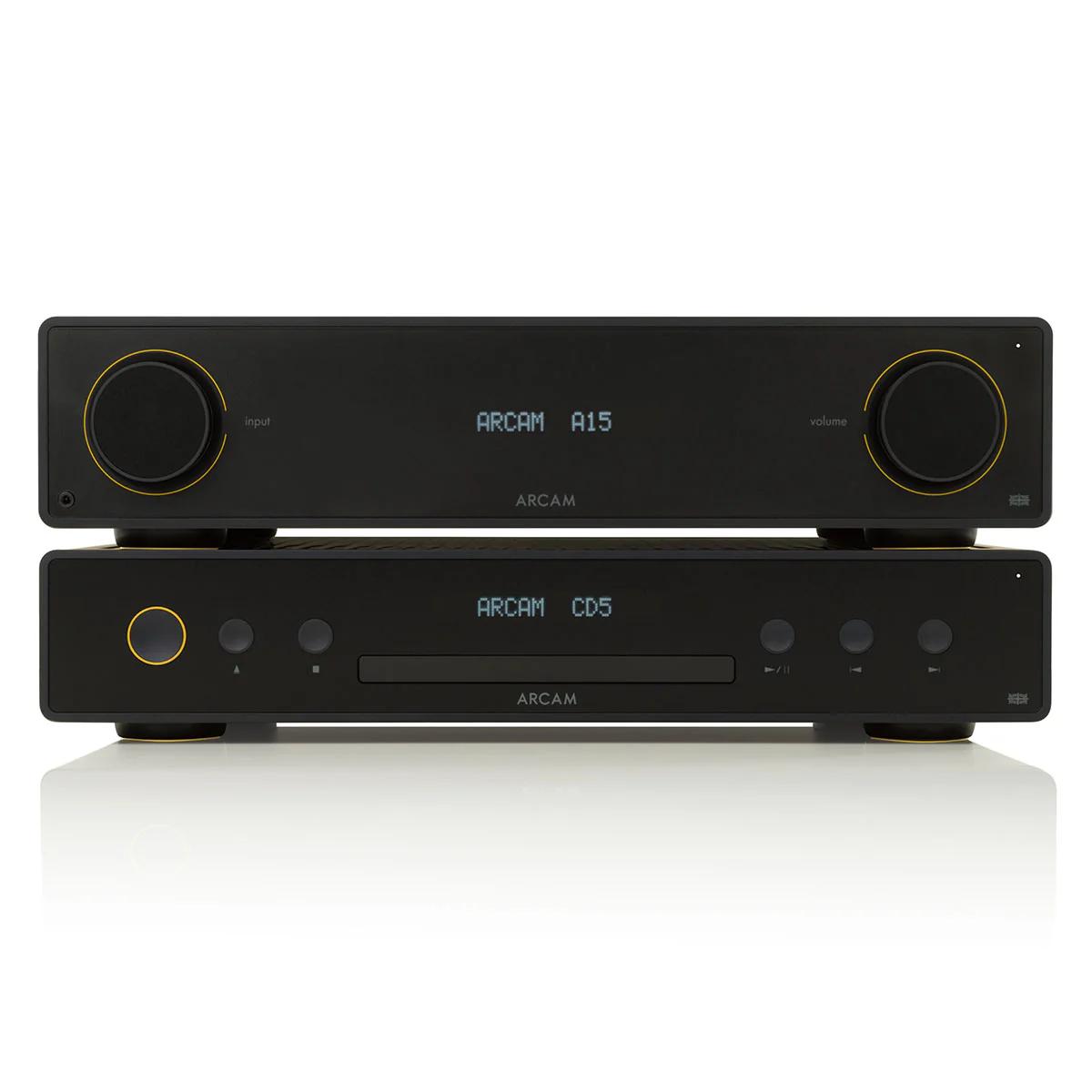
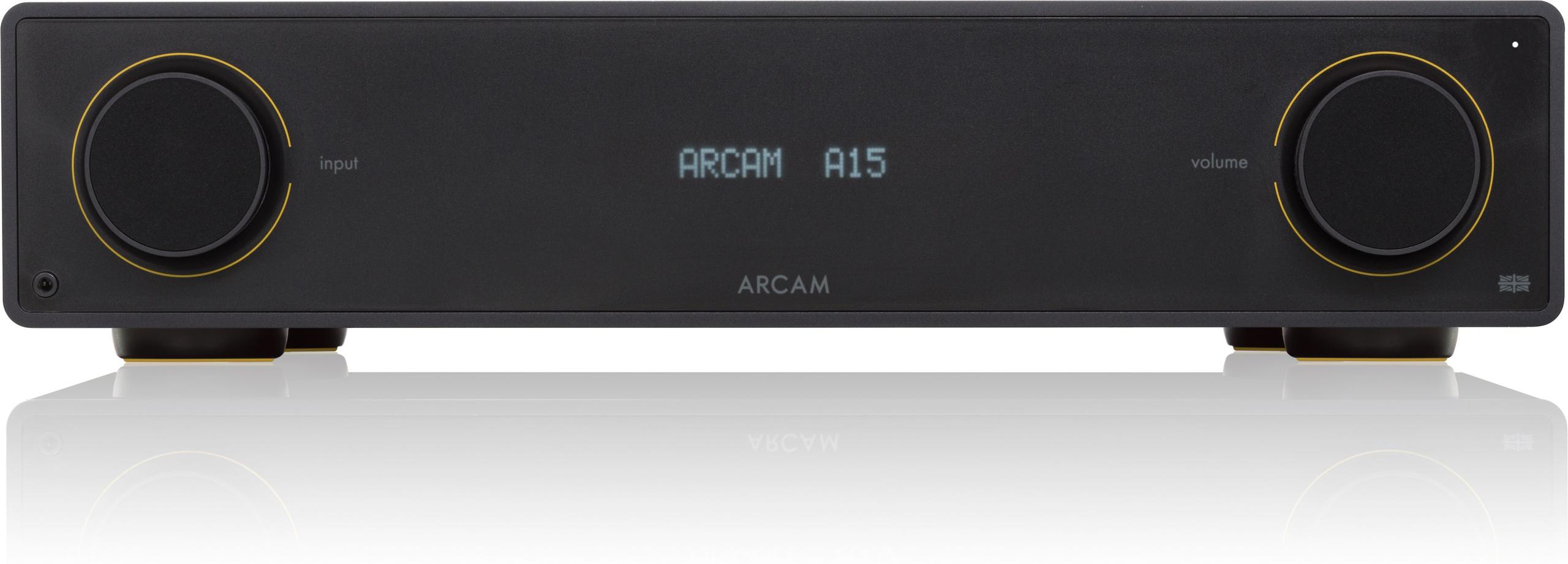
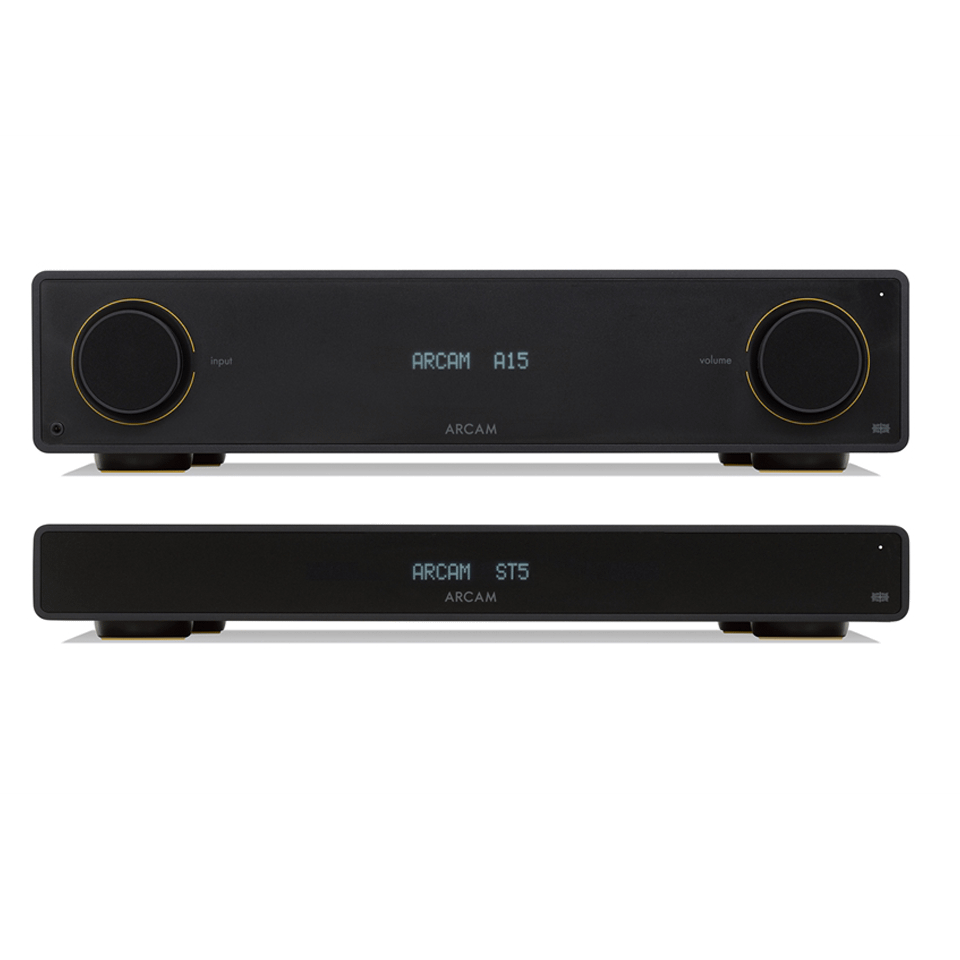
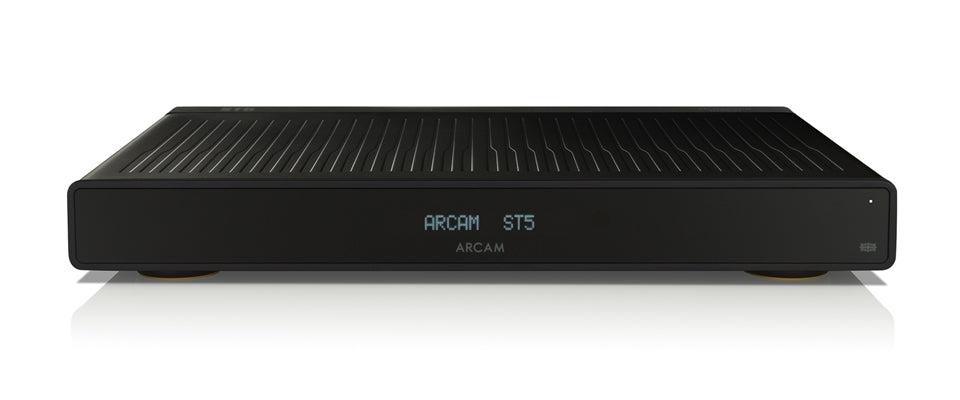


The world of audio amplifiers has split into two distinct camps, and understanding which philosophy suits your listening habits can save you hundreds of dollars and years of frustration. On one side, you have traditional integrated amplifiers like the Arcam A15, designed for audiophiles who love connecting multiple sources and building customized systems piece by piece. On the other, streaming amplifiers like the Marantz Model M1 offer everything you need in one compact box, prioritizing convenience and modern connectivity over traditional flexibility.
Both products launched in 2024, representing the latest thinking from two respected British and Japanese audio brands. The timing is significant—streaming has matured enough that dedicated streaming amplifiers can compete seriously with traditional hi-fi, while analog enthusiasts still demand the flexibility that only separate components can provide.
Integrated amplifiers combine a preamplifier (which handles volume control and source switching) with a power amplifier (which drives your speakers) in one chassis. Think of them as the control center for a traditional stereo system. You connect your turntable, CD player, and maybe a separate streaming device to the amplifier, which then powers your speakers.
Streaming amplifiers take this concept further by building in Wi-Fi, Bluetooth, and direct connections to music services like Spotify and Tidal. The idea is simple: just add speakers and you're done. No additional components required.
The choice between these approaches often comes down to your source preferences and how you consume music. Do you own vinyl records, CDs, or other physical media? Or do you primarily stream music from your phone and various online services?
When comparing amplifiers, power output tells only part of the story, but it's still crucial for determining which speakers you can drive effectively and how loud you can play music without distortion.
The Marantz Model M1 delivers more raw power—100 watts per channel into 8-ohm speakers versus 80 watts from the Arcam A15. Into 4-ohm speakers (which are more demanding to drive), the gap widens: 125 watts from the Marantz versus 120 watts from the Arcam. That 25% power advantage might not sound dramatic, but it translates to noticeably more headroom—the breathing room between normal listening levels and the point where the amplifier starts to struggle.
More interesting is how they generate that power. The Arcam A15 uses Class AB amplification, a traditional design where the amplifier's output transistors operate in a way that balances efficiency with sound quality. This approach runs warmer and uses more electricity, but many audiophiles prefer its sound characteristics. The measured distortion is incredibly low at just 0.002%—meaning the amplifier adds virtually no coloration to your music.
The Marantz Model M1 employs Class D amplification, a modern digital switching design that's highly efficient and runs much cooler. Its 0.05% distortion figure is still excellent, though not quite matching the Arcam's ultra-low numbers. Class D amplifiers have improved dramatically in recent years, shedding their early reputation for harsh or clinical sound.
From our research into professional and user reviews, the sonic differences are more subtle than the specifications suggest. The Arcam A15 tends toward the characteristic British sound—warm, musical, and engaging without being overly analytical. The Marantz Model M1 surprised reviewers with how "fun" and musically engaging it sounds, avoiding the sterile presentation of some streaming amplifiers.
For most speakers and listening rooms, either amplifier provides adequate power. However, if you're driving inefficient tower speakers or listening at high volumes, the Marantz Model M1's extra headroom becomes valuable.
Here's where the philosophical divide becomes most apparent. The Marantz Model M1 is designed around the assumption that most people stream their music, while the Arcam A15 treats streaming as just one input among many.
The Marantz Model M1 includes HEOS Built-in, Marantz's streaming platform that connects directly to services like Spotify, Tidal, Amazon Music HD, and Pandora. This isn't just convenience—it's often better sound quality than Bluetooth streaming from your phone. When you stream directly from the internet to the amplifier, you bypass the digital-to-analog conversion in your phone and any Bluetooth compression.
The system also supports AirPlay 2, Apple's high-quality wireless streaming protocol, and aptX Adaptive Bluetooth for Android users who want the best possible wireless quality. Most impressively, it's Roon Ready, meaning it integrates seamlessly with Roon's audiophile-focused music management system.
Multi-room audio capability sets the Marantz Model M1 apart for larger homes. You can sync multiple M1 units throughout your house, controlling them all from the HEOS app on your phone. This functionality would require thousands of dollars in separate components with traditional hi-fi.
The Arcam A15 takes a more conservative approach with Bluetooth 5.2 and aptX Adaptive support, but no built-in streaming services. You'll need a separate network streamer, which adds cost and complexity but also flexibility—you can choose exactly the streaming features and sound quality you want.
Both amplifiers include high-quality DACs (digital-to-analog converters). The Arcam A15 uses the respected ESS Sabre ES9018 chip, supporting high-resolution audio up to 24-bit/192kHz. The Marantz Model M1 supports the same resolution plus DSD (Direct Stream Digital), a specialized high-resolution format preferred by some audiophiles.
If you own a turntable, the choice becomes much clearer. The Arcam A15 includes a dedicated moving magnet phono stage—specialized circuitry designed to amplify and equalize the tiny signal from a turntable cartridge. This isn't just a convenience feature; it's a proper audiophile phono stage that would cost several hundred dollars as a separate component.
The phono stage offers the correct 47kΩ input impedance and 100pF capacitance that most moving magnet cartridges need, with RIAA equalization that restores the frequency balance encoded in vinyl records. Based on our research, users consistently praise the warmth and detail this phono stage brings to vinyl playback.
The Arcam A15 also provides three additional analog inputs for CD players, tape decks, or other line-level sources. Each input maintains the amplifier's excellent 106dB signal-to-noise ratio, ensuring quiet operation even with sensitive speakers.
The Marantz Model M1 offers just one analog RCA input and no phono stage. If you want to play vinyl, you'll need a separate phono preamp, adding cost and complexity to your system.
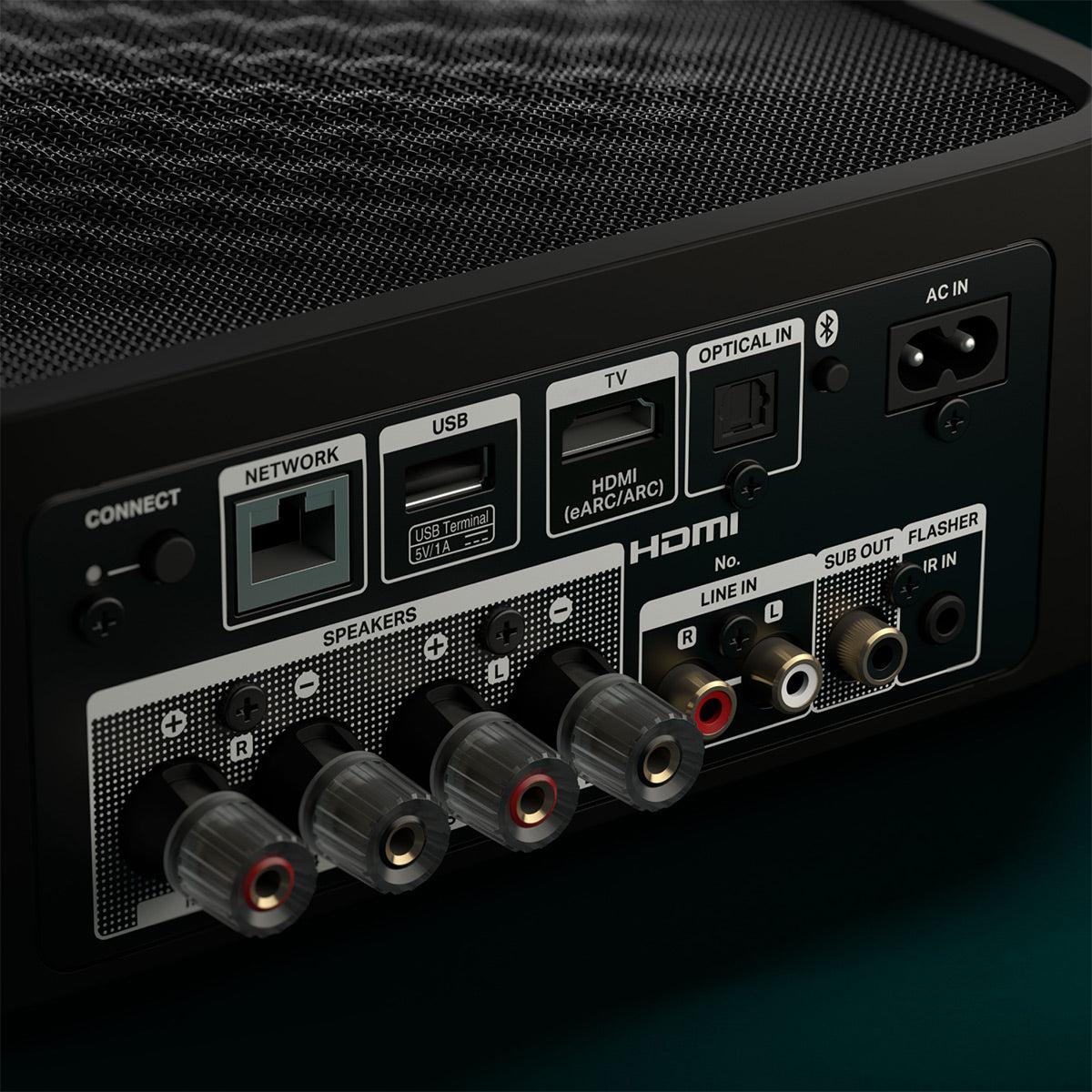
The Marantz Model M1 shines brightest when integrated with modern home entertainment systems. Its HDMI eARC input connects directly to your TV, automatically switching to TV audio and supporting Dolby Digital+ surround sound formats. This makes it an excellent soundbar alternative—providing much better sound quality than most soundbars while maintaining the simplicity.
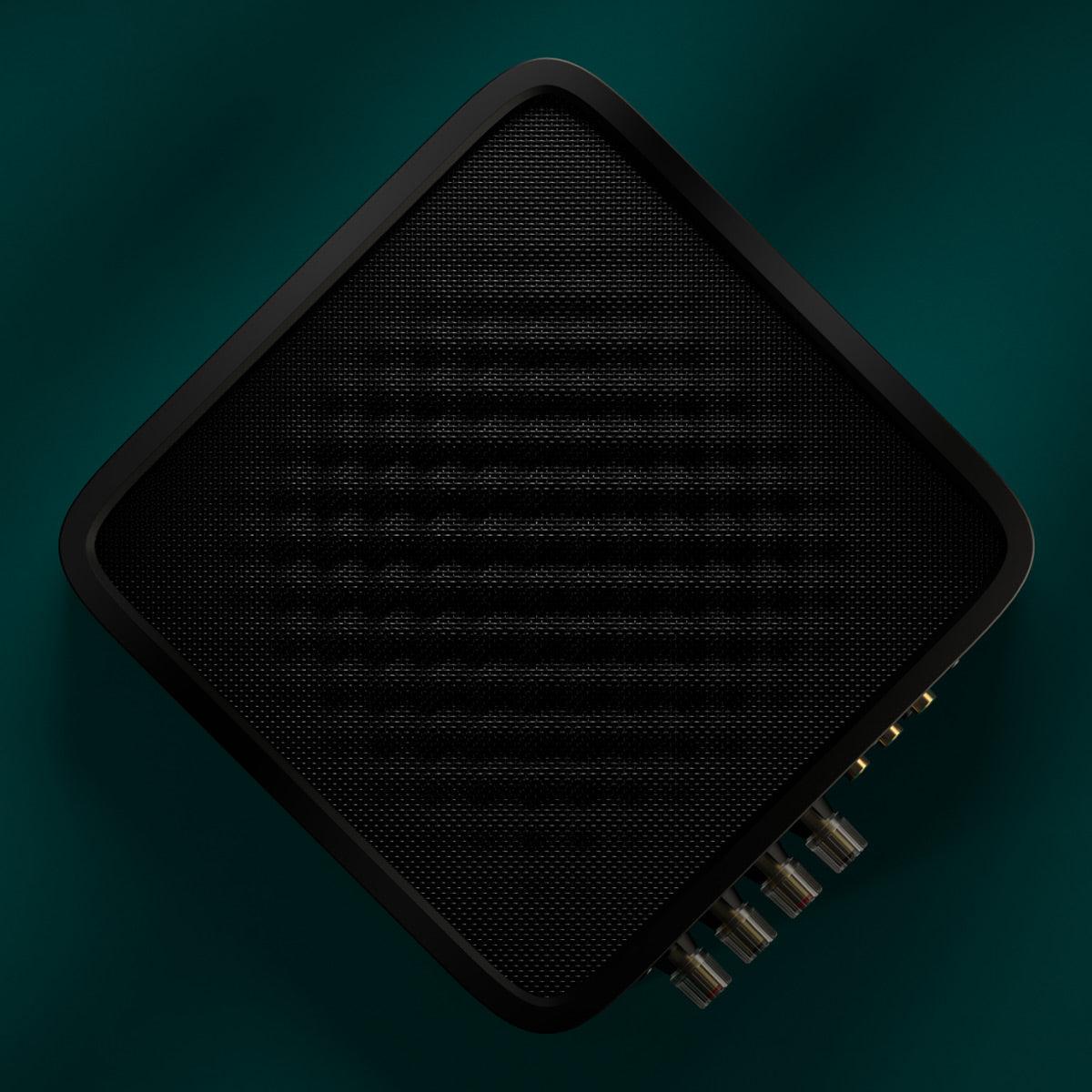
The built-in subwoofer output with crossover controls lets you create a 2.1 system, directing bass frequencies to a subwoofer while sending midrange and treble to your main speakers. The adjustable filters (40-250Hz for the main speakers, 40-120Hz for the subwoofer) provide precise tuning that many dedicated AV receivers don't offer.
For custom installations, the Marantz Model M1 includes 12V trigger outputs and IR learning capability, allowing integration with whole-home automation systems like Control4 or Crestron.
The Arcam A15 focuses on traditional hi-fi connectivity with two coaxial and one optical digital input, plus preamp outputs for adding a separate power amplifier later. While it lacks HDMI inputs, it does provide a quality headphone amplifier—something the Marantz Model M1 omits entirely.
Both amplifiers reflect their manufacturers' design philosophies clearly. The Arcam A15 follows traditional hi-fi proportions—a substantial 22-pound component that looks at home in a rack of separates. Its aluminum chassis and machined controls provide the tactile satisfaction that many audiophiles appreciate.
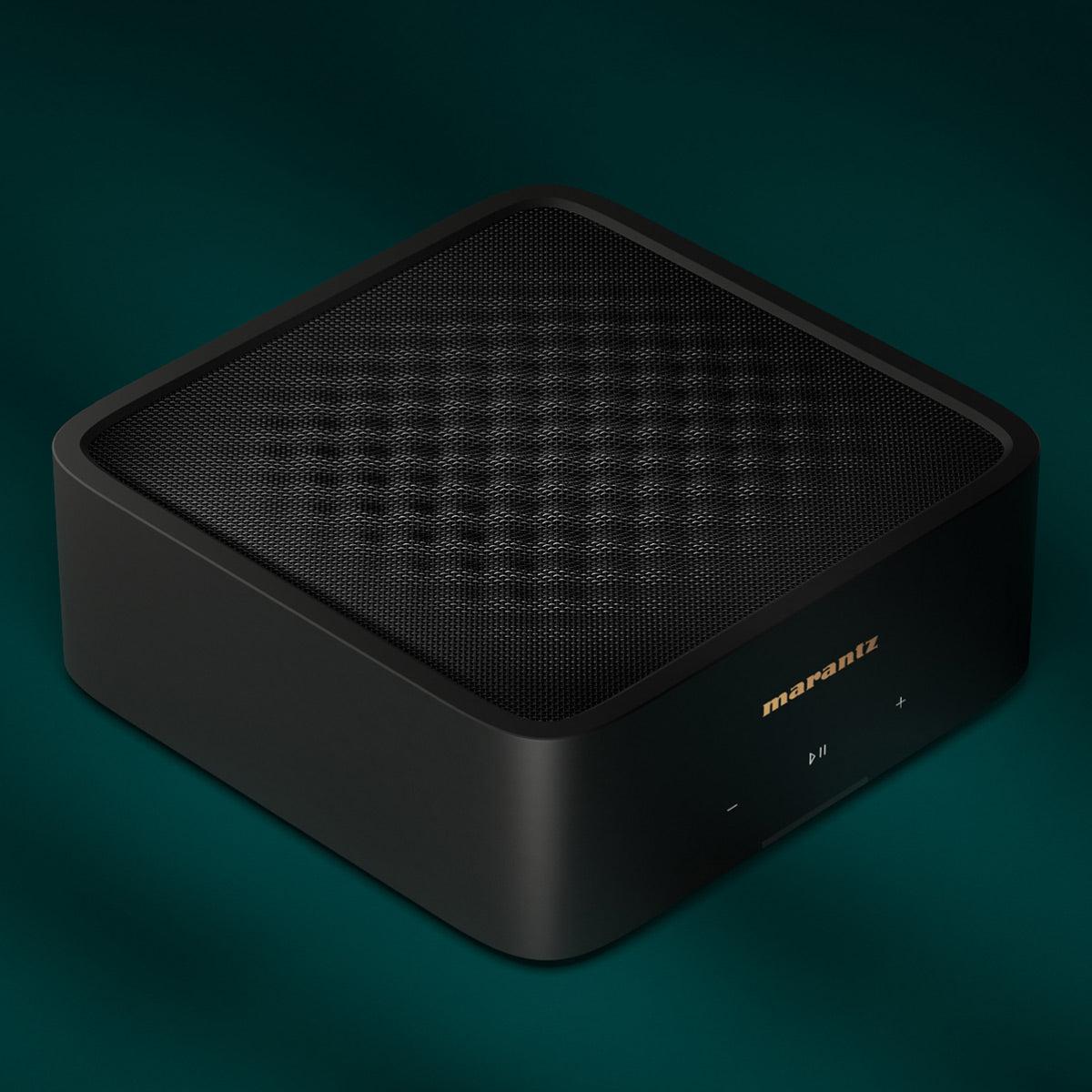
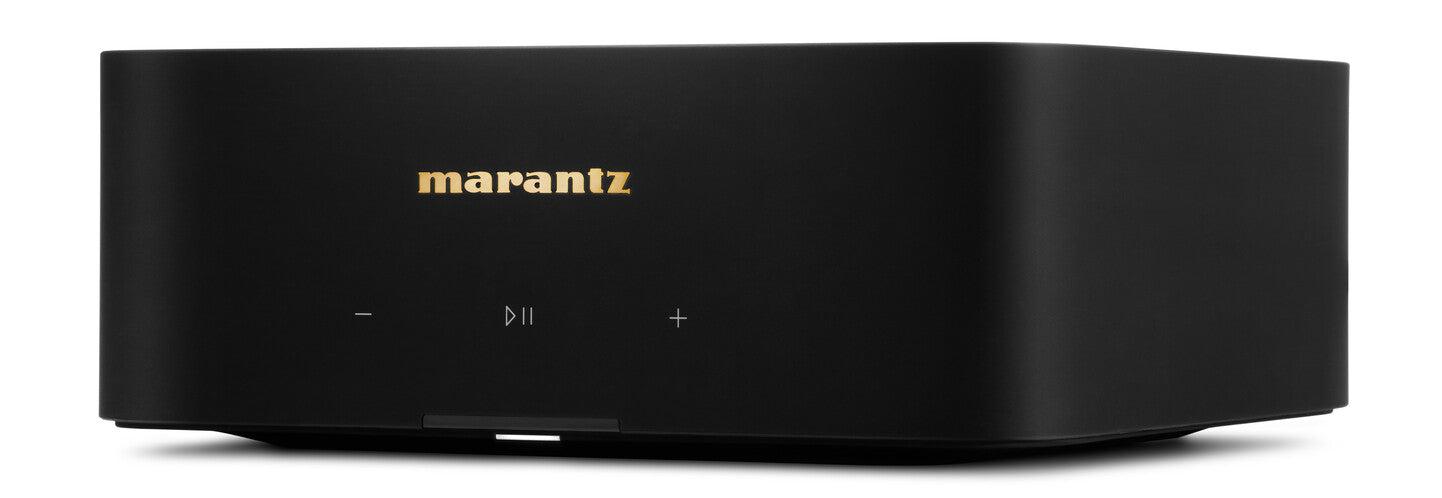
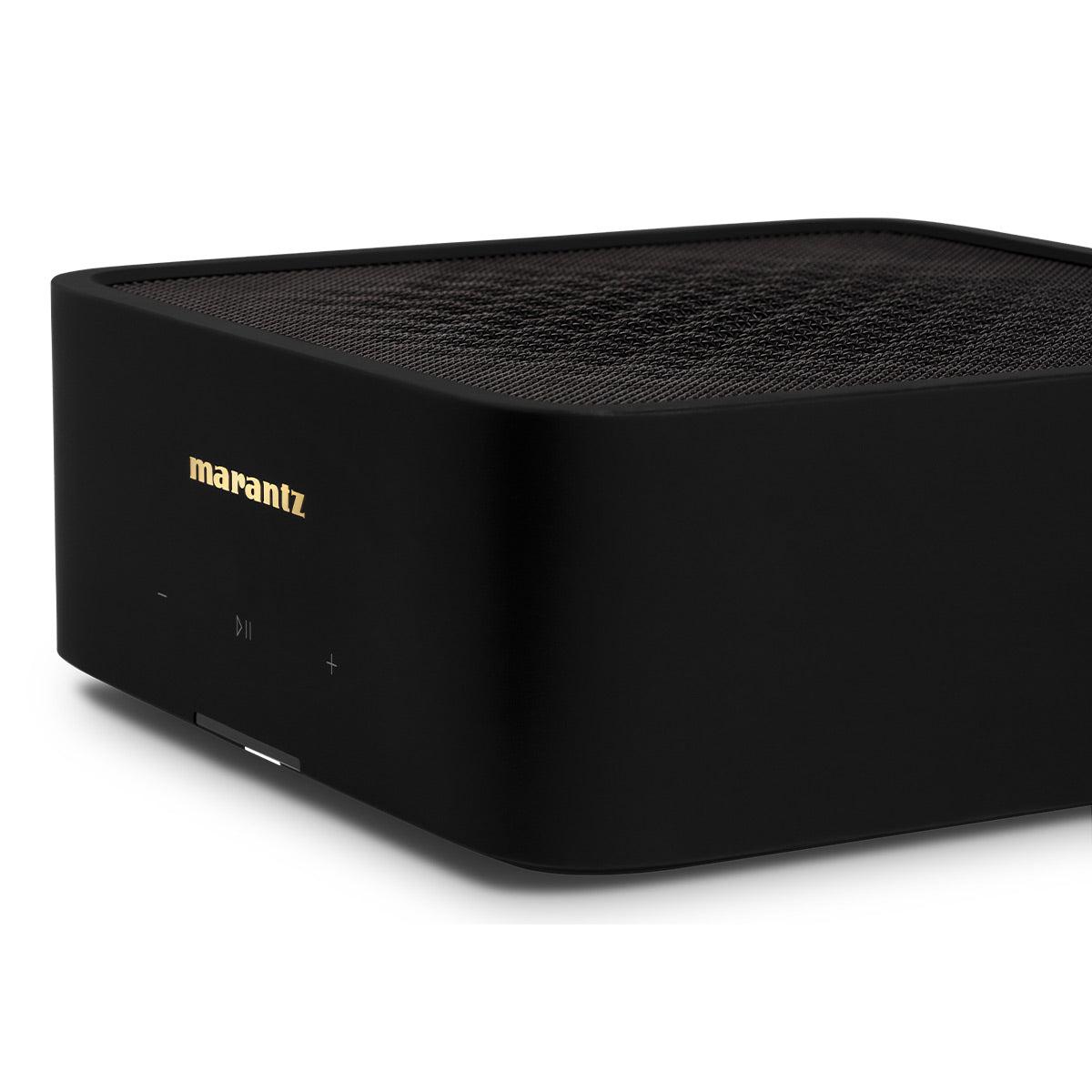
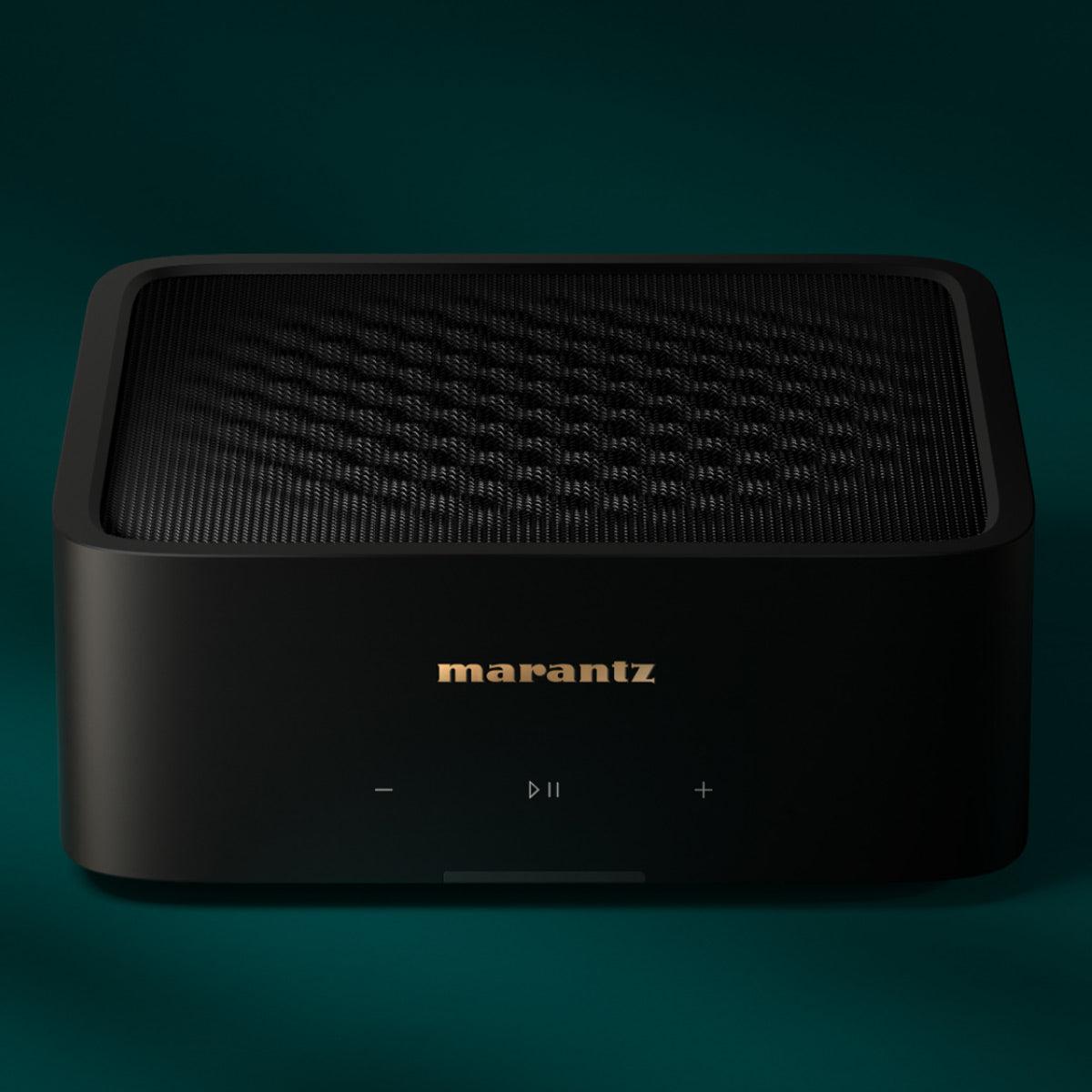
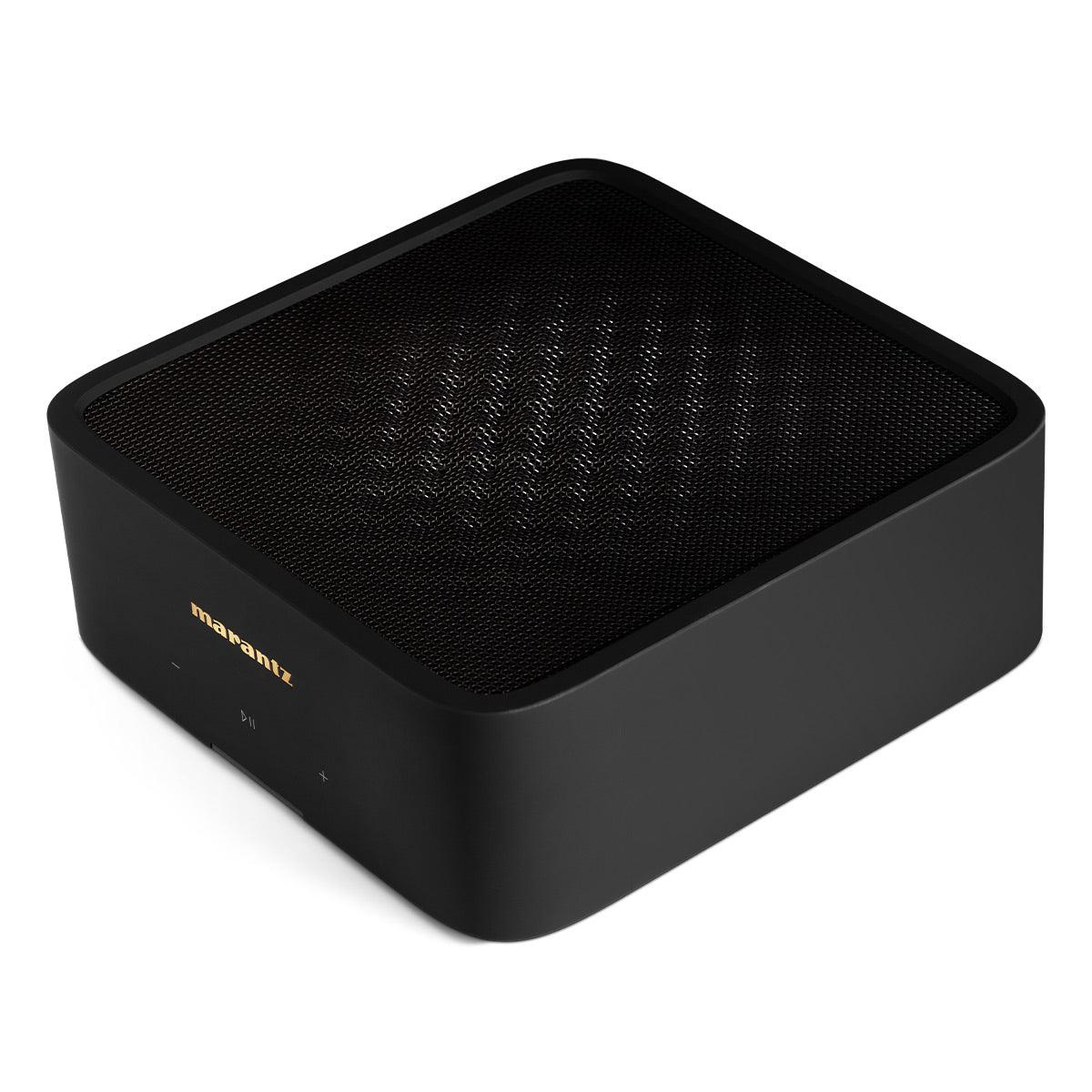
The Marantz Model M1 prioritizes space efficiency and modern aesthetics. Built at the same Shirakawa Audio Works facility in Japan that produces Marantz's high-end hi-fi components, it maintains premium build quality in a much smaller footprint. The textured metal top panel and rounded edges give it a more contemporary appearance that works well in modern living spaces.
At the time of writing, both amplifiers are priced competitively within their categories, with the Marantz Model M1 typically costing slightly less while offering significantly more modern features and power output. This represents excellent value for users who prioritize streaming and modern connectivity.
The Arcam A15 justifies its price through superior analog performance, lower distortion figures, and the inclusion of a quality phono stage that would cost several hundred dollars separately. For vinyl enthusiasts or users building traditional component systems, this represents better long-term value.
Both products include five-year warranties, reflecting the manufacturers' confidence in build quality and reliability.
The Arcam A15 excels for:
Traditional audiophiles who own vinyl records will find the built-in phono stage indispensable. The sound quality consistently impresses reviewers, with that characteristic Arcam warmth and musicality that makes long listening sessions enjoyable rather than fatiguing.
If you already own a CD player, network streamer, or other high-quality sources, the Arcam A15's multiple inputs let you switch between them easily. The preamp outputs also provide an upgrade path—you can add a more powerful amplifier later while keeping the A15 as a control center.
The Marantz Model M1 suits:
Modern listeners who primarily stream music will appreciate the "just add speakers" simplicity. The HEOS integration is particularly valuable for multi-room setups—you can start with one M1 and expand throughout your home without additional complexity.
Home theater enthusiasts wanting better TV audio will love the HDMI eARC integration and subwoofer management. It's essentially a high-quality soundbar alternative that works with your choice of speakers.
The compact size makes it ideal for desktop systems, bedrooms, or anywhere space is limited. Despite its small footprint, it provides enough power for most bookshelf speakers and even some floor-standing models.
For home theater use, the Marantz Model M1 offers compelling advantages. The HDMI eARC connection automatically switches to TV audio when you turn on your television, and the Dolby Digital+ decoding handles most streaming service audio formats properly. The ability to add a subwoofer with proper crossover management creates a surprisingly effective 2.1 system that outperforms most soundbars at similar price points.
The Arcam A15 can work with TVs through its digital inputs, but you'll need to manage input switching manually and won't get the seamless integration that HDMI eARC provides.
The Arcam A15's 0.002% THD (Total Harmonic Distortion) at 80% power represents exceptionally clean amplification. For comparison, most people can't hear distortion below 0.1%, so the Arcam's figure indicates engineering excellence rather than audible differences.
More meaningful is the frequency response specification—both amplifiers claim 20Hz-20kHz response, but the Arcam A15's ±0.2dB tolerance is tighter than most competitors, suggesting more accurate tonal balance.
The Marantz Model M1's Marantz Musical Digital Filtering (MMDF) deserves special attention. This proprietary technology offers two selectable digital filter characteristics that subtly alter the sound presentation. While the differences are subtle, having the choice lets you tailor the sound to your preferences or different types of music.
Both amplifiers excel at their intended purposes, making the choice dependent on your music consumption habits and system goals.
Choose the Arcam A15 if you value analog sources, own vinyl records, or prefer building traditional component-based systems. Its superior analog performance and ultra-low distortion make it an excellent foundation for a high-quality stereo system that you can expand over time.
Choose the Marantz Model M1 if you primarily stream music, want to upgrade your TV audio, or need a compact solution with maximum convenience. Its comprehensive streaming capabilities, extra power, and modern connectivity provide exceptional value for contemporary listening habits.
The decision ultimately reflects two different approaches to home audio: the traditional audiophile path of carefully selected components versus the modern integrated approach that prioritizes convenience and functionality. Both have merit, and both products execute their respective philosophies exceptionally well.
| Arcam A15 Integrated Amplifier | Marantz Model M1 Wireless Streaming Amplifier |
|---|---|
| Power Output - Determines how loud you can play music and which speakers you can drive effectively | |
| 80W per channel (8Ω), 120W per channel (4Ω) | 100W per channel (8Ω), 125W per channel (4Ω) |
| Amplifier Type - Affects sound quality, heat generation, and efficiency | |
| Class AB (traditional, warmer sound, higher power consumption) | Class D (modern, efficient, runs cool) |
| Total Harmonic Distortion - Lower numbers mean cleaner, more accurate sound | |
| 0.002% (exceptionally clean, audiophile-grade) | 0.05% (still excellent, typical for quality amplifiers) |
| Built-in Streaming - Determines if you need additional components for modern music services | |
| Bluetooth 5.2 with aptX Adaptive only (requires separate streamer for services) | HEOS platform with Spotify, Tidal, Amazon Music HD, AirPlay 2, Bluetooth |
| Analog Inputs - Critical for connecting turntables, CD players, and other traditional sources | |
| 3 line inputs + dedicated moving magnet phono stage | 1 line input, no phono stage |
| Digital Inputs - For connecting modern digital sources like TVs and streaming devices | |
| 2 coaxial + 1 optical (no HDMI) | 1 optical + HDMI eARC with Dolby Digital+ decoding |
| Multi-room Audio - Ability to sync music throughout your home | |
| No multi-room capability | Full HEOS multi-room integration |
| Subwoofer Integration - Important for bass management and 2.1 systems | |
| No subwoofer output | Dedicated subwoofer output with adjustable crossover filters |
| Size and Weight - Affects placement options and installation flexibility | |
| 17" × 13.5" × 3.8", 22 lbs (traditional hi-fi size) | Compact desktop-friendly form factor |
| High-Resolution Audio Support - For audiophile-quality digital music files | |
| ESS Sabre ES9018 DAC, up to 24-bit/192kHz PCM | Built-in DAC supporting 24-bit/192kHz PCM + DSD |
| Headphone Output - For private listening without disturbing others | |
| Yes, front-panel 3.5mm jack with dedicated amplifier | No headphone output |
| Expandability - Ability to add components and upgrade your system over time | |
| Preamp outputs for adding external power amplifiers | 12V trigger and IR for custom installation integration |
The Marantz Model M1 delivers more power with 100 watts per channel into 8-ohm speakers and 125 watts into 4-ohm speakers, compared to the Arcam A15's 80 watts (8Ω) and 120 watts (4Ω). This gives the Marantz Model M1 about 25% more headroom for demanding speakers and higher volume levels.
Only the Arcam A15 includes a built-in moving magnet phono stage for connecting turntables directly. The Marantz Model M1 has no phono input, so you'd need to buy a separate phono preamp to play vinyl records. For vinyl enthusiasts, the Arcam A15 is the clear choice.
The Marantz Model M1 excels at streaming with built-in HEOS platform support for Spotify, Tidal, Amazon Music HD, and other services, plus AirPlay 2 and multi-room capabilities. The Arcam A15 only offers Bluetooth streaming and requires a separate network streamer for full streaming functionality.
The Marantz Model M1 features HDMI eARC input that connects directly to modern TVs and supports Dolby Digital+ decoding, making it excellent for home theater use. The Arcam A15 has optical and coaxial digital inputs but no HDMI, requiring additional cables and manual input switching.
Both amplifiers offer excellent sound quality but with different characteristics. The Arcam A15 uses Class AB amplification with extremely low 0.002% distortion for warm, musical sound preferred by audiophiles. The Marantz Model M1 uses efficient Class D amplification that reviews describe as surprisingly engaging and fun-sounding despite being a streaming-focused design.
The Marantz Model M1 includes a dedicated subwoofer output with adjustable crossover filters, making it easy to create a 2.1 system. The Arcam A15 has no subwoofer output, though its preamp outputs could work with powered subwoofers that have line-level inputs.
The Marantz Model M1 is significantly more compact with a desktop-friendly form factor, while the Arcam A15 follows traditional hi-fi dimensions at 17" wide and weighing 22 pounds. For small spaces or modern living rooms, the Marantz Model M1 is much more practical.
The Arcam A15 includes a front-panel 3.5mm headphone jack with a dedicated headphone amplifier. The Marantz Model M1 has no headphone output, though you could use Bluetooth headphones with its wireless capabilities.
The Marantz Model M1 typically costs less while offering more power, comprehensive streaming, HDMI connectivity, and subwoofer integration—excellent value for modern listeners. The Arcam A15 justifies its price with superior analog performance, a quality phono stage, and traditional audiophile features that would cost hundreds more as separate components.
The Arcam A15 offers traditional expandability with preamp outputs for adding external power amplifiers and multiple analog inputs for various sources. The Marantz Model M1 focuses on multi-room expansion through HEOS and custom installation features like 12V triggers rather than component-based upgrades.
The Marantz Model M1 is superior for home theater with HDMI eARC, Dolby Digital+ decoding, subwoofer management, and seamless TV integration. The Arcam A15 can work with TVs through digital inputs but lacks the convenience and surround sound processing of the Marantz Model M1.
Yes, both support high-resolution audio up to 24-bit/192kHz. The Arcam A15 uses an ESS Sabre ES9018 DAC chip known for excellent sound quality, while the Marantz Model M1 adds DSD format support and includes Marantz Musical Digital Filtering for sound customization. Both deliver audiophile-quality digital playback.
We've done our best to create useful and informative comparisons to help you decide what product to buy. Our research uses advanced automated methods to create this comparison and perfection is not possible - please contact us for corrections or questions. These are the sites we've researched in the creation of this article: theaudiotailor.com.au - skybygramophone.com - crutchfield.com - arcam.co.uk - youtube.com - listenup.com - upscaleaudio.com - arcam.co.uk - whathifi.com - sweetwater.com - musicdirect.com - device.report - hifidaydreaming.com - listenup.com - bestbuy.com - crutchfield.com - audioadvisor.com - youtube.com - soundstagesimplifi.com - marantz.com - marantz.com - audioadvice.com - whathifi.com - manuals.marantz.com - audiosciencereview.com - youtube.com - marantz.com - sweetwater.com - audiosciencereview.com - accessories4less.com

Privacy Policy
Terms and Conditions - Affiliate Policy
Home Security
© Copyright 2008-2026.
11816 Inwood Rd #1211, Dallas, TX 75244