



The world of integrated amplifiers has split into two distinct camps over the past few years. On one side, you have traditional hi-fi companies adding digital features to proven analog designs. On the other, manufacturers are building amplifiers from the ground up around wireless streaming, treating analog inputs as an afterthought.
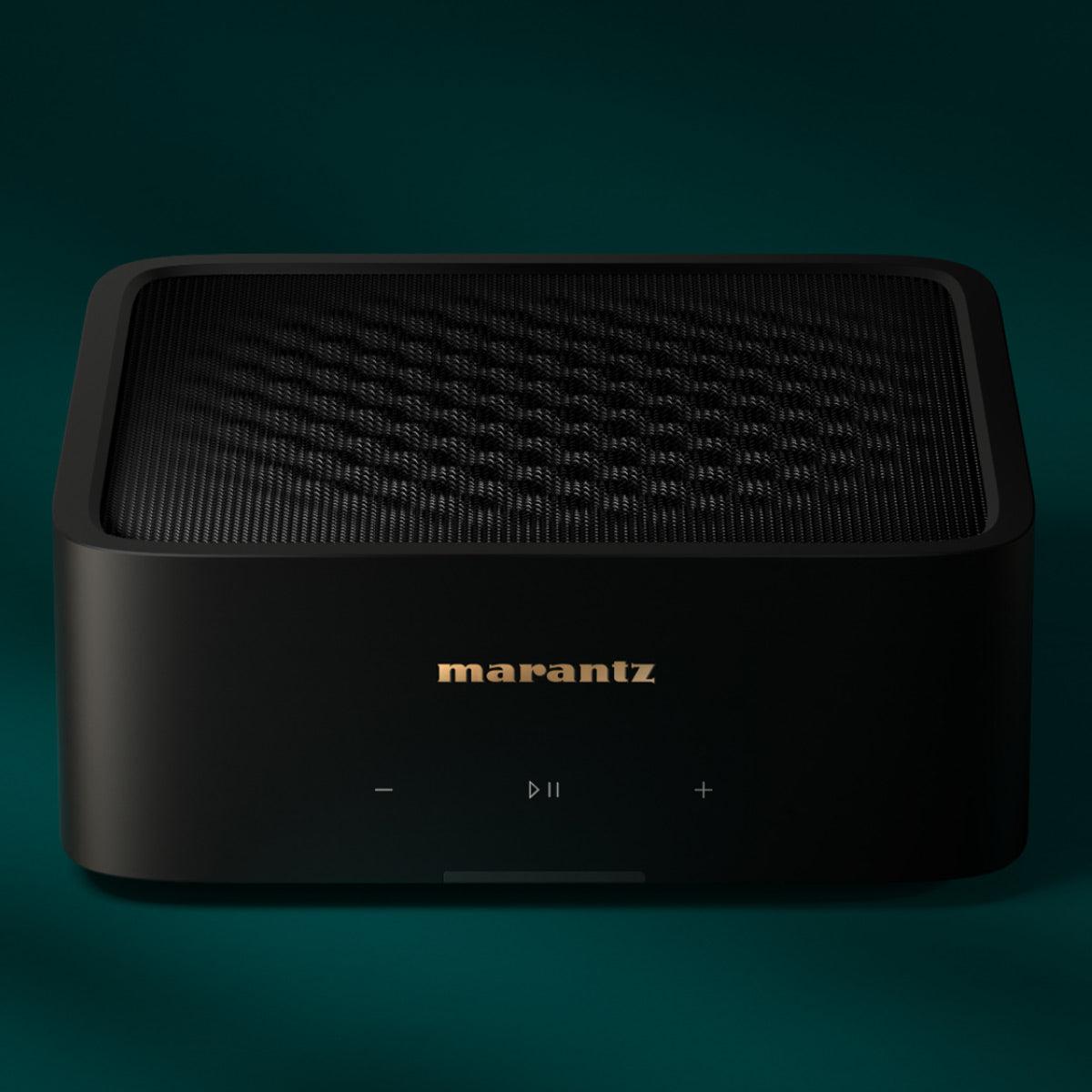
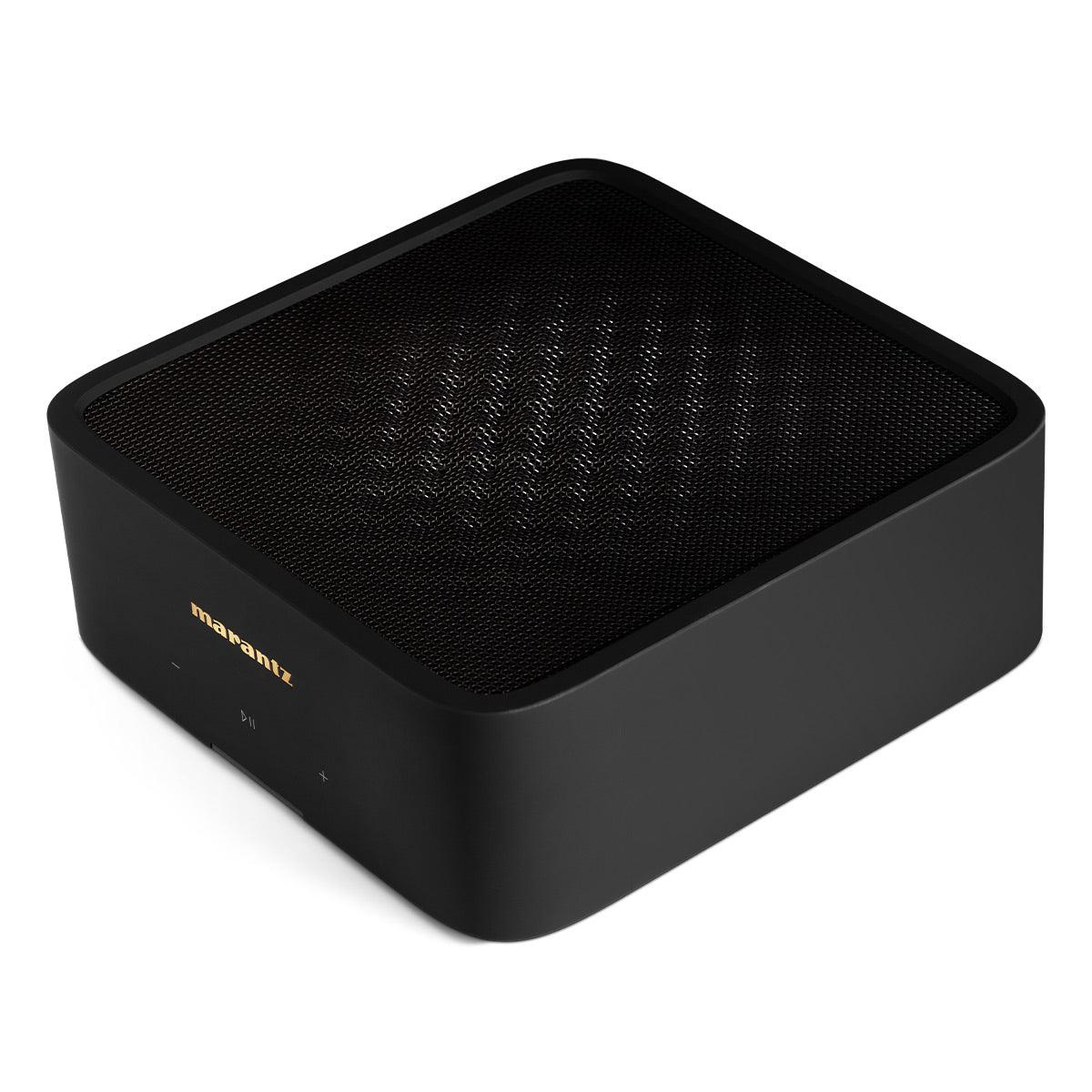
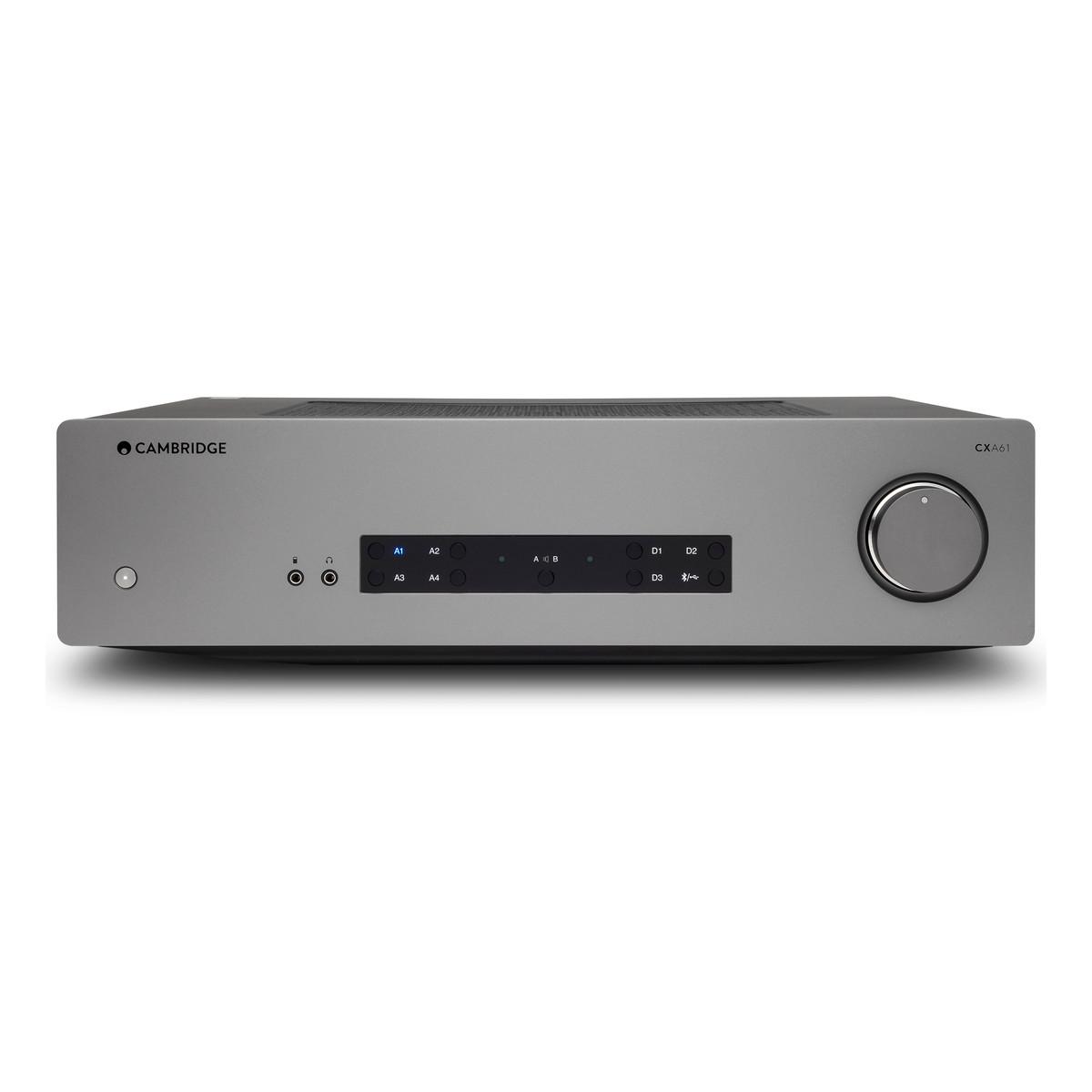
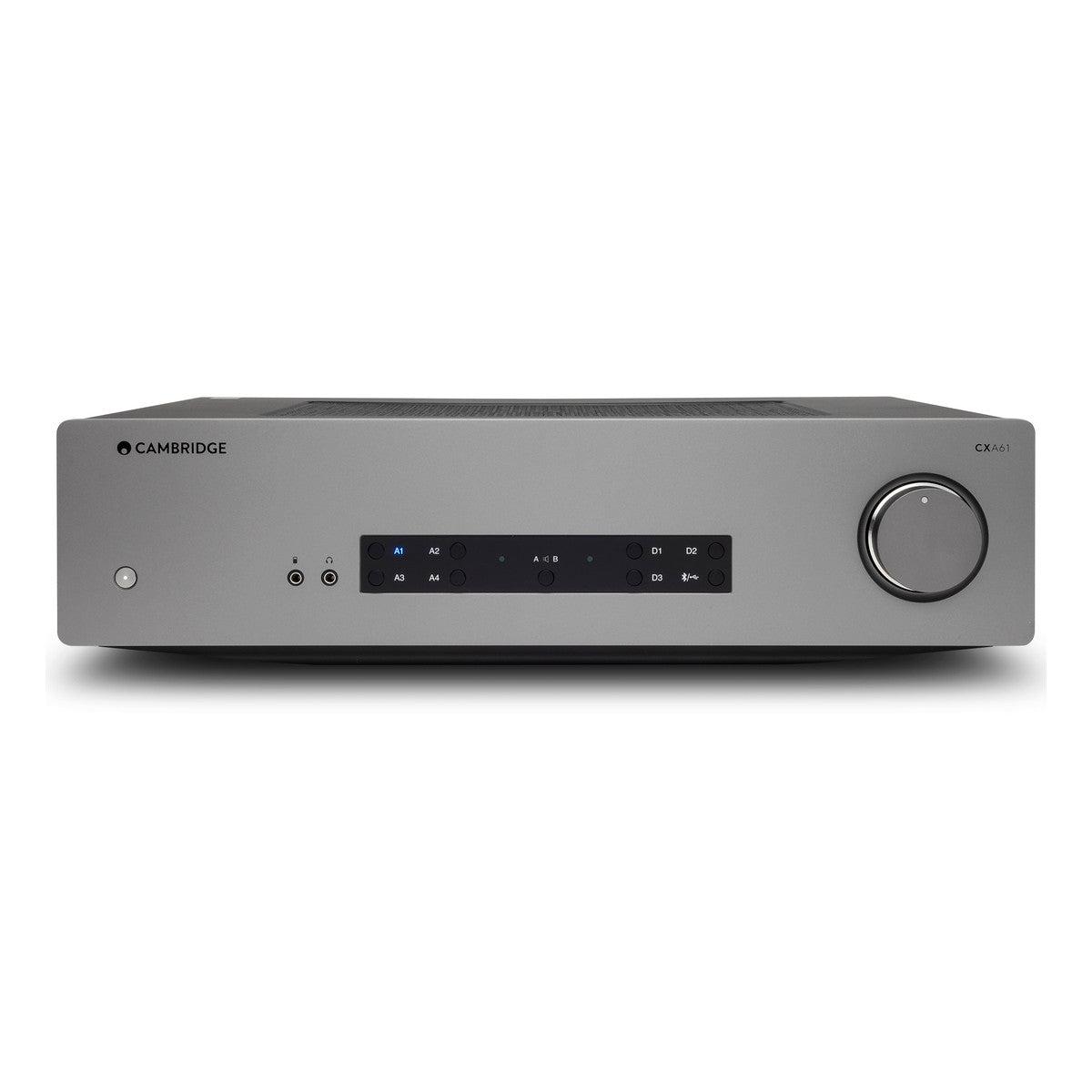
This divide perfectly captures the difference between the Cambridge Audio CXA61 and the Marantz Model M1. Released in 2019, the CXA61 represents Cambridge Audio's approach to modernizing classic integrated amplifier design. The Model M1, launched in 2024, shows Marantz's vision of what amplifiers should be in the streaming age.
Both serve the same basic function—they take audio signals and make them loud enough to drive speakers—but their philosophies couldn't be more different. Understanding which approach fits your listening habits and setup will determine which amplifier serves you better.
Integrated amplifiers combine two essential functions: a preamp (which handles source switching and volume control) and a power amp (which provides the muscle to drive speakers). This combination eliminates the need for separate components, saving space and often money.
The key considerations when choosing any integrated amplifier include power output (how loud it can go), connectivity options (what you can plug into it), sound quality, and increasingly, smart features. The balance between these factors has shifted dramatically as streaming services have become the dominant way people consume music.
Where amplifiers once needed multiple analog inputs for CD players, turntables, and tape decks, many listeners now get 90% of their music from Spotify, Apple Music, or similar services. This shift explains why the Marantz Model M1 prioritizes wireless connectivity over analog inputs, while the Cambridge Audio CXA61 maintains the traditional approach of extensive analog connectivity with digital features added on top.
The most fundamental difference between these amplifiers lies in how they generate power. The Cambridge Audio CXA61 uses Class AB amplification, a design that's been the gold standard in hi-fi for decades. Class AB amplifiers use large transformers (that's the heavy, donut-shaped component inside) and run relatively hot because they're always consuming some power, even when not producing sound.
This traditional approach in the CXA61 delivers 60 watts per channel into 8-ohm speakers, or 90 watts into 4-ohm speakers. The distinction matters because speaker impedance (measured in ohms) affects how much power an amplifier can deliver. Lower impedance means the amplifier works harder and can typically produce more power, assuming it's designed to handle the load.
The Marantz Model M1 takes a completely different approach with Class D amplification, sometimes called "switching" amplification. This technology was once associated with cheap computer speakers, but advances over the past decade have made high-quality Class D designs possible. The M1 delivers 100 watts into 8 ohms and 125 watts into 4 ohms while running much cooler and consuming less electricity.
From a pure power perspective, the M1 has a clear advantage. That extra power translates to better dynamics (the difference between quiet and loud passages), more headroom before distortion, and the ability to drive more demanding speakers. In practical terms, if you have speakers that are difficult to drive or you listen at higher volumes, the Marantz's power advantage becomes significant.
However, power isn't everything. Class AB designs like the CXA61 often provide what audiophiles describe as more "musical" sound—better soundstage depth, more natural midrange reproduction, and smoother high frequencies. The large toroidal transformer in the Cambridge Audio provides excellent current delivery for dynamic passages, even if the peak power numbers are lower.
Based on extensive user reviews and professional evaluations, the Marantz Model M1 tends to sound more dynamic and punchy, while the Cambridge Audio CXA61 offers more nuanced midrange performance and arguably better stereo imaging. Both approaches have merit, and personal preference plays a significant role in which sounds "better" to individual listeners.
Both amplifiers include built-in DACs (Digital-to-Analog Converters), which convert digital music files into analog signals your speakers can reproduce. This is crucial because virtually all modern music sources are digital, from streaming services to CD players to computer audio.
The Cambridge Audio CXA61 uses an ESS Sabre ES9010K2M DAC chip, which supports extremely high resolution audio up to 24-bit/384kHz PCM and DSD256. To put this in perspective, CD quality is 16-bit/44.1kHz, so this DAC can handle files with dramatically more resolution than standard CDs. DSD (Direct Stream Digital) is an alternative format used primarily for high-end audio recordings.
The Marantz Model M1 supports up to 24-bit/192kHz PCM and DSD up to 5.6MHz. While this is technically lower than the Cambridge Audio's maximum capabilities, it still covers essentially all high-resolution content you're likely to encounter. The practical difference between 192kHz and 384kHz sampling rates is debatable—most people can't hear the difference in blind tests.
More important than maximum resolution is implementation quality. The Cambridge Audio's ESS Sabre chip is well-regarded for its low noise and detailed sound, though some listeners find Sabre DACs slightly analytical or bright. The Marantz implements its DAC with the company's Musical Digital Filtering (MMDF) technology, which offers two different filter settings to tailor the sound character.
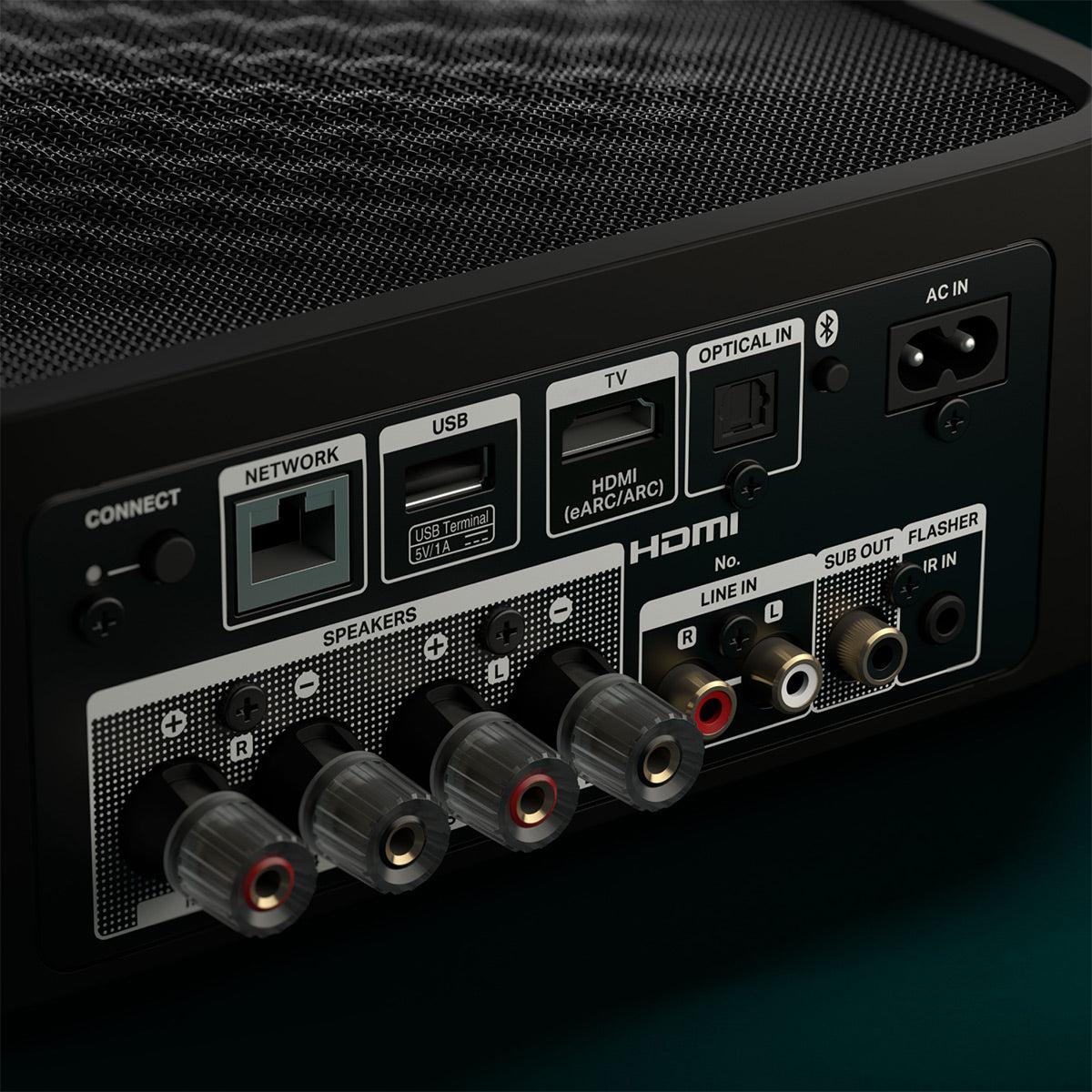
In terms of digital inputs, the Cambridge Audio CXA61 provides more flexibility with two optical inputs, one coaxial input, and a USB input that can connect directly to computers. The Marantz Model M1 offers one optical input, a USB port for storage devices, and critically, an HDMI eARC input for direct TV connection.
The HDMI eARC (enhanced Audio Return Channel) connection is increasingly important as TVs become primary entertainment hubs. This allows the Marantz to receive audio directly from your TV, including surround sound formats like Dolby Digital+, making it viable as part of a simple home theater setup. The Cambridge Audio lacks this capability and would require additional connection complexity for TV audio.
This is where the philosophical differences become most apparent. The Marantz Model M1 is built around HEOS, Marantz's streaming ecosystem that provides native access to virtually every major streaming service—Spotify, TIDAL, Amazon Music HD, Pandora, Qobuz, and more.
HEOS integration means you can control music playback directly through the HEOS smartphone app, create multi-room audio systems with other HEOS-enabled devices, and integrate with voice assistants like Alexa. The system also supports AirPlay 2 for Apple users and high-quality Bluetooth for universal device compatibility.
The multi-room capability deserves emphasis because it transforms a single amplifier purchase into the foundation of a whole-home audio system. You can synchronize music playback across multiple zones, control everything from a single app, and add components over time to expand the system.
The Cambridge Audio CXA61 takes a minimalist approach to streaming with only Bluetooth connectivity, though it does support the high-quality aptX HD codec for better wireless audio quality. This approach assumes you'll use a separate streaming device—whether that's a dedicated network streamer, Apple TV, or even your phone connected via Bluetooth.
For users who already own streaming devices or prefer separating functions, the Cambridge approach has merit. Many audiophiles argue that dedicated streaming devices often perform better than built-in streaming, and the modular approach allows upgrading streaming capabilities independently of amplification.
However, for most users, the convenience of built-in streaming in the Marantz Model M1 provides significant value. The ability to access streaming services directly, control everything through one app, and expand to multi-room audio represents a substantial advantage in daily usability.
The connectivity differences reflect each amplifier's target audience. The Cambridge Audio CXA61 provides four pairs of analog RCA inputs, allowing connection of multiple sources like CD players, turntables (with separate phono preamp), tape decks, or any other analog component. It also includes both A and B speaker outputs for connecting two pairs of speakers or bi-wiring a single pair.
This extensive analog connectivity makes the CXA61 ideal for traditional hi-fi setups with multiple physical sources. The front-panel 3.5mm input provides convenient connection for phones or portable devices, and the headphone output allows private listening.
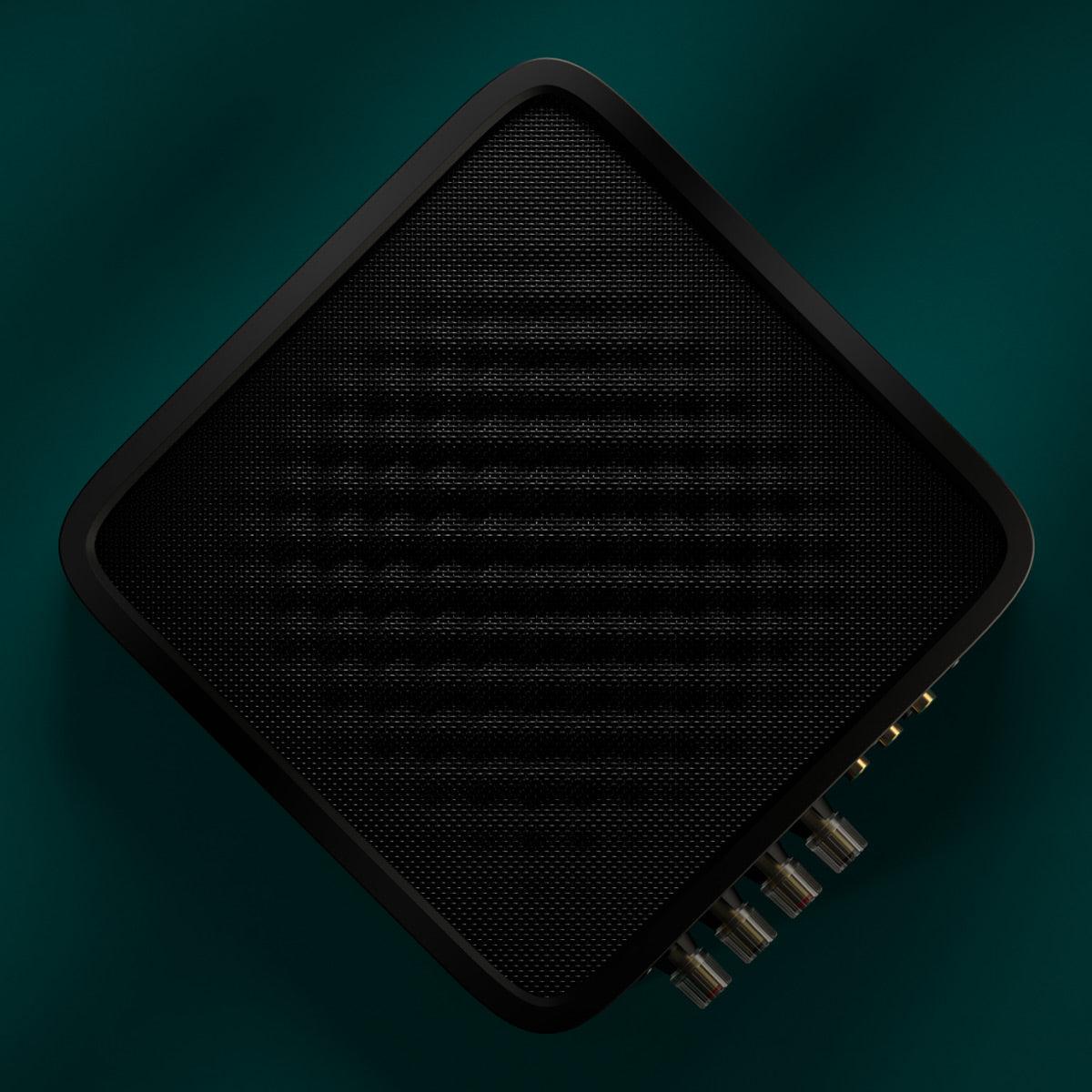
The Marantz Model M1 provides minimal analog connectivity with just one pair of RCA inputs. This reflects its streaming-first philosophy—if most of your music comes from digital sources, multiple analog inputs become less relevant. However, this limitation could be frustrating for users with turntables, CD players, or other analog sources.
Both amplifiers include subwoofer outputs, but the Marantz implements this more thoughtfully with adjustable crossover filters. You can set both high-pass filtering for the main speakers and low-pass filtering for the subwoofer, creating a proper 2.1 system with better integration between speakers and subwoofer.
The Marantz Model M1 also includes custom installation features like 12V trigger outputs, IR learning capability, and integration with professional control systems like Crestron and Control4. These features matter primarily for custom installations or smart home integration.
Physical design reflects each company's priorities. The Cambridge Audio CXA61 follows traditional hi-fi proportions—substantial, heavy (about 18 pounds), and sized to match other components in a hi-fi rack. The build quality is excellent for the price point, with a solid chassis, quality binding posts for speaker connections, and a clean front panel design.
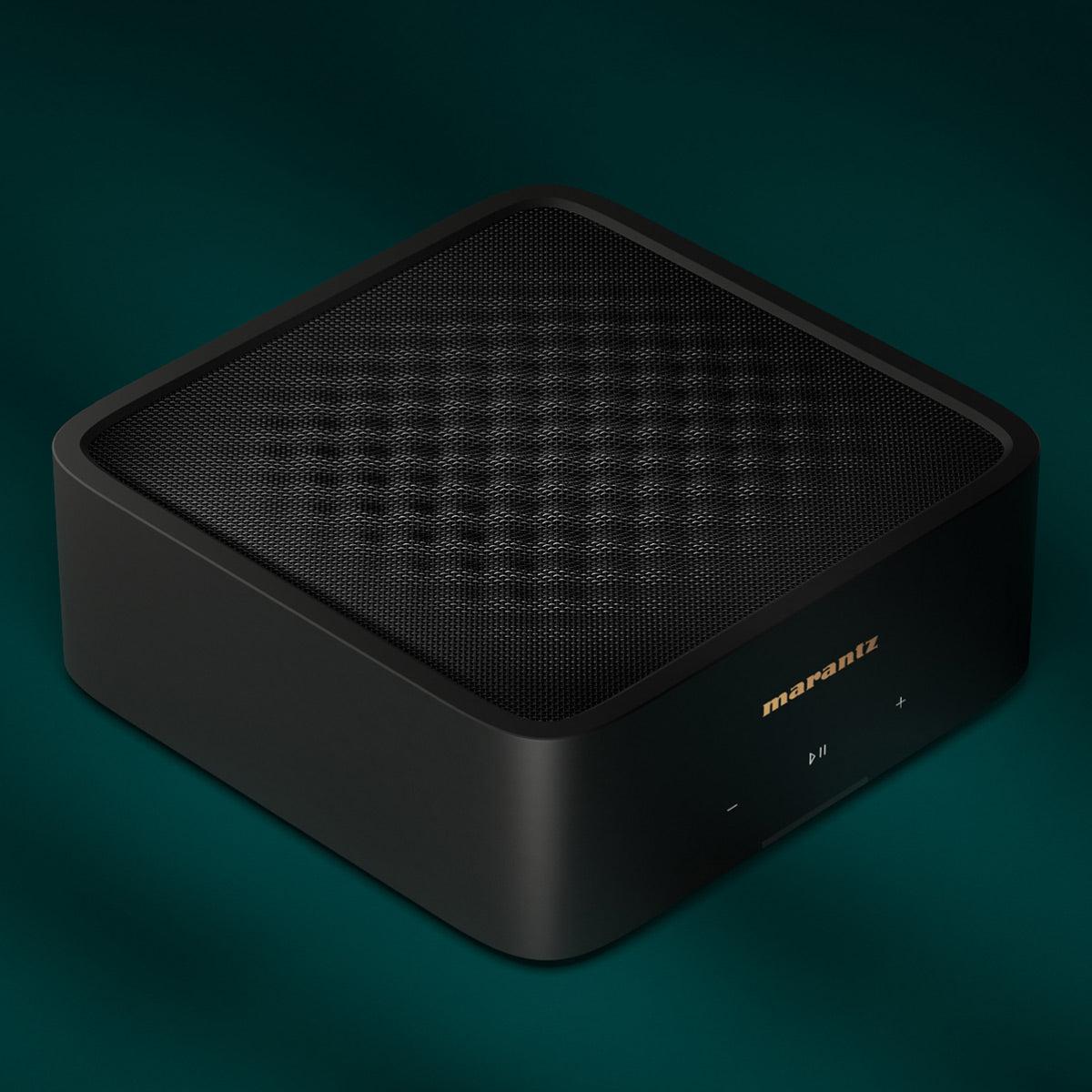
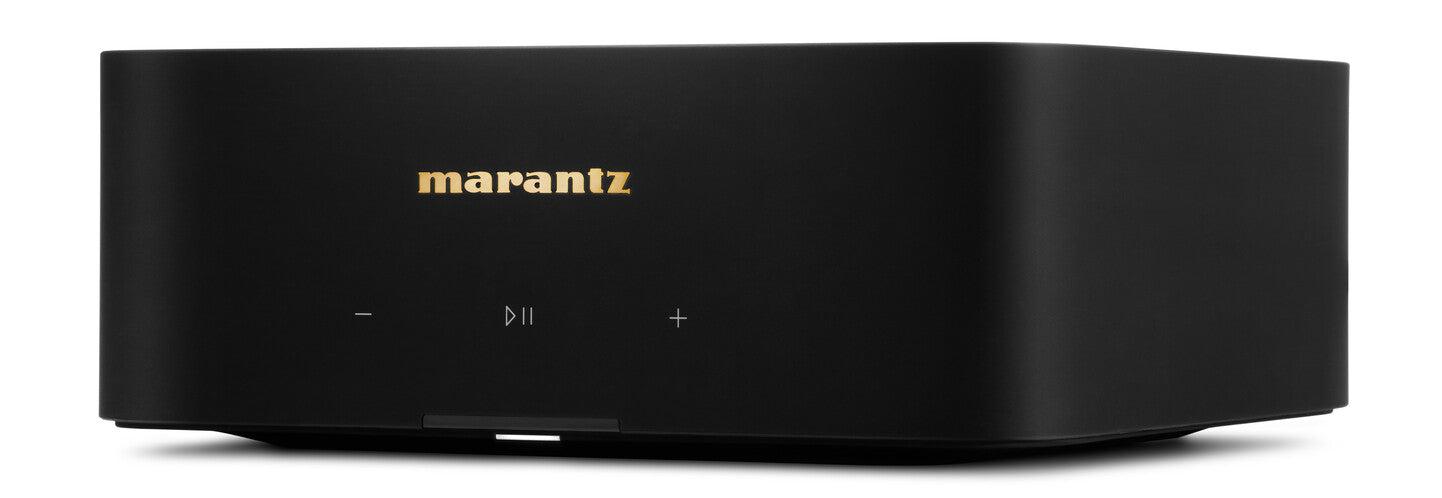
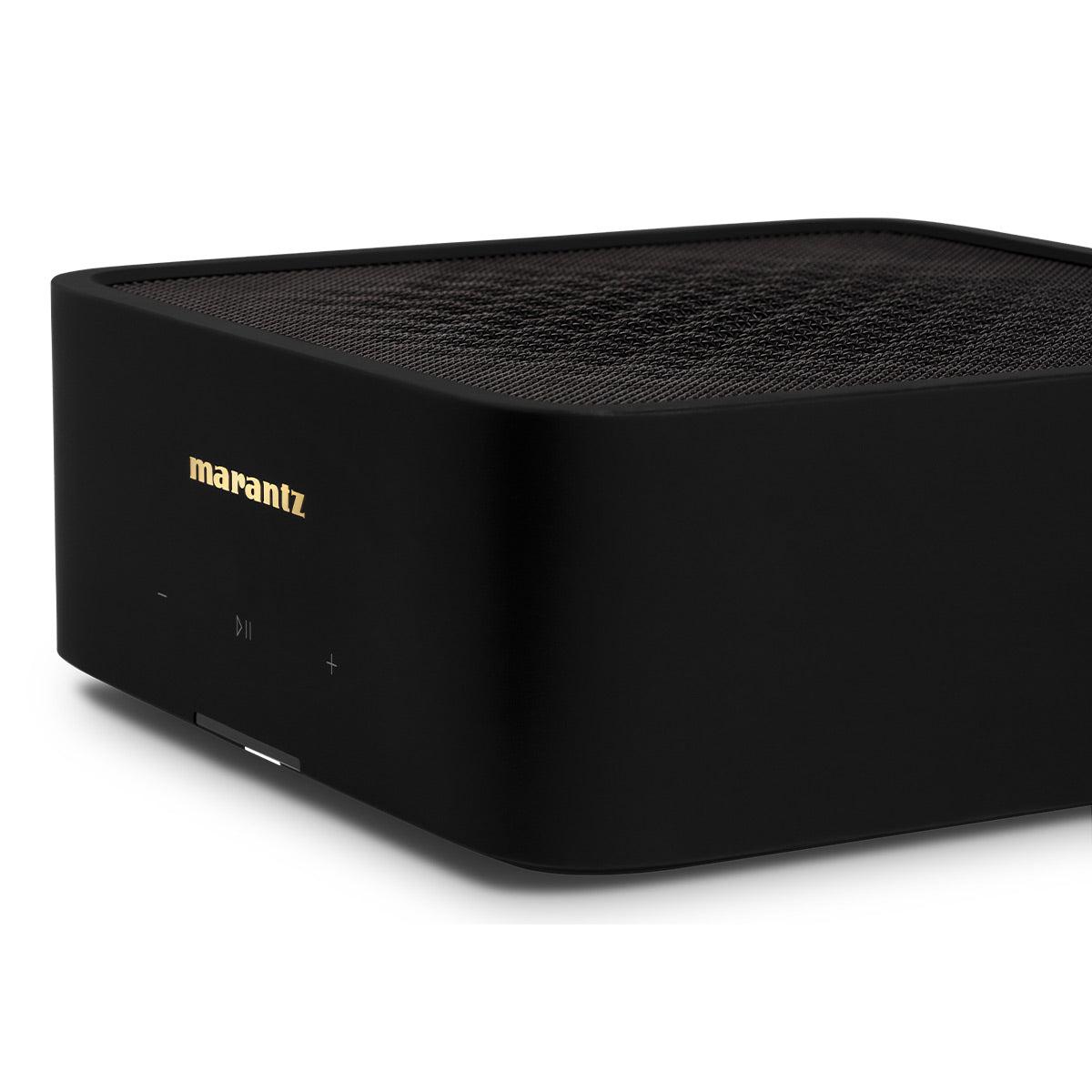
The Marantz Model M1 prioritizes space efficiency with dimensions roughly half the size of traditional integrated amplifiers and weighing under 5 pounds. This compact design enables placement options impossible with traditional amplifiers—on bookshelves, in media cabinets, or discreetly mounted out of sight. The smaller size also means it runs much cooler, reducing ventilation requirements.
Both amplifiers are well-built for their respective markets, but the Marantz reflects more premium manufacturing with assembly in Japan at Marantz's Shirakawa facility. This manufacturing location historically produces the company's highest-end products.
At the time of writing, the Cambridge Audio CXA61 typically costs several hundred dollars less than the Marantz Model M1, making it an exceptional value for traditional hi-fi performance. You get proven Class AB amplification, extensive connectivity, high-resolution digital capabilities, and solid build quality at a price point that's accessible to many enthusiasts.
The Cambridge Audio represents outstanding value if you don't need built-in streaming or if you already own streaming devices. The money saved could purchase a quality network streamer, potentially creating a more flexible system than the all-in-one Marantz approach.
The Marantz Model M1 commands a premium for its streaming integration, compact design, and Japanese manufacturing. The value proposition depends heavily on how much you value convenience and space efficiency. If built-in streaming saves you from purchasing separate components, the price difference becomes more justified.
For home theater integration, the Marantz provides unique value with its HDMI eARC connection and Dolby Digital+ processing. This allows simplified TV audio integration that would require additional components with the Cambridge Audio.
While both are stereo amplifiers, their home theater utility differs significantly. The Marantz Model M1 can serve as the foundation of a simple 2.1 home theater system with its HDMI eARC connection handling TV audio and the adjustable subwoofer crossover providing proper bass management.
The HDMI eARC connection automatically switches to TV audio when the TV is turned on and can handle common surround formats, down-mixing them to stereo with good results. This makes the M1 viable for users who want good music performance but also watch movies and TV shows.
The Cambridge Audio CXA61 would require additional components for TV integration—either a separate DAC with HDMI inputs or optical connection from the TV (if available). This isn't necessarily problematic but adds complexity to the setup.
Based on extensive research into user experiences and professional reviews, clear patterns emerge for who should choose each amplifier.
Choose the Cambridge Audio CXA61 if you:
The Cambridge Audio excels for traditional hi-fi enthusiasts who appreciate proven design principles and component flexibility. It's also the better choice for budget-conscious buyers who can achieve excellent results with less financial commitment.
Choose the Marantz Model M1 if you:
The Marantz represents the future direction of integrated amplifiers—purpose-built for streaming with traditional analog inputs as secondary considerations. It's ideal for users embracing modern digital workflows who value convenience and integration over traditional hi-fi component separation.
Both amplifiers excel in their intended roles, but they serve fundamentally different users and use cases. The Cambridge Audio CXA61 offers exceptional value for traditional hi-fi performance with modern digital enhancements. The Marantz Model M1 provides a glimpse into the streaming-first future of audio components, though at a premium price.
Your choice ultimately depends on how you consume music and what trade-offs you're willing to make. If streaming services provide most of your music and you value convenience and integration, the Marantz's approach makes compelling sense despite its higher cost. If you have diverse analog sources or prefer the flexibility of separate components, the Cambridge Audio provides better value and proven performance.
Neither choice is wrong—they simply reflect different approaches to the same goal of great sound reproduction. Understanding which philosophy aligns with your listening habits and setup requirements will guide you to the right decision.
| Marantz Model M1 | Cambridge Audio CXA61 |
|---|---|
| Power Output - Higher power drives demanding speakers and fills larger rooms | |
| 100W (8Ω), 125W (4Ω) - Sufficient for most speakers | 60W (8Ω), 90W (4Ω) - Good for efficient speakers |
| Amplifier Type - Affects sound character, size, and heat generation | |
| Class D (switching) - Compact, efficient, runs cool | Class AB - Traditional audiophile sound, larger size |
| Streaming Capabilities - Built-in streaming eliminates need for separate devices | |
| HEOS Built-in, AirPlay 2, Wi-Fi, multi-room audio | Bluetooth only (aptX HD) - requires external streamer |
| Digital Audio Resolution - Higher numbers don't always mean audible improvements | |
| Up to 24-bit/192kHz PCM, DSD 5.6MHz | Up to 24-bit/384kHz PCM, DSD256 - highest available |
| DAC Quality - Converts digital music to analog signals for speakers | |
| Built-in with MMDF filtering technology | ESS Sabre ES9010K2M - well-regarded audiophile chip |
| Analog Inputs - More inputs accommodate turntables, CD players, other sources | |
| 1x RCA stereo input - streaming-focused design | 4x RCA stereo inputs - traditional hi-fi flexibility |
| Digital Inputs - Variety allows connection of multiple digital sources | |
| 1x Optical, 1x HDMI eARC, 1x USB-A | 2x Optical, 1x Coaxial, 1x USB-B - more comprehensive |
| TV Integration - HDMI eARC simplifies connection to modern TVs | |
| HDMI eARC with Dolby Digital+ decoding | None - requires optical cable or external DAC |
| Size and Weight - Compact designs fit more placement options | |
| 8.6" x 3.4" x 9.9", 4.84 lbs - ultra-compact | 16.9" x 4.5" x 13.4", 18.3 lbs - traditional size |
| Multi-Room Audio - Synchronize music across multiple rooms | |
| Full HEOS multi-room system compatibility | None - single room use only |
| Speaker Outputs - Multiple outputs allow A/B switching or bi-wiring | |
| Single pair with subwoofer output | A+B speaker pairs plus subwoofer output |
| Smart Home Integration - Voice control and automation compatibility | |
| Alexa, Google, custom install systems | None - manual control only |
| Build Origin - Manufacturing location often indicates quality focus | |
| Japan (Shirakawa Audio Works) | UK design, competitive manufacturing |
| Warranty Coverage - Longer warranties suggest manufacturer confidence | |
| 5 years parts and labor | 3 years standard coverage |
The Marantz Model M1 delivers significantly more power with 100 watts per channel into 8 ohms and 125 watts into 4 ohms. The Cambridge Audio CXA61 provides 60 watts into 8 ohms and 90 watts into 4 ohms. The Marantz Model M1 has about 67% more power, making it better suited for demanding speakers and larger rooms.
The Marantz Model M1 offers comprehensive wireless streaming with built-in HEOS, AirPlay 2, Wi-Fi connectivity, and access to services like Spotify, TIDAL, and Amazon Music HD. The Cambridge Audio CXA61 only provides Bluetooth streaming with aptX HD support, so you'll need a separate streaming device for services like Spotify or Apple Music.
The Cambridge Audio CXA61 excels with four analog RCA inputs, allowing connection of multiple sources simultaneously. The Marantz Model M1 has only one analog input, making it less suitable for users with multiple analog sources. If you have a turntable, CD player, and other analog components, the Cambridge Audio CXA61 is the clear choice.
The Marantz Model M1 includes HDMI eARC connectivity and Dolby Digital+ decoding, making it excellent for TV audio and simple home theater setups. The Cambridge Audio CXA61 lacks HDMI inputs and would require optical connection from your TV, limiting its home theater utility. For TV integration, the Marantz Model M1 is significantly more convenient.
The Cambridge Audio CXA61 supports higher resolution digital audio up to 24-bit/384kHz PCM and DSD256 through its ESS Sabre DAC. The Marantz Model M1 handles up to 24-bit/192kHz PCM and DSD 5.6MHz. While the Cambridge Audio CXA61 has higher technical specifications, both handle all common high-resolution audio formats you're likely to encounter.
The Marantz Model M1 excels at multi-room audio through its built-in HEOS system, allowing you to synchronize music across multiple rooms and control everything from one app. The Cambridge Audio CXA61 has no multi-room capabilities and is designed for single-room use only.
The Marantz Model M1 is dramatically more compact at roughly half the size and weight of traditional amplifiers, making it suitable for bookshelves, desks, or discrete mounting. The Cambridge Audio CXA61 follows traditional hi-fi dimensions and requires proper rack space or dedicated furniture. If space is limited, the Marantz Model M1 offers much more placement flexibility.
The Marantz Model M1 uses Class D amplification, which is highly efficient, runs cool, and provides consistent power delivery with a punchy, dynamic sound character. The Cambridge Audio CXA61 uses traditional Class AB amplification, often preferred by audiophiles for its more natural midrange and sophisticated soundstage. Both approaches have merit, with the choice depending on personal preference and listening priorities.
The Cambridge Audio CXA61 typically costs significantly less while offering extensive analog connectivity, high-resolution digital capabilities, and proven Class AB amplification. The Marantz Model M1 commands a premium for its streaming integration, compact design, and higher power output. The Cambridge Audio CXA61 provides better traditional hi-fi value, while the Marantz Model M1 offers more convenience features.
With the Marantz Model M1, streaming is built-in through HEOS, eliminating the need for additional devices to access streaming services. The Cambridge Audio CXA61 requires a separate streaming device, network player, or relies on Bluetooth from your phone for wireless music. This could be an advantage if you prefer dedicated streaming components or already own suitable devices.
Both amplifiers include subwoofer outputs, but the Marantz Model M1 offers more sophisticated bass management with adjustable high-pass and low-pass filters for proper 2.1 system integration. The Cambridge Audio CXA61 has a basic subwoofer output without adjustable filtering. For subwoofer integration, the Marantz Model M1 provides better control and optimization.
The Marantz Model M1 integrates with smart home systems through HEOS, supporting voice assistants like Alexa and Google Assistant, plus professional control systems like Crestron and Control4. The Cambridge Audio CXA61 has no smart home integration capabilities and requires manual control. For modern smart home integration, only the Marantz Model M1 offers these features.
We've done our best to create useful and informative comparisons to help you decide what product to buy. Our research uses advanced automated methods to create this comparison and perfection is not possible - please contact us for corrections or questions. These are the sites we've researched in the creation of this article: bestbuy.com - crutchfield.com - audioadvisor.com - youtube.com - soundstagesimplifi.com - marantz.com - marantz.com - audioadvice.com - whathifi.com - manuals.marantz.com - audiosciencereview.com - youtube.com - marantz.com - sweetwater.com - audiosciencereview.com - accessories4less.com - themasterswitch.com - theaudiophileman.com - youtube.com - forums.whathifi.com - crutchfield.com - youtube.com - youtube.com - hifihaven.org - crutchfield.com - audioguru.com - listenup.com - forums.whathifi.com - manuals.cambridgeaudio.com - alpha-audio.net - hifichoice.com - cambridgeaudio.com - the-ear.net - speakerdecision.com

Privacy Policy
Terms and Conditions - Affiliate Policy
Home Security
© Copyright 2008-2026.
11816 Inwood Rd #1211, Dallas, TX 75244