

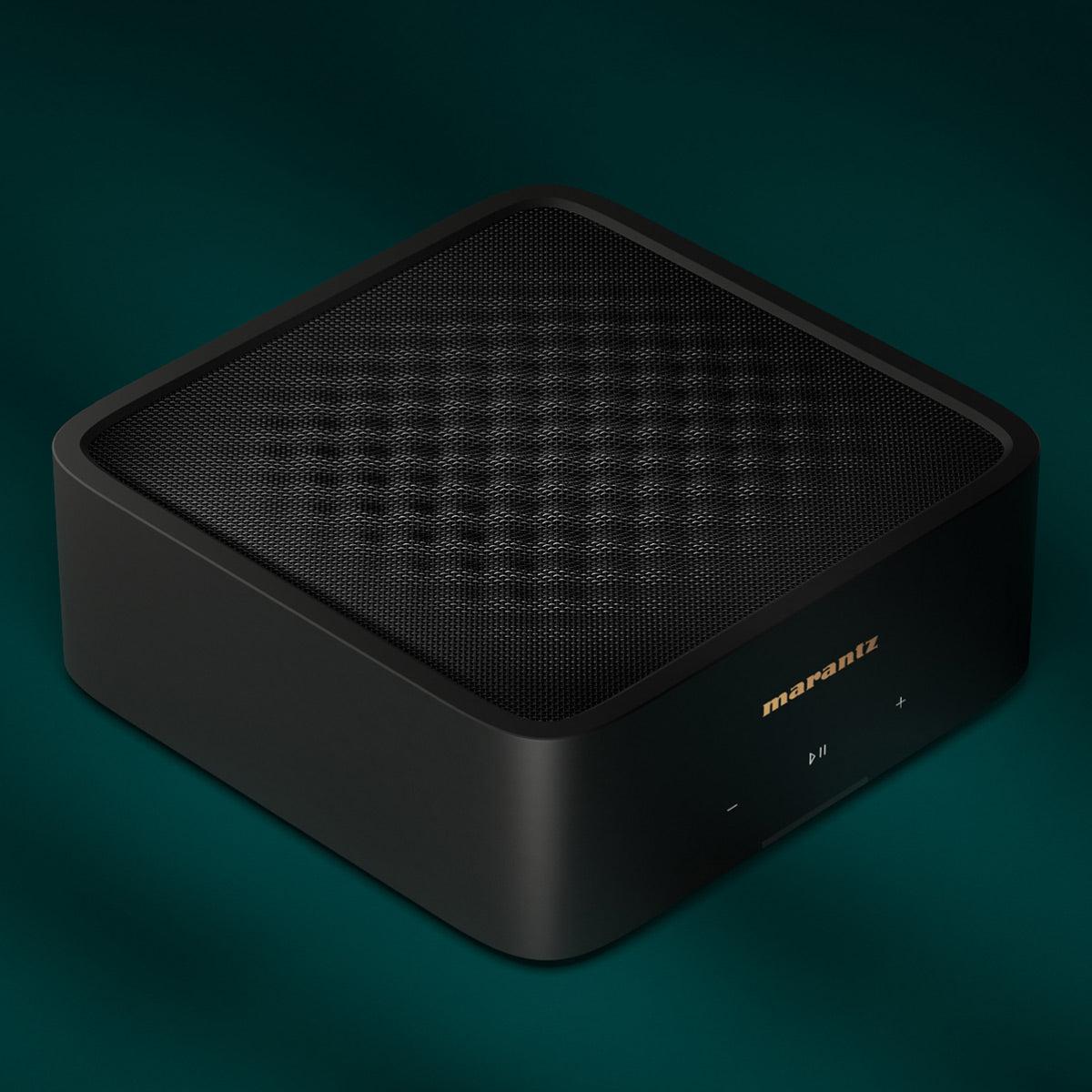
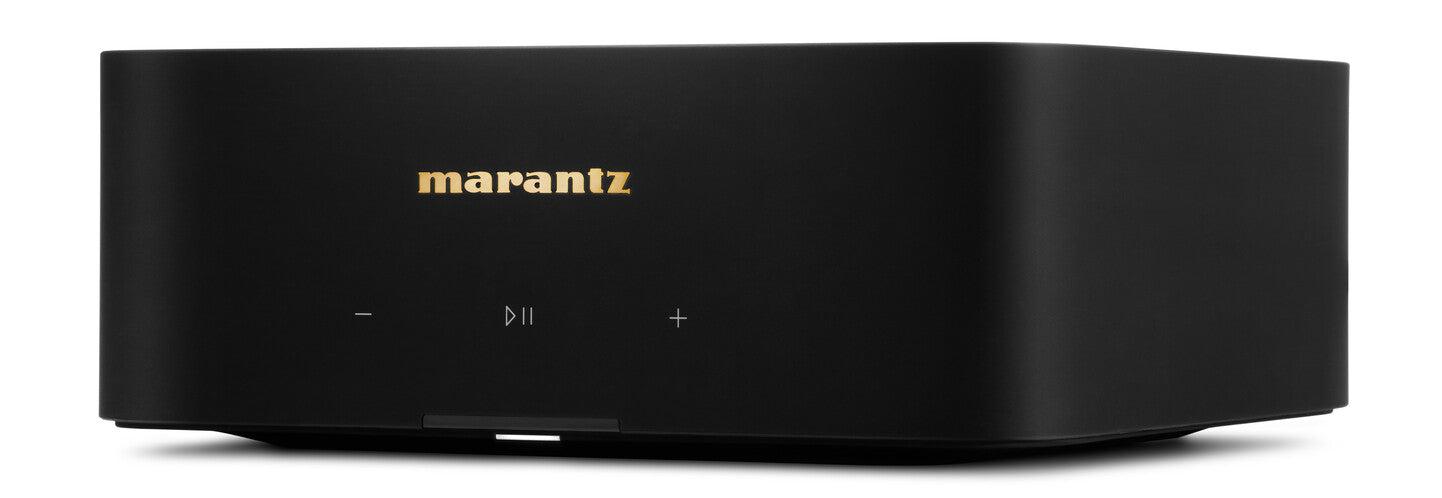
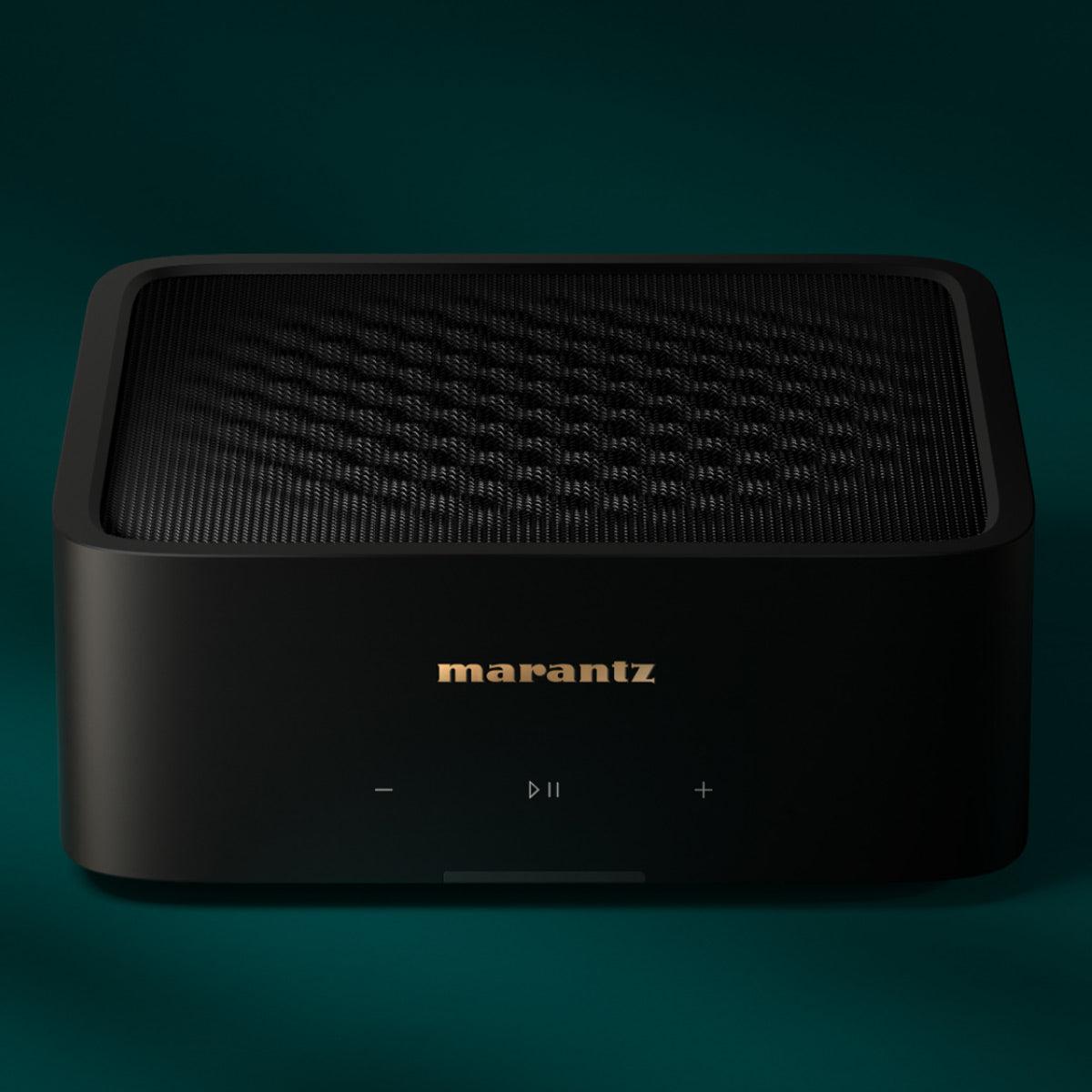
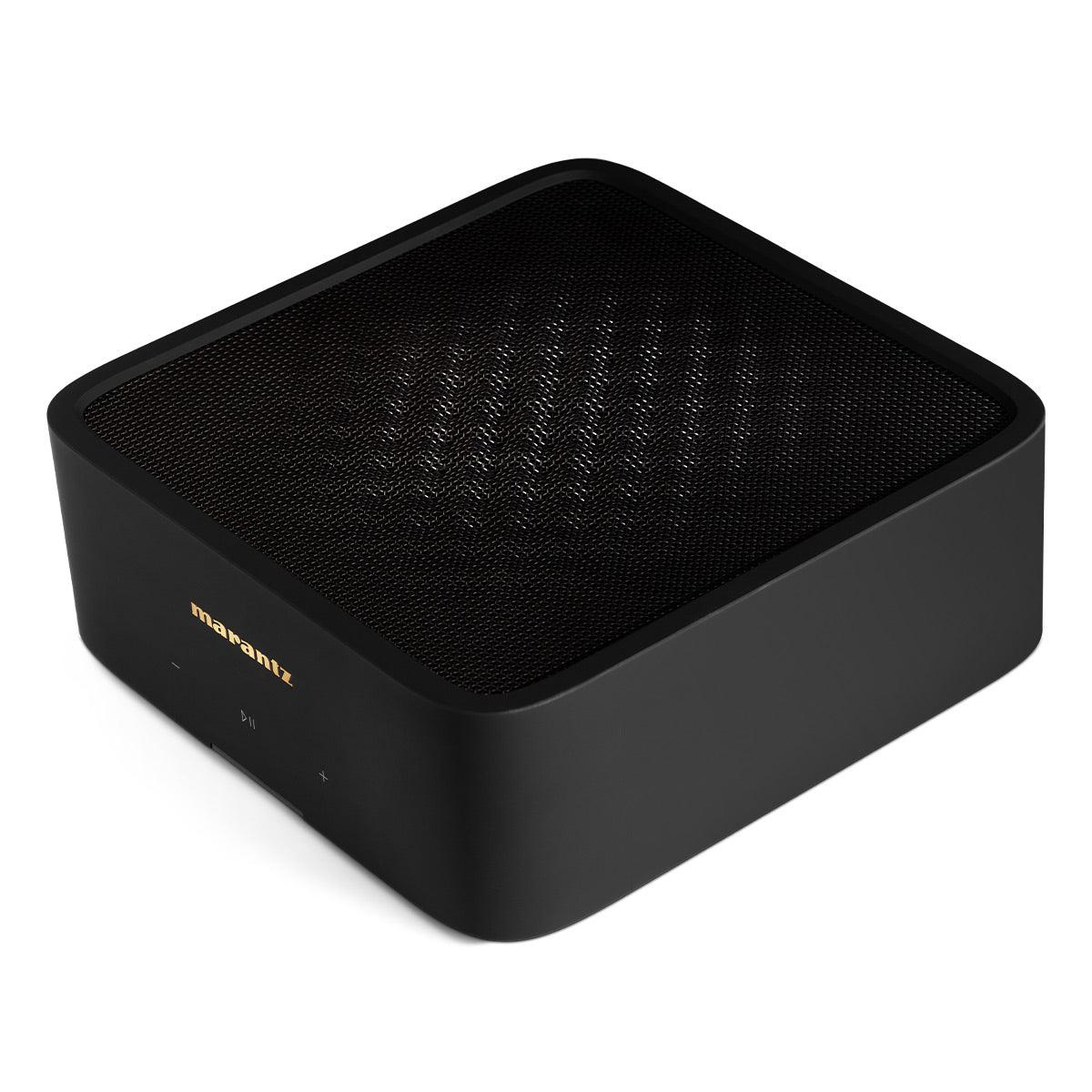


When shopping for a modern integrated amplifier, you're looking at a category that has transformed dramatically over the past decade. Gone are the days when amplifiers were simple boxes that just made things louder. Today's integrated amps need to handle everything from vinyl records to high-resolution streaming, often while taking up minimal space in your living room. The Marantz Model M1 and NAD D 3045 represent two compelling but very different approaches to this challenge.
Both amplifiers use Class D technology—a highly efficient amplification method that generates less heat and uses less power than traditional designs—but they're aimed at different types of users. The Marantz Model M1, released in 2024, is essentially a streaming device with a powerful amplifier built in. The NAD D 3045, which has been available since around 2017, takes the opposite approach: it's a traditional integrated amplifier that's been modernized with digital inputs and wireless capabilities.
Understanding these fundamental differences will help you figure out which one fits your needs better. At the time of writing, there's roughly a $200 price difference between them, with the Marantz positioned as the premium option. But as we'll see, "premium" doesn't always mean "better for you."
The biggest difference between these amplifiers lies in how they handle music streaming. The Marantz Model M1 was designed from the ground up for the streaming era. It includes HEOS (Marantz's wireless multi-room platform), which means you can access services like Spotify, TIDAL, Amazon Music HD, and Pandora directly through the amplifier without needing your phone or any other device. This is like having a dedicated streaming computer built into your amp.
HEOS also enables something called multi-room audio, where you can have multiple compatible devices throughout your house all playing the same music in perfect sync—imagine having the same song playing in your kitchen, living room, and bedroom at exactly the same time. The system uses your home's Wi-Fi network and can handle high-resolution audio files up to 24-bit/192kHz, which contain more musical detail than standard CD quality.
The NAD D 3045, on the other hand, takes what you might call a "bring your own streaming" approach. It has Bluetooth with aptX HD (a higher-quality Bluetooth codec that reduces compression artifacts), but for serious streaming, you'll typically connect it to external devices like your phone, computer, or a dedicated network streamer. This isn't necessarily a weakness—it gives you more flexibility in choosing your streaming source and doesn't lock you into any particular ecosystem.
What makes the NAD interesting is its bi-directional Bluetooth capability, meaning it can both receive audio from your phone and transmit audio to wireless headphones. This is genuinely useful if you want to listen privately without disturbing others.
Here's where things get technically interesting. The Marantz Model M1 delivers 100 watts per channel into 8-ohm speakers (the most common type) and 125 watts into 4-ohm speakers. The NAD D 3045 provides 60 watts per channel into both 8-ohm and 4-ohm loads. On paper, the Marantz has a significant power advantage—about 67% more output.
But power ratings can be misleading. NAD has a technology called PowerDrive, which is essentially a way of managing power delivery to maintain performance when driving difficult speaker loads. This means the D 3045 often performs better than its modest power rating suggests, particularly with speakers that have impedances that vary significantly across different frequencies.
From our research into user experiences and professional reviews, both amplifiers can drive most bookshelf and small tower speakers without breaking a sweat. However, if you have particularly inefficient speakers (those that need more power to reach the same volume levels) or you like listening at higher volumes, the Marantz Model M1's extra power becomes genuinely useful.
The sound characteristics differ as well. The Marantz tends toward what audiophiles call a "musical" presentation—it's slightly warm and engaging, with good dynamics and the ability to make music sound exciting. The NAD D 3045 leans more toward accuracy and neutrality, presenting music exactly as it was recorded without adding its own character. Neither approach is inherently better; it's about what you prefer.
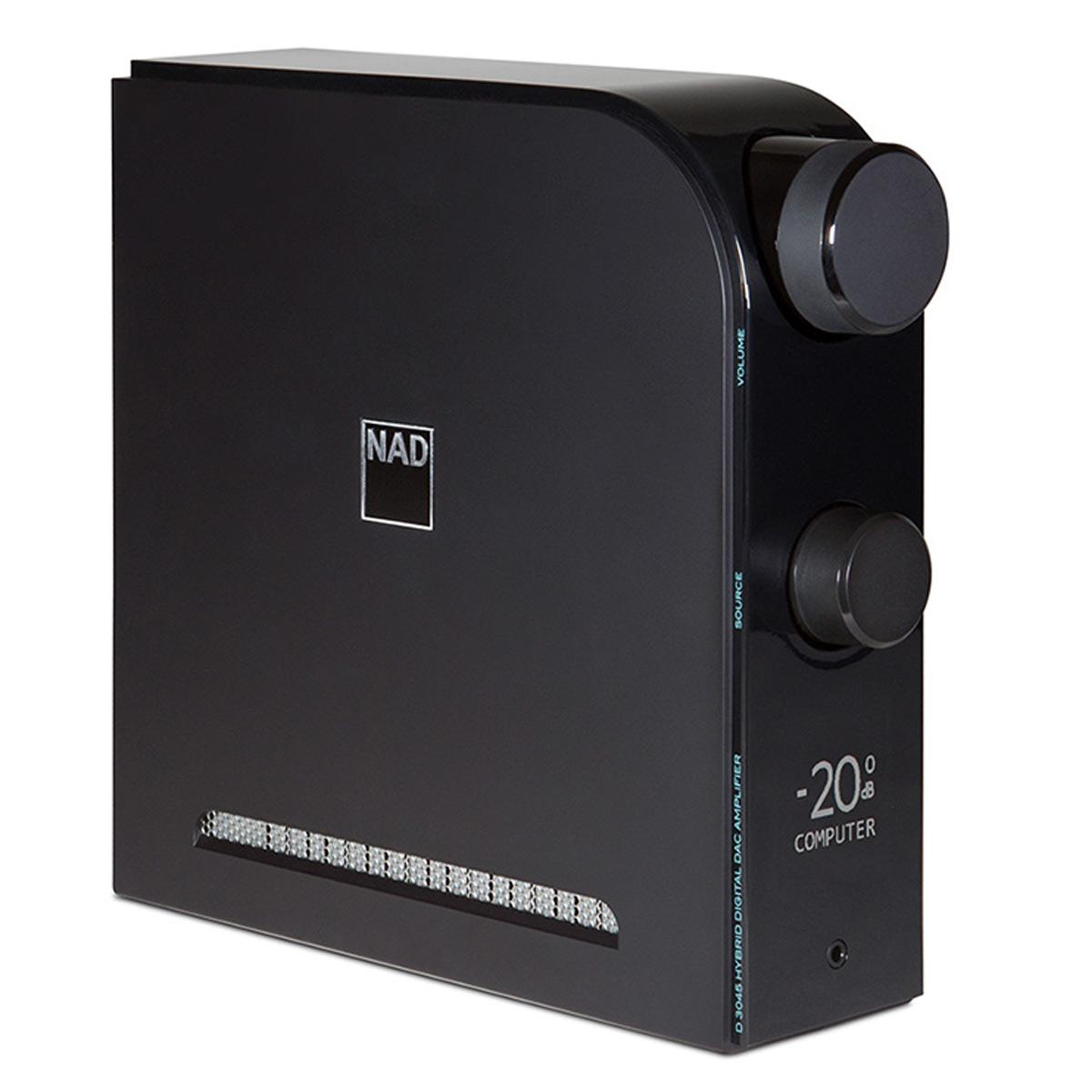
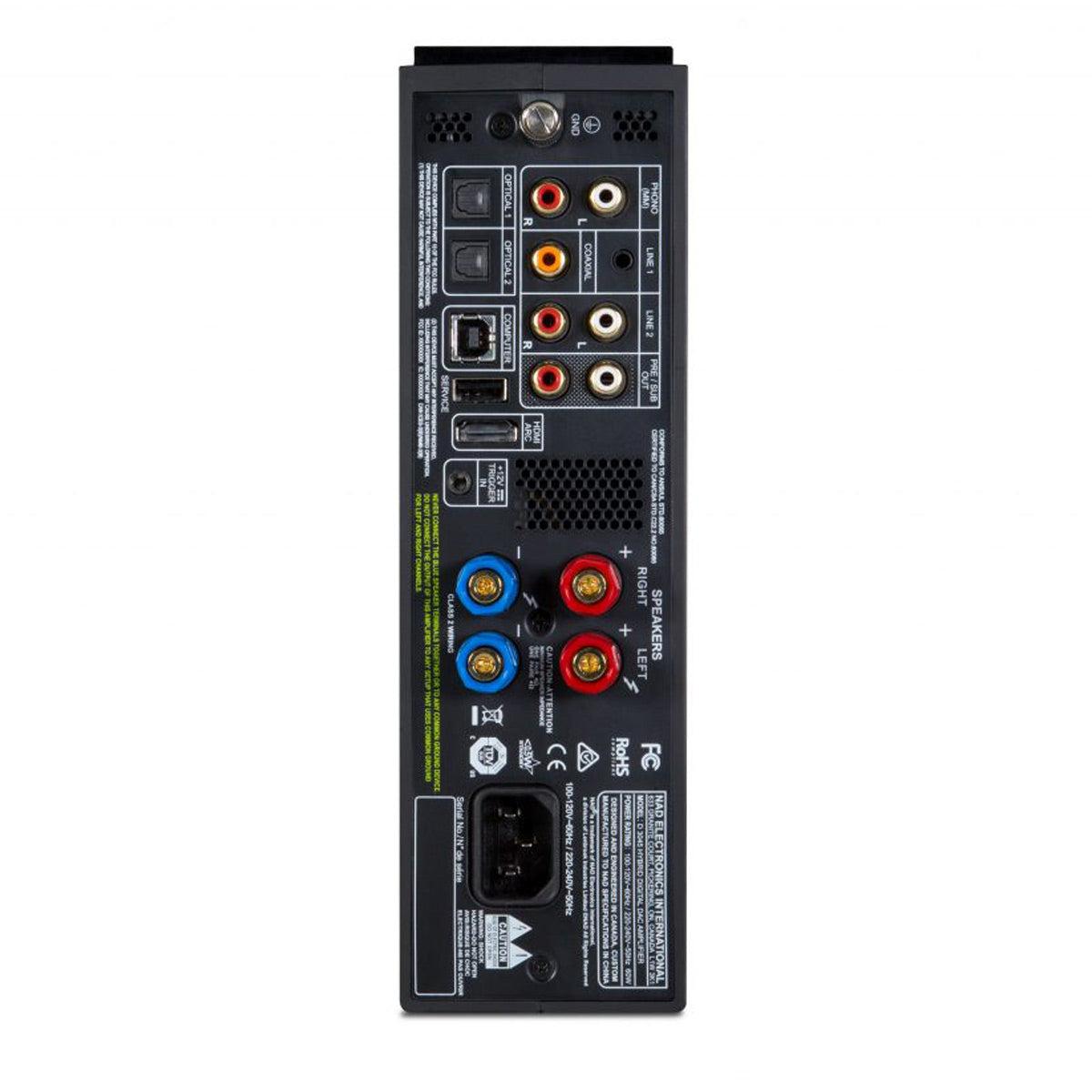
This is where the NAD D 3045 really shines. It includes a moving magnet (MM) phono input, which means you can connect a turntable directly without needing a separate phono preamp. This might not matter if you're purely digital, but if you have vinyl records or are thinking about getting into them, this feature alone can save you $100-300 on a separate phono stage.
The NAD also offers more digital input options: two optical (Toslink) inputs, one coaxial digital input, USB-B for computer audio, and HDMI ARC for TV connection. The USB input is particularly sophisticated—it's asynchronous, meaning it uses the amplifier's own precision clock to reduce timing errors (called jitter) that can affect sound quality. It can handle audio files up to 24-bit/384kHz, which is higher resolution than most people will ever encounter.
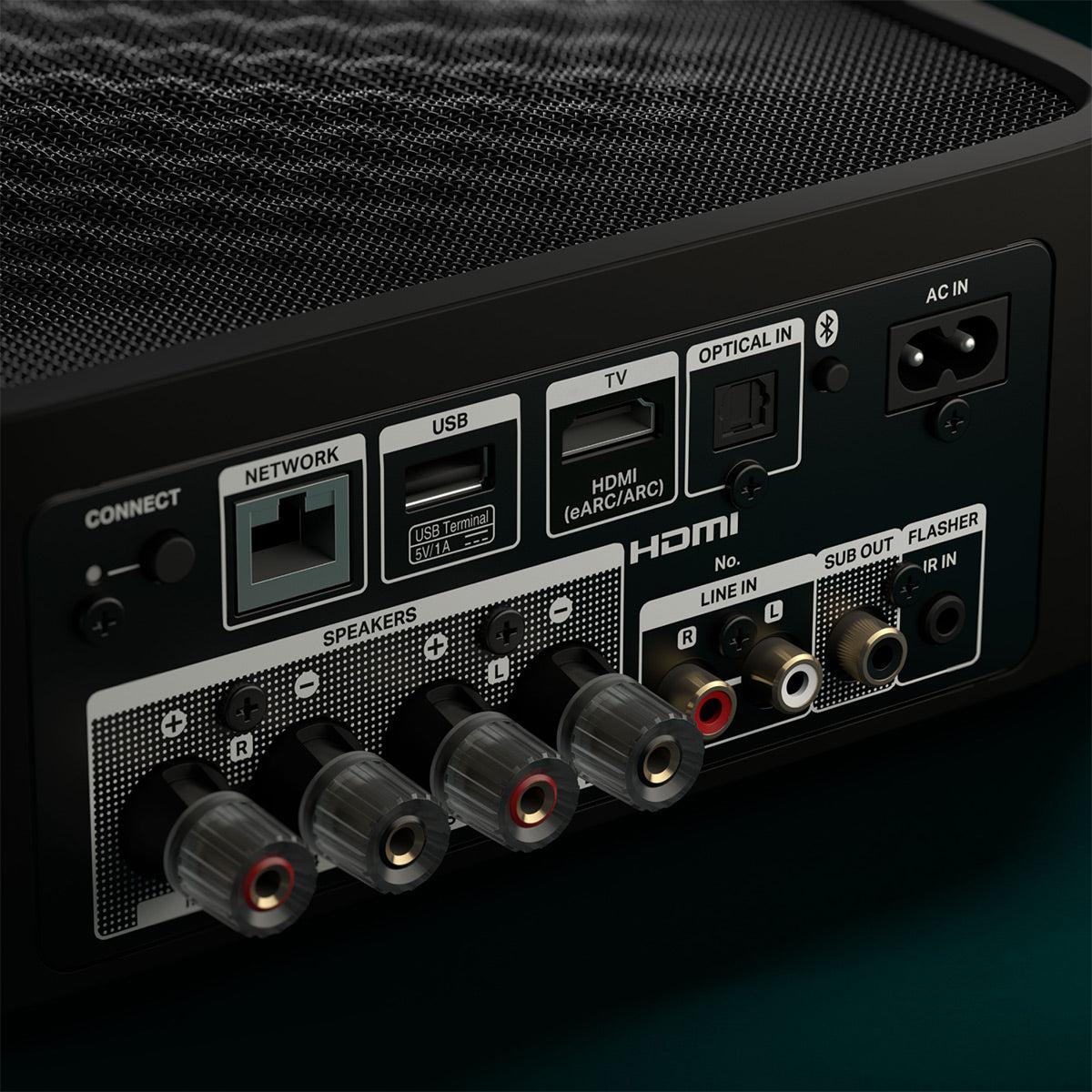
The Marantz Model M1 is more focused but still well-equipped. It has HDMI eARC (the enhanced version of ARC that can handle more audio formats), one optical input, analog RCA inputs, and a USB-A port on the front panel. That USB port is for playing music files from flash drives or portable hard drives, not for connecting computers—a different approach that some people find more convenient for their music libraries.
Both amplifiers include subwoofer outputs with crossover controls, which let you integrate a powered subwoofer and set the frequency point where your main speakers hand off bass duties to the sub. This is crucial for getting the best performance from smaller speakers.
If you're planning to use your amplifier with a TV—and many people do, as TVs have notoriously poor built-in speakers—the Marantz Model M1 has a clear advantage. Its HDMI eARC connection not only receives audio from your TV but can also be controlled by your TV remote for volume and power. It also includes Dolby Digital+ decoding, which means it can properly handle surround sound from movies and TV shows, downmixing them intelligently to stereo.
The NAD D 3045 has basic HDMI ARC, which works but doesn't include the advanced audio processing or the seamless remote control integration. For casual TV watching, this difference might not matter, but if you're replacing a soundbar or want your stereo system to be your primary TV audio solution, the Marantz implementation is more sophisticated.
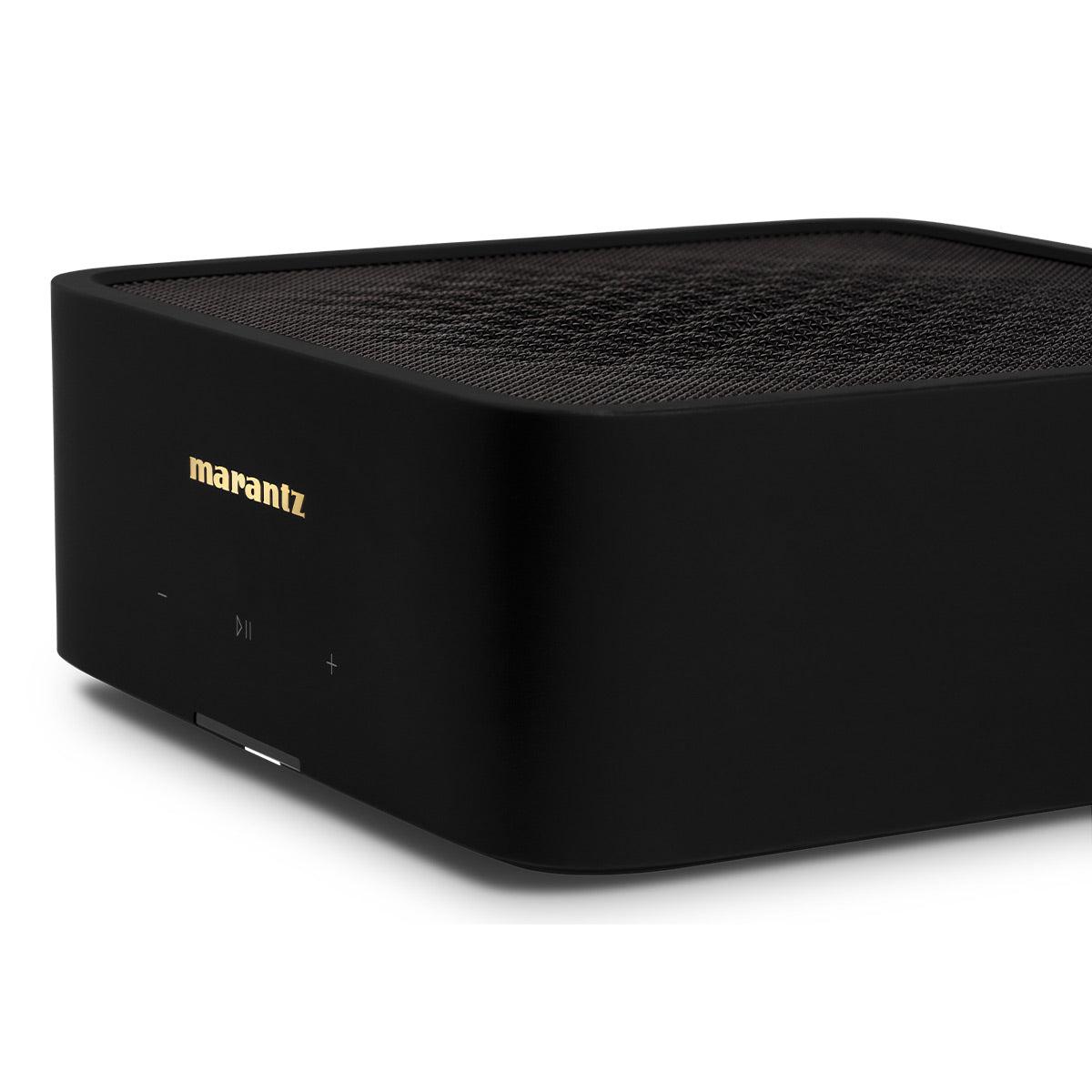
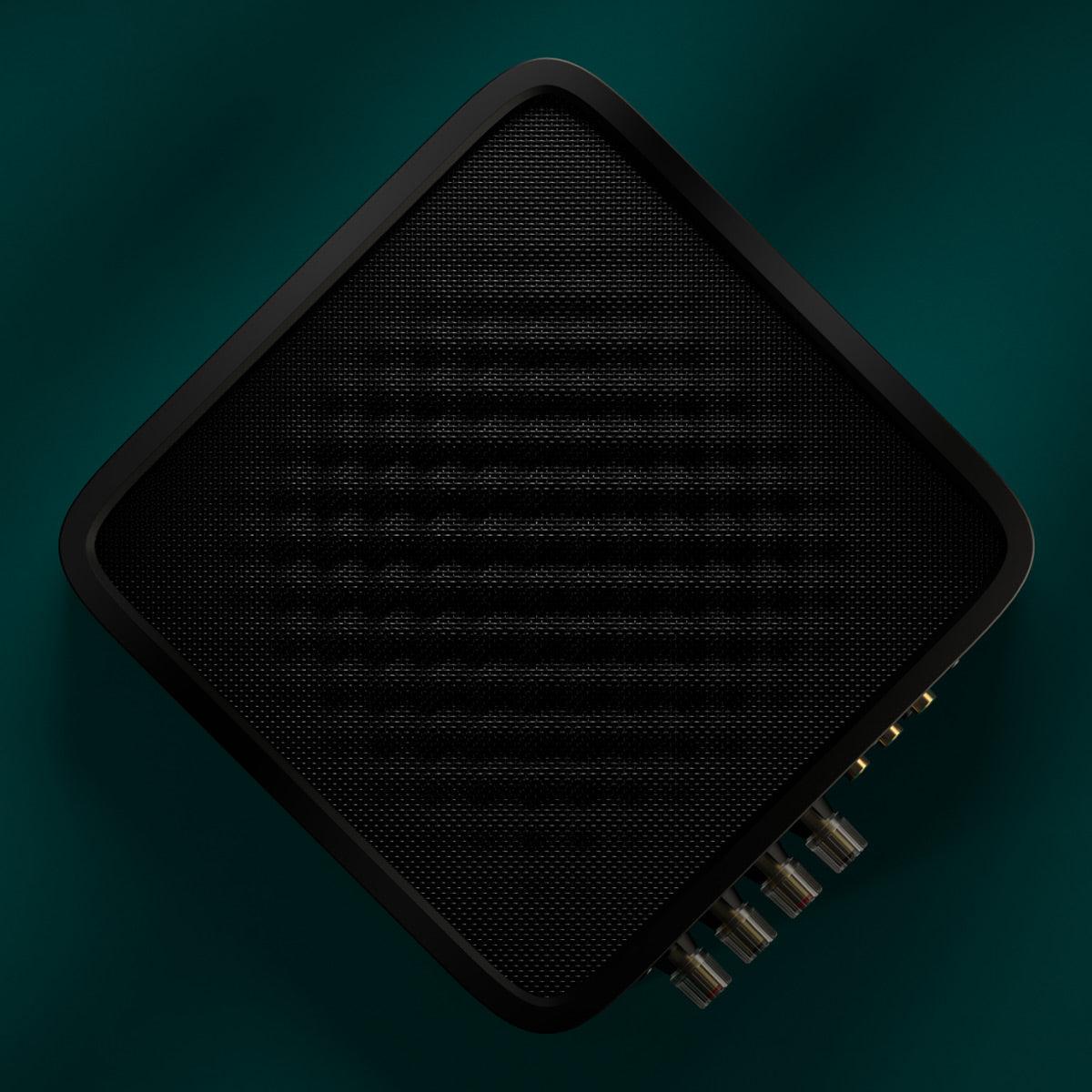
The Marantz Model M1 is built in Japan at Marantz's Shirakawa Audio Works facility, which has a reputation for high-end manufacturing. It's compact and light (under 5 pounds), designed to sit discreetly in entertainment centers or even be wall-mounted. The build quality reflects its premium positioning, with attention to details like the quality of the binding posts (the terminals where you connect speaker wires) and internal component selection.
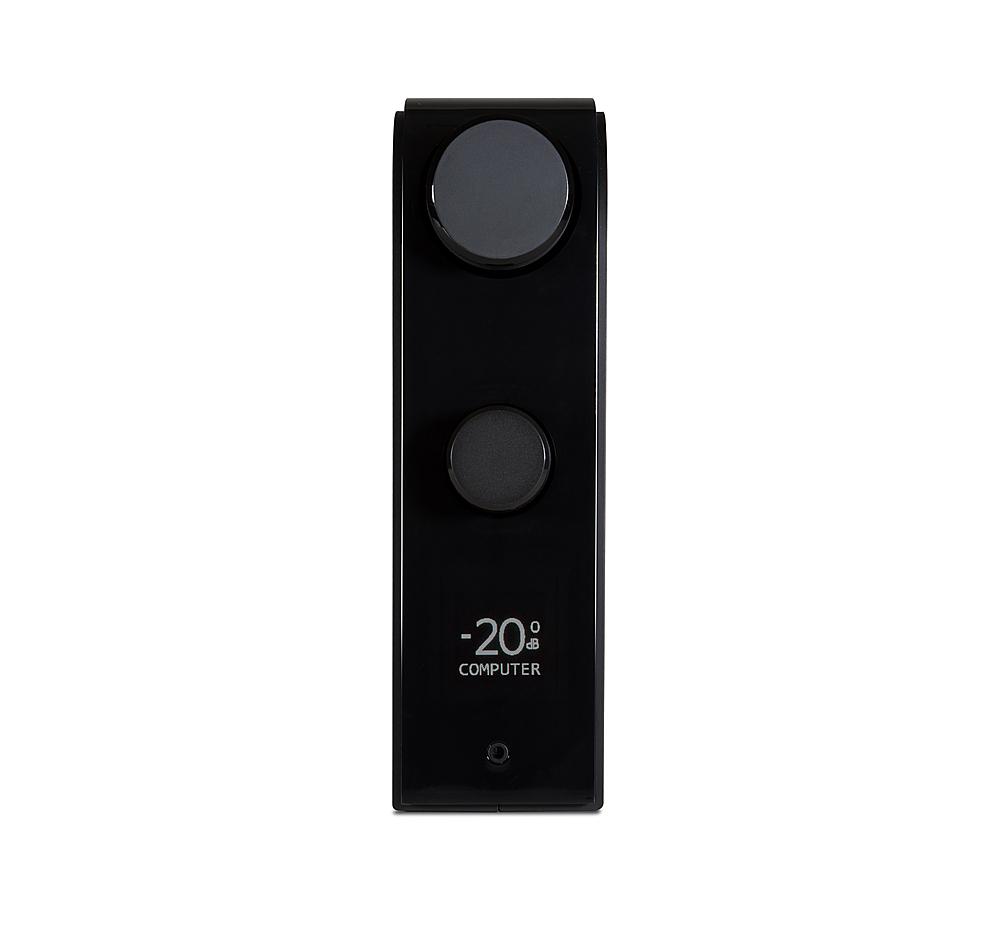
The NAD D 3045 takes a more utilitarian approach but is still well-built. It's actually heavier than the Marantz despite being smaller in some dimensions, and it can be oriented either horizontally or vertically depending on your setup needs. This flexibility is genuinely useful in tight spaces or when you want the amplifier to be less visible.
Both amplifiers run cool thanks to their Class D designs, which means they can be placed in cabinets with limited ventilation without overheating concerns—a real advantage over traditional amplifiers that generate significant heat.
The Marantz Model M1 includes something called Marantz Musical Digital Filtering (MMDF), which is a fancy way of saying you can choose between different digital filter characteristics that subtly change how the music sounds. Think of it like choosing between different EQ presets, but more sophisticated. This kind of digital signal processing customization is becoming more common in high-end audio.
The NAD D 3045 supports MQA (Master Quality Authenticated), which is a audio format that promises CD-quality streaming with files that aren't much larger than MP3s. MQA has been controversial in the audio community, but if you use streaming services that offer it (like TIDAL), the NAD can decode it properly.
Both amplifiers support DSD (Direct Stream Digital), which is the format used for Super Audio CDs and some high-resolution downloads. While DSD content isn't common, having the capability ensures compatibility with the highest-quality audio sources available.
Based on extensive research into user experiences and professional reviews, both amplifiers punch above their weight in terms of sound quality. The Marantz Model M1 consistently gets praise for its dynamic, spatial sound presentation. Users report it can make even modest bookshelf speakers sound bigger and more engaging than expected. The bass performance is particularly noted—it's described as authoritative and controlled, avoiding the "one-note" bass that plagues some smaller amplifiers.
The NAD D 3045 earns consistent praise for its honesty and detail retrieval. It won't make bad recordings sound good, but it will reveal everything that's good about well-recorded music. The phono stage is frequently mentioned as being surprisingly good—some users report it rivals standalone phono preamps costing several hundred dollars.
Both amplifiers include headphone outputs, but they serve different purposes. The NAD's headphone amp is genuinely powerful and can drive demanding full-size headphones effectively. The Marantz's headphone output is more basic, suitable for casual listening but not a replacement for a dedicated headphone amplifier.
The Marantz Model M1 makes the most sense if streaming convenience is a priority. If you want to walk into your listening room, pick up your phone, and start playing music from Spotify or TIDAL without thinking about connections or compatibility, this is your amplifier. It's also the better choice if you need more power for inefficient speakers or if TV integration is important to you.
The premium you pay for the Marantz (at the time of writing) gets you that built-in streaming capability, higher power output, premium build quality, and a longer warranty. For many people, the convenience factor alone justifies the extra cost—you're essentially getting a high-quality network streamer built into your amplifier.
The NAD D 3045 is the smarter choice if you value flexibility over convenience, particularly if you have vinyl records or want the best possible computer audio connection. The money you save can go toward a better source component or speakers. It's also the better option if you already have streaming devices you're happy with—maybe you prefer using a dedicated streamer, or you're perfectly satisfied with Bluetooth from your phone.
The NAD approach also gives you more upgrade flexibility. If streaming technology changes (and it will), you can upgrade your source component without replacing your entire amplifier. With the Marantz, the streaming capabilities are baked in, which could be a limitation years down the road.
Both amplifiers represent excellent value in their respective approaches to modern hi-fi. The Marantz Model M1 is the obvious choice for streaming-first users who want premium build quality and don't mind paying extra for convenience. The NAD D 3045 is the better value for traditional hi-fi enthusiasts who want maximum flexibility and don't need built-in streaming.
Your choice should ultimately depend on how you actually listen to music. If you stream everything and want the simplest possible setup, go with the Marantz. If you have diverse sources, value upgradability, or want to save money for other components, the NAD is the smarter choice. Both will serve you well for years to come.
| Marantz Model M1 Wireless Streaming Amplifier | NAD D 3045 Integrated Amplifier |
|---|---|
| Power Output - Critical for driving demanding speakers and achieving higher volumes | |
| 100W @ 8Ω, 125W @ 4Ω (67% more power for inefficient speakers) | 60W @ 8Ω, 60W @ 4Ω (sufficient for most bookshelf/small tower speakers) |
| Built-in Streaming - Determines if you need external streaming devices | |
| HEOS platform with Wi-Fi, native app control for major services | Bluetooth aptX HD only, requires phone/external streamer for full functionality |
| Wireless Multi-Room Capability - Important for whole-home audio systems | |
| Native HEOS multi-room with perfect sync across multiple units | No multi-room capability, single-zone operation only |
| Analog Input Flexibility - Essential if you have turntables or older sources | |
| RCA line input only, requires external phono preamp for turntables | Built-in MM phono stage plus RCA line and 3.5mm inputs |
| Digital Input Options - Affects how many sources you can connect directly | |
| HDMI eARC, 1 optical, USB-A for file playback | HDMI ARC, 2 optical, 1 coaxial, asynchronous USB-B for computer audio |
| High-Resolution Audio Support - Matters for audiophile-quality streaming and files | |
| 24-bit/192kHz PCM, DSD up to 5.6MHz via network/USB storage | 24-bit/384kHz via USB, 192kHz other inputs, MQA and DSD support |
| TV Integration Features - Important if replacing TV speakers or soundbar | |
| HDMI eARC with Dolby Digital+ processing, TV remote control compatibility | Basic HDMI ARC without advanced audio processing |
| Headphone Amplifier Quality - Relevant for private listening with quality headphones | |
| Basic headphone output suitable for casual listening | Powerful dedicated headphone amp that drives demanding full-size headphones |
| Physical Design and Placement Options - Affects where you can install the unit | |
| Compact horizontal design (8.6" × 3.4" × 9.9"), 4.84 lbs, wall-mountable | Smaller footprint (2.8" × 9.3" × 10.4"), 7.9 lbs, horizontal or vertical orientation |
| Build Quality and Warranty - Indicates long-term reliability and support | |
| Japanese manufacturing at Shirakawa Audio Works, 5-year warranty | Standard manufacturing with proven reliability, 2-year warranty |
| Subwoofer Integration - Important for optimizing bass with smaller main speakers | |
| Dedicated sub out with adjustable crossover filters (40-250Hz high-pass) | Sub/preamp output with bass EQ and high-pass filtering options |
The Marantz Model M1 is significantly better for wireless streaming, featuring built-in HEOS platform with Wi-Fi connectivity and native support for Spotify, TIDAL, Amazon Music HD, and other major streaming services. The NAD D 3045 only offers Bluetooth streaming and requires external devices like phones or dedicated streamers for full wireless functionality.
The Marantz Model M1 delivers 100 watts per channel (125W into 4-ohm speakers), while the NAD D 3045 provides 60 watts per channel. The Marantz offers 67% more power, making it better suited for inefficient speakers or higher listening volumes.
Only the NAD D 3045 includes a built-in moving magnet phono stage for direct turntable connection. The Marantz Model M1 requires an external phono preamp to work with turntables, adding extra cost and complexity for vinyl enthusiasts.
The Marantz Model M1 is superior for TV integration, featuring HDMI eARC with Dolby Digital+ processing and TV remote control compatibility. The NAD D 3045 has basic HDMI ARC but lacks advanced audio processing for home theater use.
The NAD D 3045 features a powerful dedicated headphone amplifier that can drive demanding full-size headphones effectively. The Marantz Model M1 has a basic headphone output suitable for casual listening but not as capable with high-impedance headphones.
Value depends on your needs: the NAD D 3045 costs less and includes useful features like a phono input and powerful headphone amp. The Marantz Model M1 costs more but eliminates the need for external streaming devices and offers higher power output.
The Marantz Model M1 natively supports multi-room audio through the HEOS platform, allowing synchronized playback across multiple rooms. The NAD D 3045 doesn't have built-in multi-room capabilities and would require external multi-room solutions.
The NAD D 3045 offers more digital inputs: two optical, one coaxial, USB-B for computer audio, and HDMI ARC. The Marantz Model M1 provides HDMI eARC, one optical input, and USB-A for file playback from storage devices.
The NAD D 3045 excels at computer audio with its asynchronous USB-B input supporting up to 24-bit/384kHz resolution and MQA decoding. The Marantz Model M1 handles high-resolution streaming and file playback but doesn't connect directly to computers.
The Marantz Model M1 is manufactured in Japan with premium materials and includes a 5-year warranty, reflecting its higher-end positioning. The NAD D 3045 offers solid build quality with a standard 2-year warranty at a more accessible price point.
Both amplifiers are compact, but the NAD D 3045 has a smaller footprint and can be oriented vertically or horizontally for flexible placement. The Marantz Model M1 is slightly larger but lighter and can be wall-mounted if needed.
Choose the Marantz Model M1 if you prioritize wireless streaming convenience, need more power for demanding speakers, or want seamless TV integration. Select the NAD D 3045 if you have vinyl records, need maximum input flexibility, want better value, or prefer using external streaming sources.
We've done our best to create useful and informative comparisons to help you decide what product to buy. Our research uses advanced automated methods to create this comparison and perfection is not possible - please contact us for corrections or questions. These are the sites we've researched in the creation of this article: bestbuy.com - crutchfield.com - audioadvisor.com - youtube.com - soundstagesimplifi.com - marantz.com - marantz.com - audioadvice.com - whathifi.com - manuals.marantz.com - audiosciencereview.com - youtube.com - marantz.com - sweetwater.com - audiosciencereview.com - accessories4less.com - crutchfield.com - crutchfield.com - audio-head.com - safeandsoundhq.com - hifiplus.com - nadelectronics.com - whathifi.com - hometheaterhifi.com - audiosciencereview.com - soundstageaccess.com - soundandvision.com - youtube.com - turntablelab.com - audiosciencereview.com

Privacy Policy
Terms and Conditions - Affiliate Policy
Home Security
© Copyright 2008-2026.
11816 Inwood Rd #1211, Dallas, TX 75244