


True wireless earbuds have completely transformed how we listen to music, take calls, and consume media. What started as a niche category dominated by Apple's AirPods has exploded into a diverse market with options ranging from ultra-budget models to premium specialist devices costing hundreds of dollars. The beauty of this evolution is that there's genuinely something for everyone – but that also makes choosing the right pair more challenging than ever.
Two earbuds that perfectly illustrate this diversity are the JBL Tune Buds and the Sennheiser Momentum Sport. At the time of writing, these represent dramatically different approaches to the same basic problem: delivering great audio wirelessly. The JBL Tune Buds focus on maximizing value and battery life at a budget-friendly price point, while the Sennheiser Momentum Sport take a premium, specialized approach targeting fitness enthusiasts with unique health monitoring features.
Understanding which approach suits your needs requires diving deep into what makes each product tick, and more importantly, what trade-offs you're willing to make.
Before we dive into specifics, it's worth understanding what separates good earbuds from mediocre ones. Audio quality is obviously important, but it's not the only factor – and sometimes it's not even the most important one. Battery life can make or break your daily experience, especially if you're someone who forgets to charge devices regularly. Comfort becomes crucial for extended wear, while features like active noise cancellation (ANC) can transform your listening experience in noisy environments.
The fit is perhaps the most underrated aspect. Poor-fitting earbuds don't just feel uncomfortable – they fundamentally compromise sound quality by breaking the seal in your ear canal, which reduces bass response and makes noise cancellation ineffective. Water resistance has become essential for active users, while call quality determines whether your earbuds can replace a traditional headset for work.
What's particularly interesting about modern earbuds is how manufacturers are beginning to specialize. Instead of trying to be everything to everyone, companies are identifying specific user needs and optimizing around them. This creates products that excel in particular scenarios while making compromises elsewhere.
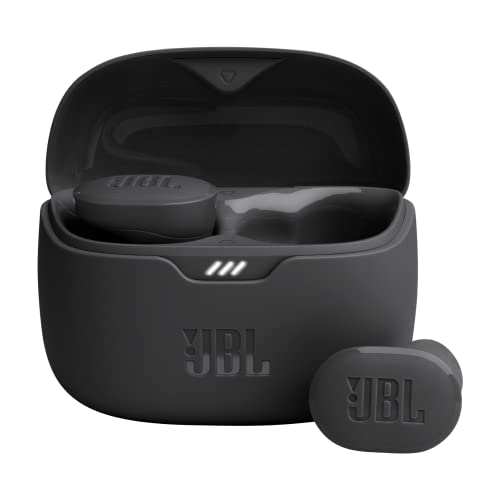
Released in 2023, the JBL Tune Buds represent JBL's answer to a simple question: what happens when you prioritize battery life and value above everything else? The answer is surprisingly compelling for many users.
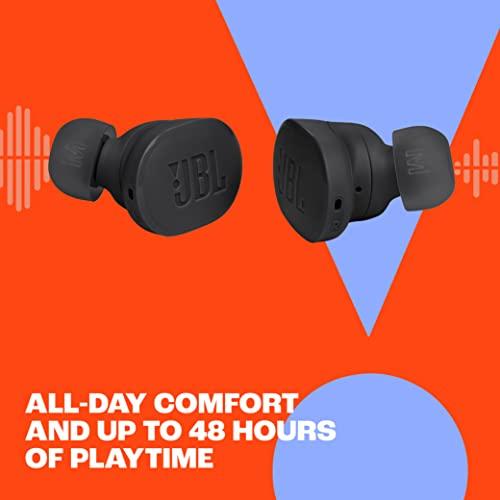
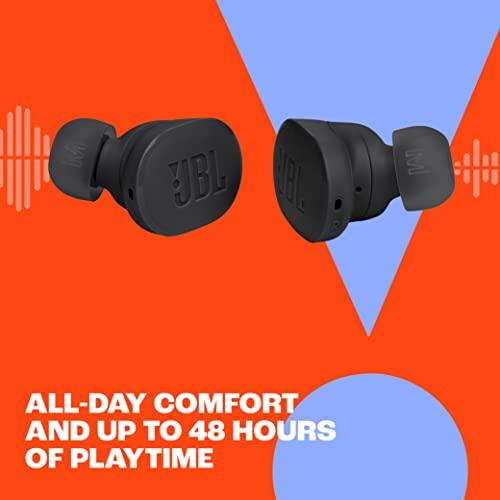
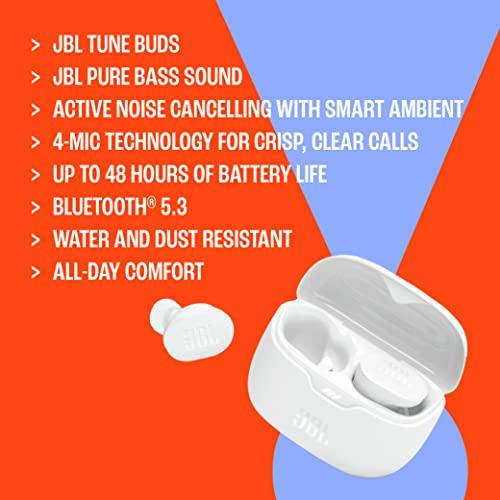
The standout feature – and it really is standout – is the battery performance. We're talking about 12 hours of continuous playback from the earbuds themselves, with the charging case providing enough power for a total of 48 hours. To put this in perspective, that's enough juice for a cross-country flight, several days of commuting, or extended gaming sessions without ever worrying about power. Even with active noise cancellation enabled, you still get 10 hours per charge, which beats many competitors' performance with ANC disabled.
This kind of endurance comes from JBL's focus on efficient power management and their implementation of Bluetooth 5.3 with LE (Low Energy) audio support. LE audio is a relatively new standard that allows for better power efficiency while maintaining audio quality – think of it as a smarter way for your earbuds to communicate with your phone that doesn't drain the battery as quickly.
The JBL Tune Buds use 10mm dynamic drivers, which are relatively large for earbuds in this price range. Driver size isn't everything, but larger drivers generally have an easier time producing deep bass and handling complex musical passages without distortion. JBL has tuned these drivers to emphasize their signature "Pure Bass Sound" – a V-shaped frequency response that boosts both bass and treble while keeping midrange frequencies more neutral.
This tuning philosophy works brilliantly for modern music genres like EDM, hip-hop, and pop, where punchy bass and crisp highs enhance the listening experience. However, it can make vocal-heavy content sound slightly recessed, and classical or jazz recordings might not sound as natural as they would on more neutrally tuned earbuds.
The active noise cancellation technology in the JBL Tune Buds is competent but not exceptional. It uses a 4-microphone array (two per earbud) to detect and cancel ambient noise, which works well for constant sounds like airplane engines or air conditioning but struggles more with irregular noises like conversations or traffic. The "Smart Ambient" feature lets you choose between full isolation and situational awareness modes, which is particularly useful for outdoor activities or commuting.
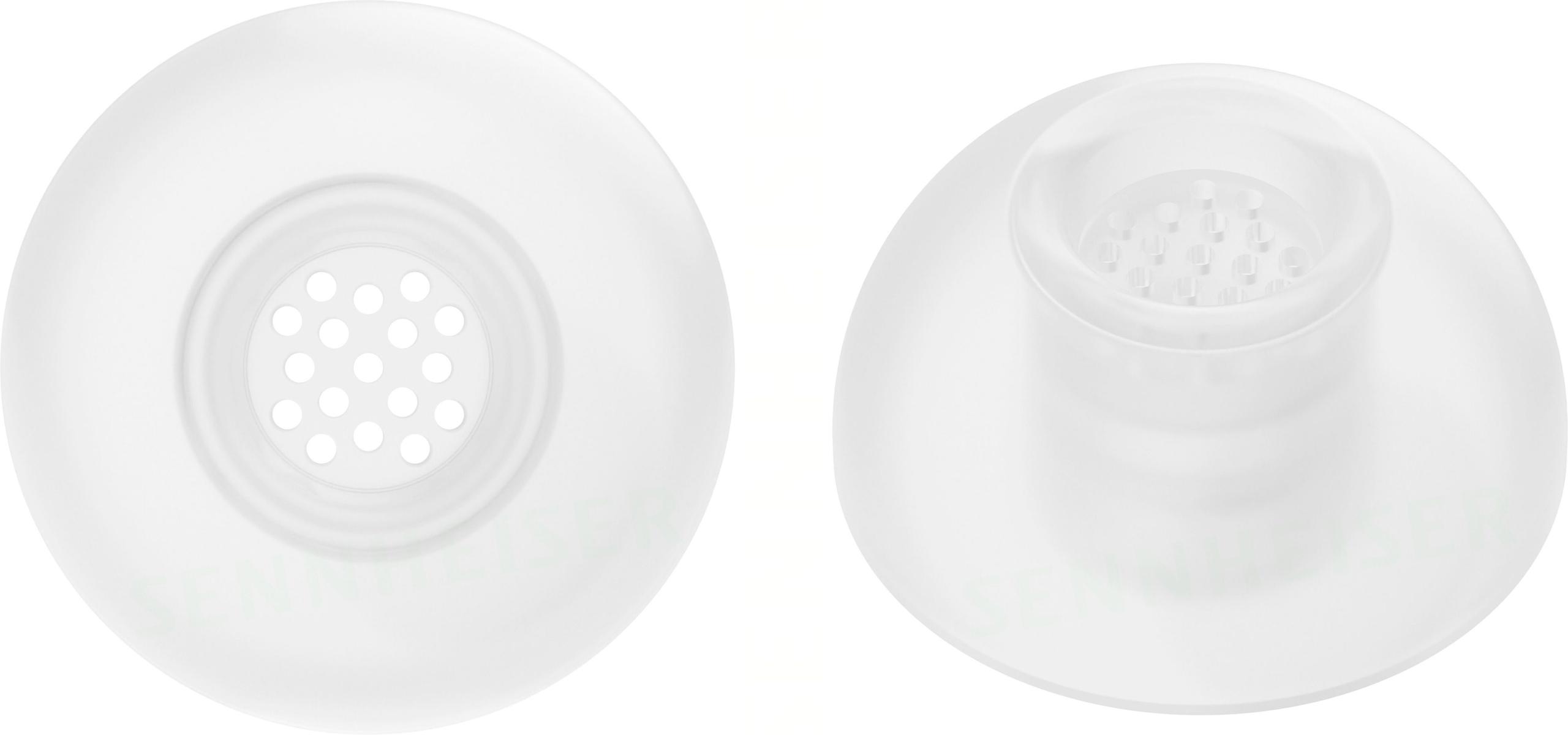
Build quality reflects the price point but doesn't feel cheap. The IP54 rating means these earbuds can handle sweat, rain, and dust without issues, making them suitable for workouts and outdoor use. The ergonomic design with multiple ear tip sizes ensures a secure fit for most ear shapes, though achieving the perfect seal might require some experimentation with the included options.
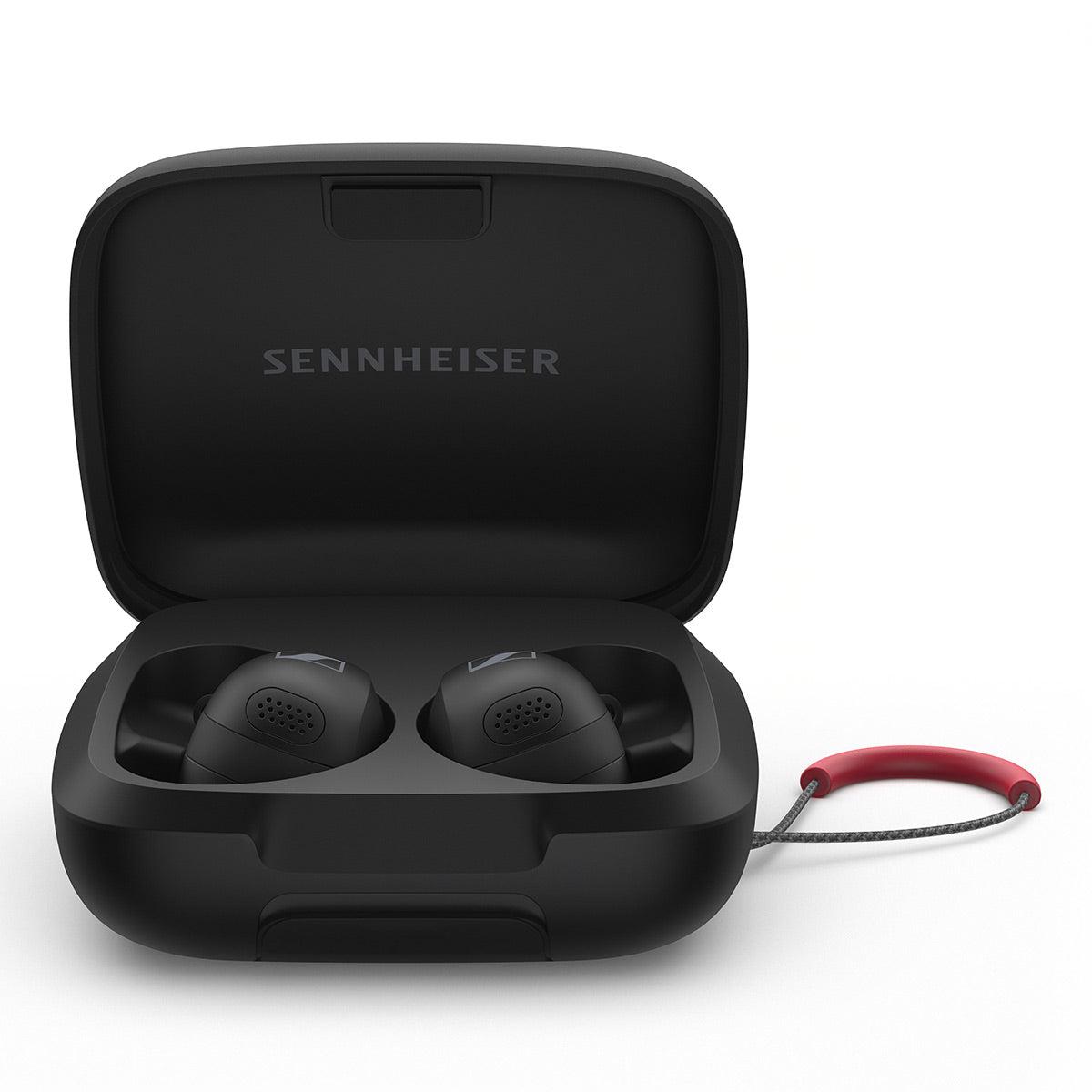
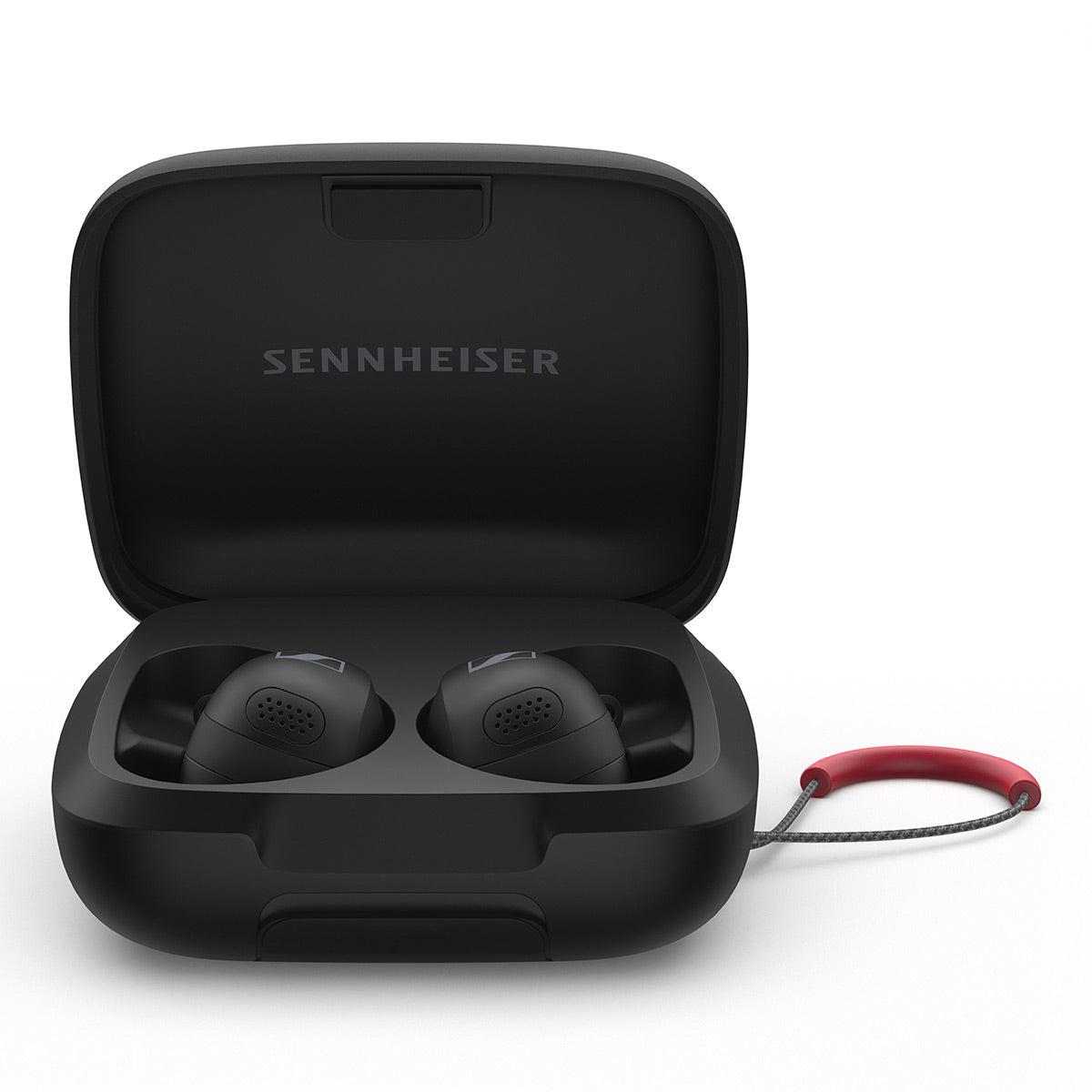
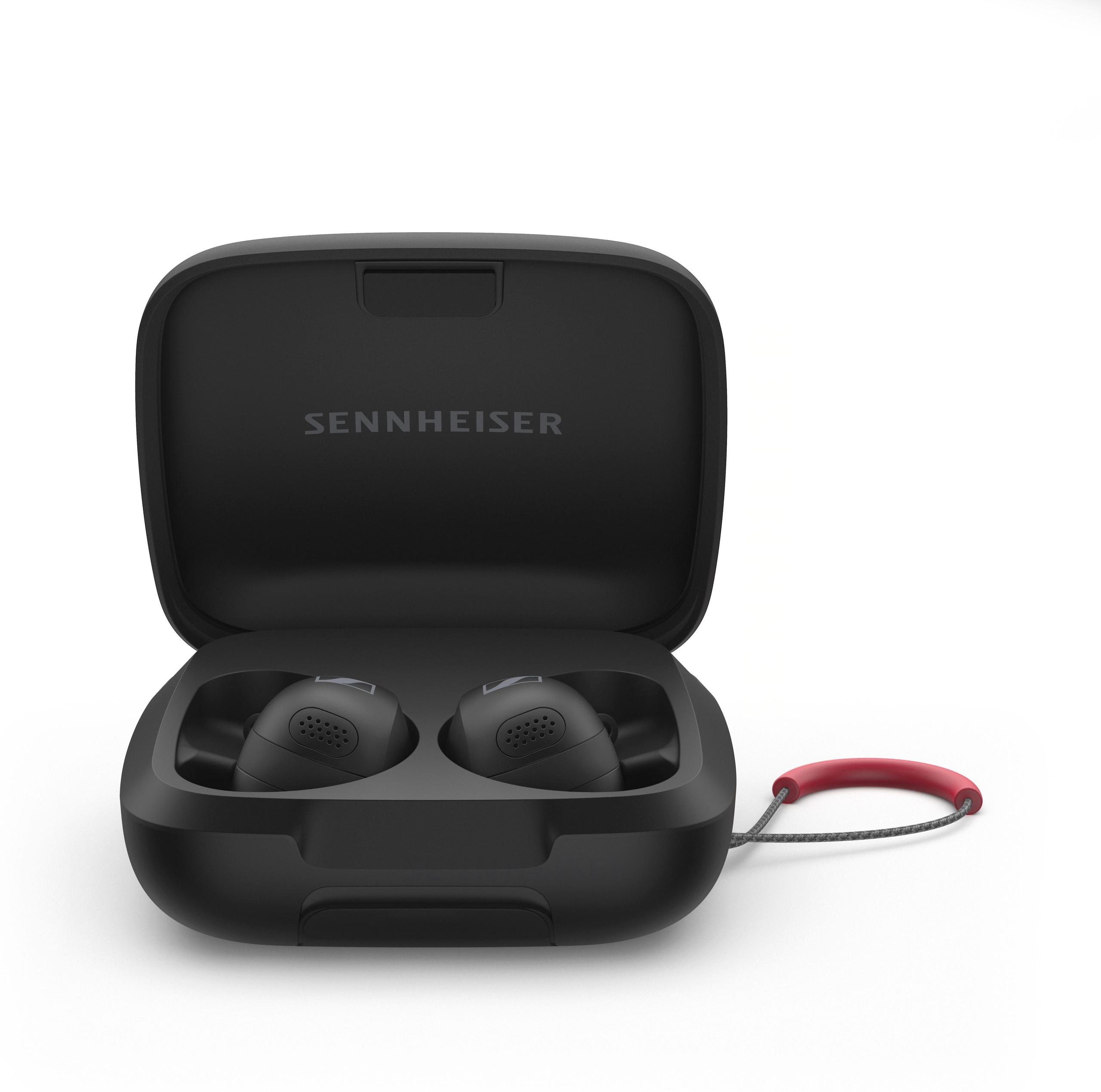
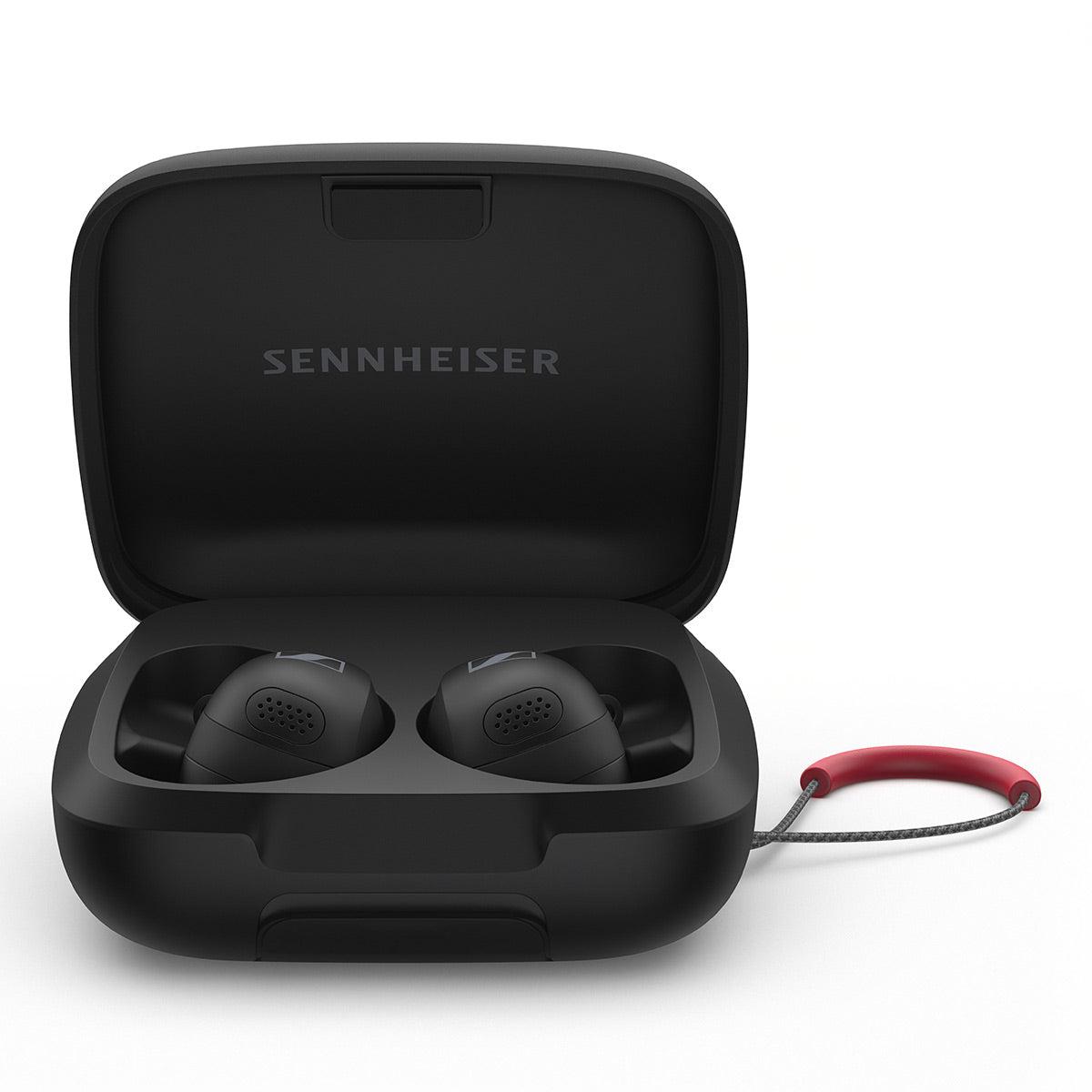
The Sennheiser Momentum Sport, released in 2024, takes a completely different approach. Rather than competing on battery life or price, Sennheiser has created what amounts to a specialized tool for fitness enthusiasts who refuse to compromise on audio quality.
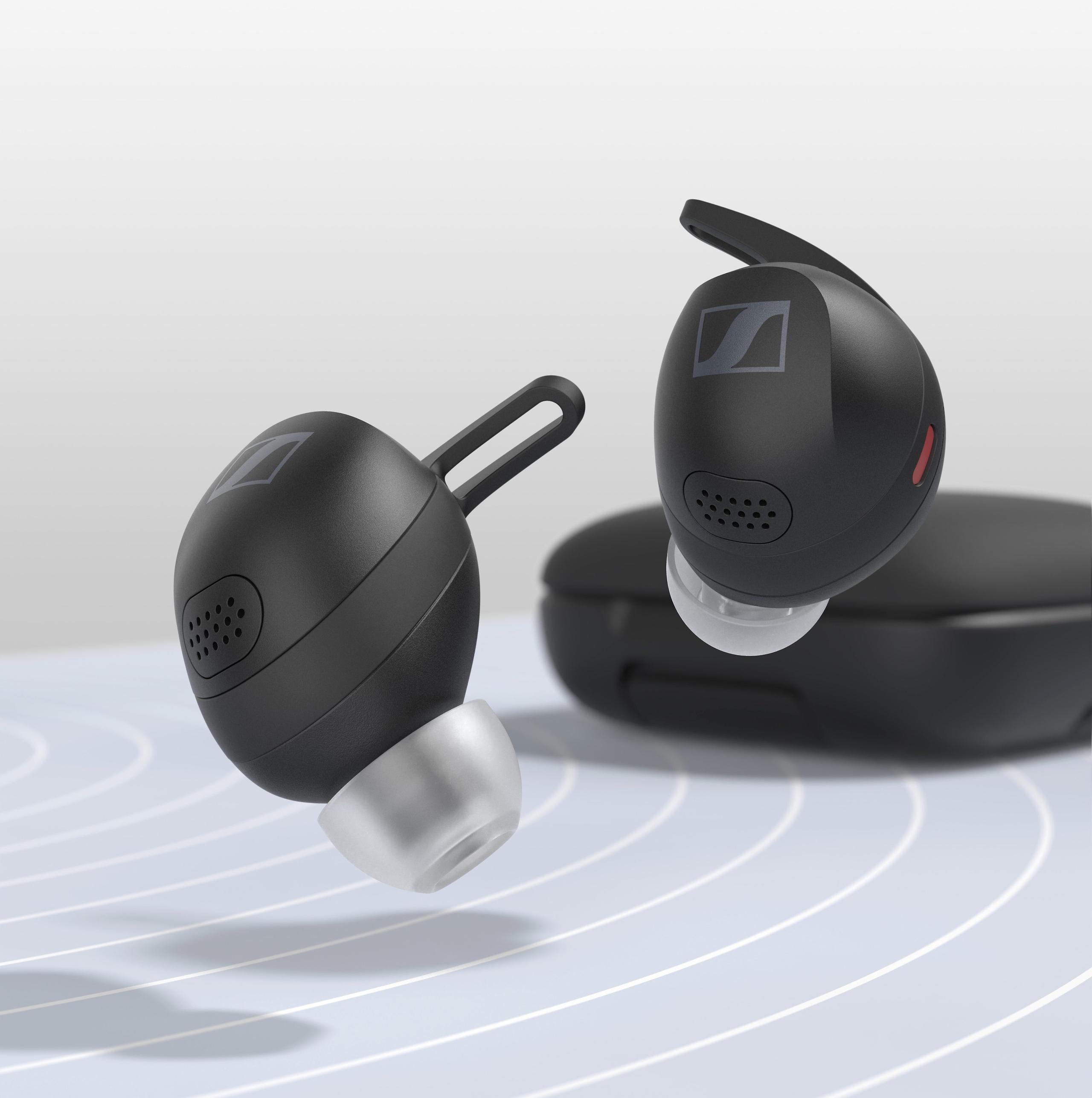
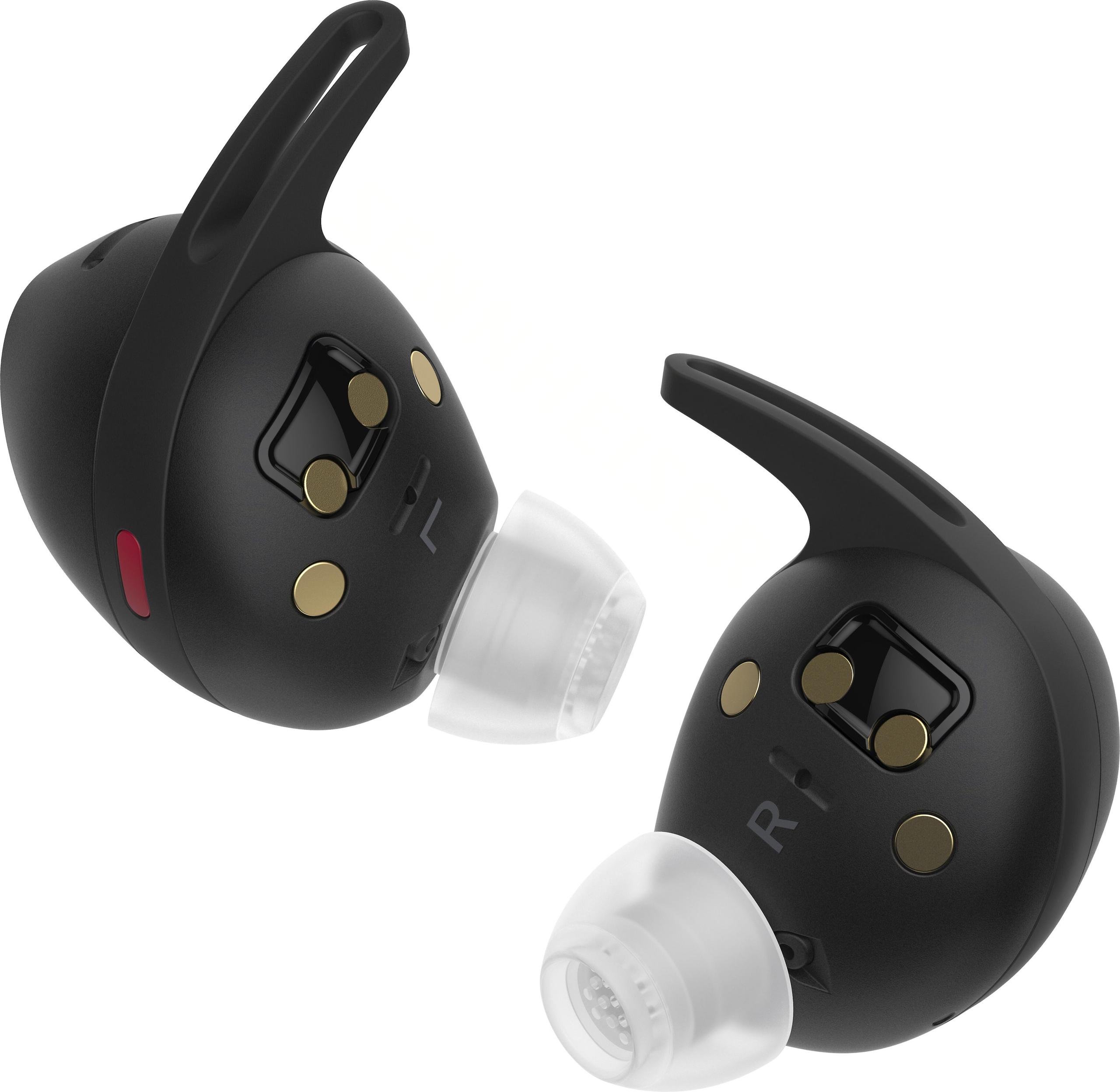
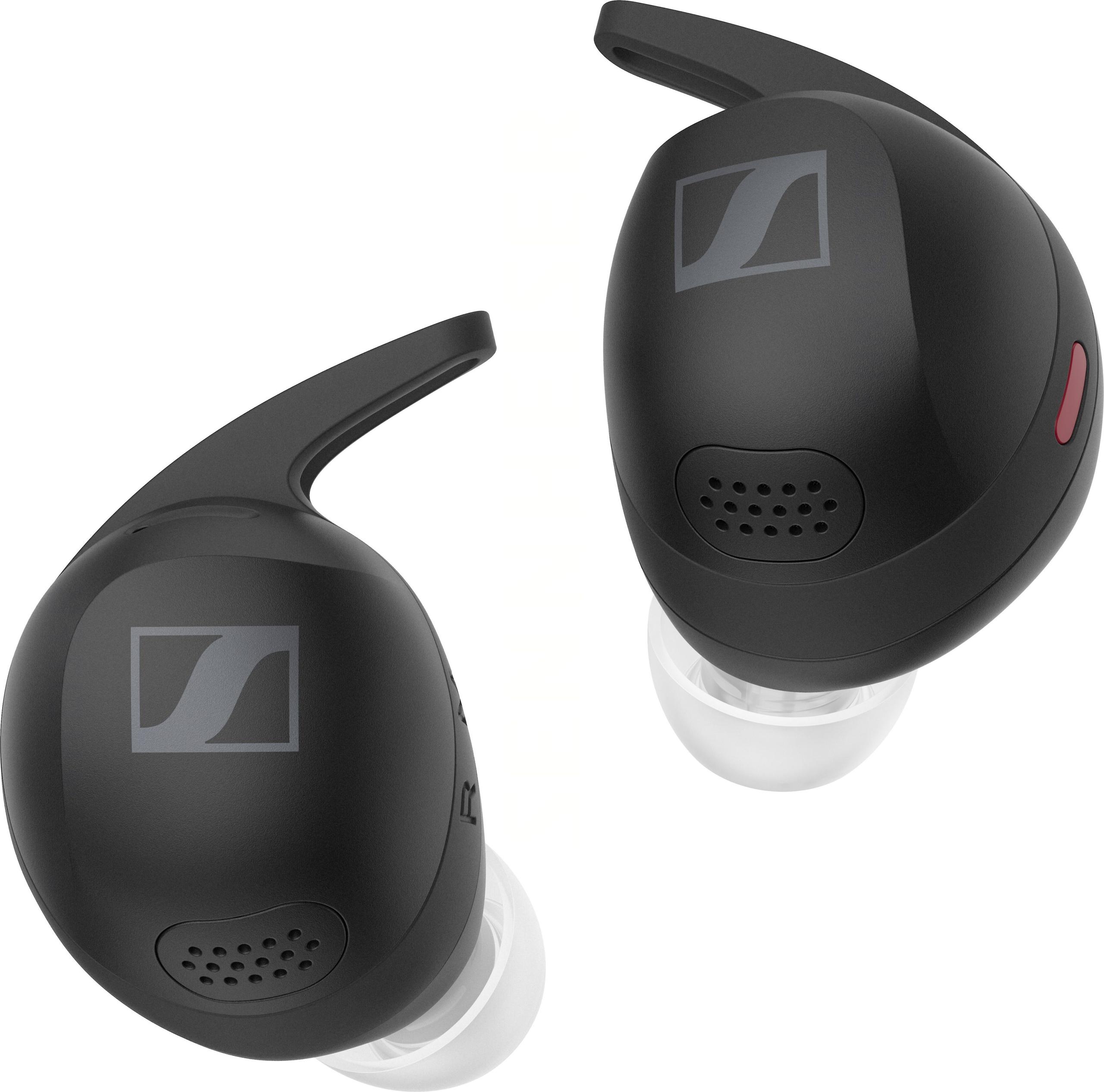
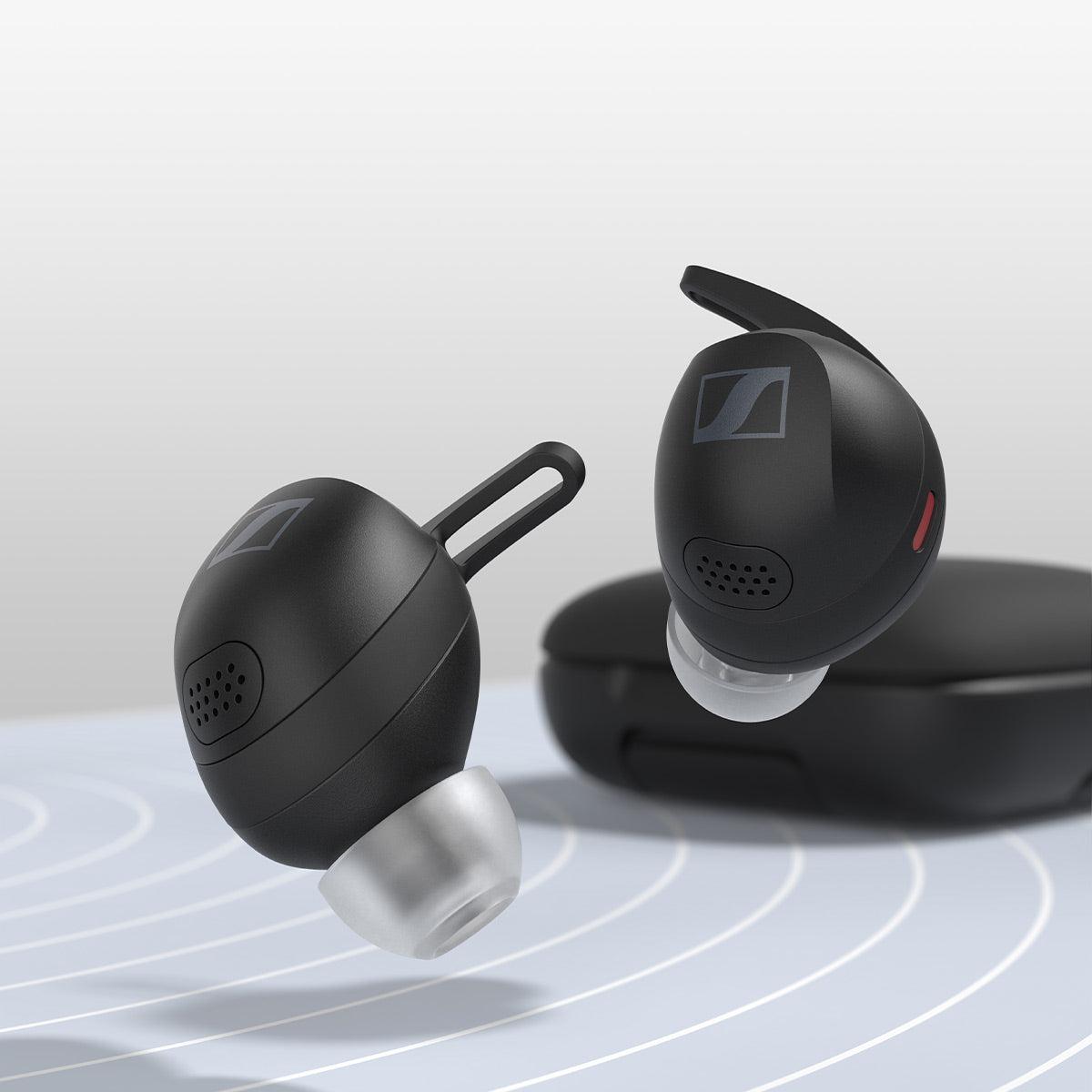
The most unique feature – and the one that justifies much of the premium pricing – is the integrated biometric monitoring. These earbuds include photoplethysmography (PPG) sensors that can monitor your heart rate directly from your ear canal, plus body temperature sensors for core temperature tracking. PPG technology works by shining light into your skin and measuring how blood flow changes with each heartbeat – the same technology used in smartwatches and fitness trackers.
What makes this implementation special is the accuracy. Ear-based heart rate monitoring often proves more reliable than wrist-based systems because there's less movement and better blood flow in the ear canal. During our research into user experiences, we found consistently positive feedback about the accuracy compared to chest straps and fitness watches.
The Sennheiser Momentum Sport connect seamlessly with major fitness platforms including Polar Flow, Apple Health, Garmin Connect, Strava, and Peloton. This integration means your earbuds become part of your fitness ecosystem rather than just an audio accessory – you're essentially getting a fitness tracker that happens to also deliver exceptional sound quality.
Audio-wise, these earbuds showcase why Sennheiser has built such a strong reputation in the audio world. The 10mm drivers are tuned with Sennheiser's characteristic attention to detail, delivering a more balanced sound signature than the JBL Tune Buds. The bass is present and impactful without overwhelming other frequencies, while the midrange clarity makes vocals sound natural and engaging. Treble is crisp without being harsh, creating a sound that works well across all music genres.
The semi-open acoustic design is perhaps the most innovative technical aspect. Unlike traditional sealed earbuds, the Sennheiser Momentum Sport include acoustic relief channels that allow some air circulation. This design choice serves multiple purposes: it reduces the "occlusion effect" (that boomy sound you hear when walking or exercising with sealed earbuds), minimizes the buildup of pressure in your ears during extended wear, and allows for more natural transparency modes.
Speaking of transparency modes, the Sennheiser Momentum Sport offer three distinct listening modes optimized for different scenarios. The Anti-Wind mode specifically addresses one of the biggest complaints about outdoor exercise with earbuds – wind noise that makes music unlistenable and awareness modes useless. The ANC mode provides solid noise cancellation when you need focus, while the Transparency mode maintains natural awareness of your surroundings.
The trade-off for this semi-open design is that maximum noise isolation isn't as strong as fully sealed competitors. If you're looking for earbuds to block out airplane noise or noisy offices, the JBL Tune Buds might actually perform better in those specific scenarios.
Based on comprehensive user feedback and expert reviews, the Sennheiser Momentum Sport clearly win in overall audio quality. The sound signature is more mature and balanced, with better instrument separation and detail retrieval. The soundstage – that sense of space and dimensionality in music – is notably wider than what you get from the JBL Tune Buds.
However, "better" doesn't automatically mean "right for you." The JBL Tune Buds deliver exactly the kind of energetic, bass-forward sound that many people prefer for workouts, commuting, or casual listening. The boosted bass response can make electronic music feel more impactful and engaging, even if it's technically less accurate.
For home theater use, both earbuds face the same fundamental limitation that all earbuds do – they can't match the spatial audio experience of a proper surround sound system. However, the Sennheiser Momentum Sport handle gaming and video content significantly better thanks to lower latency and better codec support. The aptX Adaptive codec, in particular, provides a good balance between audio quality and connection stability that makes them more suitable for gaming sessions.
This category isn't even close. The JBL Tune Buds offer 48 hours of total battery life compared to 24 hours for the Sennheiser Momentum Sport. More importantly, the individual earbud battery life of 12 hours (10 with ANC) versus 6 hours makes a huge practical difference.
If you're someone who uses earbuds throughout the workday, travels frequently, or simply doesn't want to think about charging, this difference is transformative. The psychological benefit of never worrying about battery life cannot be overstated – it fundamentally changes how you interact with the device.
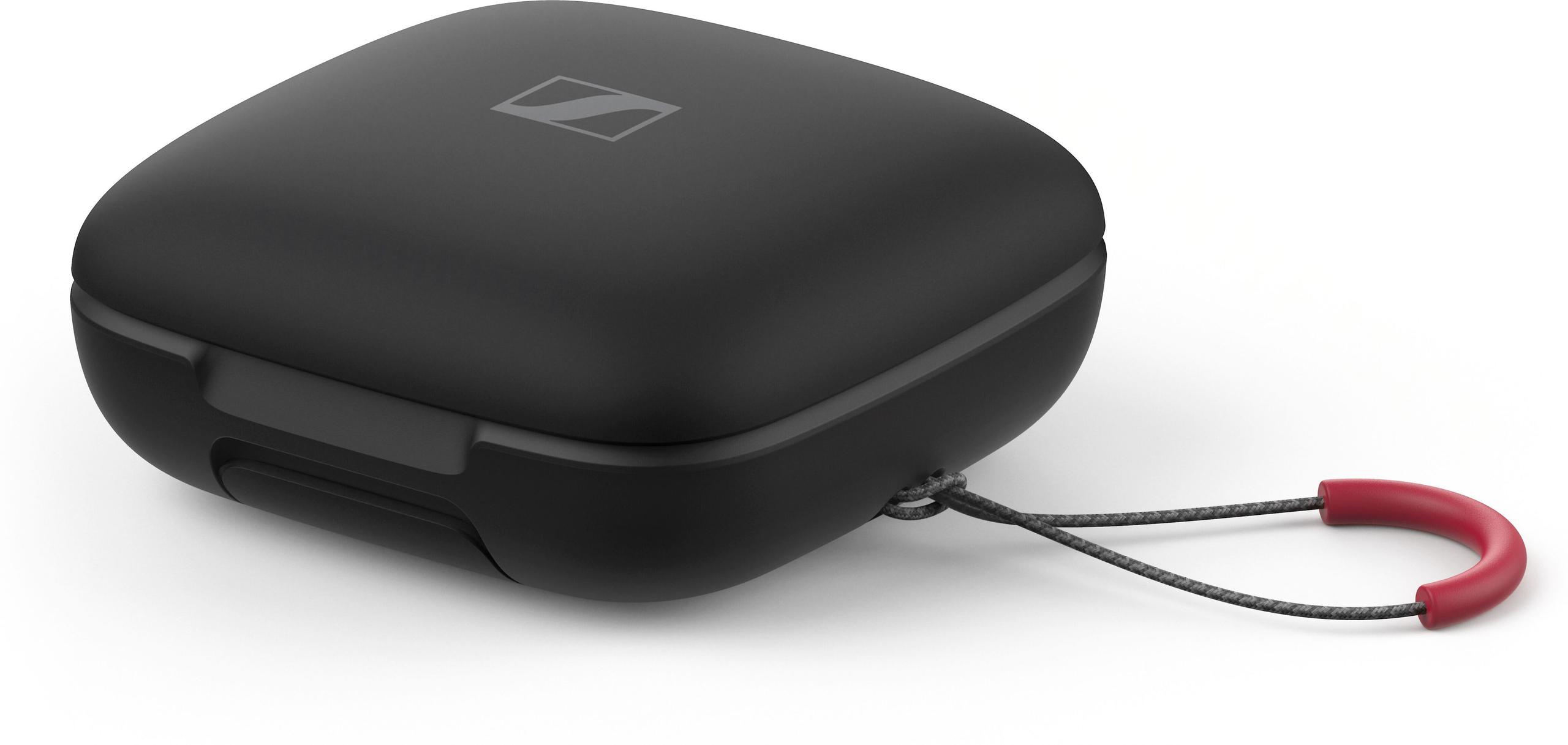
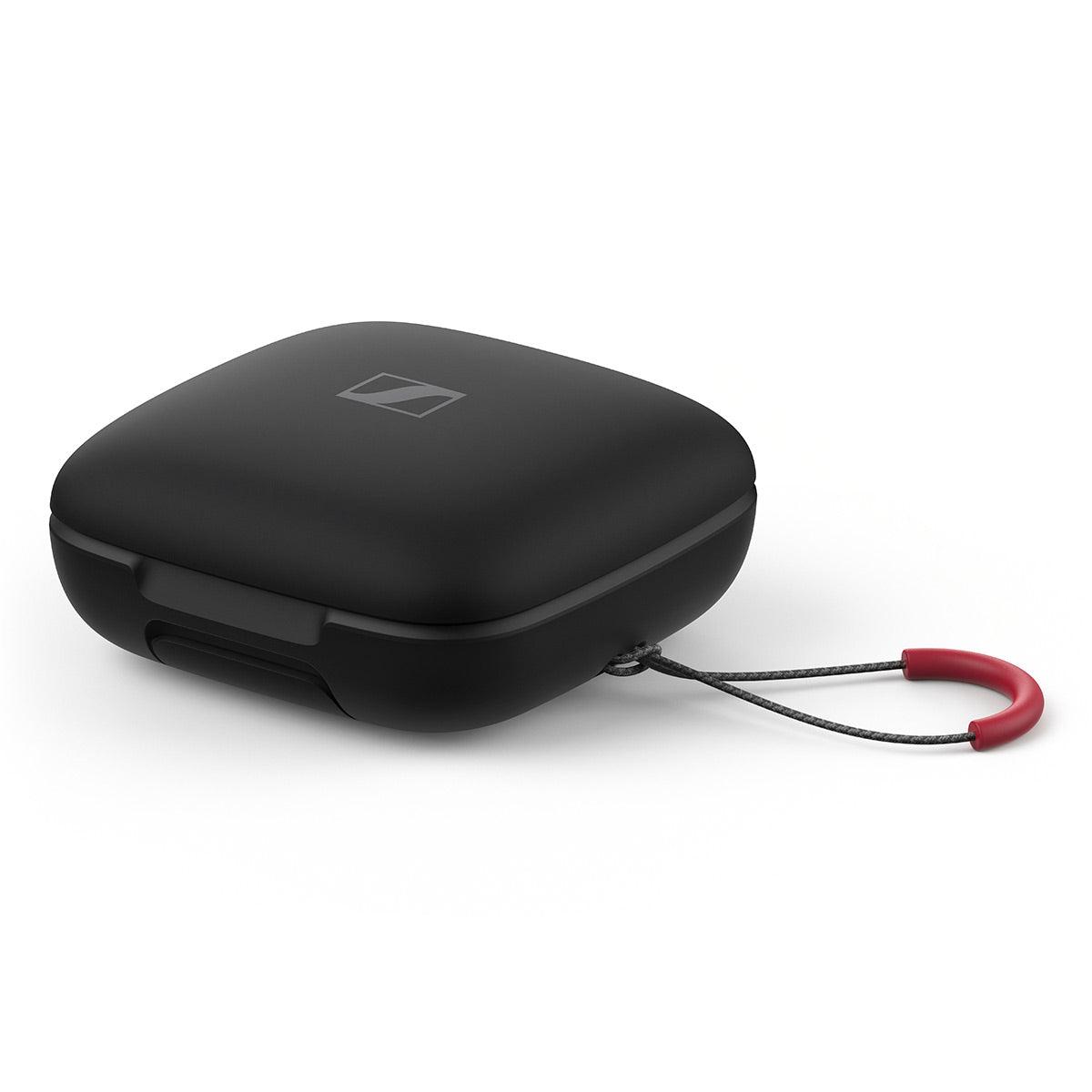
The Sennheiser Momentum Sport do include wireless charging support, which adds convenience, but it doesn't overcome the shorter battery life for heavy users.
The JBL Tune Buds offer solid smart features through the JBL Headphones app, including customizable EQ, touch control remapping, and the useful "find my earbuds" function. The multipoint connection capability lets you connect to two devices simultaneously, which is genuinely useful for people who switch between phone and computer throughout the day.
The Sennheiser Momentum Sport take smart features in a completely different direction with their fitness integration. The biometric sensors, workout detection, and ecosystem integration create a compelling package for fitness enthusiasts. The "Sound Zones" feature, which automatically adjusts audio settings based on your location, shows the kind of thoughtful integration that justifies premium pricing.
Both earbuds prioritize comfort but approach it differently. The JBL Tune Buds use a traditional sealed design with multiple ear tip sizes to achieve a secure fit. The ergonomic oval tube design works well for most ear shapes and provides good passive noise isolation.
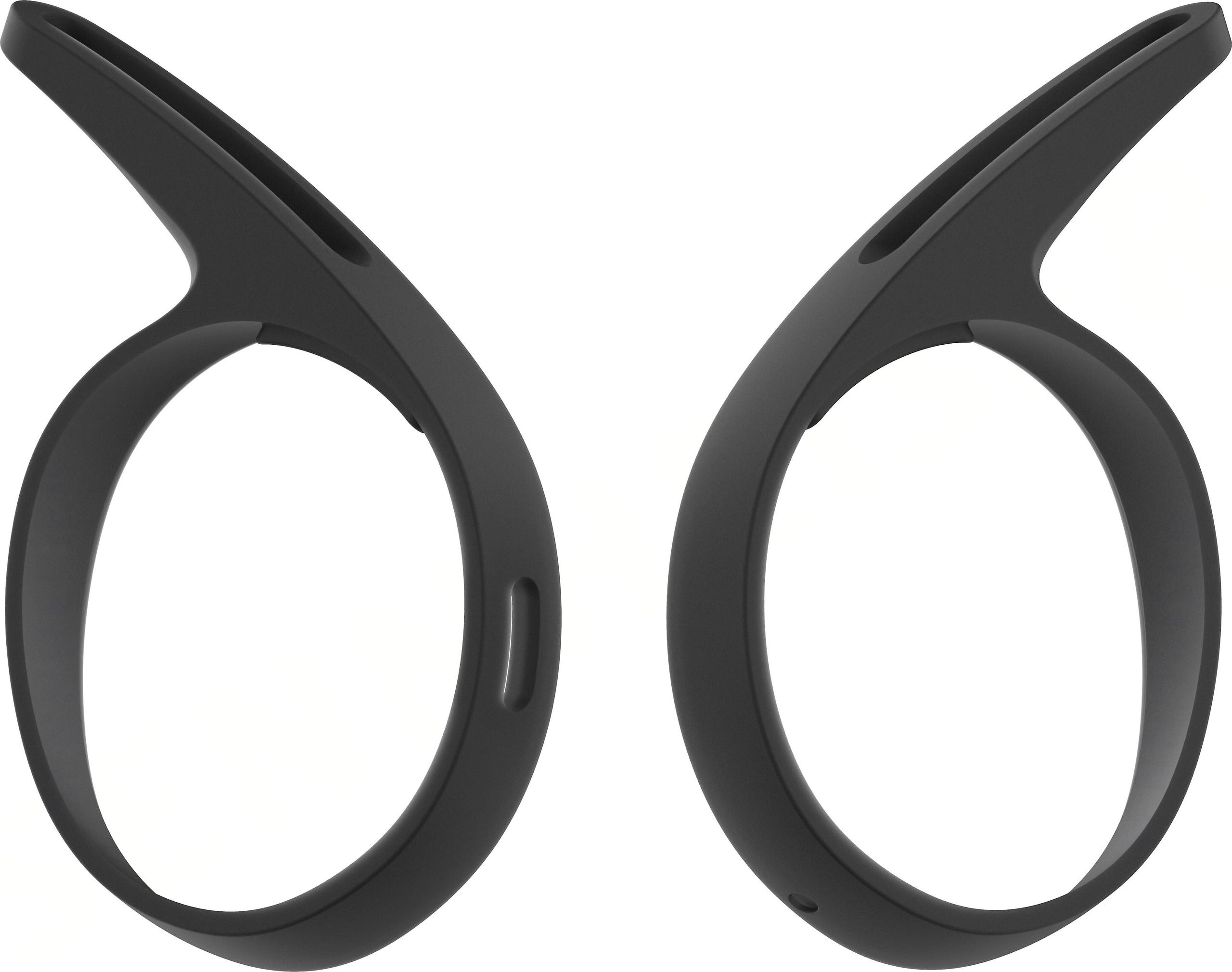
The Sennheiser Momentum Sport semi-open design inherently reduces ear pressure and the claustrophobic feeling some people experience with sealed earbuds. The interchangeable ear fins help maintain a secure fit during exercise, while the reduced occlusion effect makes them more comfortable for extended wear.
Your preference will likely depend on your priorities: maximum isolation and bass response (JBL) or natural comfort and awareness (Sennheiser).
At the time of writing, the JBL Tune Buds typically retail for significantly less than the Sennheiser Momentum Sport – we're talking about budget-friendly pricing versus premium positioning. This price difference reflects fundamentally different value propositions.
The JBL Tune Buds maximize features and performance per dollar spent. You get exceptional battery life, solid sound quality, effective ANC, and reliable build quality at a price that makes them accessible to students, budget-conscious users, and anyone who wants capable earbuds without premium pricing.
The Sennheiser Momentum Sport ask you to pay significantly more for specialized capabilities and audio excellence. The integrated fitness tracking, premium sound quality, and sophisticated feature set create value for users who can appreciate and utilize these advantages.
The JBL Tune Buds win handily here. The exceptional battery life means you'll never worry about power during long days, the ANC effectively handles train and bus noise, and the bass-forward tuning makes podcasts and music sound engaging even in noisy environments.
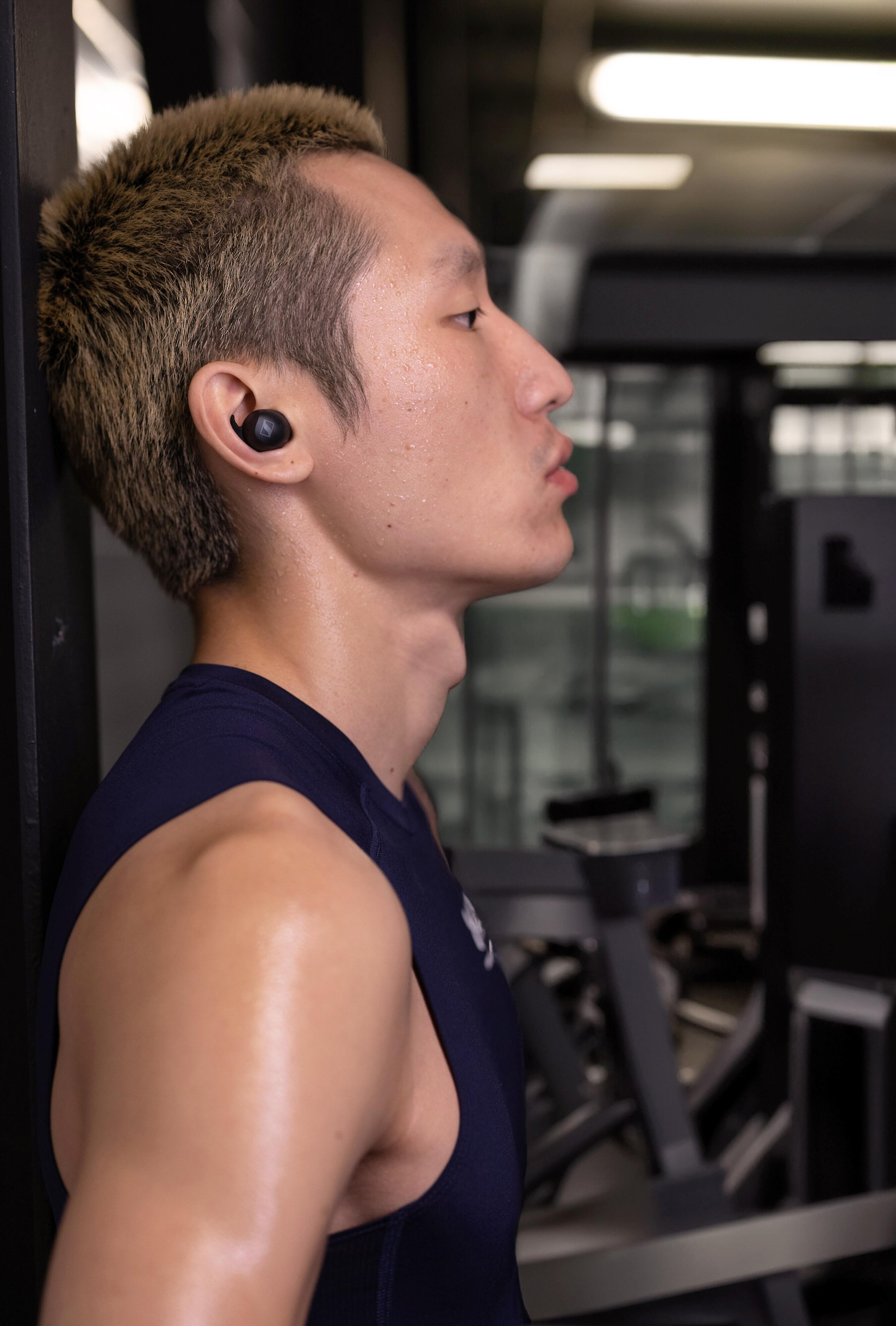
The Sennheiser Momentum Sport justify their premium pricing for serious fitness users. The integrated heart rate monitoring eliminates the need for a separate fitness tracker, the Anti-Wind mode makes outdoor running actually enjoyable, and the sweat-resistant build quality handles intense workouts.
Audio quality clearly favors the Sennheiser Momentum Sport, but the JBL Tune Buds aren't embarrassing. If you primarily listen to bass-heavy genres and value long listening sessions over ultimate fidelity, the JBL approach might actually be more satisfying.
Neither product excels at call quality, but the Sennheiser Momentum Sport perform better for video conferences and phone meetings. However, the JBL Tune Buds all-day battery life might outweigh the call quality advantage for users in back-to-back meetings.
The decision between the JBL Tune Buds and Sennheiser Momentum Sport ultimately comes down to matching your priorities with each product's strengths.
Choose the JBL Tune Buds if you value practicality above all else. The exceptional battery life, comfortable fit, and solid feature set create a reliable daily driver that rarely disappoints. They're perfect for students, commuters, casual listeners, and anyone who wants earbuds that simply work without demanding attention or premium pricing.
Choose the Sennheiser Momentum Sport if you're willing to pay for specialized excellence. The integrated fitness tracking, superior audio quality, and thoughtful design details create a premium experience that justifies the higher cost for users who can appreciate these advantages.
The JBL Tune Buds represent democracy in audio – great performance accessible to everyone. The Sennheiser Momentum Sport represent specialization – premium performance for users with specific needs and the budget to match.
Both approaches have merit, and both products execute their respective visions successfully. Your choice should reflect your budget, usage patterns, and whether you prioritize endurance and value or quality and specialization. At the time of writing, both represent strong choices within their intended markets – you just need to decide which market you belong to.
| JBL Tune Buds True Wireless Earbuds | Sennheiser Momentum Sport True Wireless Earbuds |
|---|---|
| Battery Life - Critical for daily use without charging anxiety | |
| 12 hours earbuds + 36 hours case = 48 hours total | 6 hours earbuds + 18 hours case = 24 hours total |
| Driver Size - Larger drivers generally produce better bass and dynamics | |
| 10mm dynamic drivers with Pure Bass Sound tuning | 10mm dynamic drivers with balanced Sennheiser tuning |
| Sound Signature - Determines which music genres sound best | |
| V-shaped (boosted bass/treble) - ideal for EDM, hip-hop, pop | Balanced signature - works well across all genres |
| Active Noise Cancellation - Essential for noisy environments like planes or offices | |
| Traditional ANC with Smart Ambient modes | Adaptive ANC with semi-open design (less isolation but more natural) |
| Special Features - What sets each product apart from generic earbuds | |
| 48-hour battery, Speed Charge (4 hours from 15 min charge) | Heart rate + body temperature sensors, fitness app integration |
| Water Resistance - Important for workouts and weather protection | |
| IP54 (dust and water resistant) | IP55 earbuds, IP54 case (slightly better dust protection) |
| Bluetooth Technology - Affects connection stability and audio quality | |
| Bluetooth 5.3 with LE Audio support, multipoint connection | Bluetooth 5.2 with aptX Adaptive codec support |
| Call Quality - Critical for work calls and video meetings | |
| 4-mic array but mediocre performance in reviews | Superior call clarity with better noise rejection |
| Design Philosophy - How each approaches comfort and isolation | |
| Closed design for maximum bass and noise isolation | Semi-open with acoustic vents for natural feel and reduced ear pressure |
| Target User - Who each product serves best | |
| Budget-conscious users prioritizing battery life and value | Fitness enthusiasts willing to pay premium for integrated health tracking |
| Charging Options - Convenience factor for daily use | |
| USB-C only (no wireless charging) | USB-C and Qi wireless charging support |
The JBL Tune Buds significantly outperform the Sennheiser Momentum Sport in battery life. The JBL Tune Buds provide 12 hours of playback per charge with up to 48 hours total including the charging case, while the Sennheiser Momentum Sport offer 6 hours per charge with 24 hours total. This makes the JBL option ideal for long commutes, travel, and users who frequently forget to charge their devices.
The Sennheiser Momentum Sport are specifically designed for fitness enthusiasts, featuring integrated heart rate and body temperature sensors that connect with fitness apps like Polar Flow, Strava, and Apple Health. They also include an Anti-Wind mode for outdoor activities and a semi-open design that reduces ear pressure during exercise. While the JBL Tune Buds have solid IP54 water resistance and secure fit, they lack the specialized fitness features of the Sennheiser model.
The Sennheiser Momentum Sport provide superior call quality with better noise rejection and clearer voice transmission. The JBL Tune Buds feature a 4-microphone array but receive mixed reviews for call performance, particularly in noisy environments. For business users who frequently take calls, the Sennheiser option is the better choice.
The Sennheiser Momentum Sport deliver superior audio quality with a more balanced sound signature that works well across all music genres. They support aptX Adaptive codec for high-quality streaming and offer better instrument separation. The JBL Tune Buds feature a V-shaped sound with boosted bass and treble that's excellent for EDM, hip-hop, and pop music but may sound less natural with vocals and acoustic music.
The Sennheiser Momentum Sport are better suited for gaming and video content due to their lower latency, superior codec support, and more balanced sound profile. While neither product is specifically designed as a home theater replacement, the Sennheiser option provides better audio-video synchronization. The JBL Tune Buds may experience slight delays that can be noticeable during gaming or movie watching.
Both models prioritize comfort but take different approaches. The Sennheiser Momentum Sport feature a semi-open design with acoustic vents that reduce ear pressure and the claustrophobic feeling some users experience with sealed earbuds. The JBL Tune Buds use a traditional sealed design with ergonomic ear tips that provide good isolation. For extended wear, many users find the semi-open design of the Sennheiser Momentum Sport more comfortable.
Yes, both the JBL Tune Buds and Sennheiser Momentum Sport feature active noise cancellation, but they work differently. The JBL Tune Buds offer traditional ANC with Smart Ambient modes for situational awareness. The Sennheiser Momentum Sport use adaptive ANC with a semi-open design that provides less maximum isolation but offers more natural transparency modes, including a specialized Anti-Wind mode for outdoor activities.
This depends on your needs and budget. The JBL Tune Buds offer exceptional value with their marathon battery life, solid sound quality, and comprehensive features at a budget-friendly price point. The Sennheiser Momentum Sport command a premium price but justify it with unique fitness tracking capabilities, superior audio quality, and specialized sports features. For general users prioritizing battery life and value, the JBL Tune Buds are the better choice.
Both the JBL Tune Buds and Sennheiser Momentum Sport support mono listening, allowing you to use either earbud independently. This is useful for staying aware of your surroundings, extending battery life, or sharing with someone else. The JBL Tune Buds specifically mention this feature with their Bluetooth 5.3 LE Audio support.
The JBL Tune Buds feature IP54 water and dust resistance, making them suitable for workouts and light rain. The Sennheiser Momentum Sport have slightly better protection with IP55 rating for the earbuds and IP54 for the case, providing enhanced dust protection. Both are designed to handle sweat and moisture from exercise, but neither should be submerged in water.
The JBL Tune Buds support multipoint connection, allowing you to pair with two devices simultaneously and switch between them seamlessly. This is particularly useful for users who need to switch between phone and computer throughout the day. While the Sennheiser Momentum Sport focus more on fitness ecosystem integration with various health and fitness apps rather than multiple device connectivity.
Both products have companion apps that unlock additional features. The JBL Tune Buds work with the JBL Headphones app for EQ customization, touch control remapping, and finding lost earbuds. The Sennheiser Momentum Sport integrate with the Sennheiser Smart Control app for audio customization and connect with multiple fitness platforms including Polar Flow, Strava, Apple Health, and Garmin Connect for comprehensive health tracking. While both work without apps, you'll miss key features and customization options.
We've done our best to create useful and informative comparisons to help you decide what product to buy. Our research uses advanced automated methods to create this comparison and perfection is not possible - please contact us for corrections or questions. These are the sites we've researched in the creation of this article: rtings.com - jbl.com - youtube.com - jbl.com - soundguys.com - ro.harmanaudio.com - audio46.com - bestbuy.com - majorhifi.com - jbl.com - crutchfield.com - jblstore.com.ph - kh.jbl.com - in.jbl.com - bestbuy.com - uclastore.com - jbl.com - jbl.com.tw - rtings.com - shop.prevention.com - youtube.com - techradar.com - sennheiser-hearing.com - youtube.com - dcrainmaker.com - head-fi.org - whathifi.com - youtube.com - youtube.com - head-fi.org - ecoustics.com - soundguys.com - audio46.com - moon-audio.com - newsroom.sennheiser.com - youtube.com - shop.menshealth.com - the5krunner.com - youtube.com - bloomaudio.com - eftm.com - soundguys.com - techradar.com - sennheiser-hearing.com

Privacy Policy
Terms and Conditions - Affiliate Policy
Home Security
© Copyright 2008-2026.
11816 Inwood Rd #1211, Dallas, TX 75244