

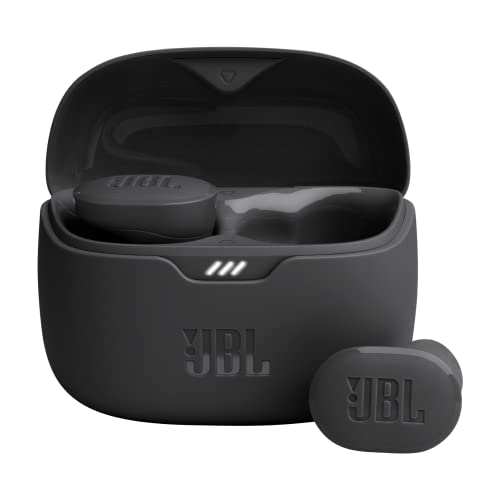






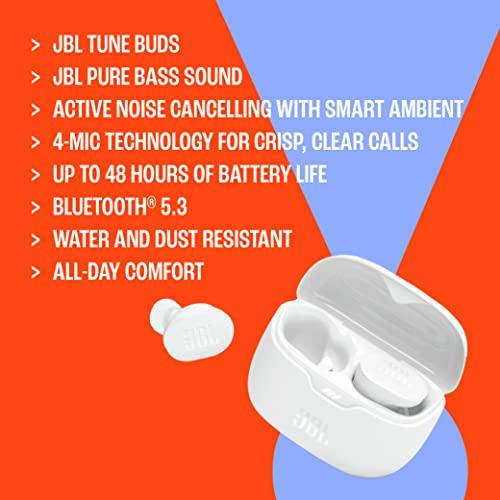
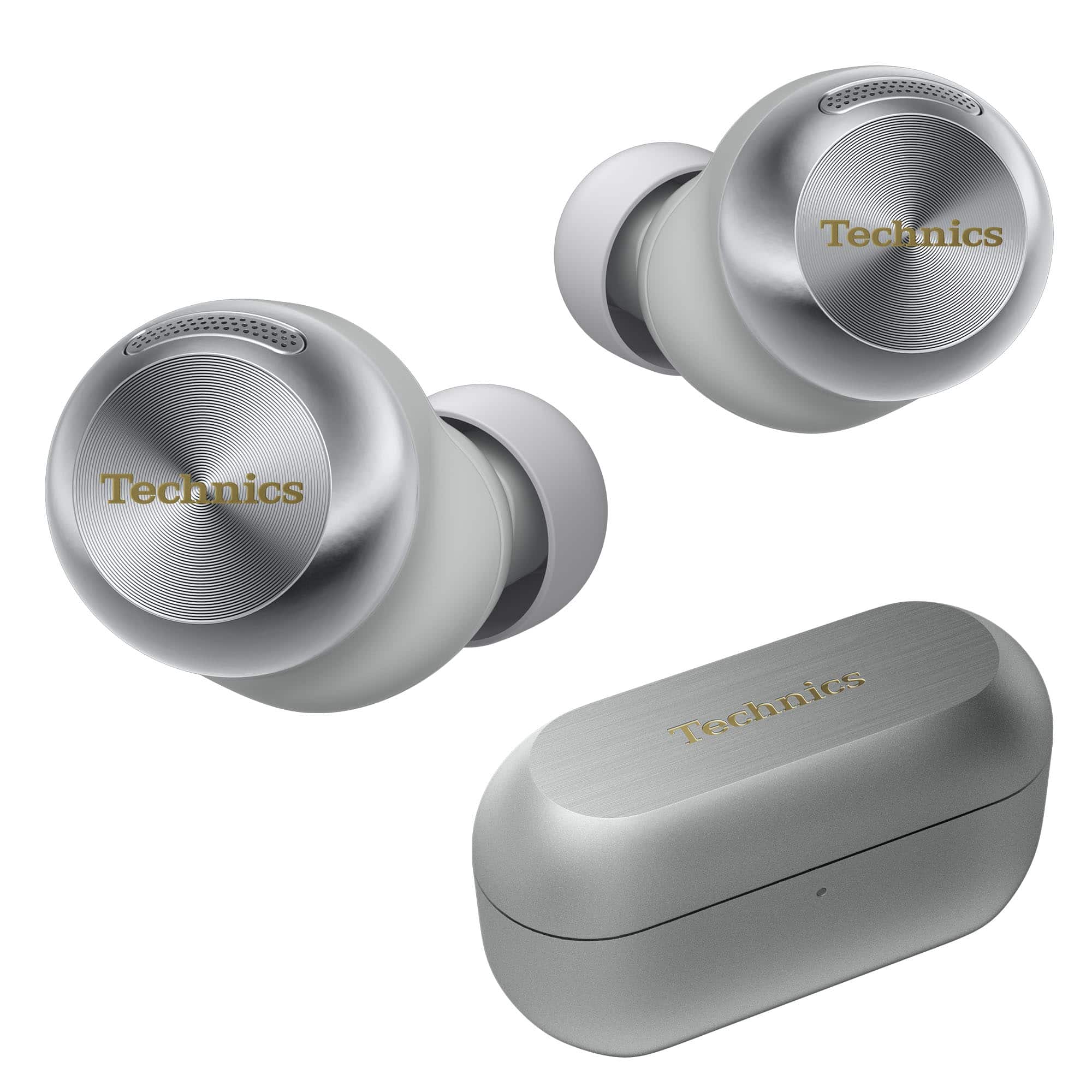
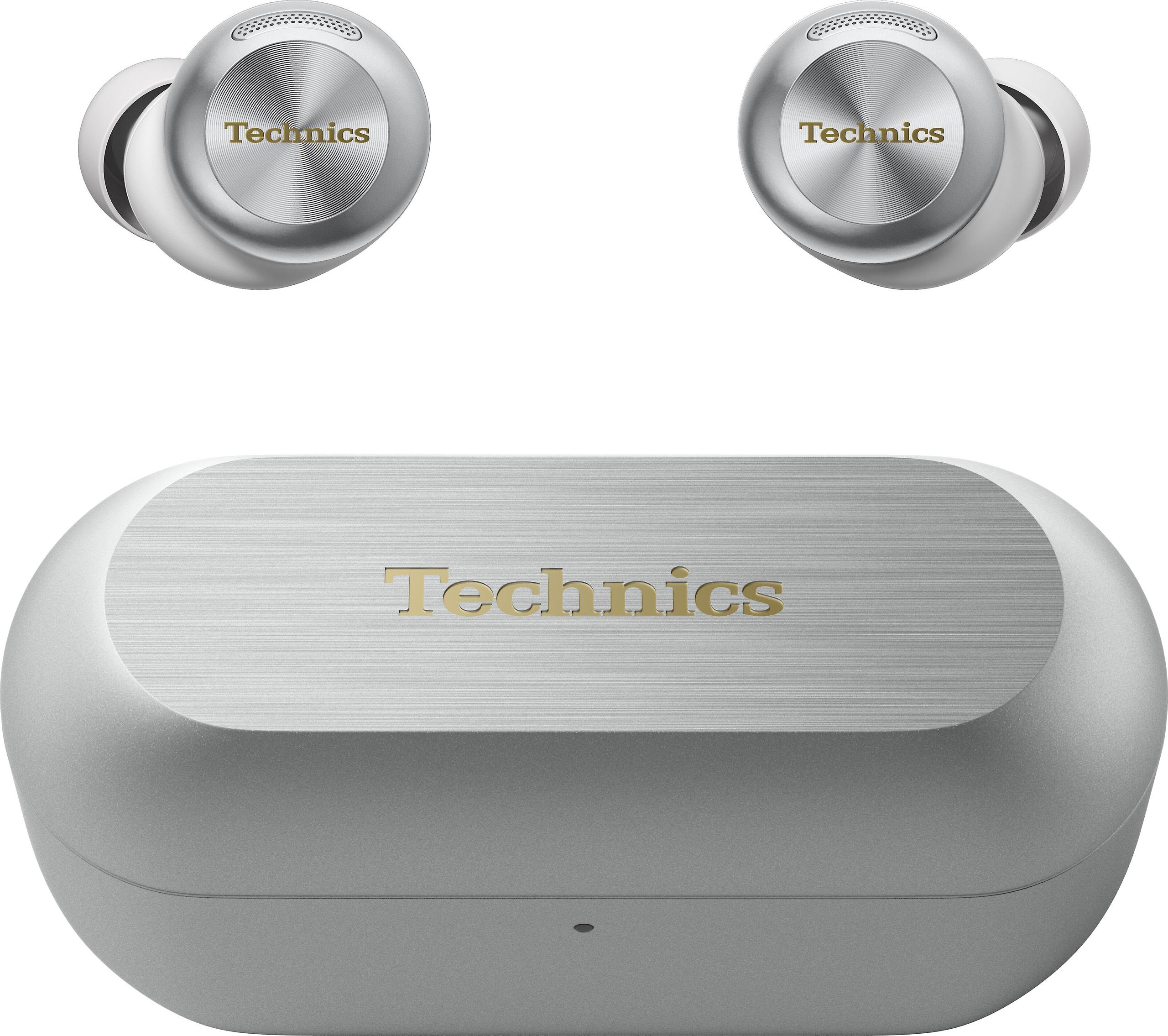

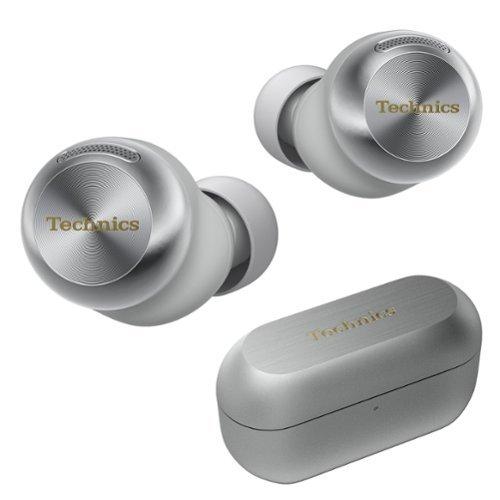

The true wireless earbuds market has exploded over the past few years, creating options for every budget and use case imaginable. From basic models that barely crack $50 to flagship offerings approaching $400, the range of features, sound quality, and build materials varies dramatically. Today we're comparing two earbuds that sit at opposite ends of this spectrum: the budget-focused JBL Tune Buds and the premium Technics EAH-AZ100.
Released in 2024, both products represent their manufacturers' latest thinking on what matters most to different types of users. The JBL Tune Buds launched as an affordable entry point into JBL's true wireless lineup, while the Technics EAH-AZ100 arrived as the company's flagship reference-class offering. At the time of writing, you're looking at roughly a 4-5x price difference between these models, which raises an important question: what exactly does that premium buy you?
Before diving into specifics, it's worth understanding what separates good earbuds from great ones. The core components include the drivers (tiny speakers that produce sound), digital signal processing (DSP) chips that handle features like noise cancellation, Bluetooth chips for wireless connectivity, and batteries that power everything. Each manufacturer makes different trade-offs in these areas based on their target market and price point.
The most critical performance factors are audio quality, active noise cancellation (ANC) effectiveness, battery life, fit and comfort, and call quality. Premium models typically excel across all these areas, while budget options focus on delivering solid basics with one or two standout features.
The JBL Tune Buds use standard 10mm dynamic drivers paired with JBL's Pure Bass Sound tuning. This creates what's called a V-shaped sound signature—emphasized bass and treble with slightly recessed midrange frequencies. It's a crowd-pleasing approach that makes popular music genres like hip-hop, EDM, and pop sound energetic and fun. The bass response is punchy and present without being overwhelming, though it lacks the tight control you'd find in more expensive models.
What's particularly impressive about the JBL Tune Buds is how customizable they are through the JBL Headphones app. You can adjust the EQ (equalizer) settings to fine-tune the sound to your preferences, which partially bridges the gap to more expensive earbuds. The frequency response spans 20 Hz to 20 kHz, covering the full range of human hearing.
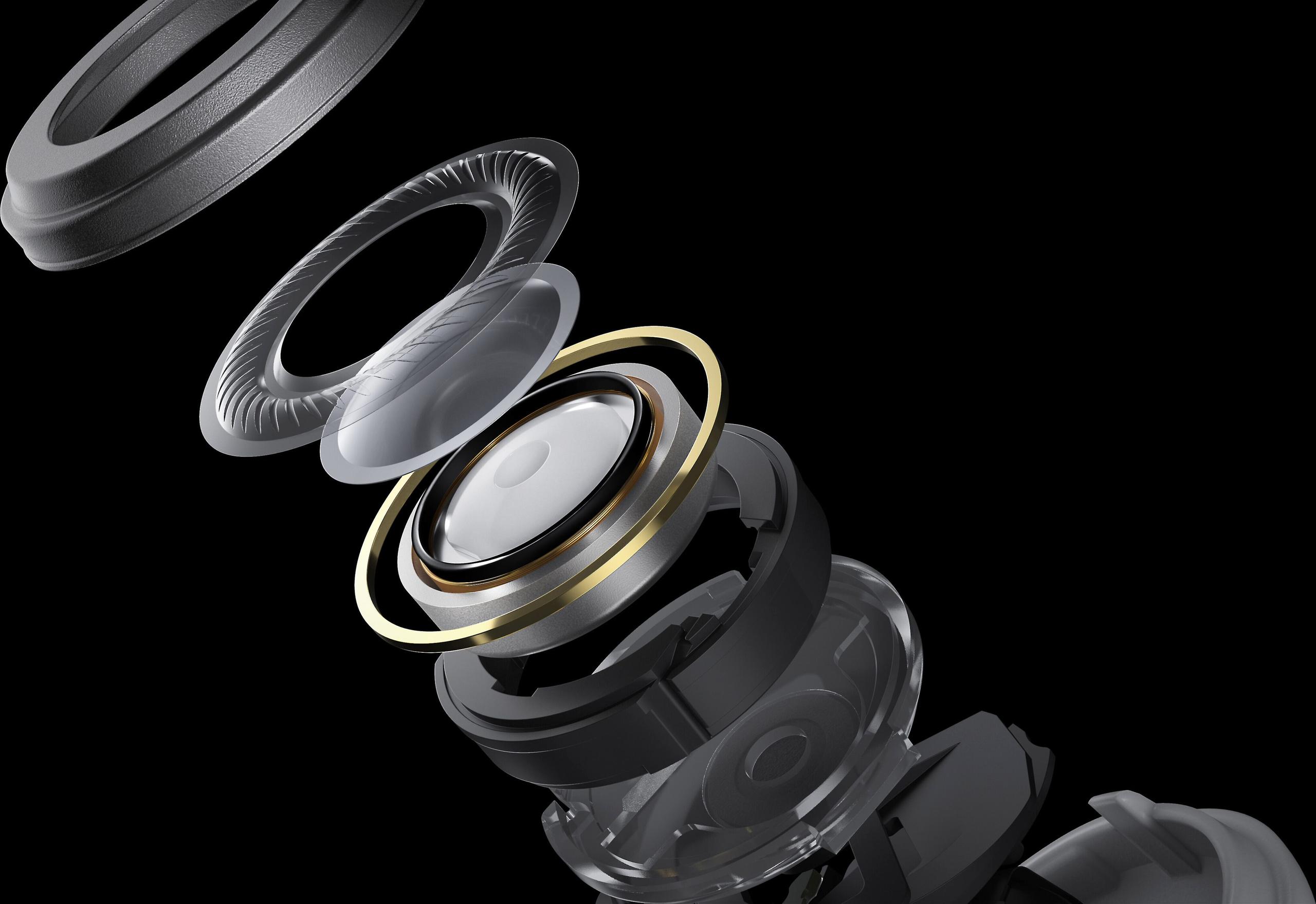
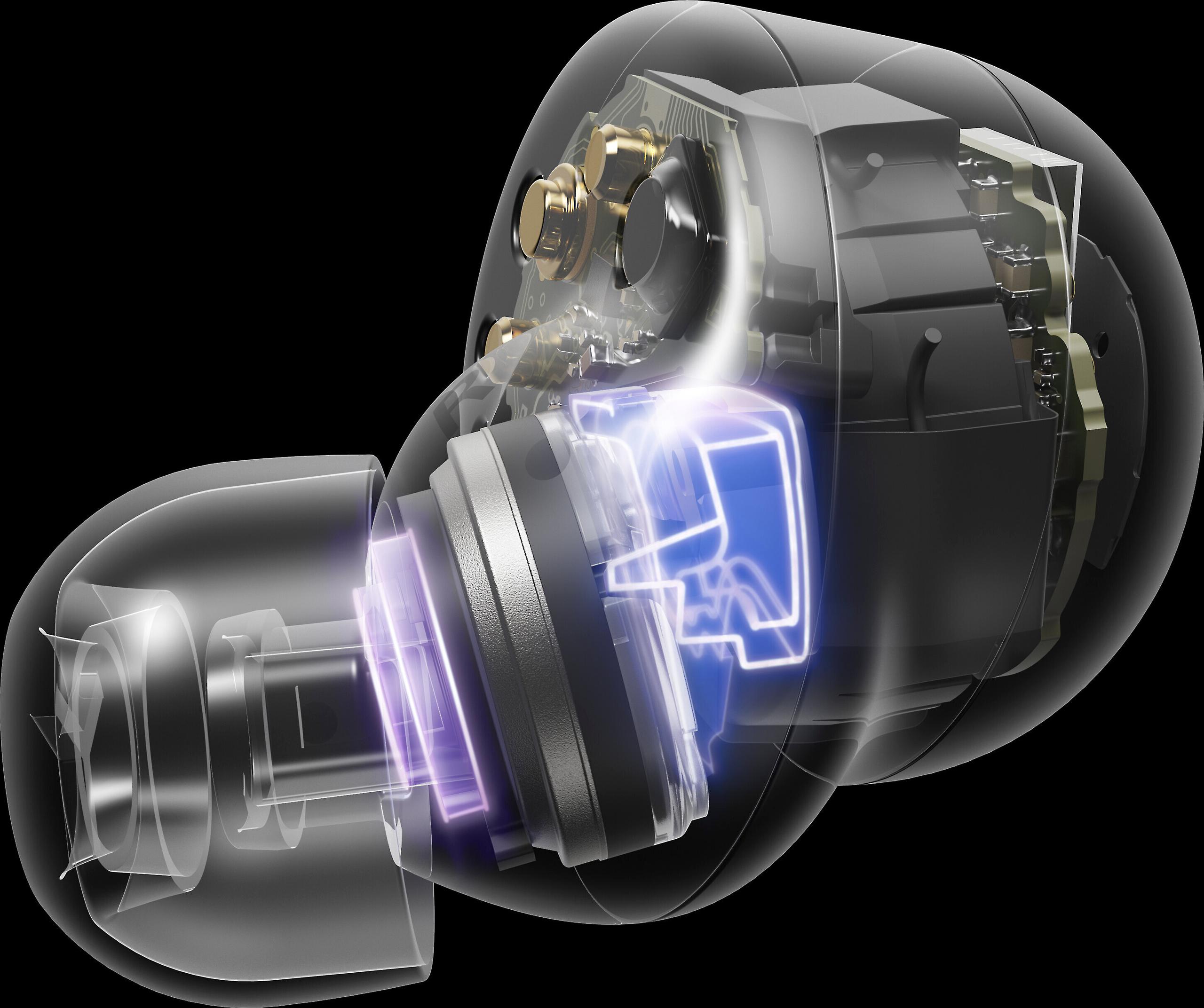
The Technics EAH-AZ100, on the other hand, employs something called Magnetic Fluid Driver technology. This involves placing a special oil-like substance with magnetic properties between the driver magnet and voice coil. The result is dramatically reduced distortion and more precise control over bass frequencies. Think of it like upgrading from a basic car stereo to a high-end audio system—the difference is immediately apparent.
These drivers extend the frequency response up to 40 kHz, well beyond human hearing range. While you can't directly hear these ultra-high frequencies, they can affect the harmonics and overall sound quality of audible frequencies. The Technics AZ100 also supports LDAC, a high-quality Bluetooth codec that can transmit roughly three times more data than standard codecs, preserving more of the original recording's detail.
Based on our research into user and expert reviews, the audio quality difference is substantial. The JBL Tune Buds deliver enjoyable, bass-forward sound that works well for casual listening and popular music. The Technics AZ100 provides reference-quality reproduction that reveals details in recordings you might never have noticed before. For home theater use, the Technics' spatial audio capabilities with Dolby Atmos support create a more immersive experience when watching movies or shows on compatible devices.
Active noise cancellation works by using microphones to detect ambient sound, then generating inverse sound waves to cancel out that noise. It's particularly effective against constant, low-frequency sounds like airplane engines or air conditioning.
The JBL Tune Buds include what JBL calls Smart Ambient technology, which provides basic ANC along with Ambient Aware and TalkThru modes. Ambient Aware lets some outside sound through for safety, while TalkThru reduces music volume and amplifies voices so you can have conversations without removing the earbuds. Based on reviews we've analyzed, the ANC performance is mediocre—it provides some reduction of background noise but struggles with low-frequency sounds that premium models handle easily.
The Technics AZ100 features Adaptive Noise Cancelling that automatically adjusts based on your environment and ear shape. This system continuously monitors ambient sound and optimizes the cancellation in real-time. Expert reviews consistently praise its performance as competitive with flagships from Sony and Bose, particularly for low-frequency noise reduction. The difference is night and day if you frequently travel by air or work in noisy environments.
Here's where the JBL Tune Buds absolutely shine. They deliver up to 48 hours of total listening time—12 hours from the earbuds themselves plus 36 additional hours from the charging case, with ANC turned off. Even with ANC enabled, you still get 40 hours total. This is exceptional even by premium standards and makes them ideal for travel or situations where charging opportunities are limited.
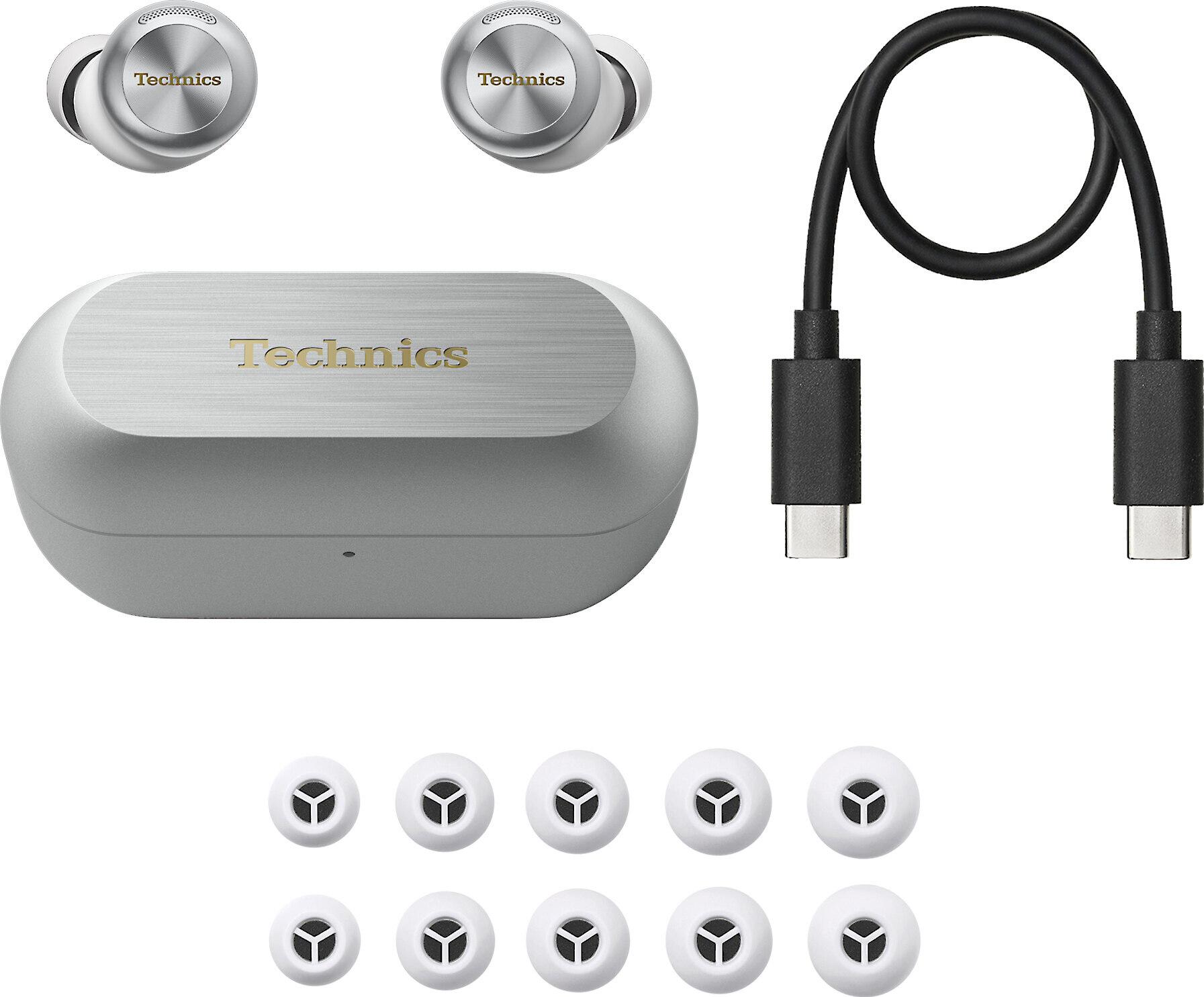
The speed charge feature provides 4 hours of playback from just 15 minutes of charging, which can be a lifesaver when you're rushing out the door. The only downside is the lack of wireless charging—you'll need to use the included USB-C cable.
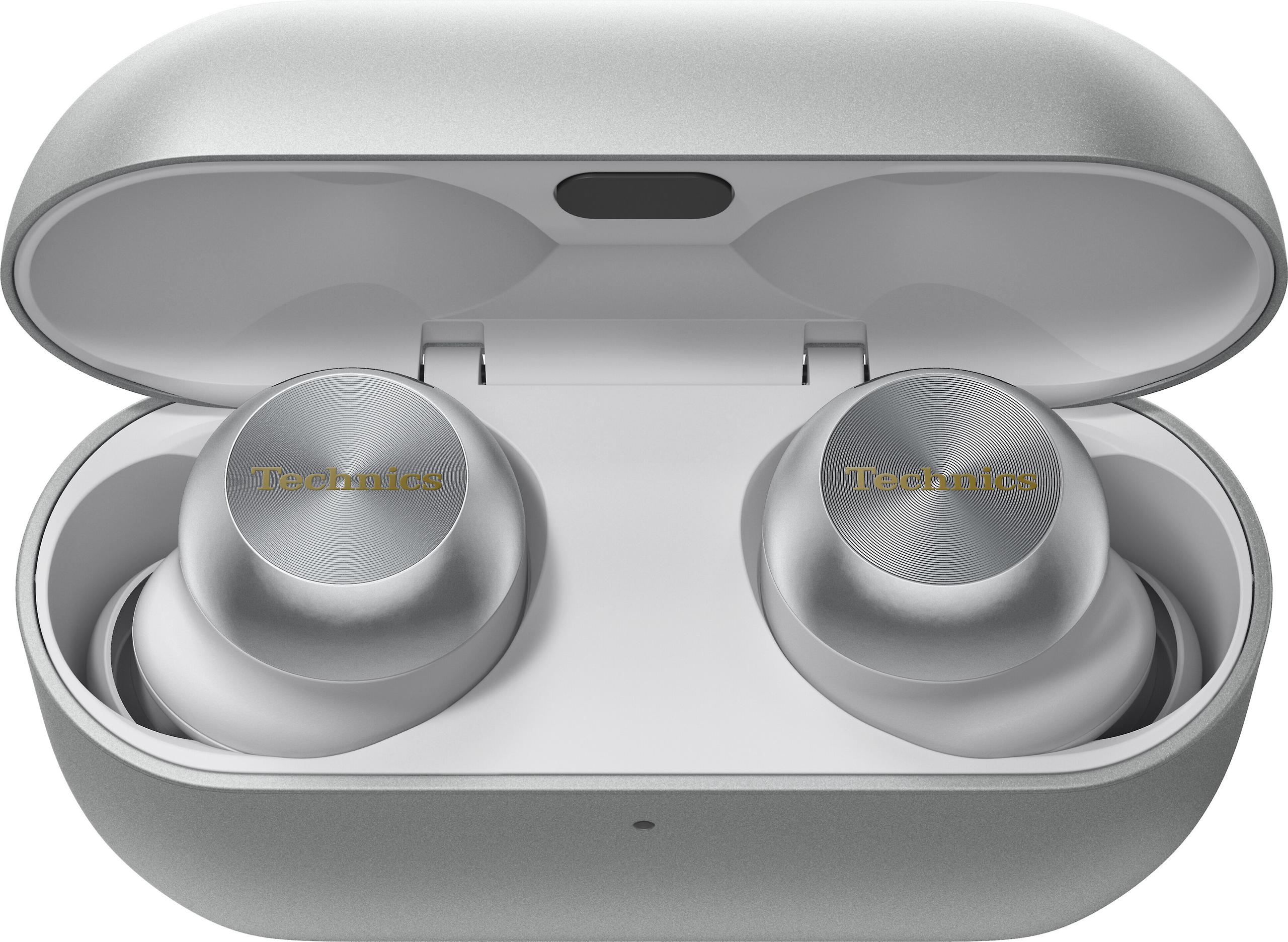
The Technics AZ100 provides more typical premium performance with 28 hours total when ANC is enabled (10 hours from earbuds, 18 from the case). While this is perfectly adequate for most users, it's notably less than the JBL offering. However, you do get the convenience of wireless charging, which some users find worth the trade-off.
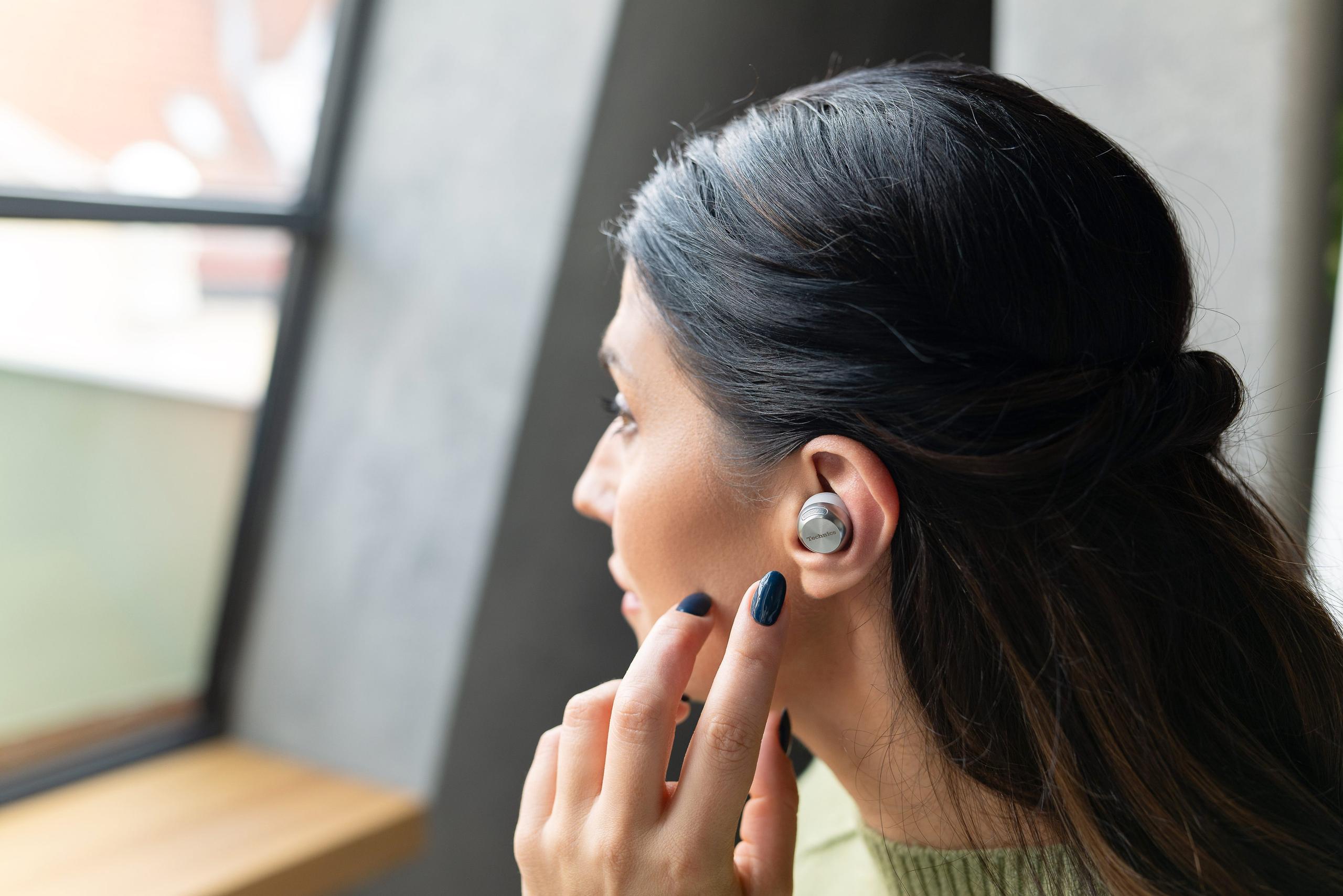
Comfort is highly personal, but both earbuds take different approaches. The JBL Tune Buds use an ergonomic oval tube design that's meant to fit naturally in most ears. At 10.8 grams per earbud, they're lightweight enough for extended wear. The IP54 rating means they're protected against both water splashes and dust intrusion, making them excellent for workouts or outdoor activities.
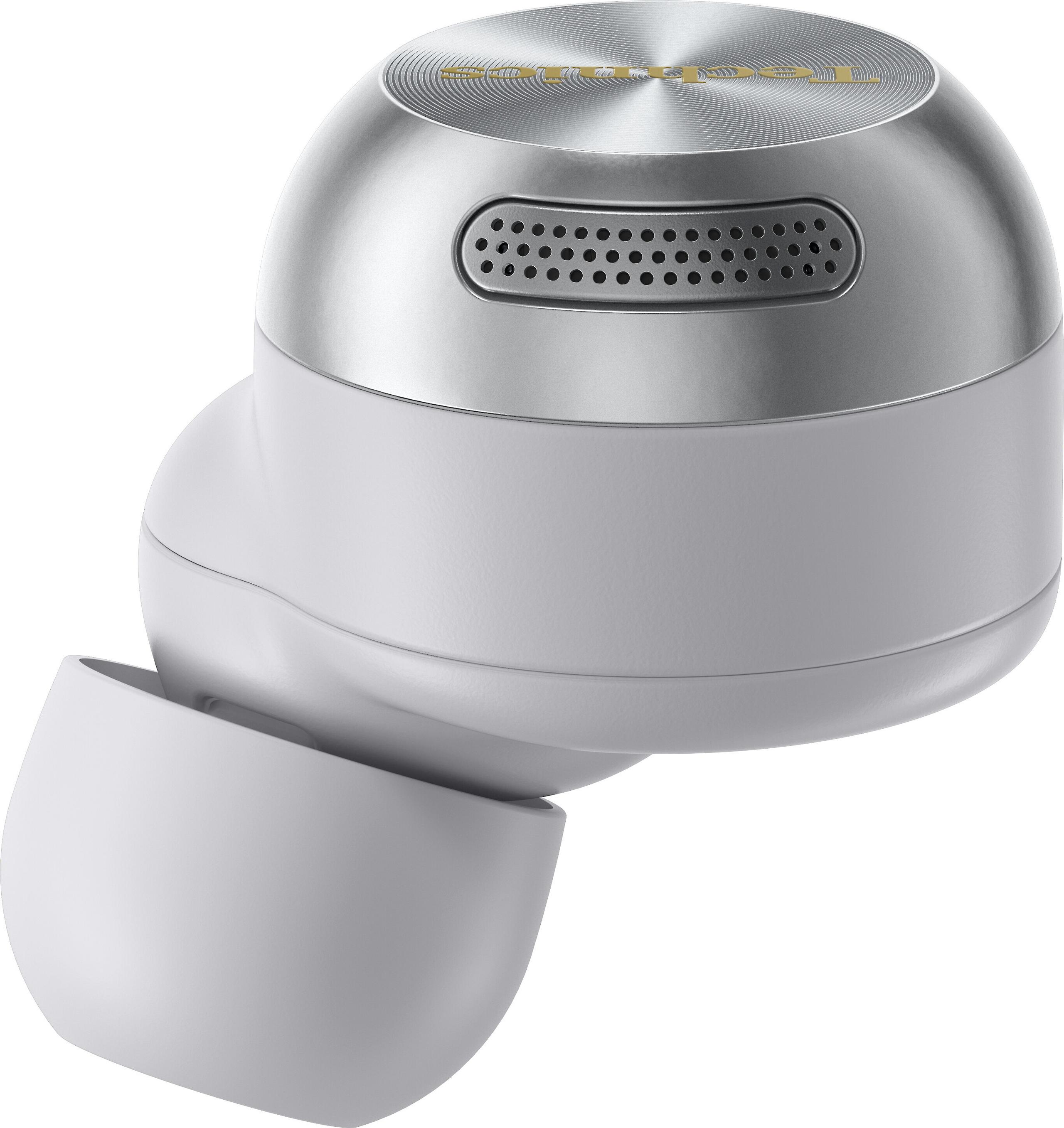
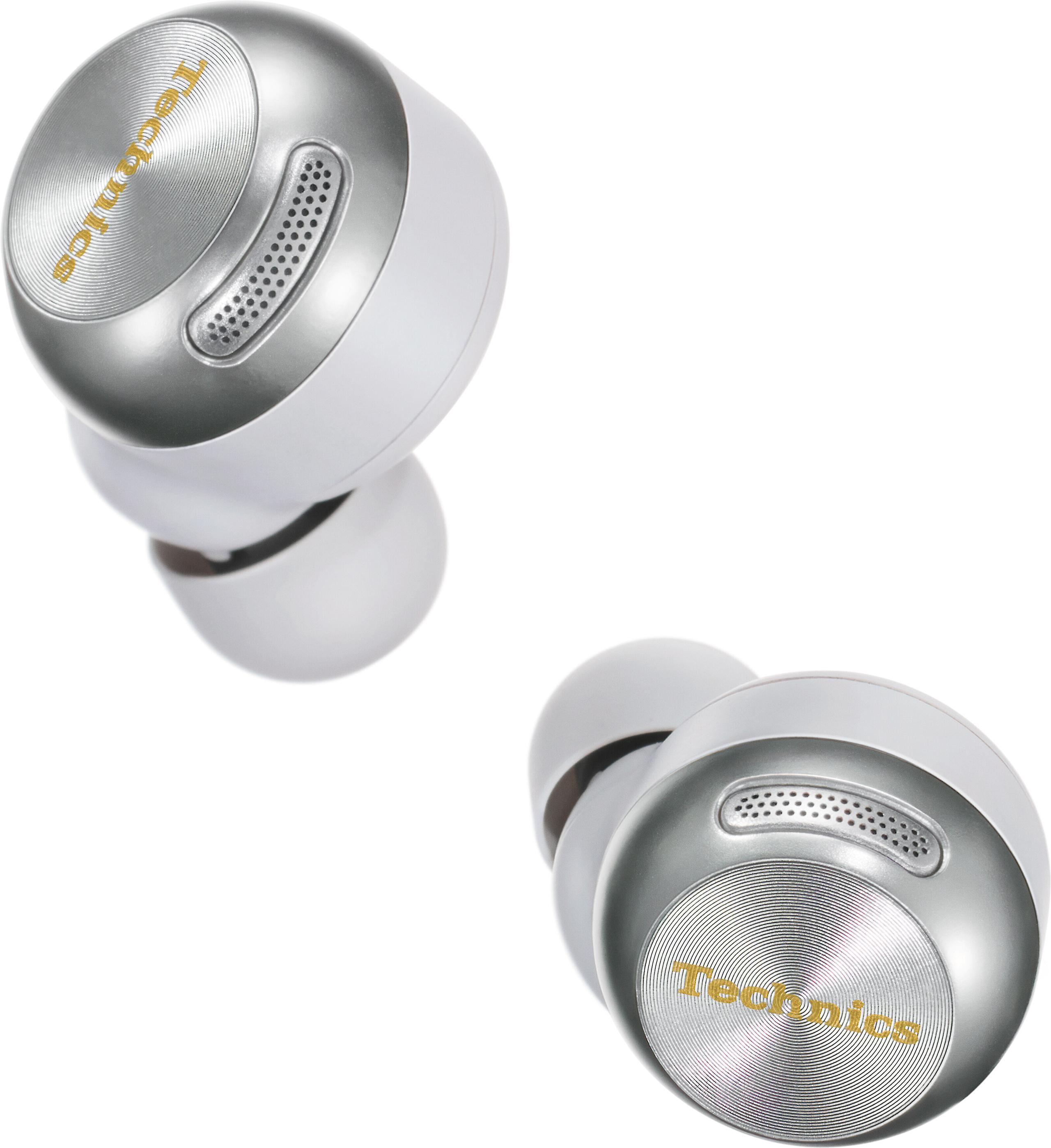
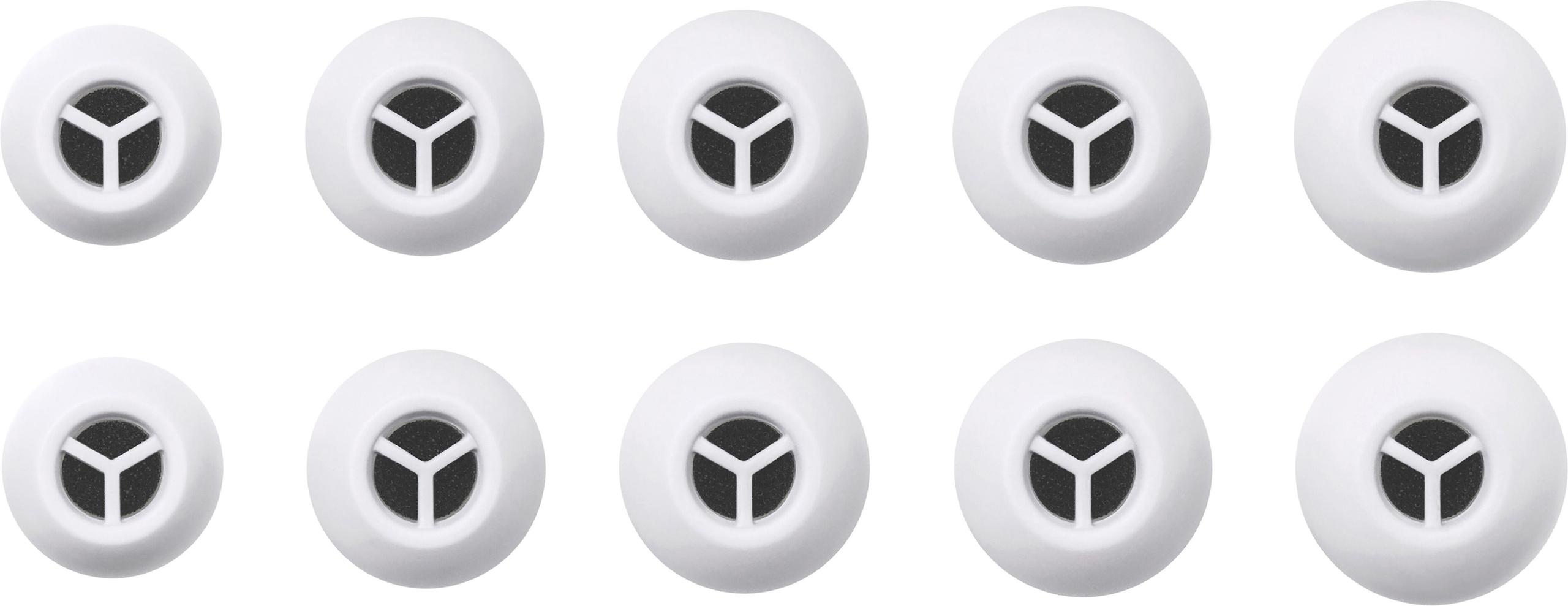
The Technics AZ100 features premium materials including aluminum construction and a brushed metal finish. They're actually 10% smaller and 16% lighter than Technics' previous flagship model, showing how the technology has improved. What really sets them apart is the five different ear tip sizes (XS through XL) compared to JBL's three sizes. This wider range makes it easier to achieve the proper seal that's crucial for both sound quality and ANC effectiveness.
However, the Technics earbuds only carry an IPX4 rating and only for the earbuds themselves—the case isn't water-resistant at all. If you're planning to use your earbuds for workouts or in challenging environments, the JBL Tune Buds' superior protection is a significant advantage.
Both earbuds handle phone calls, but with very different approaches. The JBL Tune Buds use a 4-microphone array (two per earbud) with VoiceAware technology that lets you hear your own voice during calls. This prevents the common issue of talking too loudly because you can't hear yourself. Call quality is adequate in quiet environments but struggles to separate your voice from background noise.
The Technics AZ100 employs Voice Focus AI technology with three microphones per earbud. This AI-powered system analyzes incoming sound and can dramatically reduce background noise during calls. However, based on expert reviews, this processing can sometimes make your voice sound robotic or artificial—a surprising weakness for such an expensive product.
Where the Technics AZ100 really shines is in smart features. It can connect to three devices simultaneously and intelligently switch between them based on what's actively playing audio. This multipoint connectivity is incredibly useful if you juggle work and personal devices. The spatial audio with Dolby Head Tracking creates an immersive experience for movies and compatible music, adjusting the soundstage as you move your head.
The JBL Tune Buds stick to single-device connectivity but offer solid app integration through the JBL Headphones app. You can customize touch controls, adjust EQ settings, and even locate lost earbuds—features that punch above the price point.
Drawing from extensive user feedback and expert reviews, clear patterns emerge. The JBL Tune Buds consistently earn praise for their exceptional battery life, comfortable fit, and surprisingly good sound quality for the price. Users particularly appreciate the bass response and the fact that they stay secure during workouts. The main complaints center on mediocre ANC performance and the lack of volume controls in the default touch setup (though this can be customized).
The Technics AZ100 receives acclaim for its sophisticated sound quality and excellent noise cancellation. Reviewers frequently describe the audio as "reference-quality" and note how the adaptive ANC rivals much more expensive competitors. The magnetic fluid drivers deliver what many consider the best single-driver performance available in true wireless earbuds. However, some users find the deeper in-ear fit less comfortable for extended wear, and the robotic call processing is a consistent complaint.
For home theater use, the differences become more pronounced. The Technics AZ100's spatial audio capabilities with Dolby Atmos support create a genuinely immersive experience when watching movies on compatible devices. The head tracking technology adjusts the audio as you move, maintaining the illusion that sound is coming from specific locations in space rather than just from inside your head.
The JBL Tune Buds can certainly handle movie watching, but you're limited to traditional stereo audio. The bass emphasis actually works well for action movies, but you miss out on the sophisticated spatial processing that modern content increasingly relies on.
At the time of writing, the price difference between these models represents fundamentally different approaches to value. The JBL Tune Buds maximize practical features and battery life while delivering solid audio quality. They're proof that you don't need to spend premium prices for a genuinely useful product that handles daily tasks well.
The Technics AZ100 justifies its premium pricing through advanced technology that delivers measurably superior performance. The magnetic fluid drivers, adaptive ANC, and sophisticated connectivity features represent genuine technological advancement, not just marketing fluff.
Choose the JBL Tune Buds if you prioritize battery life above all else, need rugged water and dust protection, or simply want solid performance without premium pricing. They're ideal for students, casual listeners, or anyone building their first serious audio setup. The exceptional battery life makes them perfect for travel, and the IP54 rating handles workout sessions or outdoor activities without worry.
The Technics AZ100 makes sense if audio quality is your primary concern and your budget allows for premium pricing. They're perfect for audiophiles, professionals who need accurate sound reproduction, or anyone who juggles multiple devices throughout the day. The sophisticated ANC makes them excellent for frequent travelers or anyone working in noisy environments.
For home theater enthusiasts, the spatial audio capabilities of the Technics AZ100 provide a genuinely superior experience that justifies the premium. However, if you're primarily listening to music and making calls, the JBL Tune Buds deliver 90% of the experience at a fraction of the cost.
The reality is that both products succeed brilliantly at what they're designed to do. The JBL Tune Buds prove that budget doesn't mean compromise on the features that matter most to everyday users. The Technics AZ100 demonstrates what's possible when engineering budget isn't a primary constraint. Your choice should align with your priorities, usage patterns, and budget—both will serve you well in their intended roles.
| JBL Tune Buds True Wireless Earbuds | Technics Reference Class AZ100 True Wireless Noise Cancelling Earbuds |
|---|---|
| Driver Technology - The core component that determines audio quality | |
| 10mm dynamic drivers with Pure Bass Sound | Proprietary 10mm Magnetic Fluid Drivers |
| Sound Signature - How the earbuds color your music | |
| V-shaped (emphasized bass/treble) for popular music | Reference-class flat response for accurate reproduction |
| Frequency Response - Range of sounds the earbuds can reproduce | |
| 20 Hz - 20 kHz (standard human hearing range) | 20 Hz - 40 kHz (Hi-Res Audio certified) |
| Battery Life - Critical for travel and daily use | |
| Up to 48 hours total (12 earbuds + 36 case, ANC off) | Up to 28 hours total (10 earbuds + 18 case, ANC on) |
| Quick Charge - How fast you can get back to listening | |
| 15 minutes = 4 hours playback | 15 minutes = 90 minutes playbook |
| Active Noise Cancellation - Blocks out distracting background noise | |
| Basic Smart Ambient with limited low-frequency reduction | Adaptive ANC that rivals Sony/Bose flagships |
| Water Resistance - Protection for workouts and weather | |
| IP54 (water and dust resistant) | IPX4 (earbuds only, light water resistance) |
| Bluetooth Connectivity - How many devices can connect simultaneously | |
| Single device connection with Bluetooth 5.3 | Multipoint (3 devices) with seamless switching |
| Audio Codecs - Affects wireless sound quality | |
| SBC, AAC, LE Audio support | SBC, AAC, LDAC, LC3 (high-resolution wireless) |
| Spatial Audio - Creates immersive movie/music experience | |
| Not available | Dolby Atmos with head tracking |
| Ear Tip Sizes - Critical for proper fit and sound isolation | |
| 3 sizes (S, M, L) | 5 sizes (XS, S, M, L, XL) for precise fitting |
| Build Materials - Affects durability and premium feel | |
| Standard plastic construction | Premium aluminum and brushed metal |
| Microphone Setup - Determines call quality | |
| 4-mic array with VoiceAware technology | 6-mic array with Voice Focus AI (can sound robotic) |
| Charging Case Features - Convenience and portability | |
| USB-C charging only | Wireless charging + USB-C |
| Weight per Earbud - Affects long-term comfort | |
| 10.8g (lightweight for extended wear) | Even lighter than previous model, premium feel |
The Technics Reference Class AZ100 delivers significantly better sound quality with its proprietary Magnetic Fluid Driver technology and reference-class tuning. While the JBL Tune Buds provide enjoyable bass-heavy sound that's great for popular music, the Technics AZ100 offers accurate, detailed reproduction across all frequencies with support for high-resolution audio codecs like LDAC.
The JBL Tune Buds excel in battery life with up to 48 hours total (12 hours earbuds + 36 hours case). The Technics AZ100 provides 28 hours total (10 hours earbuds + 18 hours case). For extended travel or heavy daily use, the JBL Tune Buds offer nearly twice the listening time.
The JBL Tune Buds are better for workouts due to their IP54 water and dust resistance rating, compared to the Technics AZ100's IPX4 rating (earbuds only). The JBL model can handle sweat, rain, and dust exposure more effectively during intense exercise sessions.
The Technics AZ100 features superior Adaptive Noise Cancelling that rivals premium models from Sony and Bose, automatically adjusting to your environment. The JBL Tune Buds offer basic Smart Ambient technology that provides modest noise reduction but struggles with low-frequency sounds like airplane engines.
Only the Technics AZ100 supports multipoint connectivity, allowing connection to three devices simultaneously with intelligent switching. The JBL Tune Buds connect to one device at a time, requiring manual switching between phones, laptops, or tablets.
Both prioritize comfort but differently. The JBL Tune Buds use lightweight ergonomic design at 10.8g per earbud with three ear tip sizes. The Technics AZ100 offers premium materials and five ear tip sizes for better fit customization, though some users find the deeper seal less comfortable over extended periods.
The Technics AZ100 uses Voice Focus AI with six microphones for superior background noise reduction during calls, though it can make voices sound robotic. The JBL Tune Buds feature a four-microphone array with VoiceAware technology for natural-sounding calls in quieter environments.
The Technics AZ100 excels for video content with Dolby Atmos spatial audio and head tracking technology, creating an immersive surround sound experience. The JBL Tune Buds handle movies well but lack spatial audio features, limiting you to traditional stereo sound.
The Technics AZ100 features premium aluminum construction with brushed metal finishes, while the JBL Tune Buds use durable plastic construction. However, the JBL model offers superior environmental protection with its IP54 rating compared to the Technics' IPX4 rating.
The JBL Tune Buds offer faster quick charging with 15 minutes providing 4 hours of playback, but only support USB-C charging. The Technics AZ100 provides wireless charging convenience plus USB-C, though quick charging only delivers 90 minutes from a 15-minute charge.
Both offer comprehensive apps, but with different focuses. The JBL Tune Buds app emphasizes EQ customization and control remapping at an accessible level. The Technics AZ100 app provides more advanced features like spatial audio controls, adaptive ANC settings, and professional-grade sound customization options.
This depends on your priorities. The JBL Tune Buds deliver exceptional value with outstanding battery life, solid sound quality, and practical features at a budget-friendly price. The Technics AZ100 justify their premium pricing through reference-quality audio, advanced ANC, and sophisticated features like multipoint connectivity and spatial audio.
We've done our best to create useful and informative comparisons to help you decide what product to buy. Our research uses advanced automated methods to create this comparison and perfection is not possible - please contact us for corrections or questions. These are the sites we've researched in the creation of this article: rtings.com - jbl.com - youtube.com - jbl.com - soundguys.com - ro.harmanaudio.com - audio46.com - bestbuy.com - majorhifi.com - jbl.com - crutchfield.com - jblstore.com.ph - kh.jbl.com - in.jbl.com - bestbuy.com - uclastore.com - jbl.com - jbl.com.tw - whathifi.com - digitaltrends.com - bestbuy.com - techradar.com - popsci.com - stuff.tv - us.technics.com - instylehifi.com.au - techradar.com - youtube.com - head-fi.org - whathifi.com - ecoustics.com - crutchfield.com - head-fi.org - treoo.com - youtube.com - bestbuy.com - us.technics.com - crutchfield.com - cnet.com - us.technics.com - us.technics.com - na.panasonic.com - us.technics.com - help.na.panasonic.com - bestbuy.com - bhphotovideo.com - technics.com - technics.com - us.technics.com - twitteringmachines.com - stupiddope.com - bhphotovideo.com - techdogs.com - technics.com - techradar.com - yumpu.com - youtube.com

Privacy Policy
Terms and Conditions - Affiliate Policy
Home Security
© Copyright 2008-2026.
11816 Inwood Rd #1211, Dallas, TX 75244