

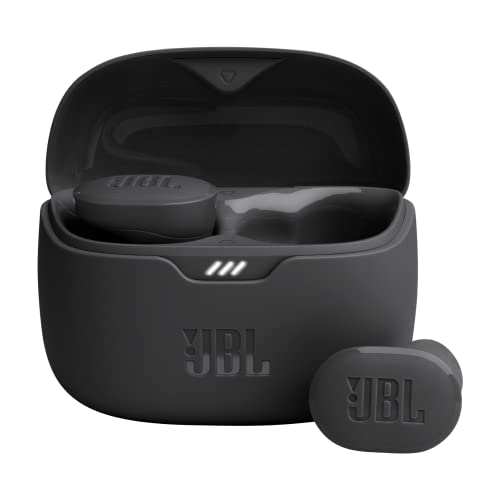





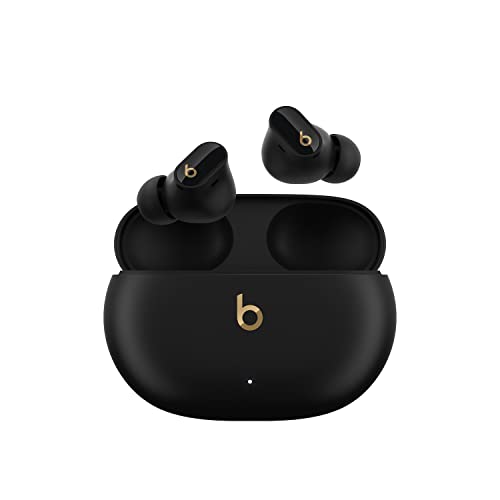

The true wireless earbuds market has exploded over the past few years, transforming from a premium novelty into an essential tech category. Both the JBL Tune Buds and Beats Studio Buds Plus launched in 2023, representing two distinct philosophies in this crowded space. At the time of writing, these models sit about $40 apart in pricing, which might seem modest until you dig into what that difference actually means for your listening experience.
The fundamental challenge with true wireless earbuds isn't just making them sound good—it's cramming batteries, processors, microphones, and drivers into something smaller than a grape while keeping them comfortable for hours. Every design decision involves trade-offs, and understanding these compromises helps explain why the JBL Tune Buds and Beats Studio Buds Plus took such different approaches.
Before diving into specifics, it's worth understanding what makes true wireless earbuds tick. Unlike traditional wired headphones that can draw unlimited power and house larger components, these tiny devices must balance sound quality, battery life, comfort, and features within severe size and weight constraints.
The most critical considerations boil down to five key areas: how they sound, how long they last, how they fit, how well they block noise, and what smart features they offer. Each manufacturer prioritizes these differently, creating distinct personalities even within similar price ranges.
Sound quality depends heavily on driver technology—the tiny speakers inside each earbud. Larger drivers typically produce better bass response and overall volume, but they also increase size and weight. The JBL Tune Buds use traditional 10mm dynamic drivers, which is actually quite large for this category and explains their bass-forward signature.
Battery life involves both the earbuds themselves and their charging case, which acts as a portable power bank. The total listening time combines both, and this metric varies dramatically based on volume levels, active features, and even the type of music you listen to.
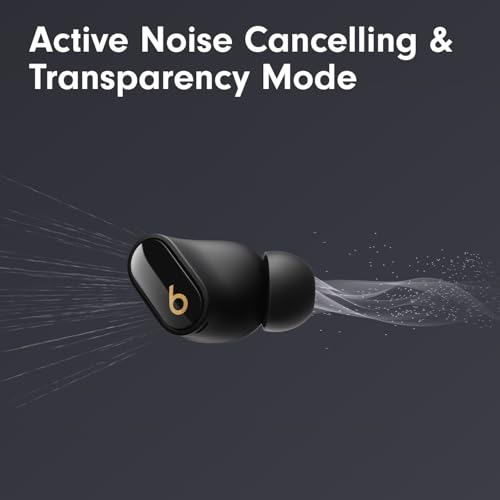
Active Noise Cancellation (ANC) represents one of the biggest technological divides in modern earbuds. True ANC uses microphones to detect external sounds and creates inverse sound waves to cancel them out—like noise-canceling headphones in miniature form. This requires additional processing power, microphones, and battery life, which explains why it's often a premium feature.
The JBL Tune Buds and Beats Studio Buds Plus represent fundamentally different design philosophies, and this becomes clear the moment you examine their specifications and real-world performance.
JBL's approach with the Tune Buds prioritizes endurance and durability above all else. These earbuds pack an impressive 48 hours of total battery life—meaning you could literally listen for two full days without plugging in. This achievement required sacrifices elsewhere, including a heavier build (10.8g per earbud) and more basic audio processing.
The Beats Studio Buds Plus, meanwhile, focuses on refinement and premium features. At just 5g per earbud—less than half the weight of the JBLs—they prioritize comfort and advanced audio technology over marathon battery life. This fundamental difference influences nearly every aspect of how these earbuds perform.
Audio quality represents the most complex comparison between these models, largely because they target different listening preferences and use entirely different driver technologies.
The JBL Tune Buds employ a V-shaped sound signature, which means they emphasize both bass and treble while keeping midrange frequencies more neutral. This creates an exciting, energetic sound that makes pop, hip-hop, and electronic music sound particularly engaging. The 10mm drivers provide impressive bass extension—the ability to reproduce deep, low-frequency sounds that you feel as much as hear.
However, this bass emphasis comes with trade-offs. In complex musical passages where multiple instruments play simultaneously, the JBL Tune Buds can sound congested, with individual instruments becoming harder to distinguish. The emphasized treble, while adding sparkle to cymbals and vocal details, can become harsh or sibilant with certain recordings.
The Beats Studio Buds Plus take a markedly different approach with their custom two-layer transducer technology. This engineering innovation essentially stacks two different driver elements to handle different frequency ranges more effectively. The result is noticeably cleaner sound reproduction with better instrument separation—you can more easily pick out individual elements in busy musical arrangements.
The Beats also incorporate three acoustic vents per earbud, which might sound like a minor detail but significantly impacts the listening experience. These vents relieve air pressure that builds up in sealed earbuds, reducing that "plugged up" sensation while allowing the drivers to move more freely for cleaner bass response.
From our research into professional reviews and user feedback, the Beats Studio Buds Plus consistently receive praise for their balanced frequency response and detailed sound reproduction. Audio enthusiasts particularly appreciate their ability to handle complex classical music, jazz, and acoustic recordings where instrument placement and tonal accuracy matter most.
The JBL Tune Buds, while less refined overall, excel with bass-heavy genres and provide a fun, energetic listening experience that many users prefer for workout playlists and mainstream pop music. The choice often comes down to whether you prioritize accuracy or excitement in your music reproduction.
Perhaps nowhere is the price difference between these models more apparent than in their noise cancellation capabilities. This represents a genuine technology divide that significantly impacts daily usability.
The Beats Studio Buds Plus feature true Active Noise Cancellation, using three microphones per earbud to continuously monitor environmental noise and generate inverse sound waves to cancel it out. According to technical analyses, this system achieves up to 1.6 times more noise reduction than the previous generation Studio Buds, making it genuinely effective against consistent background noise like airplane engines, office chatter, or traffic hum.
The ANC implementation extends beyond simple noise blocking. The Beats Studio Buds Plus include an enhanced Transparency mode that selectively allows certain environmental sounds through—perfect for hearing announcements or having quick conversations without removing the earbuds. The system dynamically adjusts based on your environment, reducing processing when it's not needed to preserve battery life.
In contrast, the JBL Tune Buds offer what's essentially marketing-friendly basic noise reduction rather than true ANC. Their "Smart Ambient" features include Ambient Aware and TalkThru modes, but these primarily adjust how much external sound the earbuds allow through their passive seal rather than actively canceling noise.
This difference matters enormously for commuters, office workers, or anyone who regularly finds themselves in noisy environments. True ANC can transform a stressful, noisy commute into a peaceful listening experience, while basic noise reduction offers minimal improvement over simply turning up the volume.
However, it's worth noting that ANC requires additional battery power and processing, contributing to the Beats Studio Buds Plus shorter overall battery life compared to the marathon endurance of the JBL Tune Buds.
Battery performance represents perhaps the starkest difference between these models and highlights how design priorities create real-world consequences.
The JBL Tune Buds achieve genuinely impressive endurance: up to 12 hours per charge from the earbuds themselves, with an additional 36 hours available from the charging case. This 48-hour total means most users could easily go a full week without charging, making them ideal for travel, camping, or simply reducing charging anxiety.
This battery achievement required several engineering choices. The larger, heavier build accommodates bigger batteries, while the more basic audio processing consumes less power than the advanced features found in premium models. The trade-off is comfort during extended wear—those extra grams become noticeable during multi-hour listening sessions.
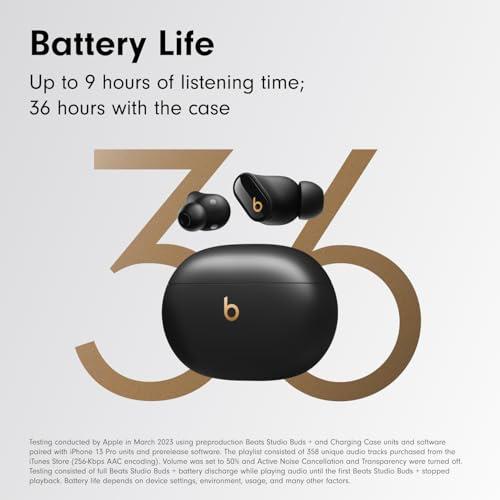
The Beats Studio Buds Plus offer more conventional battery life: up to 9 hours per charge (6 hours with ANC active) plus 27 additional hours from the case. While respectable, this represents about 25% less total listening time than the JBLs. However, the significantly lighter build makes them more comfortable for the duration they do last.
Both models include quick-charging capabilities, though with different approaches. The JBL Tune Buds provide 4 hours of playback from a 15-minute charge, while the Beats Studio Buds Plus offer 1 hour from a 5-minute charge. The JBL approach better serves users who occasionally forget to charge overnight, while the Beats system helps with brief top-ups between uses.
For most users, the battery difference comes down to usage patterns. If you're someone who listens for 8+ hours daily or frequently travels without easy charging access, the JBL Tune Buds provide genuine peace of mind. For typical 2-4 hour daily use, both models offer adequate endurance, making other factors more important in the decision.
Physical comfort might seem like a minor consideration until you're wearing earbuds for several hours, at which point every gram matters. The weight difference between these models—5g versus 10.8g per earbud—represents more than doubling the mass you're carrying in each ear.
The Beats Studio Buds Plus achieve their feather-light weight through careful engineering and premium materials. At 5g per earbud, they essentially disappear during extended wear, making them ideal for long flights, all-day office use, or marathon study sessions. The four included ear tip sizes (XS, S, M, L) with an in-app fit test help ensure proper seal and comfort for different ear shapes.
However, this lightweight design comes with trade-offs for active use. The reduced mass means less secure retention during vigorous exercise, and some users report them working loose during intense workouts or sports activities.
The JBL Tune Buds take the opposite approach, using their additional weight and size to create a more mechanically secure fit. Many users find them more stable during workouts, yard work, or other active pursuits. The three included ear tip sizes adequately serve most users, though the limited selection might not accommodate extreme ear shapes as well as the Beats' four-size range.
The ergonomic design of both models receives generally positive reviews, but for different reasons. The Beats Studio Buds Plus excel at extended comfortable wear, while the JBL Tune Buds provide confidence during movement and activity.
Environmental protection represents another area where the JBL Tune Buds clearly outperform their pricier competitor, highlighting how premium doesn't always mean superior in every aspect.
The JBL Tune Buds carry an IP54 rating, which provides protection against both dust ingress and water splashing from any direction. This rating makes them genuinely suitable for dusty environments, sandy beaches, sweaty workouts, and light rain exposure. For users who lead active lifestyles or work in challenging environments, this protection provides real peace of mind.
The Beats Studio Buds Plus offer IPX4 protection, which covers water splashing but provides no dust protection whatsoever. While adequate for gym use and light sweat protection, they're not recommended for dusty environments, construction work, or outdoor activities where particles might infiltrate the delicate internal components.
This difference particularly matters for users who view their earbuds as workout companions or outdoor activity gear. The superior environmental protection of the JBL Tune Buds translates into longer lifespan and fewer warranty claims for active users.
Voice calling capabilities vary significantly between these models, with the Beats Studio Buds Plus offering genuinely superior performance for professional or frequent calling needs.
The Beats Studio Buds Plus employ three microphones per earbud—notably larger and more sensitive than typical implementations—combined with advanced voice targeting algorithms. This system effectively isolates your voice from background noise, providing clarity that rivals dedicated Bluetooth headsets in many situations.
User reviews consistently praise the call quality, with many noting that colleagues and clients comment on the clear audio during video conferences and phone calls. The system works particularly well in moderately noisy environments like coffee shops or offices, where simpler microphone arrays struggle.
The JBL Tune Buds use a more conventional four-microphone system (two per earbud) with basic voice processing. While adequate for casual calls, they don't match the professional-grade performance of the Beats system. The included VoiceAware feature allows users to monitor their own voice during calls, which helps with natural speech patterns but doesn't significantly improve clarity for the other party.
For users who regularly conduct business calls, participate in video conferences, or simply value clear voice communication, the Beats Studio Buds Plus justify their premium through superior microphone technology and processing.
Both models offer extensive smart features, though with different strengths that cater to different user preferences and device ecosystems.
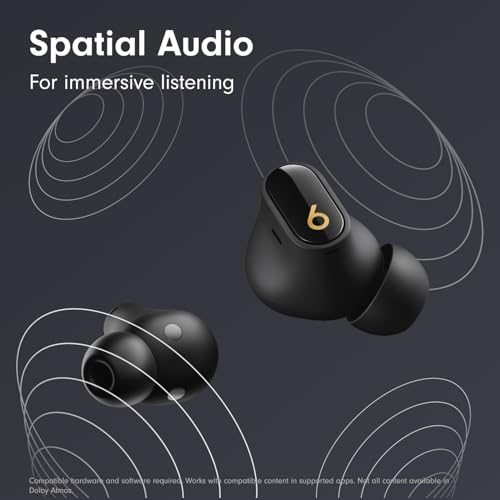
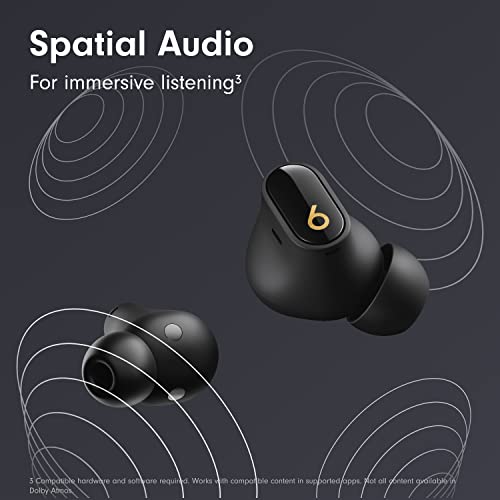
The Beats Studio Buds Plus excel at cross-platform compatibility, working seamlessly with both iOS and Android devices. Features like automatic device switching, Find My integration (on both platforms), and spatial audio support create a premium user experience regardless of your phone choice. The spatial audio capability particularly shines when watching movies or immersive content, creating a more theater-like experience through advanced audio processing.
The JBL Tune Buds take a different approach, focusing on extensive customization through their companion app. The JBL Headphones app provides detailed EQ controls, touch control remapping, and ambient sound management that power users appreciate. The Bluetooth 5.3 implementation with LE Audio support (available through updates) and multi-point connectivity allows simultaneous connection to multiple devices—a feature many find essential for switching between phone and computer audio.
Both models support voice assistants, though integration varies by platform. The Beats Studio Buds Plus offer hands-free "Hey Siri" activation on iOS devices, while the JBL Tune Buds provide more universal voice assistant support across Alexa, Google Assistant, and Siri.
For users interested in home theater applications or serious media consumption, several factors differentiate these models beyond simple music listening.
The spatial audio support in the Beats Studio Buds Plus provides a genuinely enhanced experience when watching compatible content. This technology creates a more immersive soundstage that mimics surround sound systems, particularly effective with action movies and atmospheric content. The feature works with Apple TV, certain Android devices, and streaming services that support spatial audio encoding.
However, both models face limitations for serious home theater use due to potential audio latency—the slight delay between video and audio that can make lip-sync issues noticeable. While both include low-latency modes, dedicated home theater headphones typically perform better for this specific application.
The superior battery life of the JBL Tune Buds makes them more practical for movie marathons or binge-watching sessions, where their 12-hour per-charge endurance eliminates charging interruptions during long content sessions.
After extensive research into professional reviews, user feedback, and technical specifications, clear usage patterns emerge for each model.
Choose the JBL Tune Buds if you prioritize maximum battery life, need superior environmental protection, prefer bass-heavy music genres, frequently switch between multiple devices, or simply want excellent value. They're particularly well-suited for active users, frequent travelers, students on tight budgets, and anyone whose primary listening consists of pop, hip-hop, electronic, or other bass-forward genres.
The Beats Studio Buds Plus make more sense for users who prioritize overall audio quality, need effective noise cancellation for commuting or office environments, value lightweight comfort for extended wear, conduct frequent voice calls, or want premium features like spatial audio. They're ideal for business professionals, audiophile-leaning listeners, cross-platform device users, and anyone willing to pay extra for refined performance.
The $40 price difference, while significant, reflects genuine technological advantages in the Beats Studio Buds Plus. However, the JBL Tune Buds offer exceptional value in their category, providing features typically found in more expensive models while excelling in specific areas like battery life and durability.
Neither model represents a poor choice within their intended use cases. The decision ultimately comes down to matching their strengths with your specific needs, listening habits, and budget priorities. At the time of writing, both models represent solid values in the competitive true wireless market, just optimized for different user priorities.
| JBL Tune Buds True Wireless Earbuds | Beats Studio Buds Plus True Wireless Earbuds |
|---|---|
| Active Noise Cancellation - Critical for commuting and noisy environments | |
| Basic ambient sound control (not true ANC) | Advanced ANC with 1.6x improvement over previous gen |
| Sound Quality - Core listening experience and audio fidelity | |
| 10mm drivers, V-shaped bass-heavy signature | Custom two-layer transducer, balanced audiophile tuning |
| Battery Life - Total listening time before needing to charge | |
| Up to 48 hours total (12 hrs earbuds + 36 hrs case) | Up to 36 hours total (9 hrs earbuds + 27 hrs case) |
| Weight Per Earbud - Impacts comfort during extended wear | |
| 10.8g (may cause fatigue during long sessions) | 5g (virtually disappears in your ears) |
| Water/Dust Resistance - Protection for active use and durability | |
| IP54 (dust and water resistant, excellent for workouts) | IPX4 (splash resistant only, no dust protection) |
| Call Quality - Important for professional and personal calls | |
| 4-mic system with basic processing | 3-mic system with advanced voice targeting algorithms |
| Quick Charge - Emergency power when you're in a rush | |
| 15 minutes = 4 hours playback | 5 minutes = 1 hour playback |
| Smart Features - Advanced functionality and convenience | |
| Multi-point connection, extensive app customization | Spatial audio, Find My integration, cross-platform optimization |
| Ear Tip Sizes - Finding the right fit for comfort and seal | |
| 3 sizes (S, M, L) | 4 sizes (XS, S, M, L) with in-app fit test |
| Best Use Cases - Who should consider each model | |
| Active users, marathon listeners, budget-conscious buyers | Professionals, audiophiles, frequent travelers, office workers |
The Beats Studio Buds Plus offer superior overall sound quality with their custom two-layer transducer technology and balanced frequency response. They provide better instrument separation and clearer audio across all genres. The JBL Tune Buds have a bass-heavy, V-shaped sound that's exciting for pop and hip-hop but less accurate for critical listening.
The JBL Tune Buds significantly outperform the Beats Studio Buds Plus in battery life, offering up to 48 hours total compared to 36 hours. The JBL earbuds last up to 12 hours per charge while the Beats last up to 9 hours, making the JBL ideal for heavy users and travelers.
The JBL Tune Buds are better suited for intense workouts due to their superior IP54 dust and water resistance rating and more secure fit. The Beats Studio Buds Plus have only IPX4 splash resistance and their lighter weight may cause them to work loose during vigorous exercise.
Yes, the Beats Studio Buds Plus feature true Active Noise Cancellation that effectively blocks background noise, while the JBL Tune Buds only offer basic ambient sound control without real ANC technology. This makes the Beats significantly better for commuting and noisy environments.
The Beats Studio Buds Plus are much more comfortable for extended wear at just 5g per earbud compared to the 10.8g weight of the JBL Tune Buds. The lighter Beats virtually disappear in your ears, while the heavier JBL earbuds may cause fatigue during multi-hour sessions.
The Beats Studio Buds Plus offer superior call quality with their three-microphone system and advanced voice targeting algorithms that effectively isolate your voice from background noise. The JBL Tune Buds have adequate call quality but don't match the professional-grade performance of the Beats.
The Beats Studio Buds Plus excel at cross-platform compatibility with seamless switching between iOS and Android devices, Find My integration on both platforms, and universal features. The JBL Tune Buds work well with both but offer more customization through their app rather than native platform integration.
Neither the JBL Tune Buds nor the Beats Studio Buds Plus support wireless charging. Both models charge via USB-C cable only, though both offer quick charging capabilities for emergency power boosts.
The JBL Tune Buds offer exceptional value with premium features like 48-hour battery life, IP54 protection, and multi-point connectivity at a lower price point. The Beats Studio Buds Plus justify their higher cost with superior sound quality, true ANC, and premium features, making value dependent on your priorities.
Yes, both the JBL Tune Buds and Beats Studio Buds Plus support mono listening, allowing you to use either the left or right earbud independently. This feature is useful for taking calls while staying aware of your surroundings or extending battery life.
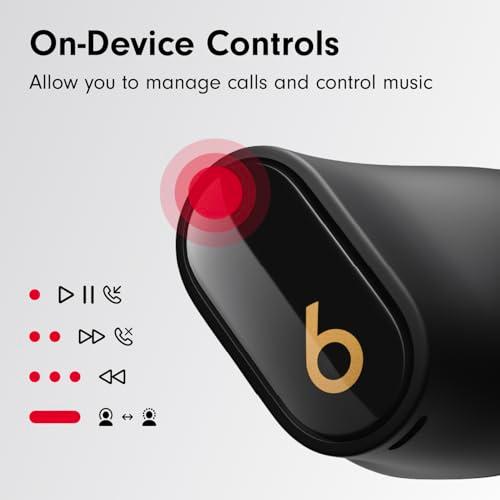
The JBL Tune Buds offer more extensive customization through the JBL Headphones app, including detailed EQ controls, touch control remapping, and ambient sound management. The Beats Studio Buds Plus have a simpler app focused on basic controls and device management rather than deep customization.
The Beats Studio Buds Plus are better for media consumption thanks to their spatial audio support, which creates a more immersive surround sound experience for compatible content. Both models may experience some audio latency, but the JBL Tune Buds advantage lies in their longer battery life for movie marathons.
We've done our best to create useful and informative comparisons to help you decide what product to buy. Our research uses advanced automated methods to create this comparison and perfection is not possible - please contact us for corrections or questions. These are the sites we've researched in the creation of this article: rtings.com - jbl.com - youtube.com - jbl.com - soundguys.com - ro.harmanaudio.com - audio46.com - bestbuy.com - majorhifi.com - jbl.com - crutchfield.com - jblstore.com.ph - kh.jbl.com - in.jbl.com - bestbuy.com - uclastore.com - jbl.com - jbl.com.tw - soundguys.com - loudnwireless.com - beatsbydre.com - rtings.com - soundguys.com - youtube.com - cnet.com - soundguys.com - recordingnow.com - youtube.com - cornellstore.com - youtube.com - beatsbydre.com.cn - soundguys.com - techradar.com - youtube.com - techgearlab.com - beatsbydre.com - youtube.com - apple.com - electronics.woot.com

Privacy Policy
Terms and Conditions - Affiliate Policy
Home Security
© Copyright 2008-2026.
11816 Inwood Rd #1211, Dallas, TX 75244