







When you're standing in the earbud aisle (or scrolling through endless online options), the sheer number of choices can feel overwhelming. True wireless earbuds have evolved dramatically since Apple kicked off the trend in 2016, and today's market offers everything from basic $30 options to premium $300+ models packed with advanced features. The key is understanding what you actually need versus what sounds cool in marketing copy.
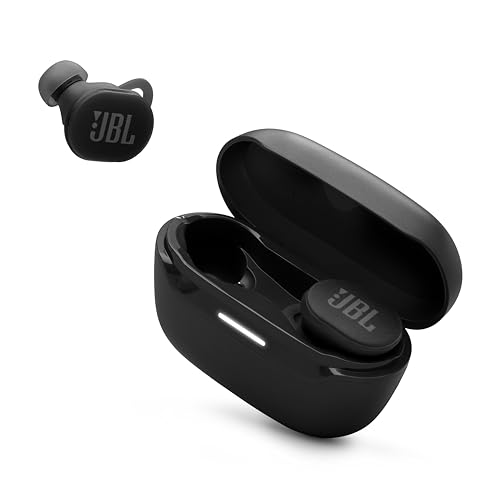
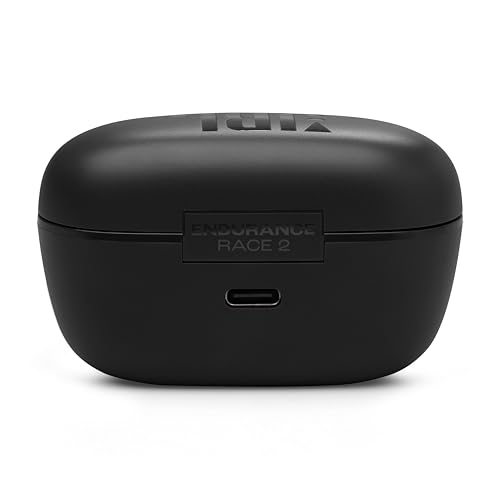
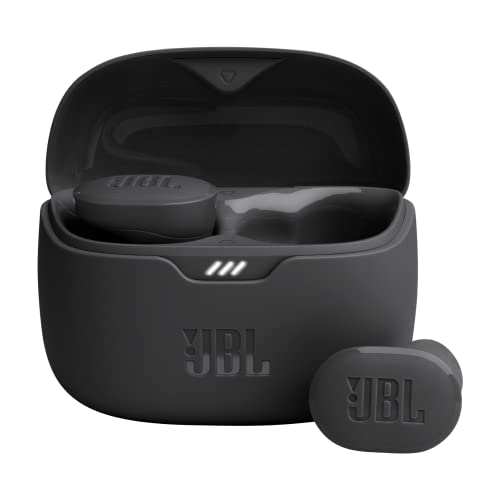
JBL has positioned two compelling options in the mid-range market: the sports-focused JBL Endurance Race 2 and the all-purpose JBL Tune Buds. Both launched in recent years as part of JBL's push to compete more aggressively in the true wireless space, but they take very different approaches to solving the same basic problem—delivering great audio without wires getting in your way.
Before diving into specifics, let's talk about the characteristics that actually impact your daily experience. Audio quality obviously matters, but it's more nuanced than "bigger drivers equal better sound." Battery life has become crucial as we use earbuds for everything from morning commutes to all-day work calls. Fit and comfort determine whether you'll actually want to wear them for hours, while durability affects how long they'll survive your lifestyle.
The rise of active noise cancellation (ANC) has been one of the biggest changes in recent years. This technology uses microphones to detect external sounds and generates opposite sound waves to cancel them out—think of it as anti-sound that neutralizes unwanted noise. However, not all ANC implementations are equal, and sometimes the marketing promises exceed the actual performance.
Connectivity has also evolved significantly. Modern Bluetooth 5.3 offers better range, lower power consumption, and more stable connections than older versions. Multi-point connection—the ability to pair with two devices simultaneously—has become increasingly important as we juggle phones, laptops, and tablets throughout the day.
The JBL Endurance Race 2 represents JBL's serious attempt to capture the athletic market, while the JBL Tune Buds aim for broader appeal at a slightly lower price point. Both launched as part of JBL's 2024-2025 product refresh, incorporating lessons learned from their previous generations and responding to competitive pressure from brands like Sony, Apple, and newer players in the space.
What's interesting is how JBL chose to differentiate these models. Rather than simply making one a "lite" version of the other, they've engineered distinct approaches to common challenges. The Endurance Race 2 prioritizes ruggedness and secure fit above all else, while the Tune Buds focus on delivering premium audio experiences at an accessible price.
Here's where things get interesting from a technical standpoint. The Tune Buds pack 10mm dynamic drivers—significantly larger than the Endurance Race 2's 6.8mm units. In general, larger drivers can move more air and potentially produce fuller, more detailed sound, especially in the bass frequencies. Think of it like comparing a small speaker to a larger one; the bigger speaker usually has more room to work with.
However, driver size tells only part of the story. JBL has tuned these earbuds for different purposes, and this shows in their sound signatures. The Tune Buds employ what audio engineers call a "V-shaped" frequency response—emphasizing both bass and treble while keeping midrange frequencies more neutral. This creates an exciting, energetic sound that makes electronic music, hip-hop, and pop really shine. The enhanced treble brings out details in cymbals and vocal harmonies, while the boosted bass adds punch to kick drums and synth lines.
The Endurance Race 2, despite smaller drivers, takes a more balanced approach optimized for sports activities. The JBL Pure Bass tuning provides motivation-friendly low-end without overwhelming the mix, while maintaining clarity in midrange frequencies where vocals sit. This matters more than you might think during workouts—you need to hear lyrics clearly for motivation, but you also want that driving bass rhythm to keep you moving.
From our research into user experiences and expert reviews, the consensus suggests the Tune Buds deliver objectively better audio fidelity for pure listening enjoyment. The larger drivers provide more detailed soundstage (the sense of space and instrument placement in music), and the frequency response works well for a wide variety of music genres. However, the Endurance Race 2 proves more practical for active use, where external noise and movement can interfere with your listening experience.
Both models cover the full 20Hz to 20kHz frequency range that encompasses human hearing, but their impedance ratings differ significantly. The Tune Buds run at 32 ohms compared to the Endurance Race 2's 16 ohms. Lower impedance generally means easier to drive—your phone or music player doesn't have to work as hard to achieve good volume levels. This partly explains why the Endurance Race 2 might sound slightly louder at the same volume setting, though both should get plenty loud for normal use.
This is where the Endurance Race 2 really flexes its premium positioning. ANC technology has become increasingly sophisticated, but implementation quality varies dramatically between products. The Endurance Race 2 features what JBL calls "Smart Ambient" technology, which goes beyond basic noise cancellation.
The system uses four beamforming microphones (two per earbud) to constantly monitor your environment and adjust noise cancellation accordingly. More importantly, it offers granular control through the Sports Mode feature in JBL's app. You can dial in exactly how much outside noise you want to let through based on your activity—maybe you want full isolation for focused gym sessions, but need to hear traffic during outdoor runs.
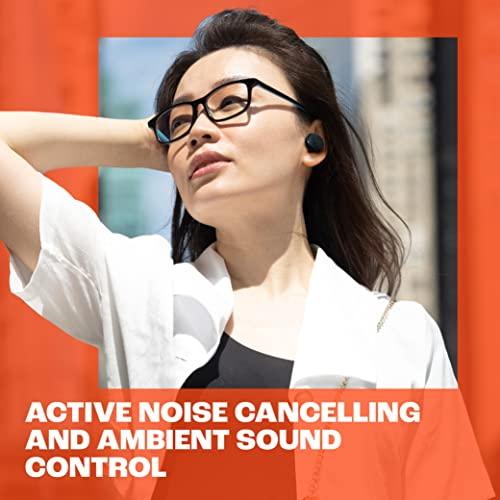
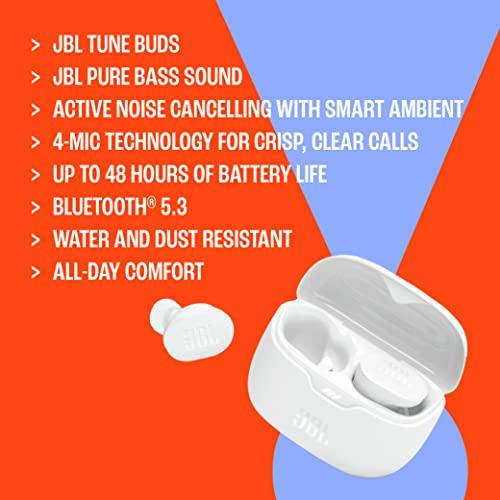
The Tune Buds, while technically offering ANC, provide what most reviews characterize as mediocre performance. The noise cancellation struggles particularly with low-frequency sounds like engine rumble or air conditioning hum. It handles mid and high-frequency noises somewhat better—office chatter, keyboard typing, that sort of thing—but doesn't compete with dedicated ANC champions from Sony or Apple.
This performance gap matters significantly depending on your use case. If you commute on noisy public transport or work in open offices, the Endurance Race 2's superior ANC could justify the price difference. However, if you primarily use earbuds in relatively quiet environments, the Tune Buds' basic noise reduction might suffice.
Both models offer ambient aware modes that let you hear your surroundings without removing the earbuds. This has become essential for safety during outdoor activities, and both implementations work reasonably well based on user feedback.
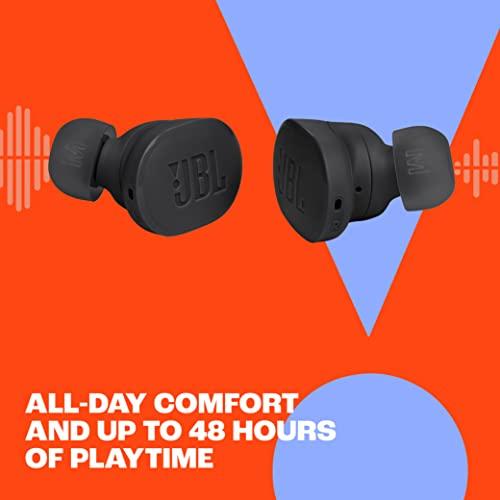
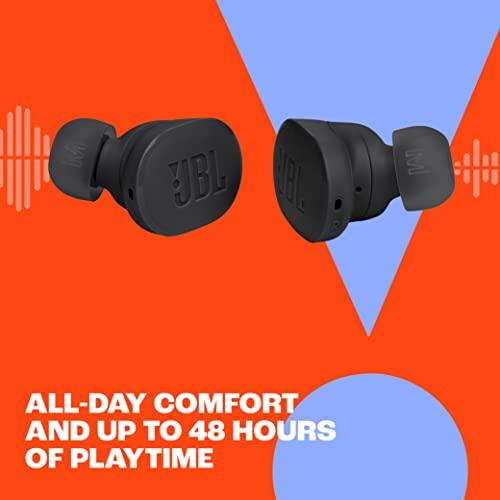
In an unusual twist for product comparisons, both models deliver virtually identical battery performance. You'll get 12 hours of playback per charge with ANC disabled, dropping to 10 hours with noise cancellation active. The charging cases provide enough additional power for 48 total hours of listening time.
These numbers put both models in the upper tier of earbud battery life. For context, Apple's AirPods Pro typically deliver around 6 hours per charge, while many budget options struggle to reach 8 hours. The quick charge features also match closely—10-15 minutes of charging provides roughly 4 hours of playback, which covers most workout sessions or commutes.
The similar battery life makes sense when you consider both models use comparable battery technologies. The Endurance Race 2 actually packs slightly smaller individual battery cells (70mAh vs the typical 80-90mAh in the Tune Buds), but achieves similar runtime through more efficient power management.
From a practical standpoint, both models should easily last through typical usage patterns. Even heavy users who listen 4-5 hours daily will only need to charge the earbuds themselves every 2-3 days, with the case extending that to over a week between plug-ins.
The durability story reveals the most significant practical difference between these models. The Endurance Race 2 carries an IP68 rating, which represents the gold standard for water and dust protection in consumer electronics. The "6" means complete protection against dust particles—nothing gets in. The "8" indicates the device can survive submersion beyond 1 meter depth, and JBL specifically tests against both fresh and salt water.
This isn't just marketing fluff. IP68 rating means you can literally swim with these earbuds (though Bluetooth doesn't work underwater), rinse them under the faucet after muddy trail runs, or use them during beach volleyball without worry. The charging case also gets IPX2 protection, handling rain and splashes.
The Tune Buds offer IP54 protection, which covers most normal situations but stops short of submersion safety. The "5" provides dust resistance (some particles may enter but won't damage operation), while "4" handles splashing water from any direction. This works fine for gym sessions, light rain, or sweaty commutes, but beach days or intensive outdoor activities push beyond the comfort zone.
Based on user reports and expert testing, this durability difference proves meaningful in real-world use. Athletic users consistently report the Endurance Race 2 surviving conditions that would concern them with standard earbuds, while Tune Buds users occasionally express anxiety about weather exposure.
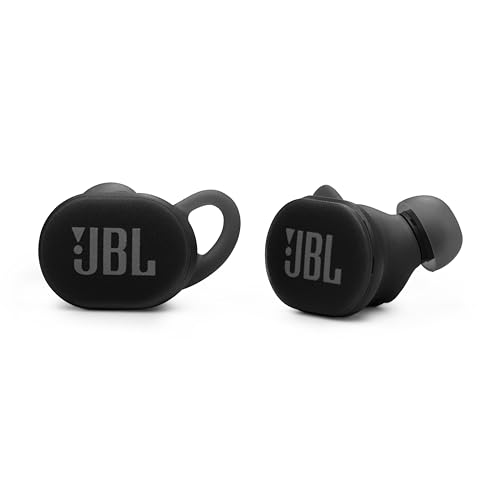
The Endurance Race 2 employs JBL's proprietary Twistlock technology with ergonomic wing enhancers. These small wing-like protrusions lock into the outer ridges of your ears, creating a secure anchor point that prevents the earbuds from working loose during movement. The system works particularly well for forward-facing activities like running or cycling.
However, user feedback suggests this secure fit comes with trade-offs. Some users find the wing enhancers too small for their ear shape, while others report discomfort during extended wear periods. The emphasis on security over pure comfort makes sense for 1-2 hour workout sessions but might feel excessive for all-day office wear.
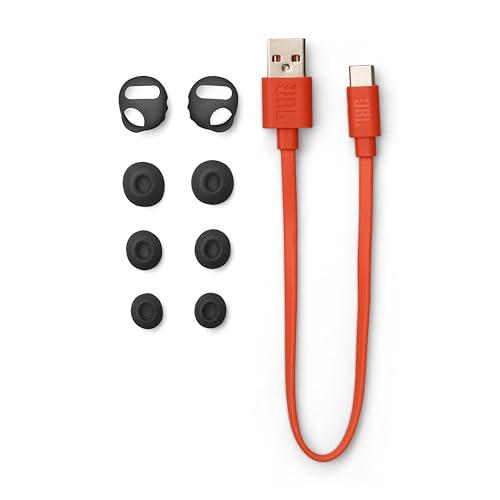
The Tune Buds take a more traditional approach with oval-shaped tubes designed to conform naturally to ear canal geometry. Three sizes of silicone ear tips help achieve proper fit across different ear shapes. Reviews consistently praise their comfort for extended listening sessions, though they're less secure during vigorous movement.
This represents a fundamental design choice that should drive your decision. If you need earbuds that absolutely won't fall out during intense physical activity, the Endurance Race 2's specialized design justifies itself. For general daily use where comfort trumps security, the Tune Buds offer a more pleasant wearing experience.
Both models feature 4-microphone arrays for handling calls, but they're optimized differently. The Endurance Race 2 uses beamforming technology specifically tuned for outdoor conditions. The mics actively focus on your voice while filtering wind noise and other environmental interference—crucial for athletes who take calls during outdoor workouts.
The Tune Buds include JBL's VoiceAware feature, which lets you adjust how much of your own voice gets routed back to your ears during calls. This helps combat the "talking underwater" feeling common with noise-isolating earbuds, making extended conference calls more comfortable.
User experiences suggest both perform adequately for calls in typical environments, though neither excels compared to dedicated business-focused models. The Endurance Race 2 handles windy outdoor conditions better, while the Tune Buds prove more comfortable for long office calls.
Both support Bluetooth 5.3 with multi-point connectivity, allowing simultaneous pairing with two devices. This feature has become increasingly valuable as we juggle multiple connected devices throughout the day. You can listen to music on your laptop while remaining connected to your phone for calls—no manual switching required.
The JBL Headphones app provides extensive customization for both models, but the Endurance Race 2 includes unique sports-focused features. The Sports Mode offers six preset EQ profiles optimized for different activity types, plus the ability to create custom profiles. More intriguingly, it includes Relax Mode with five nature soundscapes (ocean waves, crackling fire, etc.) for post-workout recovery.
These features might sound gimmicky, but user feedback suggests they add genuine value for athletic users. The ability to quickly switch between high-energy workout audio and calming recovery sounds addresses real needs in fitness routines.
The Tune Buds focus on more traditional customization—EQ adjustment, touch control mapping, and ambient sound management. The app also supports LE Audio (through future firmware updates), which promises improved power efficiency and audio quality as the standard gains adoption.
While neither model specifically targets home theater use, both handle video content reasonably well. The Tune Buds include Smart Video mode designed to reduce latency (the delay between video and audio), though user reports suggest this doesn't completely eliminate sync issues with demanding content.
For casual Netflix viewing or YouTube videos, both models work adequately. However, serious home theater enthusiasts should consider dedicated over-ear headphones or proper surround sound systems. The soundstage limitations of in-ear designs prevent them from delivering the spatial audio experience that makes movies truly immersive.
Your decision should hinge on understanding your primary use case and being honest about your priorities. The Endurance Race 2 makes sense if you exercise regularly, spend significant time outdoors, or need earbuds that can handle extreme conditions. The superior ANC, waterproof rating, and secure fit justify the higher price for users who will actually benefit from these features.
The Tune Buds offer better value for general-purpose use. The larger drivers provide objectively better audio quality for music enjoyment, while the more comfortable fit suits extended daily wear. The lower price point makes them accessible to budget-conscious buyers who still want solid performance.
Neither model excels for serious audiophiles—both prioritize convenience and features over pure sound quality. However, both deliver perfectly acceptable audio performance for their intended markets, with enough battery life and features to satisfy most users' needs.
At the time of writing, the price difference between models isn't dramatic, making the decision more about feature priorities than budget constraints. If you're genuinely torn between them, consider where and how you'll use them most. The Endurance Race 2 represents better long-term value for active users, while the Tune Buds provide more immediate satisfaction for casual listeners.
The rapid evolution of earbud technology means both models will face stiffer competition over time, but JBL has positioned them thoughtfully within their respective market segments. Your choice ultimately depends on whether you need specialized sports features or prefer optimized general-purpose performance—both represent solid options within their intended use cases.
| JBL Endurance Race 2 | JBL Tune Buds |
|---|---|
| Driver Size - Larger drivers typically deliver fuller sound and better bass response | |
| 6.8mm dynamic drivers | 10mm dynamic drivers |
| Water/Dust Resistance - Critical for durability and outdoor use | |
| IP68 (submersion-safe, dustproof) | IP54 (splash-resistant, dust-resistant) |
| Fit System - Determines security during movement vs all-day comfort | |
| Twistlock™ wing enhancers for sports security | Traditional oval tube design for comfort |
| Active Noise Cancellation - Essential for commuting and focus | |
| Advanced ANC with Smart Ambient modes | Basic ANC with limited low-frequency performance |
| Battery Life (Earbuds) - How long between charges matters for daily use | |
| 12 hours (ANC off), 10 hours (ANC on) | 12 hours (ANC off), 10 hours (ANC on) |
| Total Battery Life - Determines how often you'll plug in the case | |
| 48 hours total with case | 48 hours total with case |
| Quick Charge - Crucial when you forget to charge overnight | |
| 10 minutes = 4 hours playback | 15 minutes = 4 hours playback |
| Microphone Array - Affects call quality in noisy environments | |
| 4 beamforming mics optimized for outdoor calls | 4 mics with VoiceAware for office calls |
| Bluetooth Version - Newer versions offer better connectivity and battery life | |
| Bluetooth 5.3 with multi-point connection | Bluetooth 5.3 with LE Audio support |
| Weight per Earbud - Heavier buds can cause fatigue during long sessions | |
| 6.4g each (12.8g total) | 5.4g each (10.8g total) |
| Special Features - Unique capabilities that justify price differences | |
| Sports Mode with 6 presets, Relax Mode soundscapes | Larger drivers, LE Audio future support |
| Best Use Case - Who should choose each model | |
| Athletes, outdoor enthusiasts, extreme durability needs | Daily listeners, commuters, budget-conscious buyers |
The JBL Endurance Race 2 are specifically designed for sports and exercise. They feature Twistlock™ technology with wing enhancers that lock securely into your ears, preventing them from falling out during intense workouts. The IP68 waterproof rating means they can handle heavy sweat, rain, and even accidental submersion. The JBL Tune Buds have basic IP54 protection and a more traditional fit that's less secure during vigorous movement.
Yes, both the JBL Endurance Race 2 and JBL Tune Buds include active noise cancellation, but the quality differs significantly. The Endurance Race 2 offers advanced ANC with Smart Ambient modes that can be customized for different activities through Sports Mode. The Tune Buds provide basic ANC that struggles with low-frequency sounds like engine noise but works adequately for office environments.
The JBL Tune Buds technically offer better pure audio quality due to their larger 10mm drivers compared to the Endurance Race 2's 6.8mm drivers. The larger drivers can produce fuller, more detailed sound with better bass response. However, the Endurance Race 2 are tuned specifically for sports activities with motivating bass that works well during workouts.
Both the JBL Endurance Race 2 and JBL Tune Buds offer identical battery life: 12 hours per charge with ANC off, 10 hours with ANC on, and 48 hours total including the charging case. Both also feature quick charging that provides about 4 hours of playback from 10-15 minutes of charging.
Only the JBL Endurance Race 2 can handle swimming thanks to its IP68 waterproof rating, which allows submersion beyond 1 meter in both fresh and salt water. The JBL Tune Buds have IP54 rating, making them splash-resistant for workouts and light rain but not safe for swimming or submersion.
The JBL Tune Buds are generally more comfortable for extended daily use. Their traditional oval tube design with three ear tip sizes provides a natural, comfortable fit. The JBL Endurance Race 2 prioritize security over comfort with their wing enhancer system, which some users find less comfortable during long listening sessions but much more secure during physical activity.
Yes, both the JBL Endurance Race 2 and JBL Tune Buds support multi-point Bluetooth connection, allowing you to pair with two devices simultaneously. This means you can listen to music on your laptop while staying connected to your phone for calls without manually switching between devices.
Both models feature 4-microphone arrays but are optimized differently. The JBL Endurance Race 2 use beamforming technology specifically tuned for outdoor conditions and wind noise reduction, making them better for calls during outdoor activities. The JBL Tune Buds include VoiceAware technology that's more suited for indoor office calls and conference calls.
Yes, both the JBL Endurance Race 2 and JBL Tune Buds can be customized through the JBL Headphones app. The Endurance Race 2 offers Sports Mode with six preset EQ profiles for different activities plus custom options, while the Tune Buds provide traditional EQ adjustment and touch control customization.
The JBL Tune Buds typically offer better value for general users due to their larger drivers, comfortable fit, and lower price point. However, the JBL Endurance Race 2 provide better value for athletes and outdoor enthusiasts who need the superior waterproofing, secure fit, and advanced ANC features that justify the higher cost.
Both the JBL Endurance Race 2 and JBL Tune Buds work adequately for casual video watching, with the Tune Buds having a slight advantage due to their larger drivers and Smart Video mode for reduced latency. However, neither is specifically designed for home theater use, and serious movie enthusiasts would benefit more from dedicated over-ear headphones or proper surround sound systems.
If you're not particularly active, the JBL Tune Buds are the better choice. They offer superior audio quality with larger 10mm drivers, more comfortable fit for extended wear, and a lower price point. The specialized sports features of the JBL Endurance Race 2 like extreme waterproofing and wing enhancers would be unnecessary for casual daily use, making the Tune Buds better value for general listening.
We've done our best to create useful and informative comparisons to help you decide what product to buy. Our research uses advanced automated methods to create this comparison and perfection is not possible - please contact us for corrections or questions. These are the sites we've researched in the creation of this article: youtube.com - runnersworld.com - cashify.in - youtube.com - theruntesters.com - bestbuy.com - thegardensnowboard.com - versus.com - versus.com - jbl.com - adaytrip.com - youtube.com - bhphotovideo.com - target.com - crutchfield.com - jbl.com - bhphotovideo.com - bestbuy.com - nfm.com - walmart.com - rtings.com - jbl.com - youtube.com - jbl.com - soundguys.com - ro.harmanaudio.com - audio46.com - bestbuy.com - majorhifi.com - jbl.com - crutchfield.com - jblstore.com.ph - kh.jbl.com - in.jbl.com - bestbuy.com - uclastore.com - jbl.com - jbl.com.tw

Privacy Policy
Terms and Conditions - Affiliate Policy
Home Security
© Copyright 2008-2026.
11816 Inwood Rd #1211, Dallas, TX 75244