

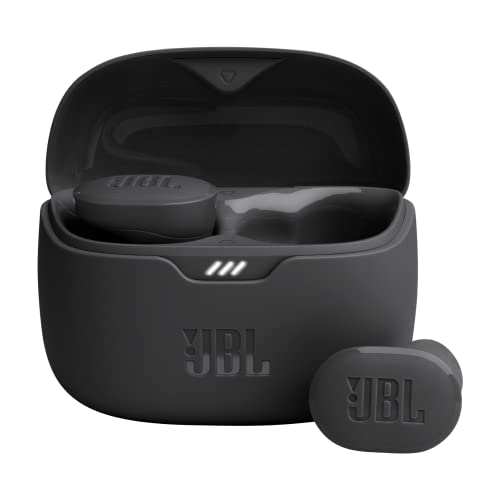
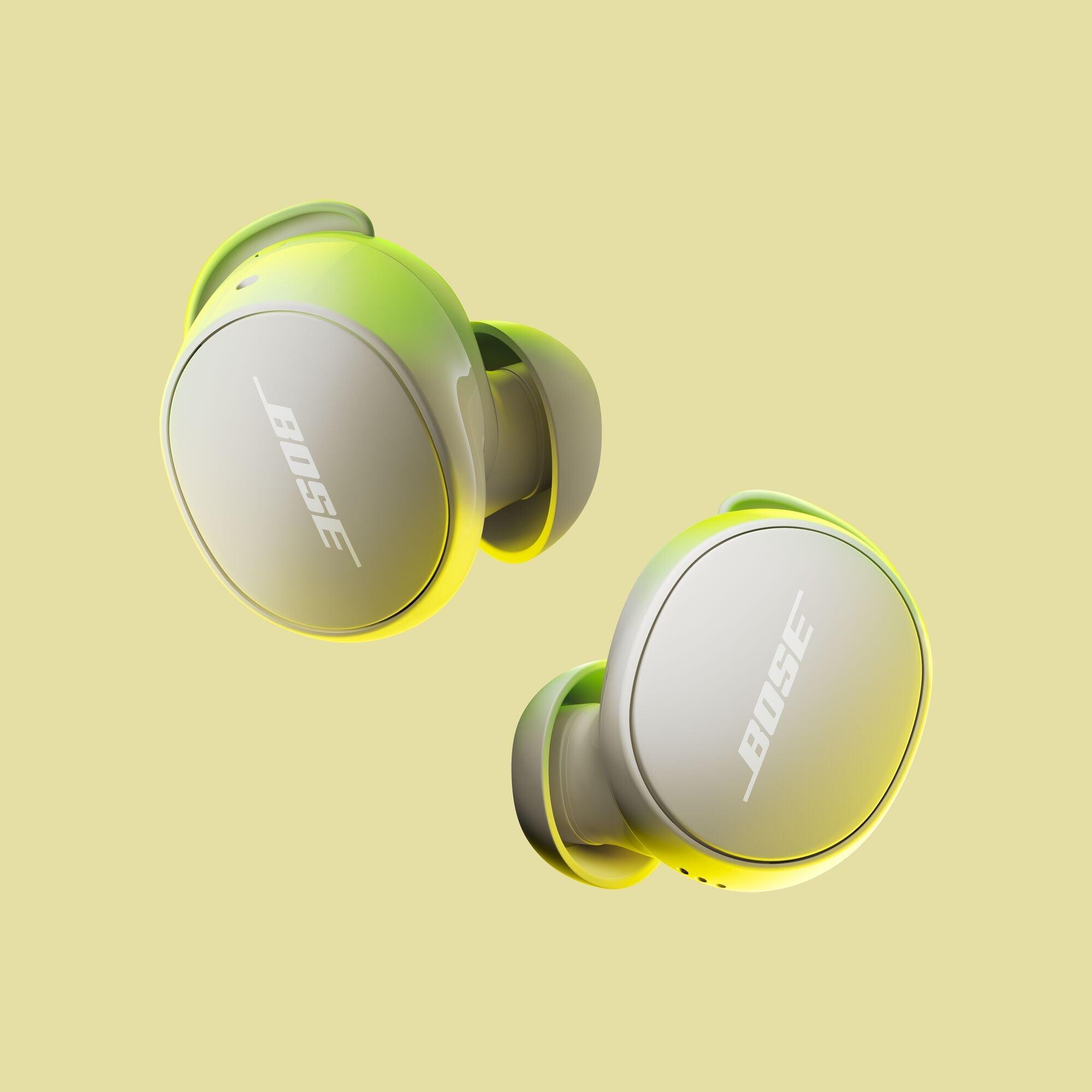
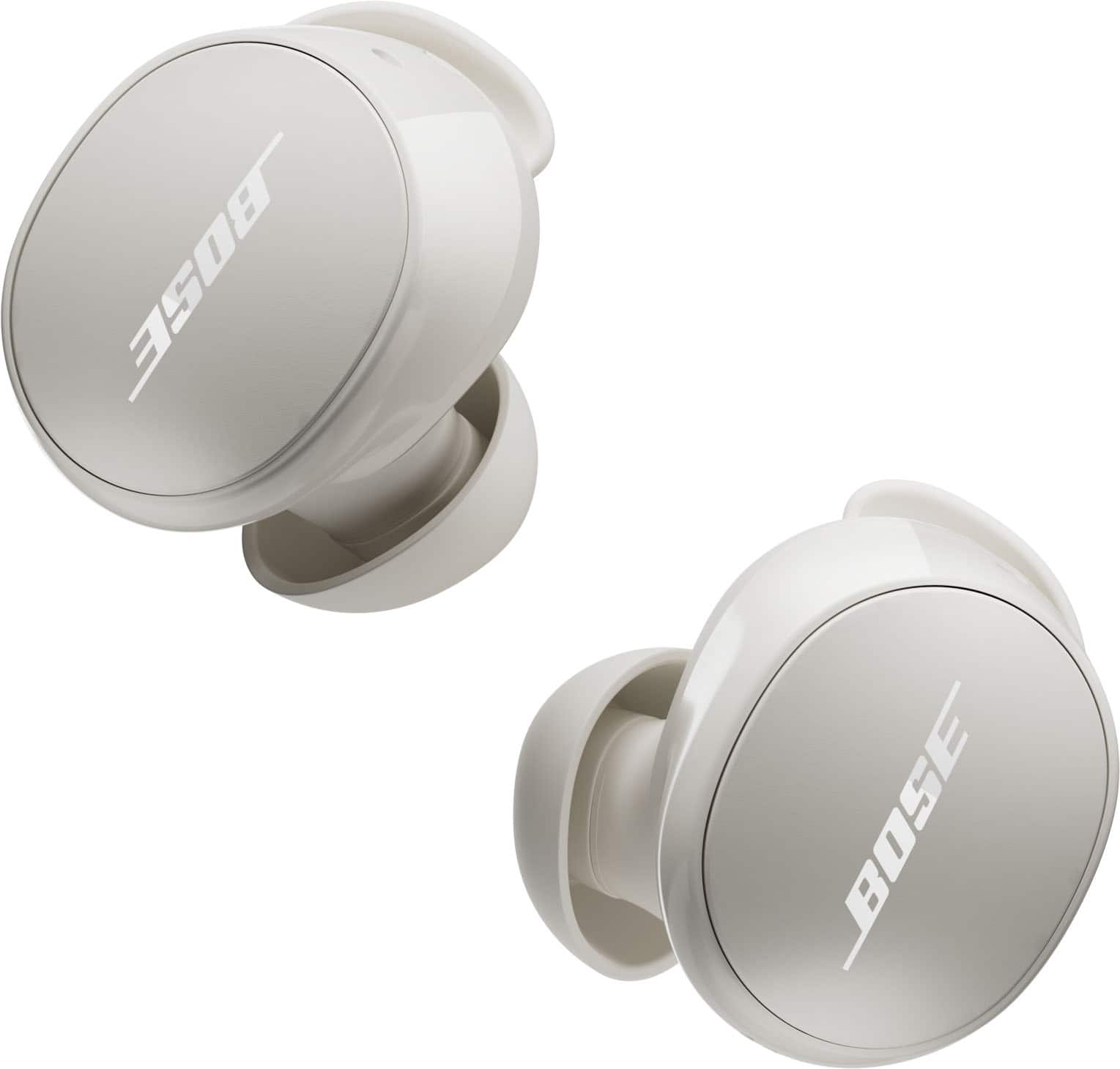
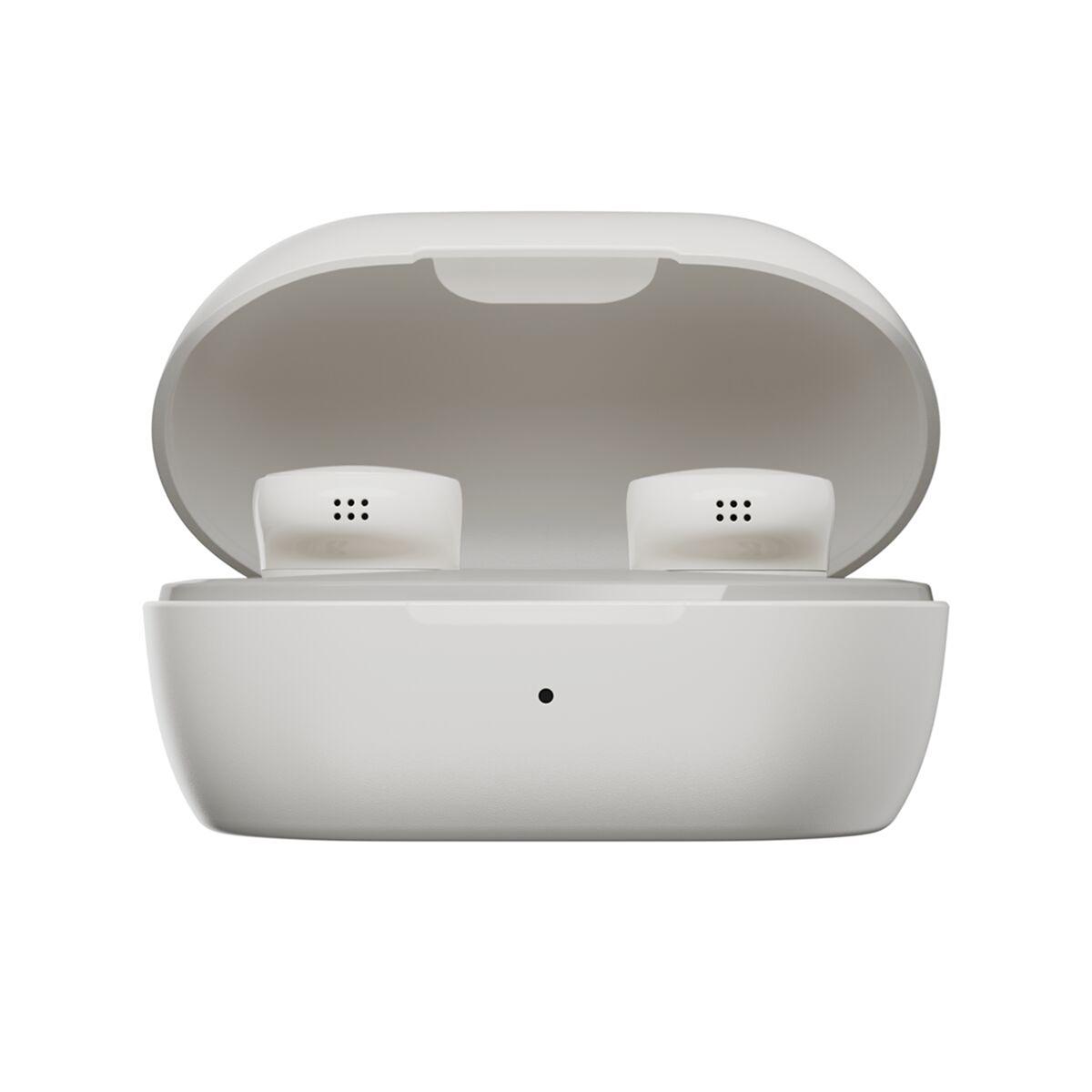
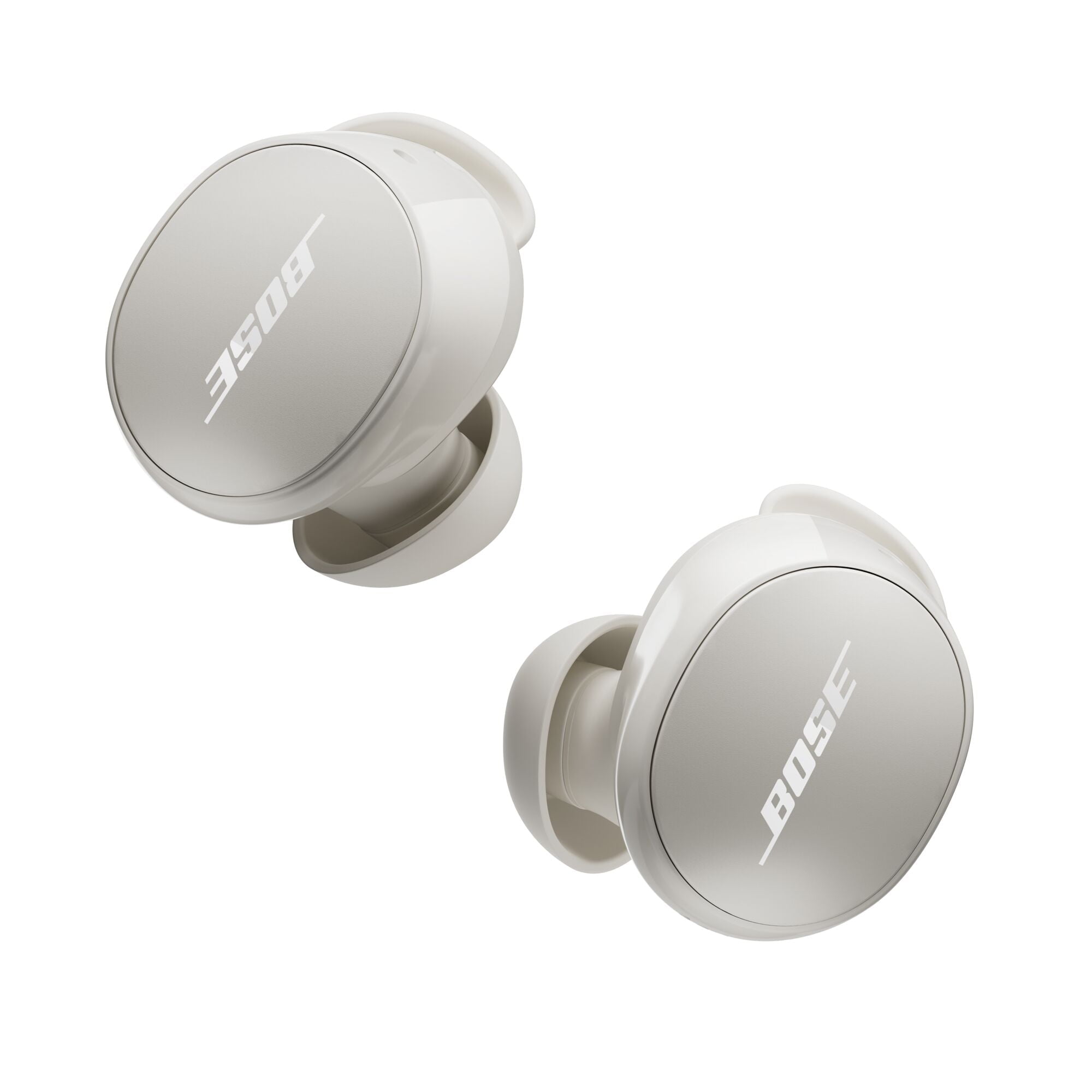

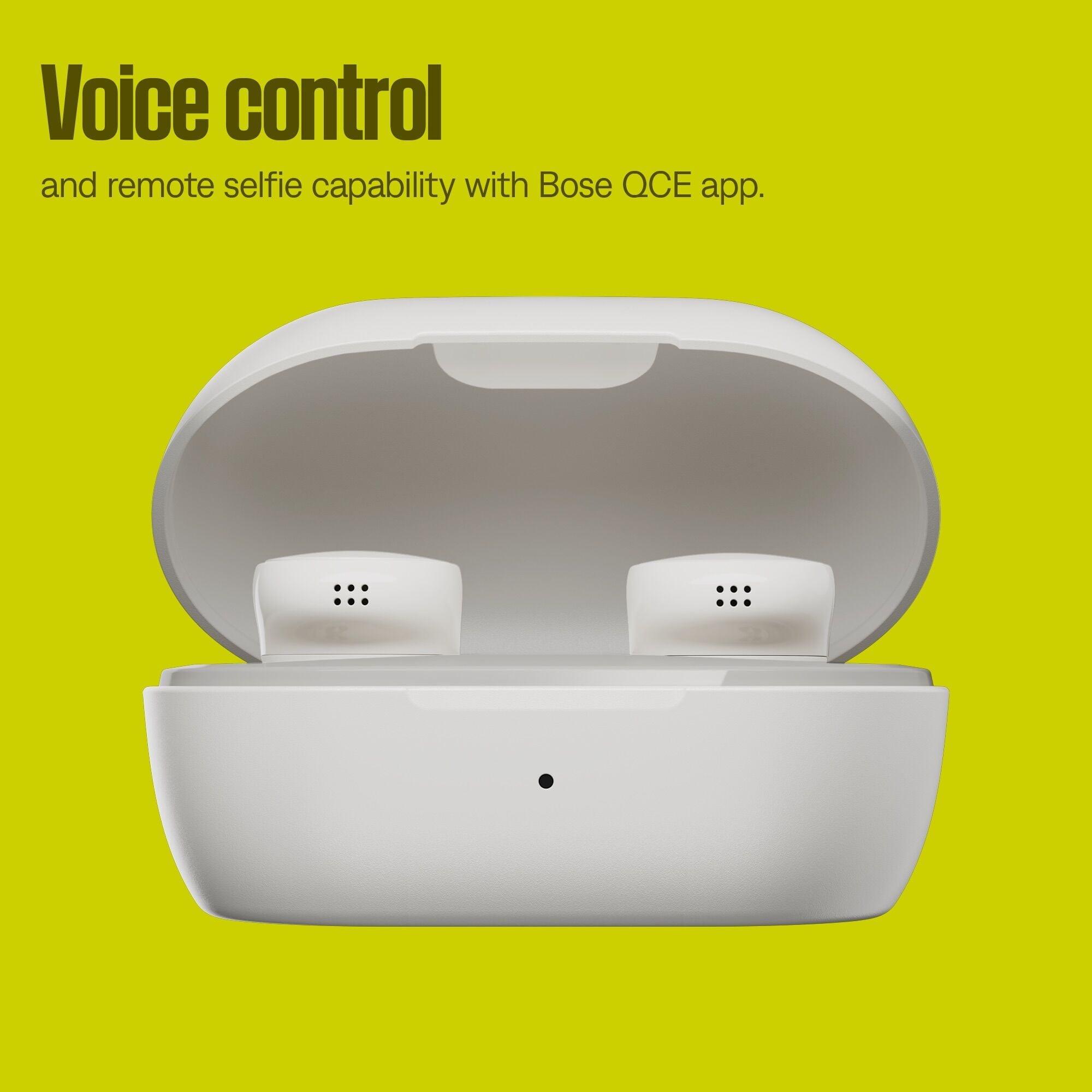
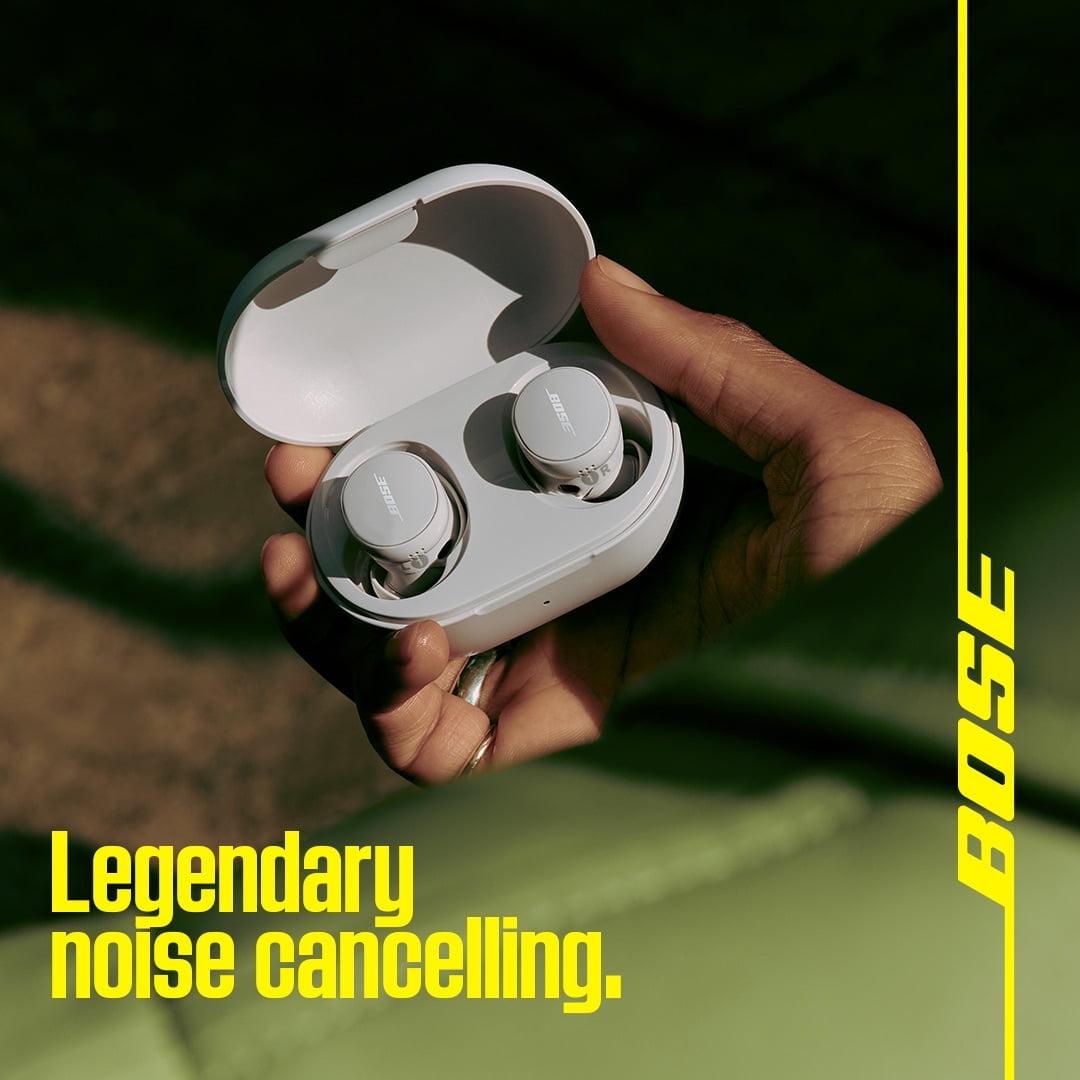
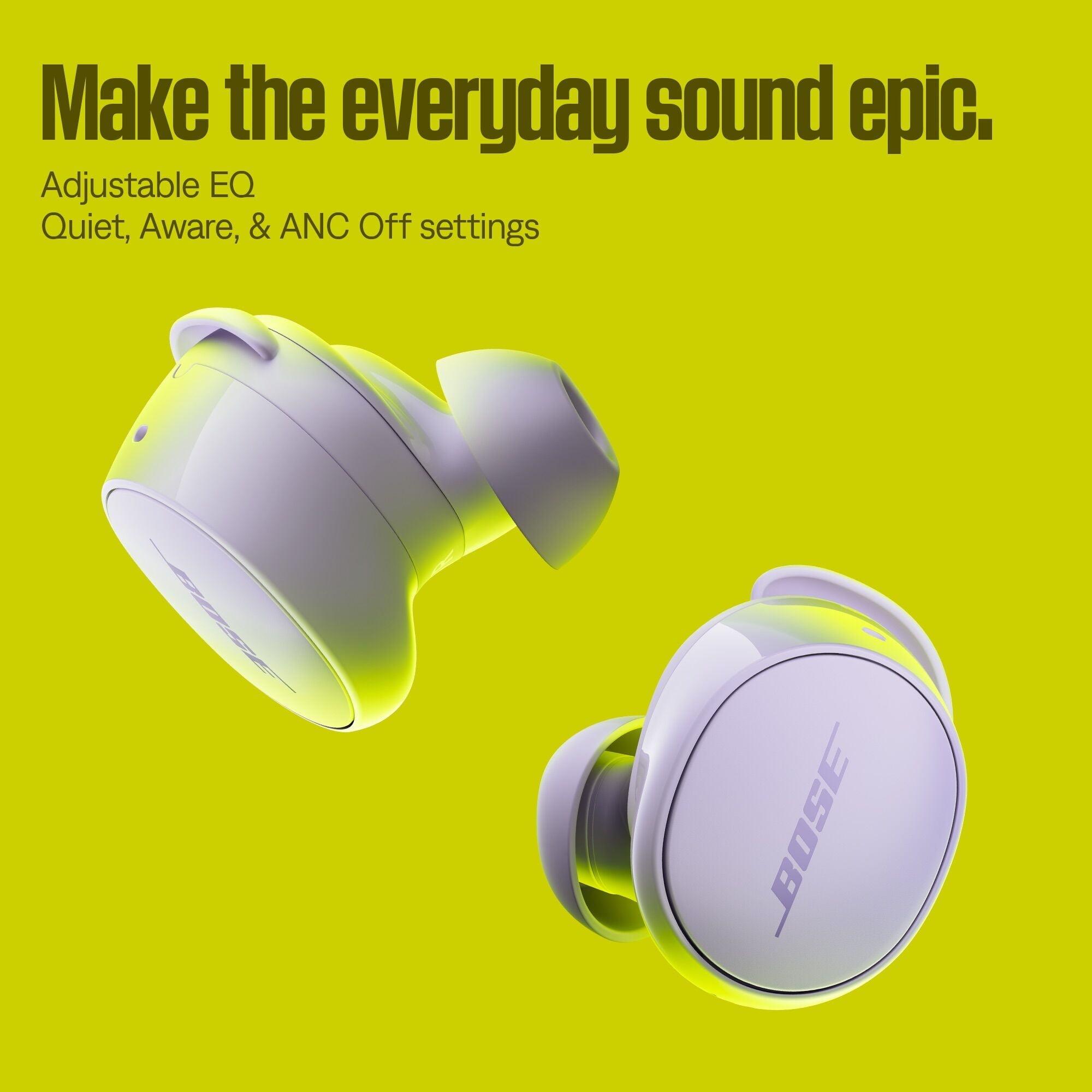
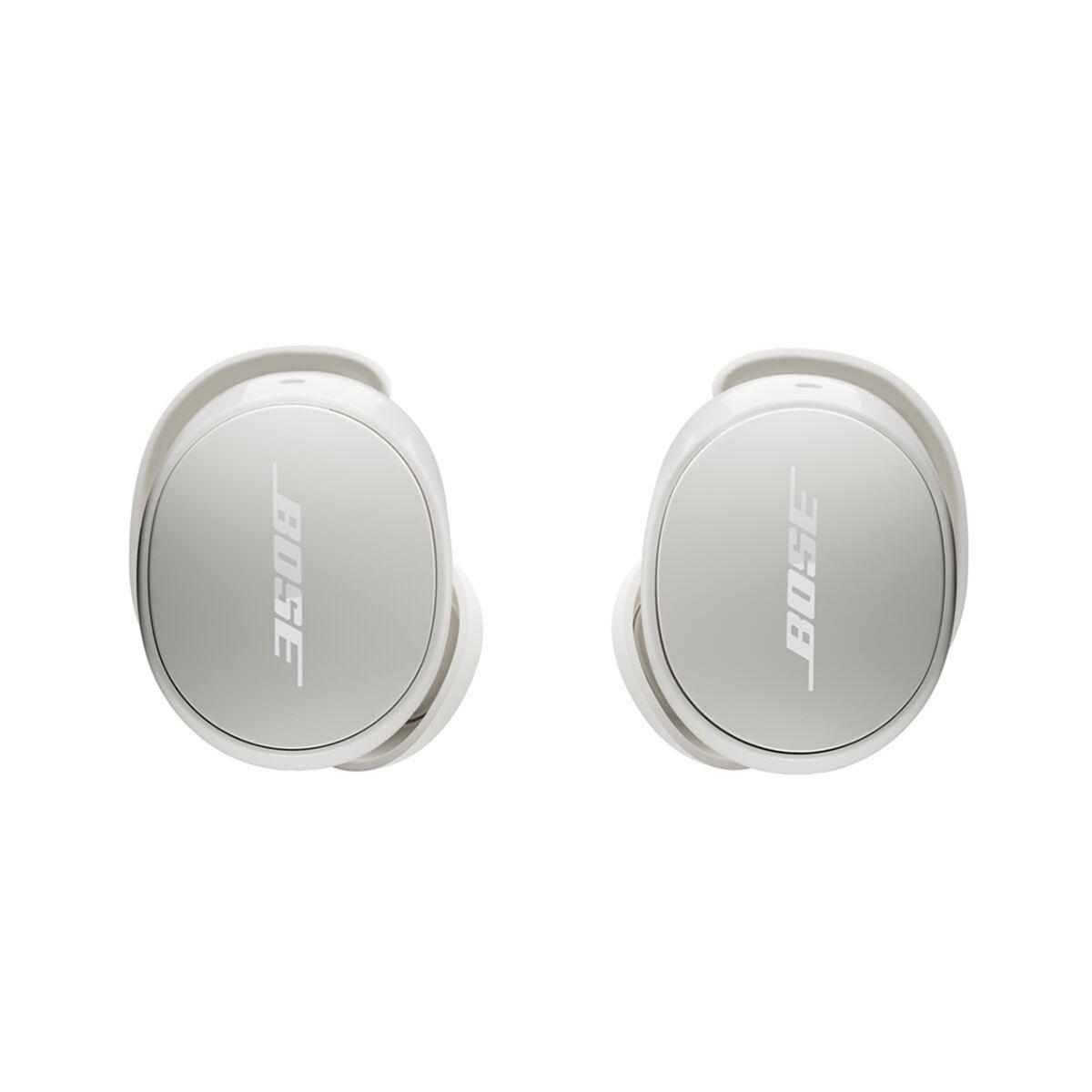
True wireless earbuds have completely transformed how we listen to music, take calls, and consume media. Gone are the days of untangling wires or having one earbud yanked out when you catch a cable on a door handle. But with so many options flooding the market, choosing the right pair can feel overwhelming. Today, we're diving deep into two compelling options that represent very different approaches to wireless audio: the budget-conscious JBL Tune Buds and the premium Bose QuietComfort Earbuds.
These earbuds might seem like they're in the same category, but they target distinctly different users and priorities. The JBL Tune Buds, released in 2024, focus on delivering maximum value with exceptional battery life and energetic sound. Meanwhile, the Bose QuietComfort Earbuds, launched in late 2024, prioritize premium features like industry-leading noise cancellation and refined audio quality. Understanding these fundamental differences will help you determine which approach better matches your needs and budget.
Before we dive into specifics, it's worth understanding what makes a great pair of true wireless earbuds. Unlike traditional wired headphones, these tiny devices must pack drivers (the components that create sound), batteries, processors, microphones, and wireless radios into a package small enough to fit comfortably in your ears.
The most critical considerations include audio quality, active noise cancellation effectiveness, battery life, comfort during extended wear, call clarity, build quality, and overall value. Each manufacturer approaches these challenges differently, leading to distinct strengths and compromises. Some prioritize battery life over premium materials, while others focus on cutting-edge noise cancellation technology despite higher costs.
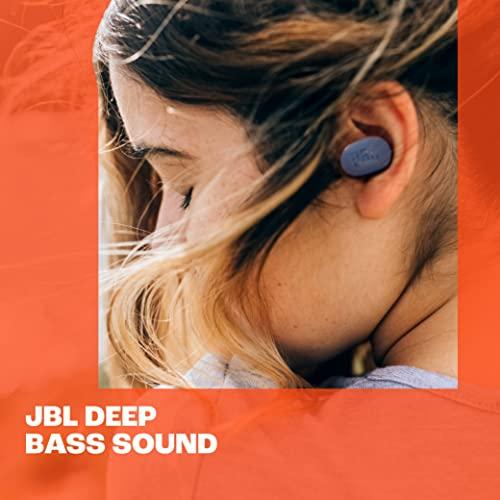
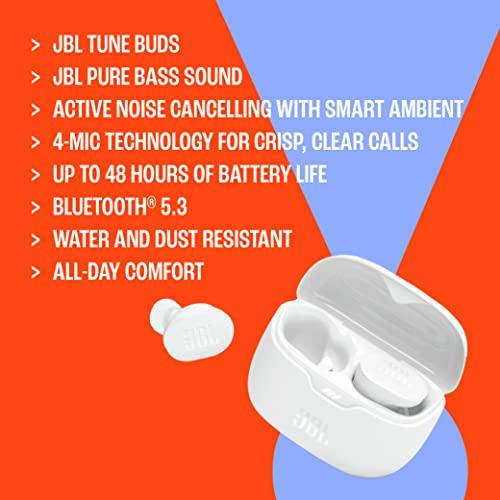
The JBL Tune Buds embrace JBL's signature Pure Bass Sound philosophy through carefully tuned 10mm dynamic drivers. Think of drivers as tiny speakers inside each earbud – larger drivers generally can move more air and produce deeper bass, which is exactly what JBL leverages here.
These earbuds feature what audio engineers call a "V-shaped" frequency response. This means they emphasize the low frequencies (bass) and high frequencies (treble) while keeping the mid-range relatively neutral. In practical terms, this creates an energetic, exciting sound that makes electronic music, hip-hop, and bass-heavy tracks absolutely shine. When you're listening to artists like Kendrick Lamar or electronic producers like Skrillex, the JBL Tune Buds deliver the kind of punchy, impactful bass that gets your head nodding.
However, this tuning approach has trade-offs. The emphasized treble can occasionally sound harsh with certain recordings, particularly those with prominent "sibilant" sounds – think of the sharp "s" and "t" sounds in vocals that can become piercing on some tracks. The good news is JBL includes a comprehensive graphic EQ (equalizer) in their companion app, allowing you to adjust the sound signature to your preferences.
The Bose QuietComfort Earbuds take a more sophisticated approach with what's described as a "U-shaped" frequency response. This is subtler than JBL's V-shaped tuning, providing enhanced bass and treble without the aggressive emphasis. The result is a more balanced, refined sound that works exceptionally well across all music genres.
What sets Bose apart is their decades of acoustic engineering experience. The sound presentation feels more natural and "musical," with excellent control over harsh frequencies. Whether you're listening to classical music, jazz, rock, or podcasts, the Bose QuietComfort Earbuds maintain clarity and cohesion across the entire frequency spectrum.
Bose's CustomTune technology represents a fascinating technical innovation. Using built-in microphones, the earbuds actually measure how sound bounces around inside your specific ear canals and automatically adjust the audio processing accordingly. This personalization ensures optimal sound quality regardless of your unique ear shape – a level of customization that was previously only available in professional audio setups.
For pure enjoyment of bass-heavy genres and energetic listening sessions, the JBL Tune Buds excel. Their exciting sound signature makes music feel more engaging and impactful. However, for overall versatility and refined audio reproduction across all content types, the Bose QuietComfort Earbuds take the crown. The Bose earbuds are particularly superior for mixed content consumption – switching between music, podcasts, audiobooks, and video calls without needing to adjust settings.
Active Noise Cancellation (ANC) represents one of the most significant technological advances in personal audio over the past decade. The technology works by using external microphones to detect ambient noise, then generating "anti-noise" sound waves that cancel out unwanted sounds before they reach your ears. However, not all ANC implementations are created equal.
The JBL Tune Buds include ANC, but it's clearly a secondary feature rather than a primary focus. Our research into user and expert reviews consistently shows that the noise cancellation provides only marginal improvement over the passive isolation you get from simply having earbuds in your ears.
The system struggles particularly with low-frequency noises – the constant hum of airplane engines, air conditioning systems, or traffic rumble. It performs slightly better with mid and high-frequency sounds like office chatter or keyboard typing, but even then, the improvement is modest. JBL does include "Smart Ambient" modes called Ambient Aware and TalkThru, which let you tune into your surroundings or have quick conversations without removing the earbuds, but these are basic implementations.
For users who primarily need earbuds for music enjoyment and occasional noise reduction, this level of ANC might be sufficient. However, anyone who regularly deals with noisy commutes, open offices, or frequent air travel will find the JBL Tune Buds disappointing in this regard.
The Bose QuietComfort Earbuds represent the opposite end of the spectrum. Bose has spent decades perfecting noise cancellation technology, and it shows. According to expert reviews and user feedback, these earbuds reduce ambient noise loudness by over 80% – a genuinely impressive figure that puts them in competition with the very best ANC headphones on the market.
The technology effectively handles the full spectrum of unwanted sounds, from low-frequency rumbles to mid-range chatter to high-frequency hisses. Whether you're on a busy subway, in a coffee shop, or trying to focus in an open office, the Bose QuietComfort Earbuds create a remarkably quiet bubble around you.
The previously mentioned CustomTune technology doesn't just optimize audio quality – it also personalizes the noise cancellation based on your ear shape and fit. This ensures maximum ANC effectiveness for your specific anatomy, something that generic noise cancellation algorithms can't achieve.
For anyone who values peace and quiet, travels frequently, or works in noisy environments, the difference between these two products is dramatic. The Bose QuietComfort Earbuds can transform a chaotic environment into a serene listening space, while the JBL Tune Buds provide only modest noise reduction.
Battery technology in true wireless earbuds involves a complex balance between size constraints, power consumption, and feature sets. Every component – from Bluetooth radios to ANC processors to the drivers themselves – draws power from tiny batteries that must fit inside each earbud.
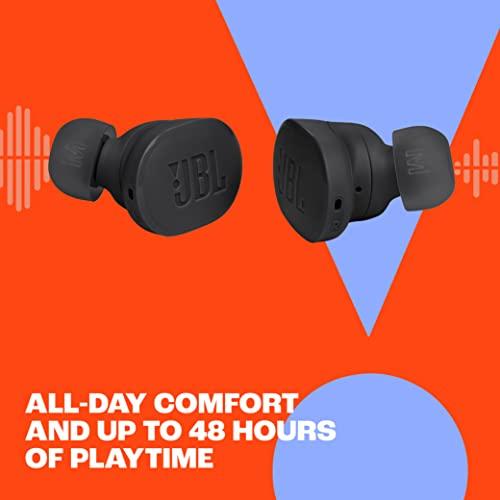
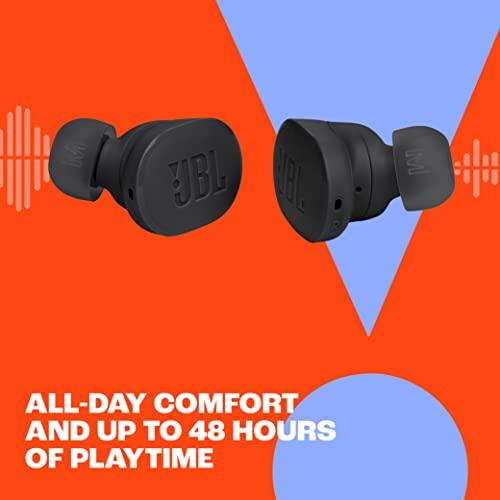
The JBL Tune Buds achieve genuinely impressive battery performance that stands out even in a competitive market. With ANC disabled, they deliver up to 12 hours of continuous playback from the earbuds themselves, plus an additional 36 hours from the charging case, totaling 48 hours. Even with ANC enabled, you get 10 hours from the earbuds and 30 hours from the case – 40 hours total.
These numbers are particularly impressive when you consider the JBL Tune Buds pack substantial features like Bluetooth 5.3, ANC processing, and powerful 10mm drivers. The secret lies in efficient power management and JBL's experience in balancing performance with energy consumption.
The speed charge feature adds practical convenience – just 15 minutes of charging provides 4 hours of playback time. This is crucial for users who occasionally forget to charge their earbuds overnight but need them for a morning commute or workout.
The Bose QuietComfort Earbuds offer up to 8.5 hours from the earbuds themselves with an additional 2.5 full charges from the case, totaling approximately 31.5 hours. While these numbers are respectable and sufficient for most users, they pale in comparison to the JBL Tune Buds.
This shorter battery life likely results from the power demands of Bose's advanced ANC processing and CustomTune technology. These sophisticated features require significant computational power, which inevitably impacts battery longevity. The trade-off makes sense for users who prioritize premium features over maximum battery life.
For users who travel frequently, work long shifts, or simply prefer not to think about charging, the JBL Tune Buds offer clear advantages. The extended battery life means fewer charging interruptions and less anxiety about running out of power during important listening sessions.
However, for most users, the Bose QuietComfort Earbuds provide sufficient battery life for daily use. The real question becomes whether you value the extra hours of playback more than the advanced features that consume that power.
Physical comfort becomes crucial when you're wearing earbuds for extended periods. Poor-fitting earbuds can cause discomfort, fall out during activity, or fail to provide proper sound isolation. Both manufacturers approach this challenge differently.
The JBL Tune Buds feature an oval tube design that JBL claims naturally adapts to ear canal shapes. This organic approach, combined with three sizes of included ear tips, provides a secure fit for most users. The earbuds are relatively lightweight at 10.8 grams total, reducing fatigue during extended wear.
The IP54 rating deserves special attention. This certification means the earbuds resist both water and dust intrusion – a significant advantage over many competitors that only offer water resistance. For users who exercise, work outdoors, or live in dusty environments, this protection provides peace of mind and longevity.
However, some users report inconsistent seal achievement, which can impact both sound quality and noise isolation. Finding the right ear tip size and insertion angle may require experimentation.
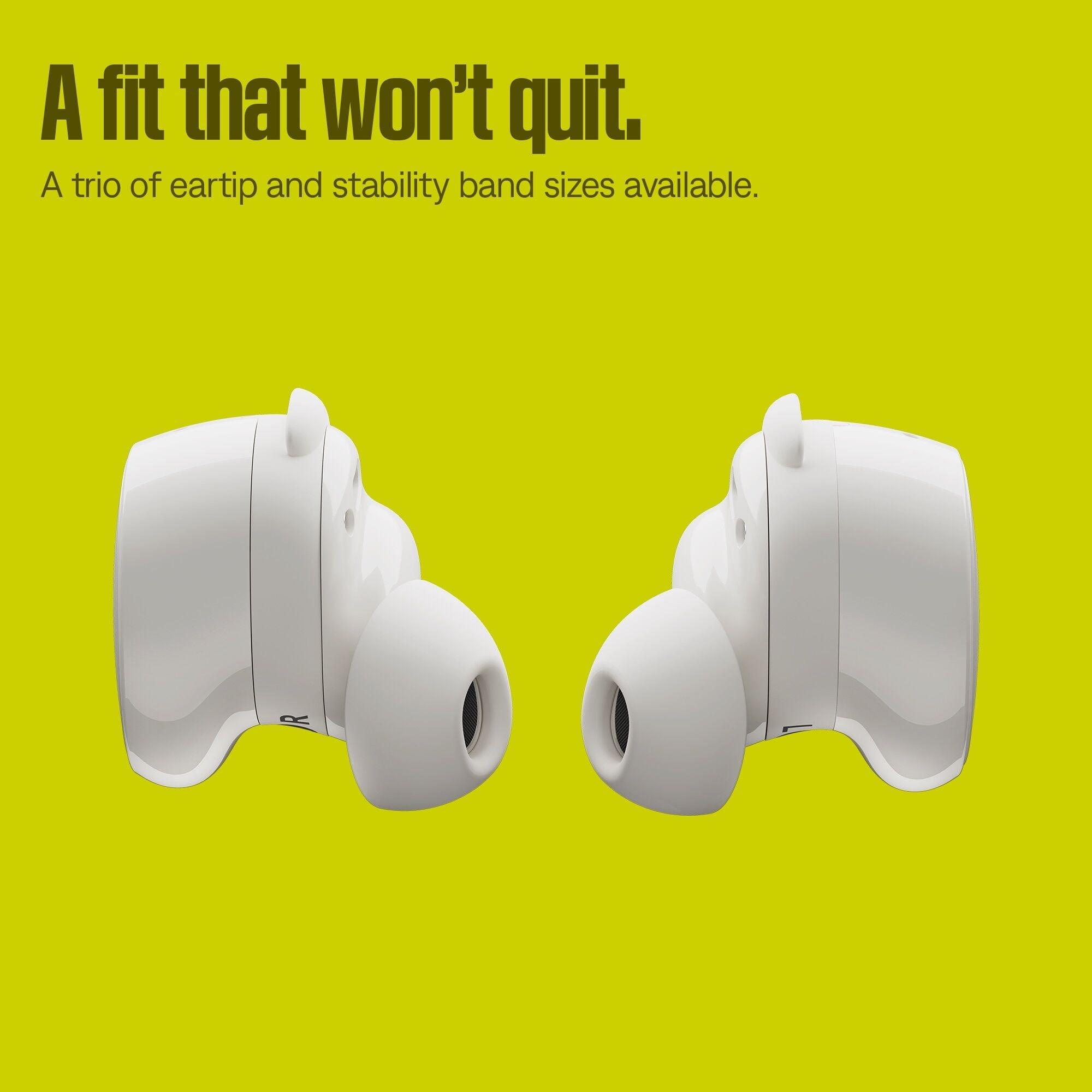
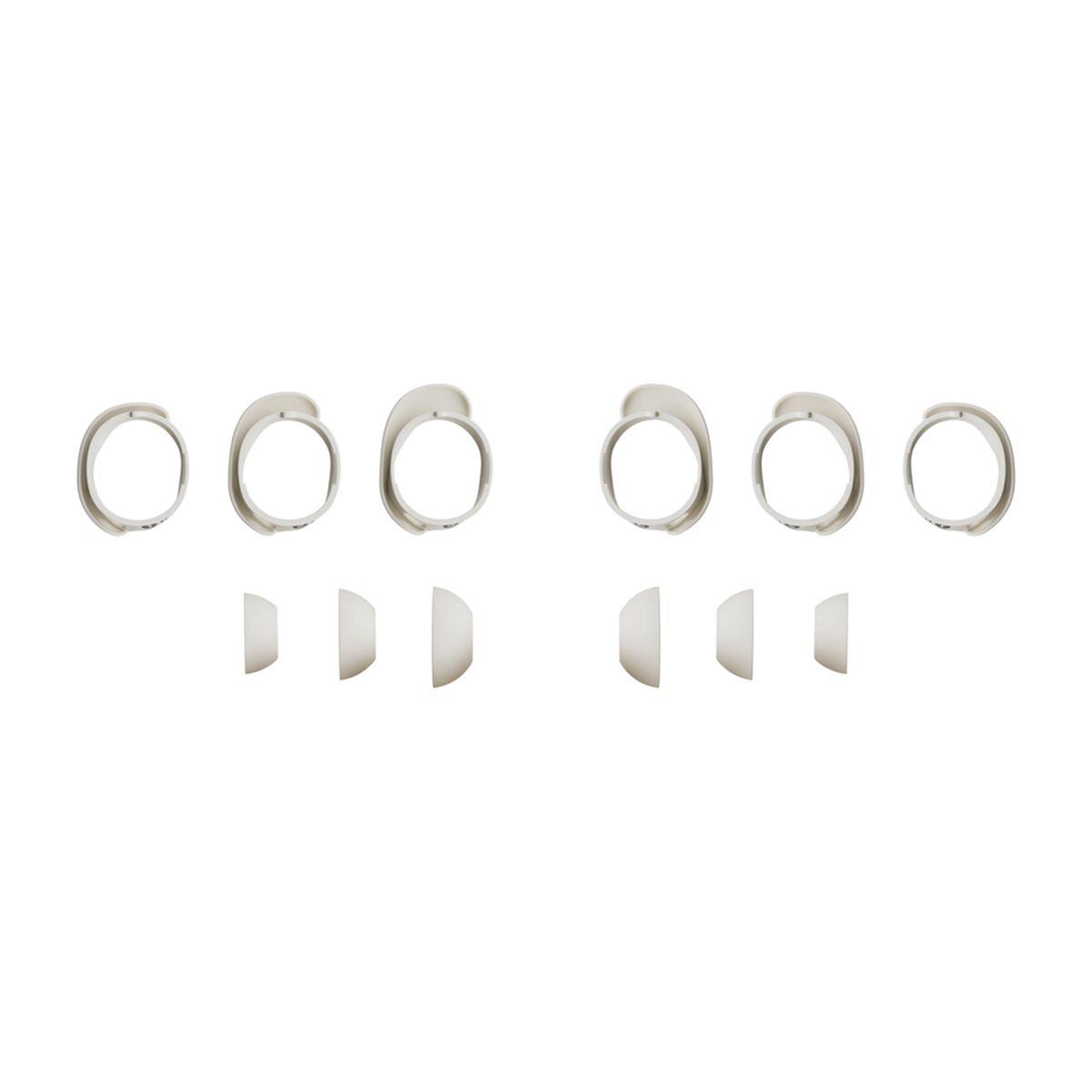
The Bose QuietComfort Earbuds include Bose's extensive Fit Kit, which provides multiple sizes of both eartips and stability bands. This comprehensive approach helps achieve secure, comfortable fits across a wide variety of ear shapes and sizes.
Bose's design prioritizes premium materials and construction quality, reflecting their decades of experience in professional and consumer audio markets. However, some users note that the earbuds are somewhat bulky compared to more streamlined competitors.
The IPX4 rating provides water and sweat resistance but falls short of the JBL Tune Buds dust protection. For most users, this level of protection suffices for workouts and light rain exposure.
Modern true wireless earbuds serve dual purposes as both entertainment devices and communication tools. With remote work and frequent video calls becoming standard, microphone quality has become increasingly important.
The JBL Tune Buds employ four microphones (two per earbud) for call handling. In quiet environments, call quality is clear and adequate for most purposes. The VoiceAware feature allows you to adjust how much of your own voice is fed back through the earbuds during calls, helping maintain natural conversation flow.
However, the microphone system struggles in noisy environments. Background noise can overwhelm the voice separation algorithms, leading to unclear transmission of your voice to call participants. For users who primarily take calls in controlled environments, this may not be problematic.
The Bluetooth 5.3 implementation supports multipoint connectivity, allowing simultaneous connection to two devices. This feature proves invaluable for users who need to seamlessly switch between, say, a laptop for work calls and a phone for music.
The Bose QuietComfort Earbuds demonstrate better overall call quality, with clearer voice transmission and more effective background noise reduction during calls. While not perfect in extremely noisy environments, they outperform the JBL Tune Buds in most real-world calling scenarios.
Bose also implements Bluetooth 5.3 with multipoint connectivity, ensuring reliable connections and smooth device switching.
Smartphone apps have become essential for accessing advanced earbud features and personalizing the listening experience.
The JBL Headphones app receives consistent praise for its comprehensive feature set. Users can customize touch controls, adjust detailed EQ settings, manage environmental noise modes, and locate lost earbuds. The app also provides firmware updates that can add new features over time.
The graphic EQ deserves special mention – it allows precise adjustment of different frequency ranges, enabling users to tailor the sound signature to their preferences or specific music genres.
The Bose app focuses on the features that matter most for their target audience: noise cancellation control, EQ adjustment, and device management. While perhaps not as extensive as JBL's offering, it provides reliable access to core functionality.
The 5-band adjustable EQ allows sound customization, though with fewer adjustment points than JBL's more detailed interface.
For users interested in using these earbuds with home theater systems, several factors become relevant. Both products support modern Bluetooth codecs for reasonable audio-video synchronization, though neither is specifically optimized for this use case.
The JBL Tune Buds include a "Smart Video mode" designed to reduce latency for better audio-video sync, though some delay may still be noticeable during critical viewing. The extended battery life makes them practical for longer movie sessions.
The Bose QuietComfort Earbuds advanced noise cancellation could actually be counterproductive in home theater use, as it might block important ambient sounds like doorbells or family members trying to get your attention.
For dedicated home theater use, both earbuds represent compromises compared to purpose-built TV headphones, but they can serve adequately for occasional private listening.
The JBL Tune Buds launched in 2024 with Bluetooth 5.3 and promised LE Audio support through future over-the-air updates. LE Audio represents the next generation of Bluetooth audio, offering improved efficiency and new features like audio sharing between multiple listeners.
The Bose QuietComfort Earbuds, also launching in late 2024, incorporate the latest Bluetooth 5.3 technology and benefit from Bose's ongoing firmware development program.
Both products should remain relevant for several years, though the JBL Tune Buds LE Audio promise provides additional future-proofing potential.
Choosing between the JBL Tune Buds and Bose QuietComfort Earbuds ultimately depends on your priorities and usage patterns.
Choose the JBL Tune Buds if you:
Choose the Bose QuietComfort Earbuds if you:
The Bottom Line: The JBL Tune Buds represent exceptional value engineering – they deliver impressive performance and features at an accessible price point. Their standout battery life and energetic sound make them ideal for active users, music lovers on a budget, and anyone who prioritizes convenience over premium features.
The Bose QuietComfort Earbuds justify their premium positioning through superior noise cancellation, refined audio quality, and polished user experience. They're the clear choice for users who deal with noisy environments regularly, prefer sophisticated sound reproduction, and value the peace of mind that comes with a premium brand.
Neither option is definitively "better" – they simply excel in different areas and serve different user needs. Your choice should align with your specific priorities, usage patterns, and budget considerations.
| JBL Tune Buds True Wireless Earbuds | Bose QuietComfort Wireless Earbuds |
|---|---|
| Active Noise Cancellation - Critical for commuters and noisy environments | |
| Basic ANC with minimal improvement over passive isolation | Industry-leading ANC reducing ambient noise by 80%+ |
| Battery Life - Determines how often you need to charge | |
| Up to 48 hours total (12 hrs earbuds + 36 hrs case) | Up to 31.5 hours total (8.5 hrs earbuds + 23 hrs case) |
| Sound Signature - Affects music enjoyment and versatility | |
| V-shaped with emphasized bass and treble, exciting for EDM/hip-hop | Balanced U-shaped signature, refined across all genres |
| Water/Dust Resistance - Important for workouts and outdoor use | |
| IP54 (water and dust resistant) | IPX4 (water/sweat resistant only) |
| Driver Size - Larger drivers typically produce better bass | |
| 10mm dynamic drivers with JBL Pure Bass Sound | Premium drivers (size not specified) with CustomTune technology |
| Microphone System - Affects call quality for work/personal calls | |
| 4-mic array with VoiceAware, struggles in noisy environments | Advanced mic system with superior background noise reduction |
| Bluetooth Technology - Impacts connection stability and features | |
| Bluetooth 5.3 with multipoint, LE Audio support (via update) | Bluetooth 5.3 with multipoint connectivity |
| App Features - Determines customization and control options | |
| Comprehensive JBL Headphones app with detailed EQ | Bose QCE app with 5-band EQ and ANC control |
| Charging Speed - Matters when you forget to charge overnight | |
| 15 minutes charging = 4 hours playback | 2 hours for full charge (speed charge not specified) |
| Fit Customization - Essential for comfort and sound isolation | |
| 3 sizes ear tips, ergonomic oval design | Comprehensive Fit Kit with multiple eartips and stability bands |
| Target User - Who each product serves best | |
| Budget-conscious users wanting maximum battery life and bass | Premium users prioritizing noise cancellation and refined sound |
The Bose QuietComfort Wireless Earbuds offer more refined, balanced sound quality that works well across all music genres, while the JBL Tune Buds True Wireless Earbuds deliver an energetic, bass-heavy sound signature that excels with hip-hop, EDM, and electronic music. For overall versatility and audiophile-quality sound, Bose takes the lead, but for exciting, punchy bass, JBL is the winner.
The Bose QuietComfort Wireless Earbuds feature industry-leading active noise cancellation that reduces ambient noise by over 80%, making them excellent for commuting and noisy environments. The JBL Tune Buds True Wireless Earbuds include basic ANC that provides only minimal improvement over passive isolation, making them less suitable for frequent travelers or noisy workplaces.
The JBL Tune Buds True Wireless Earbuds offer exceptional battery life with up to 12 hours per charge (48 hours total with case), significantly outperforming the Bose QuietComfort Wireless Earbuds which provide 8.5 hours per charge (31.5 hours total with case). For users who prioritize long listening sessions without frequent charging, JBL is the clear winner.
The Bose QuietComfort Wireless Earbuds provide superior call quality with better background noise reduction and clearer voice transmission. The JBL Tune Buds True Wireless Earbuds offer decent call quality in quiet environments but struggle with background noise separation, making them less ideal for business calls or noisy locations.
The JBL Tune Buds True Wireless Earbuds are better suited for workouts with their IP54 rating that resists both water and dust, plus their secure ergonomic fit. The Bose QuietComfort Wireless Earbuds only offer IPX4 water resistance and may be too bulky for intense exercise activities.
Both the JBL Tune Buds True Wireless Earbuds and Bose QuietComfort Wireless Earbuds work seamlessly with iPhone and Android devices using Bluetooth 5.3 connectivity. Both support multipoint connection for pairing with multiple devices simultaneously and offer dedicated smartphone apps for customization.
Both earbuds offer comfortable fits, but the Bose QuietComfort Wireless Earbuds include a more comprehensive Fit Kit with multiple eartip and stability band sizes. The JBL Tune Buds True Wireless Earbuds feature an ergonomic oval design that adapts well to most ear shapes, though some users may need to experiment with fit positioning.
Yes, both earbuds offer sound customization through smartphone apps. The JBL Tune Buds True Wireless Earbuds provide extensive EQ controls through the JBL Headphones app, while the Bose QuietComfort Wireless Earbuds offer a 5-band adjustable EQ through the Bose QCE app.
The JBL Tune Buds True Wireless Earbuds offer exceptional value with premium features like 48-hour battery life, IP54 rating, and customizable sound at a budget-friendly price point. The Bose QuietComfort Wireless Earbuds justify their premium pricing with superior noise cancellation and refined audio quality, making them better value for users who prioritize these specific features.
The JBL Tune Buds True Wireless Earbuds feature impressive speed charging with 15 minutes providing 4 hours of playback time. The Bose QuietComfort Wireless Earbuds require about 2 hours for a full charge, though specific fast-charging capabilities aren't prominently featured.
The JBL Tune Buds True Wireless Earbuds excel with bass-heavy genres like hip-hop, EDM, and electronic music due to their V-shaped sound signature. The Bose QuietComfort Wireless Earbuds provide more versatile performance across all genres including classical, jazz, rock, and podcasts with their balanced, refined sound profile.
Both earbuds work adequately for video content, with the JBL Tune Buds True Wireless Earbuds including a Smart Video mode to reduce audio delay. However, neither is specifically optimized for home theater use. The extended battery life of the JBL Tune Buds makes them more practical for longer movie sessions, while the noise cancellation of the Bose QuietComfort Wireless Earbuds might block important ambient sounds in a home environment.
We've done our best to create useful and informative comparisons to help you decide what product to buy. Our research uses advanced automated methods to create this comparison and perfection is not possible - please contact us for corrections or questions. These are the sites we've researched in the creation of this article: rtings.com - jbl.com - youtube.com - jbl.com - soundguys.com - ro.harmanaudio.com - audio46.com - bestbuy.com - majorhifi.com - jbl.com - crutchfield.com - jblstore.com.ph - kh.jbl.com - in.jbl.com - bestbuy.com - uclastore.com - jbl.com - jbl.com.tw - whathifi.com - soundguys.com - bestbuy.com - bose.com - cnet.com - businessinsider.com - bestbuy.com - global.bose.com - cdw.com - bhphotovideo.com - soundguys.com - connection.com - homesolutionsmn.com - govconnection.com - abt.com - eetgroup.com - beachaudio.com - bose.com - coursehero.com - boseapac.com - coursehero.com - bose.com - youtube.com - brandsmartusa.com - bose.com - bose.com - adorama.com - sears.com

Privacy Policy
Terms and Conditions - Affiliate Policy
Home Security
© Copyright 2008-2026.
11816 Inwood Rd #1211, Dallas, TX 75244