

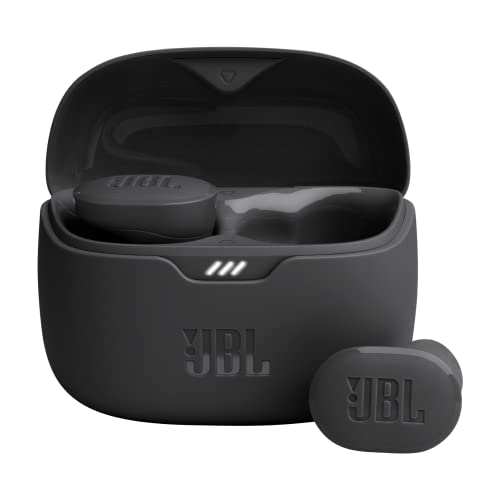
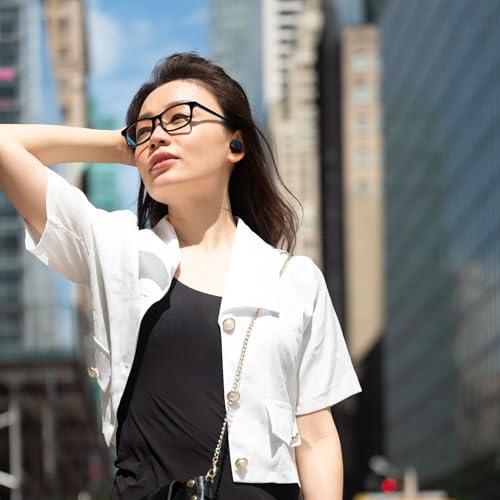
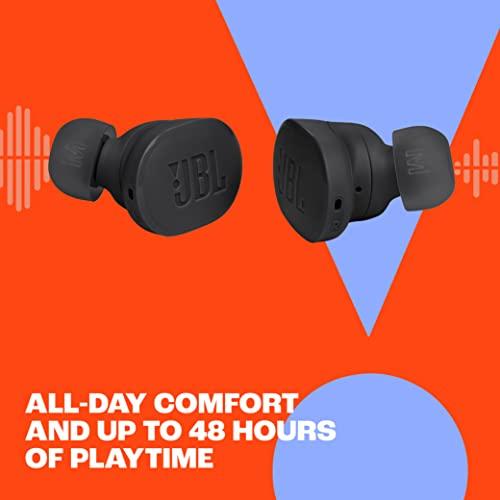
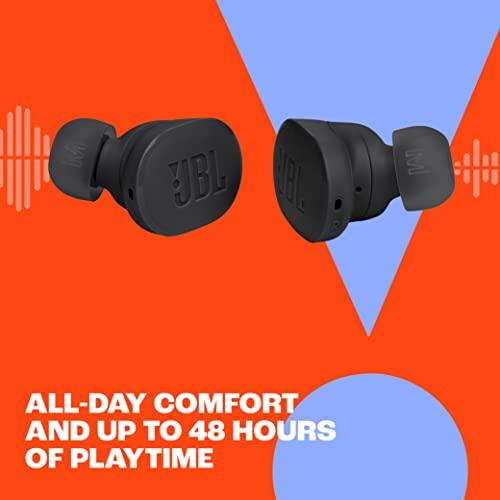
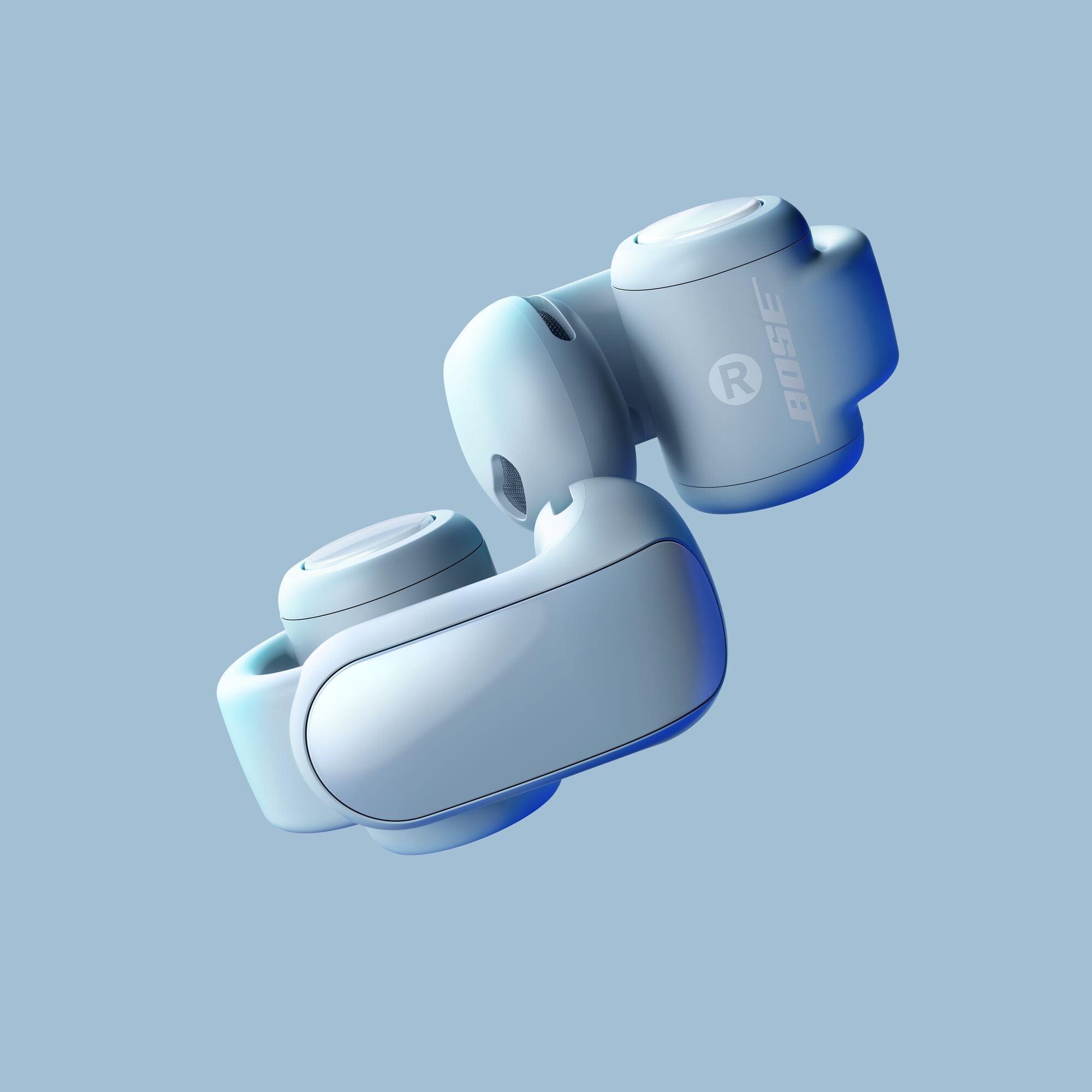
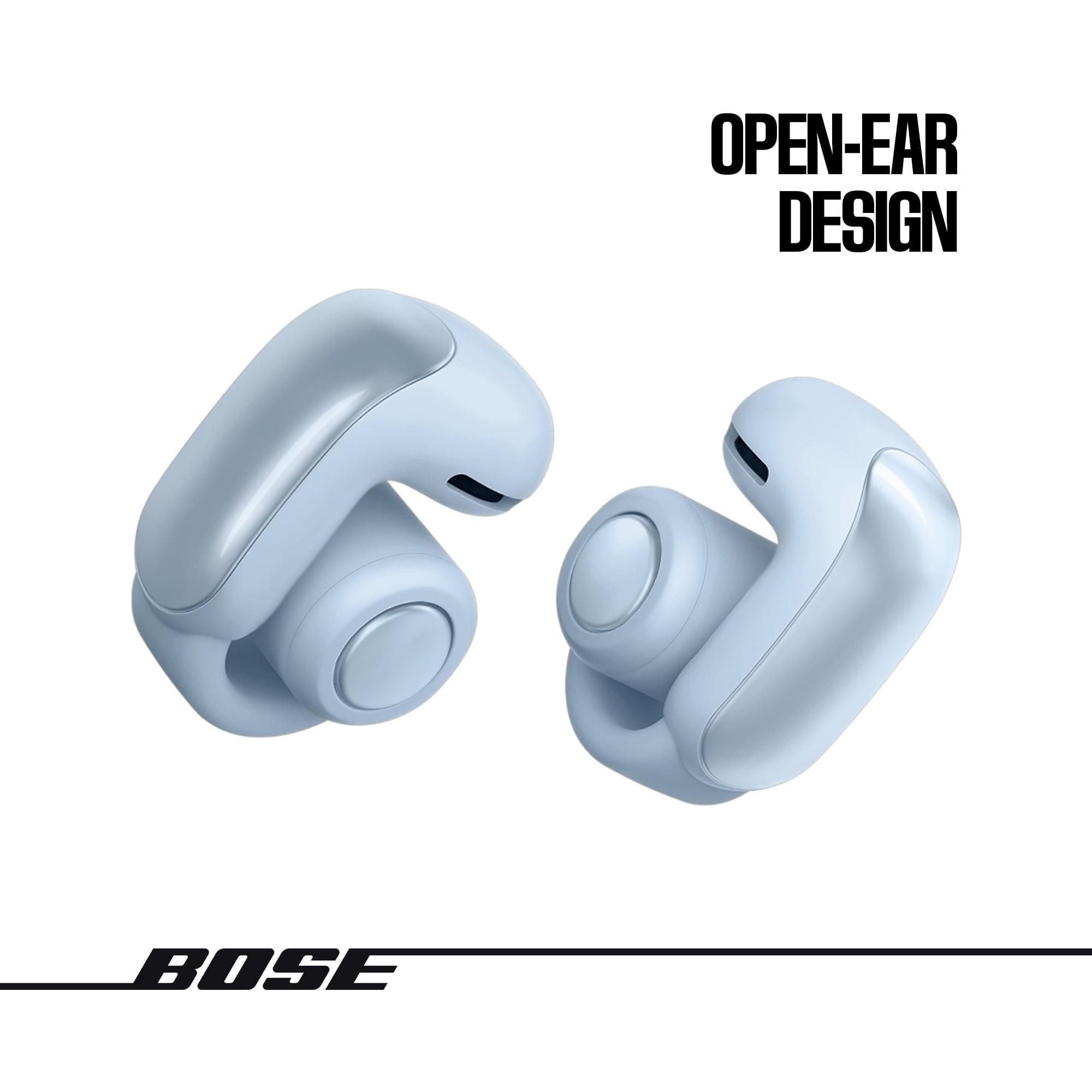
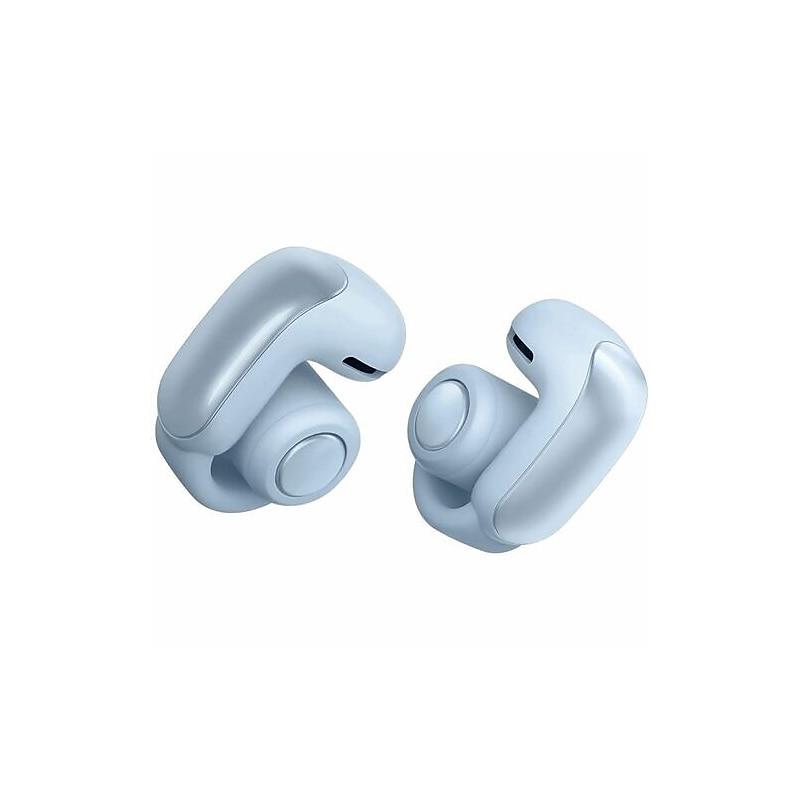


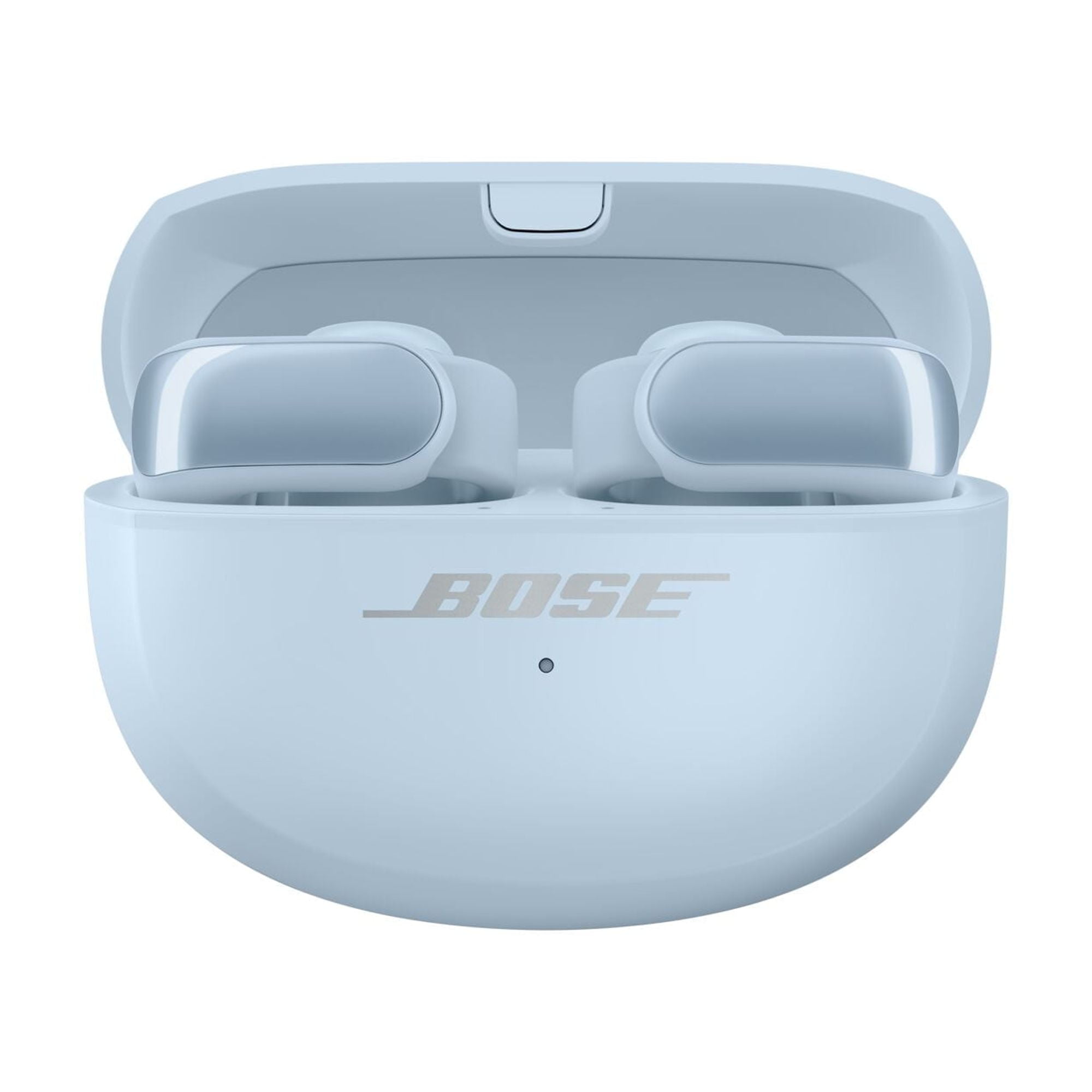
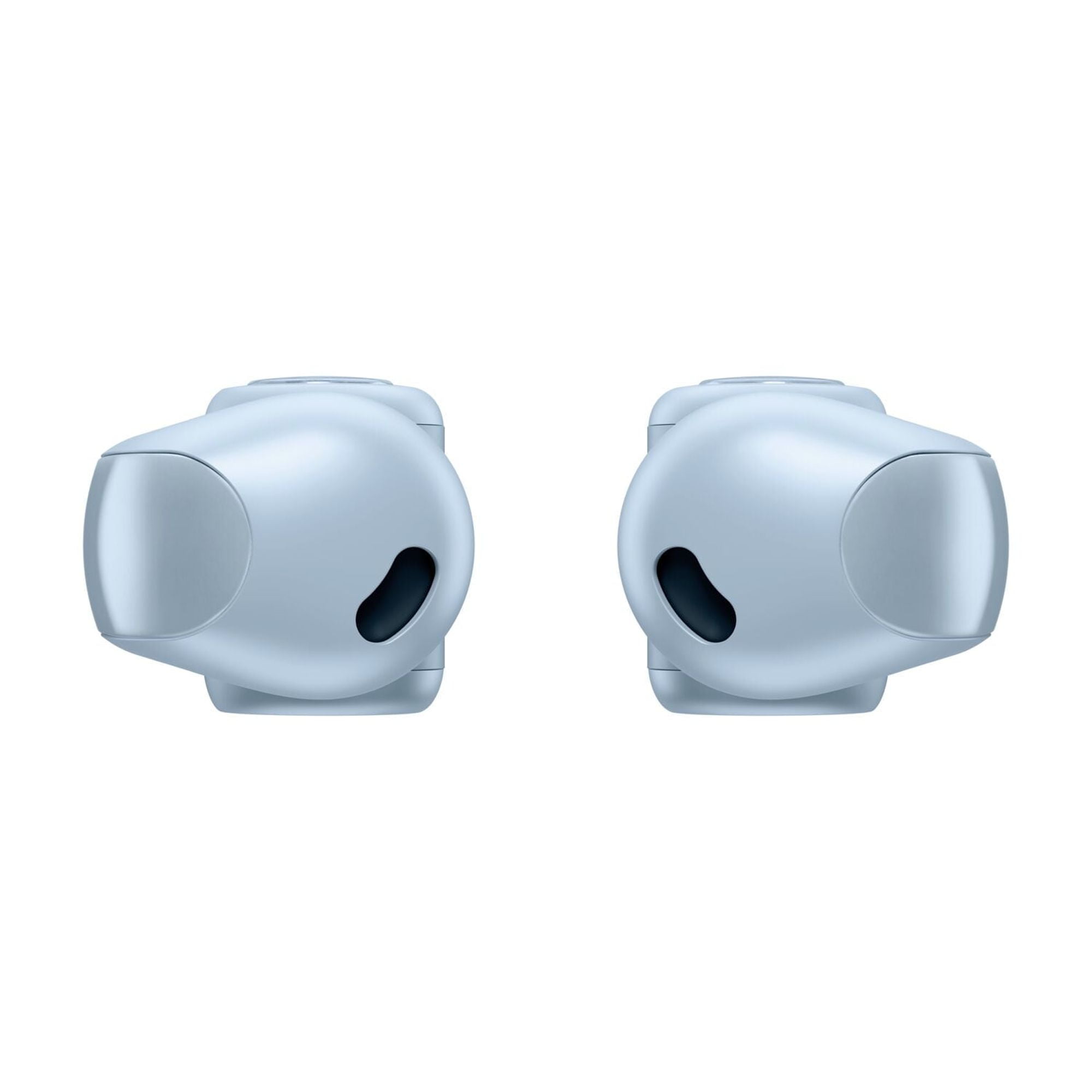
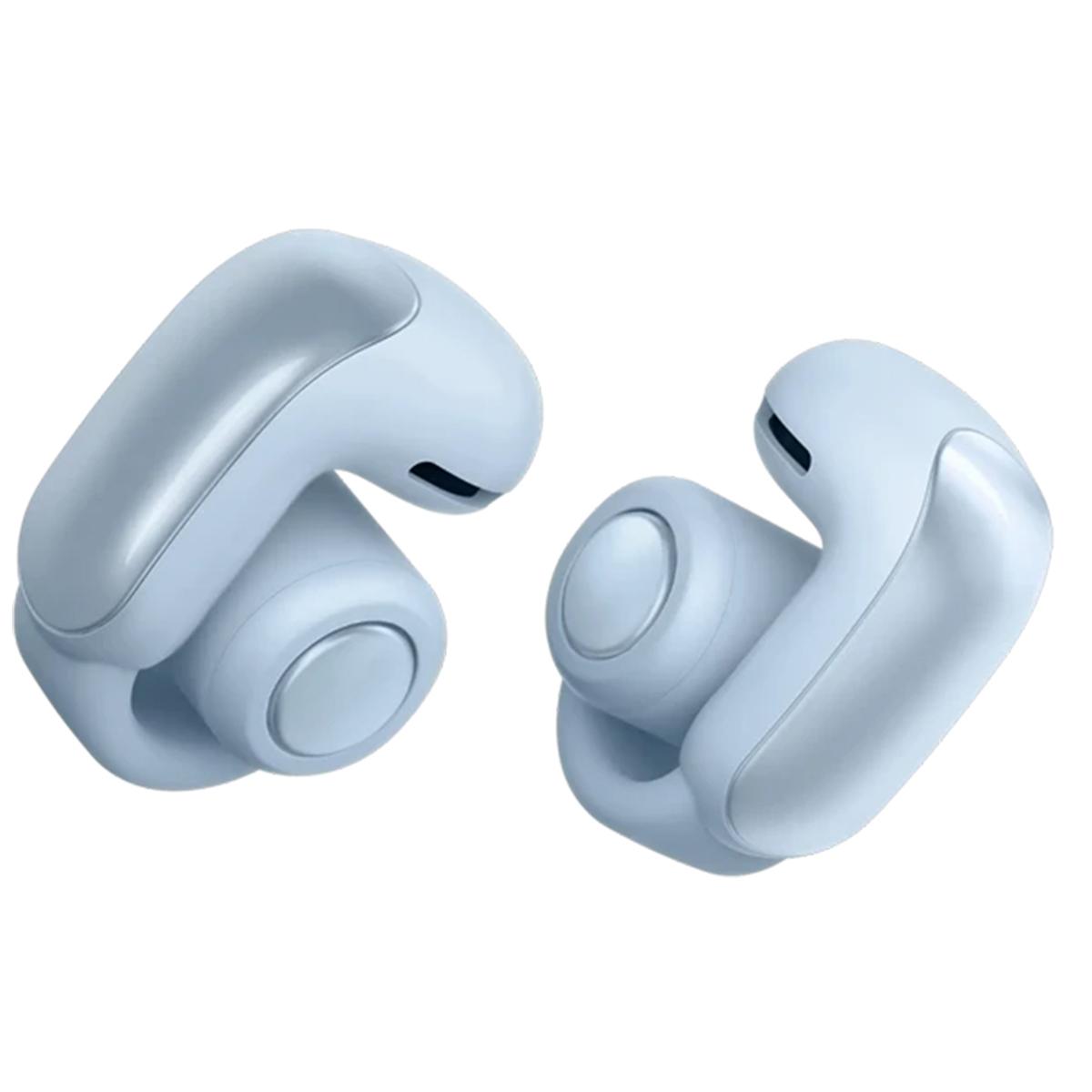
The wireless earbud market has evolved dramatically over the past few years, splitting into two distinct camps that serve completely different listening philosophies. On one side, we have traditional sealed earbuds like the JBL Tune Buds, which prioritize audio isolation and immersive sound. On the other, innovative open-ear designs like the Bose Ultra Open Earbuds maintain complete environmental awareness while delivering surprisingly private audio.
This fundamental divide isn't just about design preferences—it's about how you live with your earbuds. Do you want to escape into your music, or do you need to stay connected to the world around you? The answer shapes everything from comfort to sound quality to battery life.
Traditional earbuds work by creating a seal in your ear canal. This isolation allows for deeper bass response, better noise cancellation, and that immersive "concert hall" feeling when listening to music. The tradeoff is obvious: you're cut off from your surroundings, which can be dangerous during activities like running or cycling, and uncomfortable during long work sessions when you need to hear colleagues or family members.
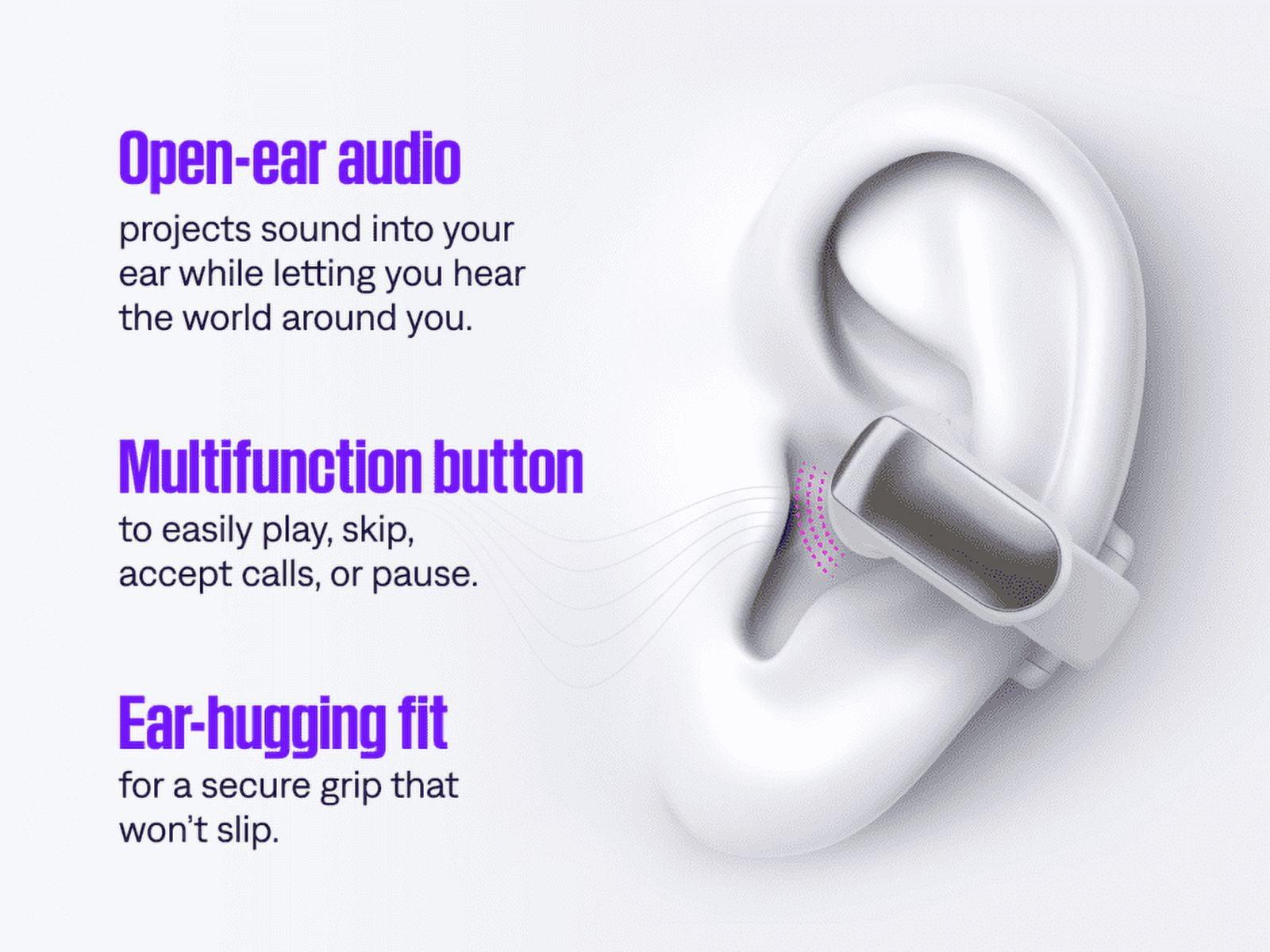
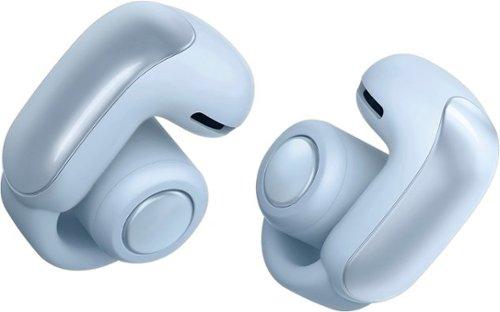
Open-ear earbuds take the opposite approach. They sit outside or barely touch your ear canal, using directional speakers to beam sound toward your ears while allowing ambient noise to pass through naturally. The result is a more natural listening experience that keeps you aware of car horns, conversations, and other important environmental cues.
When the JBL Tune Buds launched in 2023, they represented JBL's attempt to pack flagship features into an affordable package. Meanwhile, the Bose Ultra Open Earbuds, released in 2024, showcased Bose's commitment to solving the comfort and awareness problems that plague traditional earbuds through innovative engineering.
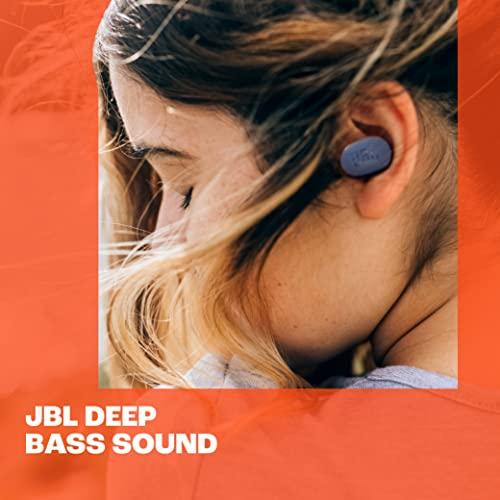
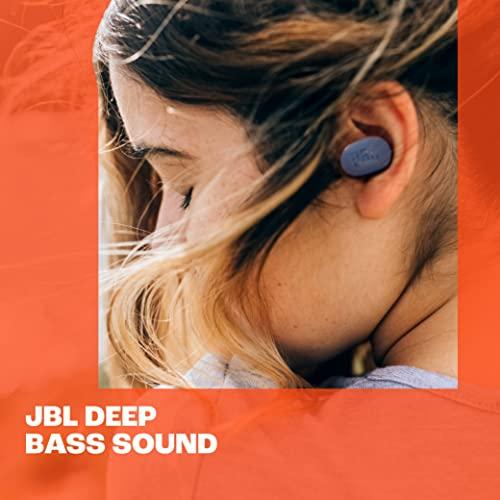
The JBL Tune Buds deliver what JBL calls "Pure Bass Sound" through their 10mm dynamic drivers. These drivers are larger than what you'll find in many budget earbuds, and JBL has tuned them with a V-shaped sound signature. This means the bass and treble are emphasized while the midrange (where most vocals sit) remains relatively neutral.
This tuning works brilliantly for modern music genres like electronic dance music, hip-hop, and pop, where punchy bass and crisp highs create an exciting, energetic sound. The bass response is particularly impressive—these earbuds can deliver the kind of low-end punch that makes you feel the kick drum in your chest. However, the emphasized treble can sometimes sound harsh with poorly recorded tracks or when listening at high volumes.
The sealed design of the JBL Tune Buds creates what audiophiles call "good isolation," meaning outside noise is blocked, allowing you to hear subtle details in your music. The downside is a narrow soundstage—music feels like it's playing inside your head rather than around you.
In contrast, the Bose Ultra Open Earbuds use what Bose calls OpenAudio technology, which is essentially a sophisticated directional speaker system. These earbuds don't create a seal, so they can't produce the same deep bass response as sealed earbuds. However, they compensate with remarkably clear mids and highs, and their open design creates a more natural soundstage where music feels like it's happening in the space around you.
Bose's Immersive Audio feature adds spatial processing that can make stereo recordings sound more three-dimensional. This works particularly well with acoustic music, jazz, and classical recordings, where the sense of space enhances the listening experience. The technology offers two modes: "Still" for when you're sitting and "Motion" that adapts as you move around.
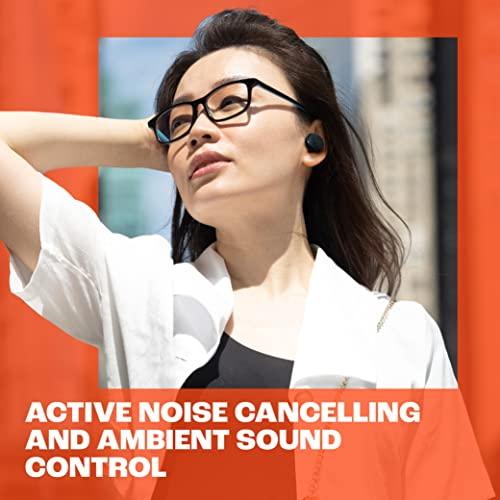
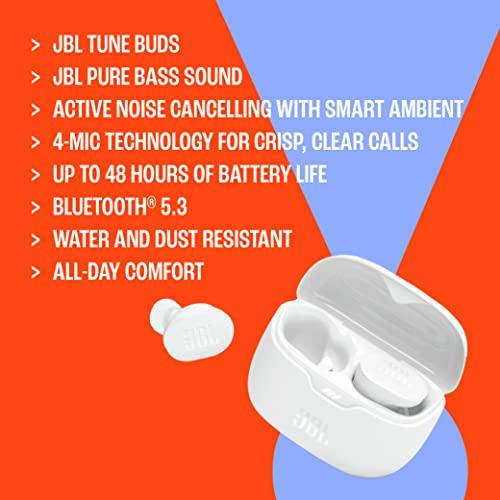
The JBL Tune Buds include Active Noise Cancelling (ANC), which uses microphones to detect outside noise and generates inverse sound waves to cancel it out. However, based on user reviews and expert testing, the ANC performance is mediocre compared to premium earbuds from Sony or Apple. It provides noticeable reduction in consistent background noise like air conditioning or airplane engines, but struggles with sudden noises or low-frequency rumbles.
The earbuds also offer "Smart Ambient" modes: Ambient Aware lets some outside sound through for safety, while TalkThru reduces your music volume and amplifies voices for conversations. These features work well, though the ANC itself isn't strong enough to compete with dedicated noise-cancelling headphones.
The Bose Ultra Open Earbuds take a completely different approach—they provide zero isolation by design. Instead of blocking noise, they include an "Auto Volume" feature that automatically adjusts your music level based on surrounding noise. This smart adaptation means your audio remains audible in loud environments without you having to manually adjust volume constantly.
This fundamental difference means the JBL Tune Buds are better for focused listening sessions where you want to block out distractions, while the Bose Ultra Open Earbuds excel in situations where staying aware of your surroundings is important or preferred.
Battery performance represents one of the biggest practical differences between these earbuds. The JBL Tune Buds offer exceptional endurance with up to 12 hours of playback per charge when ANC is disabled, or 10 hours with it enabled. The charging case provides additional power for a total of up to 48 hours of listening time.
This battery performance is genuinely impressive, especially at the JBL's price point. The "Speed Charge" feature adds four hours of playback from just 15 minutes of charging, which can be a lifesaver when you're rushing out the door.
The Bose Ultra Open Earbuds offer more modest battery life at up to 7.5 hours per charge, or 4.5 hours when using the Immersive Audio features. With the charging case, total listening time reaches about 27 hours. While respectable, this falls short of the JBL Tune Buds by a significant margin.
For users who listen to audio throughout their workday or during long flights, this battery difference could be decisive. The JBL earbuds can easily handle a full day of heavy use, while the Bose earbuds might require a midday charging break for power users.
Comfort represents perhaps the most innovative difference between these products. The JBL Tune Buds use a traditional in-ear design with silicone ear tips in three sizes. At 5.4 grams per earbud, they're lightweight, and the oval tube design helps them sit securely in most ears. However, like all sealed earbuds, extended wear can cause ear fatigue, and some users find the sensation of having their ears plugged uncomfortable during long sessions.
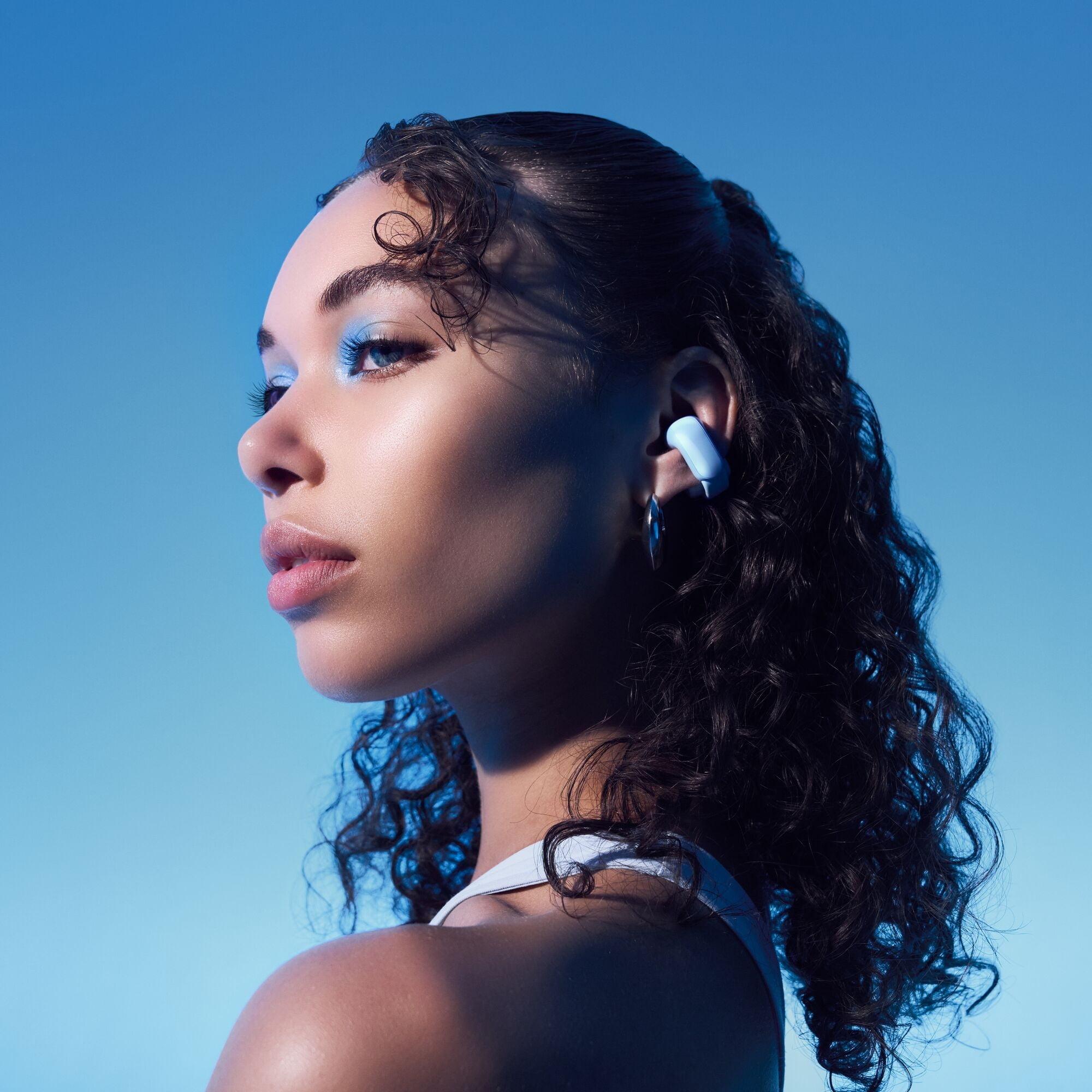
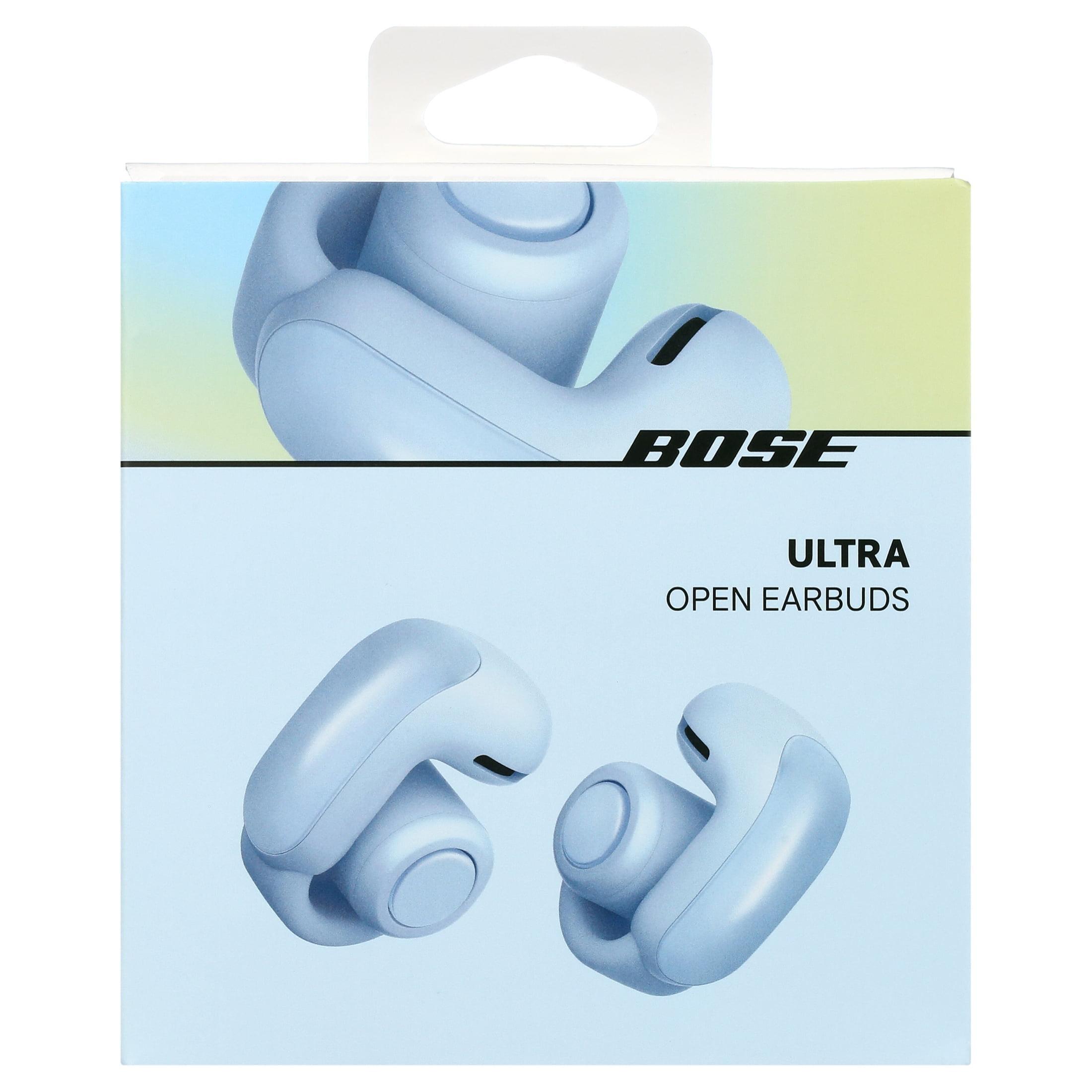
The Bose Ultra Open Earbuds represent a fundamentally different approach to earbud comfort. Their cuff-shaped design clips onto your ear like jewelry, weighing just 6 grams each. Because they don't insert into your ear canal at all, they eliminate the pressure and discomfort that many people experience with traditional earbuds.
This design innovation makes the Bose Ultra Open Earbuds genuinely suitable for all-day wear. Office workers who need to wear earbuds for eight hours while remaining available for conversations will find this design revelation. However, the open design means they're less secure during vigorous exercise compared to the snug fit of the JBL Tune Buds.
Both earbuds use Bluetooth 5.3, the current standard that provides stable connections and improved battery efficiency. The JBL Tune Buds support multipoint connectivity, allowing connection to two devices simultaneously—useful for switching between your phone and laptop without re-pairing.
The JBL earbuds use touch controls that can be customized through their app, though by default, they lack volume controls (which must be manually remapped). Some users report occasional accidental touches during adjustment.
The Bose Ultra Open Earbuds use physical button controls, which tend to be more reliable than touch controls and less prone to accidental activation. The buttons can be customized through Bose's app for different functions.
Bose includes support for aptX Adaptive codec, which can provide higher quality audio streaming on compatible Android devices. Both earbuds work seamlessly with voice assistants like Siri, Google Assistant, and Alexa.
The JBL Tune Buds carry an IP54 rating, meaning they're protected against dust ingress and water splashes from any direction. This makes them suitable for workouts, light rain, and general outdoor use without worry.
The Bose Ultra Open Earbuds have an IPX4 rating, providing protection against water splashes but not dust. While adequate for exercise and light moisture, the lower rating suggests they're designed more for indoor and controlled outdoor use.
The JBL Headphones app provides extensive customization options including a graphic equalizer, custom sound profiles, and the ability to remap touch controls. The app also includes a "find my earbuds" feature and firmware update management. User reviews consistently praise the app's functionality and ease of use.
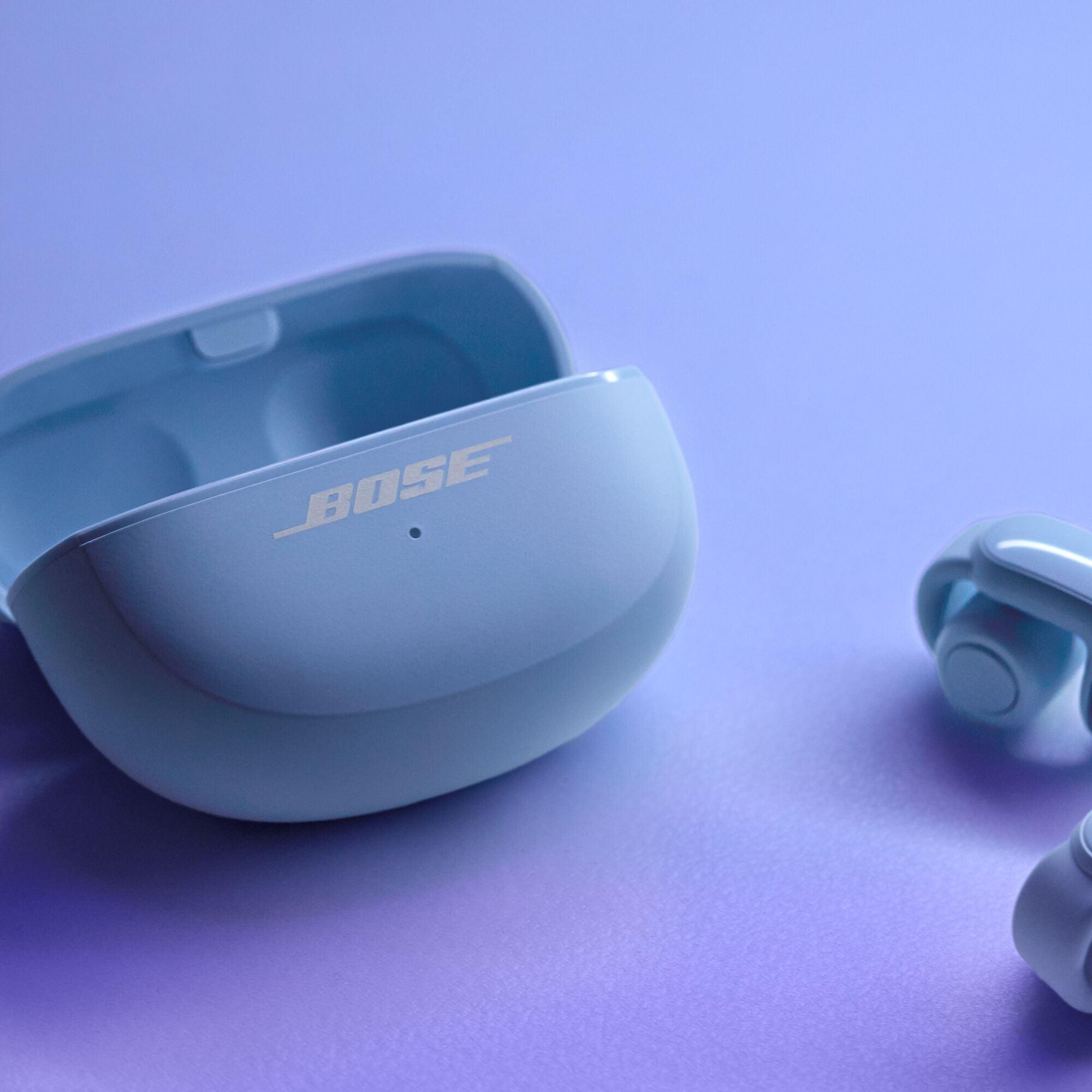
Bose's Music app offers similar features with a focus on their unique technologies. You can adjust the 3-band EQ, configure Immersive Audio settings, and customize button controls. The app also manages SimpleSync technology, which allows the earbuds to pair with compatible Bose speakers and soundbars for enhanced TV watching experiences.
For home theater use, the JBL Tune Buds provide a more traditional cinematic experience with their isolation and bass response. The sealed design helps with dialogue clarity by blocking household noise, while the emphasized bass adds impact to action scenes. However, the narrow soundstage means surround sound effects won't feel as spacious as with good speakers.
The Bose Ultra Open Earbuds offer a more unique home theater experience. Because they don't isolate you from your environment, you can watch TV while remaining aware of family members, doorbells, or other household needs. The Immersive Audio processing can add some spatial enhancement to stereo TV audio, and if you have compatible Bose speakers, SimpleSync technology creates interesting multi-room possibilities.
The JBL Tune Buds excel in noisy environments like airplanes, trains, and busy streets. Their ANC, while not best-in-class, combined with passive isolation from the ear seal, helps reduce fatigue from constant engine noise. The exceptional battery life means they'll last through even long international flights.
The Bose Ultra Open Earbuds are less suitable for very noisy transport environments because they provide no isolation. However, for quieter commutes where you need to hear announcements or stay aware of your surroundings, they're superior.
The JBL Tune Buds stay securely in place during vigorous exercise, and their water resistance handles sweat and light rain well. The bass emphasis can provide motivating energy for workouts. However, the isolation means you need to be cautious about traffic and other safety concerns when exercising outdoors.
The Bose Ultra Open Earbuds are excellent for outdoor activities where environmental awareness is crucial—running, cycling, or hiking. You can enjoy your music while hearing approaching cars, other people, or nature sounds. The comfort advantage really shows during long activities, as there's no ear fatigue from sealed ear tips.
For office environments, the Bose Ultra Open Earbuds are genuinely revolutionary. You can listen to music or take calls while remaining available for colleagues. The all-day comfort means no ear fatigue during long work sessions. The Auto Volume feature adapts to changing office noise levels automatically.
The JBL Tune Buds work better when you need focused concentration and want to block out office distractions. The ANC helps create a bubble of quiet for deep work, though you'll need to remove them for conversations.
At the time of writing, these earbuds exist in completely different price categories, with the Bose Ultra Open Earbuds commanding roughly five times the price of the JBL Tune Buds. This significant price difference reflects not just premium materials and brand positioning, but fundamentally different engineering challenges and target markets.
The JBL Tune Buds represent exceptional value in the traditional earbud space. You're getting features that were reserved for flagship products just a few years ago—decent ANC, excellent battery life, water resistance, and app customization—at a price that makes them accessible to most consumers. The sound quality, while not audiophile-grade, is genuinely enjoyable for mainstream listening.
The Bose Ultra Open Earbuds command their premium pricing through innovative engineering and solving specific problems that traditional earbuds can't address. If you've struggled with ear discomfort from traditional earbuds, or if your lifestyle requires constant environmental awareness, the premium becomes justified. However, if you're happy with traditional earbuds and don't have specific comfort or awareness needs, the price premium is harder to justify based on sound quality alone.
Choose the JBL Tune Buds if you want traditional earbud benefits with excellent value. They're ideal for users who primarily listen indoors or in controlled environments, who enjoy bass-heavy music genres, or who need maximum battery life. They're also the obvious choice if budget is a primary consideration, as they deliver remarkably good performance for their price point.
The JBL Tune Buds make particular sense for students, commuters, gym-goers, and anyone who wants to try premium earbud features without a premium price commitment. Their combination of ANC, long battery life, and water resistance covers most traditional earbud use cases very well.
Choose the Bose Ultra Open Earbuds if comfort and environmental awareness are your primary concerns. They're revolutionary for office workers who need all-day wear, outdoor enthusiasts who require situational awareness, or anyone who finds traditional earbuds physically uncomfortable.
The Bose Ultra Open Earbuds justify their premium pricing for users with specific needs that traditional earbuds can't meet. If you've avoided earbuds due to comfort issues, if your job requires constant availability, or if you frequently exercise in environments where awareness is crucial, the innovative design becomes worth the investment.
The decision ultimately comes down to your primary use case and budget flexibility. Both products excel in their intended roles, but they solve different problems for different users. Understanding which problems matter most to your daily audio needs will guide you to the right choice.
| JBL Tune Buds True Wireless Earbuds | Bose Ultra Open Earbuds |
|---|---|
| Design Philosophy - Fundamentally different approaches to wireless audio | |
| Traditional sealed in-ear design with silicone tips | Revolutionary open-ear cuff design that sits outside ear canal |
| Battery Life - Critical for all-day users and travelers | |
| Up to 48 hours total (12 hrs earbuds + 36 hrs case) | Up to 27 hours total (7.5 hrs earbuds + 19.5 hrs case) |
| Sound Isolation - Determines whether you hear your surroundings | |
| Active Noise Cancelling plus passive isolation from ear seal | Zero isolation by design - complete environmental awareness |
| Audio Signature - How your music will sound | |
| V-shaped with emphasized bass and treble, great for modern genres | Balanced open-air sound with spatial audio processing |
| Comfort for Extended Wear - Matters for office workers and long sessions | |
| Traditional in-ear fit may cause fatigue after several hours | All-day comfort with no ear canal insertion required |
| Water Resistance - Protection level for exercise and weather | |
| IP54 (dust and water splash protection) | IPX4 (water splash protection only) |
| Quick Charging - How fast you can get back to listening | |
| 15 minutes = 4 hours playback (Speed Charge) | Standard charging speeds |
| Connectivity Features - Modern conveniences and compatibility | |
| Bluetooth 5.3, multipoint connection, LE Audio support coming | Bluetooth 5.3, aptX Adaptive, SimpleSync with Bose speakers |
| Weight Per Earbud - Affects comfort during extended use | |
| 5.4g each (lightweight for sealed design) | 6g each (remarkably light for open design) |
| Controls - How you interact with your earbuds | |
| Customizable touch controls (no default volume control) | Physical button controls (more reliable, less accidental activation) |
| Best Use Cases - Where each product excels | |
| Commuting, gym workouts, focused listening, budget-conscious users | All-day office wear, outdoor activities requiring awareness, comfort-sensitive users |
The JBL Tune Buds are better for traditional everyday use where you want to focus on your music and block out distractions. They offer excellent battery life, active noise cancellation, and strong bass response. The Bose Ultra Open Earbuds excel for everyday use when you need to stay aware of your surroundings, like in office environments or while multitasking at home.
Both earbuds handle phone calls well but differently. The JBL Tune Buds use 4-microphone technology with noise reduction for clear calls in quiet environments, though they can struggle with background noise. The Bose Ultra Open Earbuds provide more natural call quality since they don't seal your ears, making your own voice sound more natural during conversations.
Sound quality depends on your preferences. The JBL Tune Buds deliver punchy bass and exciting sound great for pop, hip-hop, and electronic music. The Bose Ultra Open Earbuds offer more balanced, natural sound with spatial audio features, better suited for acoustic music, podcasts, and situations where you want realistic audio reproduction.
The JBL Tune Buds are excellent for gym workouts with their secure fit, IP54 water resistance, and motivating bass response. The Bose Ultra Open Earbuds are better for outdoor activities like running or cycling where you need to hear traffic and surroundings for safety, though they're less secure during intense movement.
The Bose Ultra Open Earbuds are significantly more comfortable for extended wear since they don't insert into your ear canal, eliminating pressure and fatigue. The JBL Tune Buds can cause ear fatigue after several hours of use, which is common with all sealed in-ear designs.
The JBL Tune Buds offer exceptional battery life with up to 48 hours total listening time and 12 hours per charge. The Bose Ultra Open Earbuds provide up to 27 hours total with 7.5 hours per charge. For heavy users, the JBL Tune Buds clearly win on endurance.
This is the fundamental difference between them. The JBL Tune Buds are designed to block background noise with active noise cancellation and passive isolation. The Bose Ultra Open Earbuds are designed to let you hear everything around you while still enjoying private audio - perfect for staying aware of your environment.
For immersive movie watching, the JBL Tune Buds provide better isolation and bass response for action scenes. However, the Bose Ultra Open Earbuds are excellent for casual TV watching when you need to hear family members, doorbells, or want to multitask, and they can connect to compatible Bose speakers for enhanced experiences.
The JBL Tune Buds offer exceptional value with premium features at a budget-friendly price point. The Bose Ultra Open Earbuds command a significant premium but solve specific problems like all-day comfort and environmental awareness that traditional earbuds cannot address.
The Bose Ultra Open Earbuds are revolutionary for office environments, allowing you to listen to music while remaining available for colleagues and meetings. The JBL Tune Buds work better when you need focused concentration and want to block out office distractions completely.
Both offer excellent app experiences. The JBL Tune Buds include comprehensive customization through the JBL Headphones app with EQ controls and touch customization. The Bose Ultra Open Earbuds use the Bose Music app with spatial audio controls and SimpleSync features for connecting to other Bose devices.
Choose the JBL Tune Buds if you want traditional earbud benefits, excellent battery life, and great value for commuting, gym use, or focused listening. Choose the Bose Ultra Open Earbuds if you prioritize all-day comfort, need environmental awareness, work in an office setting, or have had comfort issues with traditional earbuds.
We've done our best to create useful and informative comparisons to help you decide what product to buy. Our research uses advanced automated methods to create this comparison and perfection is not possible - please contact us for corrections or questions. These are the sites we've researched in the creation of this article: rtings.com - jbl.com - youtube.com - jbl.com - soundguys.com - ro.harmanaudio.com - audio46.com - bestbuy.com - majorhifi.com - jbl.com - crutchfield.com - jblstore.com.ph - kh.jbl.com - in.jbl.com - bestbuy.com - uclastore.com - jbl.com - jbl.com.tw - bose.com - youtube.com - consumerreports.org - rtings.com - head-fi.org - youtube.com - tomsguide.com - bestbuy.com - youtube.com - bose.com - cnet.com - youtube.com - soundguys.com - applevis.com - techgearlab.com - purewow.com - bose.com - bose.com - assets.bose.com - youtube.com - techradar.com - whathifi.com - bose.com - bose.com - youtube.com - bose.com

Privacy Policy
Terms and Conditions - Affiliate Policy
Home Security
© Copyright 2008-2026.
11816 Inwood Rd #1211, Dallas, TX 75244