

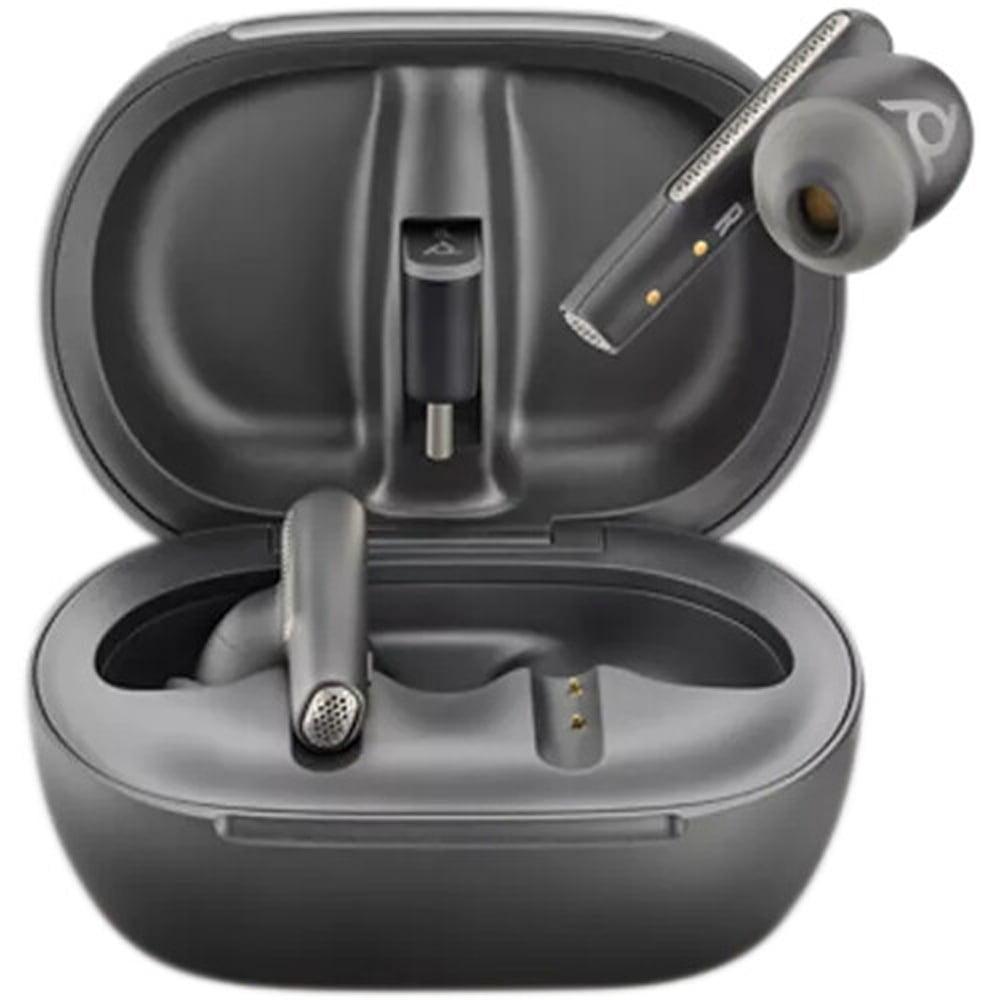
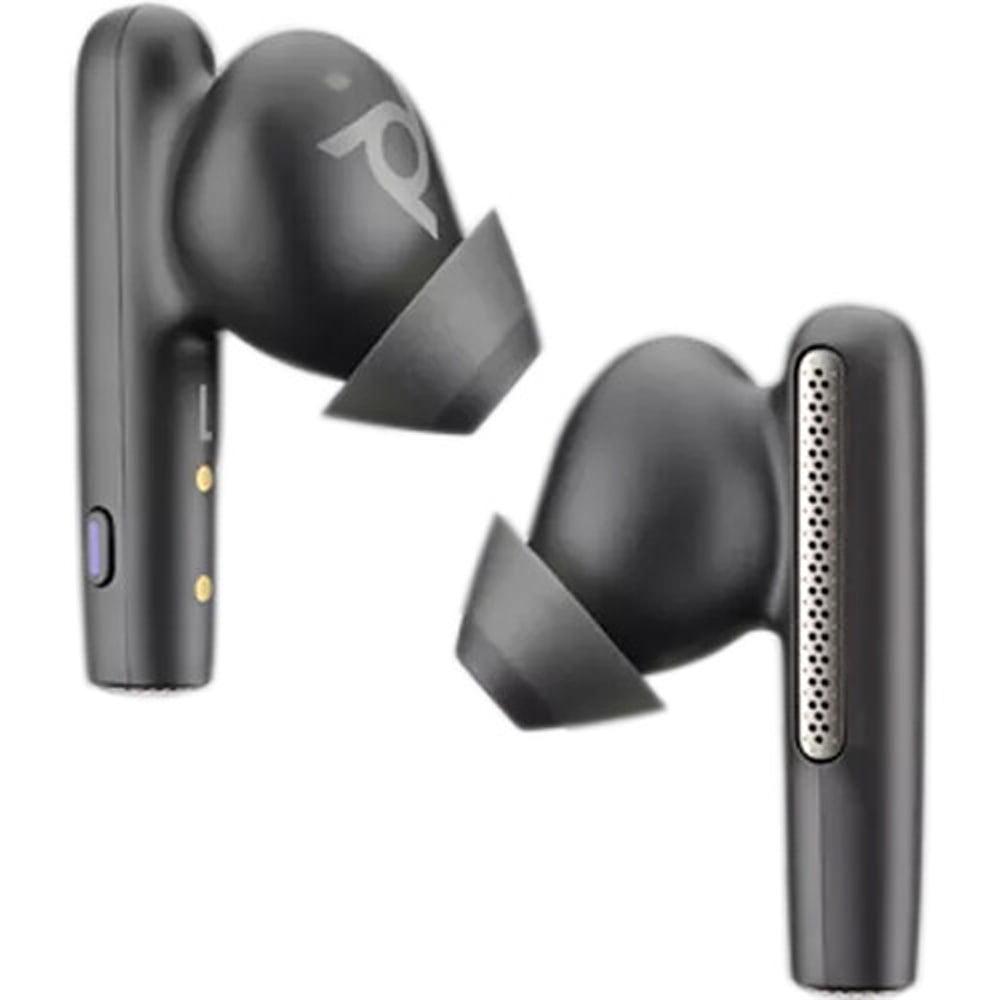
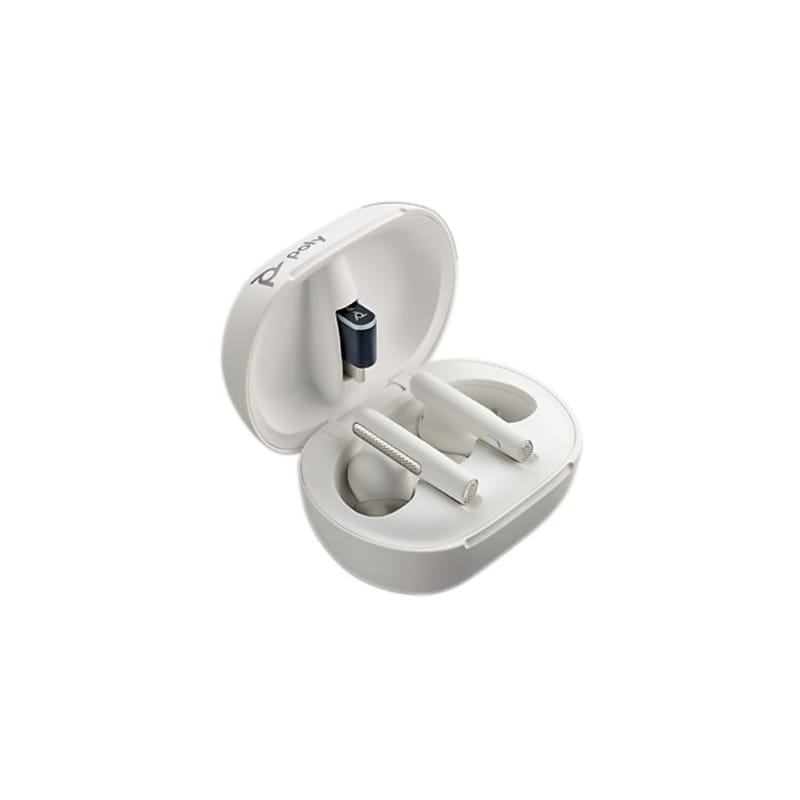

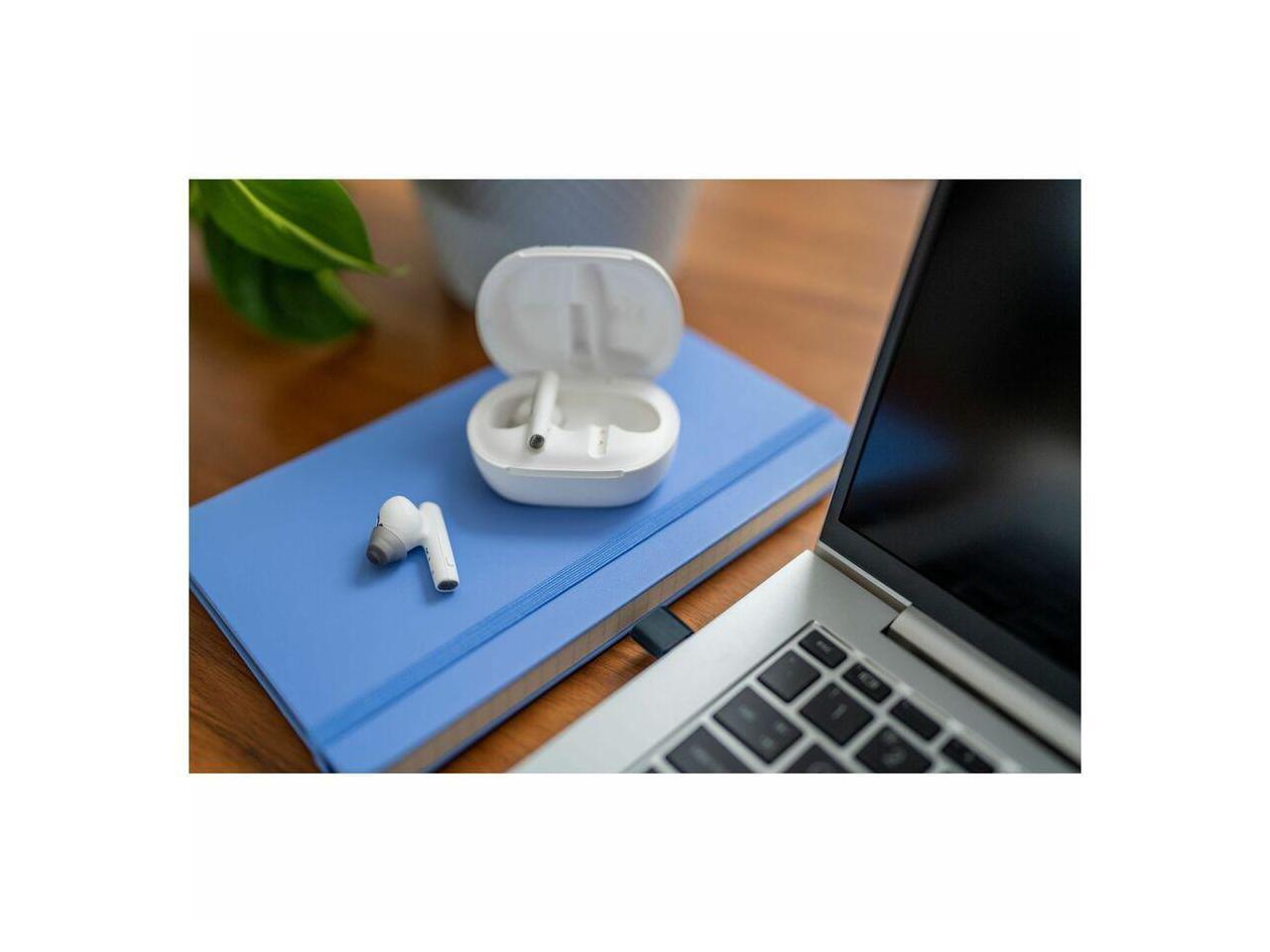

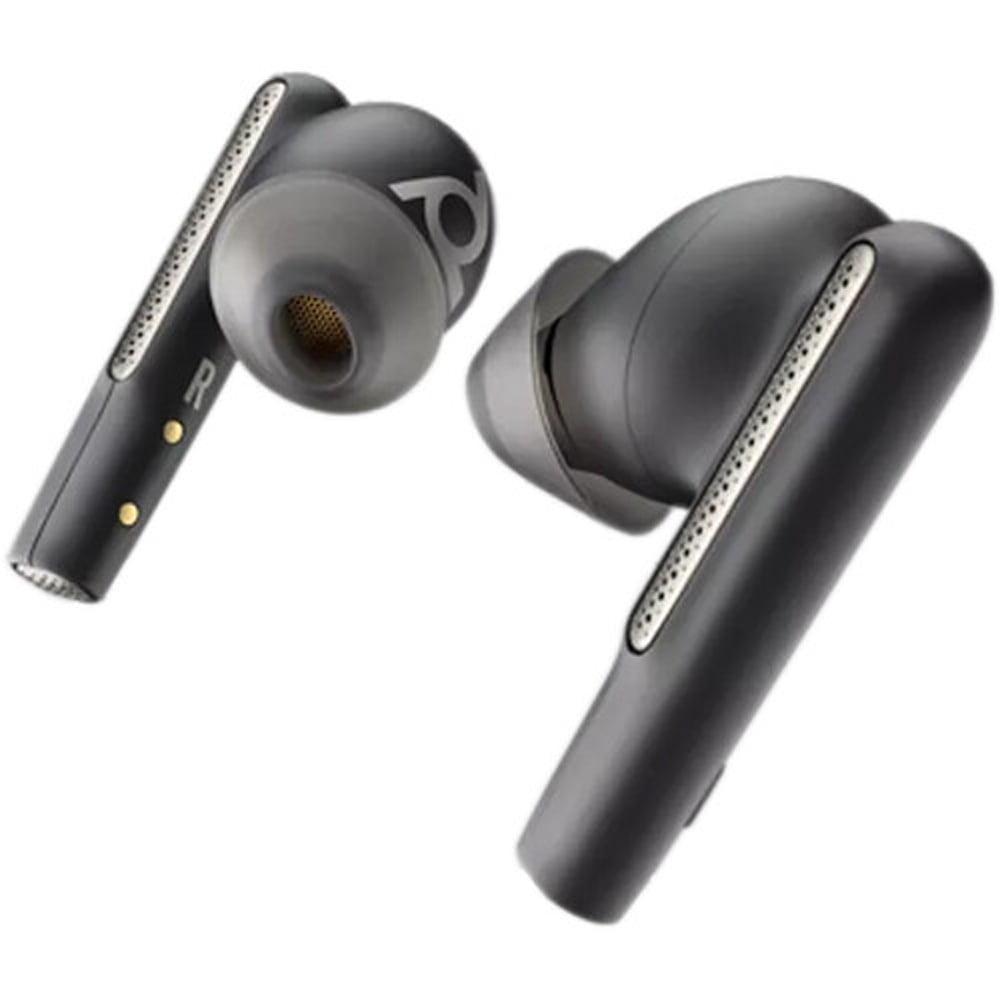

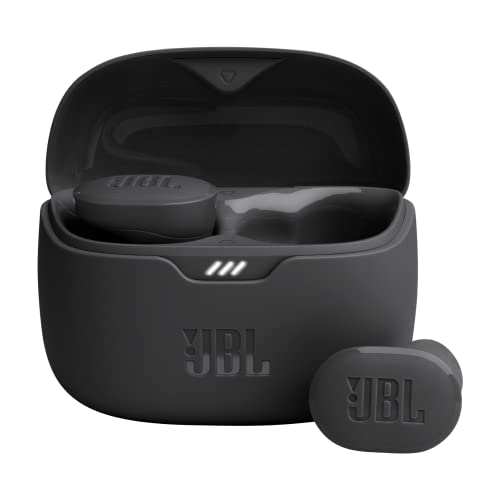







The wireless earbuds market has split into fascinating directions over the past few years. What started as a simple quest to cut the cord has evolved into specialized tools targeting vastly different needs. The Poly Voyager Free 60+ UC and JBL Tune Buds perfectly illustrate this divide – one engineered for boardroom excellence, the other crafted for everyday entertainment.
At the time of writing, these products represent opposite ends of the pricing spectrum, with the Poly Voyager Free 60+ UC commanding a premium price point that reflects its enterprise focus, while the JBL Tune Buds delivers impressive features at a budget-friendly cost. Understanding which approach suits your needs requires diving deep into what makes each tick.
True wireless earbuds have become the dominant audio accessory for good reason. Unlike their wired ancestors or even wireless headphones with connecting cables, true wireless earbuds offer complete freedom of movement. However, this freedom comes with technical challenges: maintaining stable Bluetooth connections to both ears simultaneously, cramming batteries into tiny housings, and ensuring the earbuds don't fall out during use.
The key considerations when choosing earbuds include audio quality (both for music and calls), battery endurance, connectivity reliability, active noise cancellation effectiveness, comfort during extended wear, and increasingly important – specialized features for work or play. The Poly Voyager Free 60+ UC and JBL Tune Buds approach these challenges from completely different angles.
Released in recent years as the remote work revolution took hold, the Poly Voyager Free 60+ UC was engineered specifically for professionals who live on conference calls. Poly (formerly Plantronics) built their reputation on business communication devices, and these earbuds represent their vision of what professional audio should be in the wireless era.
The JBL Tune Buds, also released recently, take JBL's decades of consumer audio expertise and pack it into an affordable package. JBL has always been known for delivering punchy, engaging sound signatures that make music enjoyable, and these earbuds continue that tradition while adding modern features like active noise cancellation.
The fundamental difference comes down to priorities: the Poly Voyager Free 60+ UC optimizes for crystal-clear voice communication and seamless device switching, while the JBL Tune Buds focus on music enjoyment and maximum value.
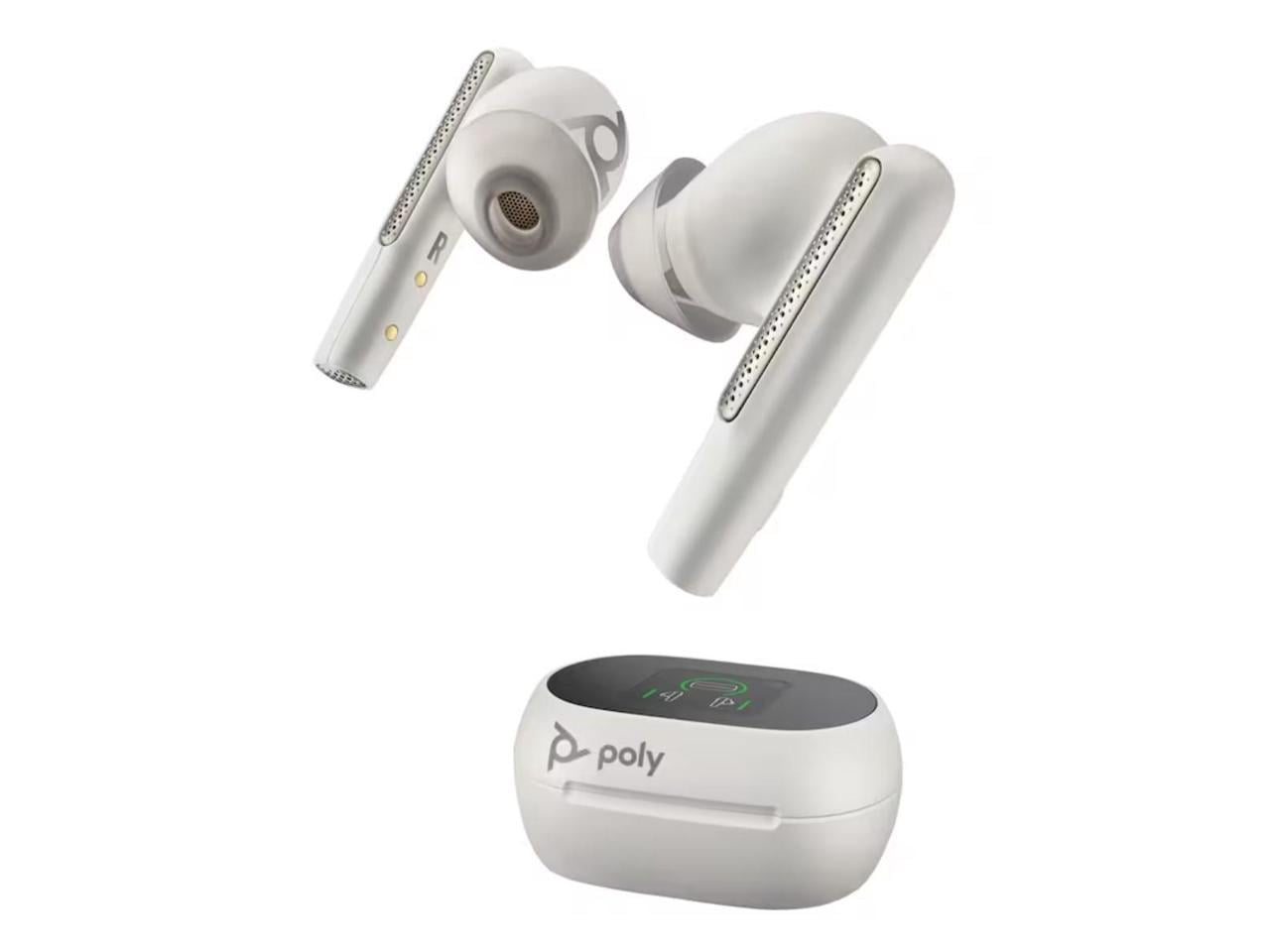
The most dramatic difference between these earbuds emerges during phone calls. The Poly Voyager Free 60+ UC employs a sophisticated three-microphone array in each earbud. This isn't just about having more microphones – it's about creating a "steerable" microphone system that can triangulate on your voice while actively suppressing background noise from other directions.
Think of it like having a tiny audio radar system in each ear. The three microphones work together to identify where your voice is coming from and focus on that signal while minimizing everything else. This triangulation technique, combined with Poly's WindSmart technology, means you can take calls outdoors without sounding like you're in a hurricane.
The JBL Tune Buds use a four-microphone system, which sounds impressive on paper, but the implementation focuses more on general noise reduction rather than the sophisticated voice targeting of the Poly model. In quiet environments, both perform adequately for calls, but the Poly Voyager Free 60+ UC shines when background noise becomes challenging.
Our research into user experiences consistently shows that professionals who spend hours daily on calls notice the difference immediately. The Poly earbuds make voices sound clearer and more natural, while effectively isolating speech from office chatter, traffic noise, and even wind interference.
For casual users who make occasional calls, the JBL Tune Buds provide perfectly acceptable quality. However, if your livelihood depends on clear communication – whether you're leading client presentations, conducting interviews, or managing remote teams – the advanced microphone engineering of the Poly Voyager Free 60+ UC justifies its premium positioning.
When it comes to music playback, these earbuds reveal their design priorities clearly. The JBL Tune Buds feature JBL's signature "Pure Bass Sound" tuning, which emphasizes low-frequency response to create that satisfying thump in electronic music, hip-hop, and pop tracks. This V-shaped sound signature – boosted bass and treble with a slightly recessed midrange – makes music feel more exciting and energetic.
The 10mm dynamic drivers in the JBL Tune Buds are specifically tuned for entertainment. Bass lines punch through clearly, drums have impact, and the overall presentation is designed to make your favorite songs more engaging. However, this tuning can sometimes make vocals sound slightly distant, and the bright treble occasionally becomes harsh with certain recordings.
The Poly Voyager Free 60+ UC takes a more balanced approach, using dynamic EQ optimization that adapts between voice calls and music playback. When you're listening to music, the frequency response opens up to cover the full 20 Hz to 20 kHz range, but the tuning prioritizes clarity and accuracy over excitement.
For home theater use, both earbuds face the inherent limitations of the in-ear design – they create an intimate soundstage that feels like audio is happening inside your head rather than around you. However, the JBL Tune Buds work better for movie watching thanks to their engaging bass response, which helps action sequences feel more impactful. The Smart Video mode also attempts to reduce audio-video synchronization delays, though latency remains present.
The key difference is intention: if music listening is your primary goal, the JBL Tune Buds will likely sound more enjoyable out of the box. The JBL Headphones app also provides extensive EQ customization, letting you fine-tune the sound to your preferences. The Poly Voyager Free 60+ UC sounds more neutral and professional, which some listeners prefer for longer sessions or when audio accuracy matters more than excitement.
Active Noise Cancellation (ANC) works by using external microphones to detect ambient sound, then generating inverse sound waves to cancel out unwanted noise. It's most effective against consistent, low-frequency sounds like airplane engines or air conditioning hum.
The Poly Voyager Free 60+ UC implements adaptive hybrid ANC, which means the system automatically adjusts its noise cancellation based on how well the earbuds seal in your ears and what type of environment you're in. This adaptive approach works reasonably well for office environments, reducing the drone of HVAC systems and muffling keyboard typing from nearby colleagues.
However, neither model excels in the ANC department compared to premium options from Sony or Apple. The JBL Tune Buds offer basic noise cancellation that provides minimal improvement over the passive isolation from the ear tips themselves. Both models struggle particularly with low-frequency rumble from vehicles or aircraft.
Where both earbuds succeed is in their transparency modes. The Poly Voyager Free 60+ UC offers two levels of ambient sound pass-through, while the JBL Tune Buds include Ambient Aware and TalkThru modes. These features let you hear your surroundings for safety or quick conversations without removing the earbuds.
For users primarily concerned with noise cancellation, both of these models fall short of expectations. The ANC feels more like a checkbox feature rather than a core competency, especially on the budget-focused JBL Tune Buds.
Battery performance reveals another fundamental difference in design philosophy. The JBL Tune Buds prioritize maximum listening time, delivering up to 12 hours of playback from the earbuds themselves, plus an additional 36 hours stored in the charging case. This 48-hour total runtime (40 hours with ANC enabled) makes them exceptional for travel or long workdays away from charging opportunities.
The Speed Charge feature adds practical value, providing four hours of playback from just 15 minutes of charging. This rapid charging capability means you're rarely stuck without music, even when you forget to charge overnight.
The Poly Voyager Free 60+ UC takes a different approach, optimizing for call quality over maximum runtime. With 5.5 hours of talk time from the earbuds and 16.5 hours total with the case, they provide adequate endurance for most business use cases. The inclusion of Qi wireless charging in the case adds convenience, letting you drop the case on a wireless charging pad rather than fumbling with cables.
For professionals who spend most of their day near a desk or in environments where charging is readily available, the Poly's shorter battery life isn't problematic. However, for users who want maximum flexibility and minimal charging interruptions, the JBL Tune Buds offer clear superiority.
Modern earbuds must manage complex wireless connections, and this is where the Poly Voyager Free 60+ UC demonstrates its enterprise engineering. The multipoint connectivity allows simultaneous connection to two devices – typically a computer and smartphone – with automatic switching between them based on which device has active audio.
This seamless device switching is transformative for professionals. You can be listening to music from your phone, receive a call, take the call through the earbuds, then immediately jump onto a Teams meeting from your computer without manually reconnecting. The system remembers up to eight paired devices and manages these connections through the innovative touchscreen charging case.
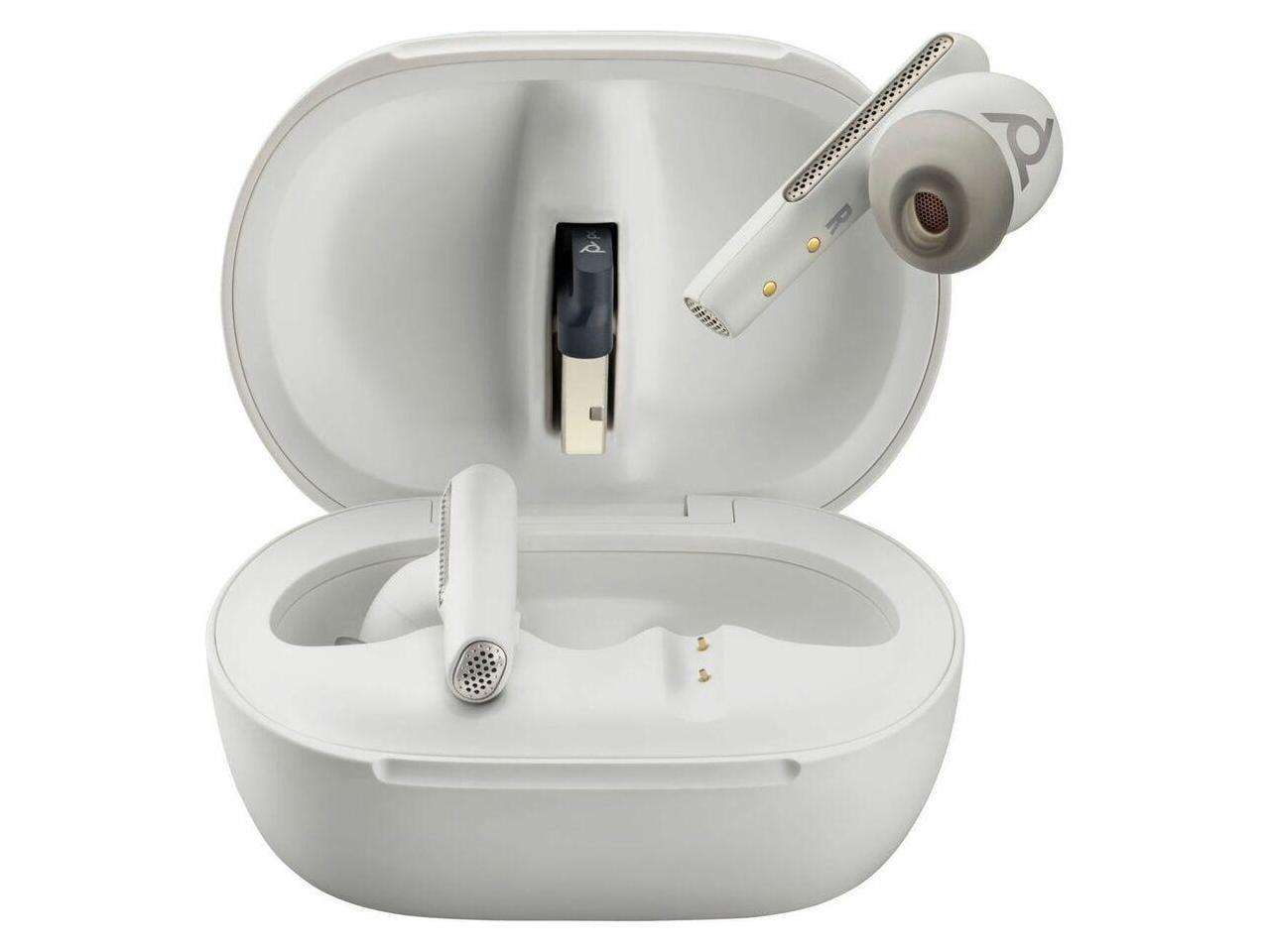
The included BT700 USB adapter extends the wireless range up to 98 feet, which is crucial in office environments where you might walk to the printer or coffee machine while remaining connected to your computer for calls. This extended range capability sets the Poly Voyager Free 60+ UC apart from consumer-focused alternatives.
The JBL Tune Buds support basic multipoint connectivity and Bluetooth 5.3 with LE Audio support (available through firmware updates). LE Audio enables more efficient power consumption and allows each earbud to receive its own independent audio stream, which improves synchronization and enables true mono listening with either earbud.
Both earbuds support modern Bluetooth 5.3, which provides more stable connections and lower latency compared to older Bluetooth versions. However, the Poly Voyager Free 60+ UC leverages this connectivity for professional workflows, while the JBL Tune Buds use it primarily for improved music streaming quality.
Physical comfort becomes critical during extended use, and these earbuds approach it differently. The Poly Voyager Free 60+ UC feature a bulbous design that some users find uncomfortable after prolonged wear. The weight distribution and shape can cause ear fatigue during long conference calls, which is ironic given their business focus.
The JBL Tune Buds prioritize comfort with an ergonomic design that adapts well to different ear shapes. Multiple ear tip sizes ensure a secure fit, and the lighter per-earbud weight reduces fatigue during extended listening sessions. The IP54 rating provides protection against water and dust, making them suitable for workouts and outdoor activities.
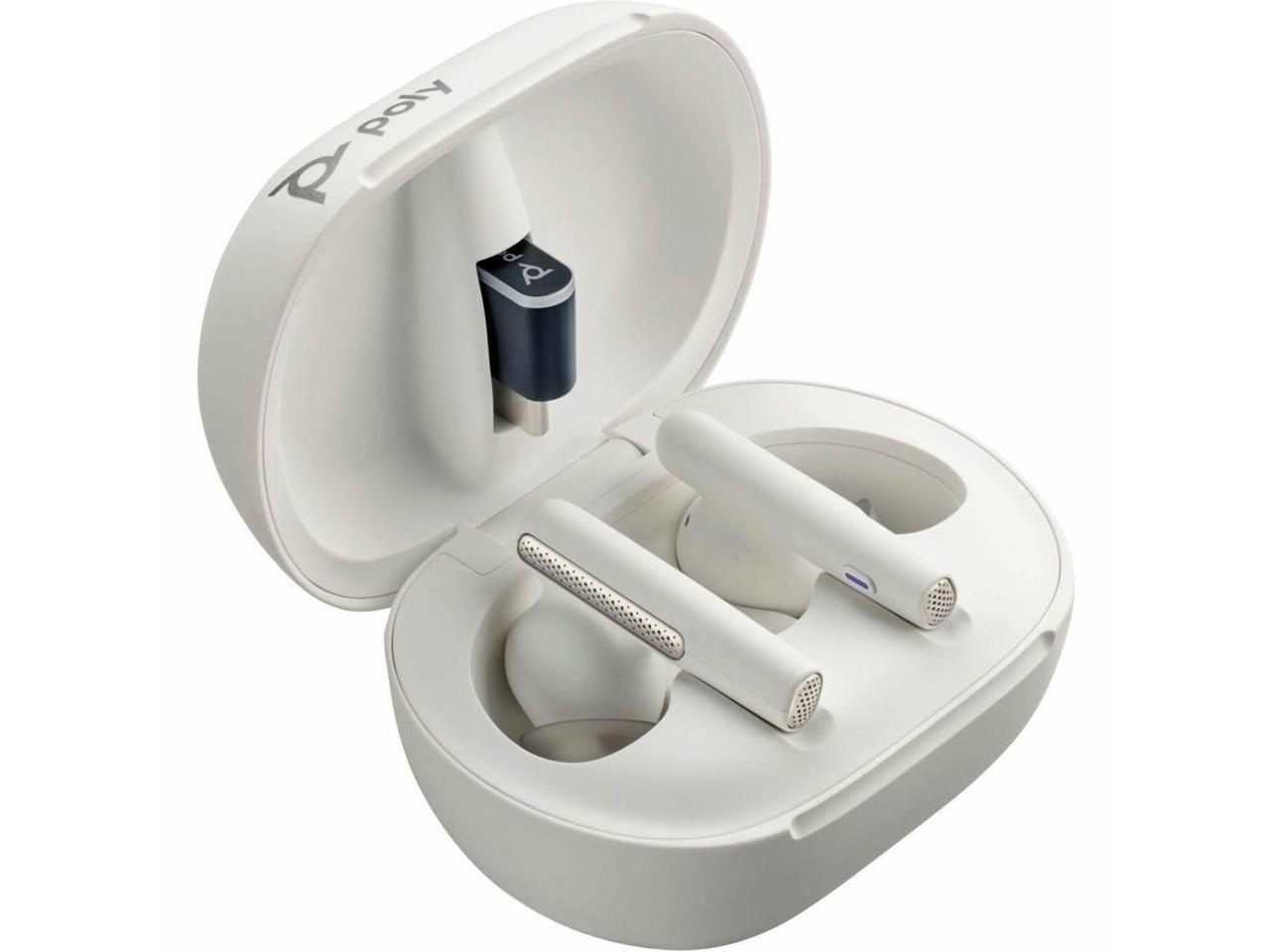
Build quality reflects the different market positioning. The Poly Voyager Free 60+ UC use premium materials and include the unique touchscreen charging case, which feels substantial and professional. However, this sophistication comes with bulk – the case is unlikely to fit comfortably in small pockets.
The JBL Tune Buds focus on practical durability rather than premium materials. The weather resistance and lightweight design make them more suitable for active lifestyles, while the simpler charging case is more pocketable for daily carry.
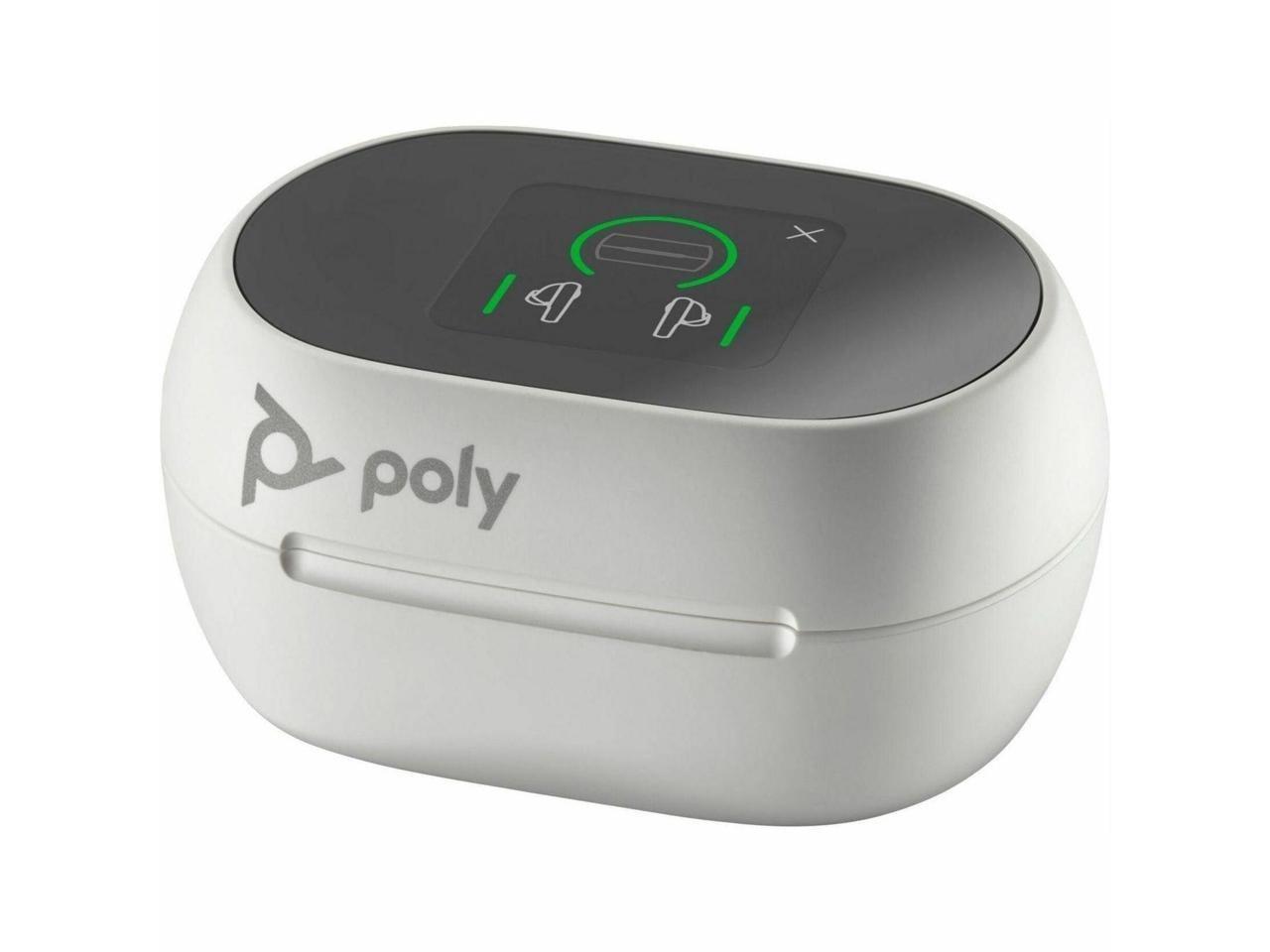
The touchscreen charging case of the Poly Voyager Free 60+ UC represents genuine innovation in earbud design. This color display allows device switching, volume control, and status monitoring without removing the earbuds or touching your phone. For professionals juggling multiple devices and calls throughout the day, this interface provides real operational value.
Integration with Poly Lens software enables enterprise IT departments to manage deployments, update firmware, and monitor usage across organizations. This enterprise management capability is essential for businesses standardizing on communication tools.
The JBL Tune Buds offer smart features through the JBL Headphones app, including EQ customization, control remapping, and a "find my earbuds" function. These features enhance the user experience without adding complexity or cost.
Voice assistant integration works on both models, though the superior microphone array of the Poly Voyager Free 60+ UC provides more reliable voice recognition in noisy environments.
At the time of writing, the price difference between these earbuds is substantial, with the Poly Voyager Free 60+ UC commanding approximately six times the cost of the JBL Tune Buds. This premium reflects specialized engineering and enterprise features, but it raises important questions about value.
For business professionals who spend significant time on calls, the advanced microphone technology, seamless device switching, and enterprise integration of the Poly Voyager Free 60+ UC can genuinely improve productivity and call quality. In professional contexts where clear communication directly impacts success, the premium may be justified.
However, for most consumers, the JBL Tune Buds deliver exceptional value. The combination of enjoyable sound quality, impressive battery life, weather resistance, and modern features like ANC provides a compelling package at a fraction of the cost.
The decision between the Poly Voyager Free 60+ UC and JBL Tune Buds comes down to matching the tool to the task.
Choose the Poly Voyager Free 60+ UC if you're a business professional who spends three or more hours daily on calls, needs to seamlessly switch between multiple devices, requires extended wireless range for office mobility, or works in an enterprise environment where IT management and call quality are paramount. The premium cost makes sense when clear communication directly impacts your professional success.
Choose the JBL Tune Buds if music listening is your primary use case, you want maximum battery life for travel or long days, you need weather resistance for active lifestyles, you're budget-conscious but still want quality features, or you prefer customizable sound profiles for different music genres.
For most people, the JBL Tune Buds represent better overall value, delivering quality audio and practical features without the premium price. The Poly Voyager Free 60+ UC serves a specific professional niche exceptionally well, but that specialization comes with costs that aren't justified for general consumer use.
Both earbuds succeed in their intended markets, proving that the future of wireless audio lies not in one-size-fits-all solutions, but in products precisely engineered for specific use cases and user priorities.
| Poly Voyager Free 60+ UC | JBL Tune Buds |
|---|---|
| Target Market - Determines feature priorities and pricing | |
| Enterprise/business professionals focused on call quality | Consumer entertainment with music-first design |
| Call Quality - Critical for work-from-home professionals | |
| 3-mic steerable array with WindSmart technology for superior voice clarity | 4-mic system adequate for casual calls but struggles in noisy environments |
| Music Audio Signature - Affects enjoyment across different genres | |
| Balanced, professional sound optimized for voice and music accuracy | V-shaped JBL Pure Bass Sound with punchy low-end, ideal for EDM/hip-hop |
| Battery Life - Essential for all-day use without charging breaks | |
| 16.5 hours total (5.5 earbuds + case), optimized for talk time | 48 hours total (12 earbuds + 36 case), industry-leading for music playback |
| Device Connectivity - Important for multi-device workflows | |
| Advanced multipoint with 8-device memory, touchscreen case for switching | Basic multipoint connectivity, standard app-based management |
| Active Noise Cancellation - Determines isolation quality | |
| Adaptive hybrid ANC with decent performance, transparency modes | Basic ANC with minimal improvement over passive isolation |
| Wireless Range - Matters for office mobility | |
| Up to 98 feet with included BT700 USB adapter | Standard Bluetooth range (30-50 feet typical) |
| Weather Resistance - Critical for active lifestyles | |
| Not specified, primarily indoor/office focused | IP54 rating protects against water and dust for workouts |
| Charging Convenience - Affects daily usability | |
| Qi wireless charging case with color touchscreen display | USB-C only with 15-minute Speed Charge for 4 hours playback |
| Comfort Design - Important for extended wear | |
| Bulbous shape can cause discomfort during long sessions | Ergonomic design with multiple ear tip sizes for secure, comfortable fit |
| Software Integration - Determines customization options | |
| Poly Lens enterprise management, limited consumer customization | JBL Headphones app with extensive EQ and control customization |
| Price Positioning - Reflects target market and feature complexity | |
| Premium pricing justified by specialized business features | Budget-friendly with exceptional value for mainstream users |
The Poly Voyager Free 60+ UC are significantly better for business calls. They feature a sophisticated 3-microphone steerable array in each earbud that triangulates on your voice while minimizing background noise. The WindSmart technology also reduces wind interference during outdoor calls. In contrast, the JBL Tune Buds have a 4-microphone system that works adequately for casual calls but struggles to separate your voice from background noise in busy environments.
The JBL Tune Buds offer superior battery life with up to 12 hours from the earbuds plus 36 hours from the case (48 hours total). The Poly Voyager Free 60+ UC provide 5.5 hours of talk time from the earbuds and 16.5 hours total with the case. For music listening and all-day use, the JBL Tune Buds are the clear winner for battery endurance.
The JBL Tune Buds are better for music listening, featuring JBL's signature Pure Bass Sound with a V-shaped audio profile that emphasizes bass and treble. This makes them excellent for genres like hip-hop, EDM, and pop music. The Poly Voyager Free 60+ UC offer more balanced, professional sound that prioritizes accuracy over excitement, making them better suited for voice calls than music enjoyment.
Neither earbud is ideal for home theater use due to the inherent limitations of in-ear designs, which create a narrow soundstage. However, the JBL Tune Buds are the better choice for movies thanks to their engaging bass response that makes action sequences more impactful. They also include a Smart Video mode that attempts to reduce audio-video sync delays, though some latency remains present.
The JBL Tune Buds are more comfortable for extended use. They feature an ergonomic design with multiple ear tip sizes that provide a secure, comfortable fit for most users. The Poly Voyager Free 60+ UC have a bulbous design that some users find uncomfortable after prolonged wear, which can be problematic during long conference calls despite their business focus.
The JBL Tune Buds are much better for workouts and sports activities. They have an IP54 rating that protects against both water and dust, making them suitable for gym sessions and outdoor activities. The Poly Voyager Free 60+ UC lack specified weather resistance and are designed primarily for office and indoor use, making them unsuitable for fitness activities.
Both earbuds offer modest noise cancellation performance. The Poly Voyager Free 60+ UC feature adaptive hybrid ANC that works reasonably well in office environments, while the JBL Tune Buds provide basic ANC with minimal improvement over passive isolation. Neither model excels in noise cancellation compared to premium options from Sony or Apple, but both include transparency modes for environmental awareness.
The Poly Voyager Free 60+ UC excel at multi-device connectivity with advanced multipoint that connects to two devices simultaneously and remembers up to 8 paired devices. You can seamlessly switch between devices using the touchscreen charging case. The JBL Tune Buds support basic multipoint connectivity but lack the sophisticated device management features of the Poly Voyager Free 60+ UC.
The JBL Tune Buds offer exceptional value for most users, delivering quality audio, impressive battery life, weather resistance, and modern features at a budget-friendly price. The Poly Voyager Free 60+ UC command a premium price that's only justified if you specifically need their advanced business communication features and enterprise integration capabilities.
The Poly Voyager Free 60+ UC feature an innovative touchscreen charging case with a color display that allows device switching, volume control, and status monitoring without removing the earbuds. It also supports Qi wireless charging. The JBL Tune Buds have a conventional charging case with USB-C charging and Speed Charge capability that provides 4 hours of playback from just 15 minutes of charging.
The Poly Voyager Free 60+ UC are specifically designed for remote work with superior call quality, seamless device switching between computer and phone, extended wireless range up to 98 feet with the included USB adapter, and enterprise software integration. The JBL Tune Buds can handle basic work calls but are primarily designed for entertainment rather than professional communication needs.
Choose the Poly Voyager Free 60+ UC if you're a business professional who spends significant time on calls and needs advanced communication features. Choose the JBL Tune Buds if you primarily listen to music, want maximum battery life, need weather resistance for active use, or prefer exceptional value. For most consumers, the JBL Tune Buds provide better overall value and versatility.
We've done our best to create useful and informative comparisons to help you decide what product to buy. Our research uses advanced automated methods to create this comparison and perfection is not possible - please contact us for corrections or questions. These are the sites we've researched in the creation of this article: soundguys.com - headsetsdirect.com - youtube.com - vivo.tech - headsetadvisor.com - hp.com - headsetadvisor.com - hp.com - gadgetoid.com - hp.com - hp.com - youtube.com - headsetsdirect.com - lexair.com - content.shi.com - docs.poly.com - hp.com - bestbuy.com - h20195.www2.hp.com - vivo.tech - hp.com - insight.com - cdw.com - hp.com - trustedreviews.com - hp.com - youtube.com - rtings.com - jbl.com - youtube.com - jbl.com - soundguys.com - ro.harmanaudio.com - audio46.com - bestbuy.com - majorhifi.com - jbl.com - crutchfield.com - jblstore.com.ph - kh.jbl.com - in.jbl.com - bestbuy.com - uclastore.com - jbl.com - jbl.com.tw

Privacy Policy
Terms and Conditions - Affiliate Policy
Home Security
© Copyright 2008-2026.
11816 Inwood Rd #1211, Dallas, TX 75244