



The world of true wireless earbuds has exploded over the past few years, transforming from a niche luxury item to an essential piece of tech for millions of people. Whether you're commuting on a noisy train, working out at the gym, or just trying to enjoy some music without tangled wires, these tiny audio powerhouses have become indispensable. But with hundreds of options flooding the market, choosing the right pair can feel overwhelming.
Today, we're diving deep into two very different approaches to true wireless audio: the budget-friendly JBL Tune Buds and the premium Bose QuietComfort Earbuds II. These represent opposite ends of the value spectrum, and understanding their differences will help you make the right choice for your needs and budget.
Before we jump into specifics, let's talk about what actually matters when choosing true wireless earbuds. The most important factors are sound quality, active noise cancellation (ANC), and battery life—think of these as the "big three" that define your daily experience.
Sound quality isn't just about being loud or having "good bass." It's about how accurately the earbuds reproduce music across all frequencies, from deep bass drums to crisp cymbals. Active noise cancellation uses microphones and processing chips to detect outside noise and create opposing sound waves to cancel it out—imagine having a personal cone of silence wherever you go. Battery life determines whether your earbuds will last through your entire day or leave you scrambling for a charger.
Secondary factors like comfort, call quality, water resistance, and app features can be deal-breakers depending on how you plan to use your earbuds. Someone who exercises daily needs different features than someone who primarily uses earbuds for video calls.
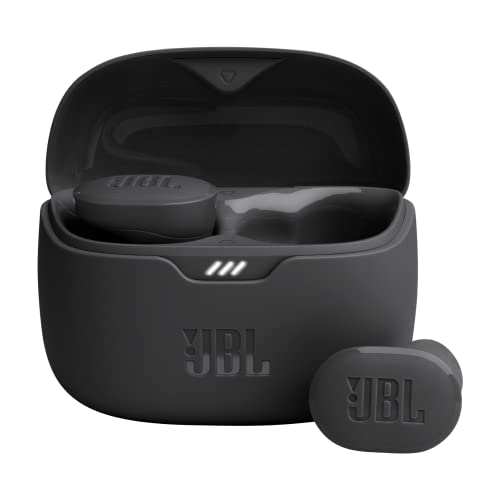
The JBL Tune Buds, released in 2023, represent JBL's attempt to pack as much value as possible into an affordable package. At roughly one-fifth the price of premium competitors (at the time of writing), they focus on delivering long battery life, decent sound, and useful features without breaking the bank.
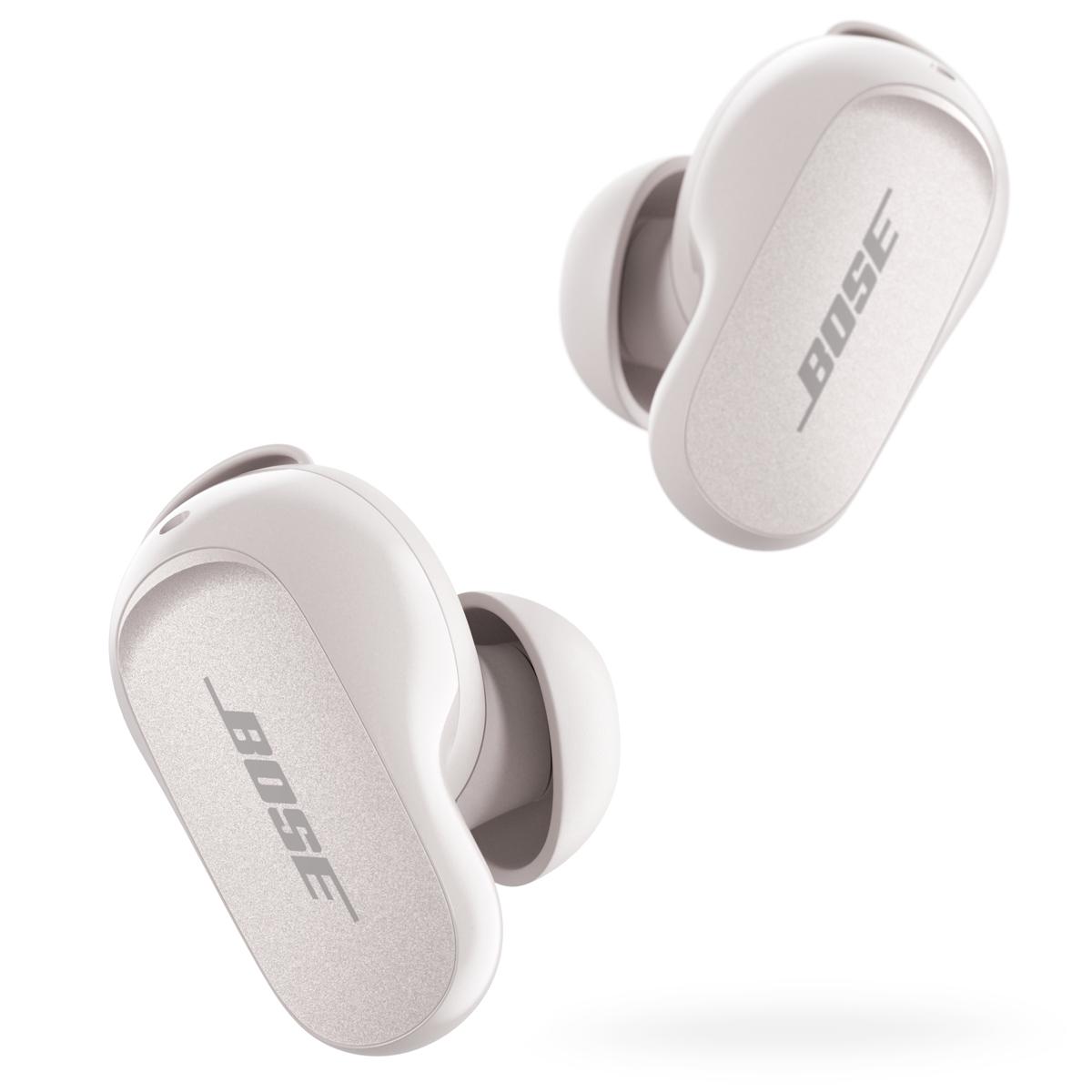
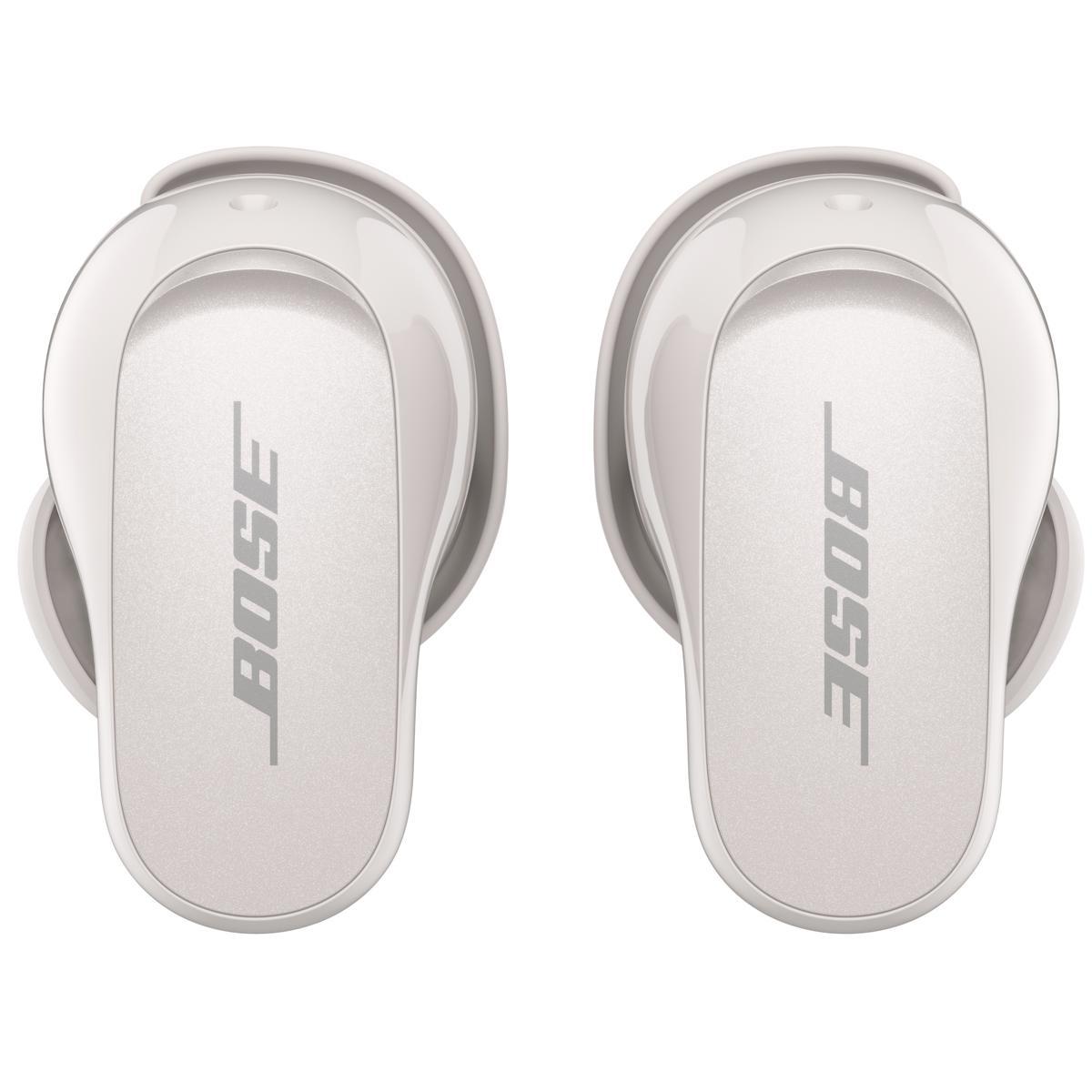
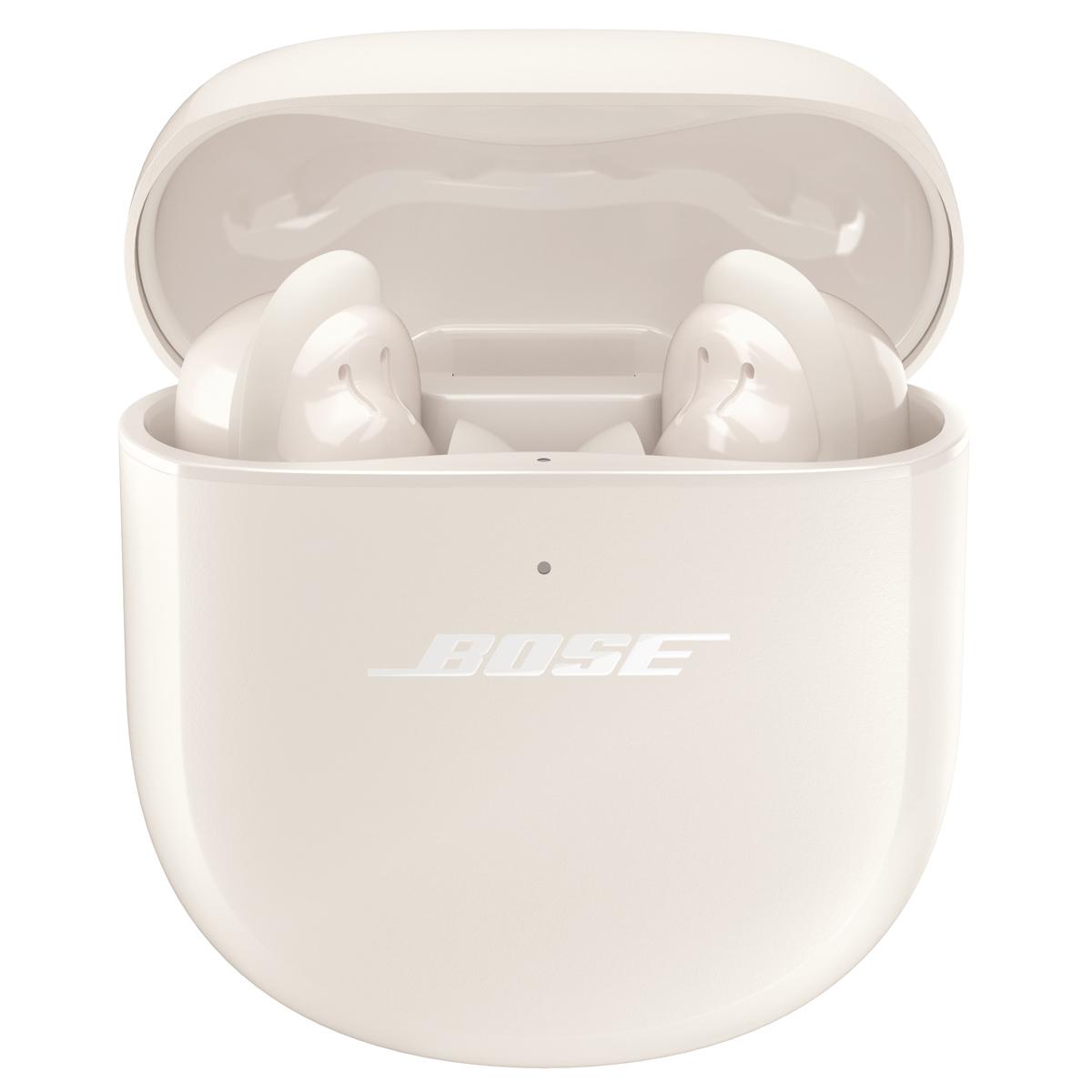
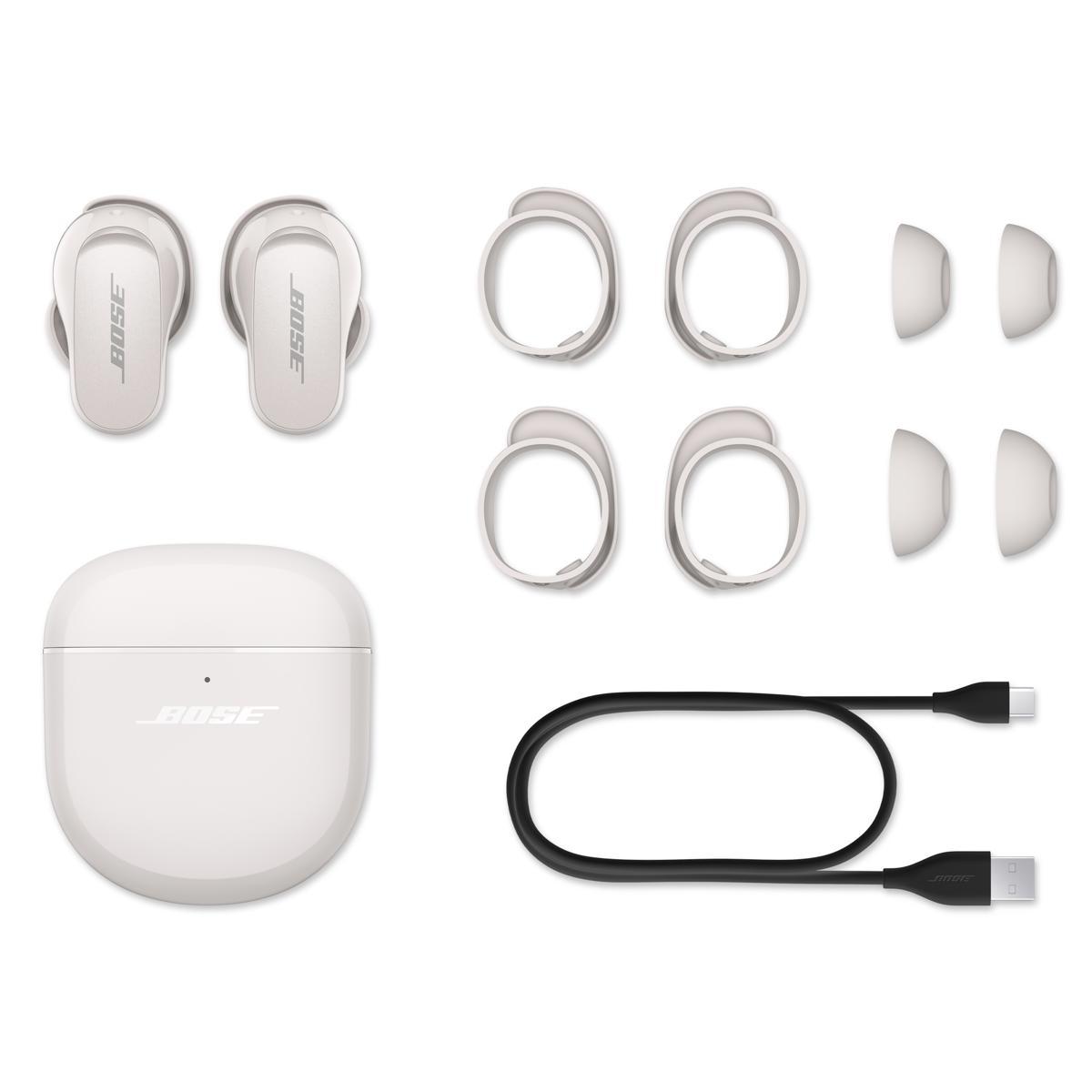
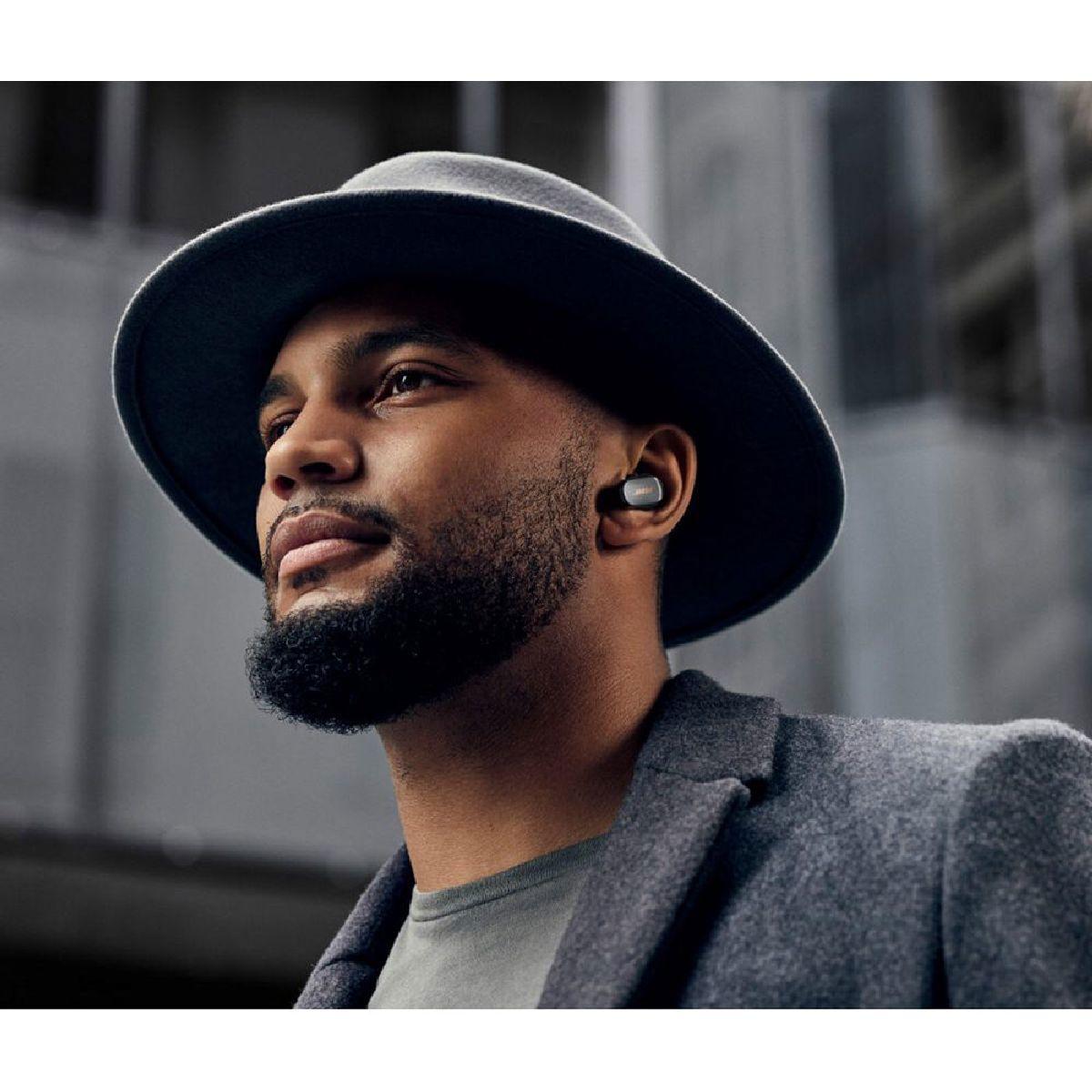
The Bose QuietComfort Earbuds II, also from recent years, take the opposite approach. They're Bose's flagship earbuds, designed to showcase cutting-edge noise cancellation technology and premium audio performance, with price being a secondary concern.
These different philosophies create interesting trade-offs that we'll explore throughout this comparison.
When it comes to pure audio performance, the differences between these earbuds tell a fascinating story about what you can achieve at different price points.
The Bose QuietComfort Earbuds II feature something called CustomTune technology—a proprietary system that measures your unique ear canal shape every time you put the earbuds in. Using a special tone (which you won't consciously hear), the earbuds create a personalized audio profile in less than half a second. This isn't marketing fluff; it genuinely makes a difference in how music sounds because everyone's ears are shaped differently, affecting how sound waves travel and resonate.
This CustomTune system works alongside premium drivers (the tiny speakers inside the earbuds) to deliver what most reviewers describe as exceptional clarity across all frequencies. The sound signature is well-balanced, meaning vocals sit prominently in the mix without being overpowered by bass or harsh treble. When you're listening to a complex jazz recording or a carefully mixed album, these differences become immediately apparent.
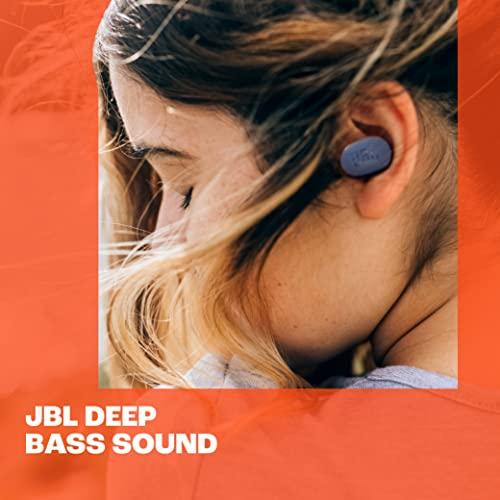
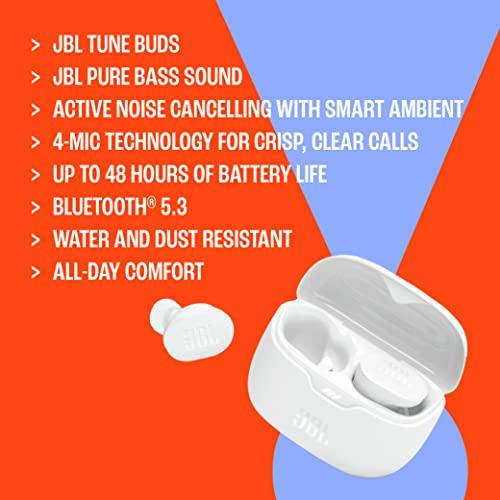
The JBL Tune Buds take a different approach with their Pure Bass Sound tuning, delivered through 10mm dynamic drivers. JBL has intentionally created what audio engineers call a "V-shaped" sound signature—this means the bass and treble are emphasized while the midrange (where most vocals live) remains clear but not as prominent. This tuning makes electronic music, hip-hop, and pop sound energetic and fun, but it might make acoustic recordings sound less natural.
However, the JBL Tune Buds have a significant advantage in customization. Their companion app offers extensive graphic EQ controls, allowing you to adjust different frequency ranges to your taste. Don't like how bright the treble sounds? Pull it down. Want even more bass? Boost the low end. This level of control can help you tailor the sound closer to your preferences, though it requires some experimentation to get right.
For most music genres and casual listening, the JBL Tune Buds deliver surprisingly engaging sound for their price point. But if you're someone who notices subtle details in recordings or listens to a wide variety of musical genres, the Bose QuietComfort Earbuds II provide a more refined, accurate listening experience.
This is where the biggest performance gap between these earbuds becomes crystal clear, and it highlights why some people are willing to pay premium prices for premium features.
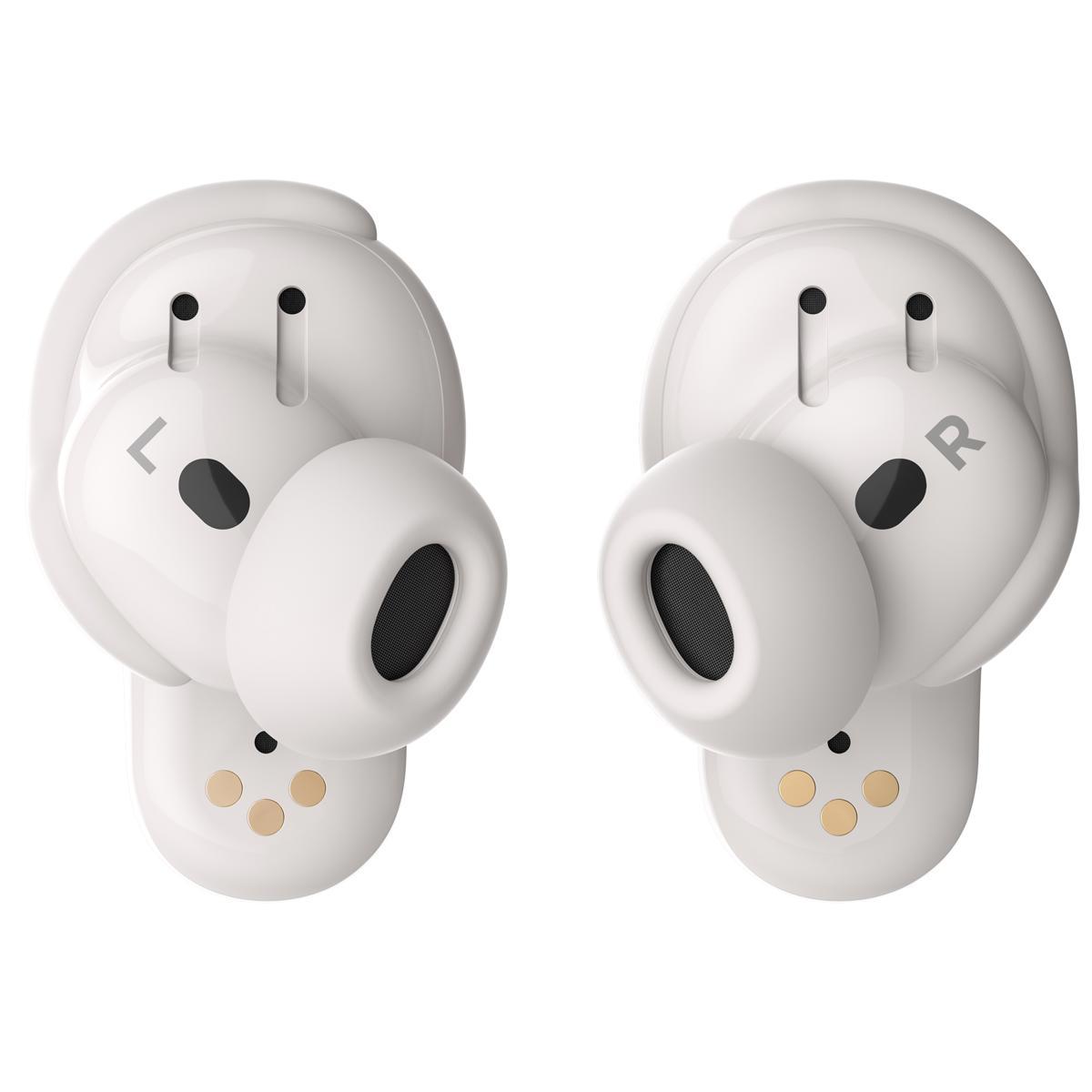
The Bose QuietComfort Earbuds II use an advanced four-microphone system (one inside each earbud, three outside) combined with proprietary processing algorithms. Here's how it works: the microphones constantly monitor surrounding noise, and a dedicated chip analyzes these sounds in real-time. The chip then generates precise "anti-noise" signals—sound waves that are exactly opposite to the incoming noise—and plays them through the earbuds' drivers. When done correctly, the original noise and the anti-noise cancel each other out, creating an almost eerie sense of quiet.
What makes Bose's implementation special is the speed and accuracy of this process. The system responds to unwanted noise in less than a millisecond, which is faster than your brain can process the original sound. Users frequently describe the experience as "otherworldly" or like having an "off switch" for the world around them. This level of noise cancellation is genuinely useful for airplane travel, noisy commutes, or working in busy offices.
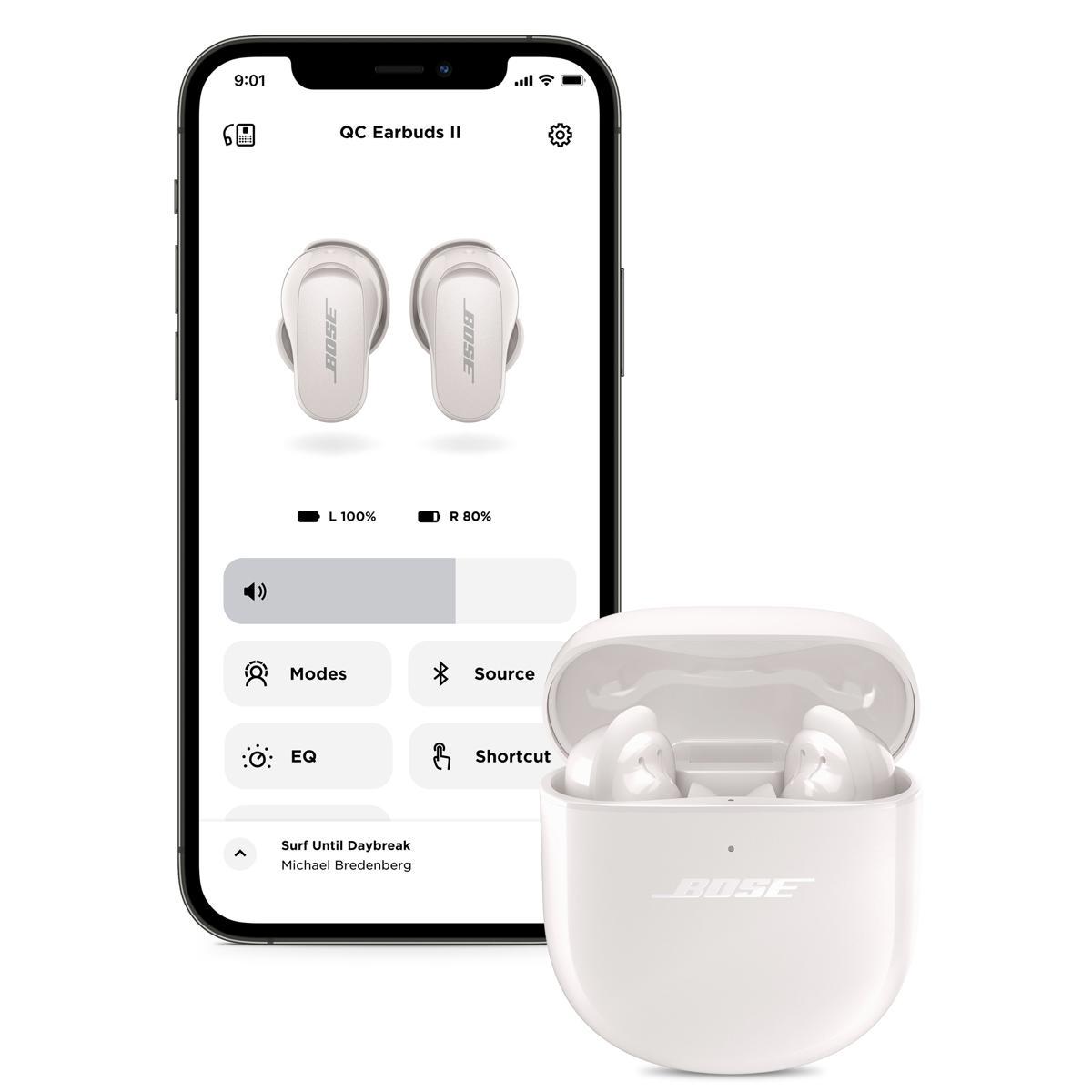
The Bose QuietComfort Earbuds II also include Aware Mode with ActiveSense, which automatically adjusts how much outside sound you hear. If you're walking down a quiet street, it lets in ambient sounds for safety. But if a car honks or construction equipment starts up, it instantly increases noise cancellation to protect your ears while maintaining your situational awareness.
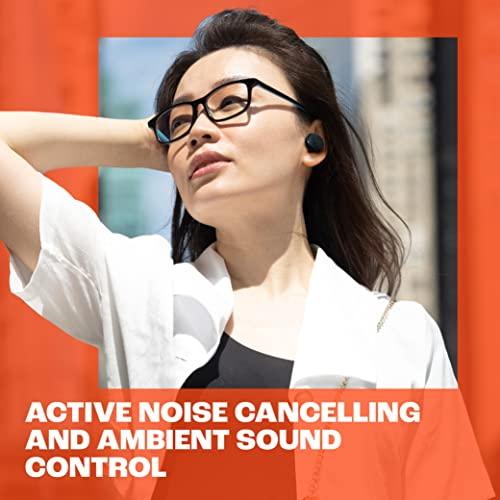
In contrast, the JBL Tune Buds include active noise cancellation, but it's much more basic. Based on extensive user feedback and expert reviews, the ANC provides only marginal improvement over simply having the earbuds sealed in your ears (called passive isolation). It struggles particularly with low-frequency sounds like airplane engines, subway rumble, or air conditioning—exactly the kinds of persistent noises that premium ANC systems excel at blocking.
The JBL Tune Buds do offer Ambient Aware and TalkThru modes, which let you hear your surroundings or have quick conversations without removing the earbuds. These work reasonably well, but they're more like "nice-to-have" features rather than the sophisticated awareness systems found in premium earbuds.
If noise cancellation is important to your daily routine—whether for focus, travel, or just peace of mind—the difference between these earbuds is substantial enough to justify considering your budget carefully.
Here's where the JBL Tune Buds absolutely shine and showcase what "value-oriented design" can achieve when engineers focus on specific priorities.
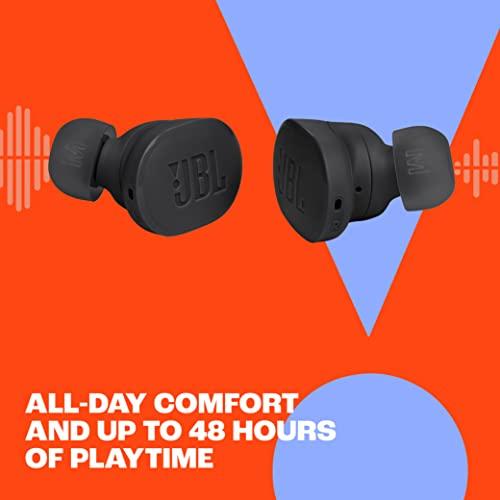
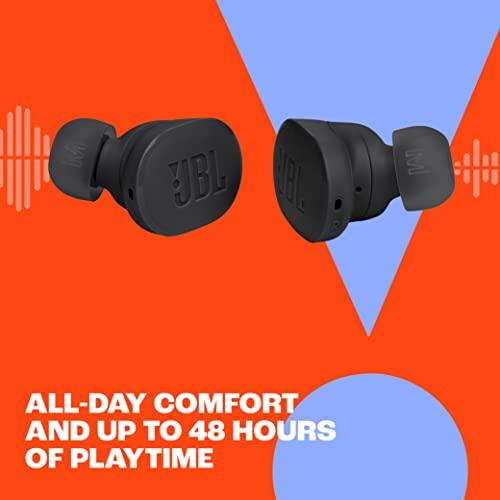
The JBL Tune Buds deliver up to 48 hours of total listening time (12 hours from the earbuds themselves, plus 36 additional hours from the charging case) when noise cancellation is turned off. Even with ANC enabled, you still get 40 total hours. This is genuinely impressive and addresses one of the most common complaints about true wireless earbuds: constantly running out of power.
The earbuds also support Speed Charge technology, giving you four hours of playback from just 15 minutes of charging. This feature has saved countless people from silent commutes when they forgot to charge overnight.
The Bose QuietComfort Earbuds II offer six hours per charge with 24 hours total from the case—respectable, but roughly half of what the JBL Tune Buds provide. Their quick charging gives you two hours of playback from 20 minutes of charging, which is decent but not as generous as JBL's implementation.
This difference matters more than you might initially think. If you're someone who uses earbuds heavily throughout the day—listening to music during commutes, taking calls at work, and relaxing with podcasts in the evening—the JBL Tune Buds can genuinely last multiple days without needing to visit a charger. The Bose QuietComfort Earbuds II require more regular charging discipline.
However, the shorter battery life of the Bose QuietComfort Earbuds II partly reflects the power demands of their advanced noise cancellation and audio processing systems. Premium features often come with premium power requirements.
Even the best-sounding earbuds are useless if they're uncomfortable or constantly falling out of your ears. Both of these products take notably different approaches to solving the fit challenge.
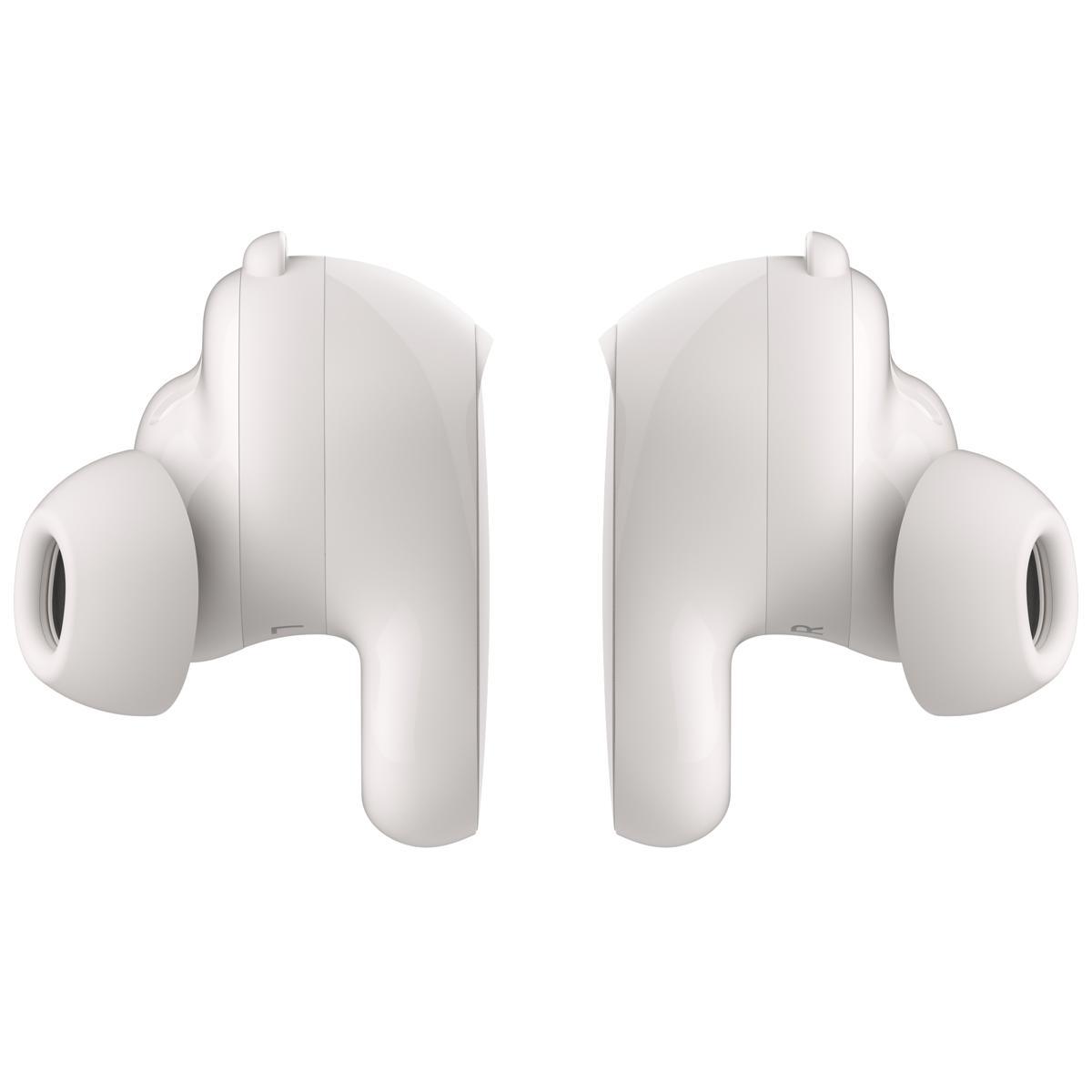
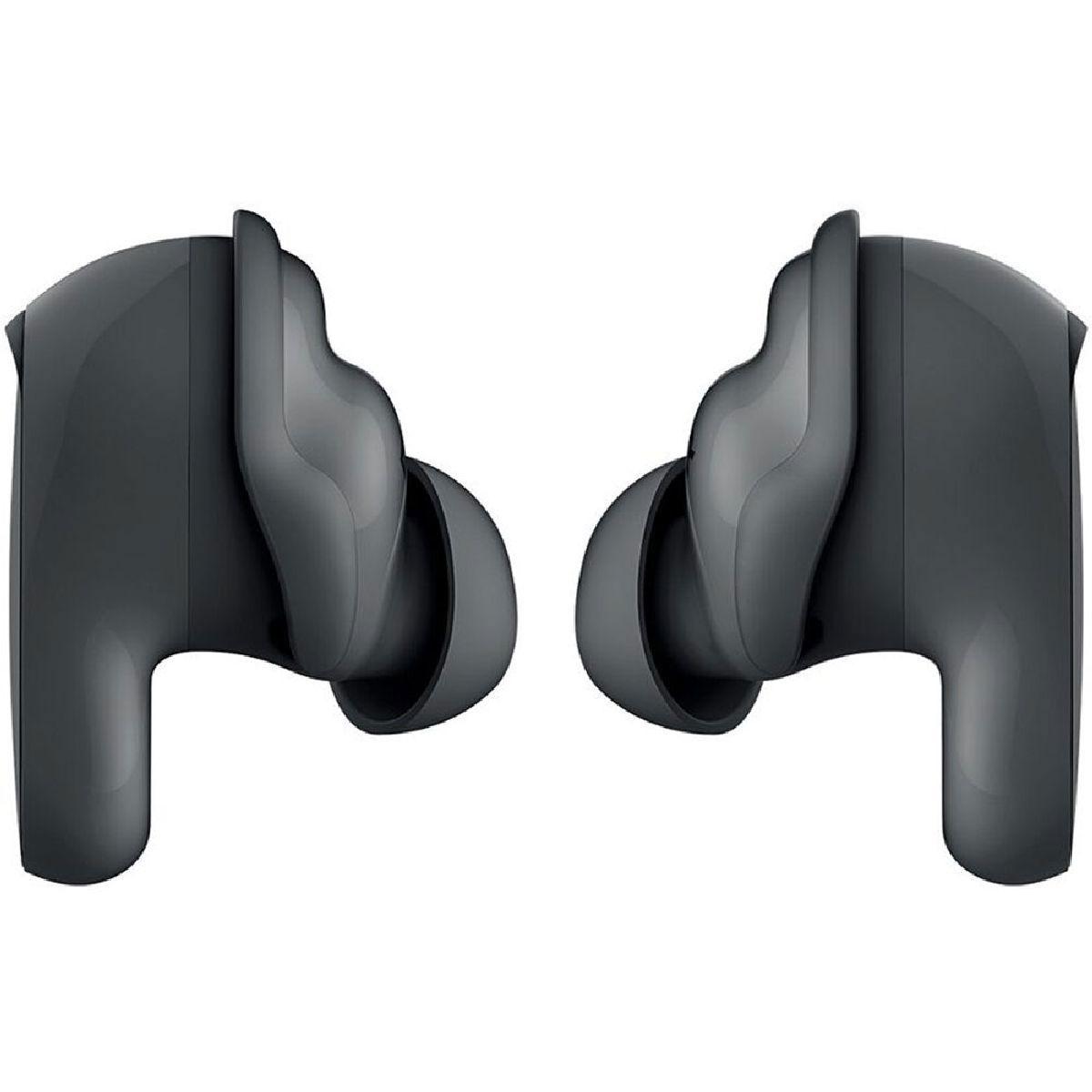
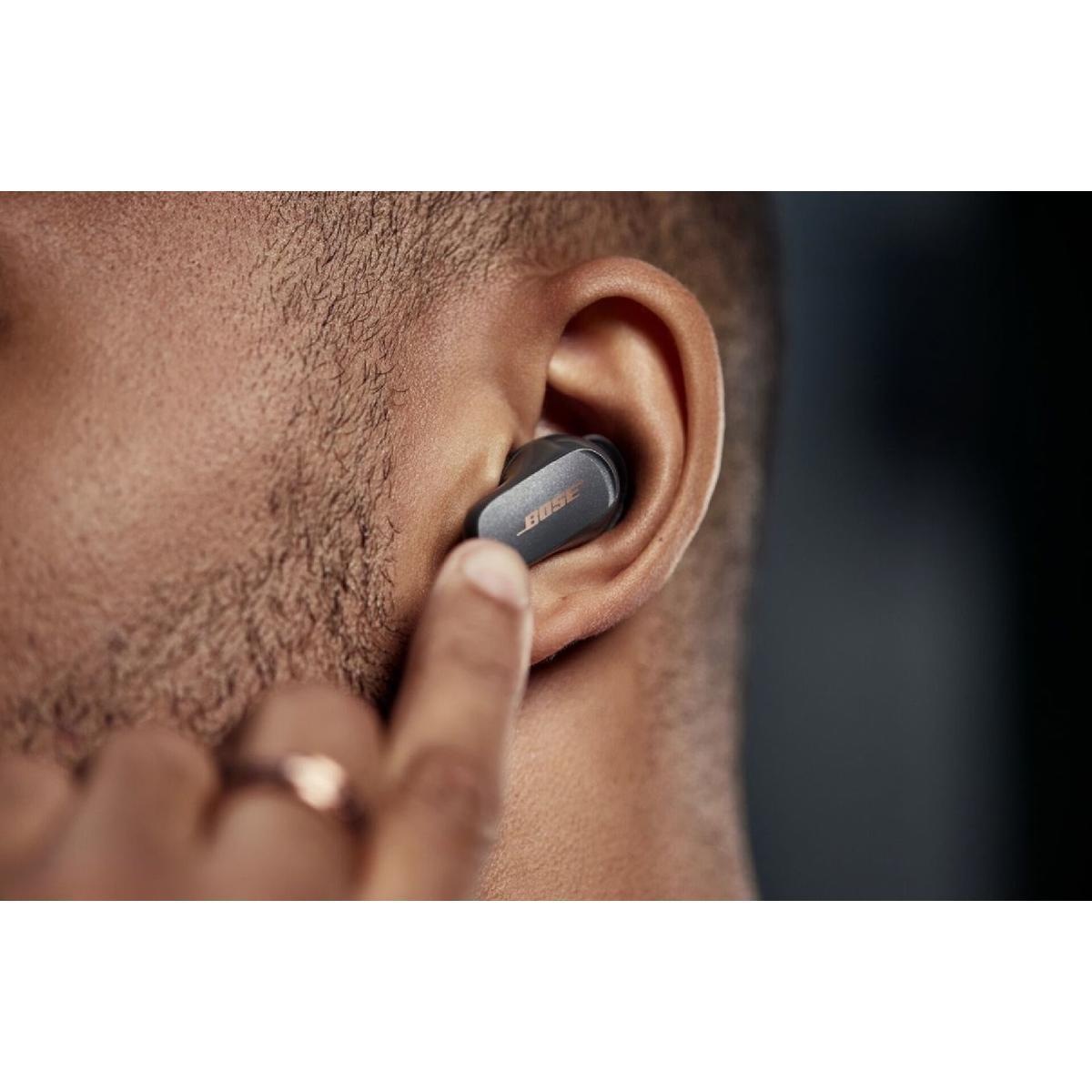
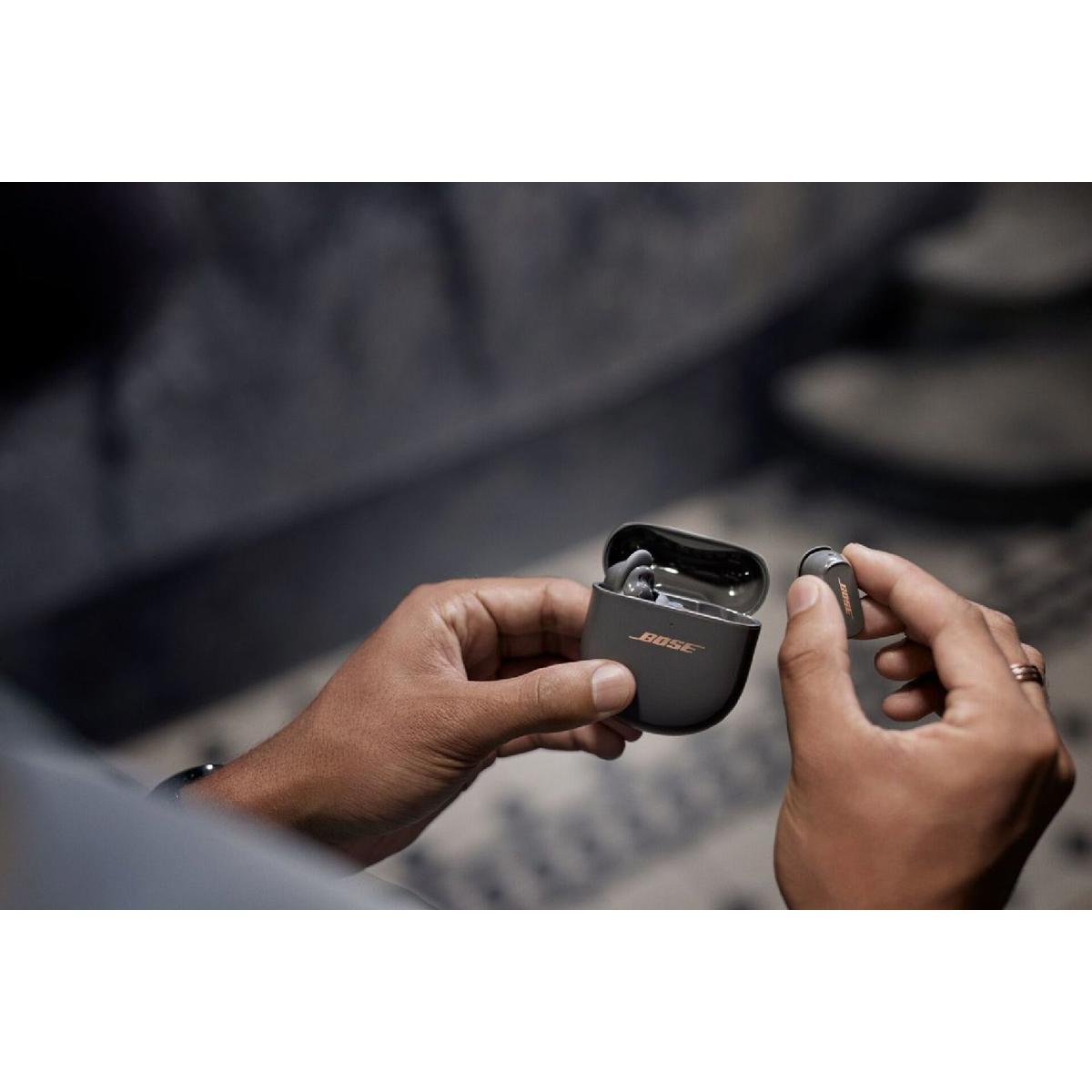
The Bose QuietComfort Earbuds II introduced a two-piece fit system that separates the ear tip from the stability wing. The ear tips create an acoustic seal at the ear canal opening, while the stability wings hook into the contours of your outer ear for security. This system, combined with the CustomTune calibration, helps ensure both comfort and optimal sound quality. The earbuds are also significantly smaller than Bose's previous generation, addressing a common complaint about bulk.
The JBL Tune Buds use a more traditional but well-executed ergonomic design with oval-shaped tubes that adapt to different ear shapes. They include three sizes of ear tips, and most users report good comfort for extended listening sessions. However, some reviews mention inconsistency in achieving a proper seal, which can affect both sound quality and noise isolation.
Getting the right fit isn't just about comfort—it's crucial for audio performance. A poor seal lets outside noise in and lets bass frequencies escape, making your music sound thin and weak. Both earbuds address this challenge, but the Bose QuietComfort Earbuds II have a more sophisticated approach that tends to work for a wider variety of ear shapes.
With remote work and phone calls being such a big part of daily life, microphone performance has become increasingly important for many earbud buyers.
The Bose QuietComfort Earbuds II leverage their advanced microphone array and noise processing capabilities for call quality. The same technology that creates excellent noise cancellation helps isolate your voice from background noise during calls. This makes them genuinely useful for professional calls in noisy environments—something that's become more important as people work from coffee shops, airports, and busy home offices.
The JBL Tune Buds include 4-microphone technology (two per earbud) with a feature called VoiceAware that lets you control how much of your own voice you hear during calls. In quiet environments, they perform reasonably well. However, they struggle to separate your voice from background noise in louder settings, and sudden loud sounds can overwhelm the microphone system.
If you frequently take important calls or participate in video conferences, the superior call quality of the Bose QuietComfort Earbuds II might be worth the investment. For casual calls and occasional meetings, the JBL Tune Buds are adequate.
Both earbuds offer water resistance, but with important differences that affect how you can use them.
The JBL Tune Buds carry an IP54 rating, which means they're protected against both water splashes and dust ingress. This makes them genuinely suitable for workouts, outdoor activities, and use in dusty or sandy environments. The "4" rating for water means they can handle splashing from any direction, while the "5" for dust means they're protected against dust accumulation that could harm internal components.
The Bose QuietComfort Earbuds II have an IPX4 rating—the "X" means they haven't been tested for dust protection, but the "4" indicates the same level of water resistance as the JBLs. They can handle sweat and light rain, but you'd want to be more careful around dusty environments.
For active users who exercise regularly or work in challenging environments, the superior dust protection of the JBL Tune Buds provides extra peace of mind.
The companion apps for these earbuds reflect their different design philosophies and target audiences.
The JBL Headphones app is comprehensive and feature-rich, offering extensive EQ customization, touch control remapping, ambient sound management, and even a "find my earbuds" feature for when they inevitably disappear between couch cushions. Power users who like to tweak settings will appreciate the depth of options available.
The Bose app focuses more on core functionality and ease of use. It handles the essential features like CustomTune calibration and Aware Mode settings but doesn't offer as many customization options. This simpler approach works well for users who want their earbuds to just work without extensive configuration.
While both earbuds can connect to TVs and streaming devices via Bluetooth, they're not ideal primary solutions for home theater use. True wireless earbuds typically introduce some audio latency (delay between video and sound), and neither of these models includes advanced low-latency codecs like aptX Low Latency that could minimize this issue.
However, for private listening during late-night movie sessions or when you don't want to disturb others, both can work adequately. The Bose QuietComfort Earbuds II would provide better overall audio quality for movies and shows, while the JBL Tune Buds offer much longer battery life for marathon viewing sessions.
For serious home theater use, both manufacturers offer dedicated headphone products that would serve you better than these earbuds.
After researching extensive user feedback and expert reviews, clear patterns emerge about who benefits most from each product.
Choose the JBL Tune Buds if you:
Choose the Bose QuietComfort Earbuds II if you:
These earbuds represent two successful but very different approaches to true wireless audio. The JBL Tune Buds prove that you don't need to spend a fortune to get genuinely useful earbuds with impressive battery life and solid performance. They're particularly compelling for younger users, students, or anyone who wants to dip their toes into quality true wireless audio without a major financial commitment.
The Bose QuietComfort Earbuds II justify their premium pricing with legitimately superior noise cancellation and audio quality that make a meaningful difference for specific use cases. If you're a frequent traveler, work in noisy environments, or simply want the best possible listening experience, the extra cost delivers tangible benefits.
At the time of writing, the price difference between these products is substantial—the Bose QuietComfort Earbuds II cost roughly five times more than the JBL Tune Buds. But that comparison misses the point. These aren't really competing products; they're serving different needs at different price points.
The real question isn't which earbuds are "better" in absolute terms—it's which ones are better for you given your priorities, budget, and how you actually plan to use them. Both succeed admirably at their intended goals, and understanding those goals will help you make the right choice for your needs.
| JBL Tune Buds True Wireless Earbuds | Bose QuietComfort Earbuds II |
|---|---|
| Sound Quality - Foundation of your listening experience | |
| V-shaped signature with emphasized bass/treble, 10mm drivers, extensive EQ customization via app | Premium balanced sound with CustomTune ear calibration, audiophile-grade clarity across all frequencies |
| Active Noise Cancellation - Critical for noisy environments | |
| Basic ANC with limited low-frequency blocking, struggles with airplane/train noise | Industry-leading 4-mic system with millisecond response time, exceptional isolation from all noise types |
| Battery Life - Determines daily usability | |
| Up to 48 hours total (12 + 36 from case), 15-min charge = 4 hours playback | Up to 24 hours total (6 + 18 from case), 20-min charge = 2 hours playback |
| Water/Dust Resistance - Important for active users | |
| IP54 rating (protected against dust and water splashes) | IPX4 rating (splash-resistant but no dust protection) |
| Comfort & Fit - Affects long-term wearability | |
| Ergonomic design with 3 ear tip sizes, some inconsistency in seal quality | Advanced two-piece fit system with stability bands, CustomTune optimization for consistent performance |
| Call Quality - Essential for work and communication | |
| 4-mic system with VoiceAware, adequate in quiet environments but struggles with background noise | Premium voice isolation using ANC technology, excellent performance in noisy professional settings |
| Connectivity & Features - Modern convenience factors | |
| Bluetooth 5.3 with multipoint, extensive app customization, find-my-earbuds feature | Bluetooth 5.3, CustomTune calibration, Aware Mode with ActiveSense, simpler app focused on core features |
| Target User - Who benefits most from each approach | |
| Budget-conscious users, fitness enthusiasts, heavy daily users needing maximum battery life | Frequent travelers, professionals taking calls, audiophiles willing to pay premium for best-in-class performance |
The JBL Tune Buds offer exceptional value with 48-hour battery life, decent sound quality, and useful features at a budget-friendly price point. The Bose QuietComfort Earbuds II cost significantly more but deliver premium noise cancellation and superior audio quality. For most users prioritizing value, the JBL Tune Buds provide better bang for your buck, while the Bose QuietComfort Earbuds II justify their premium pricing for users who need best-in-class performance.
The Bose QuietComfort Earbuds II deliver superior sound quality with CustomTune technology that calibrates audio to your unique ear shape, providing balanced, audiophile-grade clarity. The JBL Tune Buds offer fun, bass-heavy sound with a V-shaped signature that's great for pop and EDM, plus extensive EQ customization through their app. While both sound good, the Bose QuietComfort Earbuds II provide more accurate, refined audio reproduction.
The Bose QuietComfort Earbuds II feature world-class active noise cancellation with four microphones per earbud and millisecond response times, making them excellent for travel and noisy environments. The JBL Tune Buds include basic ANC that provides only marginal improvement over passive isolation, struggling particularly with low-frequency sounds like airplane engines. For serious noise blocking, the Bose QuietComfort Earbuds II are significantly superior.
The JBL Tune Buds dramatically outperform with up to 48 hours total battery life (12 hours from earbuds plus 36 from the case), making them ideal for heavy users. The Bose QuietComfort Earbuds II provide 6 hours per charge with 24 hours total from the case. The JBL Tune Buds also offer faster quick charging, giving 4 hours of playback from just 15 minutes of charging versus 2 hours from 20 minutes for the Bose QuietComfort Earbuds II.
The JBL Tune Buds are better suited for workouts with their IP54 rating that protects against both water and dust, plus their significantly longer battery life for extended gym sessions. The Bose QuietComfort Earbuds II have IPX4 water resistance but lack dust protection. However, both offer secure fits, so your choice depends on whether you prioritize durability and battery life (JBL Tune Buds) or premium sound quality during exercise.
Both earbuds prioritize comfort, but with different approaches. The Bose QuietComfort Earbuds II feature an advanced two-piece fit system with separate ear tips and stability bands, plus CustomTune calibration for optimal fit. The JBL Tune Buds use ergonomic design with three ear tip sizes, though some users report inconsistent seal quality. Most users find both comfortable, but the Bose QuietComfort Earbuds II tend to provide more consistent fit across different ear shapes.
The Bose QuietComfort Earbuds II excel at call quality, using their advanced noise cancellation technology to isolate your voice from background noise, making them excellent for professional calls in noisy environments. The JBL Tune Buds include 4-microphone technology with VoiceAware features but struggle to separate voice from background noise in loud settings. For frequent business calls, the Bose QuietComfort Earbuds II provide superior performance.
Both the JBL Tune Buds and Bose QuietComfort Earbuds II can connect to TVs via Bluetooth, but neither is ideal for serious home theater use due to audio latency issues common with true wireless earbuds. For casual late-night viewing, the JBL Tune Buds offer much longer battery life for marathon sessions, while the Bose QuietComfort Earbuds II provide better overall audio quality for movies and shows.
The JBL Tune Buds offer more extensive app customization through the JBL Headphones app, including graphic EQ controls, touch control remapping, and find-my-earbuds features. The Bose QuietComfort Earbuds II use a simpler app focused on core features like CustomTune calibration and Aware Mode settings. Power users who enjoy tweaking settings will prefer the JBL Tune Buds, while those wanting simplicity will appreciate the streamlined Bose QuietComfort Earbuds II approach.
The Bose QuietComfort Earbuds II justify their premium pricing if you frequently travel, work in noisy environments, or prioritize best-in-class audio quality and noise cancellation. The JBL Tune Buds deliver 80% of the performance at a fraction of the cost, making them better value for casual users. The extra cost of the Bose QuietComfort Earbuds II is worthwhile for users who will genuinely benefit from their advanced features.
The JBL Tune Buds excel with bass-heavy genres like EDM, hip-hop, and pop due to their V-shaped sound signature and Pure Bass Sound tuning. The Bose QuietComfort Earbuds II provide more accurate reproduction across all genres, making them better for jazz, classical, acoustic, and mixed playlists. The JBL Tune Buds offer extensive EQ customization to adjust for different genres, while the Bose QuietComfort Earbuds II deliver consistent quality regardless of musical style.
Choose the JBL Tune Buds if you want excellent value, maximum battery life, workout durability, and don't need premium noise cancellation. Choose the Bose QuietComfort Earbuds II if you frequently travel, take professional calls, prioritize audiophile sound quality, or need industry-leading noise cancellation. The JBL Tune Buds serve casual users excellently, while the Bose QuietComfort Earbuds II target users who need premium performance and are willing to pay for it.
We've done our best to create useful and informative comparisons to help you decide what product to buy. Our research uses advanced automated methods to create this comparison and perfection is not possible - please contact us for corrections or questions. These are the sites we've researched in the creation of this article: rtings.com - jbl.com - youtube.com - jbl.com - soundguys.com - ro.harmanaudio.com - audio46.com - bestbuy.com - majorhifi.com - jbl.com - crutchfield.com - jblstore.com.ph - kh.jbl.com - in.jbl.com - bestbuy.com - uclastore.com - jbl.com - jbl.com.tw - techradar.com - techgearlab.com - cnet.com - soundguys.com - rtings.com - soundstagesolo.com - forums.whathifi.com - youtube.com - cnet.com - bose.com - soundguys.com - youtube.com - rtings.com - soundguys.com - loudnwireless.com - head-fi.org - noisyworld.org - boseindia.com - global.bose.com - boselatam.com - bose.com - youtube.com - boselatam.com - support.bose.com - bhphotovideo.com - bestbuy.com - global.bose.com - bose.com - assets.bose.com - boseapac.com - bose.com - bose.com - bose.com

Privacy Policy
Terms and Conditions - Affiliate Policy
Home Security
© Copyright 2008-2026.
11816 Inwood Rd #1211, Dallas, TX 75244