



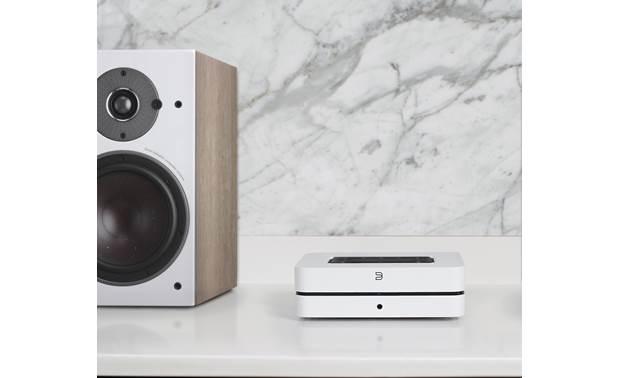
The world of hi-fi audio has undergone a quiet revolution. Gone are the days when you needed a rack full of separate components—CD player, amplifier, preamp, and streaming device—to enjoy high-quality music at home. Today's streaming amplifiers pack all that functionality into a single, elegant box that's about the size of a hardcover book.
This shift matters because streaming amplifiers solve real problems that music lovers face. They eliminate the complexity of matching components, reduce cable clutter, and often cost less than buying separates. More importantly, they're designed from the ground up for how we actually listen to music today—mostly streaming from services like Spotify and Tidal, but occasionally spinning vinyl or playing CDs.
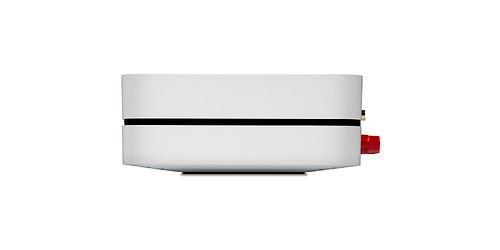
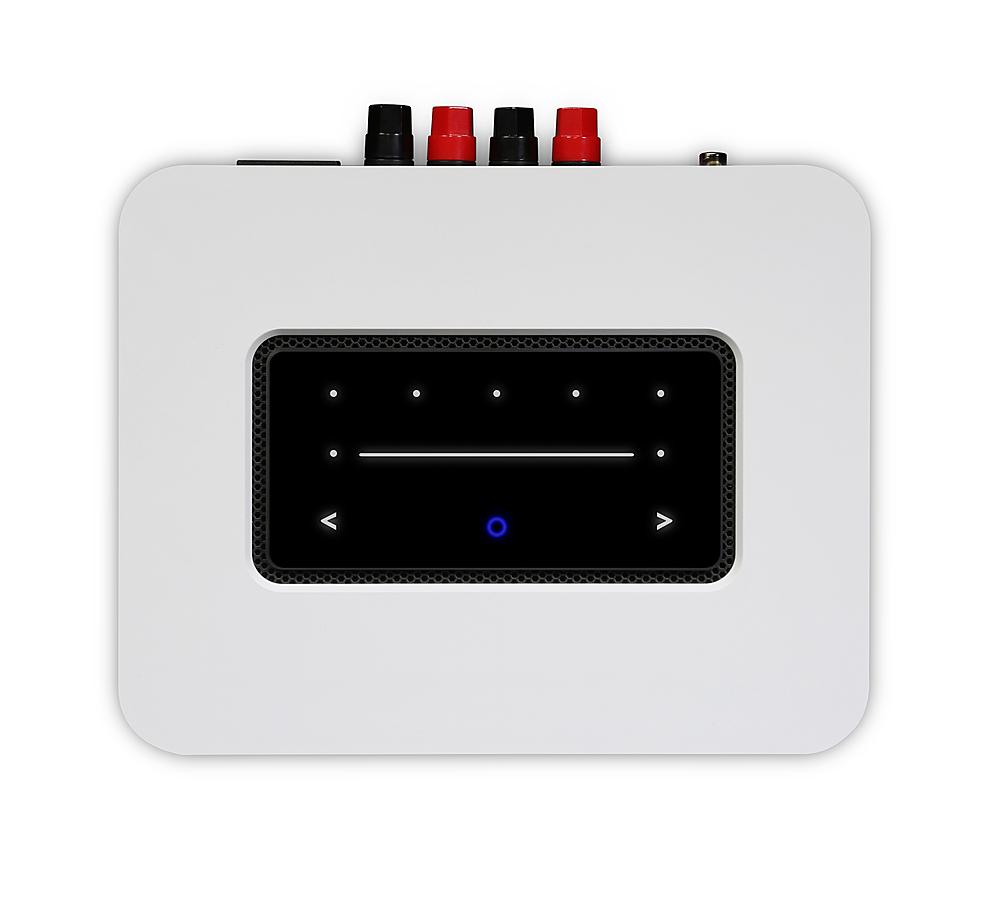
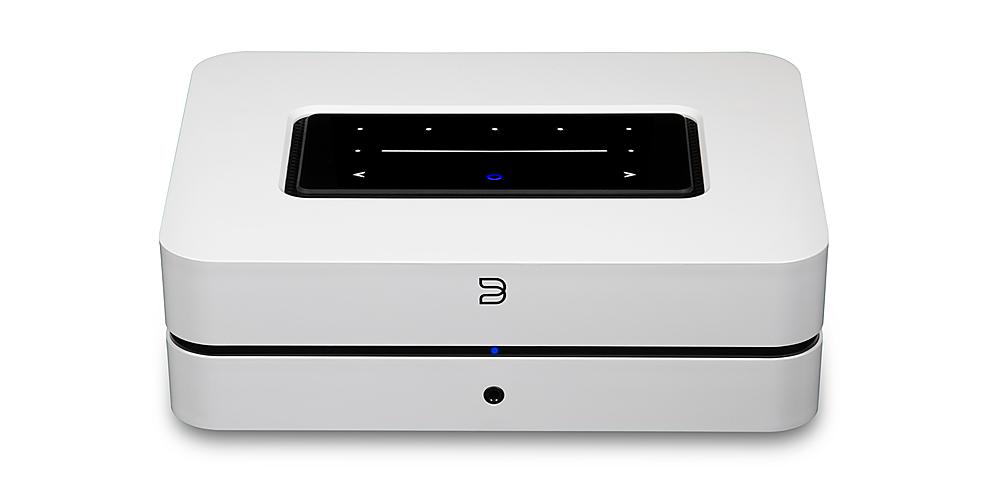
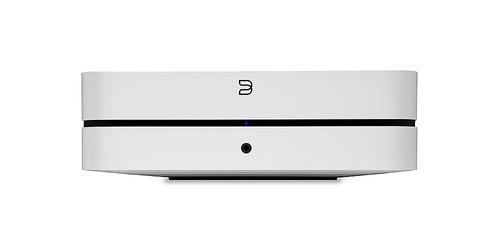
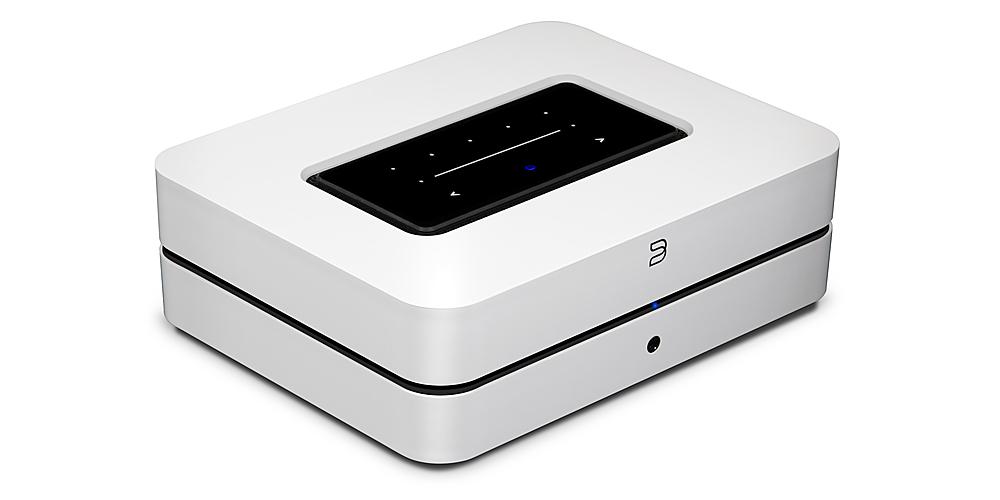
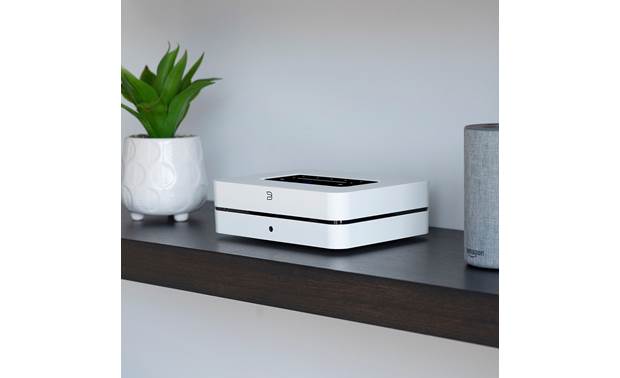
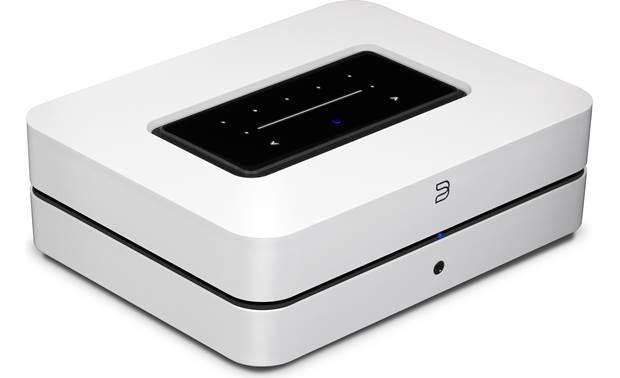
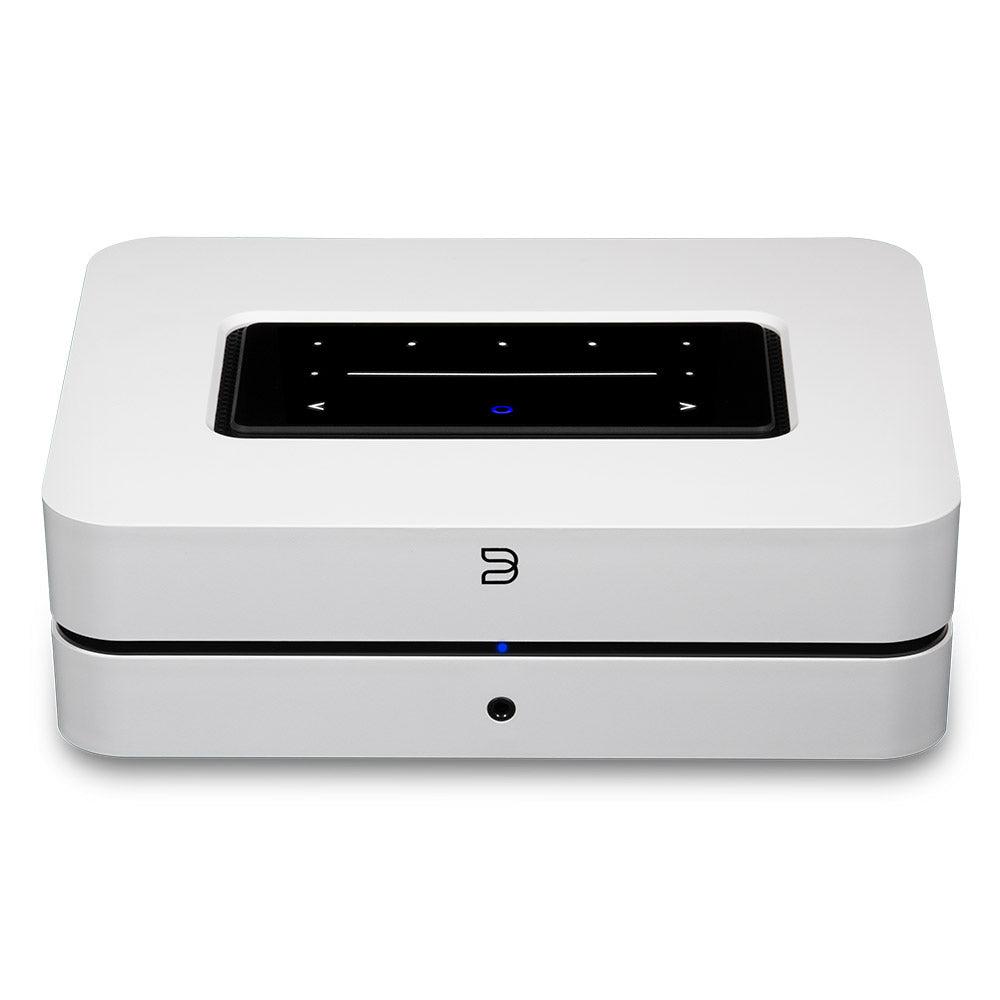
Two standout products in this category are the Eversolo Play and the Bluesound PowerNode. Both launched in recent years as manufacturers recognized the growing demand for simplified, high-quality audio systems. The Eversolo Play arrived in 2025 with a focus on hands-on control and audiophile-grade specifications, while the Bluesound PowerNode has evolved through several generations since its original release, with the latest 2025 version representing years of refinement in multi-room audio technology.
When evaluating streaming amplifiers, you're essentially looking at three critical components working together: the streaming section (which connects to internet services and your local network), the DAC or digital-to-analog converter (which transforms digital music files into analog signals), and the amplifier (which boosts those signals to drive your speakers).
The quality of each component matters, but so does how well they work together. A great DAC paired with a mediocre amplifier won't deliver great sound, and the best amplifier in the world can't fix problems introduced by poor digital processing upstream.
Power output is probably the most misunderstood specification in audio. Many people assume more watts automatically means better sound, but that's not necessarily true. What matters more is whether the amplifier can deliver clean, undistorted power to your specific speakers. A 60-watt amplifier that maintains low distortion might sound better than a 100-watt amplifier that struggles with complex musical passages.
That said, headroom—the extra power available for musical peaks—does matter. If you listen to music with wide dynamic range (think orchestral pieces or modern recordings with punchy bass), having extra power on tap prevents the amplifier from clipping or compressing the sound during loud passages.
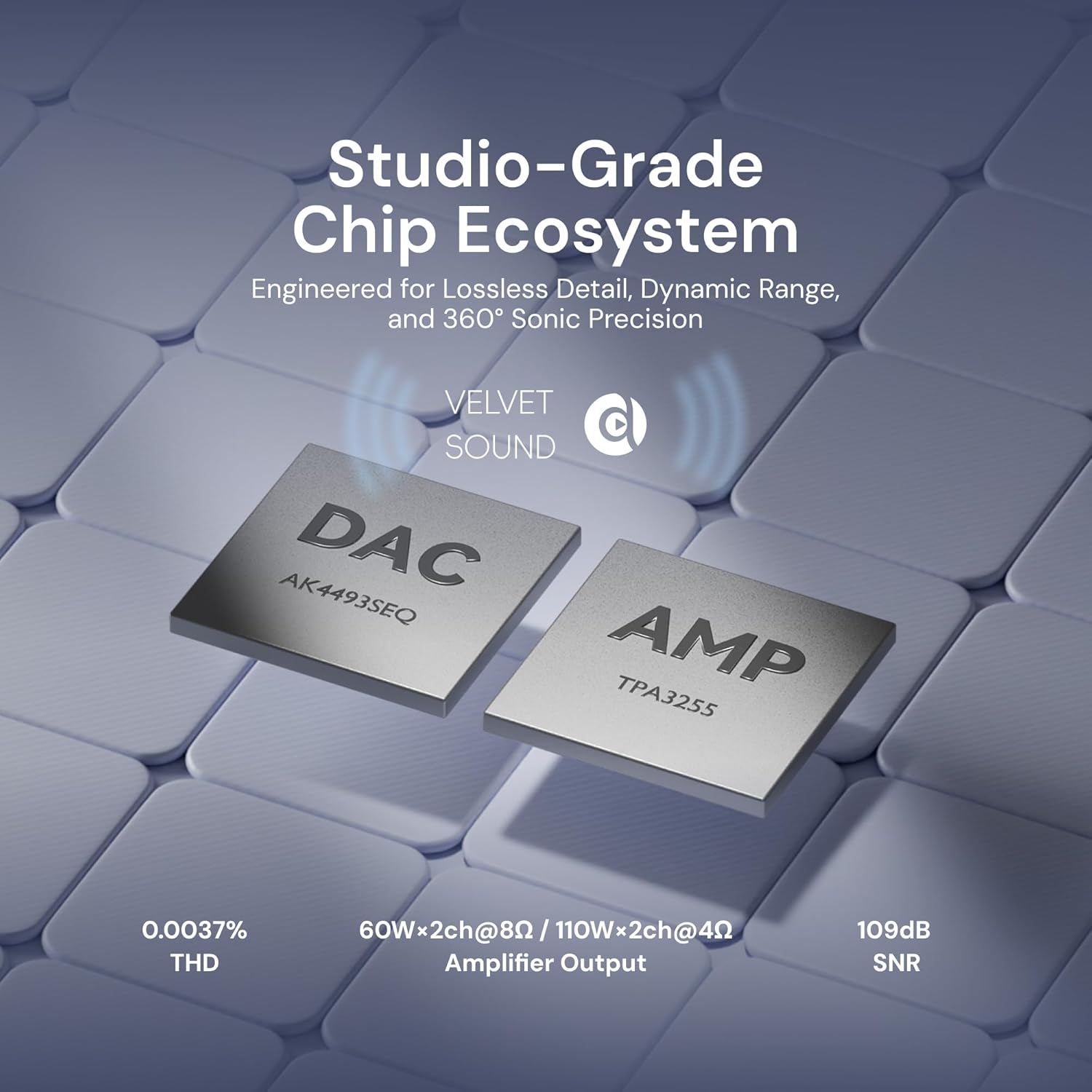
The Bluesound PowerNode takes the lead in raw power output, delivering 80 watts per channel into 8-ohm speakers, with the latest 2025 version bumping that up to 100 watts. The Eversolo Play, meanwhile, puts out 60 watts into 8 ohms but increases to 110 watts when driving 4-ohm speakers—a sign of a robust power supply that can handle more demanding loads.
In practical terms, this power difference translates to about 1-2 decibels of additional maximum volume from the PowerNode, which is barely perceptible to most listeners. However, the extra headroom becomes more noticeable with inefficient speakers (those rated below 87dB sensitivity) or in larger rooms where you need higher volume levels.
Both amplifiers use Class D technology, which is essentially a high-speed switching design that's far more efficient than traditional analog amplifiers. This means they run cool, consume less power, and can be built into compact chassis without overheating concerns. The Eversolo Play employs Texas Instruments' PurePath Ultra HD technology, which uses sophisticated error correction to minimize distortion. The PowerNode uses Bluesound's HybridDigital platform, based on proven Hypex modules that have earned respect in high-end audio circles.
Where the Eversolo Play really shines is in its distortion specifications. With total harmonic distortion (THD) below 0.0037% at typical listening levels, it's approaching the theoretical limits of what's measurable. The PowerNode, with 0.008% THD, is still excellent but not quite as pristine on paper. Whether you'd hear this difference in real-world listening is debatable—both are well below the threshold of audibility for distortion.
The DAC section is where these two products take notably different approaches. The Eversolo Play uses an AKM AK4493SEQ chip, which is considered among the finest consumer audio DACs available. It supports PCM audio up to 32-bit/768kHz resolution and native DSD512 playback—specifications that exceed what any streaming service currently offers but future-proof the device for ultra-high-resolution content.
The PowerNode takes a more pragmatic approach with its 32-bit/384kHz DAC implementation. While this might seem inferior on paper, it still handles every high-resolution format you're likely to encounter today, including MQA (Master Quality Authenticated) files from Tidal. The processing power behind this DAC is impressive—a quad-core ARM processor that's eight times faster than previous Bluesound generations, ensuring smooth operation even with complex digital signal processing.
From a practical standpoint, both DACs will sound excellent with typical source material. The difference becomes more apparent with very high-resolution recordings or when using the device as a digital transport feeding an external DAC—something only the Eversolo Play can do thanks to its USB audio output supporting the full resolution of its internal DAC.
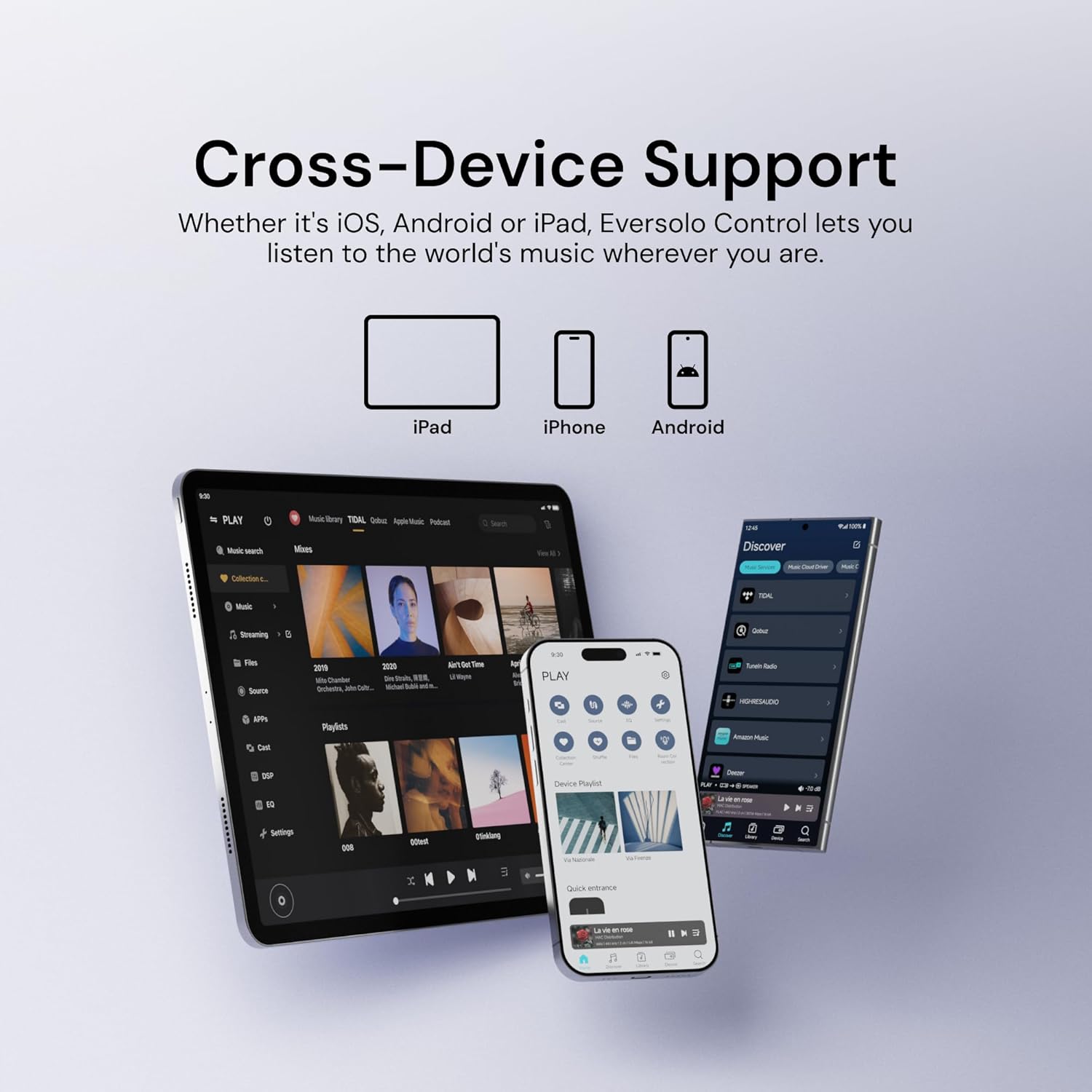
This is where the PowerNode really flexes its muscles. Built around Bluesound's BluOS platform, it supports over 20 streaming services natively, meaning you can access them directly without needing to stream from your phone or computer. The interface integrates these services seamlessly, allowing you to search across multiple platforms simultaneously—a feature that becomes invaluable once you experience it.
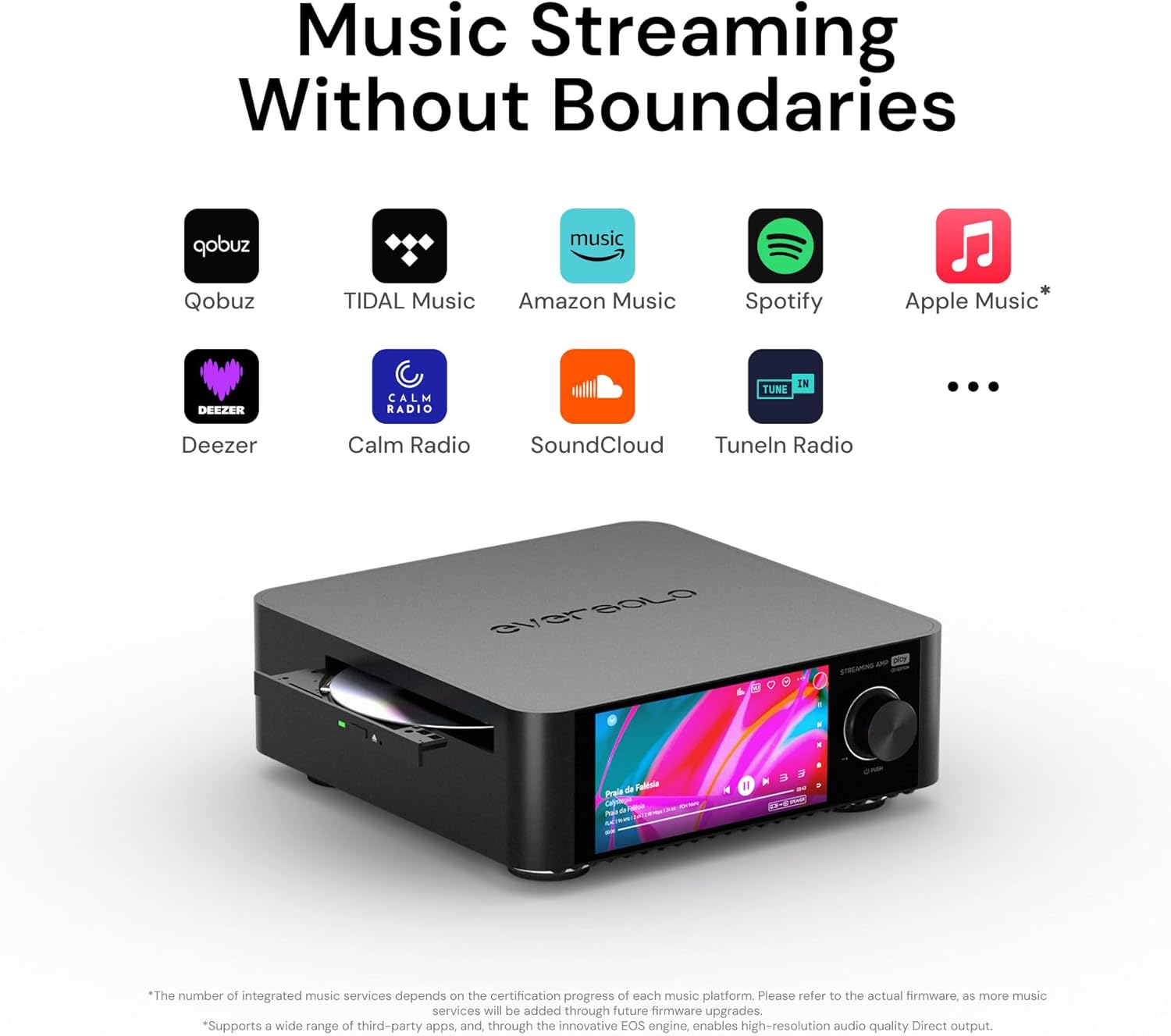
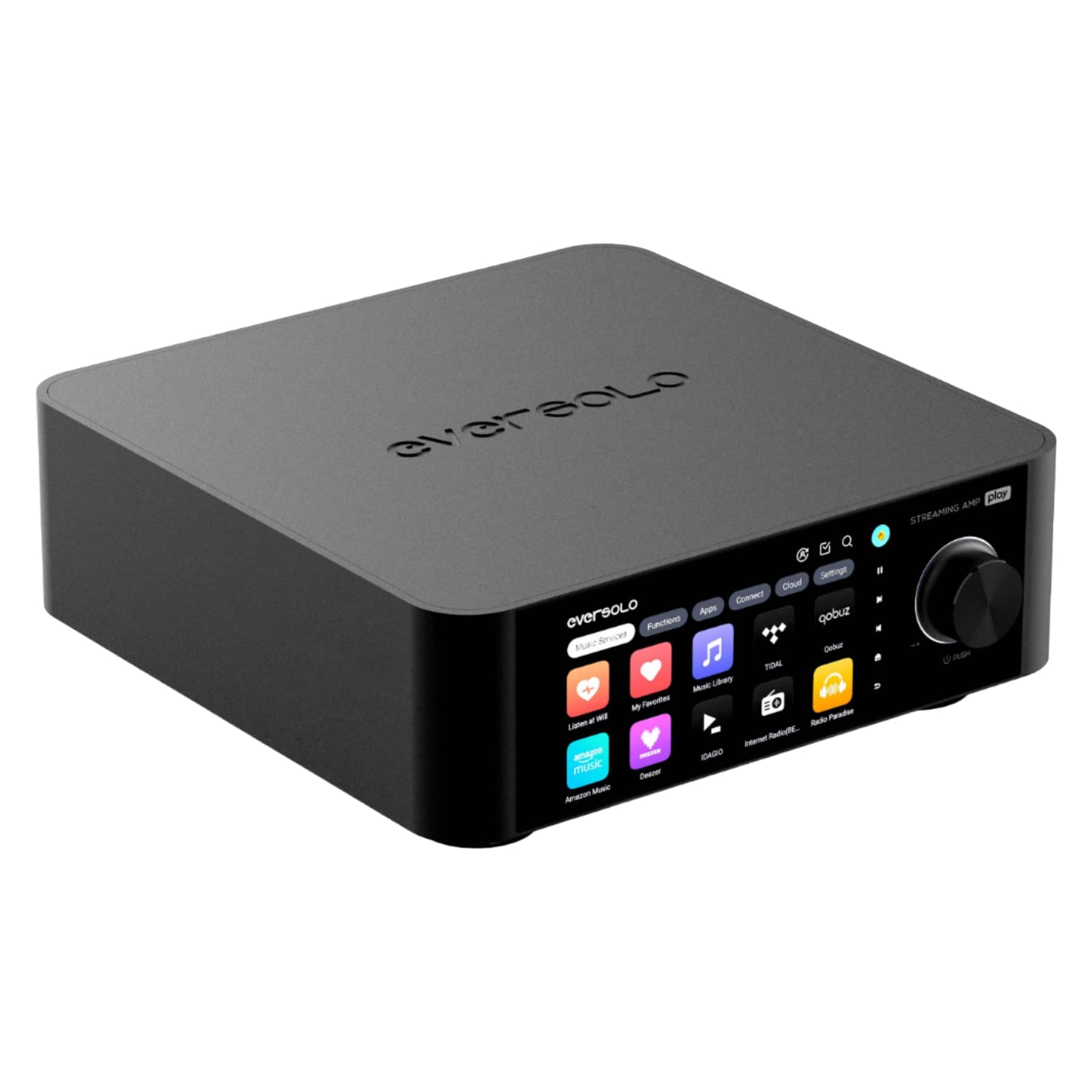
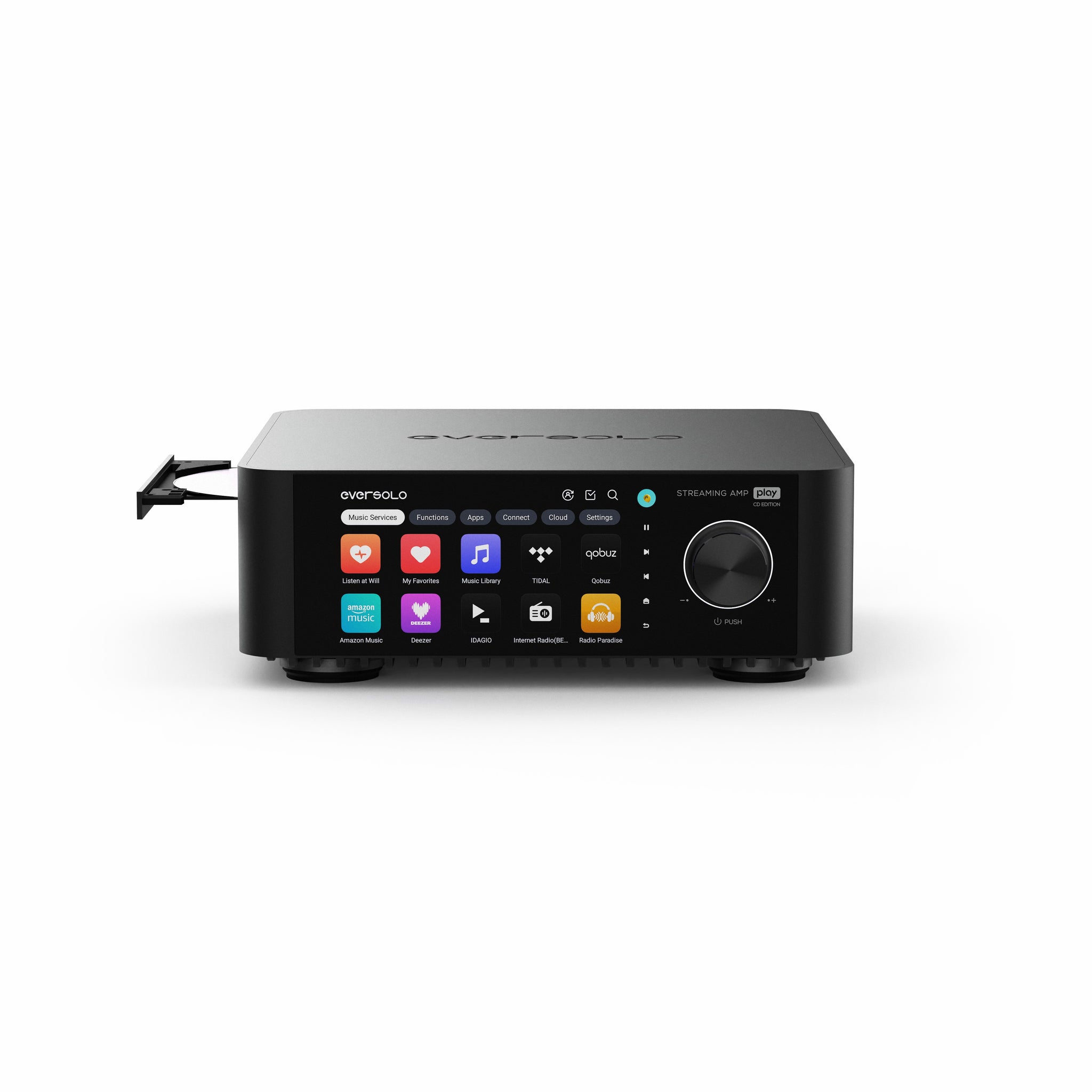
The Eversolo Play covers the major services—Tidal, Qobuz, Spotify, Amazon Music—but its real strength lies in its flexibility with local content. It can access network-attached storage devices, USB drives, and even rip CDs directly to storage (in the CD Edition). The 5.5-inch touchscreen makes browsing large music libraries surprisingly pleasant, something that's often clunky on smaller displays or smartphone apps.
Both devices are Roon Ready, which matters if you're serious about music library management. Roon is subscription software that creates rich, magazine-like interfaces for your music collection, complete with artist biographies, album reviews, and sophisticated audio analysis. Having Roon Ready certification means these devices can receive bit-perfect audio directly from Roon without any additional software layers that might compromise sound quality.
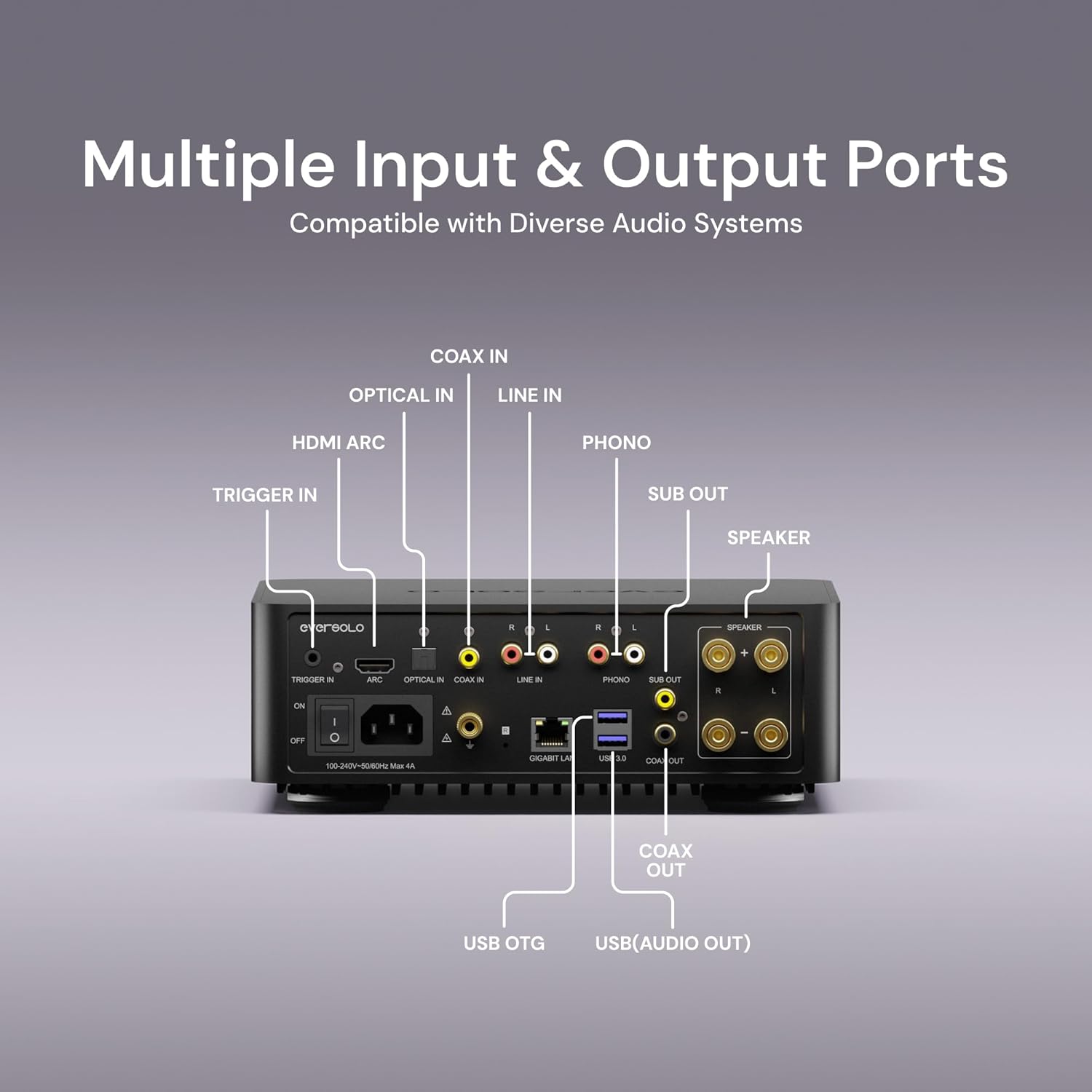
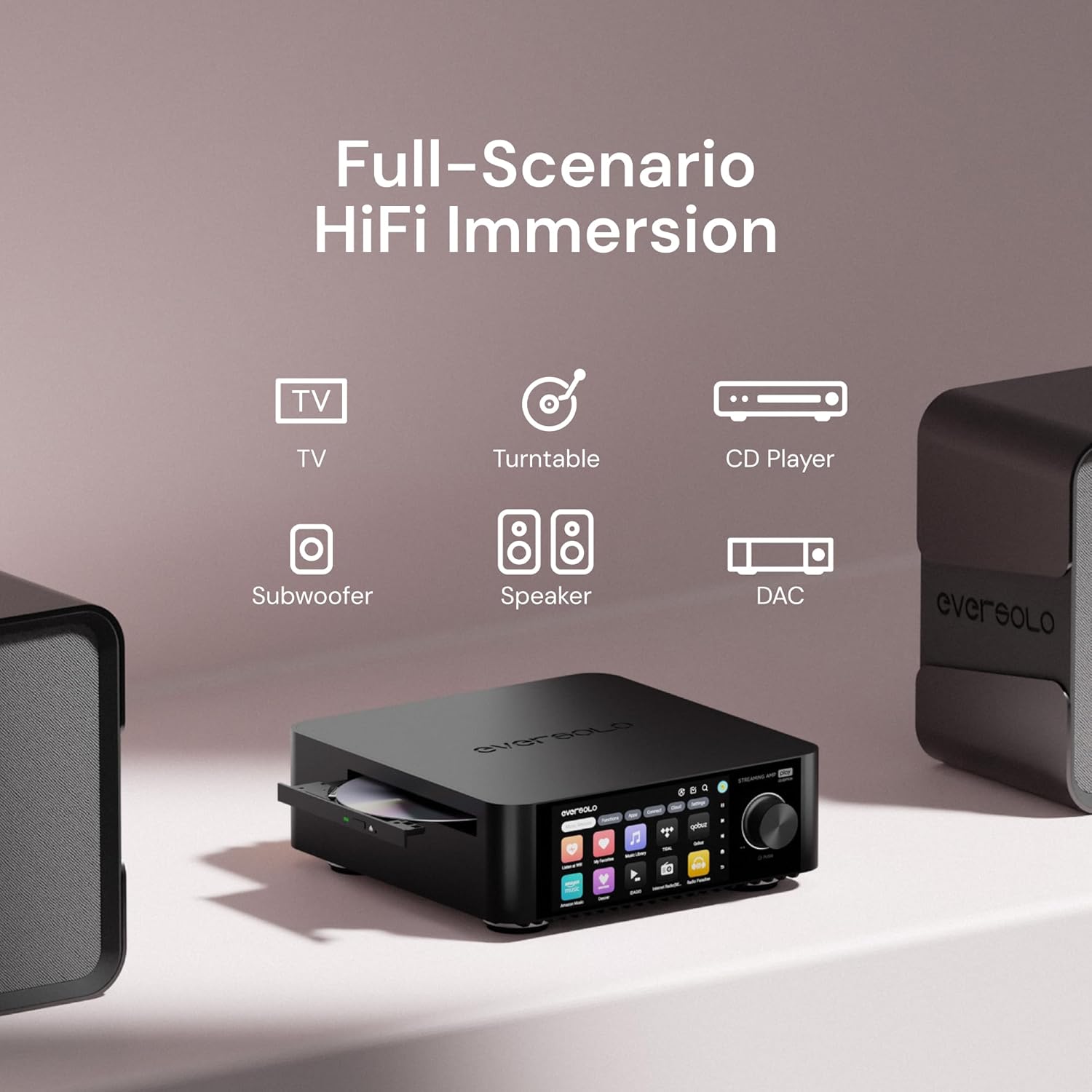
Here's where your specific needs will heavily influence your choice. The Eversolo Play is the clear winner if you have analog sources, particularly turntables. Its built-in MM/MC phono stage accepts both moving magnet and moving coil cartridges, with proper RIAA equalization and adjustable gain settings. This eliminates the need for a separate phono preamp, which can cost several hundred dollars for a quality unit.
The USB audio output on the Eversolo Play is another unique feature that adds flexibility. You can use it as a high-end digital transport, sending pristine digital signals to an external DAC if you later decide to upgrade your conversion chain. This output supports the full resolution of the internal DAC, making it suitable for the most demanding audiophile applications.
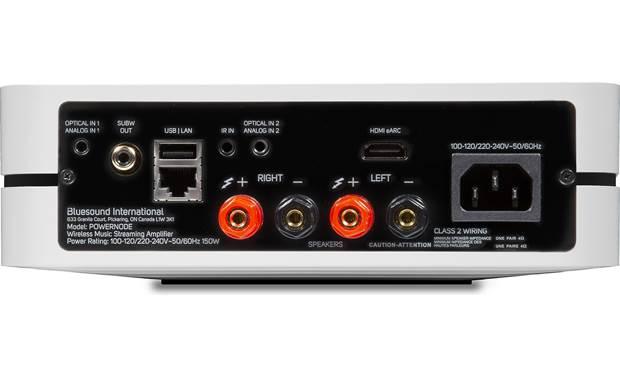
The PowerNode counters with HDMI eARC connectivity, which is invaluable for home theater integration. This single cable connection to your TV handles all audio return duties, supporting formats up to Dolby TrueHD and DTS-HD. For many users, this eliminates the need for a separate AV receiver, significantly simplifying their entertainment system setup.
Wireless connectivity strongly favors the PowerNode. Its dual-band Wi-Fi implementation is rock-solid, and the two-way Bluetooth with aptX HD support means you can both receive high-quality audio from your phone and send audio to Bluetooth headphones. AirPlay 2 integration makes it seamless to use with Apple devices, and the wireless protocols are mature and reliable.
The Eversolo Play supports Bluetooth input but only with basic SBC and AAC codecs, and there's no AirPlay support. For a device targeting audio enthusiasts, this seems like an oversight, especially since many users want the flexibility to quickly stream from their phones without opening a dedicated app.
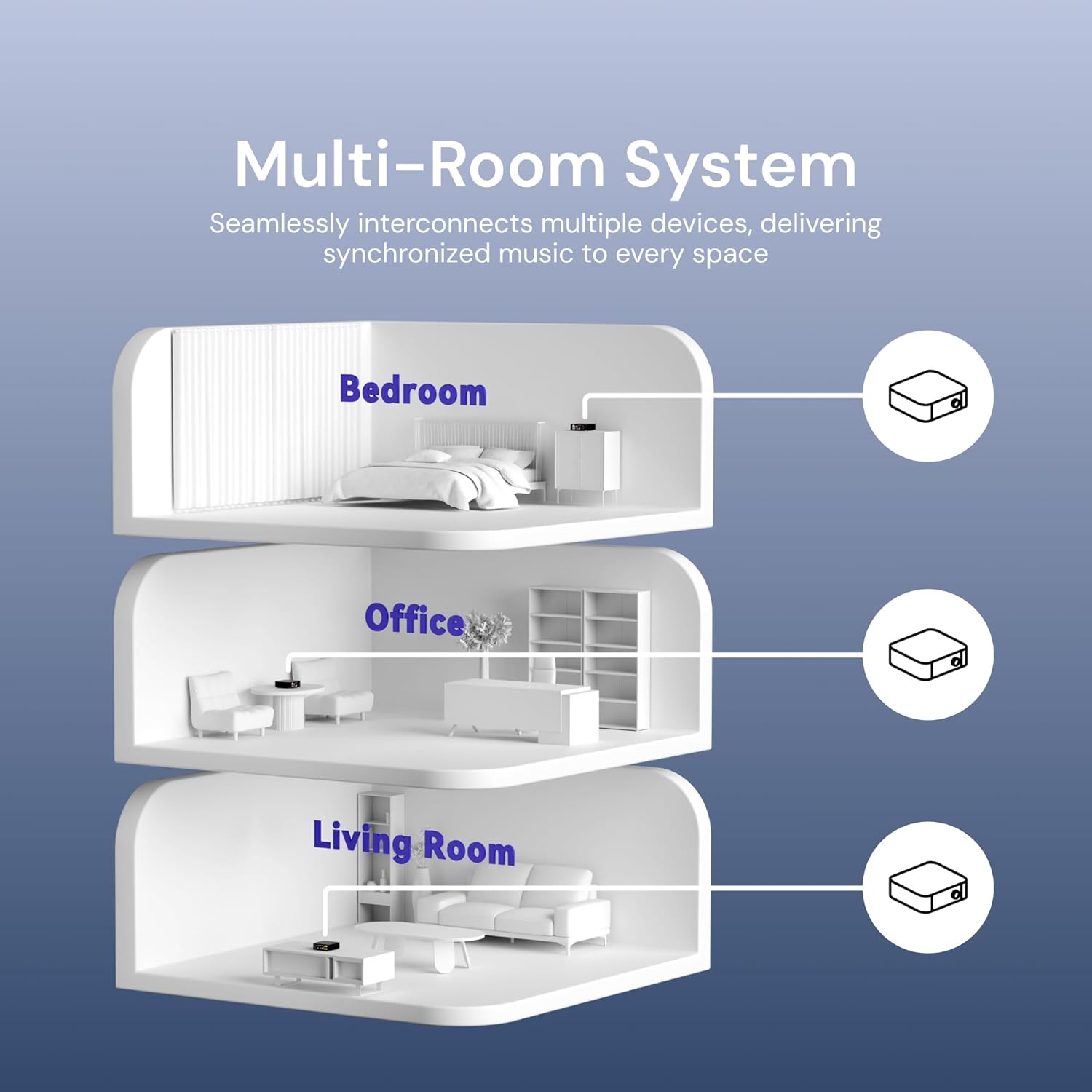
If you're thinking beyond a single listening room, the PowerNode is in a different league entirely. BluOS supports synchronized playback across up to 64 zones, with rock-solid timing that keeps music perfectly in sync even across large homes. The system handles different sources in different rooms intelligently, so someone can listen to jazz in the living room while kids play pop music in their bedrooms.
The Eversolo Play offers basic multi-room sync capabilities, but it's nowhere near as sophisticated or proven as BluOS. If multi-room audio is important to you—either now or in the future—this alone might tip the scales toward Bluesound.
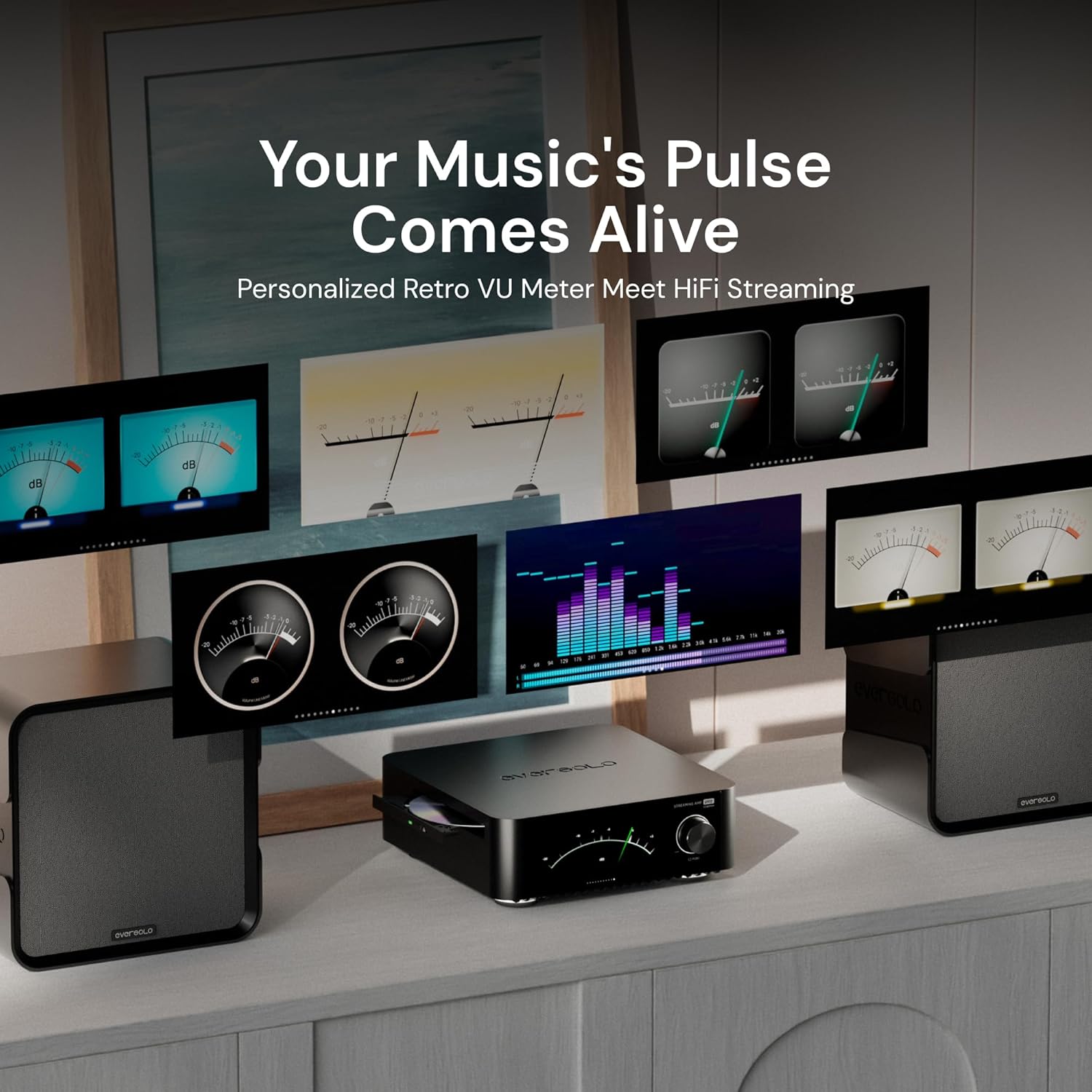
The Eversolo Play takes a refreshingly different approach with its large touchscreen display. This isn't just a tiny LCD showing track information; it's a full-featured interface that lets you browse music, adjust settings, and control playback without ever touching your phone. The screen can display VU meters, spectrum analyzers, or album artwork, adding a visual element that many music lovers appreciate.
This direct control approach appeals to people who prefer tactile interfaces over smartphone apps. There's something satisfying about physically interacting with your audio system, and the Eversolo's touchscreen makes this possible in ways that haven't been common since the heyday of high-end CD players.
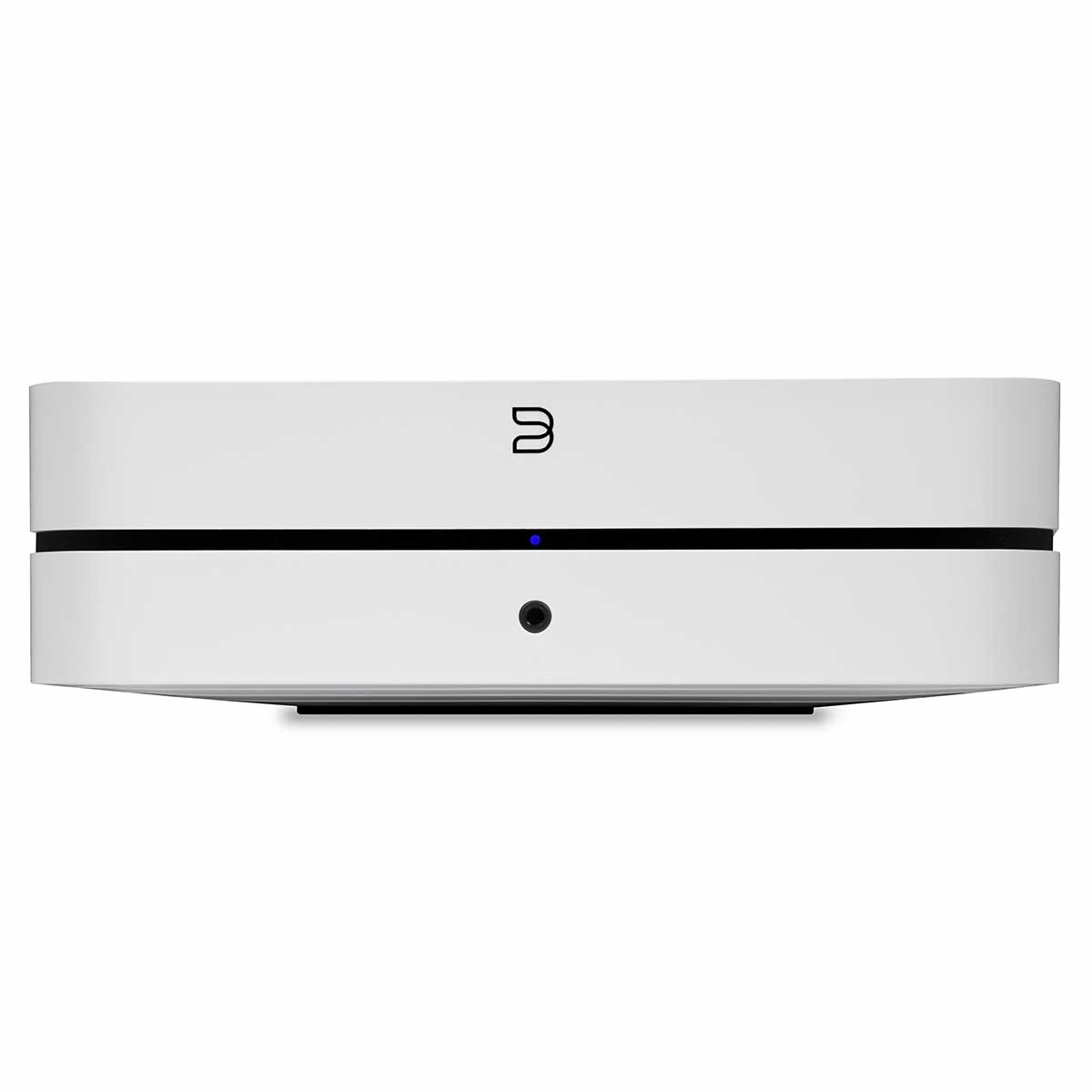
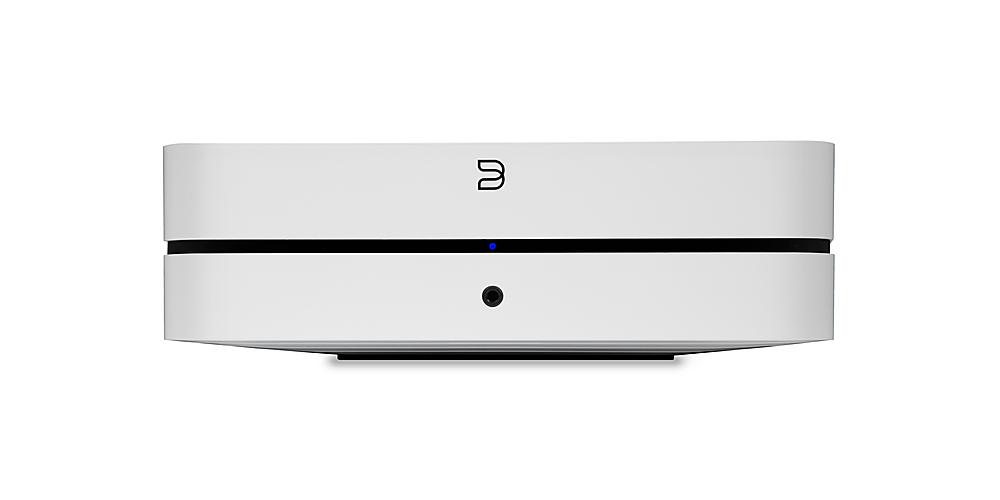
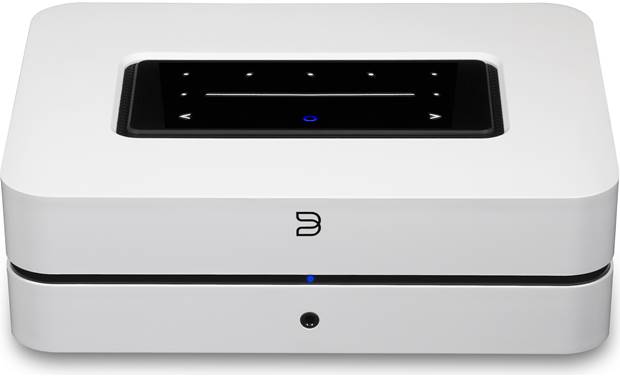
The PowerNode relies primarily on the BluOS Controller app, which is mature, stable, and feature-rich after years of development. The physical device has minimal touch controls—essentially just play/pause, volume, and preset buttons. While this creates a cleaner aesthetic, it does mean you're dependent on your smartphone or tablet for most functions.
Both approaches have merit. The Eversolo's touchscreen is great for focused listening sessions where you want to browse and explore music, while the PowerNode's app-centric approach excels for background music and multi-room scenarios where you're controlling the system from various locations.
For home theater integration, the PowerNode is clearly superior, particularly the 2025 version which can operate in a 3.1 configuration, providing 80 watts each to left, center, and right channels. Combined with Bluesound's wireless subwoofers and the ability to add wireless surround speakers through BluOS bonding, you can create a complete surround system without running a single speaker cable.
The HDMI eARC connection handles audio return from your TV automatically, supporting high-resolution formats and providing seamless integration with streaming apps on your smart TV or connected devices. This setup can replace a traditional AV receiver for many users, offering better audio quality than most budget-to-mid-range receivers while maintaining simplicity.
The Eversolo Play supports TV audio through its HDMI ARC input, but it's limited to stereo operation. While you can add a subwoofer, you can't create true surround sound configurations. This makes it better suited for music-focused systems that occasionally handle TV audio rather than dedicated home theater applications.
At the time of writing, these products are positioned at different price points, with the Eversolo Play coming in somewhat less expensive than the PowerNode. This pricing reflects their different strengths and target markets.
The Eversolo Play offers remarkable value for users who want premium DAC specifications, analog input flexibility, and direct touchscreen control. The inclusion of a high-quality phono preamp alone represents significant value, as standalone units with similar specifications often cost several hundred dollars. The CD Edition adds even more value for users with physical media collections.
The PowerNode commands a premium for its mature ecosystem, superior wireless connectivity, and multi-room capabilities. If you value convenience, seamless operation, and the ability to expand to multiple rooms, the extra cost is justified by the comprehensive BluOS platform and proven reliability.
Based on our research and analysis of user and expert reviews, the decision between these products usually comes down to a few key factors.
Choose the Eversolo Play if you're building a music-focused system where direct control and analog source integration matter. Vinyl enthusiasts will particularly appreciate the built-in phono stage, and the touchscreen interface appeals to users who prefer hands-on control over app-based operation. The superior DAC specifications and digital output flexibility also make it attractive for audiophiles who might want to upgrade individual components later.
The PowerNode makes more sense for users prioritizing convenience, wireless connectivity, and future expansion potential. Its mature multi-room ecosystem, superior wireless protocols, and home theater capabilities make it ideal for modern connected homes. The proven reliability of BluOS and extensive streaming service support also appeal to users who want a "set it and forget it" experience.
For home theater integration specifically, the PowerNode is clearly superior unless you're only planning stereo operation. The HDMI eARC connectivity, center channel support, and wireless surround capabilities make it a genuine AV receiver alternative for many installations.
Both products represent the current state of the art in streaming amplifiers, but they serve slightly different audiences. The Eversolo Play appeals to hands-on music lovers who want premium specifications and analog flexibility, while the PowerNode targets users seeking convenience, wireless integration, and room for future expansion. Neither choice is wrong—it's about matching the product to your specific needs and listening habits.
The streaming amplifier category continues to evolve rapidly, with manufacturers adding new features and improving performance yearly. Both the Eversolo Play and PowerNode represent current-generation thinking about what these devices should offer, and both are likely to receive firmware updates that add functionality over time. This software upgradability is one of the key advantages of modern streaming amplifiers over traditional separates—your system can actually improve after you buy it.
| Eversolo Play Streaming Amplifier | Bluesound PowerNode Wireless Music Streaming Amplifier |
|---|---|
| Power Output - Determines how loud your speakers can play and how well they're controlled | |
| 60W @ 8Ω, 110W @ 4Ω (sufficient for most bookshelf speakers) | 80W @ 8Ω standard / 100W @ 8Ω (2025 model) - better headroom for demanding speakers |
| DAC Resolution - Higher numbers support better quality digital files, though most music won't use the full capability | |
| 32-bit/768kHz with AKM AK4493SEQ chip, DSD512 support (future-proof specifications) | 32-bit/384kHz premium DAC, MQA support (handles all current high-res content) |
| Distortion (THD) - Lower is better; both are excellent but Eversolo edges ahead | |
| <0.0037% at 5W (exceptionally low, approaching measurement limits) | 0.008% (still excellent and inaudible in practice) |
| Physical Interface - How you control the device day-to-day | |
| 5.5" LCD touchscreen with direct music browsing and settings control | Capacitive touch controls with proximity sensor, app-dependent operation |
| Phono Input - Essential for turntable users, saves buying separate preamp | |
| Yes, built-in MM/MC phono stage with RIAA equalization | No phono input (requires external preamp for turntables) |
| Multi-Room Audio - Ability to sync music across multiple rooms in your home | |
| Basic multi-room sync capabilities | Advanced BluOS platform supporting up to 64 synchronized zones |
| Wireless Connectivity - Quality of Bluetooth and Wi-Fi features | |
| Bluetooth 5.0 (SBC/AAC), Wi-Fi, no AirPlay | Two-way Bluetooth aptX HD/Adaptive, dual-band Wi-Fi, AirPlay 2 |
| TV Integration - How well it works with your television and home theater setup | |
| HDMI ARC input, stereo only | HDMI eARC, supports center channel for 3.1 home theater configurations |
| Headphone Output - For private listening without disturbing others | |
| None (no headphone jack) | 3.5mm standard / 6.3mm with THX AAA technology (2025 model) |
| Digital Output - Ability to use device as high-end digital transport | |
| USB audio output supporting DSD512/768kHz to external DACs | Coaxial digital output only (more limited resolution) |
| Streaming Services - Number and integration of supported music platforms | |
| Major services (Tidal, Qobuz, Spotify, Amazon Music) with connect features | 20+ services via mature BluOS platform with cross-platform search |
| CD Playback - For users with physical disc collections | |
| Available in CD Edition with integrated drive and ripping capability | Not available (external CD player required) |
| Best For - Primary use cases where each product excels | |
| Vinyl enthusiasts, hands-on control lovers, audiophile specifications | Multi-room systems, wireless convenience, home theater integration |
The Bluesound PowerNode delivers more power with 80W per channel (100W in the 2025 model) compared to the Eversolo Play's 60W per channel into 8-ohm speakers. However, the Eversolo Play increases to 110W into 4-ohm speakers, showing good power supply design. For most bookshelf speakers and moderate listening levels, both provide adequate power.
Only the Eversolo Play includes a built-in MM/MC phono preamp, allowing direct turntable connection without additional equipment. The Bluesound PowerNode requires a separate phono preamp to connect turntables. This makes the Eversolo Play more convenient and cost-effective for vinyl enthusiasts.
The Bluesound PowerNode excels at multi-room audio with its mature BluOS platform supporting up to 64 synchronized zones throughout your home. The Eversolo Play offers basic multi-room sync but lacks the sophisticated ecosystem and proven reliability of BluOS for whole-home audio installations.
Both connect to TVs, but the Bluesound PowerNode offers superior integration with HDMI eARC and can operate in 3.1 mode for home theater setups with center channel support. The Eversolo Play provides HDMI ARC input but only supports stereo TV audio, making it better suited for music-focused systems.
The Bluesound PowerNode supports over 20 streaming services through the BluOS platform, including comprehensive integration and cross-platform searching. The Eversolo Play covers major services like Tidal, Qobuz, and Spotify but has fewer total options and less sophisticated service integration.
The Bluesound PowerNode includes a headphone output (3.5mm standard, 6.3mm with THX AAA technology in 2025 model), while the Eversolo Play has no headphone jack. If headphone listening is important, the PowerNode is the only viable option between these two.
The Bluesound PowerNode offers superior wireless features with two-way Bluetooth aptX HD/Adaptive, AirPlay 2 support, and robust dual-band Wi-Fi. The Eversolo Play has basic Bluetooth 5.0 (SBC/AAC only) and Wi-Fi but lacks AirPlay support, making it less convenient for wireless streaming.
The Eversolo Play features a 5.5-inch touchscreen for direct control without needing your phone, while the Bluesound PowerNode relies primarily on the BluOS Controller app with minimal physical controls. The touchscreen approach appeals to users who prefer hands-on operation over app-dependent control.
The Eversolo Play supports higher resolution audio up to 768kHz/32-bit and DSD512, compared to the Bluesound PowerNode's 384kHz/32-bit maximum. While both exceed current streaming service quality, the Eversolo Play offers more future-proofing for ultra-high-resolution content.
Only the Eversolo Play offers CD playback through its optional CD Edition, which includes an integrated drive with ripping capability. The Bluesound PowerNode requires an external CD player connected via digital inputs for CD playback.
The Bluesound PowerNode is significantly better for home theater with HDMI eARC support, center channel capability for 3.1 configurations, and wireless surround sound options through BluOS bonding. The Eversolo Play handles TV audio but only in stereo mode, making it unsuitable for true surround sound setups.
The Eversolo Play typically costs less while offering premium DAC specifications, touchscreen control, and built-in phono preamp. The Bluesound PowerNode commands a premium for its mature multi-room ecosystem, superior wireless connectivity, and home theater capabilities. Value depends on whether you prioritize audiophile features or convenience and expandability.
We've done our best to create useful and informative comparisons to help you decide what product to buy. Our research uses advanced automated methods to create this comparison and perfection is not possible - please contact us for corrections or questions. These are the sites we've researched in the creation of this article: blog.son-video.com - audio46.com - upscaleaudio.com - audioadvice.com - musicdirect.com - audio46.com - whathifi.com - whathifi.com - bloomaudio.com - youtube.com - the-ear.net - whathifi.com - soundstagesimplifi.com - youtube.com - stevehuffphoto.com - darko.audio - youtube.com - eversolo.com - crutchfield.com - upscaleaudio.com - bluesound.com - bluesound.com - stereophile.com - theaudiofactory.com - audioadvisor.com - musicdirect.com - twitteringmachines.com - futureaudiophile.com - bluesound.com - bluesound.com - moon-audio.com - audioadvisor.com - ecoustics.com

Privacy Policy
Terms and Conditions - Affiliate Policy
Home Security
© Copyright 2008-2026.
11816 Inwood Rd #1211, Dallas, TX 75244