


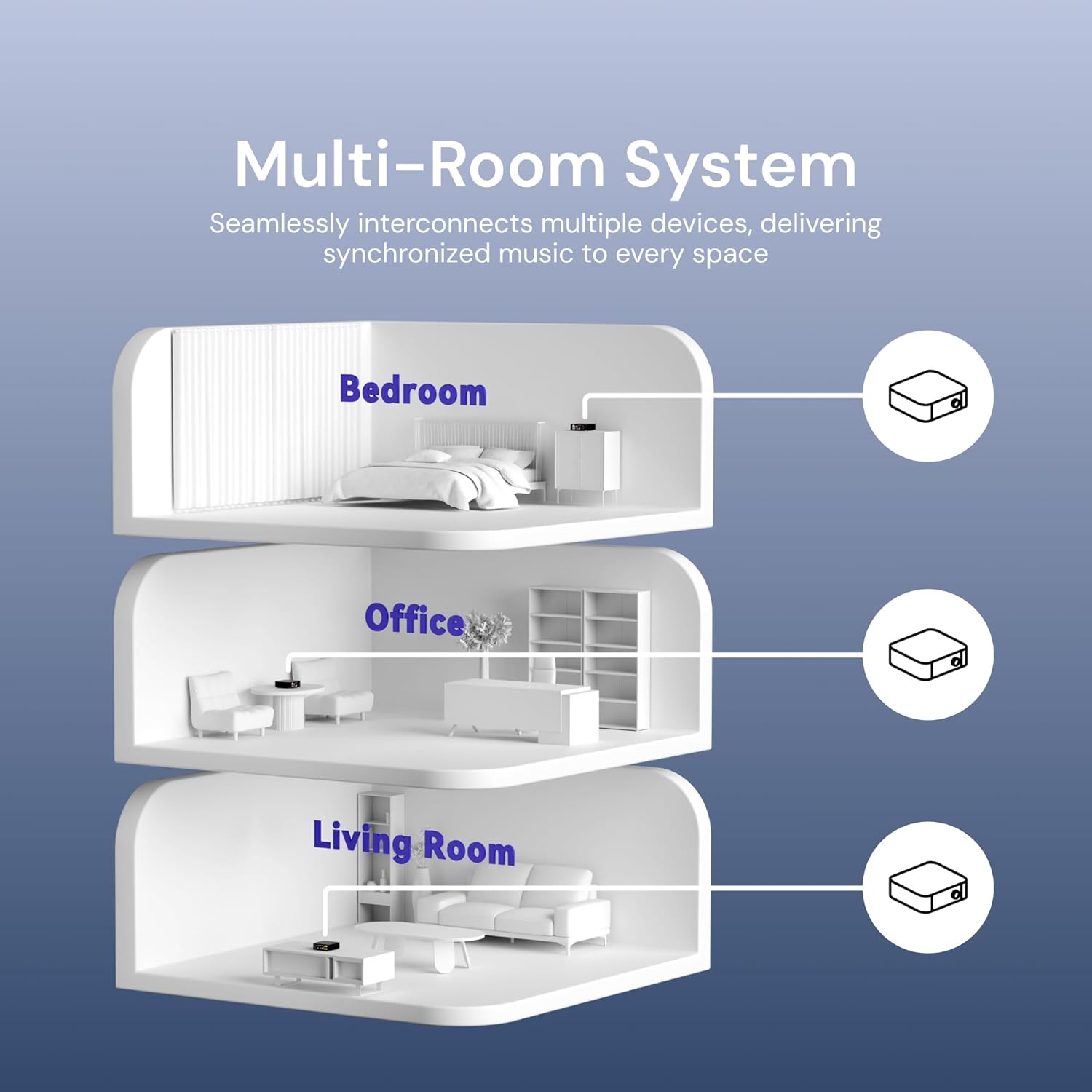

The world of integrated amplifiers has never been more diverse. On one side, you have traditional designs rooted in decades of analog engineering. On the other, cutting-edge digital streaming solutions that treat your amplifier as a smart device. This fundamental split creates fascinating choices for music lovers, and today we're diving deep into two products that perfectly represent these opposing philosophies.
An integrated amplifier combines a preamplifier (which handles input switching and volume control) with a power amplifier (which drives your speakers) in one chassis. Think of it as the conductor of your audio system – it takes signals from various sources and amplifies them to fill your room with music.
The key considerations when shopping for an integrated amplifier haven't changed much over the decades: power output, sound quality, input flexibility, and build quality. However, modern amplifiers now face additional questions about digital connectivity, streaming capabilities, user interfaces, and future-proofing against rapidly evolving music consumption habits.
Power output determines which speakers you can effectively drive. Sound quality encompasses everything from measured distortion to subjective characteristics like warmth or detail. Input flexibility covers how many and what types of sources you can connect. But increasingly, the biggest decision revolves around whether you want a traditional amplifier that relies on external sources, or a modern streaming-integrated solution that can access music services directly.
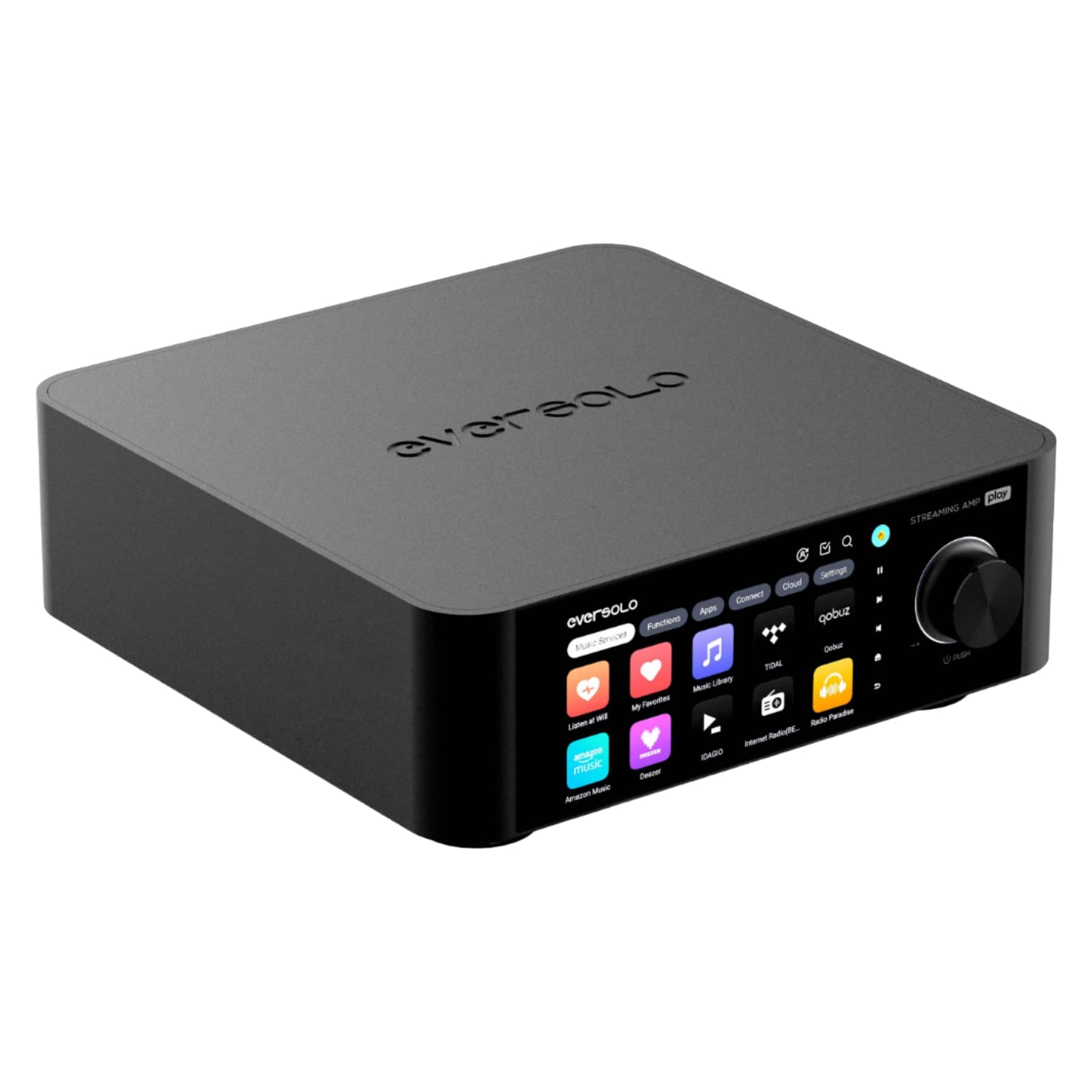
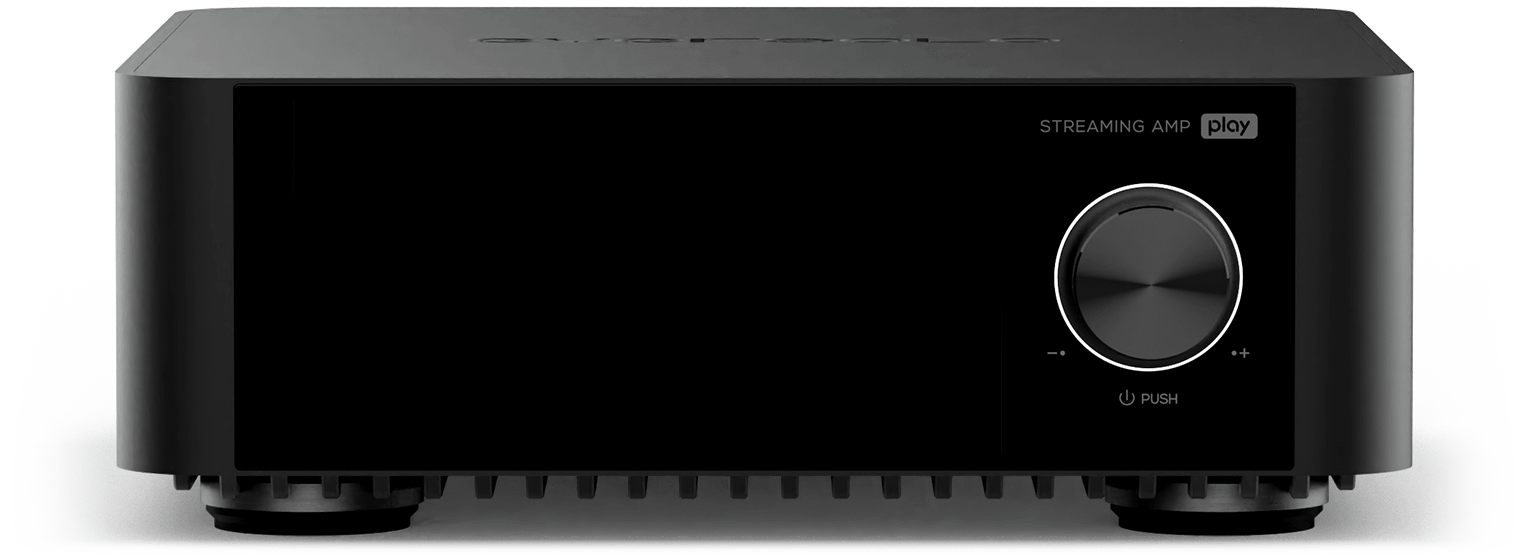
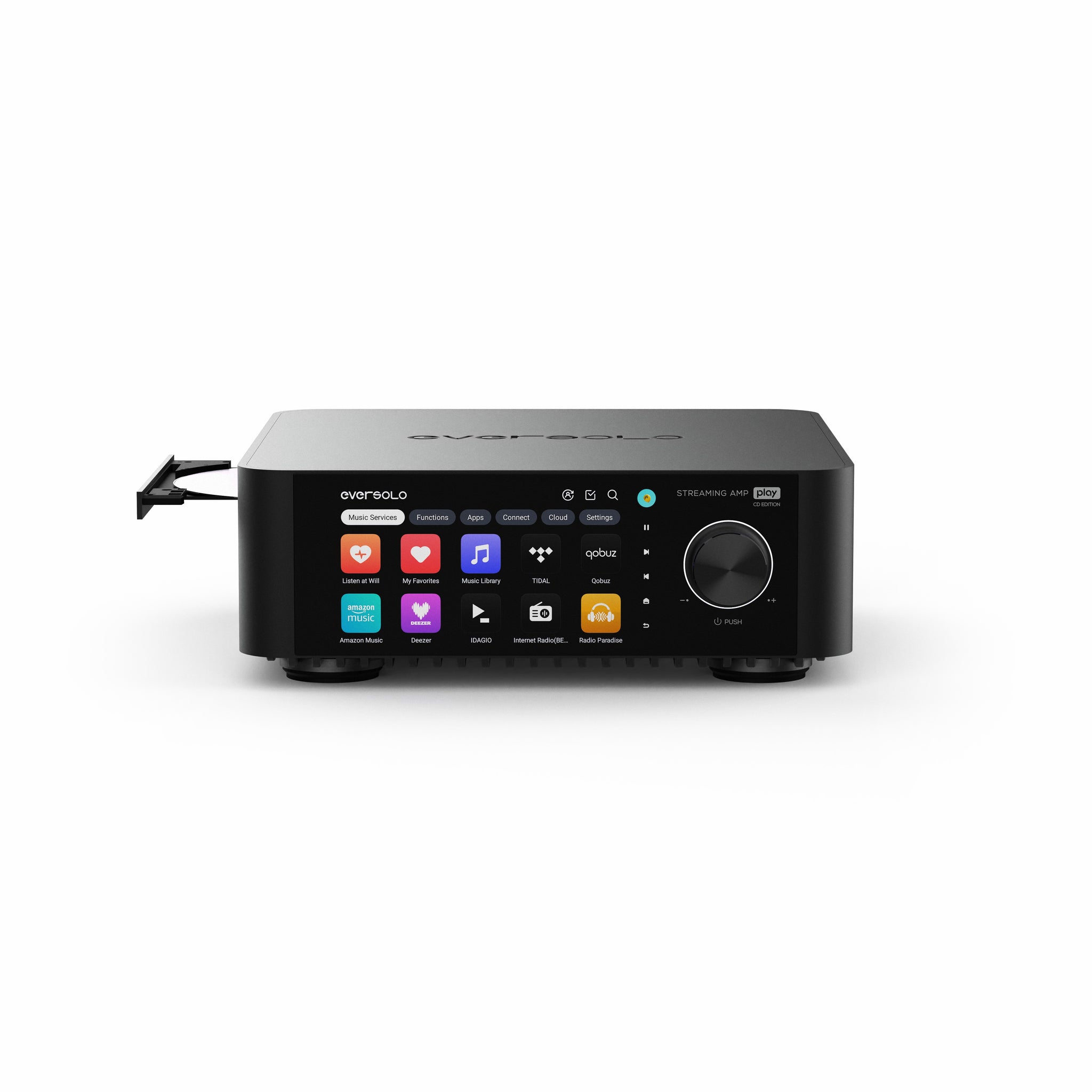
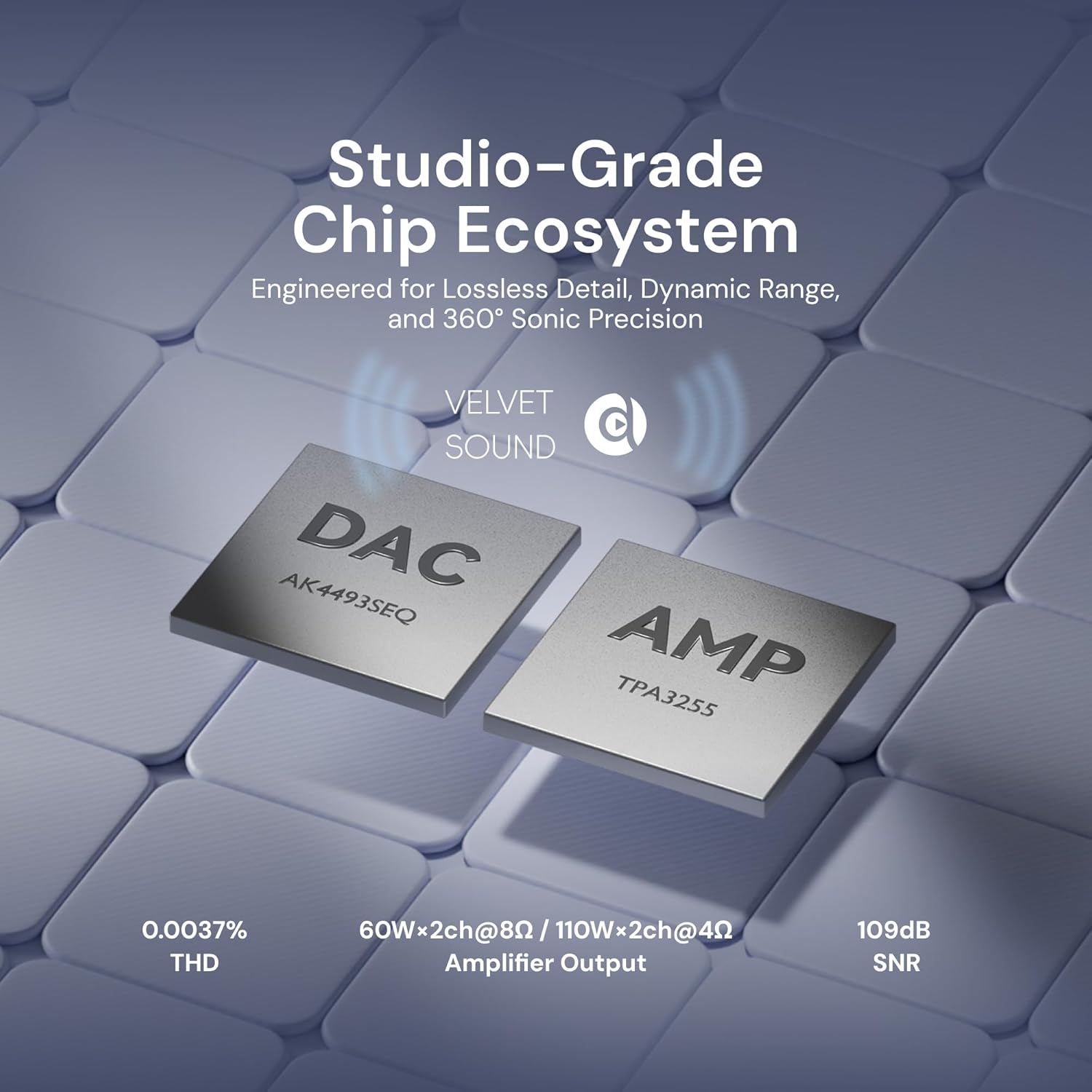
The Eversolo Play Streaming Amplifier, released in 2025, represents the digital-first philosophy taken to its logical conclusion. This compact unit integrates a high-resolution music streamer, advanced digital-to-analog converter (DAC), and Class D amplifier in one sleek package. The DAC is the component that converts digital music files into analog signals your speakers can reproduce – and the Play's AK4493SEQ chip supports incredibly high-resolution formats up to DSD512 and PCM at 768kHz sample rates. To put that in perspective, CD quality is 16-bit/44.1kHz, so we're talking about dramatically higher resolution potential.
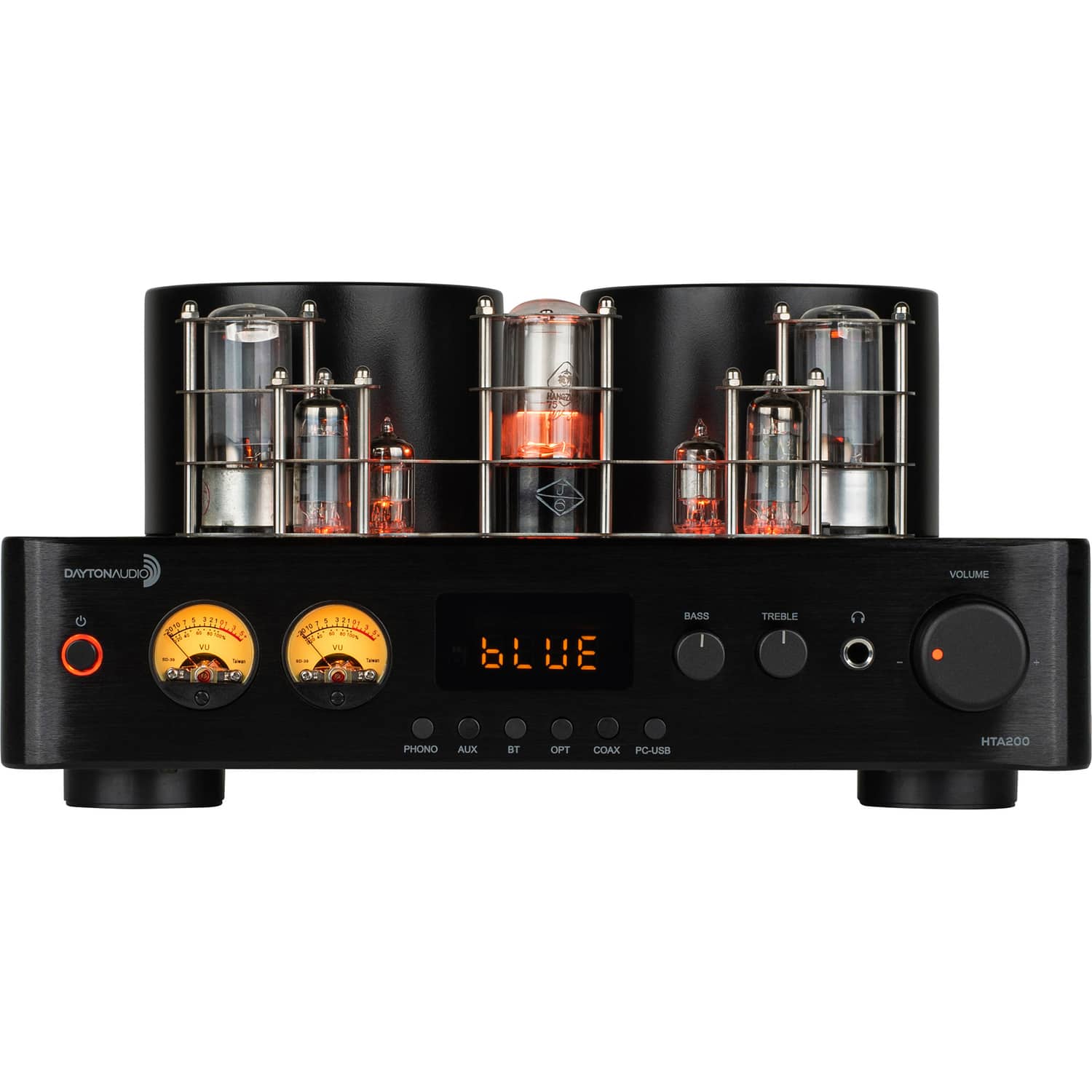
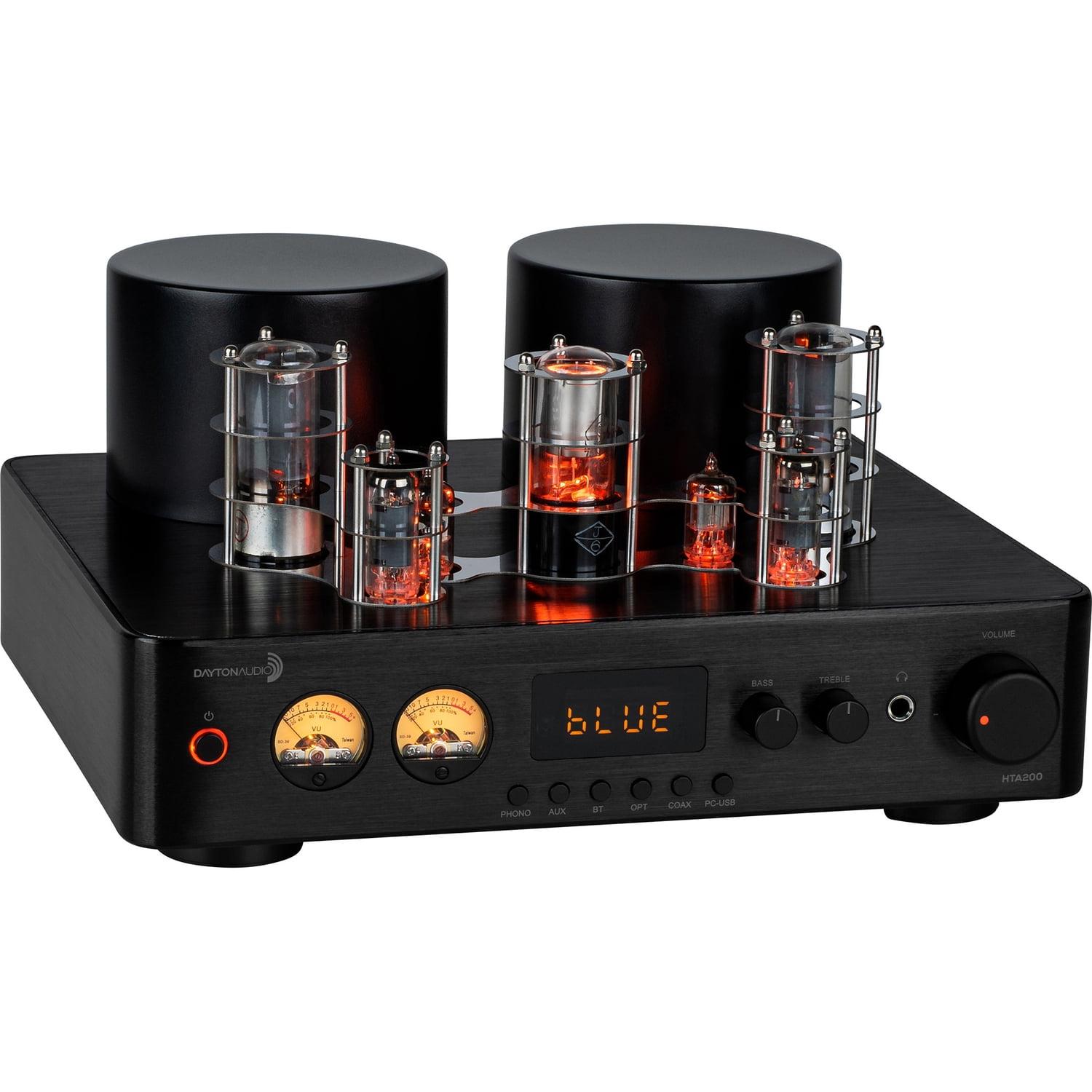
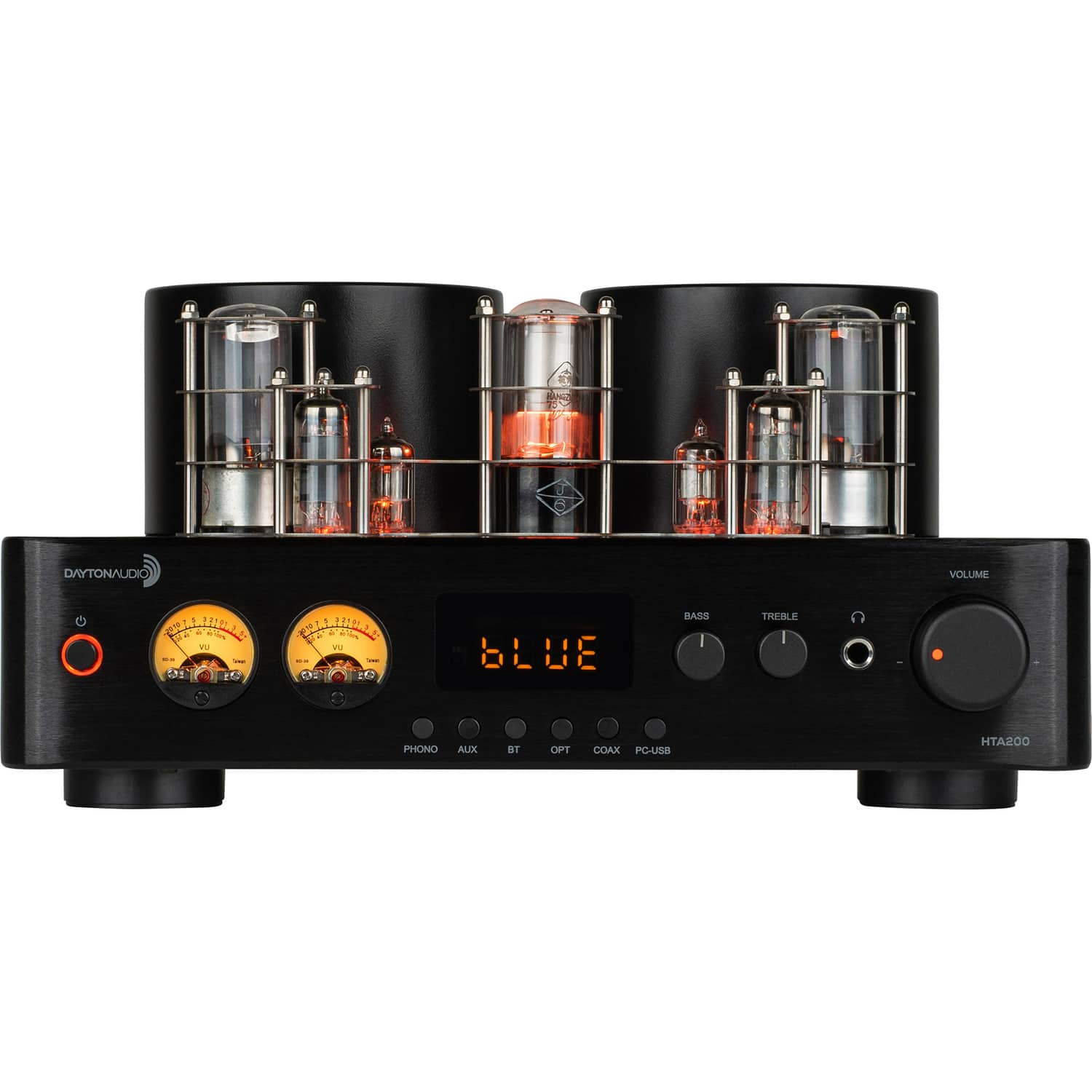
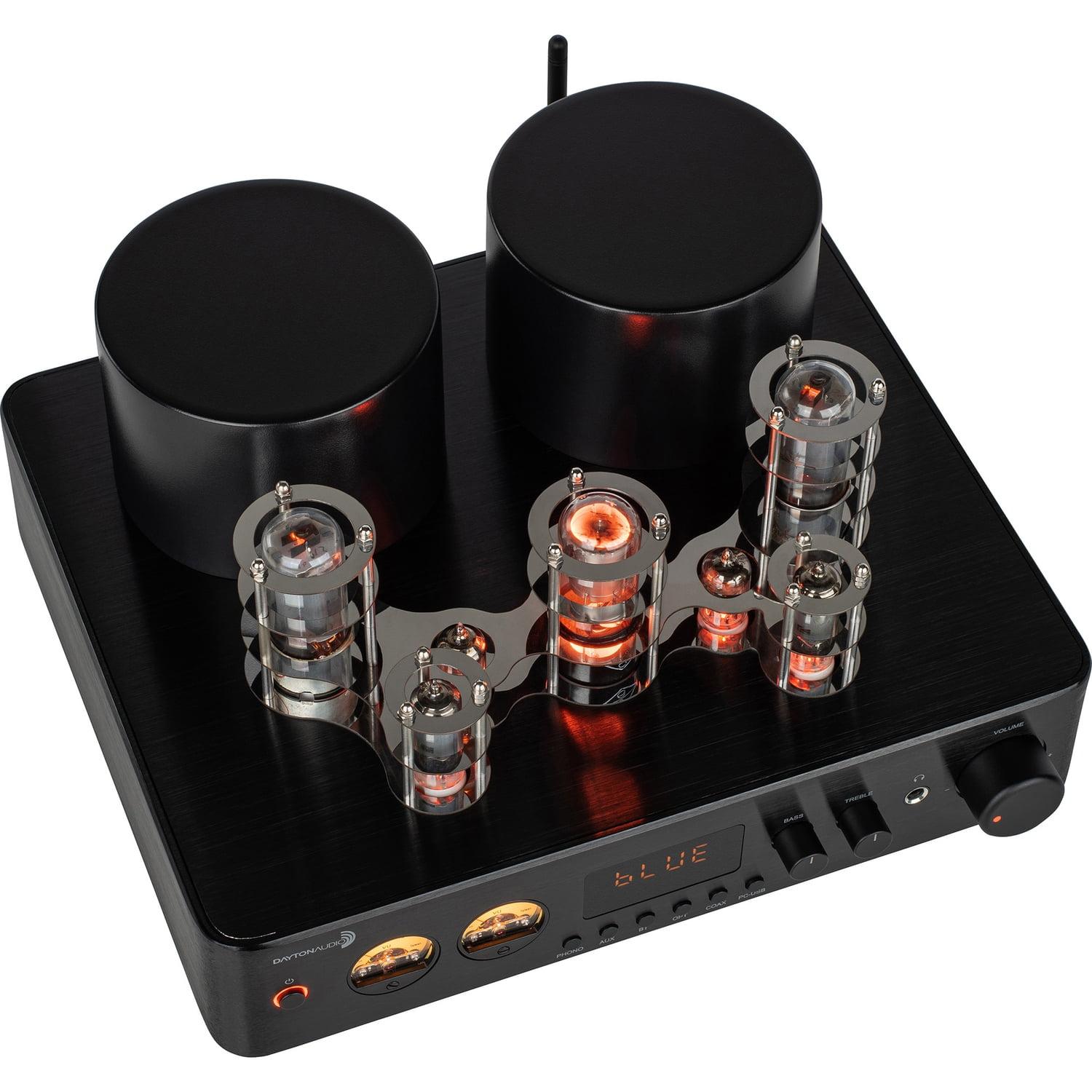
The Dayton Audio HTA200, by contrast, launched in the early 2020s as a throwback to classic amplifier design with modern conveniences. It uses a hybrid approach – vacuum tubes handle the preamplification stage (adding that warm, slightly colored sound tubes are famous for), while a solid-state Class A/B amplifier provides the muscle to drive speakers. This gives you the best of both worlds: tube warmth without the reliability concerns and power limitations of all-tube designs.
Both amplifiers deliver similar power output – around 50-60 watts into 8-ohm speakers and 100-110 watts into 4-ohm loads. This puts them in the sweet spot for most bookshelf speakers and many floor-standing models in typical rooms. However, their approaches to achieving this power couldn't be more different.
The Eversolo Play uses Class D amplification with PurePath Ultra HD technology. Class D amplifiers work by rapidly switching the output transistors on and off thousands of times per second, creating a highly efficient design that generates minimal heat. The "PurePath" designation refers to Texas Instruments' advanced implementation that includes sophisticated feedback correction to minimize distortion. The result is remarkable: total harmonic distortion (THD) under 0.0037% at moderate power levels and a signal-to-noise ratio exceeding 109dB.
These numbers matter more than you might think. THD measures how much the amplifier changes your music signal – lower is always better. At 0.0037%, the Play is essentially transparent, adding virtually no coloration to your music. The 109dB signal-to-noise ratio means the background is incredibly quiet, allowing subtle details in recordings to emerge clearly.
The HTA200 takes a different approach entirely. Its hybrid design intentionally adds character through the tube preamp section, which uses multiple vacuum tubes including 13P1P and 6H2 types. These tubes introduce pleasant harmonic distortion – typically second and third harmonics that many listeners find musically appealing. The solid-state power section then provides the current needed to drive speakers effectively.
Measured performance tells part of the story: the HTA200 shows THD under 1% and signal-to-noise ratio around 80dB. These numbers are perfectly acceptable for home listening, though notably higher than the Play's specifications. However, measurements don't capture everything about sound quality, and many listeners prefer the tube-influenced character despite the higher measured distortion.
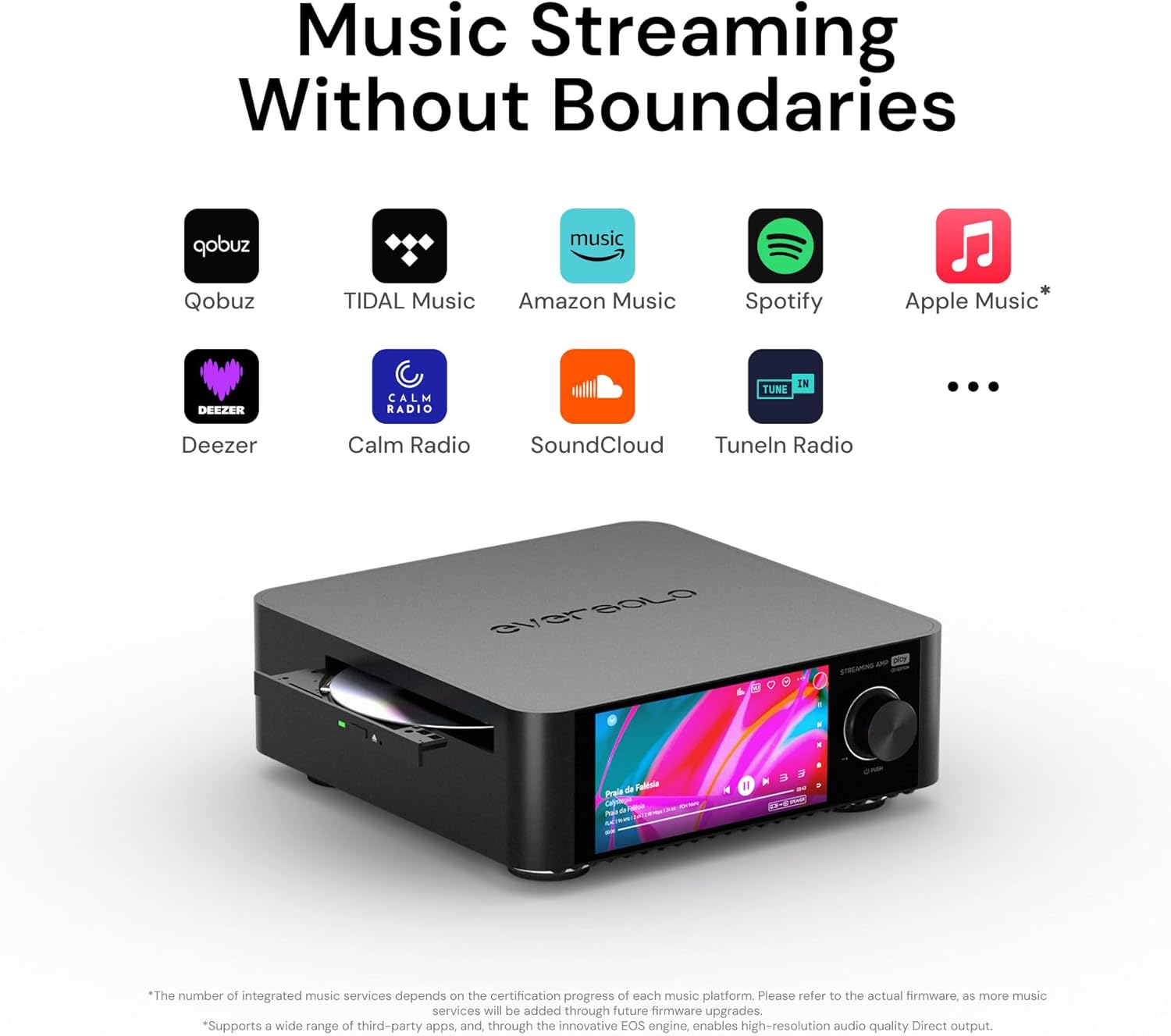
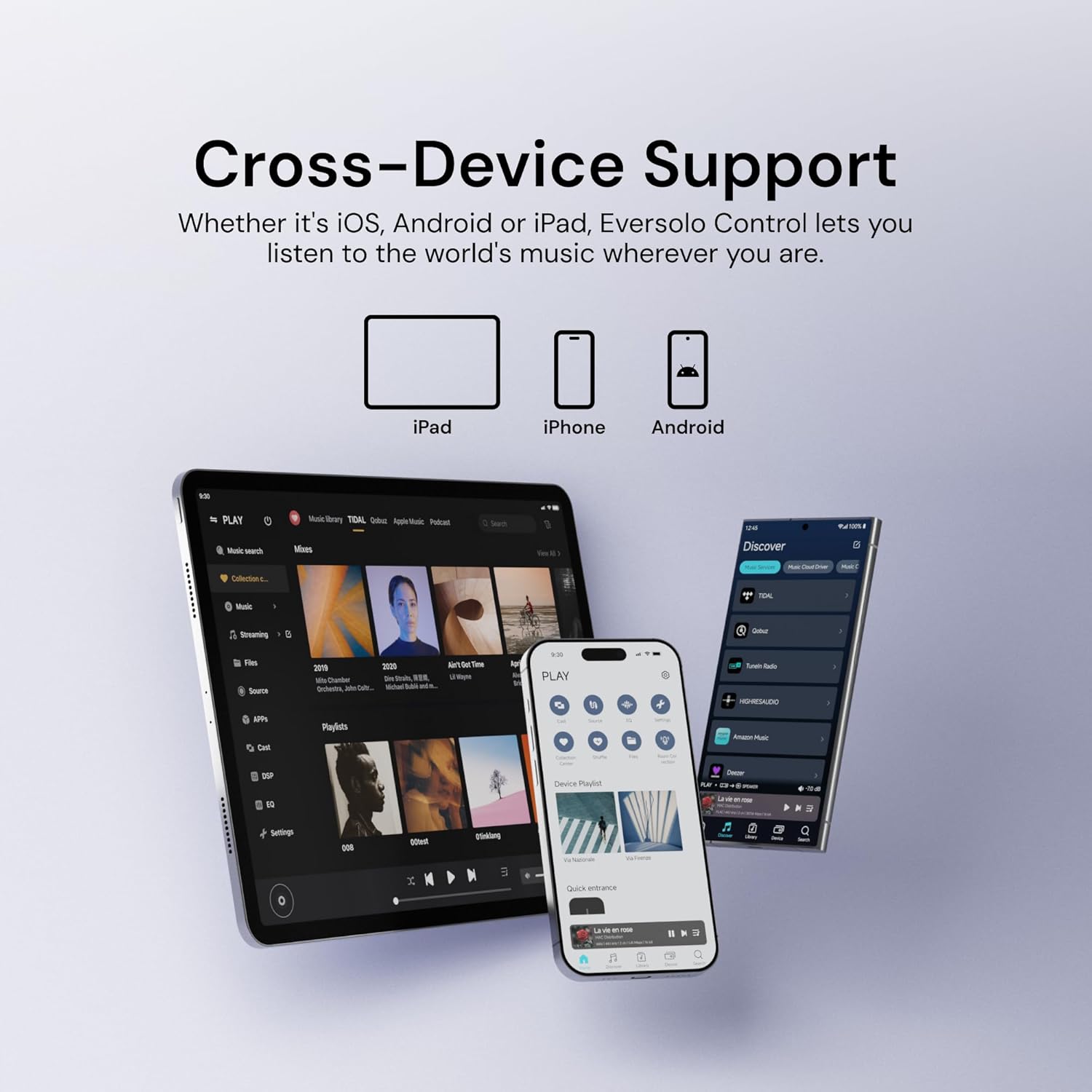
This is where the two amplifiers diverge most dramatically. The Eversolo Play essentially functions as a high-end network player, DAC, and amplifier rolled into one. Its streaming capabilities include native integration with major services like TIDAL, Qobuz, Amazon Music, and Spotify Connect. "Native integration" means the amplifier connects directly to these services without needing a phone or computer as an intermediary – you can control everything through the unit's 5.5-inch touchscreen or companion app.
The technical specifications here are impressive. The Play supports DSD512 (a ultra-high-resolution format used for archival recordings) and PCM up to 768kHz at 32-bit depth. Even if you never encounter files in these formats, having this capability ensures compatibility with whatever high-resolution content becomes available in the future.
The HTA200, by comparison, offers more basic digital connectivity. Its USB DAC input maxes out at 16-bit/48kHz – essentially CD quality – while optical and coaxial inputs provide additional digital connection options. Bluetooth 5.0 handles wireless connectivity, but you're limited to compressed audio codecs like SBC and AAC rather than lossless streaming.
For context, this digital divide reflects when each product was designed. The HTA200 emerged when Bluetooth and basic USB DAC functionality were considered adequate wireless features. The Play, arriving in 2025, assumes users want direct access to high-resolution streaming services without intermediary devices.
Operating these amplifiers feels completely different. The Eversolo Play centers around its touchscreen interface, running a customized Android-based operating system. You can browse music services, adjust settings, view spectrum analyzers, and control playback directly from the front panel. The interface mirrors what you'd expect from a modern tablet, with intuitive navigation and rich visual feedback.
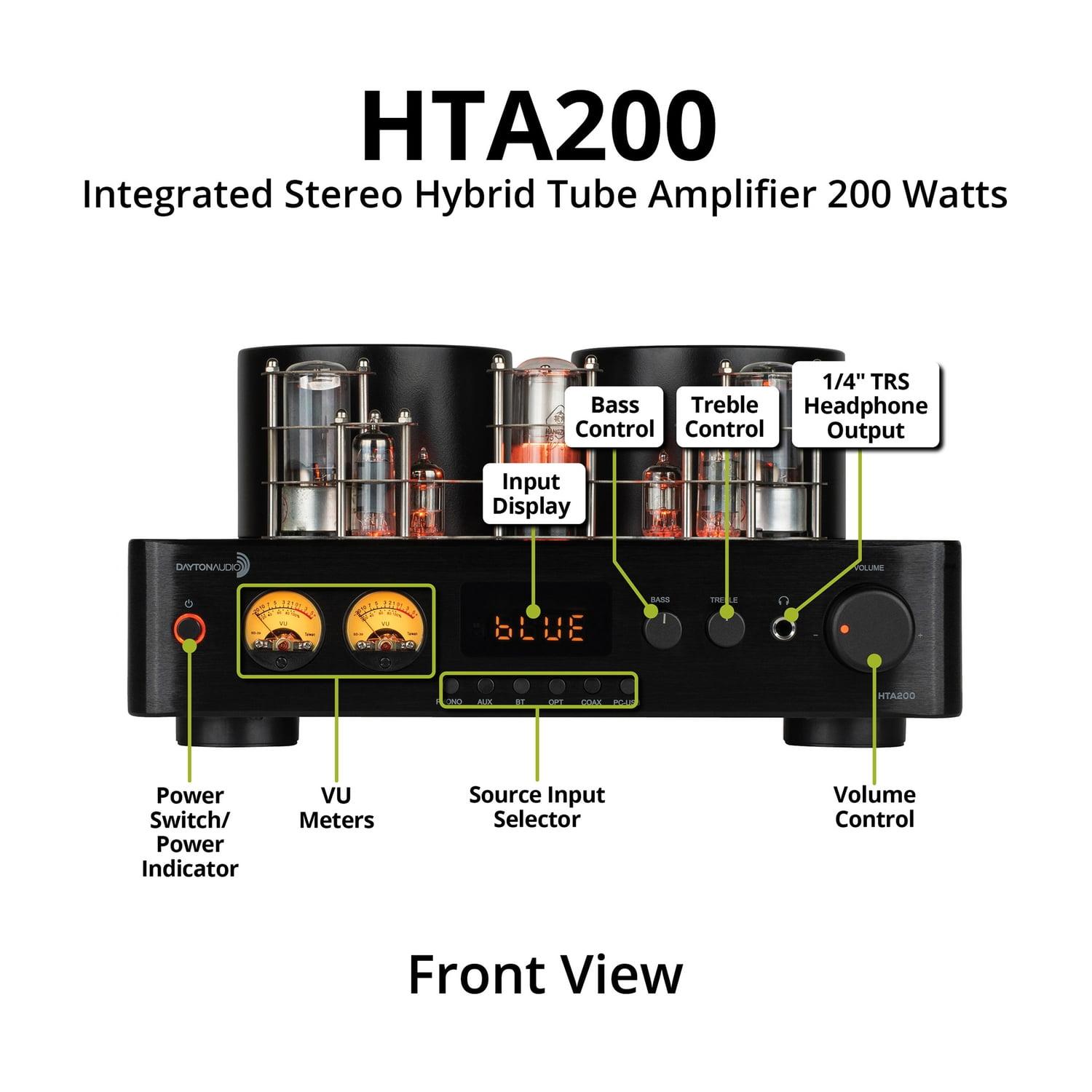
The HTA200 embraces traditional amplifier ergonomics with a twist. Physical knobs control volume, bass, and treble, while a motorized volume control responds to the included remote. The real showstopper is the visual presentation: glowing amber tubes and backlit VU meters create an unmistakably vintage aesthetic that many find irresistible.
Both approaches have merit. The Play's touchscreen eliminates the need for external controllers when browsing streaming services, while the HTA200's physical controls offer immediate, tactile access to essential functions. Your preference likely depends on whether you value modern convenience or traditional amplifier operation.
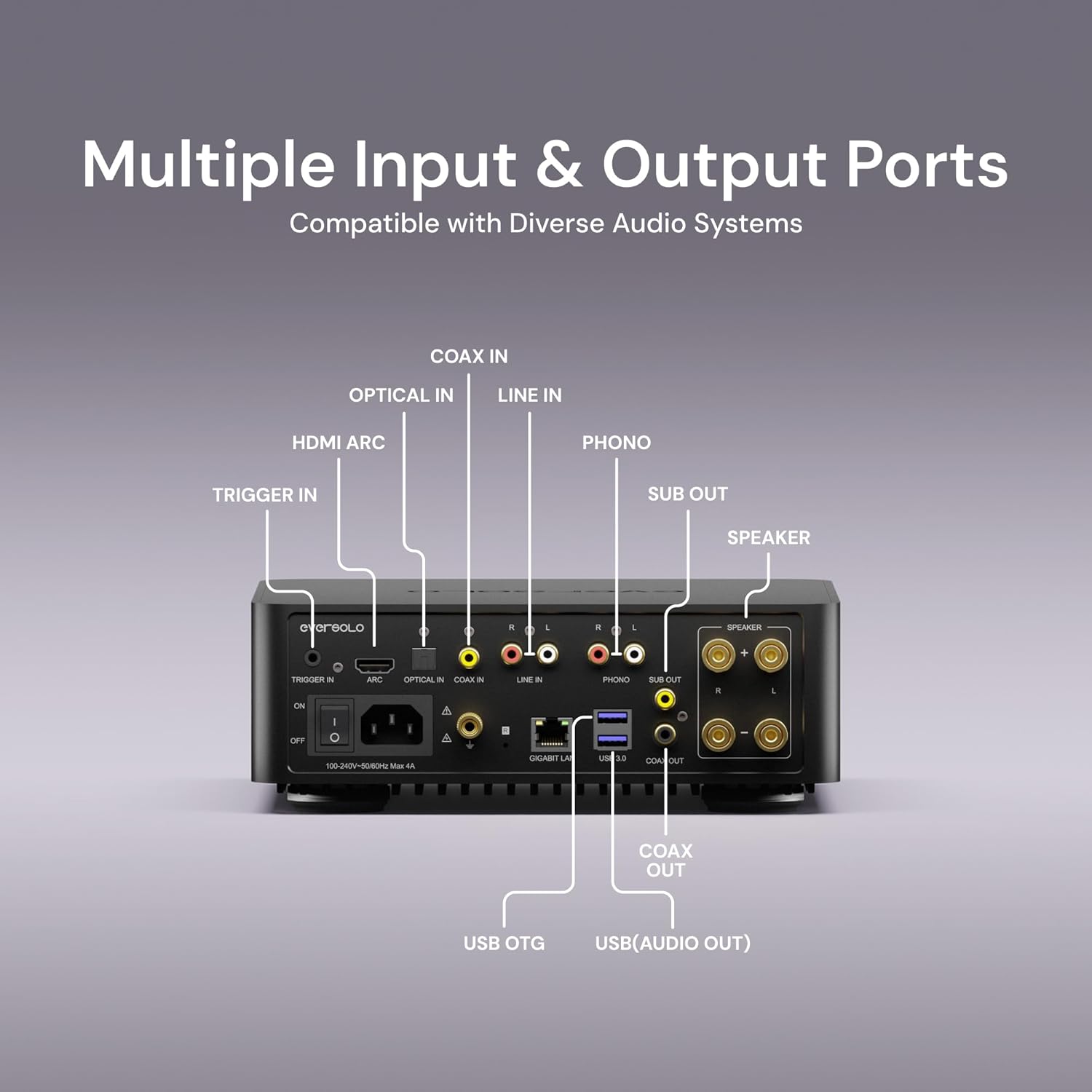
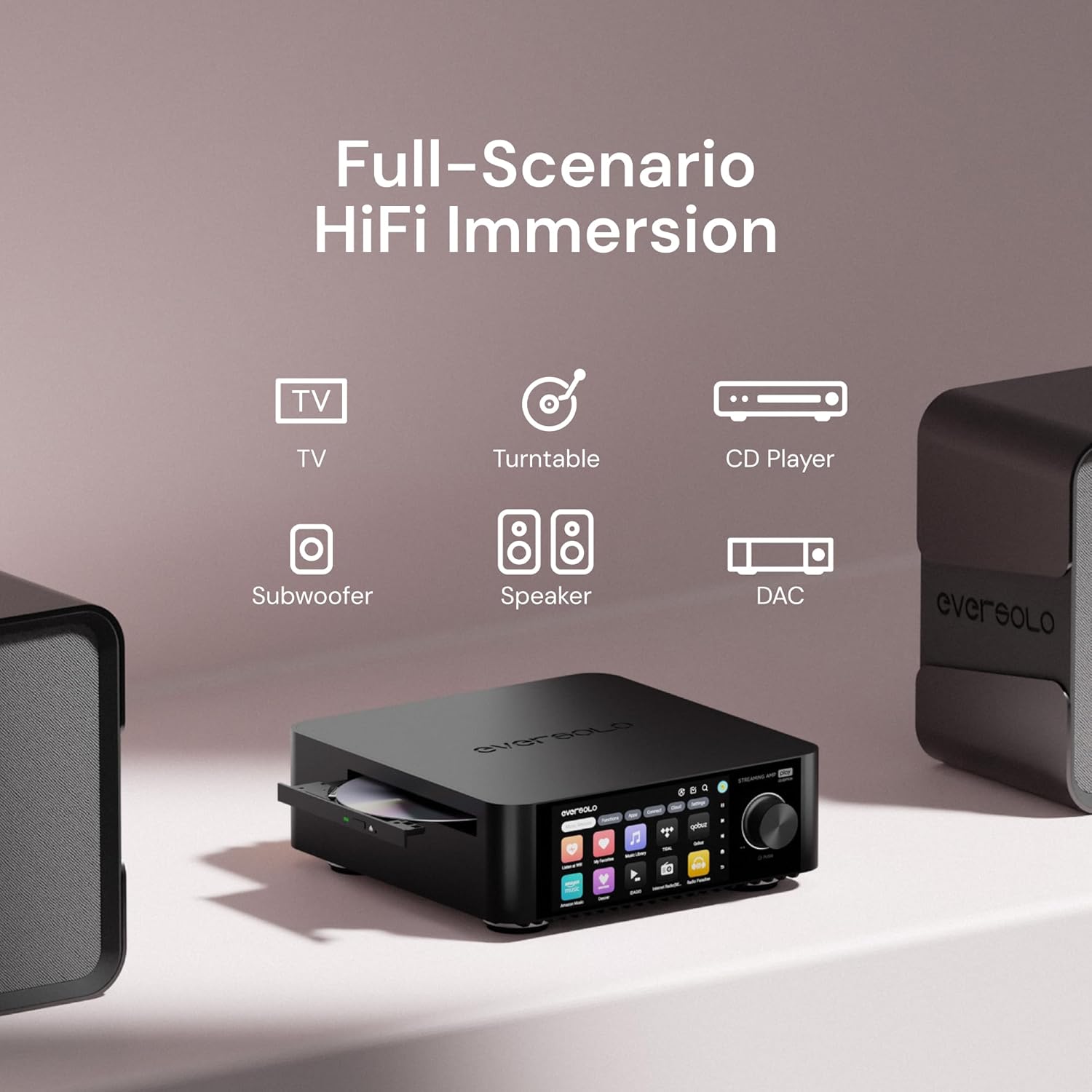
Input flexibility reveals another philosophical divide. The Eversolo Play includes HDMI ARC (Audio Return Channel), allowing it to receive audio directly from your TV – a crucial feature for home theater integration. Combined with its streaming capabilities, this makes the Play genuinely useful as a central hub for both music and TV audio.
Both amplifiers include phono inputs for turntables, but with different implementations. The Play supports both moving-magnet (MM) and moving-coil (MC) cartridges through its professional-grade phono preamp. Moving-coil cartridges typically provide better performance but require more sophisticated amplification due to their lower output levels. The HTA200 includes a capable MM phono stage but lacks MC capability.
Subwoofer integration differs significantly between the two. The Play provides a dedicated subwoofer output with adjustable crossover settings (40-500Hz), allowing you to fine-tune where your main speakers hand off to the subwoofer. The HTA200 offers a full-range preamp output, meaning you'll need a subwoofer with built-in crossover controls to achieve proper integration.
Our research into user experiences and professional reviews reveals distinctly different sonic signatures. The Eversolo Play consistently receives praise for its neutral, detailed presentation. Users report excellent clarity across the frequency spectrum, with tight bass response and airy highs. The Class D amplification maintains composure even at higher volumes, and the advanced DAC reveals subtle details in well-recorded material.
The HTA200, conversely, gets described as "warm" and "musical" in reviews. The tube preamp section adds subtle harmonic richness that many find engaging, particularly with acoustic music and vocals. Users report enjoying longer listening sessions without fatigue, though some note the sound can become less controlled at very high volumes.
Neither approach is objectively superior – they serve different preferences. If you prioritize accuracy and detail retrieval, the Play's measured performance and neutral character excel. If you prefer a more romanticized, vintage-influenced sound, the HTA200's tube coloration provides appealing character.
For home theater use, the Eversolo Play holds significant advantages. HDMI ARC connectivity means it can receive audio from your TV, handling everything from streaming service audio to gaming sound. The unit's ability to decode high-resolution formats also future-proofs against evolving TV audio standards.
The Play's compact footprint works well in entertainment centers, while its advanced DAC can significantly improve TV audio quality compared to built-in TV speakers or basic soundbars. Combined with its music streaming capabilities, it genuinely functions as a complete audio solution for modern living rooms.
The HTA200 can certainly handle TV audio through its analog and digital inputs, but lacks the seamless integration that HDMI ARC provides. You'll need to manage input switching manually and potentially deal with audio delay issues depending on your TV's output settings.
At the time of writing, these amplifiers occupy different price tiers, with the Eversolo Play commanding a premium over the HTA200. This price difference reflects their different target markets and feature sets.
The Play justifies its higher cost through cutting-edge streaming integration, advanced DAC technology, and comprehensive connectivity. If you primarily consume digital music and want a future-proof, space-efficient solution, the additional investment makes sense. The unit essentially replaces multiple components: a network streamer, high-end DAC, and amplifier.
The HTA200 offers remarkable value for those seeking tube character without tube prices. Traditional tube amplifiers often cost significantly more, making this hybrid approach attractive for budget-conscious listeners who still want that vintage sound signature. The included phono preamp and extensive connectivity add further value.
The Eversolo Play suits digital-first listeners who stream most of their music and value technical performance. It's ideal for space-conscious setups, modern home theaters, and users who appreciate cutting-edge features. If you're building a system around streaming services and want everything integrated seamlessly, this is your amplifier.
Choose the HTA200 if vintage aesthetics appeal to you and you prefer the warmth that tube preamps provide. It's perfect for users with extensive vinyl collections, those who enjoy hands-on tone adjustment, and anyone who wants glowing tubes as visual entertainment. The lower price point also makes it attractive for first-time tube enthusiasts.
These amplifiers represent fundamentally different philosophies about what a modern integrated amplifier should be. The Eversolo Play embraces the digital future with sophisticated streaming integration and measured perfection. The Dayton Audio HTA200 celebrates analog traditions while incorporating necessary modern conveniences.
Neither choice is wrong – they serve different users with different priorities. Consider your music consumption habits, aesthetic preferences, and integration requirements. If you're streaming high-resolution files and want everything controlled from one interface, the Play excels. If you prefer the ritual of physical controls and the warm glow of tubes, the HTA200 delivers classic satisfaction at an accessible price.
The beauty of today's amplifier market is this diversity. Whether you embrace the digital future or prefer analog traditions, excellent options exist to match your preferences and budget.
| Eversolo Play Streaming Amplifier | Dayton Audio HTA200 Integrated Stereo Hybrid Tube Amplifier |
|---|---|
| Power Output - Determines which speakers you can effectively drive | |
| 60W @ 8Ω / 110W @ 4Ω (suitable for most bookshelf and moderate floor-standing speakers) | 50W @ 8Ω / 100W @ 4Ω (adequate power for typical home listening with most speakers) |
| Amplifier Technology - Affects sound character, efficiency, and heat generation | |
| Class D with PurePath Ultra HD (highly efficient, minimal heat, clinical precision) | Hybrid tube preamp + Class A/B power stage (tube warmth with solid-state reliability) |
| Total Harmonic Distortion (THD) - Lower numbers mean cleaner, more accurate sound | |
| Signal-to-Noise Ratio - Higher numbers mean quieter background and better detail | |
| >109dB (exceptional dynamic range, reveals subtle recording details) | >80dB (good performance, though higher noise floor than premium units) |
| Digital Audio Support - Maximum quality for digital music files | |
| DSD512 / PCM 768kHz 32-bit via AK4493SEQ DAC (future-proof, studio-master quality) | 16-bit/48kHz via USB DAC (CD quality, adequate for most digital sources) |
| Streaming Integration - Built-in access to music services | |
| Native TIDAL, Qobuz, Roon Ready, Spotify Connect, Amazon Music (no phone required) | Bluetooth 5.0 only (requires phone/tablet for streaming, compressed audio) |
| User Interface - How you control the amplifier | |
| 5.5" touchscreen with Android OS (modern, intuitive, app-like experience) | Physical knobs, VU meters, motorized volume with remote (traditional, tactile control) |
| Phono Input - For connecting turntables directly | |
| MM/MC with professional preamp (supports high-end moving-coil cartridges) | MM only with built-in preamp (good for most turntables, lacks MC support) |
| TV Integration - Connecting to your television for audio | |
| HDMI ARC (seamless TV audio, perfect for home theater setups) | Analog/digital inputs only (requires manual switching, potential delay issues) |
| Tone Controls - Manual sound adjustment options | |
| None (relies on digital EQ and room correction via app) | Bass/treble knobs (±6dB adjustment, immediate tactile control) |
| Physical Size - Impact on your entertainment setup | |
| Compact: 3" × 9" × 9" (space-efficient, modern aesthetic) | Traditional: 13.1" × 6.6" × 12.5" (larger footprint, vintage styling with glowing tubes) |
| Subwoofer Integration - Adding bass extension to your system | |
| Dedicated output with adjustable crossover (40-500Hz, professional integration) | Full-range preamp output (requires subwoofer with built-in crossover controls) |
| Aesthetic Appeal - Visual impact in your listening room | |
| Sleek aluminum and glass, minimalist touchscreen design | Exposed glowing tubes, backlit VU meters, vintage hi-fi styling |
Both amplifiers deliver similar power output, with the Eversolo Play Streaming Amplifier providing 60W @ 8Ω and 110W @ 4Ω, while the Dayton Audio HTA200 offers 50W @ 8Ω and 100W @ 4Ω. The Eversolo Play has a slight edge, but both provide adequate power for most bookshelf speakers and many floor-standing models in typical rooms.
The Eversolo Play uses Class D amplification, which is highly efficient, generates minimal heat, and provides clean, accurate sound reproduction. The Dayton Audio HTA200 combines vacuum tube preamplification with solid-state power amplification, offering tube warmth and character while maintaining the reliability and power of solid-state design.
The Eversolo Play Streaming Amplifier excels at streaming with native integration for TIDAL, Qobuz, Roon Ready, Spotify Connect, and Amazon Music. You can control everything directly from its touchscreen without needing a phone. The Dayton Audio HTA200 only offers Bluetooth 5.0 connectivity, requiring a phone or tablet to stream music.
Both amplifiers include phono inputs, but with different capabilities. The Eversolo Play supports both moving-magnet (MM) and moving-coil (MC) cartridges through its professional-grade phono preamp. The HTA200 includes a capable MM phono stage but doesn't support the higher-performance MC cartridges.
The Eversolo Play is superior for home theater use thanks to its HDMI ARC connection, which provides seamless TV audio integration. The Dayton Audio HTA200 can handle TV audio through its digital and analog inputs, but requires manual switching and may have audio delay issues.
The Eversolo Play Streaming Amplifier delivers exceptional measured performance with THD under 0.0037% and >109dB signal-to-noise ratio, providing clean, detailed, and neutral sound. The Dayton Audio HTA200 offers higher measured distortion (<1% THD) but many listeners prefer its warm, musical character from the tube preamp section.
The Eversolo Play features a 5.5" touchscreen running Android OS, plus a companion smartphone app for comprehensive control. The HTA200 uses traditional physical knobs for volume, bass, and treble, with a motorized volume control that responds to the included remote, plus backlit VU meters and glowing tubes.
The Eversolo Play Streaming Amplifier is significantly more compact at 3" × 9" × 9", making it ideal for smaller spaces and modern entertainment centers. The Dayton Audio HTA200 has a larger traditional footprint at 13.1" × 6.6" × 12.5" but offers the visual appeal of exposed glowing tubes.
Both amplifiers support subwoofers differently. The Eversolo Play provides a dedicated subwoofer output with adjustable crossover settings (40-500Hz) for professional integration. The HTA200 offers a full-range preamp output, requiring a subwoofer with built-in crossover controls.
The Eversolo Play Streaming Amplifier supports ultra-high-resolution formats up to DSD512 and PCM 768kHz/32-bit through its advanced AK4493SEQ DAC. The Dayton Audio HTA200 maxes out at 16-bit/48kHz through its USB DAC input, which is CD quality but adequate for most digital sources.
The Eversolo Play relies on digital EQ and room correction accessible through its app interface. The Dayton Audio HTA200 includes traditional bass and treble knobs on the front panel, providing ±6dB adjustment for immediate, tactile sound customization.
The Eversolo Play Streaming Amplifier commands a premium but justifies it with cutting-edge streaming integration, advanced DAC technology, and comprehensive connectivity. The Dayton Audio HTA200 offers excellent value for those seeking tube character and vintage aesthetics at a more accessible price point, making it attractive for budget-conscious listeners wanting tube sound.
We've done our best to create useful and informative comparisons to help you decide what product to buy. Our research uses advanced automated methods to create this comparison and perfection is not possible - please contact us for corrections or questions. These are the sites we've researched in the creation of this article: blog.son-video.com - audio46.com - upscaleaudio.com - audioadvice.com - musicdirect.com - audio46.com - whathifi.com - whathifi.com - bloomaudio.com - youtube.com - the-ear.net - whathifi.com - soundstagesimplifi.com - youtube.com - stevehuffphoto.com - darko.audio - youtube.com - eversolo.com - daytonaudio.com - audiosciencereview.com - daytonaudio.com - audioholics.com - soundstageaccess.com - youtube.com - avsforum.com - solen.ca - daytonaudio.com - soundstagenetwork.com - parts-express.com - homedepot.com - device.report - soundstagenetwork.com - petra.com - manualslib.com - audiophonics.fr - manualshelf.com

Privacy Policy
Terms and Conditions - Affiliate Policy
Home Security
© Copyright 2008-2026.
11816 Inwood Rd #1211, Dallas, TX 75244