



The world of hi-fi amplifiers has split into two camps, and picking the right approach can make or break your listening experience. On one side, you have traditional integrated amplifiers that focus purely on amplification quality—think of them as the sports cars of audio, built for one thing and doing it exceptionally well. On the other, streaming amplifiers pack everything into one box, acting more like Swiss Army knives that handle amplification, streaming, and digital processing all at once.
The Eversolo Play and Cambridge Audio CXA61 represent these two philosophies perfectly. Released in 2025 and 2019 respectively, they show how the amplifier market has evolved—and where it might be headed. Understanding which approach fits your needs better will save you money and frustration down the road.
Before diving into specifics, let's clarify what we're dealing with. An integrated amplifier combines a preamplifier (which handles input switching and volume control) with a power amplifier (which provides the muscle to drive your speakers) in one chassis. This is different from separate components, where you'd buy these pieces individually.
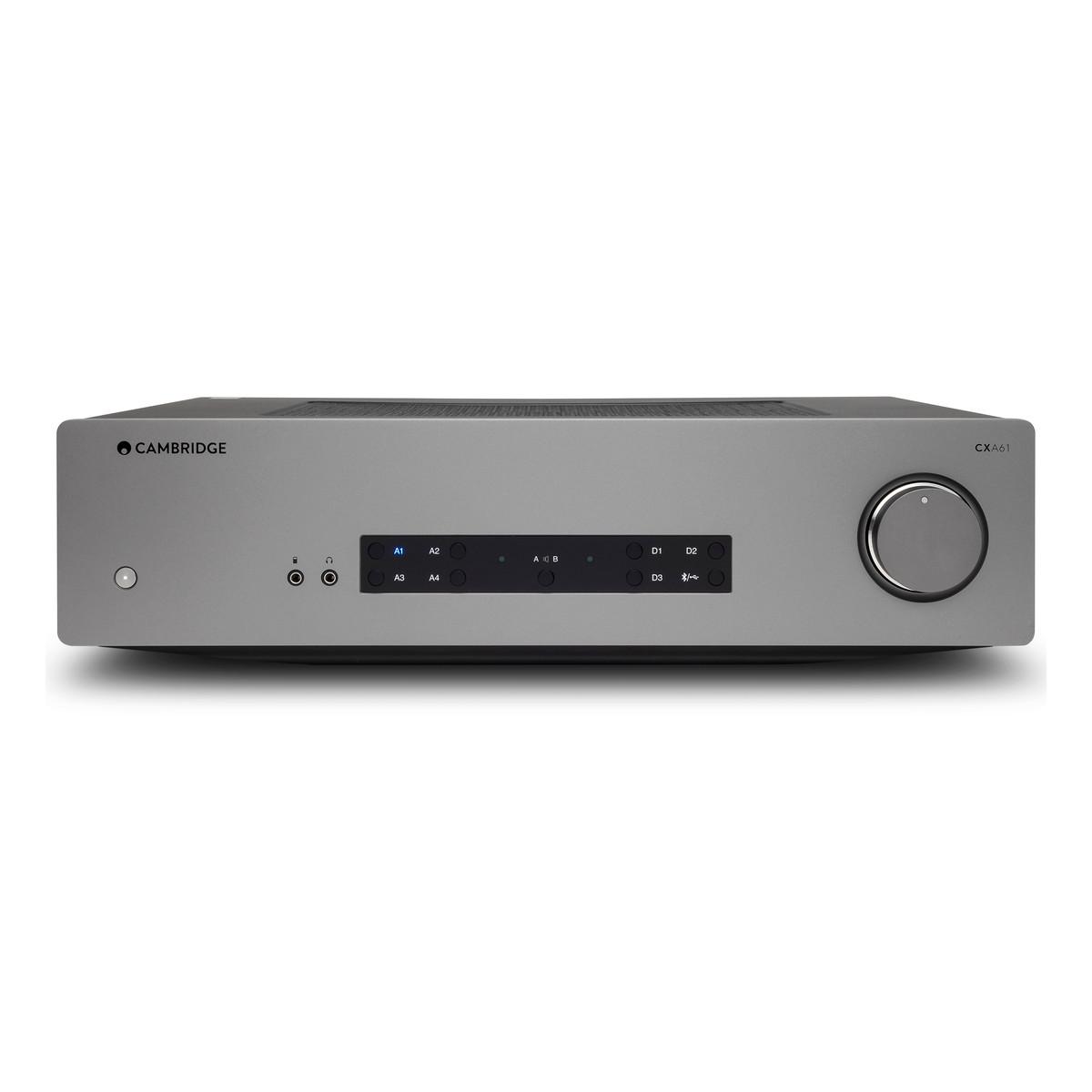
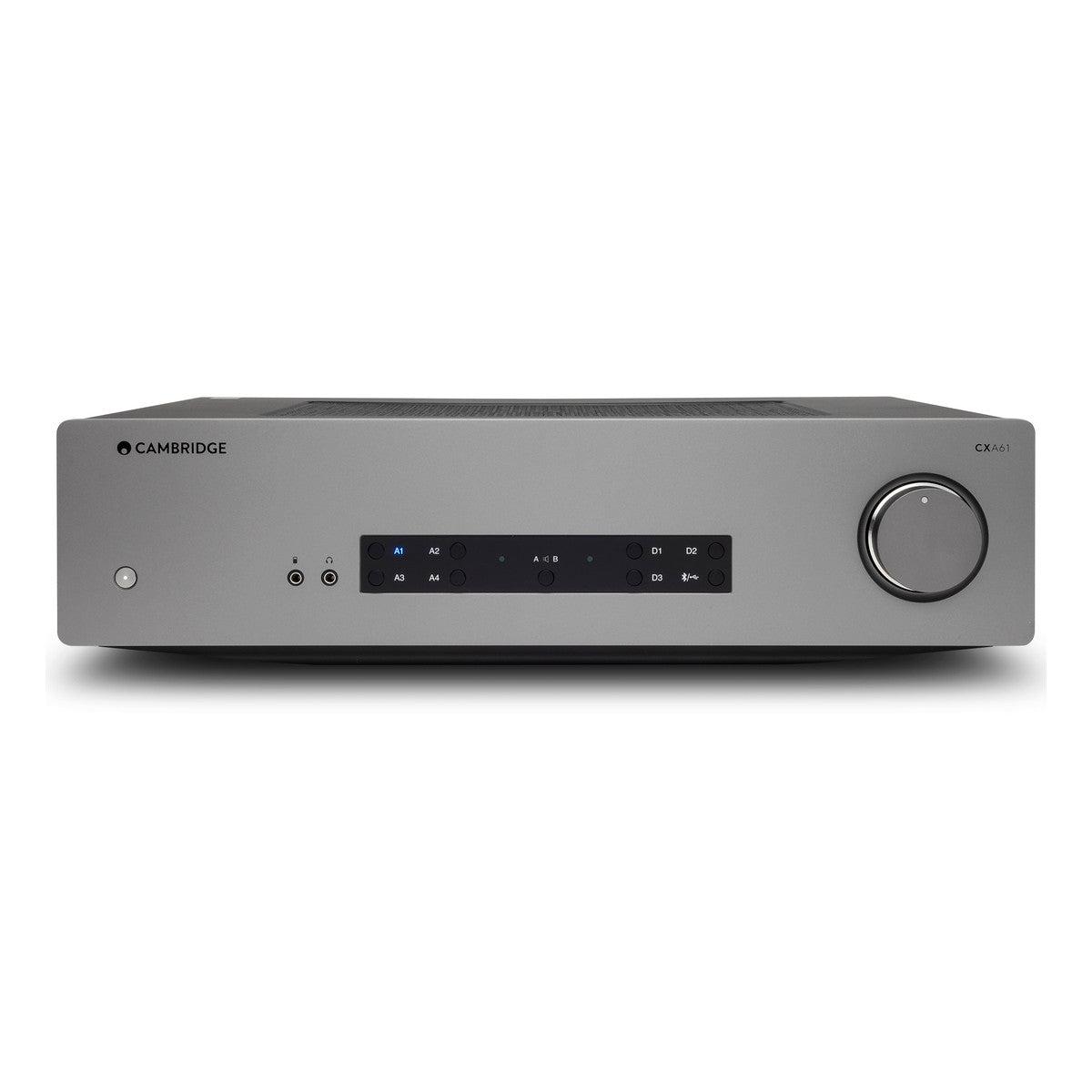
The traditional approach, exemplified by the Cambridge Audio CXA61, adds selective digital inputs to a fundamentally analog design. You get excellent amplification with some modern conveniences, but you'll need separate components for streaming music from services like Spotify or Tidal.
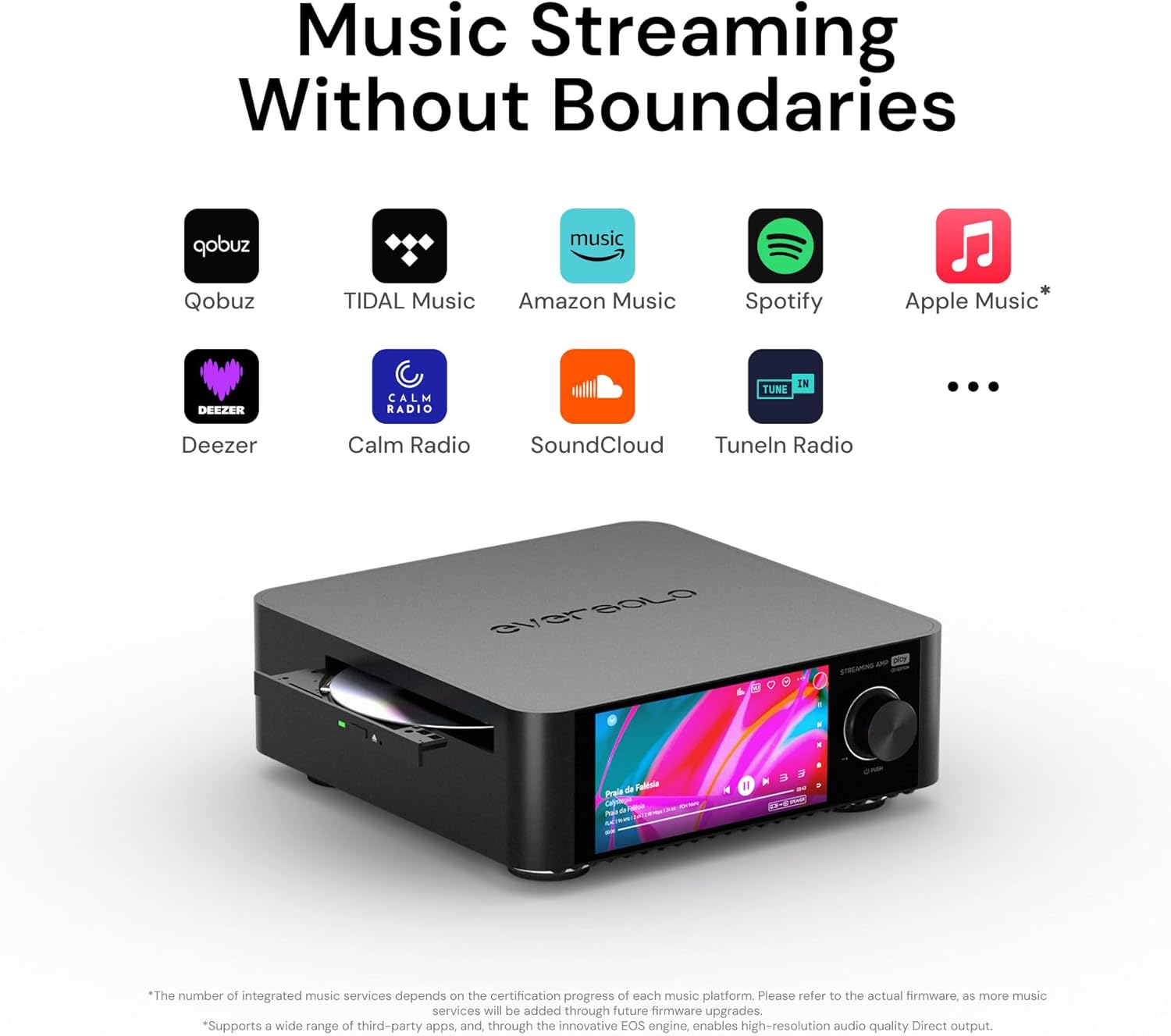
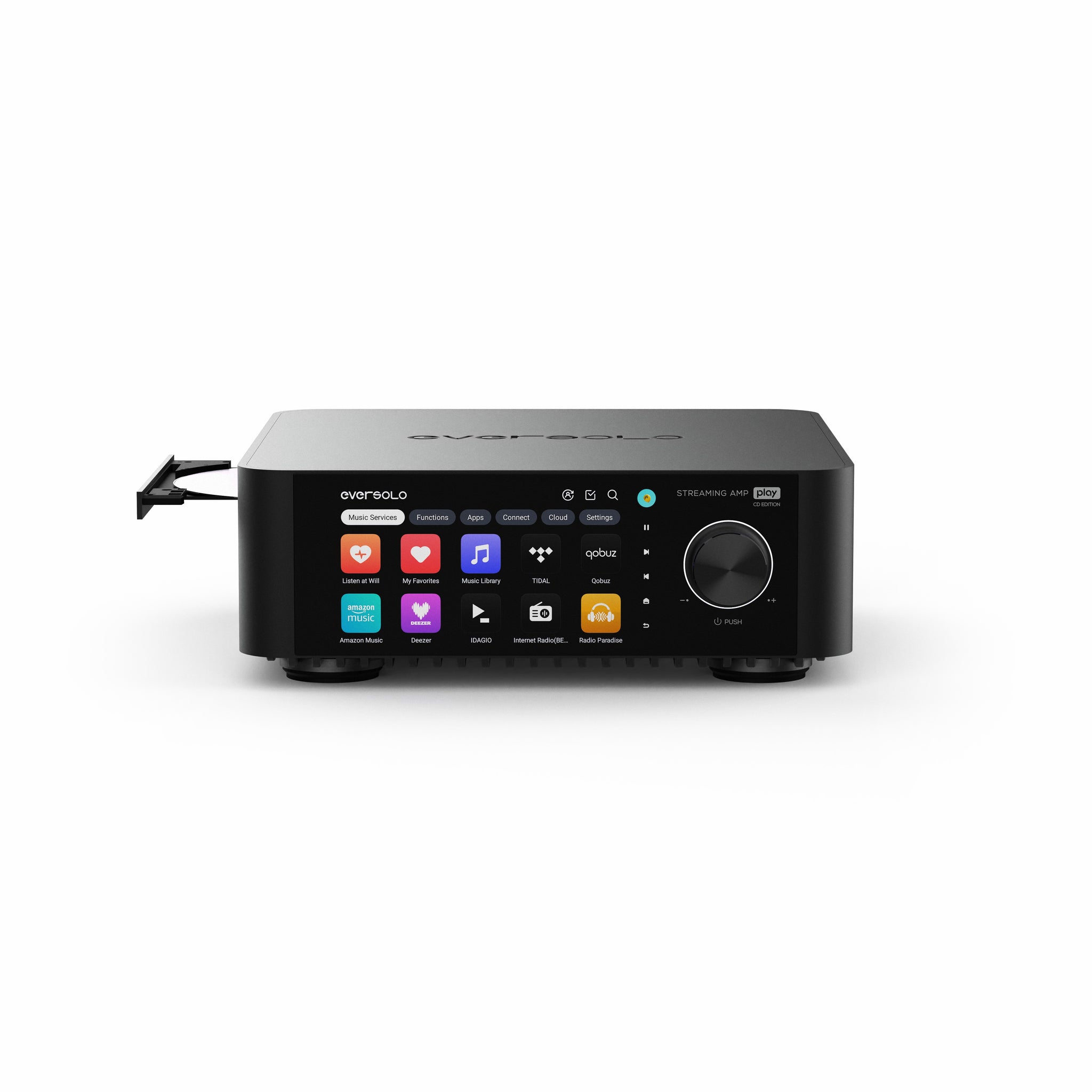
Streaming amplifiers like the Eversolo Play flip this priority. They assume you're streaming most of your music and build everything around that experience. The amplification is still important, but it's designed to work seamlessly with built-in streaming capabilities, touchscreen interfaces, and network connectivity.
Class D vs. Class AB: Two Different Philosophies
The biggest technical difference between these amplifiers lies in their amplification topology—essentially, how they take a small audio signal and make it powerful enough to drive speakers.
The Cambridge Audio CXA61 uses Class AB amplification, a time-tested approach where the output transistors are always partially "on," creating a smooth, linear amplification curve. Think of it like a car engine that's always idling—it's ready to respond instantly but uses more energy. This design requires a substantial power supply (hence the CXA61's 18-pound weight) and generates heat, but many audiophiles swear by its natural, musical sound quality.
The Eversolo Play, meanwhile, employs Class D amplification, where the output transistors switch rapidly between fully on and fully off states. Modern Class D designs have overcome early reputation problems with harshness and now offer impressive efficiency—they stay cool, require smaller power supplies, and can fit in much more compact chassis.
Power Output: More Than Just Numbers
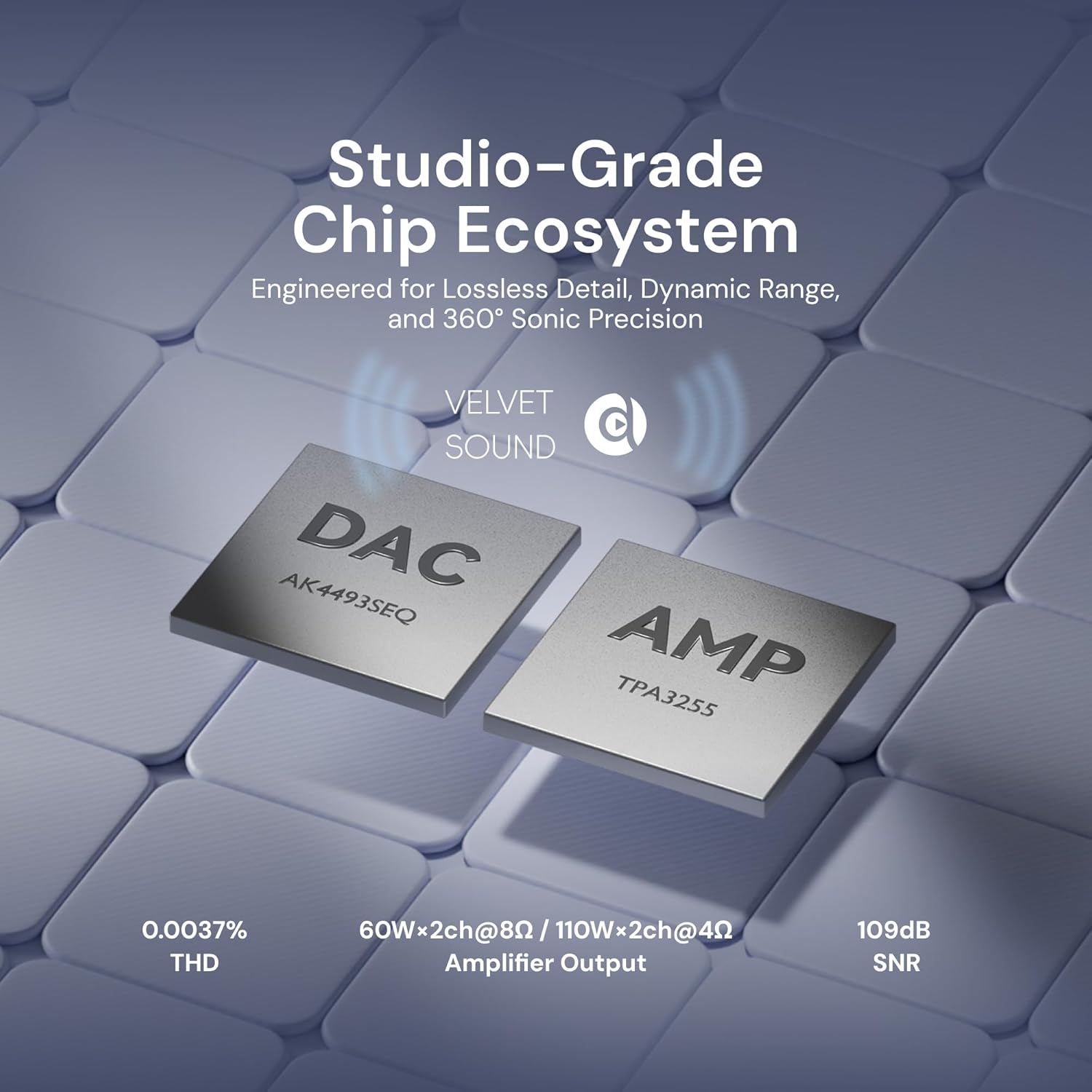
Both amplifiers deliver 60 watts per channel into 8-ohm speakers, which is plenty for most bookshelf speakers and many floorstanding models in typical rooms. However, their behavior with demanding 4-ohm loads differs significantly. The Eversolo Play jumps to 110 watts per channel, while the Cambridge Audio CXA61 reaches 90 watts—a meaningful difference if you're driving power-hungry speakers.
More important than raw wattage are the amplifiers' distortion characteristics. The Cambridge Audio CXA61 achieves vanishingly low distortion of 0.002% at 1kHz, demonstrating exceptional linearity. The Eversolo Play specifies 0.0037% total harmonic distortion, which is still excellent and inaudible in practice.
Sonic Character: What You'll Actually Hear
Based on our research into user and expert opinions, these amplifiers have distinctly different personalities. The Cambridge Audio CXA61 delivers what reviewers consistently describe as "precise" and "energetic" sound with excellent control across the frequency spectrum. Its Class AB design and oversized toroidal transformer (a special type of power supply transformer that reduces noise and provides clean power delivery) create a foundation for dynamic, punchy performance.
The Eversolo Play, by contrast, earns praise for its "warm, musical signature" with particularly well-controlled bass response. Modern Class D implementation has eliminated the sterile character of early switching amplifiers, and the Play demonstrates how far this technology has progressed since 2019.
DAC Quality: The Digital-to-Analog Converter
Both amplifiers include digital-to-analog converters (DACs), which transform digital music files into analog signals your speakers can reproduce. However, they take different approaches to this critical function.
The Cambridge Audio CXA61 employs an ESS Sabre ES9010K2M DAC chip, known for its analytical precision and detail retrieval. This chip can handle high-resolution audio up to 32-bit/384kHz and DSD256 format files—far beyond CD quality and sufficient for virtually any source material you'll encounter. ESS Sabre implementations typically emphasize clarity and detail, sometimes at the expense of smoothness.
The Eversolo Play uses an AKM AK4493SEQ DAC with what the company calls "Velvet Sound" technology. This chip supports even higher resolutions—up to 32-bit/768kHz and DSD512—though few recordings exist at these extreme specifications. AKM DACs are generally praised for smoother, more musical presentations compared to ESS designs.
The practical difference? The Cambridge Audio CXA61 will likely sound more revealing of recording details and mixing decisions, while the Eversolo Play might present those same details in a more cohesive, less fatiguing manner.
Connectivity: Old School vs. New School
Here's where the philosophical differences become stark. The Cambridge Audio CXA61 provides four analog RCA inputs—perfect if you have a CD player, turntable with external phono preamp, tape deck, or other traditional sources. Its USB Type-B input connects directly to computers for bit-perfect audio playback, and dual optical plus one coaxial digital input accommodate modern digital sources.
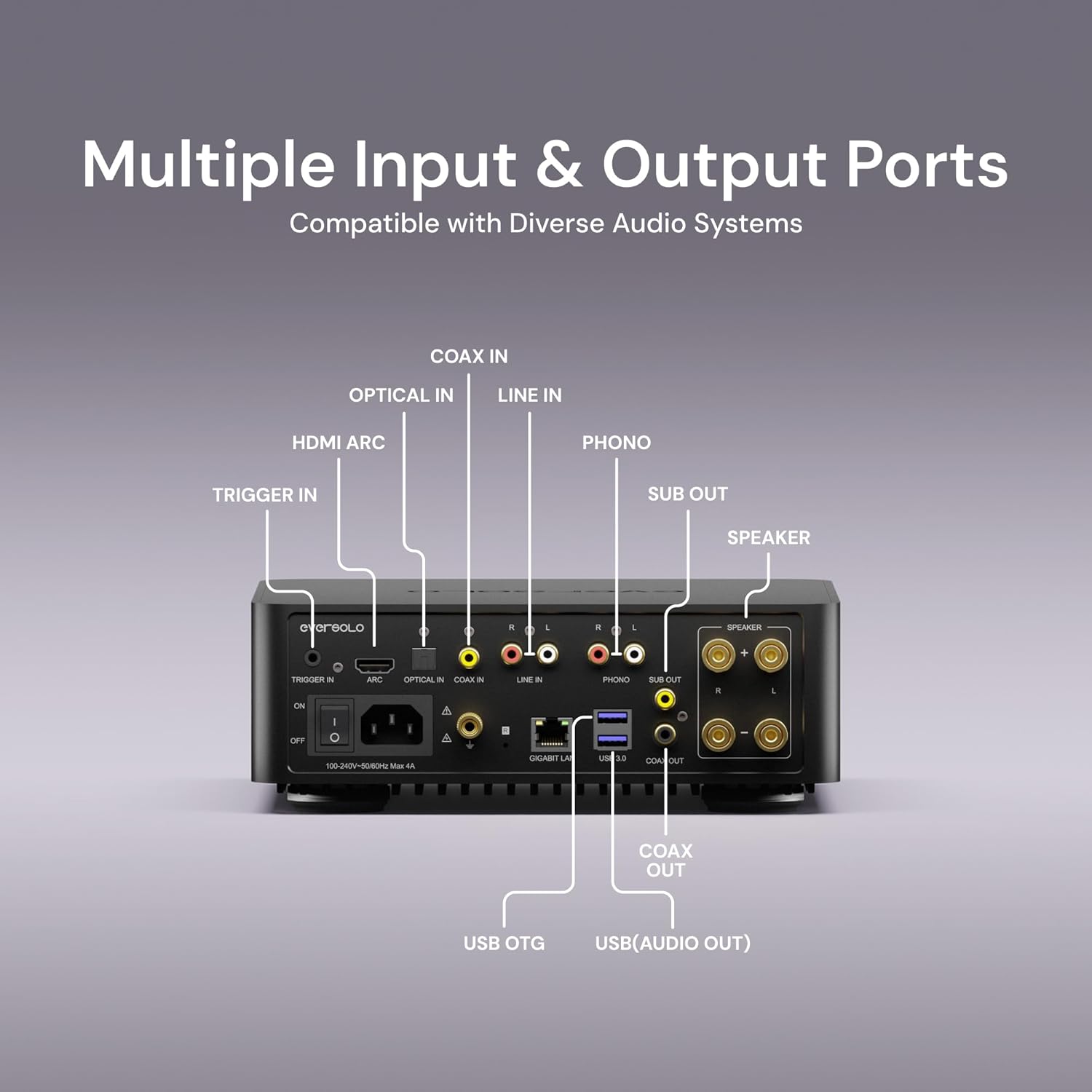
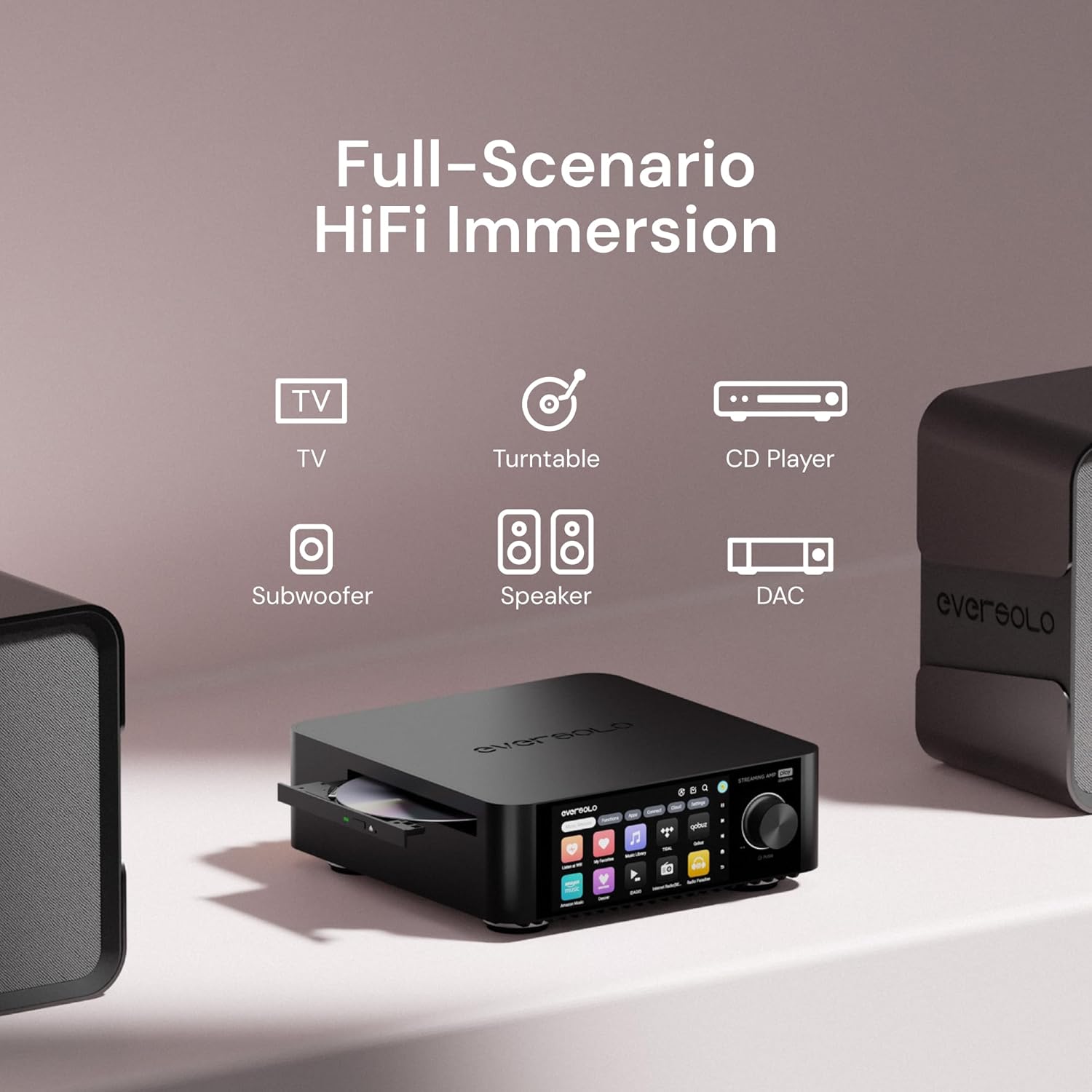
The Eversolo Play assumes a different lifestyle. It offers just one analog RCA input but compensates with comprehensive modern connectivity: HDMI ARC for direct TV audio connection, built-in MM/MC phono stage for turntables (eliminating the need for external preamps), and extensive network streaming capabilities.
Native Streaming vs. External Solutions
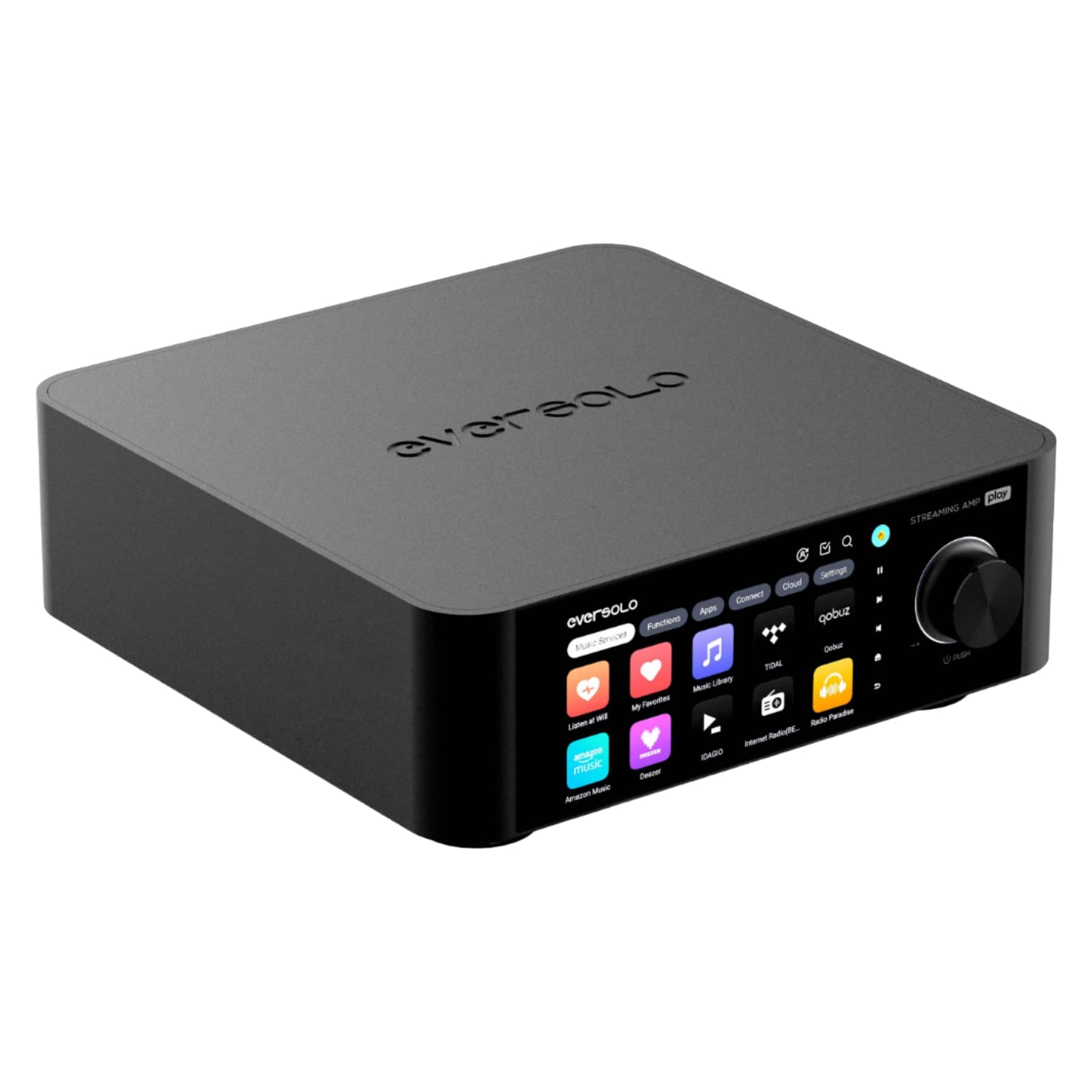
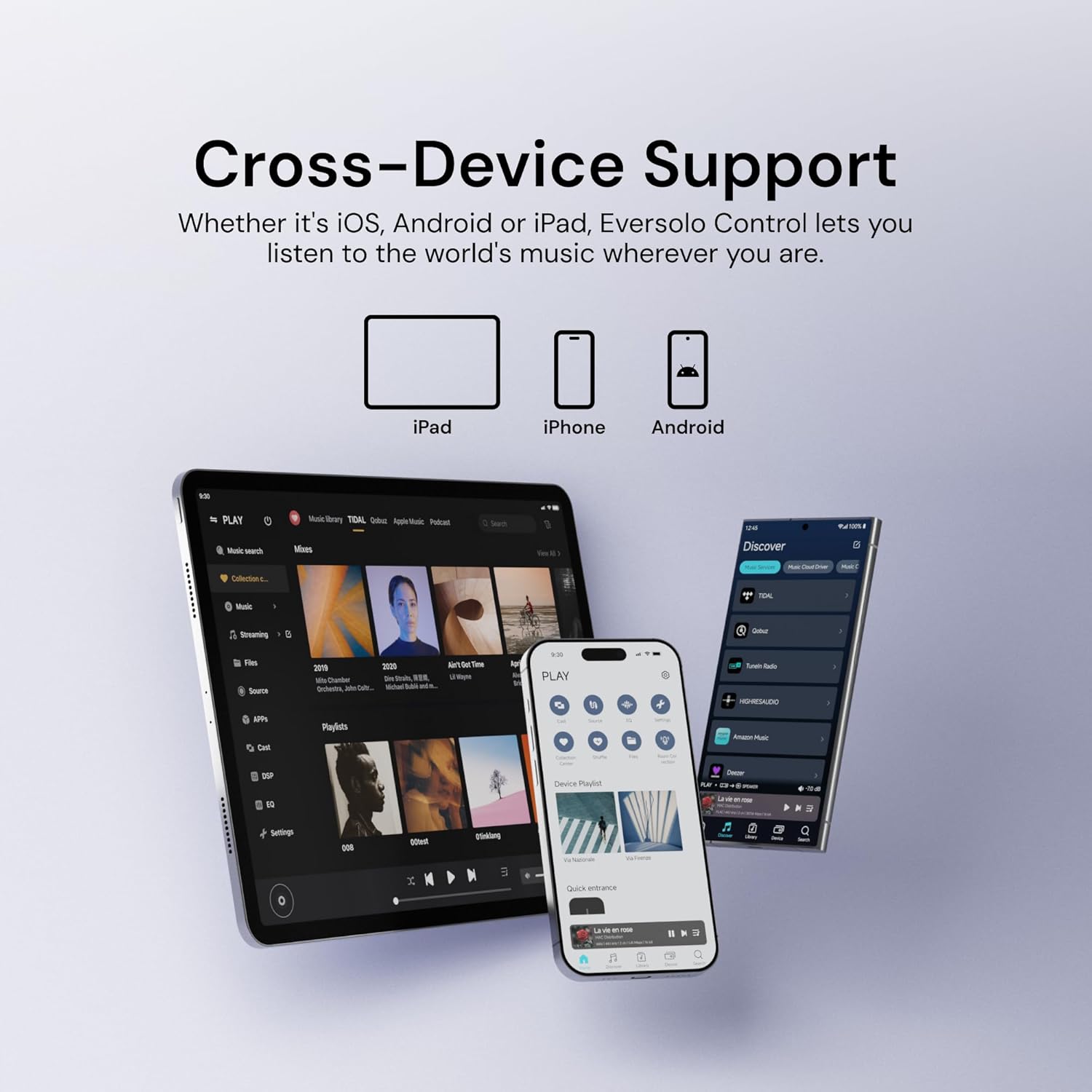
This is perhaps the most significant difference between these approaches. The Eversolo Play includes native integration with major streaming services—Tidal, Qobuz, Amazon Music, Spotify Connect, and others—plus Roon Ready certification for audiophile-grade music management software. Its 5.5-inch touchscreen runs a customized Android-based interface, making music selection as intuitive as using a tablet.
The streaming experience on the Cambridge Audio CXA61 relies entirely on external solutions. You can use Bluetooth with aptX HD codec support for better-than-standard wireless quality, but for serious streaming, you'll need a separate network streamer—adding another component and additional cost to your system.
User Interface: Touchscreen vs. Traditional
The Eversolo Play's touchscreen interface represents a generational shift in hi-fi design. Instead of cryptic displays and button-heavy remote controls, you get visual album art, intuitive menus, and direct access to streaming services. The accompanying mobile app includes room acoustic analysis features that can optimize sound for your specific listening environment.
The Cambridge Audio CXA61 takes the traditional approach with physical controls and a comprehensive remote. While this might seem outdated, many audiophiles prefer the tactile feedback and reliability of physical controls, especially for volume adjustment during critical listening sessions.
Upfront vs. Long-term Investment
At the time of writing, the Eversolo Play costs approximately $100 more than the Cambridge Audio CXA61, but this price difference tells only part of the story. To match the Play's functionality, you'd need to add a network streamer (typically $300-500), a phono preamp for vinyl ($100-200), and potentially additional cables and shelf space.
The Cambridge Audio CXA61's lower entry price becomes more attractive if you already own these components or don't need streaming capabilities immediately. Its preamp outputs also enable future upgrades to external power amplifiers—a flexibility the Eversolo Play lacks.
Future-Proofing Considerations
The Cambridge Audio CXA61, despite being older, offers more traditional upgrade paths. If you decide you need more power, you can add an external power amplifier and use the CXA61 as a high-quality preamp. This modular approach appeals to enthusiasts who enjoy system building over time.
The Eversolo Play bets on software updates and evolving streaming services. While you can't easily upgrade its amplification section, its network connectivity and software-based features should improve over time—assuming the company continues supporting older models.
Modern Convenience vs. Traditional Separation
The Eversolo Play's HDMI ARC input makes it exceptionally convenient for home theater integration. You can connect it directly to your TV and use it for both music streaming and television audio, with automatic switching between sources. This single-cable solution eliminates the complexity of multiple connections and input switching.
The Cambridge Audio CXA61 requires more careful integration. You'll need either an optical connection from your TV or a separate audio extraction device. However, this approach keeps your stereo system acoustically isolated from home theater components—something purists often prefer.
For most users combining music and TV audio, the Eversolo Play's integrated approach offers significant convenience advantages. The HDMI ARC connection can even power down the amplifier automatically when the TV is turned off, creating a seamless user experience.
The Eversolo Play Makes Sense If You:
The Eversolo Play represents the future of integrated amplification—a complete digital music system that happens to include amplification rather than an amplifier that happens to include some digital features.
The Cambridge Audio CXA61 Appeals to Those Who:
The Cambridge Audio CXA61 serves listeners who understand and embrace traditional hi-fi values—substantial build quality, focused functionality, and long-term upgradeability.
After researching extensive user feedback and expert reviews, both amplifiers succeed in their intended roles. The choice comes down to lifestyle and priorities rather than absolute performance superiority.
If you're entering hi-fi in 2025 and plan to stream most of your music, the Eversolo Play offers exceptional value and convenience. Its all-inclusive approach eliminates decision paralysis and provides immediate satisfaction. The slight price premium pays for integration that would cost significantly more if purchased separately.
For listeners who already own digital sources or prefer building systems gradually, the Cambridge Audio CXA61 provides excellent amplification quality with room for growth. Its traditional approach has served audiophiles well for decades and continues to offer advantages in flexibility and upgradeability.
The technology improvements since 2019 have been substantial—streaming integration has become seamless, Class D amplification has reached audiophile-acceptable quality levels, and user interfaces have evolved beyond recognition. The Eversolo Play represents where the industry is heading, while the Cambridge Audio CXA61 demonstrates that traditional approaches still have merit.
Choose based on your primary use case and comfort level with integrated versus modular approaches. Both will serve you well, but in fundamentally different ways that reflect the current state of hi-fi evolution.
| Eversolo Play Streaming Amplifier | Cambridge Audio CXA61 Integrated Stereo Amplifier |
|---|---|
| Amplifier Type - Affects sound character, efficiency, and heat generation | |
| Class D (efficient, compact, cool-running) | Class AB (traditional audiophile choice, warmer operation) |
| Power Output - Determines how loud and which speakers you can drive | |
| 60W @ 8Ω, 110W @ 4Ω (excellent for bookshelf speakers) | 60W @ 8Ω, 90W @ 4Ω (good power reserves for most speakers) |
| Native Streaming - Whether you need external components for music services | |
| Built-in Tidal, Qobuz, Spotify, Roon Ready (complete streaming solution) | None (requires separate streamer or phone/Bluetooth) |
| User Interface - How you control the device and browse music | |
| 5.5" touchscreen with visual interface | Physical controls and remote only |
| DAC Chip & Digital Resolution - Quality of digital music playback | |
| AKM AK4493SEQ, up to DSD512/768kHz (exceptional high-res support) | ESS Sabre ES9010K2M, up to DSD256/384kHz (excellent detail retrieval) |
| Analog Inputs - Number of traditional sources you can connect | |
| 1 RCA line input (minimal analog connectivity) | 4 RCA line inputs (excellent for multiple sources) |
| Phono Input - Built-in turntable connectivity without external preamp | |
| Yes, MM/MC with built-in phono stage (Eversolo Play saves $100-200) | No (requires separate phono preamp purchase) |
| HDMI ARC - Direct TV audio connection for home theater integration | |
| Yes (seamless TV audio integration) | No (requires optical connection or audio extractor) |
| Physical Size & Weight - Impact on placement and heat management | |
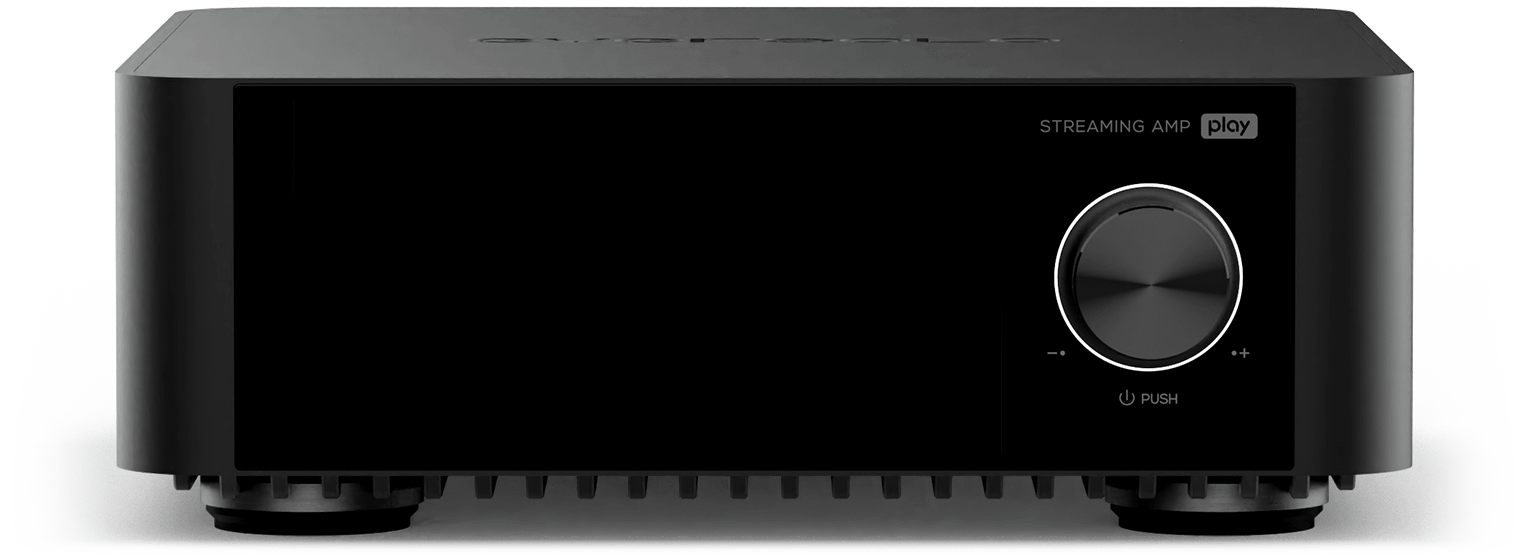
| 9" × 9" × 3", 5.7 lbs (extremely compact) | 16.9" × 13.4" × 4.5", 18.3 lbs (traditional component size) |
| Computer Audio Connection - Direct bit-perfect playback from PC/Mac | |
| No USB computer input (network streaming only) | USB-B input for direct computer connection |
| Room Correction - Acoustic optimization for your listening space | |
| Built-in room correction with smartphone mic analysis | None (manual setup only) |
| Headphone Output - Built-in personal listening capability | |
| None | 3.5mm front panel jack |
| Upgrade Path - Future expansion and component flexibility | |
| Limited (USB audio out for external DAC only) | Preamp outputs enable external power amplifier upgrades |
| Bluetooth Quality - Wireless streaming from phones and tablets | |
| Bluetooth 5.0 with standard codecs | Bluetooth 4.2 with aptX HD (better wireless quality) |
The Eversolo Play Streaming Amplifier is significantly better for streaming music services. It has built-in support for Tidal, Qobuz, Amazon Music, Spotify Connect, and is Roon Ready certified. You can control everything through its 5.5" touchscreen or mobile app. The Cambridge Audio CXA61 has no native streaming capabilities and requires a separate network streamer or relies on basic Bluetooth connectivity for wireless music.
The Eversolo Play uses Class D amplification, which is highly efficient, runs cool, and allows for compact design. The Cambridge Audio CXA61 uses traditional Class AB amplification, which many audiophiles prefer for its natural sound quality but generates more heat and requires larger components. Both deliver excellent sound quality, but with different characteristics - Class D for modern efficiency, Class AB for traditional hi-fi warmth.
Both amplifiers deliver 60 watts per channel into 8-ohm speakers, but the Eversolo Play provides more power into 4-ohm loads at 110 watts per channel compared to the Cambridge Audio CXA61's 90 watts. For most bookshelf and many floorstanding speakers, either amplifier provides adequate power, though the Eversolo Play has a slight advantage with power-hungry speakers.
Yes to the Eversolo Play Streaming Amplifier, which includes a built-in MM/MC phono stage that works with both moving magnet and moving coil cartridges. The Cambridge Audio CXA61 does not have a phono input, so you'll need to purchase a separate phono preamp (typically $100-200) to connect a turntable.
The Eversolo Play is much better for home theater integration thanks to its HDMI ARC input, which connects directly to your TV with a single cable for seamless audio switching. The Cambridge Audio CXA61 requires an optical cable connection from your TV and doesn't offer the same level of integration or automatic switching capabilities.
Both amplifiers have excellent DACs, but with different strengths. The Eversolo Play uses an AKM AK4493SEQ DAC supporting up to DSD512 and 768kHz resolution with a warmer, musical sound. The Cambridge Audio CXA61 features an ESS Sabre ES9010K2M DAC supporting DSD256 and 384kHz with more analytical, detailed presentation. Both exceed most source material requirements.
The Eversolo Play Streaming Amplifier offers better overall value when building a complete system from scratch. It includes streaming, phono stage, room correction, and HDMI connectivity that would cost several hundred dollars extra with the Cambridge Audio CXA61. However, if you already own streaming components or prefer building systems gradually, the CXA61 offers excellent amplification at a lower entry price.
The Cambridge Audio CXA61 offers more traditional upgrade flexibility with preamp outputs that allow adding external power amplifiers later. The Eversolo Play has limited hardware upgrade options but receives software updates and evolving streaming features. Choose the CXA61 for modular system building, or the Play for integrated convenience with software improvements.
The Eversolo Play Streaming Amplifier is significantly more compact at 9" × 9" × 3" and weighing just 5.7 pounds, making it ideal for apartments, desktops, or small entertainment centers. The Cambridge Audio CXA61 is a traditional full-size component at 16.9" × 13.4" × 4.5" and 18.3 pounds, requiring more shelf space and better ventilation.
The Cambridge Audio CXA61 offers more traditional connectivity with four analog RCA inputs plus multiple digital inputs, making it better for users with CD players, tape decks, or multiple sources. The Eversolo Play has just one analog input but compensates with comprehensive streaming, HDMI ARC, and built-in phono connectivity for modern usage patterns.
Both the Eversolo Play and Cambridge Audio CXA61 deliver excellent sound quality but with different characteristics. The Play offers a warm, musical presentation with tight bass control, while the CXA61 provides precise, energetic sound with exceptional detail retrieval. The "better" choice depends on your preferences - modern efficiency versus traditional audiophile character.
The Eversolo Play Streaming Amplifier excels at both music streaming and TV audio through its HDMI ARC connection, making it ideal for users who want one device for entertainment. The Cambridge Audio CXA61 is primarily designed for music listening and requires additional connections for TV audio, though it can certainly handle both with proper setup. Choose the Play for seamless dual-purpose use.
We've done our best to create useful and informative comparisons to help you decide what product to buy. Our research uses advanced automated methods to create this comparison and perfection is not possible - please contact us for corrections or questions. These are the sites we've researched in the creation of this article: blog.son-video.com - audio46.com - upscaleaudio.com - audioadvice.com - musicdirect.com - audio46.com - whathifi.com - whathifi.com - bloomaudio.com - youtube.com - the-ear.net - whathifi.com - soundstagesimplifi.com - youtube.com - stevehuffphoto.com - darko.audio - youtube.com - eversolo.com - themasterswitch.com - theaudiophileman.com - youtube.com - forums.whathifi.com - crutchfield.com - youtube.com - youtube.com - hifihaven.org - crutchfield.com - audioguru.com - listenup.com - forums.whathifi.com - manuals.cambridgeaudio.com - alpha-audio.net - hifichoice.com - cambridgeaudio.com - the-ear.net - speakerdecision.com

Privacy Policy
Terms and Conditions - Affiliate Policy
Home Security
© Copyright 2008-2026.
11816 Inwood Rd #1211, Dallas, TX 75244