


The world of home audio has transformed dramatically over the past decade. Gone are the days when building a quality music system required a tower of separate components—CD player, DAC, preamp, power amp—all connected with expensive cables and taking up half your entertainment center. Today's streaming amplifiers combine multiple functions into sleek, connected devices that can fill your room with high-quality sound while streaming music from virtually anywhere on the internet.
Two products that exemplify different approaches to this evolution are the Eversolo Play Streaming Amplifier and the Denon HEOS Amp HS2. Released in 2025 and 2016 respectively, these devices show how the streaming amplifier category has matured and diversified to serve different user needs and budgets.
Before diving into these specific products, it's worth understanding what streaming amplifiers actually do and why they've become so popular. At their core, these devices combine three essential functions: they stream digital music from the internet or your local network, convert that digital signal to analog audio (using a component called a DAC—Digital-to-Analog Converter), and then amplify that signal to power your speakers.
The main appeal is simplicity. Instead of buying separate components and figuring out how to connect them all, you get everything in one box. Just add speakers and you're ready to stream music from Spotify, TIDAL, or thousands of internet radio stations. The category has exploded because it addresses real problems: most people want good sound without the complexity, and streaming has largely replaced physical media for music consumption.
However, not all streaming amplifiers are created equal. Some prioritize audio quality and features for serious listeners, while others focus on convenience and multi-room functionality for whole-home installations. The Eversolo Play and Denon HEOS Amp HS2 represent these two different philosophies perfectly.
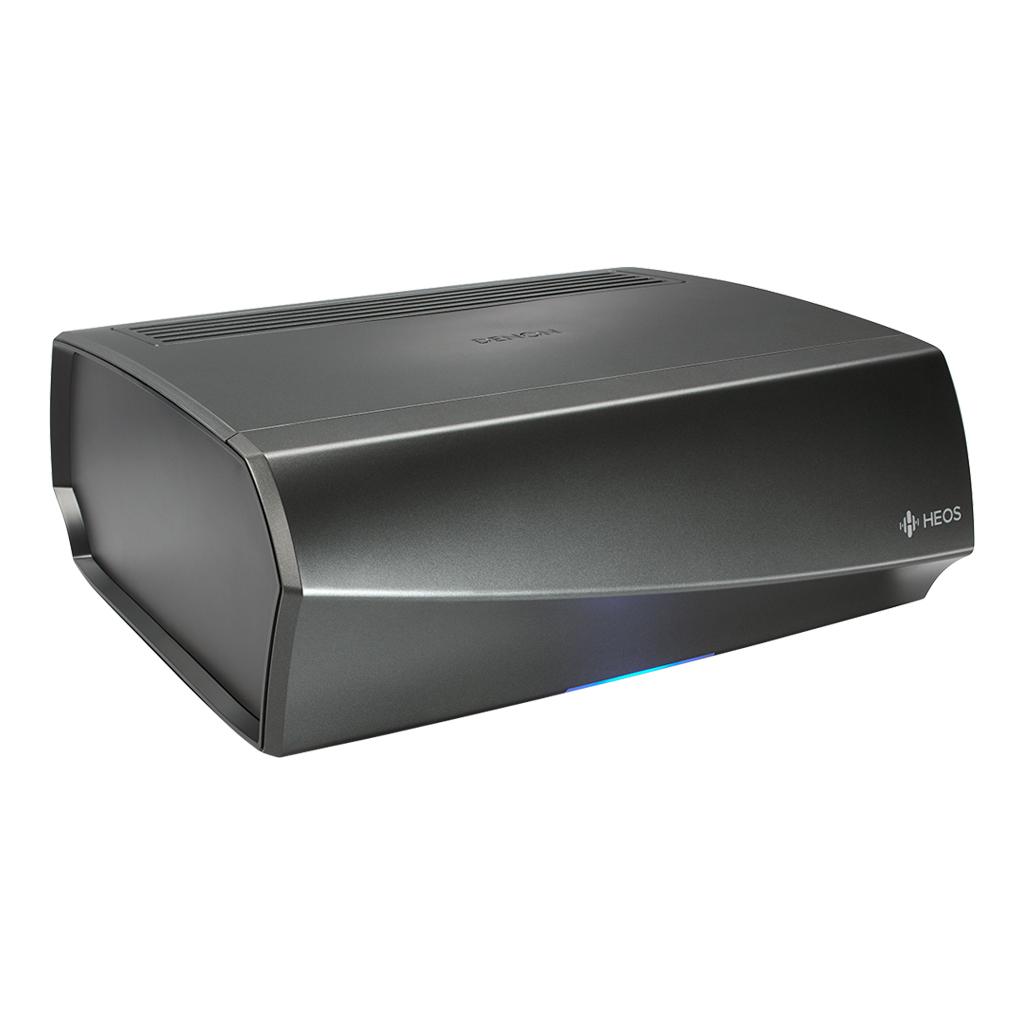
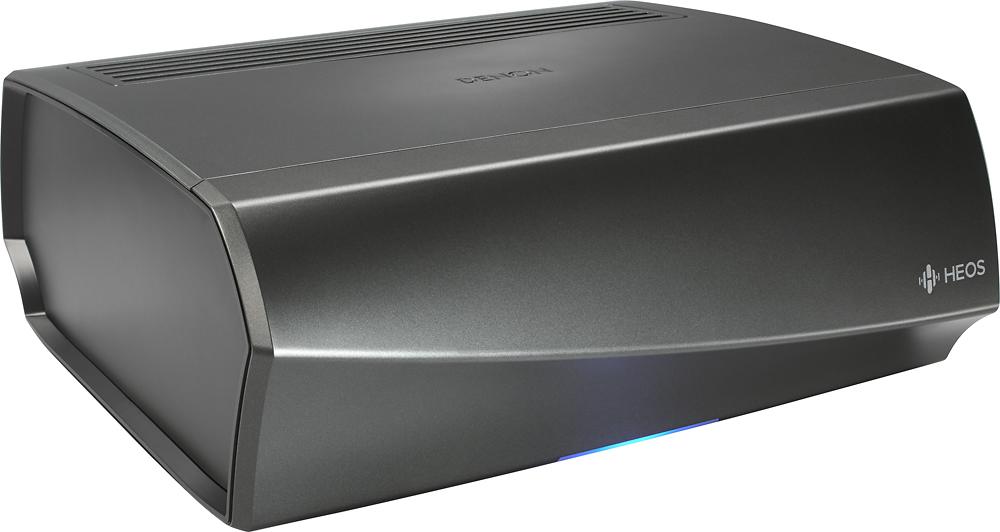
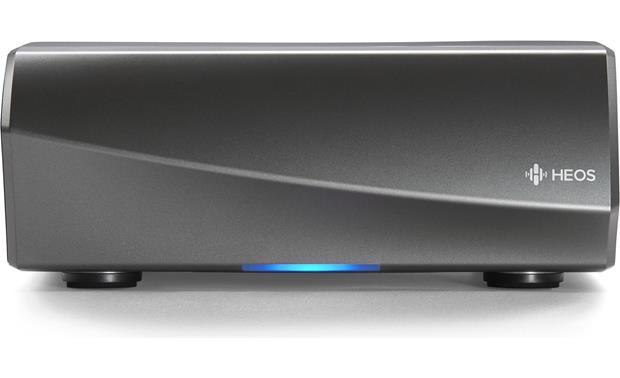
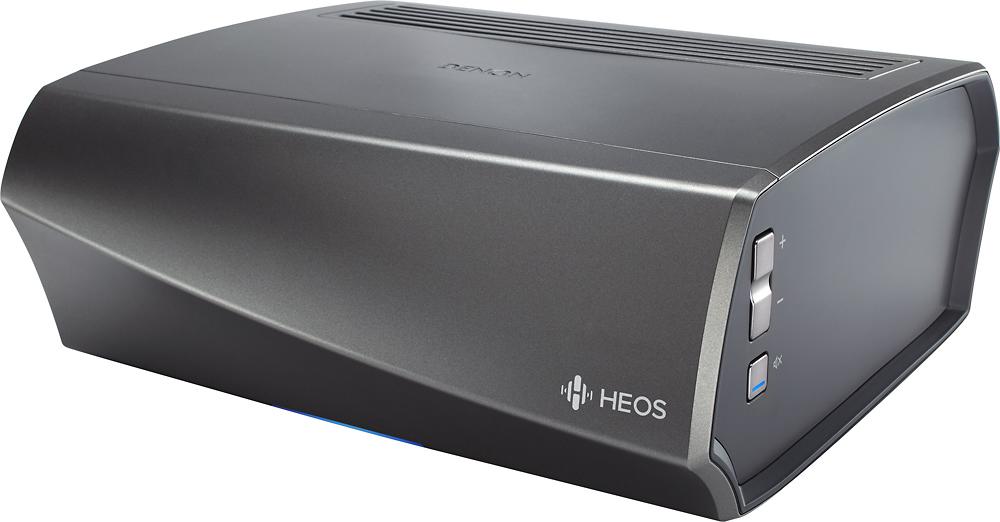
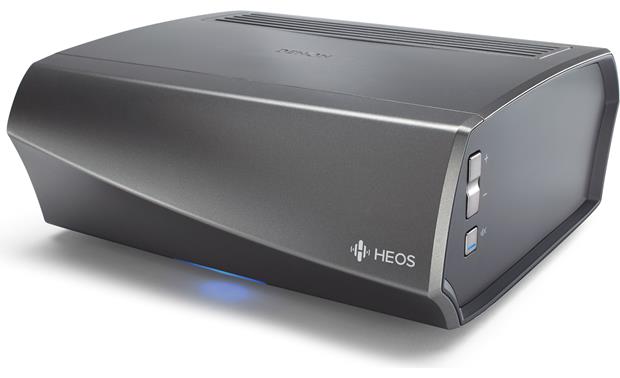
The Denon HEOS Amp HS2, launched in 2016, arrived during the early days of mainstream wireless multi-room audio. Sonos had proven there was demand for whole-home music systems, but their products required proprietary speakers. Denon's approach was different: create an amplifier that could turn any passive speakers into part of a wireless multi-room system. At the time of writing, it remains competitively priced in the value segment of the market.
The Eversolo Play, released nearly a decade later in 2025, represents the maturation of streaming amplifier technology. By this time, streaming quality had improved dramatically, high-resolution audio had become more accessible, and users had developed more sophisticated expectations. Eversolo positioned their product as a premium all-in-one solution that wouldn't require any compromises. While it commands a significantly higher price—roughly 75% more expensive than the Denon at the time of writing—it includes features that would have required multiple separate components just a few years ago.
When evaluating streaming amplifiers, audio performance breaks down into several key areas: the quality of the DAC, the power and character of the amplification, and the overall sound signature.
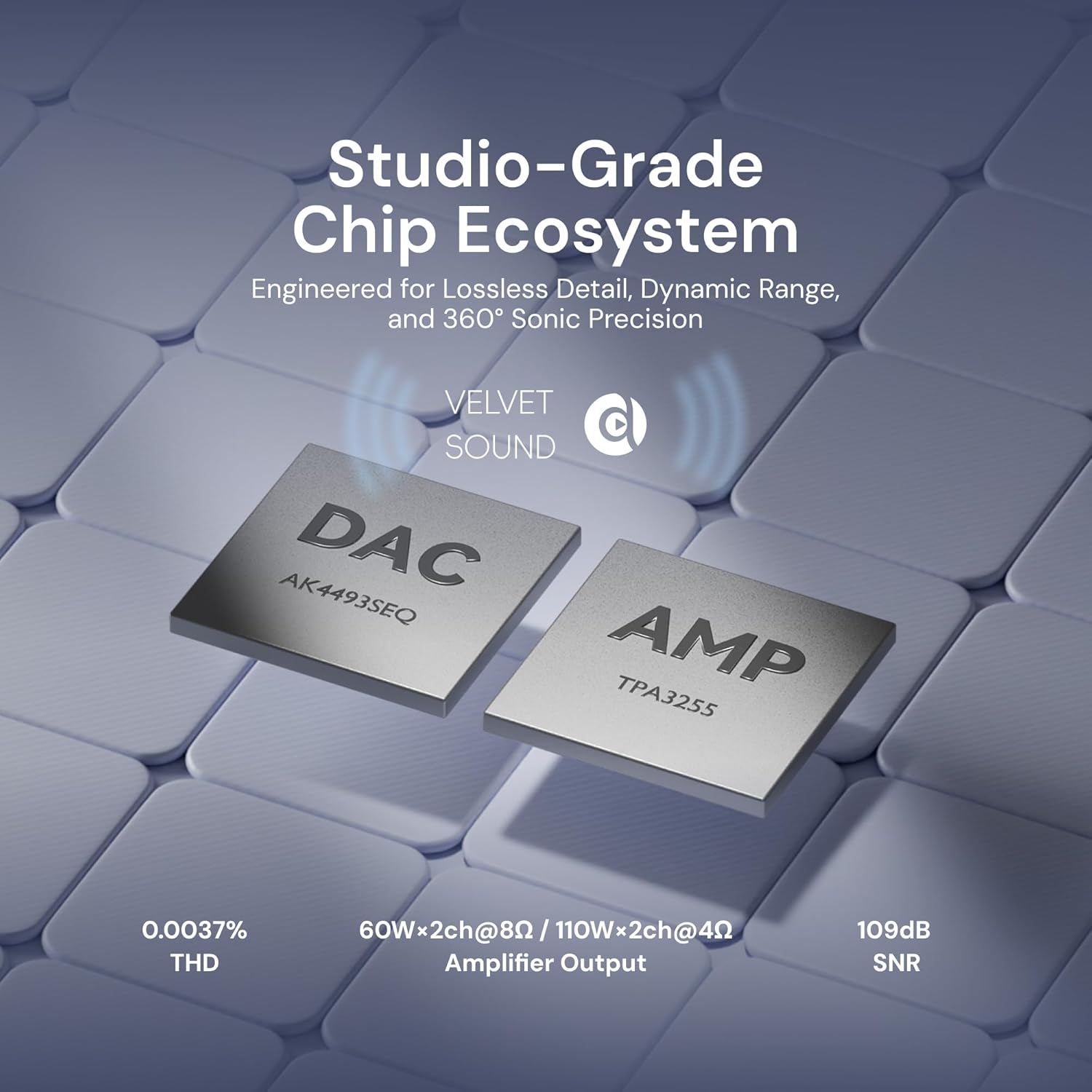
The Eversolo Play employs an AKM AK4493SEQ DAC with what Eversolo calls "VELVETSOUND" technology. While marketing names can be dismissed as hype, the underlying specifications tell a more compelling story. This DAC achieves a signal-to-noise ratio of 109dB and total harmonic distortion of just 0.0037%. To put these numbers in perspective, the human ear typically can't detect distortion below 0.1%, so we're talking about vanishingly small amounts of unwanted noise or coloration.
More impressively, the Eversolo Play supports DSD512 and PCM audio up to 768kHz/32-bit. DSD (Direct Stream Digital) is a high-resolution audio format originally developed for professional mastering, while PCM (Pulse Code Modulation) is the standard digital audio format used on CDs and streaming services. The ability to handle such high-resolution formats means the device can play back studio master recordings without any downsampling or quality compromise.
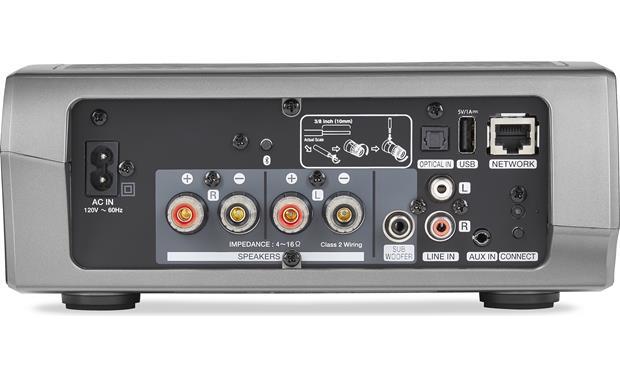
The Denon HEOS Amp HS2, in contrast, shows its age in DAC performance. Technical measurements from audio testing sites reveal its internal DAC performs about 10dB worse than what you'd expect from 16-bit audio—the same quality as a CD. This doesn't mean it sounds terrible, but it does suggest that serious listeners might want to bypass the internal DAC and use an external one connected via the digital output.
Power ratings can be misleading, but they matter for understanding what speakers each amplifier can properly drive. The Denon HEOS Amp HS2 delivers 100 watts per channel into 6-ohm loads and 70 watts into 8 ohms. These are solid numbers that should handle most bookshelf and floorstanding speakers without breaking a sweat, especially in medium-sized rooms.
The Eversolo Play rates at 60 watts into 8 ohms and 110 watts into 4 ohms. While the 8-ohm rating seems lower, the doubling of power into 4 ohms suggests a robust power supply that can handle demanding speakers. More importantly, user reports describe the sound character as having a "warm tone" comparable to traditional Class A/B amplifiers, rather than the sometimes sterile sound associated with cheaper Class D designs.
This distinction matters because Class D amplification—used in both products—has evolved significantly. Early Class D amps were efficient but often sounded harsh or clinical. Modern implementations, particularly premium ones like in the Eversolo Play, have largely solved these issues while retaining the efficiency benefits. The Denon HEOS Amp HS2, being an older design, may exhibit more of the traditional Class D character, though user reports generally describe it as clean and neutral rather than offensive.
Based on our research into user experiences and professional reviews, these performance differences translate into audible distinctions. The Eversolo Play consistently receives praise for delivering refined, engaging sound that doesn't exhibit the digital harshness sometimes associated with streaming amplifiers. Users report good detail retrieval, a spacious soundstage, and the kind of tonal balance that makes you want to keep listening.
The Denon HEOS Amp HS2 gets more mixed reviews for pure sound quality. While many users describe it as delivering "Denon quality sound," others note it lacks the dynamic expression and rhythmic precision of higher-end alternatives. However, when paired with an external DAC via its digital output, the performance gap narrows significantly, suggesting the internal DAC is the primary limitation.
This is where the nine-year gap between these products becomes most apparent. The Eversolo Play represents a comprehensive approach to connectivity that addresses virtually every use case modern listeners might have.
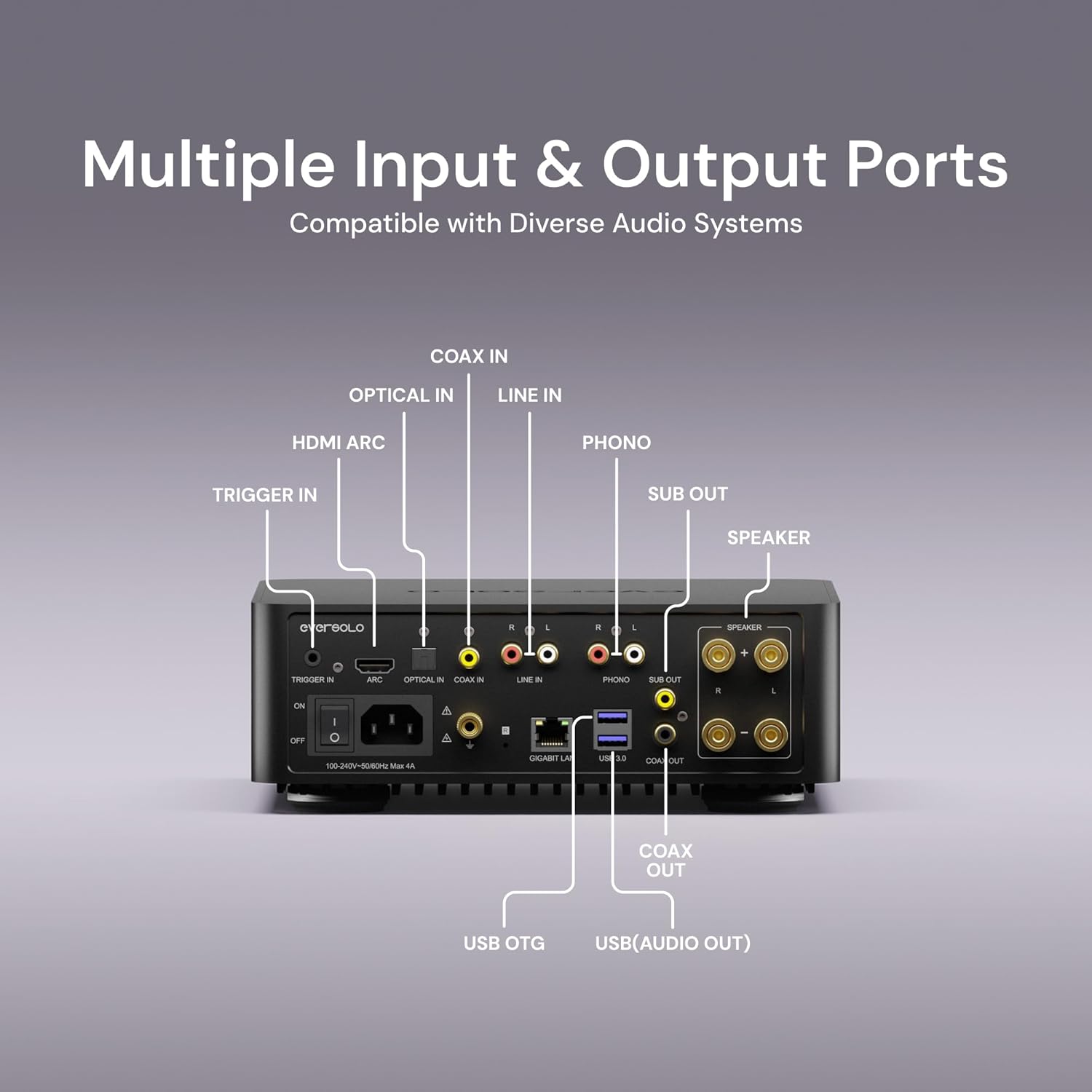
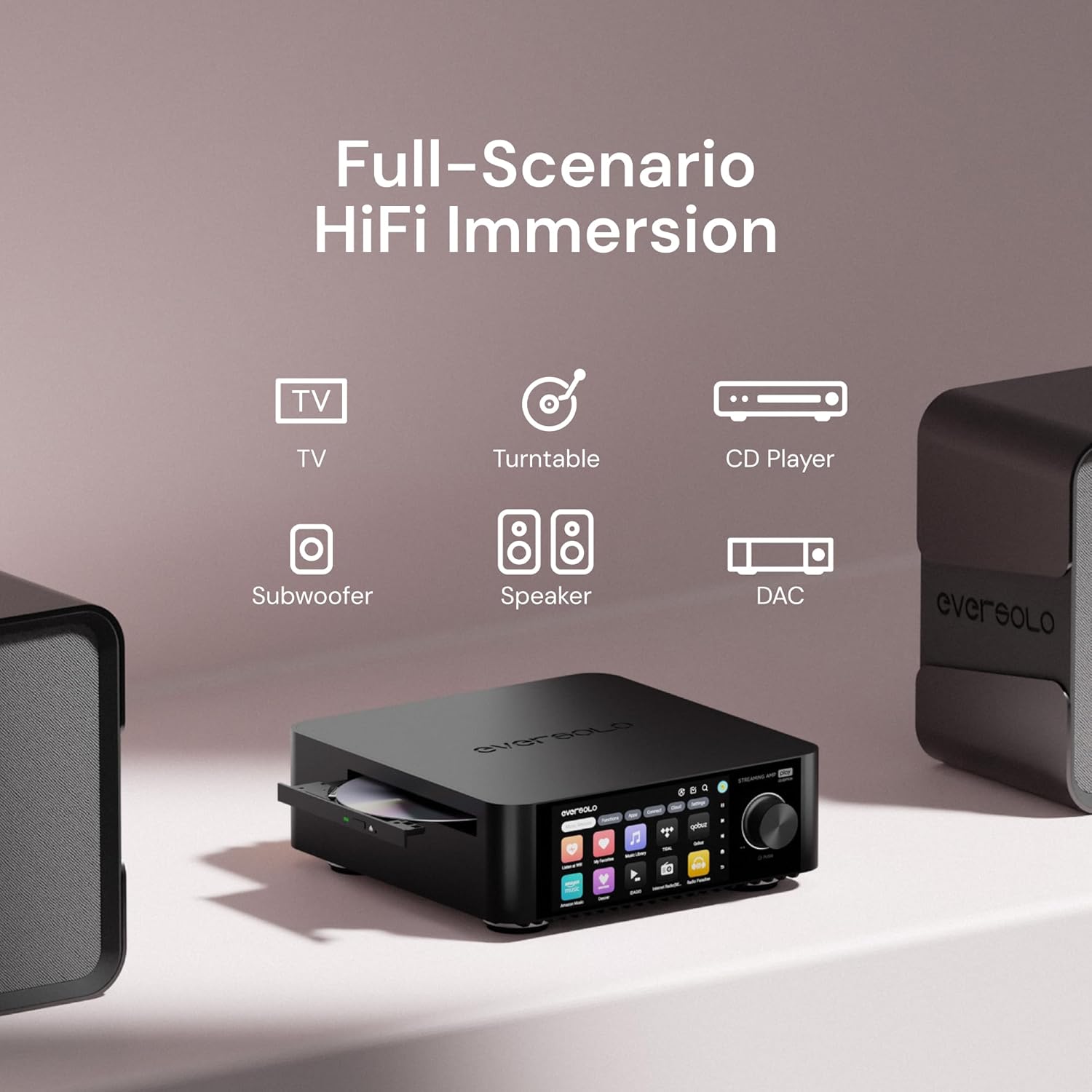
The Eversolo Play includes HDMI ARC, which allows it to seamlessly integrate with your TV's audio. This means you can use it as both your music system and as a significant upgrade to your TV's built-in speakers. When you're watching a movie, the audio automatically switches to the amplifier. When you're done, you can immediately switch to music streaming without touching any cables or settings.
The inclusion of both moving magnet (MM) and moving coil (MC) phono inputs is particularly significant. These specialized inputs allow direct connection of virtually any turntable, complete with the necessary amplification and equalization that vinyl records require. This eliminates the need for a separate phono preamp—a component that can easily cost $200-500 for a quality unit.
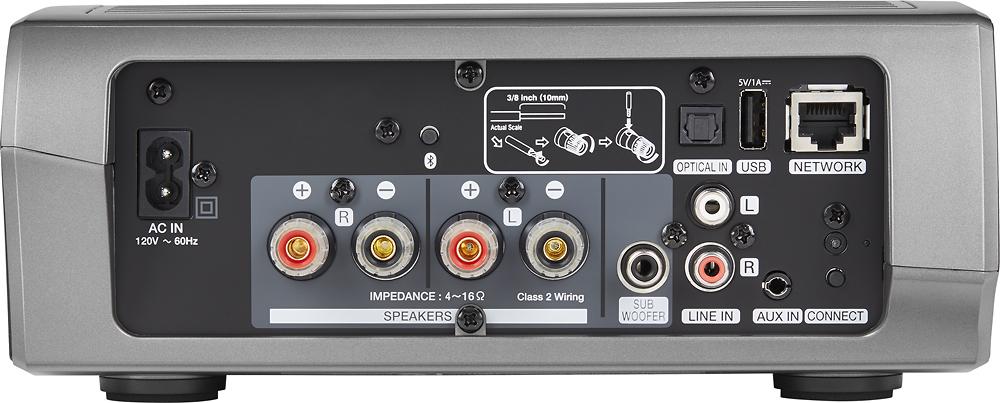
The Eversolo Play also includes multiple digital inputs (optical, coaxial, USB), analog RCA inputs, and even a subwoofer output with adjustable crossover settings. This comprehensive connectivity means it can serve as the central hub for a complete stereo system, handling everything from vinyl records to TV audio to high-resolution streaming.
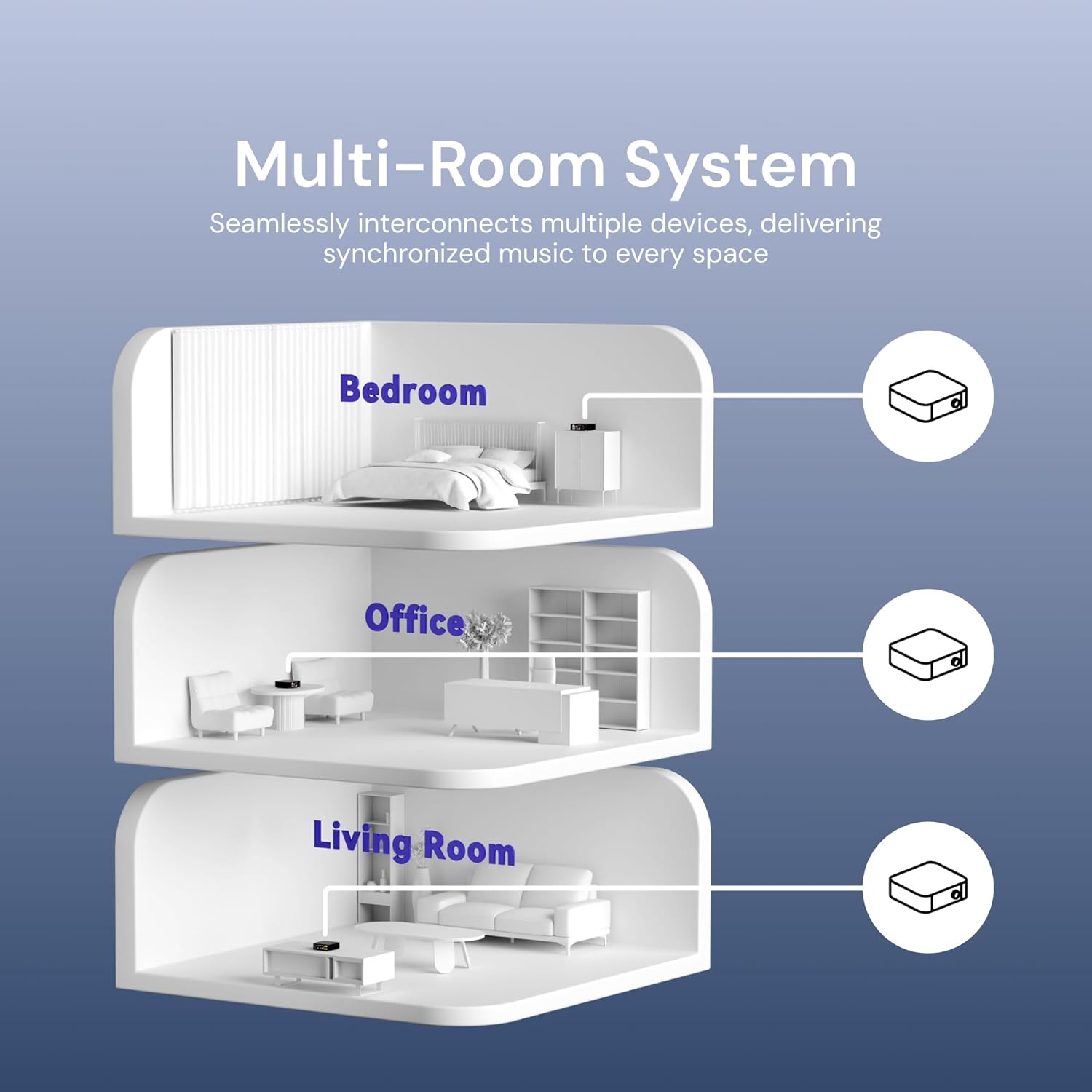
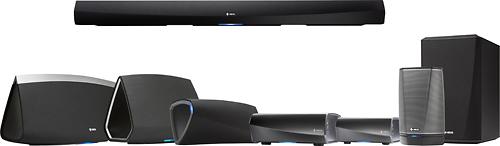
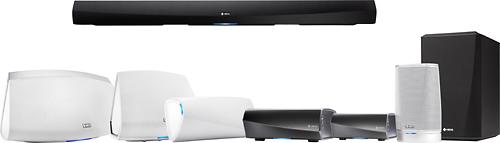
The Denon HEOS Amp HS2 takes a fundamentally different approach. While it has fewer input options—no phono input, no HDMI—it excels at its primary mission: multi-room audio. The HEOS platform allows you to synchronize music playback across multiple zones throughout your home, with different music in different rooms or the same music everywhere.
This capability shouldn't be underestimated. If you've ever tried to manually sync music between different systems, you know it's nearly impossible to get perfect synchronization. The Denon HEOS Amp HS2 handles this automatically, maintaining tight synchronization even when adding or removing zones on the fly.
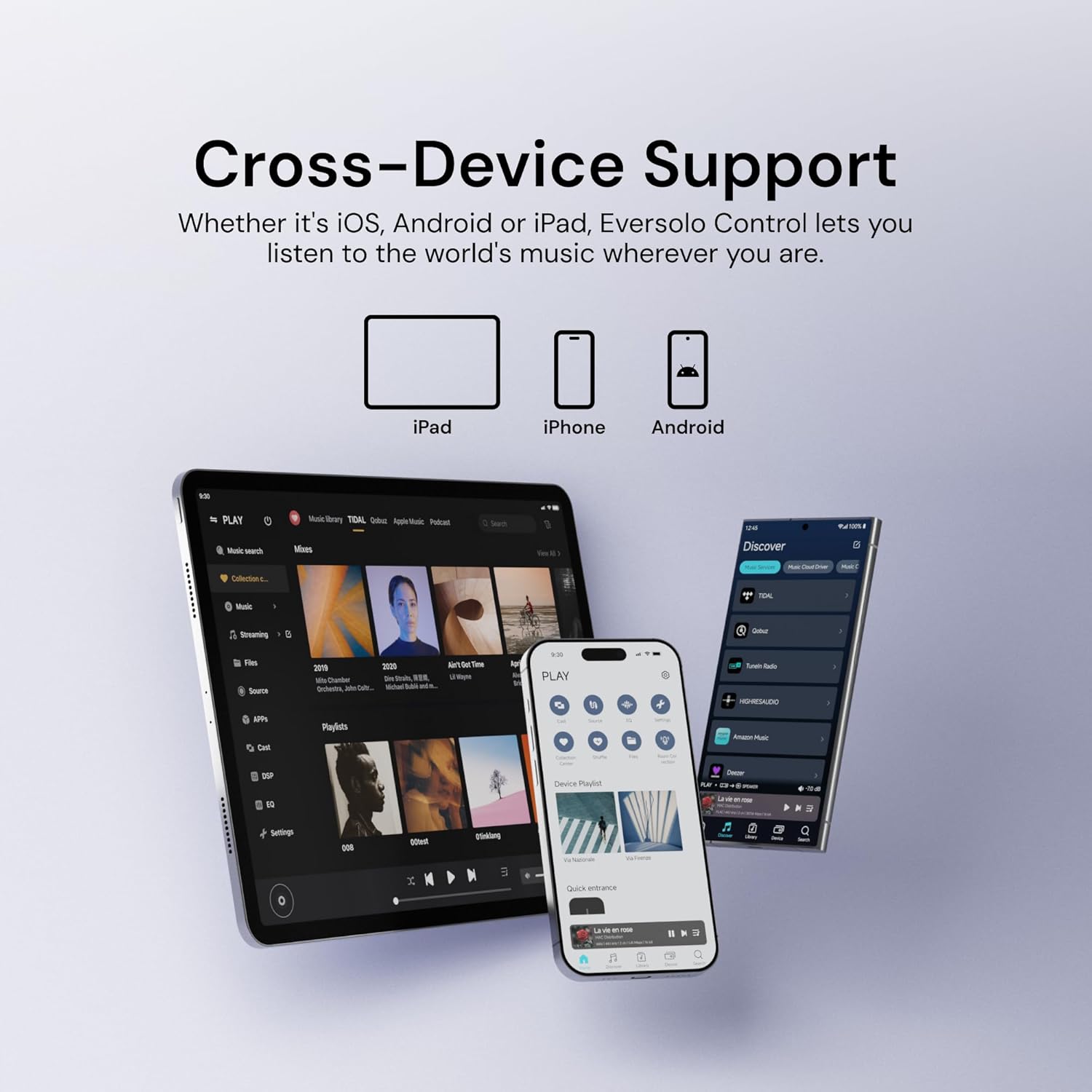
The HEOS app provides centralized control over your entire system, allowing you to manage what's playing in each room from a single interface. You can easily group rooms together for parties or separate them for individual listening. The system also integrates with voice assistants like Alexa and Google Assistant, so you can control playback with voice commands.
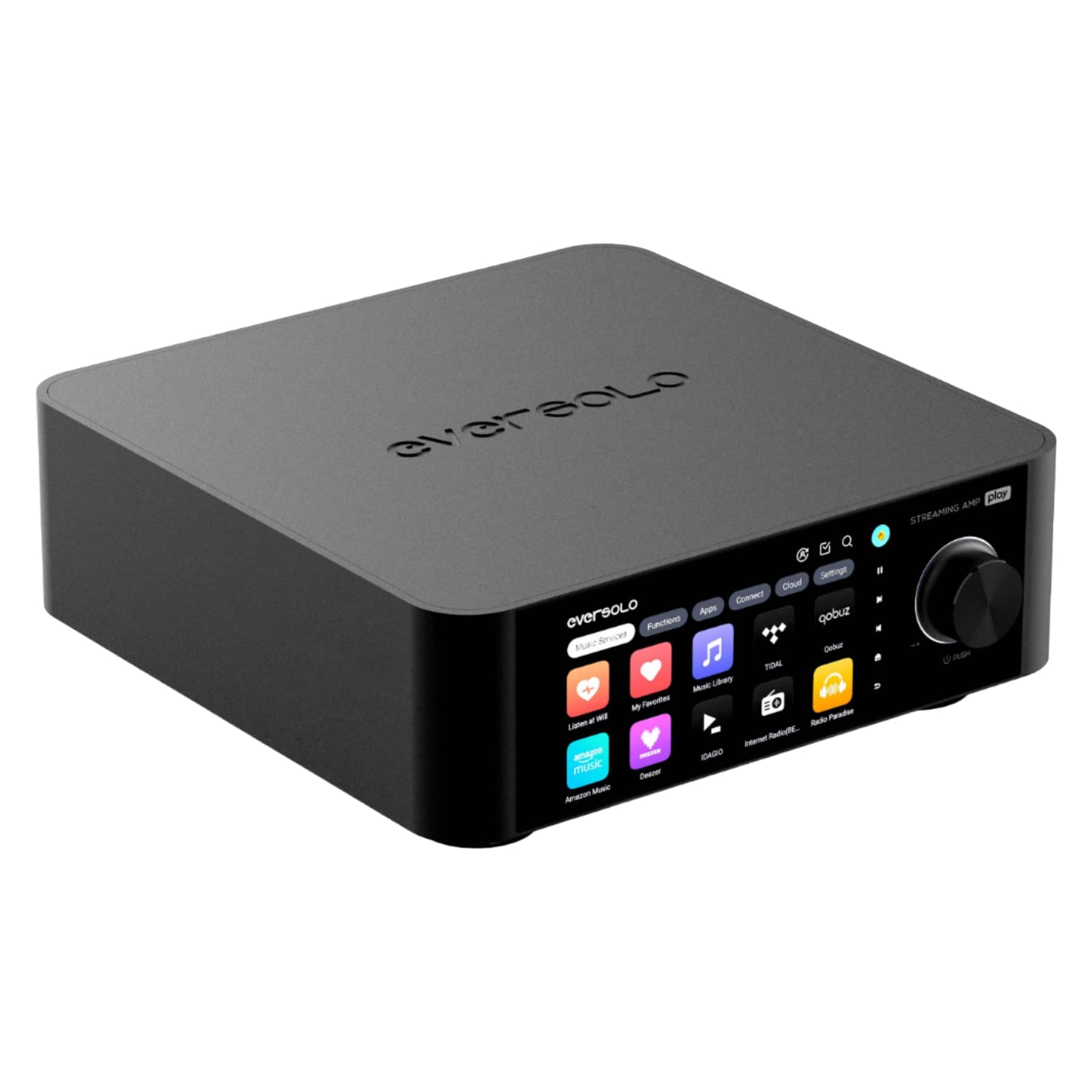
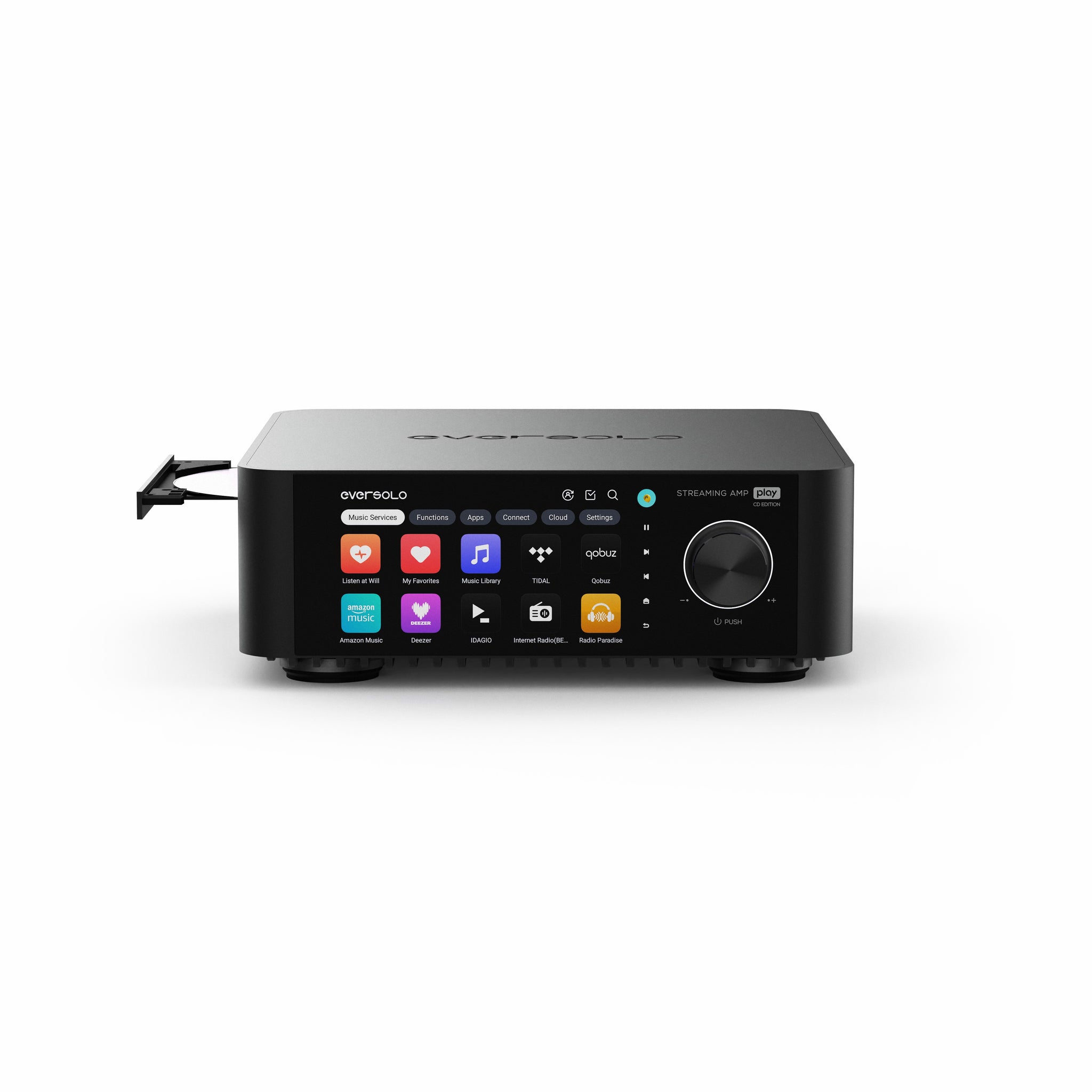
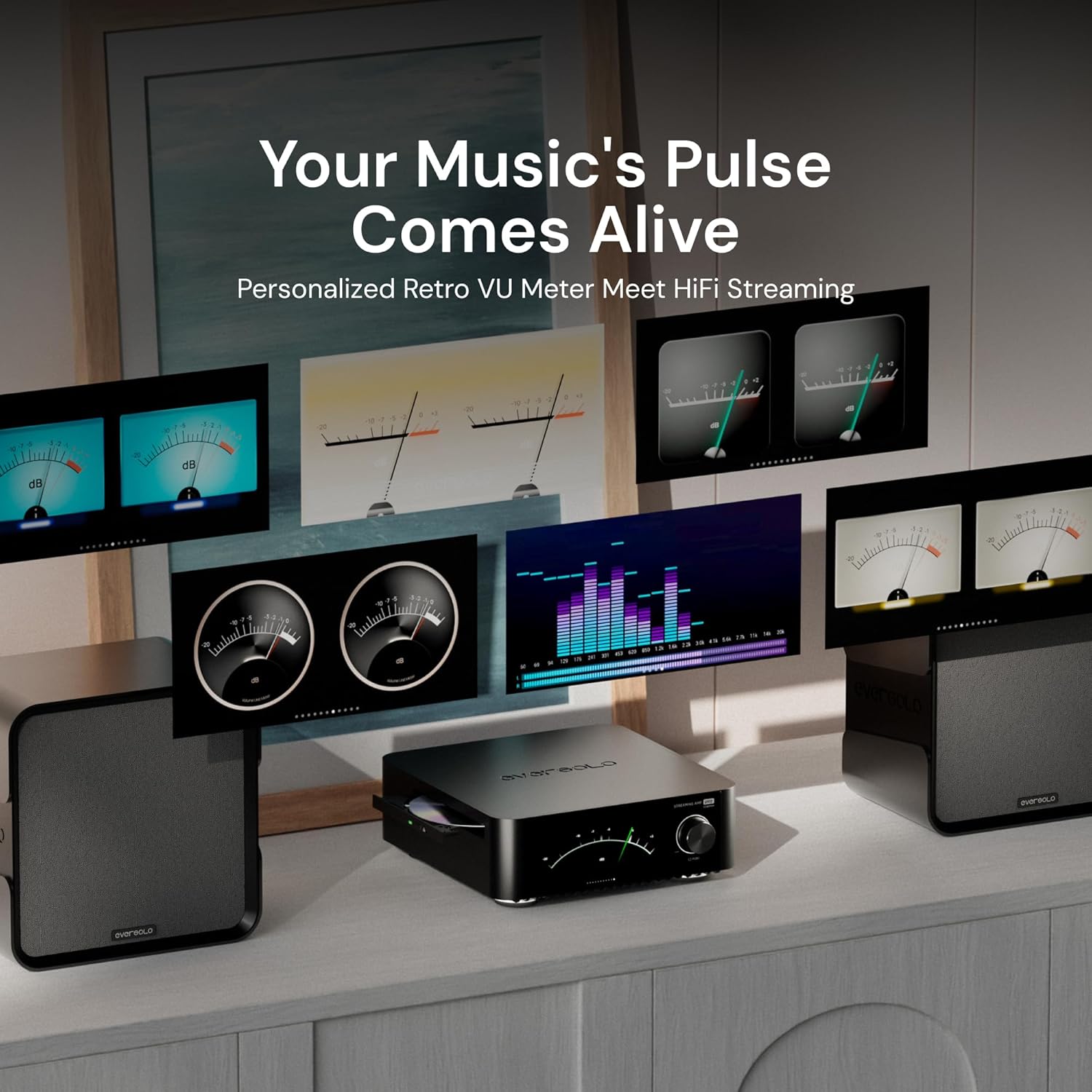
The Eversolo Play features a 5.5-inch touchscreen on the front panel, providing direct access to all functions without needing to pull out your phone. This screen displays album art, playback information, and system settings. More importantly, it includes sophisticated digital signal processing features like parametric EQ (which allows precise adjustment of specific frequency ranges) and automatic room correction.
Room correction is a significant feature that uses microphone measurements to analyze your room's acoustics and automatically adjust the sound to compensate for room problems. In many high-end systems, this functionality requires expensive additional hardware or subscription services. The Eversolo Play includes it at no additional cost.
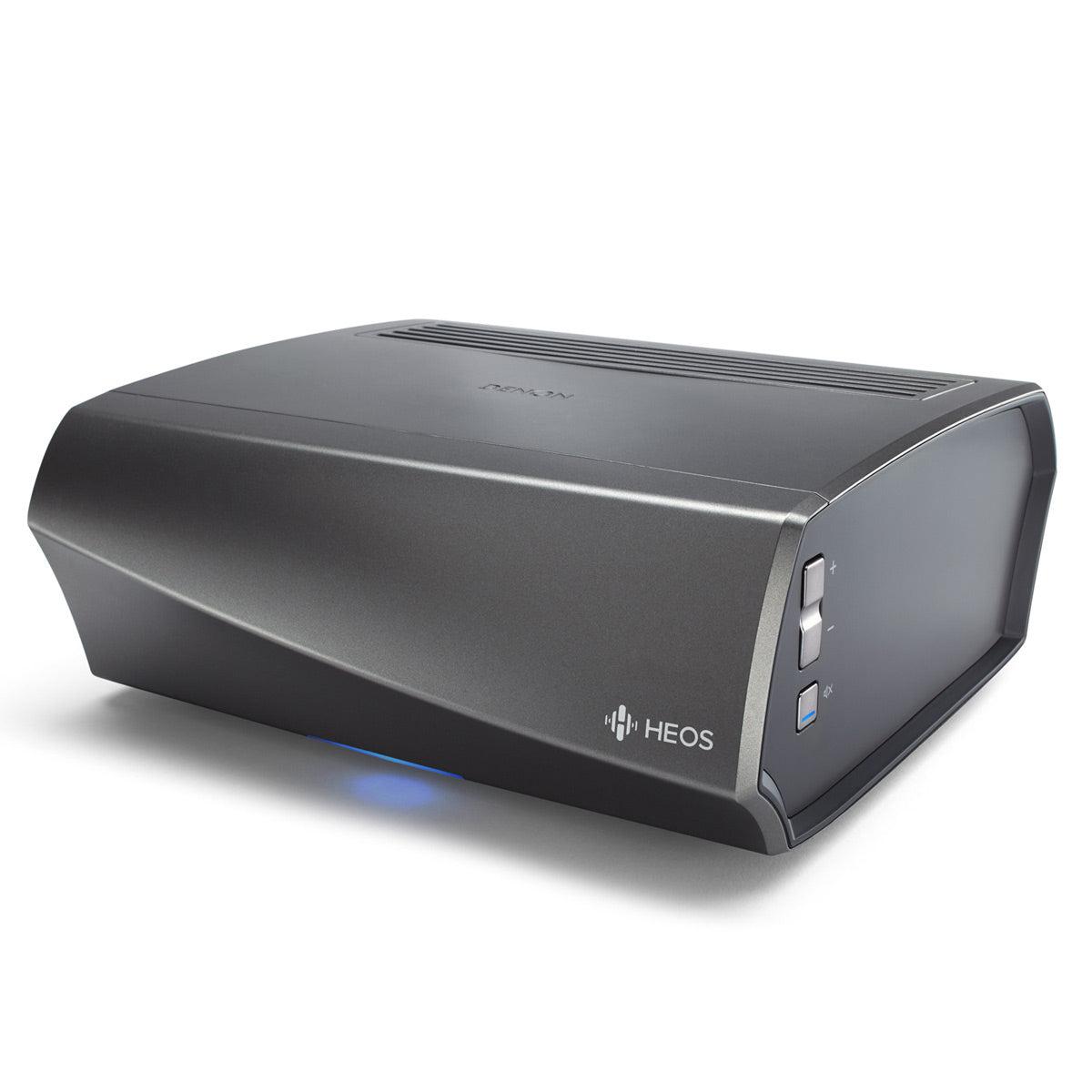
The Denon HEOS Amp HS2 has no front panel display, relying entirely on the HEOS app for control. While this keeps the physical design clean and simple, it means you always need your phone or tablet to see what's playing or make adjustments.
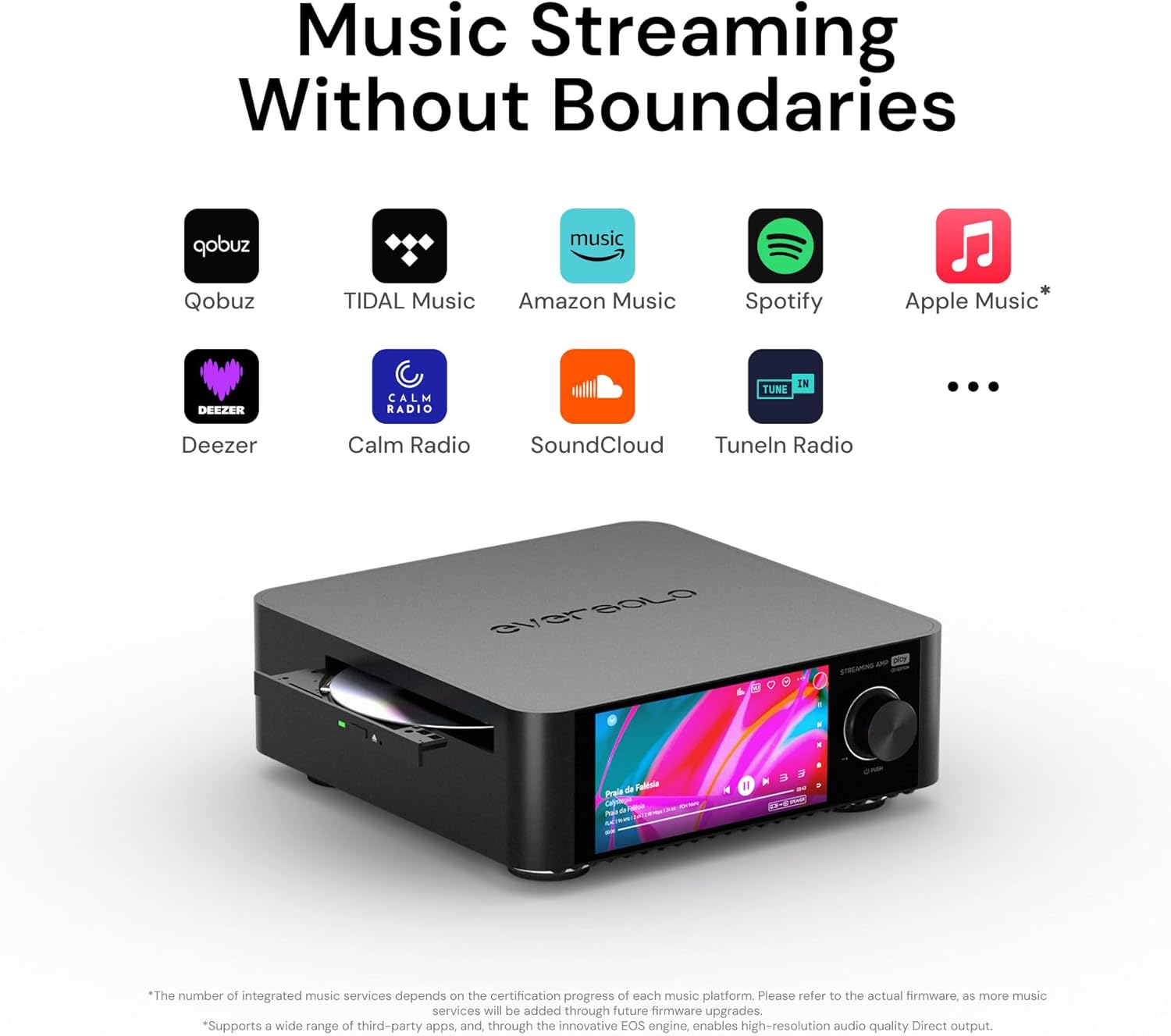
Both devices support the major streaming services—Spotify, TIDAL, Amazon Music—but their approaches differ significantly. The Eversolo Play includes native support for high-resolution streaming services and is Roon Ready, meaning it integrates seamlessly with the Roon music management platform that many serious listeners prefer for its superior metadata and sound quality.
The Denon HEOS Amp HS2 focuses on broad compatibility and ease of use rather than audiophile features. While it handles high-resolution audio up to 24-bit/192kHz, it lacks some modern conveniences like AirPlay support, which can be frustrating for iPhone users who want to quickly stream something from their device.
For users considering these devices as part of a home theater system, the differences are stark. The Eversolo Play excels here thanks to its HDMI ARC input. This single connection can handle audio from your TV, including surround sound formats that get downmixed to stereo. The setup is simple: one HDMI cable from your TV, and the amplifier automatically switches between TV audio and music streaming as needed.
The Denon HEOS Amp HS2 requires more complex integration for TV audio, typically involving optical digital connections and manual switching between sources. However, if you're building a multi-room system where different family members want to watch different things in different rooms, the HEOS platform's flexibility becomes valuable.
At the time of writing, the price difference between these products is significant—the Eversolo Play costs roughly 75% more than the Denon HEOS Amp HS2. This premium buys you substantially more features and better audio performance, but whether it represents good value depends entirely on your priorities and use case.
The Eversolo Play effectively replaces several components: a network streamer ($300-600), a quality DAC ($200-500), a phono preamp ($200-500), and room correction software (often $100+ annually). When viewed this way, the price premium starts to make sense for users who need these capabilities.
The Denon HEOS Amp HS2 represents excellent value for its primary use case: bringing existing passive speakers into a multi-room wireless system. The mature HEOS platform, ongoing software support, and integration with other Denon products provide long-term value that's harder to quantify but very real for users building whole-home audio systems.
After extensive research into user experiences and professional reviews, clear usage patterns emerge for each product.
Choose the Eversolo Play if you're building a sophisticated single-room system where audio quality is paramount. This device makes the most sense for users who have a dedicated listening room, own vinyl records, want to integrate TV audio seamlessly, or simply want the convenience of having everything in one high-quality package. The touchscreen interface and room correction features are particularly valuable for users who like to fine-tune their sound or frequently switch between different sources.
The Eversolo Play also excels for users upgrading from entry-level systems who want to step up to serious audio quality without the complexity of separate components. Its warm, engaging sound signature and comprehensive feature set make it an excellent choice for jazz, classical, and acoustic music lovers who want to hear every detail in their recordings.
Choose the Denon HEOS Amp HS2 if multi-room capability is essential or if you're working within a tighter budget. This amplifier shines in whole-home installations where you want synchronized music throughout your house. It's also the better choice for users who already own other HEOS or Denon equipment, as the integration between components is seamless.
The Denon HEOS Amp HS2 works well for casual listeners who prioritize convenience over ultimate audio quality, families who want different music in different rooms, or users who plan to eventually expand to a multi-zone system. If you can pair it with an external DAC, much of the audio quality gap disappears while retaining the multi-room advantages.
These products represent two valid but different approaches to modern streaming amplification. The Eversolo Play is the choice for users who want the best possible single-room experience with no compromises, while the Denon HEOS Amp HS2 excels for whole-home audio installations where flexibility and ecosystem integration matter more than cutting-edge features.
Both products solve real problems, but for different users. Your choice should depend on whether you prioritize sophisticated single-zone performance with premium features, or proven multi-room functionality with excellent long-term value. Either way, you'll end up with a significant upgrade over basic audio systems, just with different strengths that serve different listening habits and home environments.
| Eversolo Play Streaming Amplifier | Denon HEOS Amp HS2 Wireless Stereo Amplifier |
|---|---|
| Power Output - Determines which speakers you can drive effectively | |
| 60W @ 8Ω, 110W @ 4Ω (adequate for most bookshelf speakers) | 100W @ 6Ω, 70W @ 8Ω (higher continuous power for demanding speakers) |
| DAC Quality - Critical for digital audio performance | |
| AKM AK4493SEQ with 109dB SNR, 0.0037% THD (audiophile-grade) | Basic internal DAC with poor measured performance (external DAC recommended) |
| High-Resolution Audio Support - Future-proofs your music collection | |
| DSD512, PCM up to 768kHz/32-bit (supports highest quality recordings) | PCM up to 24-bit/192kHz (standard high-res support) |
| Display and Interface - Affects daily usability | |
| 5.5" touchscreen with full visual control | No display (smartphone app control only) |
| Phono Input - Essential for vinyl record playback | |
| MM/MC phono stage included (eliminates need for separate preamp) | None (requires external phono preamp for turntables) |
| TV Integration - Simplifies home theater setup | |
| HDMI ARC (seamless TV audio switching) | Optical input only (requires manual source switching) |
| Multi-Room Capability - Whole-home audio synchronization | |
| Single room focus (no multi-room features) | HEOS platform with tight multi-zone synchronization |
| Room Correction - Automatically optimizes sound for your space | |
| Parametric EQ and room correction included | Basic EQ through app only |
| Streaming Platform Support - Determines music service compatibility | |
| Comprehensive including Roon Ready, TIDAL Connect, Qobuz Connect | Major services supported but lacks Roon and AirPlay |
| Voice Control Integration - Smart home compatibility | |
| Not specified | Alexa and Google Assistant support |
| Release Year - Indicates technology generation | |
| 2025 (latest streaming and connectivity features) | 2016 (mature platform but older technology) |
The Denon HEOS Amp HS2 is generally more beginner-friendly due to its simpler setup and focus on core functionality. It has fewer features to configure and the HEOS app handles most setup automatically. The Eversolo Play Streaming Amplifier offers more advanced features like room correction and parametric EQ, which might overwhelm new users but provides more growth potential as you learn about audio.
Yes, both the Eversolo Play and Denon HEOS Amp HS2 work with passive speakers using standard binding post connections. The Denon HEOS Amp HS2 delivers more power (100W vs 60W into 8 ohms), making it better suited for harder-to-drive speakers or larger rooms. Both support 4-8 ohm speaker impedances commonly found in home audio.
The Eversolo Play Streaming Amplifier is significantly better for vinyl since it includes built-in MM/MC phono inputs that can connect directly to any turntable. The Denon HEOS Amp HS2 has no phono input, so you'd need to buy a separate phono preamp (typically $100-300) to play records.
The Eversolo Play includes a high-quality AKM DAC that performs excellently and doesn't need upgrading. The Denon HEOS Amp HS2 has a poor-performing internal DAC according to technical measurements, so serious listeners should consider using an external DAC connected via the digital output for better sound quality.
The Denon HEOS Amp HS2 excels at multi-room audio with its HEOS platform that synchronizes music across multiple zones throughout your home. The Eversolo Play Streaming Amplifier is designed for single-room use and doesn't offer multi-room capabilities, making it better suited for dedicated listening rooms.
The Eversolo Play connects easily to TVs via HDMI ARC, automatically switching between TV audio and music streaming. The Denon HEOS Amp HS2 requires optical connection from your TV and manual source switching, making TV integration more complex but still functional.
The Eversolo Play Streaming Amplifier generally delivers superior sound quality with its advanced DAC, support for high-resolution audio up to DSD512, and warm, refined sound character. The Denon HEOS Amp HS2 sounds clean and neutral but may benefit from an external DAC to reach its full potential.
Both support major services like Spotify, TIDAL, and Amazon Music. The Eversolo Play offers broader compatibility including Roon Ready certification and native high-resolution streaming support. The Denon HEOS Amp HS2 focuses on popular services through the HEOS app but lacks some premium features like Roon integration.
The Eversolo Play Streaming Amplifier features a 5.5" touchscreen for direct control without needing your phone, plus comprehensive room correction and EQ options. The Denon HEOS Amp HS2 relies entirely on smartphone app control but offers simpler operation and voice control through Alexa or Google Assistant.
The Eversolo Play works excellently for home theater with HDMI ARC integration that automatically handles TV audio switching. The Denon HEOS Amp HS2 can work for home theater via optical connection but requires more manual setup and doesn't integrate as seamlessly with TV audio.
The Denon HEOS Amp HS2 offers excellent value for users needing multi-room capability or working with tighter budgets. The Eversolo Play Streaming Amplifier costs significantly more but includes premium features like phono inputs, room correction, and superior DAC that would cost hundreds extra as separate components.
The key difference is focus: the Eversolo Play is a premium all-in-one solution designed for sophisticated single-room listening with audiophile features, while the Denon HEOS Amp HS2 prioritizes multi-room functionality and value pricing for whole-home audio systems.
We've done our best to create useful and informative comparisons to help you decide what product to buy. Our research uses advanced automated methods to create this comparison and perfection is not possible - please contact us for corrections or questions. These are the sites we've researched in the creation of this article: blog.son-video.com - audio46.com - upscaleaudio.com - audioadvice.com - musicdirect.com - audio46.com - whathifi.com - whathifi.com - bloomaudio.com - youtube.com - the-ear.net - whathifi.com - soundstagesimplifi.com - youtube.com - stevehuffphoto.com - darko.audio - youtube.com - eversolo.com - bestbuy.com - consumerreports.org - audiosciencereview.com - youtube.com - crutchfield.com - avsforum.com - whathifi.com - audiosciencereview.com - youtube.com - versus.com - easylounge.com - snapav.com - crutchfield.com - accessories4less.com - richersounds.com - wave-electronics.com - bestbuy.com - safeandsoundhq.com - theaudiotailor.com.au - retailspecs.com

Privacy Policy
Terms and Conditions - Affiliate Policy
Home Security
© Copyright 2008-2026.
11816 Inwood Rd #1211, Dallas, TX 75244