

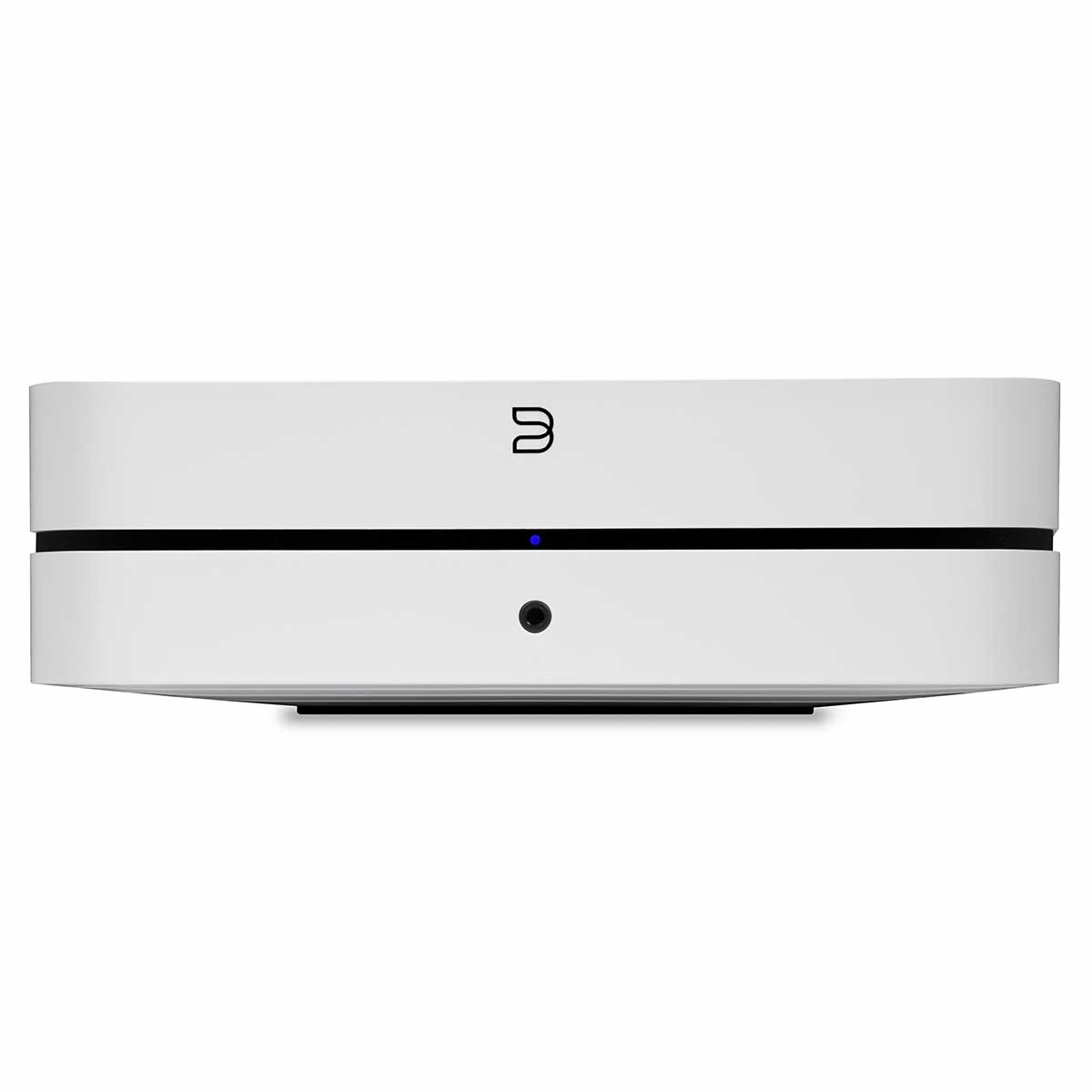
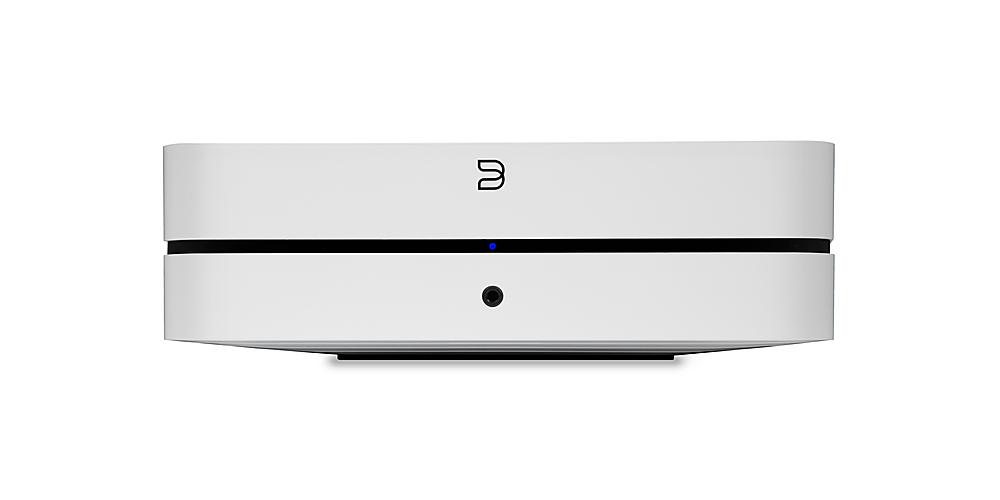
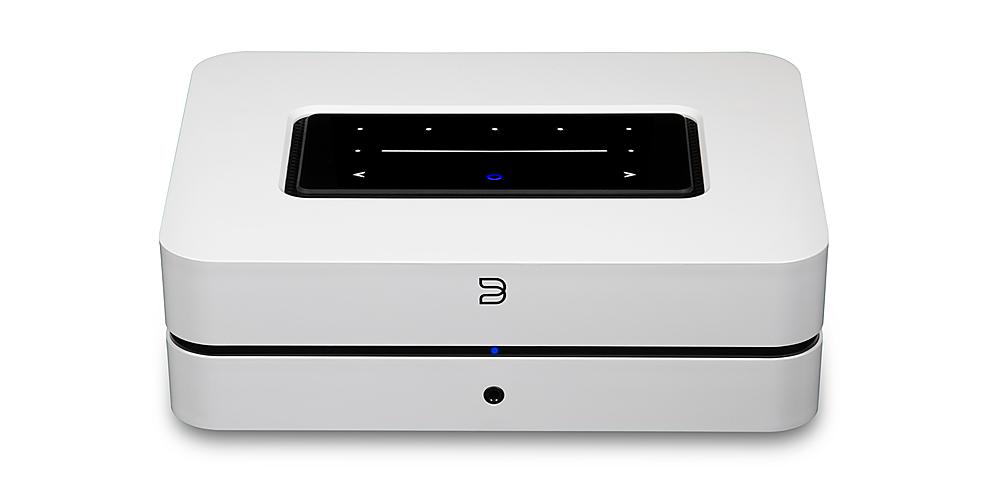
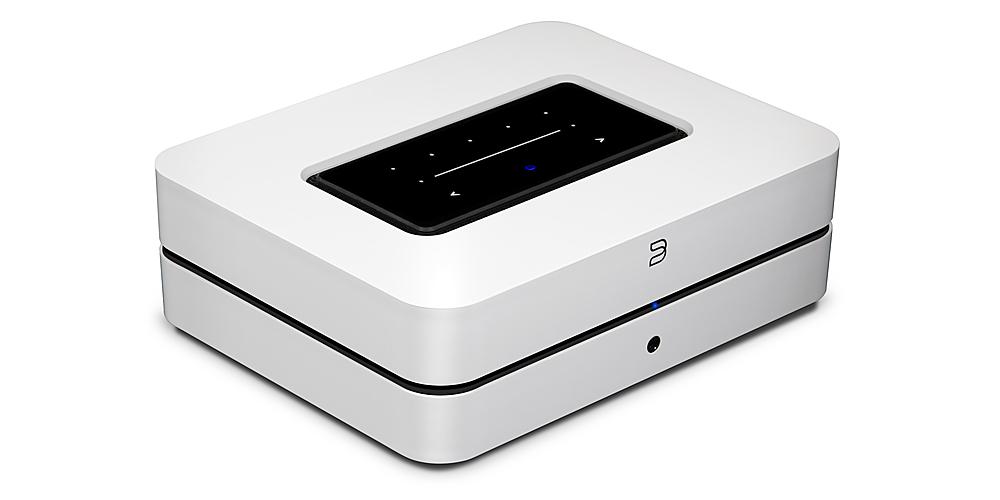
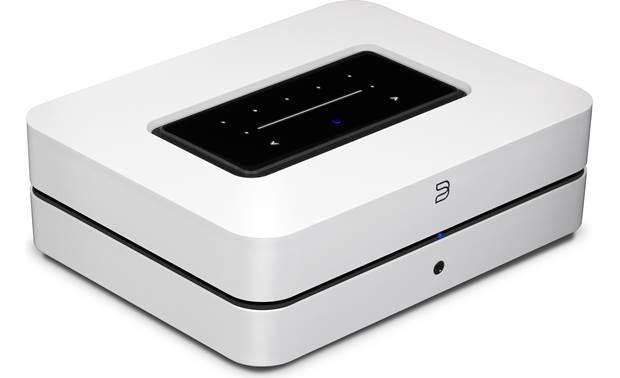
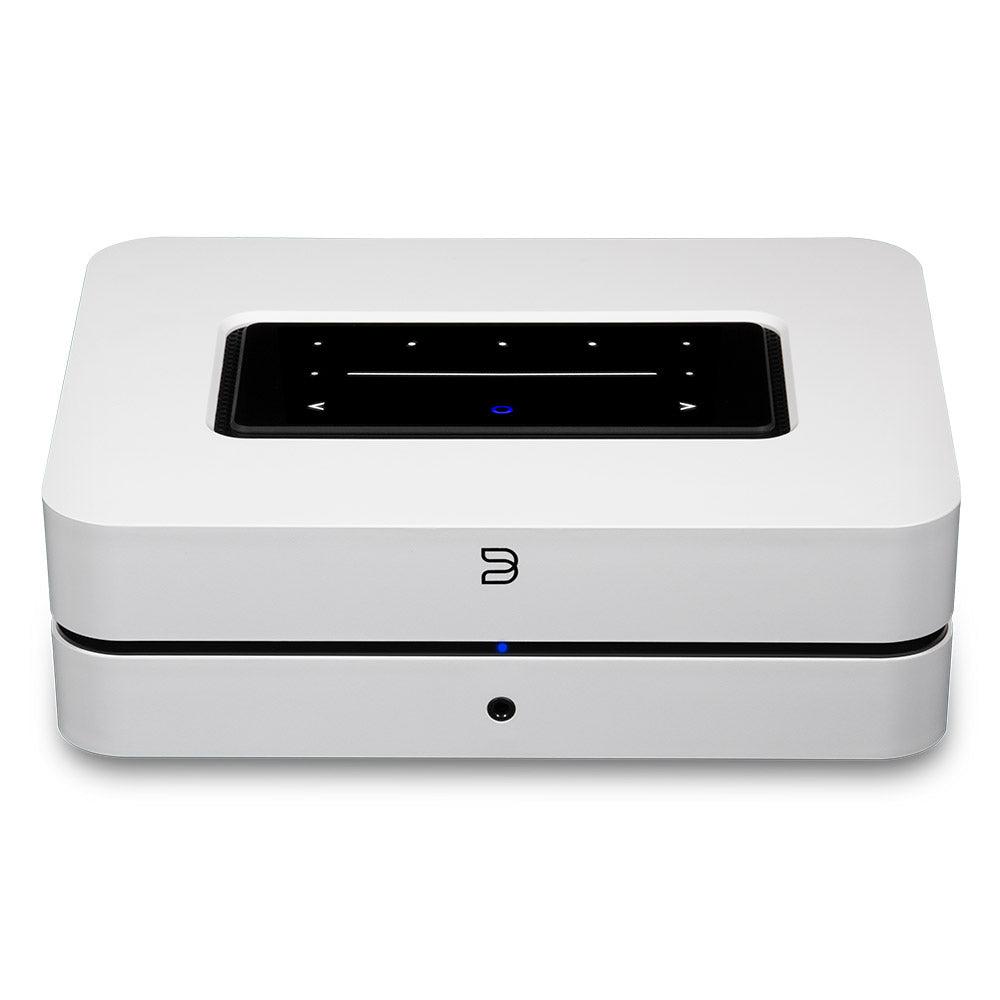
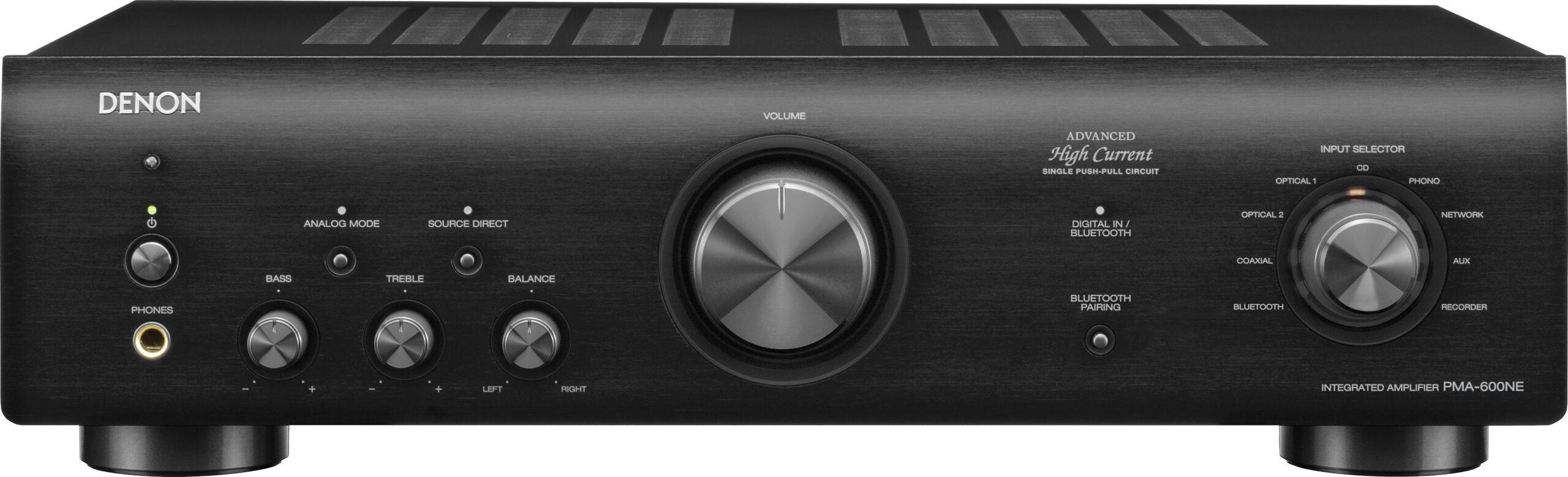
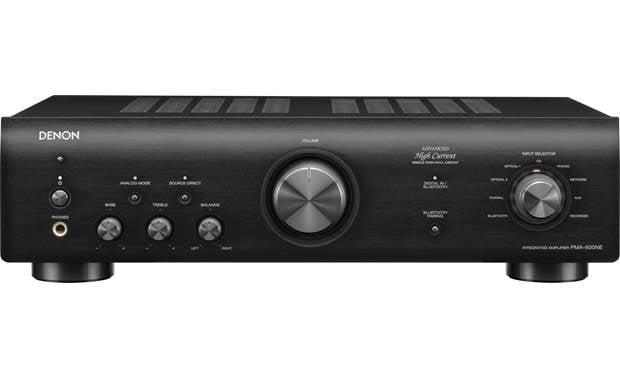
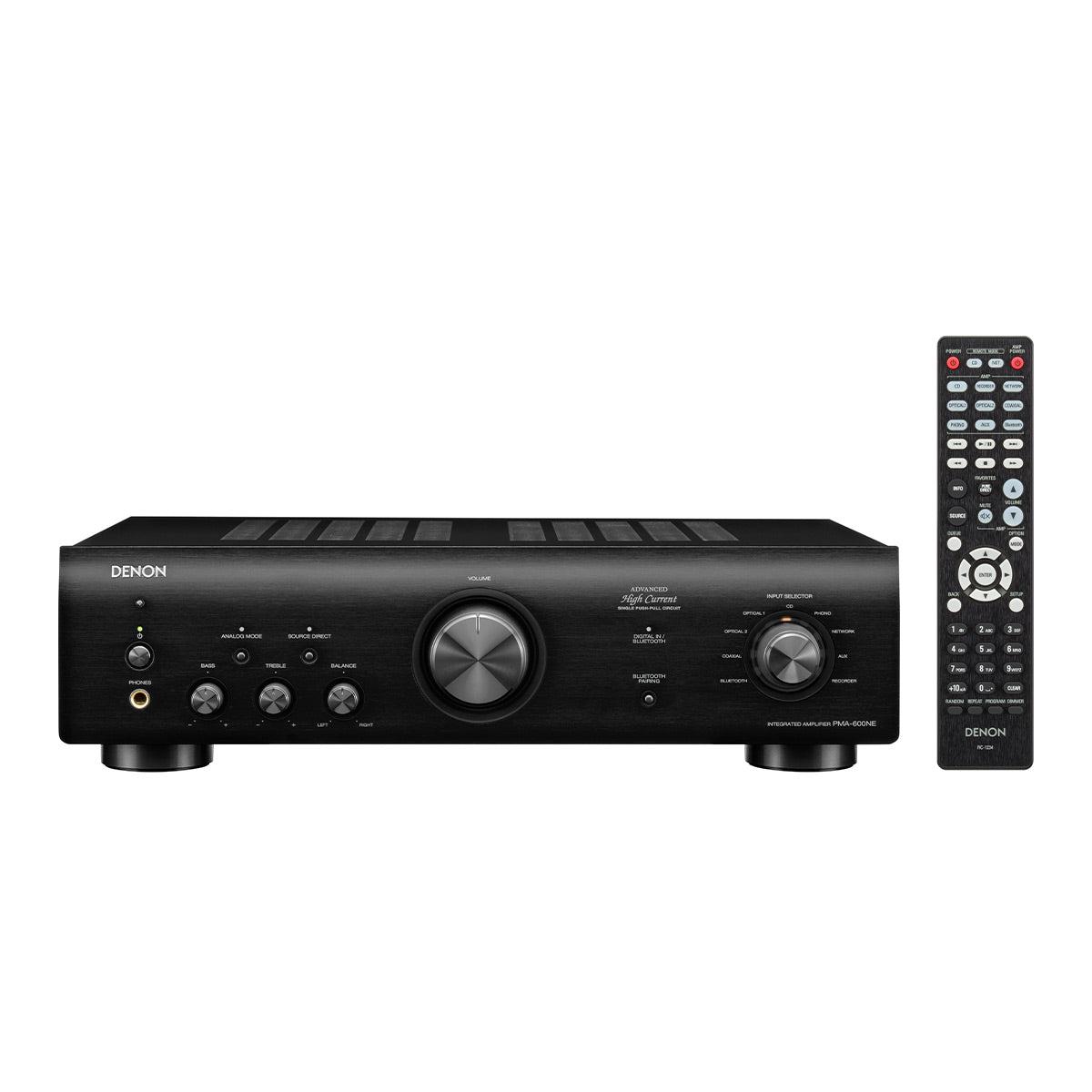
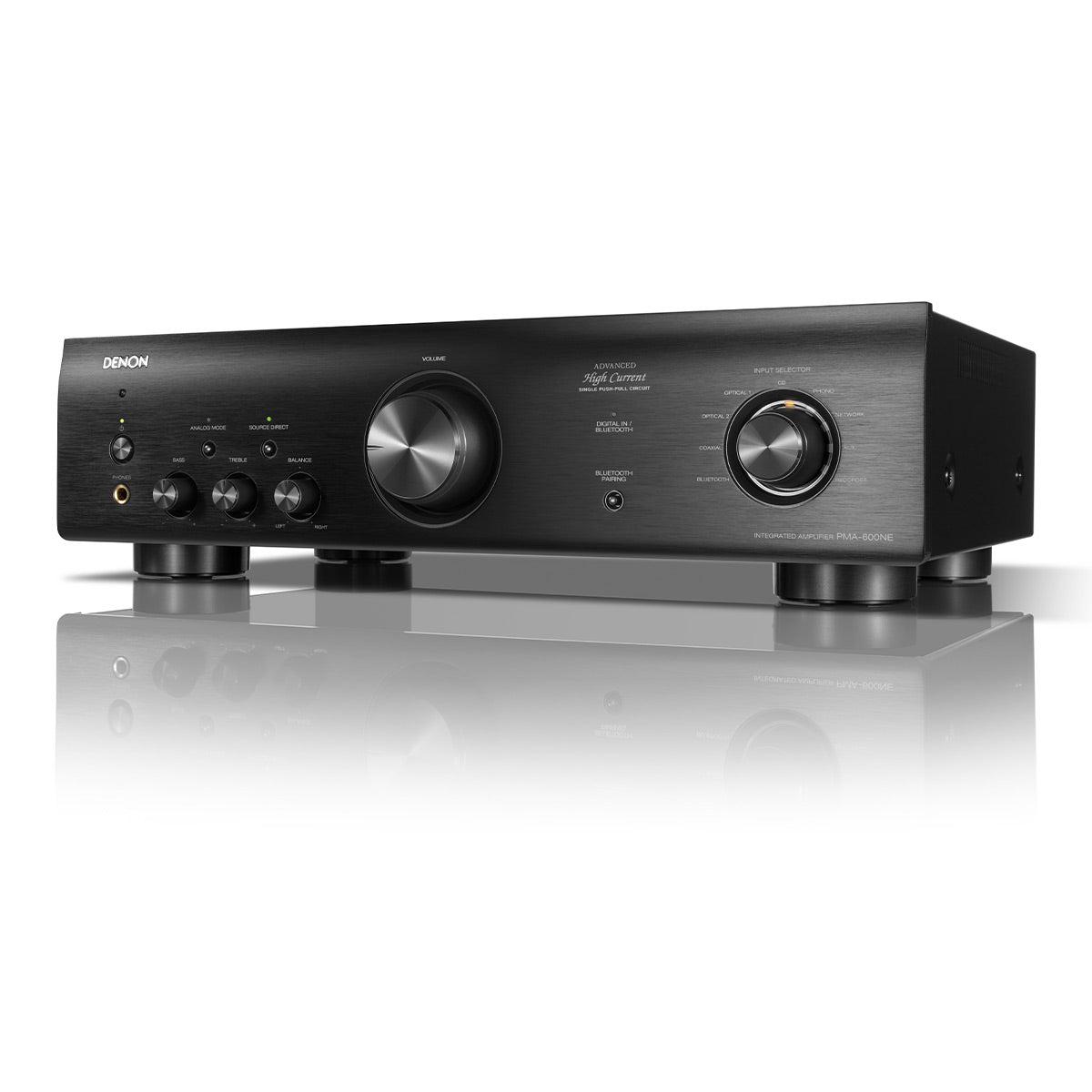
The world of audio amplification has split into two distinct camps over the past few years. On one side, you have streaming-first amplifiers like the Bluesound PowerNode that treat digital music as the primary source. On the other, traditional integrated amplifiers like the Denon PMA-600NE maintain the classic hi-fi approach of accepting any source you throw at them. Both philosophies have merit, but they serve very different types of music listeners.
Understanding which approach suits your needs requires diving into how modern audio technology has evolved and what trade-offs each design makes. The choice isn't just about sound quality—it's about how you consume music, what sources you use, and how much convenience you're willing to trade for flexibility.
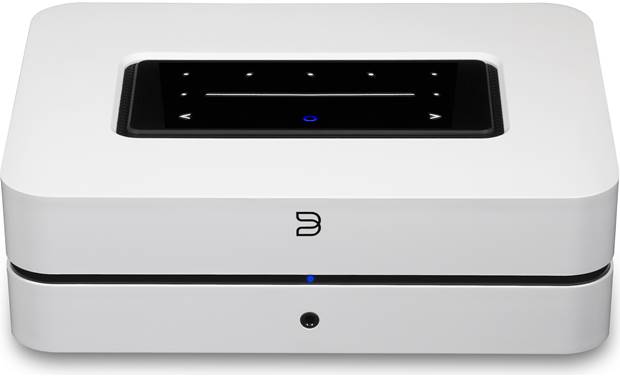
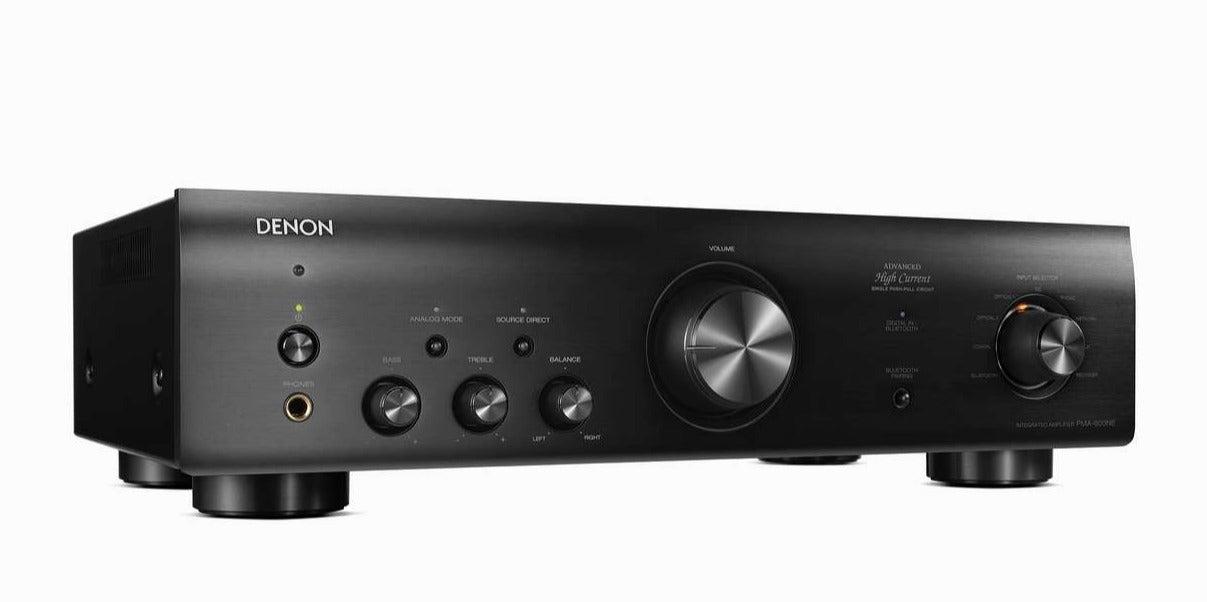
These two amplifiers represent fundamentally different approaches to audio reproduction, even though they both amplify signals to drive speakers. The Bluesound PowerNode, launched in 2021 with significant updates through 2024, embodies the streaming-first philosophy that assumes most of your music comes from services like Spotify, Tidal, or your digital library. The Denon PMA-600NE, released in 2019, follows the traditional integrated amplifier approach where the amp accepts signals from various sources—turntables, CD players, streaming devices—without caring where they originate.
The key difference lies in integration versus flexibility. Streaming amplifiers integrate everything you need for digital music into one box, while traditional integrated amplifiers provide a neutral platform that works with whatever sources you choose to connect. This philosophical divide affects everything from internal circuitry to user interface design.
When evaluating either approach, consider these high-level factors: How much of your music comes from streaming services versus physical media? Do you want whole-home audio capability? How important is it to upgrade individual components over time? And perhaps most critically—do you prioritize convenience or control over your audio chain?
Raw power specifications tell only part of the amplification story, but they're a crucial starting point. The Bluesound PowerNode delivers substantially more power at 100 watts per channel into 8-ohm speakers, compared to the Denon PMA-600NE's 45 watts per channel into the same impedance. However, these numbers require context to be meaningful.
The PowerNode uses DirectDigital amplification enhanced with gallium nitride (GaN) transistors—a relatively new technology that switches much faster than traditional silicon transistors. This allows the amplifier to maintain precise control over the audio signal while generating less heat and operating more efficiently. GaN amplifiers can deliver their full power output without the thermal limitations that constrain traditional designs, meaning you get consistent performance even during loud, dynamic passages.
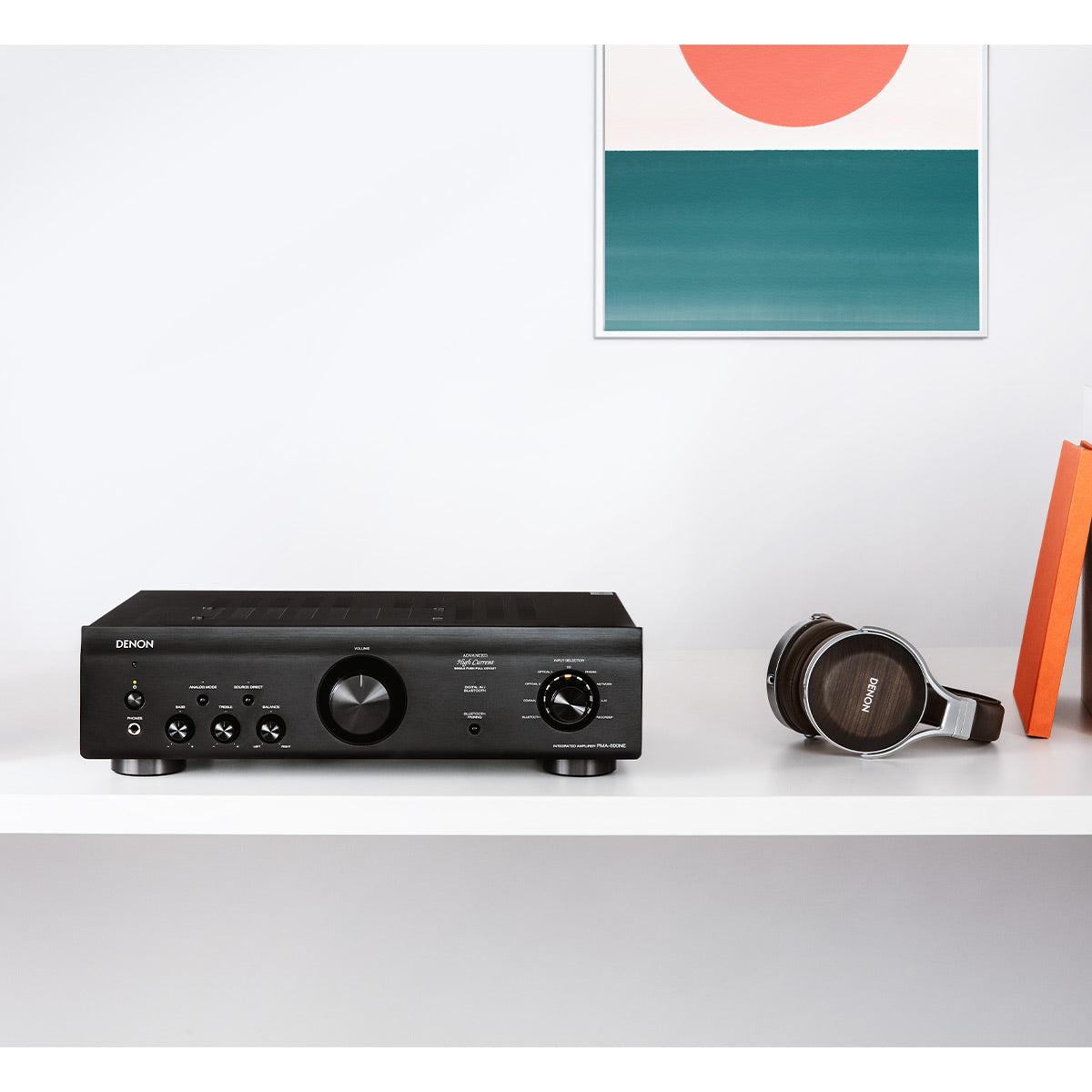
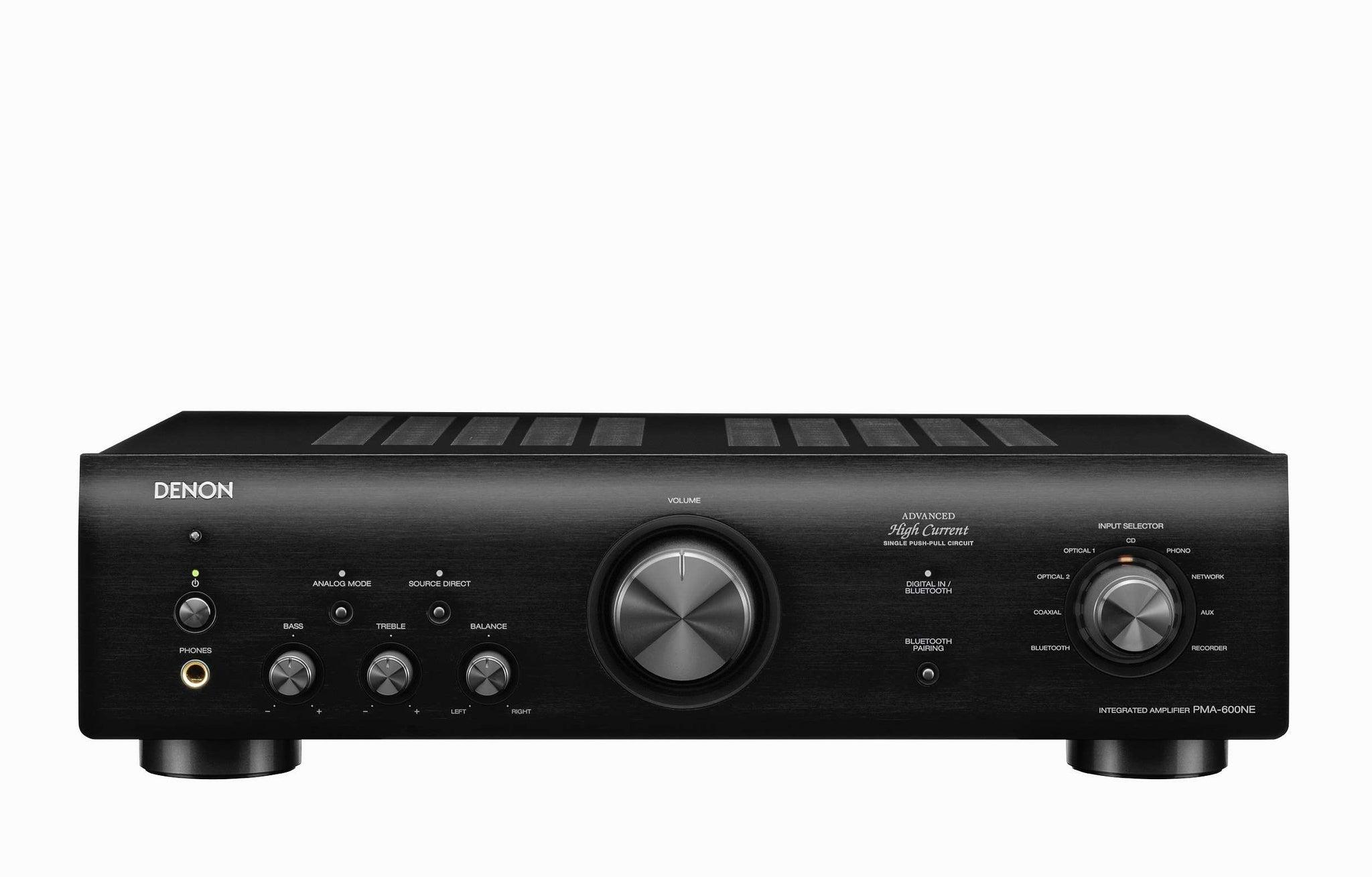
The Denon takes the traditional Class AB approach, using Advanced High Current (AHC) transistors in a single push-pull configuration. Class AB amplifiers operate by having different transistors handle the positive and negative portions of the audio signal. While this design typically runs warmer and less efficiently than digital amplification, it often produces what many audiophiles describe as a more "natural" or "musical" sound character.
In practical terms, the power difference matters most if you have inefficient speakers or large listening rooms. Most bookshelf speakers with sensitivity ratings above 86 dB will play plenty loud with either amplifier in typical home settings. However, the Bluesound PowerNode's extra headroom provides more confident performance with demanding speakers and ensures clean sound even when you're pushing the volume during parties or movie nights.
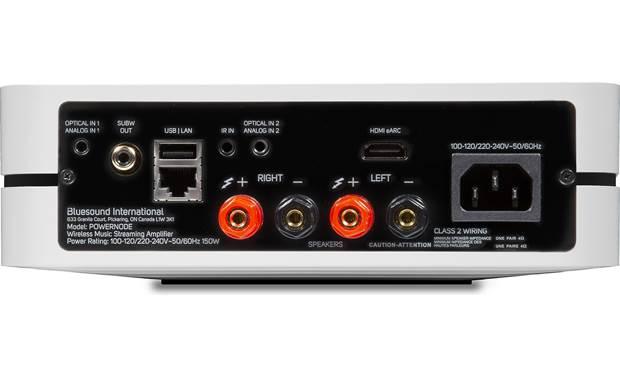
The PowerNode's ability to operate in a 3.1 configuration—dedicating one channel to a center speaker for improved dialogue clarity in TV setups—adds versatility that the traditional stereo-only Denon can't match. This feature alone makes the Bluesound PowerNode significantly more appealing for users who want their music system to pull double duty for home theater applications.
Sound quality represents the most subjective yet crucial aspect of any amplifier comparison. Our research into user experiences and professional reviews reveals distinct sonic signatures that reflect each amplifier's design philosophy.
The Bluesound PowerNode prioritizes technical accuracy and detail retrieval. Its 32-bit/384kHz differential DAC (digital-to-analog converter) processes streaming audio with exceptional precision, supporting virtually every high-resolution format including MQA (Master Quality Authenticated) files and DSD256. The result is a clean, neutral presentation that reveals subtle details in well-recorded music while avoiding harshness with digital sources.
Users consistently describe the PowerNode's sound as "detailed," "dynamic," and "spacious." The DirectDigital amplification maintains tight control over speakers, resulting in precise bass response and clear separation between instruments. However, some listeners find this precision can sound somewhat clinical compared to traditional analog amplification, especially with certain types of music that benefit from a warmer presentation.
The Denon PMA-600NE takes a different approach, emphasizing musical engagement over technical perfection. Reviews frequently mention its "warm," "smooth," and "involving" sound character. The Class AB amplification and analog signal path create what many describe as a more natural presentation, with a gentle emphasis in the lower midrange that adds body and richness to vocals and acoustic instruments.
The Denon's built-in DAC, while technically inferior to the PowerNode's implementation, actually provides beneficial sound coloration that many users prefer. Several reviews note how the PMA-600NE's DAC "smooths" harsh digital sources, making compressed streaming files and older digital recordings more pleasant to listen to during extended sessions.
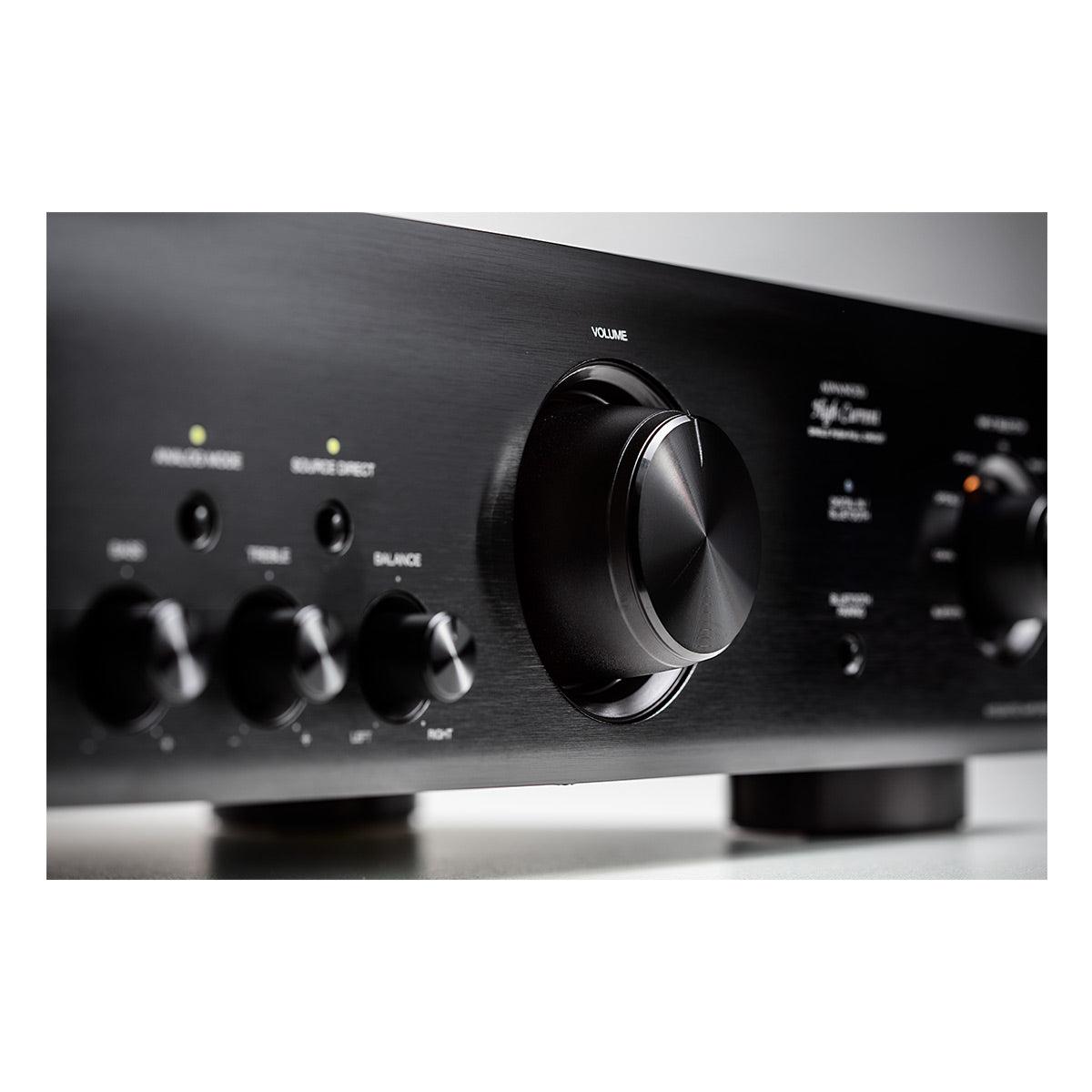
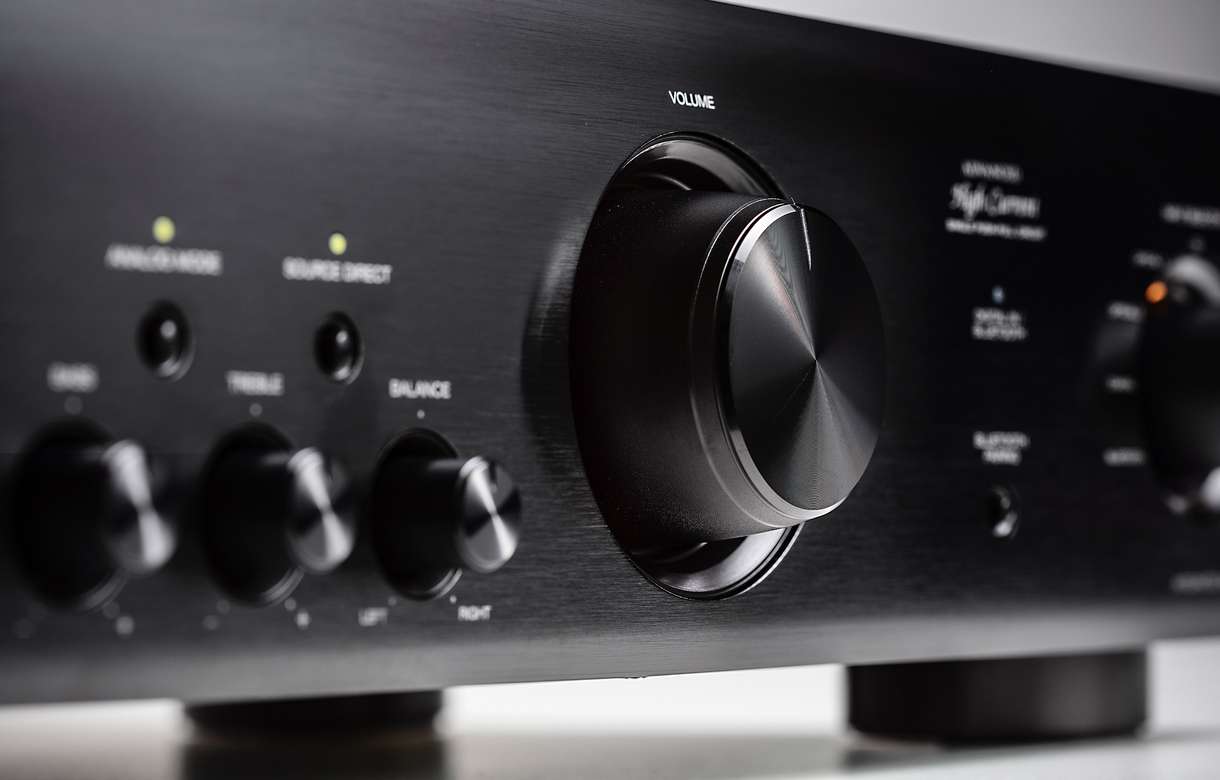
Perhaps most importantly, the Denon PMA-600NE includes an "Analog Mode" that completely bypasses all digital circuitry. For vinyl enthusiasts or those using high-quality external DACs, this feature ensures the purest possible analog signal path—something the streaming-focused PowerNode cannot offer.
The performance difference becomes most apparent with different music genres. Electronic music, jazz, and classical recordings often sound more impressive through the Bluesound PowerNode's precise reproduction, while rock, folk, and acoustic music may sound more engaging through the Denon's warmer character.
The connectivity approach represents perhaps the starkest difference between these amplifiers, with each excelling in completely different scenarios.
The Bluesound PowerNode assumes you live in a primarily digital world. Its HDMI eARC (enhanced Audio Return Channel) connection allows direct integration with modern TVs, eliminating the need for a separate AV receiver in many home theater setups. The USB-C input handles direct connections to computers or mobile devices, while built-in Wi-Fi and Bluetooth provide wireless connectivity. The BluOS platform grants access to over 20 streaming services directly through the amplifier, controlled via smartphone apps or voice commands.
This approach offers remarkable convenience. You can start playing music from Spotify within seconds of unboxing, control the system from anywhere in your home, and even synchronize audio across multiple Bluesound devices throughout different rooms. The AirPlay 2 and Bluetooth 5.0 with aptX Adaptive codec ensure high-quality wireless transmission from any modern device.
However, the Bluesound PowerNode's digital-first design creates limitations for traditional audio sources. There's no phono input for turntables, requiring an external phono preamp for vinyl playback. The lack of traditional analog inputs also means you can't directly connect older CD players, cassette decks, or other analog sources without additional conversion.
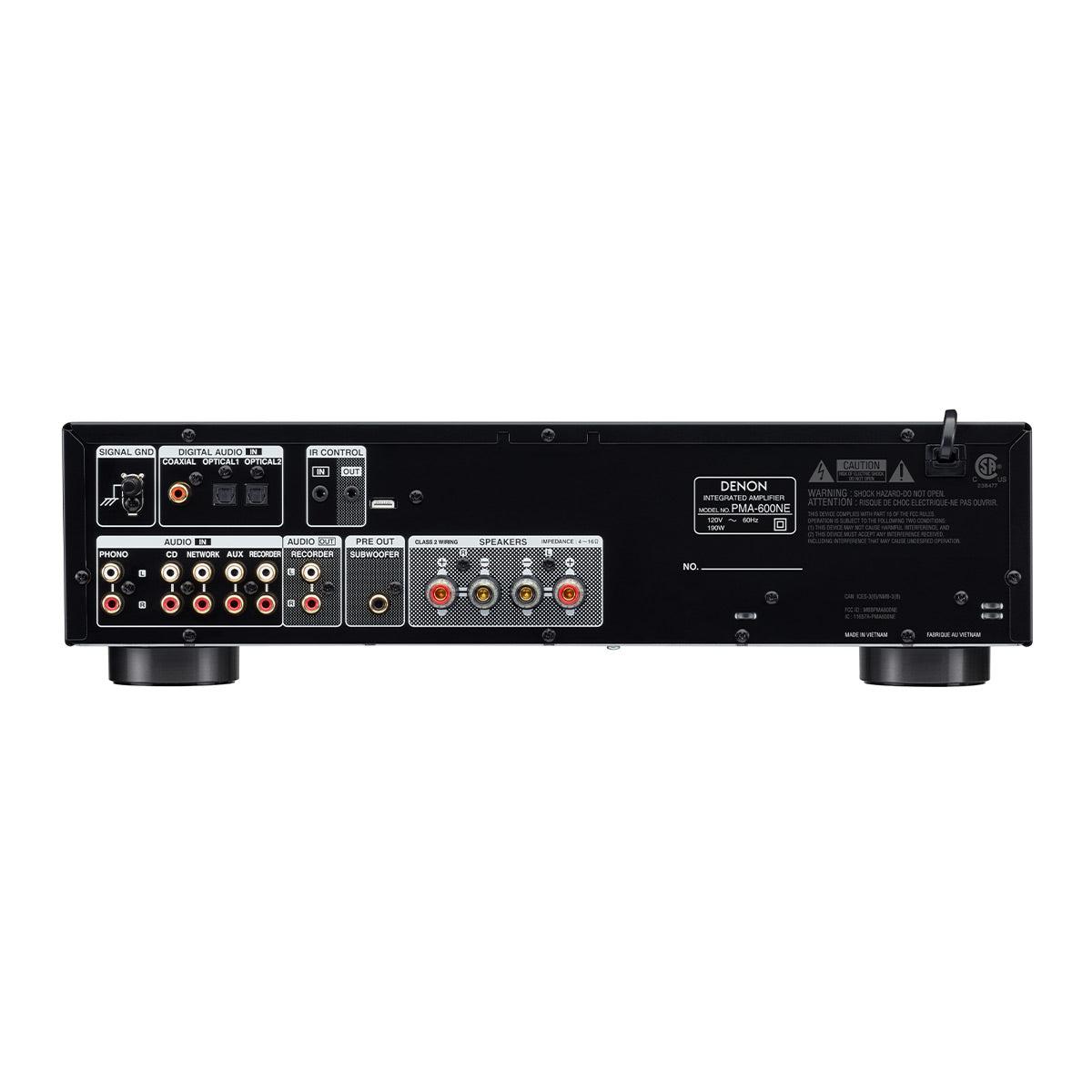
The Denon PMA-600NE takes the opposite approach, prioritizing input flexibility over built-in streaming. Its five analog line inputs accommodate multiple sources simultaneously, while the dedicated MM (Moving Magnet) phono preamp allows direct turntable connection—a significant advantage for vinyl collectors. The built-in phono stage provides proper RIAA equalization and low-noise amplification specifically designed for cartridge signals.
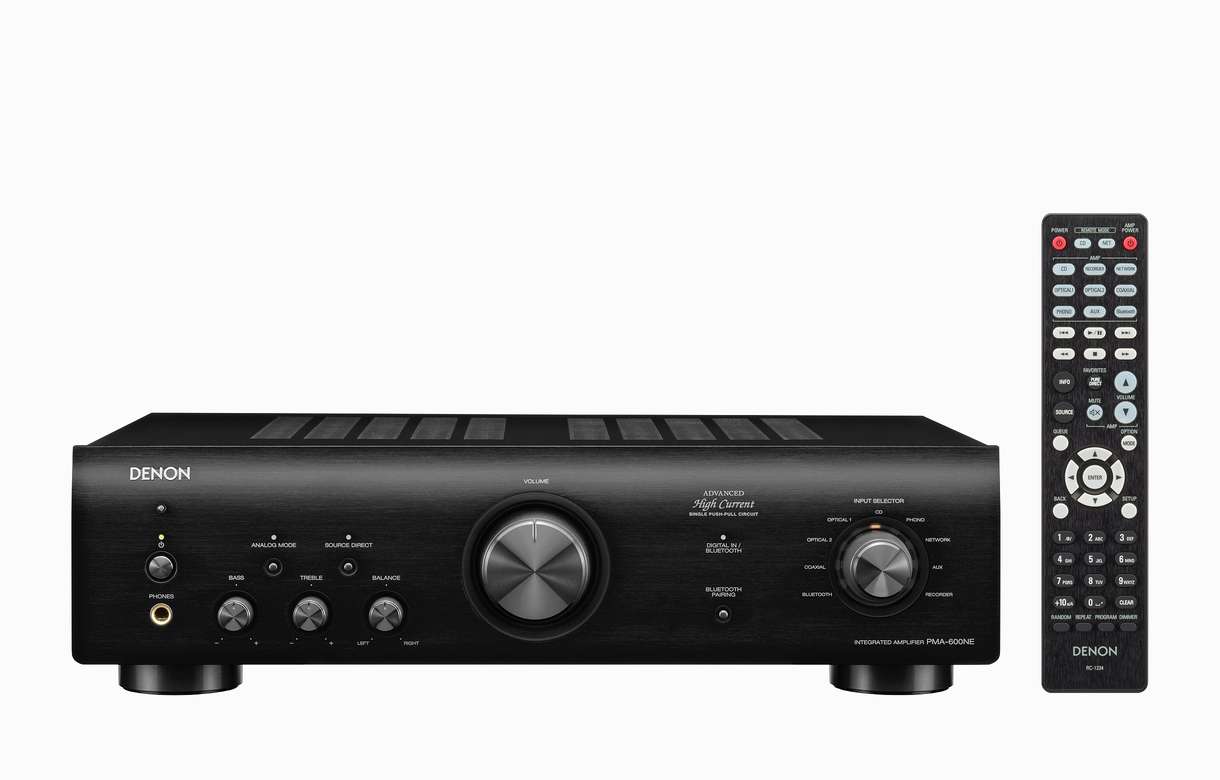
Digital connectivity includes two optical and one coaxial input supporting PCM signals up to 192kHz/24-bit resolution. While this covers most digital sources, the Denon lacks the advanced streaming integration of the PowerNode, offering only basic Bluetooth 4.2 without premium codecs like aptX or LDAC.
The Denon's approach shines for users who want to choose their own streaming solutions. You might prefer a dedicated Roon endpoint, use a high-end DAC, or simply stream via Bluetooth from your phone. The amplifier remains neutral about your source choices, focusing solely on amplification quality.
For home theater applications, the Denon PMA-600NE includes a subwoofer output with adjustable crossover, allowing bass management in stereo systems. However, it lacks the HDMI eARC connectivity that makes the Bluesound PowerNode so appealing for TV integration.
Modern audio equipment increasingly competes on user experience rather than just sound quality, and these amplifiers represent radically different philosophies on how users should interact with their systems.
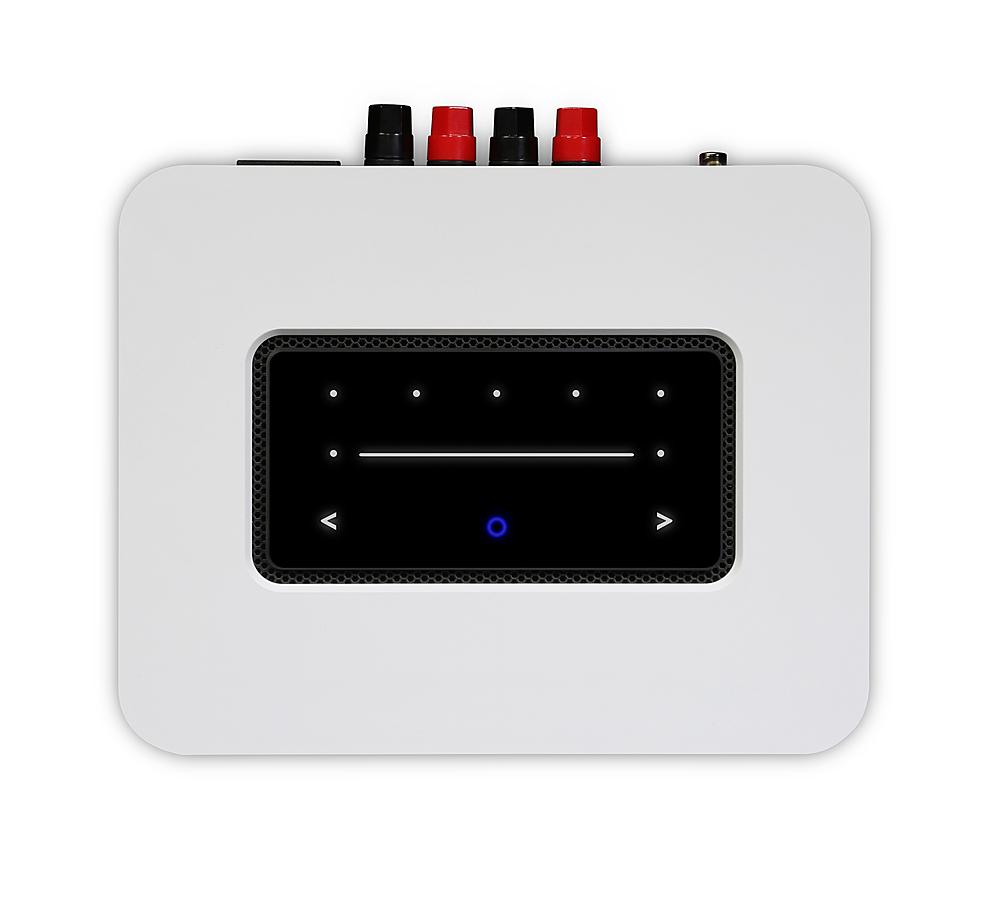
The Bluesound PowerNode embraces the smartphone-controlled future of audio. The touch-sensitive glass top panel provides basic controls, but the real interface lives in the BluOS Controller app. This sophisticated software manages everything from streaming service integration to multi-room synchronization, offering features like customizable presets, alarm functions, and sleep timers.
The multi-room capability deserves particular attention. BluOS can synchronize up to 64 zones throughout your home, allowing you to play the same music everywhere or different music in each room. The system maintains perfect synchronization even when streaming high-resolution audio, something that proves technically challenging for many competitors.
Voice control integration with Amazon Alexa and Apple Siri adds another convenience layer, though setup requires some technical knowledge. The system receives regular firmware updates that add new features and streaming services—we've seen significant improvements in sound quality and functionality through software updates since the original 2021 launch.
However, this connected approach introduces potential complications. Network connectivity issues can prevent the amplifier from functioning properly, and the heavy reliance on smartphone apps may frustrate users who prefer physical controls. Some users report occasional glitches with the BluOS software, particularly when managing large music libraries or multiple streaming services simultaneously.
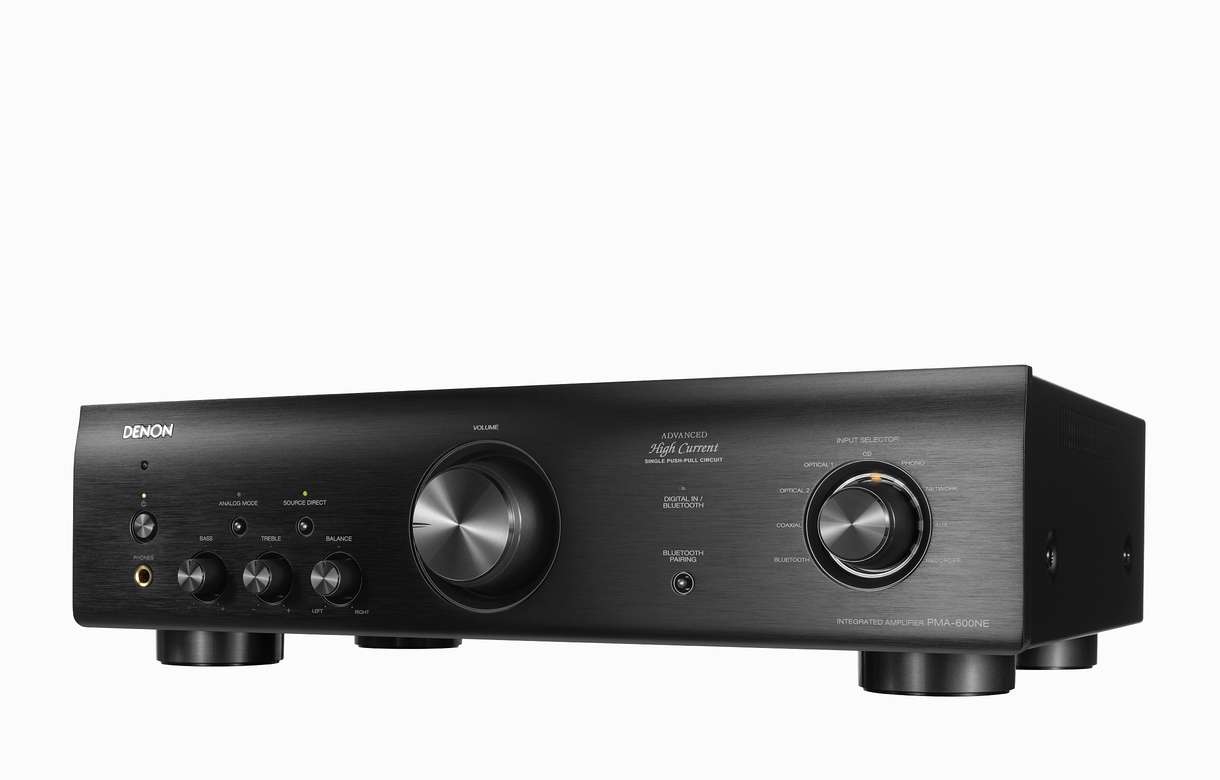
The Denon PMA-600NE maintains traditional hi-fi simplicity. Physical knobs and buttons control all functions directly from the front panel, with a basic remote handling source selection and volume. There are no apps to install, networks to configure, or accounts to manage. The amplifier simply amplifies whatever signal you feed it.
This simplicity proves surprisingly refreshing in our increasingly connected world. The amplifier powers on instantly, responds immediately to control inputs, and operates completely independently of internet connectivity. The learning curve essentially doesn't exist—anyone familiar with traditional stereo equipment can operate it immediately.
The trade-off comes in convenience features. There's no multi-room capability, no streaming service integration, and no smartphone control. However, the Denon works perfectly with any external streaming device, smart home system, or traditional source you choose to connect.
At the time of writing, these amplifiers occupy different price tiers that reflect their distinct approaches to audio reproduction. The Bluesound PowerNode commands a significant premium—roughly double the price of the Denon PMA-600NE—but includes functionality that would otherwise require separate components.
The PowerNode's value proposition centers on integration and convenience. When you factor in the cost of a separate high-quality network streamer, multi-room audio system, and HDMI audio extractor for TV integration, the all-in-one approach starts making financial sense. The regular software updates also extend the product's useful life in ways that traditional hardware cannot match.
Professional reviews consistently praise the Bluesound PowerNode's build quality and component selection. The gallium nitride transistors, premium DAC implementation, and robust network connectivity represent current-generation technology that should remain relevant for years to come.
The Denon PMA-600NE offers exceptional value in traditional amplifier terms. User reviews frequently mention getting "way more than expected" for the price, with sound quality that competes with amplifiers costing significantly more. The built-in phono preamp alone saves the cost of a decent external unit, while the multiple analog inputs provide flexibility that streaming amplifiers can't match.
The Denon's value extends beyond initial purchase price. Traditional integrated amplifiers typically offer longer service lives than complex digital devices, and the ability to upgrade individual system components means your investment remains relevant even as technology evolves. If streaming technology changes dramatically in coming years, you can simply swap streaming devices while keeping the proven amplifier.
Both amplifiers can serve double duty for home theater applications, but their approaches differ significantly. The Bluesound PowerNode's HDMI eARC connection provides the most elegant TV integration, automatically switching inputs when you turn on your TV and supporting high-resolution audio formats from streaming services and Blu-ray players.
The 3.1 configuration capability allows the PowerNode to drive a center channel speaker for improved dialogue clarity—a feature that significantly enhances the movie-watching experience. When combined with wireless Bluesound subwoofers and surround speakers, the system can create a full surround sound setup without running speaker wires throughout your room.
However, the Bluesound PowerNode lacks some traditional home theater features. There's no support for multichannel audio formats like Dolby Atmos or DTS-X, limiting it to stereo or 3.1 configurations. Serious home theater enthusiasts will likely need a dedicated AV receiver for full surround sound processing.
The Denon PMA-600NE approaches home theater through its subwoofer output and ability to accept digital audio from TV optical outputs. While this requires more cable connections and doesn't support the latest audio formats, it integrates well with existing home theater setups and provides excellent stereo reproduction for music and casual TV viewing.
For most users, the choice comes down to simplicity versus flexibility. The Bluesound PowerNode offers the most streamlined TV integration, while the Denon provides better upgrade paths for users who might want to add dedicated home theater processing later.
After extensive research into user experiences and professional evaluations, clear usage patterns emerge for each amplifier. The Bluesound PowerNode excels for users who primarily consume streaming music, want whole-home audio capability, and prioritize convenience over flexibility. It's particularly compelling for apartment dwellers or users who don't want multiple components cluttering their living space.
The streaming integration really shines if you use multiple music services or frequently discover new music through algorithmic recommendations. The multi-room capability becomes addictive once you experience synchronized music throughout your home, and the TV integration simplifies what can otherwise be a complex setup process.
However, the Bluesound PowerNode frustrates users with significant vinyl collections or those who prefer to control their upgrade path. The lack of analog inputs and reliance on network connectivity also creates potential points of failure that don't exist with traditional amplifiers.
The Denon PMA-600NE serves users who want maximum flexibility and value from their amplifier investment. Vinyl enthusiasts particularly benefit from the excellent built-in phono preamp, while users building their first hi-fi system appreciate the ability to add components gradually over time.
The traditional approach also appeals to users who experience "digital fatigue" from constantly connected devices. There's something refreshing about an amplifier that simply amplifies, without requiring software updates, network configuration, or smartphone apps.
In terms of sound quality preferences, choose the Bluesound PowerNode if you prioritize detail, precision, and dynamic range. Its technical approach reveals every nuance in well-recorded music and handles complex electronic compositions with ease. Choose the Denon PMA-600NE if you prefer musical engagement over technical perfection, especially with rock, folk, or acoustic music that benefits from warmer reproduction.
Ultimately, both amplifiers excel in their intended roles. The Bluesound PowerNode represents the future of audio equipment—connected, convenient, and constantly evolving. The Denon PMA-600NE maintains the traditional hi-fi values of flexibility, upgradability, and pure analog reproduction. Your choice should align with how you listen to music today and how you want to listen tomorrow.
| Bluesound PowerNode Wireless Music Streaming Amplifier | Denon PMA-600NE Integrated Amplifier |
|---|---|
| Power Output - Determines how loud your speakers can play and speaker compatibility | |
| 100W per channel (8Ω) / 80W per channel (3.1 mode) | 45W per channel (8Ω) / 70W per channel (4Ω) |
| Amplification Type - Affects sound character, efficiency, and heat generation | |
| DirectDigital with GaN transistors (efficient, cool-running, precise) | Class AB with AHC circuit (warmer sound, traditional design) |
| Built-in Streaming Services - Convenience vs requiring external streaming devices | |
| 20+ services via BluOS platform (Spotify, Tidal, Qobuz, etc.) | None - requires external streamer or Bluetooth from phone |
| Multi-room Audio - Ability to sync music throughout your home | |
| Yes, up to 64 zones with BluOS synchronization | No - single room only |
| Vinyl/Turntable Support - Critical for record collectors | |
| No phono input (requires external preamp) | Built-in MM phono preamp included |
| TV Integration - Simplifies home theater setup | |
| HDMI eARC for direct TV connection and 3.1 speaker configuration | No HDMI - uses optical from TV, stereo only |
| Analog Inputs - Flexibility for traditional audio sources | |
| None (digital/wireless only) | 5 line inputs plus dedicated phono input |
| Digital Audio Quality - Maximum resolution for streaming and digital files | |
| 32-bit/384kHz DAC with MQA and DSD256 support | Basic 192kHz/24-bit PCM via optical/coaxial inputs |
| Wireless Connectivity - Modern device compatibility and audio quality | |
| AirPlay 2, aptX Adaptive Bluetooth, dual-band Wi-Fi | Basic Bluetooth 4.2 only |
| Control Method - How you operate the system daily | |
| Touch panel + smartphone app + voice control | Traditional knobs/buttons + basic remote |
| Headphone Output - Personal listening quality | |
| THX AAA technology with 6.3mm jack | Standard 1/4" headphone output |
| Software Updates - Long-term feature additions and improvements | |
| Regular firmware updates add new features and services | No software updates - hardware-based functionality |
| Setup Complexity - Time and technical knowledge required | |
| Network setup required, app configuration, potential connectivity issues | Plug and play - no network or app setup needed |
The Bluesound PowerNode is significantly better for streaming music, with built-in access to over 20 streaming services including Spotify, Tidal, and Qobuz through its BluOS platform. The Denon PMA-600NE requires external streaming devices and only offers basic Bluetooth connectivity for wireless music.
The Denon PMA-600NE includes a built-in MM phono preamp, allowing direct turntable connection without additional equipment. The Bluesound PowerNode has no phono input and requires an external phono preamp to connect a turntable, making the Denon the clear choice for vinyl enthusiasts.
The Bluesound PowerNode delivers more power at 100 watts per channel compared to the Denon PMA-600NE's 45 watts per channel. This extra power provides better headroom for loud listening and driving less efficient speakers, though both amplifiers provide adequate power for most home setups.
The Bluesound PowerNode offers superior TV integration with HDMI eARC connection and can operate in 3.1 mode with a center channel for better dialogue. The Denon PMA-600NE can connect to TVs via optical input but only supports stereo playback, making the PowerNode better for home theater use.
Sound quality depends on your preferences: the Bluesound PowerNode provides precise, detailed sound with excellent technical performance, while the Denon PMA-600NE offers warmer, more musical sound that many find engaging. The Denon also features an analog mode for purest sound with traditional sources.
Only the Bluesound PowerNode supports multi-room audio through its BluOS platform, allowing synchronization across up to 64 zones throughout your home. The Denon PMA-600NE is designed for single-room use only and cannot sync with other devices.
The Denon PMA-600NE is much easier to set up with simple plug-and-play operation using traditional knobs and buttons. The Bluesound PowerNode requires network configuration, app setup, and smartphone control, which offers more features but increases complexity for less tech-savvy users.
The Bluesound PowerNode is more self-contained for streaming users, requiring only speakers and power. The Denon PMA-600NE may require external streaming devices for modern music services but offers more flexibility for connecting various audio sources without additional converters or preamps.
The Denon PMA-600NE offers exceptional value for traditional hi-fi setups with excellent amplification quality and built-in phono preamp. The Bluesound PowerNode costs significantly more but includes streaming services, multi-room capability, and TV integration that would otherwise require separate components.
Both amplifiers include headphone outputs, but the Bluesound PowerNode features superior THX AAA technology for high-quality personal listening. The Denon PMA-600NE has a standard headphone output that works well for casual listening but lacks the advanced circuitry of the PowerNode.
The Denon PMA-600NE uses proven analog technology that doesn't become obsolete, while the Bluesound PowerNode receives regular software updates that add new features and streaming services. Both approaches have merit - the Denon for hardware longevity and the PowerNode for evolving capabilities.
Choose the Bluesound PowerNode if you primarily stream music, want multi-room audio, and need TV integration with modern convenience features. Choose the Denon PMA-600NE if you have vinyl records, prefer traditional hi-fi flexibility, want maximum value for amplification quality, or plan to build a component system over time.
We've done our best to create useful and informative comparisons to help you decide what product to buy. Our research uses advanced automated methods to create this comparison and perfection is not possible - please contact us for corrections or questions. These are the sites we've researched in the creation of this article: crutchfield.com - upscaleaudio.com - bluesound.com - bluesound.com - stereophile.com - theaudiofactory.com - audioadvisor.com - musicdirect.com - twitteringmachines.com - futureaudiophile.com - bluesound.com - bluesound.com - moon-audio.com - audioadvisor.com - ecoustics.com - theaudiotailor.com.au - forums.whathifi.com - crutchfield.com - youtube.com - av.com - youtube.com - audiosciencereview.com - emotivalounge.proboards.com - forums.whathifi.com - audiosciencereview.com - crutchfield.com - melbournehifi.com.au - musicdirect.com - avstore.in - polkaudio.com - turntablelab.com

Privacy Policy
Terms and Conditions - Affiliate Policy
Home Security
© Copyright 2008-2026.
11816 Inwood Rd #1211, Dallas, TX 75244