

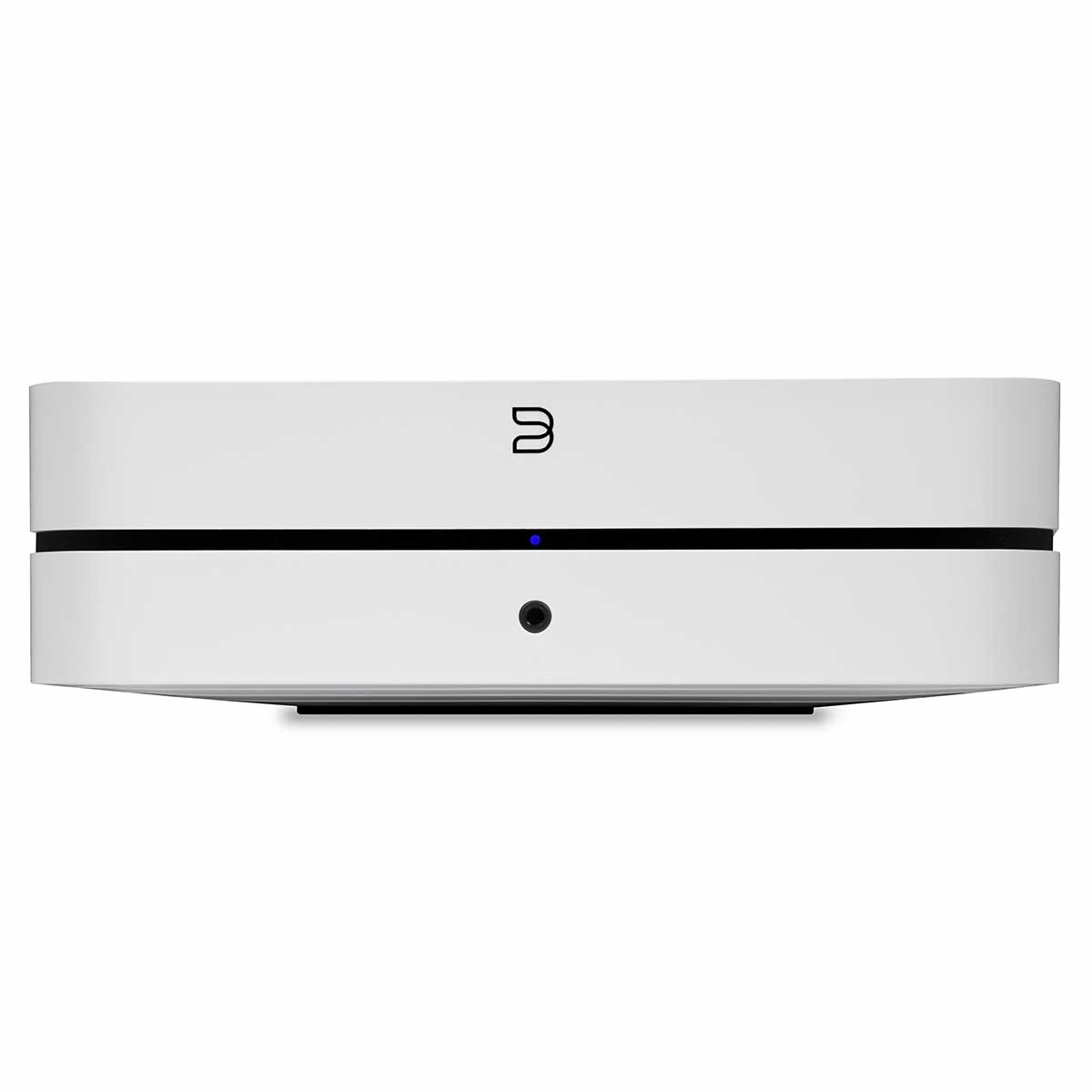
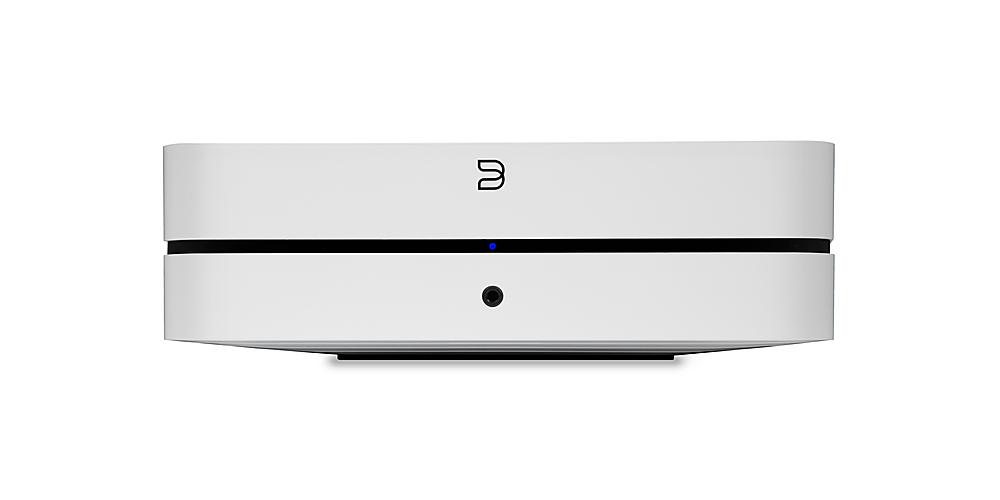
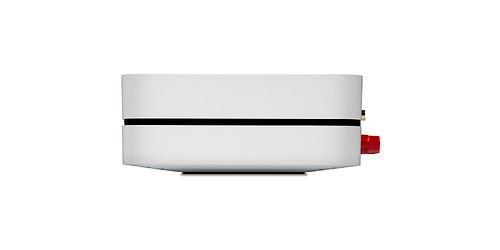
When you're ready to upgrade your home audio system, streaming integrated amplifiers offer an appealing solution. These devices combine a digital-to-analog converter (DAC) – which turns digital music files into analog signals your speakers can use – with a power amplifier and streaming capabilities, all in one compact box. It's like having a mini stereo system that can connect to the internet and play music from virtually any source.
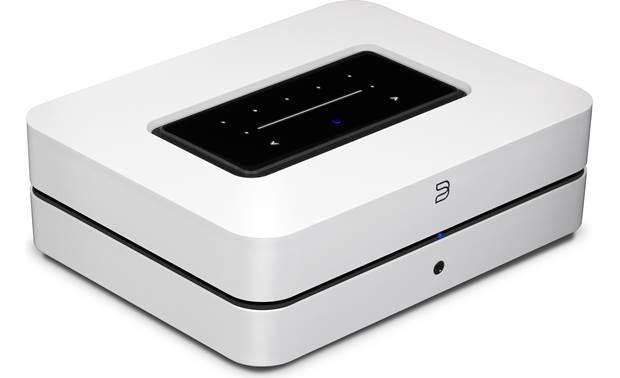
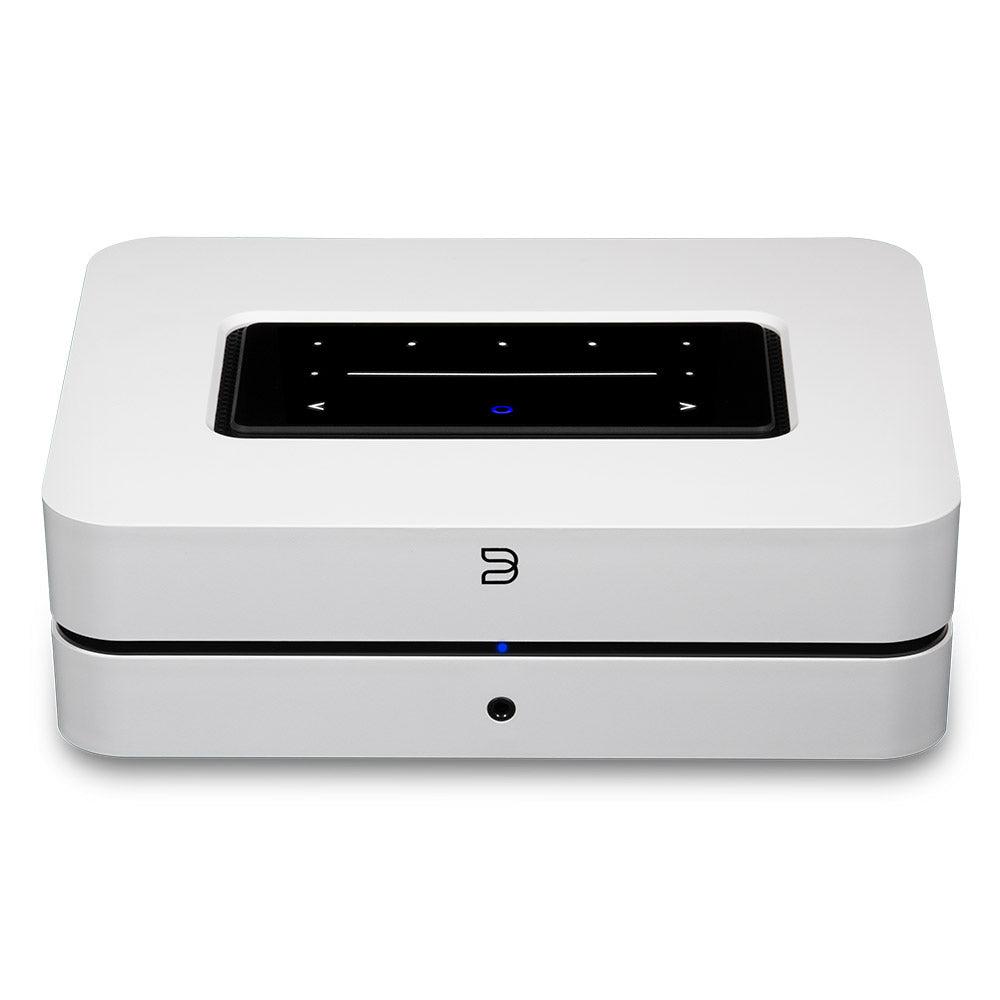
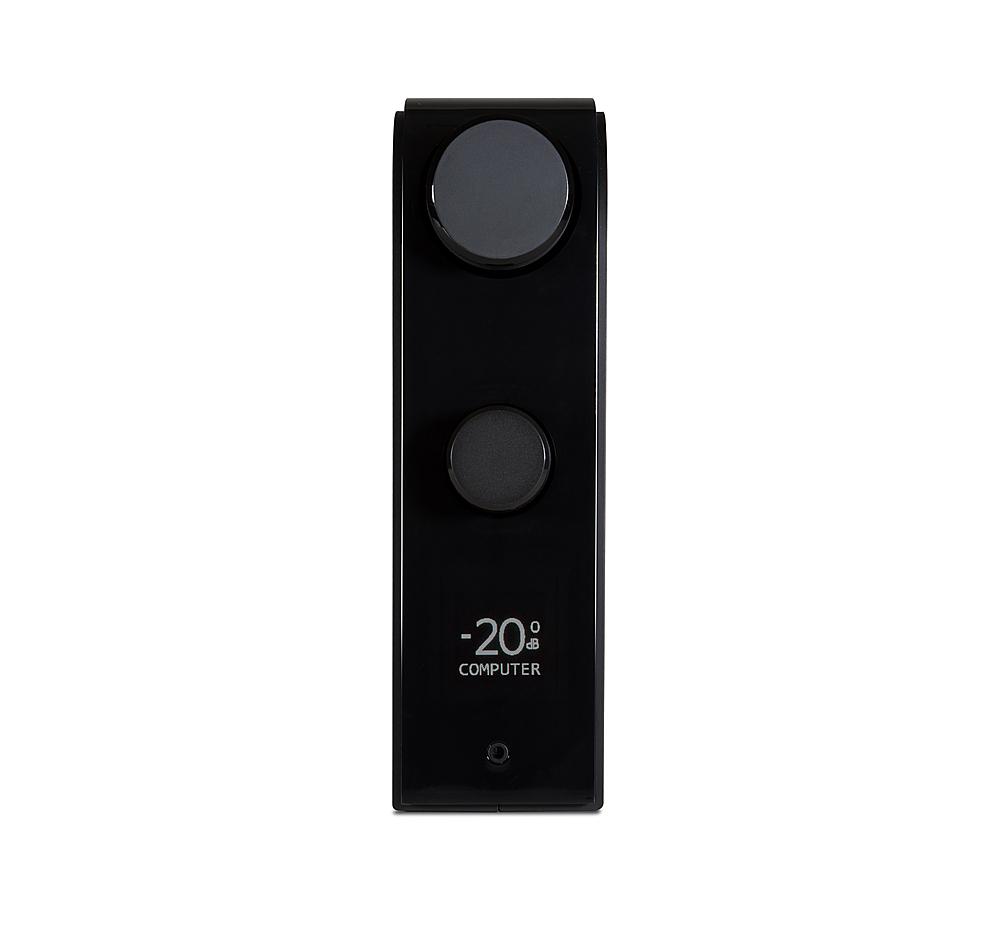
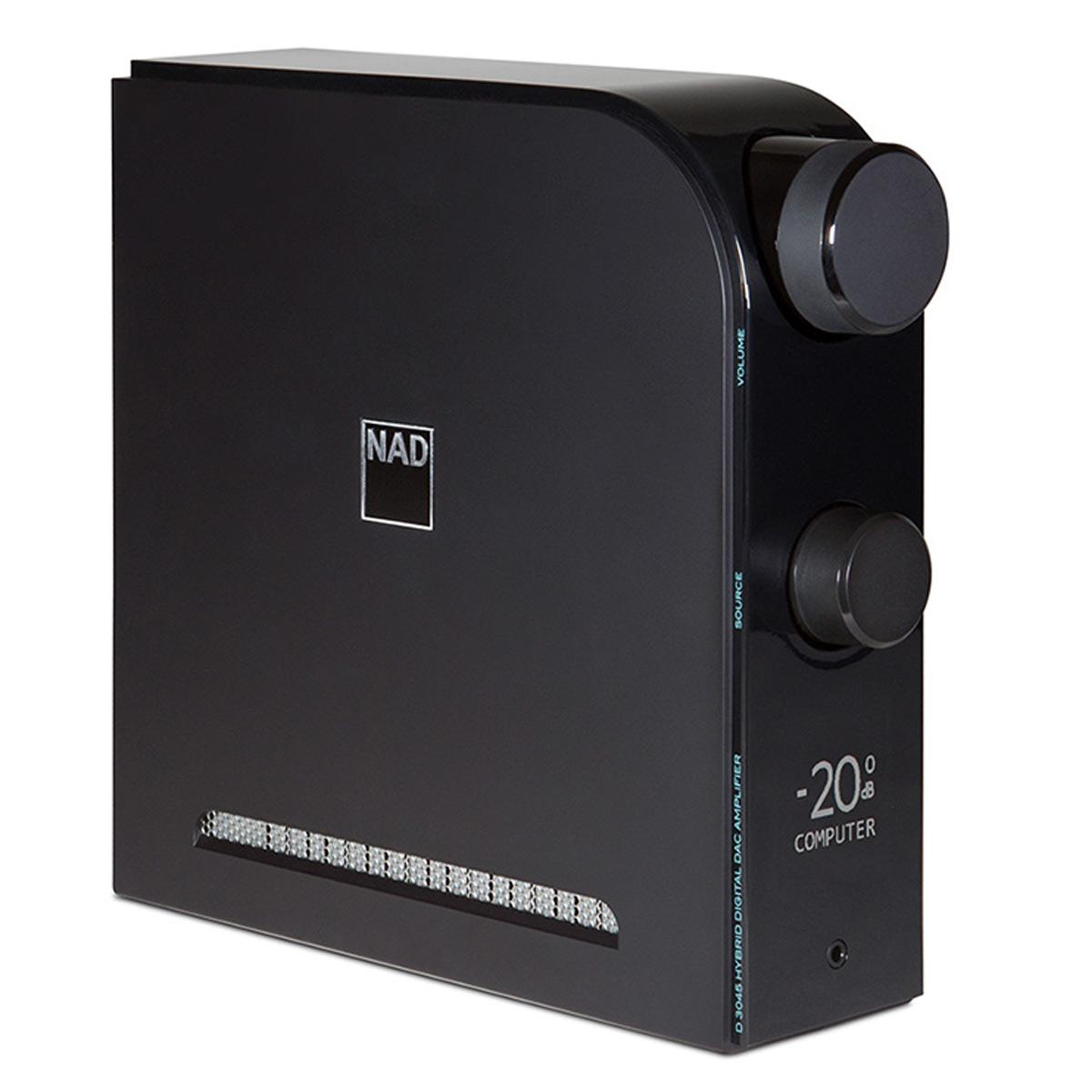
The two standouts in this category are the Bluesound PowerNode and the NAD D 3045. At the time of writing, the PowerNode costs roughly $150 more than the NAD, but both fall into what most would consider the "serious enthusiast" price range – not entry-level, but not breaking the bank either.
Traditional stereo systems required separate components: a source (like a CD player), an amplifier, and speakers. Modern streaming amplifiers consolidate much of this into a single unit. They can pull music directly from the internet, process digital audio files at high quality, amplify the signal to drive your speakers, and often coordinate with other devices throughout your home.
The key considerations when choosing between these products are power output (how loud and dynamic your music can get), sound quality (how accurate and enjoyable the audio reproduction is), connectivity options (what sources you can connect), and streaming capabilities (which services and audio formats are supported).
The NAD D 3045 launched around 2018 as part of NAD's push into digital-focused amplifiers. NAD, a Canadian company with decades of amplifier expertise, designed it to bridge traditional hi-fi with modern digital sources. Since its release, it has remained largely unchanged – a testament to getting the formula right from the start.
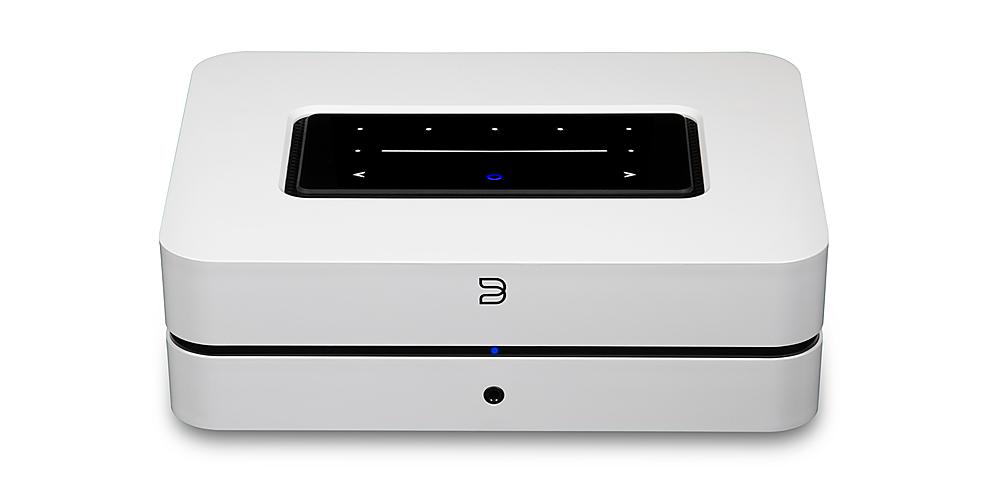
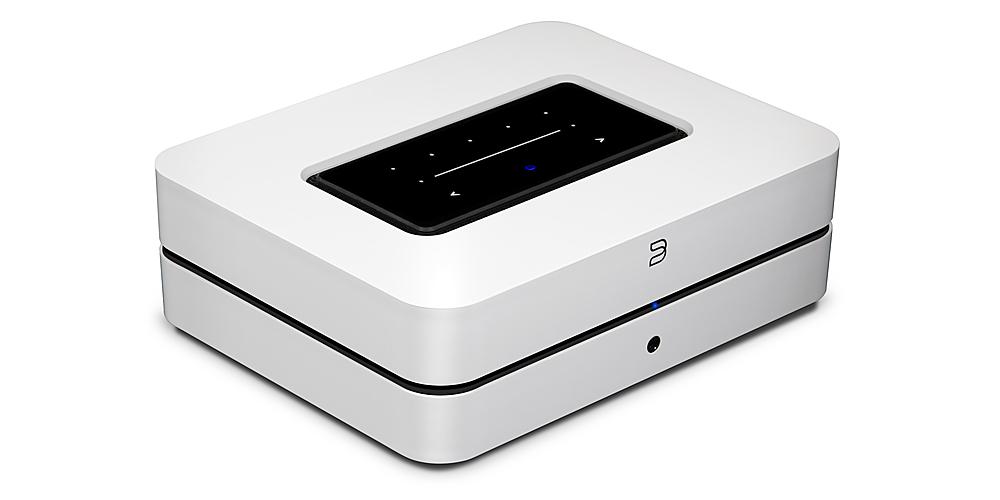
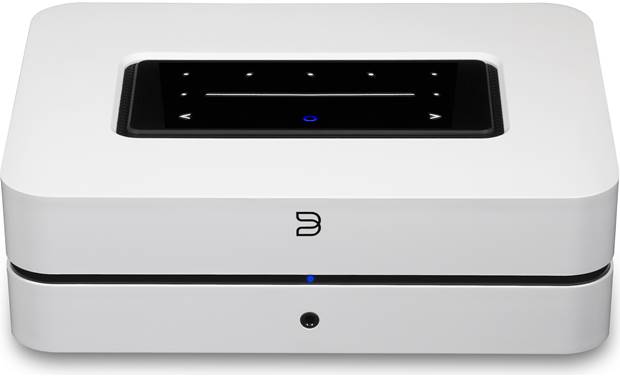
The Bluesound PowerNode, first introduced in 2021 and updated in 2025, represents a more aggressive embrace of streaming-first design. Bluesound, also Canadian and part of the same parent company as NAD, built their reputation entirely around network audio players. The latest PowerNode incorporates gallium nitride (GaN) transistors – a newer technology that switches faster and more efficiently than traditional silicon transistors, resulting in cleaner power delivery and better heat management.
The PowerNode delivers 100 watts per channel in stereo mode, compared to the D 3045's 60 watts per channel. This 67% power advantage matters more than you might think. Every 3-decibel increase in volume requires double the power, so the PowerNode can play about 2.2 decibels louder at maximum output – not enormous, but noticeable.
More importantly, the extra power provides headroom. When your music has sudden dynamic peaks – think a drum hit or orchestral crescendo – the PowerNode won't strain as much to reproduce them cleanly. This translates to less compression and distortion during loud passages, maintaining the music's natural dynamics.
However, power isn't everything. The NAD D 3045 uses what NAD calls PowerDrive technology, which optimizes how the amplifier delivers current to your speakers. Our research into user experiences suggests the NAD can drive speakers more effectively than its 60-watt rating might suggest, handling demanding 4-ohm loads (speakers that draw more current) without breaking a sweat.
This is where the two amplifiers diverge most significantly. Based on extensive review analysis, the NAD D 3045 consistently receives praise for its sound quality. Users and reviewers describe it as detailed, balanced, and revealing – it lets you hear subtle elements in recordings that lesser amplifiers might gloss over.
The NAD uses an AKM AK4490 DAC chip, a 32-bit converter that handles the digital-to-analog conversion. This chip, combined with NAD's circuit design, produces what many consider a more analog-like sound – smooth and natural rather than harsh or clinical. The amplifier's background noise is extremely low, meaning you hear music emerging from pure silence rather than a subtle electronic hiss.
The PowerNode's sound character leans more toward accuracy and neutrality. Its 32-bit/384kHz differential DAC design – where positive and negative versions of the audio signal are processed separately then combined – helps reduce noise and distortion. Users generally find it clean and detailed, though some describe it as less emotionally engaging than the NAD.
Both use Class D amplification, which is highly efficient and generates minimal heat compared to traditional Class A or AB designs. However, their implementations differ significantly.
The NAD D 3045 uses what NAD calls HybridDigital amplification, essentially a well-executed Class D design optimized for low distortion. It achieves impressively low total harmonic distortion (THD) of less than 0.005% at moderate power levels – meaning the output signal stays extremely close to the input signal.
The PowerNode's DirectDigital amplification with GaN transistors represents newer technology. GaN transistors can switch on and off much faster than traditional silicon transistors, potentially reducing switching distortion – the small errors that occur when the amplifier rapidly turns its output transistors on and off to recreate the audio waveform.
Both amplifiers recognize that most music today comes from digital sources, but they approach connectivity differently.
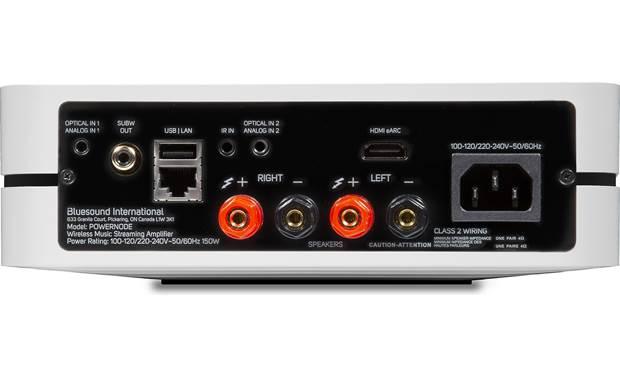
The PowerNode emphasizes wireless and modern digital connections. Its HDMI eARC (enhanced Audio Return Channel) input lets you connect directly to your TV, receiving audio signals from any device connected to the TV – streaming boxes, game consoles, Blu-ray players. This single connection can replace a traditional AV receiver for many users.
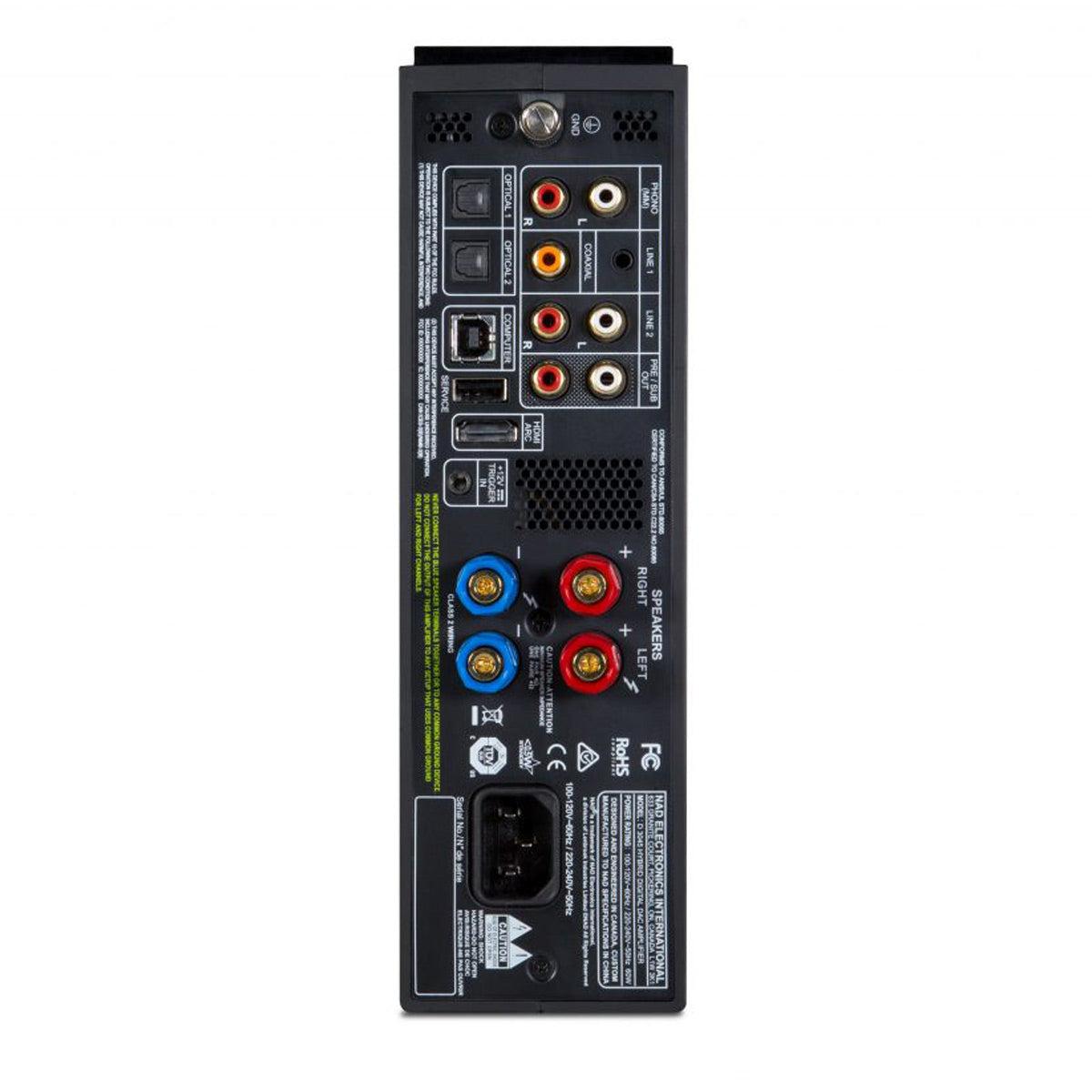
The NAD D 3045 takes a more traditional approach with multiple digital inputs: two optical, one coaxial, and a USB-B connection optimized for computer audio. That USB input uses asynchronous data transfer, meaning the amplifier controls the timing of data reception rather than your computer, reducing digital timing errors called jitter that can subtly degrade sound quality.
Here's where the NAD D 3045 shows its audiophile heritage. It includes a built-in phono preamp specifically designed for moving magnet cartridges – the most common type of turntable cartridge. This preamp applies RIAA equalization (a standardized frequency curve used when mastering vinyl records) and provides proper impedance loading for turntables.
Based on user feedback, this phono stage performs exceptionally well, rivaling dedicated phono preamps costing several hundred dollars on their own. If you're into vinyl or thinking about getting into it, this feature alone might justify choosing the NAD.
The PowerNode lacks a phono input entirely, requiring an external phono preamp for turntable connection.
The PowerNode dominates in wireless connectivity. It supports AirPlay 2 (for Apple devices), Bluetooth with aptX Adaptive codec (providing higher quality wireless audio), and most importantly, serves as the hub for Bluesound's BluOS multi-room system.
BluOS lets you synchronize music playback across multiple rooms, each with independent volume control. You can start a playlist in the living room and seamlessly extend it to the kitchen, bedroom, or anywhere else you have BluOS-compatible devices. The system supports up to 64 zones and can stream different music to each zone simultaneously.
The NAD D 3045 offers basic Bluetooth connectivity – competent but not extraordinary. It can both receive audio from phones and tablets and transmit to Bluetooth headphones, but lacks the sophisticated ecosystem features of BluOS.
Both amplifiers support high-resolution audio formats, but with different emphases. The PowerNode handles virtually every format you might encounter: FLAC, MQA, WAV, AIFF, DSD256, and others up to 24-bit/192kHz resolution. It's particularly strong with MQA (Master Quality Authenticated), a format that promises to deliver studio-quality sound in smaller file sizes.
The NAD D 3045 supports high-resolution files up to 24-bit/384kHz via its USB input – technically higher than the PowerNode, though finding content at these extreme resolutions is rare. It also handles MQA and DSD files, covering the bases for serious digital music enthusiasts.
The PowerNode's BluOS platform directly integrates with over 20 streaming services including Spotify, Tidal, Qobuz, Amazon Music, and others. This means you can browse and play music directly through Bluesound's app without needing separate apps for each service.
The NAD D 3045 relies on your phone, tablet, or computer as the streaming source. While this works fine – you can stream via Bluetooth or connect a dedicated streaming device to its digital inputs – it's less seamless than the PowerNode's integrated approach.
The PowerNode's HDMI eARC connection transforms its home theater potential. Connect it to your TV's HDMI eARC port, and the PowerNode can handle audio from any source connected to the TV. The TV's remote can control volume, and you can configure the PowerNode to automatically turn on when the TV sends audio.
More impressively, the PowerNode supports center channel output, allowing for 3.1-channel configurations (left, right, center speakers plus subwoofer). You can wirelessly pair it with compatible Bluesound speakers to create a surround sound system without running speaker wires throughout your room.
The NAD D 3045 remains purely stereo-focused. While it has a subwoofer output with adjustable crossover settings (letting you choose which frequencies go to the main speakers versus the subwoofer), it cannot handle surround sound processing or center channel duties.
Both amplifiers can process Dolby Digital signals, but only the PowerNode can distribute surround information to multiple speakers wirelessly. For someone wanting to simplify their home theater setup while maintaining quality, the PowerNode offers a compelling alternative to traditional AV receivers.
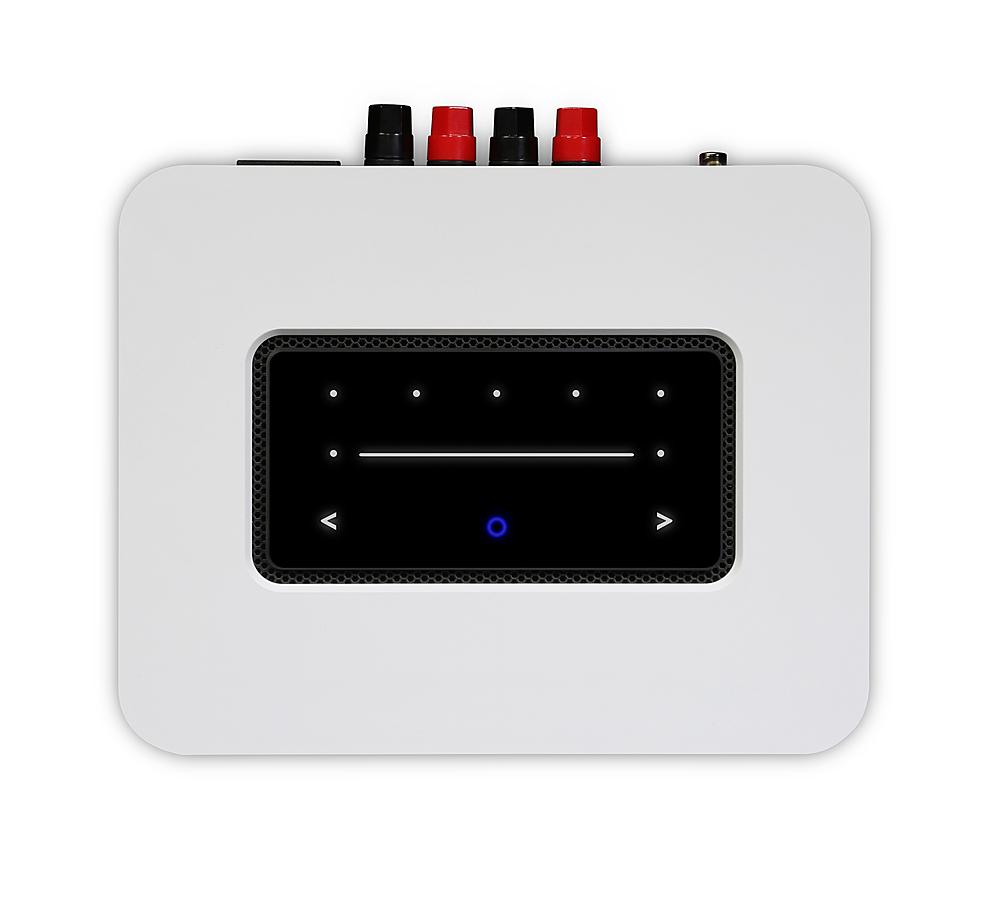
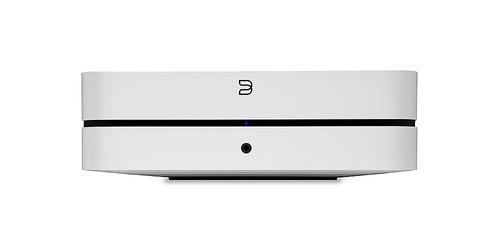
The PowerNode sports a sleek, minimalist design with a glass top panel featuring capacitive touch controls. Five preset buttons let you instantly access favorite playlists or radio stations, and a volume slider responds to finger gestures. The entire interface has a modern, smartphone-like feel.
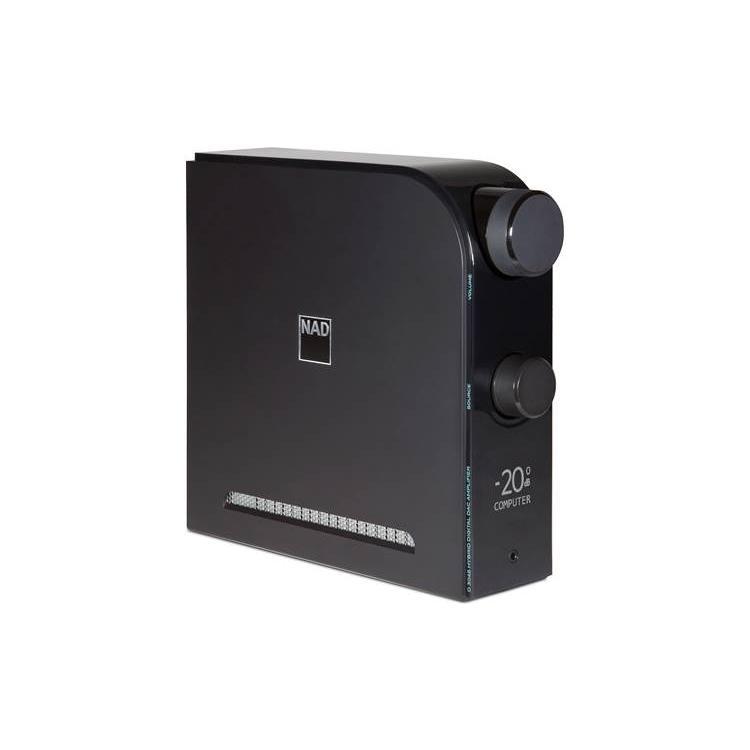
The NAD D 3045 takes a more traditional approach with a small front panel display and standard control buttons. However, based on user reports, the capacitive power button can be frustrating – sometimes requiring multiple presses to respond. The remote control also receives mixed reviews for reliability.
BluOS, the PowerNode's control app, consistently receives praise for its intuitive design and stability across iOS, Android, and desktop platforms. Setting up multi-room audio, browsing streaming services, and adjusting settings feels natural and responsive.
The NAD D 3045 relies on your device's native apps for most functions, which can be simpler but limits integration. You'll use Spotify's app for Spotify, Apple Music's app for Apple Music, and so on, rather than having everything unified in one interface.
At the time of writing, the NAD D 3045 costs about $150 less than the PowerNode while arguably delivering superior sound quality for pure music listening. If your priority is getting the best possible audio reproduction for your dollar, the NAD presents compelling value.
However, the PowerNode bundles features that would cost hundreds of dollars separately: a high-quality streamer, multi-room capabilities, and home theater processing. For users wanting these features, the PowerNode's higher price becomes more justifiable.
The PowerNode receives regular software updates that add features and improve performance. Bluesound has consistently expanded BluOS capabilities over the years, meaning your amplifier becomes more capable over time.
The NAD D 3045 represents a more traditional approach – what you buy is what you get. While this means fewer opportunities for improvement, it also means fewer chances for software bugs or compatibility issues.
You want a modern, comprehensive solution that handles multiple roles. The PowerNode excels when you need TV audio integration, multi-room music distribution, or the convenience of having streaming services built-in. Its extra power makes it suitable for demanding speakers or larger rooms, and the home theater capabilities can simplify complex setups.
The PowerNode represents the future of home audio – wireless, connected, and constantly evolving. If you value convenience and integration over absolute sound quality, and you're willing to pay for these features, the PowerNode delivers exceptional capability in an elegant package.
Your priority is pure music reproduction and you can live with some interface quirks. The NAD consistently outperforms the PowerNode in sound quality, particularly for critical listening. Its built-in phono stage is exceptional, making it perfect for vinyl enthusiasts.
The NAD appeals to traditional audiophiles who prefer dedicated components optimized for specific tasks. If you're building a music-focused system and don't need multi-room or home theater features, the NAD offers superior sound quality at a lower price.
Both amplifiers excel in their intended roles. The PowerNode is the modern choice for users embracing streaming music and smart home integration. The NAD D 3045 is the audiophile choice for users prioritizing sound quality and traditional hi-fi values.
Your choice ultimately depends on whether you value ecosystem integration and convenience (PowerNode) or pure sonic performance and value (NAD D 3045). Both represent excellent engineering approaches to modern audio challenges – just with different philosophies about what matters most.
| Bluesound PowerNode | NAD D 3045 |
|---|---|
| Power Output - Higher wattage drives demanding speakers and larger rooms better | |
| 100W per channel (67% more power for dynamic headroom) | 60W per channel (sufficient for most bookshelf/tower speakers) |
| Amplifier Technology - Newer tech can mean better efficiency and sound quality | |
| DirectDigital with GaN transistors (latest switching technology) | HybridDigital Class D with PowerDrive (proven, optimized design) |
| Sound Quality Reputation - Based on user reviews and professional testing | |
| Clean, neutral, detailed presentation | Consistently praised as more musical and engaging |
| Streaming Platform Integration - Built-in vs external streaming capabilities | |
| Native BluOS with 20+ services integrated | Relies on external devices/phone apps for streaming |
| Multi-Room Audio - Ability to sync music throughout your home | |
| Full BluOS multi-room system (up to 64 zones) | None - single room only |
| TV/Home Theater Integration - Simplifies entertainment system setup | |
| HDMI eARC, center channel support, wireless surround | Stereo only, no HDMI connectivity |
| Vinyl Playback Support - For turntable connections | |
| None (requires external phono preamp) | Excellent built-in MM phono stage |
| High-Resolution Audio Support - Maximum quality for digital files | |
| 24-bit/192kHz, MQA, DSD256 | 24-bit/384kHz via USB, MQA, DSD |
| Connectivity Options - Number and types of inputs available | |
| HDMI eARC, USB-A, optical, Bluetooth aptX, AirPlay 2 | 2x optical, coax, USB-B, Bluetooth, analog inputs |
| Headphone Output - Quality of built-in headphone amplification | |
| THX AAA technology, 6.3mm jack | 3.5mm front panel output |
| App Control Experience - Ease of use and reliability | |
| Highly praised BluOS Controller app | Basic controls, some interface frustrations reported |
| Value Proposition - What you get for the price difference | |
| Premium for streaming integration and multi-room features | Better sound quality per dollar, includes phono stage |
The Bluesound PowerNode delivers 100 watts per channel, while the NAD D 3045 provides 60 watts per channel. The PowerNode offers 67% more power, giving it better headroom for dynamic music and the ability to drive demanding speakers more effectively.
Only the Bluesound PowerNode offers direct TV connectivity through its HDMI eARC input, making it ideal for home theater setups. The NAD D 3045 lacks HDMI inputs and is designed primarily for music listening, though you can connect TV audio through its optical digital inputs.
Based on user reviews and professional testing, the NAD D 3045 consistently receives higher praise for pure sound quality, described as more musical and engaging. The Bluesound PowerNode offers clean, accurate sound but is generally considered less emotionally involving than the NAD D 3045.
The Bluesound PowerNode has built-in streaming with native support for over 20 services including Spotify, Tidal, and Qobuz through its BluOS platform. The NAD D 3045 requires external streaming devices or relies on Bluetooth/app-based streaming from your phone or tablet.
The NAD D 3045 includes an excellent built-in phono preamp for connecting turntables directly. The Bluesound PowerNode has no phono input and requires an external phono preamp to play vinyl records.
The Bluesound PowerNode excels at multi-room audio with its BluOS platform, allowing you to sync music across up to 64 zones throughout your home. The NAD D 3045 has no multi-room capabilities and works only as a single-room solution.
The PowerNode focuses on modern connectivity with HDMI eARC, AirPlay 2, aptX Bluetooth, and wireless streaming. The NAD D 3045 offers more traditional inputs including multiple digital inputs (optical, coaxial, USB), analog inputs, and a phono stage for turntables.
Yes, both amplifiers include subwoofer outputs. The NAD D 3045 offers more advanced bass management with adjustable high-pass filtering at multiple frequencies. The PowerNode has a subwoofer output and can wirelessly pair with compatible Bluesound subwoofers.
The Bluesound PowerNode is generally easier to set up with its intuitive BluOS app and streamlined interface. The NAD D 3045 has a more traditional setup but some users report frustrations with its capacitive power button and remote control reliability.
Both support high-resolution audio, but with different capabilities. The PowerNode handles formats up to 24-bit/192kHz plus MQA and DSD256. The NAD D 3045 supports even higher resolution files up to 24-bit/384kHz via USB, plus MQA and DSD formats.
This depends on your needs. The NAD D 3045 offers better pure sound quality per dollar and includes a valuable phono stage. The Bluesound PowerNode costs more but includes streaming capabilities, multi-room features, and home theater integration that would cost hundreds extra as separate components.
Yes, but the quality differs significantly. The Bluesound PowerNode features a dedicated headphone output with THX AAA technology for high-quality personal listening. The NAD D 3045 has a basic 3.5mm headphone jack that's adequate for casual use but not optimized for demanding headphones.
We've done our best to create useful and informative comparisons to help you decide what product to buy. Our research uses advanced automated methods to create this comparison and perfection is not possible - please contact us for corrections or questions. These are the sites we've researched in the creation of this article: crutchfield.com - upscaleaudio.com - bluesound.com - bluesound.com - stereophile.com - theaudiofactory.com - audioadvisor.com - musicdirect.com - twitteringmachines.com - futureaudiophile.com - bluesound.com - bluesound.com - moon-audio.com - audioadvisor.com - ecoustics.com - crutchfield.com - crutchfield.com - audio-head.com - safeandsoundhq.com - hifiplus.com - nadelectronics.com - whathifi.com - hometheaterhifi.com - audiosciencereview.com - soundstageaccess.com - soundandvision.com - youtube.com - turntablelab.com - audiosciencereview.com

Privacy Policy
Terms and Conditions - Affiliate Policy
Home Security
© Copyright 2008-2026.
11816 Inwood Rd #1211, Dallas, TX 75244