



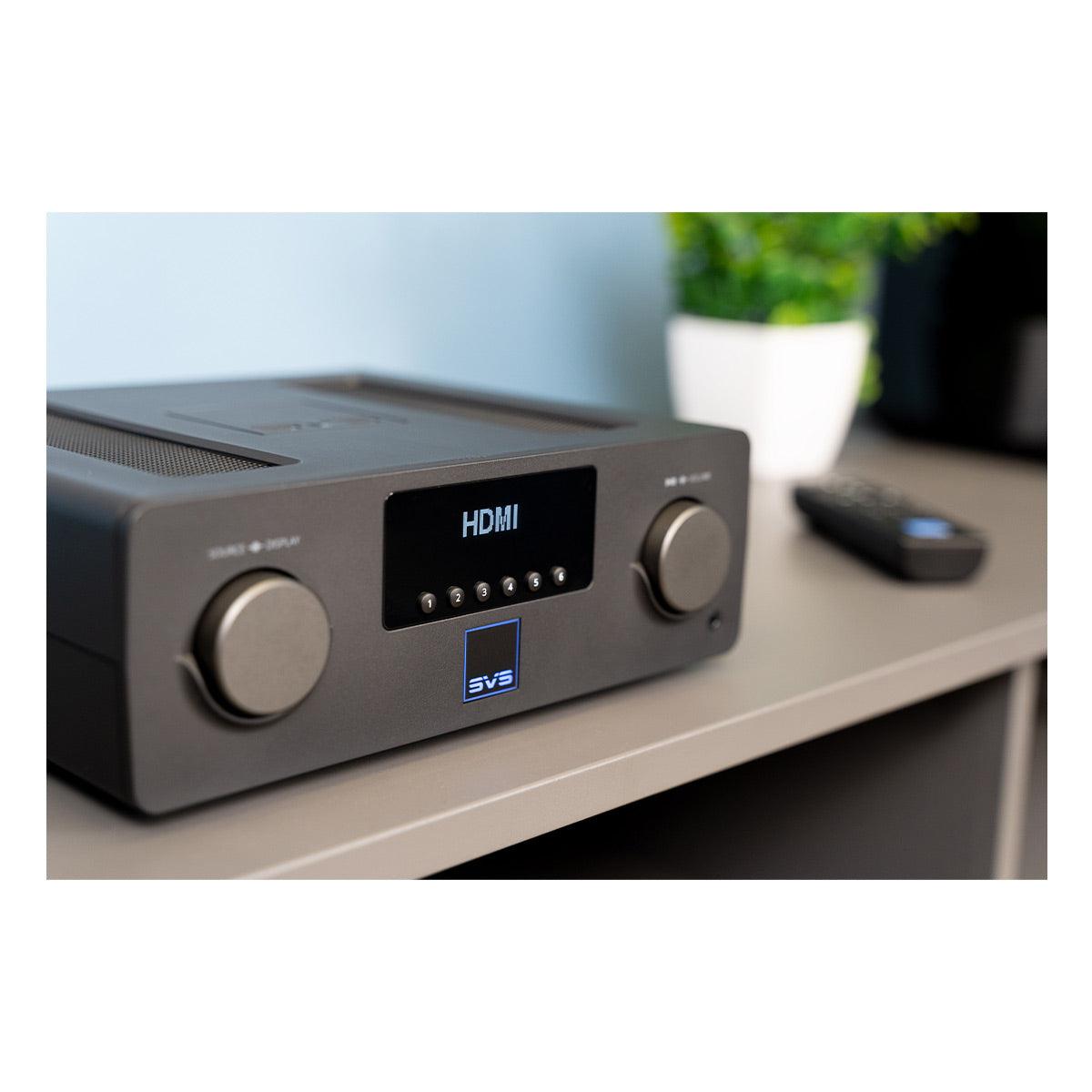
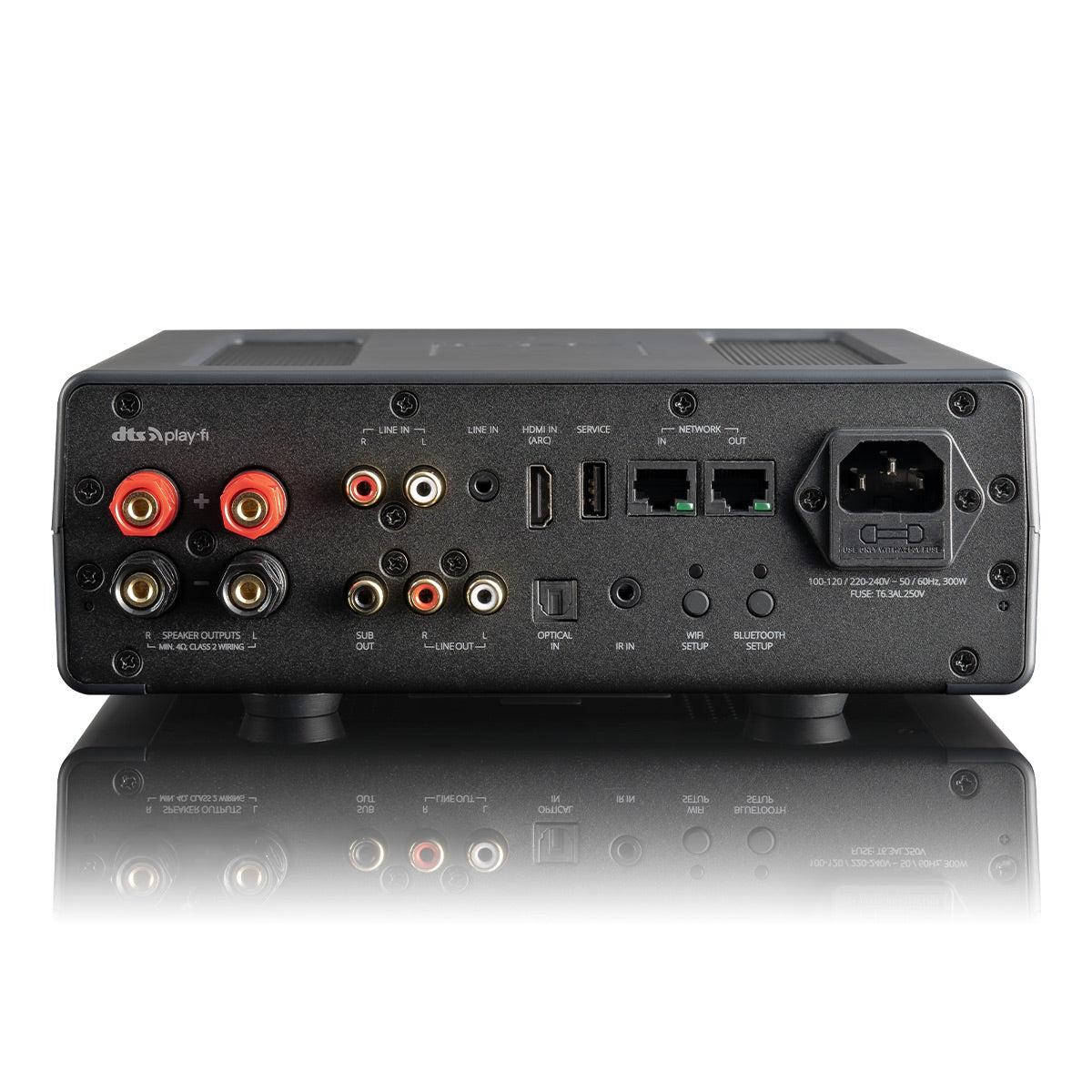
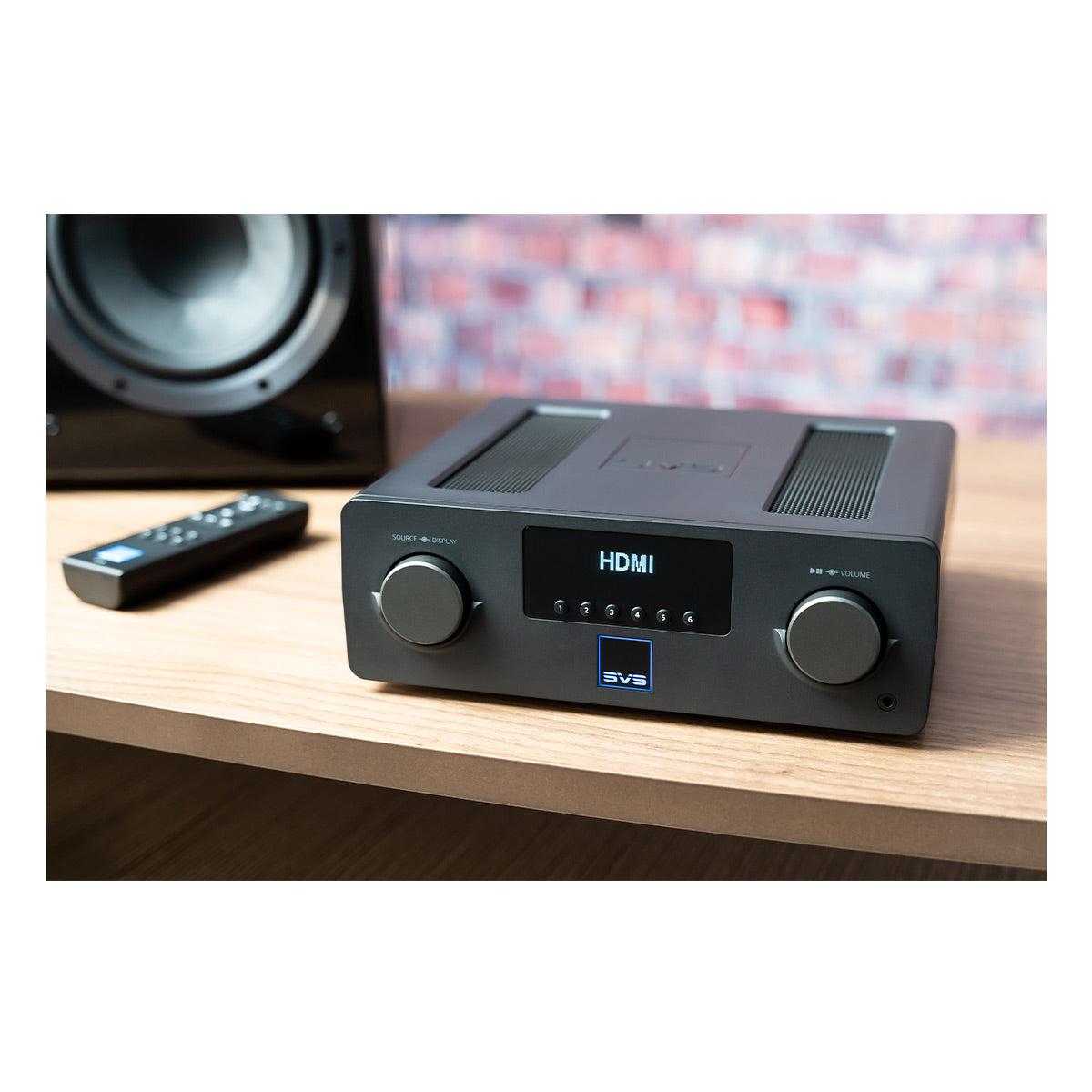
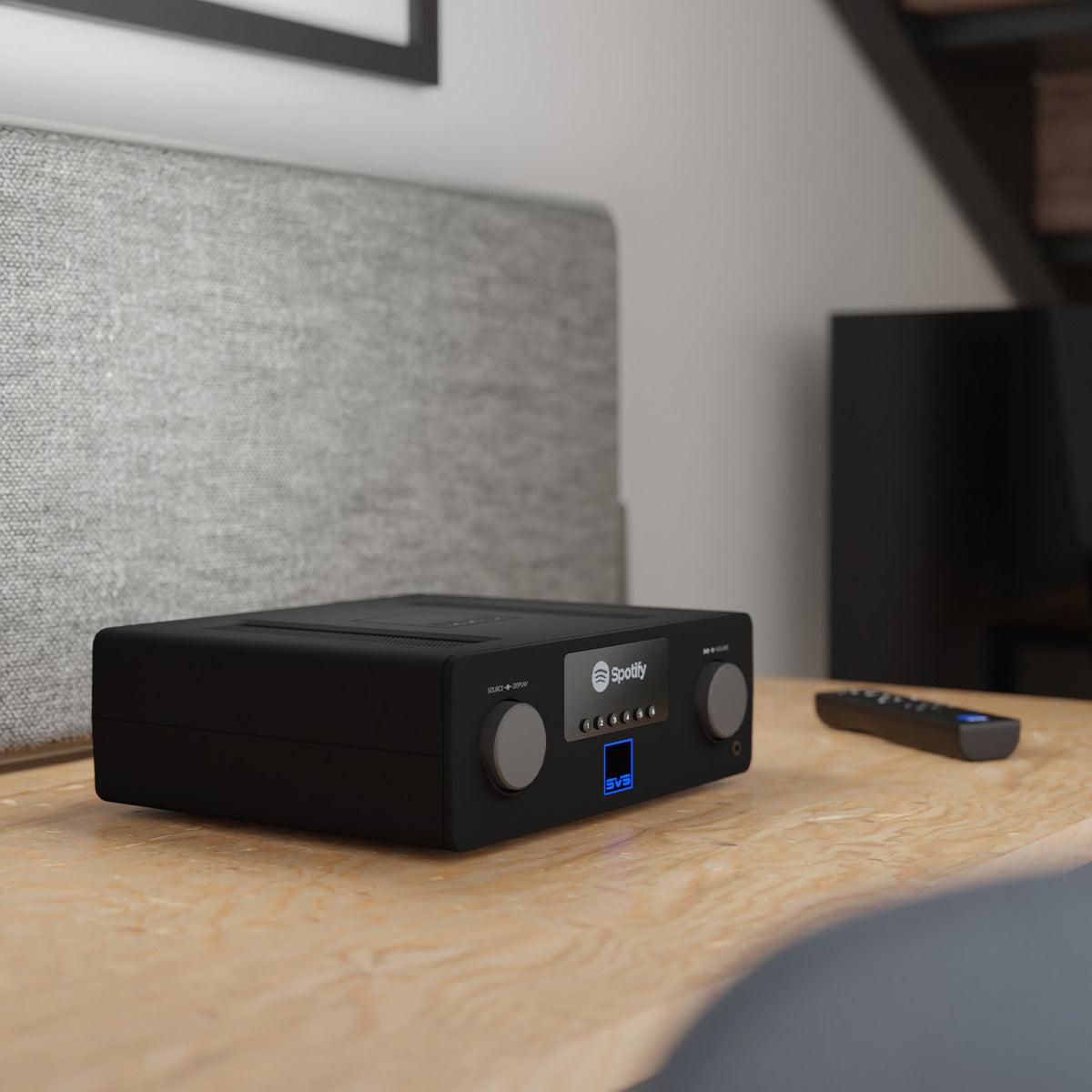







The world of audio has transformed dramatically over the past few years. Gone are the days when building a quality sound system meant buying separate components – a streamer, a digital-to-analog converter (DAC), and an amplifier – and connecting them with expensive cables. Today's wireless streaming integrated amplifiers combine all these functions into a single, compact unit that can turn any pair of passive speakers into a smart, connected audio system.
This category represents one of the most exciting developments in modern hi-fi, offering both convenience and performance that would have been unimaginable just a decade ago. But with this convenience comes complexity in choosing the right product, especially when comparing two excellent but different approaches like the SVS Prime Wireless Pro SoundBase and the Bluesound PowerNode.
Before diving into the specifics, it's worth understanding what these devices actually do. A wireless streaming amplifier serves as the brain of your audio system, handling three critical functions: it receives digital music from streaming services or your network, converts those digital files into analog signals your speakers can understand (that's the DAC part), and then amplifies those signals to drive your speakers at the volume you want.
The "wireless" part refers to their ability to connect to your home network via Wi-Fi, allowing them to access streaming services like Spotify, Tidal, or Apple Music directly, without needing a separate device. Most also include Bluetooth for quick connections from phones and tablets, though Wi-Fi typically offers better sound quality and more stable connections.
The key considerations when shopping in this category revolve around power output (how loud and clean your music will sound), streaming platform quality (how easy and reliable the daily experience will be), connectivity options (what sources you can connect), and bass management (how well the unit works with a subwoofer for deeper bass). Understanding these factors helps explain why the SVS Prime Wireless Pro SoundBase and Bluesound PowerNode take such different approaches to solving the same basic problem.
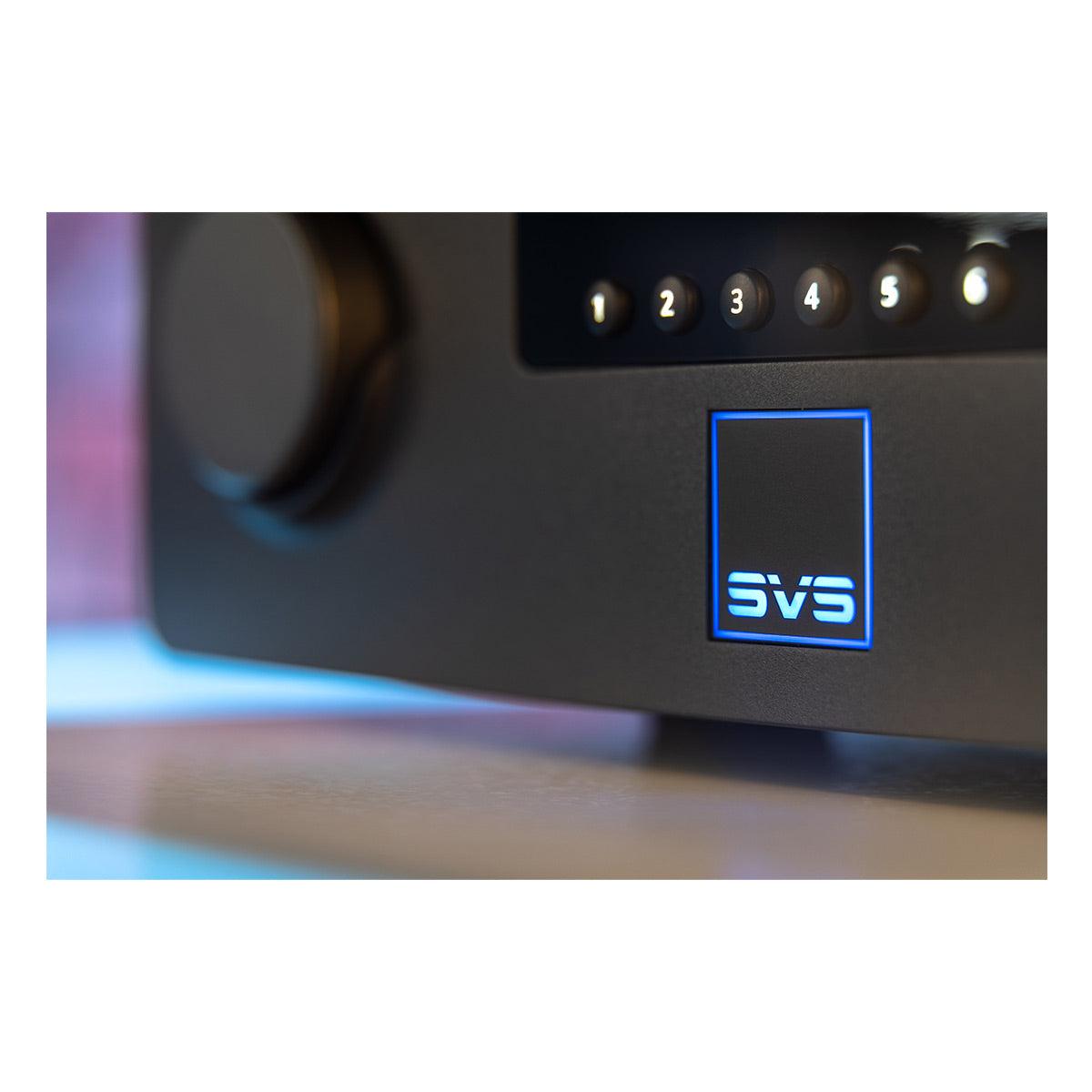
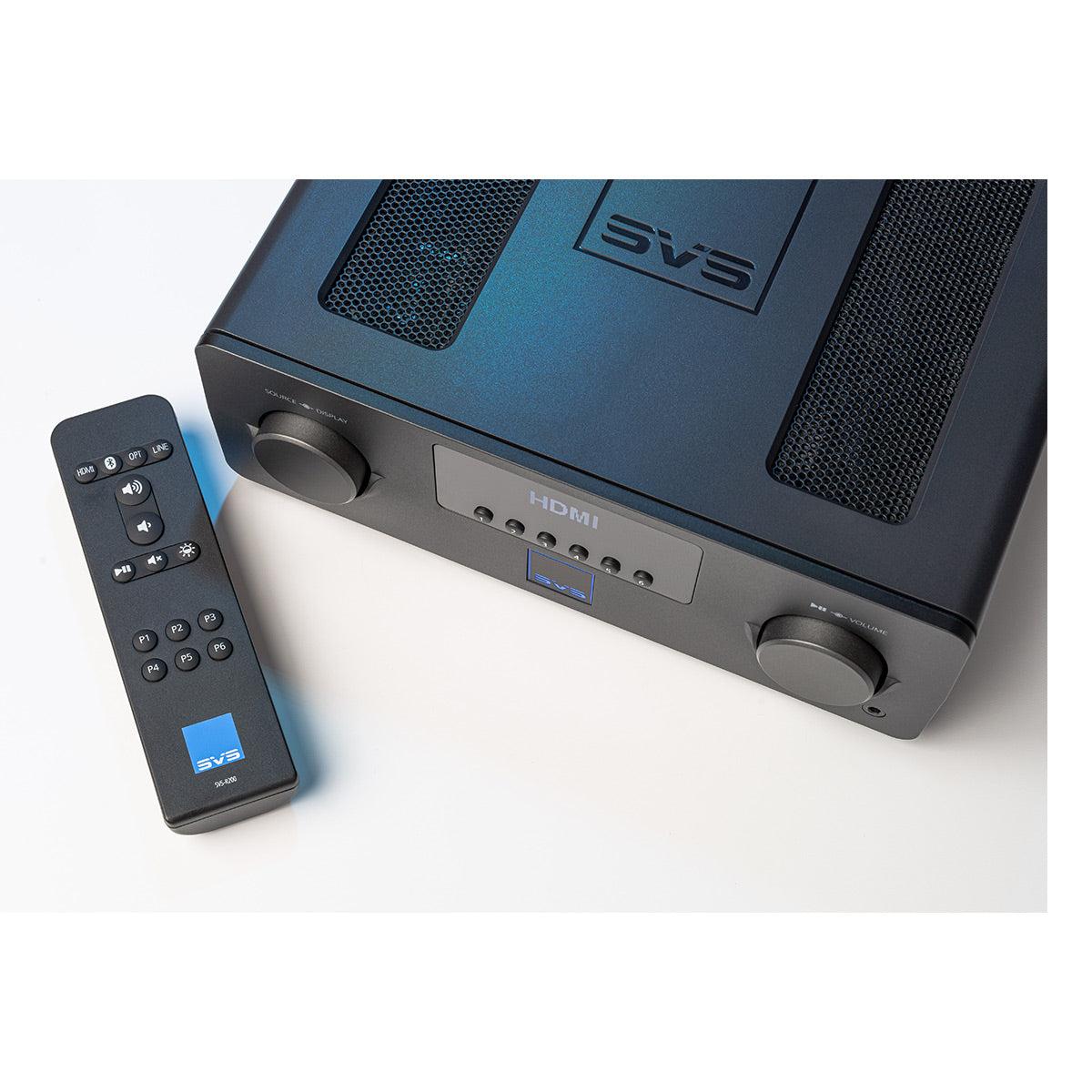
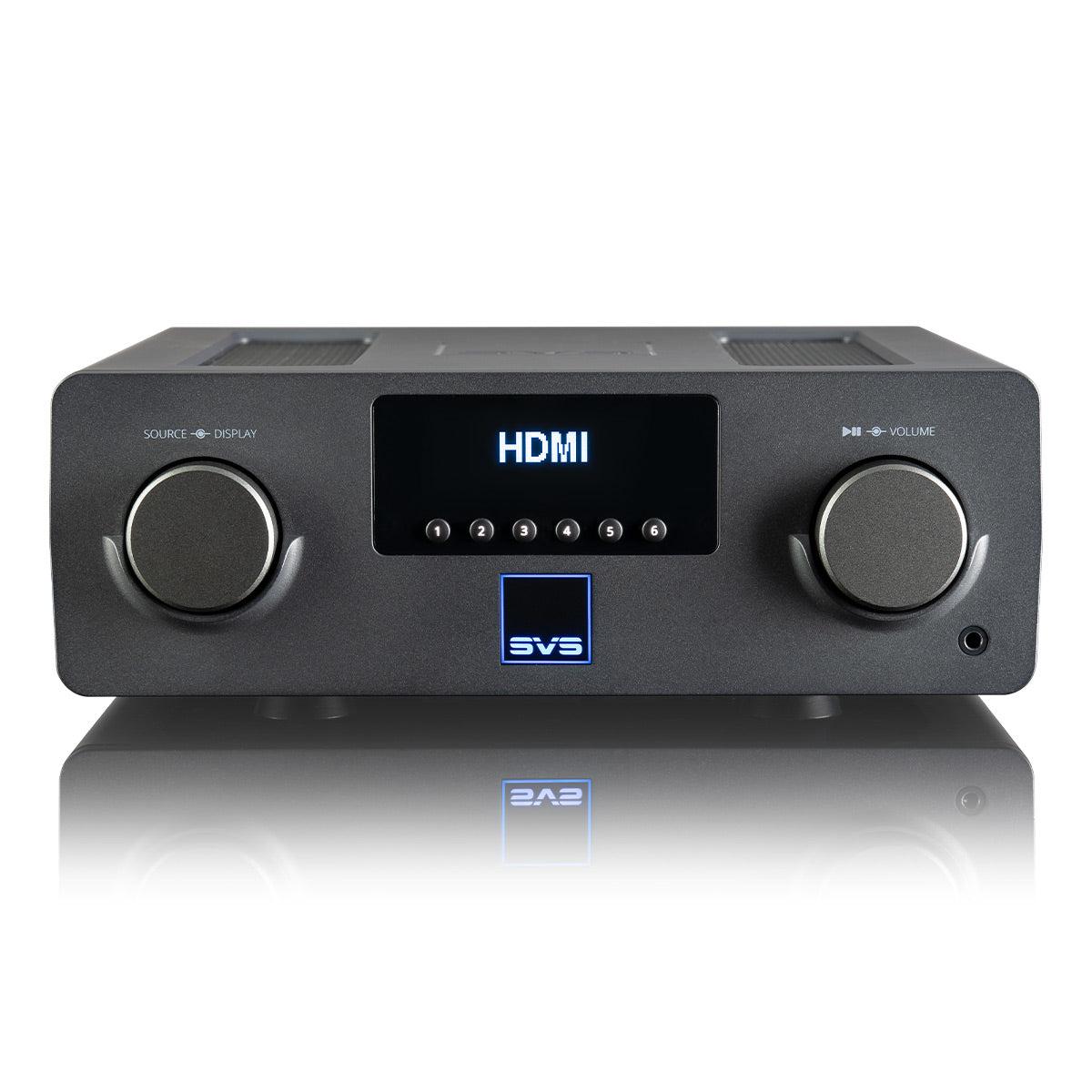
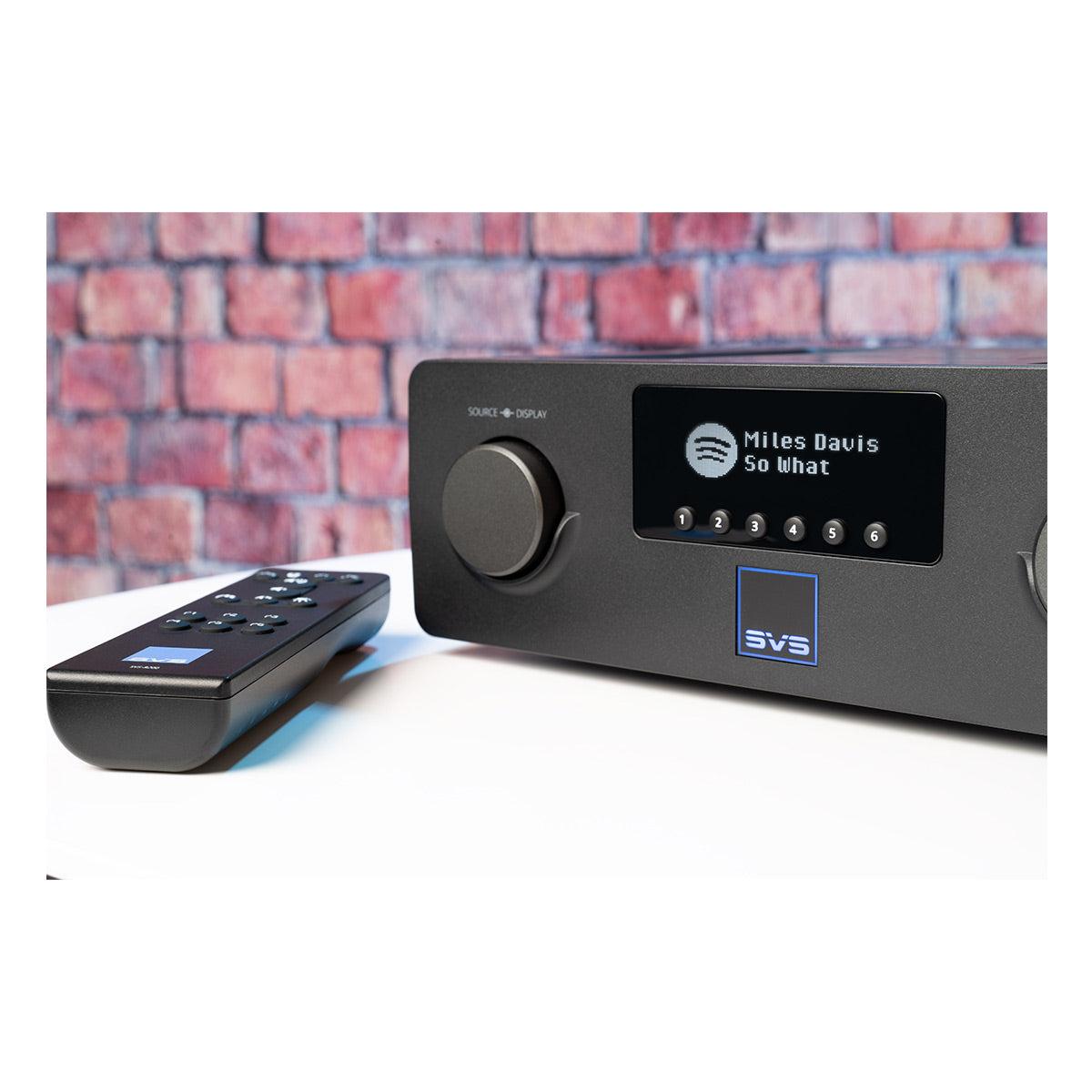
The SVS Prime Wireless Pro SoundBase, launched in 2022, represents what you might call the "power-first" approach. SVS, known primarily for their exceptional subwoofers, designed this unit to deliver serious amplification capability in a compact package. At the time of writing, it sits in the more affordable tier of quality streaming amplifiers while offering more power than most competitors.
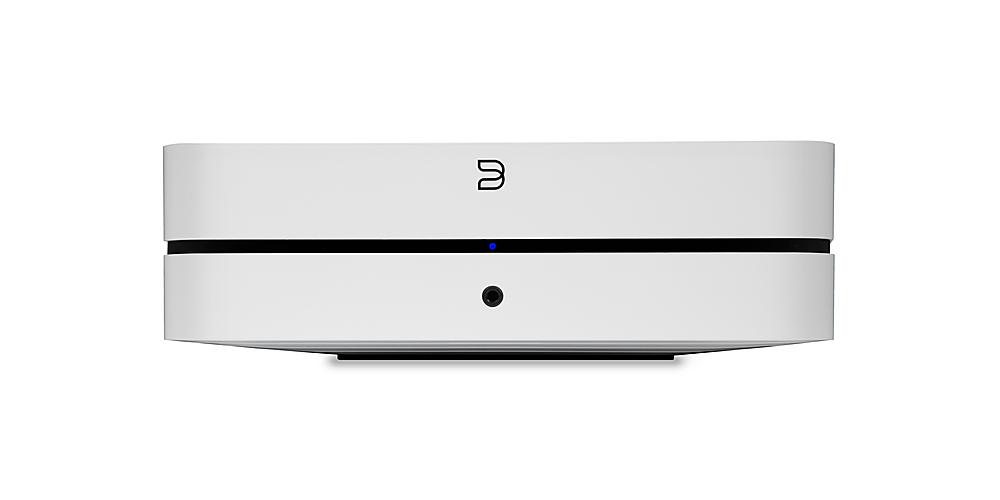
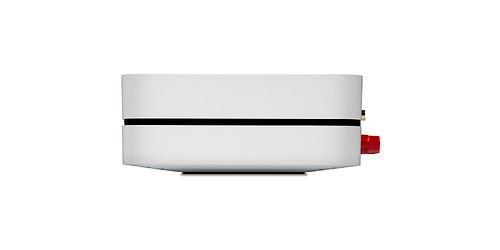
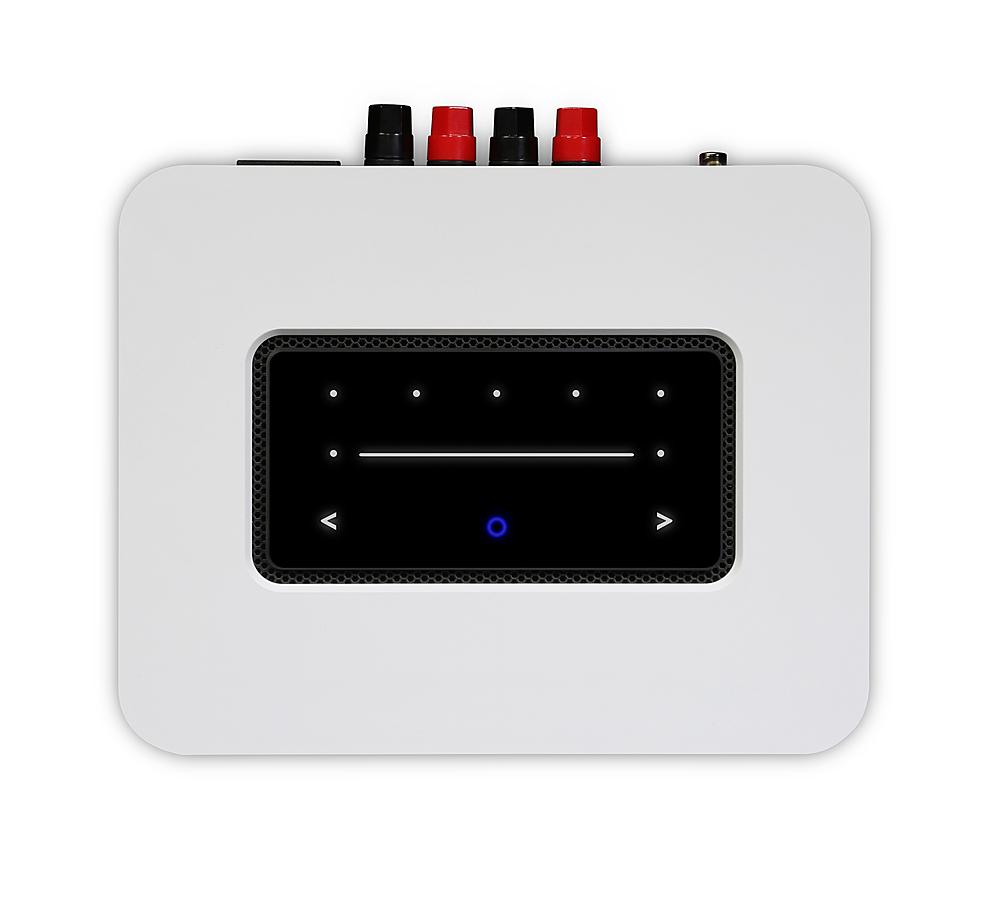
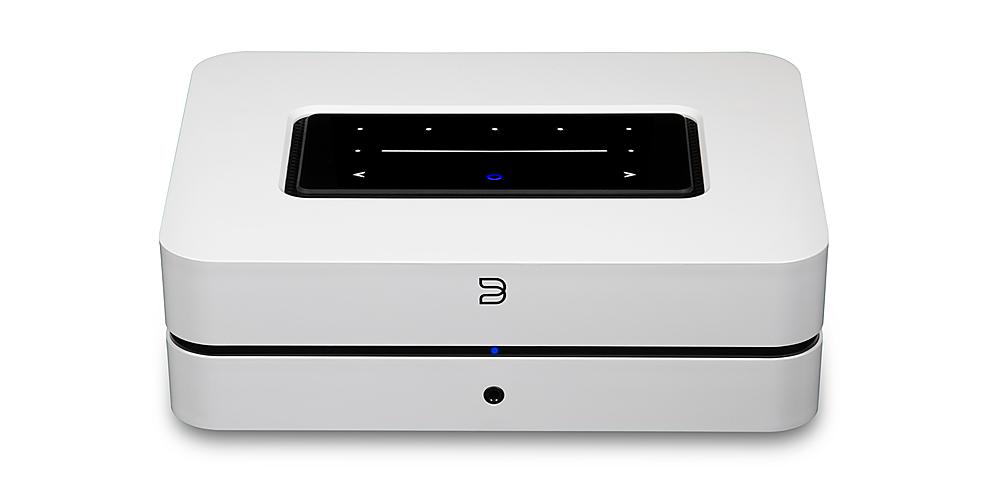
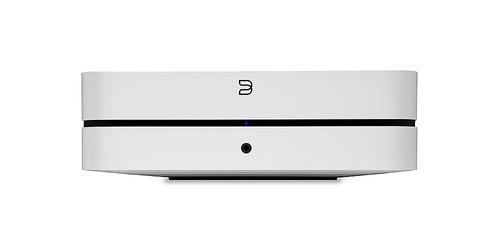
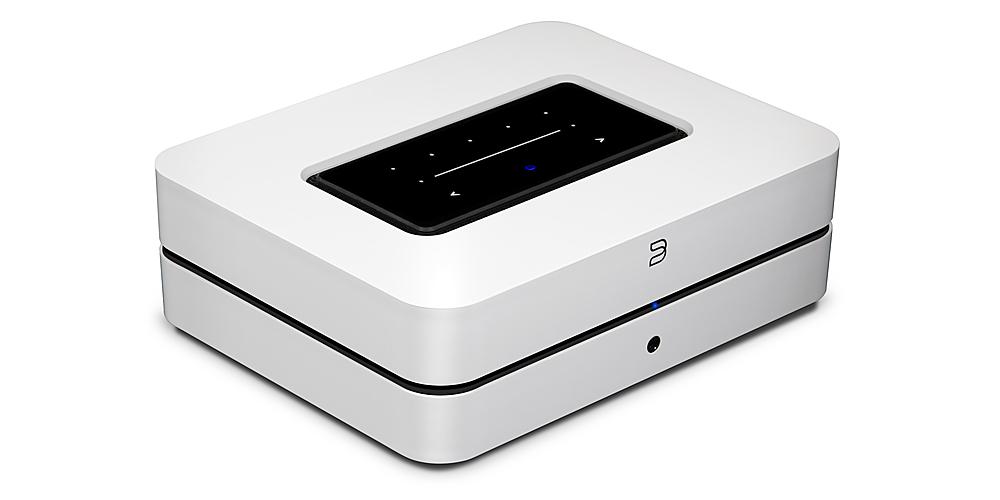
The Bluesound PowerNode, which received its current form in 2021, embodies the "ecosystem-first" philosophy. Bluesound has spent years developing their BluOS platform, and the PowerNode serves as perhaps the best example of how a mature, well-designed streaming ecosystem can elevate the entire listening experience, even if raw power isn't the primary focus.
These different approaches create interesting trade-offs that affect who should choose which product.
Perhaps the most significant difference between these units lies in their amplification capabilities. The SVS Prime Wireless Pro SoundBase delivers 150 watts per channel into 4-ohm speakers, which translates to 300 watts total. This is genuinely impressive power for such a compact device – enough to drive large tower speakers to room-filling volumes without the thinning bass or compressed dynamics that plague underpowered systems.
The Bluesound PowerNode, by contrast, provides 80 watts per channel into 8-ohm speakers (with newer versions offering 100 watts per channel). While this might seem like a significant disadvantage on paper, the reality is more nuanced. The PowerNode uses what Bluesound calls HybridDigital amplification, based on a Hypex UcD module – a design that's become legendary among audio enthusiasts for its clean, low-distortion output.
But what do these numbers actually mean for your listening experience? Power output determines how loud your system can play cleanly, and more importantly, how much headroom (extra power in reserve) you have for musical dynamics. When a trumpet blares in a jazz recording or a movie explosion demands sudden power, systems with more headroom handle these peaks without strain, maintaining clarity and bass response.
The SVS excels here, particularly with demanding speakers. Large tower speakers, particularly those with lower sensitivity ratings (meaning they need more power to reach a given volume), benefit enormously from the SVS's generous power reserves. If you're planning to use speakers in a large room or you're the type who likes to feel the bass in your chest, the SVS's power advantage becomes crucial.
However, the PowerNode's more modest power output shouldn't be dismissed. For most bookshelf speakers and many tower speakers in typical rooms, 80-100 watts of clean, well-designed amplification proves entirely adequate. The Hypex-based amplifier design is particularly good at maintaining its composure – technical speak for not adding distortion or harshness when pushed hard.
Both units deliver what most listeners would consider audiophile-grade sound quality, but they achieve it through different means. The SVS Prime Wireless Pro SoundBase uses a 24-bit/192kHz DAC – the component that converts digital music files into analog signals your speakers can reproduce. This specification covers all high-resolution audio formats you're likely to encounter from streaming services or downloaded files.
The Bluesound PowerNode steps up with a 32-bit/384kHz DAC using differential output design. While these higher numbers don't automatically guarantee better sound, they do indicate more sophisticated digital processing. More importantly, the PowerNode supports additional formats like MQA (Master Quality Authenticated) – a compression technology that allows streaming services to deliver near-studio-quality audio – and DSD256, a format preferred by some audiophiles for its analog-like qualities.
From a practical standpoint, both units sound excellent. The SVS presents music with a neutral, balanced character that doesn't color the sound – what audio engineers would call "transparent." It delivers strong dynamics (the difference between quiet and loud passages) and maintains good separation between instruments, making it easy to pick out individual elements in complex recordings.
The PowerNode leans slightly toward the analytical side, meaning it tends to reveal more detail in recordings, sometimes to the point where you'll notice production elements or instrument positioning you've never heard before. This can be thrilling with well-recorded music but occasionally unforgiving with poorly produced material.
For most listeners, these differences matter less than you might expect. Room acoustics, speaker choice, and even your personal hearing preferences will have greater impact on what you ultimately hear than the subtle character differences between these two excellent units.
This is where the Bluesound PowerNode pulls significantly ahead, and it's arguably the most important consideration for long-term satisfaction. The PowerNode runs on BluOS, a streaming platform that Bluesound has been refining since 2013. The result is a mature, stable, and genuinely intuitive system that just works.
The BluOS app provides access to over 20 streaming services, seamlessly integrates with your local music library, and offers robust multi-room capabilities. More importantly, it's Roon Ready – meaning it works with Roon, a premium music management software that many serious listeners consider essential. The interface is logical, searches work reliably, and switching between sources happens without the delays or glitches that plague less mature platforms.
The SVS Prime Wireless Pro SoundBase relies on the DTS Play-Fi ecosystem, which has improved significantly since its early days but still feels less polished. Play-Fi supports major streaming services and multi-room audio, but the app interface can be clunky, and users report occasional connectivity issues or delays when switching sources.
This difference becomes crucial in daily use. When you want to quickly play music, you don't want to struggle with an app or wait for connections to establish. The PowerNode's platform advantage means less frustration and more time actually enjoying music.
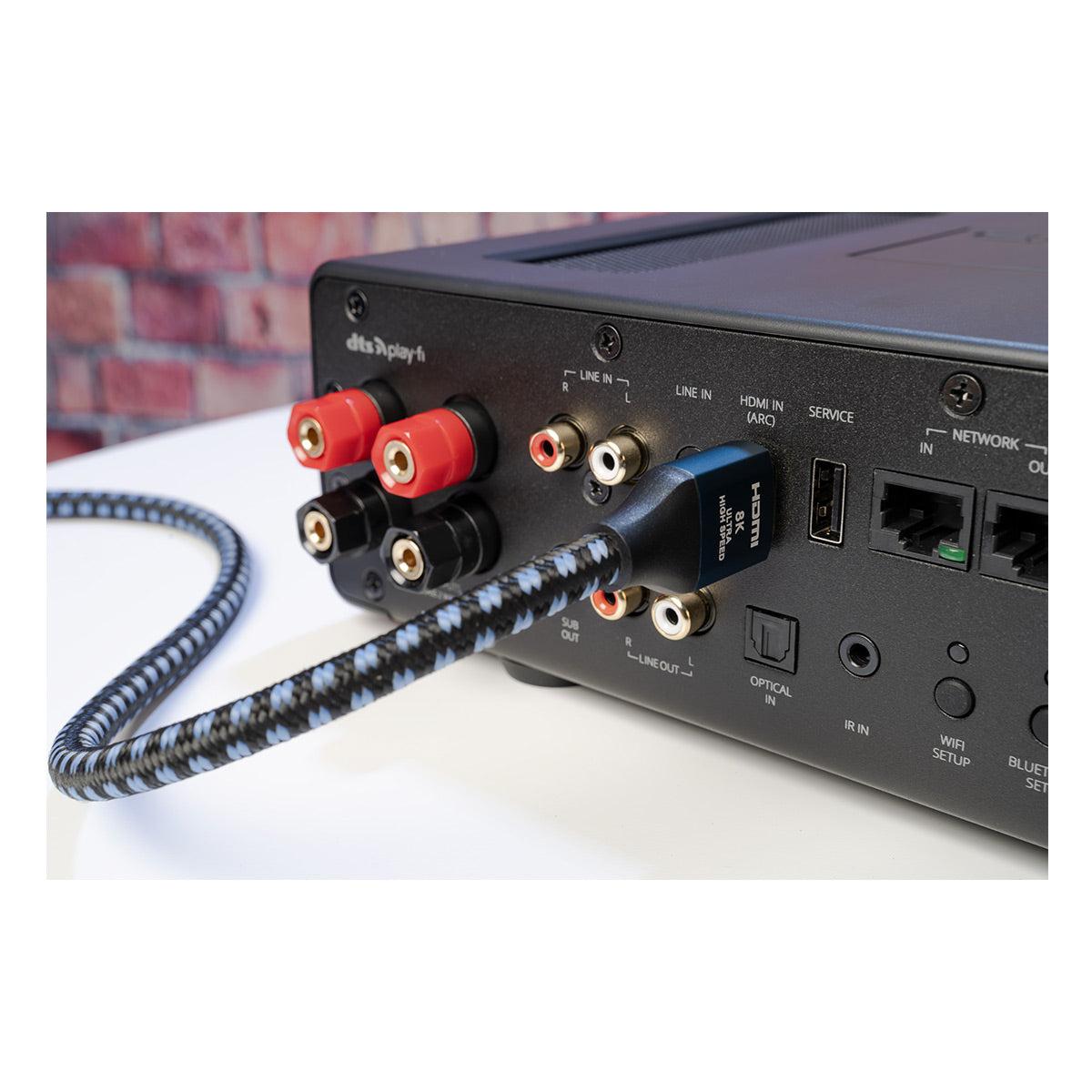
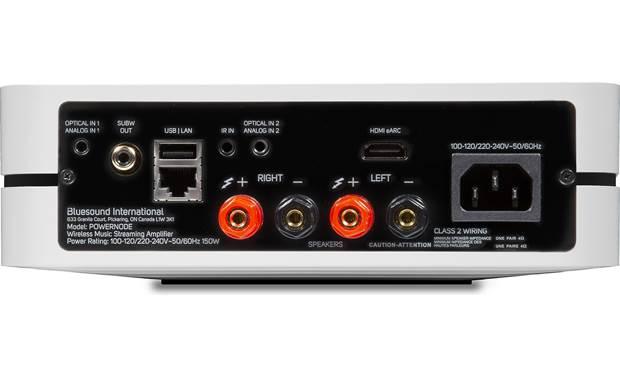
Both units include HDMI eARC connections, which has become essential for modern home theater integration. This single cable connection to your TV allows the amplifier to receive audio from all your TV's sources while maintaining high-quality digital transmission. Both can serve as simple replacements for bulky AV receivers in stereo or 2.1 setups.
The SVS Prime Wireless Pro SoundBase offers more traditional connectivity with dedicated RCA stereo inputs, optical digital input, 3.5mm auxiliary input, and Ethernet port. This makes it easier to connect multiple sources like CD players, older devices, or computer audio interfaces without adapters.
The Bluesound PowerNode takes a more minimalist approach, using combination jacks that serve dual purposes. Its analog input is a 3.5mm connection that can also accept optical digital signals with an adapter. While this saves space and looks cleaner, it's less convenient if you have multiple analog sources.
Both units support the key wireless protocols: Wi-Fi for high-quality streaming, Bluetooth for convenient phone connections, AirPlay 2 for Apple device users, and Chromecast or equivalent for Android users.
This represents perhaps the most significant functional difference between the units. The SVS Prime Wireless Pro SoundBase provides a subwoofer output, but it sends the full-range signal – meaning all frequencies – to both your main speakers and subwoofer. This forces you to rely on the subwoofer's built-in crossover controls to blend properly with your main speakers.
The Bluesound PowerNode includes proper bass management with an adjustable crossover ranging from 40Hz to 200Hz. When you connect a subwoofer, it automatically filters low bass from your main speakers while sending those same frequencies to the subwoofer. This creates much better integration, reducing muddy bass and allowing your main speakers to focus on what they do best – midrange and treble reproduction.
For anyone planning to add a subwoofer now or in the future, this difference is substantial. Proper bass management transforms a good 2.1 system into an excellent one, while poor integration can make expensive speakers sound worse than they would on their own.
Both units work well for TV audio, but with different strengths. The HDMI eARC connection on both means you can replace a traditional AV receiver for stereo or 2.1 TV listening, eliminating bulk and complexity while maintaining high-quality audio.
The SVS Prime Wireless Pro SoundBase excels for action movies and content requiring significant dynamic range. Its power reserves handle explosive soundtracks without compression, and its neutral sound signature won't color dialogue. However, the lack of proper bass management limits its effectiveness in optimized home theater setups.
The Bluesound PowerNode offers more sophisticated integration, particularly if you're building a 2.1 system. Its bass management ensures dialogue clarity while providing proper subwoofer integration for movie explosions. The PowerNode also supports wireless surround sound when paired with compatible Bluesound speakers, creating a true wireless home theater system.
For most TV watching, both units represent huge improvements over built-in TV speakers, but the PowerNode's bass management gives it an edge for serious home theater use.
At the time of writing, the SVS Prime Wireless Pro SoundBase offers exceptional value for users prioritizing power and connectivity. You're getting amplification capability that would cost significantly more from traditional hi-fi brands, wrapped in a package that includes modern streaming features. For someone with demanding speakers or large rooms, the power-per-dollar ratio is tough to beat.
The Bluesound PowerNode commands a premium, but that extra cost primarily pays for the mature BluOS ecosystem, proper bass management, and superior long-term software support. Bluesound regularly updates BluOS with new features and streaming service support, meaning your investment stays current longer.
The price difference essentially boils down to this question: Is the improved daily user experience, better bass management, and platform maturity worth the extra cost? For many users, especially those planning multi-room systems or those who value reliability over raw power, the answer is yes.
Choose the SVS Prime Wireless Pro SoundBase if you're working with a tighter budget but refuse to compromise on amplification quality. It's ideal for users with large or inefficient speakers, those who need multiple analog inputs, or anyone who primarily listens to music rather than building complex multi-room systems. The SVS approach means more budget available for better passive speakers, which often provides greater sonic improvements than amplifier upgrades.
The Bluesound PowerNode makes sense for users who value the complete experience over raw specifications. If you're planning multi-room audio, need proper subwoofer integration, or simply want the most reliable and user-friendly streaming platform available, the PowerNode justifies its premium. It's also the better choice for home theater applications where bass management matters.
Both units represent the modern reality of high-quality audio: you no longer need multiple components and complex setups to achieve excellent sound. The choice between them comes down to whether you prioritize maximum power and value (SVS) or platform sophistication and long-term satisfaction (PowerNode). Either choice will transform your passive speakers into a modern, connected audio system that would have seemed impossible just a few years ago.
| SVS Prime Wireless Pro SoundBase | Bluesound PowerNode |
|---|---|
| Power Output - Determines how loud and cleanly your speakers can play | |
| 150W per channel into 4Ω (300W total) | 80W per channel into 8Ω (100W in newer versions) |
| Bass Management - Critical for proper subwoofer integration | |
| None (full-range subwoofer output) | Adjustable crossover 40-200Hz with high-pass filtering |
| Streaming Platform - Most important for daily user experience | |
| DTS Play-Fi (functional but less polished) | BluOS (mature, reliable, intuitive interface) |
| DAC Quality - Affects digital audio conversion and hi-res support | |
| 24-bit/192kHz standard DAC | 32-bit/384kHz differential DAC with MQA support |
| Analog Inputs - Flexibility for connecting multiple sources | |
| Dedicated RCA stereo + 3.5mm inputs | Single 3.5mm combo input (doubles as optical) |
| Multi-Room Capability - For whole-home audio systems | |
| Play-Fi multi-room support | BluOS up to 64 zones with seamless sync |
| App Quality - How easy it is to control your music daily | |
| Play-Fi app (improving but still clunky) | BluOS Controller (industry-leading interface) |
| Roon Integration - For serious music library management | |
| Not supported | Roon Ready certified |
| HDMI Connectivity - Essential for TV integration | |
| HDMI eARC supported | HDMI eARC supported |
| Headphone Output - For private listening | |
| Standard 3.5mm jack | THX AAA technology 6.3mm jack |
| Bluetooth Quality - Wireless streaming from phones/tablets | |
| Bluetooth 5.0 with aptX and AAC | Two-way aptX HD (receive and transmit) |
| Physical Design - How it fits in your space | |
| Compact soundbase form factor | Traditional component styling |
| Target Speaker Types - What speakers work best with each | |
| Large towers and demanding speakers | Bookshelf to moderate towers |
The SVS Prime Wireless Pro SoundBase delivers significantly more power with 150 watts per channel (300 watts total) compared to the Bluesound PowerNode at 80-100 watts per channel. This makes the SVS better for driving large speakers and filling bigger rooms with sound.
The Bluesound PowerNode includes proper bass management with adjustable crossover settings from 40-200Hz, while the SVS Prime Wireless Pro SoundBase only provides a full-range subwoofer output. The PowerNode creates much better integration between your main speakers and subwoofer.
The Bluesound PowerNode uses the mature BluOS platform, which is widely considered more stable and user-friendly than the DTS Play-Fi system used by the SVS Prime Wireless Pro SoundBase. BluOS offers better app control and fewer connectivity issues.
Yes, both the SVS Prime Wireless Pro SoundBase and Bluesound PowerNode feature HDMI eARC connections for direct TV integration. This allows either unit to serve as a simple stereo replacement for a bulky AV receiver.
The Bluesound PowerNode supports over 20 streaming services and is Roon Ready, offering broader compatibility than the SVS Prime Wireless Pro SoundBase. The PowerNode also includes MQA support for high-resolution streaming from services like Tidal.
The SVS Prime Wireless Pro SoundBase is superior for large or demanding speakers due to its higher power output. The extra wattage ensures clean sound at high volumes without distortion, making it ideal for tower speakers or inefficient bookshelf models.
Yes, both units support Apple AirPlay 2 for iOS devices and have Android compatibility - the SVS Prime Wireless Pro SoundBase uses Chromecast while the Bluesound PowerNode includes Chromecast built-in. Both also offer Bluetooth connectivity for quick phone connections.
The Bluesound PowerNode excels at multi-room audio with BluOS supporting up to 64 synchronized zones. While the SVS Prime Wireless Pro SoundBase offers Play-Fi multi-room features, the PowerNode's system is more mature and reliable.
The SVS Prime Wireless Pro SoundBase typically offers better value for power-focused users, delivering more watts per dollar. However, the Bluesound PowerNode provides better long-term value through superior software support, bass management, and platform reliability.
The SVS Prime Wireless Pro SoundBase offers dedicated RCA and 3.5mm analog inputs, making it easier to connect multiple sources. The Bluesound PowerNode has only one 3.5mm combo input that doubles as optical, requiring adapters for multiple analog sources.
For basic stereo TV audio, both work well, but the Bluesound PowerNode has an advantage for 2.1 home theater setups due to its proper bass management. The SVS Prime Wireless Pro SoundBase provides more dynamic power for action movies but lacks subwoofer optimization.
Choose the SVS Prime Wireless Pro SoundBase if you prioritize power and have large speakers or a tight budget. Pick the Bluesound PowerNode if you want the best streaming experience, plan to add a subwoofer, or value long-term software support and reliability over raw power.
We've done our best to create useful and informative comparisons to help you decide what product to buy. Our research uses advanced automated methods to create this comparison and perfection is not possible - please contact us for corrections or questions. These are the sites we've researched in the creation of this article: soundandvision.com - crutchfield.com - futureaudiophile.com - dreamediaav.com - crutchfield.com - svsound.com - soundstageaccess.com - skybygramophone.com - hometheaterhifi.com - av-connection.com - crutchfield.com - soundstagenetwork.com - svsound.com - crutchfield.com - upscaleaudio.com - bluesound.com - bluesound.com - stereophile.com - theaudiofactory.com - audioadvisor.com - musicdirect.com - twitteringmachines.com - futureaudiophile.com - bluesound.com - bluesound.com - moon-audio.com - audioadvisor.com - ecoustics.com

Privacy Policy
Terms and Conditions - Affiliate Policy
Home Security
© Copyright 2008-2026.
11816 Inwood Rd #1211, Dallas, TX 75244