

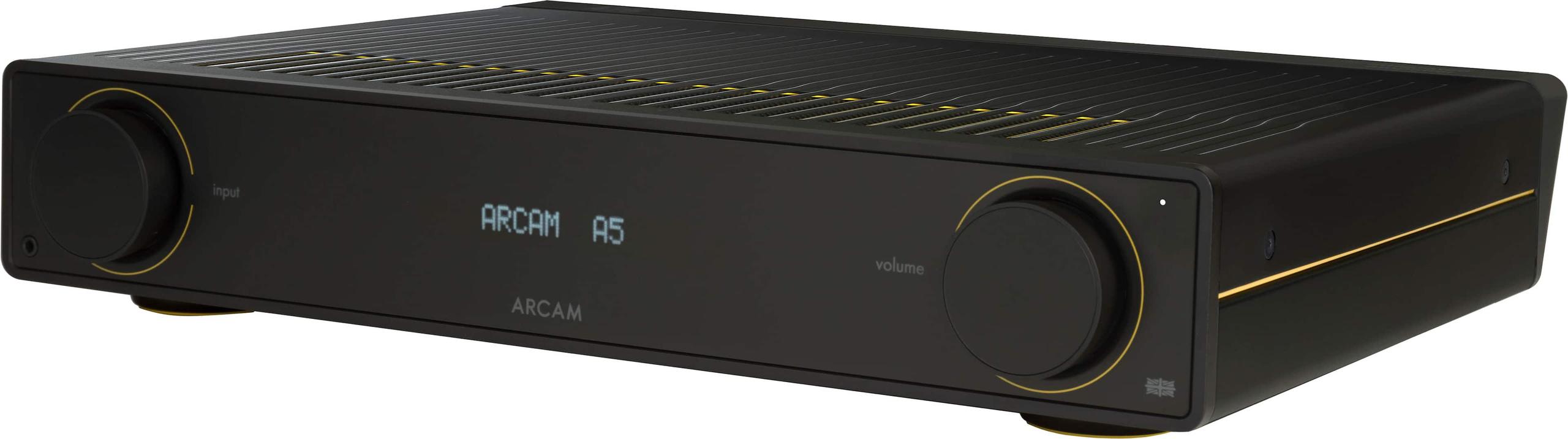
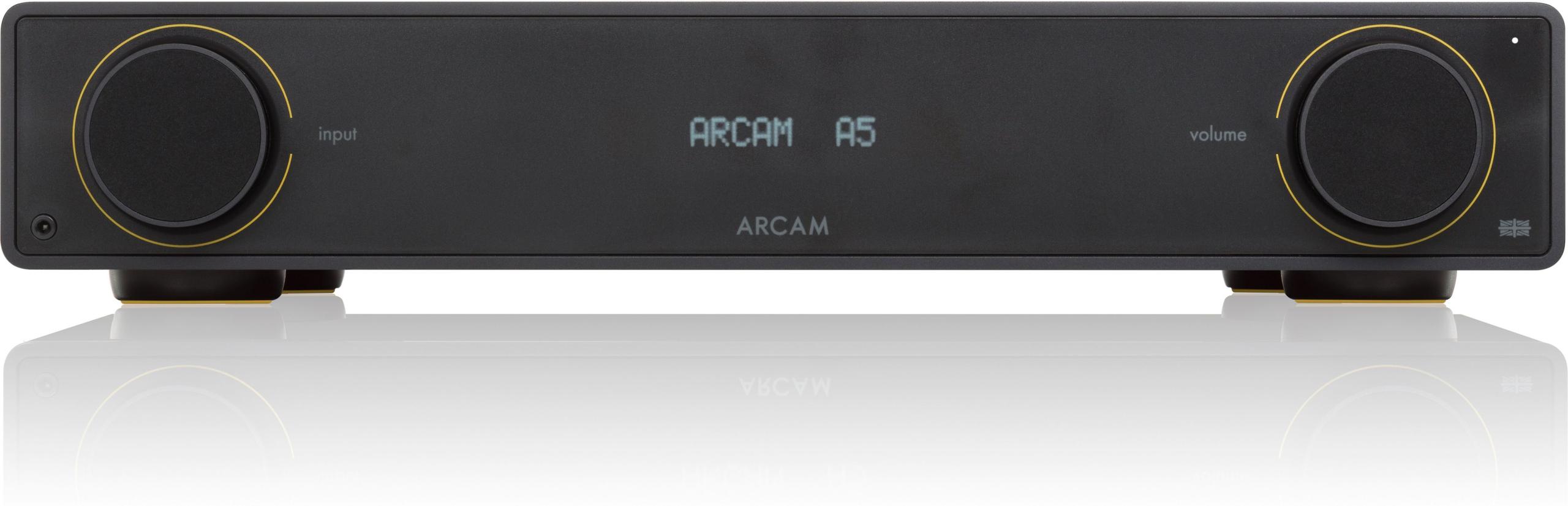
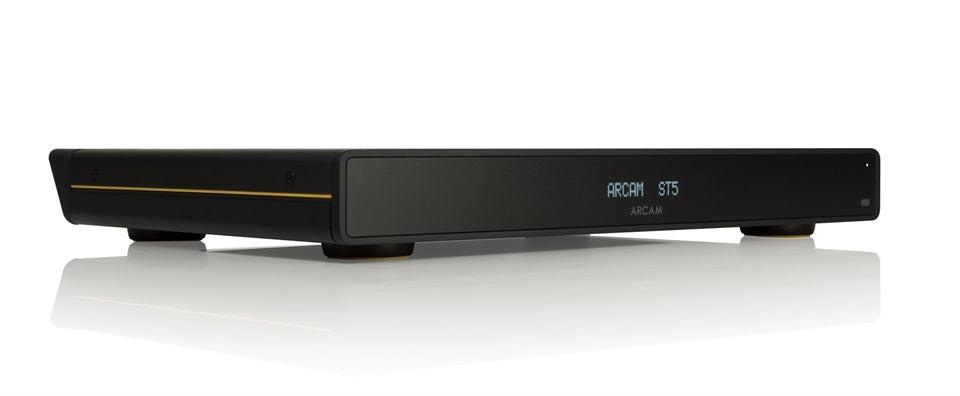
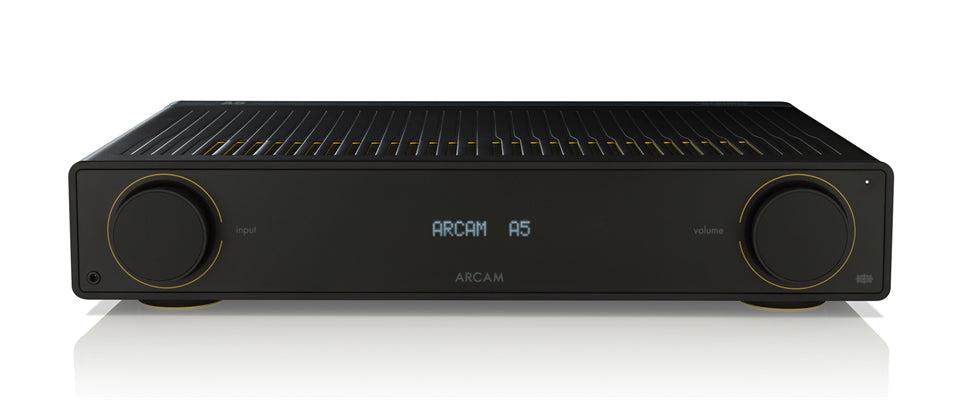
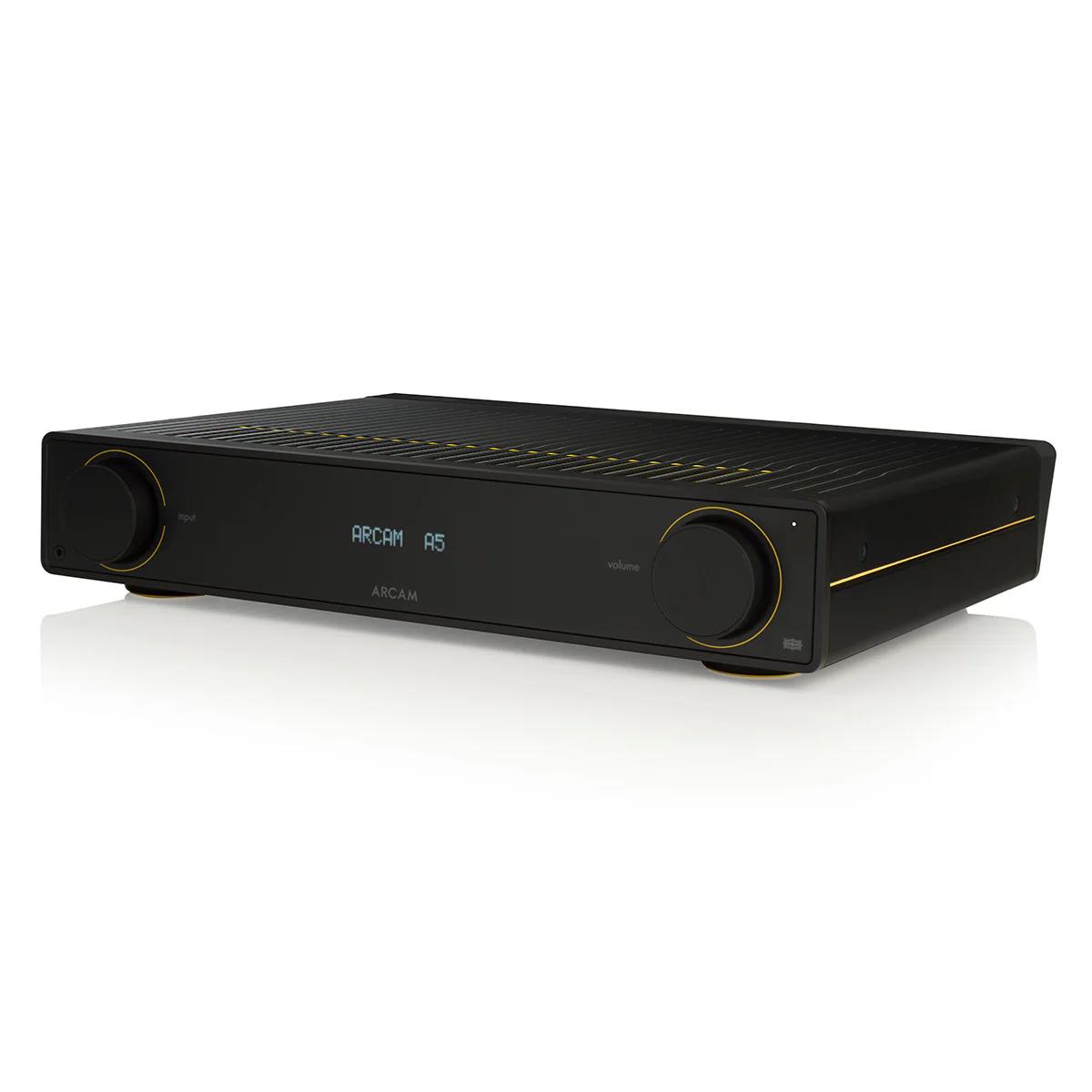
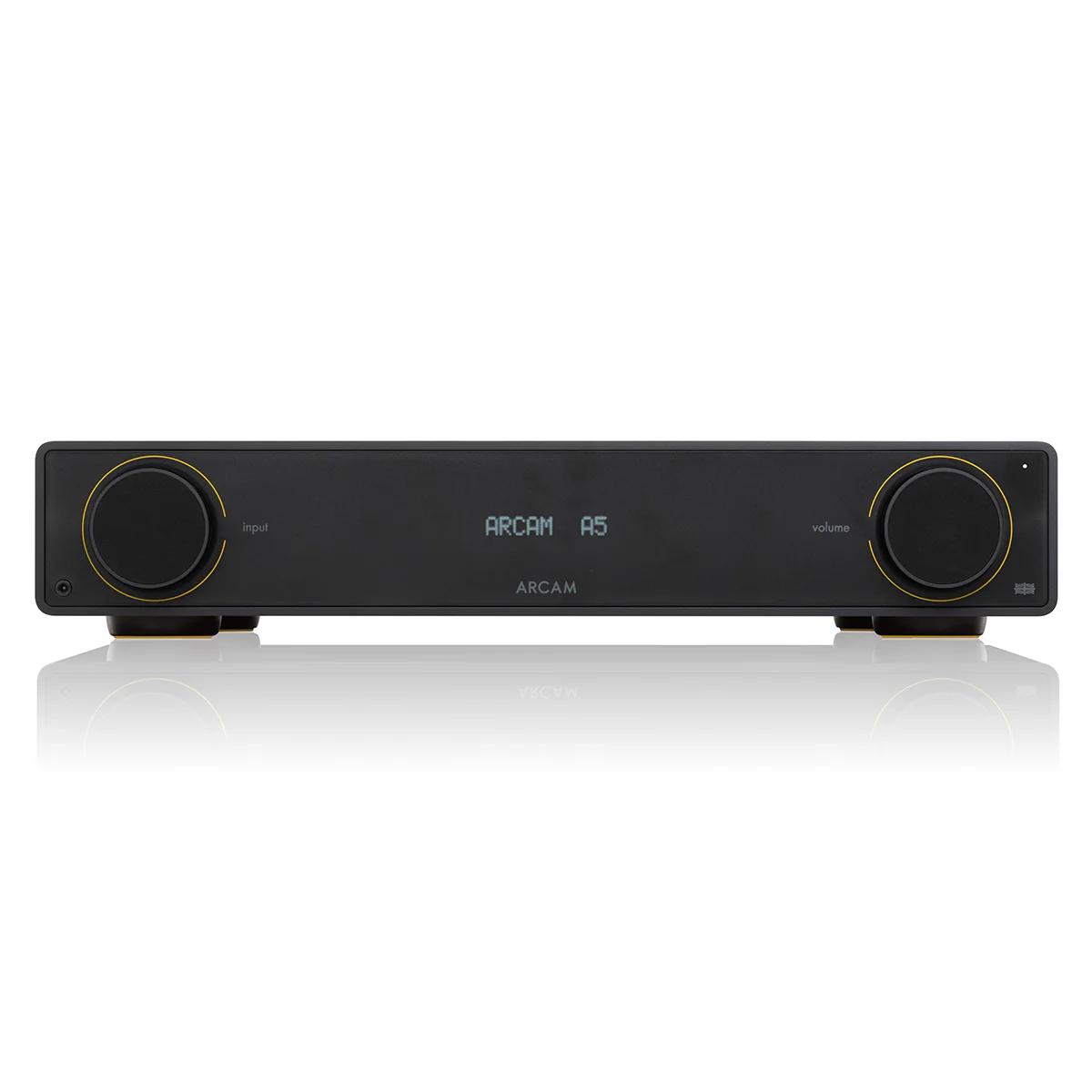
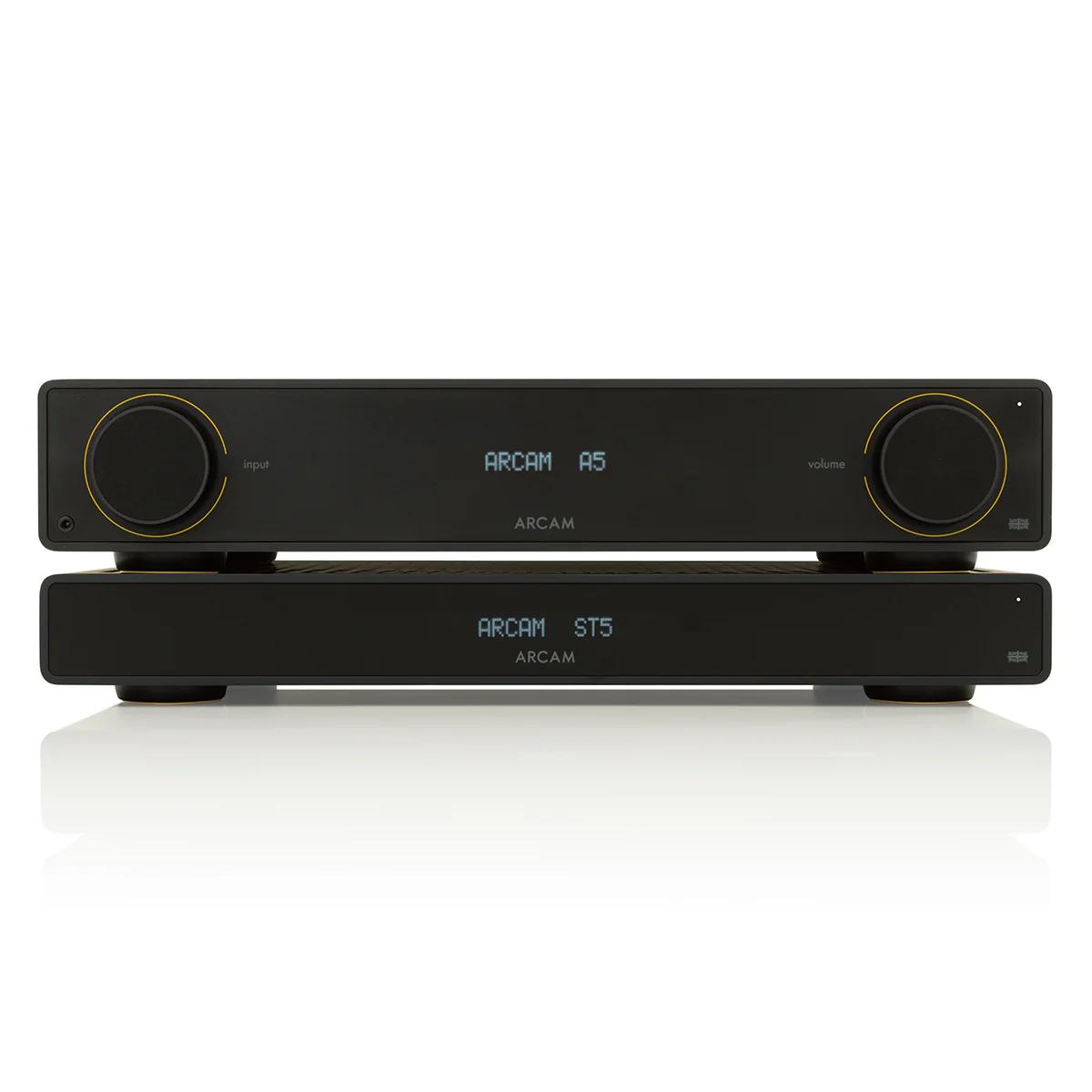
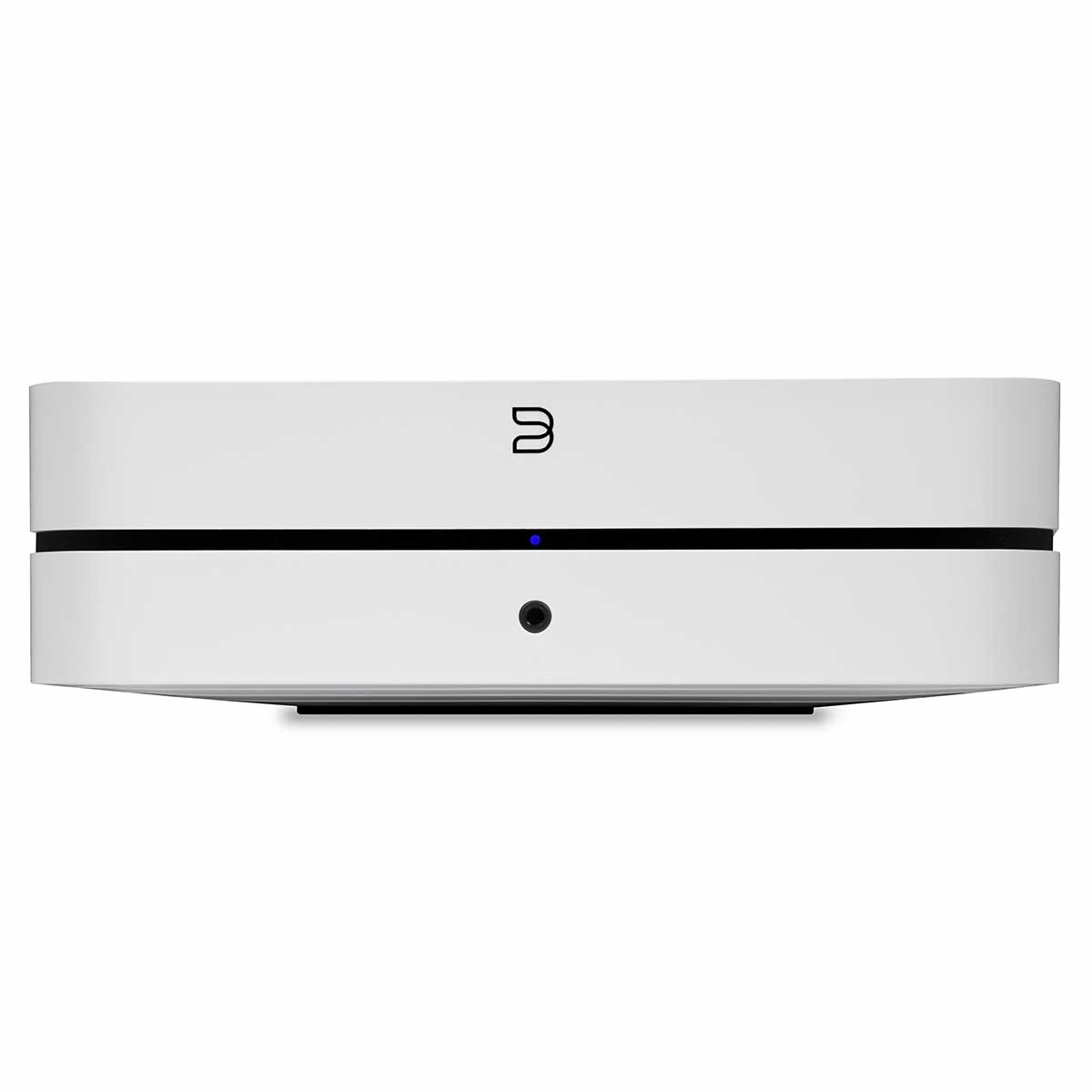
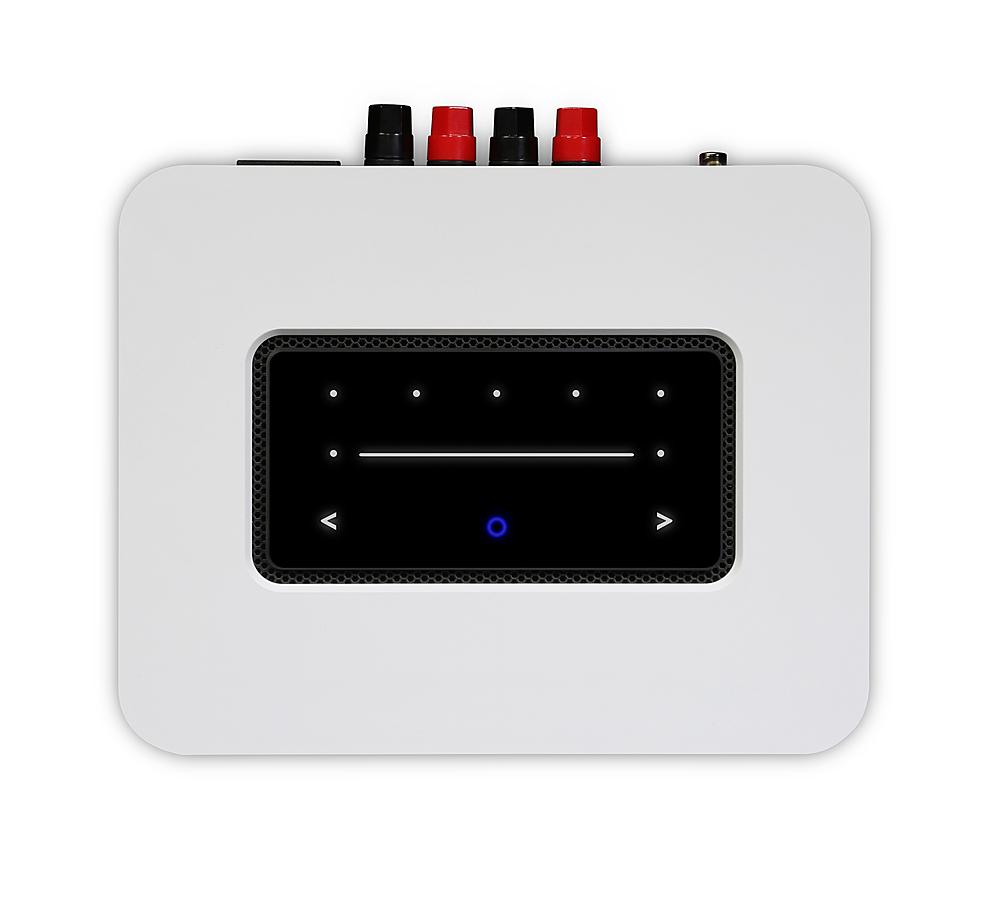
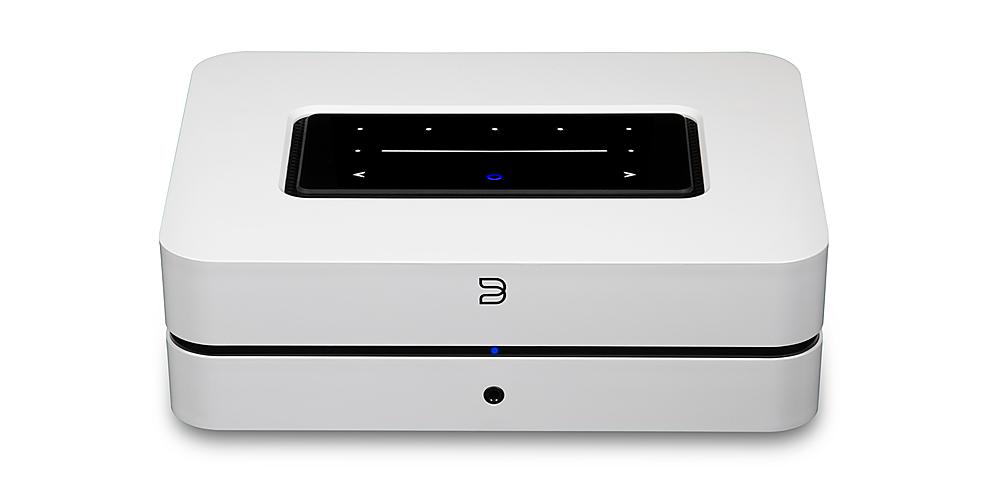
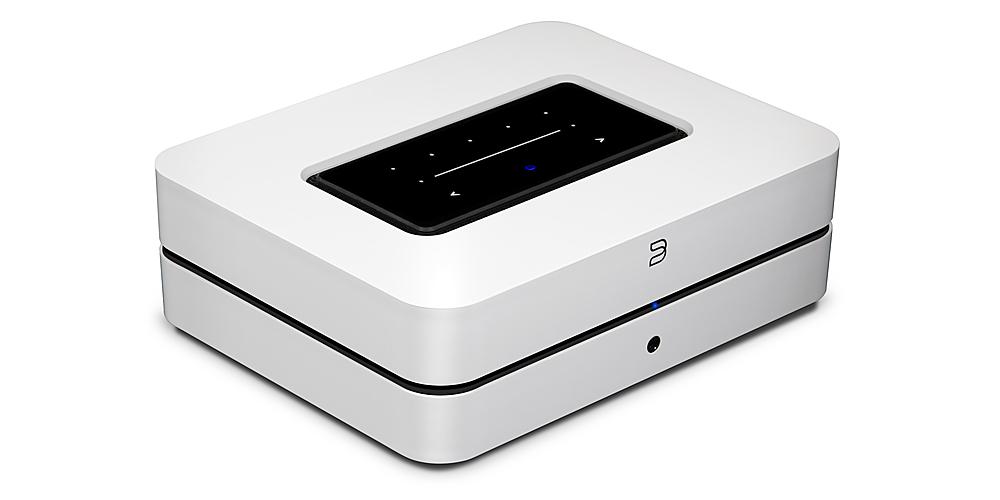


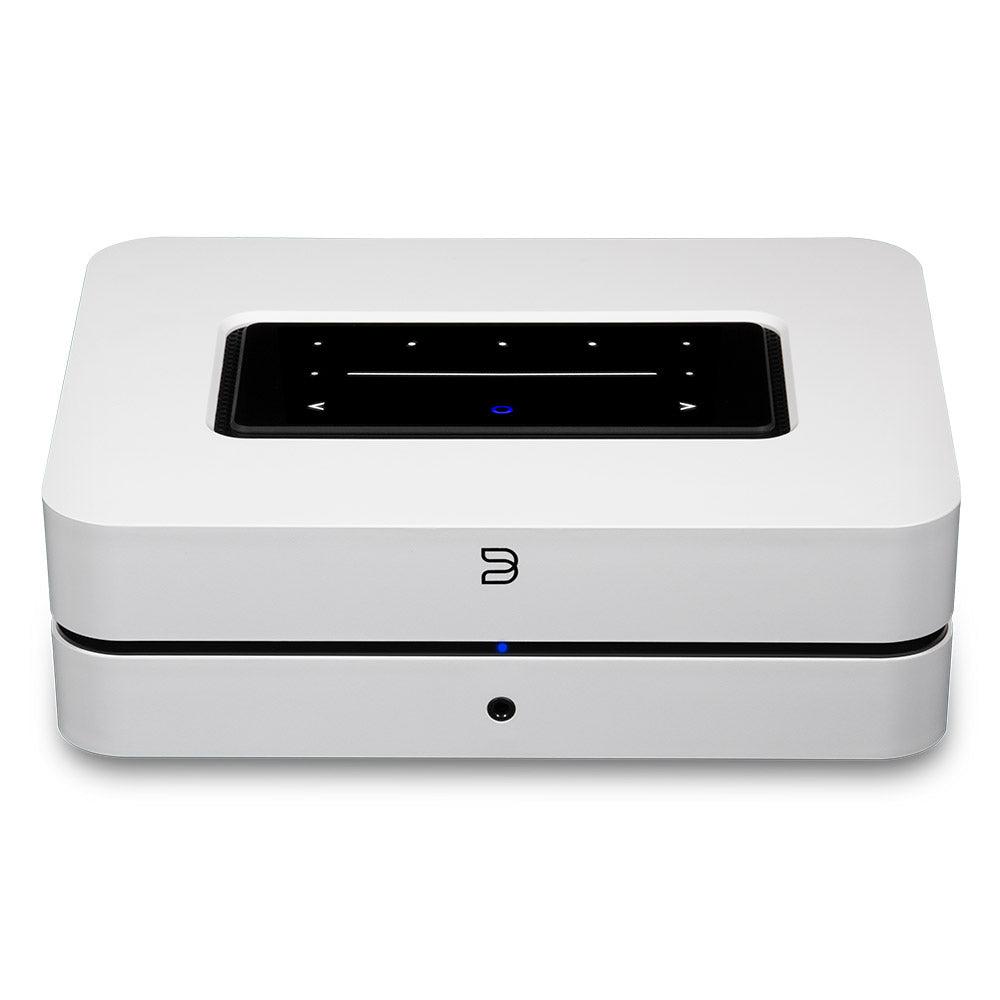
If you're shopping for an amplifier in 2024, you're facing a fundamental choice that didn't exist just a decade ago: do you want a traditional integrated amplifier with modern touches, or a streaming-first amplifier designed around wireless audio? The Arcam Radia A5 and Bluesound PowerNode represent these two distinct philosophies perfectly, and understanding their differences will help you make the right choice for your listening habits.
The audio world has split into two camps. Traditional integrated amplifiers like the Arcam Radia A5 focus on amplification quality first, with digital features added thoughtfully around a core analog design. These amplifiers excel at driving speakers with clean, powerful analog signals while offering enough modern connectivity to handle today's digital sources.
Streaming amplifiers like the Bluesound PowerNode flip this priority. They're built around network streaming platforms with amplification integrated as one component of a larger digital ecosystem. Think of them as smart speakers for audiophiles – they prioritize convenience and wireless connectivity while still delivering respectable sound quality.
The key considerations when choosing between these approaches include source flexibility (how many different ways you can feed music to the amplifier), power delivery (the amplifier's ability to make your speakers sing), digital audio quality (how well it converts digital files to analog sound), user experience (how easy it is to set up and use daily), and future-proofing (how well it will adapt to changing technology).
The Arcam Radia A5 launched in 2024 as part of Arcam's Radia series, representing the British company's response to modern listening habits while maintaining their 45-year heritage in amplifier design. Arcam built their reputation on making amplifiers that sound significantly better than their specifications suggest, and the A5 continues this tradition with carefully chosen components and conservative power ratings.
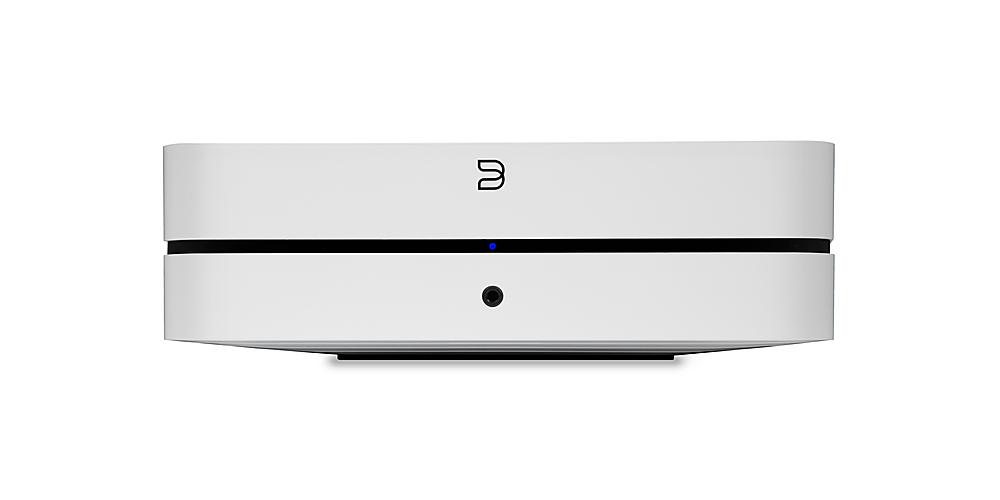
The Bluesound PowerNode has evolved through several generations since the original launched around 2021, with regular software updates adding new features and streaming service compatibility. Bluesound, a Canadian company, recognized early that many people wanted to eliminate separate streamers, DACs, and amplifiers in favor of an all-in-one solution that could also handle multi-room audio.
When it comes to driving your speakers, these amplifiers take fundamentally different approaches that affect both their sound character and practical capabilities.
The Arcam Radia A5 delivers 50 watts per channel into 8-ohm speakers (the standard impedance rating) and 75 watts into 4-ohm speakers using Class AB amplification. Don't let that relatively modest power rating fool you – Class AB amplifiers like this one typically deliver far more dynamic power when music demands it, and Arcam's conservative ratings mean this amplifier will drive most bookshelf and floorstanding speakers to satisfying volumes even in medium to large rooms.
Class AB amplification combines the best aspects of pure Class A (which sounds great but runs hot and wastes power) and Class B (which is efficient but can introduce distortion). The result is an amplifier that stays relatively cool while delivering the warm, dynamic sound signature that many listeners prefer. The A5's harmonic distortion measures just 0.003% at 80% power – an exceptionally clean figure that means you'll hear your music, not the amplifier's electronic signature.
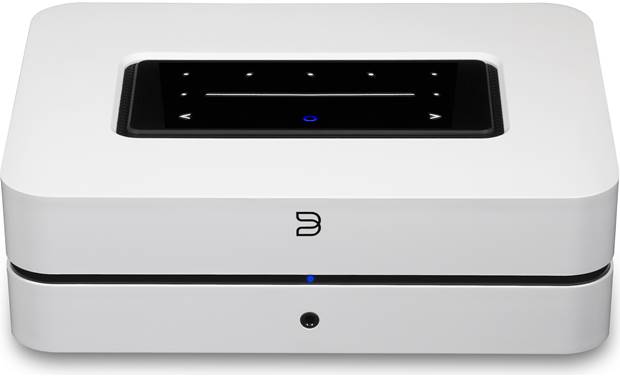
The Bluesound PowerNode takes a different route with 80 watts per channel using Class D amplification, specifically Bluesound's HybridDigital technology based on respected Hypex modules. Class D amplifiers work by rapidly switching the audio signal on and off thousands of times per second, then filtering out the switching noise to leave just the music. This makes them incredibly efficient (they barely get warm) and capable of delivering substantial power from compact chassis.
However, Class D amplifiers have historically had a slightly different sound character – often described as clean and precise but sometimes lacking the warmth and dimensionality of Class AB designs. The PowerNode's implementation is quite good, delivering detailed, dynamic sound with excellent control, though it won't have quite the same tonal richness as the Arcam A5.
For most speakers and listening situations, either amplifier provides plenty of power. The PowerNode's higher rating gives it a slight edge with difficult speakers, but the A5's Class AB design and high current capability mean it often sounds more powerful than its specifications suggest.
Both amplifiers include DACs (digital-to-analog converters) – the circuits responsible for turning digital music files into analog signals your speakers can reproduce. This is where technical implementation really matters.
The Arcam Radia A5 uses an ESS Sabre ES9018 DAC, a chip that's become legendary among audiophiles for its combination of detail retrieval and natural sound. This DAC supports high-resolution audio up to 24-bit/192kHz, which means it can handle digital files with far more information than standard CDs (which are 16-bit/44.1kHz). The signal-to-noise ratio reaches 109dB for digital inputs – a figure indicating exceptionally quiet operation with minimal electronic noise interfering with your music.
The Bluesound PowerNode implements a 32-bit/384kHz DAC with differential output design. While the specific DAC chip isn't highlighted as prominently as Arcam's, the higher bit depth and sample rate specifications suggest strong technical capability. More importantly, the PowerNode supports an extensive range of audio formats including MQA (Master Quality Authenticated, which delivers studio-quality sound in smaller file sizes) and DSD256 (a format favored by audiophiles for its analog-like sound).
In practical terms, both DACs will sound excellent with high-quality digital sources. The A5's ESS implementation might have a slight edge in pure audio quality, particularly with its exceptional noise floor, but the PowerNode's broader format support and streaming integration make it more versatile for discovering and playing high-resolution music.
This is where the philosophical differences between these amplifiers become most apparent.
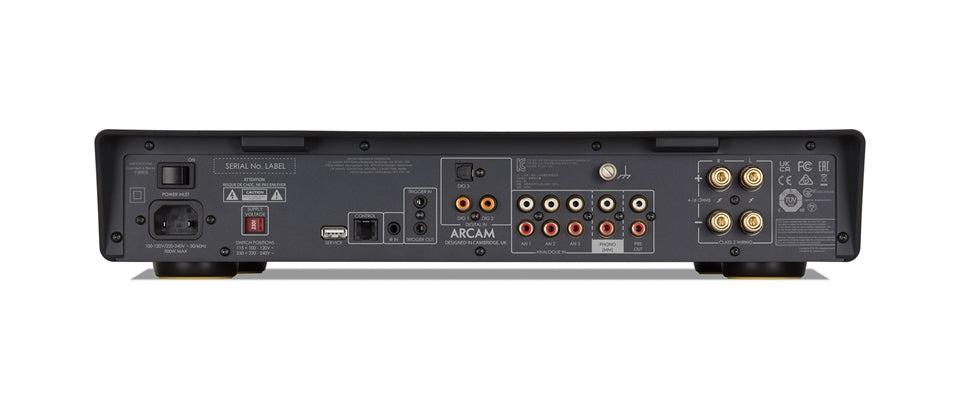
The Arcam Radia A5 offers comprehensive traditional connectivity: three analog RCA inputs for sources like CD players or tuners, two coaxial and one optical digital input for devices like streamers or game consoles, and a dedicated moving magnet phono input for turntables. The phono stage (the circuit that amplifies and equalizes the tiny signal from a turntable cartridge) is particularly well-implemented, eliminating the need for a separate phono preamp if you're into vinyl.
What makes the A5 unique is its two-way Bluetooth 5.2 with aptX Adaptive technology. Most amplifiers can only receive Bluetooth audio from phones or tablets, but the A5 can also transmit audio to Bluetooth headphones – perfect for late-night listening without disturbing others.
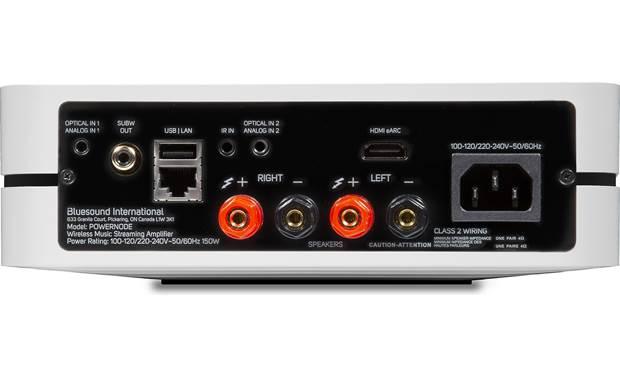
The Bluesound PowerNode includes traditional inputs but focuses primarily on network-based streaming. Its Wi-Fi and Ethernet connectivity provide access to over 20 streaming services directly, without needing a separate streaming device. The HDMI eARC input is particularly clever – it lets you connect the PowerNode directly to your TV, simplifying home theater setups by eliminating the need for a separate AV receiver for music listening.
The PowerNode also supports AirPlay 2 (for streaming from Apple devices), Spotify Connect and Tidal Connect (which let streaming apps control playback directly), and various voice assistants. This connectivity approach prioritizes convenience and integration with modern digital lifestyles.
Based on extensive research into user experiences and professional reviews, these amplifiers deliver distinctly different sonic presentations that align with their design philosophies.
The Arcam Radia A5 produces what many describe as a "classic British sound" – detailed and articulate but with warmth and musical engagement that makes long listening sessions enjoyable. Its Class AB amplification delivers excellent bass control, a clear and detailed midrange that makes vocals particularly engaging, and smooth high frequencies that provide detail without harshness.
The A5 excels at creating a wide, three-dimensional soundstage that places instruments and voices in specific locations within the stereo image. This spatial presentation, combined with its ability to reveal subtle details in recordings, makes it particularly appealing for critical listening. Users consistently report that the A5 sounds more powerful than its 50-watt rating suggests, driving demanding speakers with authority.
The Bluesound PowerNode delivers a more neutral, analytical presentation that prioritizes accuracy over tonal coloration. Its sound is clean, detailed, and controlled, with excellent dynamics and the ability to maintain composure at high volumes. The Class D amplification provides tight bass control and crisp detail retrieval, though some listeners might find it slightly less engaging than the warmer A5.
Where the PowerNode particularly shines is in its ability to reveal the differences between various streaming sources and file formats. Its streaming platform and DAC implementation make it easy to compare the sound quality of different services, and it rewards high-quality digital sources with notably better sound.
Understanding how these amplifiers fit into different listening lifestyles helps clarify which might work better for you.
If you're building a traditional hi-fi system with multiple sources, the Arcam Radia A5 excels. Its multiple analog inputs let you connect a CD player, tuner, and other traditional sources, while the phono stage means turntable users don't need additional equipment. The two-way Bluetooth is genuinely useful – you can stream music from your phone for casual listening, then switch to wireless headphones when others are sleeping.
The A5 works particularly well in dedicated listening rooms where sound quality takes priority over convenience. Its ability to drive a wide range of speakers means you can choose speakers based on sound preference rather than amplifier compatibility.
The Bluesound PowerNode transforms how you interact with music daily. Instead of switching between physical sources, everything happens through the BluOS app on your phone or tablet. You can start music on the PowerNode, then extend it to other BluOS devices throughout your home for synchronized multi-room playback.
For home theater integration, the PowerNode's HDMI eARC connection is brilliant. Connect it to your TV, and it automatically handles audio from all your TV sources – streaming apps, game consoles, cable boxes – while still providing all its music streaming capabilities. You can even create wireless surround sound by adding compatible Bluesound speakers.
This is where the Bluesound PowerNode leaves the Arcam A5 completely behind. The PowerNode can synchronize with up to 64 other BluOS devices, letting you play the same music throughout your entire home or different music in each room.
The system handles this remarkably well – you can start music in your living room, then extend it to your kitchen and bedroom with a few taps in the app. The synchronization is tight enough that you won't hear echoes as you move between rooms, and you can adjust individual room volumes independently.
The Arcam A5 is fundamentally a single-room amplifier. While its preamp outputs let you connect additional amplifiers, you'd need separate streaming sources for each zone, making multi-room audio significantly more complex and expensive.
At the time of writing, these amplifiers occupy different price tiers that reflect their different priorities. The Arcam A5 typically costs several hundred dollars less than the Bluesound PowerNode, making it exceptional value for traditional hi-fi sound quality and build construction.
The A5's lower price doesn't indicate corner-cutting – its premium ESS DAC, solid Class AB amplification, and comprehensive connectivity deliver audiophile-grade performance at an accessible price point. The five-year warranty demonstrates Arcam's confidence in the build quality.
The PowerNode's higher price reflects its comprehensive streaming platform, multi-room capabilities, and regular software updates that add new features over time. If you value convenience and modern functionality, the price premium makes sense. However, if you primarily want excellent sound quality and don't need streaming features, the A5 delivers better pure audio value.
Both amplifiers can work in home theater setups, but they approach it differently.
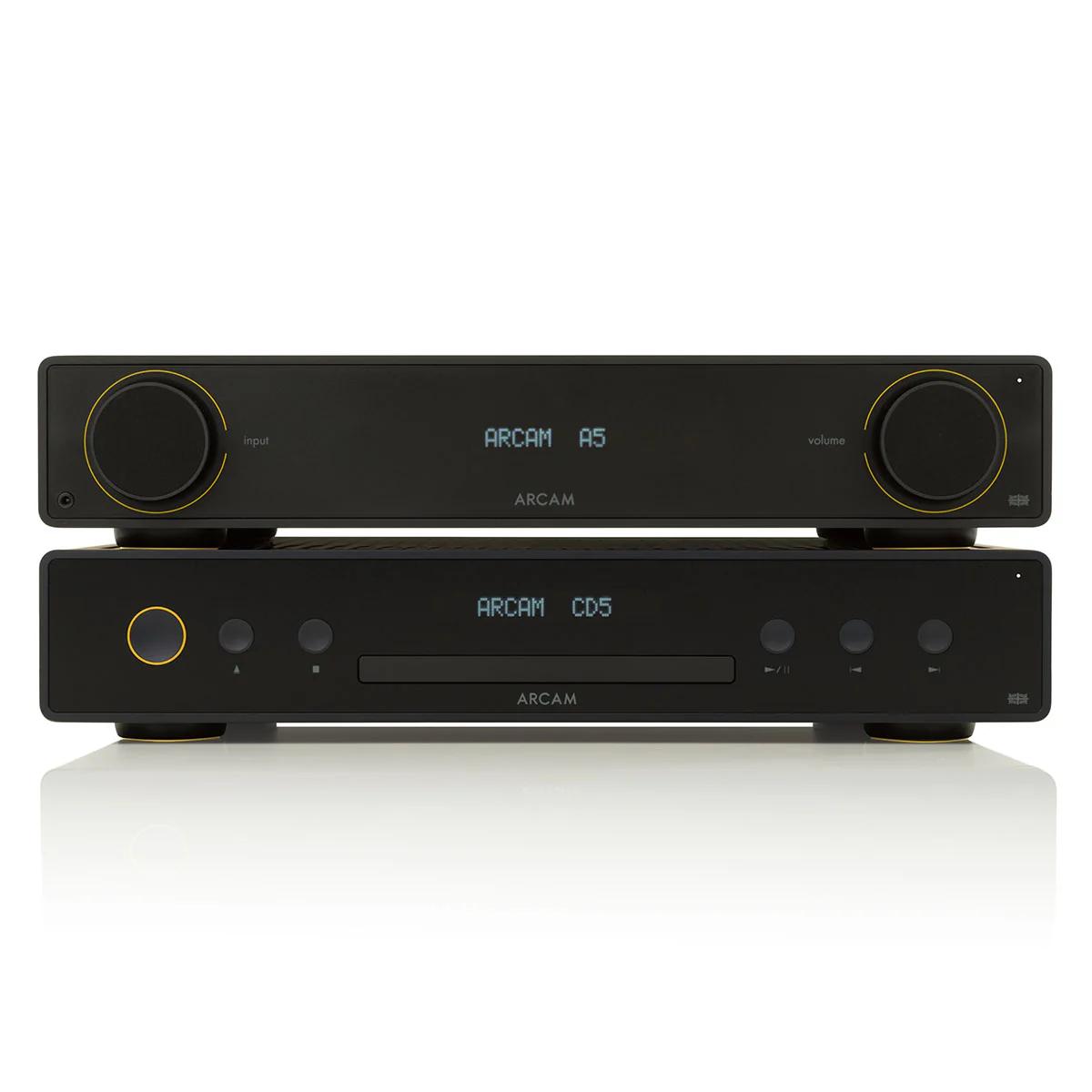
The Arcam A5 works best as a dedicated two-channel system for music, separate from your home theater. You might connect a streaming device or CD player for music listening, then switch to your main AV receiver for movies and TV.
The Bluesound PowerNode can actually replace an AV receiver for many users. Its HDMI eARC connection handles audio from your TV and all connected sources, while its streaming capabilities provide comprehensive music access. For users who primarily watch streaming content and don't need multiple HDMI inputs, the PowerNode simplifies the entire setup.
The PowerNode can even create wireless surround sound by pairing with compatible Bluesound speakers, though this works better for music than movies due to slight processing delays.
Choose the Arcam Radia A5 if sound quality is your primary concern and you're comfortable with traditional source management. It's perfect for vinyl enthusiasts (thanks to its excellent phono stage), listeners who already own quality digital sources, and anyone who values the warm, engaging sound of well-implemented Class AB amplification.
The A5 makes sense if you prefer physical controls and input switching, want exceptional build quality at a reasonable price, or plan to use it primarily for critical music listening rather than casual background audio.
Choose the Bluesound PowerNode if you want comprehensive streaming access, multi-room capability, and modern convenience features. It's ideal for users who primarily stream music, want to simplify their home theater setup with HDMI eARC, or need a system that other family members can easily operate through smartphone apps.
The PowerNode also makes sense if you're building a multi-room audio system, prefer app-based control over physical switching, or want a system that will gain new features through software updates.
Both amplifiers represent excellent implementations of their respective philosophies. Your choice ultimately depends on whether you prioritize traditional hi-fi sound quality and simplicity (A5) or modern streaming convenience and connectivity (PowerNode). Either way, you'll end up with an amplifier that can serve as the foundation for years of musical enjoyment.
| Arcam Radia A5 Integrated Amplifier | Bluesound PowerNode Wireless Music Streaming Amplifier |
|---|---|
| Power Output - Determines how loud and dynamic your music can sound | |
| 50W per channel @ 8Ω, 75W @ 4Ω (Class AB - conservative ratings that often exceed specs) | 80W per channel @ 8Ω (Class D - efficient but different sound character) |
| Amplifier Type - Affects sound quality, heat generation, and power efficiency | |
| Class AB (warm, dynamic sound with natural tonal balance) | Class D HybridDigital (clean, precise sound with high efficiency) |
| DAC Quality - Critical for digital music playback from streaming and files | |
| ESS Sabre ES9018 (audiophile-grade chip, 24-bit/192kHz, 109dB SNR) | 32-bit/384kHz differential output (broader format support including MQA, DSD256) |
| Streaming Capabilities - How you access modern music services | |
| Bluetooth 5.2 with aptX Adaptive only (two-way streaming) | Full network streaming platform with 20+ services, multi-room support |
| Analog Inputs - For CD players, turntables, and traditional sources | |
| 3 RCA line inputs + dedicated MM phono stage (perfect for vinyl users) | Basic analog inputs available but streaming is the focus |
| Digital Connectivity - For modern devices and high-res audio | |
| 1 optical + 2 coaxial inputs (solid but limited options) | HDMI eARC, optical, coaxial, USB, plus network streaming |
| Multi-Room Audio - Ability to sync music throughout your home | |
| None (single-room amplifier with preamp outputs) | Up to 64 zones with BluOS platform synchronization |
| Home Theater Integration - How well it works with TV and movie sources | |
| Best as dedicated music system separate from TV setup | HDMI eARC directly connects to TV, can replace AV receiver for many users |
| User Interface - How you control daily music playback | |
| Physical controls and remote, traditional input switching | Smartphone app control, voice assistants, preset streaming |
| Build Quality and Warranty - Long-term reliability and manufacturer confidence | |
| Premium construction, 5-year warranty (exceptional for the category) | Solid build quality, 1-year warranty with regular software updates |
| Best For - Primary use case where each product excels | |
| Audiophiles wanting traditional hi-fi sound with select modern features | Streaming-focused users who prioritize convenience and multi-room capability |
The Bluesound PowerNode delivers 80 watts per channel compared to the Arcam Radia A5's 50 watts per channel. However, the Arcam uses Class AB amplification which often sounds more powerful than its rating suggests, while the PowerNode uses efficient Class D amplification. Both provide adequate power for most speakers and room sizes.
The Arcam Radia A5 doesn't have built-in network streaming capabilities. It relies on Bluetooth 5.2 with aptX Adaptive for wireless streaming from phones and tablets. For dedicated streaming services, you'd need to connect a separate streaming device to one of its digital inputs.
Yes, the Bluesound PowerNode excels at multi-room audio. It can synchronize music with up to 64 other BluOS devices throughout your home, allowing you to play the same music everywhere or different music in each room, all controlled from a single smartphone app.
The Arcam Radia A5 is significantly better for vinyl playback. It includes a dedicated moving magnet phono stage that connects directly to turntables, eliminating the need for a separate phono preamp. The Bluesound PowerNode would require an external phono preamp for turntable use.
The Bluesound PowerNode is excellent for home theater use with its HDMI eARC connection that links directly to your TV, handling audio from all connected sources. The Arcam Radia A5 works better as a dedicated music system separate from your TV setup, though it can accept digital audio from TV sources through its optical input.
Sound quality depends on your preferences. The Arcam Radia A5 delivers a warmer, more engaging Class AB sound that many audiophiles prefer for critical listening. The Bluesound PowerNode provides clean, detailed, and neutral sound that's excellent for revealing differences in streaming sources and high-resolution files.
The Arcam Radia A5 offers unique two-way Bluetooth, meaning it can both receive music from devices and transmit to Bluetooth headphones. The Bluesound PowerNode also supports Bluetooth transmission to wireless headphones, plus it has additional wireless connectivity options through its streaming platform.
The Arcam Radia A5 typically costs less while delivering premium build quality, an excellent ESS DAC, and comprehensive analog connectivity. The Bluesound PowerNode costs more but includes extensive streaming capabilities and multi-room functionality. Value depends on whether you prioritize pure audio performance or streaming convenience.
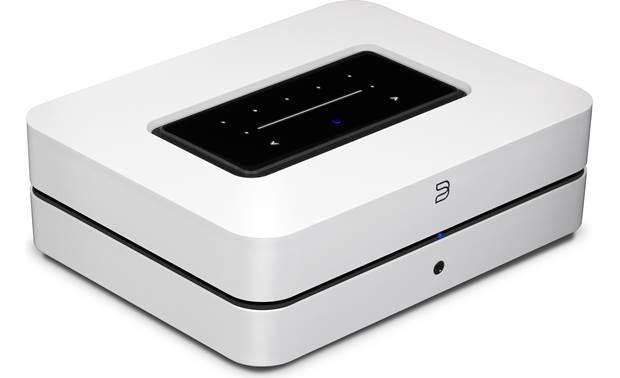
The Arcam Radia A5 uses traditional physical controls and a remote for input switching and volume. The Bluesound PowerNode is primarily controlled through the BluOS smartphone app, which manages streaming services, multi-room audio, and system settings, though it also has basic touch controls on the unit.
The Bluesound PowerNode is generally easier for streaming-focused users, with simple Wi-Fi setup and immediate access to music services through the app. The Arcam Radia A5 requires connecting physical sources but offers straightforward traditional operation once connected.
Both amplifiers support high-resolution audio. The Arcam Radia A5 handles up to 24-bit/192kHz through its ESS Sabre DAC via digital inputs. The Bluesound PowerNode supports even higher specifications up to 32-bit/384kHz and includes broader format support like MQA and DSD through its streaming platform.
For beginners who primarily stream music, the Bluesound PowerNode offers a complete, user-friendly solution with easy smartphone control and access to all major streaming services. For those interested in traditional hi-fi with multiple sources and vinyl, the Arcam Radia A5 provides excellent sound quality with room to grow their system over time.
We've done our best to create useful and informative comparisons to help you decide what product to buy. Our research uses advanced automated methods to create this comparison and perfection is not possible - please contact us for corrections or questions. These are the sites we've researched in the creation of this article: whathifi.com - upscaleaudio.com - hifiverse.io - theaudiotailor.com.au - crutchfield.com - musicdirect.com - crutchfield.com - listenup.com - audioadvice.com - houseofstereo.com - skybygramophone.com - arcam.co.uk - fidelity-magazine.com - arcam.co.uk - sweetwater.com - skybygramophone.com - crutchfield.com - upscaleaudio.com - bluesound.com - bluesound.com - stereophile.com - theaudiofactory.com - audioadvisor.com - musicdirect.com - twitteringmachines.com - futureaudiophile.com - bluesound.com - bluesound.com - moon-audio.com - audioadvisor.com - ecoustics.com

Privacy Policy
Terms and Conditions - Affiliate Policy
Home Security
© Copyright 2008-2026.
11816 Inwood Rd #1211, Dallas, TX 75244