

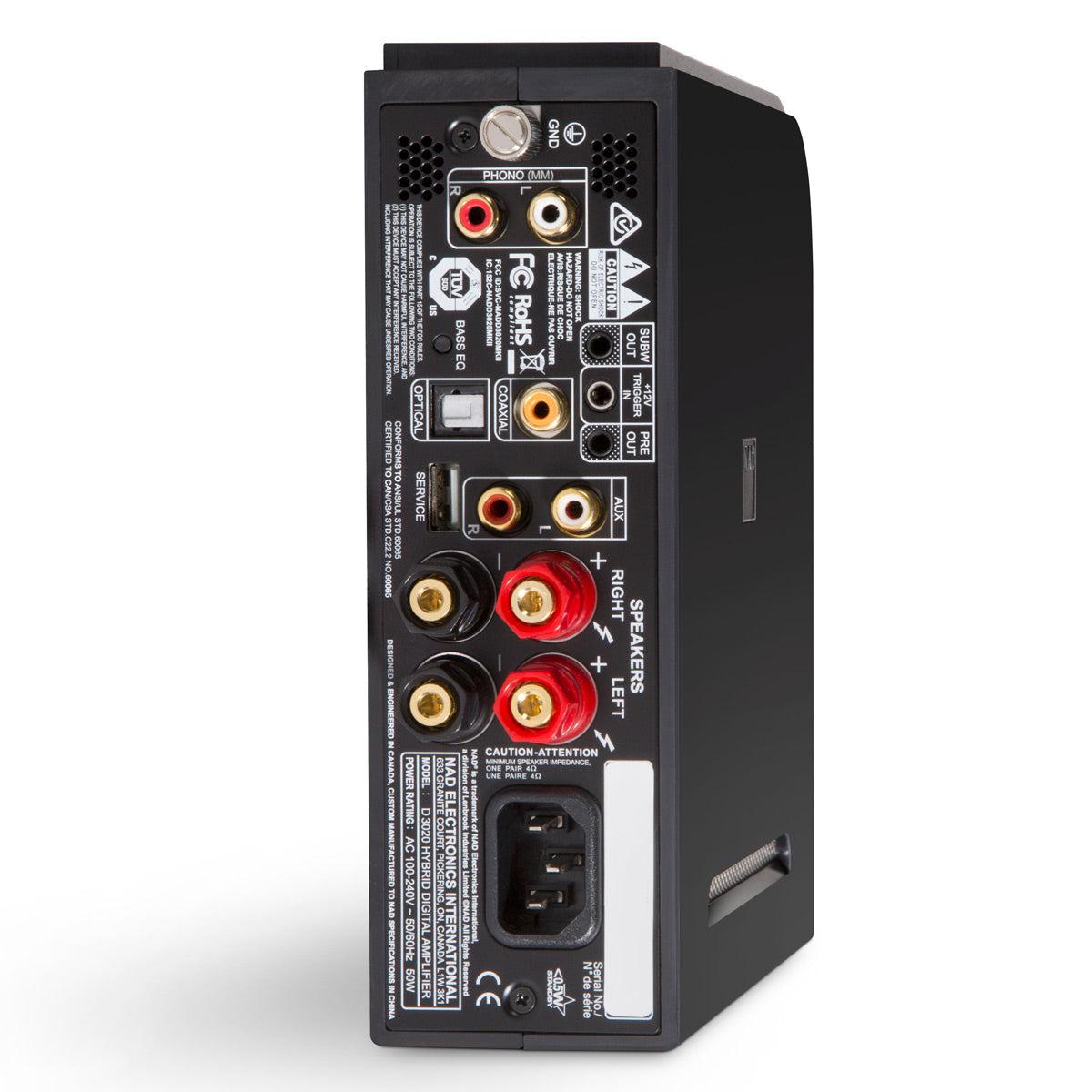
The integrated amplifier market has evolved dramatically over the past decade. What once meant simply combining a preamp and power amp in one box now encompasses streaming, wireless connectivity, and smart home integration. Today's buyers face a choice between traditional hi-fi values and modern connected convenience—a decision perfectly illustrated by comparing the Bluesound PowerNode and NAD D 3020 V2.
An integrated amplifier serves as the control center of any stereo system, combining volume control, source switching, and power amplification in a single unit. Think of it as the conductor of your audio orchestra—it takes weak signals from your sources and amplifies them to drive your speakers while managing which source you're listening to.
The key considerations when shopping haven't changed much: you need enough power for your speakers and room, good sound quality, and the right inputs for your sources. What has changed is how we define "sources." Where we once worried about CD players and turntables, today's buyers often prioritize streaming services, wireless connectivity, and integration with TVs and smart home systems.
Power matching remains crucial. Too little power and your music sounds compressed and lifeless at higher volumes. Too much power rarely hurts (contrary to popular belief), but you'll pay for watts you don't need. Room size, speaker efficiency, and listening preferences all factor into this calculation.
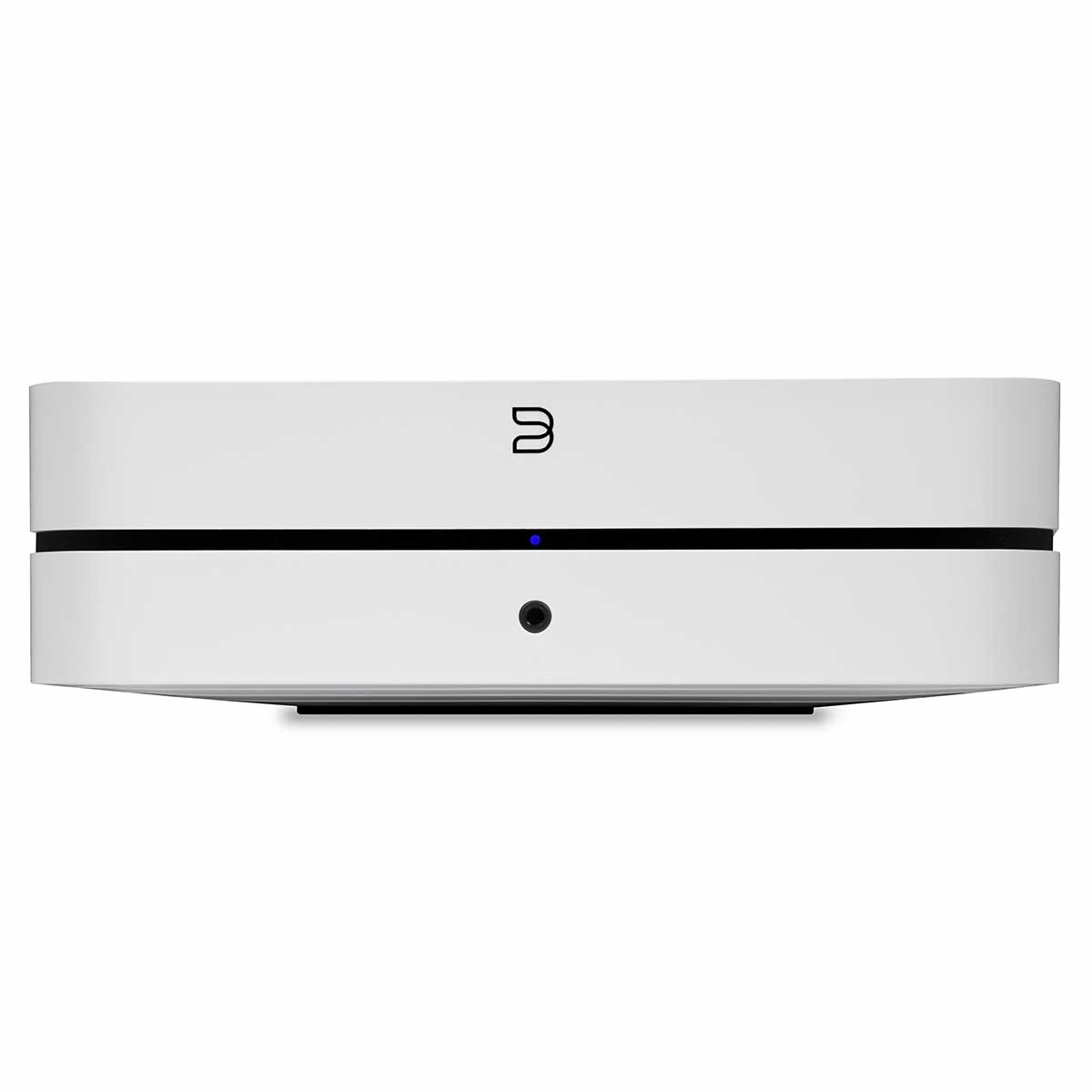
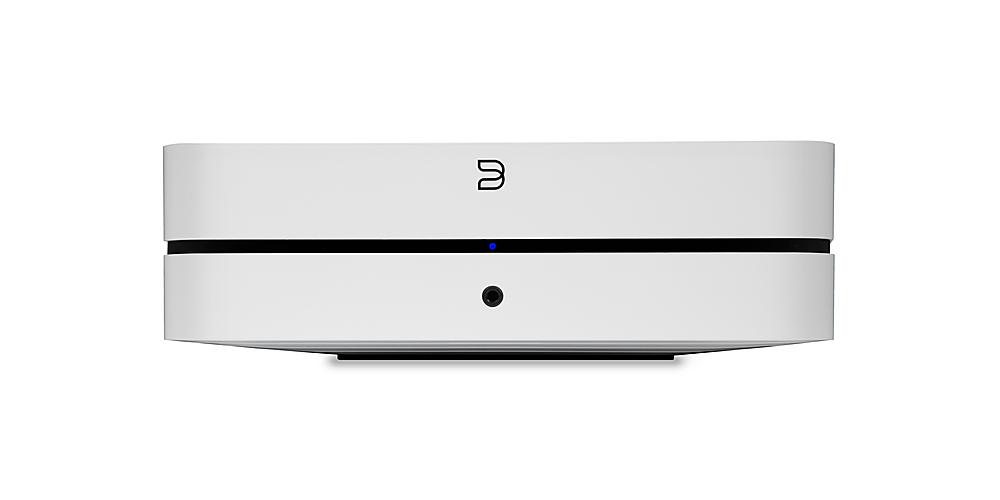
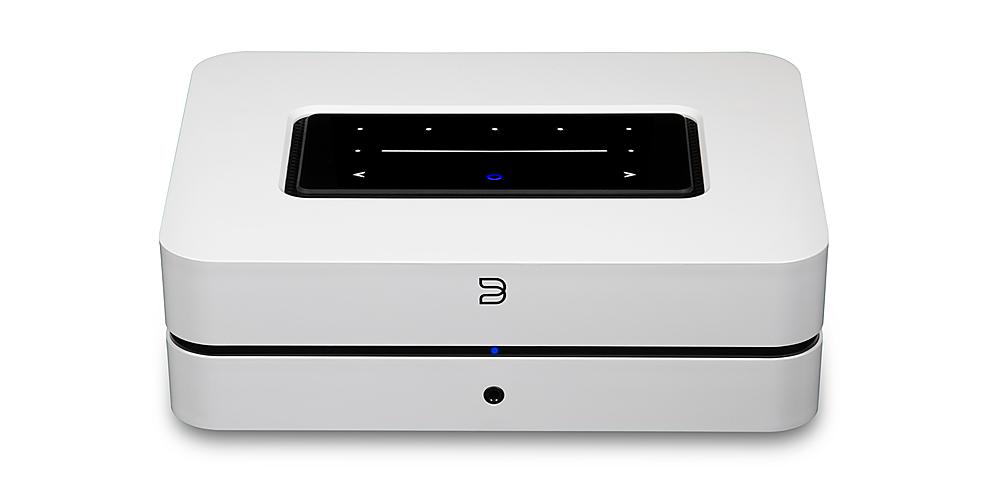
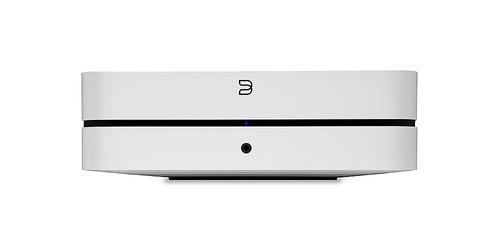
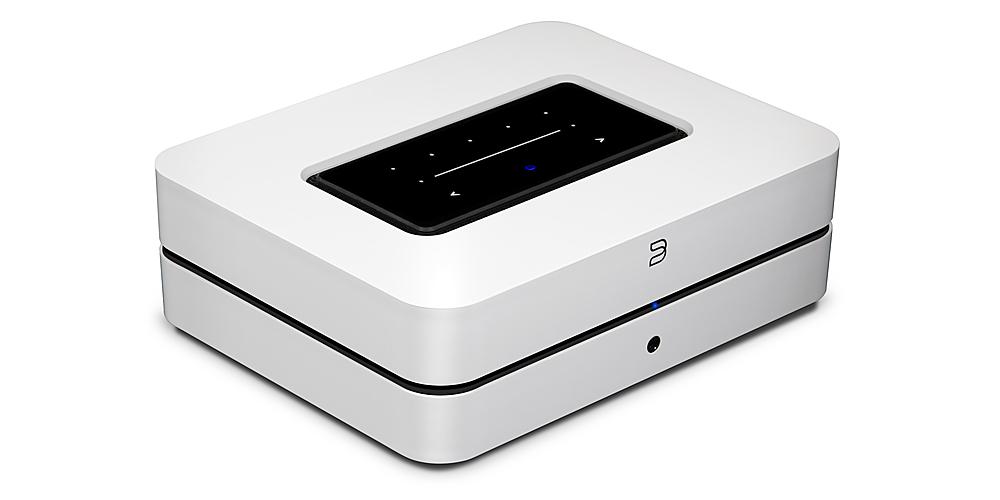
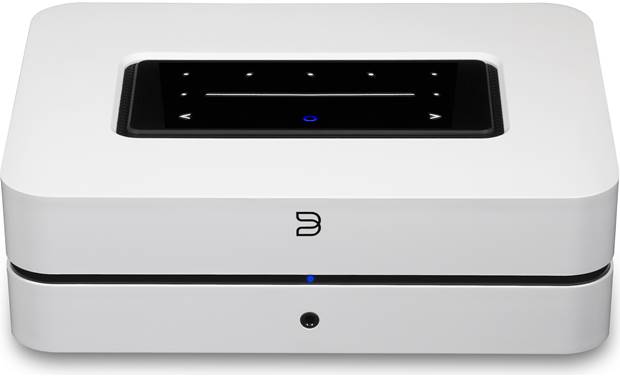
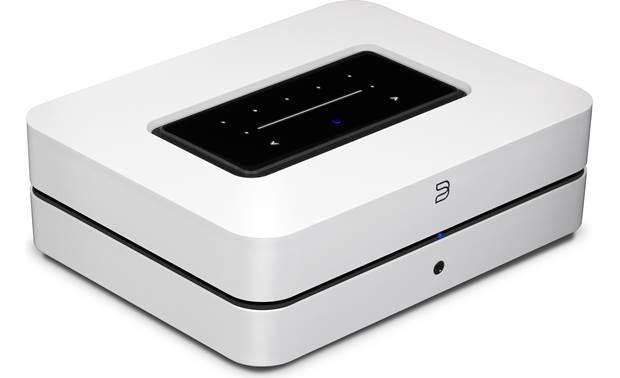
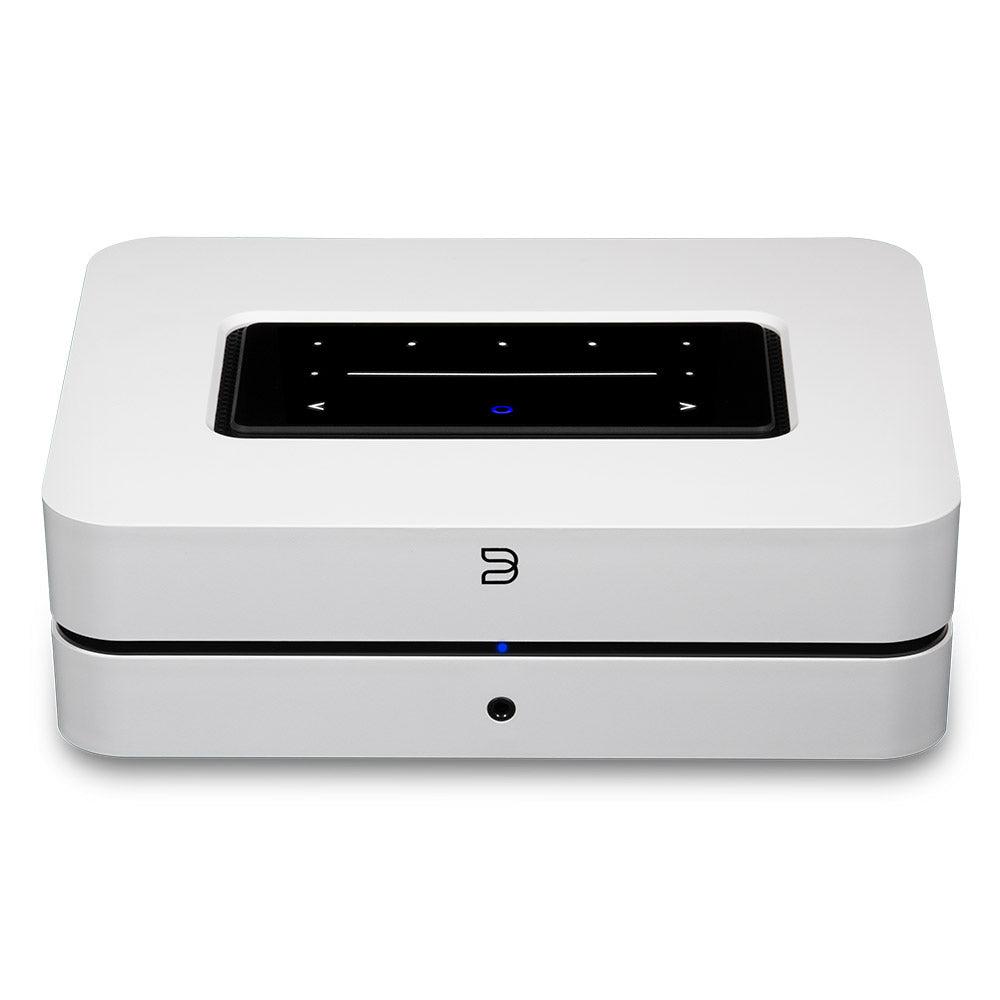
The Bluesound PowerNode, released in 2021 with updates through 2025, represents the streaming-first approach to modern hi-fi. At the time of writing, it commands a premium price that reflects its comprehensive feature set and multi-room capabilities. This isn't just an amplifier—it's a complete streaming ecosystem designed for the connected home.
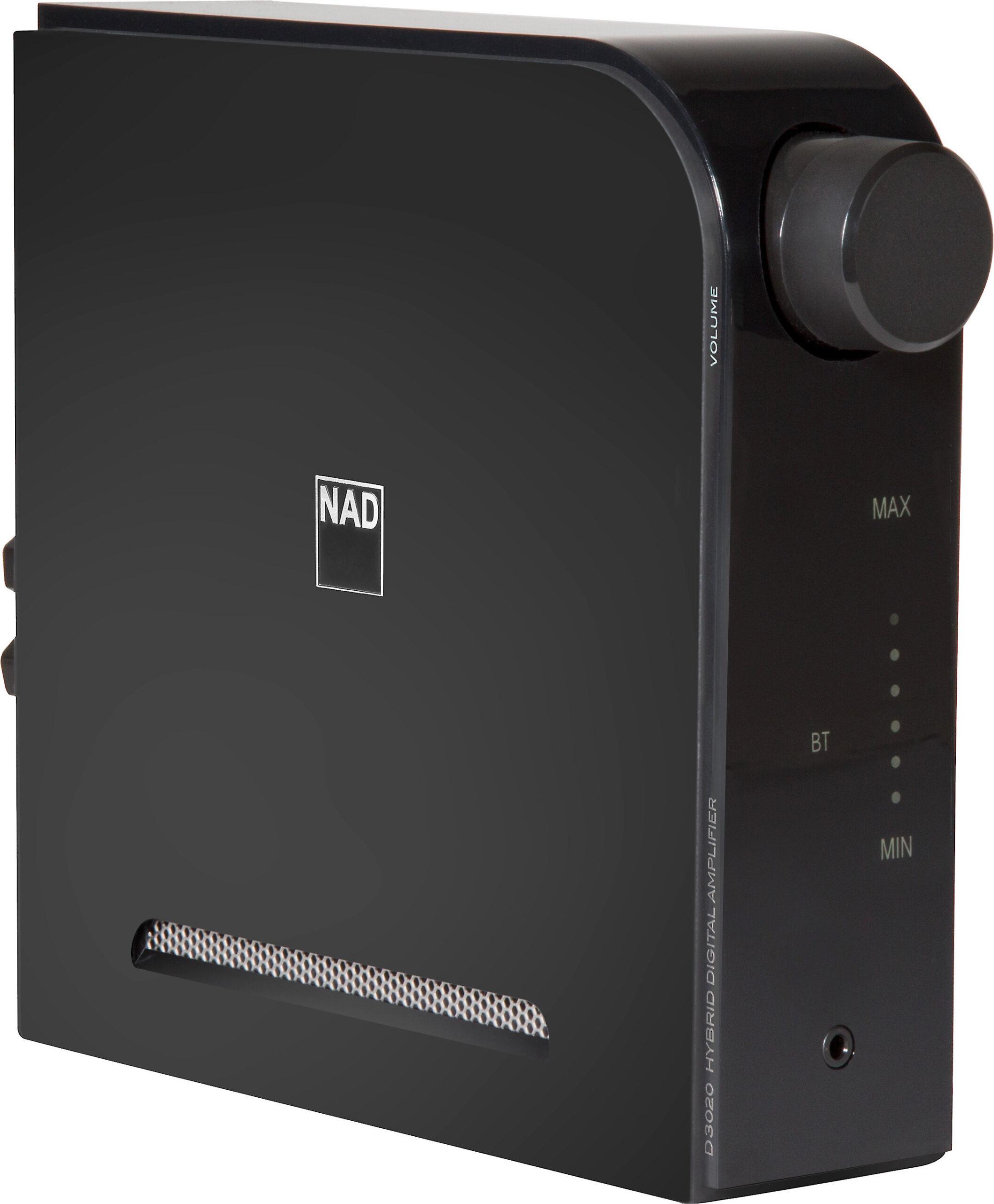
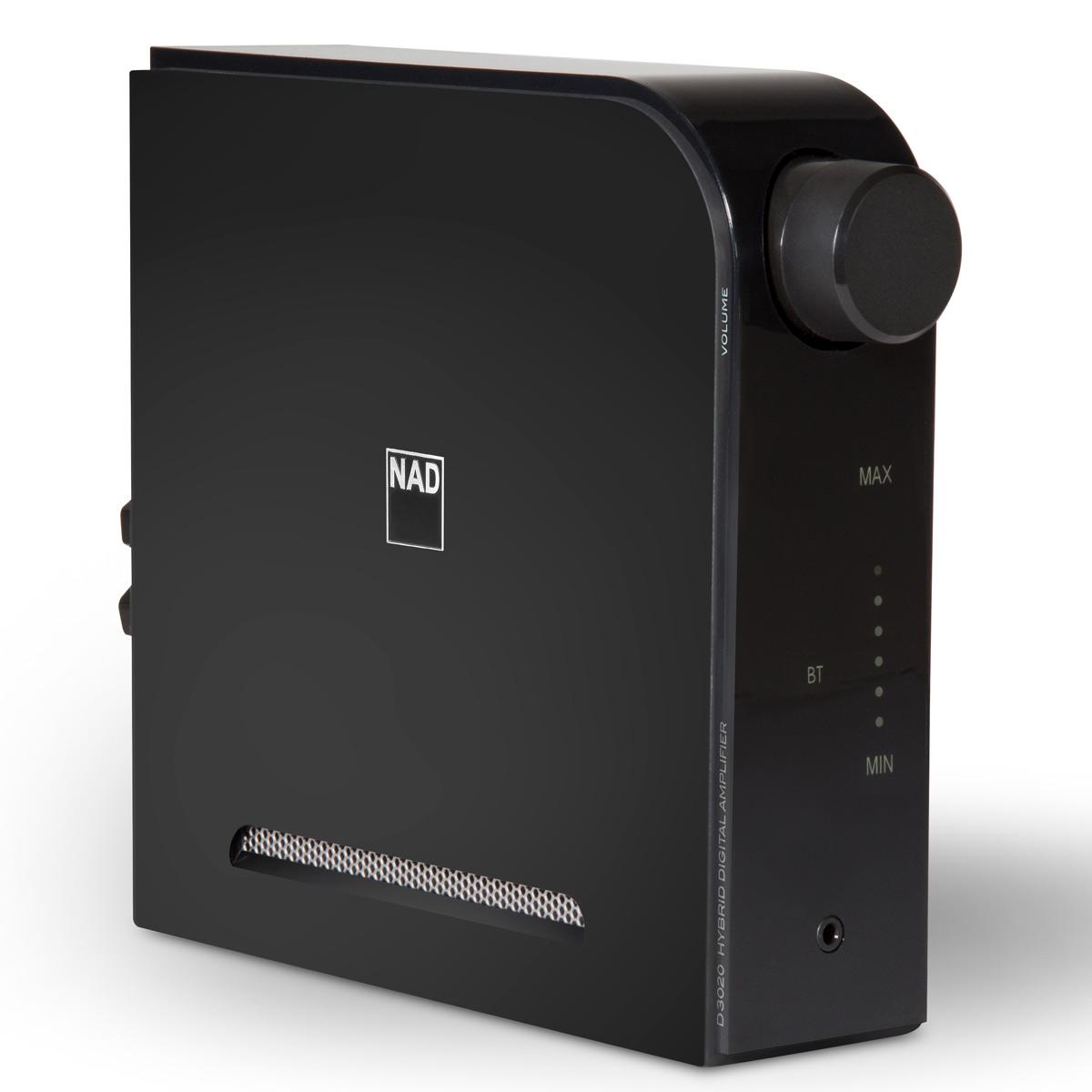
The NAD D 3020 V2, building on the legendary 3020 amplifier heritage, takes a more traditional approach while embracing essential modern features. Released several years earlier, it offers exceptional value for those prioritizing fundamental hi-fi performance over streaming sophistication. Its price point, at the time of writing, makes it accessible to a broader audience while maintaining NAD's reputation for musical sound quality.
The power difference between these amplifiers is substantial and shapes everything about their performance character. The PowerNode delivers 100 watts per channel using DirectDigital amplification with gallium nitride (GaN) transistor technology. GaN transistors switch faster and more efficiently than traditional silicon, reducing distortion and heat while enabling higher power density in a compact package.
This isn't just about bragging rights. That extra power headroom translates to better control over your speakers, especially during dynamic musical passages. If you've ever noticed your music sounding compressed during loud crescendos, insufficient power is often the culprit. The PowerNode's robust power supply can deliver instantaneous peaks up to 120 watts, ensuring those musical moments retain their impact.
The D 3020 V2 takes a different approach with its 30-watt Class D design enhanced by NAD's PowerDrive circuitry. PowerDrive is NAD's clever way of maximizing available power by monitoring speaker impedance in real-time and adjusting output accordingly. While 30 watts sounds modest on paper, PowerDrive helps it punch above its weight class, especially with easier-to-drive speakers.
Class D amplification, used in both products, deserves explanation. Unlike traditional Class A/B amplifiers that waste significant energy as heat, Class D amps use rapid switching to achieve efficiencies above 90%. This means more power goes to your speakers rather than heating your room, enabling compact designs that were impossible with traditional amplification.
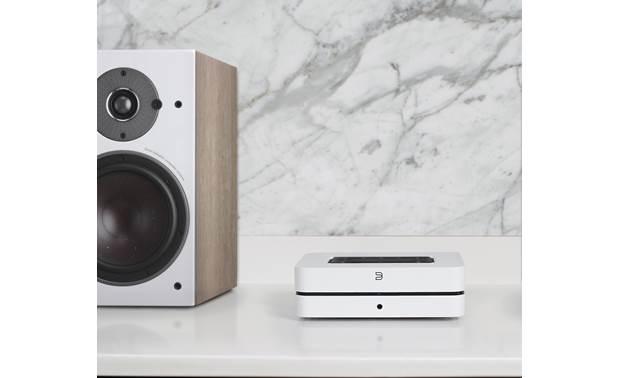
The power difference becomes critical with speaker choice. Inefficient speakers (those requiring more power to reach the same volume) or larger rooms clearly favor the PowerNode. However, if you're using efficient bookshelf speakers in a small-to-medium room, the D 3020 V2's power proves entirely adequate while offering other advantages.
Digital audio performance has become increasingly important as high-resolution streaming gains mainstream adoption. The PowerNode clearly leads here with its 32-bit/384kHz DAC (digital-to-analog converter) supporting formats up to DSD256 and MQA. These specifications matter because they determine how accurately your amplifier can reproduce the original recording.
MQA (Master Quality Authenticated) deserves special attention. This technology compresses high-resolution audio files for streaming while maintaining most of their quality. Tidal uses MQA extensively, making native MQA decoding valuable for serious streaming listeners. The PowerNode handles MQA authentication and unfolding internally, ensuring you hear these recordings as intended.
The D 3020 V2 uses a Cirrus Logic CS42528 DAC configured in dual differential mode—a sophisticated setup typically found in higher-end equipment. This configuration uses eight DAC channels mixed to two, reducing noise and improving linearity. While it doesn't support the exotic formats of the PowerNode, it handles standard high-resolution files up to 24-bit/192kHz very competently.
What these technical differences mean in practice is nuance and detail retrieval. High-resolution recordings often contain subtle spatial cues and harmonic information that lower-quality DACs miss. The PowerNode's superior DAC implementation should theoretically reveal more of these details, though the audible differences depend heavily on your source material and listening setup.
Here's where the PowerNode truly separates itself. Built around Bluesound's BluOS platform, it transforms from a simple amplifier into a comprehensive streaming hub. BluOS supports over 20 streaming services including Tidal, Qobuz, Spotify, Amazon Music, and Deezer, with seamless switching between them through a unified interface.
The multi-room capability deserves emphasis. You can synchronize music playback across up to 64 BluOS zones throughout your home, creating a whole-house audio system that rivals dedicated solutions costing thousands more. This isn't just marketing fluff—the implementation is rock-solid with minimal latency between zones.
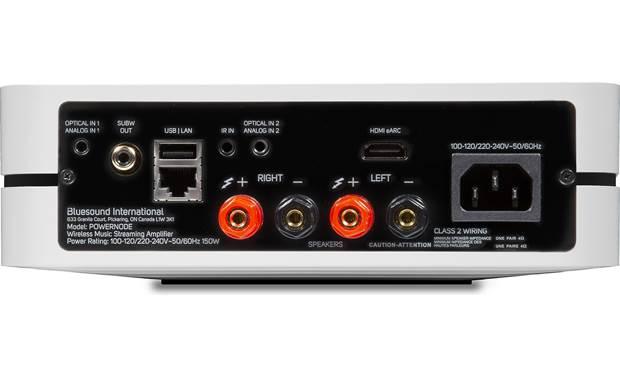
The PowerNode's HDMI eARC connection represents a significant convenience improvement for home theater integration. eARC (enhanced Audio Return Channel) allows your TV to send high-quality audio back to the amplifier, eliminating the need for a separate AV receiver in many setups. You can enjoy high-resolution audio from streaming apps on your TV while using the same amplifier for dedicated music listening.
The D 3020 V2 takes a more modest approach with Bluetooth featuring aptX codec support. AptX significantly improves Bluetooth audio quality by reducing compression artifacts, making wireless streaming genuinely enjoyable rather than just convenient. However, it lacks the comprehensive streaming platform of the PowerNode.
Despite our digital-focused world, analog performance remains crucial, especially for vinyl enthusiasts. The D 3020 V2 includes a moving magnet (MM) phono stage that consistently outperforms external phono preamps costing hundreds more. This isn't hyperbole—the implementation includes precise RIAA equalization (the standard record playback curve), an infrasonic warp filter to reduce turntable rumble, and exceptionally low noise performance.
NAD's analog heritage shows in the D 3020 V2's musical presentation. Reviews consistently praise its ability to convey rhythm and timing—those intangible qualities that make music emotionally engaging. This stems from careful attention to the signal path, including DC coupling from input to output with no capacitors in the forward signal chain that could introduce phase shifts or coloration.
The PowerNode lacks a phono input entirely, requiring an external phono preamp for turntable use. While this isn't necessarily a disadvantage (dedicated phono stages can offer superior performance), it adds complexity and cost for vinyl listeners.
The PowerNode's HDMI eARC connection transforms home theater integration. Instead of needing a separate AV receiver for TV audio and a stereo amplifier for music, the PowerNode handles both roles seamlessly. It can even create wireless surround sound systems by pairing with other Bluesound speakers, though this feature appeals more to convenience-focused users than home theater purists.
For serious home theater use, neither amplifier truly excels. Dedicated AV receivers offer superior surround processing, multiple HDMI inputs, and theater-specific features. However, for users prioritizing music with occasional TV audio, the PowerNode's integration proves remarkably convenient.
The D 3020 V2 offers no TV integration beyond connecting to a TV's analog or digital audio outputs. While this works, it lacks the seamless experience of HDMI eARC.
At the time of writing, the PowerNode commands a premium price that reflects its comprehensive feature set. This pricing makes sense when considering the alternatives: a quality integrated amplifier plus a dedicated streamer plus multi-room capability would likely cost significantly more when purchased separately.
The PowerNode particularly shines for users embracing the streaming lifestyle. If you subscribe to high-resolution streaming services, want multi-room audio, and need TV integration, its premium pricing becomes justifiable. The regular software updates and expanding service support also provide future-proofing that traditional amplifiers can't match.
The D 3020 V2's value proposition centers on delivering exceptional traditional hi-fi performance at an accessible price point. The built-in phono stage alone saves the cost of a decent external unit, while NAD's renowned musicality ensures long-term listening satisfaction. For users who prioritize sound quality over streaming convenience, this approach makes perfect sense.
Choose the Bluesound PowerNode if you're building a modern, connected audio system. Its comprehensive streaming platform, multi-room capabilities, and TV integration address real lifestyle needs for contemporary users. The superior power output also makes it suitable for larger rooms or demanding speakers. However, you'll pay significantly more and need to embrace app-based control for full functionality.
The NAD D 3020 V2 makes more sense for traditional hi-fi enthusiasts who happen to want some modern conveniences. Its exceptional phono stage, compact footprint, and musical sound signature appeal to users who prioritize fundamental audio performance over streaming sophistication. The value proposition is outstanding if your needs align with its capabilities.
Room size and speaker choice influence this decision significantly. The PowerNode's extra power becomes crucial with inefficient speakers or larger listening spaces, while the D 3020 V2 works beautifully with efficient bookshelf speakers in smaller rooms.
Your source preferences matter equally. Vinyl enthusiasts should seriously consider the D 3020 V2 for its excellent phono stage, while streaming-focused listeners will appreciate the PowerNode's comprehensive platform and high-resolution format support.
Both amplifiers represent their philosophies well: the PowerNode as a premium streaming solution that happens to be an excellent amplifier, and the D 3020 V2 as an excellent amplifier that happens to have useful modern features. Understanding which philosophy better matches your priorities will guide you to the right choice.
The integrated amplifier market continues evolving rapidly, but these two products establish clear benchmarks for their respective approaches. Whether you prioritize streaming sophistication or traditional hi-fi values, both offer compelling paths to musical satisfaction.
| Bluesound PowerNode | NAD D 3020 V2 |
|---|---|
| Power Output - Critical for driving speakers and room-filling volume | |
| 100W per channel (excellent for larger rooms and demanding speakers) | 30W per channel with PowerDrive (adequate for efficient speakers in smaller rooms) |
| Amplifier Technology - Affects efficiency and sound character | |
| DirectDigital with GaN transistors (ultra-low distortion, high efficiency) | Class D with PowerDrive circuitry (maximizes available power delivery) |
| Streaming Platform - Determines music service access and convenience | |
| Full BluOS ecosystem with 20+ services including Tidal, Qobuz, Spotify | Bluetooth with aptX only (requires phone/tablet for streaming) |
| Digital Audio Support - Important for high-resolution music quality | |
| Up to 32-bit/384kHz, MQA, DSD256 (future-proof for all formats) | Up to 24-bit/192kHz via optical/coaxial (handles most high-res content) |
| Phono Input - Essential for turntable users | |
| None (requires external phono preamp) | Built-in MM phono stage with RIAA equalization (excellent performance) |
| TV Integration - Simplifies home theater setup | |
| HDMI eARC (seamless TV audio, replaces need for AV receiver) | None (requires separate audio connection from TV) |
| Multi-Room Audio - Expands system throughout home | |
| Full BluOS multi-room up to 64 zones (professional-grade synchronization) | None (single room only) |
| Physical Design - Affects placement flexibility | |
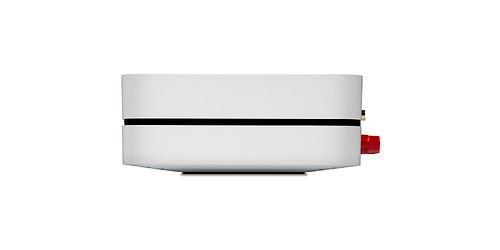
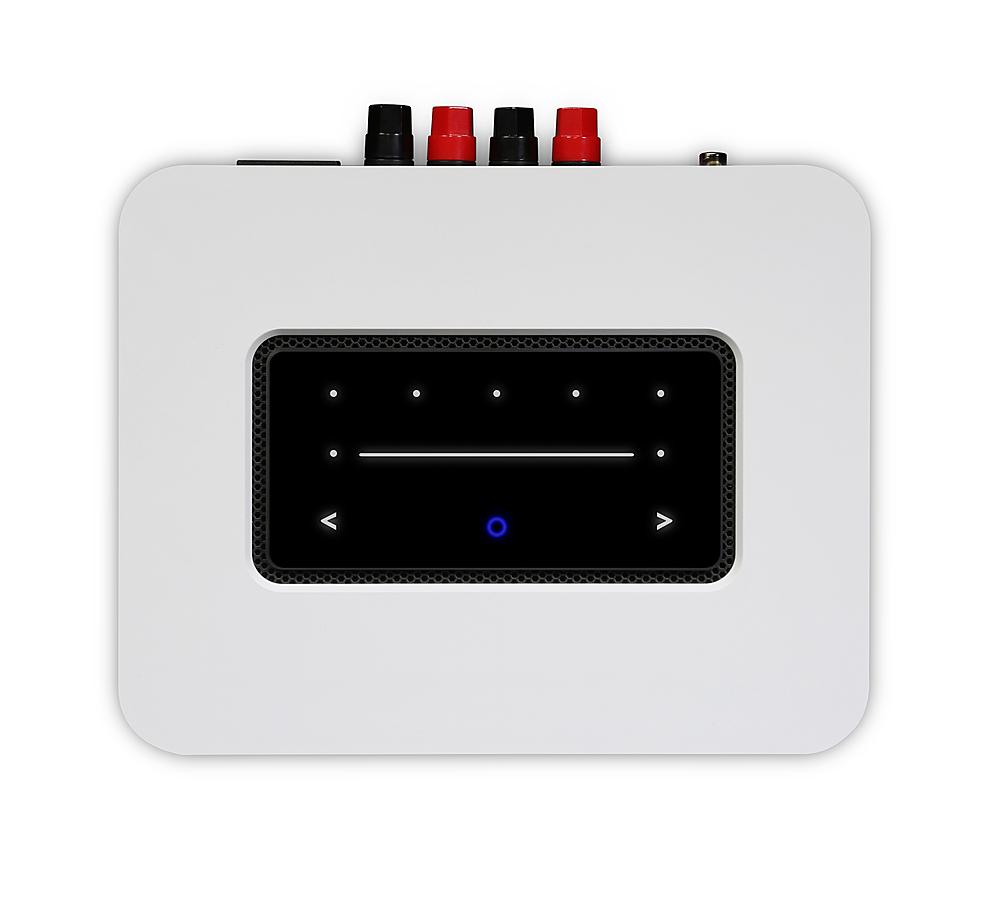
| Compact horizontal chassis with touch controls | Ultra-compact vertical design ideal for desktop use |
| Voice Control - Modern smart home integration | |
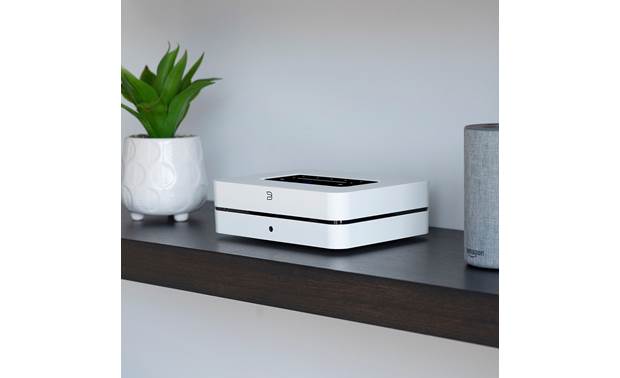
| Amazon Alexa, Apple Siri via AirPlay 2 | None |
| Headphone Output - Personal listening quality | |
| 6.3mm with THX AAA technology (audiophile-grade performance) | 3.5mm standard output |
| Room Correction - Optimizes sound for your space | |
| Future Dirac Live support via software update | Basic Bass EQ for small speaker enhancement |
| Value Proposition - Who gets the best deal | |
| Premium streaming solution replacing multiple components | Exceptional traditional hi-fi performance at accessible price point |
The Bluesound PowerNode delivers significantly more power at 100 watts per channel compared to the NAD D 3020 V2 at 30 watts per channel. This power difference means the PowerNode can drive larger speakers and fill bigger rooms more effectively, while the D 3020 V2 works best with efficient bookshelf speakers in smaller spaces.
Only the NAD D 3020 V2 has a built-in phono stage for connecting turntables directly. The Bluesound PowerNode lacks a phono input, so you'd need to purchase a separate phono preamp to use a turntable. The D 3020 V2's phono stage is highly regarded and often outperforms standalone units costing much more.
The Bluesound PowerNode excels at streaming with its built-in BluOS platform that directly accesses over 20 streaming services including Spotify, Tidal, Qobuz, and Amazon Music. The NAD D 3020 V2 only offers Bluetooth streaming, requiring you to use your phone or tablet as the streaming source. For dedicated streaming, the PowerNode provides a much more convenient experience.
Yes, the Bluesound PowerNode features HDMI eARC connectivity for seamless TV integration, allowing high-quality audio from your TV's streaming apps. The NAD D 3020 V2 can connect to TVs through optical or analog outputs but lacks the convenience of HDMI eARC. For home theater use, the PowerNode offers superior TV integration.
This depends on your priorities. The NAD D 3020 V2 offers exceptional value for traditional hi-fi listening with its built-in phono stage, quality amplification, and compact design. The Bluesound PowerNode costs significantly more but includes comprehensive streaming, multi-room capabilities, and TV integration that would require multiple separate components otherwise.
No separate streamer is needed with the Bluesound PowerNode since it includes the complete BluOS streaming platform. The NAD D 3020 V2 has basic Bluetooth streaming but would benefit from a dedicated network streamer for the best streaming experience and access to high-resolution services.
The NAD D 3020 V2 is specifically designed for smaller spaces with its compact vertical form factor and adequate power for nearfield listening. While the Bluesound PowerNode can work in small rooms, its higher power output is better utilized in larger spaces, making the D 3020 V2 more practical for desktop or small room use.
Only the Bluesound PowerNode supports true multi-room audio through the BluOS platform, allowing synchronization with up to 64 zones throughout your home. The NAD D 3020 V2 is a single-room solution with no multi-room capabilities. If whole-home audio is important, the PowerNode is the clear choice.
The Bluesound PowerNode supports more advanced digital formats including MQA, DSD256, and files up to 32-bit/384kHz. The NAD D 3020 V2 handles standard high-resolution audio up to 24-bit/192kHz, which covers most digital music files. For the highest quality streaming and digital files, the PowerNode has broader format support.
The Bluesound PowerNode integrates with Amazon Alexa and Apple Siri through AirPlay 2 for voice control of music playback. The NAD D 3020 V2 has no voice assistant integration, requiring manual control through its front panel or remote. Smart home users will prefer the PowerNode's voice control capabilities.
The NAD D 3020 V2 offers simpler setup with traditional analog connections and straightforward controls. The Bluesound PowerNode requires network setup and app configuration but provides more convenience once configured. For users preferring traditional hi-fi simplicity, the D 3020 V2 is more straightforward, while tech-comfortable users will appreciate the PowerNode's advanced features.
The Bluesound PowerNode receives regular software updates that add new streaming services, features, and improvements, with future Dirac Live room correction planned. The NAD D 3020 V2 has fixed functionality with no software updates available. For long-term ownership and evolving features, the PowerNode offers better future-proofing through its updateable platform.
We've done our best to create useful and informative comparisons to help you decide what product to buy. Our research uses advanced automated methods to create this comparison and perfection is not possible - please contact us for corrections or questions. These are the sites we've researched in the creation of this article: crutchfield.com - upscaleaudio.com - bluesound.com - bluesound.com - stereophile.com - theaudiofactory.com - audioadvisor.com - musicdirect.com - twitteringmachines.com - futureaudiophile.com - bluesound.com - bluesound.com - moon-audio.com - audioadvisor.com - ecoustics.com - hifinews.com - youtube.com - forum.psaudio.com - crutchfield.com - forum.audiogon.com - crutchfield.com - iiwireviews.com - crutchfield.ca - audiosciencereview.com - soundstagesimplifi.com - nadelectronics.com - hifiheaven.net - crutchfield.com - projectorscreen.com - upscaleaudio.com - dedicatedaudio.com - twitteringmachines.com - nadelectronics.com

Privacy Policy
Terms and Conditions - Affiliate Policy
Home Security
© Copyright 2008-2026.
11816 Inwood Rd #1211, Dallas, TX 75244