

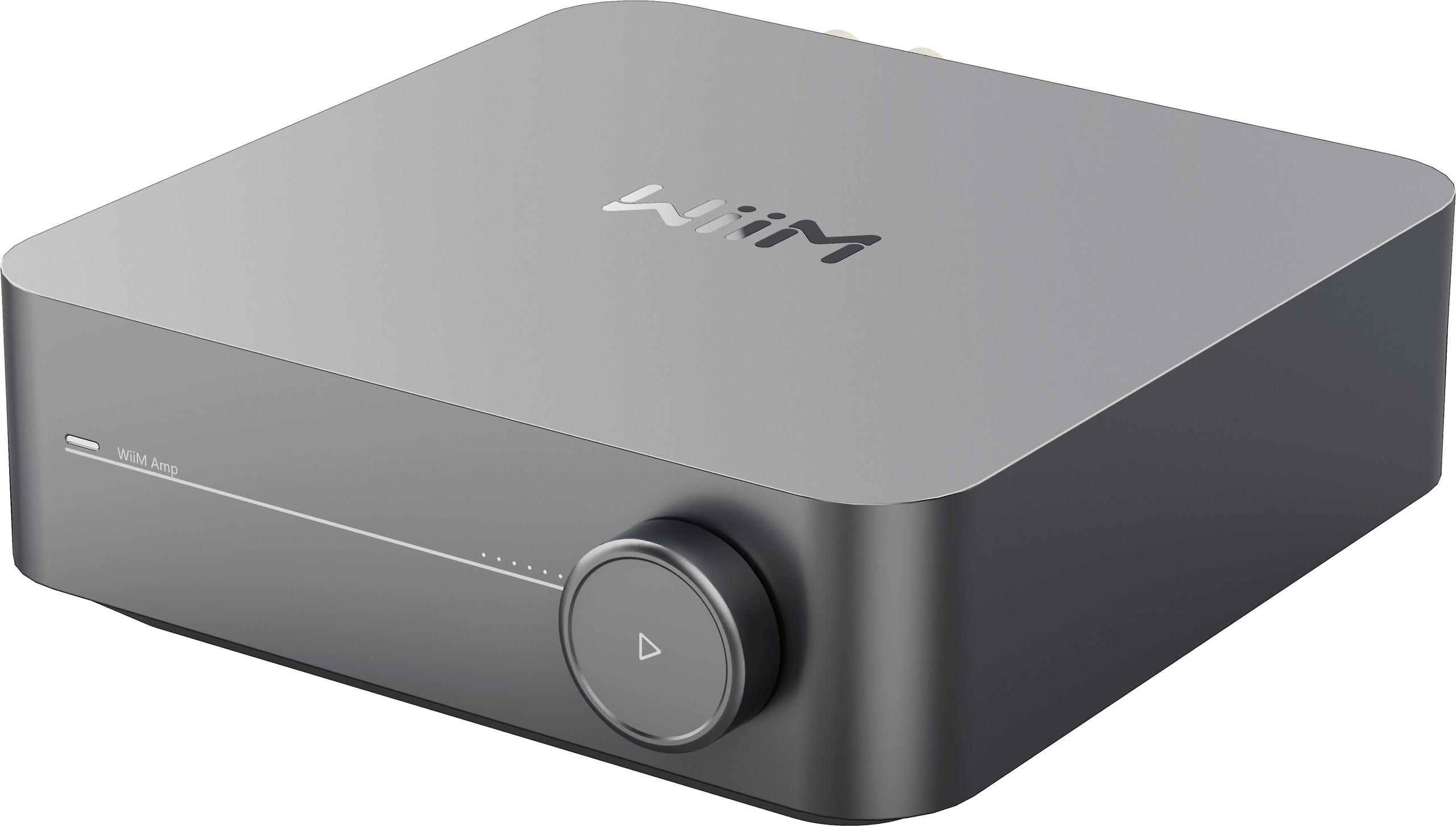
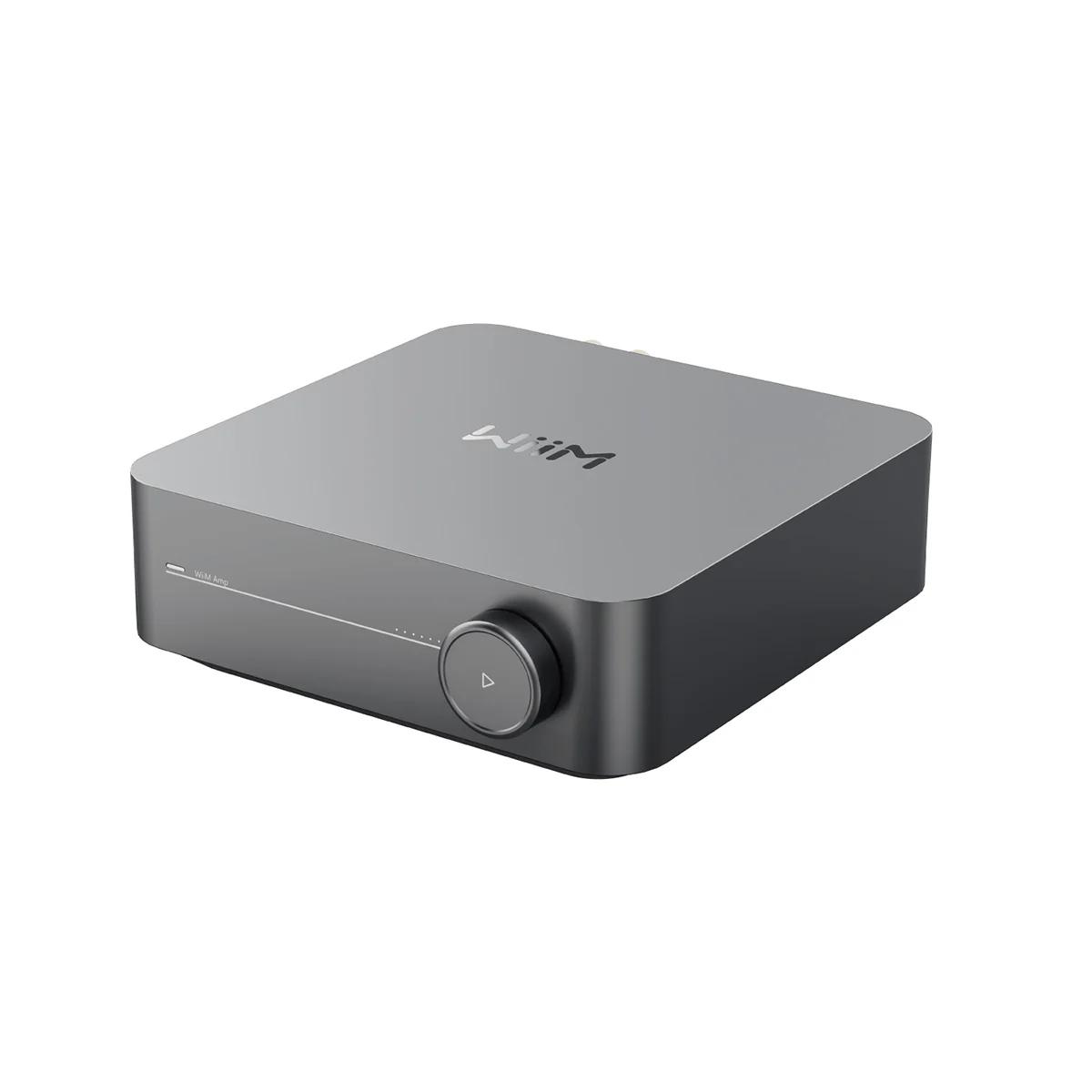
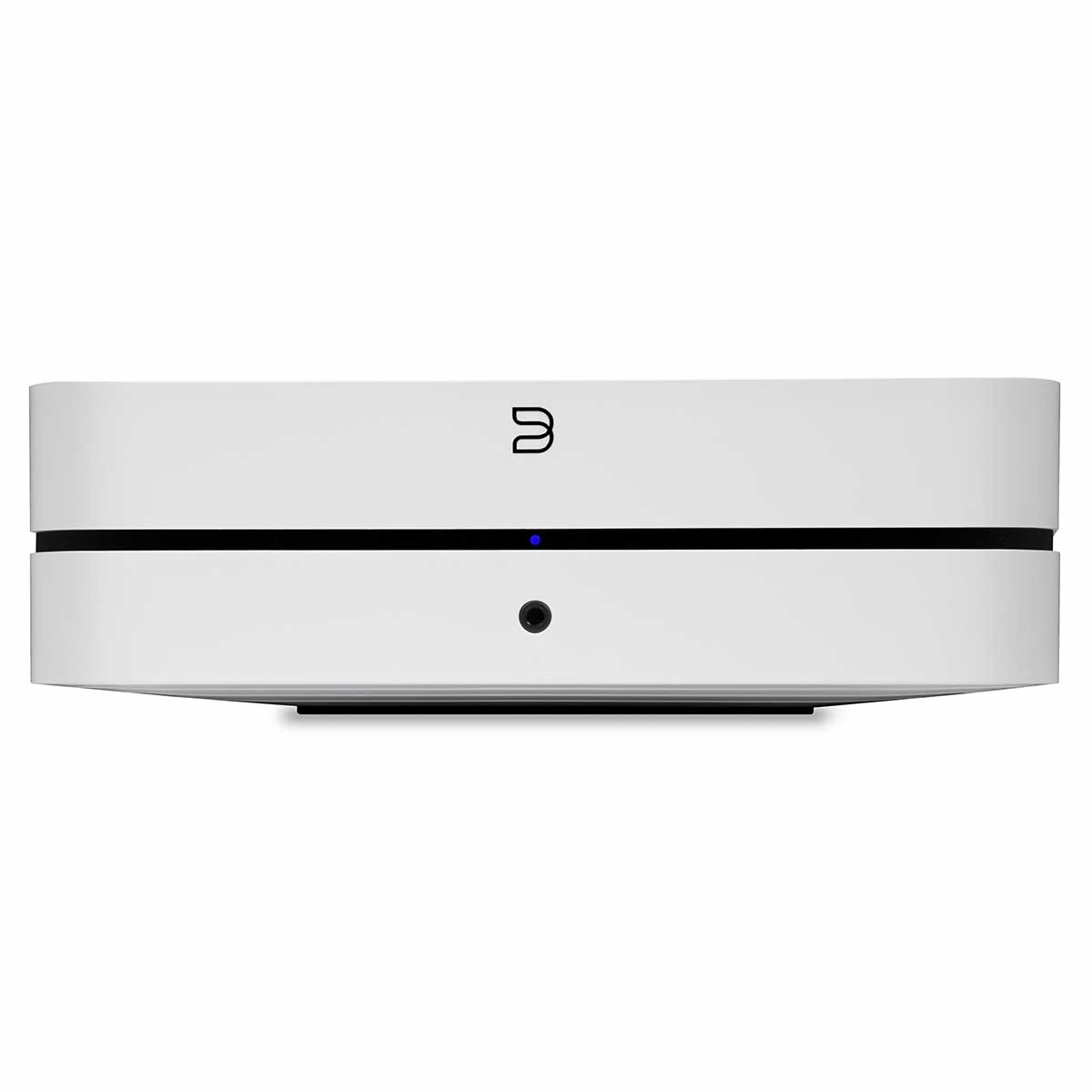
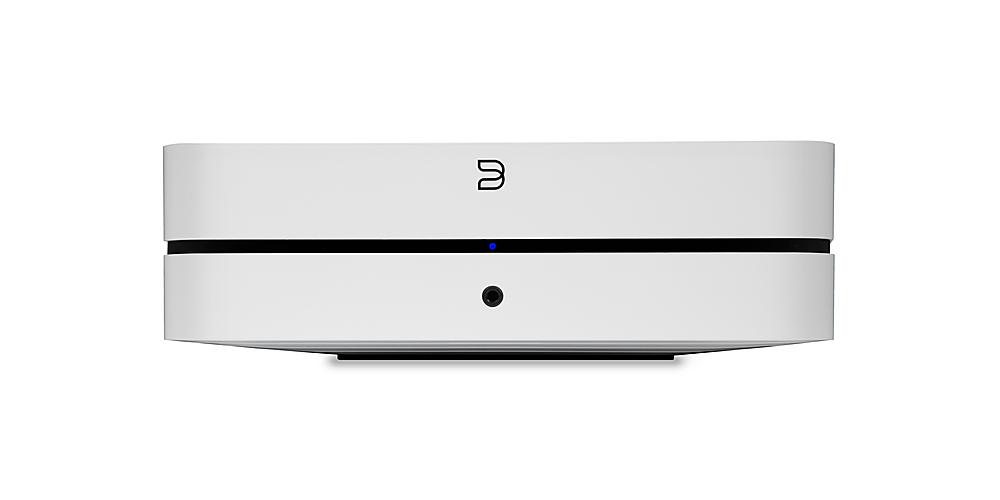

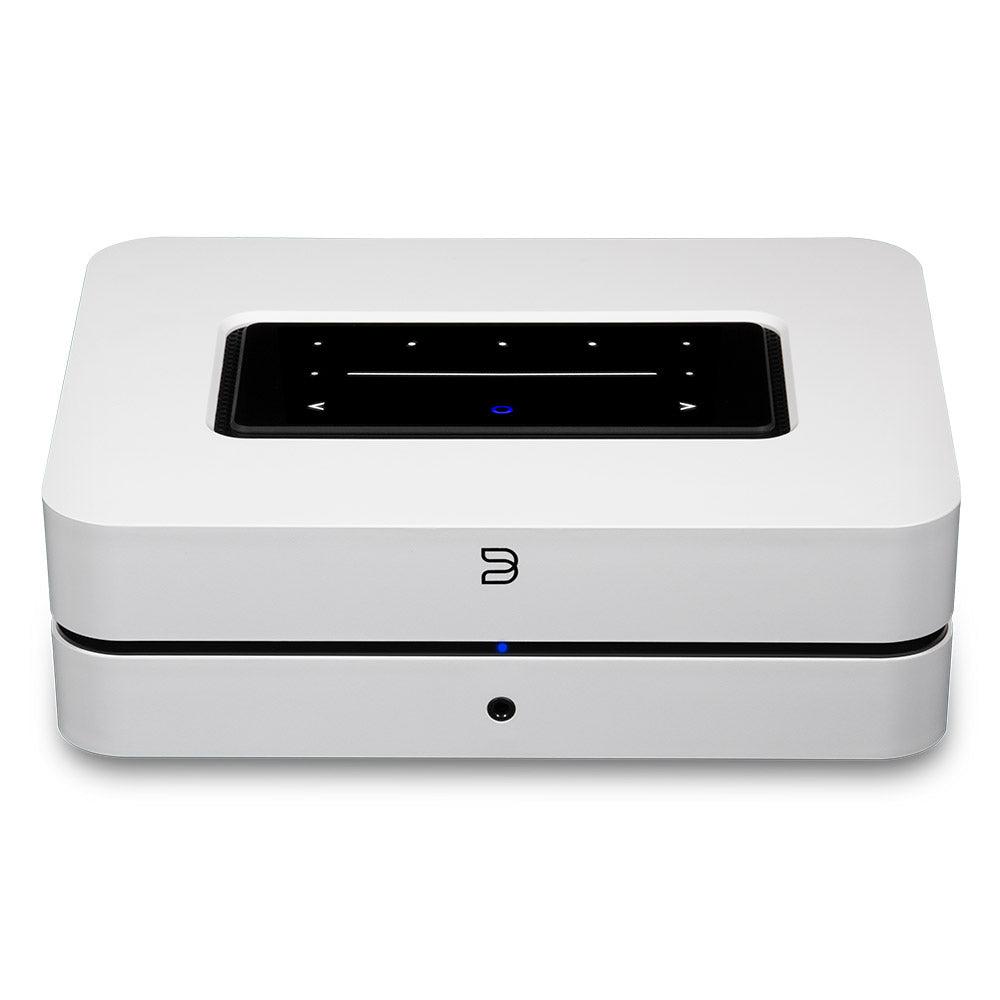
If you're looking to add streaming capabilities to your passive speakers, you've probably stumbled across the world of streaming amplifiers—devices that combine a digital amplifier with network streaming features in one box. These all-in-one units eliminate the need for separate streamers and amplifiers, which is why they've become incredibly popular for modern audio setups. But with options ranging from budget-friendly to premium, how do you know which one fits your needs?
Today we're comparing two standouts in this category: the WiiM Amp, which launched in 2023 as an affordable entry point, and the Bluesound PowerNode, a premium option that's been evolving since its original 2021 release. At the time of writing, these products sit at very different price points—the WiiM Amp costs roughly a third of what you'd pay for the Bluesound PowerNode. But does that price difference translate to meaningful performance gaps, or are you paying for features you might not need?
Before diving into specifics, let's establish what matters most in streaming amplifiers. The core job is simple: take digital music from the internet or your network, convert it to analog signals (that's what the DAC does—the Digital-to-Analog Converter), then amplify those signals to drive your passive speakers. The magic happens in how well each component handles these tasks.
The most critical factors are power output (how loud and clean your music will sound), audio quality (determined by the DAC and amplification design), streaming capabilities (which services and formats are supported), and connectivity options (how many sources you can connect). Smart features like multi-room audio, voice control, and mobile apps are increasingly important too, especially as these devices often serve as the central hub for your entire audio system.
When evaluating amplifiers, power output tells you which speakers you can effectively drive and how loud they'll play without distortion. The WiiM Amp delivers 60 watts per channel into 8-ohm speakers (the most common speaker impedance), jumping to 120 watts per channel when driving 4-ohm speakers. This might sound modest, but it's actually quite capable for small to medium-sized rooms, especially with efficient speakers.
The Bluesound PowerNode steps things up significantly with 80 watts per channel into 8-ohm loads, using what Bluesound calls their HybridDigital amplification technology based on the respected Hypex UcD module. The newer 2025 model pushes this further with DirectDigital amplification featuring gallium nitride (GaN) transistors—a newer semiconductor technology that switches faster than traditional silicon, resulting in cleaner power delivery and better efficiency.
Here's where the power difference becomes meaningful: if you're driving larger, less efficient speakers or listening in a bigger room, that extra 20+ watts from the PowerNode translates to noticeably more headroom. The PowerNode can also deliver instantaneous peaks up to 120 watts, giving it better dynamic range for music with sudden loud passages—think orchestral crescendos or rock drum hits.
Both use Class-D amplification, which is highly efficient and runs cool, but the PowerNode's more sophisticated design shows in its ability to maintain composure at higher volumes. From our research into user experiences, the WiiM Amp starts to show strain with demanding speakers in larger rooms, while the PowerNode maintains its composure across a wider range of scenarios.
The heart of any streaming amplifier is its DAC—the component that converts digital music files into the analog signals your speakers understand. The WiiM Amp uses the ESS Sabre ES9018K2M DAC, a well-regarded chip that supports high-resolution audio up to 24-bit/192kHz. This DAC is known for its detailed, analytical sound signature with excellent channel separation.
Technical measurements back this up: the WiiM Amp achieves a signal-to-noise ratio (SNR) of 98 dB and total harmonic distortion plus noise (THD+N) of just 0.002% at 5 watts. In plain terms, this means very little background noise and extremely clean sound reproduction at moderate listening levels.
The Bluesound PowerNode takes a different approach with its 32-bit/384kHz premium DAC using differential output design. While the specific chip isn't disclosed, the implementation supports not just standard high-res formats but also MQA (Master Quality Authenticated) and DSD256—formats that audiophiles particularly value for their potential sonic benefits. The PowerNode achieves a 100 dBA SNR and 0.008% THD+N, which are still excellent numbers, though slightly less impressive on paper than the WiiM Amp.
However, audio quality isn't just about measurements. From expert reviews and user feedback, the PowerNode consistently delivers what many describe as a more "musical" presentation—less analytical than the WiiM Amp but with better dynamics and a more natural tonal balance. The WiiM Amp excels at detail retrieval and precision, making it excellent for acoustic music and vocals where clarity is paramount.
This is where these products diverge significantly. The WiiM Amp supports all the major streaming protocols you'd expect: Chromecast, Spotify Connect, TIDAL Connect, and DLNA. It's also Roon Ready, which is important for serious music collectors who use Roon's advanced music management software. The WiiM Home app provides control, though it's relatively basic compared to more mature platforms.
One notable limitation: newer WiiM products have dropped AirPlay 2 support, which could be a deal-breaker for Apple ecosystem users who rely on seamless iPhone and iPad integration.
The Bluesound PowerNode runs on BluOS, which has evolved considerably since Bluesound introduced it in 2013. BluOS is arguably the most mature streaming platform available, supporting over 20 streaming services directly within the app—no need to rely on casting from your phone. The BluOS Controller app is available for iOS, Android, Windows, and macOS, providing consistent control regardless of your device preference.
BluOS also supports AirPlay 2 and includes bi-directional Bluetooth with aptX HD, meaning you can both receive music from your phone and send audio to Bluetooth headphones. This flexibility is something the WiiM Amp can't match.
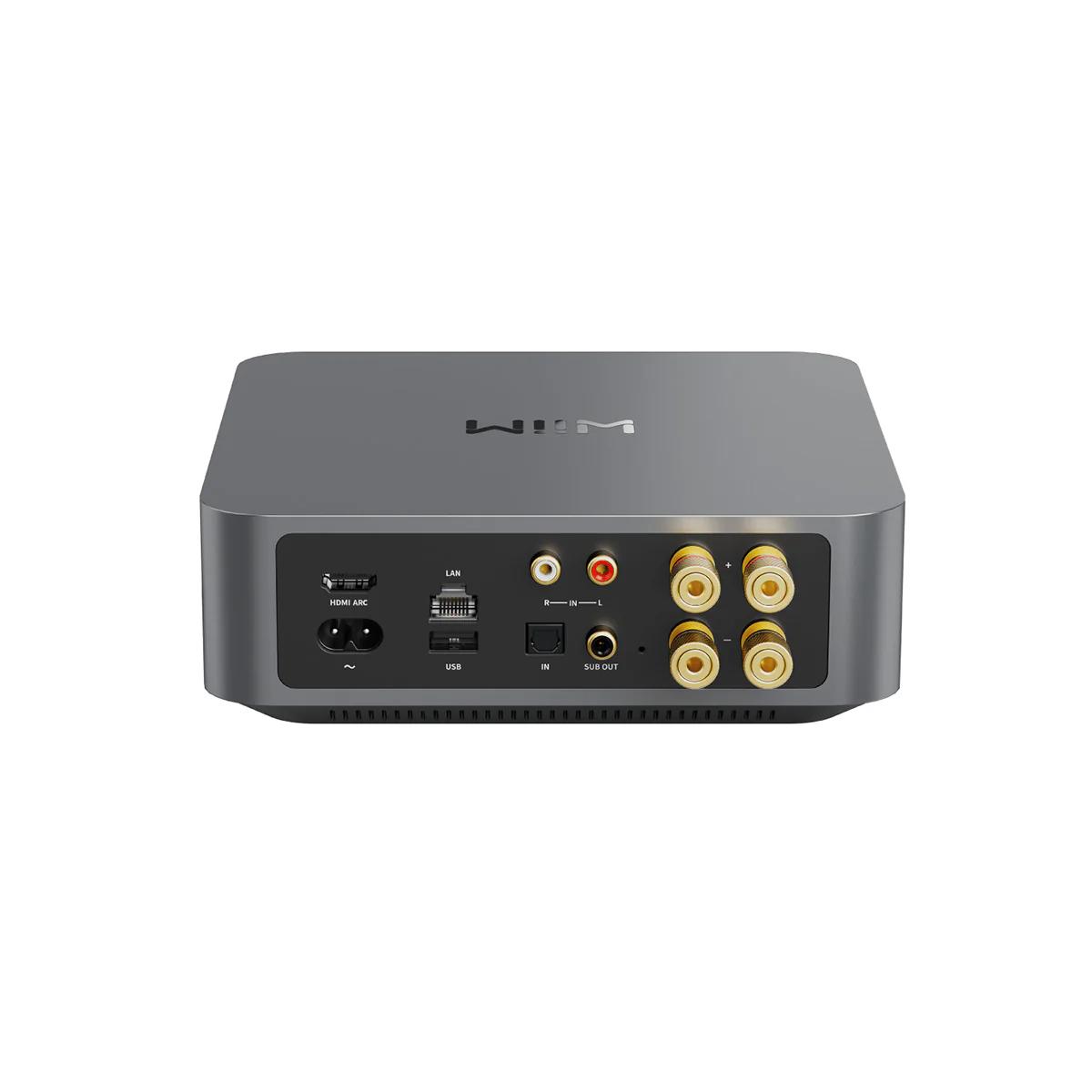
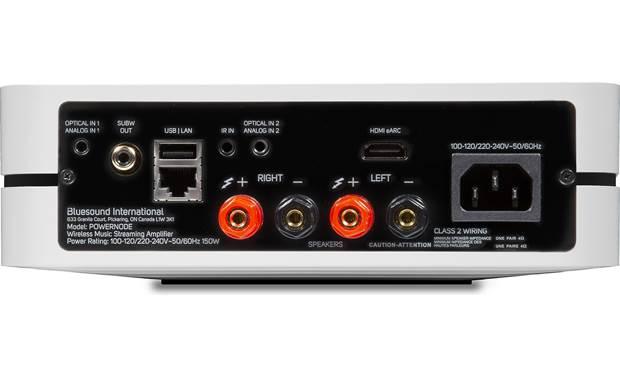
Both amplifiers offer comprehensive connectivity, but with different focuses. The WiiM Amp provides HDMI ARC (Audio Return Channel) for TV integration, optical and analog inputs, plus USB connectivity. The subwoofer output includes adjustable crossover settings from 30-200Hz, giving you flexibility in bass management.
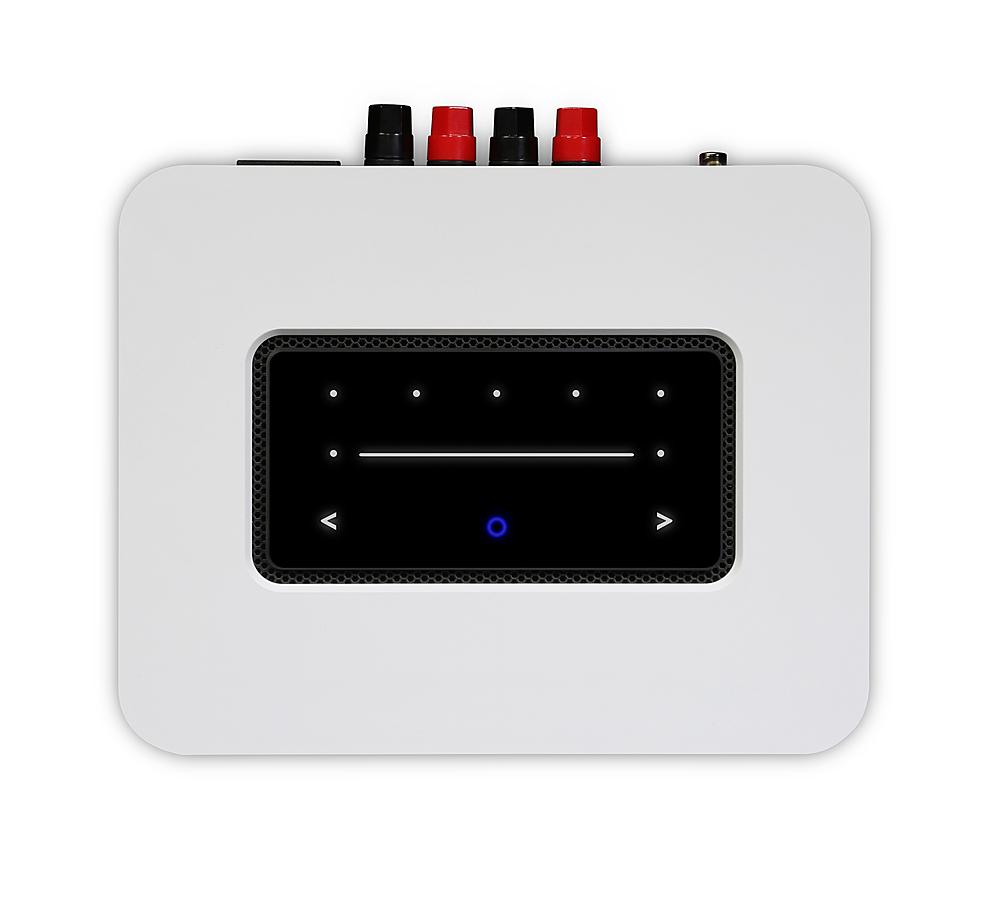
The Bluesound PowerNode steps things up with HDMI eARC (enhanced Audio Return Channel), which supports higher-quality audio formats from your TV. More importantly, it includes center channel capability, meaning it can serve as the foundation for a 3.1 home theater system. The newer models also feature a dedicated headphone output with THX AAA technology—a significant upgrade for personal listening that the WiiM Amp completely lacks.
Network connectivity favors the PowerNode as well, with dual-band Wi-Fi and Gigabit Ethernet compared to the WiiM Amp's 10/100 Ethernet. For most users this won't matter, but if you're streaming high-resolution files from a local server, the faster network connection provides more headroom.
If you're considering using either amplifier in a home theater setup, the differences become stark. The WiiM Amp offers basic HDMI ARC support that works fine for stereo TV audio, but it's limited to two-channel PCM—no Dolby Digital or DTS support. You can add a powered subwoofer to create a 2.1 system, which works well for casual TV viewing and music.
The Bluesound PowerNode transforms into a legitimate home theater component with its center channel capability and wireless Dolby Digital support. You can configure it as a 3.1 system with compatible speakers, or expand to full 5.1 surround by adding wireless Bluesound speakers throughout your room. This eliminates the need for a traditional AV receiver while maintaining high audio quality—something increasingly appealing as TVs get thinner and their built-in speakers get worse.
From our research, users consistently report that the PowerNode's home theater integration feels seamless once configured, while the WiiM Amp works but feels more like a workaround than a purpose-built solution.
Multi-room audio is where the platforms really diverge. The WiiM Amp can group with other WiiM devices and even integrate with Amazon Echo, Google Nest, and Apple HomePod speakers for basic synchronized playback. This works fine for simple setups, but the synchronization isn't always perfect across different device types.
The Bluesound PowerNode operates within BluOS's sophisticated multi-room ecosystem, supporting up to 64 zones with rock-solid synchronization. You can mix and match different Bluesound products throughout your home, and the platform integrates with professional automation systems like Control4 and Crestron for whole-home integration.
If you're starting with just one room but think you might expand later, the PowerNode's ecosystem provides a much clearer upgrade path. The WiiM Amp works fine as a standalone unit but feels more limited when you want to scale up.
Both amplifiers support voice control, but implementation differs. The WiiM Amp works with Alexa, Google Assistant, and Siri (when AirPlay is available), providing basic voice commands for playback control. The PowerNode integrates more deeply with voice assistants through BluOS, offering more natural interaction and better multi-room voice control.
The PowerNode also receives regular BluOS updates that add new features and streaming services over time. Bluesound has a strong track record of supporting older products with new functionality—some players from 2013 still receive updates. The WiiM Amp gets firmware updates too, but the platform is newer and the long-term support track record isn't established yet.
Audio enhancement features favor different approaches. The WiiM Amp provides extensive EQ options with 10-band graphic and parametric equalizers plus 26 presets, giving you immediate control over the sound signature. The PowerNode takes a more purist approach with plans for Dirac Live room correction in future updates—a more sophisticated but complex solution for optimizing sound to your room.
The WiiM Amp makes sense if you're entering streaming amplification on a budget, need good performance for small to medium rooms, and don't require advanced home theater or multi-room features. It's particularly appealing for apartment dwellers or those setting up a simple bedroom or office system. The extensive EQ options also make it great for users who like to tinker with sound signatures.
However, if you're building a system you plan to expand, need more power for larger speakers or rooms, want legitimate home theater capabilities, or value ecosystem maturity and long-term support, the Bluesound PowerNode justifies its premium pricing. The dedicated headphone amplifier alone makes it worth considering for users who do serious personal listening.
At the time of writing, these products serve different markets despite overlapping functionality. The WiiM Amp delivers remarkable performance for its price point—it's hard to find comparable features and audio quality for the money. But it's clearly positioned as an entry-level product with limitations that become apparent as your needs grow.
The Bluesound PowerNode costs significantly more but provides a more complete, scalable solution. If you can afford the premium, you're getting better power output, more sophisticated audio processing, superior connectivity, genuine home theater capabilities, and a mature ecosystem that will grow with your needs.
The decision ultimately comes down to your budget, room size, speaker requirements, and future plans. For many users, the WiiM Amp provides all the streaming amplification they need at an attractive price. But if you're serious about audio quality, multi-room expansion, or home theater integration, the Bluesound PowerNode offers capabilities that justify its higher cost.
Either way, both represent excellent examples of how streaming amplifiers have evolved to meet modern listening habits, eliminating the complexity of separate components while delivering impressive performance in compact, attractive packages.
| WiiM Amp Streaming Amplifier | Bluesound PowerNode Wireless Music Streaming Amplifier |
|---|---|
| Power Output - Determines how loud and clean your system will sound | |
| 60W per channel (8Ω) / 120W per channel (4Ω) | 80W per channel (8Ω) with 120W instantaneous peaks |
| Amplification Technology - Affects sound quality and efficiency | |
| Texas Instruments TPA3255 Class-D | HybridDigital Class-D (Hypex UcD module) with GaN transistors |
| DAC Quality - Controls how good digital music sounds | |
| ESS Sabre ES9018K2M, 24-bit/192kHz | 32-bit/384kHz premium DAC with differential output |
| Audio Performance Specs - Lower distortion = cleaner sound | |
| THD+N: 0.002% (-92 dB), SNR: 98 dB | THD+N: 0.008%, SNR: 100 dBA |
| High-Resolution Audio Support - Important for audiophile streaming | |
| Up to 24-bit/192kHz, standard formats | Up to 24-bit/192kHz plus MQA and DSD256 |
| Streaming Platform - Determines ease of use and service access | |
| WiiM Home app, Chromecast, Spotify Connect, TIDAL Connect | BluOS platform with 20+ integrated services |
| Multi-Room Audio - Essential for whole-home systems | |
| Basic grouping with WiiM devices and smart speakers | Advanced BluOS ecosystem (up to 64 zones) |
| Home Theater Integration - Key for TV and movie watching | |
| HDMI ARC, stereo PCM only, 2.1 system capability | HDMI eARC, center channel support, wireless 5.1 surround |
| Connectivity Options - Affects how many sources you can connect | |
| HDMI ARC, optical, RCA, USB, Wi-Fi 5, 10/100 Ethernet | HDMI eARC, combo inputs, USB, dual-band Wi-Fi, Gigabit Ethernet |
| Headphone Output - Important for personal listening | |
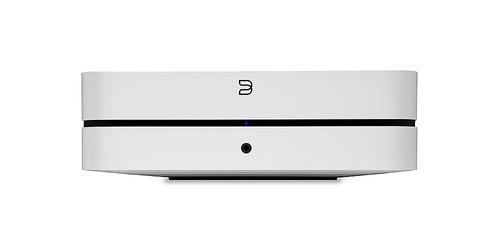
| None (must use external solution) | Dedicated 6.3mm output with THX AAA technology |
| Voice Assistant Support - Convenience for hands-free control | |
| Alexa, Google Assistant, Siri (limited) | Alexa, Siri via BluVoice, deeper integration |
| EQ and Audio Processing - Customization and room optimization | |
| 10-band graphic/parametric EQ, 26 presets, basic room correction | Dirac Live ready (future update), advanced DSP |
| Platform Maturity - Long-term support and feature updates | |
| New platform (2023), uncertain long-term support | Established BluOS (2013+), proven update track record |
| Physical Design - Size and build quality considerations | |
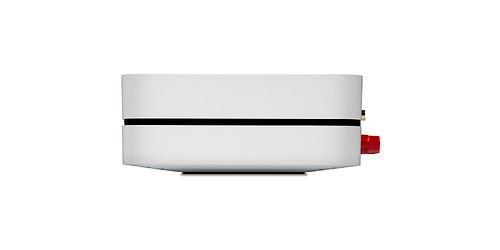
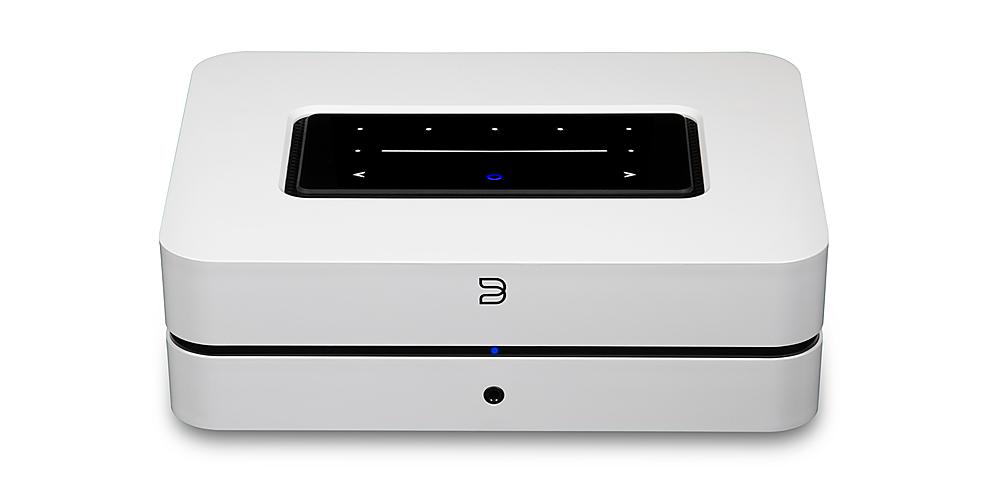
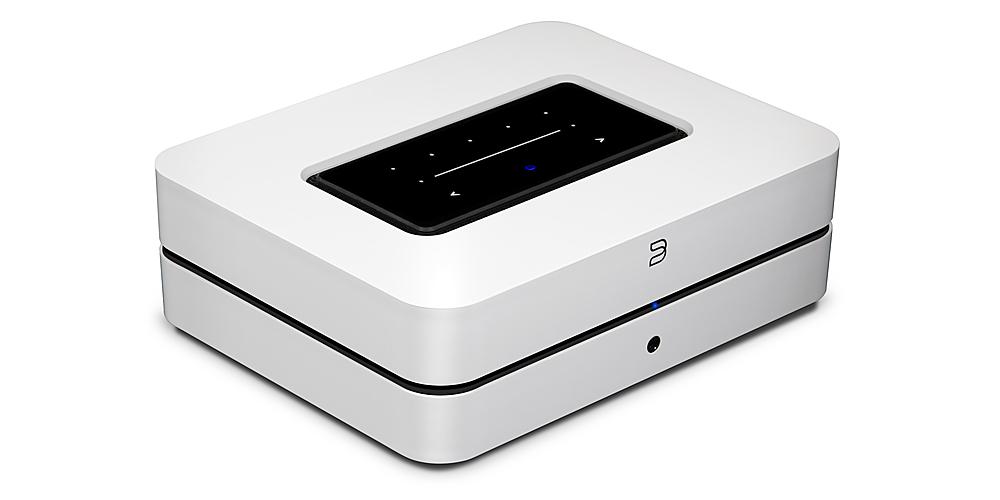
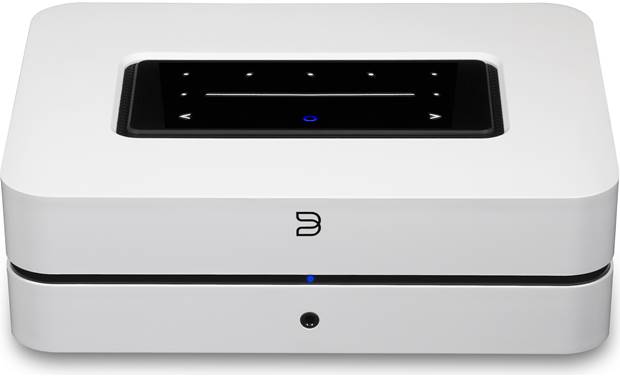
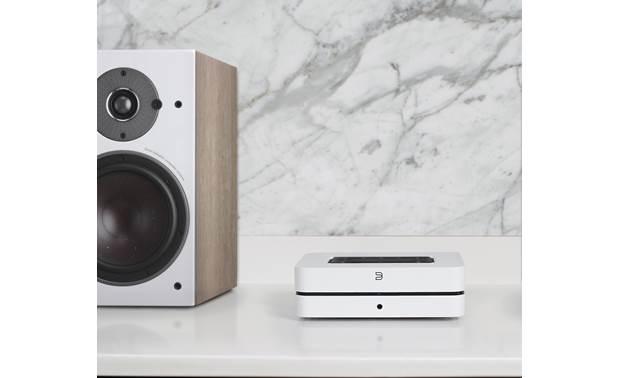
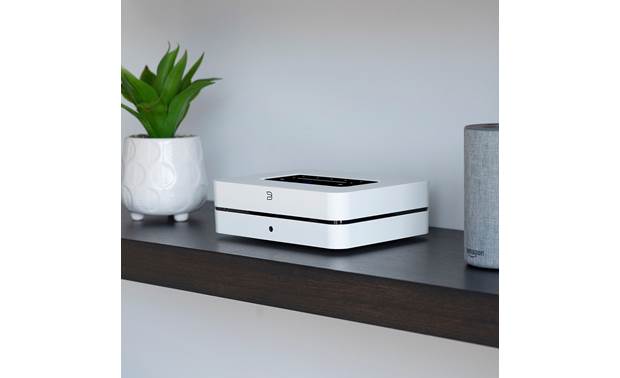
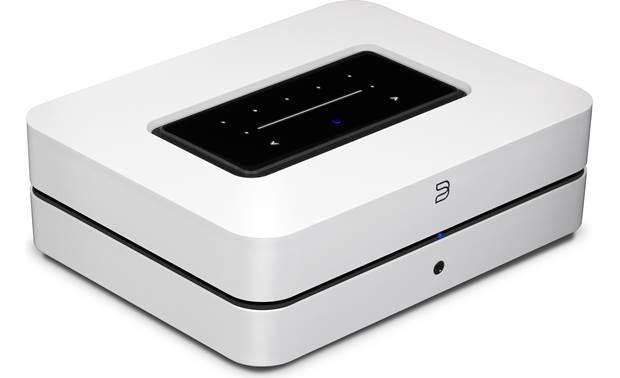
| 190×190×63mm, aluminum chassis, basic controls | Compact design, touch panel with presets, premium materials |
| Target User - Who each product serves best | |
| Budget-conscious users, small-medium rooms, simple setups | Audiophiles, multi-room systems, home theater integration |
The WiiM Amp Streaming Amplifier is generally better for beginners due to its simpler setup, lower cost, and straightforward operation. It offers all the essential streaming features without overwhelming complexity, making it ideal for first-time streaming amplifier buyers who want good performance without advanced features.
The Bluesound PowerNode delivers 80 watts per channel compared to the WiiM Amp's 60 watts per channel into 8-ohm speakers. This 20-watt difference becomes significant in larger rooms or with less efficient speakers, giving the PowerNode better headroom for dynamic music and higher volume levels.
The Bluesound PowerNode is significantly better for home theater use, offering HDMI eARC support, center channel capability, and wireless surround sound expansion. The WiiM Amp only supports basic HDMI ARC with stereo audio, limiting it to simple 2.1 TV audio setups.
Yes, both support high-resolution audio, but the Bluesound PowerNode goes further with MQA and DSD256 support alongside standard 24-bit/192kHz files. The WiiM Amp handles all common high-res formats up to 24-bit/192kHz but lacks the advanced audiophile formats that the PowerNode offers.
The Bluesound PowerNode excels in multi-room audio with its mature BluOS platform supporting up to 64 zones and seamless synchronization. While the WiiM Amp can group with other WiiM devices and some smart speakers, it's more limited in scale and synchronization quality.
Only the Bluesound PowerNode includes a dedicated headphone output with THX AAA technology for high-quality personal listening. The WiiM Amp Streaming Amplifier doesn't have a headphone jack, requiring external solutions for headphone use.
The WiiM Amp offers exceptional value for budget-conscious buyers, delivering impressive performance and features at a much lower cost. The Bluesound PowerNode provides better overall performance and capabilities but at a significant premium that may not be justified for basic stereo setups.
The Bluesound PowerNode integrates over 20 streaming services directly through its BluOS app, while the WiiM Amp relies more on casting protocols like Chromecast and Spotify Connect. Both support major services, but the PowerNode offers more seamless, app-based control.
The Bluesound PowerNode is better suited for large speakers and rooms due to its higher 80-watt power output and more sophisticated amplification technology. The WiiM Amp's 60 watts work well for smaller setups but may struggle with demanding speakers in larger spaces.
Both amplifiers support voice control, but the Bluesound PowerNode offers deeper integration through BluOS with Alexa and Siri. The WiiM Amp Streaming Amplifier works with Alexa, Google Assistant, and has limited Siri support, though integration is more basic.
The Bluesound PowerNode has a proven track record with BluOS receiving regular updates since 2013, including support for decade-old devices. The WiiM Amp platform is newer (launched in 2023), so its long-term update commitment is less established but shows promise.
Both amplifiers include subwoofer outputs with adjustable crossovers. The WiiM Amp offers crossover adjustment from 30-200Hz, while the Bluesound PowerNode provides 40-200Hz adjustment. Both can create effective 2.1 systems, though the PowerNode can expand further with wireless surround capabilities.
We've done our best to create useful and informative comparisons to help you decide what product to buy. Our research uses advanced automated methods to create this comparison and perfection is not possible - please contact us for corrections or questions. These are the sites we've researched in the creation of this article: audiosciencereview.com - faq.wiimhome.com - av-export.com - sound-advice.online - av.com - whathifi.com - youtube.com - forum.wiimhome.com - erinsaudiocorner.com - audacityaustralia.com.au - stereophile.com - audiosciencereview.com - audioadvice.com - smarthomesounds.co.uk - crutchfield.com - upscaleaudio.com - bluesound.com - bluesound.com - stereophile.com - theaudiofactory.com - audioadvisor.com - musicdirect.com - twitteringmachines.com - futureaudiophile.com - bluesound.com - bluesound.com - moon-audio.com - audioadvisor.com - ecoustics.com

Privacy Policy
Terms and Conditions - Affiliate Policy
Home Security
© Copyright 2008-2026.
11816 Inwood Rd #1211, Dallas, TX 75244