

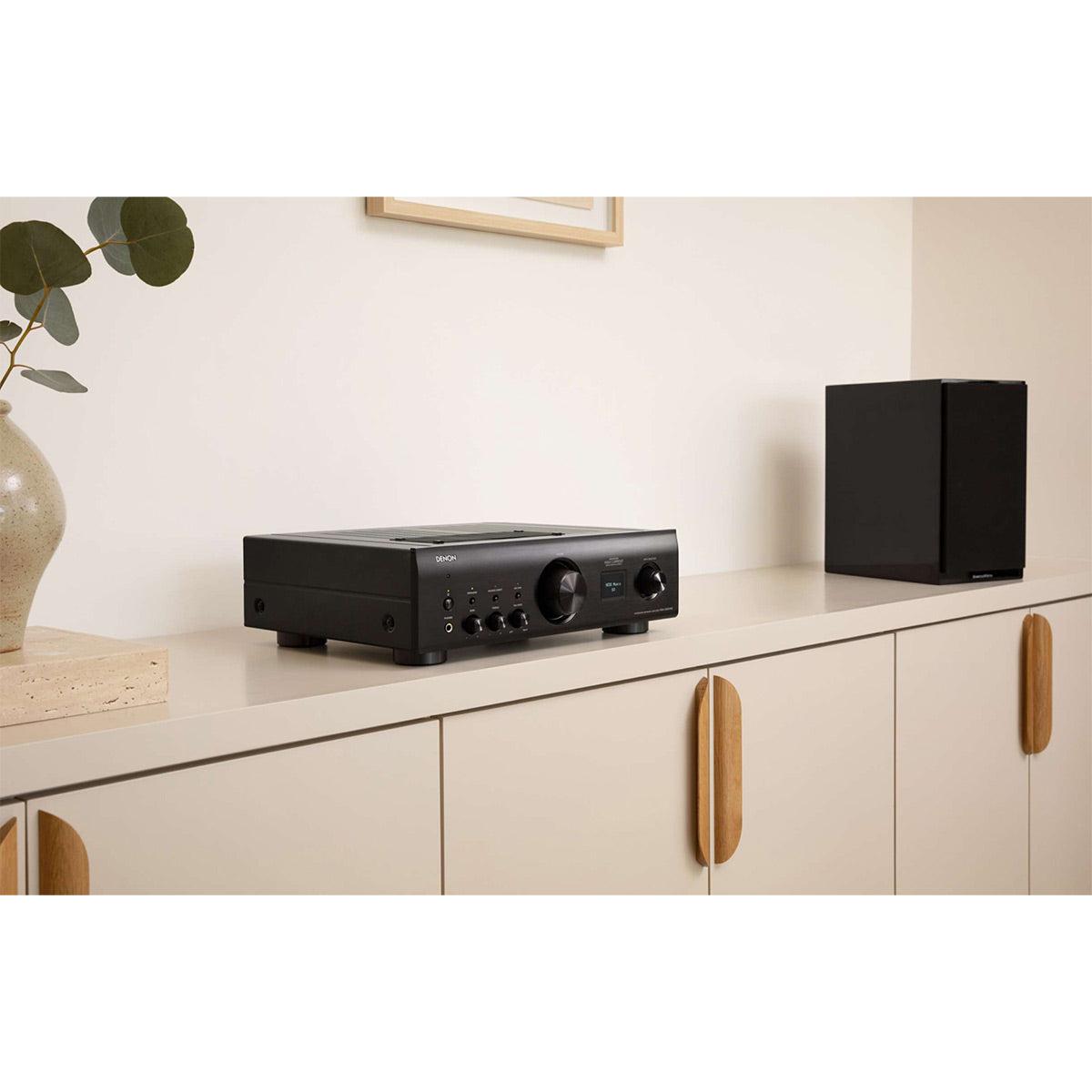
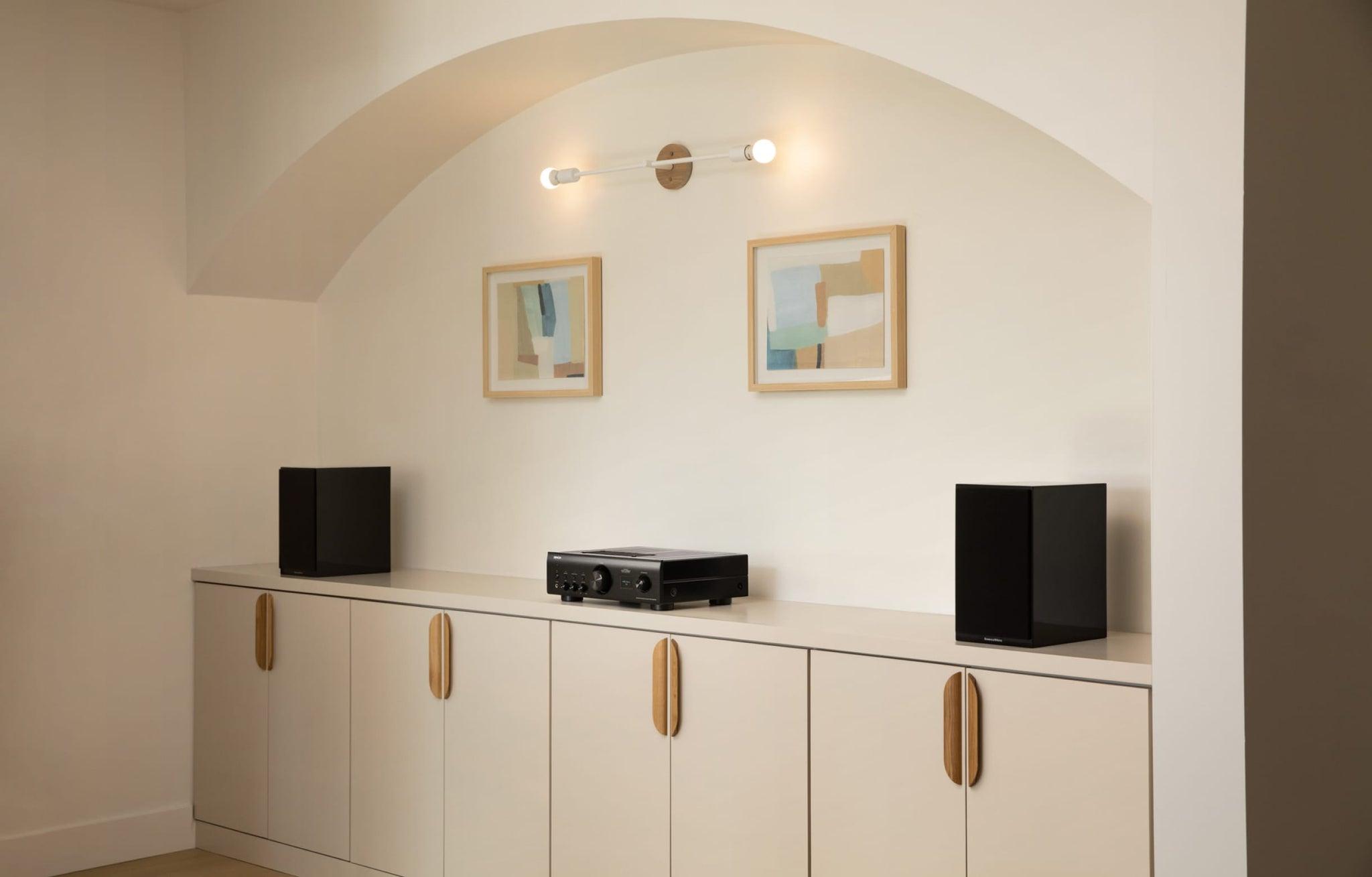
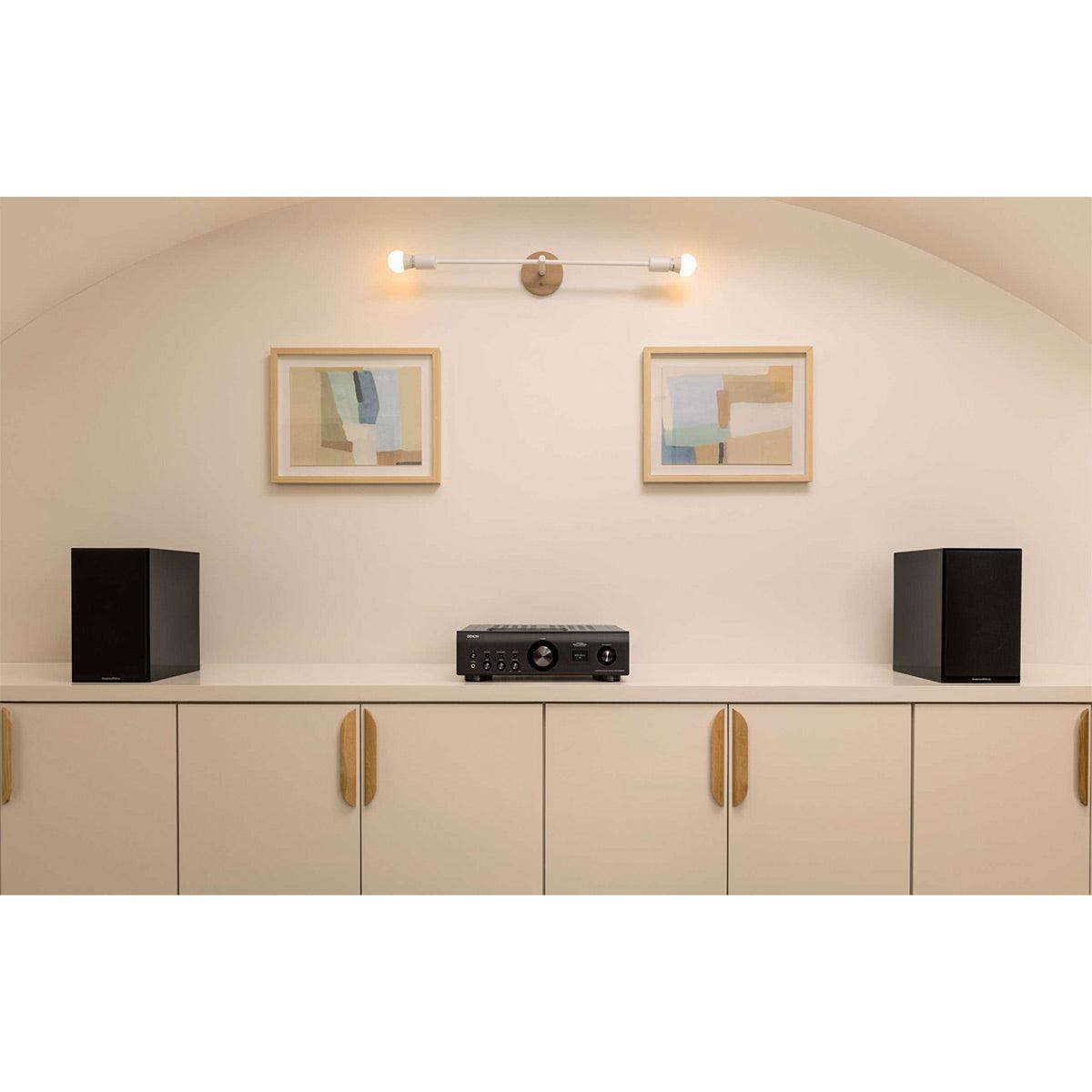
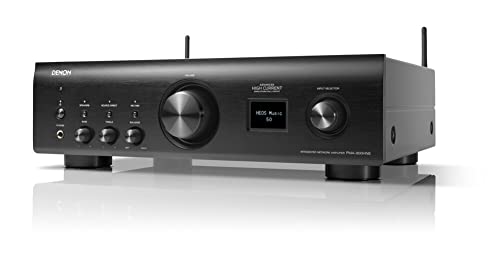
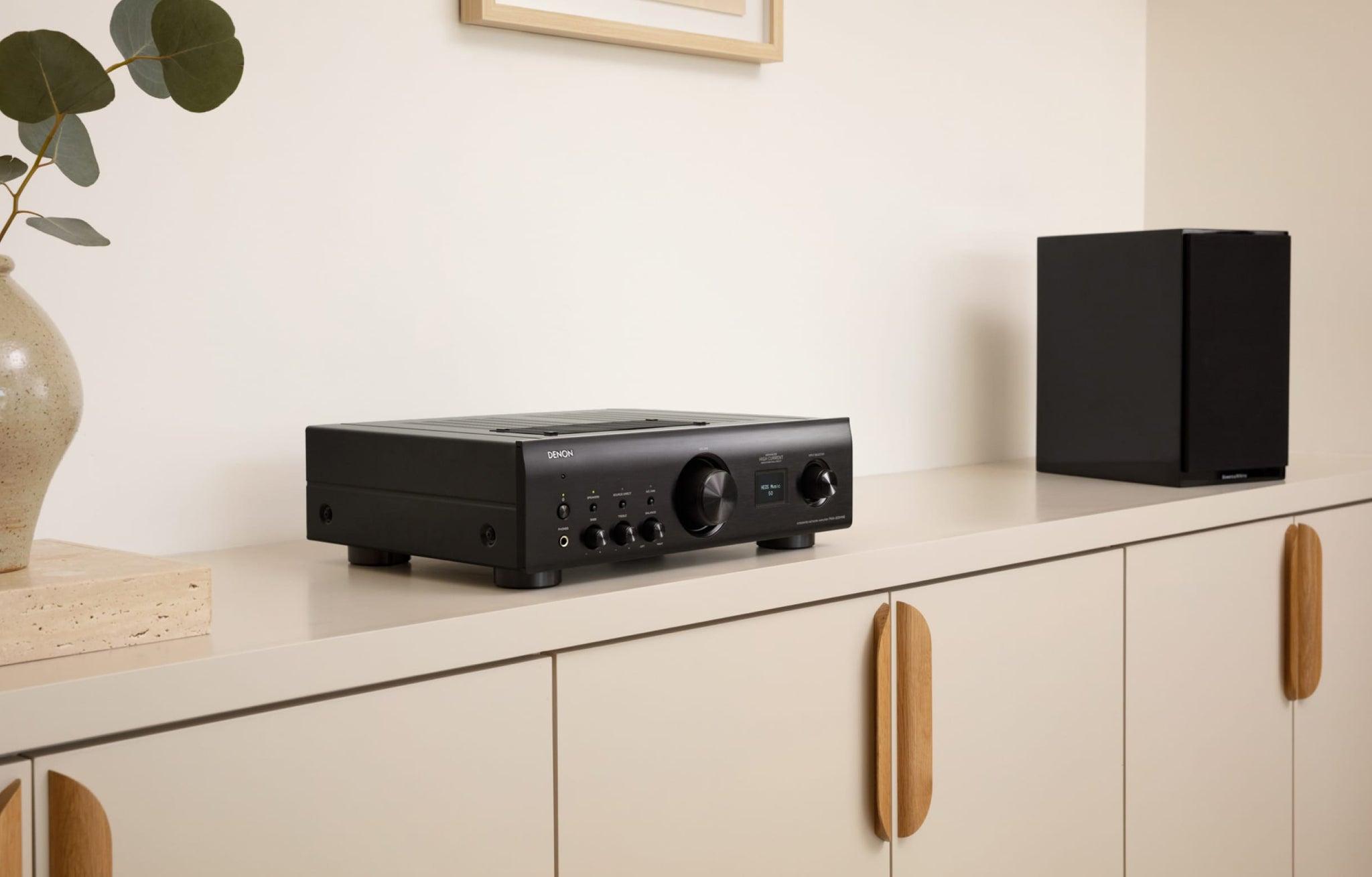
The world of audio equipment has changed dramatically over the past decade. Gone are the days when you needed a rack full of separate components just to stream Spotify to decent speakers. Today's streaming integrated amplifiers pack everything you need into a single box—amplification, digital-to-analog conversion, and wireless streaming capabilities. But this convenience comes with choices, and two very different philosophies are battling for your living room.
At the time of writing, both the Denon PMA-900HNE and Bluesound PowerNode sit in similar price brackets, representing fundamentally different approaches to the same problem. The Denon takes a traditional hi-fi amplifier and adds modern streaming, while the Bluesound builds a streaming platform first and adds amplification. This distinction matters more than you might think.
When shopping for a streaming integrated amplifier, you're essentially buying three products rolled into one: a digital streamer (the part that connects to your Wi-Fi and streaming services), a DAC or digital-to-analog converter (the component that turns digital music files into analog signals your speakers can use), and a power amplifier (the muscle that drives your speakers). The quality and design philosophy behind each of these components determines how your music will sound and how easy the system will be to live with.
The most important performance metrics to consider are power output (measured in watts per channel), total harmonic distortion or THD (lower numbers mean cleaner sound), signal-to-noise ratio (higher numbers mean a quieter background), and the quality of the DAC implementation. But beyond the numbers, the user experience—how intuitive the controls are, how reliable the streaming platform performs, and how well the unit integrates with your other devices—often matters more in daily use.
Let's start with the most fundamental difference between these amplifiers: power output. The Bluesound PowerNode delivers 100 watts per channel into 8-ohm speakers, while the Denon PMA-900HNE provides 50 watts per channel under the same conditions. This isn't just a numbers game—it's about real-world performance.
Speaker impedance (measured in ohms) tells you how much electrical resistance your speakers present to the amplifier. Most bookshelf and floor-standing speakers are rated at either 4 or 8 ohms, with 8-ohm speakers being easier for amplifiers to drive. The Bluesound's power advantage becomes even more pronounced with demanding 4-ohm speakers, where it can deliver up to 220 watts per channel compared to the Denon's 85 watts.
But raw power isn't everything. The Denon PMA-900HNE uses what they call Advanced High Current (AHC) transistors in a single push-pull configuration. Without getting too technical, this means the amplifier can deliver short bursts of very high current—the electrical flow that actually moves your speaker drivers. This design helps with dynamic passages in music, those moments when a drum hits hard or an orchestra swells. The Denon can handle current demands 2-3 times higher than conventional amplifiers, which translates to better control over your speakers during complex musical passages.
The Bluesound PowerNode, on the other hand, uses a Class D amplifier design with gallium nitride (GaN) transistors. Class D amplifiers are incredibly efficient—they waste very little energy as heat—and the newer GaN technology switches faster than traditional silicon, reducing distortion. This is why the PowerNode stays cool during operation while delivering twice the power of the Denon.
From our research into user experiences and professional reviews, the power difference is immediately noticeable with larger or less efficient speakers. The PowerNode can fill bigger rooms and handle more demanding music without strain, while the Denon excels with smaller, high-quality speakers where its refined amplifier design can shine.
Both amplifiers include high-quality DACs, but they take different approaches. The Denon PMA-900HNE uses an ESS 9018K2M DAC chip—a well-regarded component found in many high-end audio products. Denon pairs this with their AL32 processing, which essentially smooths out digital audio signals to reduce harshness and improve musical flow. The Denon supports high-resolution audio up to 24-bit/192kHz (much higher quality than CD's 16-bit/44.1kHz) and can even handle DSD files up to 5.6MHz through its USB input.
The Bluesound PowerNode counters with a 32-bit/384kHz DAC in a differential output configuration. The differential design helps cancel out electrical noise, potentially resulting in a cleaner signal. It supports similar high-resolution formats plus MQA (Master Quality Authenticated), a technology that promises CD-quality streaming from services like Tidal.
What sets the Bluesound apart is its processing power. At the heart of the PowerNode is a quad-core 1.8GHz ARM processor—essentially a small computer dedicated to audio processing. This gives it headroom for future software updates and more complex audio processing tasks. The Denon, while capable, uses more traditional audio processing circuits.
In practice, both deliver excellent digital audio quality, but the Bluesound's superior processing power shows up in faster boot times, smoother app performance, and better handling of multiple high-resolution streams in multi-room setups.
This is where the philosophical differences become most apparent. The Denon PMA-900HNE uses the HEOS platform, which launched in 2014 and has been steadily improved since. HEOS supports major streaming services like Spotify, Apple Music, TIDAL, and Qobuz, plus internet radio and local network music libraries. The system handles multi-room audio when paired with other HEOS devices, and includes AirPlay 2 for seamless iPhone and iPad streaming.
The Bluesound PowerNode runs on BluOS, which first appeared in 2013 but has seen significant updates, particularly since the PowerNode's 2021 refresh. BluOS supports over 20 streaming services, including some that HEOS doesn't offer directly, like Tidal Connect (which provides better integration than standard TIDAL streaming). The platform excels at multi-room audio, supporting up to 64 synchronized zones throughout a home.
From user feedback and professional reviews, BluOS generally receives higher marks for reliability, feature completeness, and sound quality. The platform's support for Tidal Connect, for instance, allows the service to stream directly to the PowerNode without going through the BluOS app, often resulting in better sound quality and more reliable connections.
However, the Denon PMA-900HNE offers something the PowerNode doesn't: extensive physical connectivity that makes streaming just one option rather than the primary focus.
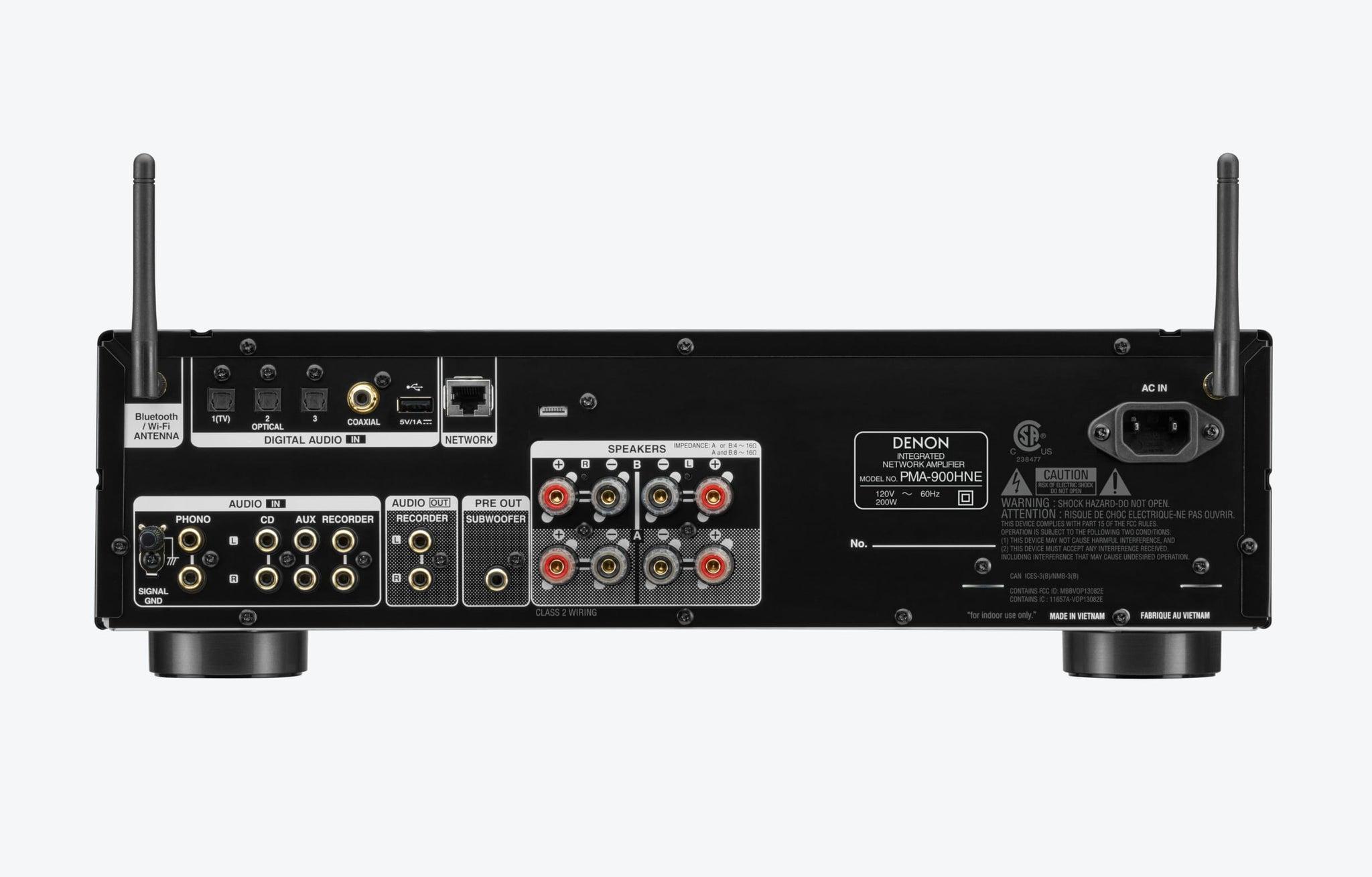
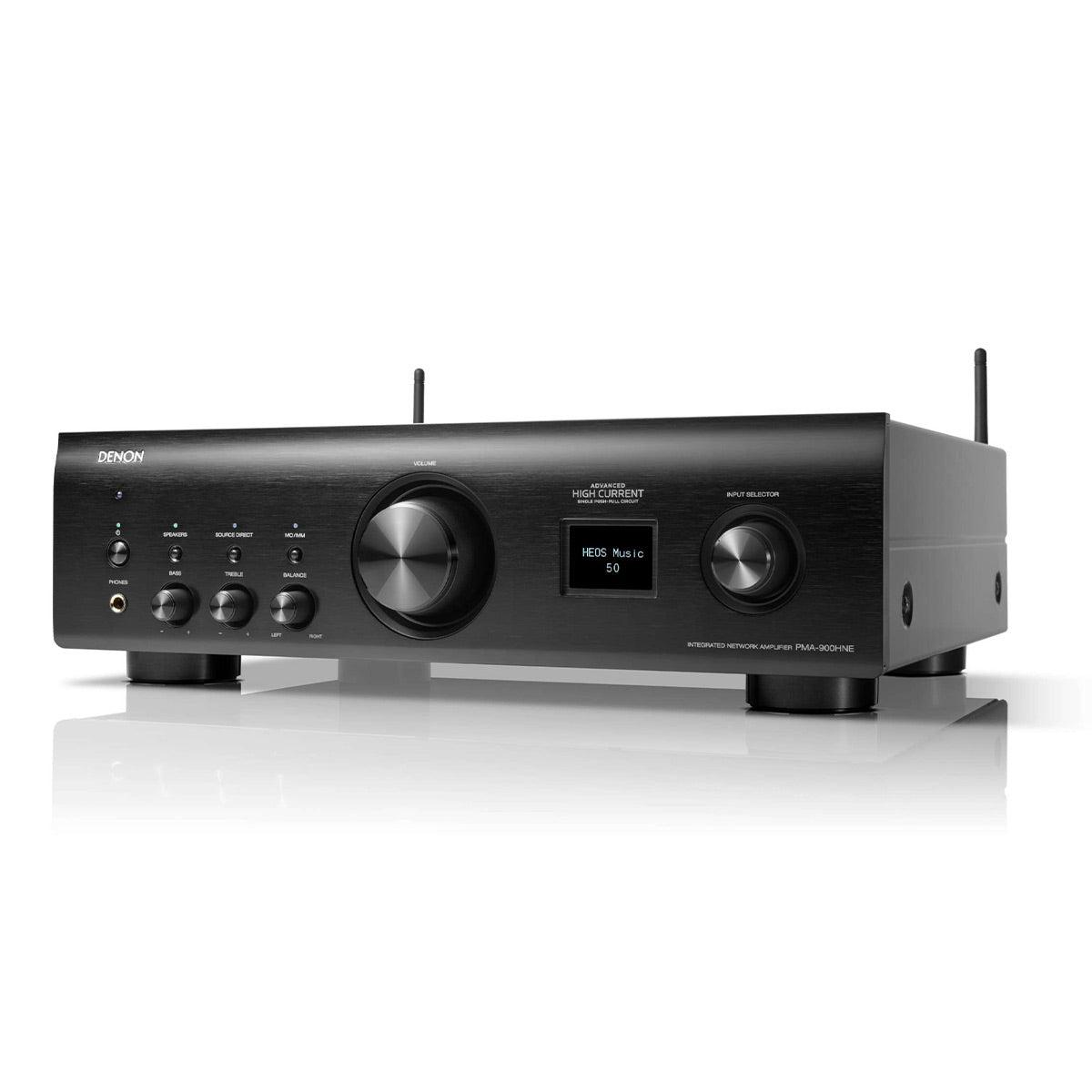
Here's where these amplifiers show their true colors. The Denon PMA-900HNE includes three analog RCA inputs, three optical digital inputs, one coaxial digital input, a USB-A port, and—crucially for vinyl enthusiasts—a dedicated phono input that works with both moving magnet and moving coil cartridges. This phono stage alone would cost $200-400 as a separate component, making it significant added value for turntable users.
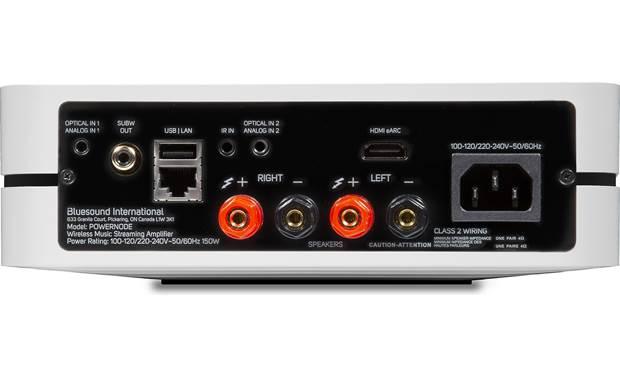
The Bluesound PowerNode takes a more minimalist approach with just two combination inputs that accept either analog or digital signals, plus a USB-C port. But it includes something the Denon lacks: HDMI eARC (enhanced Audio Return Channel). This single connection can handle high-quality audio from your TV, including surround sound formats, making TV integration much simpler than traditional optical connections.
The HDMI eARC capability is particularly valuable for home theater use. Instead of running optical cables and dealing with limited audio format support, you can send everything from your TV's apps, gaming consoles, and streaming devices directly to the PowerNode. This makes it an excellent choice for someone who wants good stereo sound for both music and TV without the complexity of a full surround sound system.
The Denon's analog connectivity makes it more versatile for traditional hi-fi sources. CD players, tape decks, and other analog components connect easily, and the quality phono stage means you don't need additional equipment to enjoy vinyl records properly.
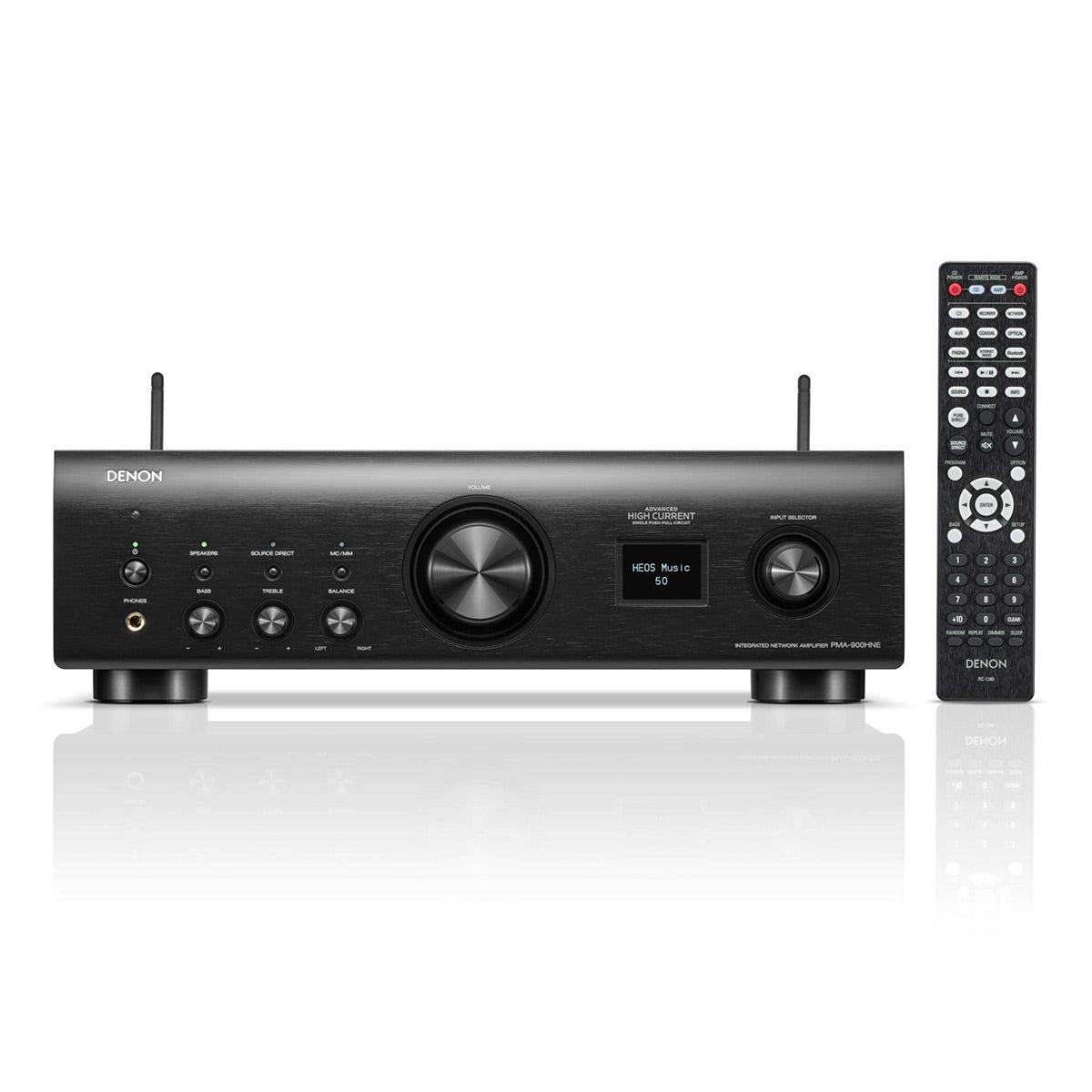
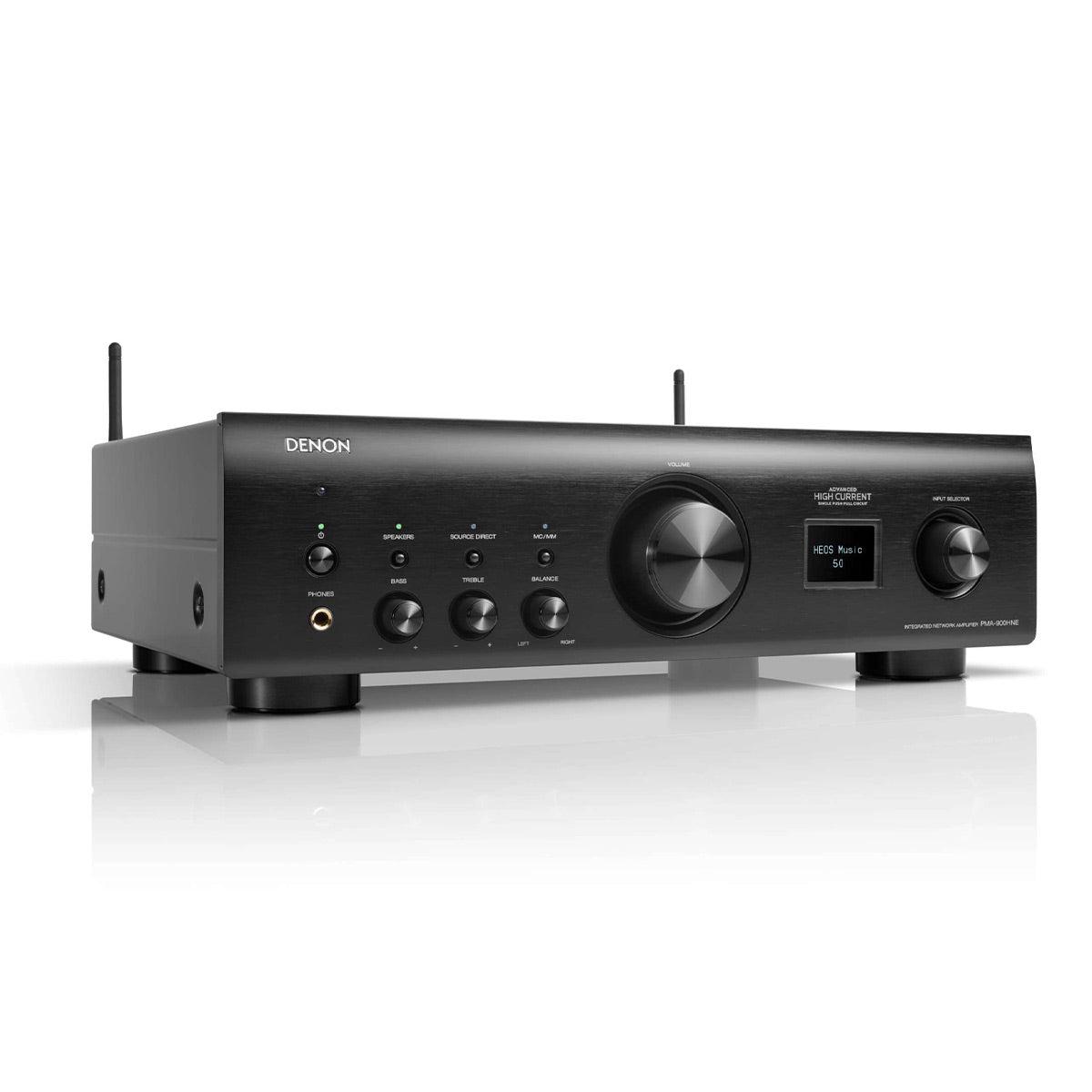
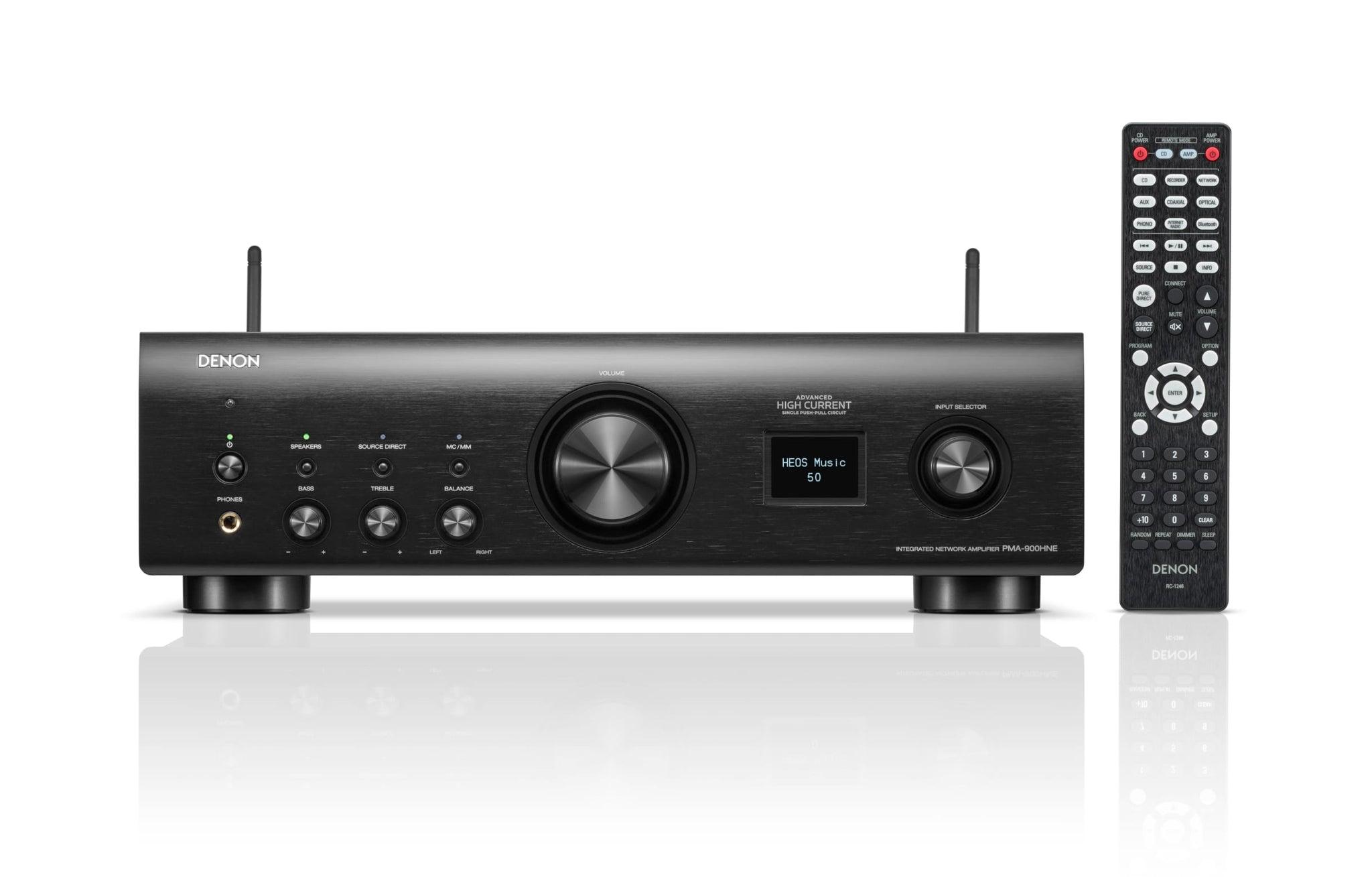
Day-to-day operation reveals more differences. The Denon PMA-900HNE includes a full-size infrared remote control with direct access to all inputs and functions. The front panel features traditional knobs and buttons, plus a small OLED display that shows current settings and source information. Users consistently praise the tactile quality of the controls and the convenience of the physical remote.
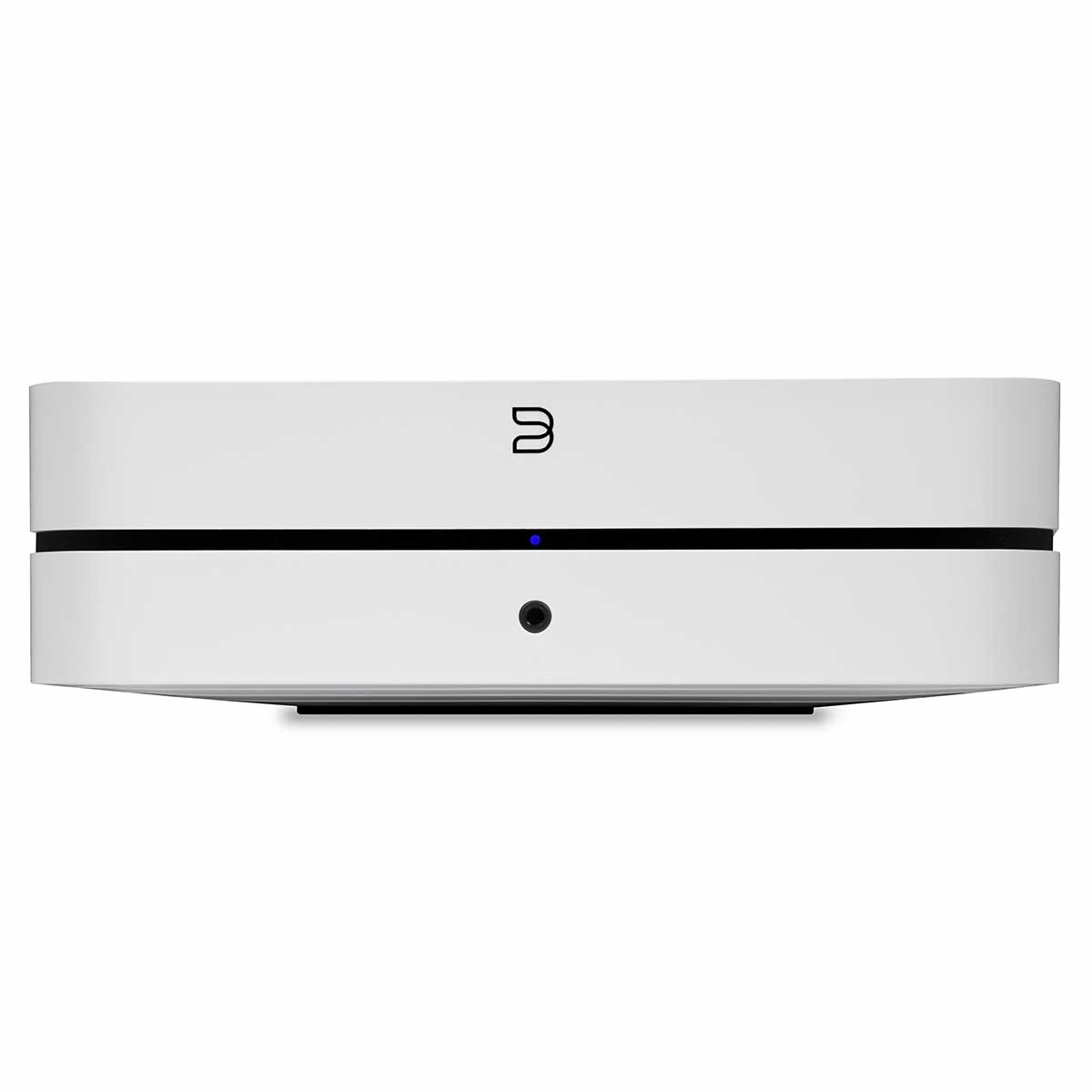
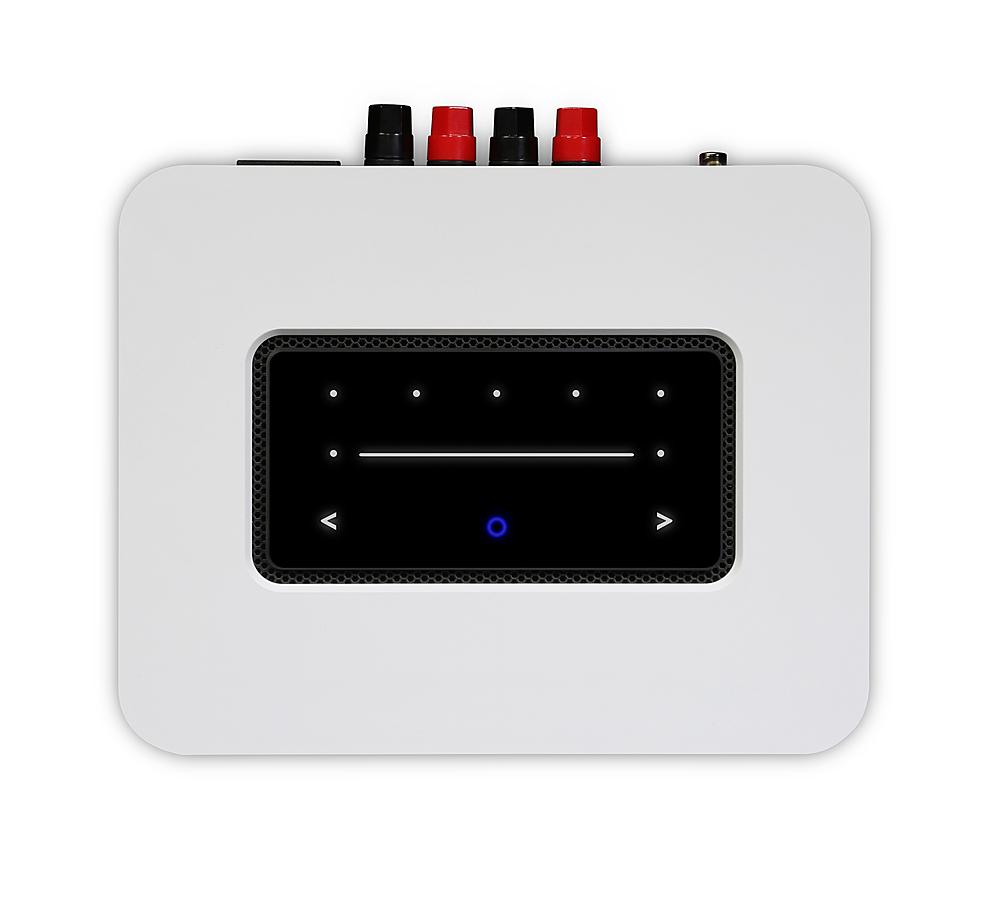
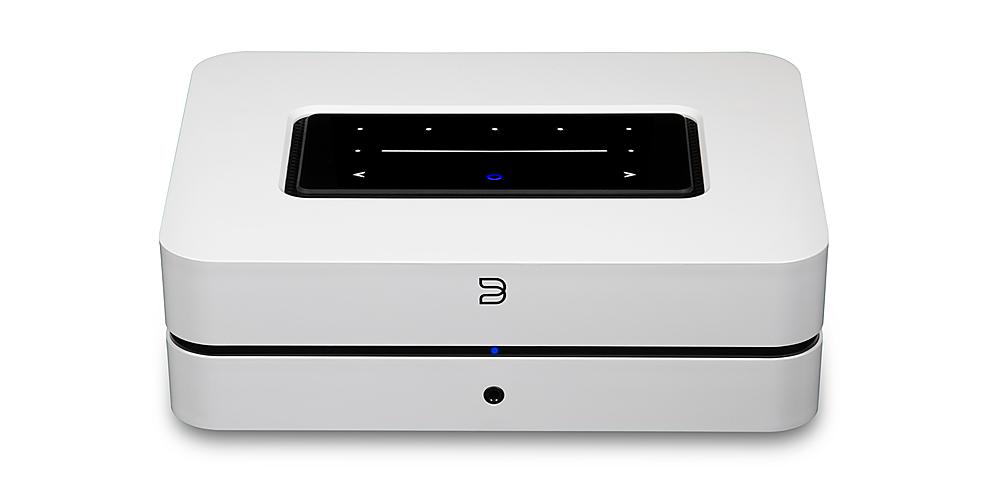
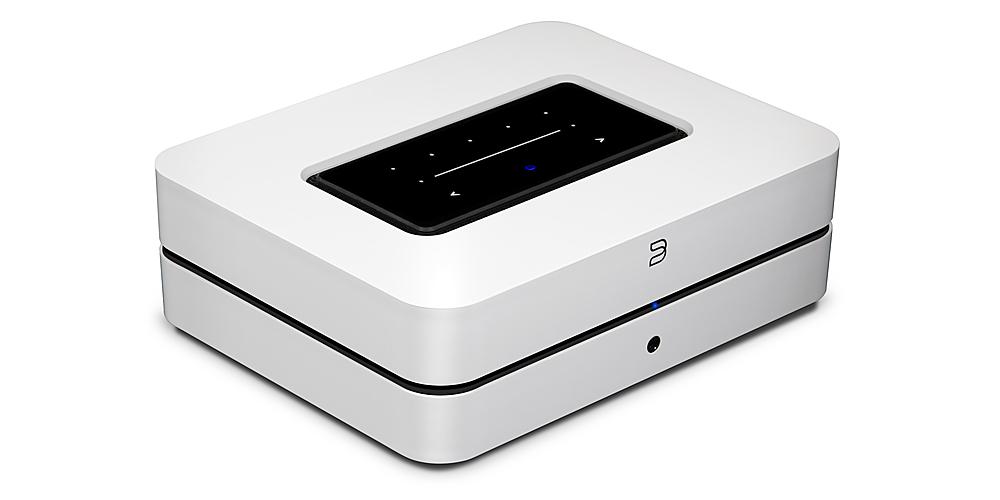
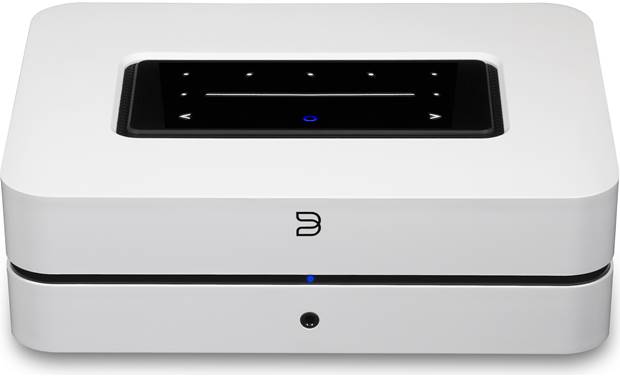
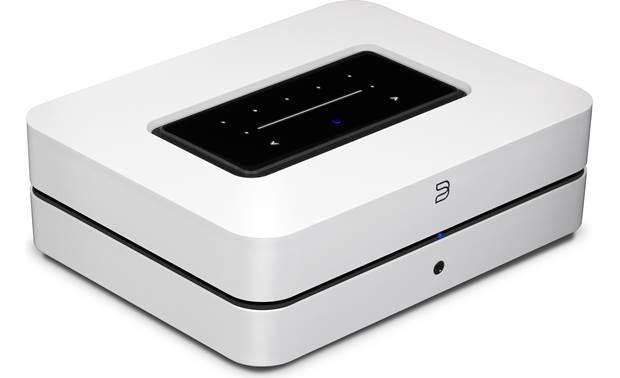
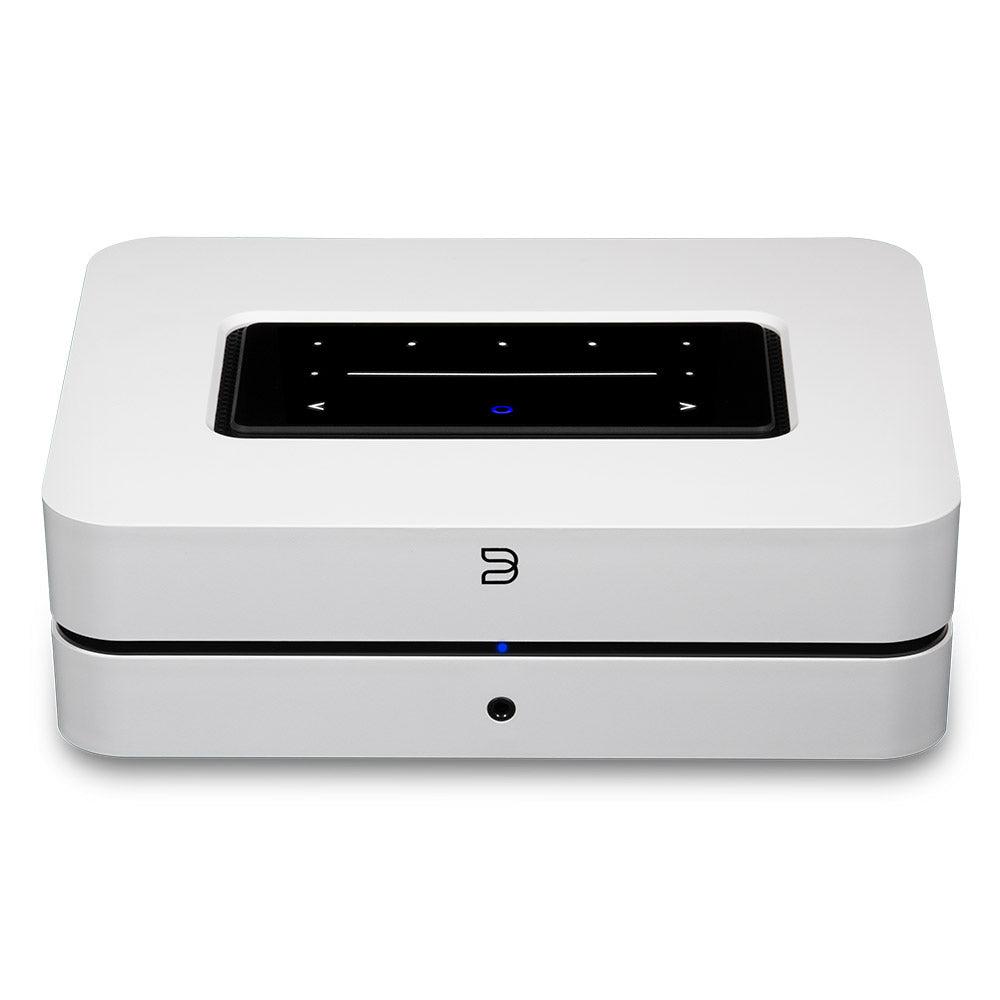
The Bluesound PowerNode embraces a more modern approach with a touch-sensitive glass control surface on top of the unit. Five customizable presets give you one-touch access to favorite stations or playlists, and the touch controls handle basic playback and volume. Most interaction happens through the BluOS app, which is available for phones, tablets, and computers.
From user reviews, the PowerNode's app-centric approach works well once you adapt to it, but some users miss having a physical remote, especially for quick volume adjustments from across the room. The Denon's traditional controls feel more familiar to anyone used to conventional hi-fi equipment.
Both units integrate with smart home systems, but the PowerNode has broader compatibility with professional installation systems like Control4 and Crestron, making it more suitable for whole-home automation setups.
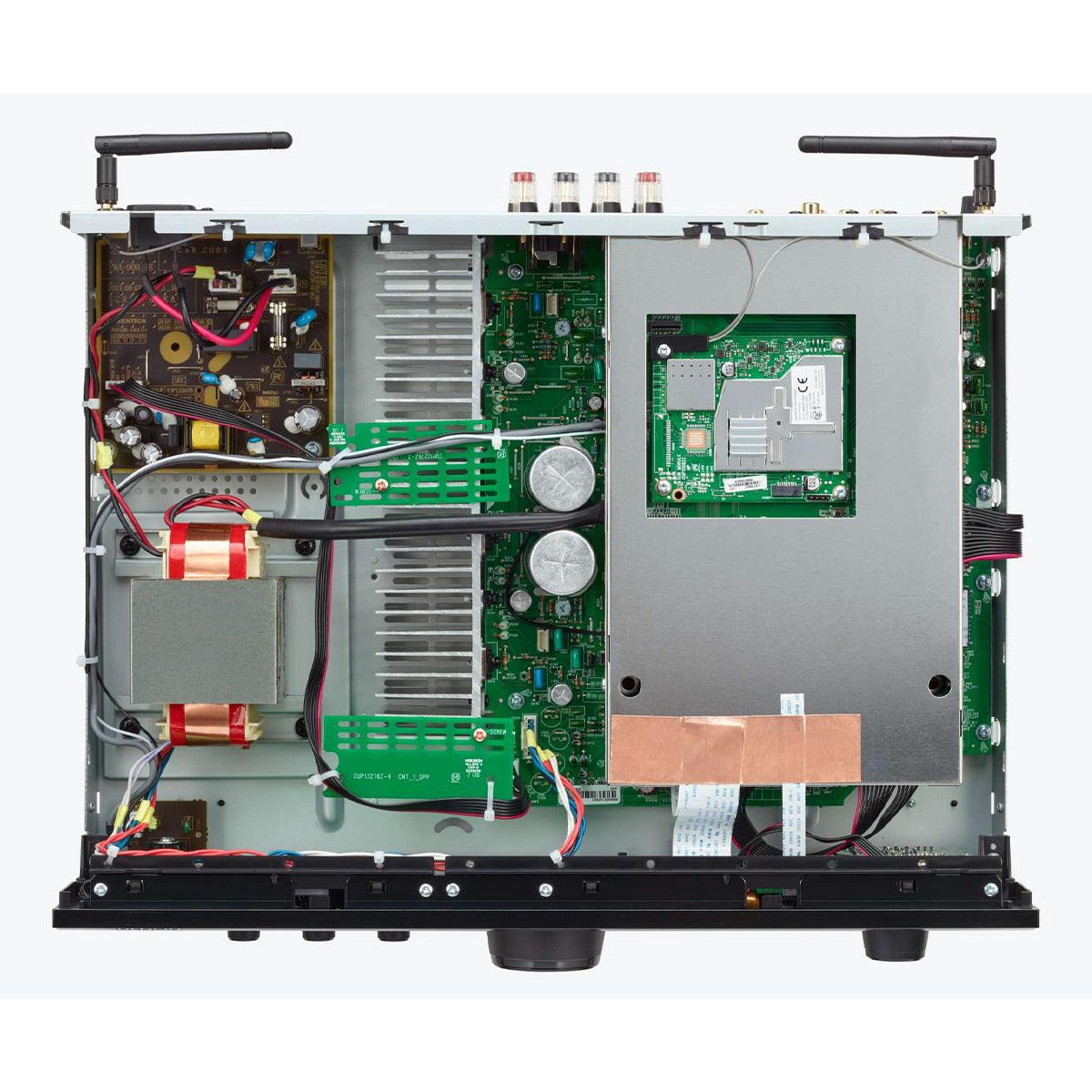
The Denon PMA-900HNE weighs 18.3 pounds and feels substantial in the way traditional hi-fi equipment should. The chassis uses vibration-resistant construction and separate circuit paths for different functions to minimize interference. The main power transformer sits on a thick metal base with individual windings for audio and control circuits—engineering touches that reflect decades of amplifier design experience.
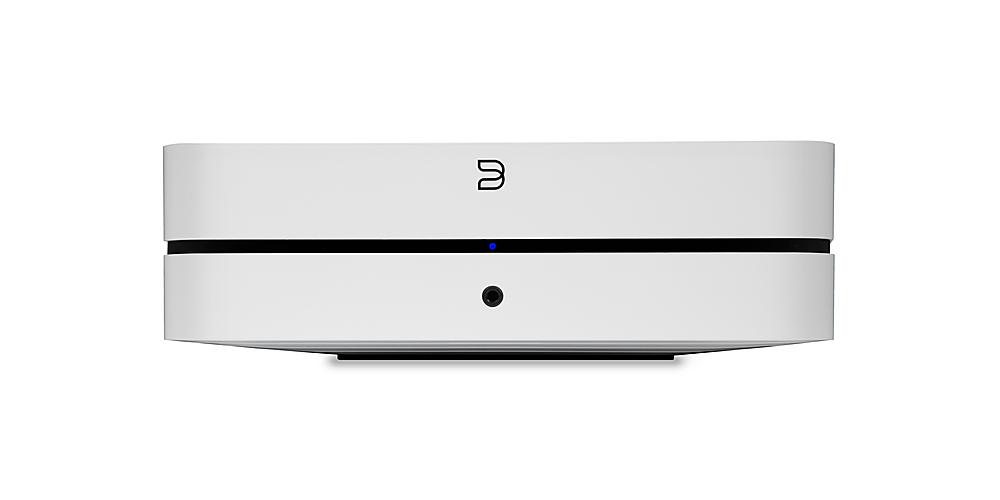
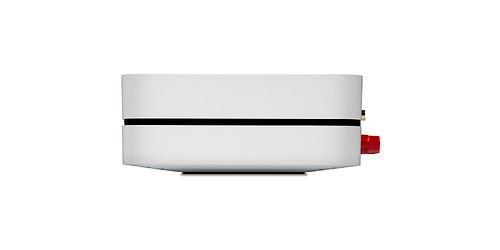
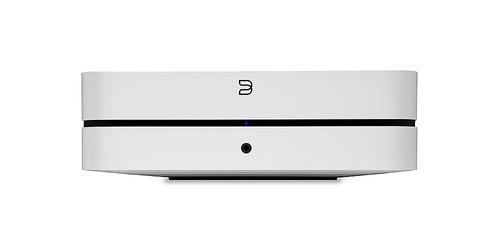
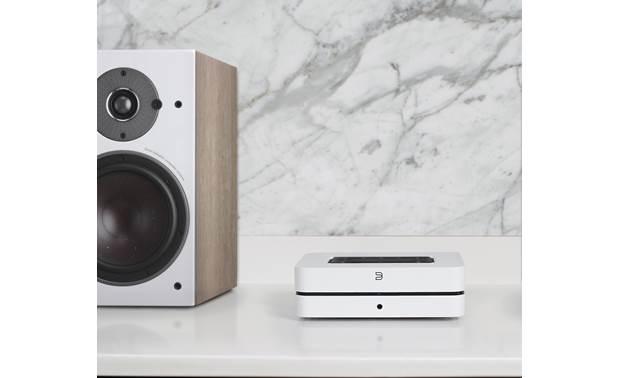
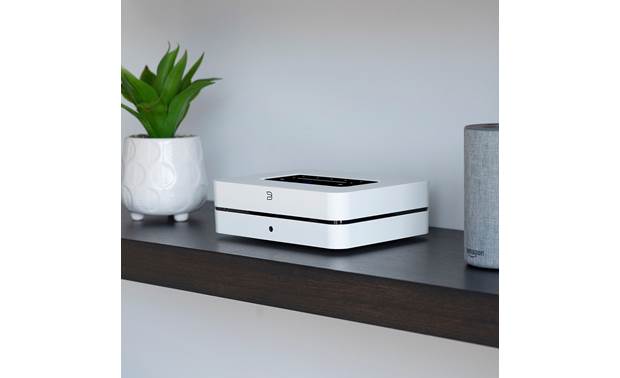
At just 4.2 pounds, the Bluesound PowerNode represents modern efficiency. Its compact size (roughly the dimensions of a hardcover book) makes it easy to place almost anywhere, and the cool-running Class D amplifier means no ventilation concerns. The minimalist design fits modern decor better than traditional hi-fi equipment.
Neither approach is inherently better—it depends on your priorities. The Denon appeals to users who appreciate traditional engineering and substantial build quality, while the PowerNode suits those who value space efficiency and modern aesthetics.
Based on professional reviews and user feedback, both amplifiers deliver excellent sound quality, but with different characteristics. The Denon PMA-900HNE consistently receives praise for its musical, engaging sound signature. Reviewers note good tonal balance, strong dynamic range, and the ability to reveal detail without becoming fatiguing. The Advanced High Current design shows up as better control during complex musical passages and superior bass definition.
The Bluesound PowerNode earns marks for its clean, detailed presentation and impressive power reserves. Users report that it maintains composure at high volumes and delivers a wide, immersive soundstage. The Class D amplifier design, once criticized for sterile sound, has evolved significantly, and the PowerNode's implementation receives positive reviews for musicality.
The power difference becomes significant with demanding speakers or larger rooms. Several reviews note that the PowerNode can drive speakers that leave the Denon struggling, particularly floor-standing models or speakers with complex impedance curves.
For headphone users, the PowerNode includes a high-quality headphone output using THX AAA technology, which reduces distortion to extremely low levels. The Denon's headphone output is more basic, though still functional for most headphones.
The Denon PMA-900HNE makes the most sense for listeners who value traditional hi-fi qualities and need comprehensive connectivity. If you own vinyl records or plan to start collecting them, the built-in phono stage makes this an easy choice. The same goes for anyone with multiple analog sources like CD players, tape decks, or older audio equipment. The three-year warranty also provides peace of mind for long-term reliability.
Choose the Denon if you appreciate physical controls, want a substantial remote control, and prefer the idea of a "real" amplifier that happens to stream rather than a streaming device that happens to amplify.
The Bluesound PowerNode is better suited for users building a primarily streaming-based system who need serious power and modern convenience features. The HDMI eARC connection alone makes it appealing for anyone who wants to improve their TV's audio quality without complexity. The superior multi-room capabilities and broader streaming service support make it the choice for whole-home audio systems.
Pick the PowerNode if you have demanding speakers, want seamless TV integration, prefer app-based control, and value the compact, modern design. It's also the better choice for renters or anyone who moves frequently, thanks to its light weight and minimal setup requirements.
While both are stereo amplifiers, they handle TV integration very differently. The Bluesound PowerNode excels here with HDMI eARC, which can carry high-quality audio from all your TV's sources with a single cable. You can even add Bluesound wireless speakers for surround sound using their proprietary wireless technology, creating a simple home theater system without running speaker wires.
The Denon PMA-900HNE requires an optical connection from your TV, which limits you to compressed surround sound formats. However, for stereo TV listening, both perform well, and the Denon's superior analog performance might actually provide better sound quality for stereo content.
At the time of writing, these amplifiers represent excellent value in their price range, but they serve different needs. The Denon PMA-900HNE is essentially a traditional integrated amplifier enhanced with modern streaming—it prioritizes audio quality and connectivity over convenience features. The Bluesound PowerNode is a streaming platform first, optimized for modern usage patterns while delivering impressive amplification.
Your choice should align with your primary use case. For vinyl enthusiasts, users with multiple analog sources, or those who prefer traditional hi-fi operation, the Denon provides better value despite its lower power output. For streaming-focused users, especially those with demanding speakers or home theater needs, the PowerNode's combination of power, convenience, and modern features makes it the logical choice.
Both represent the current state of streaming amplifier technology, successfully bridging the gap between traditional hi-fi and modern convenience. The question isn't which is better—it's which better matches how you listen to music and what you value most in your audio system.
| Denon PMA-900HNE | Bluesound PowerNode |
|---|---|
| Power Output - Critical for driving speakers effectively | |
| 50W per channel (8Ω), 85W per channel (4Ω) | 100W per channel (8Ω), up to 220W per channel (4Ω) |
| Amplifier Design - Affects sound quality and efficiency | |
| Advanced High Current (AHC) single push-pull, traditional Class AB | HybridDigital Class D with GaN transistors |
| Streaming Platform - Your gateway to music services | |
| HEOS with multi-room support, AirPlay 2 | BluOS with 20+ services, Tidal Connect, up to 64-zone multi-room |
| Analog Connectivity - Essential for traditional hi-fi sources | |
| 3x RCA inputs plus dedicated MM/MC phono stage | 2x combo inputs (analog/digital), no phono stage |
| Digital Inputs - For connecting modern sources | |
| 3x optical, 1x coaxial, USB-A | 2x combo optical/analog, USB-C, HDMI eARC |
| TV Integration - Simplifies home theater setup | |
| Optical connection only (compressed audio) | HDMI eARC with full surround sound support |
| Hi-Res Audio Support - For audiophile-quality streaming | |
| Up to 24-bit/192kHz, DSD up to 5.6MHz | Up to 24-bit/192kHz, MQA, DSD256 |
| Physical Controls - Daily usability factor | |
| Full IR remote, traditional knobs, small OLED display | Touch glass panel, 5 presets, app-centric control |
| Build Quality - Durability and engineering approach | |
| Traditional hi-fi construction, 18.3 lbs, vibration-resistant | Modern compact design, 4.2 lbs, cool-running |
| Bluetooth Quality - Wireless audio performance | |
| Bluetooth 4.2 (SBC codec only) | Two-way aptX HD Bluetooth (receive and transmit) |
| Headphone Output - For private listening | |
| Basic 1/4" jack | THX AAA technology for ultra-low distortion |
| Warranty Coverage - Peace of mind factor | |
| 3 years parts and labor | 1 year parts and labor |
| Smart Home Integration - Modern convenience features | |
| HEOS ecosystem, basic Alexa support, IR learning | Control4/Crestron ready, extensive automation support |
The Bluesound PowerNode delivers significantly more power with 100 watts per channel into 8-ohm speakers, compared to the Denon PMA-900HNE at 50 watts per channel. This power difference becomes even more pronounced with 4-ohm speakers, where the PowerNode can output up to 220 watts per channel versus the Denon's 85 watts. If you have large speakers or listen at high volumes, the Bluesound PowerNode is the clear winner.
Only the Denon PMA-900HNE includes a built-in phono stage that supports both moving magnet (MM) and moving coil (MC) cartridges, allowing direct turntable connection. The Bluesound PowerNode lacks a phono input, so you'd need to purchase a separate phono preamp to use a turntable. For vinyl enthusiasts, the Denon PMA-900HNE provides significantly better value.
The Bluesound PowerNode runs BluOS, which supports over 20 streaming services including Tidal Connect for superior integration. The Denon PMA-900HNE uses HEOS, which covers major services like Spotify, Apple Music, and TIDAL but with fewer options overall. Both support multi-room audio, but BluOS on the PowerNode can handle up to 64 zones compared to HEOS's more limited multi-room capabilities.
The Bluesound PowerNode features HDMI eARC, providing a single cable connection that supports high-quality audio from all your TV sources, including surround sound formats. The Denon PMA-900HNE only offers optical digital connection, which limits you to compressed audio formats. For home theater integration, the PowerNode is much more convenient and versatile.
The Bluesound PowerNode excels for home theater use thanks to its HDMI eARC connection and ability to pair wirelessly with other Bluesound speakers for surround sound. The Denon PMA-900HNE is primarily designed for stereo music listening and lacks modern home theater connectivity. If TV audio quality is important, choose the PowerNode.
Yes, both support hi-res audio. The Denon PMA-900HNE handles up to 24-bit/192kHz and DSD files up to 5.6MHz, while the Bluesound PowerNode supports up to 24-bit/192kHz plus MQA and DSD256. The PowerNode has a slight edge with MQA support for services like Tidal, but both deliver excellent high-resolution audio quality.
The Denon PMA-900HNE follows traditional hi-fi construction with a substantial 18.3-pound chassis, vibration-resistant design, and separate circuit paths for optimal audio performance. The Bluesound PowerNode weighs just 4.2 pounds and emphasizes modern efficiency with cool-running Class D amplification. The Denon appeals to traditional hi-fi enthusiasts, while the PowerNode suits those preferring compact, modern design.
The Denon PMA-900HNE includes a full-featured infrared remote control and traditional front-panel knobs for complete physical operation. The Bluesound PowerNode has touch controls on top with five preset buttons but relies primarily on smartphone app control. If you prefer physical controls and remotes, the Denon PMA-900HNE is the better choice.
The Denon PMA-900HNE offers extensive connectivity with three analog RCA inputs, three optical inputs, one coaxial input, plus the phono stage and USB port. The Bluesound PowerNode has more limited physical inputs but includes HDMI eARC and superior wireless connectivity. For connecting multiple traditional audio components, the Denon is more versatile.
The Denon PMA-900HNE includes a comprehensive 3-year warranty covering both parts and labor, demonstrating confidence in long-term reliability. The Bluesound PowerNode comes with a standard 1-year warranty. For peace of mind and long-term protection, the Denon PMA-900HNE offers superior warranty coverage.
The Bluesound PowerNode is better suited for large rooms due to its higher power output of 100 watts per channel, compared to the Denon PMA-900HNE at 50 watts per channel. The PowerNode can drive larger speakers more effectively and maintain clean sound at higher volumes needed to fill big spaces. For smaller rooms with efficient speakers, the Denon provides adequate power.
Yes, both support voice control but through different methods. The Denon PMA-900HNE works with Amazon Alexa through the HEOS platform and includes IR learning for TV remote integration. The Bluesound PowerNode supports Amazon Alexa, Apple Siri through AirPlay 2, and integrates with professional smart home systems like Control4. The PowerNode offers broader smart home compatibility.
We've done our best to create useful and informative comparisons to help you decide what product to buy. Our research uses advanced automated methods to create this comparison and perfection is not possible - please contact us for corrections or questions. These are the sites we've researched in the creation of this article: crutchfield.com - e-catalog.com - theaudiotailor.com.au - extremehifi.com - whathifi.com - speakerdecision.com - youtube.com - audiosciencereview.com - sound-advice.online - crutchfield.com - crutchfield.com - sweetwater.com - watthifi.com - youtube.com - accessories4less.com - soundstageaccess.com - icav.us - safeandsoundhq.com - listenup.com - accessories4less.com - audiosciencereview.com - crutchfield.com - upscaleaudio.com - bluesound.com - bluesound.com - stereophile.com - theaudiofactory.com - audioadvisor.com - musicdirect.com - twitteringmachines.com - futureaudiophile.com - bluesound.com - bluesound.com - moon-audio.com - audioadvisor.com - ecoustics.com

Privacy Policy
Terms and Conditions - Affiliate Policy
Home Security
© Copyright 2008-2026.
11816 Inwood Rd #1211, Dallas, TX 75244