

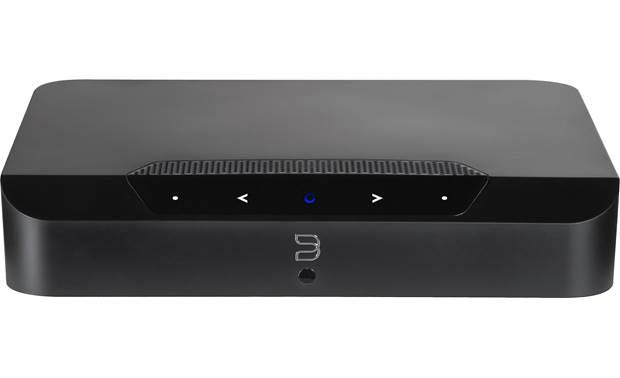
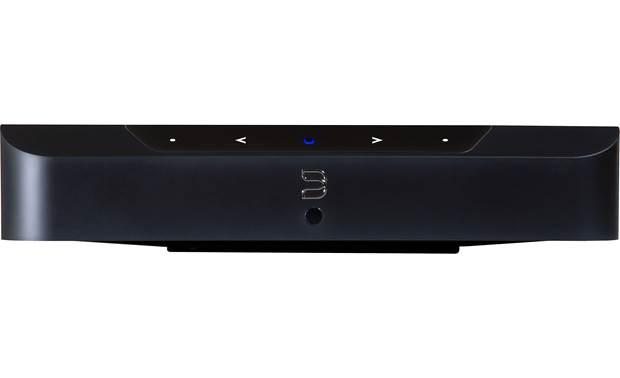
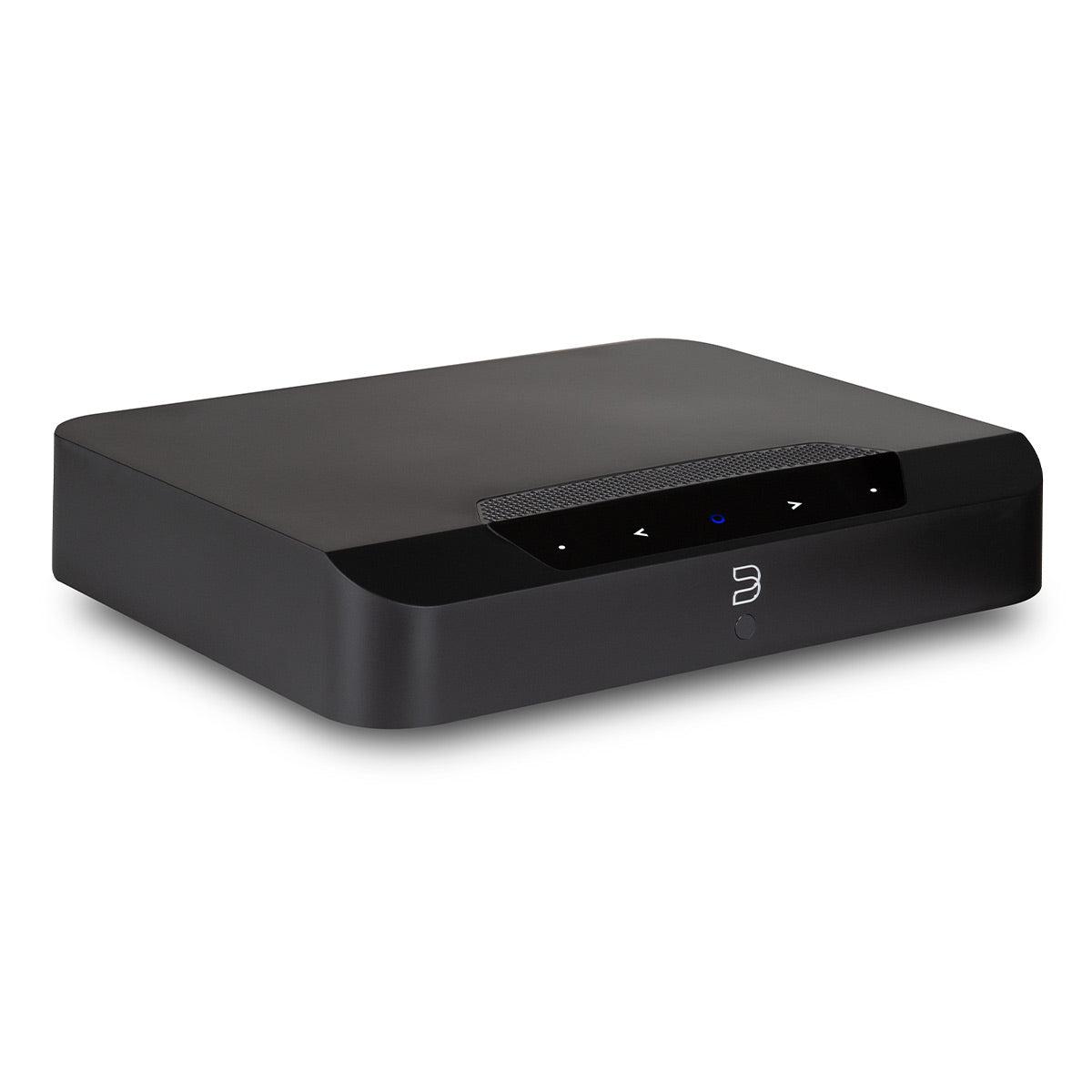
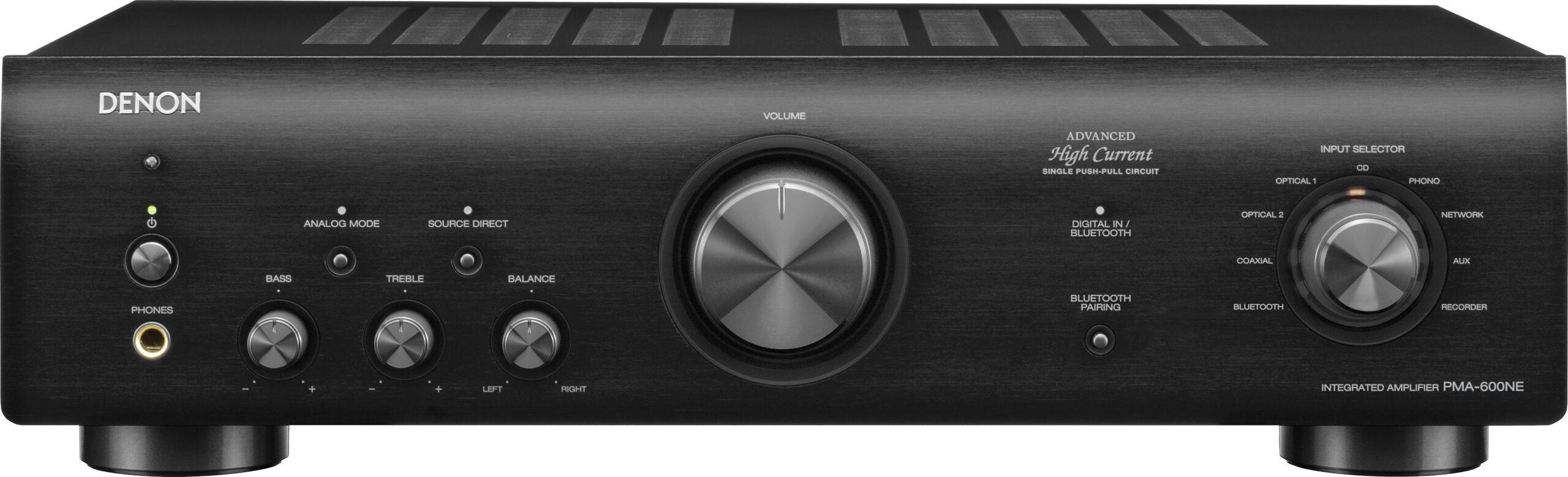
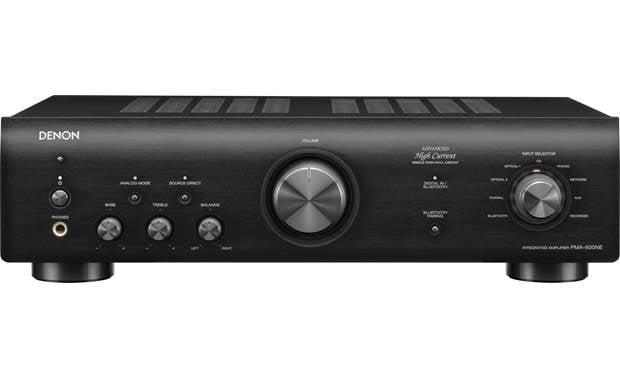
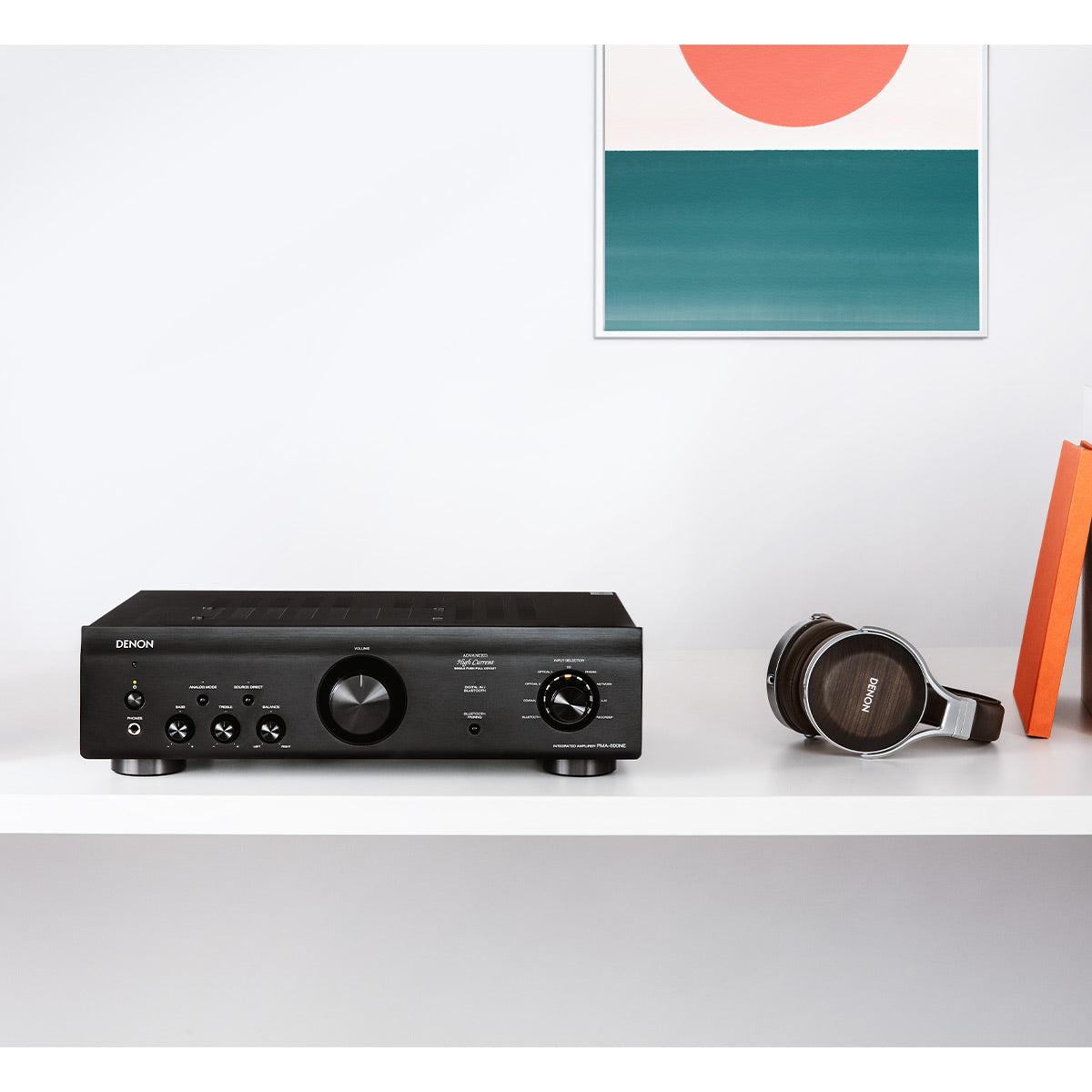
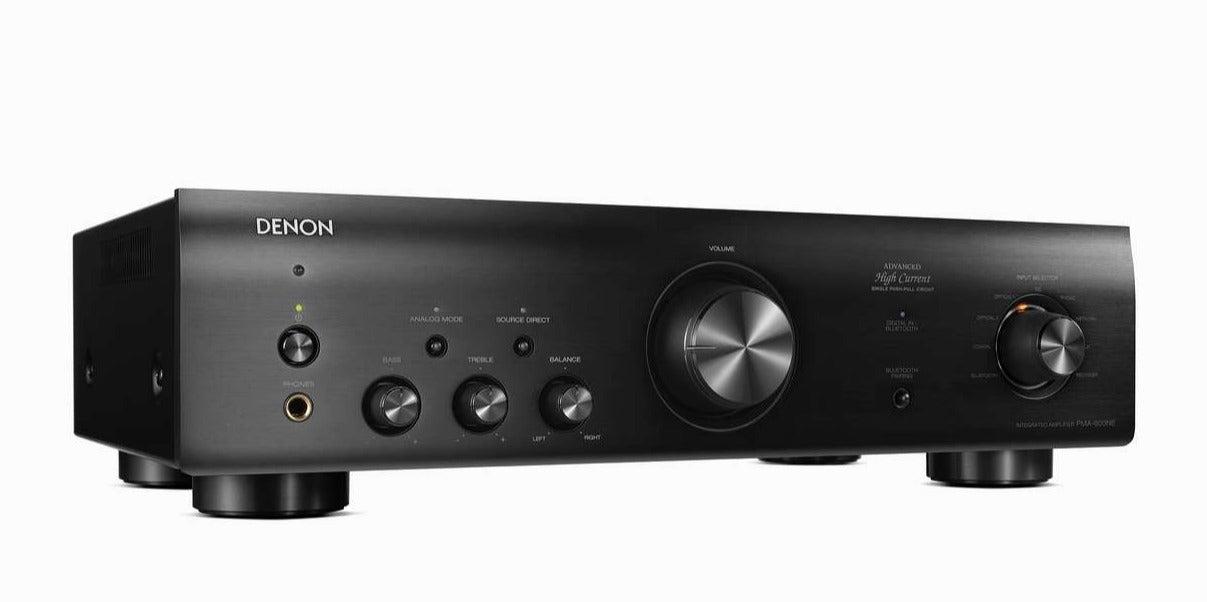
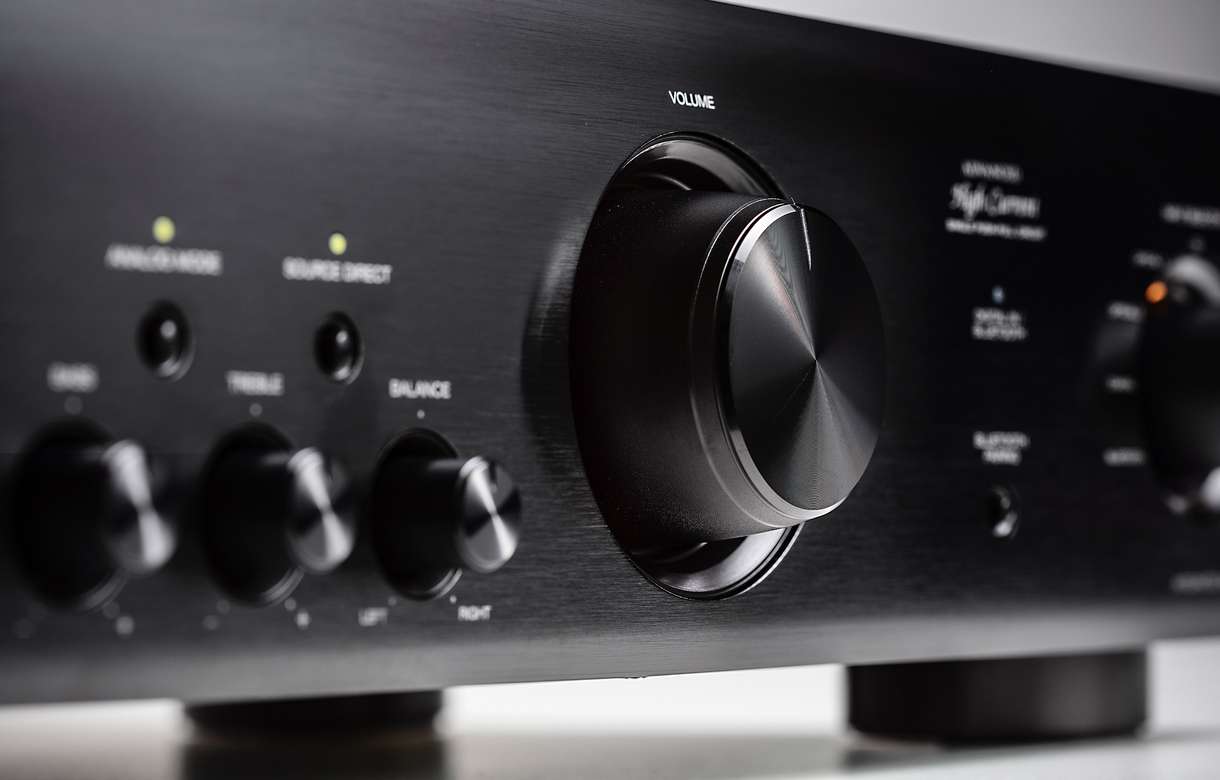
The world of home audio has split into two distinct camps. On one side, you have traditional integrated amplifiers that stick to proven designs with some modern updates. On the other, there's a new breed of streaming-first amplifiers that rethink how we interact with our music systems. The Bluesound PowerNode Edge and Denon PMA-600NE perfectly represent this divide.
At the time of writing, these amplifiers sit in similar price ranges but approach audio reproduction from completely different angles. The Bluesound PowerNode Edge costs about $200 more than the Denon PMA-600NE, but that premium buys you a fundamentally different experience. Understanding which approach suits your needs requires diving into what makes each unique.
An integrated amplifier combines two essential components: a preamplifier (which selects sources and controls volume) and a power amplifier (which drives your speakers). Think of it as the command center of your stereo system. What's changed dramatically over the past decade is how these components handle modern music sources.
Traditional integrated amplifiers focus on analog inputs—those familiar red and white RCA jacks—with digital features added as secondary considerations. Streaming amplifiers flip this priority, treating network connectivity and wireless streaming as primary functions while analog inputs become the afterthought.
The key considerations when choosing between these approaches include power output (how loud and controlled your speakers will sound), source connectivity (what you can plug in), sound quality characteristics, and integration with modern streaming services. But perhaps most importantly, you need to consider how you actually listen to music today.
The Bluesound PowerNode Edge, released in 2022, represents the streaming-first philosophy taken to its logical conclusion. Its DirectDigital™ amplification keeps your music in the digital domain from source to speaker, eliminating the multiple conversion stages that traditional amplifiers require. This isn't just marketing speak—it's a genuine technical advantage that results in measurably lower distortion and a completely silent background when no music is playing.
Think of DirectDigital amplification like a direct translation between languages, rather than translating from English to French to Spanish to Italian. Each conversion introduces small errors, and eliminating those conversions preserves more of the original information. The PowerNode Edge maintains audio signals as ones and zeros right up until they need to become the electrical waves that drive your speakers.
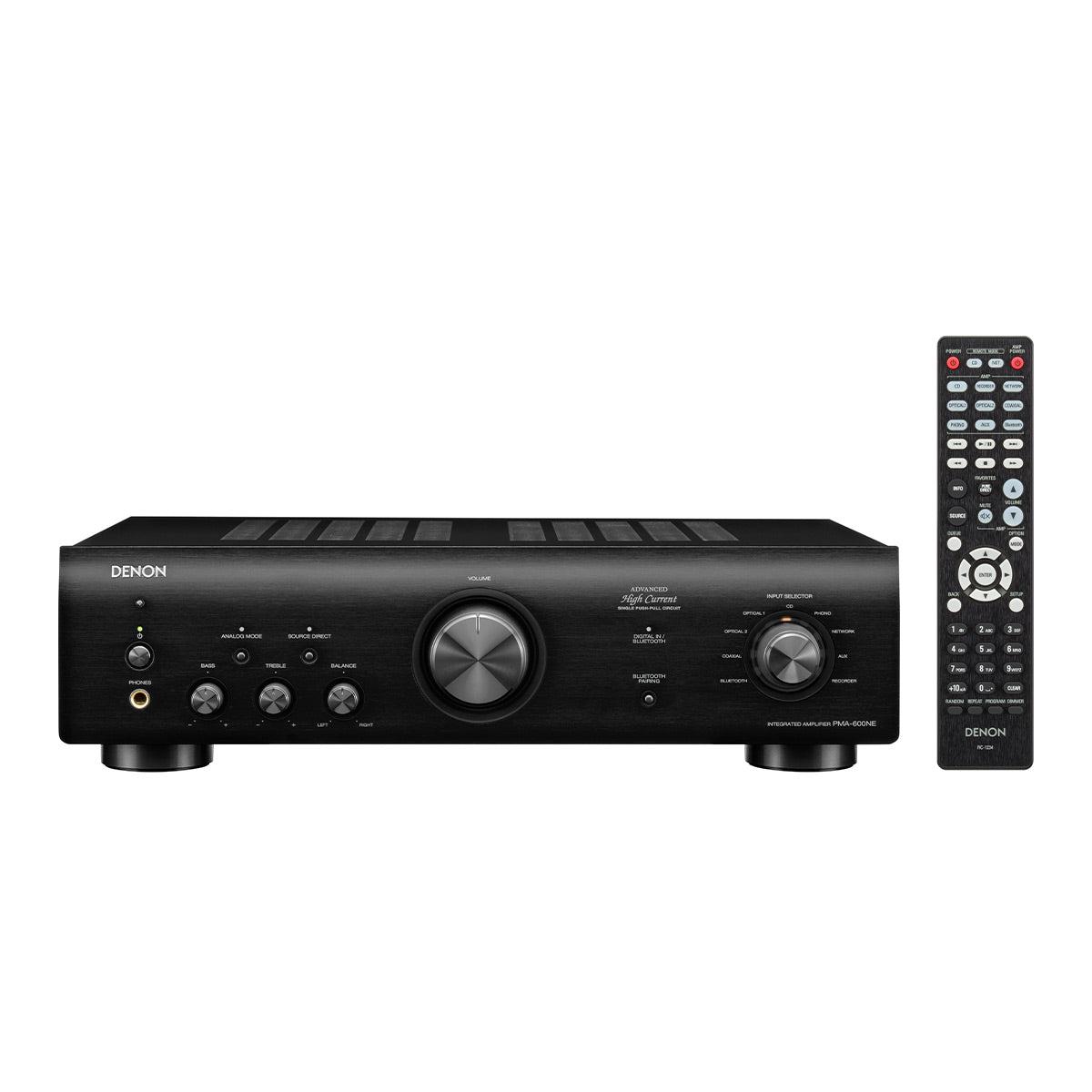
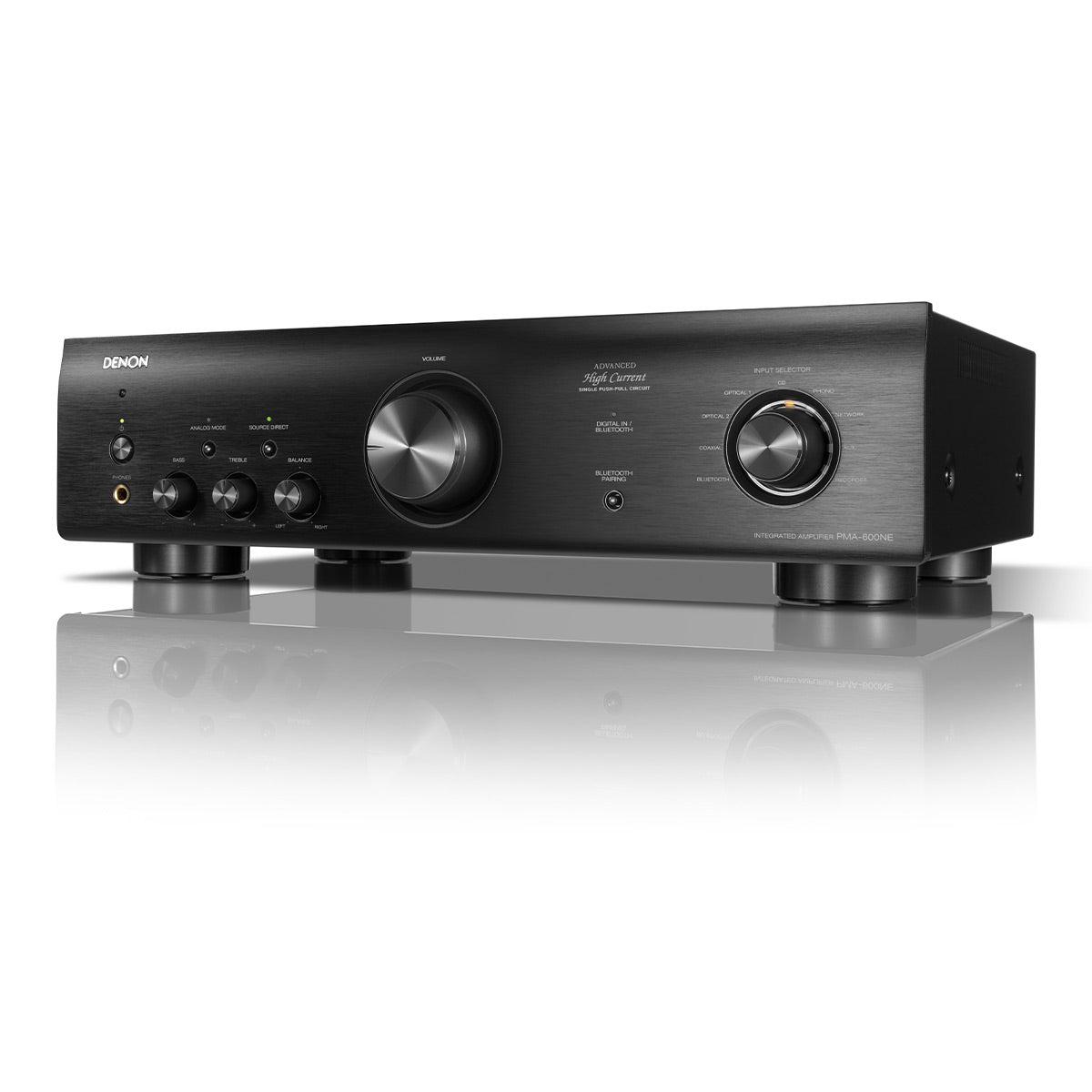
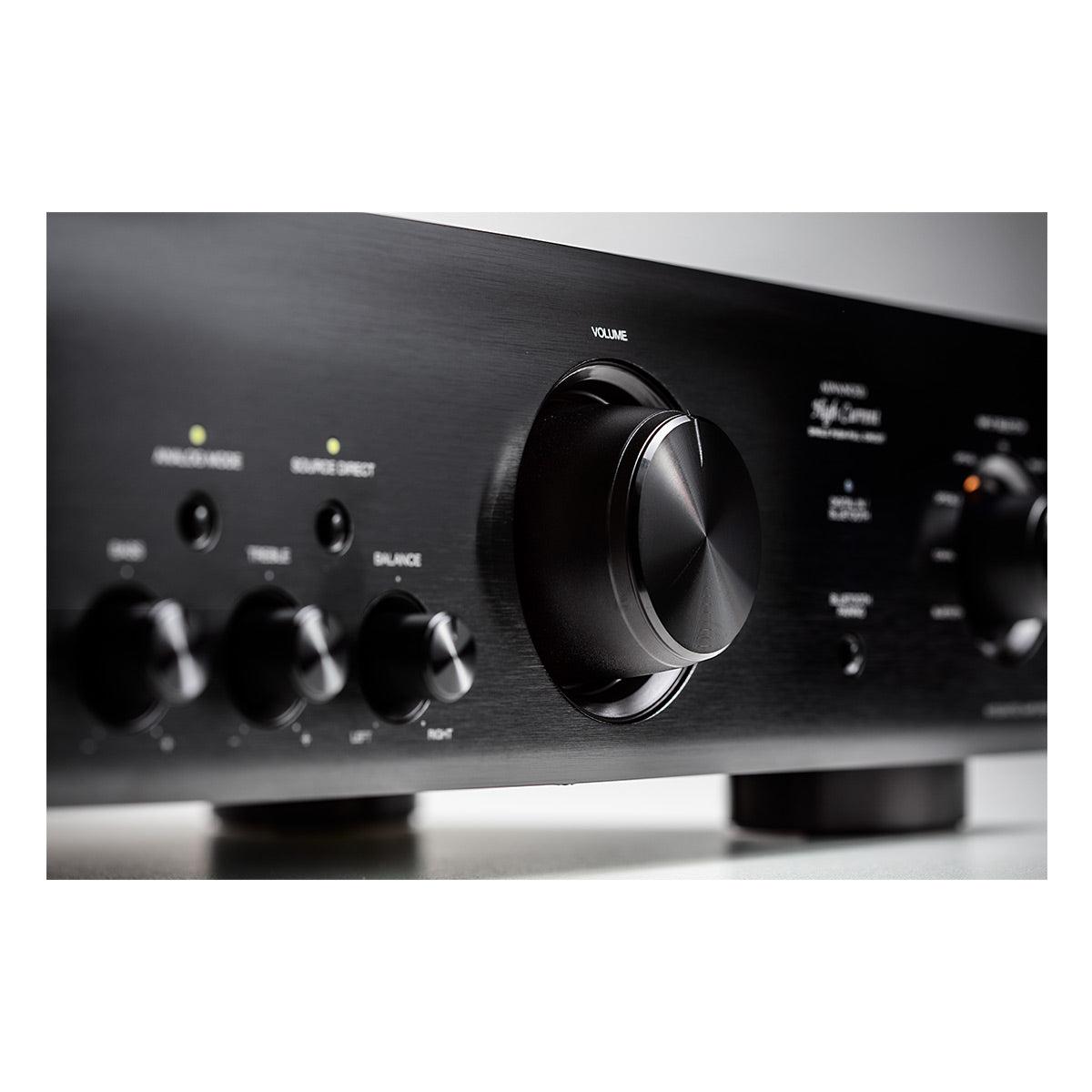
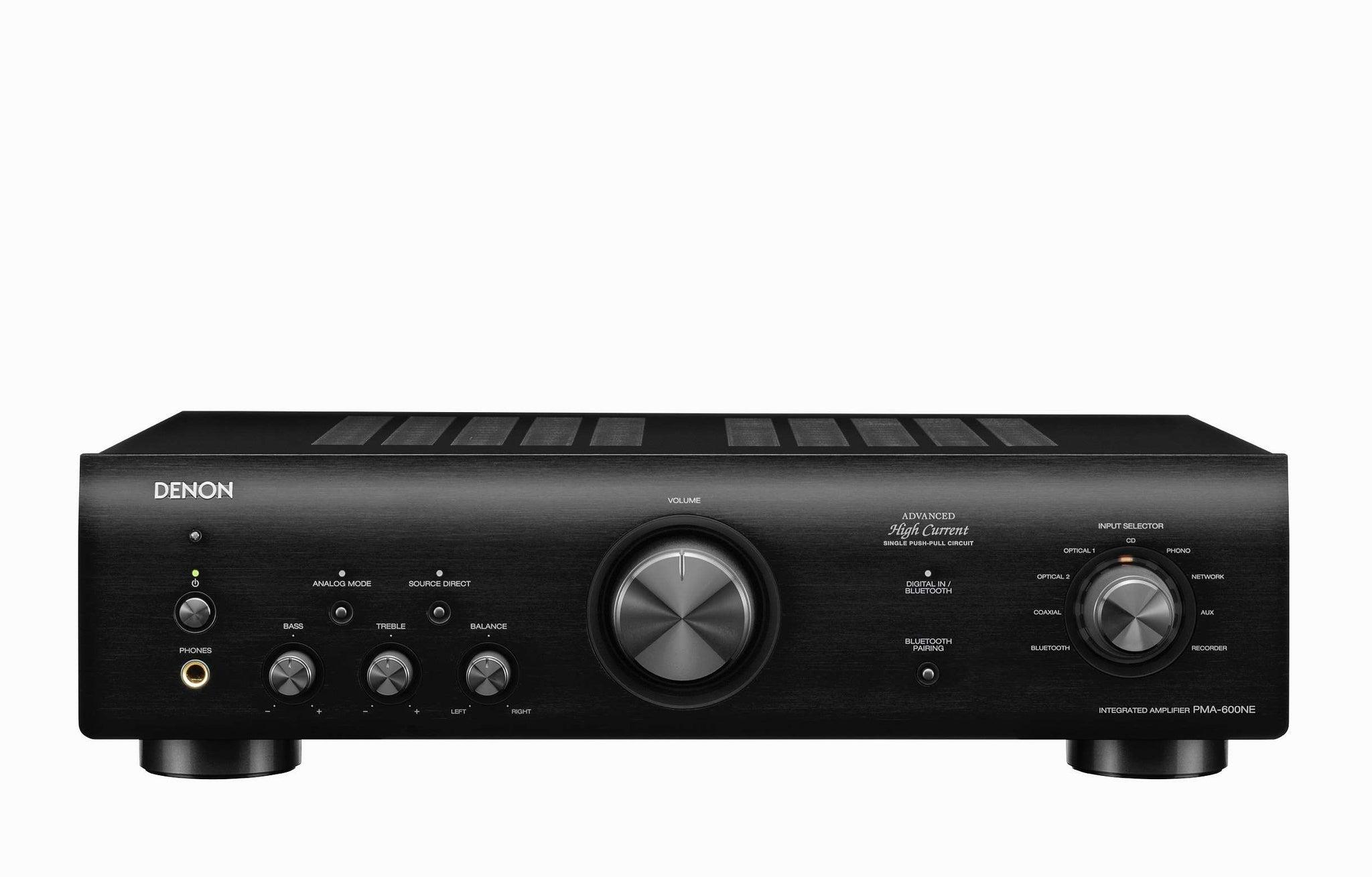
The Denon PMA-600NE, released in the same timeframe, takes the opposite approach. It uses traditional Class AB amplification—the same basic technology that's powered quality stereo systems for decades. Denon has refined this design with their Advanced High Current (AHC) technology, which allows their transistors to supply 2-3 times more electrical current than conventional designs. More current means better speaker control, especially when music gets complex or demanding.
These aren't just different implementations of the same idea—they're different philosophies about what an amplifier should be and do.
The power specifications tell an interesting story. The Denon PMA-600NE delivers 45 watts per channel into 8-ohm speakers and 70 watts into 4-ohm speakers. The Bluesound PowerNode Edge produces 40 watts per channel into 8 ohms. On paper, the Denon looks more powerful, but the reality is more nuanced.
Power output isn't just about maximum volume—it's about how well an amplifier controls your speakers during complex musical passages. When a symphony hits a crescendo with multiple instruments playing simultaneously, your amplifier needs to provide clean, controlled power to reproduce each instrument clearly. This is where amplifier topology—the fundamental design approach—matters more than raw wattage numbers.
Our research into user experiences reveals that the PowerNode Edge punches well above its 40-watt rating. Multiple reviewers have successfully driven demanding speakers like B&W 805 D4s and Focal Kanta No. 2s—speakers that typically require significantly more power. The DirectDigital amplification's tight control over the speakers, combined with the clean power delivery, explains this seemingly impossible performance.
The PMA-600NE, despite its higher wattage, shows some limitations at higher volumes. Professional measurements reveal that distortion increases more rapidly as you approach maximum output, and the amplifier becomes the bottleneck rather than enabling better performance from external sources.
For most home listening situations, both amplifiers provide adequate power. The Denon has an advantage if you're driving particularly inefficient speakers in a larger room, while the Bluesound excels at maintaining clean, controlled sound regardless of volume level.
The sound signatures of these amplifiers reflect their different design philosophies. The PowerNode Edge produces what experts consistently describe as detailed, smooth, and fatigue-free. Its DirectDigital amplification achieves remarkably low distortion—just 0.008% Total Harmonic Distortion plus Noise (THD+N). For context, anything below 1% is considered excellent, and 0.01% is exceptional.
This technical precision translates to a presentation that lets you hear deeper into recordings. Subtle details become more apparent, instruments have better separation in the stereo field, and the background silence allows quiet passages to emerge more clearly. It's the kind of sound quality that reveals new details in familiar songs.
The Denon PMA-600NE offers a different experience that many find equally appealing. Its Class AB amplification produces what reviewers describe as warm, smooth, and engaging, with a gentle lift in the lower midrange that adds body and richness to vocals and instruments. This is the classic "Japanese hi-fi" sound that made companies like Denon, Marantz, and Yamaha famous in the 1980s and 1990s.
However, professional measurements of the PMA-600NE reveal some concerning technical limitations. The internal DAC (Digital-to-Analog Converter) shows high distortion levels that prevent it from cleanly reproducing even CD-quality digital sources. The amplifier section itself becomes the limiting factor, meaning that upgrading to an external DAC won't improve performance.
These measurement concerns don't necessarily translate to poor listening experiences—many users find the Denon's warm, forgiving character more engaging for casual listening than technically perfect but potentially clinical-sounding alternatives. But if you prioritize technical accuracy and the ability to hear every detail in your recordings, the PowerNode Edge has a clear advantage.
Here's where the fundamental difference between these amplifiers becomes most apparent. The PowerNode Edge is designed for the streaming age, offering comprehensive wireless connectivity through its BluOS platform. This system provides access to over 20 streaming services, supports high-resolution audio up to 24-bit/192kHz, and includes MQA decoding for audiophile-quality streaming from services like Tidal.
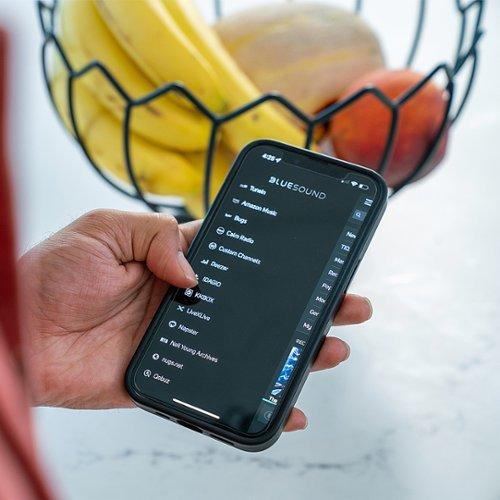
The BluOS app serves as your primary interface, turning your smartphone into a sophisticated remote control that can manage multiple rooms, queue up music from different sources, and even control other BluOS-enabled devices throughout your home. The amplifier also supports AirPlay 2, Spotify Connect, and two-way Bluetooth with aptX HD—meaning you can stream high-quality audio both to and from the device.
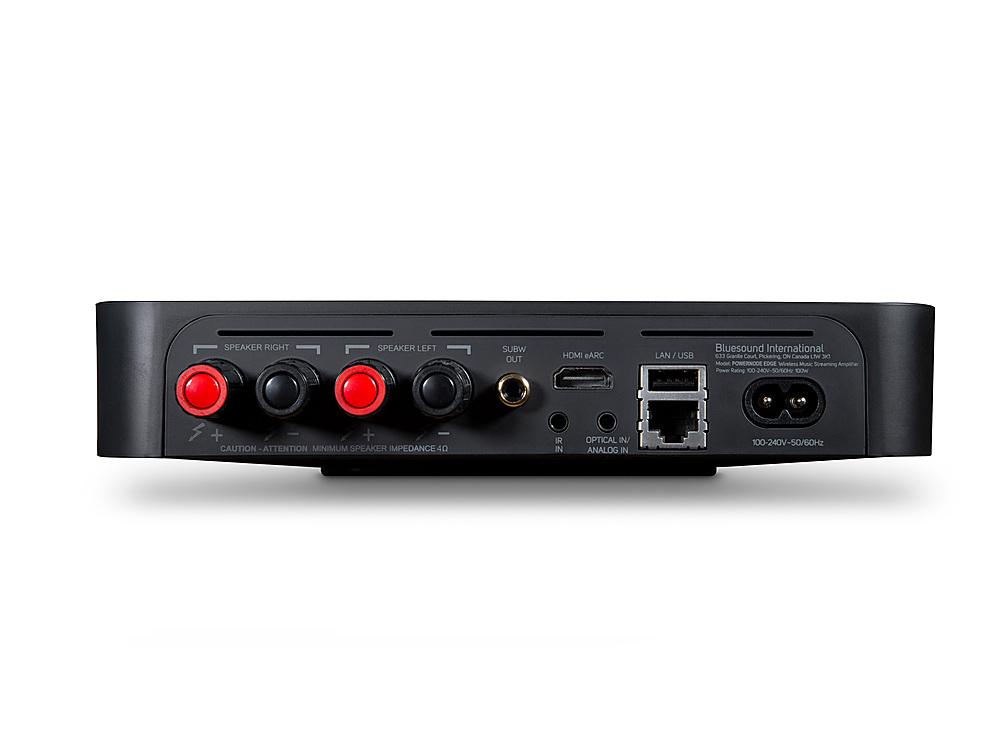
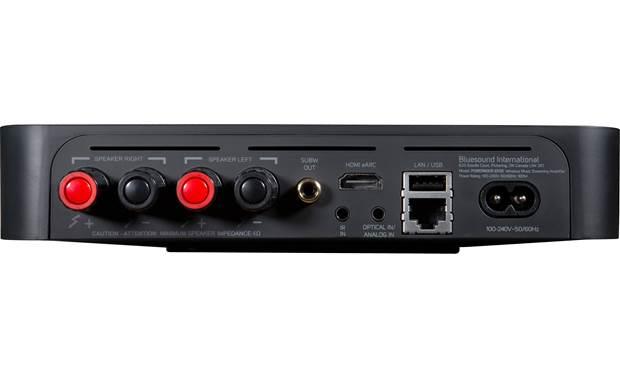
Perhaps most significantly for home theater users, the PowerNode Edge includes HDMI eARC (enhanced Audio Return Channel) with Dolby Digital decoding. This single connection to your TV enables the amplifier to receive audio from any connected device—your cable box, streaming stick, gaming console, or Blu-ray player—without additional cables or setup complexity.
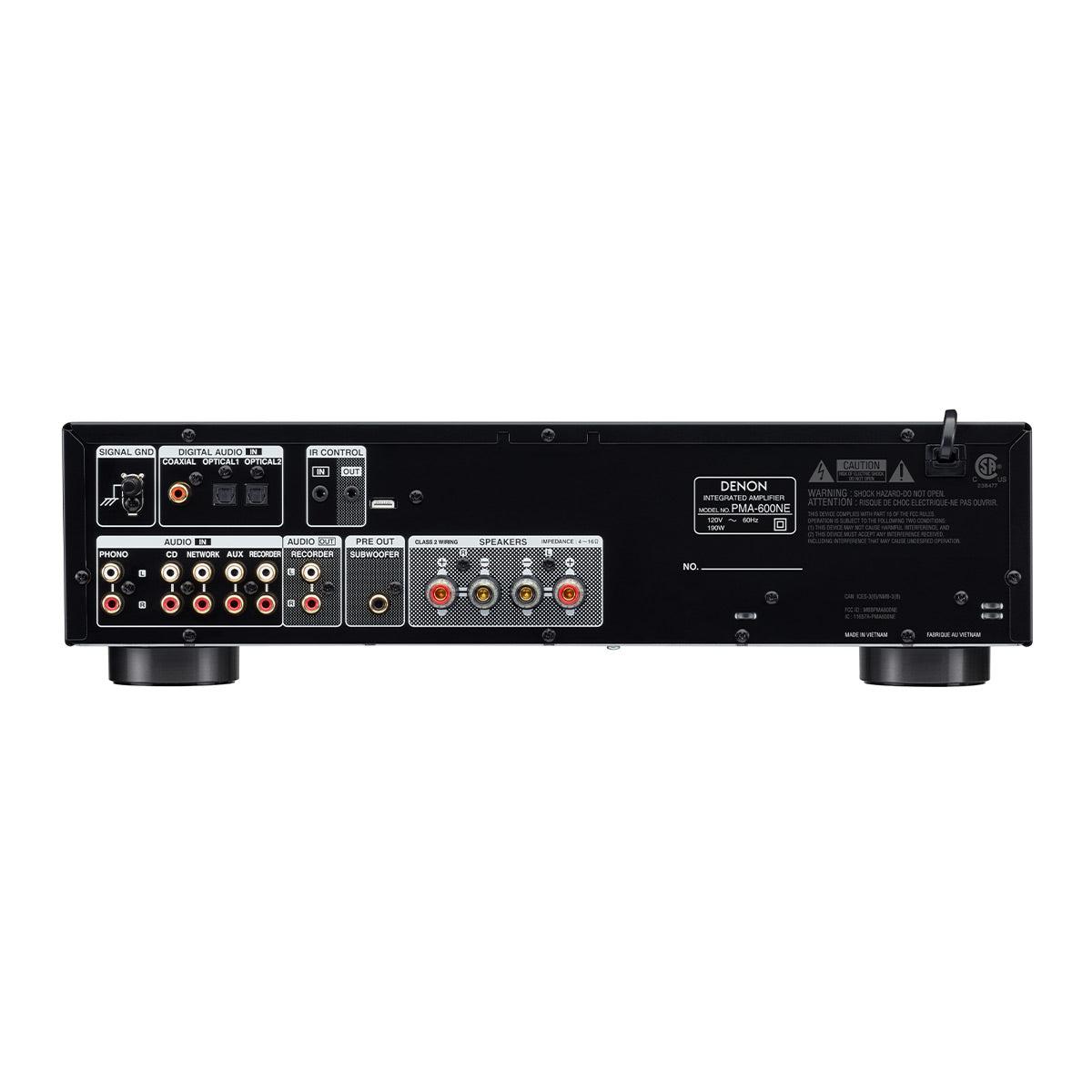
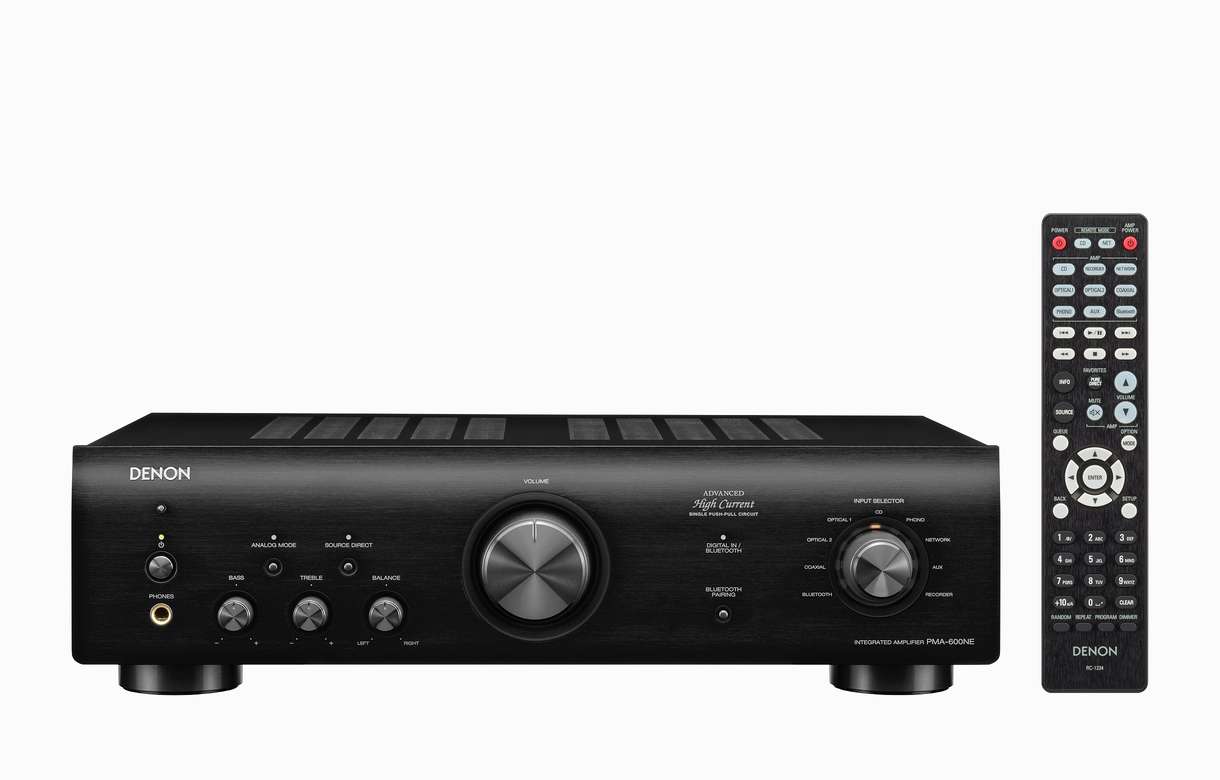
The Denon PMA-600NE takes a traditionalist approach with four analog RCA inputs, plus a dedicated phono input for turntables. This built-in phono preamp is properly engineered with accurate RIAA equalization and low noise performance—a feature that would cost $100-200 if purchased separately. For vinyl enthusiasts, this represents significant value.
Digital connectivity on the Denon includes two optical and one coaxial input supporting up to 24-bit/192kHz, plus basic Bluetooth 4.2. While functional, this Bluetooth implementation lacks the advanced codecs and two-way capability of the Bluesound.
The PMA-600NE also includes useful features like recorder outputs (for connecting a tape deck or other recording device), subwoofer output with bass management, and an Analog Mode that completely bypasses all digital circuitry for the purest possible analog signal path.
The PowerNode Edge excels in modern smart home environments. Its BluVoice technology enables voice control through Alexa, Google Assistant, and Siri, allowing hands-free music selection and volume control. The multi-room capability means you can create synchronized playback throughout your home with other BluOS devices, or use the amplifier as rear channels in a wireless surround sound setup with other Bluesound speakers.
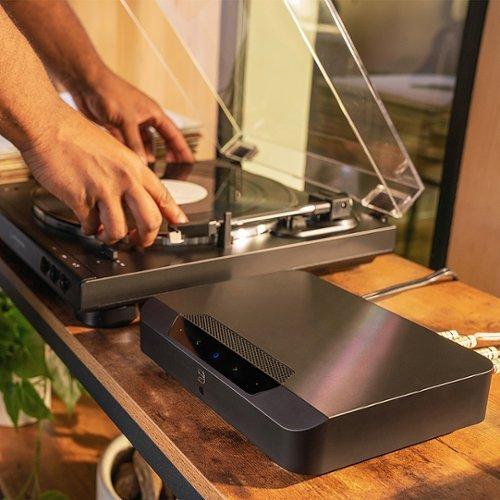
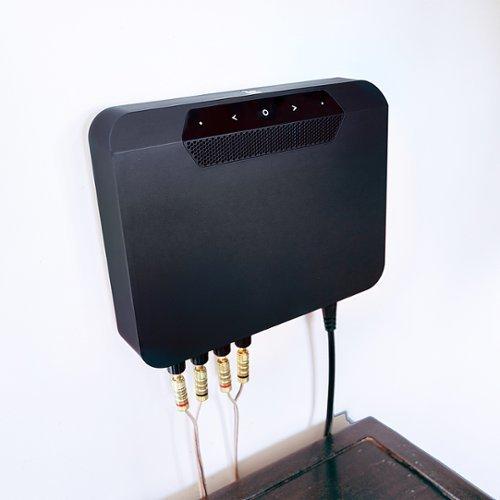
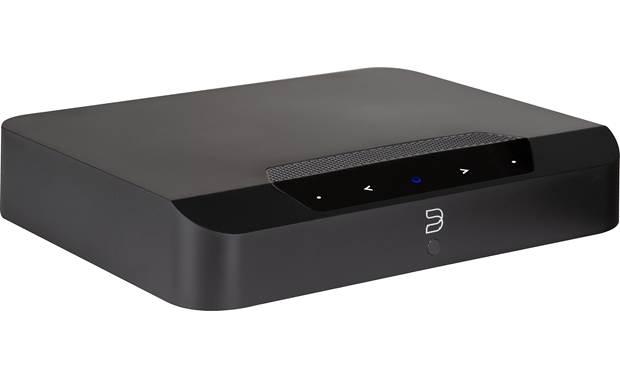
The wall-mount capability and compact form factor make the PowerNode Edge ideal for discreet installation—behind a TV, on a shelf, or even mounted to the back of a cabinet. This flexibility extends to its power requirements and heat output; the efficient DirectDigital design runs cool and draws minimal power, making it suitable for enclosed spaces where traditional amplifiers might overheat.
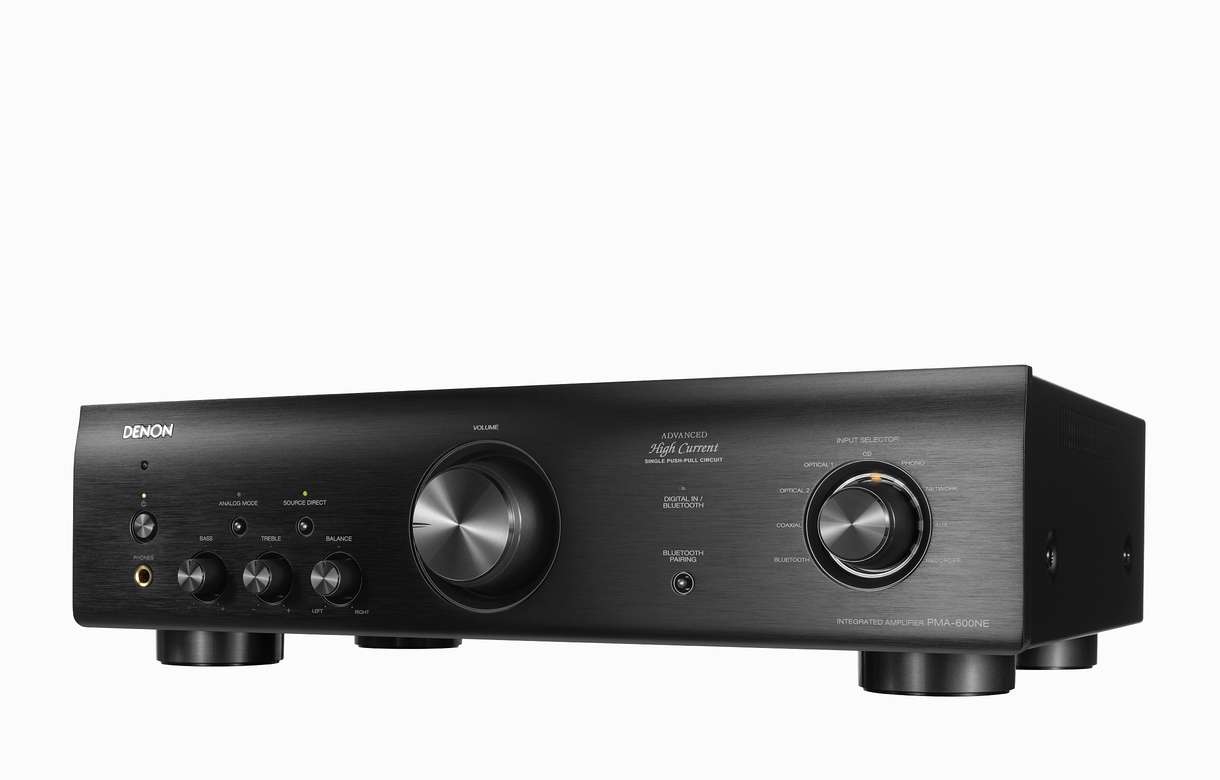
The Denon PMA-600NE offers no smart home integration beyond basic Bluetooth streaming. However, it includes thoughtful traditional features like auto power-off, multiple speaker outputs for A/B speaker switching, and tactile controls that some users prefer over app-based interfaces.
For home theater integration, the PowerNode Edge offers significant advantages. The HDMI eARC connection provides a clean, single-cable solution that automatically switches to TV audio when you turn on your television. Dolby Digital decoding means the amplifier can properly process surround soundtracks, either for stereo playback or as part of a larger wireless surround system.
The Denon PMA-600NE can serve in a home theater setup through its analog or digital inputs, but requires additional cables and manual source switching. However, its subwoofer output with bass management makes it easier to integrate a powered subwoofer for enhanced low-frequency performance in movies and music.
At the time of writing, the price difference between these amplifiers reflects their different target markets and capabilities. The PowerNode Edge commands a premium for its advanced streaming features, superior technical performance, and modern connectivity options. This premium is justified if you prioritize convenience, technical excellence, and integration with modern source devices.
The Denon PMA-600NE offers excellent value for users who need traditional analog connectivity and don't require extensive streaming capabilities. The built-in phono preamp alone represents significant savings for vinyl enthusiasts, and the higher power output benefits users with demanding speakers.
However, the Denon's measured performance limitations raise questions about its long-term value proposition. If technical performance matters to you, the additional cost of the PowerNode Edge delivers genuinely superior results.
Choose the Bluesound PowerNode Edge if streaming music services provide most of your listening, you want multi-room capability, HDMI connectivity for TV integration is important, you prefer app-based control, or you prioritize technical performance and future-proofing. The silent operation and compact design make it ideal for modern living spaces, and the DirectDigital amplification provides genuinely superior performance metrics.
The PowerNode Edge particularly excels for users building their first quality audio system, as its comprehensive streaming capabilities and ease of use lower the barrier to entry while providing room for system expansion through BluOS integration.
Choose the Denon PMA-600NE if you have multiple analog sources (especially turntables), prefer traditional physical controls, need higher power output for demanding speakers, or want to minimize your investment while maintaining integrated amplifier functionality. The extensive analog connectivity makes it ideal for users with existing component collections or those who prefer physical media.
The reality is that both approaches have merit, but they serve different users with different priorities. The PowerNode Edge represents the future of home audio—streaming-centric, app-controlled, and optimized for modern listening habits. The PMA-600NE maintains the traditional integrated amplifier concept while adding essential modern features like Bluetooth and digital inputs.
Your choice should reflect how you actually listen to music today and how you want to listen tomorrow. If you're building a system around streaming services and modern convenience, the PowerNode Edge provides a more cohesive, future-focused solution. If you have significant analog source investments or prefer traditional audio component operation, the Denon offers better value and compatibility with your existing setup.
Both amplifiers will drive quality speakers and provide years of listening enjoyment, but they'll do so in fundamentally different ways that reflect your personal approach to home audio.
| Bluesound PowerNode Edge | Denon PMA-600NE |
|---|---|
| Power Output - Determines how loud and controlled your speakers will sound | |
| 40W × 2 channels (8Ω) with exceptional speaker control | 45W × 2 (8Ω), 70W × 2 (4Ω) - better for power-hungry speakers |
| Amplifier Technology - Affects sound quality and efficiency | |
| DirectDigital™ amplification (silent operation, 0.008% distortion) | Class AB with Advanced High Current (traditional, warmer sound) |
| Streaming Capabilities - Essential for modern music listening | |
| Full BluOS platform: 20+ services, multi-room, voice control | Basic Bluetooth 4.2 only (no streaming services integration) |
| Analog Connectivity - Important for turntables and traditional sources | |
| Single 3.5mm combo input (requires adapters) | 4 RCA line inputs + dedicated MM phono preamp |
| Digital Inputs - For connecting modern digital sources | |
| Network streaming, HDMI eARC, Bluetooth aptX HD | 2 optical + 1 coaxial (24-bit/192kHz), basic Bluetooth |
| Home Theater Integration - Critical for TV and movie systems | |
| HDMI eARC with Dolby Digital decoding (seamless TV connection) | No HDMI (requires separate audio cables from TV) |
| Smart Home Features - Modern convenience and automation | |
| Voice control (Alexa, Siri), app control, wall-mountable | Physical controls only, traditional tabletop design |
| Multi-Room Audio - For whole-home music systems | |
| Yes, with other BluOS devices for synchronized playback | No multi-room capability |
| Built-in DAC Quality - Affects digital source sound quality | |
| Premium 24-bit/192kHz with excellent measured performance | 24-bit/192kHz but poor measured performance with high distortion |
| Size and Installation - Flexibility in placement options | |
| Compact, wall-mountable with included bracket | Traditional component size, tabletop installation only |
| Best Value For - Who should choose each amplifier | |
| Streaming-focused users wanting modern features and superior tech | Traditional hi-fi users needing analog inputs and phono preamp |
The Bluesound PowerNode Edge is significantly better for streaming music. It includes the full BluOS platform with access to over 20 streaming services like Spotify, Tidal, and Apple Music, plus voice control through Alexa and Siri. The Denon PMA-600NE only offers basic Bluetooth streaming without direct access to streaming services.
The Denon PMA-600NE delivers 45 watts per channel into 8 ohms and 70 watts into 4 ohms, while the Bluesound PowerNode Edge provides 40 watts per channel. Despite the lower wattage, the PowerNode Edge often performs better due to its superior amplifier control and lower distortion.
The Denon PMA-600NE is much better for vinyl because it includes a built-in MM phono preamp, allowing direct turntable connection. The Bluesound PowerNode Edge only has a single analog input that requires adapters, making it less convenient for turntable use.
The Bluesound PowerNode Edge excels for TV connection with HDMI eARC and Dolby Digital decoding, providing seamless integration with any modern TV. The Denon PMA-600NE can connect to TVs through analog or digital audio outputs but requires separate cables and manual source switching.
The Bluesound PowerNode Edge has superior technical performance with extremely low distortion (0.008%) and better measured specifications. The Denon PMA-600NE offers a warmer, more traditional sound but has poorer measured performance, particularly with its built-in DAC.
Both amplifiers support high-resolution digital audio up to 24-bit/192kHz. However, the PowerNode Edge has a superior DAC with excellent measured performance, while the PMA-600NE has a built-in DAC with poor technical specifications that may limit sound quality from digital sources.
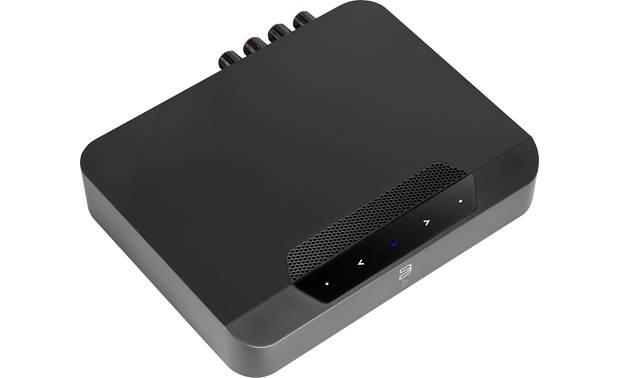
The Bluesound PowerNode Edge is more convenient with smartphone app control, voice commands, and touch controls on the unit itself. The Denon PMA-600NE uses traditional physical knobs and buttons with an included remote control, which some users prefer for tactile feedback.
Only the Bluesound PowerNode Edge supports multi-room audio through the BluOS platform, allowing synchronized playback with other BluOS devices throughout your home. The Denon PMA-600NE has no multi-room capabilities and functions as a single-room amplifier only.
The Bluesound PowerNode Edge is ideal for small spaces due to its compact size, wall-mounting capability, and silent operation that generates minimal heat. The Denon PMA-600NE is a traditional-sized component that requires tabletop placement and adequate ventilation.
The Denon PMA-600NE offers more traditional connectivity with four analog RCA inputs plus phono input, making it better for users with multiple analog sources. The PowerNode Edge focuses on streaming and digital sources but has limited analog connectivity requiring adapters.
The Denon PMA-600NE costs less and includes valuable features like the built-in phono preamp, making it better value for traditional hi-fi setups. The PowerNode Edge costs more but justifies the premium with superior streaming capabilities, better technical performance, and modern smart home features.
The Bluesound PowerNode Edge integrates excellently into home theater systems with HDMI eARC, Dolby Digital decoding, and the ability to serve as wireless rear channels with other Bluesound speakers. The Denon PMA-600NE can work in home theater setups but requires additional cables and offers a subwoofer output for 2.1 systems.
We've done our best to create useful and informative comparisons to help you decide what product to buy. Our research uses advanced automated methods to create this comparison and perfection is not possible - please contact us for corrections or questions. These are the sites we've researched in the creation of this article: futureaudiophile.com - alpha-audio.net - theaudiofactory.com - audiophilia.com - youtube.com - qaudio.com - crutchfield.com - youtube.com - bluesound.com - audioadvisor.com - crutchfield.com - bluesound.com - audiosciencereview.com - bluesound.com - soundstagesimplifi.com - mysoundconcepts.com - theaudiotailor.com.au - forums.whathifi.com - crutchfield.com - youtube.com - av.com - youtube.com - audiosciencereview.com - emotivalounge.proboards.com - forums.whathifi.com - audiosciencereview.com - crutchfield.com - melbournehifi.com.au - musicdirect.com - avstore.in - polkaudio.com - turntablelab.com

Privacy Policy
Terms and Conditions - Affiliate Policy
Home Security
© Copyright 2008-2026.
11816 Inwood Rd #1211, Dallas, TX 75244