

When you're setting up a high-quality audio system in a small space, choosing the right amplifier can make or break your listening experience. Today's compact integrated amplifiers have evolved far beyond simple volume knobs and speaker connections – they're sophisticated audio hubs that need to balance traditional hi-fi performance with modern digital convenience.
The amplifier market has seen dramatic changes since 2020, with streaming integration becoming as important as sound quality itself. Two approaches have emerged: streaming-first amplifiers that prioritize wireless connectivity and digital processing, versus traditional integrated amps that add modern features while maintaining analog-focused designs.
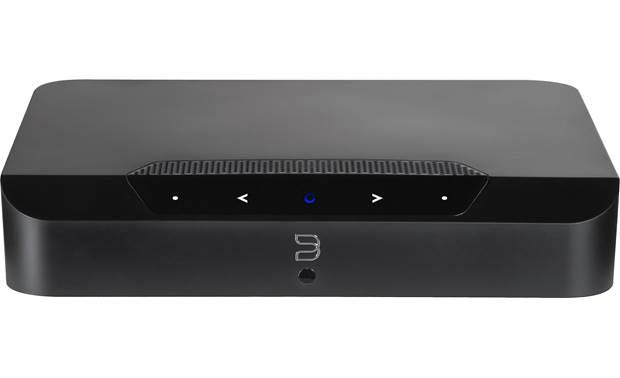
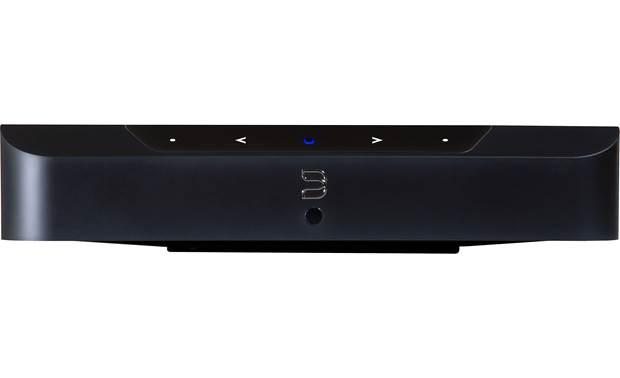
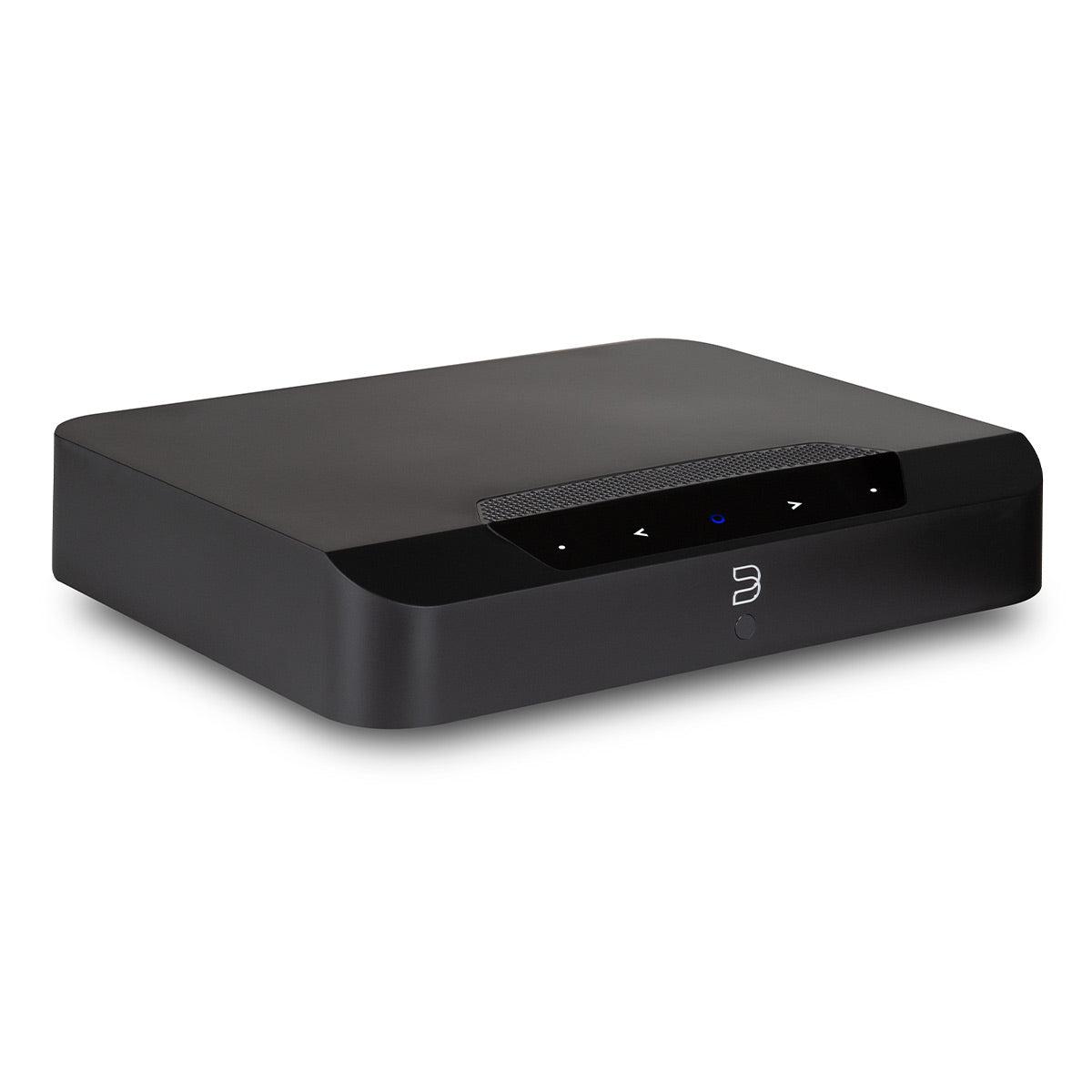
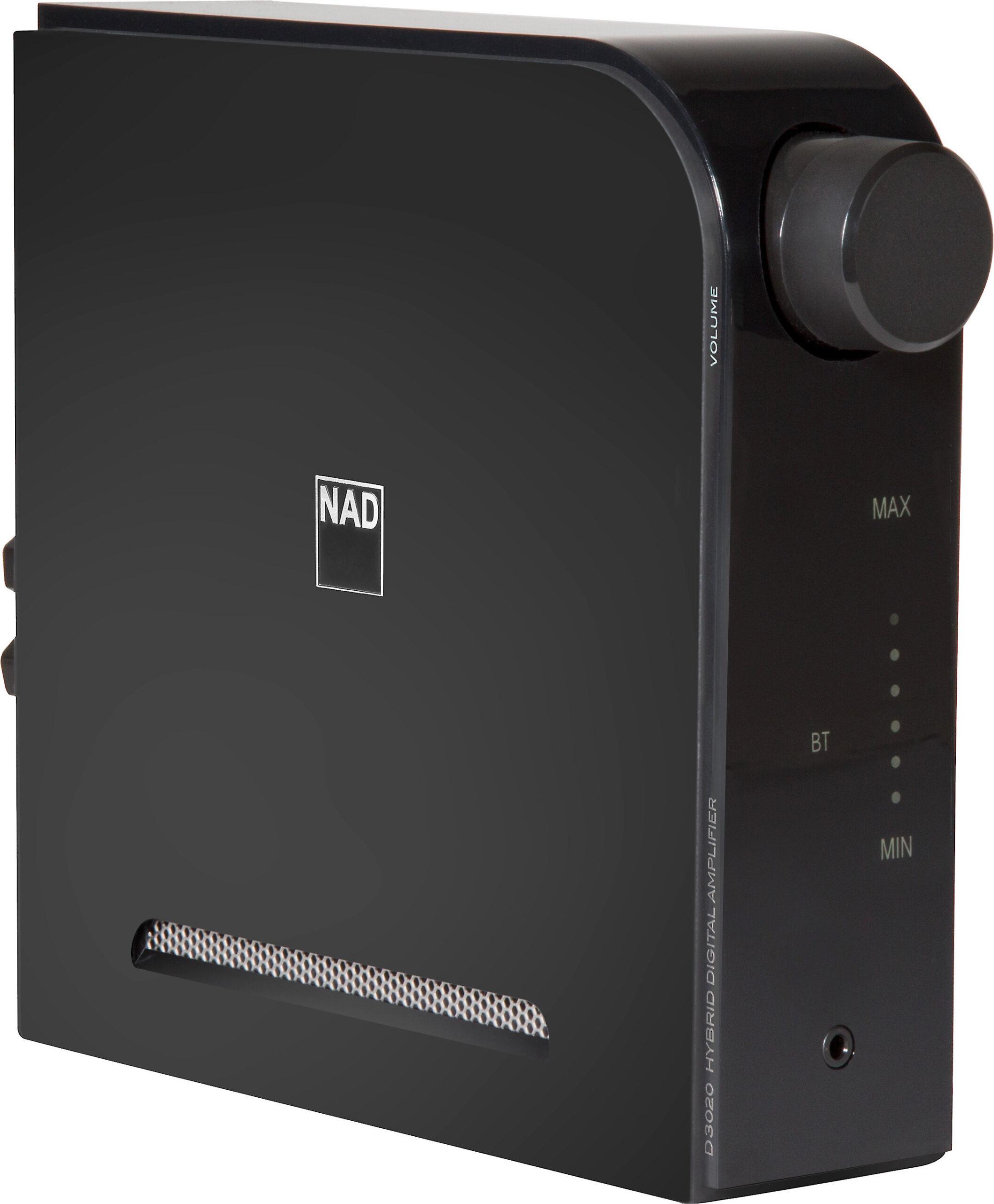
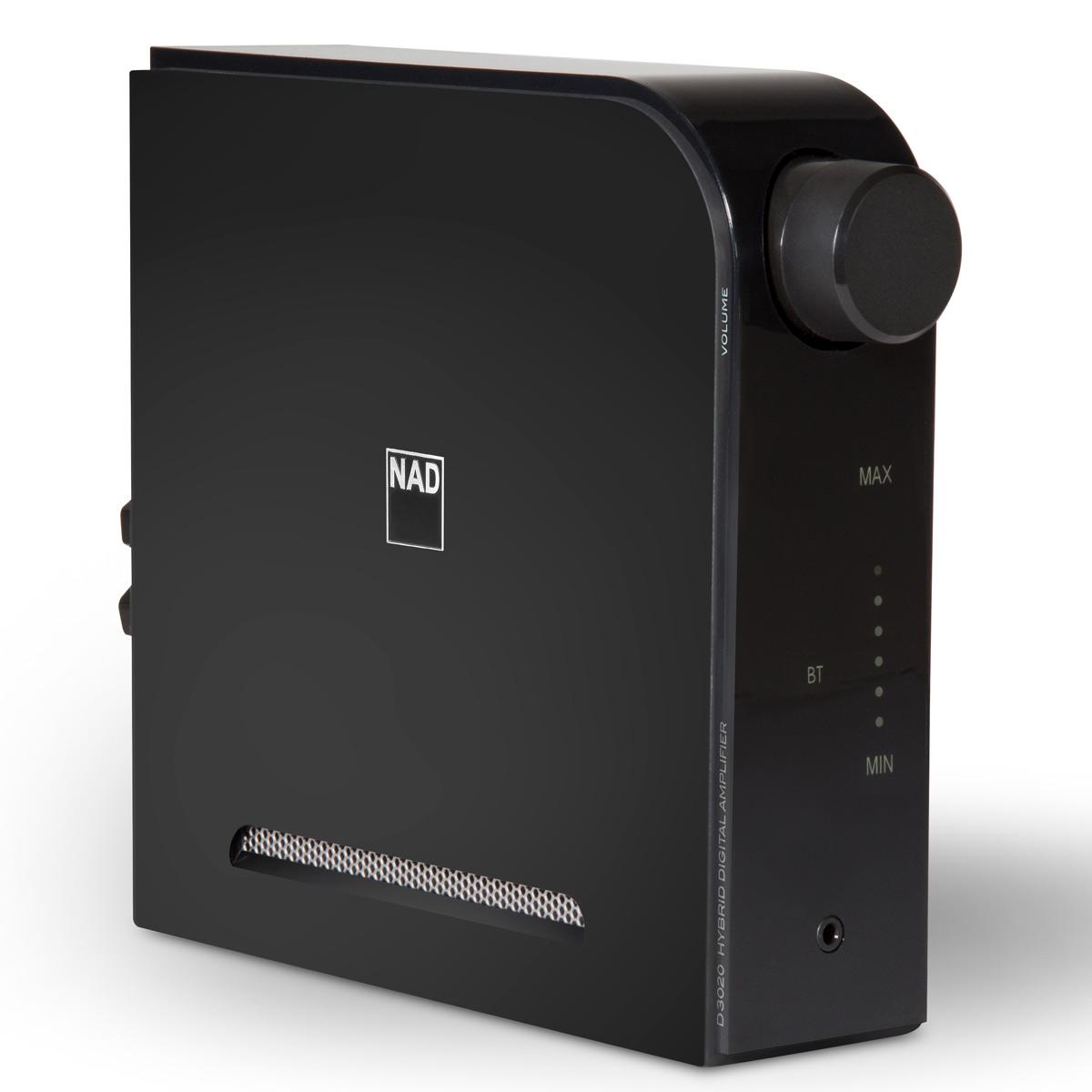
This brings us to an interesting comparison between the Bluesound PowerNode Edge and the NAD D 3020 V2. Released in 2022, the PowerNode Edge represents Bluesound's vision of streaming-centric amplification, while the D 3020 V2, which debuted in 2017, shows NAD's approach to modernizing traditional integrated amplifier design. Despite their five-year release gap, both remain highly relevant, though they serve different audio philosophies.
Before diving into specifics, it's worth understanding what makes a great compact amplifier in 2024. Power output matters, but it's not everything – a well-designed 30-watt amplifier can often sound more powerful than a poorly implemented 50-watt unit. The key lies in current delivery capability, which determines how well an amplifier controls speaker drivers during dynamic passages.
Modern compact amps must also handle both digital and analog sources seamlessly. Digital-to-analog converters (DACs) have become crucial components, as they determine how well your amplifier processes music from streaming services, computers, or digital players. Meanwhile, analog inputs remain important for turntables and older audio equipment.
The most significant development has been wireless integration. Five years ago, Bluetooth was considered adequate for casual listening. Today's audiophiles expect Wi-Fi streaming, multi-room capability, and integration with voice assistants – features that fundamentally change how we interact with our music systems.
The Bluesound PowerNode Edge delivers 40 watts per channel using what Bluesound calls DirectDigital amplification. This isn't marketing speak – it's a fundamentally different approach where the audio signal remains digital until the very last stage before reaching your speakers. Traditional amplifiers convert digital signals to analog early in the process, then amplify that analog signal. The PowerNode Edge keeps everything digital, using what's essentially a sophisticated DAC that can drive speakers directly.
This DirectDigital approach offers several advantages. First, it eliminates multiple conversion stages that can introduce noise and distortion. Second, it allows for precise digital volume control without the signal degradation that sometimes occurs with analog volume circuits. The result is what our research suggests is an exceptionally clean, detailed sound with a very low noise floor – that silent background you hear between musical notes.
The NAD D 3020 V2, meanwhile, takes a hybrid approach. It uses Class D amplification (a highly efficient digital switching technology) but processes signals more traditionally. NAD's PowerDrive circuitry is the secret sauce here – it's a sophisticated power supply management system that allows the amplifier to deliver much more current than its 30-watt rating suggests. While rated at just 30 watts per channel, the D 3020 V2 can briefly deliver up to 150 watts into difficult speaker loads.
This difference matters in real-world listening. The PowerNode Edge excels with consistent, controlled power delivery that maintains its character regardless of volume level. The D 3020 V2, however, can sound surprisingly authoritative with dynamic music that requires sudden bursts of power – think orchestral crescendos or rock music with heavy bass lines.
From our analysis of user feedback and professional reviews, both amplifiers punch well above their power ratings, but in different ways. The PowerNode Edge maintains pristine detail and imaging at all volume levels, while the D 3020 V2 delivers unexpected dynamic punch when the music demands it.
Here's where the generational difference between these amplifiers becomes most apparent. The Bluesound PowerNode Edge, being five years newer, represents the current state-of-the-art in digital audio processing. Its DAC supports up to 24-bit/192kHz resolution and includes MQA decoding – a compression technology that promises to deliver master-quality audio through streaming services.
More importantly, the PowerNode Edge's DirectDigital architecture means your digital music never gets converted to analog and back again. When you're streaming from Tidal or playing a high-resolution file, the digital data flows directly to the amplification stage. This eliminates what engineers call "conversion artifacts" – subtle distortions that can accumulate through multiple digital-to-analog and analog-to-digital conversions.
The NAD D 3020 V2 uses a more traditional approach with a Cirrus Logic DAC chip configured in what NAD calls "dual differential mode." This is actually quite sophisticated – instead of using the DAC chip's standard two channels, NAD uses eight internal channels and mixes them down to two, which reduces noise and improves linearity. It's a technique typically found in high-end audio equipment, and NAD deserves credit for implementing it in such an affordable amplifier.
However, the D 3020 V2 reflects 2017's digital standards. While it handles high-resolution files up to 24-bit/192kHz through its optical and coaxial inputs, it lacks the streaming integration that has become essential for most listeners. You're limited to Bluetooth for wireless connectivity, which compresses your music and introduces latency.
Based on our research into user experiences, the PowerNode Edge clearly wins for digital source material, offering both better technical performance and far more convenient access to your digital music library.
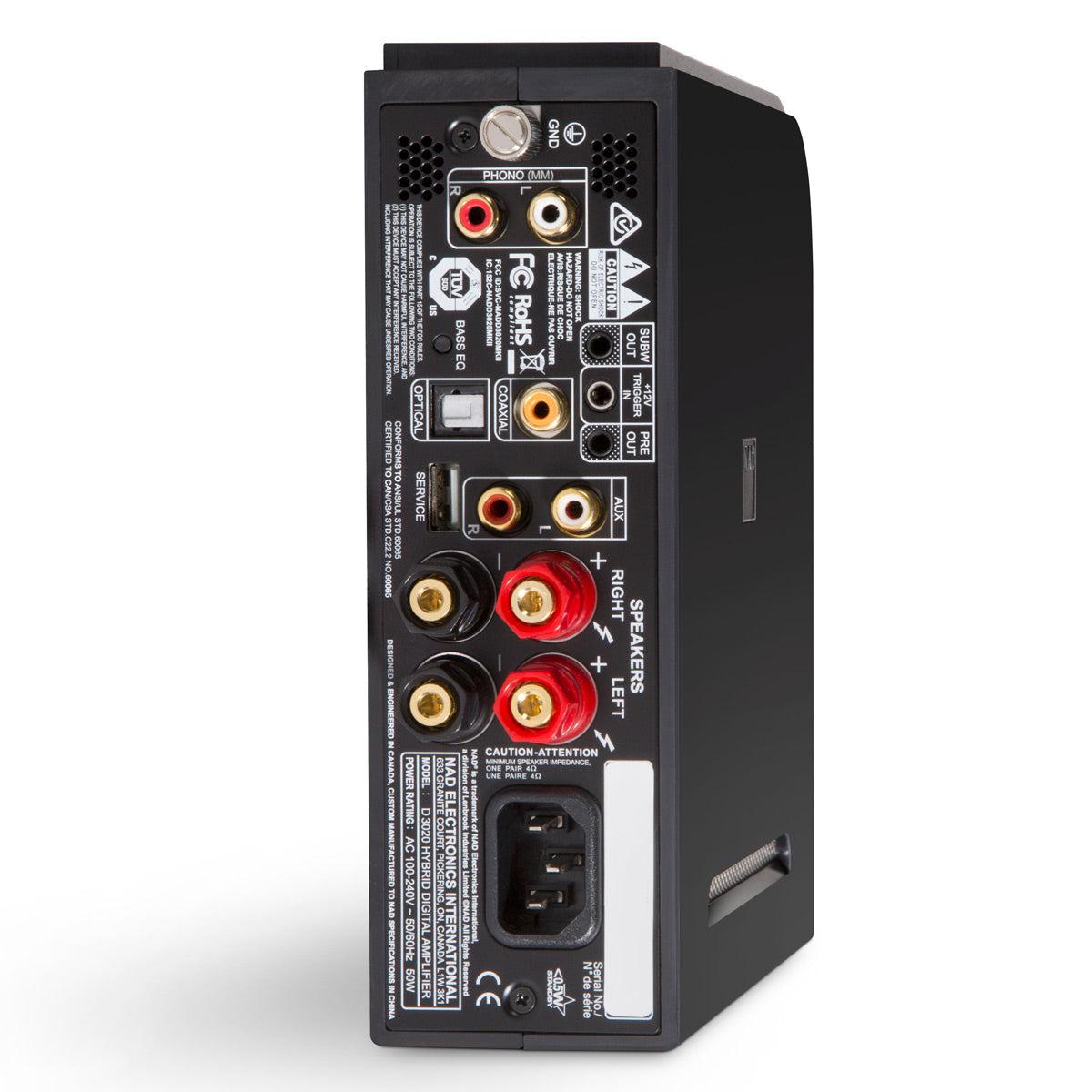
This is where the tables turn dramatically. If you own a turntable or prefer physical media, the NAD D 3020 V2 is the clear winner. Its built-in phono stage (the amplification circuit needed to bring turntable signals up to line level) is genuinely excellent. It includes proper RIAA equalization – the specific frequency curve that vinyl records require – plus an infrasonic filter that prevents low-frequency rumble from damaging your speakers.
User reviews consistently praise the D 3020 V2's phono stage, with several noting it outperforms dedicated external phono preamps costing hundreds of dollars. The circuit design includes high overload margins, meaning it won't distort even with hot vinyl pressings, and the noise performance is impressively low.
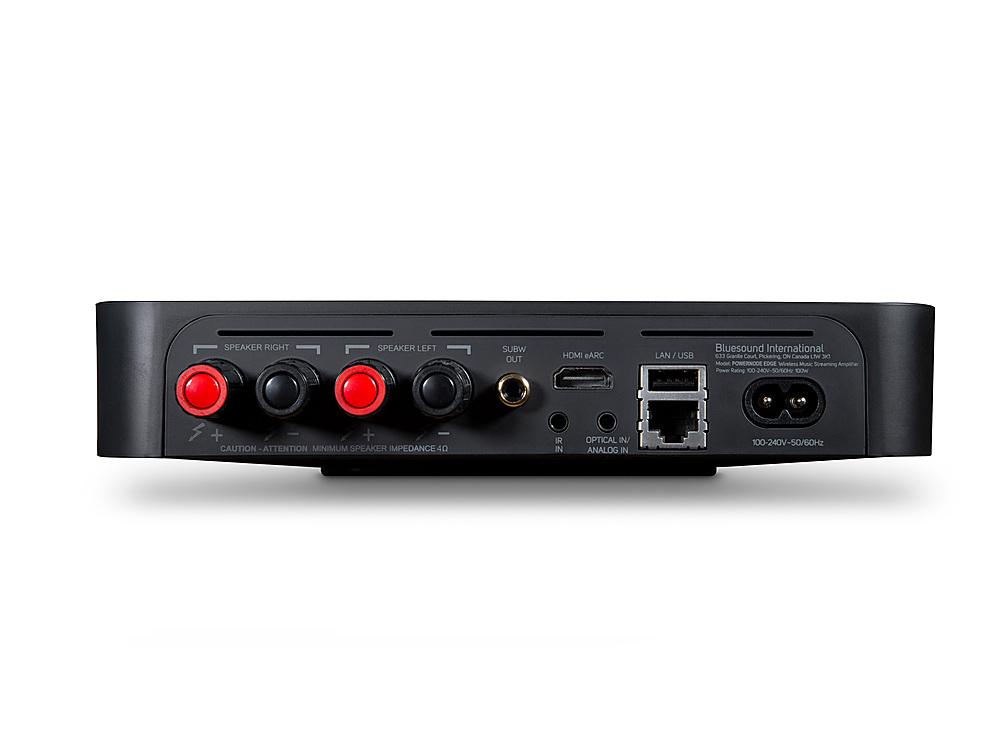
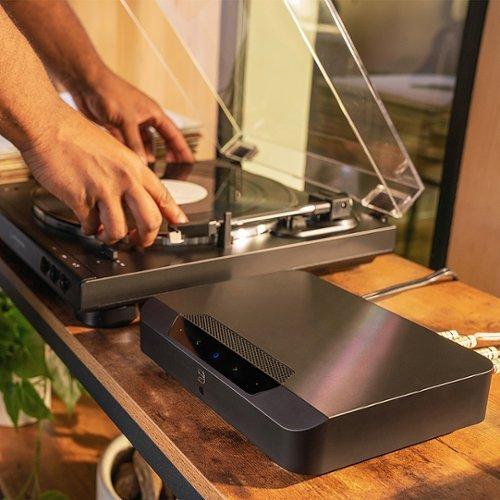
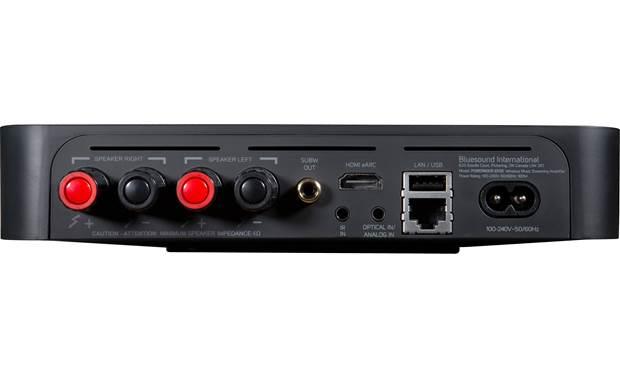
The Bluesound PowerNode Edge, by contrast, treats analog sources as second-class citizens. It has only one analog input via a 3.5mm jack (requiring adapter cables for standard RCA connections), and more controversially, it converts all analog signals to digital for processing. For vinyl purists who believe analog signals should stay analog throughout the entire chain, this is philosophically objectionable.
That said, the PowerNode Edge's analog-to-digital conversion is extremely high quality, and in blind listening tests, many users might not detect the difference. But if you're investing in a quality turntable setup, the D 3020 V2's pure analog path is both technically superior and psychologically satisfying.
The D 3020 V2 also includes a preamp output, allowing you to use it as just the preamplifier section while connecting to a larger power amplifier later. This expandability is valuable if you plan to upgrade your system over time.
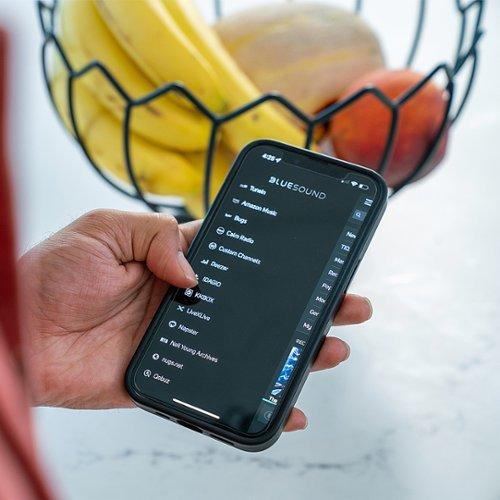
The connectivity difference between these amplifiers couldn't be more stark. The Bluesound PowerNode Edge is essentially a high-end network streamer with a built-in amplifier. Its BluOS platform supports over 20 streaming services with native integration – meaning you can control Spotify, Tidal, Qobuz, and others directly through Bluesound's app without quality-compromising Bluetooth connections.
More importantly, the PowerNode Edge supports modern wireless protocols like AirPlay 2, which enables synchronized multi-room playback with other AirPlay devices. The BluOS ecosystem also allows wireless connection to other Bluesound speakers throughout your home, creating a sophisticated whole-home audio system where each room can play different music or all rooms can play the same content in perfect sync.
The PowerNode Edge also includes HDMI eARC connectivity, which might be its most underappreciated feature. This allows direct connection to your TV, automatically switching to TV audio when you power on your television, and supporting Dolby Digital decoding for enhanced dialogue clarity. For anyone using their stereo system with their TV, this is incredibly convenient.
Voice control integration through Alexa, Google Assistant, and Siri adds another layer of modern convenience. You can adjust volume, skip tracks, or change streaming services using voice commands – functionality that feels essential once you've experienced it.
The NAD D 3020 V2, meanwhile, is limited to basic Bluetooth connectivity. While it supports the higher-quality aptX codec (which reduces compression compared to standard Bluetooth), you're still dealing with wireless compression and potential connectivity issues. Several user reviews mention Bluetooth reliability problems, including pairing difficulties and audio dropouts.
The D 3020 V2 does include optical and coaxial digital inputs, which work well for CD players, computer audio, or TV connections, but you lose the convenience of direct streaming service access and multi-room capability.
Understanding how these amplifiers sound is crucial for making the right choice. Based on extensive review analysis and user feedback, they represent two distinct philosophies.
The Bluesound PowerNode Edge prioritizes accuracy and detail retrieval. Users consistently describe exceptional imaging – the ability to precisely locate instruments in space – and remarkable depth in the soundstage. The DirectDigital processing creates what many describe as a "silent background" where musical details emerge from complete quiet rather than a subtle haze of noise.
This accuracy makes the PowerNode Edge particularly revealing of both excellent and poor recordings. High-quality streaming files and well-mastered albums sound spectacular, with precise instrument placement and clear tonal definition. However, compressed or poorly mastered recordings may sound harsh or fatiguing at higher volumes.
The NAD D 3020 V2 takes a more forgiving, musical approach that reflects NAD's house sound philosophy. Users describe it as "surprisingly forgiving of poor quality recordings" and praise its ability to make compressed streaming files sound acceptable. The amplifier has a slightly warm tonal balance that smooths over digital harshness while maintaining good detail resolution.
This musical character makes the D 3020 V2 excellent for diverse music libraries and long listening sessions. Whether you're playing vinyl, CD, or streaming, the amplifier maintains a consistent, engaging sound that prioritizes musical enjoyment over analytical detail.
The choice between these sound signatures often comes down to personal preference and your music source quality. If you primarily stream high-quality files and want to hear every detail in your recordings, the PowerNode Edge's accuracy is compelling. If you have a mixed music library or prefer a more relaxed listening experience, the D 3020 V2's musical warmth might be preferable.
For home theater use, the Bluesound PowerNode Edge offers significant advantages. Its HDMI eARC connection automatically handles TV audio switching and supports Dolby Digital decoding, which improves dialogue clarity in movies and TV shows. The dedicated subwoofer output includes bass management, allowing you to create a proper 2.1 system for movies.
Perhaps most interestingly, the PowerNode Edge can serve as rear channel amplification in a wireless surround system when paired with other Bluesound components. This eliminates the speaker wire runs typically required for surround sound setups.
The NAD D 3020 V2 lacks these modern home theater features. While you can connect it to your TV through optical or coaxial inputs, you lose automatic switching and Dolby Digital processing. There's also no subwoofer output, limiting your options for bass extension in movie watching.
At the time of writing, these amplifiers serve different market segments. The NAD D 3020 V2 represents excellent value in the affordable integrated amplifier category, delivering genuine hi-fi performance at a price point that makes quality audio accessible. When you factor in the built-in phono stage and DAC, it replaces several separate components while maintaining good sound quality.
The Bluesound PowerNode Edge commands a significant premium but justifies it through comprehensive streaming integration and advanced digital processing. When compared to buying separate components – a traditional integrated amplifier plus a quality network streamer – the PowerNode Edge often represents reasonable value, especially considering its multi-room capabilities and regular software updates.
The price difference reflects different priorities: immediate affordability versus long-term feature value and convenience.
Your decision should primarily depend on how you consume music and what features matter for your specific situation.
Choose the Bluesound PowerNode Edge if streaming services provide most of your music, if you value cutting-edge digital processing, or if multi-room audio expansion appeals to you. It's also the clear choice if you want seamless TV integration or plan to use voice control regularly. The PowerNode Edge represents the future of compact amplification, with regular software updates adding new streaming services and features.
The NAD D 3020 V2 makes more sense if you own a turntable, have multiple analog sources, or simply prefer traditional integrated amplifier operation. It's also the logical choice if budget is a primary concern or if you appreciate NAD's warm, musical sound signature. The D 3020 V2 excels as a straightforward, high-quality amplifier that happens to include useful digital features.
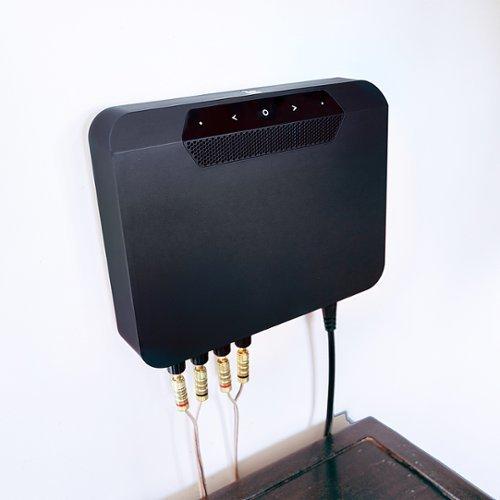
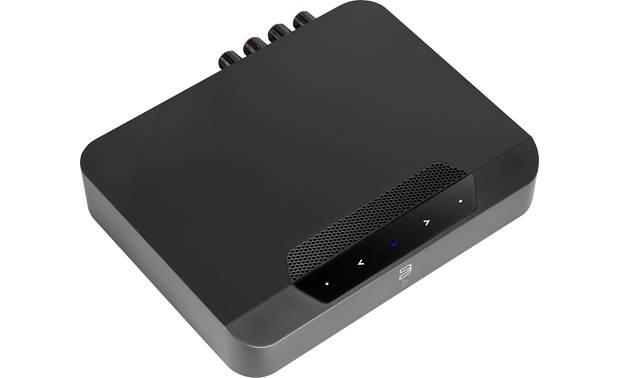
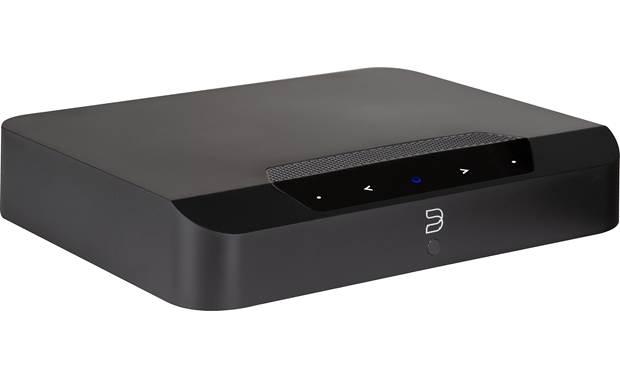
Consider your room size as well. Both amplifiers work well in small to medium rooms, but the PowerNode Edge's wall-mounting capability and compact footprint make it particularly suitable for desktop systems or rooms where space is at a premium.
Ultimately, both amplifiers represent excellent engineering and thoughtful design, but they serve different audio philosophies. The PowerNode Edge embraces the streaming future with sophisticated digital processing, while the D 3020 V2 maintains traditional hi-fi values while adding modern conveniences. Your music listening habits, budget, and feature preferences should guide your decision between these two compelling but very different approaches to compact amplification.
| Bluesound PowerNode Edge | NAD D 3020 V2 |
|---|---|
| Power Output - Determines how loud your system can play and speaker compatibility | |
| 40W per channel (8Ω) with DirectDigital amplification | 30W per channel (8Ω), 150W dynamic power (2Ω) |
| Amplifier Technology - Affects sound quality and efficiency | |
| DirectDigital/Power DAC maintains signal in digital domain | Hybrid Class D with NAD PowerDrive circuitry |
| Streaming Capability - Essential for modern music consumption | |
| Full BluOS platform with 20+ services, AirPlay 2, voice control | Bluetooth aptX only, no Wi-Fi streaming |
| Digital Audio Quality - Important for streaming and digital sources | |
| 24-bit/192kHz DAC with MQA support, | 24-bit/192kHz Cirrus Logic DAC in dual differential mode |
| Analog Inputs - Critical for turntables and traditional sources | |
| Single 3.5mm input (requires adapters), analog converted to digital | Dedicated MM phono stage plus line input, pure analog path |
| Home Theater Integration - Matters if you watch TV/movies | |
| HDMI eARC with Dolby Digital, subwoofer output with bass management | Optical/coaxial only, no subwoofer output |
| Multi-Room Audio - Important for whole-home systems | |
| Native BluOS multi-room with wireless sync | None - single room only |
| Physical Design - Affects placement options and aesthetics | |
| Wall-mountable compact design (8.6" × 1.8" × 7.6") | Vertical desktop form (7.3" × 2.3" × 8.6") |
| Voice Control - Convenience factor for smart homes | |
| Alexa, Google Assistant, Siri via BluVoice | None |
| Expandability - Future upgrade potential | |
| Works as rear channels in wireless surround setup | Preamp output for connecting external power amp |
The Bluesound PowerNode Edge is significantly better for streaming music. It includes the full BluOS platform with native support for over 20 streaming services like Spotify, Tidal, and Qobuz, plus AirPlay 2 and voice control. The NAD D 3020 V2 only offers basic Bluetooth connectivity, which compresses audio quality and can be unreliable.
The NAD D 3020 V2 has a built-in phono stage specifically designed for turntables, making it the clear choice for vinyl listeners. The Bluesound PowerNode Edge requires you to connect turntables through its single 3.5mm analog input and converts the analog signal to digital, which many vinyl purists prefer to avoid.
The Bluesound PowerNode Edge delivers 40 watts per channel consistently, while the NAD D 3020 V2 provides 30 watts continuously but can deliver up to 150 watts of dynamic power for brief musical peaks. Both are suitable for bookshelf speakers in small to medium rooms, with the PowerNode Edge offering more consistent power and the NAD providing better dynamic headroom.
The Bluesound PowerNode Edge offers HDMI eARC connection for seamless TV integration with automatic switching and Dolby Digital support. The NAD D 3020 V2 connects to TVs through optical or coaxial digital inputs but lacks automatic switching and advanced audio processing features.
The Bluesound PowerNode Edge is much better for home theater use. It includes HDMI eARC, Dolby Digital decoding, a dedicated subwoofer output with bass management, and can even serve as wireless rear channels when paired with other Bluesound components. The NAD D 3020 V2 lacks these home theater features entirely.
Only the Bluesound PowerNode Edge supports true multi-room audio through the BluOS ecosystem, allowing wireless synchronization with other Bluesound speakers throughout your home. The NAD D 3020 V2 is designed as a single-room amplifier with no multi-room capabilities.
Both sound excellent but differently. The Bluesound PowerNode Edge delivers precise, detailed sound with exceptional imaging and a silent background, ideal for high-quality digital sources. The NAD D 3020 V2 offers NAD's signature warm, musical sound that's forgiving of poor recordings and enjoyable for long listening sessions.
No separate streamer is needed with the Bluesound PowerNode Edge since it's essentially a high-end network streamer with built-in amplification. The NAD D 3020 V2 would benefit from adding a dedicated network streamer if you want advanced streaming capabilities beyond basic Bluetooth.
The NAD D 3020 V2 is simpler to set up as a traditional integrated amplifier with straightforward connections and controls. The Bluesound PowerNode Edge requires initial network setup through the BluOS app but offers much more convenience once configured, including voice control and automatic TV switching.
The NAD D 3020 V2 includes a dedicated 3.5mm headphone output on the front panel for convenient headphone listening. The Bluesound PowerNode Edge can stream wirelessly to Bluetooth headphones but doesn't have a built-in headphone jack.
The NAD D 3020 V2 offers excellent value for traditional hi-fi listening with its built-in phono stage, quality DAC, and NAD's renowned sound quality. The Bluesound PowerNode Edge commands a premium but justifies it with comprehensive streaming features, advanced digital processing, and multi-room capabilities that would cost significantly more as separate components.
The fundamental difference is philosophy: the Bluesound PowerNode Edge is a streaming-first amplifier designed for the digital age with advanced wireless features and DirectDigital processing, while the NAD D 3020 V2 is a traditional integrated amplifier that adds useful digital features while maintaining excellent analog performance and NAD's classic sound signature.
We've done our best to create useful and informative comparisons to help you decide what product to buy. Our research uses advanced automated methods to create this comparison and perfection is not possible - please contact us for corrections or questions. These are the sites we've researched in the creation of this article: futureaudiophile.com - alpha-audio.net - theaudiofactory.com - audiophilia.com - youtube.com - qaudio.com - crutchfield.com - youtube.com - bluesound.com - audioadvisor.com - crutchfield.com - bluesound.com - audiosciencereview.com - bluesound.com - soundstagesimplifi.com - mysoundconcepts.com - hifinews.com - youtube.com - forum.psaudio.com - crutchfield.com - forum.audiogon.com - crutchfield.com - iiwireviews.com - crutchfield.ca - audiosciencereview.com - soundstagesimplifi.com - nadelectronics.com - hifiheaven.net - crutchfield.com - projectorscreen.com - upscaleaudio.com - dedicatedaudio.com - twitteringmachines.com - nadelectronics.com

Privacy Policy
Terms and Conditions - Affiliate Policy
Home Security
© Copyright 2008-2026.
11816 Inwood Rd #1211, Dallas, TX 75244