

When you're building a serious music system, the integrated amplifier sits at the heart of everything. It's the component that takes the tiny signals from your sources—whether that's a turntable, CD player, or streaming device—and amplifies them with enough power and clarity to drive your speakers. Think of it as the conductor of your audio orchestra, controlling how every instrument comes together.
Both the Rega Brio and Arcam A15 represent excellent choices in the competitive mid-range integrated amplifier market, but they take distinctly different approaches to music reproduction. At the time of writing, both products sit in similar price ranges, making the choice between them largely about matching their strengths to your specific needs and preferences.
Integrated amplifiers combine two essential functions: preamplification (boosting and switching between sources) and power amplification (providing the muscle to drive speakers). The magic happens in how well they execute both roles while maintaining the musical signal's integrity.
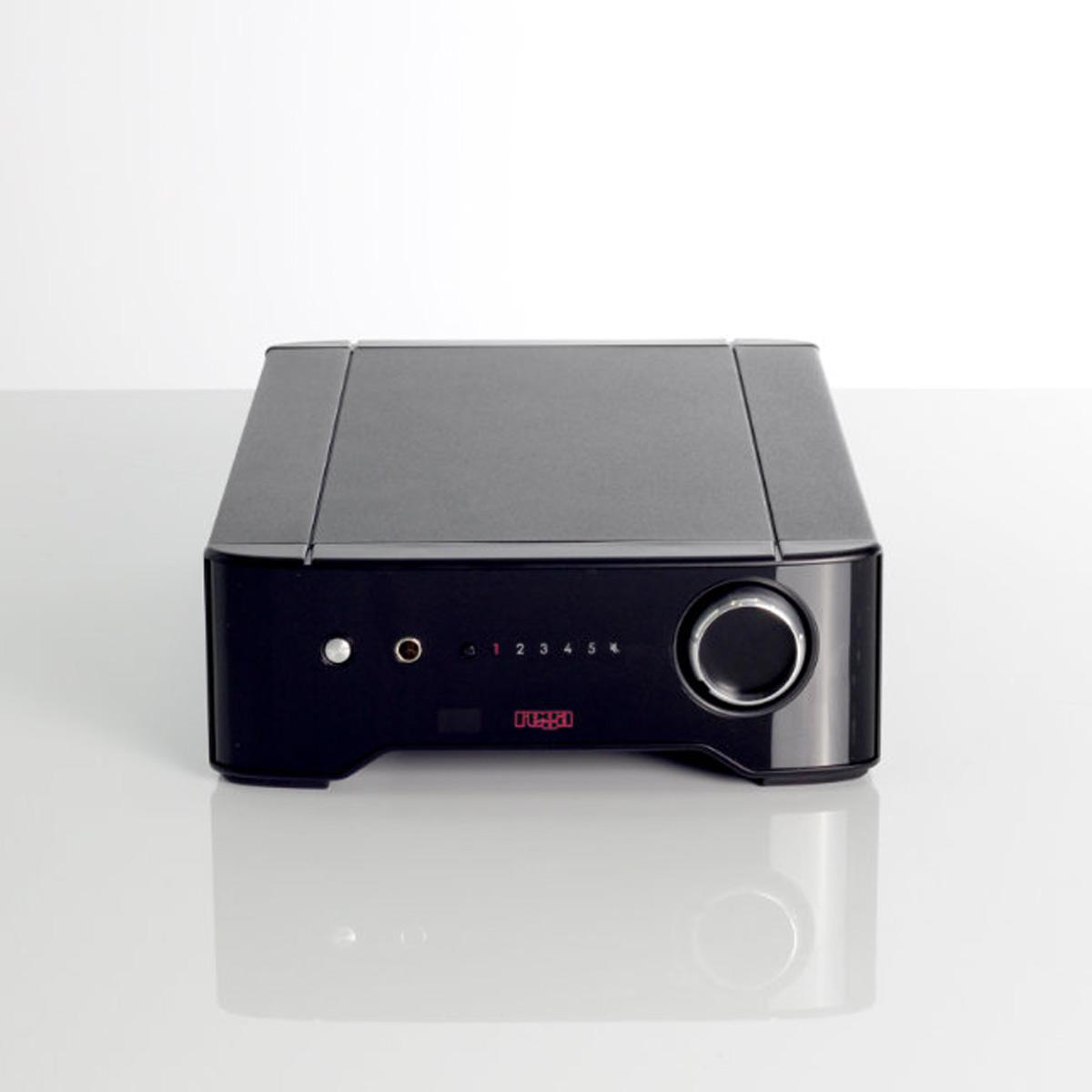
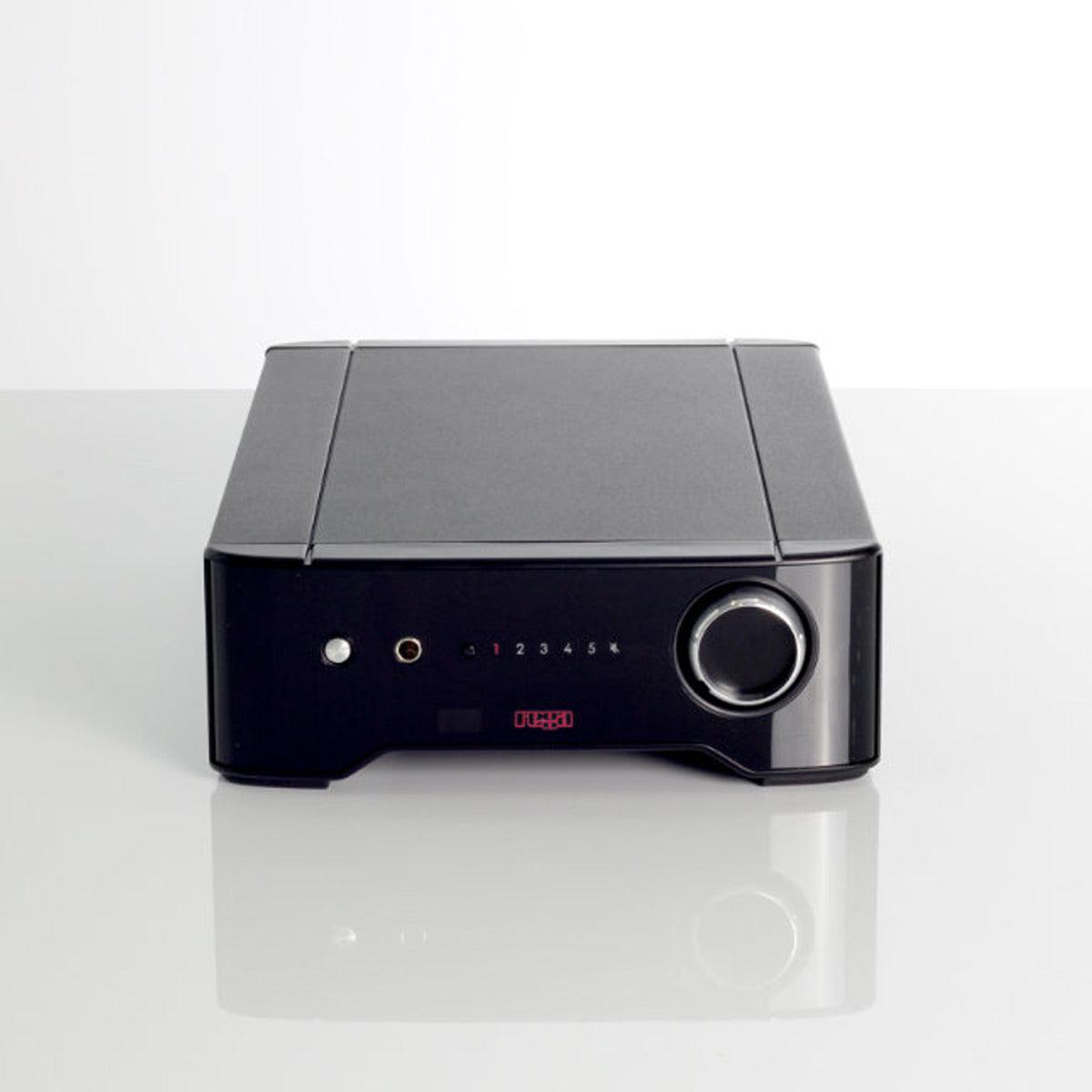
The Rega Brio, now in its seventh generation as of 2025, represents decades of refinement in Rega's amplifier philosophy. This latest version marks a significant evolution for the series—it's the first Brio to include a built-in DAC (digital-to-analog converter), allowing direct connection of digital sources without needing a separate converter box.
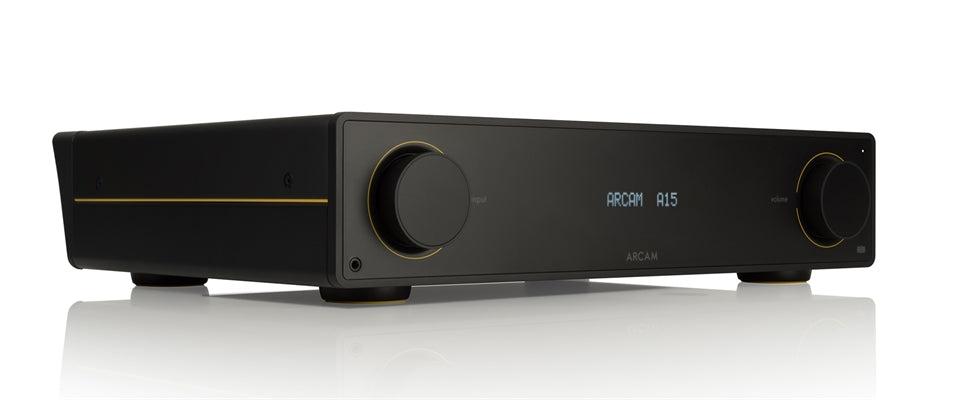
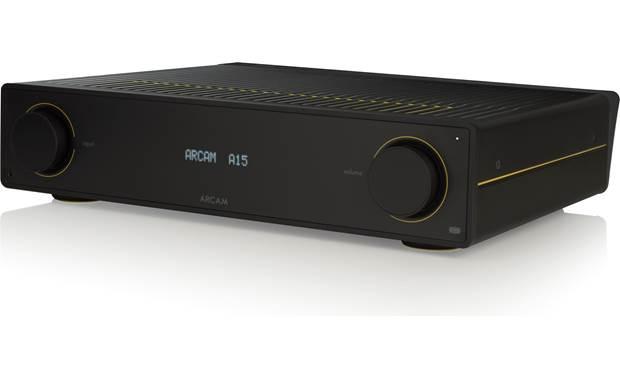
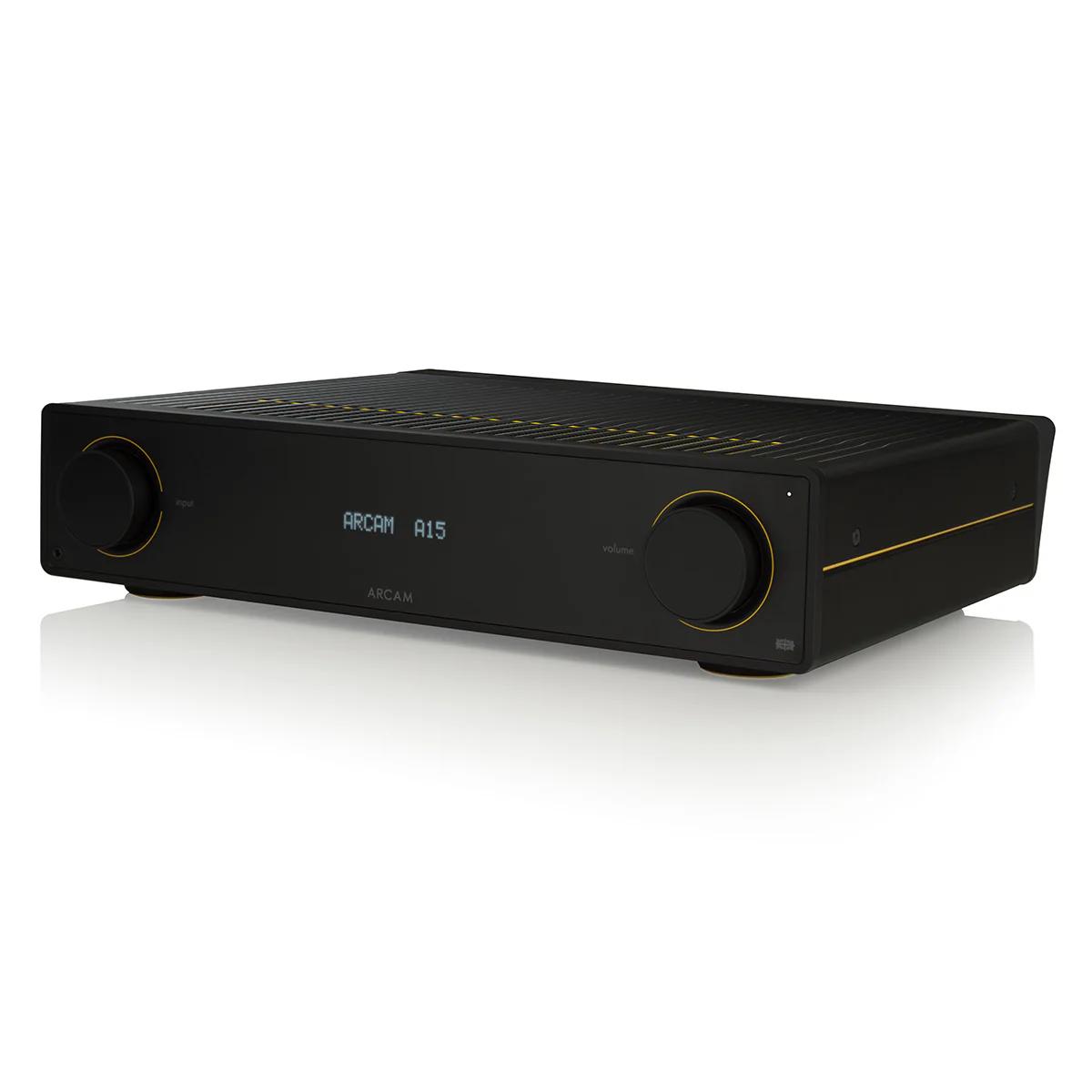
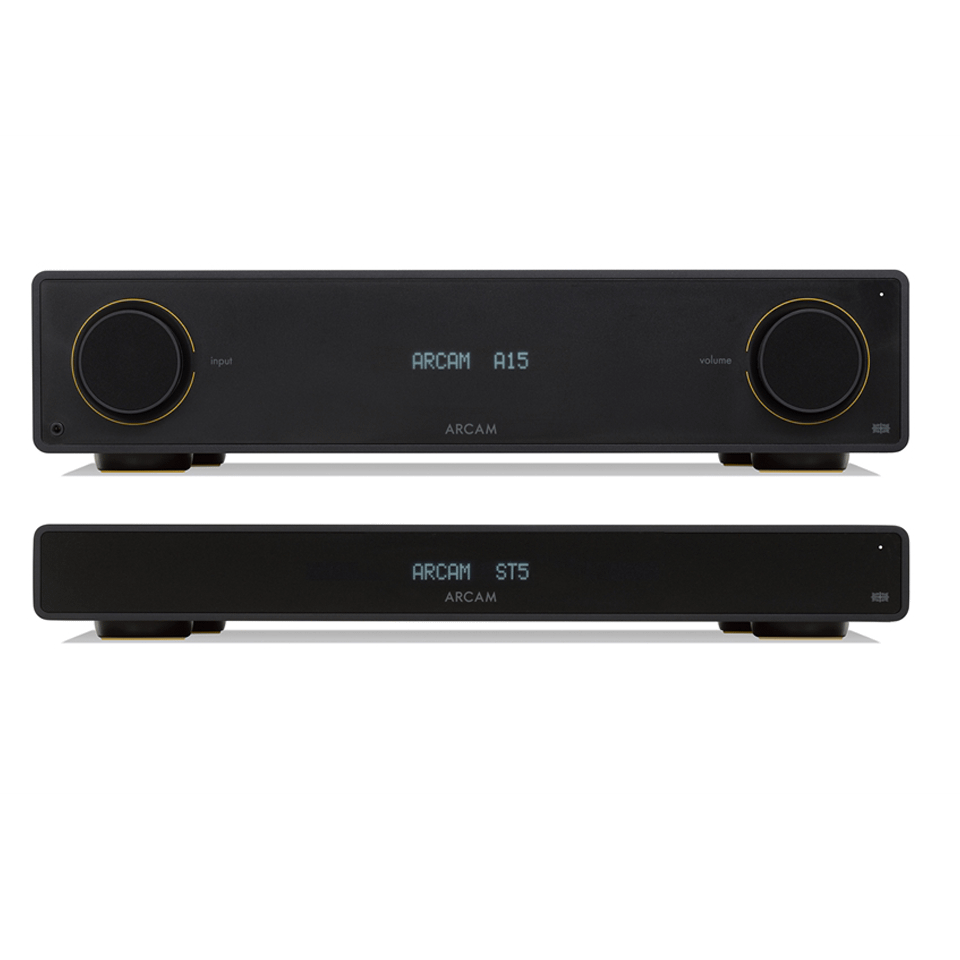
The Arcam A15, part of Arcam's current Radia series, builds on the company's pioneering work in digital audio from the 1980s. Arcam was among the first manufacturers to recognize that digital sources needed careful handling, and that expertise shows clearly in the A15's sophisticated digital section.
When comparing amplifiers, power output often gets the most attention, but the story goes deeper than simple wattage figures. The Rega Brio delivers 50 watts per channel into 8-ohm speakers, while the Arcam A15 provides 80 watts per channel—a difference of about 60% more power.
In practical terms, this power difference translates to the Arcam A15 being better suited for larger rooms, less efficient speakers, or listeners who enjoy higher volume levels. The extra headroom also means the Arcam can handle sudden dynamic peaks—like a orchestral crescendo or rock guitar solo—with less strain and distortion.
However, the Rega Brio shouldn't be underestimated despite its lower wattage. Our research into user experiences and professional reviews consistently shows that Rega amplifiers punch above their power ratings. This comes down to their power supply design and current delivery capabilities. The latest Brio features a dual power supply system that provides better isolation between different amplifier stages, resulting in tighter control over speakers and more authoritative bass response than you'd expect from 50 watts.
For most listeners using bookshelf speakers in typical home environments, 50 watts provides plenty of clean power. The decision point comes if you're driving floor-standing speakers with low sensitivity (below 87dB) or if you regularly listen at high volumes in larger spaces—scenarios where the Arcam A15 would be the clear choice.
This is where these amplifiers truly diverge, and understanding their sonic personalities is crucial for making the right choice.
The Rega Brio embodies what many consider the British approach to audio reproduction: warm, musically engaging, and focused on rhythm and timing. Professional reviewers and users consistently describe its sound as having a full-bodied midrange with rich, driving bass response. The treble is clean and sweet but slightly restrained, creating an overall tonal balance that leans warm without becoming muddy.
What sets the Rega Brio apart is its exceptional ability to convey musical timing and rhythm—what audiophiles call "PRAT" (Pace, Rhythm, and Timing). This isn't just marketing speak; it refers to the amplifier's ability to start and stop signals precisely, maintaining the natural flow and energy of music. Rock, jazz, and any rhythm-driven music sound particularly compelling through the Brio, with drums that snap and bass lines that drive the music forward with infectious energy.
The Arcam A15 takes a more refined, analytical approach. Its sound signature prioritizes openness, space, and precision. The soundstage—the three-dimensional image of where instruments appear to be positioned—is notably more expansive and stable than the Brio's. Individual instruments are easier to locate precisely, and there's a greater sense of air and separation between different musical elements.
This difference becomes most apparent with complex orchestral music or jazz ensembles, where the Arcam A15 excels at maintaining clarity even during dense passages. The tonal balance is more neutral, without the warm coloration that characterizes the Rega Brio. Some listeners prefer this neutral approach for its accuracy, while others find it less emotionally engaging.
Both amplifiers include DAC sections, but their implementations reveal different priorities and capabilities.
The Rega Brio represents the company's first venture into integrated DAC technology within the Brio series. It supports digital inputs up to 192kHz resolution through both optical and coaxial connections. While competent and maintaining Rega's characteristic lively sound, the DAC section isn't the amplifier's main strength. It's designed to be convenient rather than exceptional, allowing direct connection of digital sources without requiring a separate DAC.
The Arcam A15 showcases significantly more sophisticated digital processing, built around the ESS Sabre ES9018 DAC chip—a component found in many high-end digital audio products. This translates to measurably better specifications: lower noise floors, better dynamic range, and more precise digital filtering. The practical result is cleaner, more detailed digital playback with better separation between instruments and voices.
More importantly, the Arcam A15 includes Bluetooth 5.2 connectivity with aptX Adaptive technology. This isn't basic Bluetooth audio—aptX Adaptive can stream near-CD quality audio wirelessly from compatible phones, tablets, and computers. The implementation is particularly clever, offering two-way Bluetooth functionality. You can stream music to the amplifier wirelessly, or send the amplifier's output to Bluetooth headphones for private listening.
For users whose music libraries are primarily digital or who value wireless streaming convenience, the Arcam A15 provides a significant advantage. The Rega Brio requires wired connections for all sources, which some purists prefer but others find limiting in modern homes where phones and streaming services dominate music consumption.
Both amplifiers include moving magnet (MM) phono stages for connecting turntables directly—no external phono preamp needed. However, their approaches to vinyl reproduction differ significantly.
The Rega Brio benefits from Rega's extensive experience manufacturing turntables, and this expertise shows in the phono stage design. Users and reviewers consistently praise its ability to extract rhythmic energy from vinyl, with solid bass foundation and excellent timing. The sound is described as earthy and detailed, maintaining the analog character that draws many listeners to vinyl in the first place.
The Arcam A15 takes a more neutral approach to vinyl reproduction, preserving analog warmth while maintaining the clarity and precision that characterizes its overall sound signature. It works well with various turntable brands and cartridge types, though it doesn't have the same synergistic magic that occurs when pairing Rega components together.
If vinyl represents a significant portion of your listening, and especially if you're using or considering a Rega turntable, the Rega Brio offers compelling advantages. For users with diverse analog sources or those who prioritize accuracy over character, the Arcam A15 provides excellent performance without strong sonic coloration.
The physical design of these amplifiers reflects their different target users and installation requirements.
The Rega Brio uses a half-width aluminum chassis that occupies roughly half the space of traditional full-width amplifiers. This compact design (216mm wide) makes it ideal for smaller audio furniture or desktop setups where space is premium. Despite its size, the construction is robust, with a custom aluminum case and internal layout optimized for thermal management and electrical isolation.
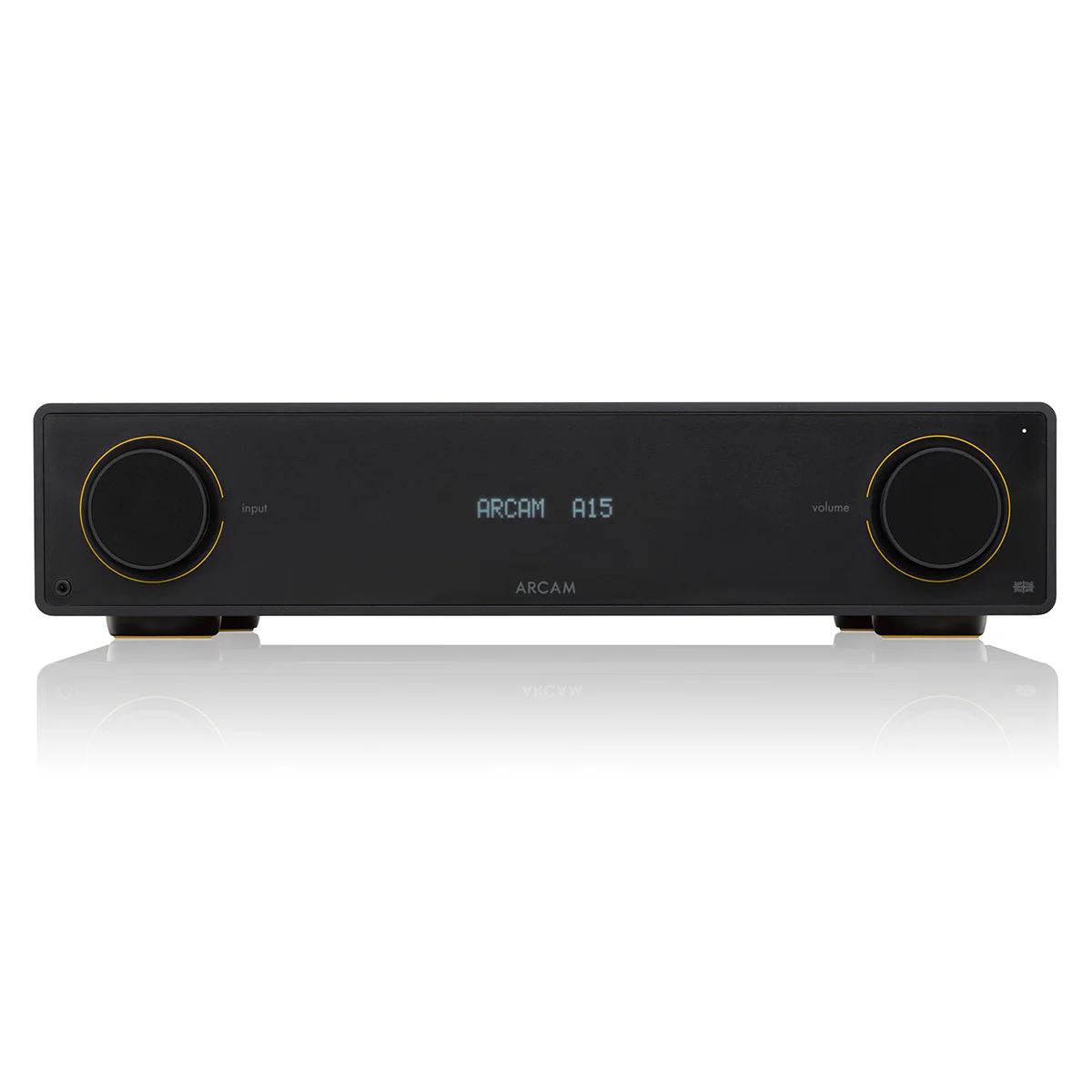
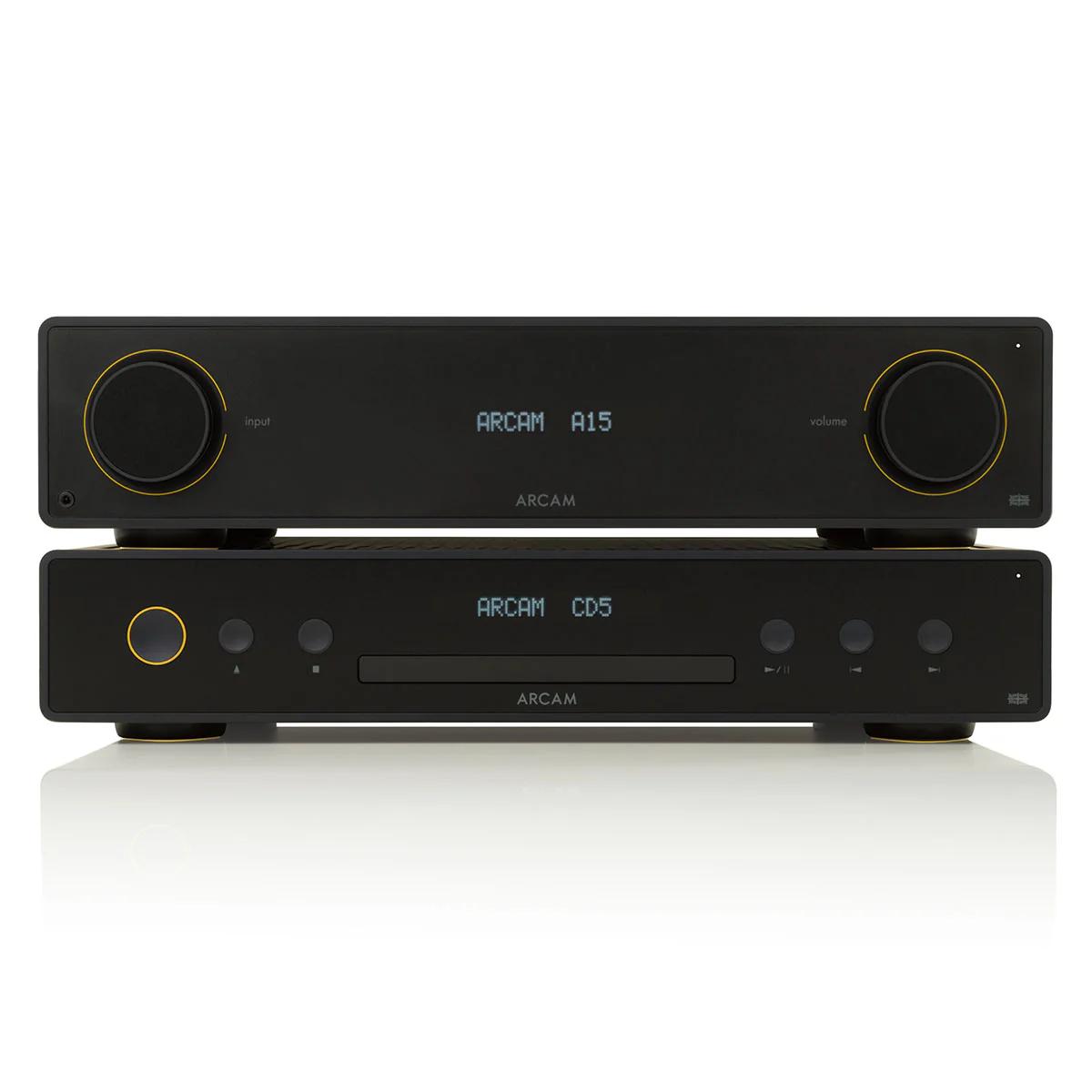
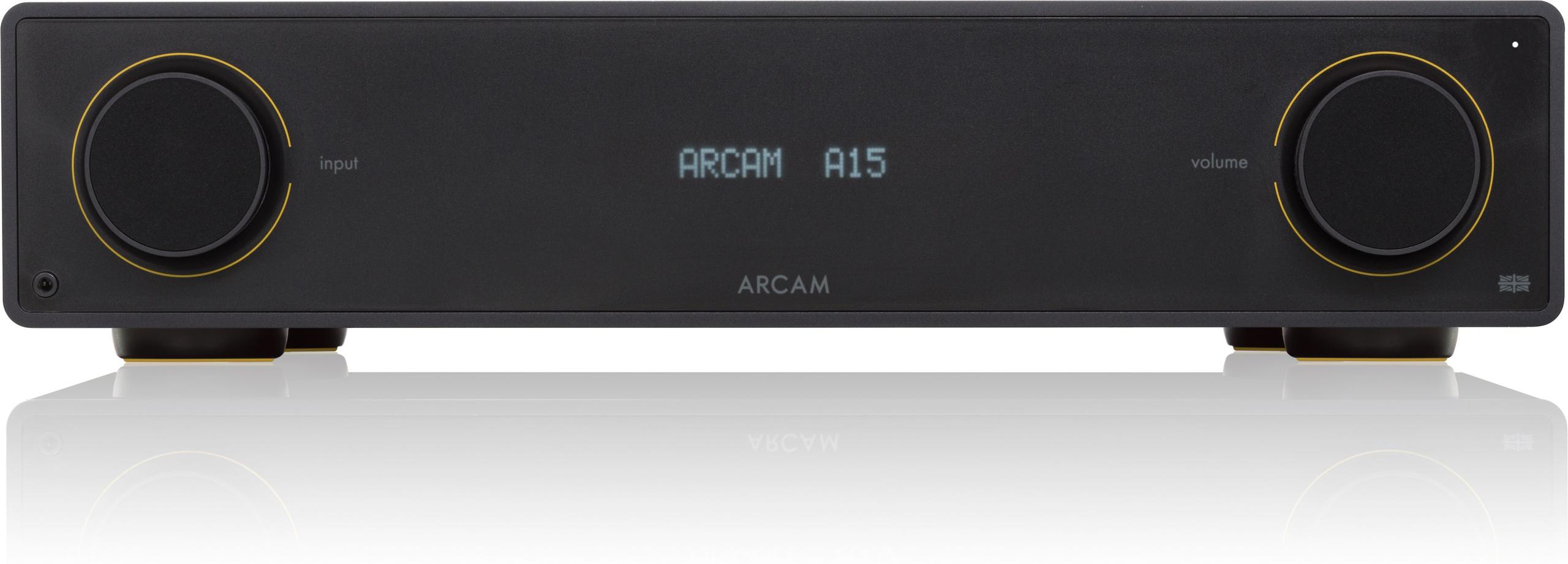
The Arcam A15 follows traditional full-width amplifier proportions, with a substantial aluminum chassis featuring machined controls and a more imposing presence. The build quality feels more luxurious, with better vibration damping and thermal dissipation thanks to its larger mass. The front panel combines black aluminum with subtle yellow accents, creating a modern aesthetic that fits well in contemporary home theaters or dedicated listening rooms.
Both amplifiers demonstrate excellent build quality, but they target different installation scenarios. The Rega Brio excels where space efficiency matters, while the Arcam A15 suits users who prefer traditional amplifier proportions and maximum build substance.
While both amplifiers are primarily designed for stereo music reproduction, they can serve roles in home theater systems with some important considerations.
The Arcam A15 offers better home theater integration features, including 12V trigger inputs for automated system control and multiple digital inputs that can accommodate various sources. The Bluetooth capability also allows wireless connection to TV audio for casual listening, though this isn't optimal for serious home theater use.
The Rega Brio provides a record output that can feed a home theater receiver's analog inputs, allowing it to serve as a high-quality stereo zone within a larger surround sound system. However, its compact design and focus on musical performance make it more suitable for dedicated stereo setups rather than home theater integration.
Neither amplifier includes surround sound processing or multiple zones, so they're best considered for stereo applications within home theater environments rather than as primary home theater components.
Your decision between these excellent amplifiers should center on how you listen to music and what your system demands.
Choose the Rega Brio if you're drawn to music's emotional and rhythmic content, particularly if you listen to rock, jazz, folk, or other rhythm-driven genres. It's ideal for smaller to medium-sized rooms where its 50-watt output provides adequate volume, and perfect if space constraints require a compact amplifier. The Rega Brio particularly shines with vinyl-heavy music collections and pairs beautifully with Rega turntables and speakers for maximum system synergy.
The Arcam A15 suits listeners who prioritize spacious, refined presentation and accurate reproduction. It's the better choice for larger rooms, less efficient speakers, or situations requiring higher volume levels. If your music collection is primarily digital or you value wireless streaming convenience, the superior DAC section and Bluetooth capability provide clear advantages. Classical music, jazz, and complex acoustic recordings particularly benefit from the Arcam A15's expanded soundstage and precise imaging.
At the time of writing, both amplifiers represent excellent value in their respective approaches. The Rega Brio offers maximum musical engagement and compact convenience, while the Arcam A15 provides superior power, connectivity, and refinement. Your choice should align with your room, speakers, source preferences, and musical priorities rather than absolute measurements or specifications.
Both amplifiers will deliver years of musical satisfaction with proper care and matching system components. The "right" choice is the one that best serves how you actually listen to and enjoy music in your home.
| Rega Brio Integrated Amplifier | Arcam A15 Integrated Amplifier |
|---|---|
| Power Output - Determines speaker compatibility and maximum volume | |
| 50W per channel (8Ω), 72W (4Ω) - adequate for most bookshelf speakers and moderate volumes | 80W per channel (8Ω), 120W (4Ω) - better for tower speakers and larger rooms |
| Physical Design - Space requirements and aesthetic impact | |
| Half-width compact design (216mm wide, 5.1kg) - ideal for smaller spaces | Full-width traditional design (431mm wide, 10.3kg) - substantial presence, better heat dissipation |
| Digital Audio Processing - Sound quality from streaming and digital sources | |
| Basic DAC supporting up to 192kHz - competent but not exceptional | ESS Sabre ES9018 DAC up to 192kHz - superior specifications and refinement |
| Wireless Connectivity - Modern streaming convenience | |
| None - requires wired connections for all sources | Bluetooth 5.2 with aptX Adaptive - high-quality wireless streaming from phones/tablets |
| Analog Inputs - Flexibility for traditional sources | |
| 4 line inputs plus MM phono - excellent for vinyl-heavy setups | 3 line inputs plus MM phono - sufficient for most users |
| Digital Inputs - Connection options for modern sources | |
| 1 optical, 1 coaxial - basic digital connectivity | 1 optical, 2 coaxial - more flexibility for multiple digital sources |
| Sound Character - Musical presentation style | |
| Warm, rhythmic, emotionally engaging - excels with rock, jazz, rhythm-driven music | Open, spacious, refined - superior soundstage and precision for classical and complex music |
| Phono Stage Quality - Turntable performance | |
| Exceptional MM stage leveraging Rega's turntable expertise - perfect for vinyl enthusiasts | High-quality MM stage with neutral character - works well with various turntable brands |
| Build Philosophy - Target user and installation | |
| Compact efficiency with musical focus - desktop/small room friendly | Premium construction with full features - traditional hi-fi setup oriented |
| Frequency Response - Accuracy across the audio spectrum | |
| 12Hz-43kHz (line), 15Hz-40kHz (phono) - excellent extension | 20Hz-20kHz ±0.2dB - tighter tolerance for accuracy |
| Signal-to-Noise Ratio - Background noise levels | |
| 90dB (line), 75dB (phono) - very good performance | 106dB (analog), 109dB (digital) - superior specifications |
We've done our best to create useful and informative comparisons to help you decide what product to buy. Our research uses advanced automated methods to create this comparison and perfection is not possible - please contact us for corrections or questions. These are the sites we've researched in the creation of this article: whathifi.com - stereophile.com - whathifi.com - rega.co.uk - iiwireviews.com - hifiheaven.net - the-ear.net - houseofstereo.com - sound-advice.online - safeandsoundhq.com - upscaleaudio.com - hificentre.com - rega.co.uk - theaudiotailor.com.au - skybygramophone.com - crutchfield.com - arcam.co.uk - youtube.com - listenup.com - upscaleaudio.com - arcam.co.uk - whathifi.com - sweetwater.com - musicdirect.com - device.report - hifidaydreaming.com - listenup.com

Privacy Policy
Terms and Conditions - Affiliate Policy
Home Security
© Copyright 2008-2026.
11816 Inwood Rd #1211, Dallas, TX 75244