

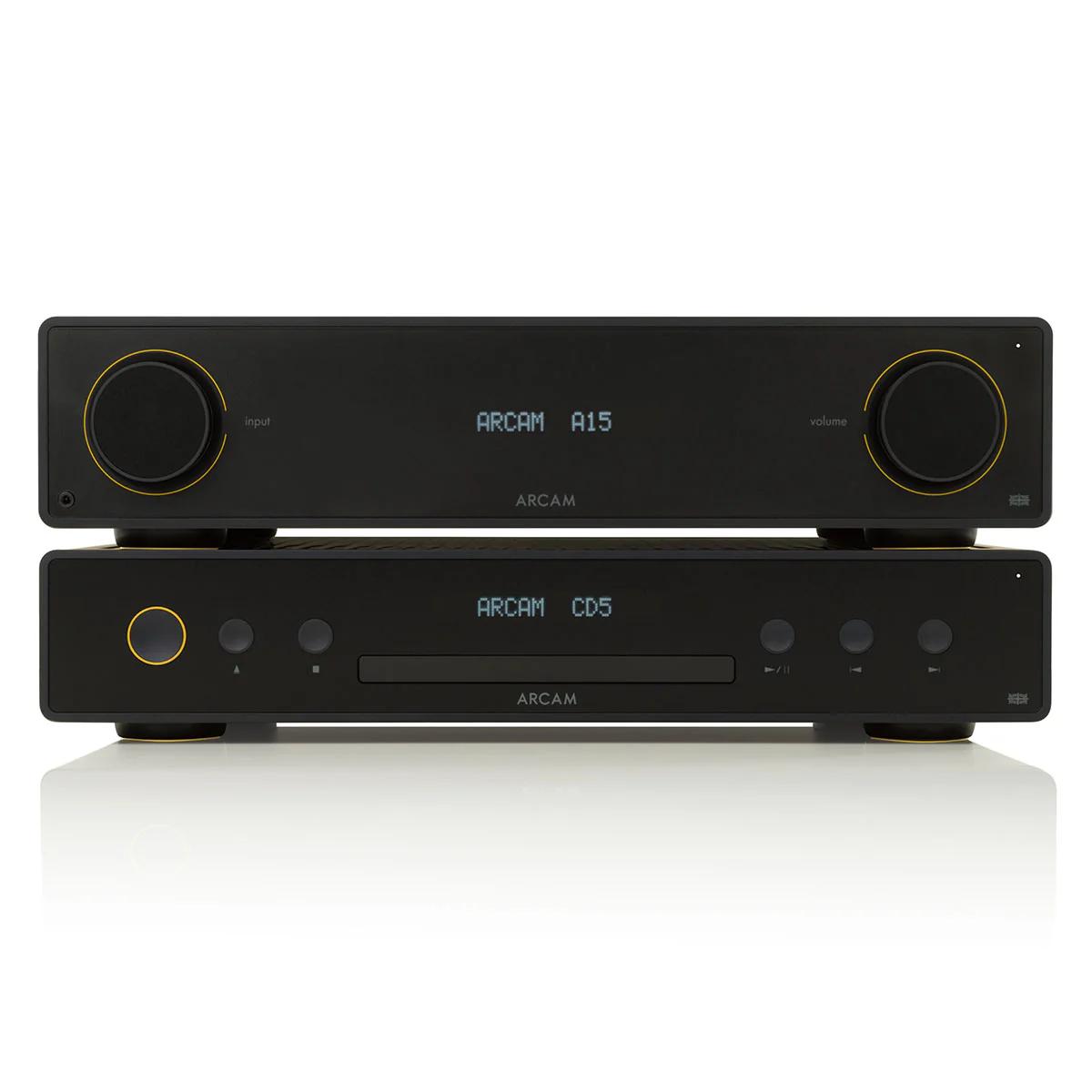
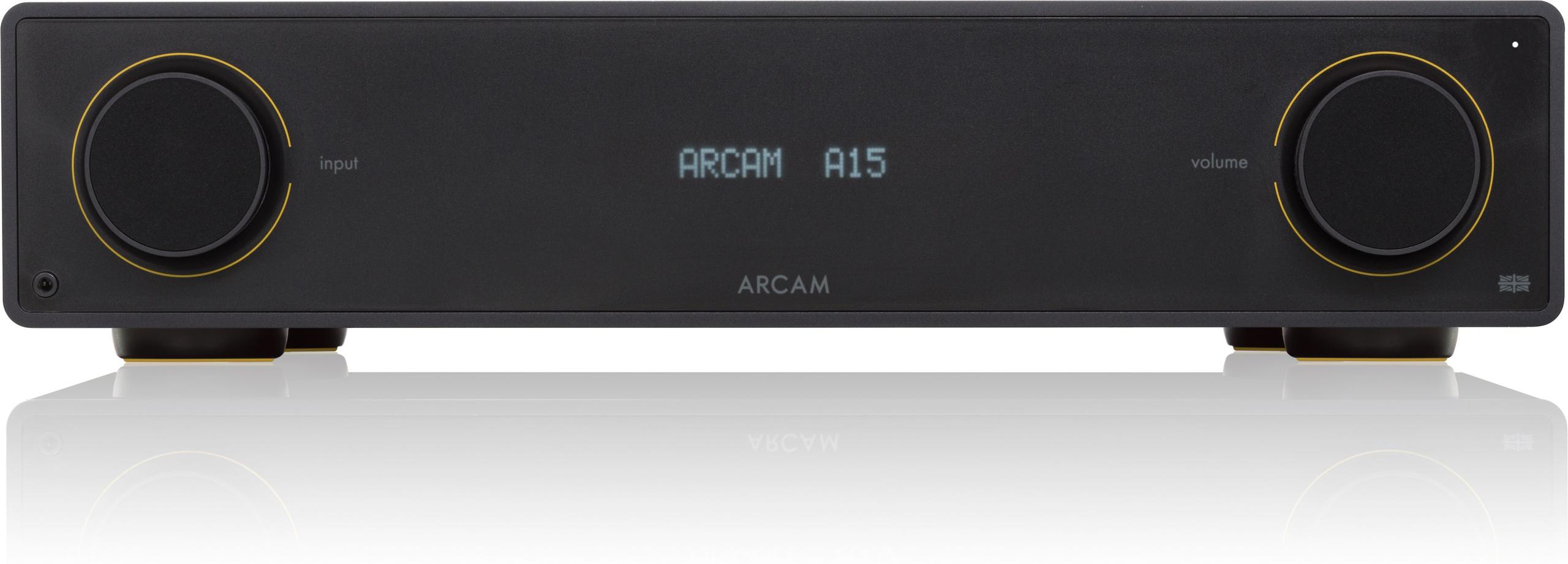

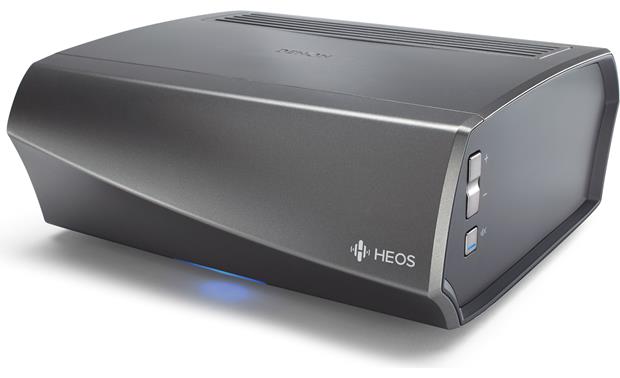
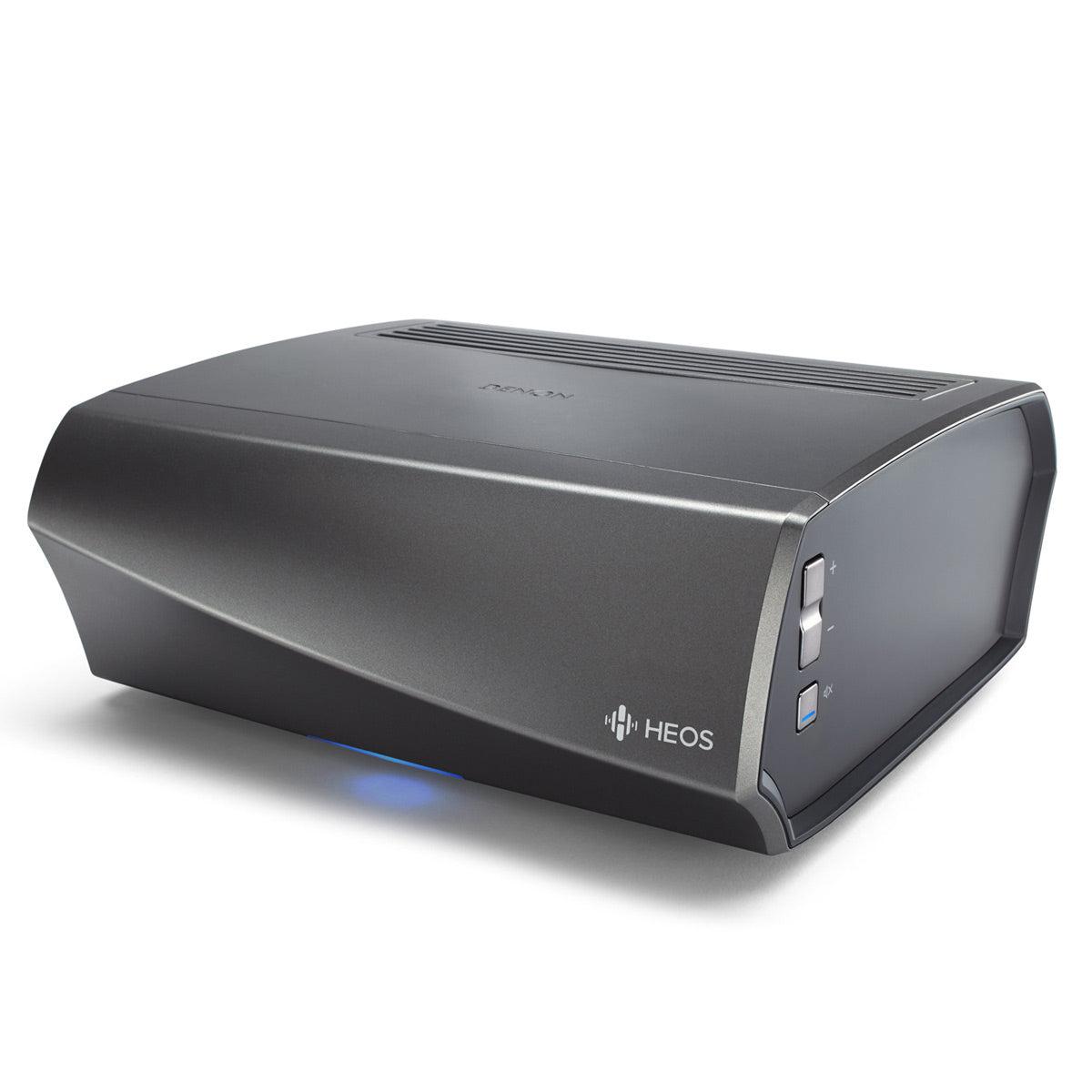
The amplifier world has split into two distinct camps, and choosing between them can feel overwhelming. On one side, you have traditional integrated amplifiers like the Arcam A15 that focus purely on sound quality. On the other, wireless streaming amplifiers like the Denon HEOS Amp HS2 prioritize convenience and smart home integration. Both approaches have merit, but they serve fundamentally different needs.
At the time of writing, these products represent a significant value gap—the Arcam A15 costs roughly twice as much as the Denon HEOS Amp HS2. This price difference reflects their different priorities: premium audio components versus wireless convenience features. Understanding what drives this cost difference is key to making the right choice for your situation.
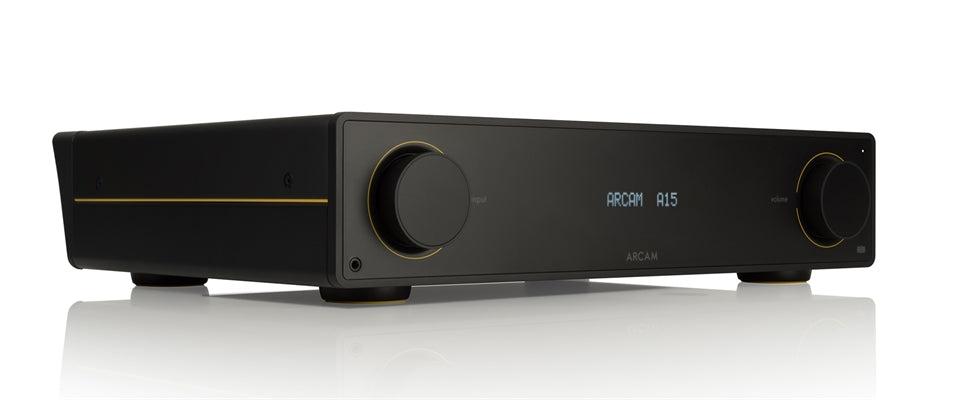
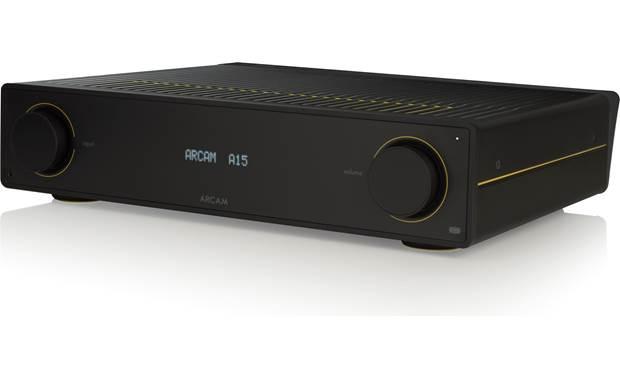
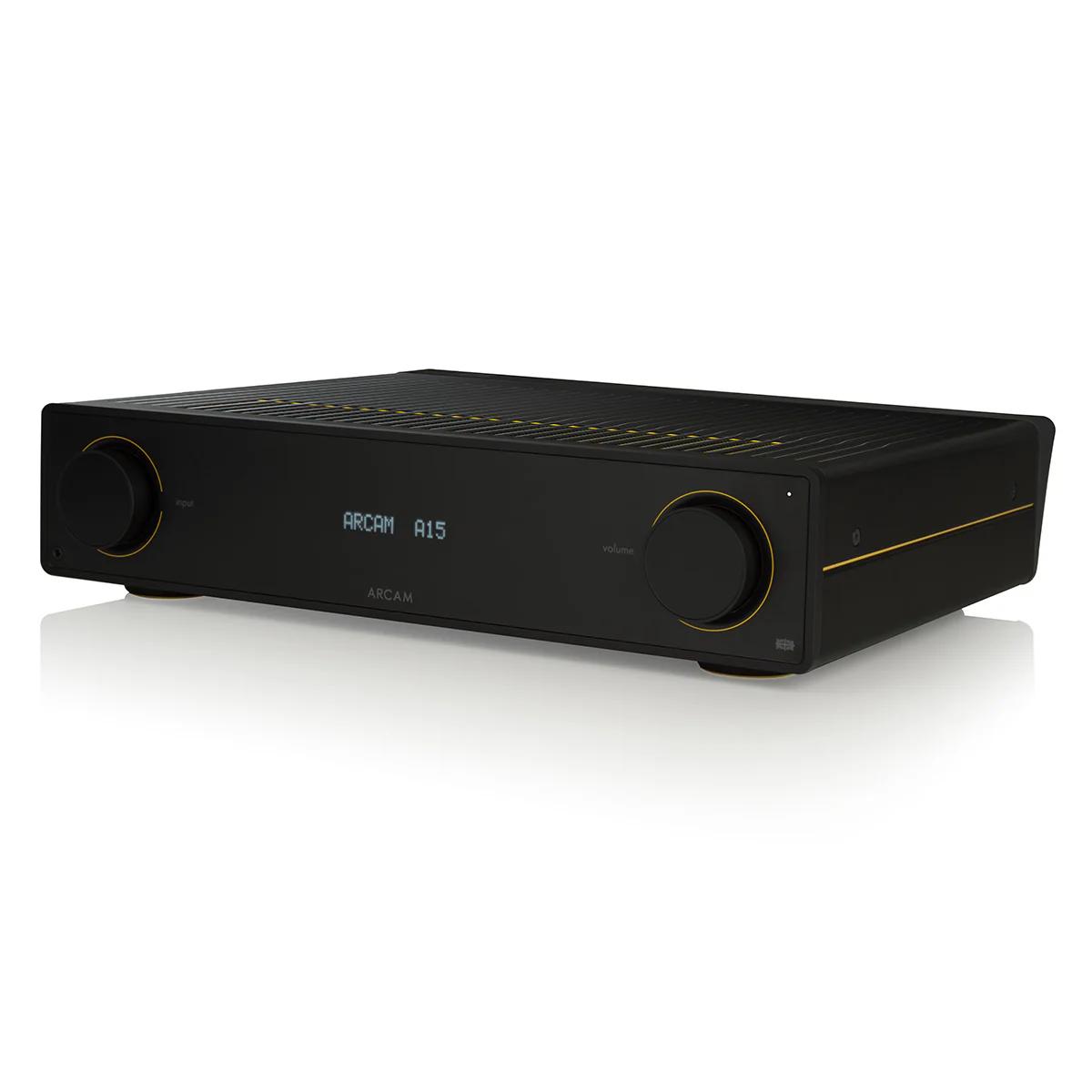
Traditional integrated amplifiers combine a preamplifier (which handles source switching and volume control) with a power amplifier (which drives your speakers) in one box. The Arcam A15, released in 2023, represents this classic approach with modern refinements. It's designed for people who want the best possible sound quality and don't mind dealing with separate components and manual controls.
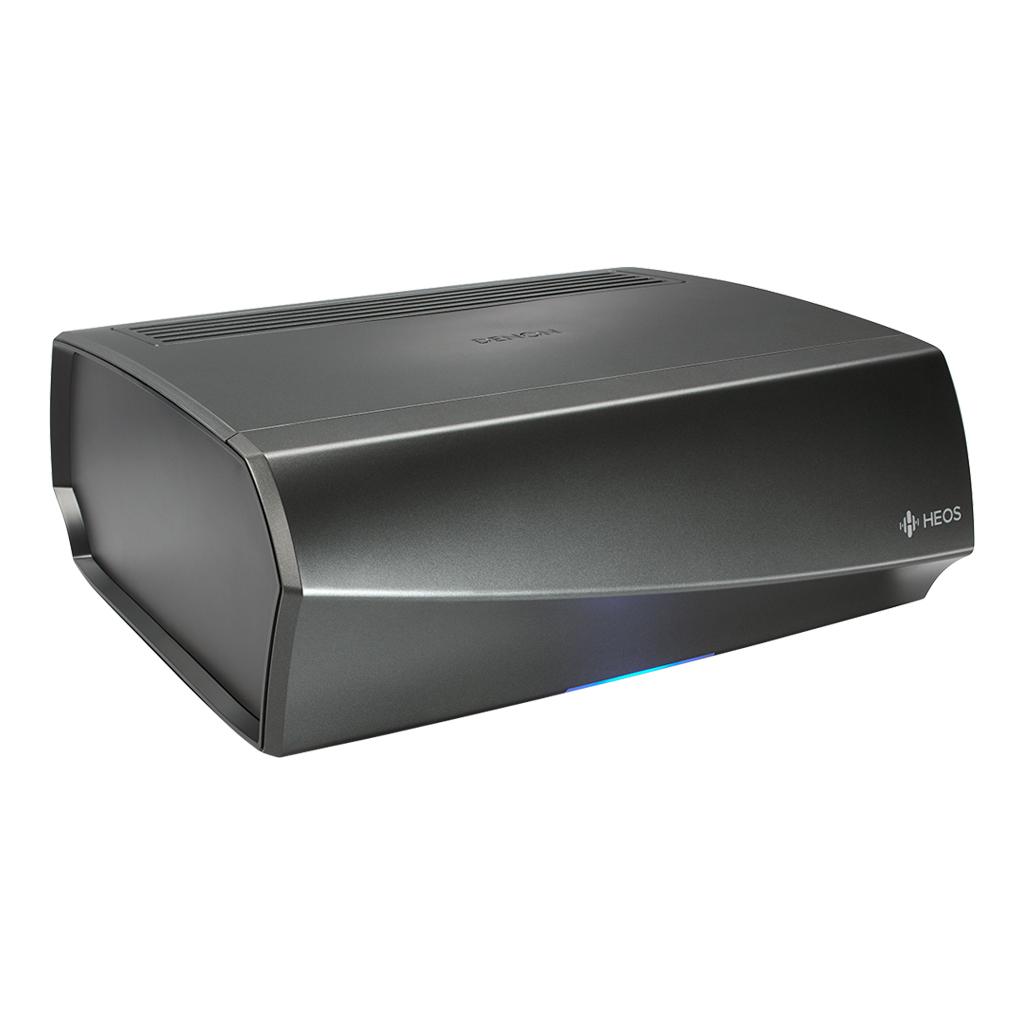
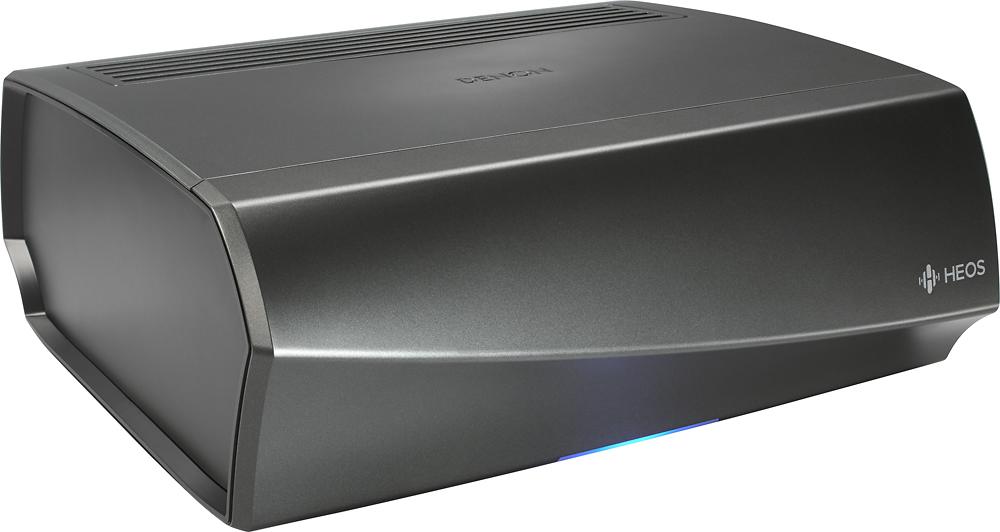
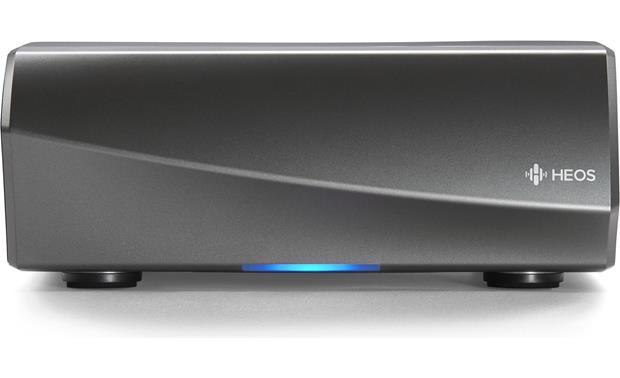
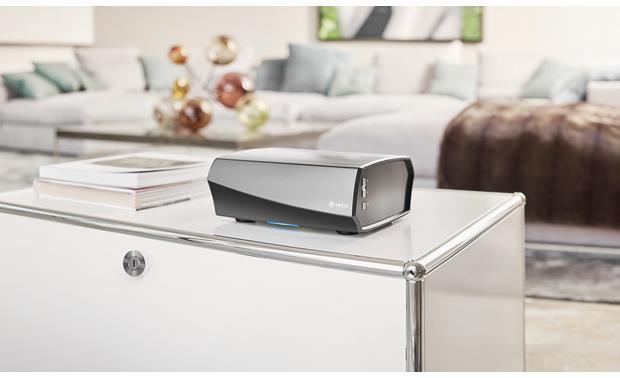
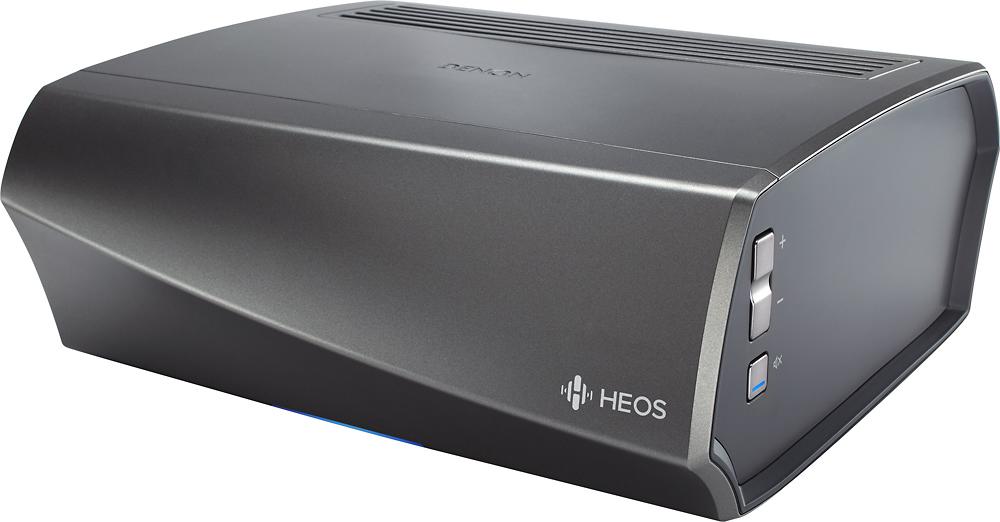
Wireless streaming amplifiers like the Denon HEOS Amp HS2, which debuted in 2016, take a different approach entirely. They're essentially computers with built-in amplifiers, designed to stream music over Wi-Fi and integrate with smart home systems. The focus here is on convenience—controlling everything from your phone and having music follow you from room to room.
The technology gap between these release dates matters. The Arcam A15 benefits from seven years of advancement in DAC (digital-to-analog converter) technology and Class AB amplifier design. Meanwhile, the HEOS Amp HS2 was cutting-edge for wireless streaming in 2016, but some of its limitations show the rapid pace of change in streaming technology.
When it comes to pure sound quality, the differences between these amplifiers are substantial and largely come down to their amplifier topologies—the fundamental way they increase your audio signal to drive speakers.
The Arcam A15 uses Class AB amplification, which is often considered the sweet spot for audio quality. Class AB amplifiers work by having two sets of transistors that handle different parts of the audio signal, switching between them seamlessly. This design provides excellent sound quality with reasonable efficiency, though it does generate some heat. The trade-off is worth it—Class AB amplifiers typically deliver more natural-sounding music with better dynamic range (the difference between loud and soft sounds) and less harshness than other designs.
In contrast, the Denon HEOS Amp HS2 employs Class D amplification, also called "digital amplification." Despite the name, Class D isn't necessarily digital—it refers to how the amplifier switches on and off very rapidly to reconstruct your audio signal. These amplifiers are incredibly efficient and generate very little heat, making them perfect for compact designs and wireless products. However, they can sometimes sound a bit clinical or harsh, especially with older designs like the 2016 HEOS amp.
From our research into user experiences and professional reviews, the sonic differences are clear. The Arcam A15 consistently receives praise for its "musical engagement" and ability to make recordings sound more involving. Users describe hearing deeper into recordings, with better separation between instruments and more natural-sounding vocals. The HEOS Amp HS2, while delivering "adequate" sound quality according to most reviews, focuses more on convenience than audiophile-level performance.
Both amplifiers claim similar power output—80 watts per channel for the Arcam A15 and 100 watts per channel for the HEOS Amp HS2. However, these numbers don't tell the complete story. The way that power is delivered matters enormously.
The Arcam A15's Class AB design provides very stable power delivery, actually increasing to 120 watts per channel when driving 4-ohm speakers (which are harder to drive than 8-ohm models). This behavior indicates a robust power supply that can handle demanding speakers without breaking a sweat. The amplifier also maintains extremely low total harmonic distortion (THD) of just 0.002%—this means the audio signal stays very clean even at higher volumes.
The HEOS Amp HS2's power ratings are less detailed in available specifications, which is often a red flag in the audio world. Class D amplifiers can deliver their rated power efficiently, but they may not handle difficult speaker loads as gracefully as Class AB designs.
The digital-to-analog converter (DAC) is crucial for anyone playing digital music files or streaming audio. This chip takes the ones and zeros of digital audio and converts them back into the analog signal that drives your speakers.
The Arcam A15 features an ESS Sabre ES9018 DAC, which was considered reference-quality when it was current (though newer ESS chips have since surpassed it). This DAC supports high-resolution audio up to 24-bit/192kHz, meaning it can handle files with much more detail than standard CDs. The implementation in the A15 achieves an impressive 109dB signal-to-noise ratio for digital inputs—the higher this number, the quieter the background noise.
Based on technical measurements we've reviewed, the HEOS Amp HS2 uses a much more basic internal DAC that shows significant limitations. Audio Science Review's measurements revealed that the HEOS amp's DAC performs about 10dB worse than what even basic 16-bit CD-quality audio should be capable of. This translates to more background noise and potentially harsher sound quality, particularly with high-resolution audio files.
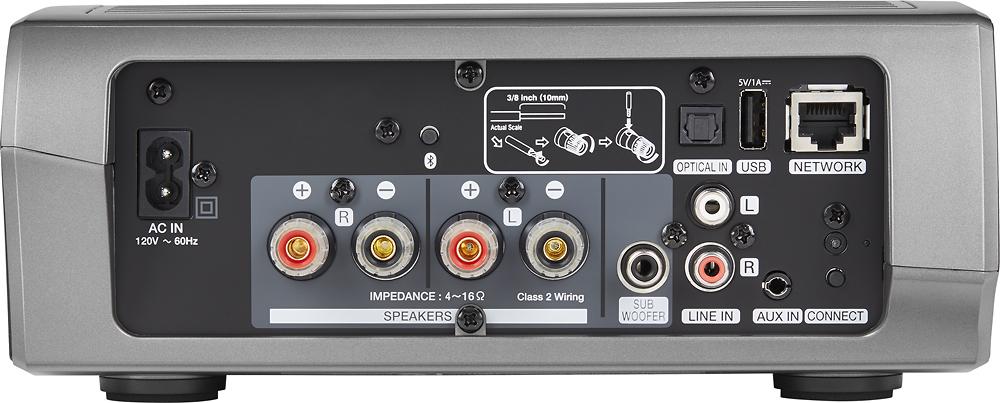
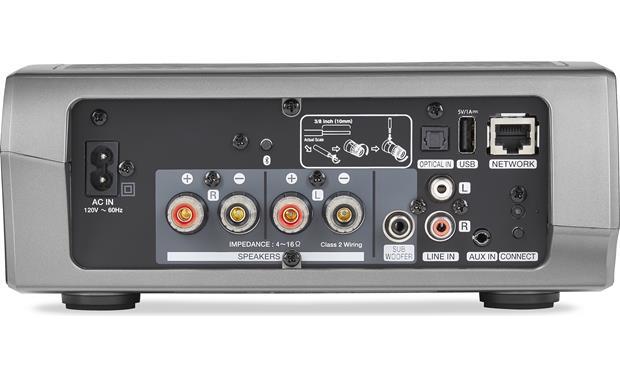
However, the HEOS Amp HS2 does offer a workaround—it has coaxial digital output, allowing you to connect an external DAC to dramatically improve performance. This flexibility partially addresses the internal DAC's limitations, though it adds cost and complexity.
The connectivity differences between these amplifiers reflect their fundamental philosophies and intended use cases.
The Arcam A15 offers comprehensive traditional connectivity that many modern amplifiers skip. Its three analog RCA inputs handle CD players, tape decks, or any other line-level source. The dual coaxial digital inputs plus optical input provide flexibility for multiple digital sources like CD transports, streamers, or TV audio.
What sets the Arcam A15 apart is its dedicated moving magnet phono stage for turntables. Many amplifiers either skip this entirely or include a poor-quality "checkbox" phono input. Arcam's implementation is genuinely high-quality, with proper RIAA equalization (the standard curve used for vinyl records) and low noise. If you're into vinyl or thinking about getting into it, this feature alone justifies much of the price premium.
The amplifier also includes Bluetooth 5.2 with aptX Adaptive, which provides near-CD quality wireless streaming from phones and tablets. Uniquely, this Bluetooth implementation is two-way—you can stream music to the amplifier or send the amplifier's output to Bluetooth headphones. This flexibility is rare and genuinely useful.
One notable omission on the Arcam A15 is USB input for direct computer connection. This is increasingly expected on modern amplifiers and represents a genuine oversight in an otherwise comprehensive input selection.
The Denon HEOS Amp HS2 flips the connectivity priority entirely. Its primary inputs are network-based: Wi-Fi, Ethernet, and USB for direct file playback. It includes basic analog inputs and an optical digital input, but these feel secondary to the wireless streaming capabilities.
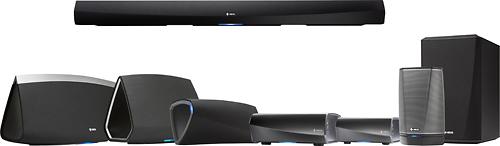
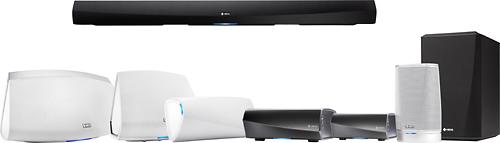
The HEOS ecosystem integration is genuinely impressive, supporting up to 64 zones of multi-room audio. You can have different music playing in every room, or synchronize everything for parties. The system integrates with virtually every major streaming service—Spotify, Tidal, Amazon Music, Apple Music, and many others.
However, our research into user experiences reveals consistent frustration with the HEOS app. Multiple reviews describe it as "clunky" and note issues with volume control, zone management, and reliability. Unlike physical controls that always work, app-based systems introduce another potential failure point.
This is where these amplifiers diverge most dramatically in their capabilities and intended use cases.
The Arcam A15 is designed for dedicated listening in one room. It excels at this focused approach, providing premium sound quality without the complexity of multi-room systems. The preamp output allows future expansion—you could add a more powerful amplifier later or integrate a subwoofer easily.
For home theater use, the Arcam A15 can serve as the stereo amplifier in a larger surround sound system, though it lacks the direct integration features of modern A/V receivers. Its excellent analog performance makes it particularly good for music listening in a dual-purpose music/TV room.
The HEOS Amp HS2 transforms any pair of passive speakers into part of a wireless multi-room system. You can start with one amplifier and gradually add more zones throughout your home. The system allows individual volume control for each zone and supports different music in each room simultaneously.
For home theater applications, the HEOS Amp HS2 can integrate with Denon and Marantz A/V receivers for seamless multi-room expansion. You might have a full surround system in your main room and HEOS amplifiers powering speakers in bedrooms, patios, or other areas.
The voice control integration, while limited, allows basic Alexa commands for volume adjustment. However, full voice control requires keeping multiple apps and services properly configured—another layer of potential complexity.
The day-to-day experience of using these amplifiers reflects their design philosophies in ways that specifications can't capture.
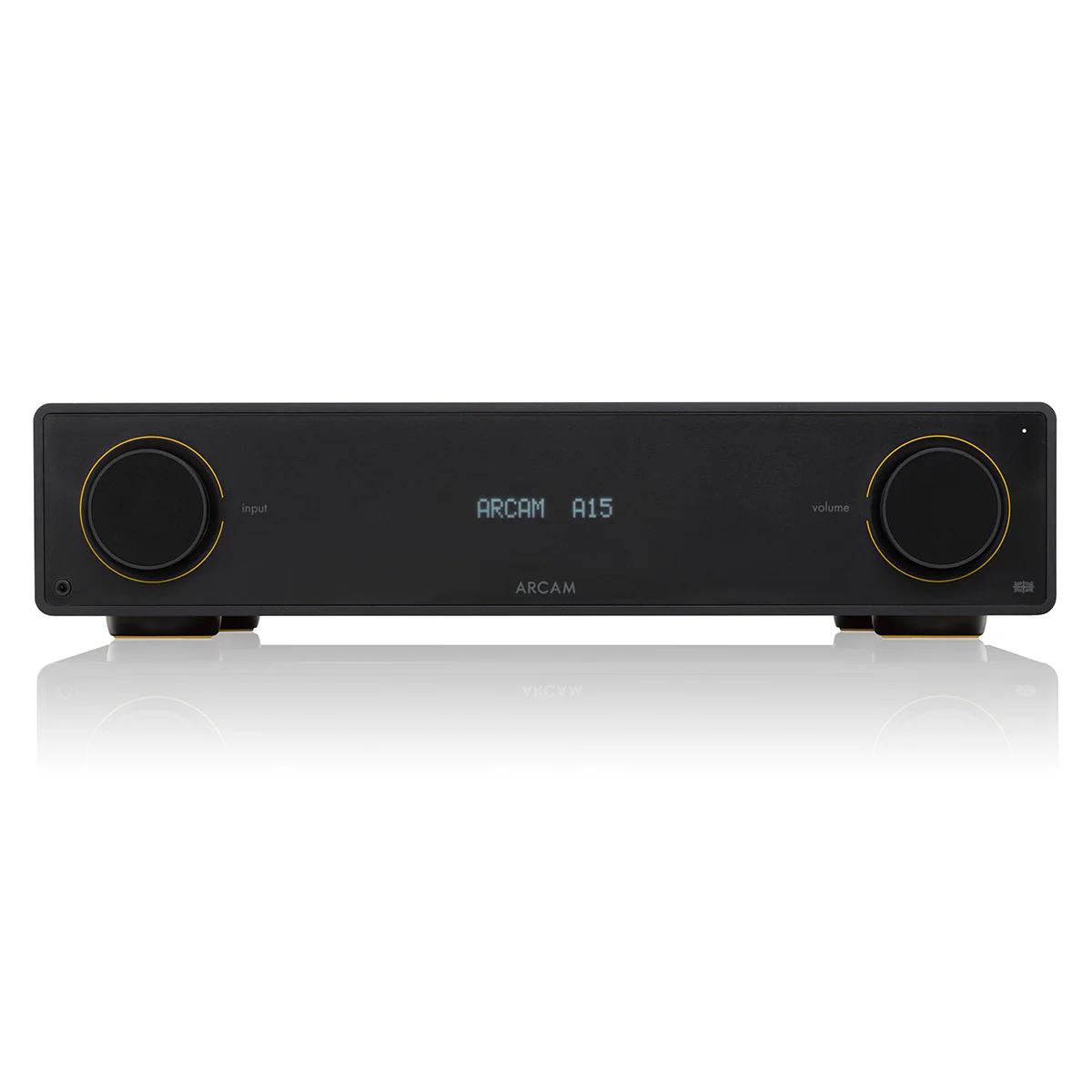
Using the Arcam A15 feels intentional and engaging. The aluminum controls have satisfying weight and precision. Switching inputs, adjusting volume, and even just looking at the subtle yellow accents on the front panel reinforces that you're using a dedicated music system.
The learning curve is minimal—anyone familiar with traditional stereo equipment can operate it immediately. There's no app to install, no network to configure, and no software updates to manage. It simply works, consistently, every time you turn it on.
However, this simplicity comes with limitations. Adding streaming requires a separate component or using the built-in Bluetooth. There's no way to control it remotely without line-of-sight to the infrared remote.
The HEOS Amp HS2 puts everything on your smartphone. Want to play different music in the kitchen while your teenager listens to something else in their room? A few taps in the app handles it. The convenience is genuinely impressive when it works properly.
Unfortunately, our review of user experiences suggests the "when it works properly" caveat is significant. The HEOS app receives consistent criticism for sluggish performance, confusing navigation, and occasional connectivity issues. Some users report needing to restart the app or even the amplifier to maintain stable connections.
The lack of physical power control is particularly frustrating—you can't turn the amplifier off from the app, requiring a trip to the unit itself. For an amplifier designed around convenience, this oversight is puzzling.
At the time of writing, the price difference between these amplifiers reflects their dramatically different approaches to value.
The Arcam A15 justifies its higher cost through premium components that directly impact sound quality. The ESS DAC chip, Class AB amplification, aluminum chassis construction, and high-quality phono stage all contribute to superior audio performance. These components have real costs, and compromising on any of them would noticeably impact the listening experience.
The build quality suggests this amplifier will provide reliable service for many years. Arcam has a reputation for products that remain relevant and functional far longer than their warranty periods.
For someone prioritizing sound quality above all else, the Arcam A15 offers excellent value despite its higher price. The performance per dollar is genuinely competitive with other audiophile-focused amplifiers.
The HEOS Amp HS2 delivers tremendous value for users who prioritize features over absolute audio quality. Getting multi-room streaming capability, comprehensive streaming service integration, and adequate amplifier power at its price point would have been impossible just a few years ago.
For building a whole-home audio system, the HEOS Amp HS2 represents excellent value. The cost of achieving similar multi-room functionality with traditional components would be significantly higher and much more complex to set up and manage.
However, the compromises in audio quality mean this isn't the best choice for serious music listening. It's adequate for background music and casual listening, but won't satisfy users who want to hear everything their music has to offer.
Both amplifiers can integrate with home theater systems, but in very different ways.
The Arcam A15 excels as a dedicated stereo amplifier in a larger system. Its analog inputs make it perfect for handling music sources while your A/V receiver manages surround sound duties. The preamp output allows easy integration with a subwoofer or additional amplification.
The HEOS Amp HS2 offers more modern integration options through its HEOS ecosystem. It can extend your main home theater system to other rooms seamlessly. Denon and Marantz A/V receivers with HEOS built-in can control multiple zones directly, making it easy to send TV audio or music throughout the house.
After extensive research into professional reviews, user experiences, and technical specifications, clear patterns emerge for who should choose each amplifier.
Prioritize Sound Quality Above Everything Else: If you can hear the difference between amplifiers and it matters to you, the Arcam A15 is clearly superior. The Class AB amplification and quality DAC make real, audible differences that streaming convenience can't compensate for.
Own or Want to Own Vinyl Records: The high-quality phono stage makes this amplifier particularly attractive to vinyl enthusiasts. Most streaming-focused amplifiers either skip phono inputs entirely or include poor implementations.
Prefer Traditional Hi-Fi: If you enjoy the tactile experience of dedicated audio equipment and don't mind managing multiple components, the Arcam A15 rewards this approach with superior performance.
Have a Single Main Listening Room: The Arcam A15's single-room focus isn't a limitation if you primarily listen to music in one dedicated space.
Value Long-Term Investment: The build quality and component selection suggest this amplifier will remain relevant and functional for many years.
Need Multi-Room Audio: If you want music throughout your home and the ability to control everything from your phone, the HEOS Amp HS2 is the clear choice. The Arcam A15 simply can't match this functionality.
Prioritize Convenience Over Quality: For users who primarily stream music casually and want everything controllable from their phone, the convenience benefits outweigh the audio quality compromises.
Are Building a Whole-Home System: The HEOS Amp HS2 serves as an excellent foundation for expanding to multiple rooms over time.
Want Smart Home Integration: The voice control capabilities and network integration appeal to users building comprehensive smart home systems.
Are Budget-Conscious: At the time of writing, the significant price savings make the HEOS Amp HS2 accessible to users who couldn't afford the Arcam A15.
For users who want both audiophile performance and modern streaming convenience, consider the Arcam A15 paired with a dedicated network streamer. This combination provides the best possible sound quality while adding comprehensive streaming capabilities, though it increases cost and complexity significantly.
These amplifiers represent fundamentally different philosophies about what home audio should be. The Arcam A15 embodies traditional hi-fi values: premium components, excellent build quality, and uncompromising focus on sound quality. The Denon HEOS Amp HS2 represents the modern approach: wireless convenience, multi-room capability, and smartphone integration.
Neither approach is inherently superior—they serve different needs and priorities. The key is honestly assessing what matters most to you. If you're someone who notices and cares about sound quality differences, the Arcam A15 will provide years of musical satisfaction. If you want the convenience of having music follow you throughout your home, controlled from your phone, the HEOS Amp HS2 enables experiences that traditional amplifiers simply cannot match.
The price difference reflects these different priorities fairly. You're paying for premium audio components in the Arcam A15 and comprehensive wireless features in the HEOS Amp HS2. Both offer good value within their intended markets—the question is which market better matches your needs and priorities.
| Arcam A15 Integrated Amplifier | Denon HEOS Amp HS2 Wireless Stereo Amplifier |
|---|---|
| Amplifier Type - Determines sound quality character and efficiency | |
| Class AB (warmer, more musical sound) | Class D (efficient, compact, clinical sound) |
| Power Output - How loud it can drive your speakers | |
| 80W per channel (8Ω), 120W per channel (4Ω) | 100W per channel (less stable with difficult speakers) |
| DAC Quality - Critical for digital music streaming and file playback | |
| ESS Sabre ES9018 (audiophile-grade, 109dB SNR) | Basic integrated DAC (10dB worse than CD quality) |
| Phono Stage - Essential for vinyl record playback | |
| High-quality Moving Magnet phono stage included | None (requires external phono preamp) |
| Multi-Room Capability - Whole-home audio system expansion | |
| Single room only | Up to 64 zones with HEOS ecosystem |
| Wireless Streaming - Modern music source convenience | |
| Bluetooth 5.2 with aptX Adaptive only | Full Wi-Fi streaming with all major services integrated |
| App Control - Remote management from smartphone | |
| None (traditional remote only) | HEOS app (noted as clunky by users) |
| Digital Inputs - Connecting CD players, streamers, TVs | |
| 2x Coaxial, 1x Optical (up to 192kHz) | 1x Optical, USB, network streaming |
| Build Quality - Long-term durability and premium feel | |
| Solid aluminum chassis with machined controls | Compact plastic/cloth design for discrete installation |
| Smart Home Integration - Voice control and automation | |
| None | Limited Alexa integration, HEOS ecosystem |
| Headphone Output - Private listening capability | |
| Dedicated 3.5mm jack with quality amplification | None |
| Subwoofer Support - Adding bass extension to your system | |
| Preamp output (requires powered subwoofer) | Dedicated RCA subwoofer output |
| Setup Complexity - Getting up and running | |
| Plug and play with any source | Requires network setup, app configuration, potential troubleshooting |
The Arcam A15 Integrated Amplifier delivers superior sound quality with its Class AB amplification and ESS Sabre ES9018 DAC chip. Users consistently report more musical engagement, better dynamics, and cleaner sound reproduction compared to the Denon HEOS Amp HS2, which prioritizes convenience over audiophile performance.
Only the Denon HEOS Amp HS2 Wireless Stereo Amplifier supports multi-room audio, offering up to 64 zones of wireless streaming throughout your home. The Arcam A15 is designed for single-room use only, though it excels in that focused application.
The Arcam A15 Integrated Amplifier is significantly better for vinyl, featuring a high-quality Moving Magnet phono stage built-in. The Denon HEOS Amp HS2 has no phono input, requiring you to purchase a separate phono preamp to play records.
The Denon HEOS Amp HS2 Wireless Stereo Amplifier has native integration with all major streaming services through its HEOS app. The Arcam A15 can access streaming services through Bluetooth from your phone or tablet, but lacks built-in Wi-Fi streaming.
Value depends on your priorities. The Denon HEOS Amp HS2 offers excellent value for multi-room streaming and convenience features at a lower price point. The Arcam A15 Integrated Amplifier provides superior value for pure audio performance and build quality, justifying its higher cost for serious listeners.
The Denon HEOS Amp HS2 Wireless Stereo Amplifier is designed for smartphone control through the HEOS app, though users report the app can be clunky. The Arcam A15 uses traditional physical controls and infrared remote only, with no smartphone app available.
Both can work in home theater setups differently. The Arcam A15 Integrated Amplifier excels as a dedicated stereo amplifier for music in a larger surround system. The Denon HEOS Amp HS2 integrates better with modern A/V receivers for whole-home audio expansion from your main theater room.
The Arcam A15 delivers 80 watts per channel into 8 ohms (120 watts into 4 ohms) with very stable power delivery. The Denon HEOS Amp HS2 Wireless Stereo Amplifier provides 100 watts per channel but with less consistent power delivery under demanding loads.
The Arcam A15 Integrated Amplifier offers more traditional connectivity with multiple analog inputs, digital inputs, and phono stage. The Denon HEOS Amp HS2 focuses on wireless connectivity with Wi-Fi, Ethernet, and basic analog/digital inputs for modern streaming-focused setups.
The Arcam A15 is built for long-term reliability with premium aluminum construction and proven Class AB topology. The Denon HEOS Amp HS2 Wireless Stereo Amplifier relies more on software and app functionality, introducing potential points of failure but offering regular updates and improvements.
The Arcam A15 Integrated Amplifier offers plug-and-play simplicity - just connect your sources and speakers. The Denon HEOS Amp HS2 requires network configuration, app setup, and potential troubleshooting, but rewards you with comprehensive wireless streaming once configured properly.
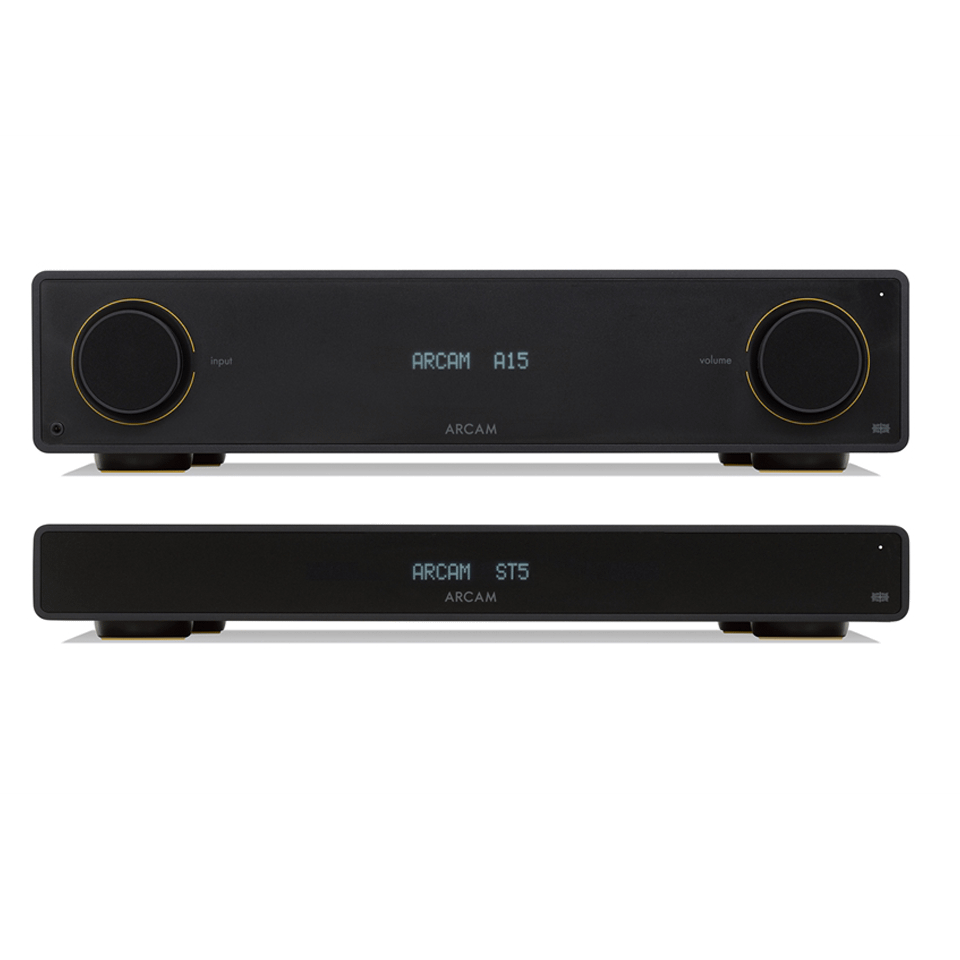
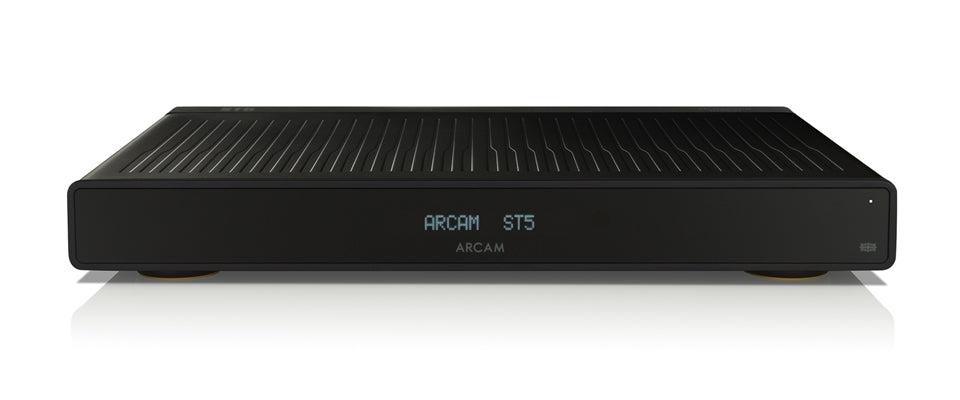
The Arcam A15 offers expansion through its preamp output for adding external amplifiers or subwoofers, plus compatibility with Arcam's ST5 streaming DAC. The Denon HEOS Amp HS2 Wireless Stereo Amplifier expands easily within the HEOS ecosystem, allowing you to add more zones and integrate with other Denon/Marantz products.
We've done our best to create useful and informative comparisons to help you decide what product to buy. Our research uses advanced automated methods to create this comparison and perfection is not possible - please contact us for corrections or questions. These are the sites we've researched in the creation of this article: theaudiotailor.com.au - skybygramophone.com - crutchfield.com - arcam.co.uk - youtube.com - listenup.com - upscaleaudio.com - arcam.co.uk - whathifi.com - sweetwater.com - musicdirect.com - device.report - hifidaydreaming.com - listenup.com - bestbuy.com - consumerreports.org - audiosciencereview.com - youtube.com - crutchfield.com - avsforum.com - whathifi.com - audiosciencereview.com - youtube.com - versus.com - easylounge.com - snapav.com - crutchfield.com - accessories4less.com - richersounds.com - wave-electronics.com - bestbuy.com - safeandsoundhq.com - theaudiotailor.com.au - retailspecs.com

Privacy Policy
Terms and Conditions - Affiliate Policy
Home Security
© Copyright 2008-2026.
11816 Inwood Rd #1211, Dallas, TX 75244