

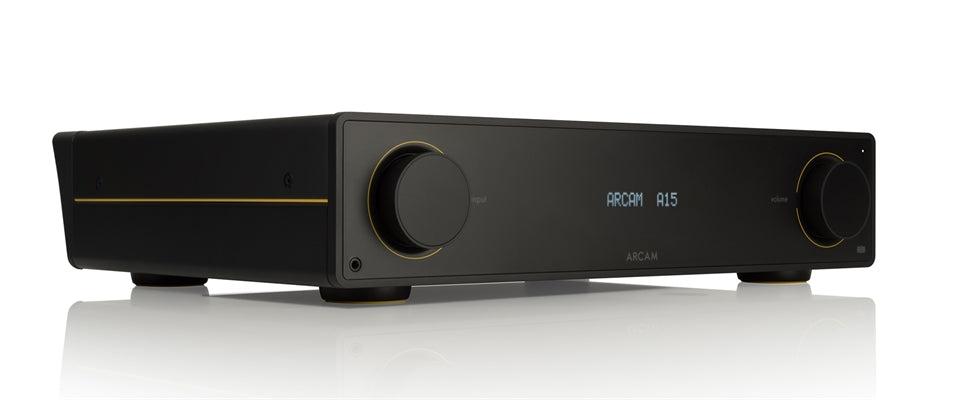
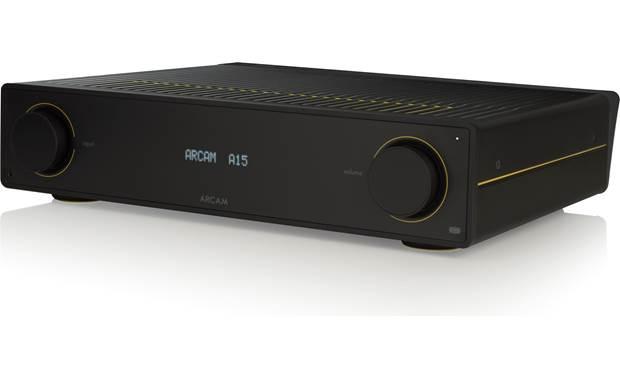
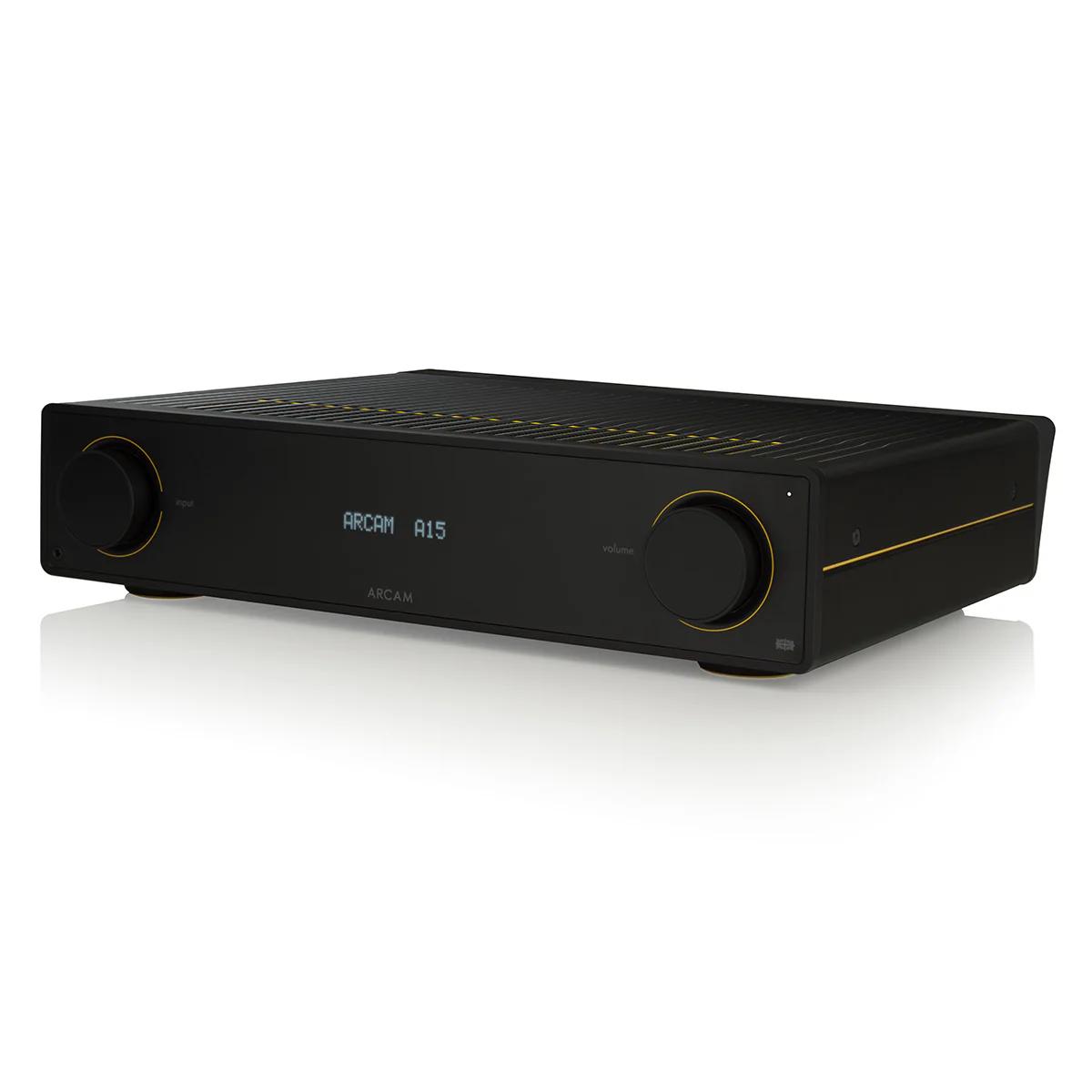
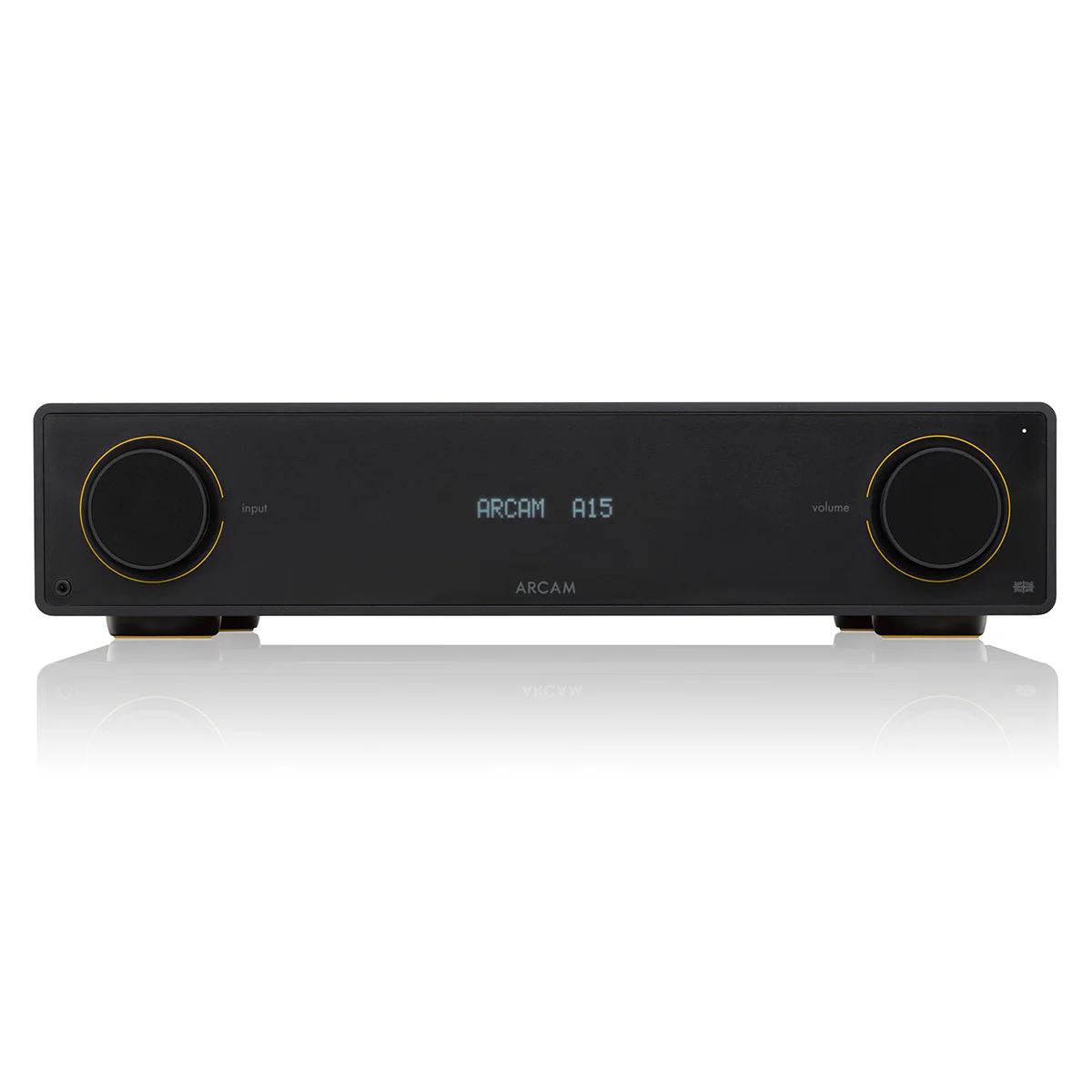
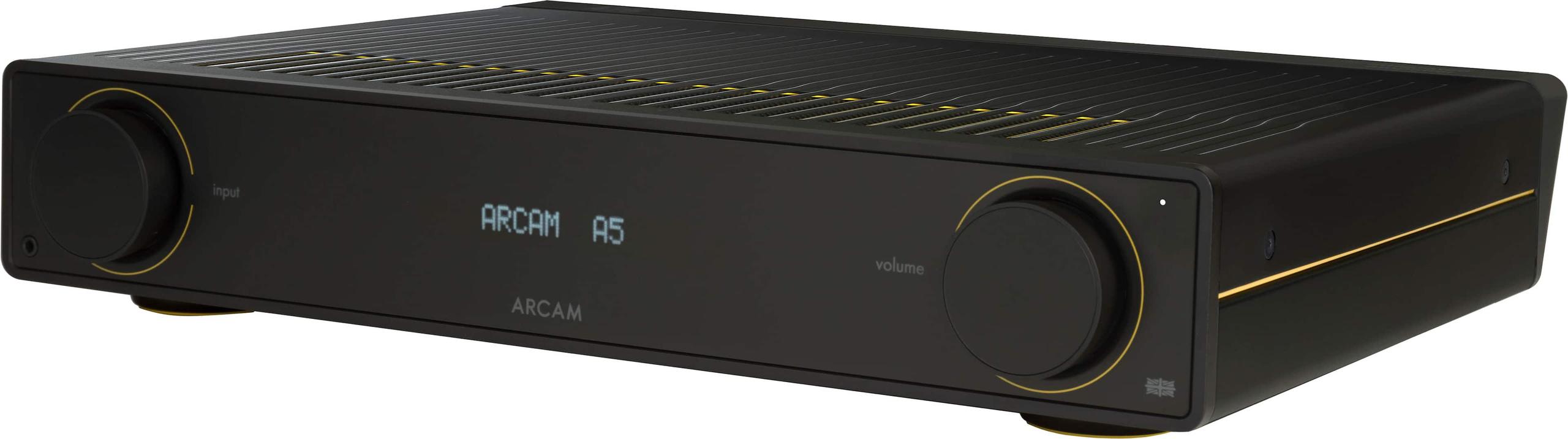
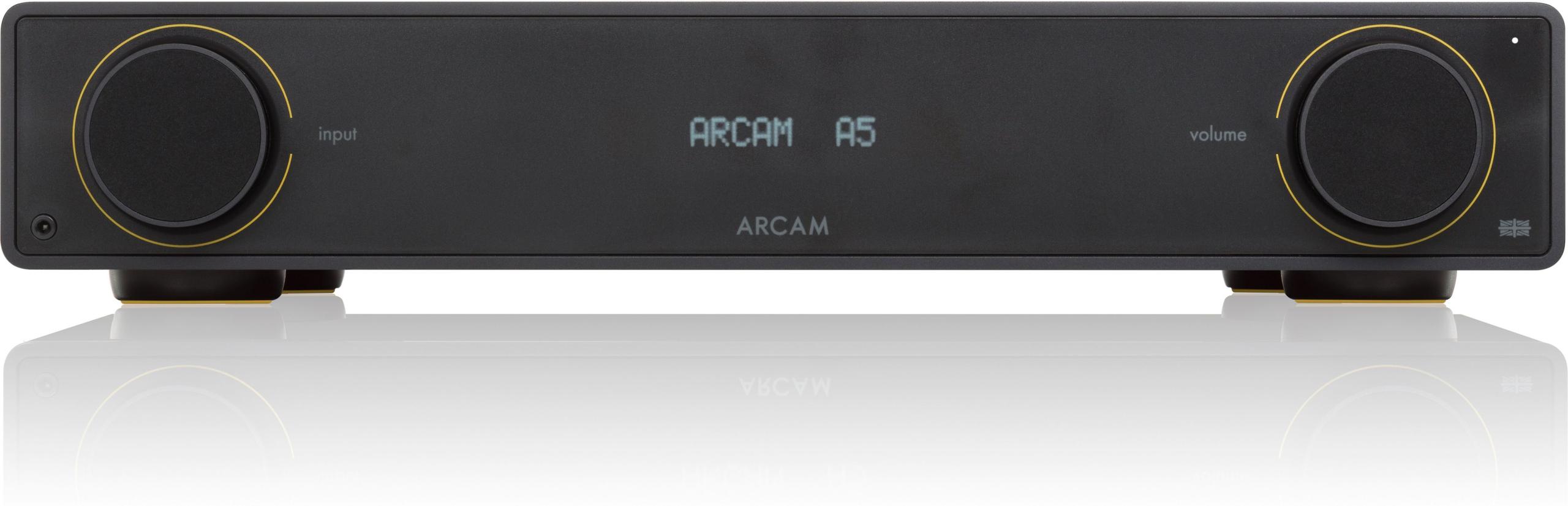
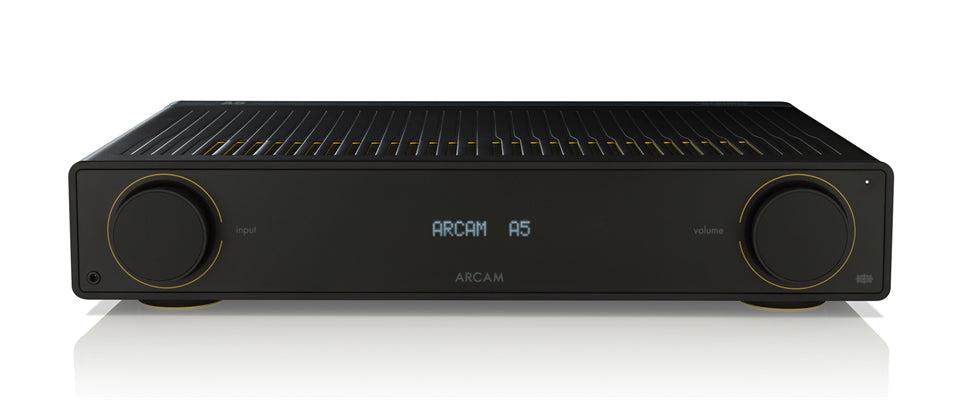
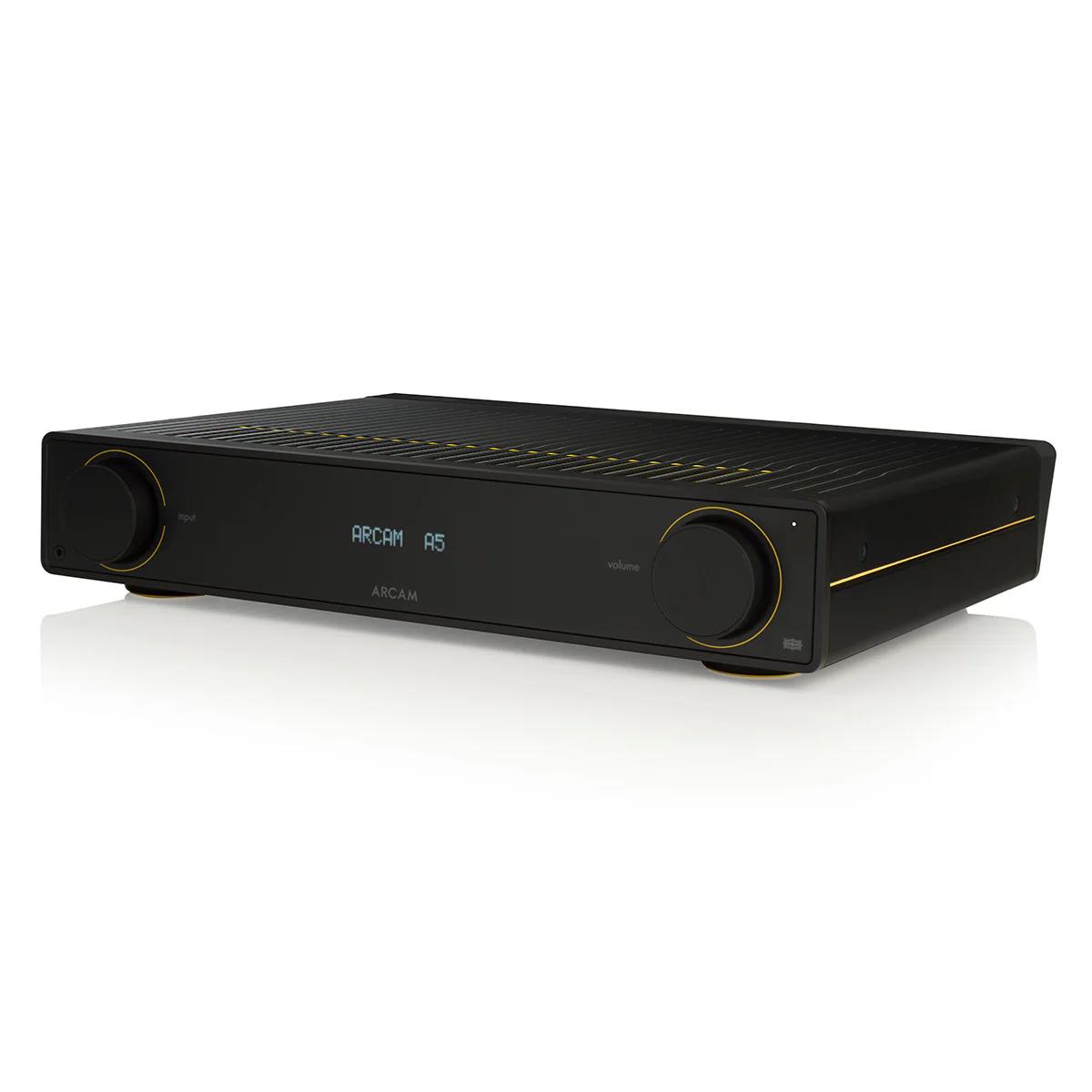
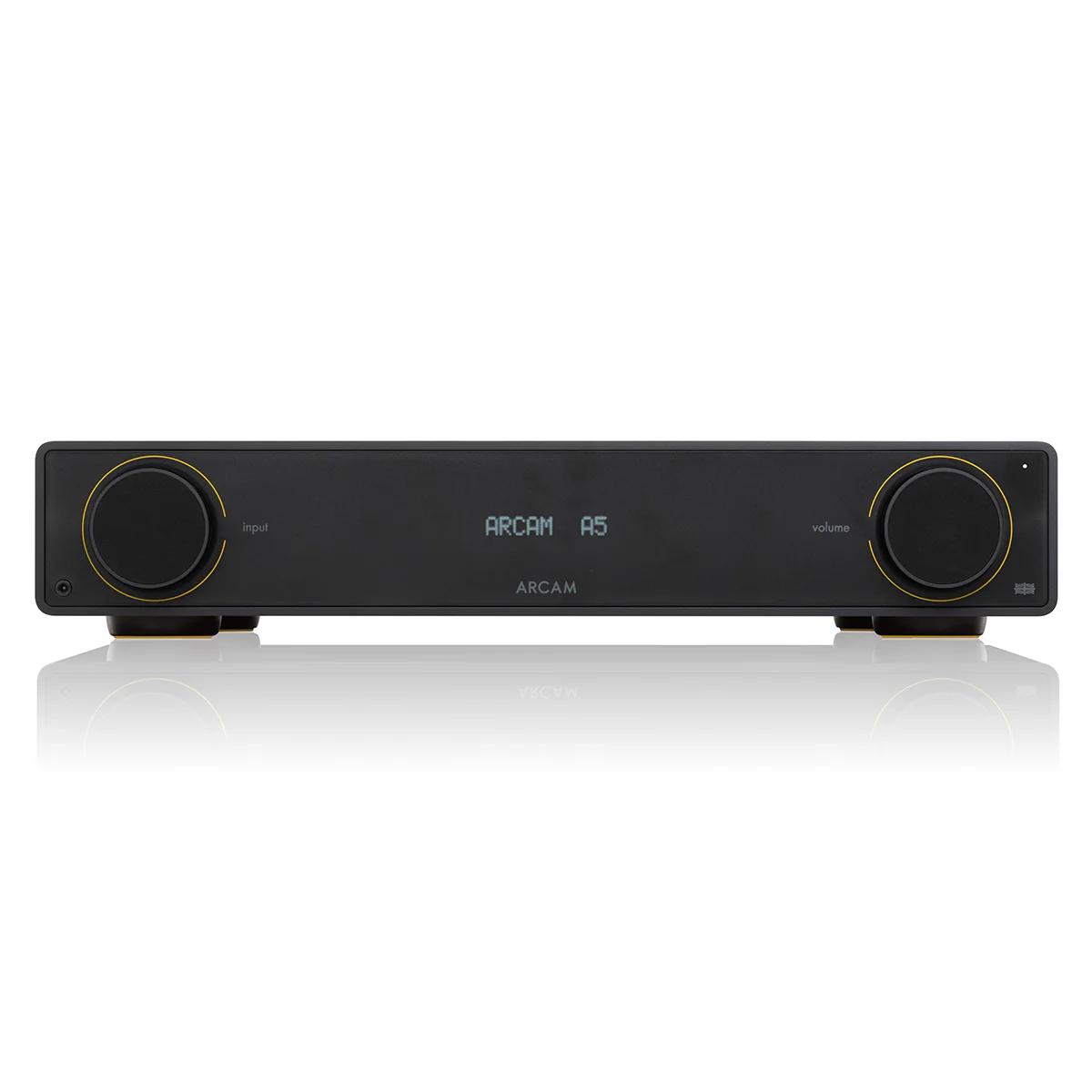
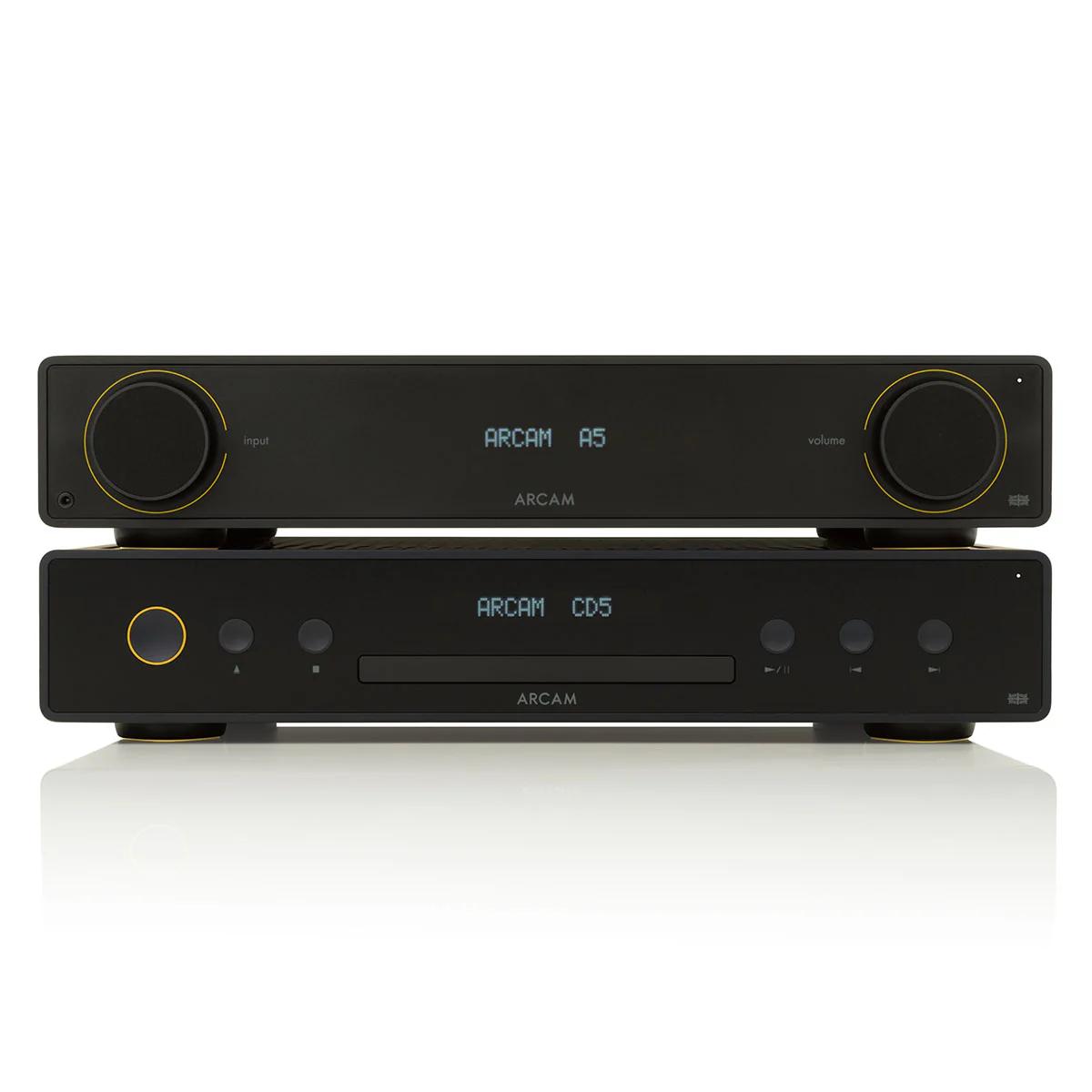
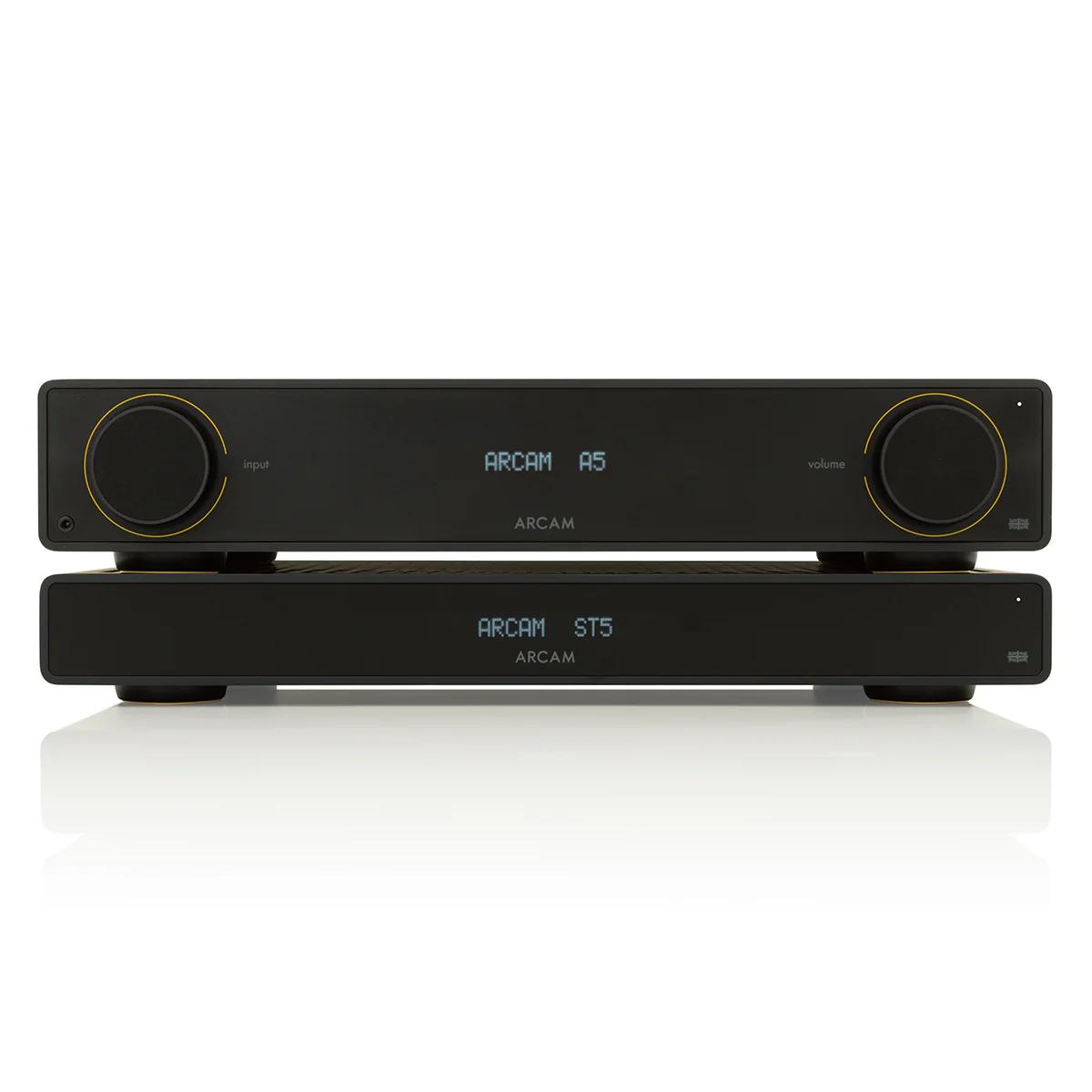
Choosing an integrated amplifier can feel overwhelming, especially when you're looking at two excellent options from the same manufacturer. The Arcam A15 and Radia A5 both represent serious attempts at creating the ideal centerpiece for your hi-fi system, but they take notably different approaches to get there.
Both amplifiers launched in 2023 as part of Arcam's renewed focus on integrated amplification—a return to their roots that began with the legendary A60 amplifier back in 1976. What makes this comparison particularly interesting is that these aren't just different price points of the same basic design. Instead, they represent two distinct philosophies about what an integrated amplifier should prioritize in today's connected world.
Before diving into the specifics, let's establish what you're actually buying when you choose an integrated amplifier. Think of it as the conductor of your audio orchestra—it takes signals from your various sources (turntable, CD player, streaming device, or even your TV), lets you control the volume, and then amplifies those signals with enough power to drive your speakers properly.
The "integrated" part means you're getting both a preamplifier (which handles source switching and volume control) and a power amplifier (which provides the muscle to drive your speakers) in one box. This approach offers convenience, better component matching, and often better value than buying separate components.
Modern integrated amplifiers have evolved far beyond simple analog switching boxes. Today's models typically include digital-to-analog converters (DACs)—chips that convert digital music files into analog signals your speakers can reproduce—along with wireless streaming capabilities and multiple input options for everything from vinyl records to smartphone playlists.
The key considerations when choosing an integrated amplifier center around power output (how loud and dynamic your music can get), connectivity options (what sources you can connect), sound quality (how accurately the amplifier reproduces your music), and build quality (how long it will last and how good it looks doing its job).
The most immediately obvious difference between the Arcam A15 and Radia A5 lies in their power output specifications. The A15 delivers 80 watts per channel into 8-ohm loads and 120 watts into 4-ohm loads, while the A5 provides 50 watts per channel into 8 ohms and 75 watts into 4 ohms.
Those numbers might seem abstract, but they translate into real-world performance differences that matter. The A15's 60% power advantage means it can play significantly louder without strain, maintain better control over your speakers during dynamic passages, and successfully drive speakers that might overwhelm the A5.
Both amplifiers use Class AB topology—a design that balances efficiency with sound quality by switching between different operating modes depending on the signal level. This approach delivers the warmth and musicality that audiophiles love while maintaining reasonable efficiency and heat generation. The harmonic distortion specifications are exemplary on both models (0.002% for the A15 and 0.003% for the A5), meaning both reproduce music with exceptional accuracy.
However, power ratings only tell part of the story. The A15's larger power supply and more robust output stage provide what engineers call "dynamic headroom"—the ability to deliver short bursts of power well above the continuous rating when the music demands it. This capability becomes crucial during orchestral crescendos, rock guitar solos, or the explosive moments in movie soundtracks.
From our research into user experiences and professional reviews, the power difference becomes most apparent in larger rooms (over 200 square feet) and with speakers that have lower efficiency ratings. Speaker efficiency, measured in decibels (dB), indicates how loud a speaker gets with one watt of power. Speakers rated below 87dB efficiency typically need more power to reach satisfying volume levels, making the A15's extra muscle valuable.
Both amplifiers share identical digital processing capabilities, built around the highly regarded ESS Sabre ES9018 DAC chip. This component handles the crucial task of converting digital audio files into analog signals, and it's considered among the best available before reaching ultra-high-end territory.
The ES9018 supports high-resolution audio up to 24-bit/192kHz, which means it can handle studio-quality digital files with full fidelity. To put this in perspective, CD-quality audio is 16-bit/44.1kHz, so both amplifiers can reproduce digital music with significantly more detail than standard CDs provide.
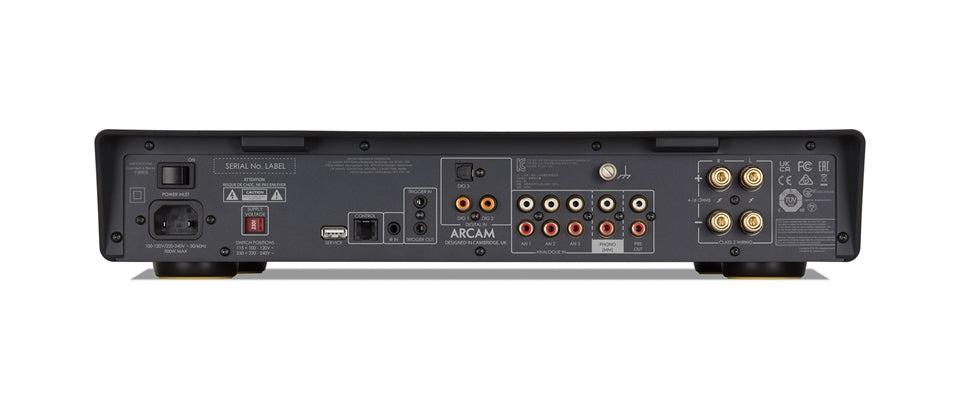
Both models include identical digital input arrays: two coaxial connections, one optical input, and Bluetooth 5.2 with aptX Adaptive technology. The Bluetooth implementation deserves special mention because it's bidirectional—you can stream music to the amplifier from your phone, or stream music from the amplifier to Bluetooth headphones. This flexibility proves particularly useful for late-night listening sessions.
The signal-to-noise ratio specifications (106dB for analog inputs, 109dB for digital inputs) are identical between models, ensuring whisper-quiet backgrounds that let subtle musical details emerge clearly.
While digital processing remains consistent between models, connectivity options reveal the first major philosophical difference. The Arcam A15 includes HDMI eARC (Enhanced Audio Return Channel) input, a feature absent from the A5.
HDMI eARC represents a significant advancement in home entertainment integration. This single connection allows your TV to send high-quality audio signals back to the amplifier, including compressed and uncompressed surround sound formats. For many users, this transforms the amplifier from a music-only device into a comprehensive entertainment hub that handles both stereo music and TV audio through your main speakers.
The practical implications are substantial. With the A15, you can connect your TV's HDMI eARC output and enjoy dramatically improved sound quality for movies, streaming content, and broadcast television. The built-in DAC processes these digital signals with the same high quality applied to music sources.
Both amplifiers provide three analog line inputs for traditional sources, plus a dedicated moving magnet (MM) phono input for turntables. The phono stage specifications are identical (47kΩ input impedance with 100pF capacitance), and both implement proper RIAA equalization curves that ensure accurate vinyl reproduction.
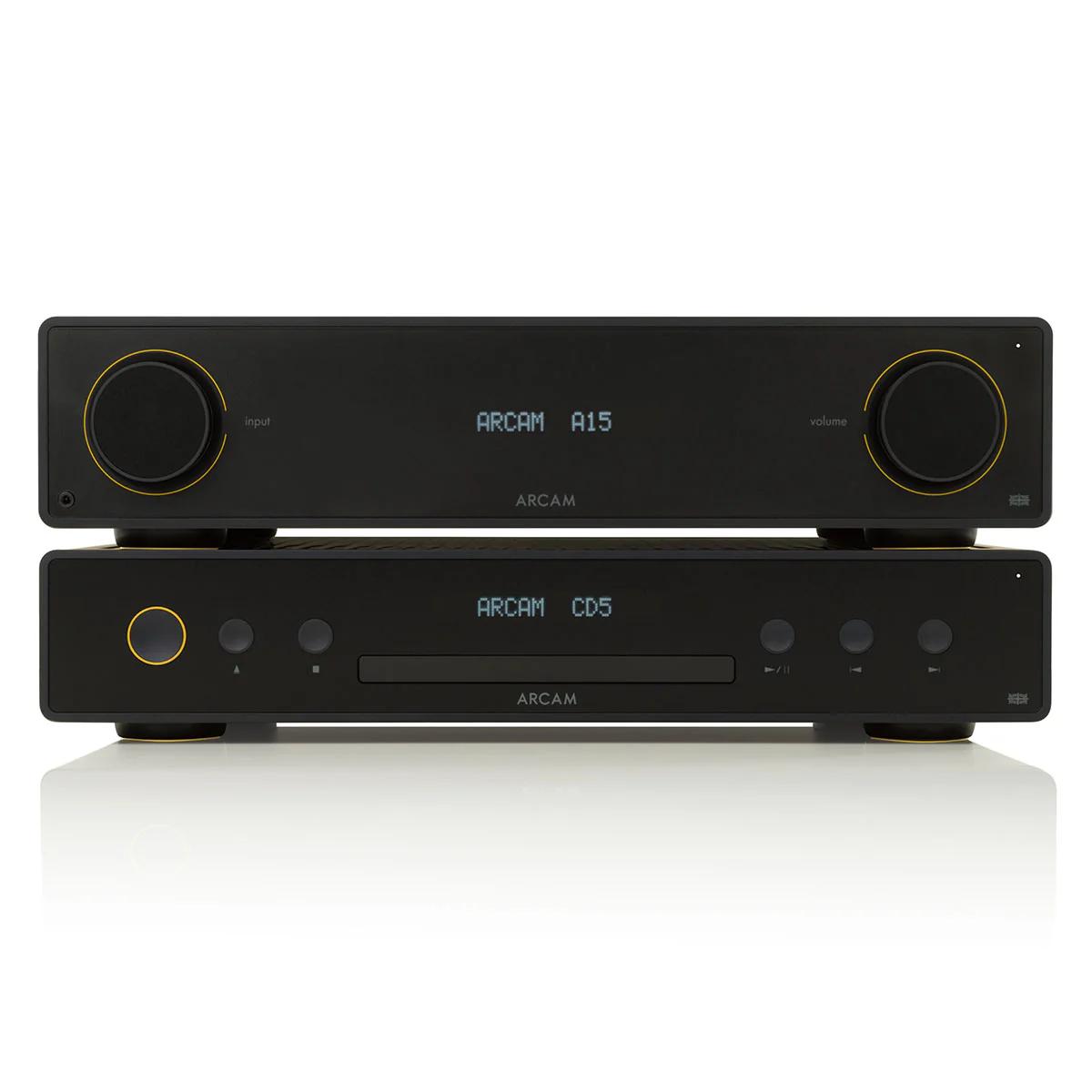
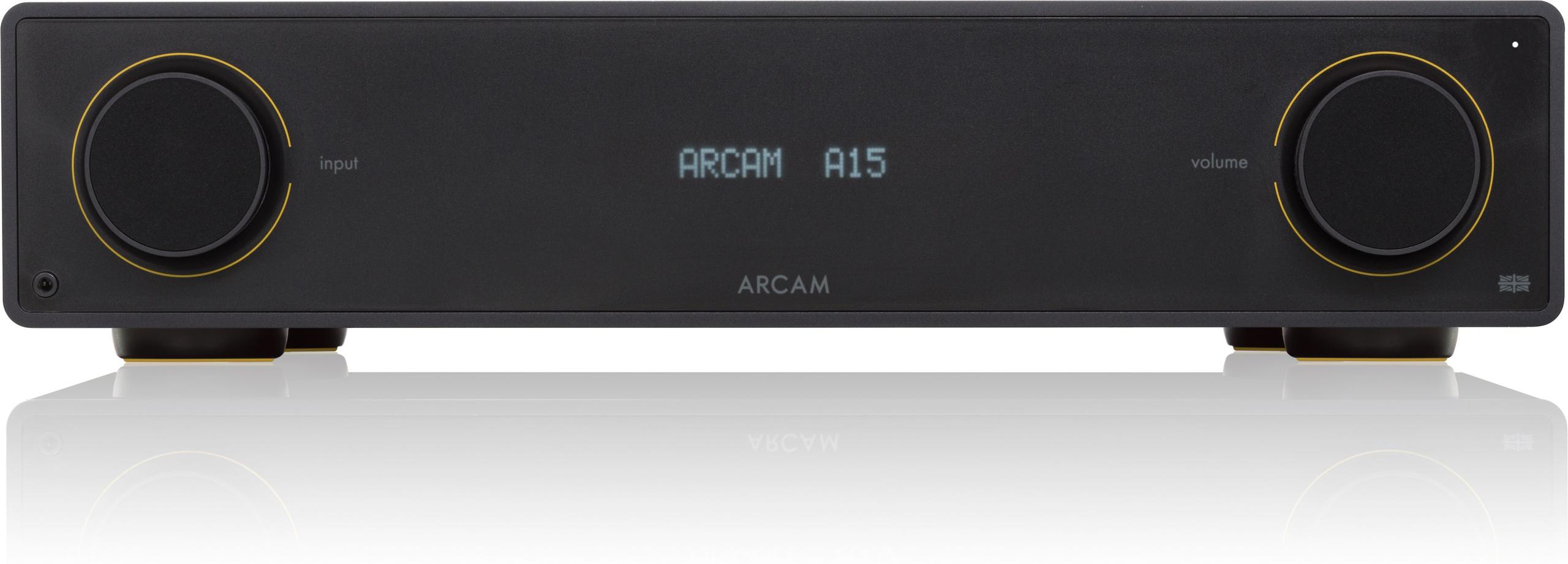
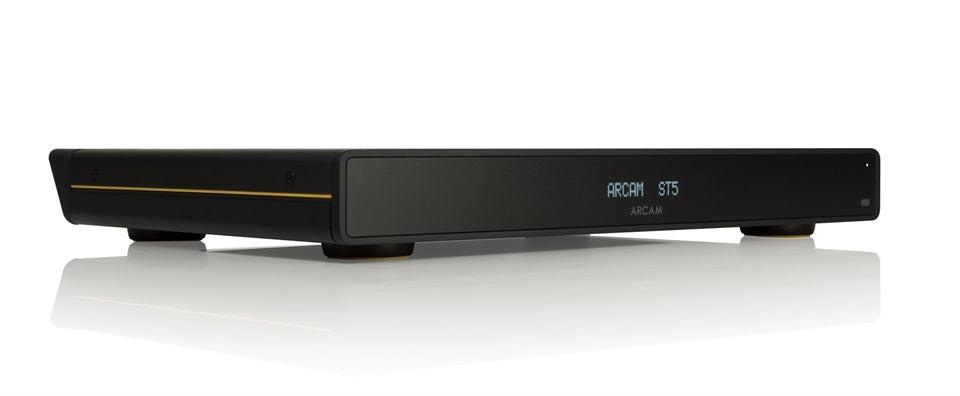
The size difference between these amplifiers reflects their different power capabilities and target markets. The A15 measures 431×344×98mm and weighs 10 kilograms, while the A5 comes in at 431×344×83mm and 8.14 kilograms. That 15mm height difference might seem minimal, but it represents significantly more internal volume for larger transformers, heat sinks, and power supply components.
Both amplifiers feature solid aluminum construction with machined controls that provide excellent tactile feedback. The build quality reflects Arcam's 45+ years of amplifier design experience, with attention paid to vibration damping and electromagnetic interference rejection. The aesthetic follows Arcam's current design language—clean, minimalist, and thoroughly modern while maintaining the understated elegance that audiophiles appreciate.
The larger chassis of the A15 allows for better heat dissipation during demanding passages, contributing to long-term reliability and consistent performance. However, the A5's more compact footprint makes it easier to accommodate in smaller equipment racks or desktop setups.
Based on professional reviews and user feedback, both amplifiers deliver the refined, musical sound signature that Arcam is known for. However, their different power capabilities create subtle but meaningful performance distinctions.
The A15 consistently demonstrates superior authority and control, particularly in the bass frequencies. Its larger power supply and output stage maintain better grip over speaker drivers during complex passages, resulting in tighter bass definition and clearer separation between instruments during busy musical arrangements.
The A5 excels in intimate listening scenarios where its refined, controlled presentation shines. Many reviewers note its particular strength with vocals and acoustic instruments, where subtlety and nuance matter more than raw dynamic range.
Both models handle the crucial midrange frequencies—where most music lives—with exceptional clarity and naturalness. The identical DAC implementation ensures that digital sources sound equally impressive through either amplifier, with that characteristic Arcam combination of detail and musicality that avoids clinical coldness.
The HDMI eARC input makes the A15 a compelling choice for users seeking a single amplifier solution for both music and home theater applications. This capability transforms the amplifier into a powerful stereo processor for your TV's audio, often delivering dramatically superior sound quality compared to built-in TV speakers or basic soundbars.
However, it's important to understand the limitations. Both amplifiers are strictly two-channel designs—they won't decode or reproduce multichannel surround sound. Instead, they excel at presenting stereo downmixes of surround content or native stereo programming with exceptional fidelity.
For movie watching, this stereo approach often proves surprisingly effective. A high-quality two-channel system frequently provides more engaging audio than budget multichannel alternatives, particularly in smaller rooms where proper surround speaker placement proves challenging.
The A5 can still serve home theater duties if you're willing to use optical or coaxial connections from your TV or streaming device, but the HDMI eARC capability of the A15 provides superior convenience and often better audio quality.
At the time of writing, the A15 commands a premium of approximately 25% over the A5, a difference that requires careful consideration of your specific needs and circumstances.
The A15's value proposition centers on versatility and future-proofing. Its combination of higher power output, HDMI eARC connectivity, and robust build quality makes it suitable for a wider range of applications and speaker choices. Users who anticipate upgrading speakers, moving to larger rooms, or wanting comprehensive entertainment system integration will find the premium worthwhile.
The A5 represents exceptional value for users with more focused requirements. If your listening habits center on moderate volume levels in smaller rooms with efficient speakers, the A5 delivers approximately 95% of the A15's sound quality at a significantly lower price point.
Choose the Arcam A15 if your room exceeds 200 square feet, your speakers have efficiency ratings below 87dB, or you want to integrate TV audio through HDMI eARC. The extra power proves valuable for dynamic music genres, loud listening sessions, or difficult-to-drive speakers. Users who value future expandability and don't mind paying a premium for additional capability will find the A15 compelling.
The Radia A5 makes more sense for smaller listening spaces, desktop systems, or applications where pure music reproduction takes priority over maximum versatility. Its compact size, excellent sound quality, and attractive pricing make it ideal for budget-conscious audiophiles or those with space constraints.
Both amplifiers represent excellent examples of modern integrated amplifier design, sharing core technologies while serving different market segments effectively. The decision ultimately comes down to matching the amplifier's capabilities with your specific listening requirements, room characteristics, and long-term system goals.
Your choice should reflect not just your current setup, but also how you anticipate your system evolving over time. The A15's extra power and connectivity options provide more flexibility for future changes, while the A5 delivers immediate satisfaction at a more accessible price point.
| Arcam A15 Integrated Amplifier | Arcam Radia A5 Integrated Amplifier |
|---|---|
| Power Output - Critical for speaker compatibility and room size | |
| 80W/8Ω, 120W/4Ω (suitable for large rooms and demanding speakers) | 50W/8Ω, 75W/4Ω (ideal for small-medium rooms and efficient speakers) |
| HDMI Connectivity - Game-changer for TV audio integration | |
| HDMI eARC input (connects directly to TV for superior audio) | No HDMI input (audio-only sources) |
| Physical Size - Important for equipment rack planning | |
| 431×344×98mm, 10kg (requires substantial shelf space) | 431×344×83mm, 8.14kg (more compact for smaller setups) |
| Digital Audio Processing - Identical high-end performance | |
| ESS Sabre ES9018 DAC, up to 24-bit/192kHz | ESS Sabre ES9018 DAC, up to 24-bit/192kHz |
| Harmonic Distortion - Measures audio accuracy (lower is better) | |
| 0.002% THD at 80% power | 0.003% THD at 80% power |
| Analog Inputs - Standard connectivity for traditional sources | |
| 3x RCA line inputs + MM phono stage | 3x RCA line inputs + MM phono stage |
| Digital Inputs - For CD players, streamers, and digital sources | |
| 2x coaxial, 1x optical (all up to 192kHz) | 2x coaxial, 1x optical (all up to 192kHz) |
| Bluetooth Capability - Wireless streaming quality and flexibility | |
| Bluetooth 5.2 with aptX Adaptive (bidirectional) | Bluetooth 5.2 with aptX Adaptive (bidirectional) |
| Signal-to-Noise Ratio - Background noise levels (higher is quieter) | |
| 106dB analog, 109dB digital | 106dB analog, 109dB digital |
| Headphone Output - For private listening sessions | |
| Front 3.5mm jack, 2.5V/5V output | Front 3.5mm jack, 2.5V/5V output |
| Target Use Case - Who should buy which model | |
| Large rooms, demanding speakers, TV integration needs | Small-medium rooms, efficient speakers, music-focused setups |
The primary difference is power output and TV connectivity. The Arcam A15 delivers 80 watts per channel versus the Radia A5's 50 watts per channel, and only the A15 includes HDMI eARC for direct TV connection. The A15 is designed for larger rooms and more demanding speakers.
The Arcam Radia A5 is ideal for small to medium rooms. Its 50-watt output provides plenty of power for efficient speakers in intimate listening spaces, while its more compact size fits better on smaller shelves or desks.
The Arcam Radia A5 provides exceptional value, delivering about 95% of the A15's sound quality at a lower price point. However, the A15 justifies its premium with significantly more power and HDMI connectivity for users who need those features.
We've done our best to create useful and informative comparisons to help you decide what product to buy. Our research uses advanced automated methods to create this comparison and perfection is not possible - please contact us for corrections or questions. These are the sites we've researched in the creation of this article: theaudiotailor.com.au - skybygramophone.com - crutchfield.com - arcam.co.uk - youtube.com - listenup.com - upscaleaudio.com - arcam.co.uk - whathifi.com - sweetwater.com - musicdirect.com - device.report - hifidaydreaming.com - listenup.com - whathifi.com - upscaleaudio.com - hifiverse.io - theaudiotailor.com.au - crutchfield.com - musicdirect.com - crutchfield.com - listenup.com - audioadvice.com - houseofstereo.com - skybygramophone.com - arcam.co.uk - fidelity-magazine.com - arcam.co.uk - sweetwater.com - skybygramophone.com

Privacy Policy
Terms and Conditions - Affiliate Policy
Home Security
© Copyright 2008-2026.
11816 Inwood Rd #1211, Dallas, TX 75244