

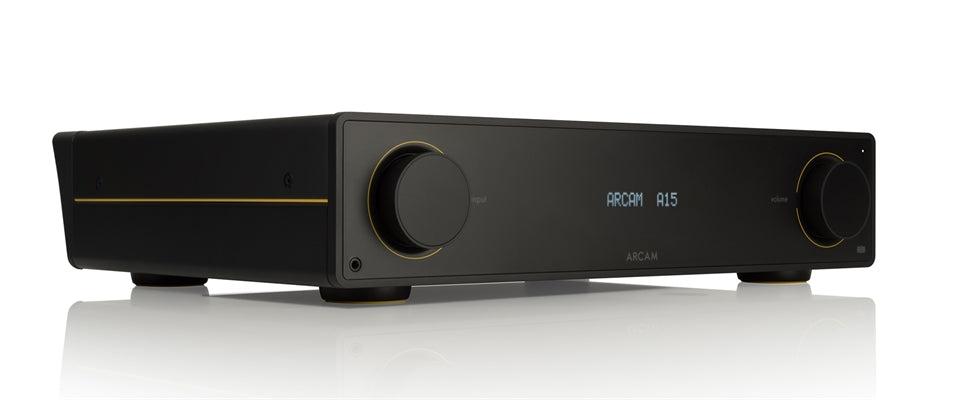
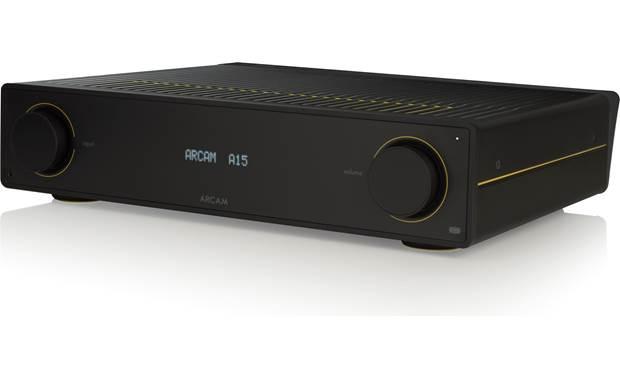
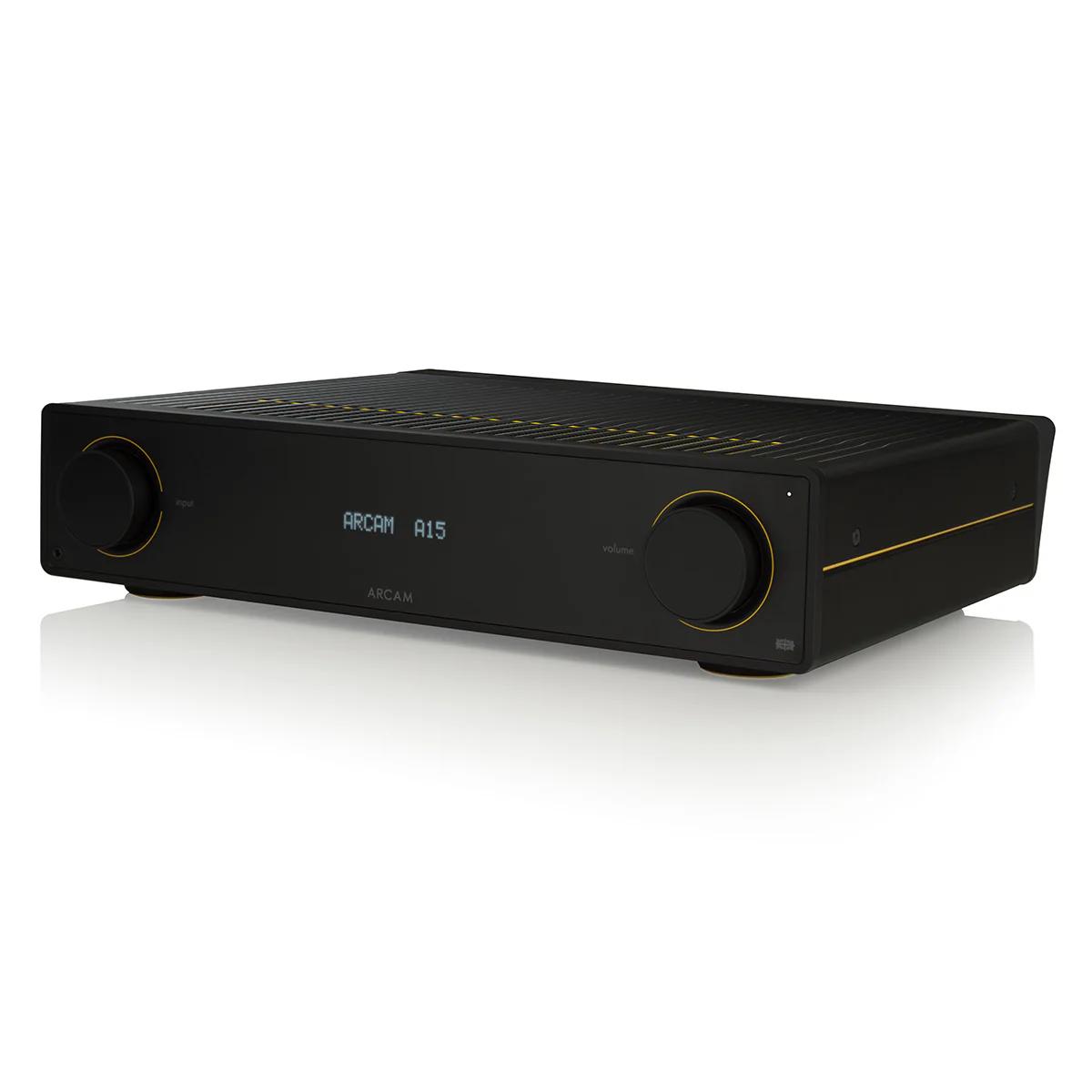
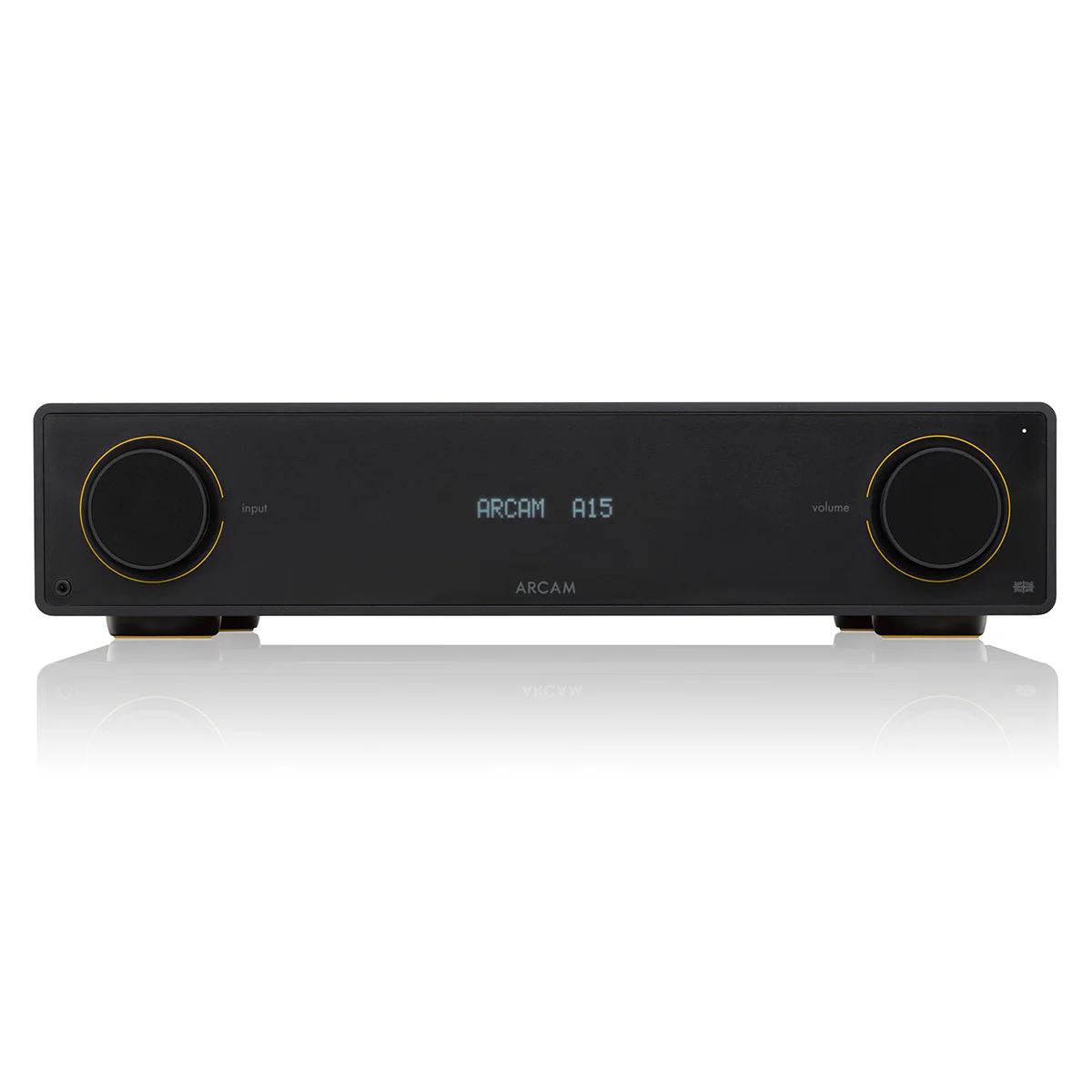
If you're shopping for an integrated amplifier, you've likely encountered these two popular models that represent very different approaches to home audio. The Arcam A15 and Denon PMA-600NE sit at opposite ends of the value spectrum, yet both have earned strong followings for good reasons. Understanding which one suits your needs requires diving into what makes each amplifier tick.
An integrated amplifier serves as the beating heart of your stereo system. Unlike separate components, it combines a preamplifier (which handles source switching and volume control) with a power amplifier (which drives your speakers) in one convenient box. This design saves space, reduces cable complexity, and often provides better value than buying separate components.
The beauty of a good integrated amplifier lies in its ability to take weak signals from various sources—whether that's a turntable, CD player, or streaming device—and transform them into powerful, clean audio that can fill your room with music. Modern units like the Arcam A15 and Denon PMA-600NE go further by including digital-to-analog converters (DACs), wireless connectivity, and specialized inputs for vinyl records.
When evaluating integrated amplifiers, focus on power output, build quality, available inputs, and sound character. Power output determines how loud your system can play and how well it controls your speakers. Build quality affects longevity and can influence sound quality through better components and vibration control. Input variety determines what sources you can connect, while sound character—the amplifier's tonal signature—affects how music sounds through your system.
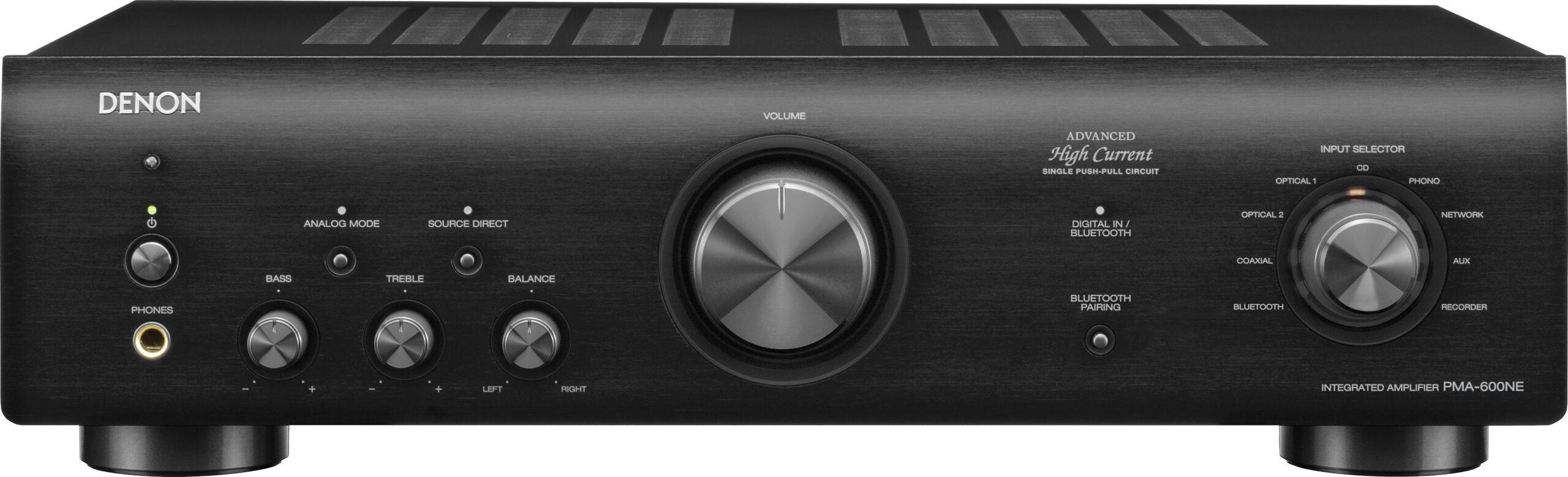
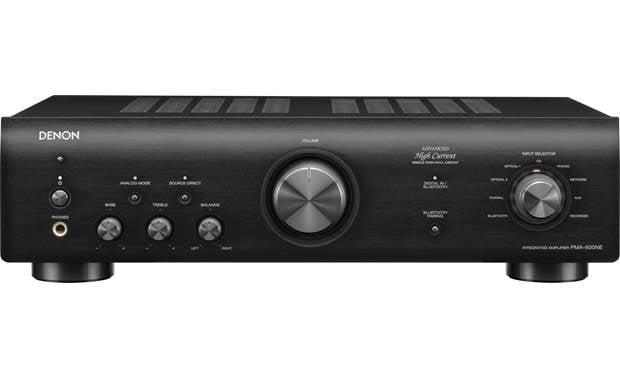
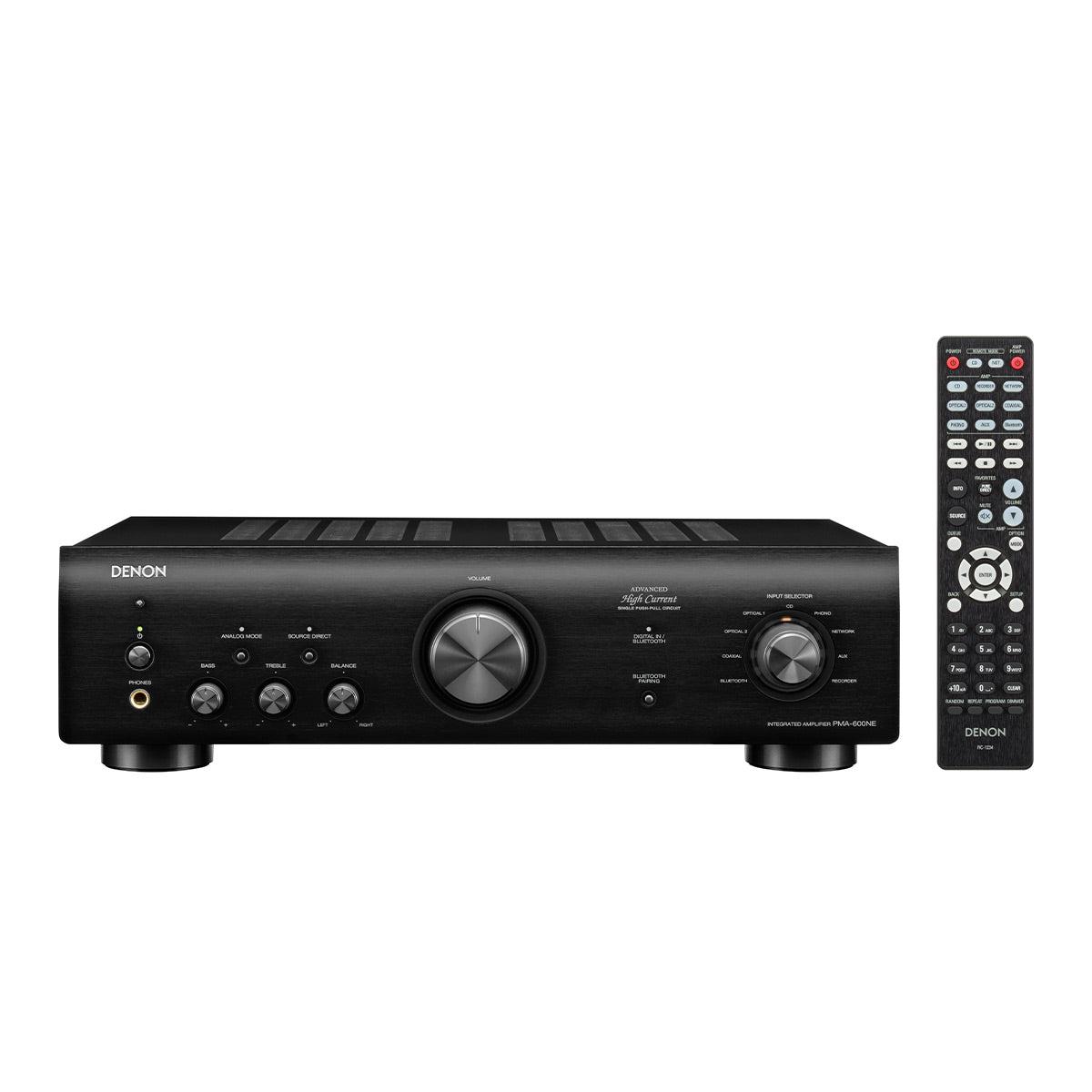
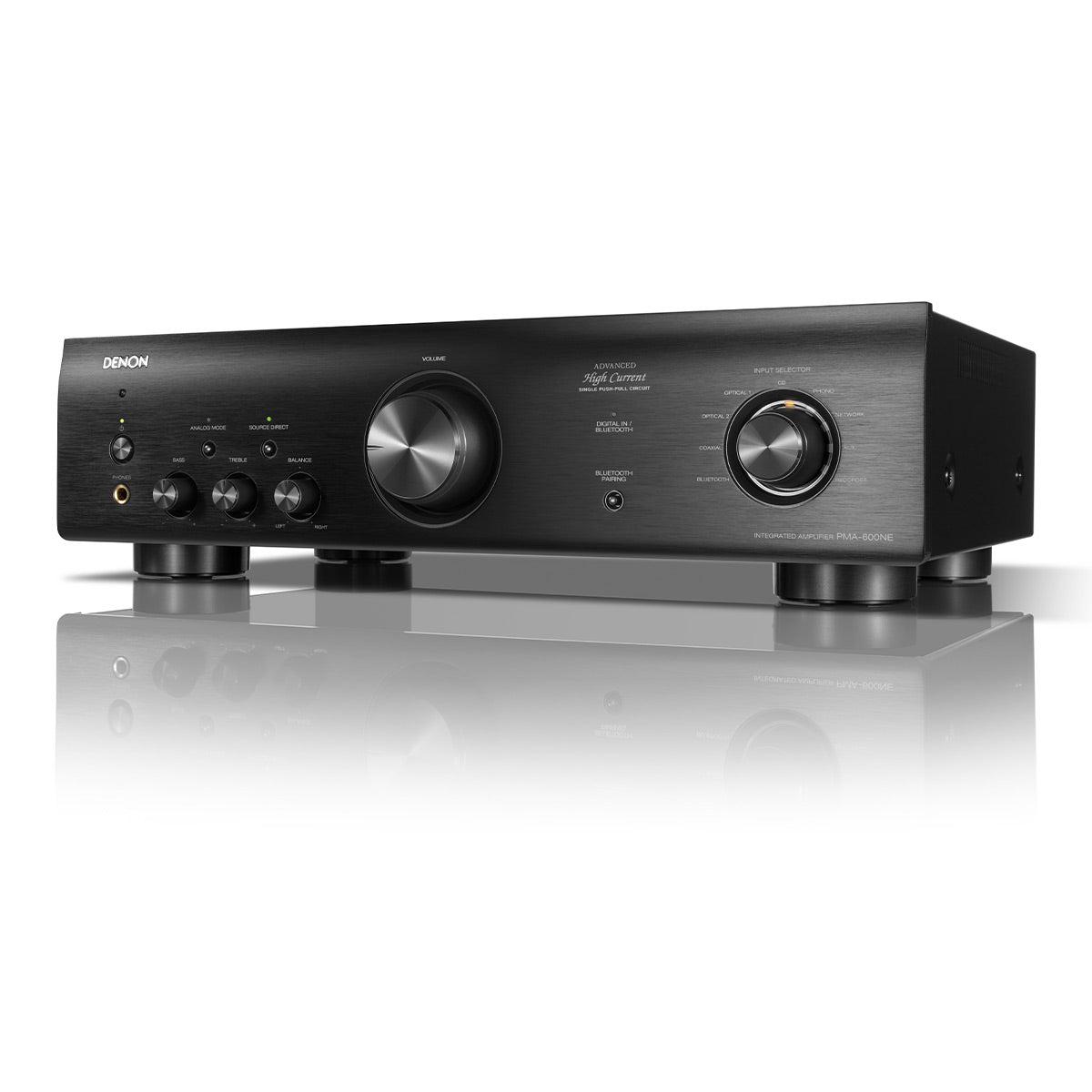
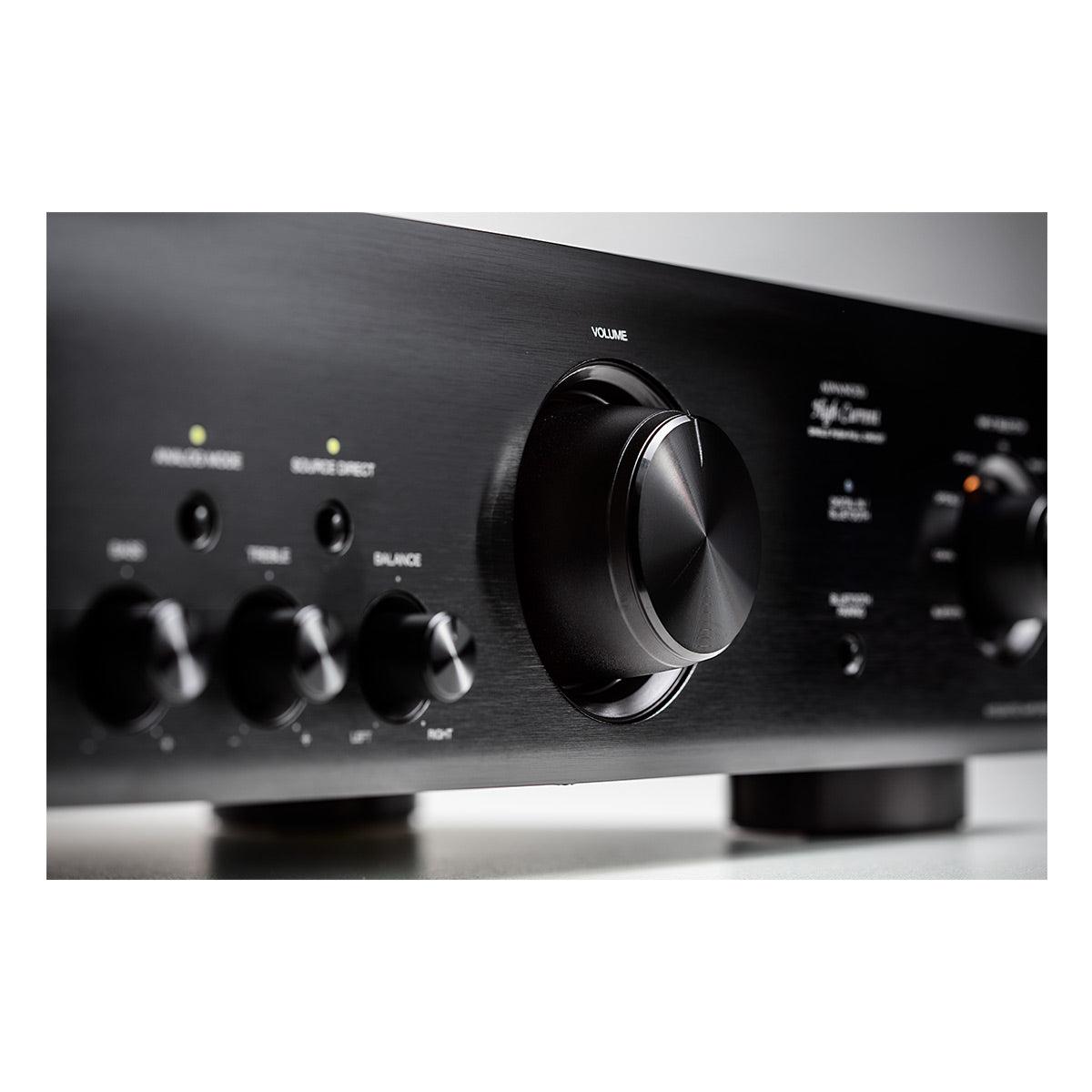
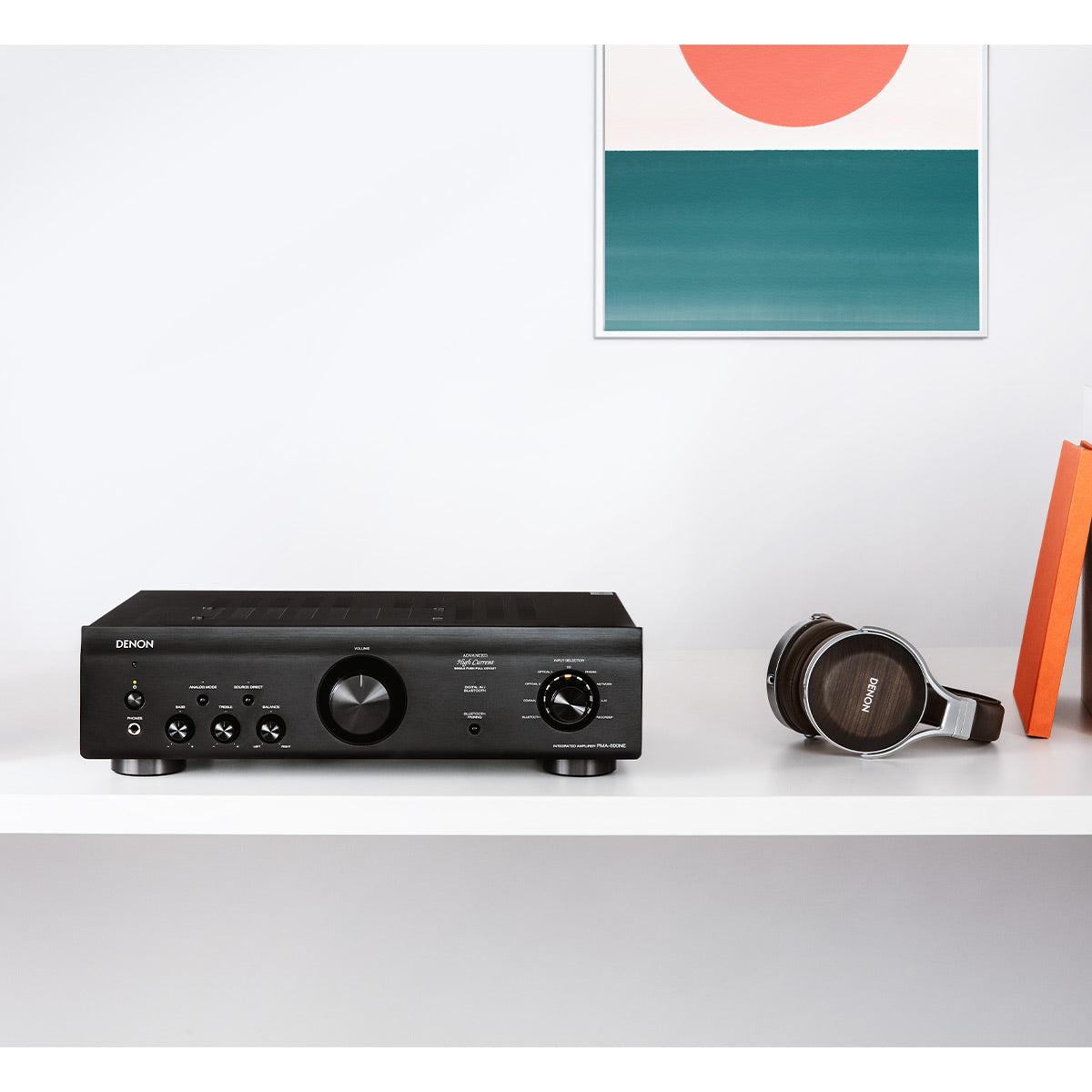
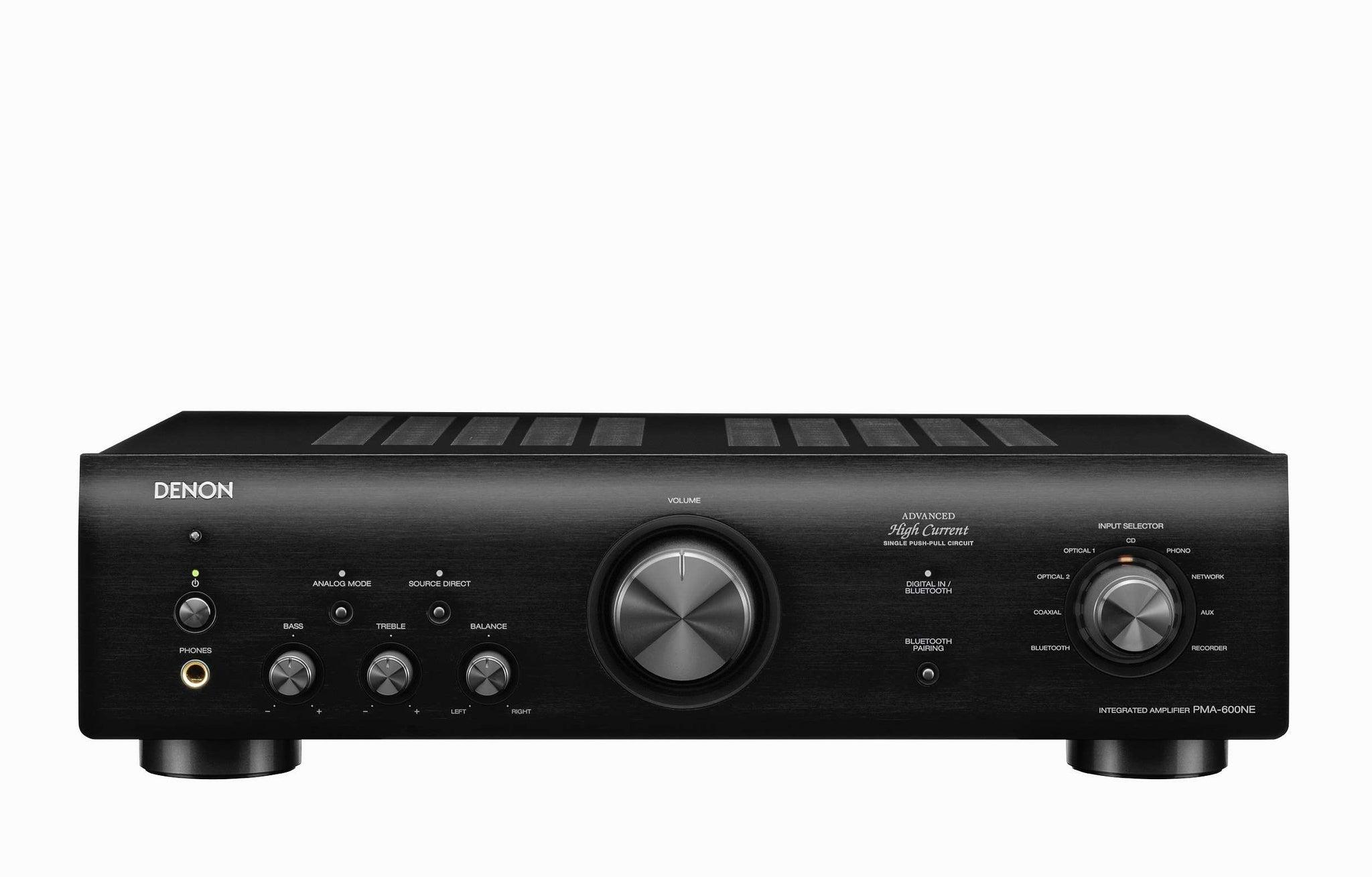
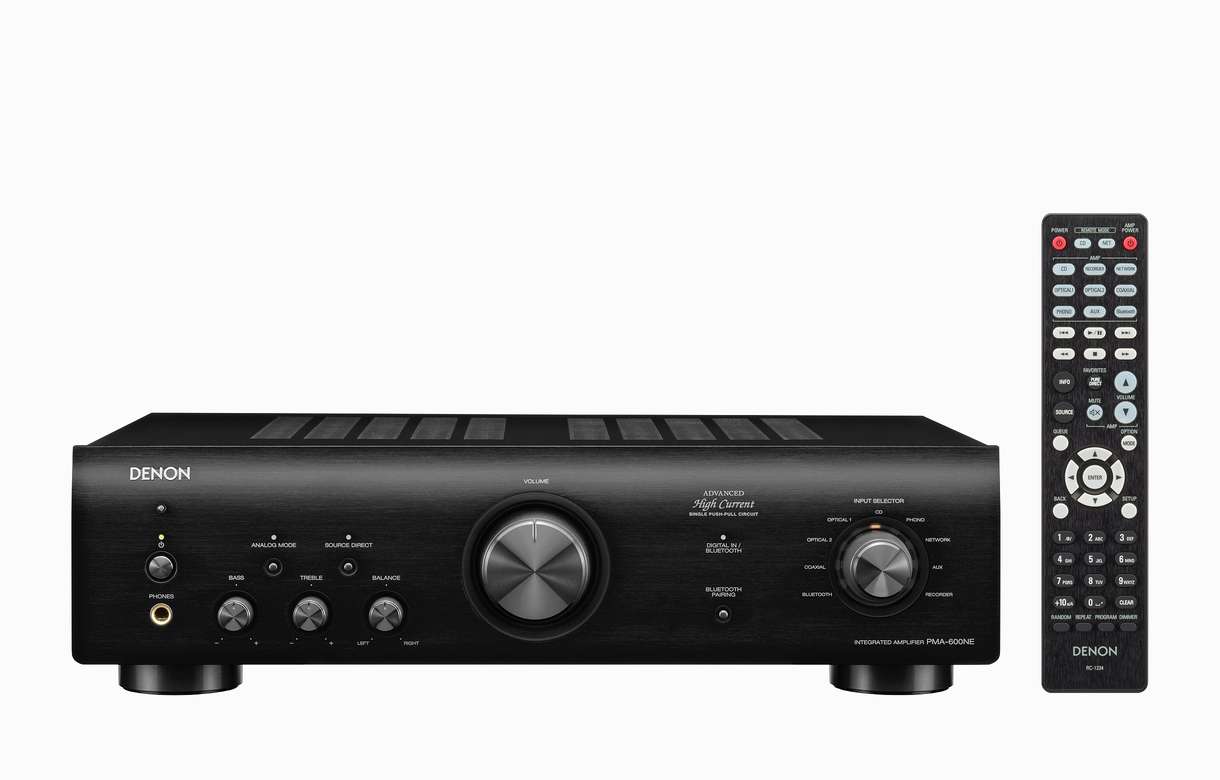
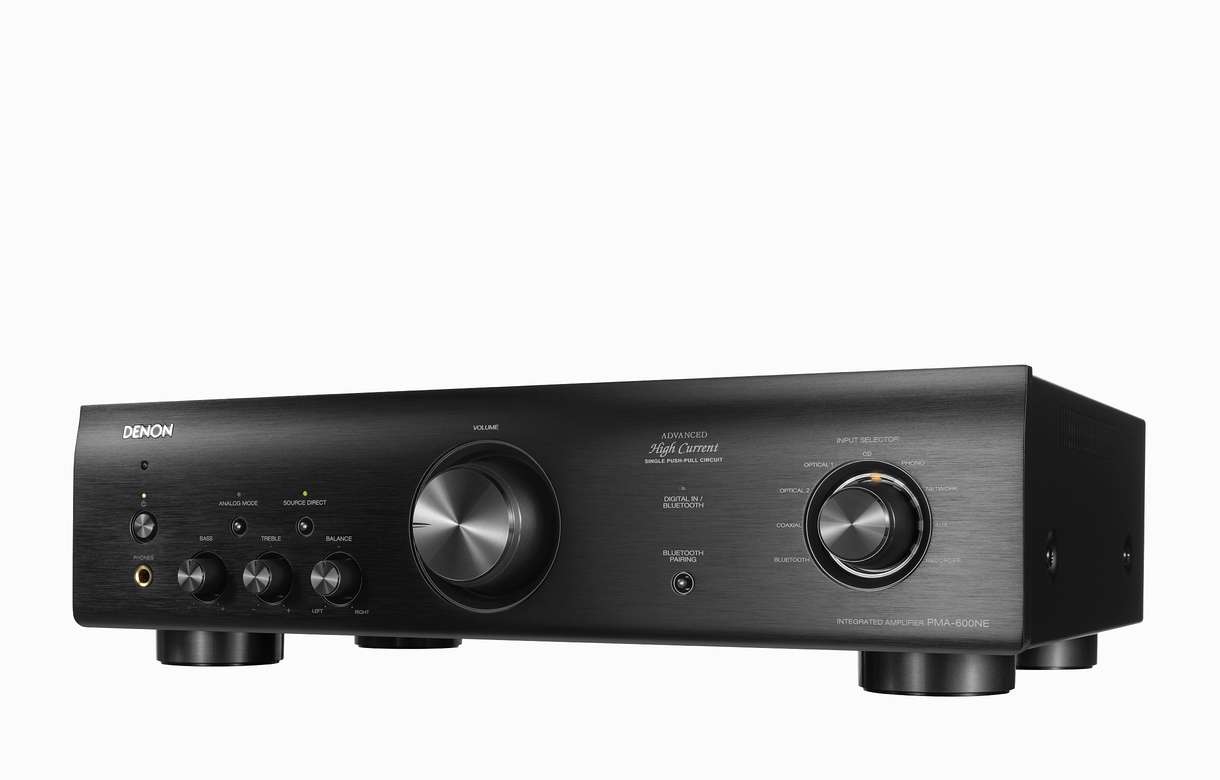
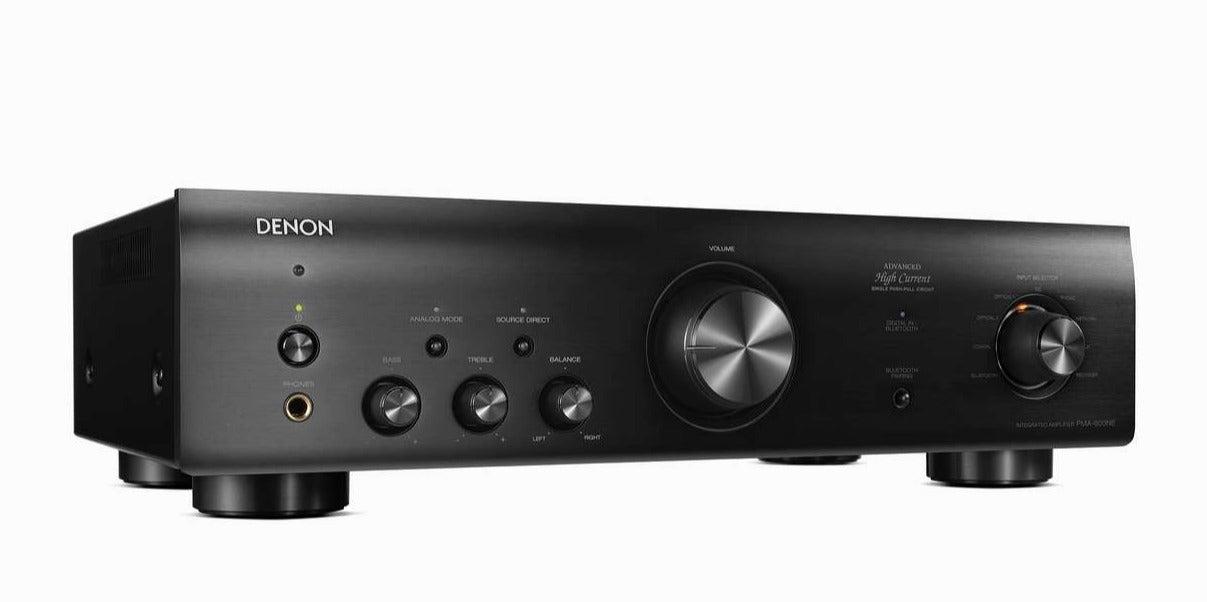
The Denon PMA-600NE, released in 2019, represents Denon's approach to affordable hi-fi. At roughly half the price of premium alternatives, it packs an impressive array of features including built-in wireless connectivity, multiple digital inputs, and a comprehensive analog section. Denon positioned this amplifier as a gateway into serious audio, targeting buyers who want maximum versatility without breaking the bank.
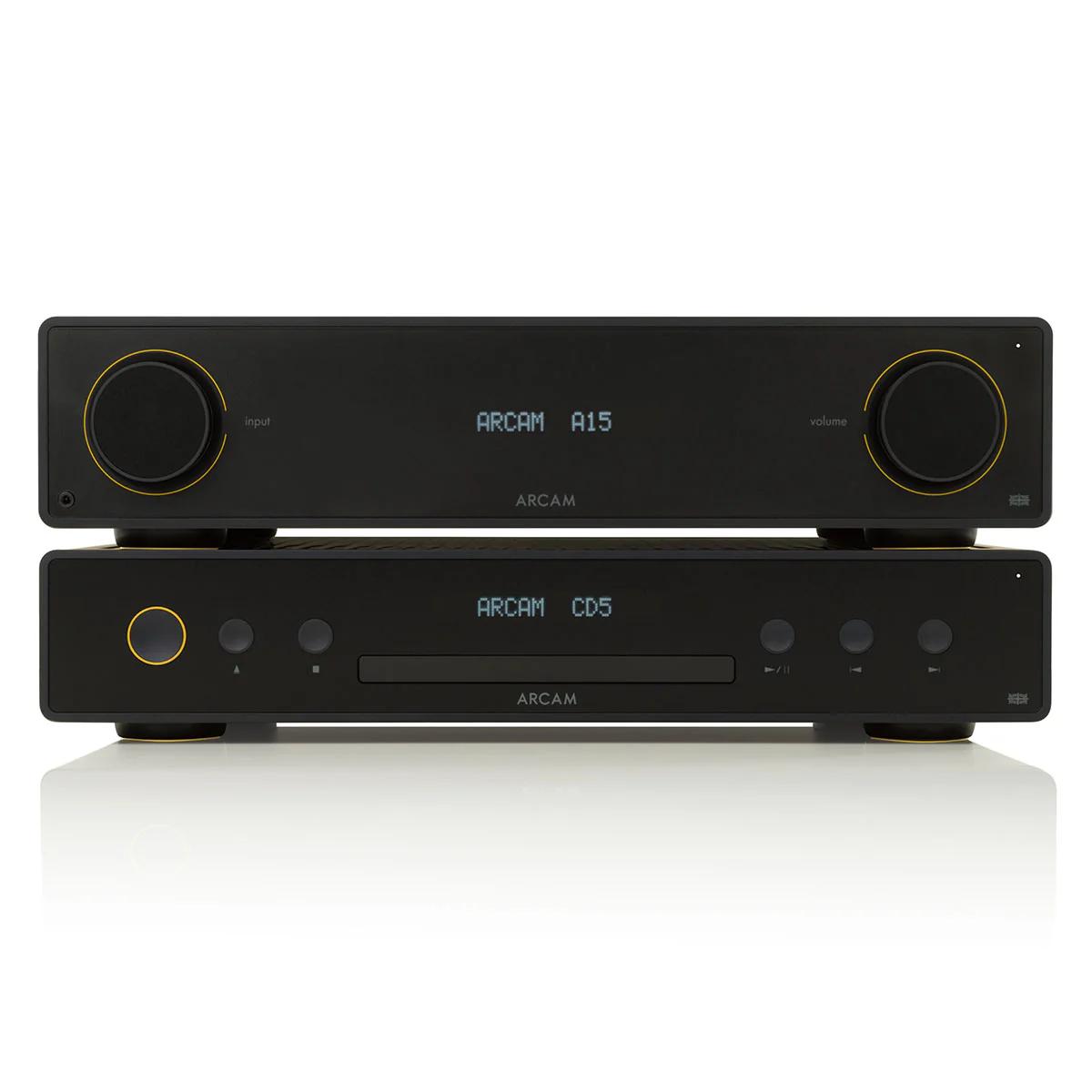
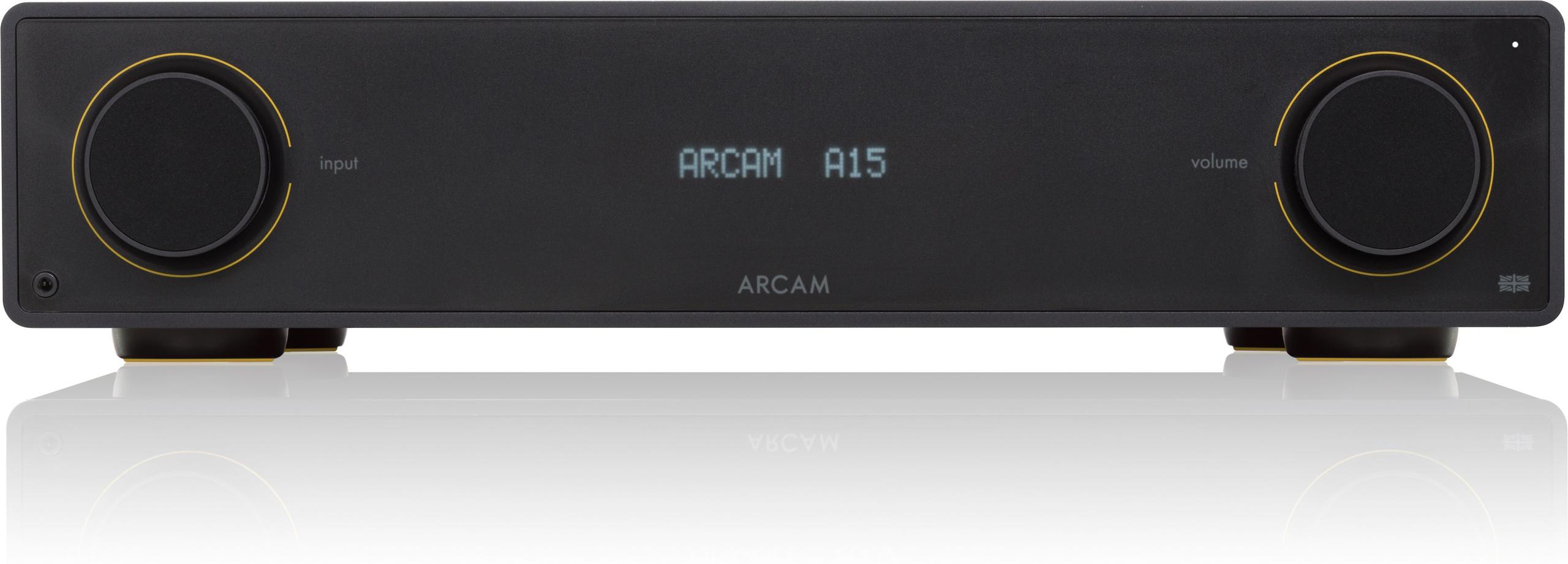
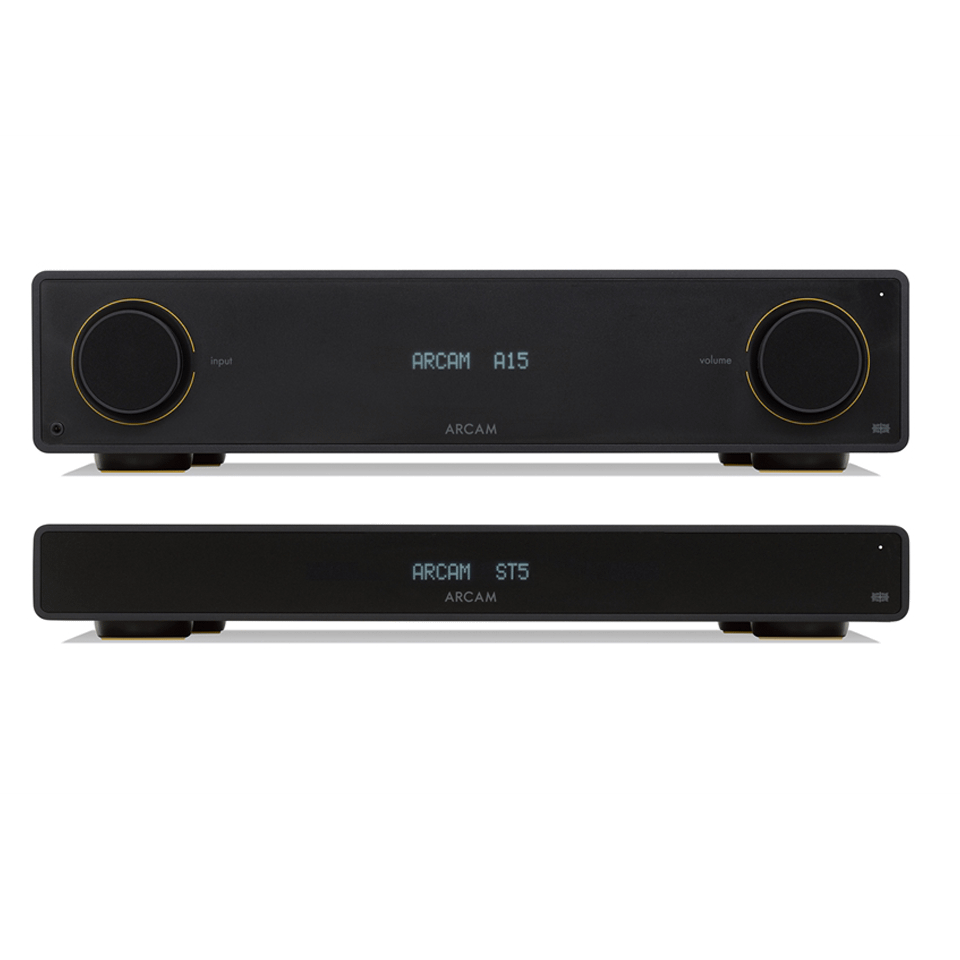
The Arcam A15, part of Arcam's Radia series launched in recent years, takes a different approach entirely. Rather than maximizing features, Arcam focused on optimizing sound quality and build quality. This British company, known for high-end audio components, designed the A15 as a premium integrated amplifier that could compete with much more expensive separates.
These different philosophies create interesting trade-offs. The Denon offers more inputs, tone controls, and practical features, while the Arcam delivers superior components, better measured performance, and more refined sound quality. Neither approach is inherently better—it depends on your priorities and budget.
Power output often dominates amplifier discussions, but the numbers tell only part of the story. The Denon PMA-600NE delivers 45 watts per channel into 8-ohm speakers, while the Arcam A15 produces 80 watts per channel—nearly double the power. However, this difference matters more for some users than others.
In practical terms, you'd need to increase volume significantly to hear the difference between 45 and 80 watts with efficient speakers in a typical living room. But with demanding speakers—those with lower sensitivity ratings or complex impedance curves—the Arcam's extra power becomes crucial. The A15 can also deliver 120 watts per channel into 4-ohm loads, demonstrating its ability to handle difficult speaker loads that might cause the Denon to struggle.
More important than raw power is distortion performance, measured as Total Harmonic Distortion (THD). This metric indicates how much the amplifier alters the original signal. The Arcam A15 achieves an impressive 0.002% THD, while the Denon measures 0.02% THD—ten times higher. While both figures represent low distortion, the Arcam's superior measurement translates to cleaner, more accurate sound reproduction.
Signal-to-noise ratio (SNR) provides another crucial performance indicator. This measures the difference between the desired audio signal and unwanted background noise. The Arcam achieves 106 dB for analog inputs and an exceptional 109 dB for digital inputs. The Denon delivers 105 dB for analog inputs but only 84 dB for its phono input—a significant difference that affects vinyl playback quality.
From our research into professional measurements and user reports, the Arcam A15 consistently demonstrates superior technical performance across all metrics. This translates to more accurate sound reproduction, better speaker control, and cleaner amplification of both analog and digital sources.
Both amplifiers include digital-to-analog converters, but their implementation and performance differ dramatically. The Arcam A15 employs the ESS Sabre ES9018, a premium DAC chip renowned for its low noise and distortion characteristics. This chip supports high-resolution audio up to 24-bit/192kHz, ensuring compatibility with the highest quality digital sources available today.
The Denon PMA-600NE uses the PCM5141 DAC, a more budget-oriented solution. While it supports the same high-resolution specifications on paper, measured performance reveals significant limitations. According to technical analyses, the Denon's internal DAC struggles with distortion levels that prevent it from achieving CD-quality transparency—meaning you might not hear the full quality even from standard CDs, let alone high-resolution files.
Bluetooth connectivity represents another significant difference. The Arcam features Bluetooth 5.2 with Qualcomm's aptX Adaptive technology, supporting wireless audio transmission up to 24-bit resolution. This implementation rivals wired connections for many sources. Uniquely, the A15 offers two-way Bluetooth, allowing you to stream music to the amplifier or send audio wirelessly to Bluetooth headphones.
The Denon includes basic Bluetooth 4.2 without advanced audio codecs. While functional for casual wireless listening, it doesn't approach the quality of the Arcam's implementation. However, the Denon compensates with more traditional digital inputs—two optical and one coaxial versus the Arcam's more limited selection.
For users prioritizing digital audio quality, especially high-resolution streaming and wireless connectivity, the Arcam A15 provides measurably superior performance that justifies its higher price point.
Despite the digital age, analog inputs remain crucial for many audio enthusiasts. Both amplifiers include moving magnet (MM) phono stages for direct turntable connection, but their implementation varies considerably.
The Arcam A15's phono stage receives particular attention in professional reviews for its musical character and technical competence. Designed specifically to preserve vinyl's warmth while maintaining detail retrieval, it provides the proper RIAA equalization curve and sufficient gain for most moving magnet cartridges. The frequency response measures 20Hz–20kHz ±1dB, indicating accurate reproduction across the audible spectrum.
The Denon PMA-600NE includes a functional phono stage with 35 dB of gain—adequate for most MM cartridges. However, its 84 dB signal-to-noise ratio falls short of the Arcam's performance, potentially introducing audible background noise during quiet musical passages. Despite this limitation, many users report satisfactory vinyl playback, particularly given the price point.
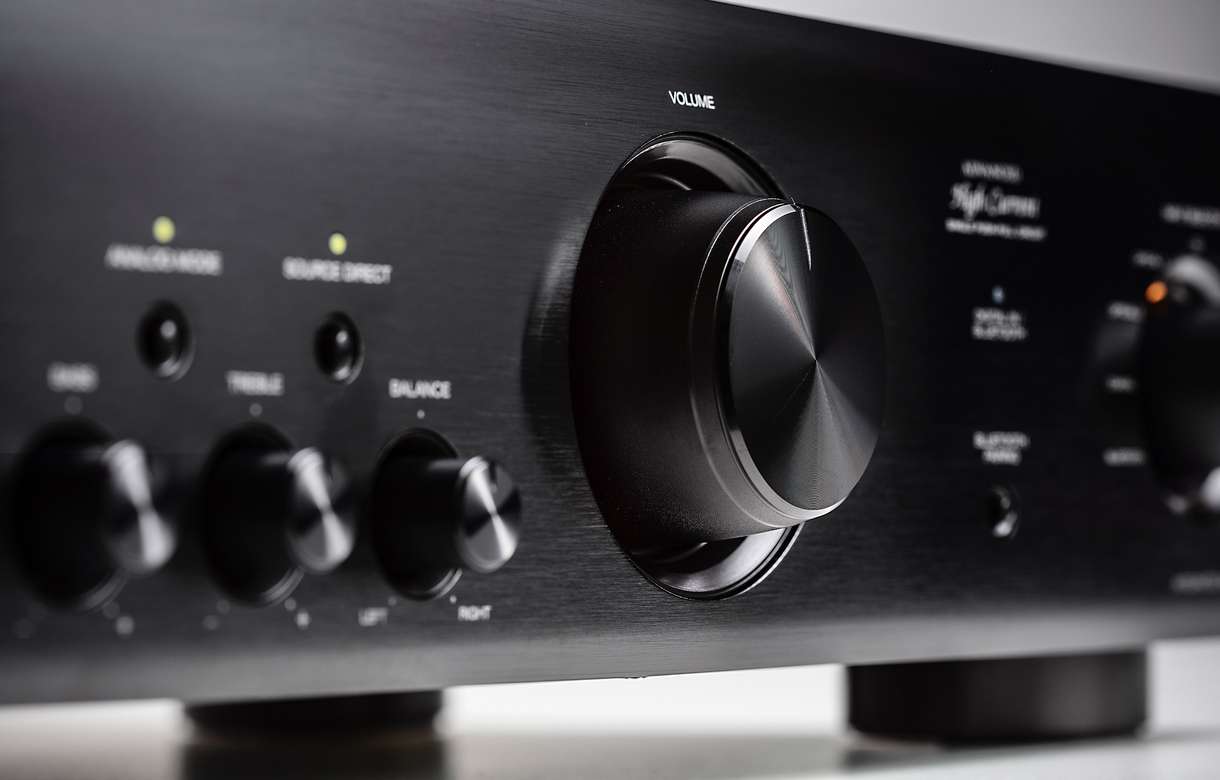
An interesting feature of the Denon is its Analog Mode, which completely disables all digital circuitry including the DAC and Bluetooth sections. This reduces potential interference and may improve analog source reproduction, though the benefit depends on your system's sensitivity to such interference.
For serious vinyl enthusiasts, the Arcam A15's superior phono stage and lower noise floor provide noticeable improvements in detail retrieval and background silence. However, casual vinyl listeners might find the Denon's phono stage perfectly adequate.
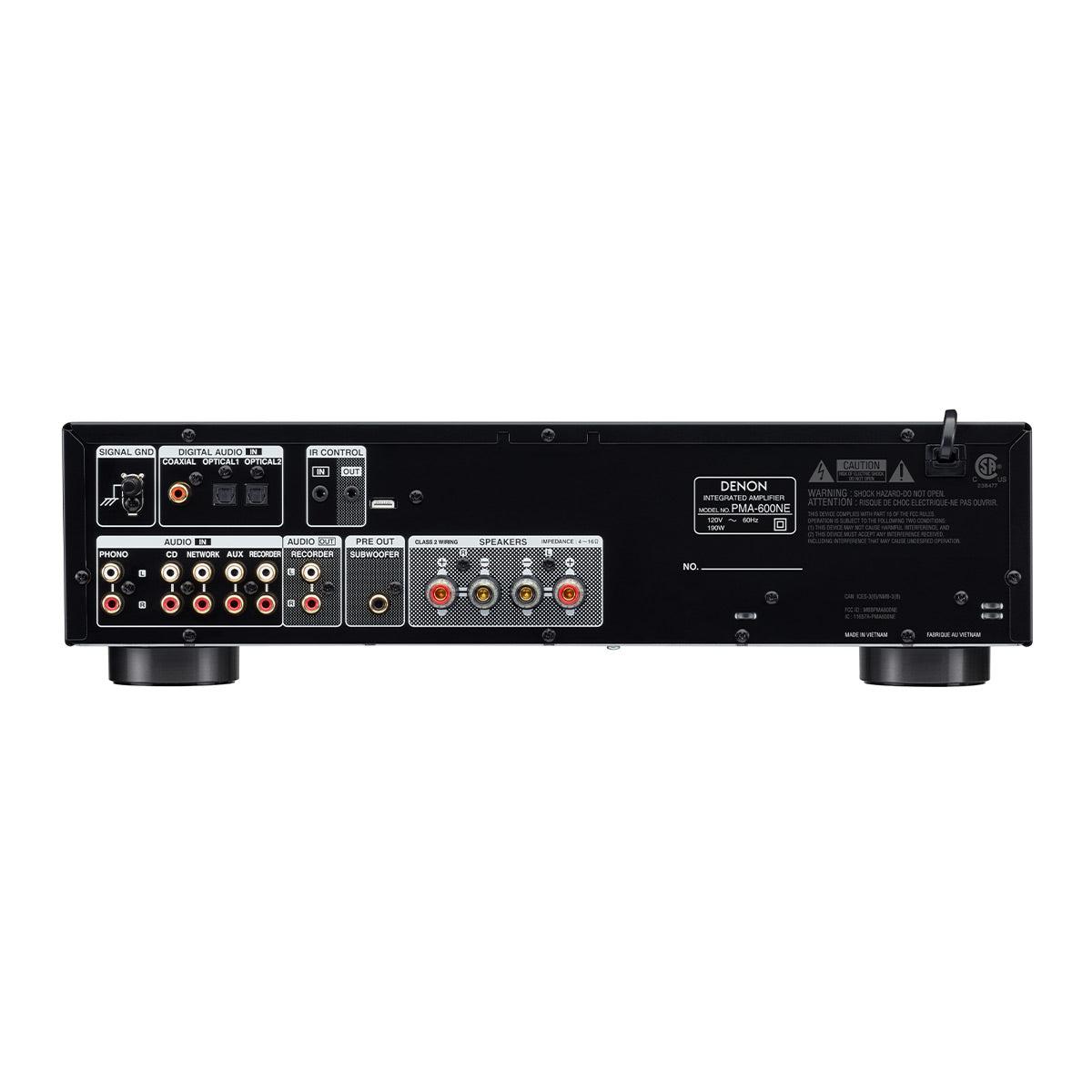
Here's where the Denon PMA-600NE truly shines. With five line-level analog inputs compared to the Arcam's three, plus tone controls for bass and treble adjustment, the Denon offers more flexibility for system building and sound customization. The inclusion of a dedicated subwoofer output makes bass management simple—a feature notably absent from the Arcam.
The Denon also provides two sets of speaker terminals, allowing connection of two pairs of speakers for comparison or multi-room use. Balance controls help compensate for room acoustics or speaker placement issues. These practical features make the Denon particularly appealing for users building their first serious audio system or those who frequently adjust their setup.
The Arcam A15 takes a more minimalist approach, providing fewer inputs but focusing on quality over quantity. Its preamp outputs allow connection of external power amplifiers for future system expansion. The inclusion of 12V trigger inputs and IR connections supports integration with home theater systems or automation equipment.
For home theater integration, both amplifiers can serve as stereo channels in a larger surround system. The Denon's subwoofer output simplifies integration with powered subwoofers, while its multiple inputs accommodate various source components. The Arcam's superior power output and preamp outputs might appeal to users building high-performance stereo sections within larger systems.
Physical construction affects both longevity and sound quality. The Arcam A15 employs a solid aluminum chassis with machined aluminum controls, providing excellent vibration damping and a premium tactile experience. At over 22 pounds, its substantial weight suggests serious internal components and robust power supply design.
The Denon PMA-600NE, while lighter at about 15 pounds, still demonstrates solid construction with a metal front panel and Denon's Direct Mechanical Ground Construction for vibration control. The build quality exceeds expectations for its price point, though it can't match the Arcam's premium materials and construction techniques.
Internal component quality varies significantly between these amplifiers. The Arcam uses higher-grade capacitors, more robust heat sinking, and premium internal wiring. These components typically last longer and maintain performance better over time. The Denon uses appropriate components for its price point, providing reliable operation though potentially shorter service life than premium alternatives.
From a long-term value perspective, the Arcam A15 represents a buy-once approach—its superior components and build quality should provide decades of reliable service. The Denon offers exceptional immediate value but might require replacement sooner as your system evolves or components age.
Beyond technical measurements lies the subjective realm of musical enjoyment, where personal preferences matter enormously. Based on extensive user feedback and professional reviews, these amplifiers exhibit distinct sonic personalities.
The Arcam A15 earns consistent praise for its refined, detailed presentation. Users describe its sound as clean, insightful, and engaging, with excellent dynamics and spatial imaging. The superior power supply and low-distortion amplification preserve musical nuances while maintaining control during complex passages. This character suits listeners who prioritize accuracy and detail retrieval.
The Denon PMA-600NE receives praise for its warm, smooth character with a subtle emphasis on the lower midrange that adds body and richness to vocals and instruments. Many users appreciate its forgiving nature with compressed digital sources and its gentle, non-fatiguing presentation. This sound signature appeals to listeners who prioritize musical enjoyment over analytical precision.
Neither approach is universally superior—the choice depends on your musical preferences, associated equipment, and listening priorities. The Arcam excels with acoustic music, jazz, and classical genres where detail and dynamics matter. The Denon performs well with popular music genres and provides a more relaxed listening experience.
Choosing between these amplifiers requires honest assessment of your needs, budget, and long-term plans. The Denon PMA-600NE makes sense for first-time buyers, budget-conscious audiophiles, and users who prioritize flexibility and convenience features. Its comprehensive connectivity, tone controls, and subwoofer output create an excellent foundation for system building.
The Arcam A15 suits serious listeners willing to invest in superior performance and build quality. If you have demanding speakers, prioritize vinyl playback, or want the best possible sound quality from digital sources, the Arcam's premium components and refined engineering justify its higher price.
Consider the Denon if you need maximum versatility, plan to use tone controls regularly, or want to experiment with different sources and speakers. Its forgiving sound signature and comprehensive features make it ideal for exploration and learning.
Choose the Arcam if sound quality trumps feature count, you have premium speakers requiring clean power, or you're building a long-term reference system. Its superior technical performance and build quality provide a foundation that won't quickly become limiting.
At the time of writing, the significant price difference between these amplifiers reflects genuine performance gaps rather than marketing positioning. The Arcam A15 costs roughly 2.5 times more than the Denon PMA-600NE, but delivers measurably superior performance in most technical metrics. Whether this performance improvement justifies the price premium depends entirely on your priorities and budget constraints.
For most users building their first serious audio system, the Denon PMA-600NE provides exceptional value and room to grow. For listeners ready to invest in long-term performance and refinement, the Arcam A15 offers genuine improvements that enhance musical enjoyment for years to come.
| Arcam A15 Integrated Amplifier | Denon PMA-600NE Integrated Amplifier |
|---|---|
| Power Output - Critical for driving demanding speakers and filling larger rooms | |
| 80W per channel (8Ω), 120W (4Ω) - excellent for tower speakers | 45W per channel (8Ω), 70W (4Ω) - adequate for bookshelf speakers |
| Total Harmonic Distortion - Lower is better for cleaner sound reproduction | |
| 0.002% THD - exceptional clarity and accuracy | 0.02% THD - good but 10x higher distortion than Arcam |
| DAC Quality - Determines digital audio performance from streaming and CD sources | |
| ESS Sabre ES9018 - premium chip with excellent measured performance | PCM5141 - budget chip with poor distortion performance |
| Bluetooth Technology - Important for wireless streaming quality | |
| Bluetooth 5.2 with aptX Adaptive (up to 24-bit) plus two-way connectivity | Bluetooth 4.2 basic - functional but limited audio quality |
| Phono Stage Performance - Critical for vinyl enthusiasts | |
| Dedicated MM stage with superior noise floor (106dB S/N ratio) | Built-in MM stage with adequate 84dB S/N ratio |
| Analog Inputs - Determines how many sources you can connect | |
| 3 line inputs - focused on quality over quantity | 5 line inputs plus tone controls - maximum flexibility |
| Digital Inputs - For connecting CD players, streamers, and other digital sources | |
| 1 optical, 2 coaxial (up to 192kHz/24-bit) | 2 optical, 1 coaxial (up to 192kHz/24-bit) |
| Subwoofer Integration - Essential for bass management in many systems | |
| No dedicated subwoofer output - requires Y-splitters or speaker-level connection | Dedicated subwoofer output - plug-and-play bass enhancement |
| Build Quality - Affects longevity and potential resale value | |
| Solid aluminum chassis, machined controls, 22+ lbs - premium construction | Metal front panel, 15 lbs - solid build for the price point |
| Sound Character - Subjective but important for long-term satisfaction | |
| Refined, detailed, analytical - best for accuracy and critical listening | Warm, smooth, forgiving - more relaxed and musical presentation |
| Additional Features - Convenience and customization options | |
| Remote control, 12V trigger, preamp outputs for system expansion | Tone controls, balance adjustment, analog mode, auto power-off |
| Target Market - Who benefits most from each amplifier's strengths | |
| Serious audiophiles with premium speakers and focus on sound quality | First-time buyers and budget-conscious users wanting maximum features |
The Arcam A15 delivers significantly more power with 80 watts per channel into 8-ohm speakers, compared to the Denon PMA-600NE's 45 watts per channel. This extra power makes the Arcam A15 better suited for larger rooms and less efficient speakers that require more driving force.
The Arcam A15 offers superior technical performance with much lower distortion (0.002% vs 0.02%) and better signal-to-noise ratios, resulting in cleaner, more detailed sound. The Denon PMA-600NE provides a warmer, more forgiving sound character that many find pleasant for casual listening, though it's less accurate than the Arcam A15.
The Arcam A15 has a superior phono stage with much better noise performance (106dB vs 84dB signal-to-noise ratio), making it significantly better for vinyl playback. While the Denon PMA-600NE includes a functional phono stage, serious vinyl enthusiasts will appreciate the Arcam's cleaner, more detailed analog performance.
Yes, but with major differences in quality. The Arcam A15 features advanced Bluetooth 5.2 with aptX Adaptive technology supporting up to 24-bit wireless audio, plus unique two-way connectivity. The Denon PMA-600NE includes basic Bluetooth 4.2 that works adequately but doesn't match the Arcam's wireless audio quality.
The Denon PMA-600NE provides more connectivity with 5 analog line inputs, 2 optical and 1 coaxial digital input, plus a dedicated subwoofer output. The Arcam A15 offers fewer inputs (3 analog, 1 optical, 2 coaxial) but focuses on higher quality implementation of each connection.
Both can serve as stereo amplifiers in home theater setups, but the Denon PMA-600NE is more home theater-friendly with its dedicated subwoofer output for easy bass management. The Arcam A15 offers preamp outputs for expansion but lacks the Denon's subwoofer integration convenience.
The Denon PMA-600NE provides exceptional value with comprehensive features at roughly half the price of premium alternatives. The Arcam A15 costs significantly more but delivers measurably superior performance and build quality. Value depends on whether you prioritize features and affordability (Denon) or premium performance (Arcam).
The Denon PMA-600NE includes traditional bass and treble tone controls plus balance adjustment, making it ideal for users who want to customize their sound. The Arcam A15 takes a purist approach without tone controls, focusing on accurate reproduction without additional processing.
The Arcam A15 uses a premium ESS Sabre ES9018 DAC chip known for excellent performance, while the Denon PMA-600NE includes a budget PCM5141 DAC with measured performance issues. For high-quality digital audio from streaming services or CDs, the Arcam A15 is significantly superior.
The Denon PMA-600NE is more beginner-friendly with its tone controls, multiple inputs, straightforward operation, and lower price point. The Arcam A15 appeals more to serious listeners who want premium performance and are willing to invest more for superior sound quality and build construction.
The Arcam A15 is better suited for demanding speakers thanks to its higher power output (80W vs 45W) and superior current delivery capability into low-impedance loads. The Denon PMA-600NE works well with efficient bookshelf speakers but may struggle with power-hungry tower speakers that the Arcam handles easily.
The Arcam A15 features premium aluminum construction, higher-grade internal components, and more robust engineering that should provide longer service life. The Denon PMA-600NE offers solid build quality appropriate for its price point, though it uses more budget-oriented components than the Arcam A15's premium construction.
We've done our best to create useful and informative comparisons to help you decide what product to buy. Our research uses advanced automated methods to create this comparison and perfection is not possible - please contact us for corrections or questions. These are the sites we've researched in the creation of this article: theaudiotailor.com.au - skybygramophone.com - crutchfield.com - arcam.co.uk - youtube.com - listenup.com - upscaleaudio.com - arcam.co.uk - whathifi.com - sweetwater.com - musicdirect.com - device.report - hifidaydreaming.com - listenup.com - theaudiotailor.com.au - forums.whathifi.com - crutchfield.com - youtube.com - av.com - youtube.com - audiosciencereview.com - emotivalounge.proboards.com - forums.whathifi.com - audiosciencereview.com - crutchfield.com - melbournehifi.com.au - musicdirect.com - avstore.in - polkaudio.com - turntablelab.com

Privacy Policy
Terms and Conditions - Affiliate Policy
Home Security
© Copyright 2008-2026.
11816 Inwood Rd #1211, Dallas, TX 75244