

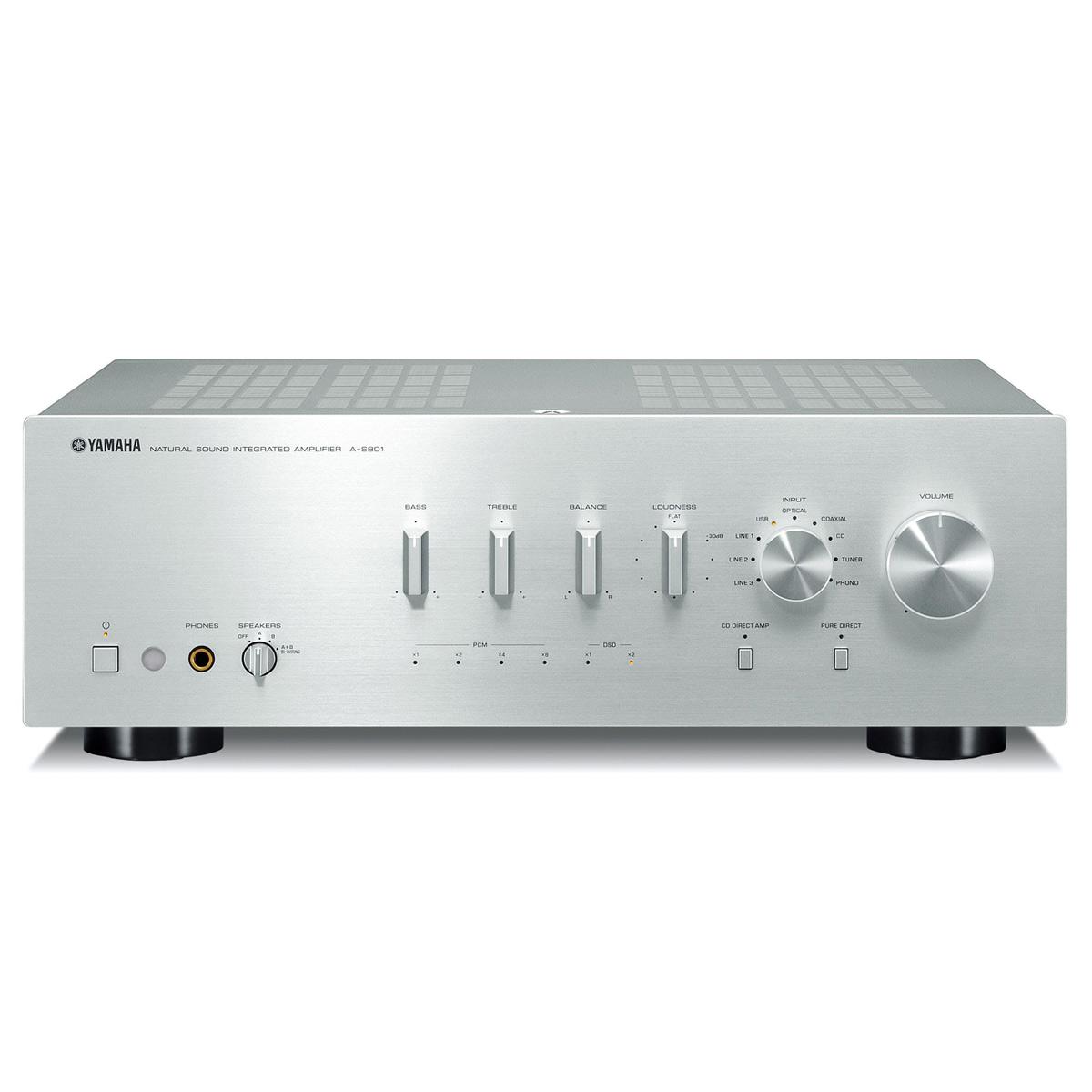
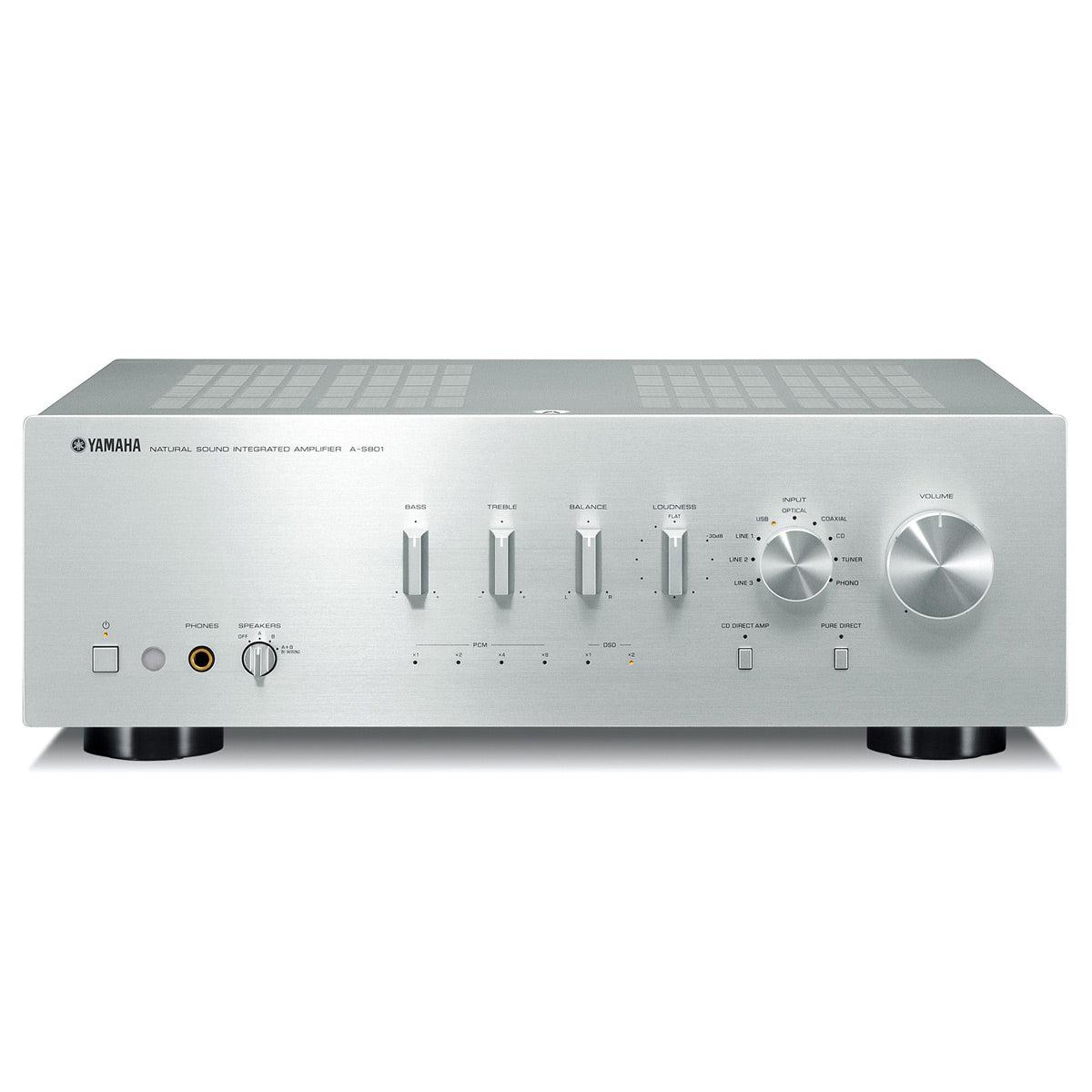
When you're building a serious stereo system, the integrated amplifier sits at the heart of everything. It's the component that takes weak signals from your sources—whether that's a turntable, CD player, or streaming device—and amplifies them with enough power to drive your speakers. Think of it as the conductor of your audio orchestra, controlling volume, switching between sources, and delivering the muscle your speakers need to sing.
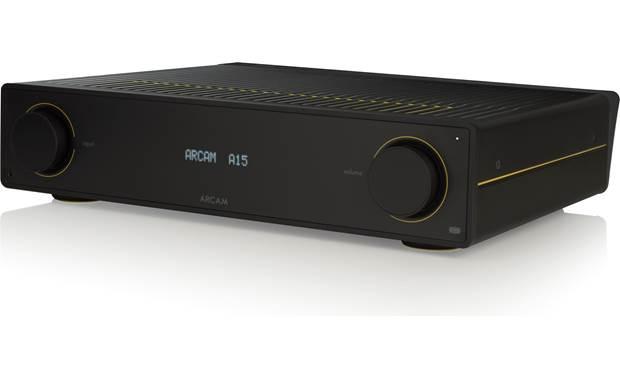
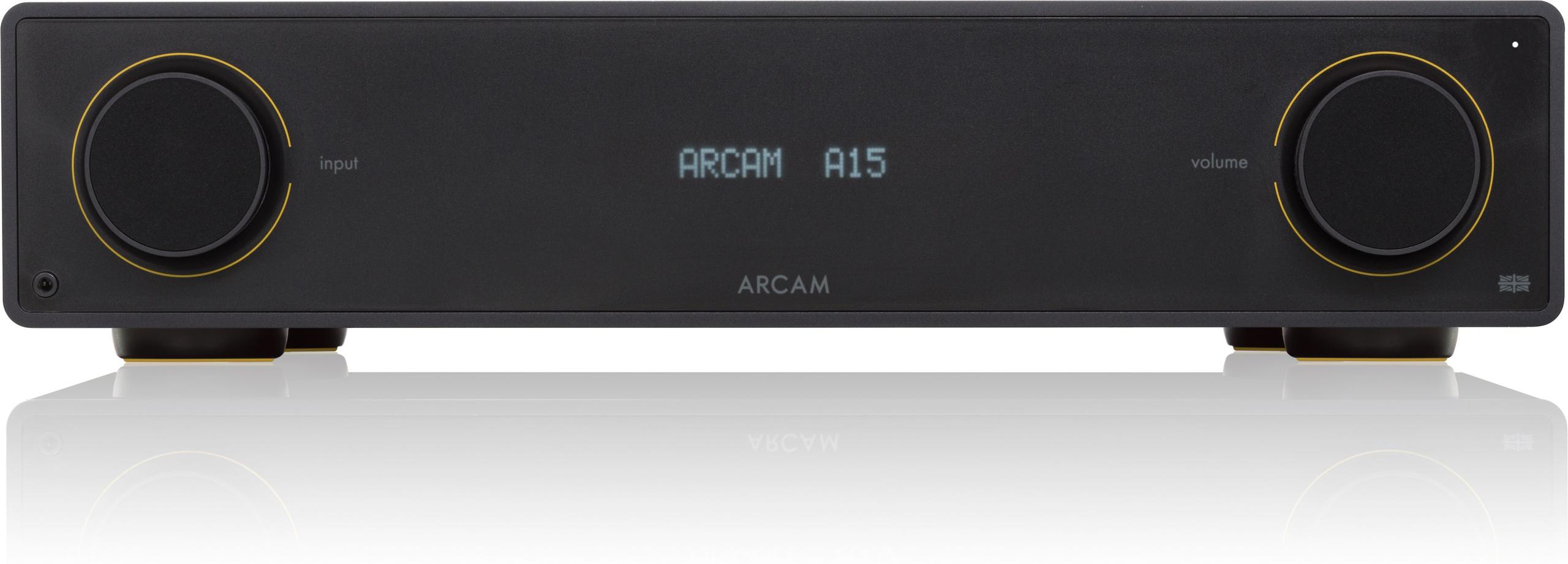
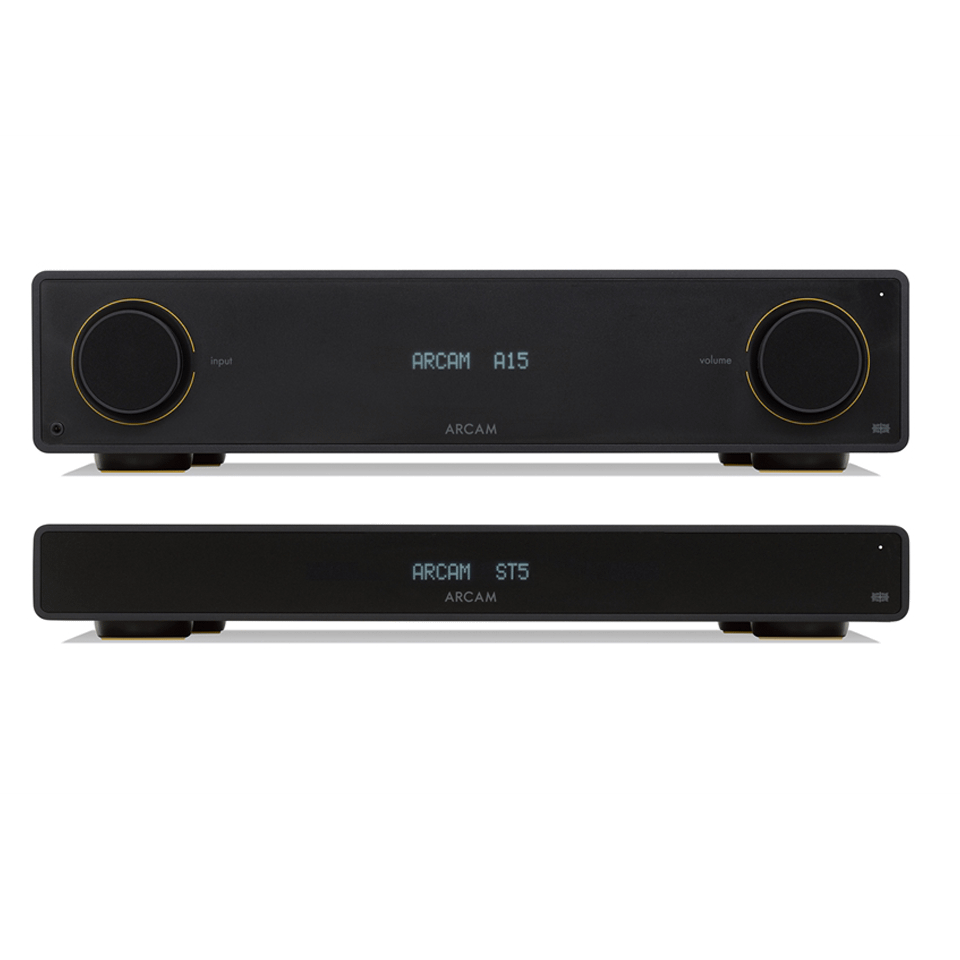
Two amplifiers that consistently appear on audiophile shopping lists are the Yamaha A-S801 and the Arcam A15. While both serve the same fundamental purpose, they represent distinctly different philosophies in amplifier design. The Yamaha A-S801, released in 2014, focuses on technical precision and comprehensive digital capabilities. The Arcam A15, introduced in 2021 as part of Arcam's newer Radia series, emphasizes refined sound quality and modern wireless convenience.
Before diving into the specifics, let's establish what separates good integrated amplifiers from great ones. Power output matters, but it's not everything—an amplifier needs sufficient watts to drive your speakers without strain, but doubling the power only increases volume by about 3 decibels, which is barely noticeable to most listeners.
More important is how clean that power delivery is. Total Harmonic Distortion (THD) measures how much the amplifier changes the original signal—lower numbers mean cleaner sound. Signal-to-noise ratio tells you how quiet the amplifier is when no music is playing; higher numbers mean you'll hear more music and less background hiss.
The quality of the digital-to-analog converter (DAC) has become increasingly crucial as more music goes digital. A good DAC can make the difference between harsh, digital-sounding music and smooth, natural reproduction. Input flexibility matters too—you want enough connections for all your sources, both current and future.
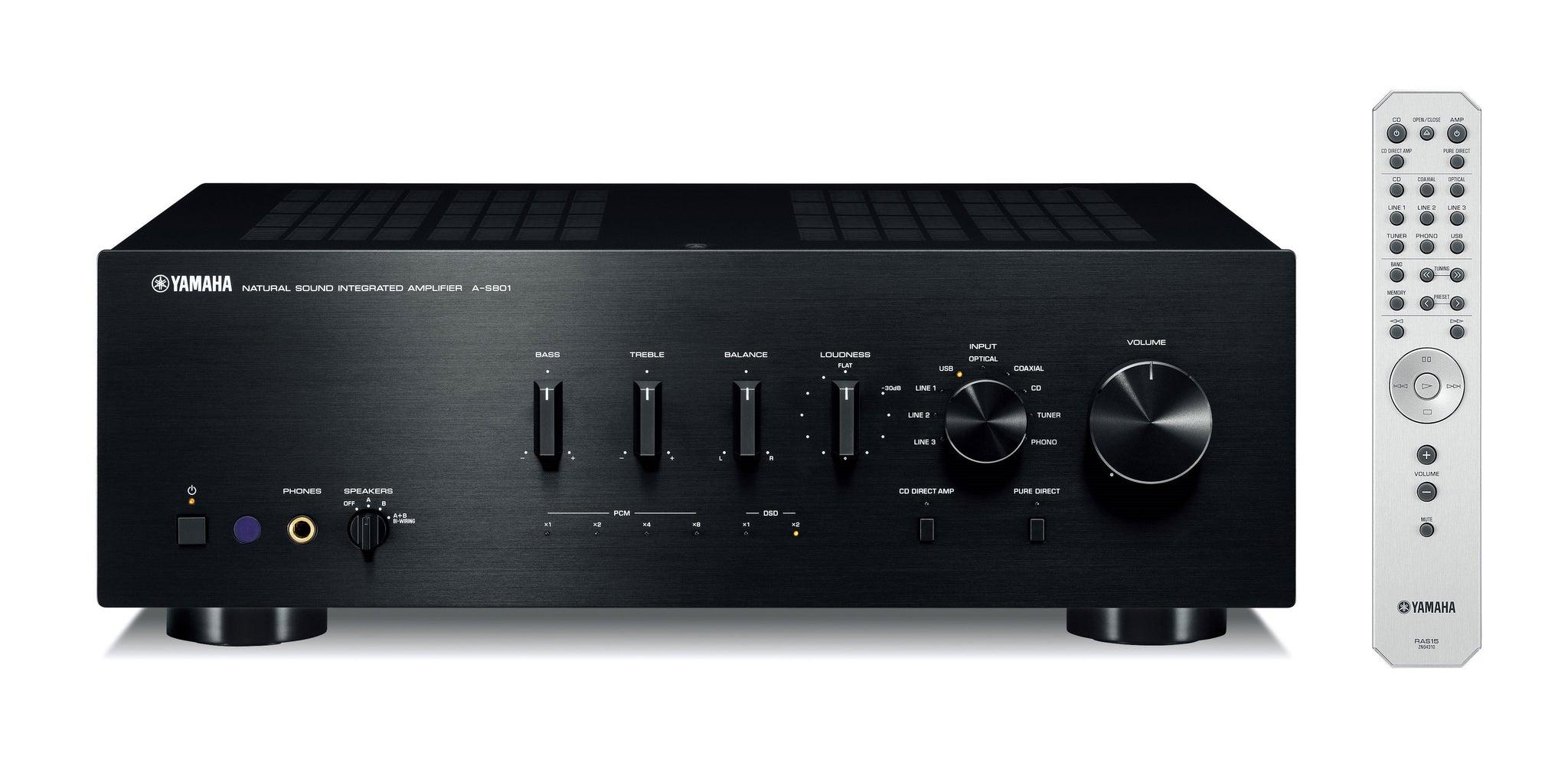
The Yamaha A-S801 delivers 100 watts per channel into 8-ohm speakers with an impressively low 0.019% THD. To put that in perspective, distortion below 0.1% is generally considered inaudible, so the Yamaha's figure represents exceptional cleanliness. More importantly, its dynamic power ratings—the short bursts of extra power needed for musical peaks—reach 290 watts into 2-ohm loads, giving it serious muscle for demanding speakers.
The Arcam A15 takes a different approach, offering 80 watts into 8 ohms but 120 watts into 4 ohms. While the continuous power is lower on paper, this current-delivery capability suggests excellent real-world performance with most speakers. The 0.002% THD figure at 80% power demonstrates Arcam's focus on ultra-clean amplification.
In practical terms, both amplifiers provide ample power for most home listening situations. The Yamaha's extra headroom becomes valuable if you own inefficient speakers (those requiring more power to reach the same volume) or listen at very high levels. The Arcam's lower power rating shouldn't concern most users—the difference between 80 and 100 watts is less than 1 decibel in volume, essentially imperceptible in normal listening.
What's more significant is how each amplifier handles dynamic music passages. Our research into user experiences suggests the Yamaha A-S801 excels with complex, demanding music that requires sudden bursts of power. Users consistently praise its ability to maintain composure during loud orchestral crescendos or heavy rock passages. The Arcam A15, while having slightly less raw power, is noted for its refined control and musical engagement, particularly excelling with acoustic and jazz recordings where subtle dynamics matter more than sheer volume.
Here's where the two amplifiers diverge dramatically. The Yamaha A-S801 includes a sophisticated ESS SABRE ES9010K2M DAC that supports high-resolution audio up to 384kHz/32-bit and DSD (Direct Stream Digital) files up to 5.6MHz. If you're unfamiliar with these formats, think of them as ultra-high-quality digital audio that captures more detail than standard CDs.
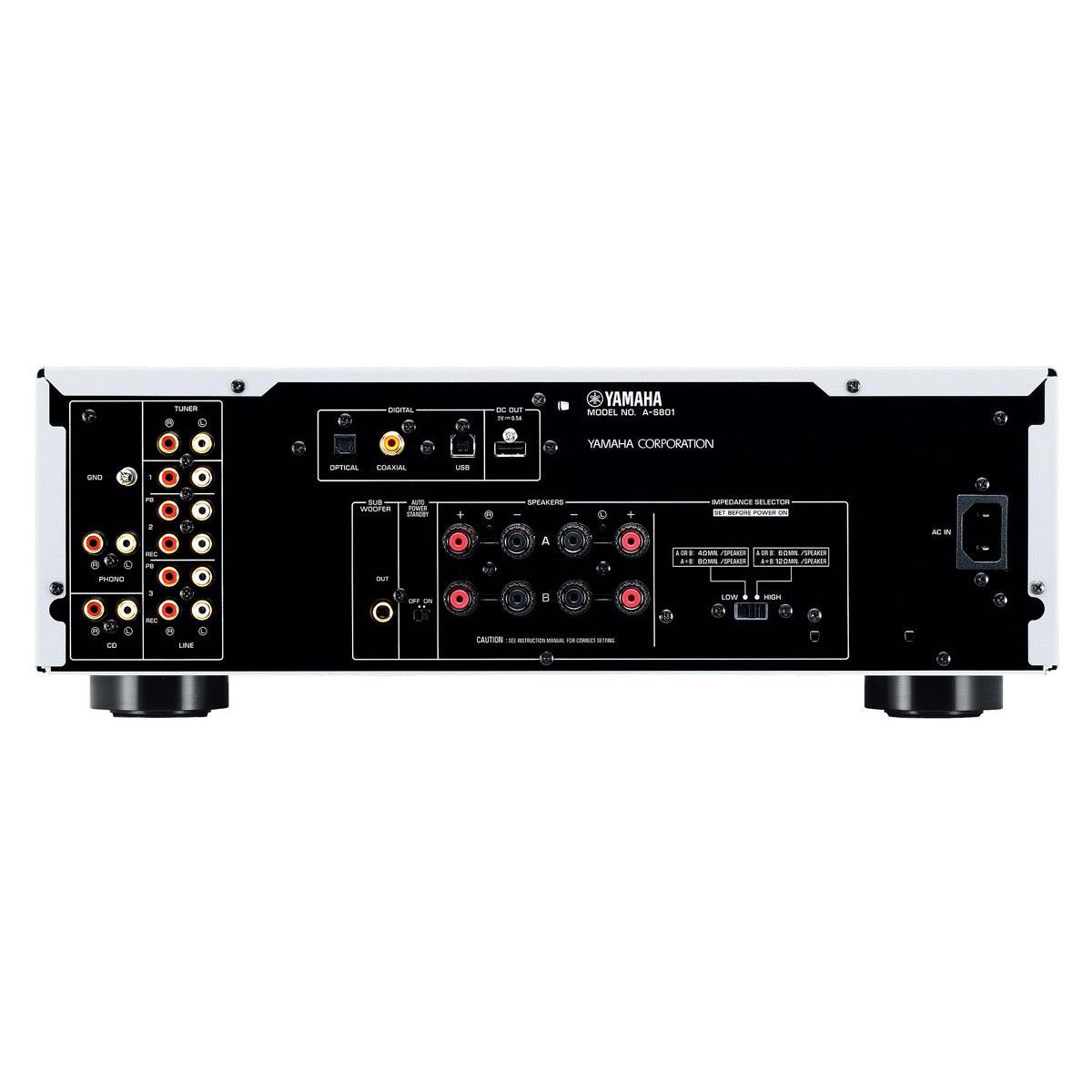
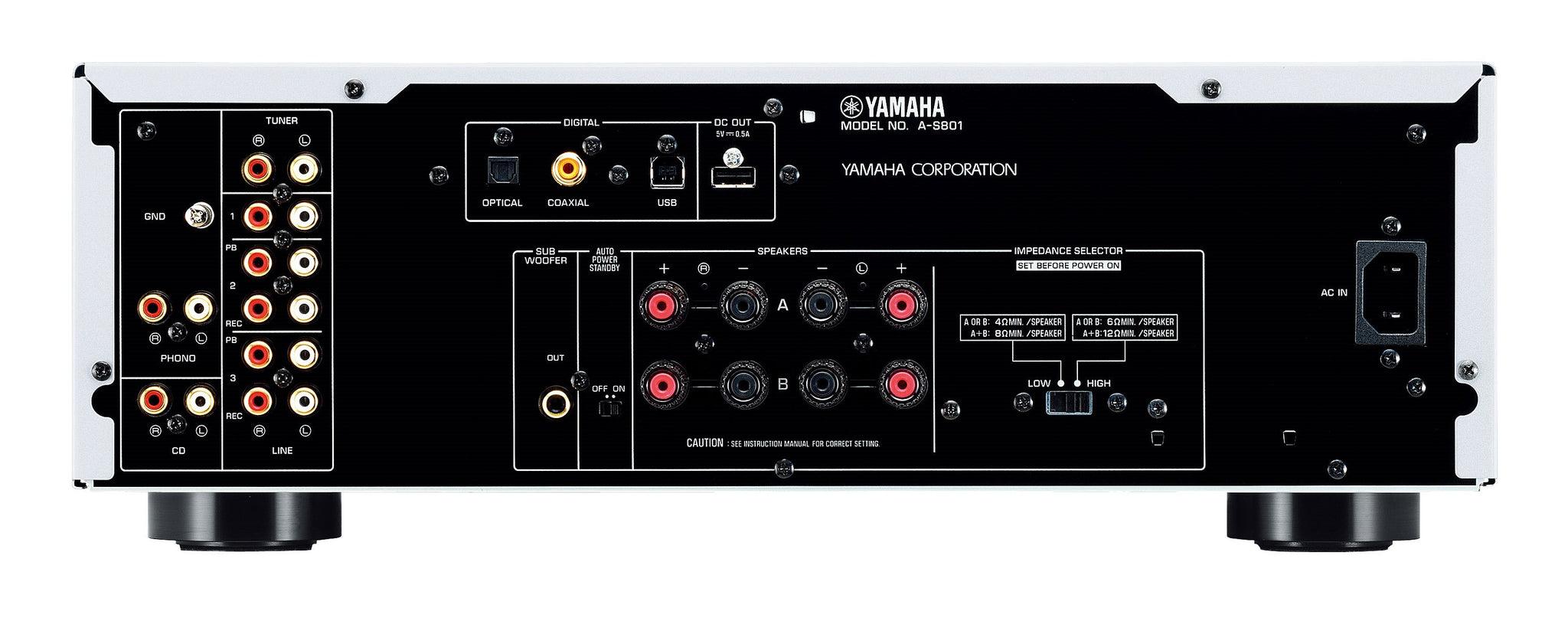
The real standout feature is the USB Type-B input, which connects directly to your computer for bit-perfect audio transfer. This means your music files bypass your computer's potentially noisy audio circuitry and go straight to the Yamaha's high-quality DAC. For computer-based music systems, this is transformative.
The Arcam A15 includes an ESS SABRE ES9018 DAC supporting up to 192kHz/24-bit audio—still excellent quality that handles most high-resolution music files. However, it lacks direct computer connectivity, requiring a separate USB-to-S/PDIF converter if you want to connect a computer.
Where the Arcam shines is wireless connectivity. Its Bluetooth 5.2 implementation with aptX Adaptive provides surprisingly good sound quality from smartphones and tablets. More cleverly, it's bidirectional—you can stream music to the amplifier from your phone, or send audio from any connected source to Bluetooth headphones. This flexibility proves invaluable for late-night listening or when you want to move around the house with wireless earbuds.
Since 2014, when the Yamaha A-S801 was released, streaming has become the dominant music consumption method. The Arcam A15, arriving in 2021, reflects this shift with its wireless-first approach. However, the Yamaha's extensive digital input selection—optical, coaxial, and USB—provides more flexibility for various digital sources.
Based on extensive user feedback and professional reviews, these amplifiers have distinctly different sonic personalities. The Yamaha A-S801 is consistently described as neutral, analytical, and revealing. Its ToP-ART (Total Purity Audio Reproduction Technology) circuitry uses a symmetrical layout and anti-resonance construction to minimize coloration. This means you hear exactly what's in your recordings—the good and the bad.
Some users find this honesty occasionally harsh with poorly recorded music, describing the sound as "sharp" or potentially "sterile" compared to warmer-sounding amplifiers. However, this same precision makes it excellent for critical listening and system building, as it reveals every change in cables, sources, or speakers.
The Arcam A15 is praised for its more musical, engaging presentation. Professional reviews consistently highlight its ability to make music sound natural and involving, with excellent soundstage width and instrument separation. Where the Yamaha prioritizes accuracy, the Arcam emphasizes musicality—making even mediocre recordings enjoyable while still revealing detail in high-quality sources.
For home theater use, both amplifiers can serve as the stereo component in a mixed system. The Yamaha's neutral character works well for accurate movie soundtrack reproduction, while its multiple digital inputs accommodate various sources. The Arcam's preamp output allows easy integration with a separate multichannel processor, and its refined sound enhances music listening between movie sessions.
The Yamaha A-S801 weighs nearly 27 pounds, indicating substantial internal construction. Its double-bottom chassis includes a 1mm iron plate for vibration damping, custom-wound power transformer, and 12,000μF power supply capacitors. These aren't just impressive specifications—they translate to long-term reliability and consistent performance.
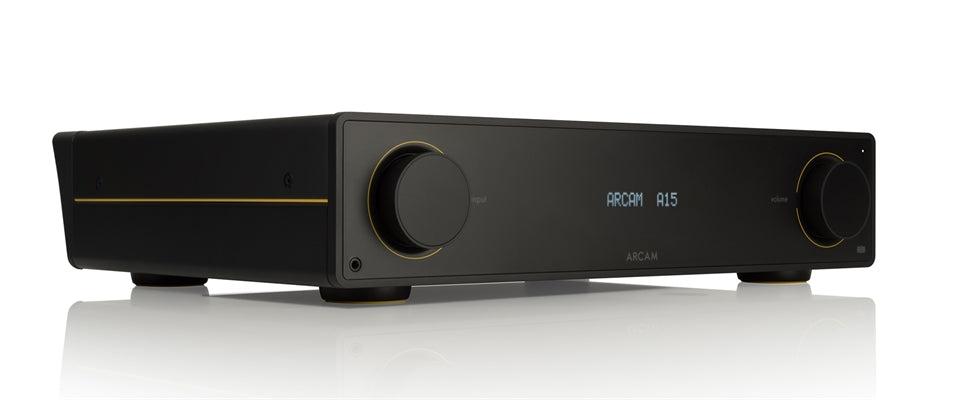
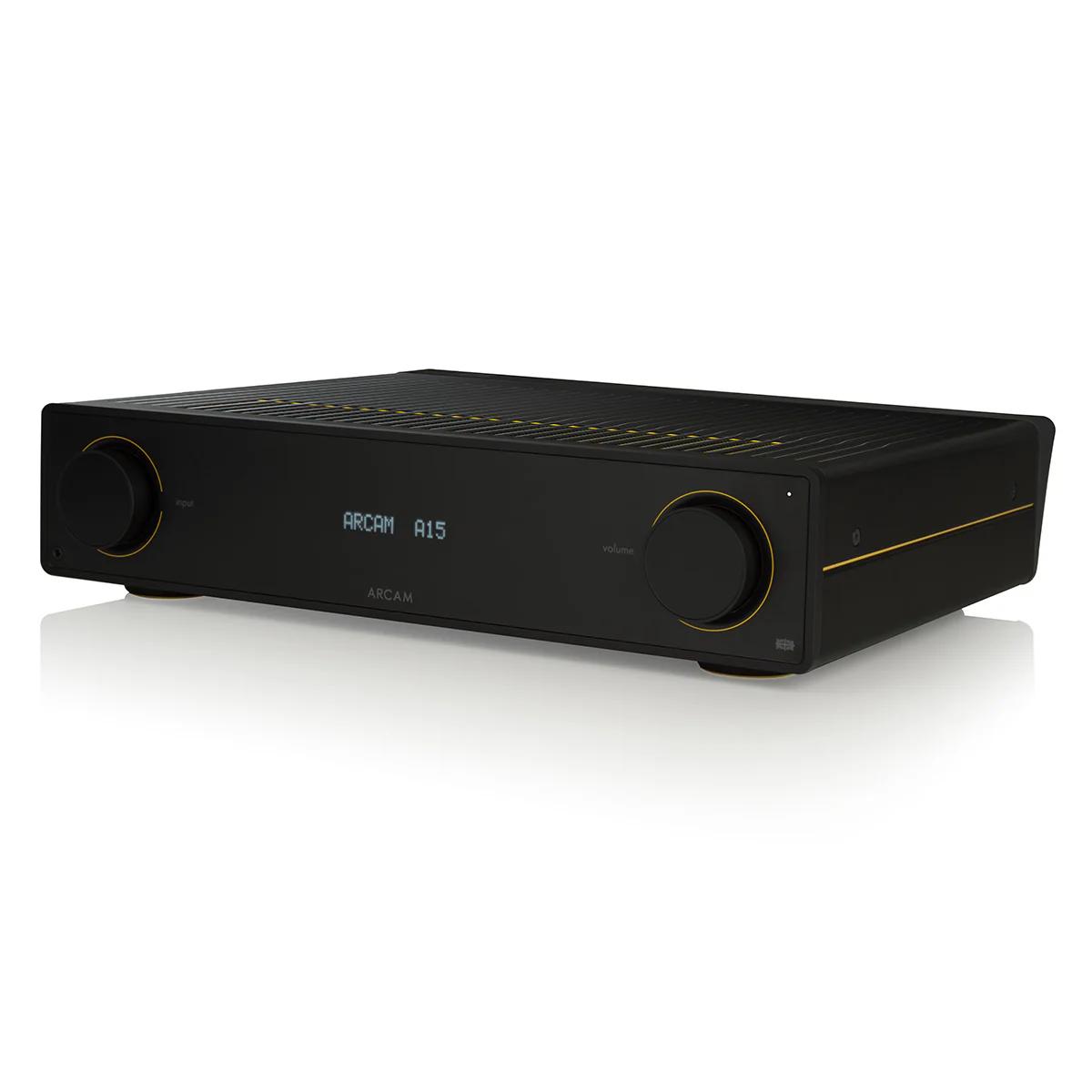
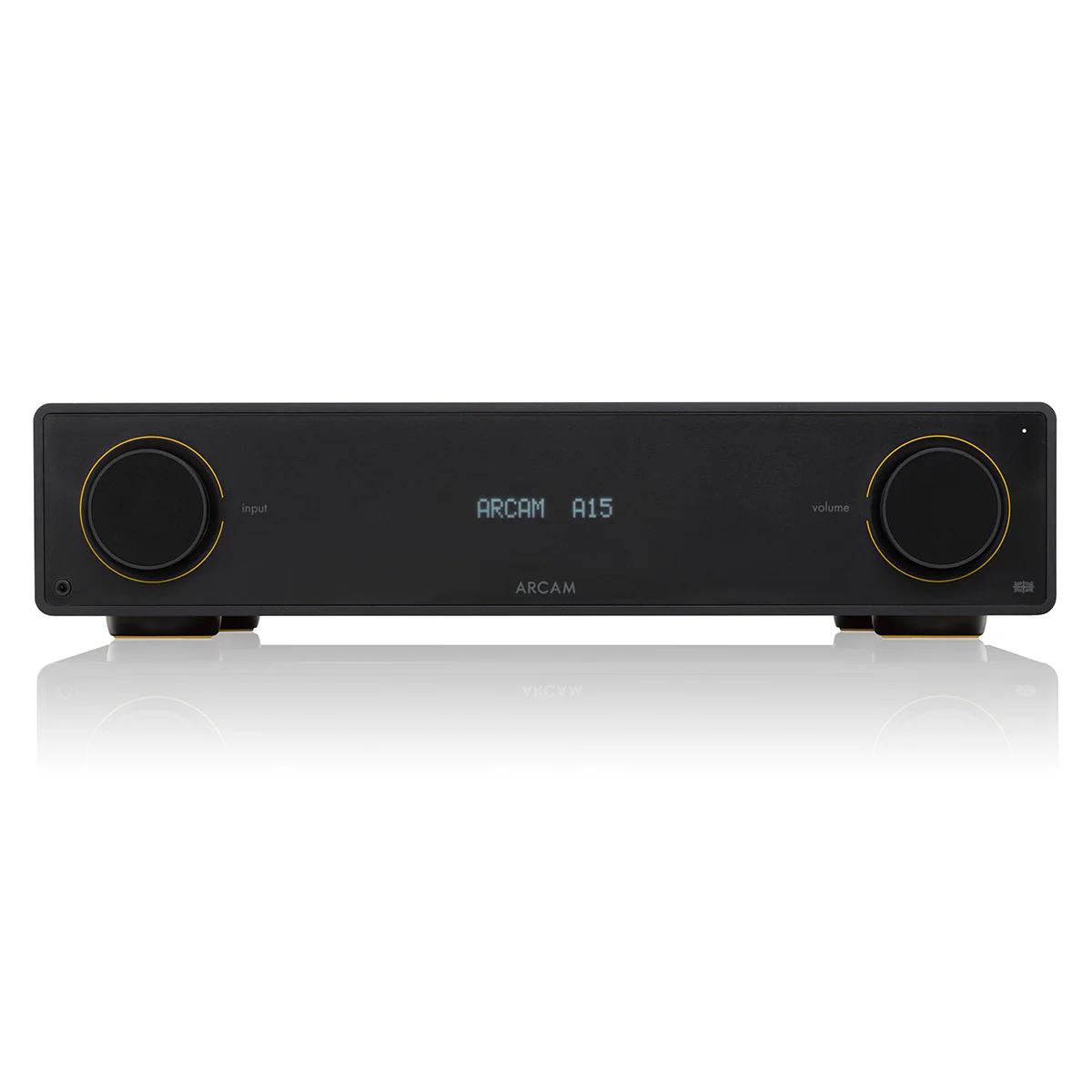
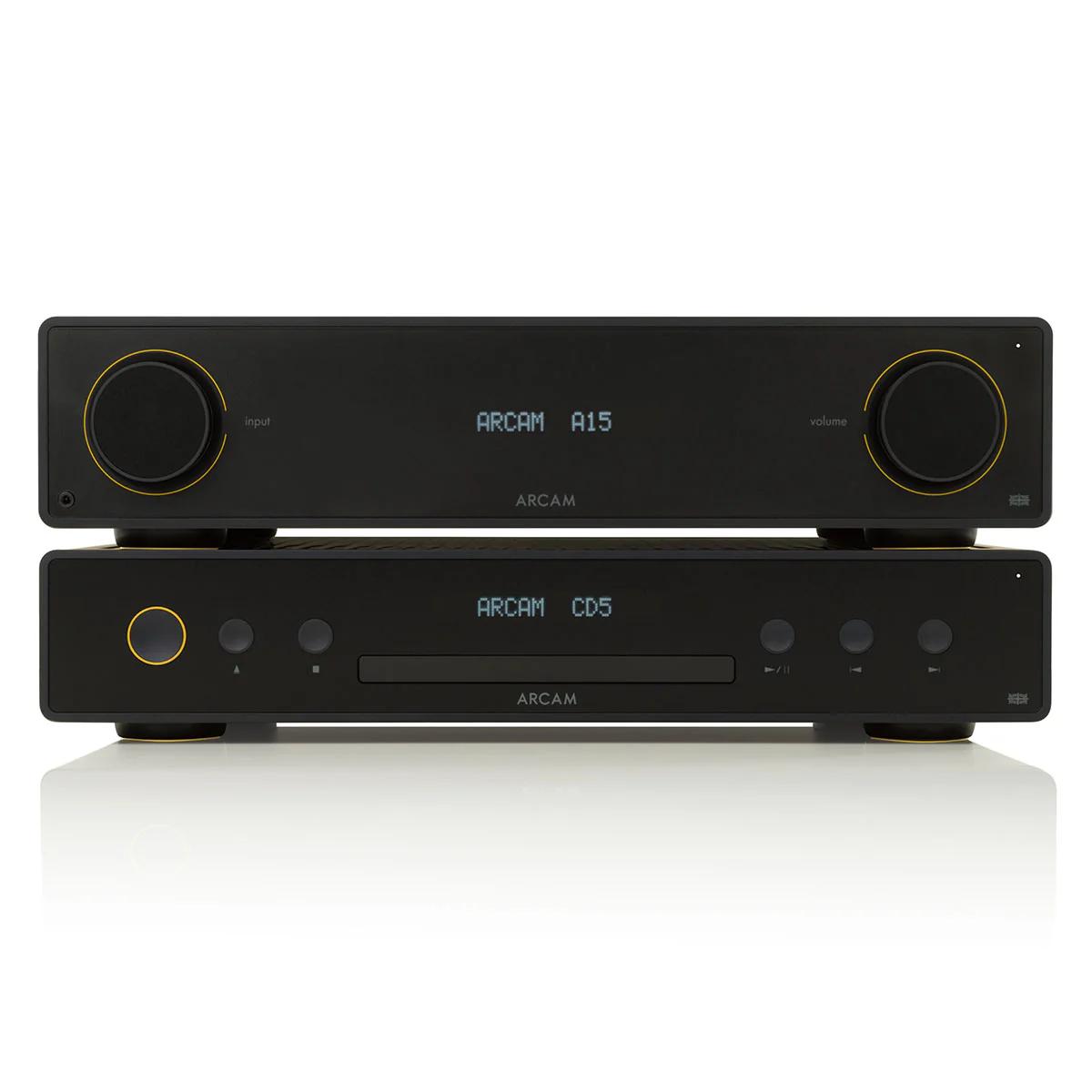
The Arcam A15 uses a solid aluminum chassis with machined controls, creating a more modern aesthetic while providing excellent vibration resistance. Though specific weight isn't commonly cited, the build quality receives consistent praise from reviewers who note the premium feel of its controls and overall construction.
Both amplifiers should provide decades of reliable service with proper care. Yamaha's reputation for bulletproof reliability is well-established, while Arcam's boutique approach emphasizes careful component selection and quality control.
At the time of writing, the Yamaha A-S801 typically costs several hundred dollars less than the Arcam A15, making the value comparison interesting. The Yamaha delivers more measurable features—higher power, more digital inputs, computer connectivity—at a lower price. For technically-minded buyers who want maximum capability per dollar, it's compelling.
The Arcam A15 commands its premium through refined sound quality, modern wireless features, and boutique brand appeal. You're paying extra for sonic sophistication and convenience rather than raw specifications.
This price difference becomes more significant when considering system context. If you're building around efficient speakers and primarily streaming music wirelessly, the Arcam's advantages justify its premium. If you're driving difficult speakers or have extensive digital music collections, the Yamaha's extra power and connectivity provide better value.
Choose the Yamaha A-S801 if you're building a technically-focused system around computer audio or high-resolution music files. Its USB input and comprehensive digital support make it ideal for digital music enthusiasts who want to extract every bit of detail from their recordings. The extra power headroom benefits owners of inefficient or difficult-to-drive speakers, and the neutral sound character works well if you prefer to adjust the tonal balance through speaker selection or room treatment.
The Yamaha also makes sense for budget-conscious buyers who want premium features without paying boutique prices. Its Pure Direct mode, which bypasses tone controls for the shortest signal path, appeals to purists who want minimal electronics between their music and ears.
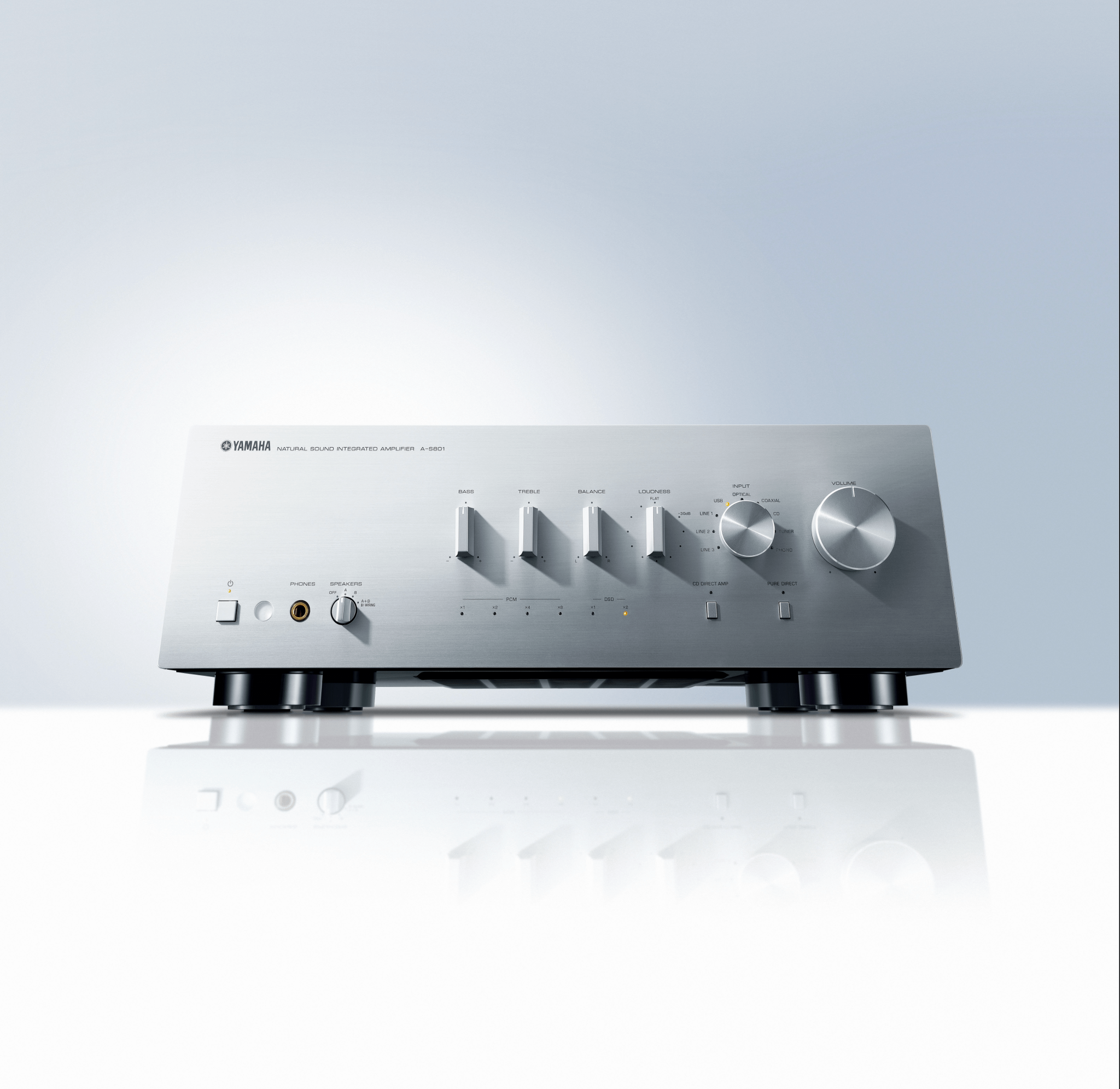
Select the Arcam A15 if you prioritize musical enjoyment over technical specifications. Its refined sound character makes it excellent for listeners who want their system to be engaging rather than analytical. The wireless capability proves invaluable for smartphone-centric listening, and the sophisticated aesthetic suits modern living spaces better than traditional silver-faced components.
The Arcam particularly excels in systems where vinyl playback matters. While both amplifiers include moving magnet phono inputs, users consistently praise the Arcam's analog sections for their warmth and musicality with records.
Both amplifiers represent excellent approaches to integrated amplifier design, but they serve different priorities. The Yamaha A-S801 delivers exceptional technical capability and versatility at an attractive price point. It's the choice for listeners who want comprehensive features, ample power, and neutral sound that reveals every detail in their recordings.
The Arcam A15 focuses on musical satisfaction and modern convenience. It costs more but delivers refined sound quality that makes music engaging rather than merely accurate. Its wireless capability and sophisticated aesthetic suit contemporary lifestyles.
Your decision should align with your listening habits and system goals. If you're building around digital music files and want maximum capability per dollar, the Yamaha provides exceptional value. If you prioritize streaming convenience and musical enjoyment over technical specifications, the Arcam justifies its premium through superior sound quality and modern features.
Either amplifier will serve as an excellent foundation for a serious stereo system. The key is matching their strengths to your specific needs and preferences.
| Yamaha A-S801 Integrated Amplifier | Arcam A15 Integrated Amplifier |
|---|---|
| Power Output - Determines how loud and controlled your speakers will sound | |
| 100W + 100W @ 8Ω (0.019% THD) | 80W @ 8Ω, 120W @ 4Ω (0.002% THD) |
| Digital Audio Support - Critical for high-resolution music files | |
| PCM up to 384kHz/32-bit, DSD up to 5.6MHz | PCM up to 192kHz/24-bit |
| Computer Connectivity - Essential for direct digital music playback | |
| USB Type-B input for bit-perfect computer audio | No direct computer connection |
| Wireless Streaming - Modern convenience for smartphone music | |
| None (requires external adapter) | Bluetooth 5.2 with aptX Adaptive |
| DAC Quality - Converts digital music to analog for your speakers | |
| ESS SABRE ES9010K2M 32-bit | ESS SABRE ES9018 |
| Digital Inputs - Flexibility for various digital sources | |
| 1 Optical, 1 Coaxial, 1 USB Type-B | 1 Optical, 2 Coaxial |
| Analog Inputs - Connections for turntables and other analog sources | |
| 6 RCA inputs including MM phono | 3 RCA inputs plus MM phono |
| Signal Purity Features - Minimizes distortion for cleaner sound | |
| Pure Direct mode, CD Direct Amplification | Standard analog circuitry |
| Build Construction - Affects durability and vibration resistance | |
| ToP-ART anti-resonance, double-bottom chassis, 26.7 lbs | Solid aluminum chassis, machined controls |
| Headphone Output - Quality of built-in headphone amplification | |
| 1/4" front panel jack | 3.5mm front panel jack with dedicated amp |
| Preamp Output - Ability to add external power amplifier | |
| 2 RCA recording outputs only | Dedicated stereo RCA preamp output |
| Value Proposition - What you get for the price difference | |
| More power, extensive digital features, lower cost | Refined sound quality, wireless capability, premium build |
The Yamaha A-S801 delivers more continuous power at 100 watts per channel into 8 ohms, compared to the Arcam A15's 80 watts per channel. However, the Arcam A15 provides 120 watts into 4-ohm speakers, which can be more important for certain speaker types. Both amplifiers provide sufficient power for most home listening situations.
Yes, the Yamaha A-S801 features a USB Type-B input that connects directly to your computer for high-quality digital audio playback. The Arcam A15 does not have direct computer connectivity and would require a separate USB-to-digital converter for computer connection.
The Arcam A15 is significantly better for smartphone streaming, featuring Bluetooth 5.2 with aptX Adaptive for high-quality wireless audio. The Yamaha A-S801 has no built-in wireless capability and would require an external Bluetooth adapter.
Yes, both the Yamaha A-S801 and Arcam A15 include built-in moving magnet (MM) phono stages for connecting turntables directly without needing a separate phono preamp.
The Yamaha A-S801 supports higher resolution digital audio, handling PCM files up to 384kHz/32-bit and DSD files up to 5.6MHz. The Arcam A15 supports PCM files up to 192kHz/24-bit, which still covers most high-resolution music available today.
Both amplifiers can work in home theater setups as stereo components. The Yamaha A-S801 offers multiple digital inputs for connecting various sources, while the Arcam A15 includes a preamp output that makes it easier to integrate with a separate surround sound processor.
Both amplifiers feature premium construction. The Yamaha A-S801 uses anti-resonance chassis design with a double-bottom construction and weighs 26.7 pounds. The Arcam A15 features a solid aluminum chassis with machined controls and a more modern aesthetic.
The Yamaha A-S801 offers more connectivity with 6 analog inputs plus optical, coaxial, and USB digital inputs. The Arcam A15 has 4 analog inputs (including phono) plus optical and two coaxial digital inputs, but adds Bluetooth wireless connectivity.
Sound preference is subjective, but the Yamaha A-S801 is known for its neutral, analytical sound that reveals recording details, while the Arcam A15 is praised for its more musical, engaging presentation that makes music enjoyable even with average recordings.
Yes, both amplifiers include headphone outputs. The Yamaha A-S801 has a 1/4-inch headphone jack on the front panel, while the Arcam A15 features a 3.5mm headphone output with a dedicated headphone amplifier circuit.
The Yamaha A-S801 typically costs less while offering more power and extensive digital connectivity, making it excellent value for technically-focused buyers. The Arcam A15 commands a premium for its refined sound quality, wireless features, and boutique brand appeal.
The Arcam A15 includes dedicated preamp outputs, making it easy to add an external power amplifier for system upgrades. The Yamaha A-S801 only has recording outputs, which limits expansion options for adding separate power amplification.
We've done our best to create useful and informative comparisons to help you decide what product to buy. Our research uses advanced automated methods to create this comparison and perfection is not possible - please contact us for corrections or questions. These are the sites we've researched in the creation of this article: crutchfield.com - usa.yamaha.com - audioholics.com - crutchfield.com - theabsolutesound.com - crutchfield.com - hifiheaven.net - musicdirect.com - superbestaudiofriends.org - skybygramophone.com - safeandsoundhq.com - audiosciencereview.com - accessories4less.com - europe.yamaha.com - cnet.com - theaudiotailor.com.au - skybygramophone.com - crutchfield.com - arcam.co.uk - youtube.com - listenup.com - upscaleaudio.com - arcam.co.uk - whathifi.com - sweetwater.com - musicdirect.com - device.report - hifidaydreaming.com - listenup.com

Privacy Policy
Terms and Conditions - Affiliate Policy
Home Security
© Copyright 2008-2026.
11816 Inwood Rd #1211, Dallas, TX 75244