

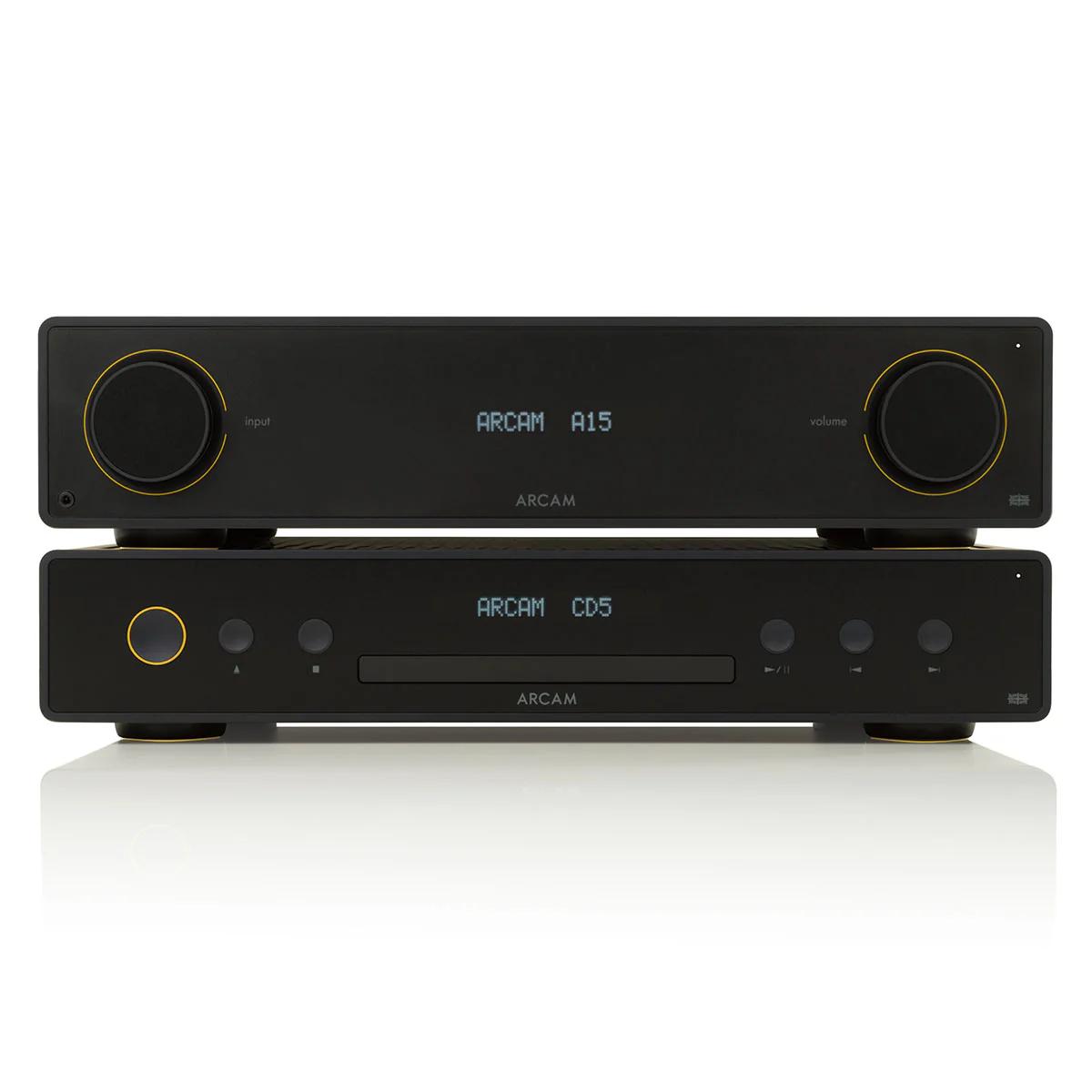
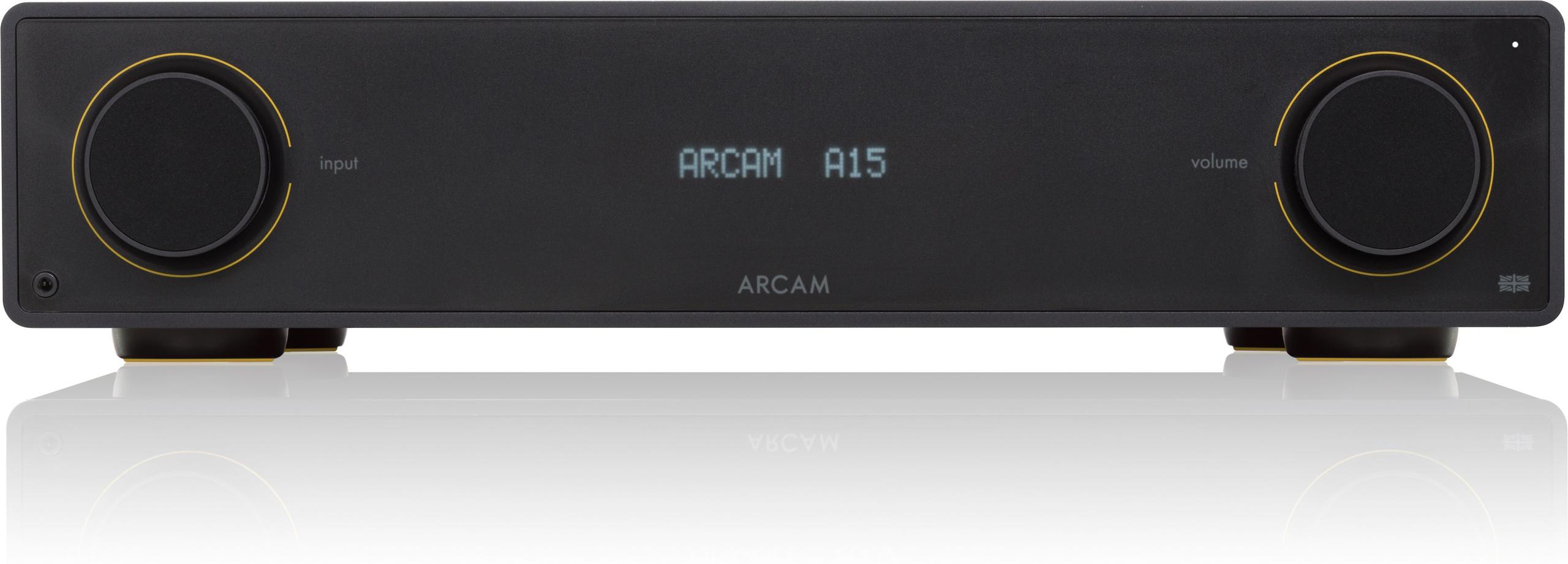
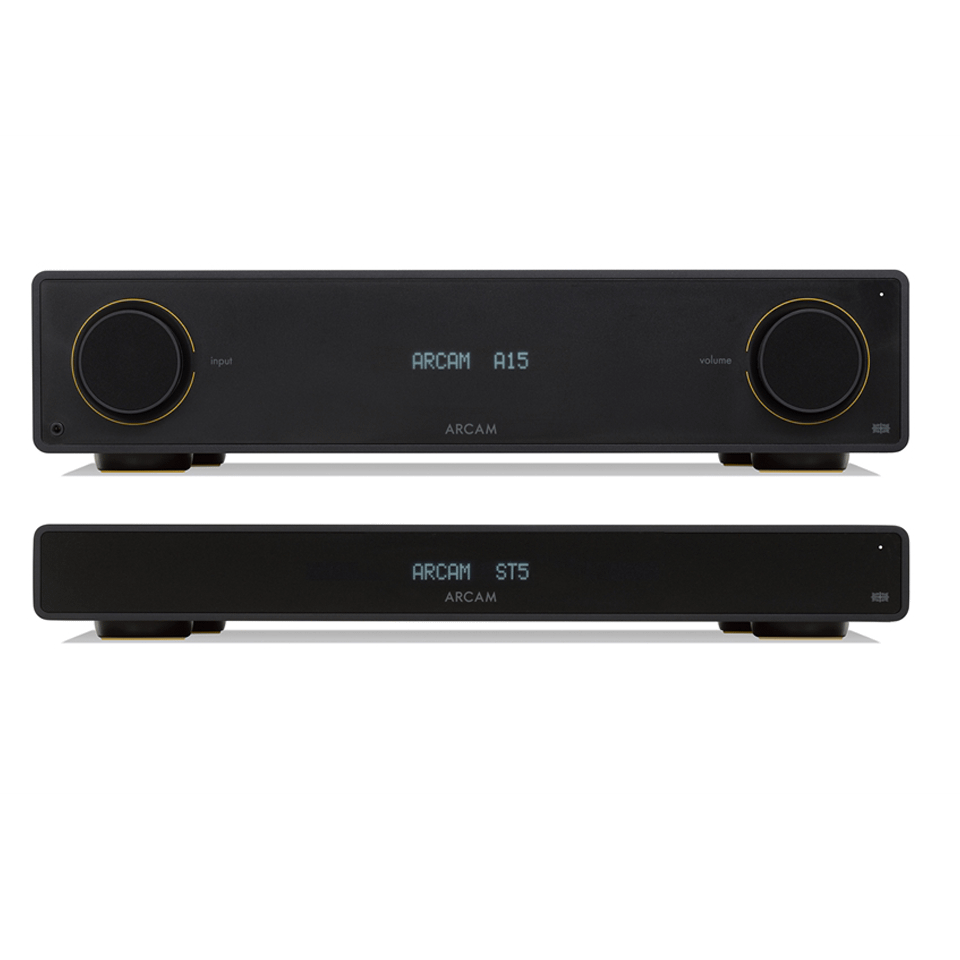
When shopping for an integrated amplifier in 2024, you're essentially choosing the heart of your audio system. These components combine a preamplifier (which controls volume and switches between sources) with a power amplifier (which drives your speakers) in one convenient package. It's the sweet spot between buying separate components—which costs more and takes up more space—and settling for an all-in-one system that prioritizes convenience over sound quality.
The Arcam A15 and NAD D 3045 represent two fundamentally different approaches to integrated amplification, and at the time of writing, they're separated by roughly $300. That price difference isn't arbitrary—it reflects completely different design philosophies that will significantly impact how they perform in your system.
The most fundamental difference between these amplifiers lies in their amplifier topology—essentially, how they amplify your audio signal. The Arcam A15 uses Class AB amplification, while the NAD D 3045 employs Class D technology. This isn't just a technical detail buried in the specs; it affects everything from sound quality to how much space the amplifier takes up on your shelf.
Class AB amplifiers, like those in the Arcam A15, work by having two sets of transistors that handle positive and negative portions of the audio waveform. They're always "on" and drawing power, which means they run warm and consume more electricity. However, this design has been the gold standard for serious audio equipment for decades because it produces very low distortion and that "warm" sound many audiophiles prefer.
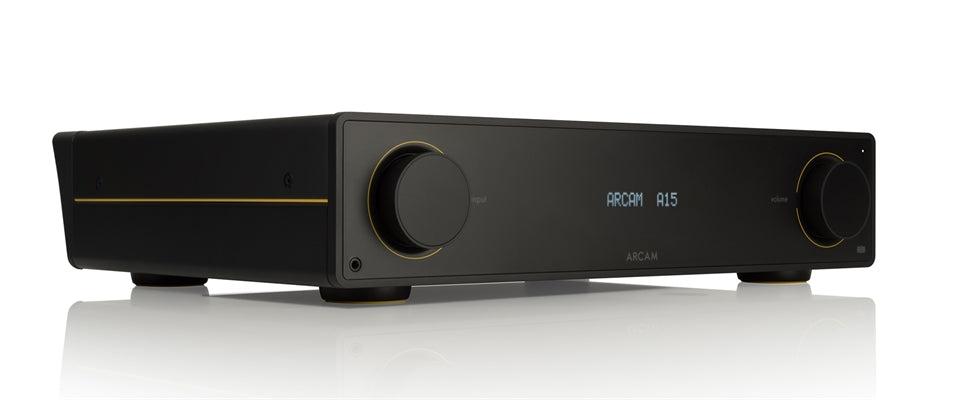
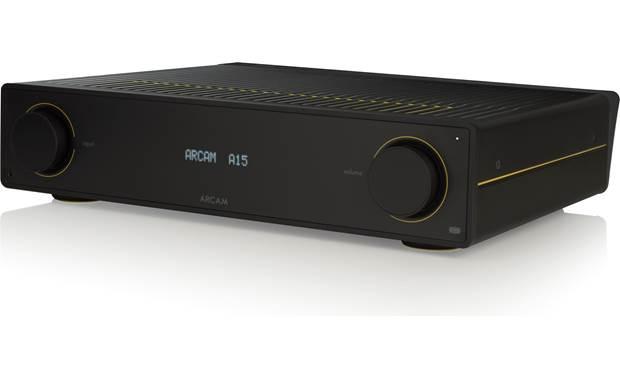
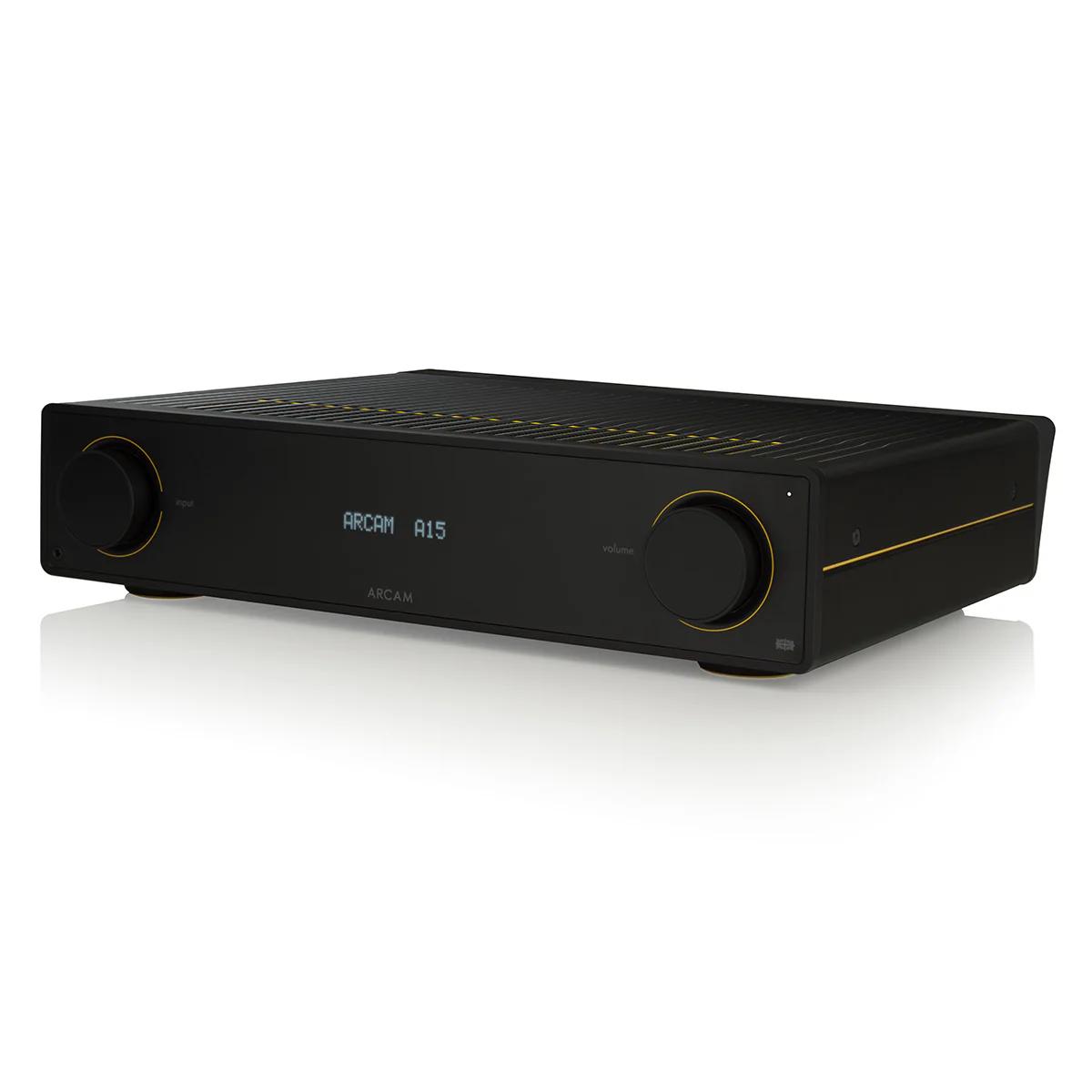
The Arcam A15, released in 2023, delivers 80 watts per channel into 8-ohm speakers and jumps to 120 watts when driving 4-ohm loads. More importantly, it achieves an incredibly low total harmonic distortion (THD) of just 0.002% at 80% power—that's essentially no audible distortion even when you're pushing it hard. This level of clean power means it can drive demanding tower speakers to satisfying volumes without strain.
Class D amplifiers, like the one in the NAD D 3045, work completely differently. They switch on and off thousands of times per second, modulating the width of these pulses to recreate the audio signal. Because they're either fully on or fully off, they waste very little energy as heat, making them incredibly efficient and allowing for much smaller chassis designs.
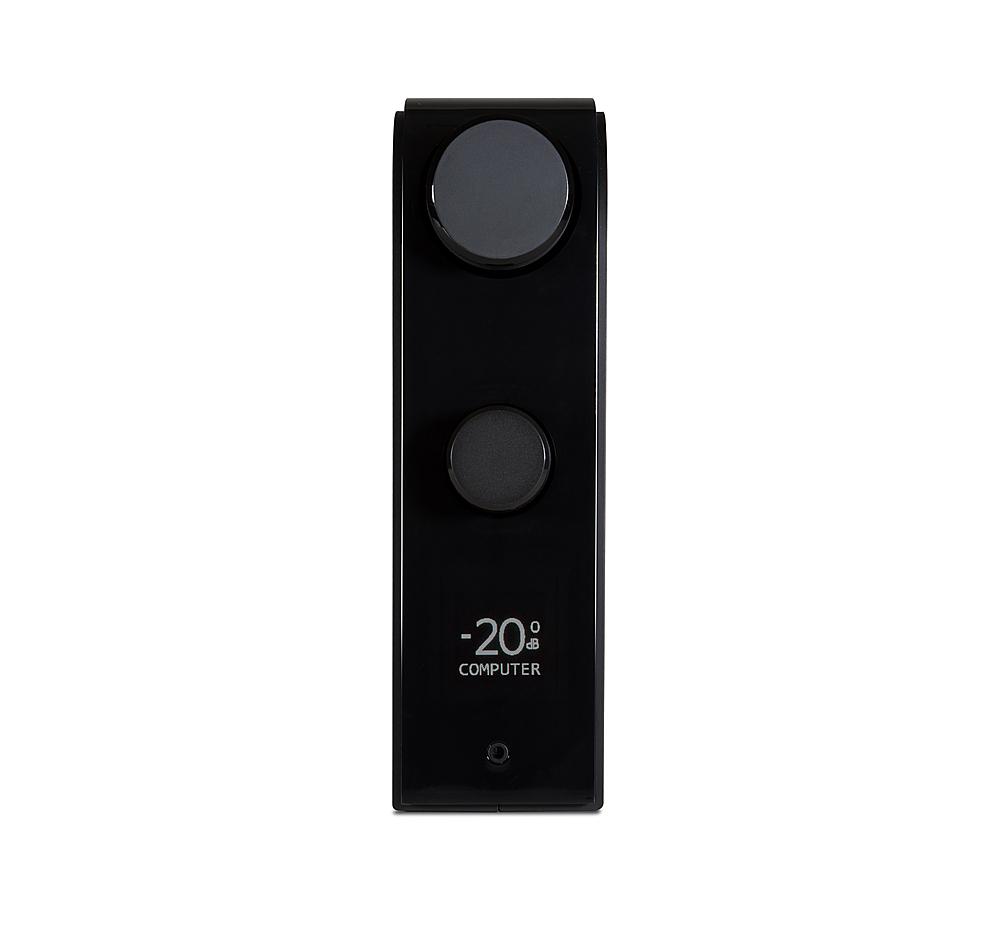
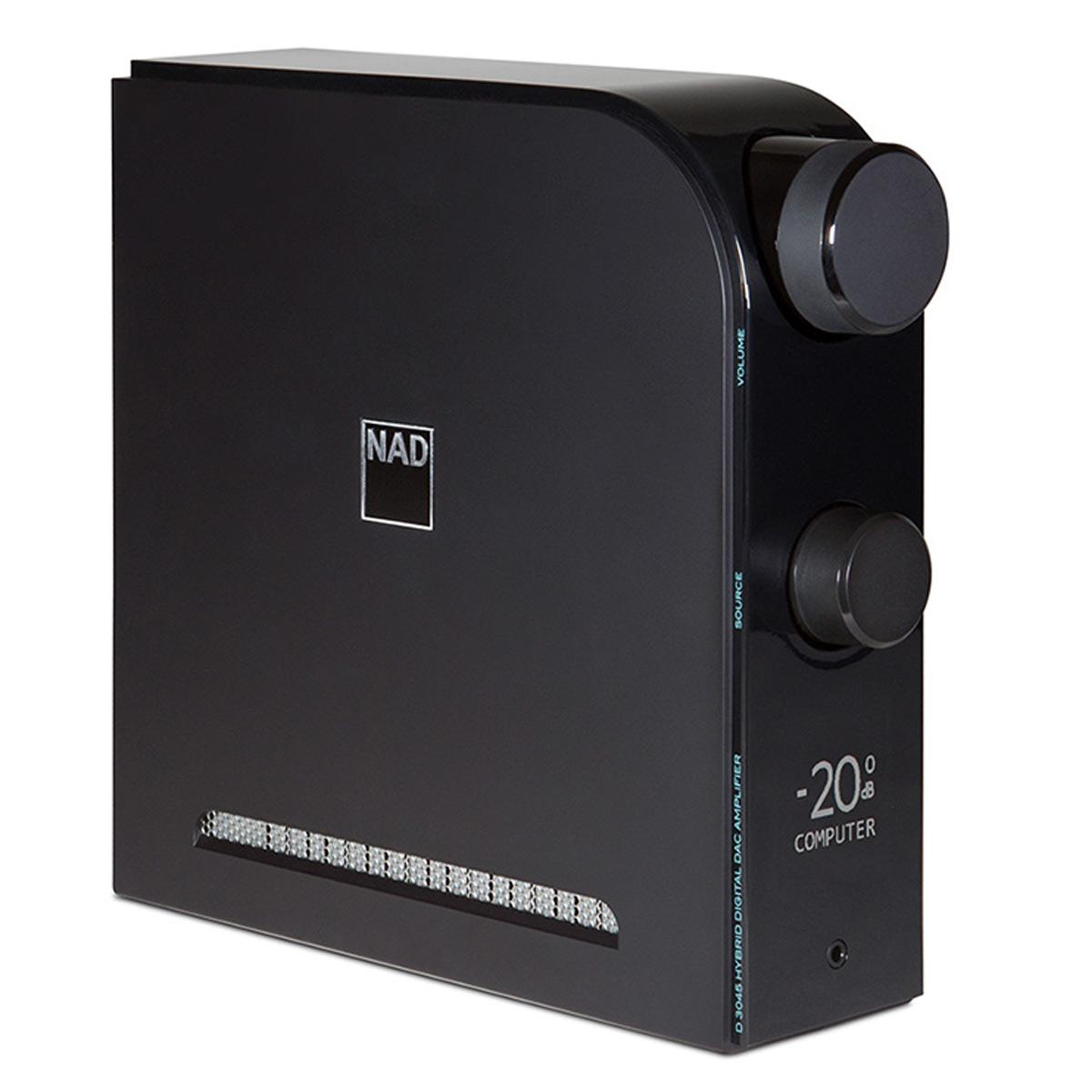
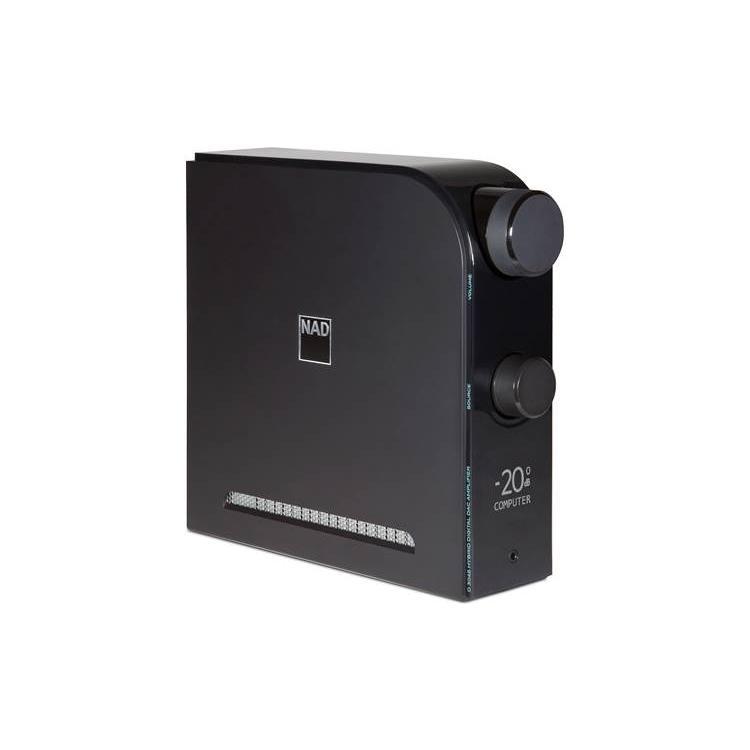
The NAD D 3045, which has been refined since its original release around 2019, produces 60 watts per channel and runs cool enough that you can place it vertically on a bookshelf or horizontally on a desktop. NAD uses proprietary PowerDrive technology to optimize their Class D implementation, but the fundamental efficiency advantage remains—this amplifier draws minimal power when idle and never gets uncomfortably warm.
Here's where the rubber meets the road: the Arcam A15's extra 20 watts per channel (and 60 additional watts into 4-ohm loads) isn't just about playing louder music. Power headroom affects how well an amplifier controls your speakers, particularly during dynamic passages where the music suddenly gets much louder.
Think of it this way: if your speakers need 50 watts to play at a comfortable listening level, an amplifier that can only deliver 60 watts is working at 83% capacity. The Arcam A15, delivering 80 watts, is cruising at just 62% capacity, leaving plenty of headroom for those explosive movie soundtracks or the dynamic swells in classical music.
This power difference becomes critical if you're planning to use larger speakers or listen in a bigger room. Tower speakers, particularly those with lower sensitivity ratings (meaning they need more power to achieve the same volume), will sound more controlled and dynamic with the Arcam A15's extra grunt. The higher damping factor that typically comes with Class AB designs also means better bass control—your speakers' woofers will start and stop more precisely.
However, don't write off the NAD D 3045 as underpowered. Its 60 watts will drive most bookshelf speakers and many floor-standing models to satisfying levels. Where it particularly excels is with efficient speakers—those designed to produce good volume levels without requiring massive amounts of power. If you're using speakers with sensitivity ratings above 87dB, the power difference becomes much less significant.
Both amplifiers recognize that digital sources now dominate most music systems, but they approach digital audio processing very differently. The Arcam A15 incorporates an ESS Sabre ES9018 DAC (digital-to-analog converter), which is considered one of the premium DAC chips available. This chip can handle high-resolution audio files up to 24-bit/192kHz, providing exceptional detail retrieval and a very low noise floor.
The ESS Sabre implementation in the Arcam A15 contributes to its impressive 109dB signal-to-noise ratio for digital inputs. In practical terms, this means you'll hear deep into quiet passages without any background hiss or electronic noise interfering with the music. The difference is particularly noticeable when listening to acoustic music or jazz recordings where subtle details matter.
The NAD D 3045 uses an AKM AK4490 DAC, which is still a capable chip but represents a more mainstream approach to digital conversion. Where NAD makes up ground is in format support—it handles DSD (Direct Stream Digital) files natively and supports MQA (Master Quality Authenticated), a format that promises CD-quality streaming with high-resolution detail. The Arcam A15 doesn't support MQA, which might matter if you're a Tidal subscriber who values their "Masters" catalog.
Both amplifiers support high-resolution audio, but the NAD D 3045 actually accepts higher sample rates via USB (up to 384kHz) compared to the Arcam A15's 192kHz limit. In practice, very few recordings exceed 192kHz, so this is more of a future-proofing consideration than an immediate advantage.
Bluetooth implementation often reveals an amplifier manufacturer's attention to detail, and both companies take wireless seriously. The Arcam A15 uses Bluetooth 5.2 with Qualcomm's aptX Adaptive codec, which can deliver up to 24-bit audio quality wirelessly. More uniquely, it supports two-way Bluetooth, meaning you can stream music to the amplifier from your phone and also send audio from the amplifier to Bluetooth headphones.
The NAD D 3045 uses the older Bluetooth 4.0 standard but includes both standard aptX and aptX HD for high-quality wireless streaming. While not as advanced as the Arcam A15's implementation, it's still capable of delivering CD-quality wireless audio that most users will find perfectly satisfactory.
Both amplifiers treat Bluetooth as a serious source rather than an afterthought, with proper analog output stages that maintain the wireless signal's integrity. This attention to detail means wireless streaming doesn't sound compressed or thin compared to wired sources.
Despite their digital sophistication, both amplifiers maintain strong analog credentials through their built-in phono stages for turntable connection. This is where the Arcam A15 shows its premium positioning most clearly.
The Arcam A15's moving magnet phono stage achieves an impressive frequency response of 20Hz to 20kHz within ±1dB, meaning it reproduces vinyl records with exceptional accuracy to the original RIAA equalization curve (the standard frequency response curve applied to all records). The 47kΩ input impedance and 100pF capacitance loading are optimized for most moving magnet cartridges.
User reviews consistently praise the NAD D 3045's phono stage as "astonishingly fine" for its price point, noting that it extracts significant detail from vinyl sources. However, the Arcam A15's phono implementation benefits from more sophisticated power supply isolation and circuit design, resulting in a quieter background and better preservation of vinyl's natural warmth.
For vinyl enthusiasts, the Arcam A15 also provides three additional analog line inputs compared to the NAD D 3045's single line input. This flexibility becomes important if you want to connect multiple analog sources like a CD player, cassette deck, or additional turntable.
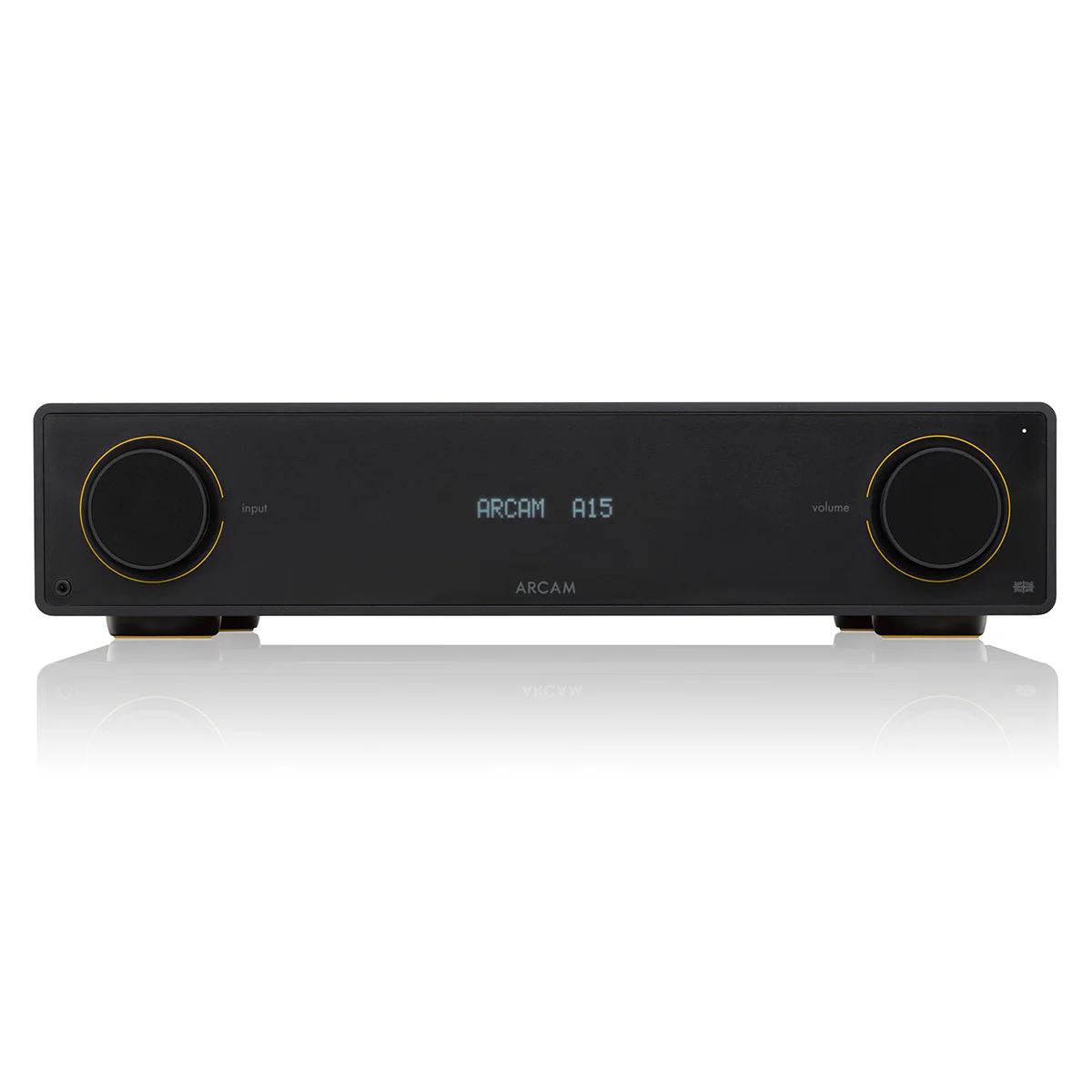
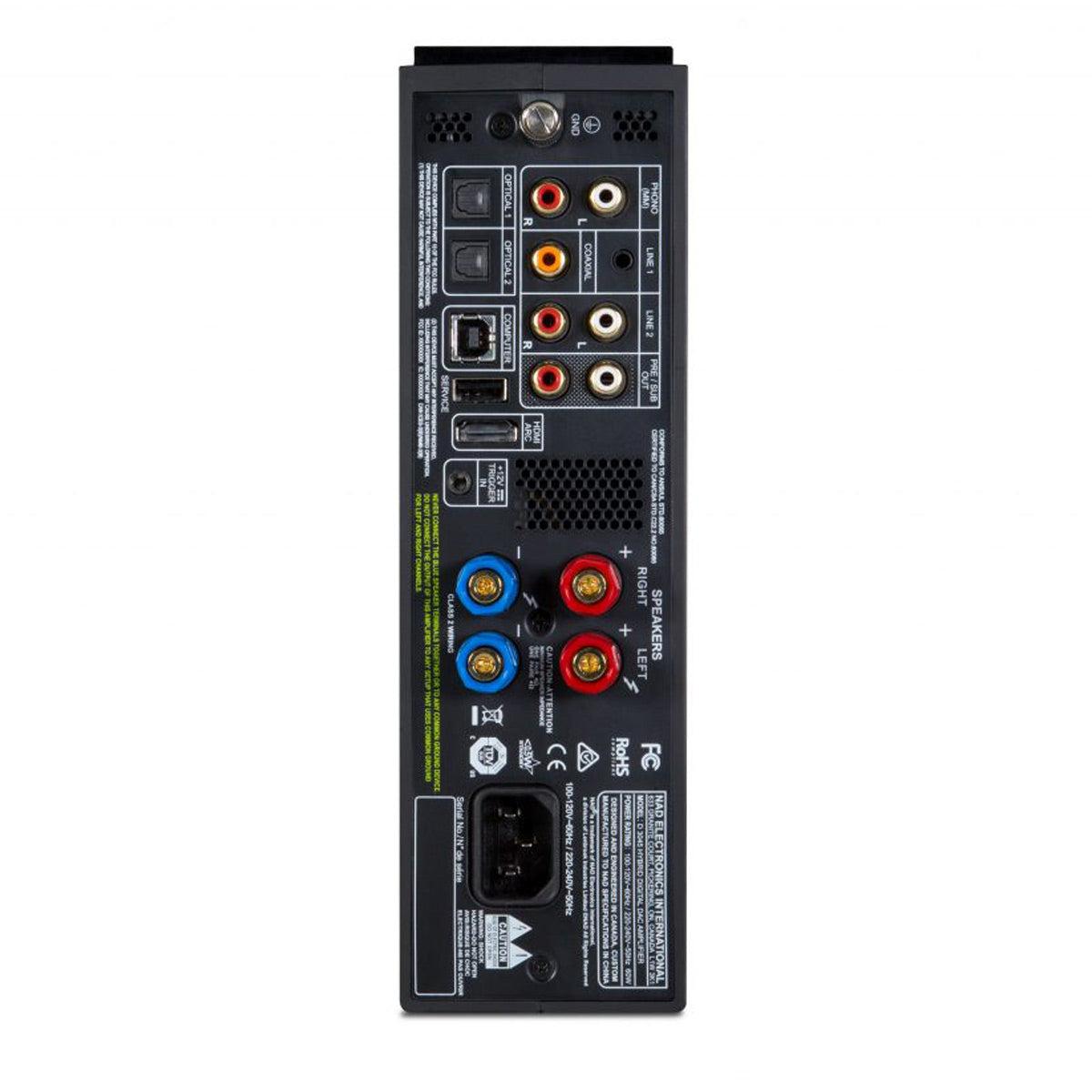
The connectivity differences between these amplifiers reveal their target audiences. The Arcam A15 provides extensive traditional hi-fi connectivity: three analog line inputs, moving magnet phono input, optical and two coaxial digital inputs, plus both headphone and preamp outputs. This setup serves users who want to build a comprehensive stereo system around multiple sources.
The NAD D 3045 takes a more selective approach, focusing on essential modern connections while adding some unique features. Its HDMI ARC input is particularly clever—it allows direct connection to your TV, automatically switching to TV audio when you turn on your television and even allowing TV remote volume control. This integration makes it exceptional for users who want their stereo system to pull double duty for TV watching.
The NAD D 3045 also includes bass management features that the Arcam A15 lacks. Its Bass EQ circuit can boost low-frequency response by 6dB to help smaller speakers sound fuller, while high-pass filtering allows basic subwoofer integration. These features make it more accommodating for users with space constraints or budget bookshelf speakers.
Physical construction reveals another key difference in design philosophy. The Arcam A15 weighs 22 pounds and uses a vibration-resistant aluminum chassis with machined aluminum controls. This substantial construction serves both aesthetic and performance purposes—the mass helps isolate internal circuits from vibration, while the aluminum provides effective electromagnetic shielding.
The NAD D 3045's compact design prioritizes space efficiency and placement flexibility. At roughly half the weight of the Arcam A15, it can be positioned vertically or horizontally and fits easily into desktop setups or entertainment centers where a full-size amplifier wouldn't work.
Warranty coverage reflects the manufacturers' confidence in their products: Arcam provides five years of coverage for the A15, while NAD offers two years for the D 3045. This difference, combined with the build quality disparity, suggests the Arcam A15 is positioned as a long-term investment piece.
Based on extensive user feedback and expert reviews, performance differences become clear in specific scenarios. The Arcam A15 consistently delivers what reviewers describe as "low distortion, clean power, punchy performance" that works particularly well with demanding speakers and larger listening rooms.
Users report that the Arcam A15 maintains its composure even when driving difficult loads, with bass that stays tight and controlled, clear midrange detail, and extended treble without harshness. The Class AB design seems to provide better dynamic contrast—the difference between quiet and loud passages feels more dramatic and engaging.
The NAD D 3045 receives praise for its clarity and accuracy, with users describing "clear true sound without any coloration." However, some detailed reviews note that while technically excellent, it can sound "a little withdrawn" in the midrange and may lack the dynamic punch of traditional amplifiers. This isn't necessarily a fault—many listeners prefer this more analytical approach—but it's worth considering your musical preferences.
For users wanting to integrate their stereo system with home theater components, both amplifiers offer advantages. The NAD D 3045's HDMI ARC connection makes TV integration almost effortless, automatically switching to TV audio and allowing volume control from your TV remote.
The Arcam A15 approaches home theater integration through its preamp output, which allows you to add a separate multichannel amplifier for surround sound while using the Arcam for front left/right channel amplification. Its IR input also enables integration with universal remotes or home automation systems.
The Arcam A15 makes sense for listeners who prioritize traditional audiophile values: substantial power reserves, premium component selection, extensive analog connectivity, and the warm, engaging sound signature associated with Class AB amplification. If you're building a dedicated listening room, have demanding speakers, or plan to expand your system with additional sources, the Arcam A15's flexibility and power justify its higher cost.
Choose the Arcam A15 if you have larger speakers, listen at higher volumes, prefer the sound of traditional amplification, or need multiple analog inputs for various sources. Its five-year warranty and premium build quality also make it the better choice for users who view their amplifier as a decade-plus investment.
The NAD D 3045 serves modern listeners who want exceptional digital features, space-efficient design, and adequate power for most speakers at a more accessible price point. Its HDMI ARC input, compact form factor, and cool operation make it ideal for living room systems where the amplifier needs to integrate seamlessly with other electronics.
Choose the NAD D 3045 if you primarily stream music, need TV integration, have space constraints, or use efficient speakers that don't require massive power. Its bass management features also make it better suited for smaller speakers or desktop setups where acoustic compromises are necessary.
The price difference between these amplifiers, at the time of writing, reflects fundamental differences in design philosophy and target market. The Arcam A15 commands its premium through superior power delivery, premium components, and traditional audiophile appeal. The NAD D 3045 provides exceptional value by focusing on modern features and efficient design while maintaining good sound quality.
Both represent solid choices within their respective approaches to integrated amplification. Your decision should ultimately depend on your speakers, room size, source preferences, and whether you value maximum power and traditional sound or prefer modern efficiency and digital integration.
| Arcam A15 Integrated Amplifier | NAD D 3045 Integrated Amplifier |
|---|---|
| Amplifier Technology - Affects sound character, heat generation, and efficiency | |
| Class AB (traditional, warmer sound, runs hotter) | Class D (modern, efficient, compact, runs cool) |
| Power Output - Critical for speaker compatibility and room size | |
| 80W @ 8Ω, 120W @ 4Ω (drives demanding speakers easily) | 60W @ 8Ω and 4Ω (adequate for most bookshelf speakers) |
| Total Harmonic Distortion - Lower means cleaner sound | |
| 0.002% @ 80% power (exceptionally clean) | <0.005% @ 1W (very good for Class D) |
| DAC Chip - Determines digital audio quality | |
| ESS Sabre ES9018 (premium audiophile chip) | AKM AK4490 (capable mainstream chip) |
| Digital Audio Support - High-resolution file compatibility | |
| Up to 24-bit/192kHz PCM | Up to 24-bit/384kHz PCM, DSD, MQA support |
| Bluetooth Technology - Wireless streaming quality | |
| Bluetooth 5.2, aptX Adaptive, two-way capability | Bluetooth 4.0, aptX and aptX HD |
| Analog Inputs - Flexibility for traditional sources | |
| 3 line inputs + MM phono (great for multiple sources) | 1 line input + MM phono (minimalist approach) |
| Digital Inputs - Modern source connectivity | |
| 1 optical, 2 coaxial, USB-B | 2 optical, 1 coaxial, 1 USB-B, HDMI ARC |
| Signal-to-Noise Ratio - Background noise levels | |
| 106dB analog, 109dB digital (exceptionally quiet) | 98dB A-weighted (good but not exceptional) |
| Physical Design - Size and placement considerations | |
| 22 lbs, traditional full-size chassis | Compact, lightweight, vertical/horizontal placement |
| Special Features - Unique capabilities | |
| IR input, 12V trigger, premium remote | HDMI ARC, bass EQ, high-pass filter, 12V trigger |
| Warranty Coverage - Long-term support confidence | |
| 5 years (premium support) | 2 years (standard coverage) |
| Target User - Best fit scenarios | |
| Serious listeners, larger rooms, multiple analog sources | Modern users, space-constrained setups, TV integration |
The Arcam A15 delivers significantly more power with 80 watts per channel into 8-ohm speakers and 120 watts into 4-ohm loads. The NAD D 3045 provides 60 watts per channel into both 8-ohm and 4-ohm speakers. The Arcam A15's extra power makes it better suited for demanding tower speakers and larger rooms.
The Arcam A15 uses traditional Class AB amplification, which typically provides warmer sound but runs hotter and uses more power. The NAD D 3045 employs modern Class D technology, which is highly efficient, runs cool, and allows for a much more compact design while still delivering excellent sound quality.
Both amplifiers handle digital sources well, but they take different approaches. The Arcam A15 features a premium ESS Sabre ES9018 DAC with Bluetooth 5.2 and aptX Adaptive. The NAD D 3045 offers broader format support including DSD and MQA, plus higher USB resolution up to 384kHz, making it excellent for high-resolution digital files.
Yes, both the Arcam A15 and NAD D 3045 include built-in moving magnet phono stages for turntable connection. The Arcam A15 offers a more premium phono implementation with better noise performance, while the NAD D 3045 provides a very capable phono stage that users consistently praise for its quality at this price point.
The NAD D 3045 is significantly more compact and lightweight, designed to fit on desktops or be placed vertically on shelves. The Arcam A15 is a traditional full-size amplifier weighing 22 pounds, requiring more shelf space but offering the substantial build quality that many audiophiles prefer.
The NAD D 3045 offers superior home theater integration with its HDMI ARC input, allowing direct TV connection and control via your TV remote. The Arcam A15 can integrate with home theater systems through its preamp output and IR input, but requires more setup and additional components.
The Arcam A15 provides more traditional connectivity with three analog line inputs plus extensive digital options. The NAD D 3045 takes a more focused approach with fewer analog inputs but includes unique features like HDMI ARC and bass management controls that the Arcam A15 lacks.
Both amplifiers include front-panel headphone outputs, but the NAD D 3045 features an unusually powerful headphone amplifier that can drive demanding headphones effectively. The Arcam A15 also provides a capable headphone output, though it's more traditionally implemented for this class of integrated amplifier.
The NAD D 3045 provides exceptional value with its modern digital features, compact design, and adequate power at a lower price point. The Arcam A15 justifies its higher cost through superior power output, premium components, and traditional audiophile build quality that should last for many years.
The Arcam A15 comes with a comprehensive 5-year warranty, reflecting the manufacturer's confidence in its premium build quality. The NAD D 3045 includes a standard 2-year warranty, which is typical for products in its price category.
The NAD D 3045 is particularly well-suited for smaller speakers, featuring bass EQ circuitry that can boost low-frequency response to help bookshelf speakers sound fuller. Its compact size also makes it ideal for desktop or bookshelf placement alongside smaller speakers.
Choose the Arcam A15 if you want maximum power, plan to use larger speakers, or prefer traditional audiophile design with room for system expansion. Select the NAD D 3045 if you prioritize modern digital features, need space-efficient design, want TV integration, or are building a more budget-conscious system around efficient speakers.
We've done our best to create useful and informative comparisons to help you decide what product to buy. Our research uses advanced automated methods to create this comparison and perfection is not possible - please contact us for corrections or questions. These are the sites we've researched in the creation of this article: theaudiotailor.com.au - skybygramophone.com - crutchfield.com - arcam.co.uk - youtube.com - listenup.com - upscaleaudio.com - arcam.co.uk - whathifi.com - sweetwater.com - musicdirect.com - device.report - hifidaydreaming.com - listenup.com - crutchfield.com - crutchfield.com - audio-head.com - safeandsoundhq.com - hifiplus.com - nadelectronics.com - whathifi.com - hometheaterhifi.com - audiosciencereview.com - soundstageaccess.com - soundandvision.com - youtube.com - turntablelab.com - audiosciencereview.com

Privacy Policy
Terms and Conditions - Affiliate Policy
Home Security
© Copyright 2008-2026.
11816 Inwood Rd #1211, Dallas, TX 75244