

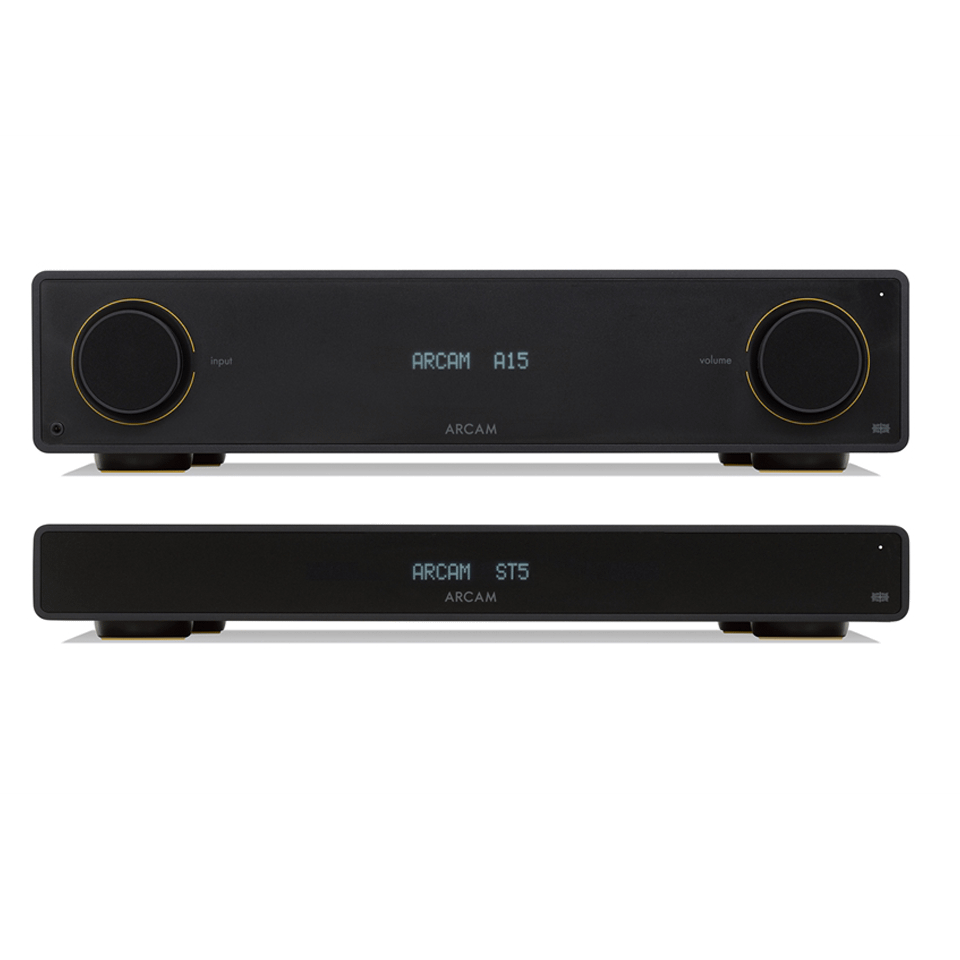
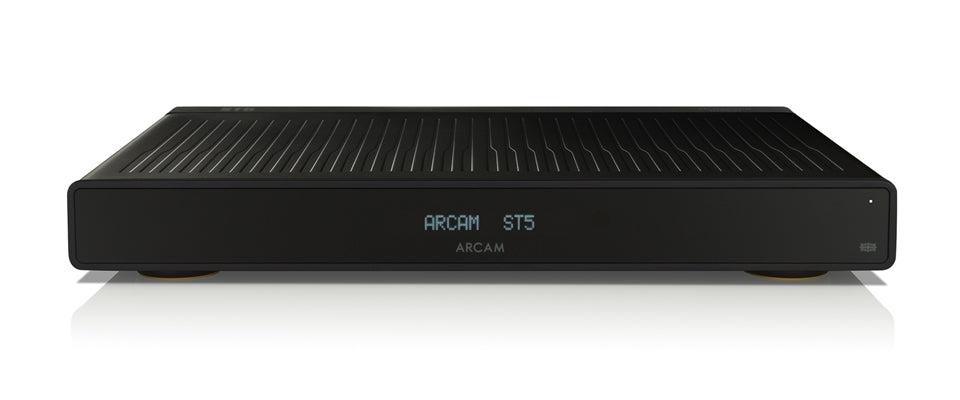
When building a quality hi-fi system, the integrated amplifier sits at the heart of everything. It's the component that takes your music sources—whether that's vinyl records, streaming services, or CDs—and amplifies them with enough power and clarity to drive your speakers. Think of it as the conductor of your audio orchestra, controlling volume, switching between sources, and delivering the grunt needed to make your music come alive.
The integrated amplifier market offers everything from budget-friendly options to premium audiophile gear costing thousands. Today we're comparing two amplifiers that represent very different philosophies: the Dayton Audio HTA200, a feature-packed hybrid tube amplifier, and the Arcam A15, a refined British-engineered solid-state amplifier. At the time of writing, these products sit in different price brackets—the HTA200 targeting budget-conscious enthusiasts while the A15 commands a premium for its audiophile credentials.
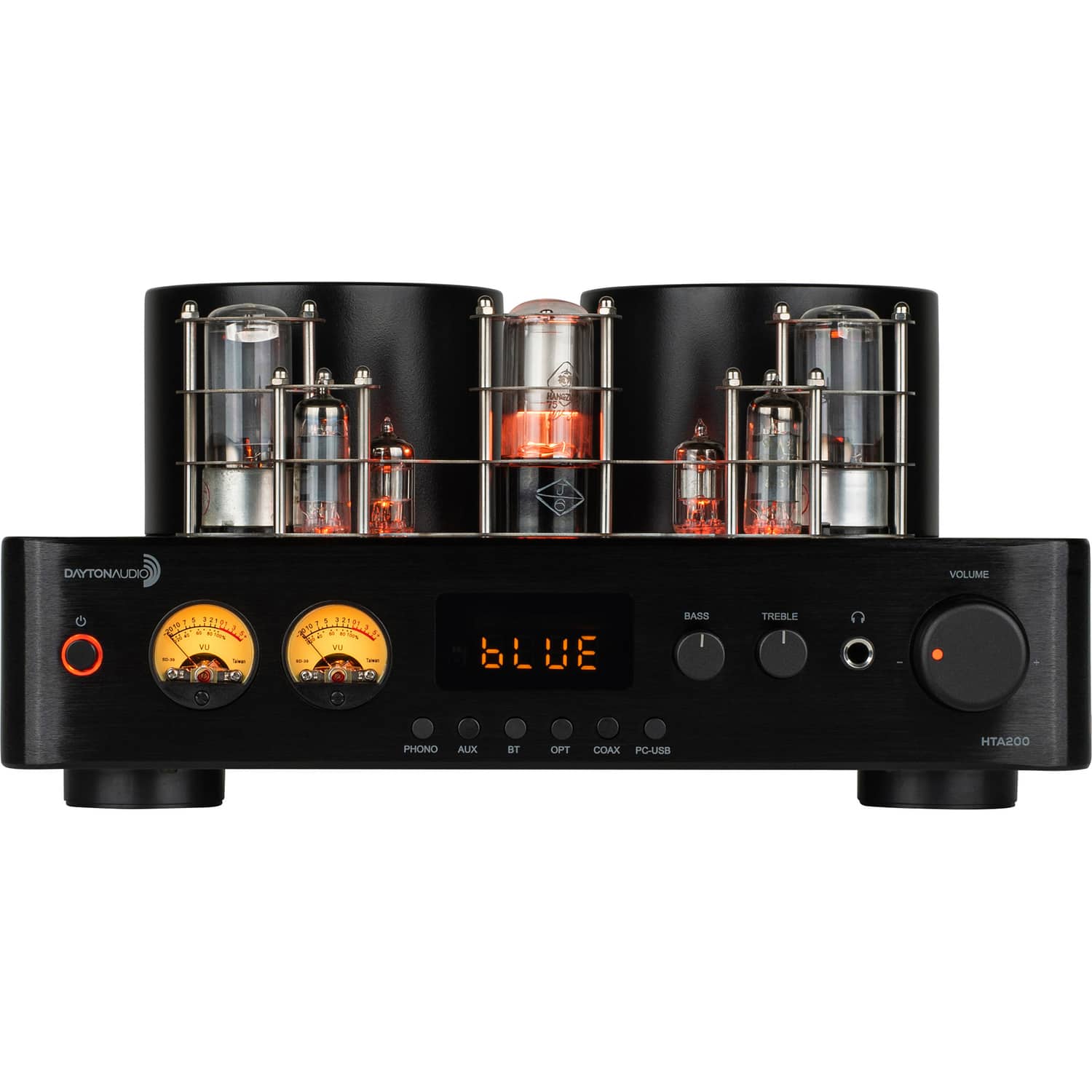
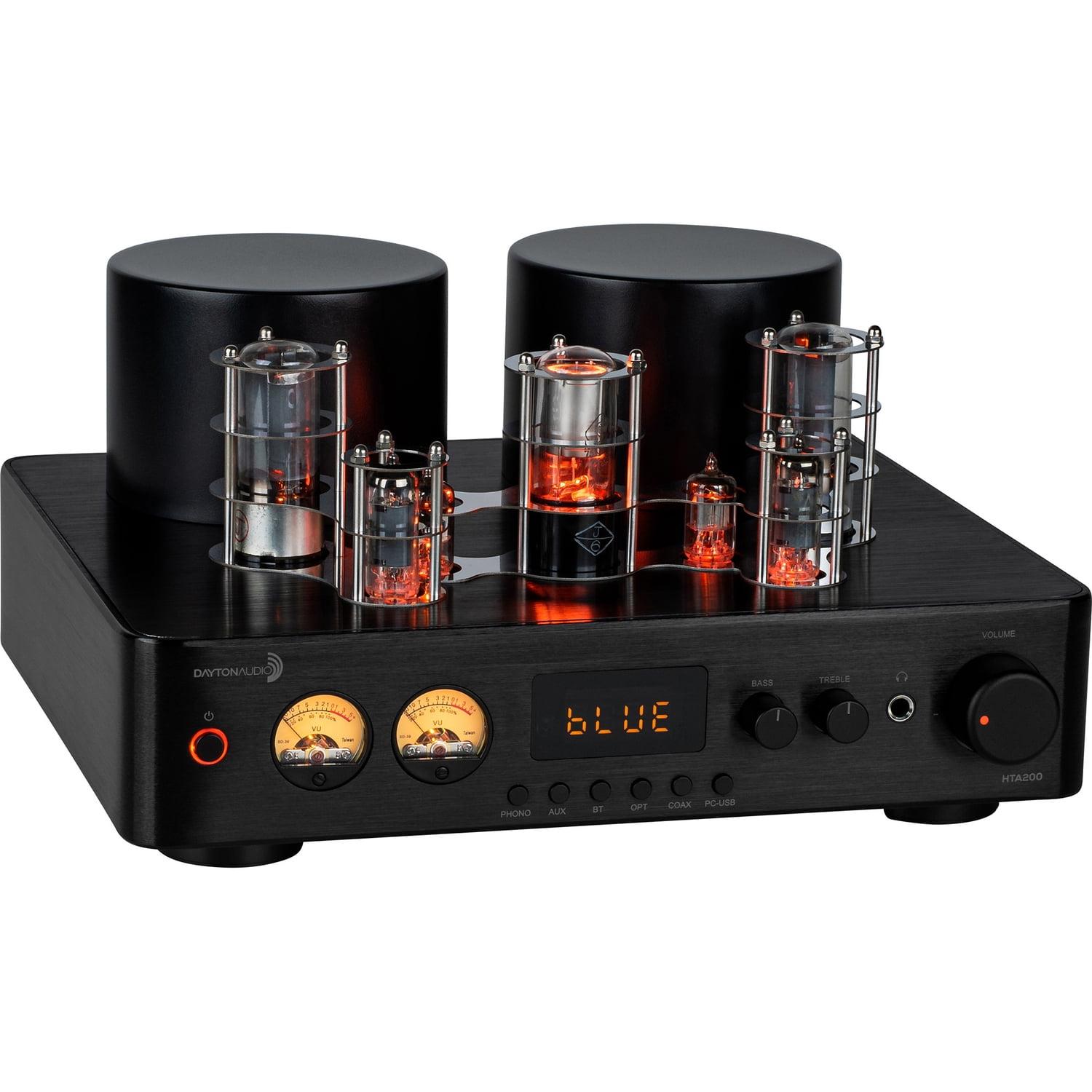
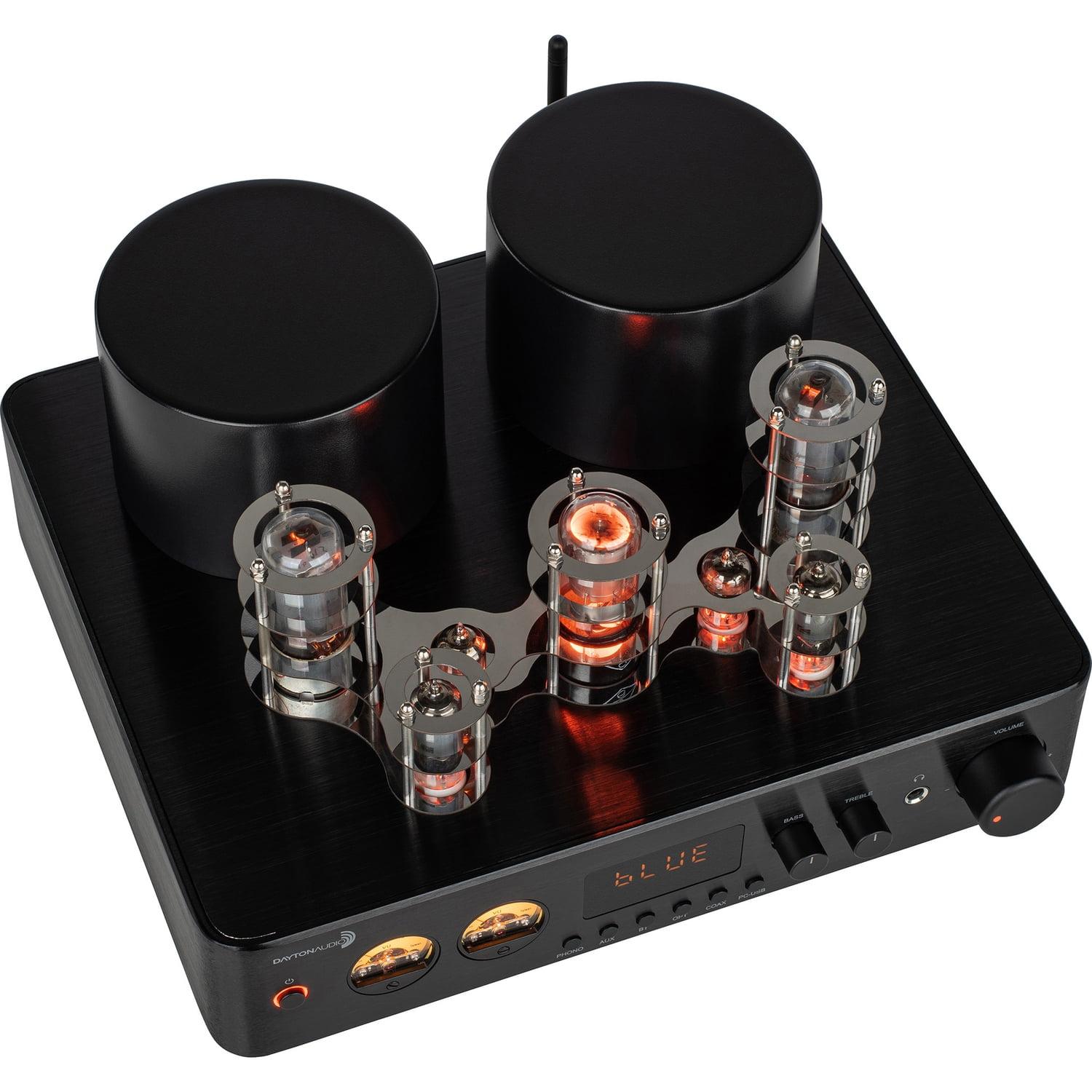
The most fundamental difference between these amplifiers lies in their amplification topology. The Dayton Audio HTA200 uses a hybrid design that combines vacuum tubes (those glowing glass bottles you see in vintage audio gear) in the preamplifier section with solid-state transistors for the power amplification. This approach aims to capture the warm, musical character that tubes are famous for while maintaining the reliability and power efficiency of modern solid-state technology.
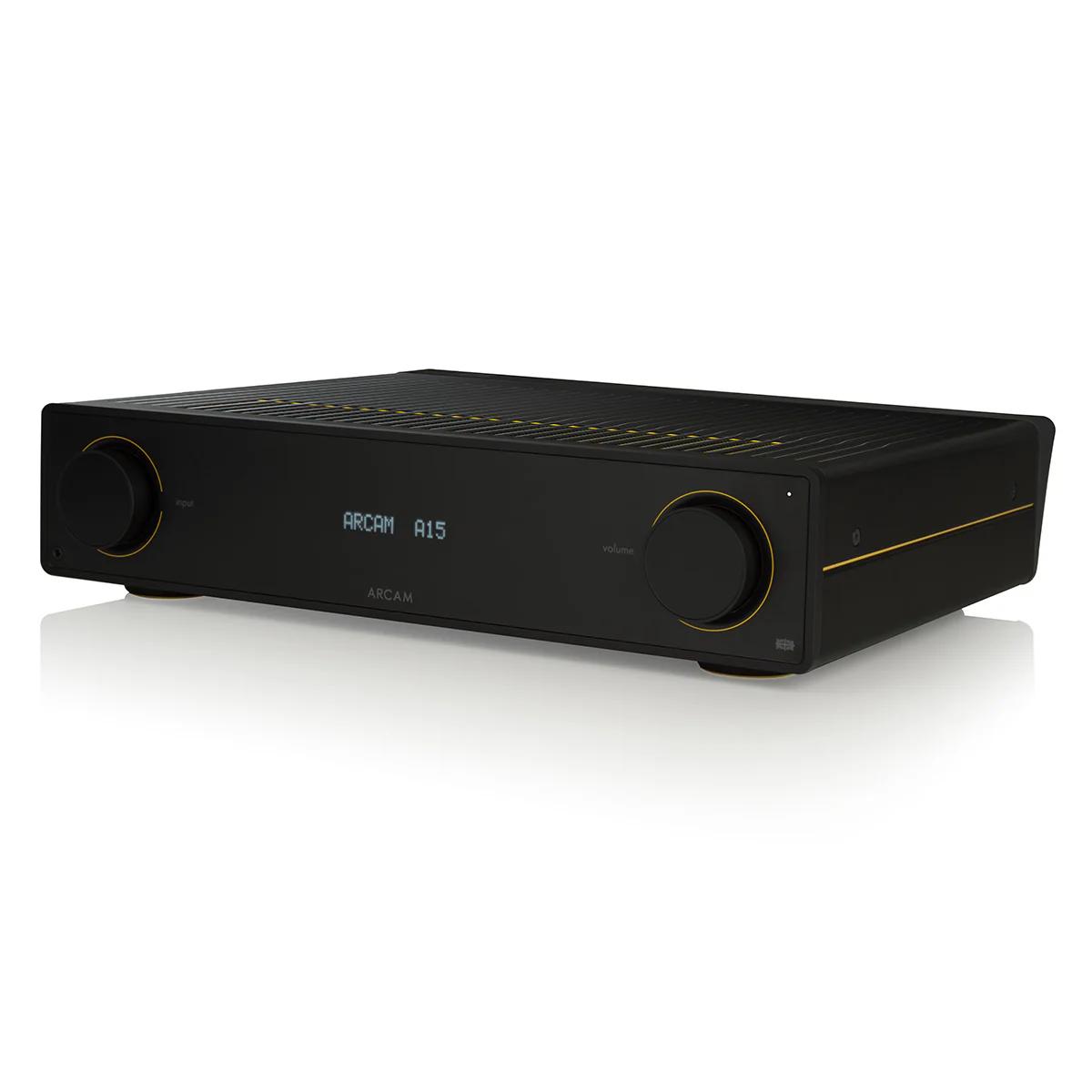
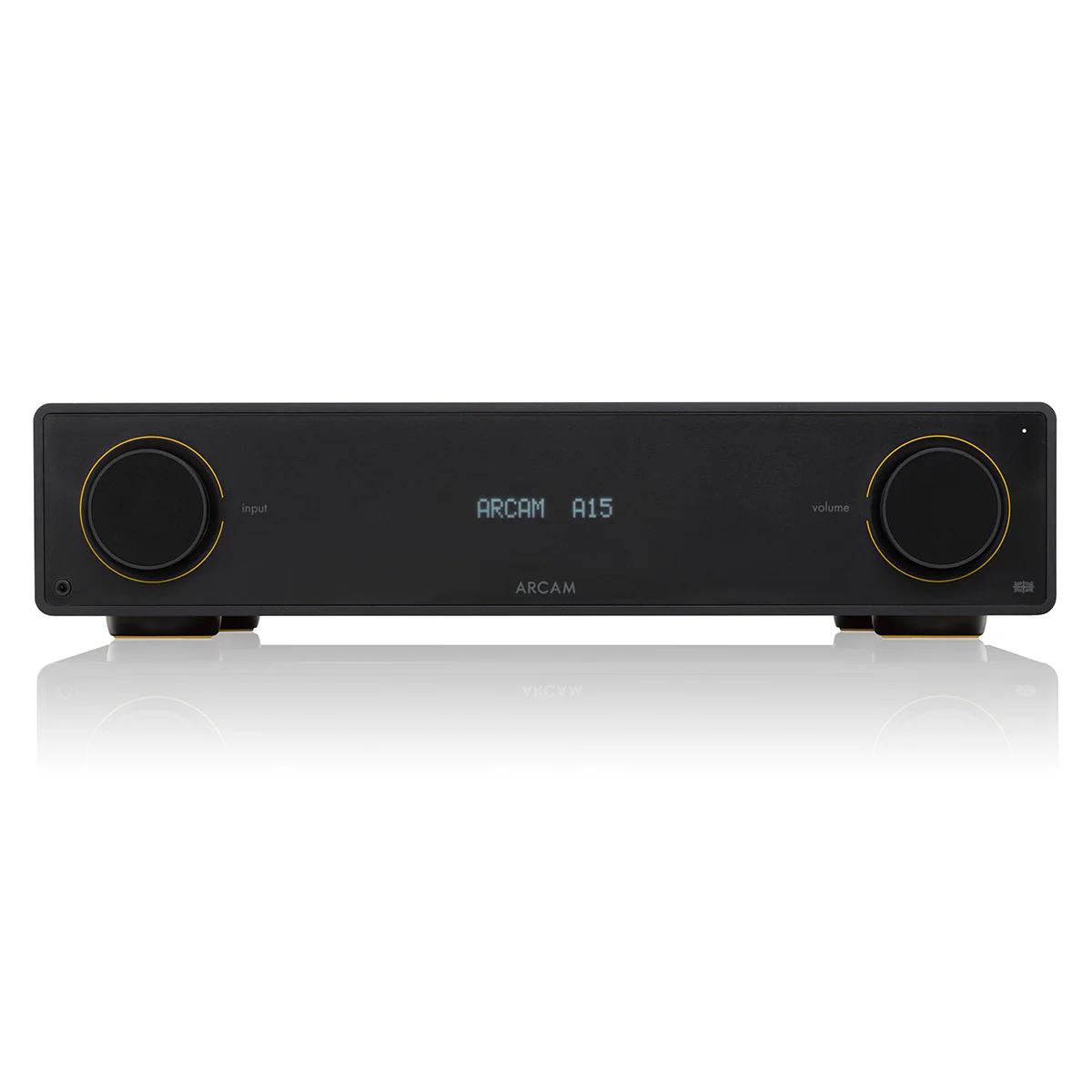
The Arcam A15, released more recently, takes a purist approach with its Class AB solid-state design throughout. Class AB amplification runs cooler than pure Class A (which wastes power as heat) but maintains better linearity than Class B (which can introduce crossover distortion). It's a sweet spot that most quality amplifiers use because it balances efficiency with sound quality.
Since the HTA200's release several years ago, the audio world has seen significant improvements in DAC (digital-to-analog converter) technology and Bluetooth codecs. The A15 benefits from these advances with its premium ESS Sabre DAC and aptX Adaptive Bluetooth, while the HTA200's digital section reflects older standards that were perfectly adequate at its launch.
Looking at raw specifications, the Dayton Audio HTA200 appears more powerful on paper with 100 watts RMS into 4 ohms and 50 watts into 8 ohms. The Arcam A15 delivers 80 watts into 8 ohms but increases to 120 watts into 4 ohms. These numbers tell an interesting story about each amplifier's design priorities.
The HTA200's power figures reflect its hybrid nature—the tube preamp stage adds some impedance that slightly limits the power transfer, especially into higher impedance loads. However, 50 watts into 8 ohms is plenty for most bookshelf speakers and moderately efficient floor-standing speakers in typical listening rooms.
The A15's ability to nearly double its power when speaker impedance halves (from 8 to 4 ohms) indicates a robust power supply and output stage design. This characteristic matters more than you might think because many speakers don't maintain a constant 8-ohm impedance—they dip lower at certain frequencies, and an amplifier that can handle these dips will maintain better control over the drivers.
For home theater use, both amplifiers have enough power for the front left and right channels in most rooms. However, the A15's superior current delivery makes it better suited for demanding speakers like large floor-standing models or power-hungry bookshelf speakers with difficult impedance curves.
This is where personal preference plays a huge role, but understanding each amplifier's sonic signature helps predict which you might prefer. The Dayton Audio HTA200 uses amber-toned tubes (specifically 13P1P, 6H2, and 6A2 types) in its preamp section. These tubes introduce subtle harmonic distortion—the good kind that our ears interpret as warmth and richness. It's similar to how vinyl records have a characteristic sound that many people find more engaging than perfect digital reproduction.
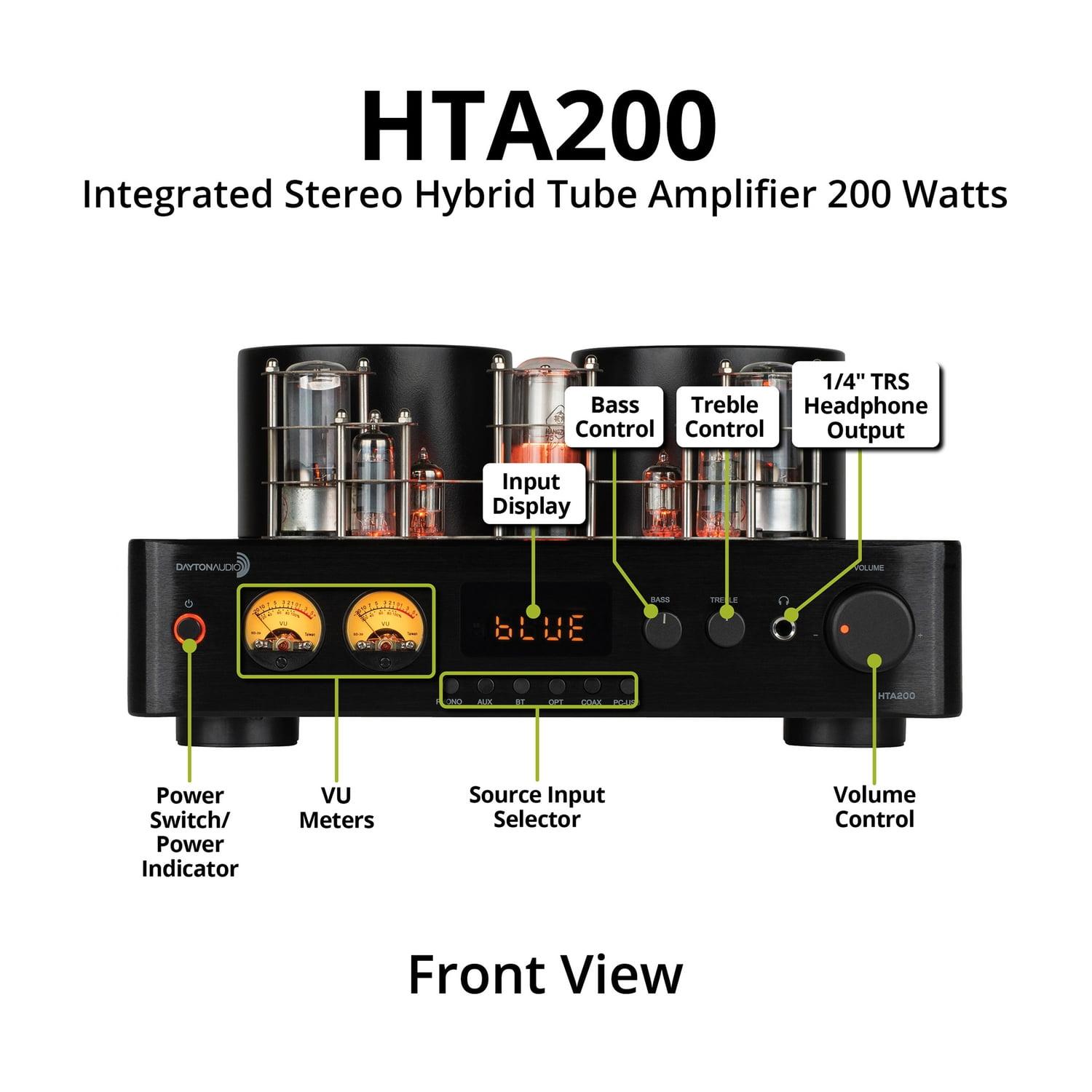
The HTA200 also includes bass and treble tone controls, giving you ±6dB of adjustment. While audio purists sometimes frown on tone controls, they're incredibly practical for matching your amplifier to your room acoustics and personal preferences. If your speakers sound too bright or your room is acoustically challenging, these controls can save the day.
The Arcam A15 takes the opposite approach with its neutral, uncolored presentation. Arcam has spent over 45 years refining their house sound, which emphasizes accuracy while remaining musically engaging. Based on user reviews and expert evaluations, the A15 delivers tight, controlled bass that doesn't bloat or overwhelm, naturally detailed midrange that brings vocals forward without harshness, and sparkling highs that add air and space without becoming fatiguing.
The lack of tone controls on the A15 isn't an oversight—it reflects the philosophy that the amplifier should accurately reproduce what's in the recording. This approach works best when you have quality speakers properly positioned in a good acoustic environment.
Here's where the generational difference between these products becomes apparent. The Dayton Audio HTA200 includes digital inputs, but they're limited to 16-bit/48kHz resolution—perfectly fine for CD-quality audio but not ideal for high-resolution files that many streaming services now offer. Its USB input can handle computer audio, but again at basic resolution levels.
The Arcam A15 features an ESS Sabre ES9018 DAC chip, a component you'd typically find in dedicated high-end DACs. This chip can process audio up to 24-bit/192kHz, handling everything from CD rips to high-resolution downloads with exceptional clarity. The difference isn't just about supporting higher numbers—better DACs reduce digital noise and distortion, creating a cleaner, more detailed sound from all your digital sources.
Both amplifiers include Bluetooth, but again there's a generational gap. The HTA200 uses Bluetooth 5.0 with standard SBC and AAC codecs, which compress your music but work with any phone or tablet. The A15 steps up to Bluetooth 5.2 with aptX Adaptive support, which can transmit near CD-quality audio wirelessly when paired with compatible devices.
The A15 also features two-way Bluetooth functionality, meaning it can not only receive audio from your phone but also transmit to Bluetooth headphones. This flexibility is incredibly useful if you want to listen privately without disturbing others.
Both amplifiers include moving magnet (MM) phono stages for connecting turntables, but the quality differs significantly. Moving magnet refers to the most common type of phono cartridge, which produces a relatively strong signal but still needs amplification and equalization (the RIAA curve that corrects for the way vinyl is mastered).
The Dayton Audio HTA200 includes a basic but functional phono preamp that gets the job done for casual vinyl listening. The tube coloration adds warmth that many find pleasant with acoustic recordings and older vinyl pressings. However, the signal-to-noise ratio of 80dB, while acceptable, isn't exceptional by today's standards.
The Arcam A15 treats vinyl more seriously with a dedicated phono section engineered to audiophile standards. Its 109dB signal-to-noise ratio means much lower background noise, letting you hear deep into the groove and revealing subtle details in your records. The frequency response accuracy of ±1dB across the audio spectrum ensures your vinyl sounds exactly as intended.
For serious vinyl enthusiasts, the A15's phono stage approaches what you'd get from a good standalone phono preamp, while the HTA200's is more of a convenient inclusion that works well enough for most users.
The Dayton Audio HTA200 wins on sheer connectivity options. It includes multiple analog inputs, digital inputs (coaxial and optical), USB DAC functionality, Bluetooth, and even a subwoofer output for those wanting to add bass extension. The motorized volume control with remote makes daily use convenient, and the backlit VU meters add both function and visual appeal.
Those VU meters aren't just for show—they help you monitor your signal levels and add to the vintage aesthetic that makes the HTA200 so visually striking. The exposed glowing tubes complete the classic look that appeals to many audio enthusiasts.
The Arcam A15 focuses more on quality than quantity in its connections. It includes the essentials—multiple analog inputs, digital inputs, and a quality headphone output—but adds premium touches like 12V trigger outputs for home theater integration and IR inputs for custom installation scenarios.
The A15's preamp output allows you to add an external power amplifier later if you want to upgrade or use it as a high-quality preamp in a more complex system. This flexibility extends its useful life as your system evolves.
Construction quality reflects each product's price positioning, but both exceed expectations in their respective categories. The Dayton Audio HTA200 uses a brushed aluminum chassis that looks and feels substantial, with a 5-year warranty that demonstrates the manufacturer's confidence in their product. The tube complement should last many years under normal use, and replacement tubes are readily available when needed.
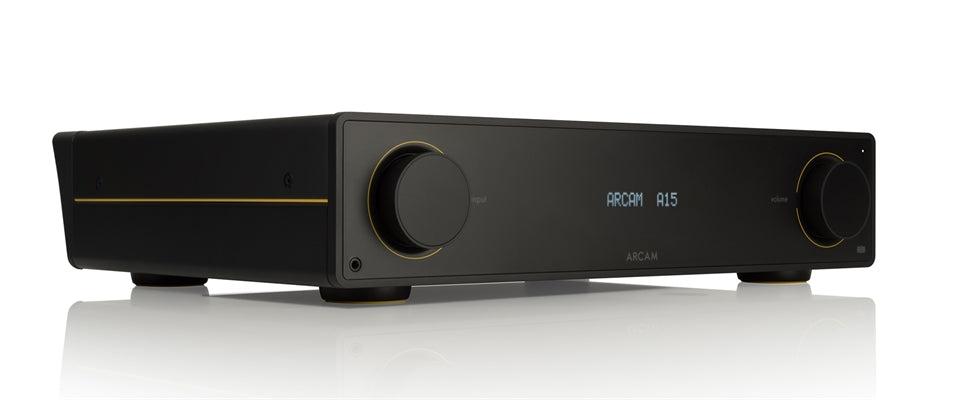
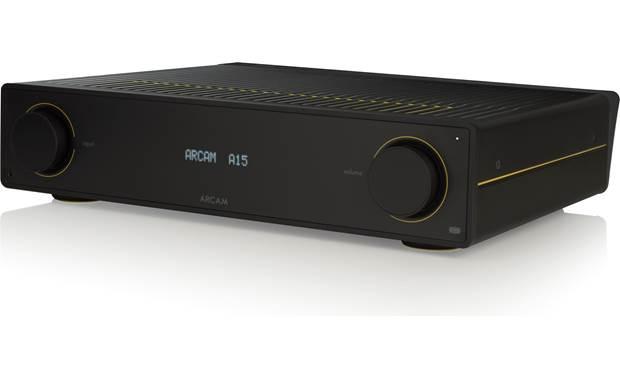
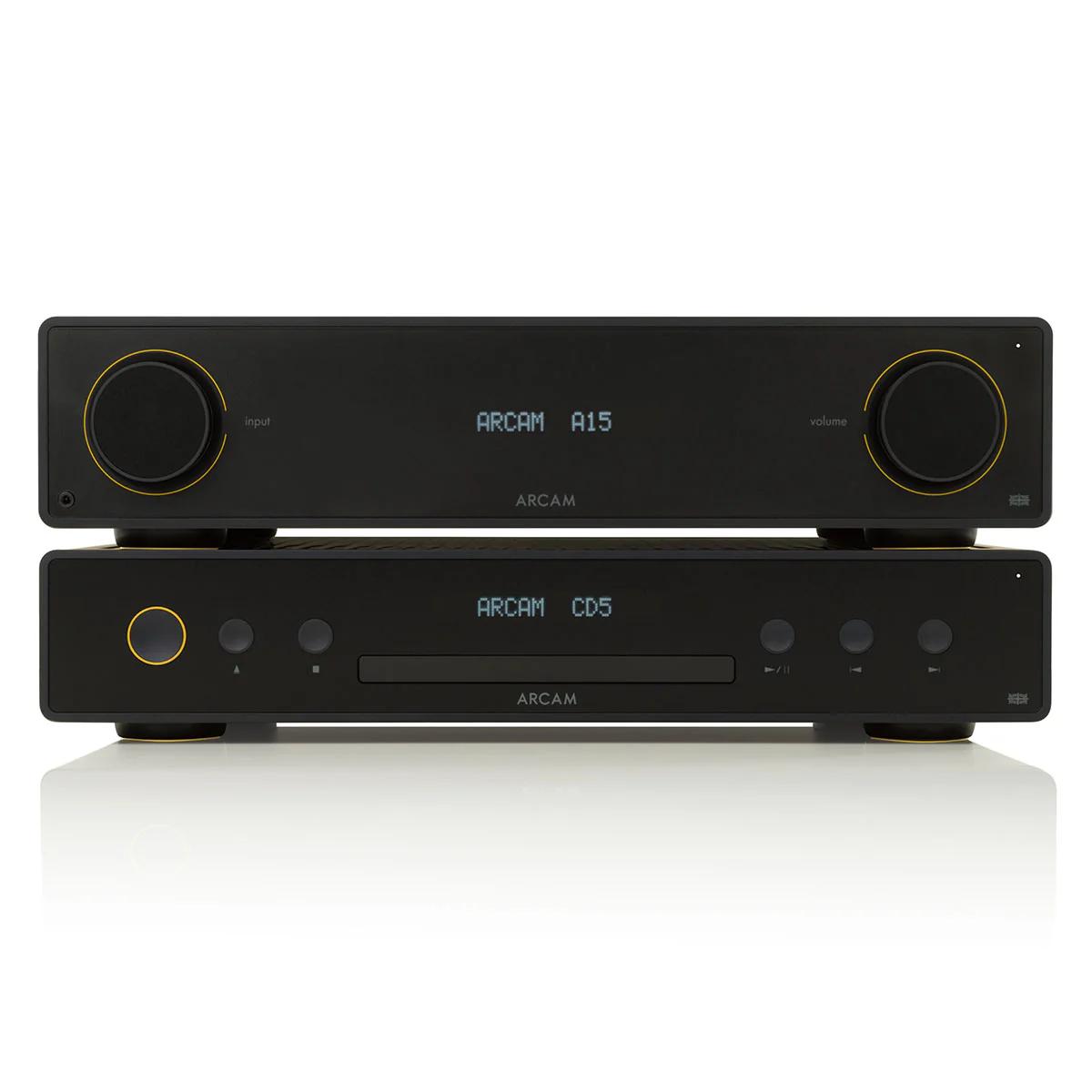
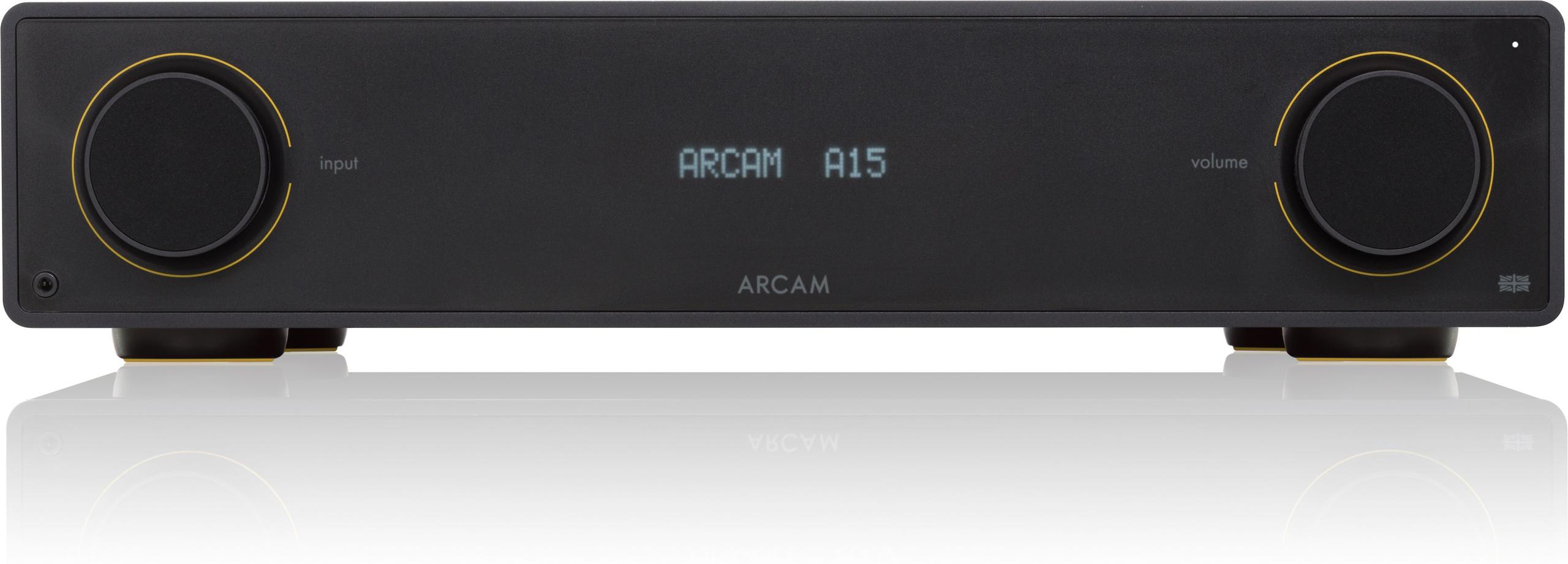
The Arcam A15 showcases premium British engineering with its solid aluminum chassis designed to minimize vibration and electromagnetic interference. The machined aluminum controls have a precision feel that communicates quality with every adjustment. Arcam's reputation for reliability, built over decades, suggests this amplifier will provide many years of faithful service.
While both amplifiers work well for two-channel music listening, their home theater applications differ. The Dayton Audio HTA200's subwoofer output makes it easier to integrate with a powered subwoofer for 2.1 systems. Its multiple inputs accommodate various sources, and the remote control includes input switching for convenience.
The Arcam A15 brings audiophile-quality sound to home theater front channels but requires more thoughtful integration. Its preamp output can feed a subwoofer or additional amplifier channels, and the 12V trigger output allows integration with automatic switching systems common in custom installations.
Neither amplifier includes surround processing—they're strictly two-channel devices. For home theater use, you'd typically connect them to the front left/right preamp outputs of an AV receiver or processor.
Choose the Dayton Audio HTA200 if you're building your first serious hi-fi system and want maximum features and flexibility at an accessible price point. The hybrid tube design offers a taste of vintage warmth without the maintenance headaches of full tube amplification. Its comprehensive connectivity means you can connect virtually any source, from smartphones to turntables, without additional equipment.
The HTA200 particularly appeals to those who enjoy the ritual and visual appeal of tube audio—watching the tubes warm up and glow while the VU meters dance to your music creates an engaging experience that pure solid-state amplifiers can't match. If you listen to acoustic music, jazz, or classic rock, the tube coloration often enhances the emotional connection to the music.
Choose the Arcam A15 if you have quality speakers that deserve equally quality amplification and you prioritize long-term ownership over initial features. The neutral but musical presentation works with any genre, from delicate acoustic recordings to complex orchestral pieces to driving rock anthems. Its superior DAC section future-proofs your digital sources, and the exceptional phono stage satisfies serious vinyl collectors.
The A15 makes most sense for listeners who've moved beyond the initial excitement of audio gear and want an amplifier that simply gets out of the way and lets the music shine. If you're the type who sets the volume and rarely touches controls again, the A15's refined approach will serve you well for many years.
At the time of writing, the price difference reflects genuine engineering and component quality differences. The Dayton Audio HTA200 delivers remarkable value for its feature set and power output, while the Arcam A15 justifies its premium through superior sound quality, build quality, and British engineering heritage.
Both amplifiers succeed in their intended markets, but they're solving different problems for different users. The HTA200 democratizes tube sound and comprehensive connectivity, while the A15 provides uncompromising quality for those willing to invest in long-term musical satisfaction.
| Dayton Audio HTA200 | Arcam A15 |
|---|---|
| Power Output - Determines how loud and controlled your music sounds | |
| 100W @ 4Ω / 50W @ 8Ω (adequate for most speakers) | 80W @ 8Ω / 120W @ 4Ω (better current delivery for demanding speakers) |
| Amplification Type - Affects sound character and maintenance | |
| Hybrid tube preamp + solid-state power (warm sound, tubes need eventual replacement) | Pure Class AB solid-state (neutral sound, maintenance-free) |
| Digital Audio Quality - Important for streaming and computer sources | |
| Basic 16-bit/48kHz DAC (fine for standard sources) | ESS Sabre ES9018 DAC up to 24-bit/192kHz (audiophile-grade digital performance) |
| Bluetooth Quality - Matters for wireless streaming from phones/tablets | |
| Bluetooth 5.0 with SBC/AAC (standard quality) | Bluetooth 5.2 with aptX Adaptive (near CD-quality wireless) |
| Phono Stage Performance - Critical for vinyl record playback | |
| Built-in MM phono with tube coloration (good for casual vinyl listening) | Dedicated MM phono stage, 109dB SNR (audiophile-grade vinyl performance) |
| Connectivity Options - Affects how many sources you can connect | |
| Extensive: USB DAC, optical, coaxial, multiple analog, subwoofer output | Quality-focused: 2 coaxial, 1 optical, 3 analog, preamp output |
| User Controls - Important for daily operation and sound tuning | |
| Bass/treble controls, motorized volume, remote, VU meters | Volume control, input selection, remote (no tone controls) |
| Build Quality - Impacts durability and premium feel | |
| Brushed aluminum chassis, 5-year warranty | Solid aluminum chassis with vibration damping, premium construction |
| Visual Appeal - Matters if the amplifier is prominently displayed | |
| Vintage aesthetic with glowing tubes and backlit VU meters | Clean, modern British design with machined aluminum controls |
| Best For - Who should consider each amplifier | |
| Feature-seekers wanting tube warmth at accessible pricing | Audiophiles prioritizing sound quality and long-term ownership |
The Dayton Audio HTA200 delivers 100 watts into 4-ohm speakers and 50 watts into 8-ohm speakers, while the Arcam A15 provides 80 watts into 8-ohm speakers and 120 watts into 4-ohm speakers. The Arcam A15 has better current delivery for demanding speakers, making it more suitable for power-hungry or low-impedance speakers despite lower 8-ohm ratings.
The Dayton Audio HTA200 uses a hybrid design with vacuum tubes in the preamp section and solid-state power amplification, creating a warm, musical sound with visible glowing tubes. The Arcam A15 uses pure solid-state Class AB amplification throughout, delivering neutral, accurate sound reproduction without the need for tube maintenance or replacement.
The Arcam A15 offers superior wireless streaming with Bluetooth 5.2 and aptX Adaptive support, delivering near CD-quality audio from compatible devices. The Dayton Audio HTA200 includes Bluetooth 5.0 with standard codecs, which works with all devices but at lower quality levels.
Yes, both the Dayton Audio HTA200 and Arcam A15 include built-in phono preamps for moving magnet cartridges. However, the Arcam A15 provides audiophile-grade vinyl performance with a 109dB signal-to-noise ratio, while the HTA200 offers good basic phono performance with added tube warmth.
The Arcam A15 significantly outperforms with its ESS Sabre ES9018 DAC supporting up to 24-bit/192kHz high-resolution audio. The Dayton Audio HTA200 includes basic digital inputs limited to 16-bit/48kHz, which is adequate for standard sources but not ideal for high-resolution music files.
Both amplifiers work well as stereo components in home theater setups. The Dayton Audio HTA200 includes a subwoofer output for easy 2.1 integration, while the Arcam A15 offers preamp outputs and 12V triggers for more sophisticated home theater integration with external amplifiers or processors.
The Dayton Audio HTA200 provides more comprehensive connectivity with USB DAC, multiple digital inputs, analog inputs, phono input, and subwoofer output. The Arcam A15 focuses on quality over quantity with essential inputs including two coaxial, one optical, three analog inputs, and preamp outputs.
The Dayton Audio HTA200 features a brushed aluminum chassis with good construction and a 5-year warranty. The Arcam A15 showcases premium British engineering with a solid aluminum chassis, vibration damping, and machined aluminum controls that reflect higher-end construction standards.
The Dayton Audio HTA200 offers more user-friendly features including bass and treble tone controls, motorized volume control, remote operation, and visual VU meters. The Arcam A15 takes a minimalist approach with basic volume and input controls, focusing on pure audio performance over convenience features.
The Dayton Audio HTA200 includes bass and treble tone controls allowing ±6dB adjustment to match your room or preferences. The Arcam A15 doesn't include tone controls, following the audiophile philosophy that amplifiers should accurately reproduce the source material without coloration.
The Dayton Audio HTA200 suits beginners and feature-seekers with its comprehensive connectivity, tone controls, and accessible hybrid tube experience. The Arcam A15 appeals to experienced audiophiles who prioritize sound quality, have quality speakers, and prefer long-term ownership over extensive features.
Choose the Dayton Audio HTA200 for maximum features and connectivity at a lower price point, tube warmth and vintage aesthetics, or if you're building your first serious audio system. Choose the Arcam A15 for superior sound quality and build construction, high-resolution digital performance, exceptional vinyl playback, or if you have high-end speakers that deserve quality amplification.
We've done our best to create useful and informative comparisons to help you decide what product to buy. Our research uses advanced automated methods to create this comparison and perfection is not possible - please contact us for corrections or questions. These are the sites we've researched in the creation of this article: daytonaudio.com - audiosciencereview.com - daytonaudio.com - audioholics.com - soundstageaccess.com - youtube.com - avsforum.com - solen.ca - daytonaudio.com - soundstagenetwork.com - parts-express.com - homedepot.com - device.report - soundstagenetwork.com - petra.com - manualslib.com - audiophonics.fr - manualshelf.com - theaudiotailor.com.au - skybygramophone.com - crutchfield.com - arcam.co.uk - youtube.com - listenup.com - upscaleaudio.com - arcam.co.uk - whathifi.com - sweetwater.com - musicdirect.com - device.report - hifidaydreaming.com - listenup.com

Privacy Policy
Terms and Conditions - Affiliate Policy
Home Security
© Copyright 2008-2026.
11816 Inwood Rd #1211, Dallas, TX 75244