

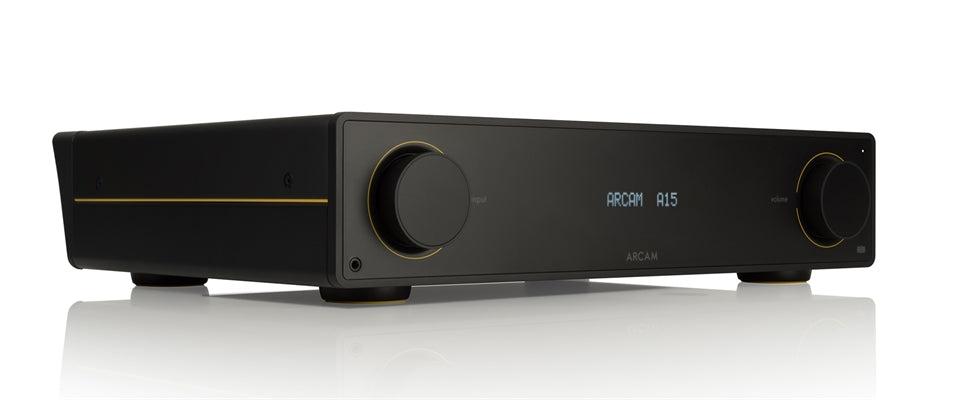
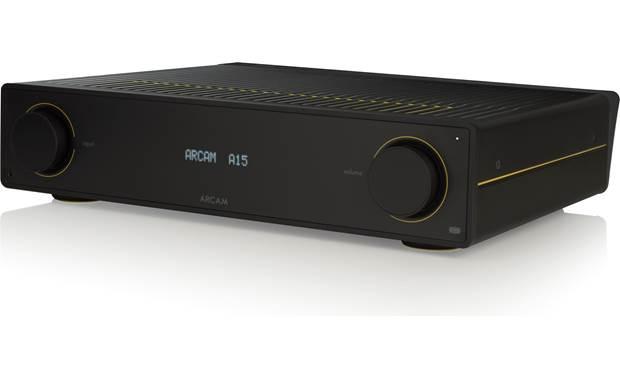
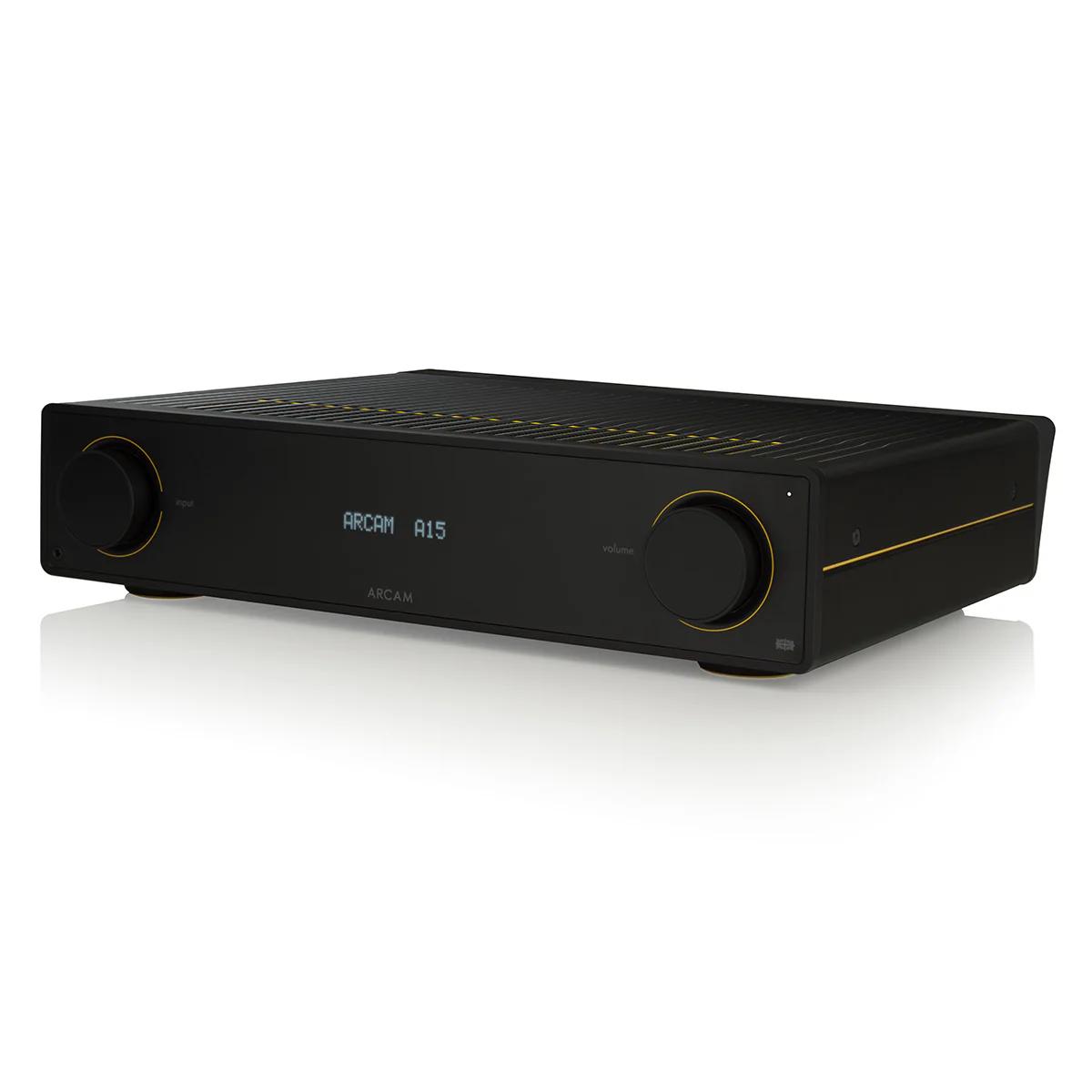
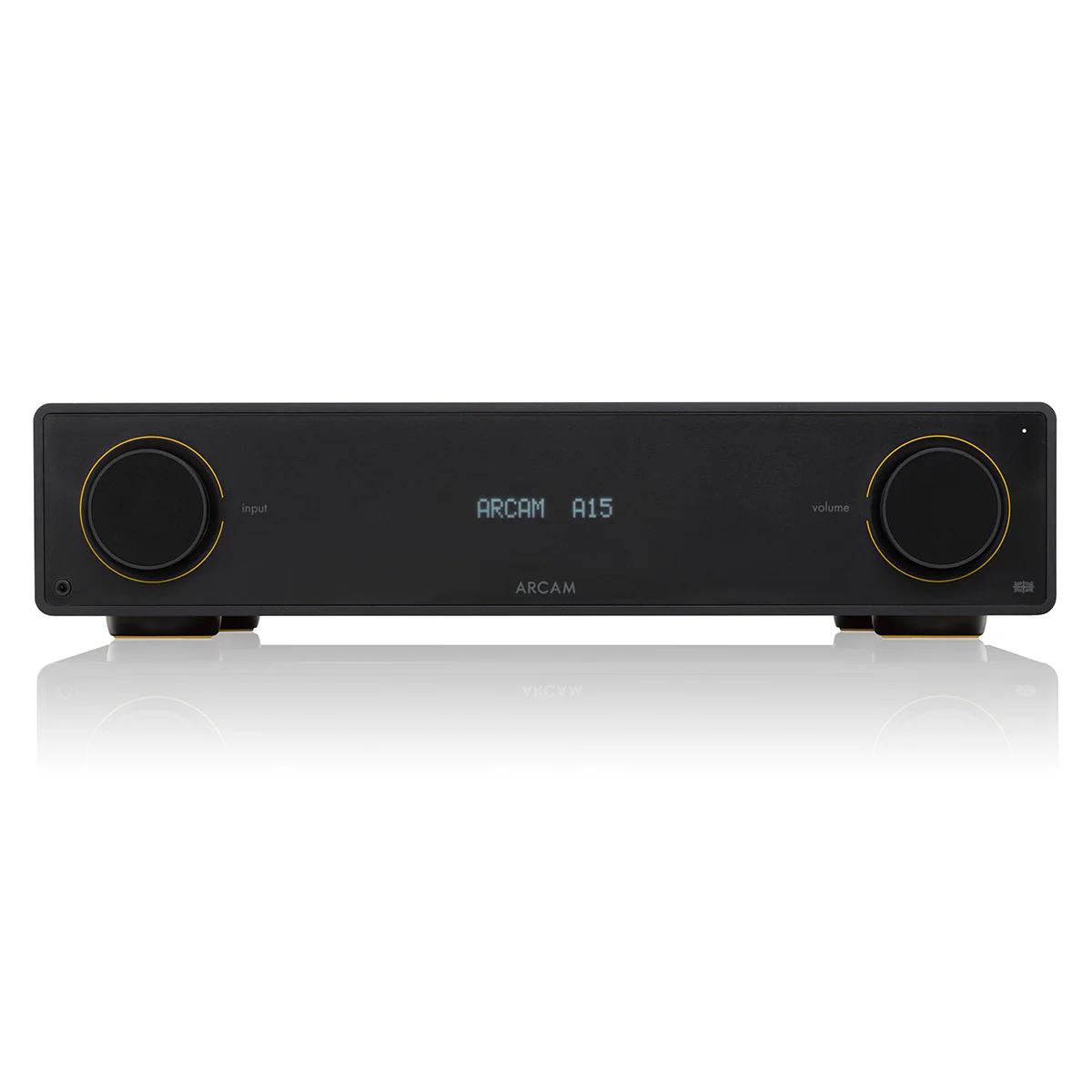
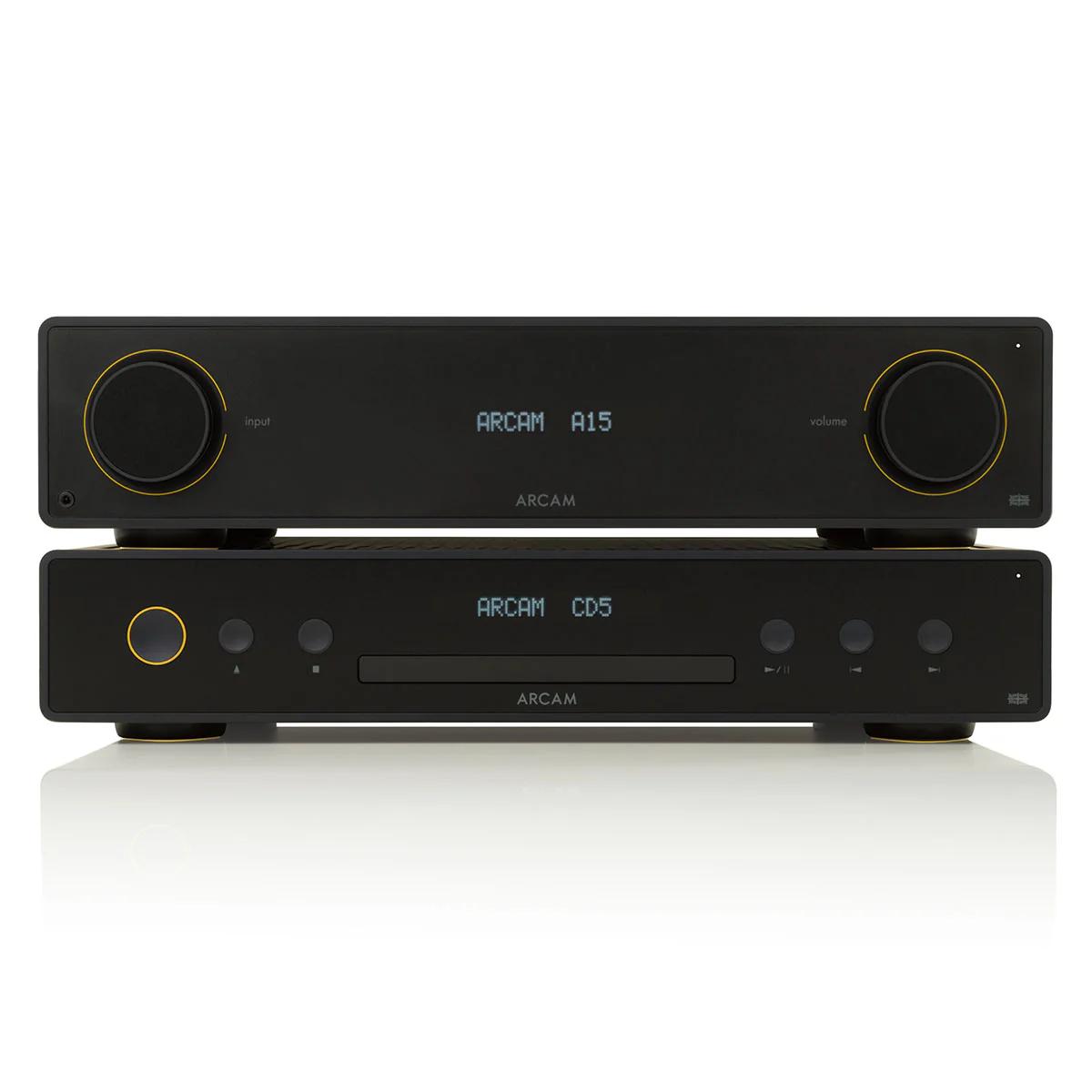
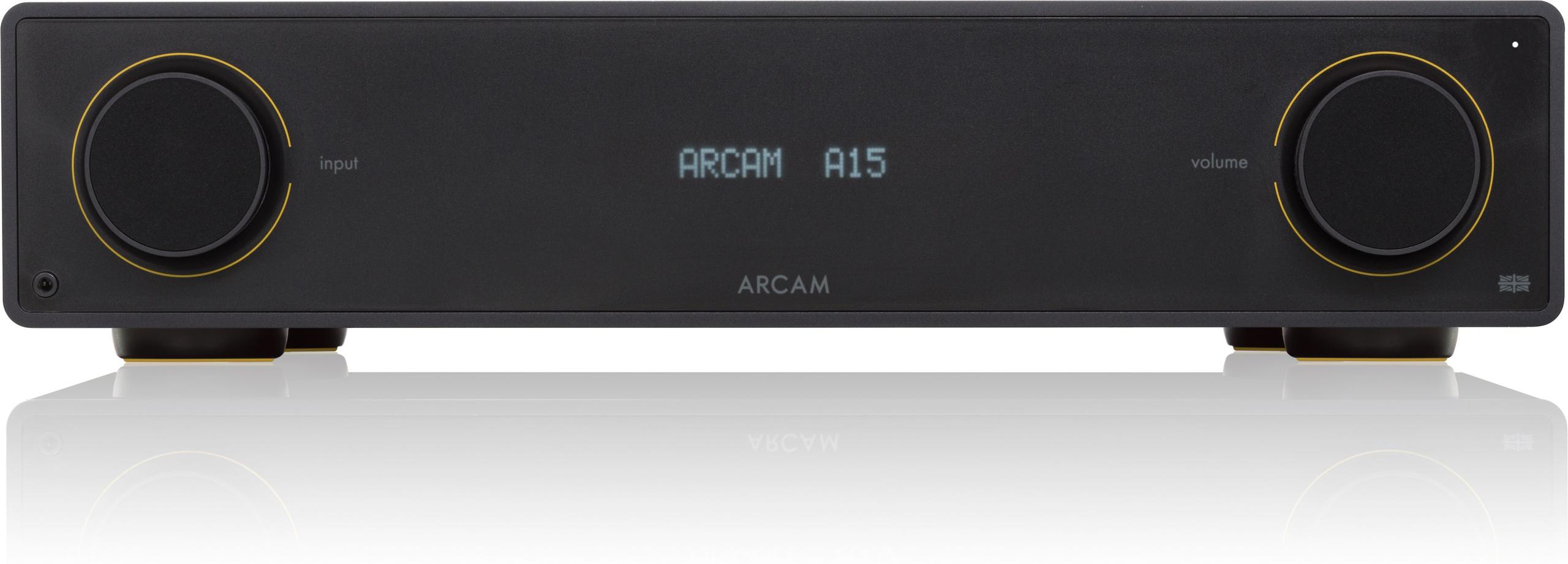
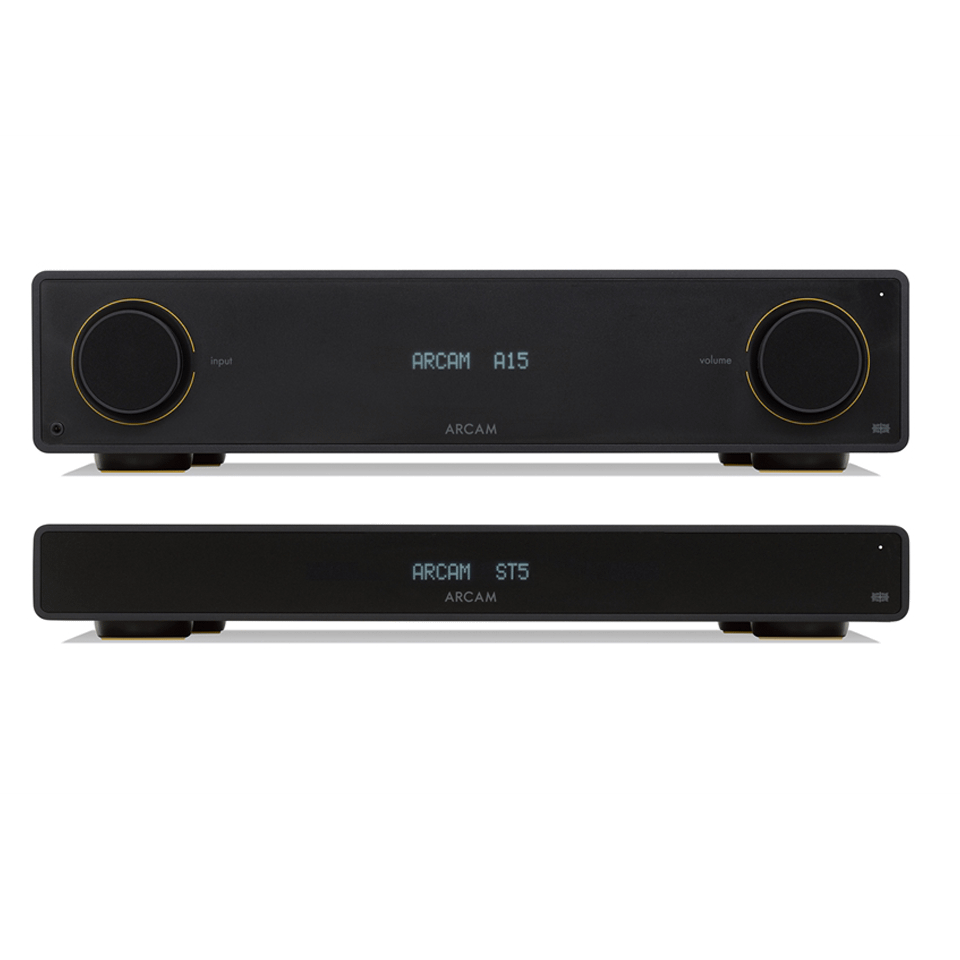
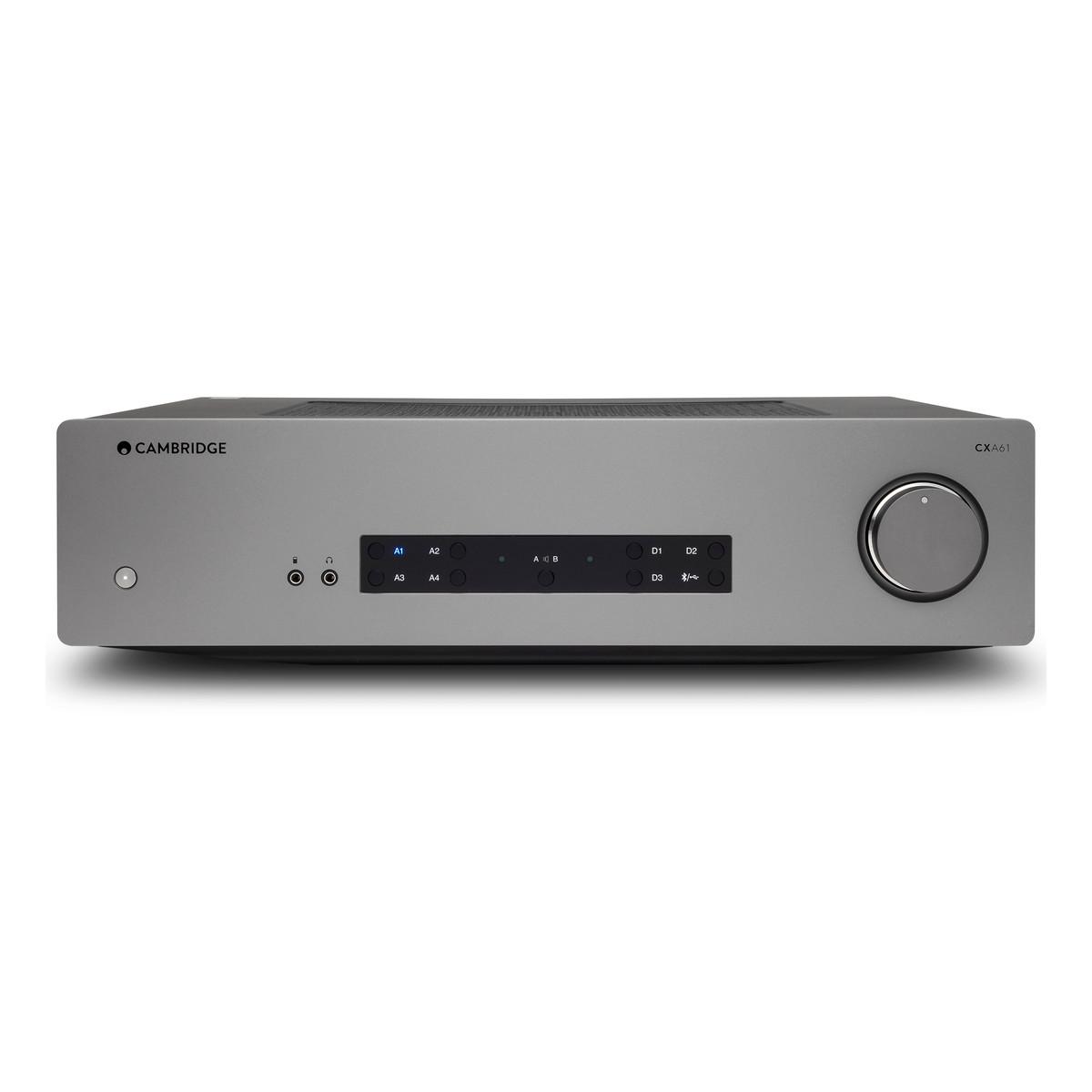
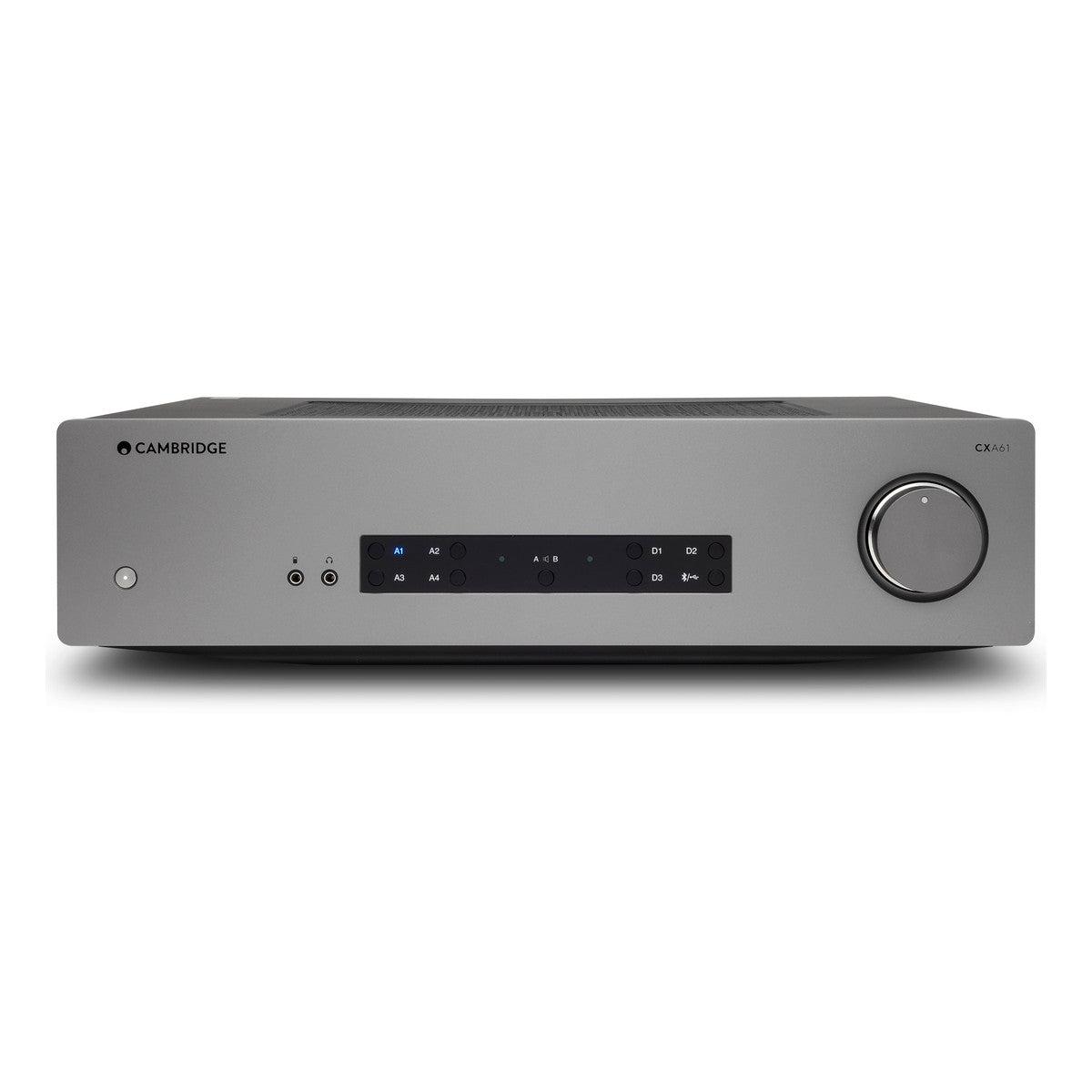
When you're building a stereo system, the integrated amplifier sits at the heart of everything. It's the component that takes all your music sources—whether that's a turntable, CD player, or streaming device—and amplifies them to drive your speakers. Think of it as the conductor of your audio orchestra, controlling volume while boosting the signal strength enough to move those speaker drivers and create sound.
Both the Arcam A15 and Cambridge Audio CXA61 represent excellent examples of modern integrated amplifiers, but they take notably different approaches to delivering great sound. The Arcam, released in 2023, positions itself as a premium audiophile component with vinyl playback at its core. The Cambridge Audio CXA61, which hit the market in 2019, focuses on delivering exceptional value while embracing the digital age of music streaming and computer audio.
Understanding these philosophical differences is crucial because they directly impact which amplifier will serve you better. Let's dive deep into what makes each tick and, more importantly, which one belongs in your system.
The most obvious difference between these amplifiers is their power output. The Arcam A15 delivers 80 watts per channel into 8-ohm speakers, while the Cambridge Audio CXA61 provides 60 watts per channel into the same load. When driving 4-ohm speakers, which present a more challenging load, the Arcam jumps to 120 watts per channel versus the Cambridge's 90 watts.
But here's what those numbers really mean for your listening experience: the Arcam provides about 25% more power, which translates to roughly 1dB more maximum volume capability. That might not sound like much, but it represents significant additional headroom for dynamic music passages—those sudden drum hits or orchestral crescendos that can make lesser amplifiers strain.
More importantly than raw wattage is how cleanly these amplifiers deliver their power. Both use Class AB amplification, which strikes a balance between the efficiency of Class D and the linear characteristics of pure Class A designs. The Arcam A15 achieves an impressive 0.002% total harmonic distortion (THD) at 80% power output, meaning it stays remarkably clean even when pushed hard. The Cambridge Audio CXA61 specifies less than 0.002% at 1kHz, suggesting similar performance in controlled conditions.
What this means in practice is that both amplifiers will sound clean and controlled, but the Arcam has more muscle for demanding speakers or larger rooms. If you're driving inefficient tower speakers or love your music loud, that extra power headroom becomes genuinely valuable.
The damping factor—a measure of how well an amplifier controls speaker movement—also favors the Arcam, though Cambridge's specification of >110 at 1kHz is still excellent. Higher damping factors typically translate to tighter bass control and more precise imaging.
Both amplifiers recognize that most music today is digital, whether it's streaming from Spotify, playing high-resolution files from a computer, or spinning CDs. However, they approach digital audio conversion differently, and these differences significantly impact sound quality.
The Arcam A15 employs the ESS Sabre ES9018 DAC (digital-to-analog converter), while the Cambridge Audio CXA61 uses the ES9010K2M from the same manufacturer. The ES9018 in the Arcam represents a higher tier in ESS's lineup, with superior specifications for signal-to-noise ratio and dynamic range. In practical terms, this translates to a blacker background, better resolution of subtle details, and more refined sound quality from digital sources.
However, the Cambridge fights back with broader format support. While the Arcam A15 handles files up to 24-bit/192kHz—which covers virtually all commercially available high-resolution music—the Cambridge Audio CXA61 goes further, supporting 32-bit/384kHz PCM files and even DSD256 format through its USB input. This makes it particularly attractive for computer audiophiles who might have extensive libraries of ultra-high-resolution recordings or enjoy exploring different digital formats.
The USB input on the Cambridge is particularly noteworthy because it allows direct connection to a computer, bypassing potentially inferior built-in sound cards. This feature is absent on the Arcam A15, which relies on its optical and coaxial digital inputs for computer connection—requiring an intermediate device or sound card with digital outputs.
Signal-to-noise ratio measurements reveal another key difference. The Arcam A15 achieves 109dB for digital inputs, compared to the Cambridge Audio CXA61's specification of >105dB at full power. While both are excellent, the Arcam's superior measurement translates to an even quieter background, allowing more subtle musical details to emerge.
Both amplifiers include Bluetooth connectivity, but their implementations differ significantly in capability and quality. The Arcam A15 features Bluetooth 5.2 with Qualcomm's aptX Adaptive codec, while the Cambridge Audio CXA61 uses Bluetooth 4.2 with aptX HD support.
AptX Adaptive, found in the Arcam, represents newer technology that dynamically adjusts bit rates based on signal conditions and content type. It can deliver up to 24-bit quality when conditions allow, while gracefully degrading quality to maintain stable connection when wireless interference occurs. The Cambridge's aptX HD also supports 24-bit quality but lacks the adaptive capabilities.
More intriguingly, the Arcam A15 offers bidirectional Bluetooth functionality. This means you can not only stream music to the amplifier from your phone but also send audio from any connected source to Bluetooth headphones. This flexibility proves valuable when you want late-night listening sessions without disturbing others.
Here lies perhaps the most significant philosophical difference between these amplifiers. The Arcam A15 includes a dedicated moving magnet (MM) phono stage, while the Cambridge Audio CXA61 offers no vinyl input whatsoever.
A phono stage serves a specific technical purpose that many people don't realize they need until they try connecting a turntable directly to a regular line input. Vinyl records are cut with a specific frequency curve called RIAA equalization, which boosts highs and cuts bass during mastering to fit more music onto each side. Additionally, the signal from a turntable cartridge is extremely weak—about 100 times quieter than line-level sources.
The phono stage reverses the RIAA curve and amplifies the signal to usable levels. The Arcam A15's built-in MM phono stage eliminates the need for an external phono preamp, saving both money and complexity while maintaining signal quality through shorter signal paths.
If you currently own a turntable or have any interest in vinyl playback, this feature alone might determine your choice. Adding an external phono stage to the Cambridge Audio CXA61 would cost at least $100-200 for anything decent, eroding its value advantage while potentially introducing additional noise and distortion.
Both amplifiers provide comprehensive connectivity, but with different emphases. The Cambridge Audio CXA61 offers four analog line inputs compared to three on the Arcam A15, plus a convenient front-panel 3.5mm input for smartphones or portable players.
The Cambridge also includes dual speaker outputs with A/B switching, allowing you to connect two different sets of speakers and choose between them. This proves useful for comparing speakers, setting up multi-room systems, or bi-wiring single speakers. Additionally, it provides a dedicated subwoofer output with adjustable crossover frequency, making it more suitable for 2.1 systems or home theater integration.
The Arcam A15 counters with what many consider a more refined approach: fewer connections but higher quality implementation. Its three line inputs and MM phono input cover most users' needs while maintaining shorter, cleaner signal paths.
Both amplifiers include preamp outputs for connecting external power amplifiers, and both feature quality headphone outputs on the front panel. The Arcam's headphone output specifications are particularly impressive, capable of driving anything from sensitive in-ear monitors to demanding planar magnetic headphones.
Physical construction reveals another area of differentiation. The Arcam A15 weighs 22 pounds compared to the Cambridge Audio CXA61's 18.3 pounds—that extra weight typically indicates more substantial power supply components and heavier chassis construction.
Both feature aluminum chassis construction with good vibration damping, but the Arcam's machined aluminum controls and more substantial transformer suggest a build designed for longer service life. The Cambridge, while still well-constructed, optimizes materials and construction techniques for its price point.
At the time of writing, these build quality differences align with their market positioning. The Arcam A15 commands a premium price that's roughly 40-45% higher than the Cambridge Audio CXA61, reflecting its positioning as a more premium product.
While both are stereo-focused amplifiers, the Cambridge Audio CXA61 shows more consideration for home theater integration. Its subwoofer output with variable crossover allows easy integration into 2.1 or larger surround systems. The dual speaker outputs also facilitate more complex installations.
The Arcam A15's bidirectional Bluetooth capability offers a different kind of home theater utility—the ability to send any connected source to wireless headphones proves invaluable for late-night movie watching without disturbing family members.
Neither amplifier includes home theater bypass modes or multichannel processing, so they're best suited as dedicated stereo components rather than home theater centers.
Our research into professional reviews and user feedback reveals consistent patterns for both amplifiers. The Arcam A15 consistently earns praise for its musical engagement and dynamic presentation. Reviewers describe it as insightful and capable of tracking complex musical passages with skill, while delivering impressive punch and power when needed.
The Cambridge Audio CXA61 receives acclaim for its precision, energy, and exceptional value proposition. Multiple reviews highlight its controlled, consistent sonic character and reliable performance across various music genres. However, some critics note that while its DAC performs well, it represents the most limiting component in an otherwise excellent amplifier.
In comparison tests, the Cambridge Audio CXA61 proves more focused and precise compared to competitors, while maintaining excellent control across the frequency range. The Arcam A15 receives recognition from major audio publications, including multiple What Hi-Fi? awards, suggesting sustained excellence over time.
The choice between these amplifiers ultimately comes down to your priorities and existing equipment. Choose the Arcam A15 if you value absolute sound quality, own or plan to purchase a turntable, have speakers that demand more power, or want the most advanced Bluetooth implementation. Its premium price reflects genuine performance advantages and build quality improvements that justify the investment for serious listeners.
The Cambridge Audio CXA61 makes more sense for digitally-focused listeners who don't need phono input capability. Its comprehensive digital connectivity, excellent value proposition, and reliable performance make it ideal for modern music consumption patterns. The money saved compared to the Arcam could fund better speakers or other system improvements.
Consider your room size and speaker efficiency carefully. The Cambridge's 60 watts per channel handles most bookshelf speakers and many tower speakers in typical rooms without strain. However, if you're driving inefficient speakers in a large room or love your music particularly loud, the Arcam's additional power becomes genuinely valuable rather than merely theoretical.
The phono stage question often decides the matter. If you currently spin vinyl or have any interest in exploring records, the Arcam A15's built-in MM phono stage provides immediate capability and long-term value. Adding equivalent functionality to the Cambridge Audio CXA61 would narrow the price gap considerably while potentially compromising signal quality.
For computer audio enthusiasts, the Cambridge's superior USB implementation and broader format support prove compelling. Its direct computer connectivity and support for exotic digital formats like DSD256 appeal to listeners who enjoy exploring different recording techniques and ultra-high-resolution files.
Both amplifiers represent excellent examples of their respective approaches to integrated amplification. The Arcam A15 targets listeners who prioritize ultimate performance and traditional audiophile values, while the Cambridge Audio CXA61 delivers remarkable performance for modern digital listening at an accessible price point. Your choice should align with your listening habits, budget, and long-term system plans.
| Arcam A15 Integrated Amplifier | Cambridge Audio CXA61 Integrated Stereo Amplifier |
|---|---|
| Power Output - Determines how loud you can play music and what speakers you can drive | |
| 80W/8Ω, 120W/4Ω (25% more power for demanding speakers) | 60W/8Ω, 90W/4Ω (adequate for most bookshelf and efficient tower speakers) |
| DAC Chip - Critical for digital music quality from streaming and files | |
| ESS Sabre ES9018 (higher-end chip with superior specs) | ESS Sabre ES9010K2M (good performance, but entry-level in ESS lineup) |
| Phono Input - Essential for turntable connection without external preamp | |
| Built-in MM phono stage (saves $100-200 on external phono preamp) | None (requires separate phono preamp for vinyl playback) |
| Bluetooth - Wireless streaming quality and features | |
| 5.2 with aptX Adaptive, bidirectional (can send audio to headphones) | 4.2 with aptX HD (good quality but no advanced features) |
| Digital Inputs - Flexibility for connecting digital sources | |
| 1x Optical, 2x Coaxial (up to 24-bit/192kHz) | 2x Optical, 1x Coaxial, 1x USB-B (up to 32-bit/384kHz via USB) |
| Signal-to-Noise Ratio - Lower noise floor reveals more musical detail | |
| 109dB digital, 106dB analog (exceptional quietness) | >105dB full power, >93dB at 1W (good but not class-leading) |
| Analog Inputs - Connectivity for traditional sources | |
| 3x RCA line inputs plus MM phono | 4x RCA line inputs plus front 3.5mm jack |
| Speaker Outputs - Options for multiple speakers or bi-wiring | |
| Single pair of binding posts | A/B speaker switching plus subwoofer output |
| Build Quality - Longevity and premium feel indicators | |
| 22 lbs, machined aluminum controls, 5-year warranty | 18.3 lbs, solid construction, standard warranty |
| Total Harmonic Distortion - How cleanly the amplifier reproduces music | |
| 0.002% at 80% power (exceptionally clean) | <0.002% at 1kHz (similar performance in ideal conditions) |
The Arcam A15 delivers more power with 80 watts per channel into 8-ohm speakers compared to the Cambridge Audio CXA61's 60 watts per channel. Into 4-ohm speakers, the Arcam A15 provides 120 watts versus 90 watts from the Cambridge Audio CXA61. This extra power gives the Arcam better headroom for dynamic music and the ability to drive more demanding speakers.
Only the Arcam A15 includes a built-in moving magnet (MM) phono stage for direct turntable connection. The Cambridge Audio CXA61 does not have a phono input, so you would need to purchase a separate phono preamp to connect a turntable, adding extra cost and complexity to your vinyl setup.
The Arcam A15 offers superior wireless streaming with Bluetooth 5.2 and aptX Adaptive technology, plus unique bidirectional capability that lets you send audio to Bluetooth headphones. The Cambridge Audio CXA61 uses older Bluetooth 4.2 with aptX HD, which still provides good quality but lacks the advanced features of the Arcam A15.
The Cambridge Audio CXA61 excels for computer audio with a dedicated USB-B input supporting high-resolution files up to 32-bit/384kHz and DSD formats. The Arcam A15 requires connecting your computer through its optical or coaxial digital inputs, which may need an external USB-to-digital converter.
The Cambridge Audio CXA61 provides excellent value, delivering about 85% of the performance at a significantly lower price point than the Arcam A15. However, if you need a phono stage for vinyl or want the ultimate sound quality, the Arcam A15 may justify its premium pricing.
The Cambridge Audio CXA61 is more home theater friendly with dual speaker outputs (A/B switching) and a dedicated subwoofer output with adjustable crossover. The Arcam A15 focuses purely on stereo performance but offers the unique ability to send any source to Bluetooth headphones for private listening during movies.
The Arcam A15 uses a higher-grade ESS Sabre ES9018 DAC chip with superior signal-to-noise ratio (109dB) compared to the Cambridge Audio CXA61's ES9010K2M DAC. While both sound excellent, the Arcam A15 provides noticeably better digital audio performance from streaming services and digital files.
The Cambridge Audio CXA61 offers more connection options with four analog inputs plus a front-panel 3.5mm jack, two optical inputs, one coaxial input, and USB connectivity. The Arcam A15 provides three analog inputs plus the MM phono input, one optical input, and two coaxial inputs.
The Arcam A15 features premium construction with machined aluminum controls, weighs more (indicating a more substantial power supply), and comes with a longer warranty period. The Cambridge Audio CXA61 is still well-built but optimized for its price point with good but not premium materials.
The Arcam A15 is better suited for demanding speakers due to its higher power output, superior current delivery, and better damping factor for speaker control. The Cambridge Audio CXA61 works well with most bookshelf speakers and efficient tower speakers but may struggle with very inefficient or low-impedance designs.
Both handle high-resolution audio well, but differently. The Cambridge Audio CXA61 supports higher sample rates (up to 384kHz) and more formats including DSD through its USB input. The Arcam A15 focuses on superior conversion quality of standard high-res formats up to 192kHz with its premium DAC chip.
Choose the Arcam A15 if you play vinyl records, have demanding speakers, want the best possible sound quality, or can justify the premium price. Select the Cambridge Audio CXA61 if you primarily stream digital music, need computer audio connectivity, want multiple analog inputs, or prefer excellent performance at a lower price point.
We've done our best to create useful and informative comparisons to help you decide what product to buy. Our research uses advanced automated methods to create this comparison and perfection is not possible - please contact us for corrections or questions. These are the sites we've researched in the creation of this article: theaudiotailor.com.au - skybygramophone.com - crutchfield.com - arcam.co.uk - youtube.com - listenup.com - upscaleaudio.com - arcam.co.uk - whathifi.com - sweetwater.com - musicdirect.com - device.report - hifidaydreaming.com - listenup.com - themasterswitch.com - theaudiophileman.com - youtube.com - forums.whathifi.com - crutchfield.com - youtube.com - youtube.com - hifihaven.org - crutchfield.com - audioguru.com - listenup.com - forums.whathifi.com - manuals.cambridgeaudio.com - alpha-audio.net - hifichoice.com - cambridgeaudio.com - the-ear.net - speakerdecision.com

Privacy Policy
Terms and Conditions - Affiliate Policy
Home Security
© Copyright 2008-2026.
11816 Inwood Rd #1211, Dallas, TX 75244