

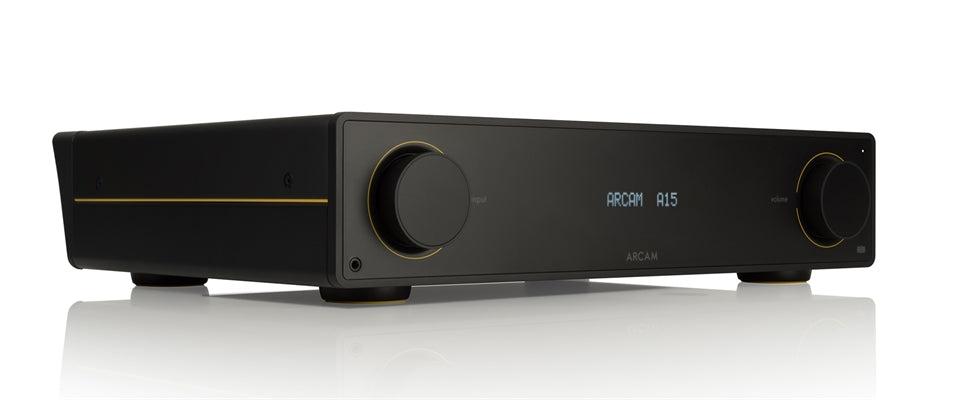
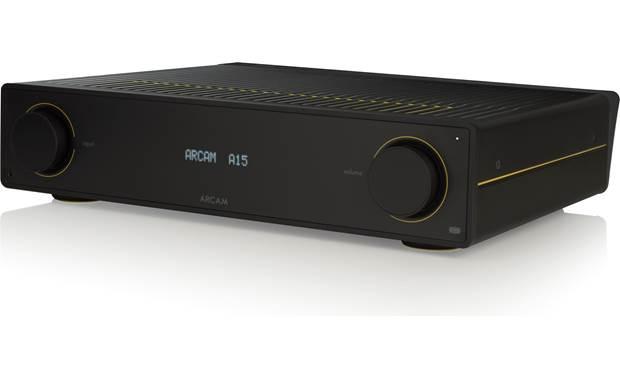
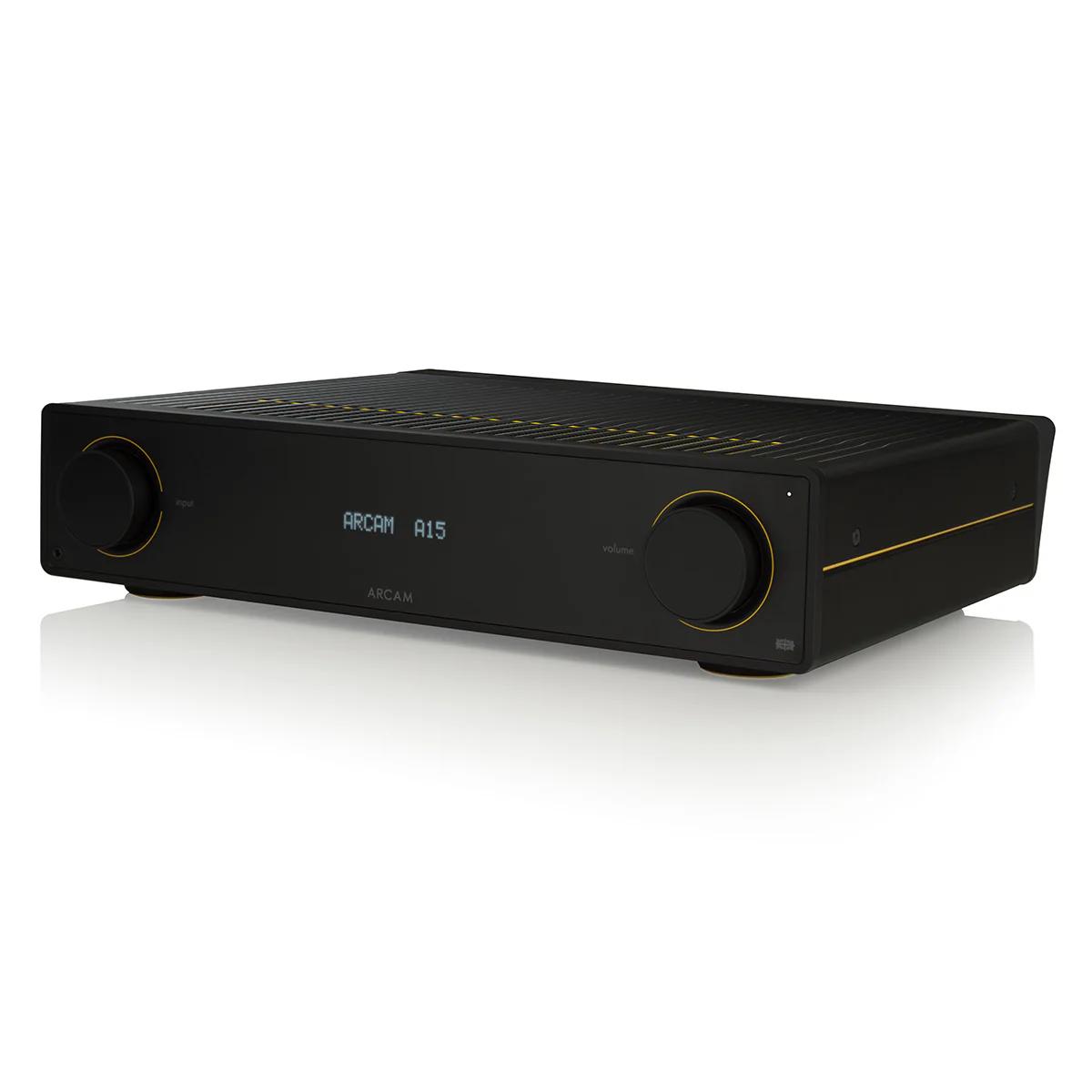
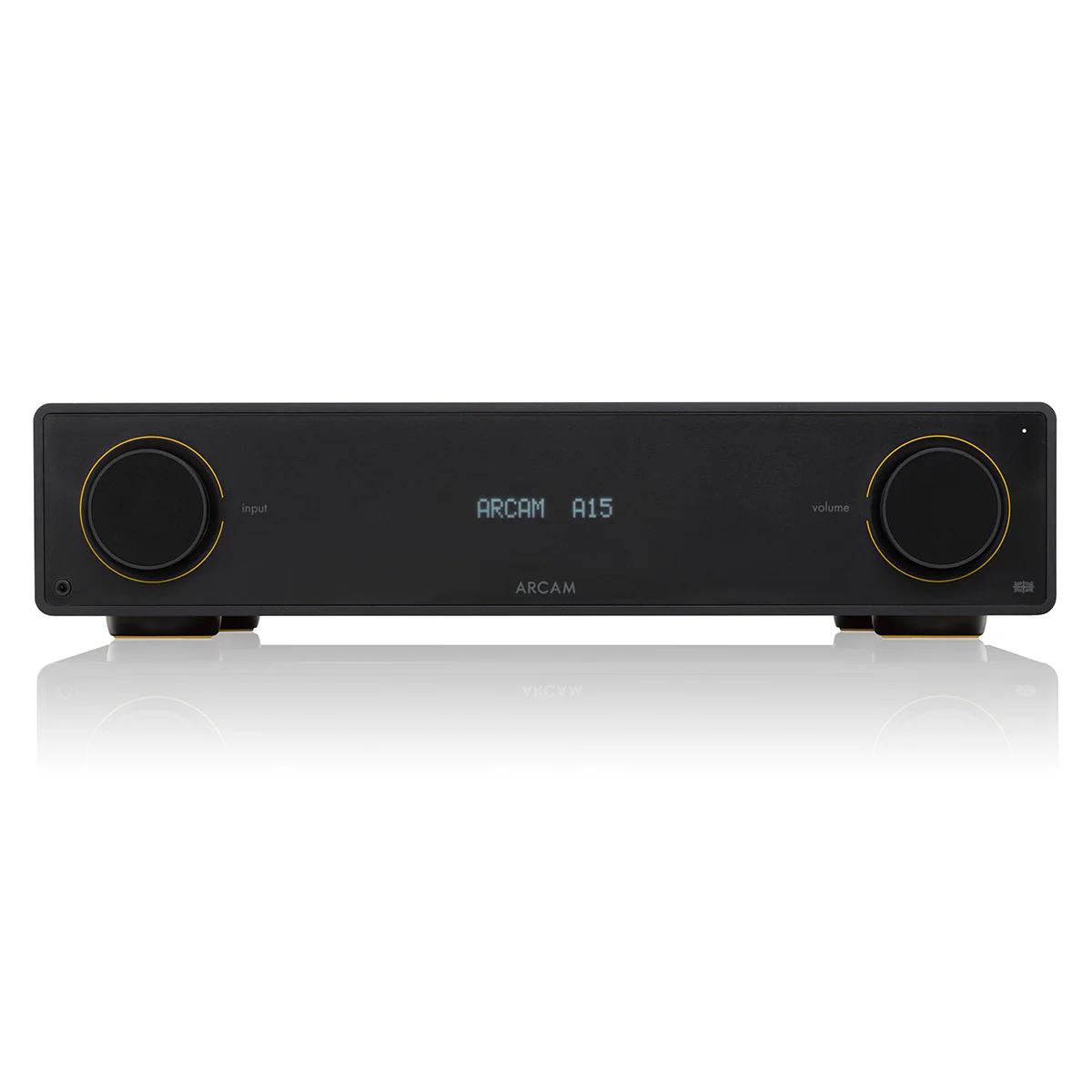
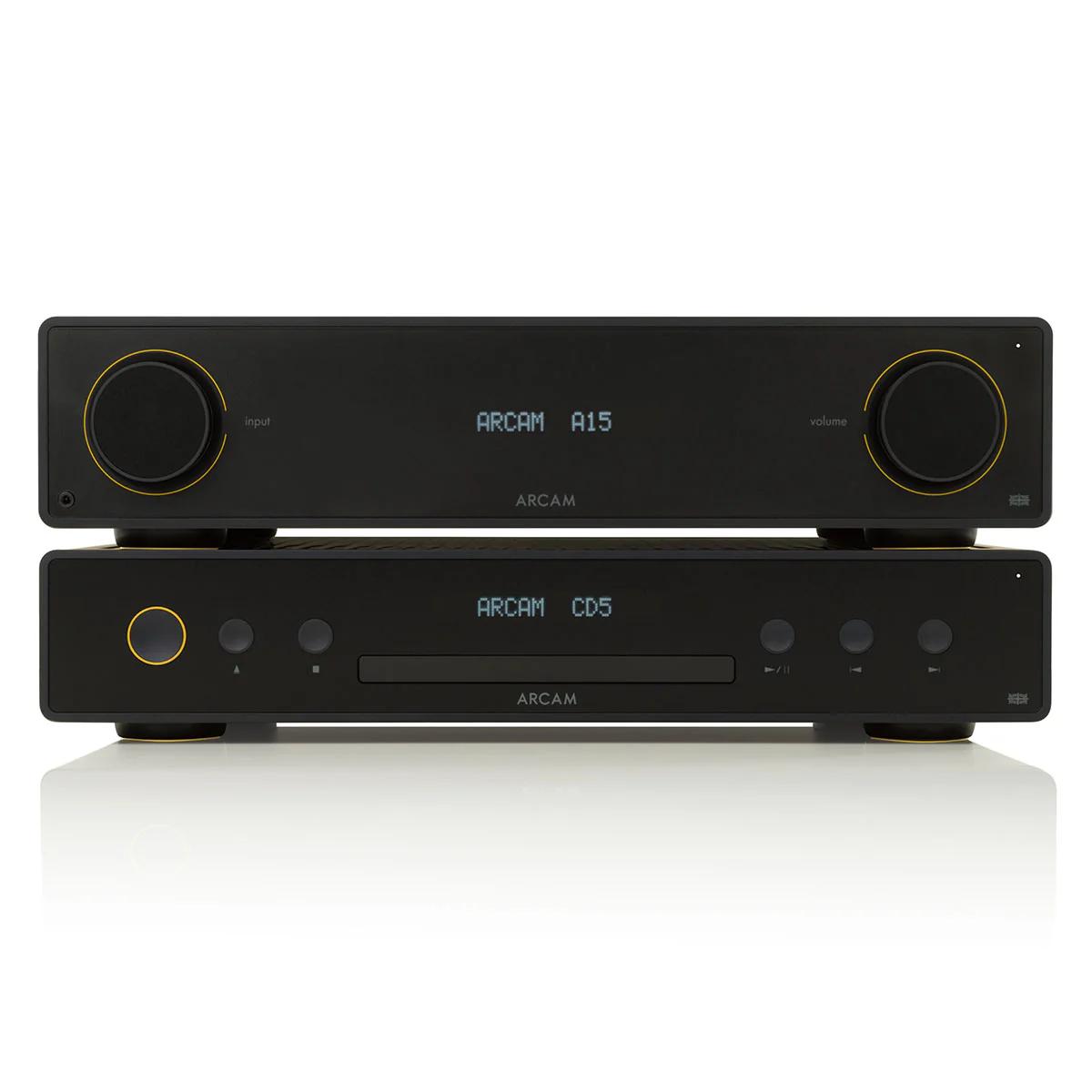
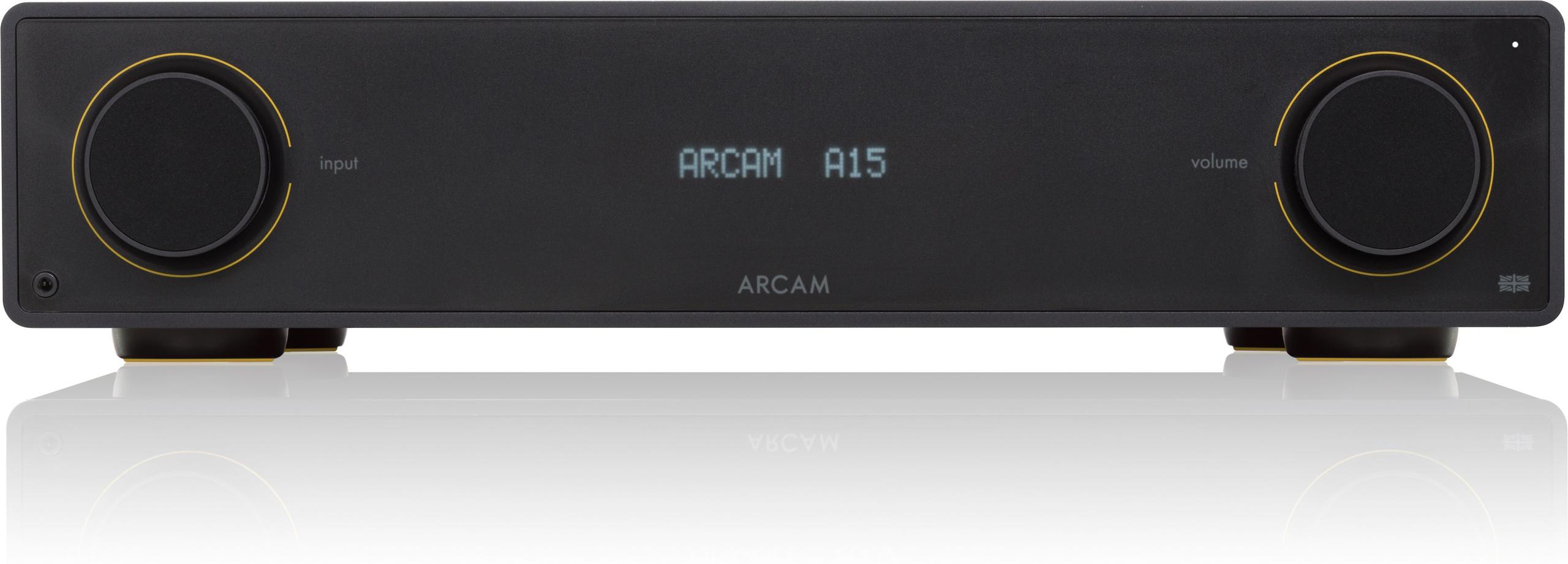
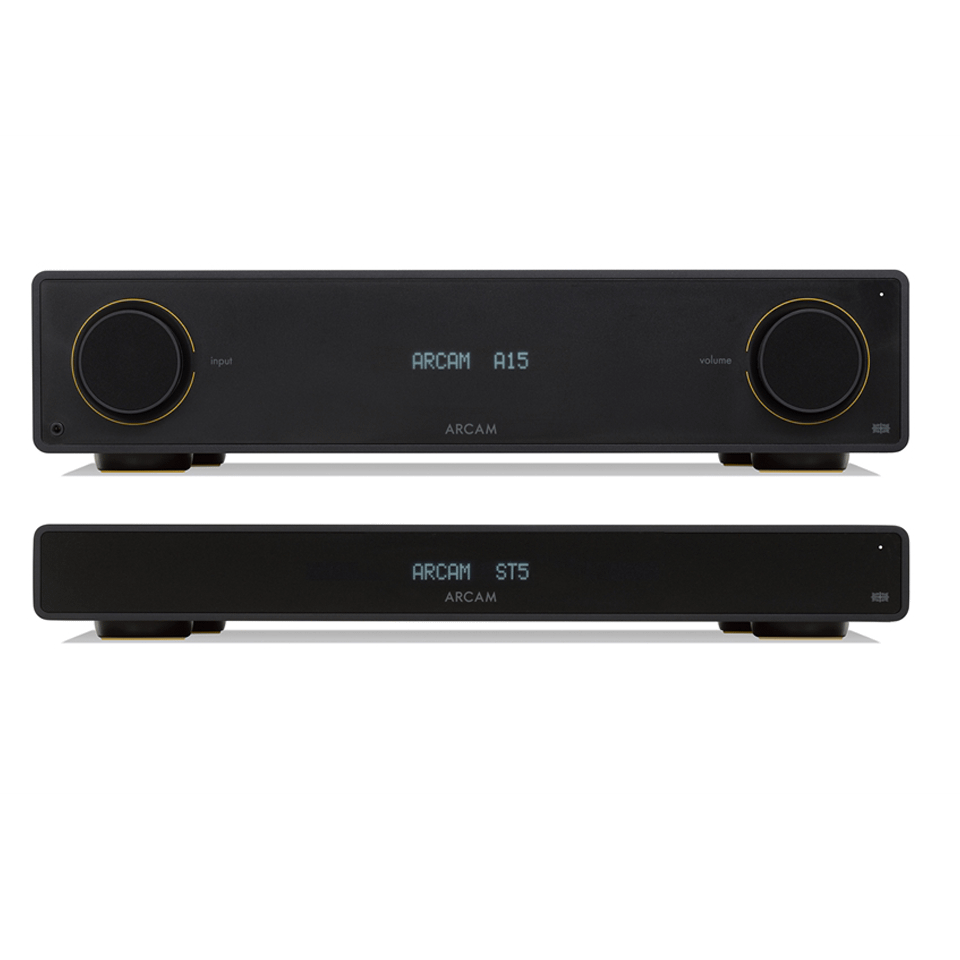
When you're building a serious stereo system, the integrated amplifier sits at the heart of everything. It's the component that takes the signal from your turntable, CD player, or streaming device and makes it powerful enough to drive your speakers. Think of it as the engine of your audio system – and like choosing between a luxury sedan and an efficient compact car, the decision between the Arcam A15 and NAD D 3020 V2 comes down to your priorities, space, and budget.
At the time of writing, these two amplifiers represent vastly different approaches to the same fundamental job. The Arcam A15, released in 2023, embodies the traditional audiophile philosophy with substantial power, premium construction, and a price tag that reflects serious investment in audio quality. The NAD D 3020 V2, which arrived in 2017 as an evolution of the original D 3020, takes a modern approach with compact efficiency, digital-first thinking, and budget-conscious pricing that makes high-quality audio accessible to more people.
Before diving into the specifics, let's clarify what we're dealing with. An integrated amplifier combines two essential functions: a preamplifier (which handles source selection, volume control, and initial signal processing) and a power amplifier (which boosts the signal to levels that can drive speakers). This integration eliminates the need for separate components, simplifying your system while potentially saving money.
The key considerations when choosing between integrated amplifiers include power output (how loud and dynamic your music can get), input variety (how many different sources you can connect), build quality (which affects both sound quality and longevity), amplification technology (the method used to boost your signal), and modern features like digital inputs and wireless streaming.
The most fundamental difference between the Arcam A15 and NAD D 3020 V2 lies in their power output, and this difference shapes everything else about how they perform.
The Arcam A15 delivers 80 watts per channel into 8-ohm speakers, with the ability to push 120 watts into 4-ohm loads. These aren't just marketing numbers – they represent real-world capability. When speakers present a 4-ohm impedance (a measure of electrical resistance), they demand more current from the amplifier. The Arcam's ability to increase its output by 50% into this lower impedance demonstrates robust power supply design and high current delivery capability.
In contrast, the NAD D 3020 V2 provides 30 watts per channel into both 8-ohm and 4-ohm speakers. While NAD's PowerDrive technology helps this amplifier perform above its rating during dynamic peaks (brief moments of high power demand), the sustained power difference is significant – the Arcam provides nearly three times more continuous power.
What does this mean in practical terms? The power difference translates directly to headroom – the amplifier's ability to handle sudden increases in volume without distortion. Think about the difference between a motorcycle engine and a truck engine climbing a hill. Both might cruise at the same speed on flat ground, but when demands increase, the truck's extra power reserves become crucial.
This power advantage makes the Arcam A15 suitable for larger rooms, inefficient speakers (those that need more power to reach the same volume), and listening situations where you want effortless dynamics. The NAD D 3020 V2 works best with efficient bookshelf speakers in smaller spaces, where its 30 watts can provide adequate volume without strain.
The philosophical divide between these amplifiers becomes clear in their amplification technology. The Arcam A15 uses Class AB amplification, a mature technology that's been refined over decades. Class AB amplifiers run relatively warm and consume more power, but they offer the linear, musical sound character that many audiophiles prefer.
The NAD D 3020 V2 employs Class D amplification, sometimes called "digital" amplification, though it's more accurately described as switching amplification. Instead of continuously amplifying the signal like Class AB designs, Class D amplifiers rapidly switch the power on and off, using filters to reconstruct the audio waveform. This approach achieves remarkable efficiency – the NAD consumes about 20% of the power that a comparable Class AB amplifier would use, resulting in a much cooler-running, more compact design.
Both approaches have merit, but they sound different. Class AB amplification generally provides more natural midrange reproduction and better low-level detail, while Class D offers tight bass control and impressive dynamics relative to size. The NAD's implementation includes their PowerDrive technology, which maintains low distortion even when driving difficult speaker loads – a significant achievement for compact Class D design.
Both amplifiers recognize that modern audio sources are increasingly digital, but they implement digital-to-analog conversion (DAC) differently. The Arcam A15 features the ESS Sabre ES9018 DAC, a high-end chip known for its extremely low noise and distortion. This DAC can handle high-resolution audio files up to 24-bit/192kHz, which contain more musical information than standard CDs (16-bit/44.1kHz).
The NAD D 3020 V2 uses a Cirrus Logic CS42528 DAC configured in dual differential mode. This setup uses multiple DAC channels working together to reduce noise and improve linearity – a technique typically found in expensive AV receivers. While not as prestigious as the ESS Sabre chip, this implementation delivers excellent performance for the price point.
Both amplifiers support Bluetooth streaming, but with different capabilities. The Arcam A15 includes Bluetooth 5.2 with aptX Adaptive, which can dynamically adjust audio quality based on wireless conditions. Uniquely, it also supports bidirectional Bluetooth, meaning you can stream audio from the amplifier to Bluetooth headphones – useful for late-night listening. The NAD D 3020 V2 offers standard aptX Bluetooth, which provides good quality wireless streaming but without the advanced features.
From our research into user experiences, the Arcam's digital implementation proves more reliable, with fewer connection dropouts and better overall stability. The NAD occasionally suffers from Bluetooth connectivity issues that require re-pairing devices.
If you have multiple analog sources – perhaps a turntable, CD player, and tape deck – the input situation becomes crucial. The Arcam A15 provides three line-level RCA inputs plus a dedicated moving magnet (MM) phono input for turntables. The phono stage includes proper RIAA equalization (the standard curve used to encode vinyl records) and achieves a signal-to-noise ratio of 109dB, indicating very low background noise.
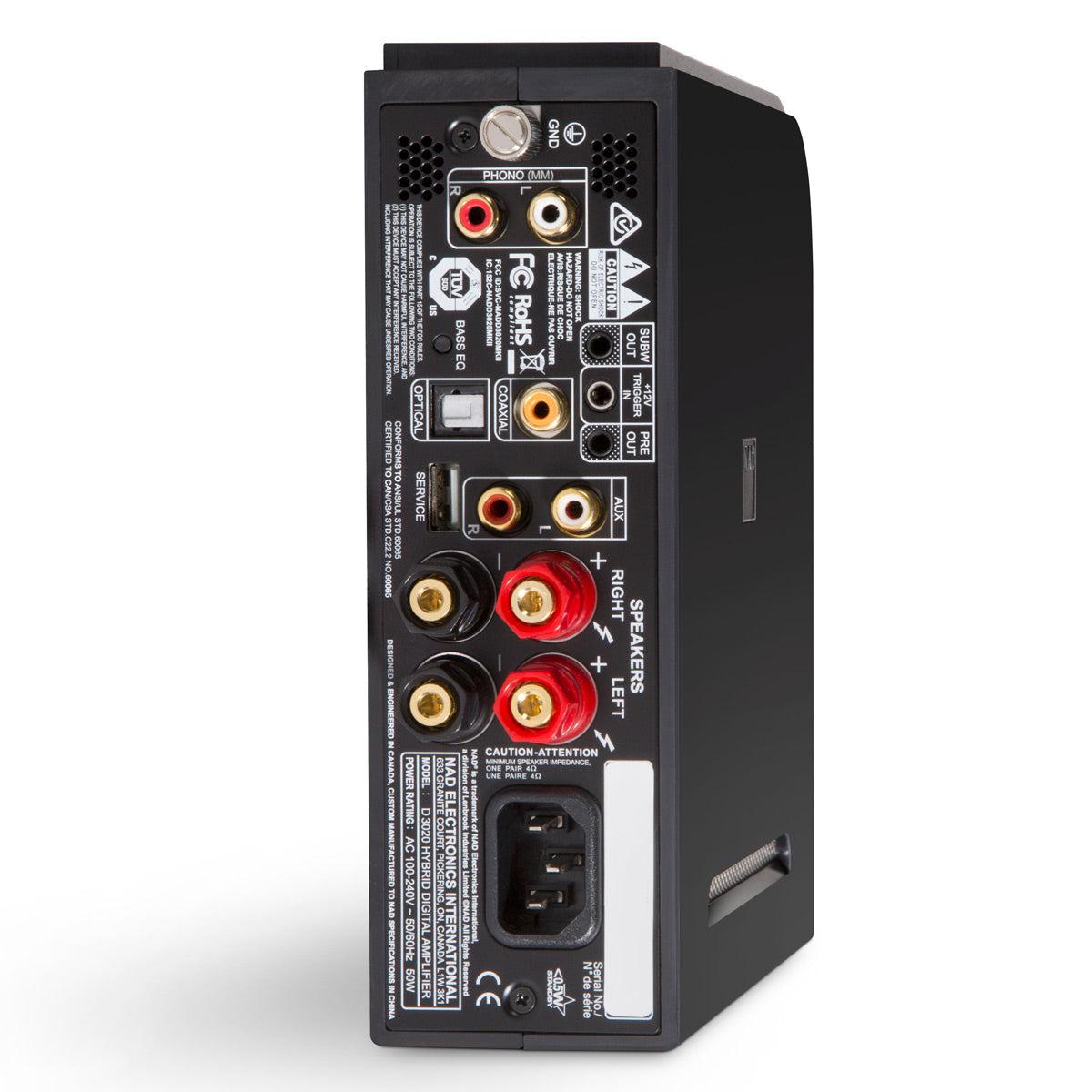
The NAD D 3020 V2 offers just one line-level input plus its own MM phono stage. While the NAD's phono section performs adequately for the price, our research suggests it can become noisy at higher gain settings and lacks the refinement of the Arcam's implementation.
This input limitation means NAD users might need an external input switcher if they have multiple analog sources, adding complexity and potentially degrading sound quality through additional connections.
The construction differences between these amplifiers reflect their market positioning. The Arcam A15 features a solid aluminum chassis with machined aluminum controls that provide excellent vibration damping. This isn't just about aesthetics – vibration can introduce noise into sensitive analog circuits, and the Arcam's substantial construction helps maintain signal integrity.
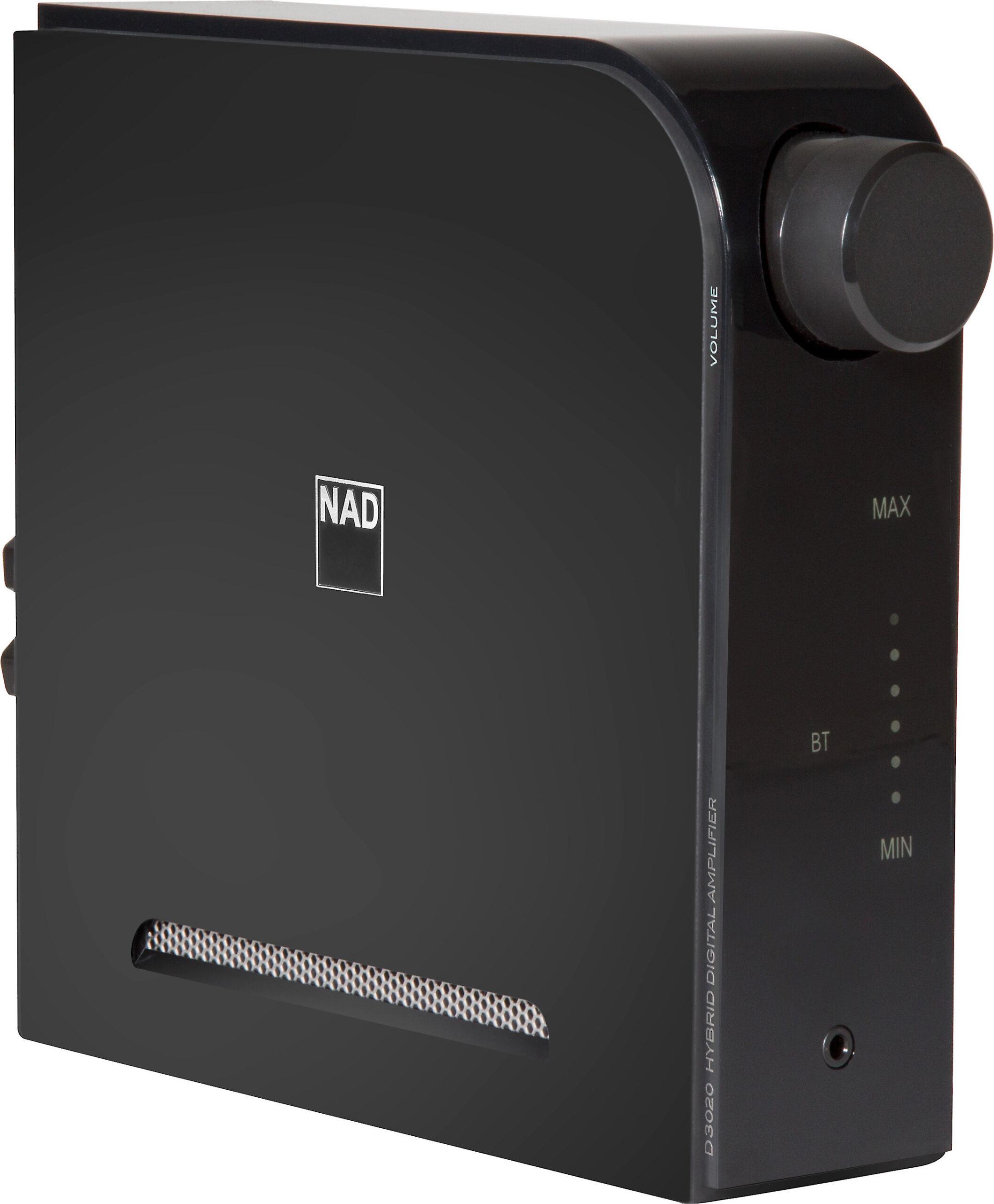
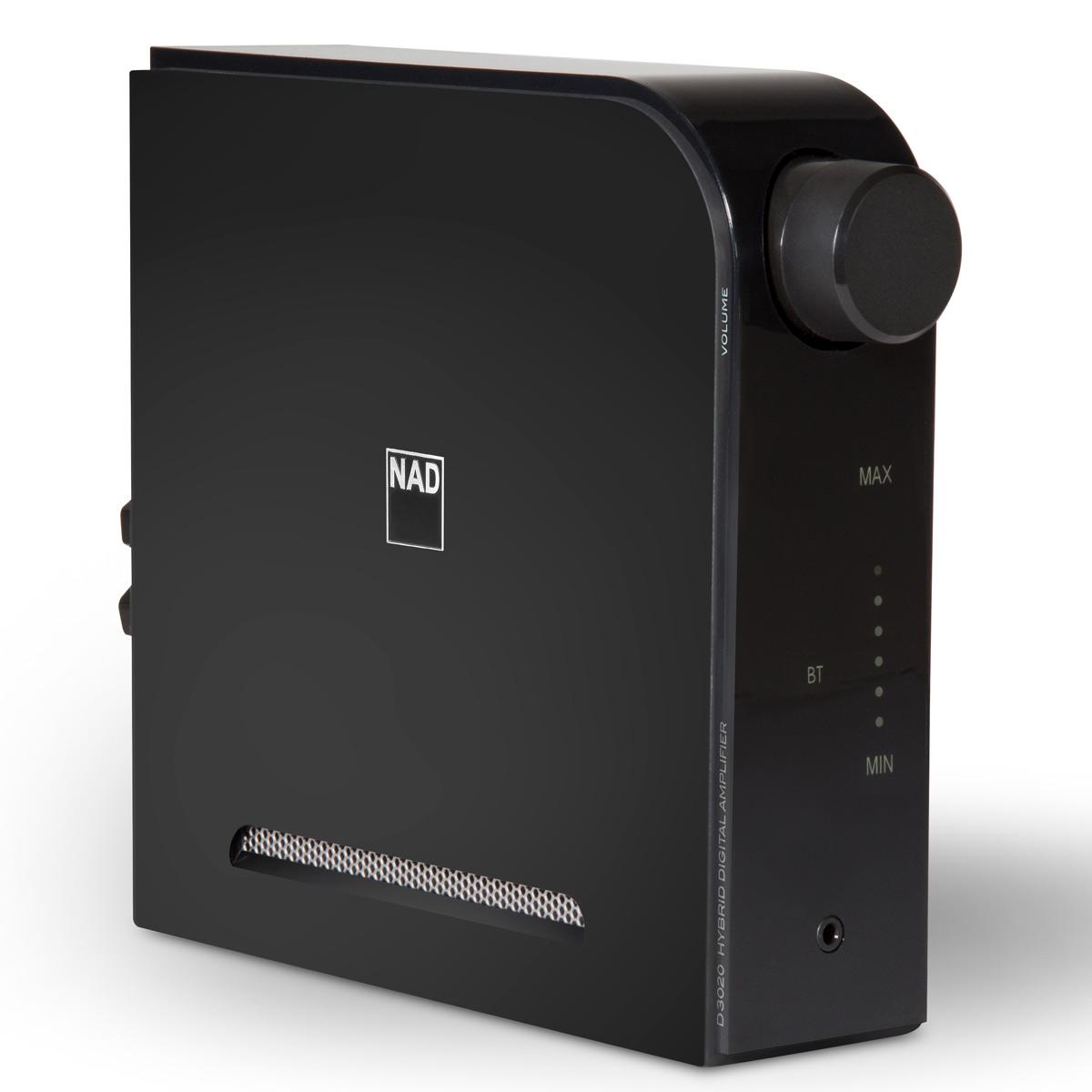
The NAD D 3020 V2 uses a lightweight plastic chassis designed for portability and cost efficiency. While this makes it easy to move and position, it doesn't provide the same level of mechanical isolation for the internal components. The trade-off is a dramatically smaller footprint and lighter weight that works well for desktop systems or apartments where space is premium.
From a long-term ownership perspective, the Arcam appears built to last decades with proper care, while the NAD represents a more disposable approach to audio equipment. This doesn't mean the NAD is unreliable, but rather that it's designed as an entry point rather than a long-term investment.
Modern audio systems benefit from thoughtful features that enhance usability. The Arcam A15 includes a 12V trigger output for turning on other components automatically, IR input for custom installation environments, and a proper preamp output that lets you add a subwoofer or upgrade to separates later. These features matter if you're building a serious system or integrating into a home theater environment.
The NAD D 3020 V2 focuses on essential features without complications. It includes auto-standby to save energy and a subwoofer output, but lacks the integration features that serious enthusiasts might need. However, its unique ability to operate in either horizontal or vertical orientation provides flexibility in tight spaces.
Both amplifiers include headphone outputs, but the Arcam's dedicated headphone amplifier section provides better drive capability for demanding headphones.
If you're considering either amplifier for home theater use, the Arcam A15 makes more sense for two-channel music listening in a theater environment. Its preamp outputs allow integration with a surround processor, and its substantial power reserves help with movie soundtracks' dynamic range.
The NAD D 3020 V2 works better as a standalone music system rather than integrated into a theater setup. Its limited power and single analog input restrict its utility in complex systems.
Based on our analysis of user feedback and professional reviews, the Arcam A15 excels in delivering effortless dynamics and refined sound quality. Users consistently report that it makes speakers sound larger and more controlled than they do with less powerful amplifiers. The Class AB topology provides natural midrange reproduction that works well with vocals and acoustic instruments.
The NAD D 3020 V2 surprises listeners with its musical engagement despite its compact size. The Class D amplification provides tight bass control and good dynamics within its power limits. However, users report that it can sound compressed when pushed hard, and some describe the soundstage as somewhat narrow compared to larger amplifiers.
For critical listening, the Arcam provides better low-level detail retrieval and more natural tonal balance. The NAD offers more excitement and punch but can become fatiguing during long listening sessions at higher volumes.
At the time of writing, the NAD D 3020 V2 represents exceptional value for money, offering features typically found in much more expensive amplifiers. Its built-in DAC, Bluetooth capability, and phono stage would cost hundreds of dollars if purchased separately. For someone building their first serious audio system or working with space constraints, it provides genuine high-fidelity performance at an accessible price.
The Arcam A15 costs significantly more but justifies this through superior power reserves, better construction, and more comprehensive connectivity. It's an investment in long-term audio enjoyment rather than a stepping stone to something better.
Choose the NAD D 3020 V2 if you're working with a limited budget but want genuine audiophile performance, need a compact solution for desktop or small room use, primarily use efficient bookshelf speakers, value wireless streaming convenience, or want an all-in-one solution with minimal complexity. It's perfect for apartments, dorm rooms, or as a secondary system.
Select the Arcam A15 if you have a dedicated listening space with quality speakers, value premium construction and long-term investment potential, need substantial power for larger rooms or demanding speakers, require multiple analog inputs for various sources, prefer traditional audiophile sound characteristics, or plan to build an expandable, complex system.
The Arcam also makes more sense if you're building around inefficient speakers like many traditional British monitors or planar magnetic designs that need significant power to perform their best.
Both amplifiers succeed in their intended roles, but they serve different audiences with different priorities. The NAD D 3020 V2 democratizes high-quality audio by packing impressive performance into an affordable, space-efficient package. It's genuinely musical and engaging, making it easy to recommend for budget-conscious music lovers.
The Arcam A15 represents a more traditional approach to audio equipment, emphasizing build quality, power reserves, and long-term satisfaction over immediate value. It's the choice for listeners who view their audio system as a long-term investment and priority.
In my experience researching these products, the decision often comes down to your current living situation and how you envision your audio journey progressing. The NAD is perfect for starting that journey or maintaining high-quality audio in space-constrained situations. The Arcam is better suited for listeners who know they want to build a serious, long-term system and have the space and budget to support that goal.
Neither choice is wrong – they simply represent different philosophies about what matters most in audio reproduction and how much you're willing to invest in pursuing it.
| Arcam A15 Integrated Amplifier | NAD D 3020 V2 Integrated Amplifier |
|---|---|
| Power Output - Determines maximum volume and speaker compatibility | |
| 80W per channel (8Ω), 120W (4Ω) - drives demanding speakers easily | 30W per channel (8/4Ω) - limited to efficient bookshelf speakers |
| Amplification Technology - Affects sound character and efficiency | |
| Class AB - traditional audiophile sound, runs warmer | Class D with PowerDrive - efficient, compact, cooler operation |
| Digital-to-Analog Converter - Critical for digital source quality | |
| ESS Sabre ES9018 - premium DAC with exceptional performance | Cirrus Logic CS42528 dual differential - solid mid-range performance |
| Analog Inputs - Number of sources you can connect directly | |
| 3 x RCA line inputs + MM phono - accommodates multiple sources | 1 x RCA line input + MM phono - requires switching for multiple sources |
| Digital Connectivity - Modern streaming and device compatibility | |
| 2 coaxial + 1 optical, Bluetooth 5.2 with aptX Adaptive (bidirectional) | 1 coaxial + 1 optical, Bluetooth with aptX (receive only) |
| Signal-to-Noise Ratio - Lower noise means cleaner sound | |
| 106dB analog, 109dB digital - excellent noise performance | 98dB - good but noticeably higher noise floor |
| Build Quality - Affects durability and vibration resistance | |
| Solid aluminum chassis with machined controls - premium construction | Lightweight plastic chassis - prioritizes portability over isolation |
| Dimensions & Weight - Space requirements and portability | |
| Full-size traditional format - requires dedicated shelf space | Compact 8.6" x 7.4" x 2.3", 3.1 lbs - desktop friendly |
| Frequency Response - Accuracy across the audio spectrum | |
| 20Hz–20kHz ±0.2dB - exceptionally flat and accurate | 20Hz–20kHz ±0.3dB - very good accuracy for the price |
| Preamp Output - System expansion capability | |
| Yes - enables subwoofer integration or separate power amp upgrades | Yes - basic expansion possible |
| Special Features - Convenience and integration options | |
| 12V trigger, IR input, bidirectional Bluetooth, premium remote | Auto-standby, vertical/horizontal orientation, basic remote |
The Arcam A15 delivers significantly more power with 80 watts per channel into 8 ohms, compared to the NAD D 3020 V2's 30 watts per channel. This means the Arcam A15 can drive larger speakers and fill bigger rooms with sound, while the NAD D 3020 V2 is better suited for smaller spaces and efficient bookshelf speakers.
The Arcam A15 uses Class AB amplification, which provides traditional audiophile sound quality but runs warmer and uses more power. The NAD D 3020 V2 uses Class D amplification, which is highly efficient, runs cool, and enables the compact design. Class AB typically sounds more natural in the midrange, while Class D offers tight bass control and better efficiency.
The NAD D 3020 V2 is specifically designed for small spaces, measuring just 8.6" x 7.4" x 2.3" and weighing only 3.1 pounds. It can operate in both vertical and horizontal orientations, making it perfect for desktops or tight shelving. The Arcam A15 requires a full-size shelf and dedicated space due to its traditional form factor.
Yes, both the Arcam A15 and NAD D 3020 V2 include built-in digital-to-analog converters. The Arcam A15 features the premium ESS Sabre ES9018 DAC, while the NAD D 3020 V2 uses a Cirrus Logic CS42528 in dual differential configuration. Both support high-resolution audio up to 24-bit/192kHz.
Both amplifiers include moving magnet (MM) phono stages for connecting turntables directly. The Arcam A15 offers a higher-quality phono stage with better noise performance, while the NAD D 3020 V2 provides a functional phono input that works well for most entry-level turntables.
The Arcam A15 features Bluetooth 5.2 with aptX Adaptive and unique bidirectional capability, meaning you can stream to the amplifier or from it to Bluetooth headphones. The NAD D 3020 V2 offers standard Bluetooth with aptX but only receives audio. Both provide good wireless streaming quality, though the Arcam is more versatile.
The Arcam A15 provides three RCA line inputs plus a phono input, accommodating multiple analog sources simultaneously. The NAD D 3020 V2 has only one RCA line input plus its phono input, which may require an external switcher if you have multiple analog sources like a CD player and tape deck.
The NAD D 3020 V2 offers exceptional value by packing premium features like a built-in DAC, Bluetooth, and phono stage into an affordable package. The Arcam A15 costs significantly more but provides superior power, build quality, and long-term investment value. Your choice depends on budget priorities and performance requirements.
The Arcam A15 works better for home theater integration due to its preamp outputs, 12V trigger compatibility, and substantial power reserves for movie soundtracks. The NAD D 3020 V2 is primarily designed for stereo music listening and lacks the power and connectivity for serious home theater applications.
The Arcam A15 features premium construction with a solid aluminum chassis and machined controls that provide excellent vibration damping and long-term durability. The NAD D 3020 V2 uses a lightweight plastic chassis optimized for portability and cost efficiency rather than isolation and longevity.
The Arcam A15 offers better expansion options with its preamp outputs, 12V trigger, and multiple inputs for building a larger system. You can easily add a subwoofer or upgrade to separate power amplification. The NAD D 3020 V2 has basic preamp output capability but limited expansion potential due to its single analog input and compact design.
Beginners should consider the NAD D 3020 V2 for its user-friendly design, all-in-one convenience, and accessible price point that includes essential modern features. However, if you have efficient speakers and plan to build a serious long-term system, the Arcam A15 provides room to grow and superior performance that won't need upgrading as quickly.
We've done our best to create useful and informative comparisons to help you decide what product to buy. Our research uses advanced automated methods to create this comparison and perfection is not possible - please contact us for corrections or questions. These are the sites we've researched in the creation of this article: theaudiotailor.com.au - skybygramophone.com - crutchfield.com - arcam.co.uk - youtube.com - listenup.com - upscaleaudio.com - arcam.co.uk - whathifi.com - sweetwater.com - musicdirect.com - device.report - hifidaydreaming.com - listenup.com - hifinews.com - youtube.com - forum.psaudio.com - crutchfield.com - forum.audiogon.com - crutchfield.com - iiwireviews.com - crutchfield.ca - audiosciencereview.com - soundstagesimplifi.com - nadelectronics.com - hifiheaven.net - crutchfield.com - projectorscreen.com - upscaleaudio.com - dedicatedaudio.com - twitteringmachines.com - nadelectronics.com

Privacy Policy
Terms and Conditions - Affiliate Policy
Home Security
© Copyright 2008-2026.
11816 Inwood Rd #1211, Dallas, TX 75244