

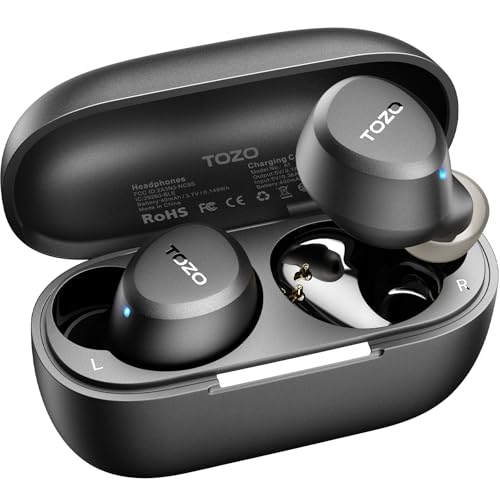



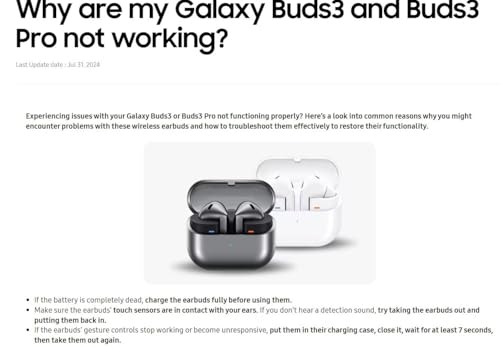
Shopping for wireless earbuds can feel overwhelming with hundreds of options spanning from $20 budget models to $300+ flagship offerings. The true wireless earbud market has exploded since Apple removed the headphone jack in 2016, creating distinct tiers that serve different needs and budgets. At the time of writing, the TOZO A1 represents exceptional value in the budget category, while the Samsung Galaxy Buds 3 Pro showcases premium features at flagship pricing.
Understanding what you're actually paying for—and what performance differences matter in real-world use—can save you from either overspending on features you don't need or buying something that disappoints when you need it most. Let's dive deep into how these dramatically different earbuds stack up.
True wireless earbuds have become the dominant portable audio format because they eliminate the last physical connection between you and your device. But this convenience comes with engineering challenges that create meaningful performance differences between budget and premium models.
The most important performance characteristics break down into several key areas. Audio quality depends on driver technology (the tiny speakers inside each earbud), digital signal processing, and codec support (how audio data gets compressed and transmitted wirelessly). Active Noise Cancellation (ANC) uses microphones and processing to generate sound waves that cancel ambient noise—a feature that significantly impacts both complexity and cost. Battery life involves balancing small batteries with power-hungry wireless radios and audio processing. Call quality requires sophisticated microphone arrays and noise processing algorithms.
For home theater use specifically, wireless earbuds face latency challenges—the slight delay between when audio is sent and when you hear it. This becomes noticeable when watching videos if the delay exceeds about 40 milliseconds, causing lip-sync issues. Premium earbuds typically handle this better through advanced codecs and processing.
The TOZO A1, released in 2024, represents the latest evolution of budget-focused design philosophy. TOZO has refined their approach over several years, learning that ultra-lightweight construction and extended battery life matter more to budget buyers than flashy features. At approximately one-tenth the cost of premium alternatives, it focuses ruthlessly on core functionality.
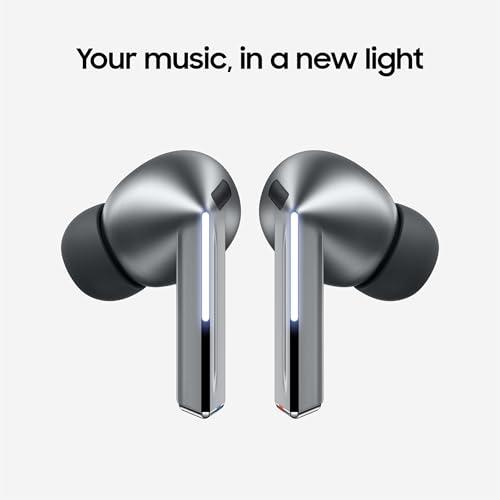
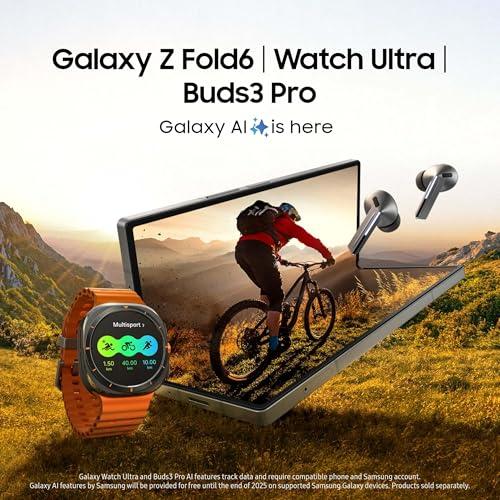
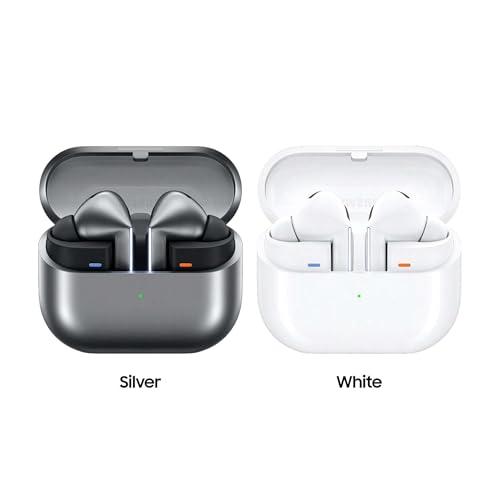
The Samsung Galaxy Buds 3 Pro, also launched in 2024, marks Samsung's most ambitious attempt to compete directly with Apple's AirPods Pro. This represents a complete design departure from Samsung's previous "bean-shaped" Galaxy Buds, adopting a stem-based form factor that enables better microphone placement and touch controls. Samsung has invested heavily in AI-powered features and proprietary audio technology to justify premium pricing.
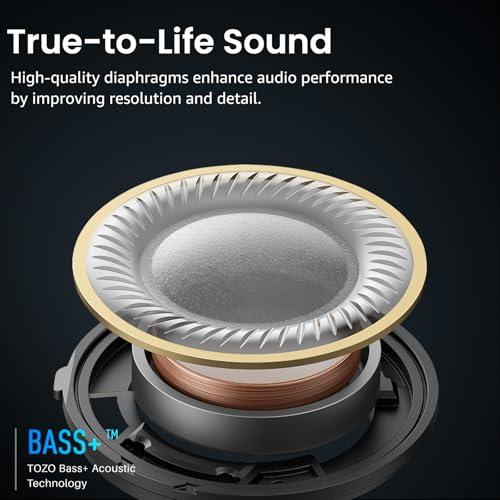
Audio quality represents the most complex performance difference between these earbuds. The TOZO A1 uses a single 6mm dynamic driver—essentially a tiny speaker cone that moves back and forth to create sound waves. This simple approach covers the full frequency range from 20Hz to 20kHz (the limits of human hearing), but asks one driver to handle everything from deep bass to crisp treble.
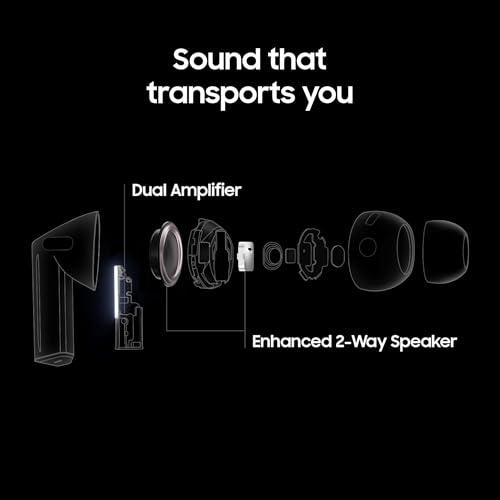
The Samsung Galaxy Buds 3 Pro employs a sophisticated dual-amplifier system with two separate drivers: a 10.5mm dynamic woofer for bass and lower frequencies, plus a 6.1mm planar magnetic tweeter for highs. Planar magnetic technology uses a thin diaphragm suspended between magnets, creating more precise and detailed high-frequency reproduction than traditional dynamic drivers. This two-way approach allows each driver to specialize, reducing distortion and expanding the soundstage—the sense of space and instrument placement in music.
Based on our research into user and expert reviews, the sound signature differences are significant. The TOZO A1 delivers what reviewers describe as a mid-focused sound that emphasizes vocal clarity and dialogue, making it excellent for podcasts and casual music listening. However, the single driver struggles with complex musical passages, and pushing the bass too hard through EQ settings causes muddiness.
The Galaxy Buds 3 Pro creates what audio reviewers consistently call a "V-shaped" sound signature—elevated bass and treble with slightly recessed mids. This creates an energetic, engaging presentation that makes music feel dynamic and spacious. Professional reviews praise the wide soundstage and ability to separate instruments, revealing details that single-driver designs simply can't reproduce.
Codec support reveals another crucial difference. Audio codecs compress music files for wireless transmission, then decompress them in your earbuds. The TOZO A1 supports standard AAC and SBC codecs, which provide decent quality for streaming services like Spotify or Apple Music.
The Samsung Galaxy Buds 3 Pro adds Samsung's proprietary Seamless Codec (SSC), capable of transmitting 24-bit/96kHz audio—significantly higher resolution than CD quality (16-bit/44.1kHz). However, this ultra-high-quality streaming only works with newer Samsung devices (Galaxy S23 series and later), creating an ecosystem lock-in that limits the feature's accessibility.
For home theater use, codec latency becomes critical. The Galaxy Buds 3 Pro handles video sync better through advanced processing, while budget earbuds like the TOZO A1 may exhibit noticeable lip-sync delay depending on your device and streaming service.
Active Noise Cancellation represents perhaps the starkest difference between budget and premium earbuds. The TOZO A1 relies entirely on passive isolation—the physical seal created by silicone ear tips blocking sound from entering your ears. This works adequately for consistent background noise like air conditioning, but struggles with variable sounds like conversations or traffic.
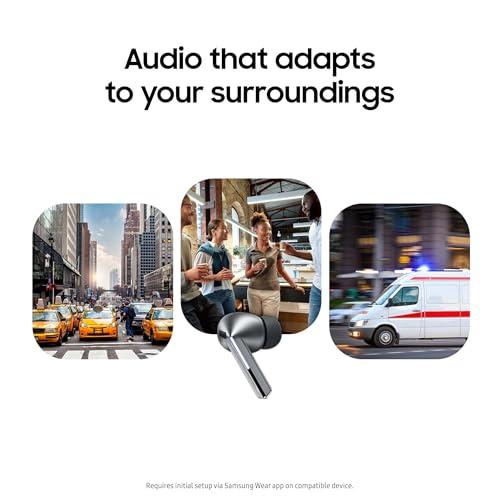
The Samsung Galaxy Buds 3 Pro features adaptive ANC that uses external microphones to detect ambient noise, then generates precisely timed inverse sound waves to cancel it out. Expert reviews consistently describe this implementation as "fantastic" and "thorough," achieving approximately 76% noise reduction in testing. The adaptive aspect means the system automatically adjusts cancellation strength based on your environment—stronger cancellation for airplane cabins, lighter for walking outdoors where you need situational awareness.
This technology requires significant processing power and multiple microphones, explaining much of the cost difference. For frequent travelers or anyone working in noisy environments, effective ANC transforms the listening experience. However, if you primarily use earbuds at home or in quiet settings, this premium feature may not justify the cost increase.
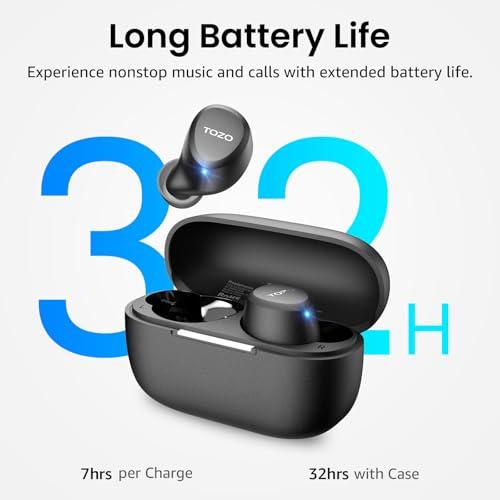
Battery performance reveals an interesting reversal where the budget option actually outperforms the premium model. The TOZO A1 delivers up to 32 hours of total playback (7 hours per charge plus case), while the Galaxy Buds 3 Pro provides 26-30 hours total (6-7 hours per charge depending on ANC usage).
This difference stems from power consumption priorities. The TOZO A1 uses efficient, simple electronics focused on basic audio playback. The Galaxy Buds 3 Pro powers multiple processors for ANC, AI features, and advanced audio processing, plus higher-quality drivers that require more energy.
For most users, both provide sufficient battery life for daily use. However, the TOZO A1's advantage becomes meaningful for travelers on long flights or users who frequently forget to charge their devices. The Galaxy Buds 3 Pro compensates with wireless charging capability, adding convenience for users with compatible charging pads.
Microphone performance showcases sophisticated engineering differences. The TOZO A1 uses dual microphones per earbud with Environmental Noise Cancellation (ENC)—basic processing that filters steady background noise during calls. User reviews indicate "serviceable" call quality that works fine for phone calls in moderately quiet environments.
The Samsung Galaxy Buds 3 Pro employs three microphones per earbud plus a Voice Pickup Unit (VPU) that uses bone conduction technology to capture vocal vibrations directly from your jaw and skull. This sophisticated approach provides clearer voice capture and more effective background noise suppression.
However, real-world performance varies significantly based on your device ecosystem. Samsung users benefit from optimized integration and advanced noise processing, while non-Samsung users may find the TOZO A1 performs more consistently across different phones and platforms.
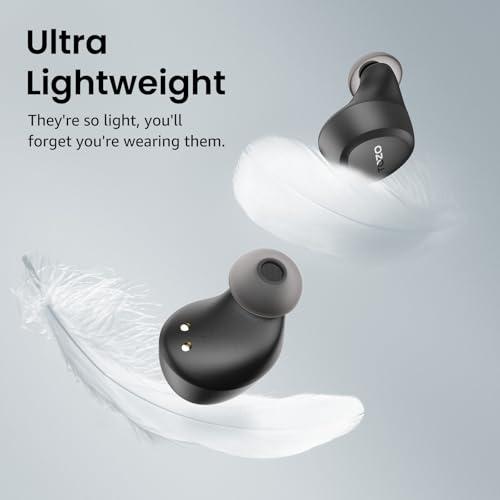
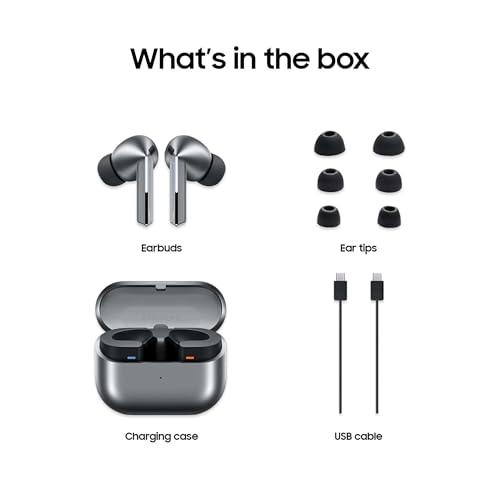
The physical design reflects each product's core philosophy. The TOZO A1 weighs just 3.7g per earbud—among the lightest available—with a compact, stem-free design that sits flush in your ears. This ultralight construction prioritizes comfort for extended wear, particularly during exercise or for users with smaller ears.
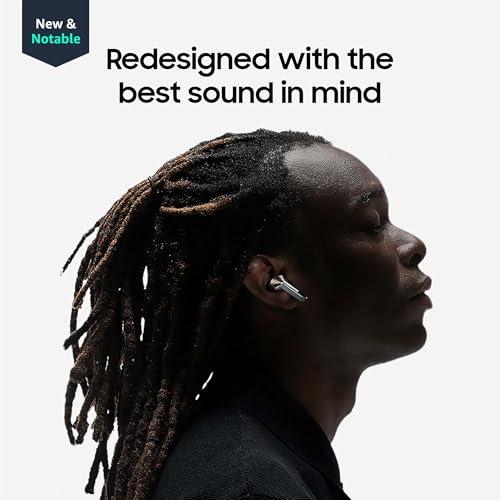
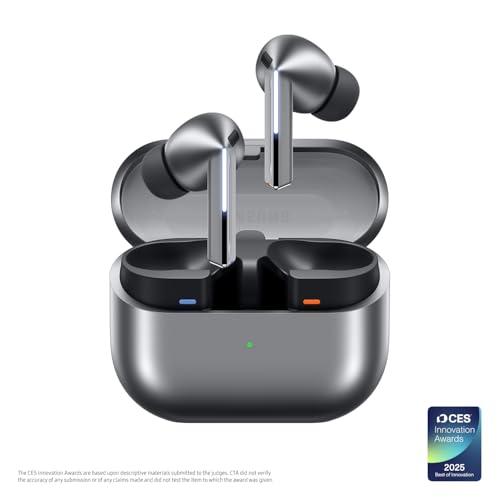
The Samsung Galaxy Buds 3 Pro adopts a stem-based design at 5.4g per earbud, incorporating "blade" touch controls and status lighting. The stem houses additional microphones and provides better leverage for touch gestures, but creates a more noticeable presence in your ears.
Water resistance ratings differ meaningfully: IPX5 for the TOZO A1 (splash and sweat resistant) versus IP57 for the Galaxy Buds 3 Pro (submersion resistant up to 1 meter). This makes the Samsung earbuds suitable for swimming or heavy rain, while the TOZO model handles gym sessions and light precipitation.
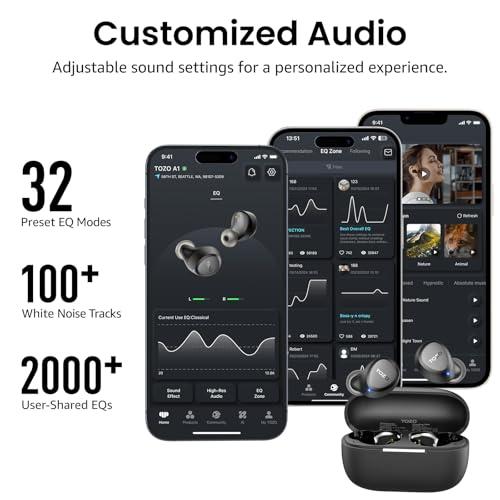
Premium earbuds increasingly differentiate through smart features and AI integration. The TOZO A1 focuses on essential controls—play/pause, track skipping, volume adjustment, and voice assistant activation through touch gestures. Its companion app provides 32 preset EQ modes for sound customization, which is surprisingly comprehensive for the price point.
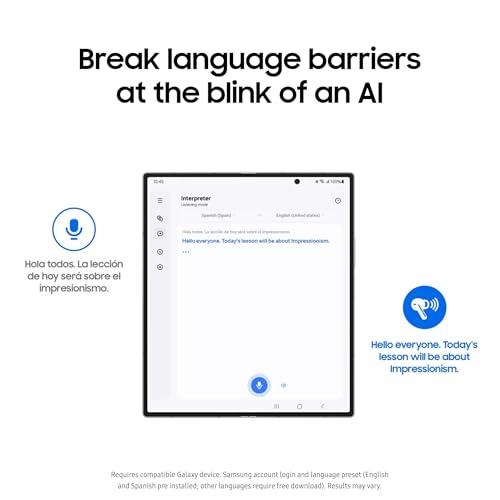
The Samsung Galaxy Buds 3 Pro integrates extensive AI functionality including Real-Time Interpreter for live translation during conversations, Voice Detect that automatically reduces volume when someone speaks to you, and Adaptive EQ that personalizes sound based on your ear shape and listening habits. The Galaxy Wearable app provides a 9-band graphic equalizer and numerous customization options.
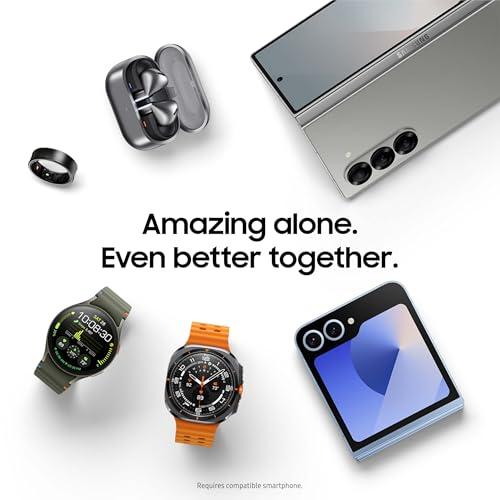
However, many advanced features require Samsung Galaxy devices (S23 series or later), limiting their utility for iPhone users or those with older Android phones. This ecosystem lock-in represents a significant consideration when evaluating long-term value.
For home theater use, several factors become particularly important. Latency—the delay between audio transmission and playback—can ruin the movie-watching experience if lip sync becomes noticeable. Budget earbuds often struggle with this, while premium models invest in low-latency processing.
The Galaxy Buds 3 Pro handles video sync better through advanced codecs and dedicated processing chips. The dual-driver design also provides better soundstage for movie audio, creating more immersive surround sound effects and clearer dialogue separation.
The TOZO A1 works adequately for casual movie watching, particularly late-night viewing when you need to avoid disturbing others. However, action movies or content with complex audio mixing may expose its limitations in dynamic range and separation.
At the time of writing, the price difference between these earbuds represents roughly a 10x cost multiplier. This dramatic gap raises important questions about value and necessity.
The TOZO A1 delivers exceptional value by focusing on core functionality without compromise. You get reliable wireless connectivity, decent sound quality, excellent battery life, and surprising build quality. For casual listening, podcasts, exercise, or as backup earbuds, it exceeds expectations at this price point.
The Samsung Galaxy Buds 3 Pro justifies premium pricing through sophisticated engineering: dual-amplifier audio architecture, adaptive ANC, AI-powered features, superior water resistance, and premium materials. However, many advanced features require Samsung device ownership, potentially limiting value for mixed-ecosystem users.
Choose the TOZO A1 if you:
Choose the Samsung Galaxy Buds 3 Pro if you:
These earbuds serve fundamentally different markets and use cases. The TOZO A1 proves that budget constraints don't require major compromises in core functionality—it delivers genuinely impressive performance considering its price point. The ultralight design, extended battery life, and decent sound quality make it an excellent choice for practical users who value reliability over luxury.
The Samsung Galaxy Buds 3 Pro represents Samsung's vision of flagship wireless audio, incorporating sophisticated technology that genuinely improves the listening experience. The dual-driver system, adaptive ANC, and AI features provide meaningful benefits, though primarily for users invested in Samsung's ecosystem.
For most users, the decision comes down to necessity versus desire. If you need active noise cancellation for frequent travel, superior call quality for professional use, or premium audio quality for music appreciation, the Galaxy Buds 3 Pro justifies its cost. If you want reliable, comfortable earbuds for everyday use without breaking the bank, the TOZO A1 delivers remarkable value.
The key insight is that both earbuds succeed at their intended purpose. The TOZO A1 democratizes wireless audio with surprising quality at an accessible price, while the Galaxy Buds 3 Pro pushes technological boundaries for users willing to pay for cutting-edge features. Understanding which category matches your needs and budget will lead you to the right choice.
| TOZO A1 Wireless Earbuds | Samsung Galaxy Buds 3 Pro |
|---|---|
| Audio Drivers - Core sound quality foundation | |
| Single 6mm dynamic driver (adequate for casual listening) | Dual-driver system: 10.5mm woofer + 6.1mm planar tweeter (superior separation and detail) |
| Active Noise Cancellation - Essential for travel and noisy environments | |
| None (passive isolation only) | Adaptive ANC with 76% noise reduction (excellent for flights and commutes) |
| Battery Life - Total playback time with case | |
| 32 hours total (7 hours per charge + case) | 26-30 hours total (6-7 hours per charge + case) |
| Weight Per Earbud - Comfort for extended wear | |
| 3.7g (ultralight, ideal for small ears and sports) | 5.4g (comfortable but more noticeable presence) |
| Water Resistance - Protection level for activities | |
| IPX5 (sweat and splash resistant) | IP57 (submersion resistant up to 1 meter) |
| Microphone Array - Call quality performance | |
| Dual mics with basic ENC (serviceable for calls) | Triple mics + Voice Pickup Unit (superior voice clarity) |
| Codec Support - Audio streaming quality | |
| AAC, SBC (standard quality) | AAC, SBC, Samsung Seamless Codec up to 24-bit/96kHz (premium quality with Samsung devices) |
| Smart Features - AI and advanced functionality | |
| Basic touch controls, 32 EQ presets | Real-time translation, adaptive EQ, voice detect, seamless device switching |
| Charging Options - Convenience factors | |
| USB-C only | USB-C + Qi wireless charging |
| App Integration - Customization depth | |
| TOZO app with EQ presets (cross-platform) | Galaxy Wearable app with 9-band EQ (Android only, many features require Samsung devices) |
| Design Philosophy - Target use case | |
| Ultra-portable, sports-focused, maximum value | Premium features, Samsung ecosystem integration, flagship performance |
The TOZO A1 offers exceptional value at its budget price point, delivering reliable performance with 32-hour battery life and ultralight design. The Samsung Galaxy Buds 3 Pro justify their premium cost with dual-driver audio, adaptive noise cancellation, and AI features, but primarily for Samsung device owners who can access all features.
Yes, the Samsung Galaxy Buds 3 Pro deliver significantly better sound quality with their dual-amplifier system and separate woofer/tweeter drivers. The TOZO A1 provides decent audio for casual listening but can't match the soundstage, detail, and separation of the premium model's sophisticated driver architecture.
The TOZO A1 wins with 32 hours total playback time, offering about 20% more listening time than the Samsung Galaxy Buds 3 Pro's 26-30 hours. The budget model's simpler electronics consume less power, making it ideal for travelers or heavy users who want maximum endurance.
The Samsung Galaxy Buds 3 Pro lose significant value without Samsung devices, as features like Ultra High Quality Sound codec, adaptive EQ, and seamless device switching require Galaxy S23+ or newer models. iPhone users might find better value in the TOZO A1 or other cross-platform options.
The TOZO A1 excels for fitness with its ultralight 3.7g design, secure fit, and sports-optimized ergonomics. While the Samsung Galaxy Buds 3 Pro offers superior IP57 water resistance, the heavier stem design and premium price make the budget option more practical for gym use.
Only the Samsung Galaxy Buds 3 Pro features active noise cancellation, achieving 76% noise reduction through adaptive ANC technology. The TOZO A1 relies on passive isolation from ear tip fit, which blocks some ambient sound but can't compete with active cancellation for travel or noisy environments.
The TOZO A1 typically wins for extended comfort due to its featherweight 3.7g design and flush-fitting profile. The Samsung Galaxy Buds 3 Pro remains comfortable at 5.4g but creates more ear presence with its stem design, though some users prefer the leverage for touch controls.
The Samsung Galaxy Buds 3 Pro delivers superior call quality with three microphones plus Voice Pickup Unit technology for clearer voice capture. The TOZO A1 provides serviceable call performance with dual mics and basic noise cancellation, adequate for typical phone conversations in quiet environments.
Both use modern Bluetooth technology, but the TOZO A1 offers more universal compatibility across devices and platforms. The Samsung Galaxy Buds 3 Pro provides advanced connectivity features like seamless device switching, but primarily within Samsung's ecosystem, potentially limiting flexibility for multi-brand users.
The Samsung Galaxy Buds 3 Pro justify premium pricing for users who need active noise cancellation, superior audio quality, and AI features like real-time translation. The TOZO A1 delivers remarkable value for basic wireless audio needs, making the premium features unnecessary for casual listeners or budget-conscious buyers.
The TOZO A1 specifically targets users with small ears through its ultralight design and compact form factor. The Samsung Galaxy Buds 3 Pro may feel bulkier due to the stem design and additional weight, though both include multiple ear tip sizes for customized fit.
Choose the TOZO A1 if you prioritize value, battery life, lightweight comfort, or need reliable backup earbuds. Select the Samsung Galaxy Buds 3 Pro if you own Samsung devices, frequently travel (need ANC), take many calls, or want flagship audio quality and are willing to pay premium prices for advanced features.
We've done our best to create useful and informative comparisons to help you decide what product to buy. Our research uses advanced automated methods to create this comparison and perfection is not possible - please contact us for corrections or questions. These are the sites we've researched in the creation of this article: bestbuy.com - izreview.com - tozostore.com - youtube.com - youtube.com - bestbuy.com - mryouwho.com - versus.com - walmart.com - scarbir.com - versus.com - youtube.com - youtube.com - youtube.com - tozostore.com - review-rating.com - us.smartprix.com - tozostore.com - newegg.com - tozostore.com - bestbuy.com - newegg.com - versus.com - tozostore.com - bestbuy.com - manuals.plus - walmart.com - independenttourist.com - techradar.com - soundguys.com - whathifi.com - loudnwireless.com - rtings.com - whathifi.com - youtube.com - youtube.com - soundguys.com - youtube.com - youtube.com - soundguys.com - eu.community.samsung.com - phonearena.com - loudnwireless.com - samsung.com - whatgear.net - samsung.com - devicesupport.three.co.uk - youtube.com - samsung.com - techradar.com - samsung.com - en.wikipedia.org - samsung.com - moneycontrol.com - youtube.com - bestbuy.com - eu.community.samsung.com

Privacy Policy
Terms and Conditions - Affiliate Policy
Home Security
© Copyright 2008-2026.
11816 Inwood Rd #1211, Dallas, TX 75244