

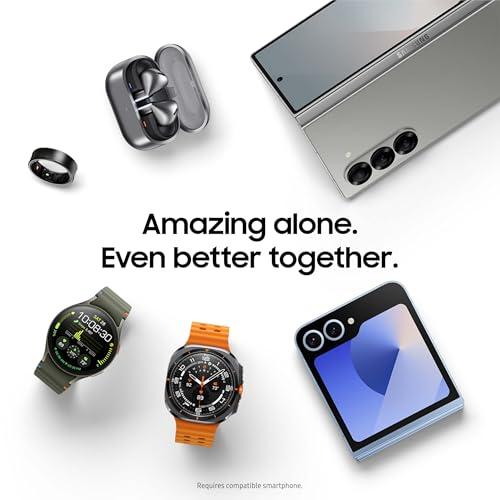

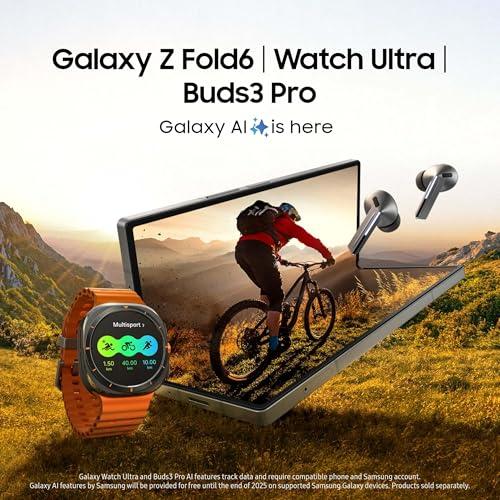
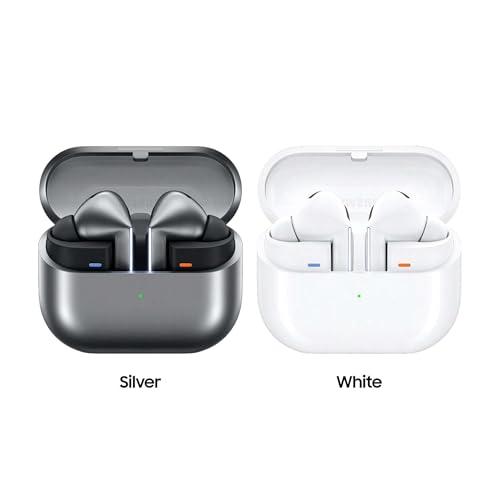
The wireless earbuds market has exploded with choices, but finding the right pair means understanding what actually matters for your daily listening. Two standout options that take completely different approaches are the Samsung Galaxy Buds 3 Pro and Apple AirPods 4 with Active Noise Cancellation. Released in 2024, both represent major technological leaps from their predecessors, but they couldn't be more different in how they deliver premium audio experiences.
At the time of writing, the Samsung Galaxy Buds 3 Pro commands a premium price over the AirPods 4 with ANC, positioning them in different market segments despite sharing many advanced features. The question isn't just which sounds better—it's which approach to wireless audio fits your lifestyle, device ecosystem, and listening preferences.
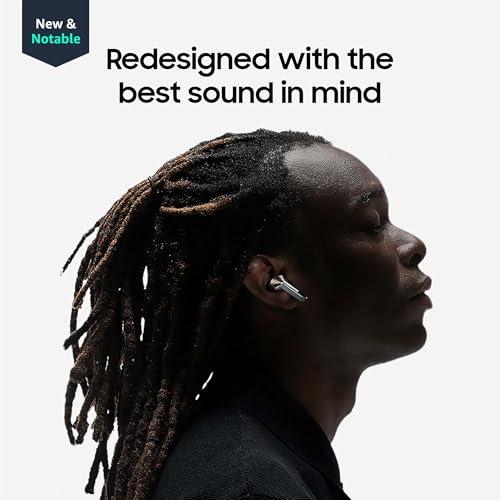
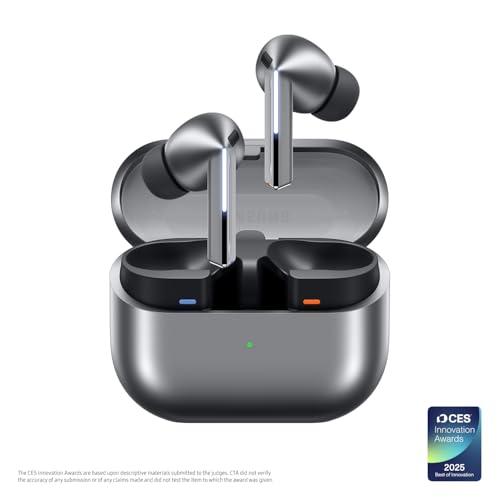
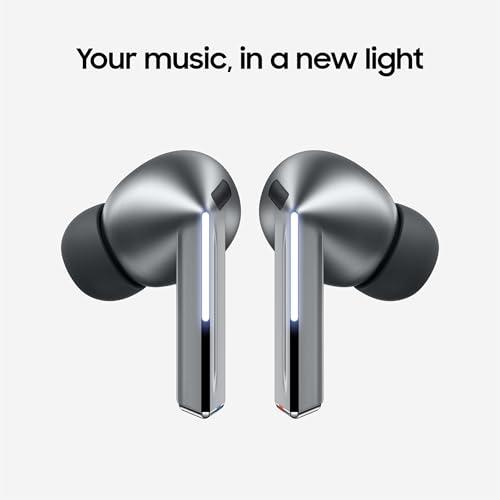
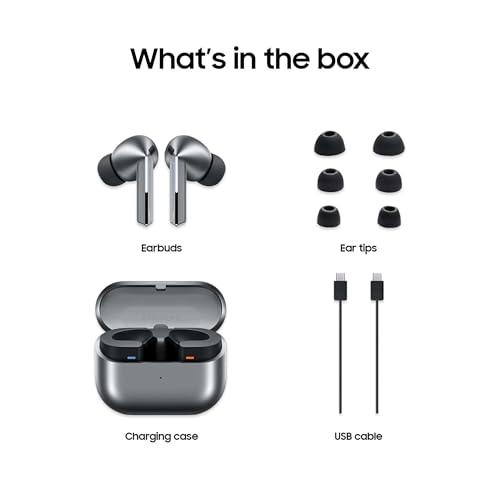
The most critical difference between these earbuds lies in their physical design philosophy, which affects everything else about how they perform. The Samsung Galaxy Buds 3 Pro follow the traditional in-ear approach with silicone ear tips that create a physical seal in your ear canal. This sealed design is what most people expect from premium earbuds—it blocks outside noise passively and creates a controlled acoustic environment for the drivers to work in.
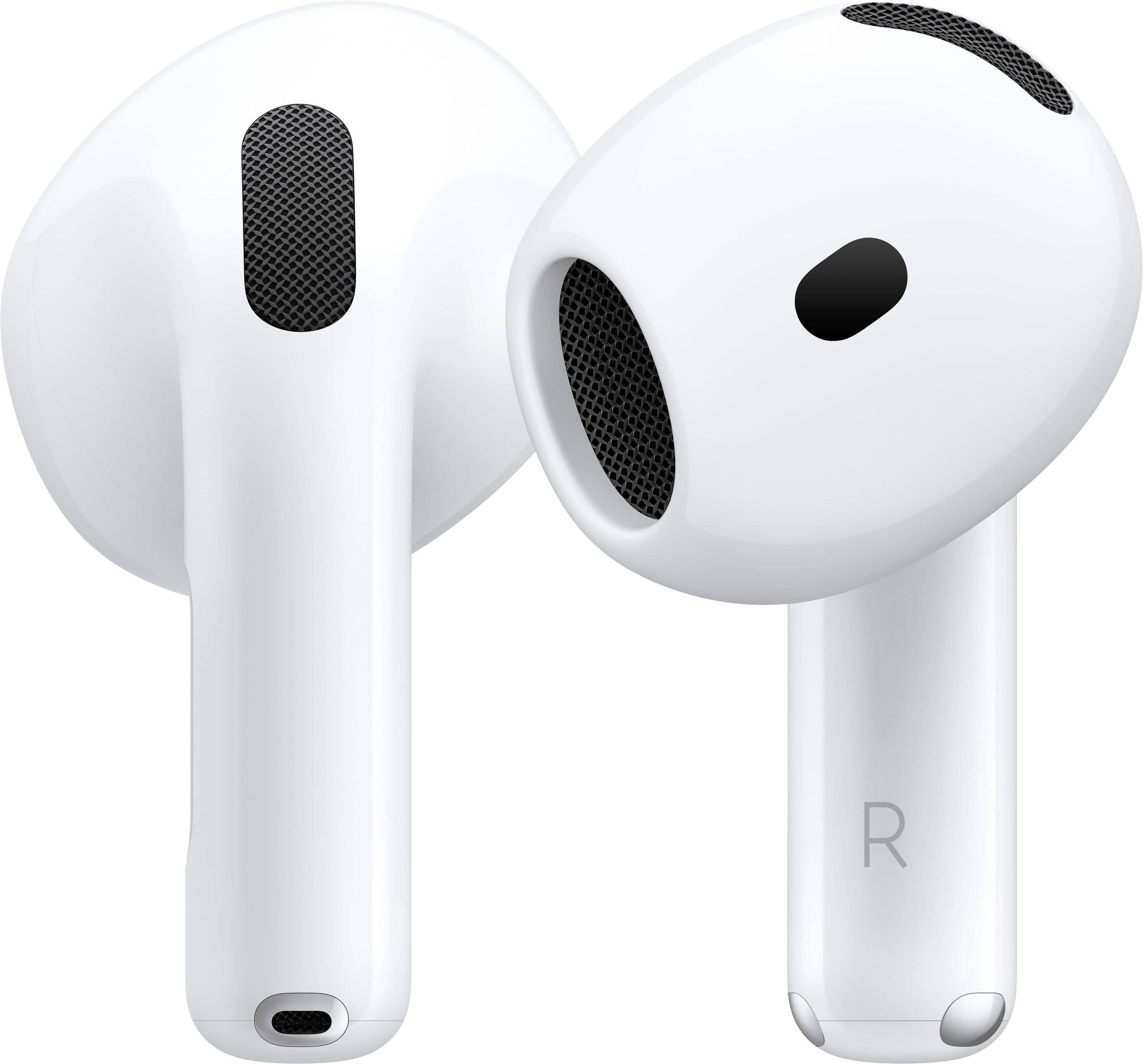
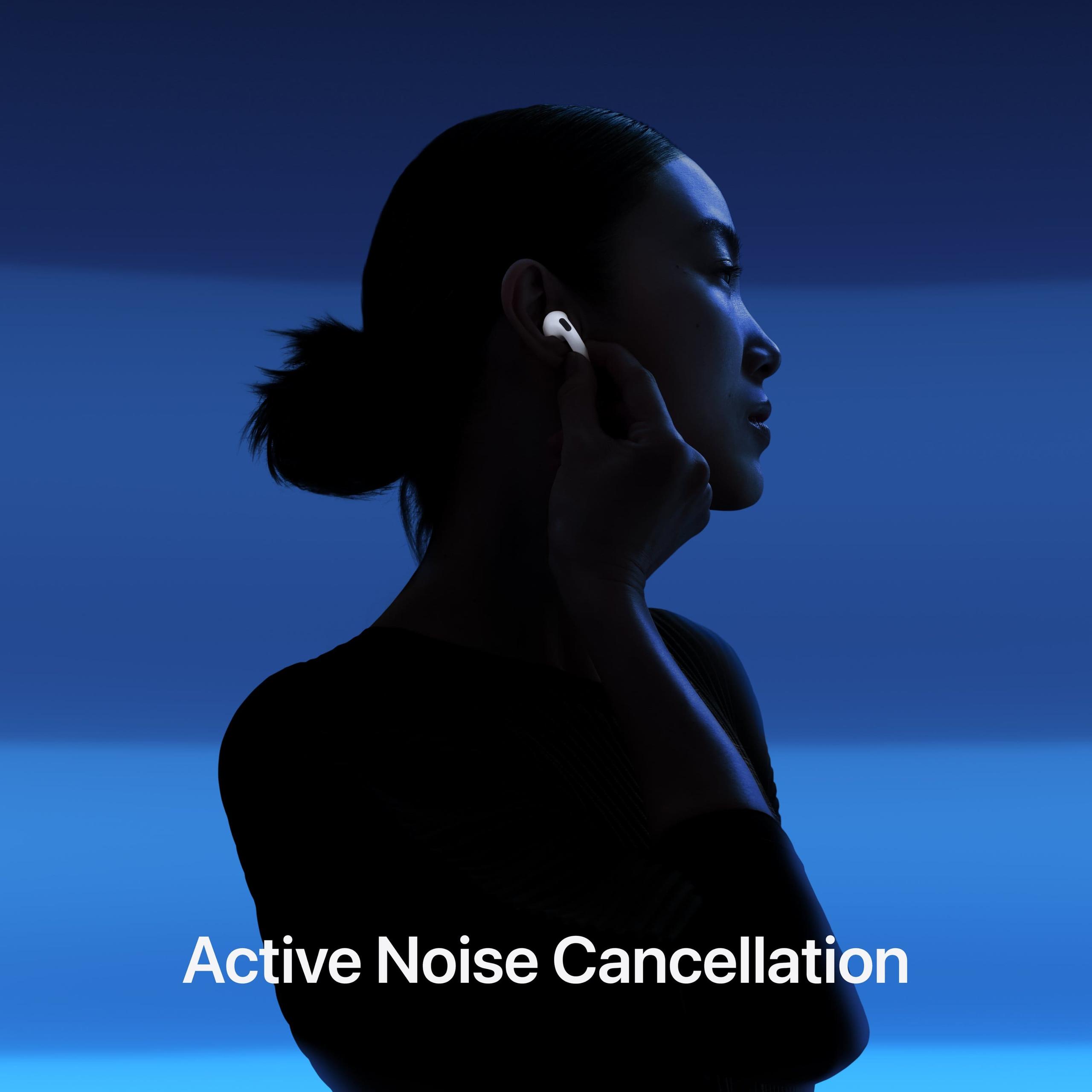
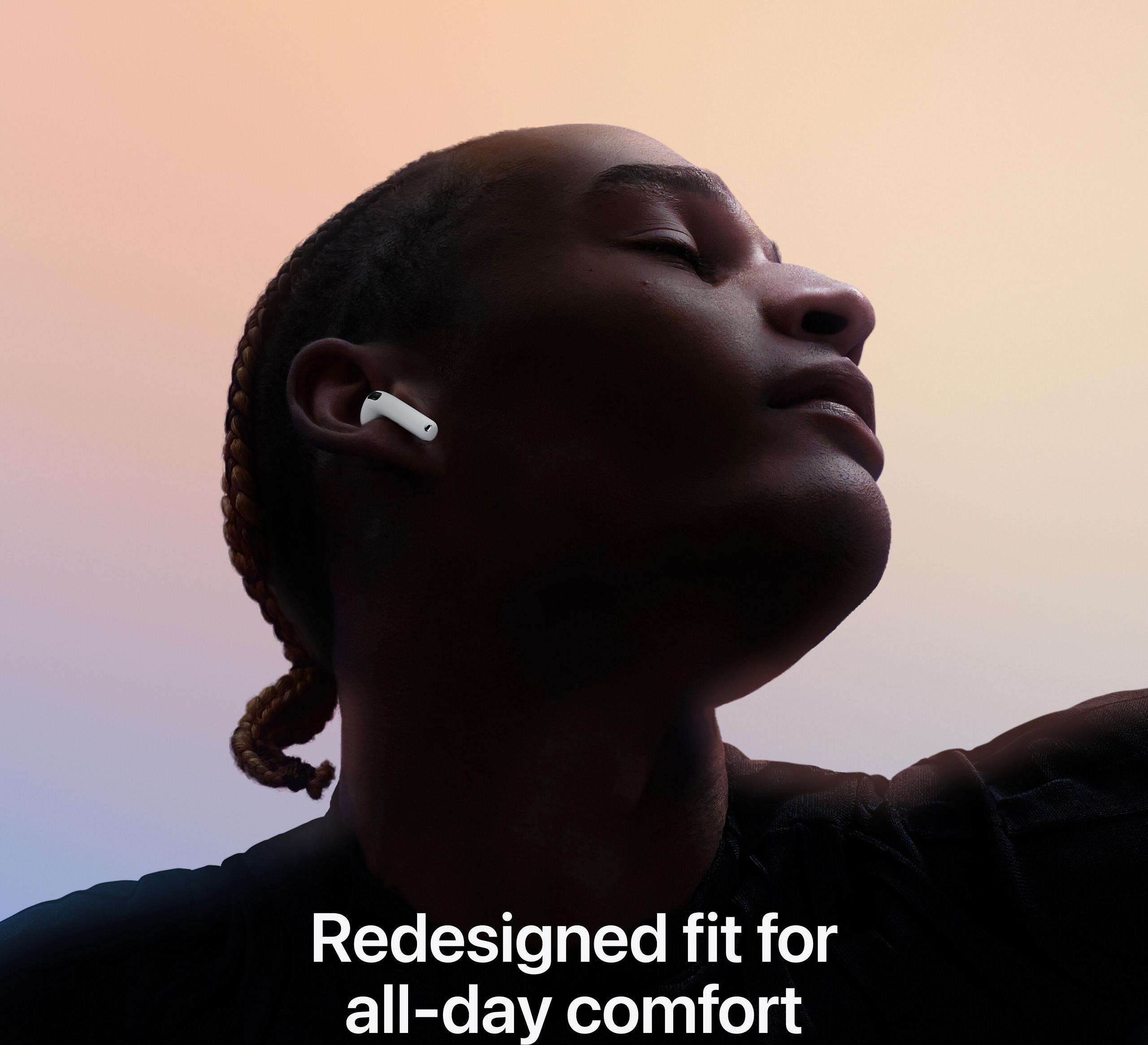
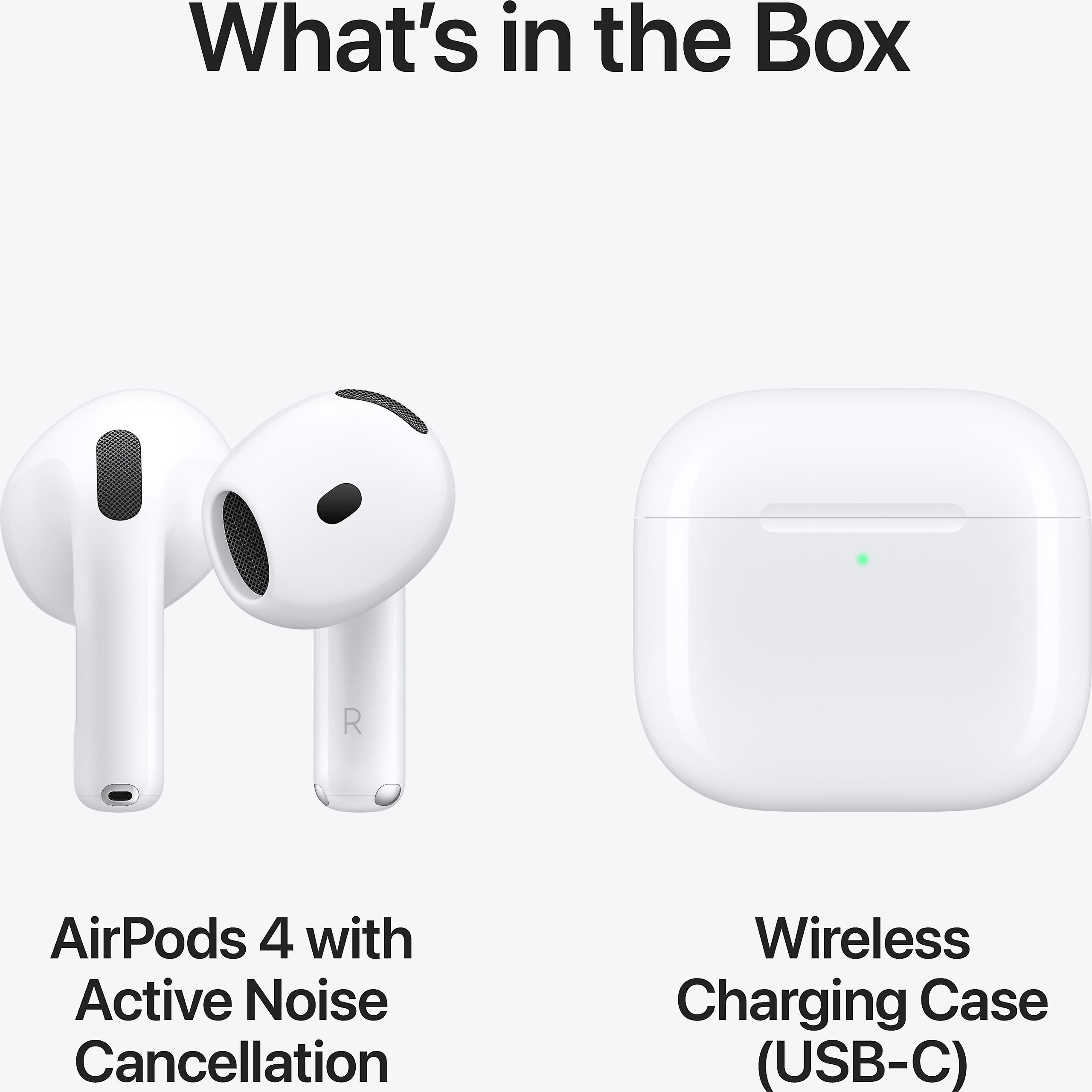
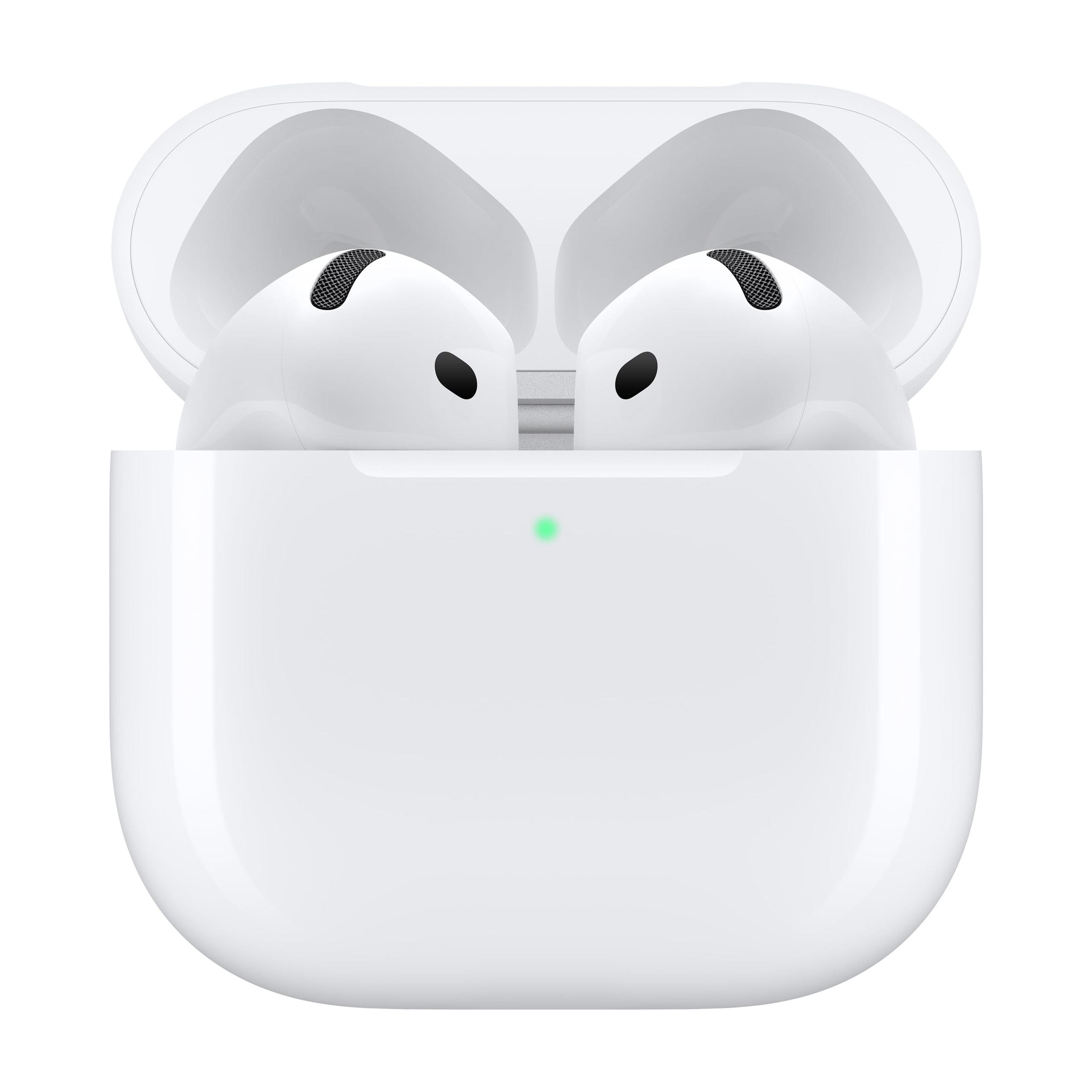
The Apple AirPods 4 with ANC take a radically different approach with an open-ear design that doesn't use ear tips at all. Apple engineered active noise cancellation to work without sealing your ears—something that was considered nearly impossible until recently. This "one-size-fits-all" approach means no fiddling with different ear tip sizes, but it also means the earbuds can't rely on passive noise isolation.
Think of it like comparing a closed-back studio headphone to an open-back model. Each has distinct advantages: the closed design gives you more isolation and controlled bass response, while the open design feels more natural and comfortable for extended wear. Your preference here will likely determine which earbuds work better for you.
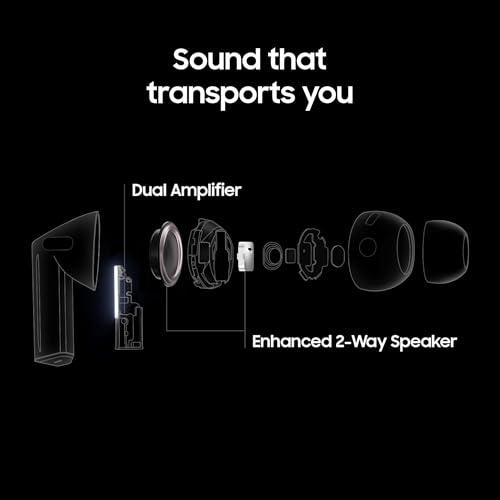
The Samsung Galaxy Buds 3 Pro pack serious audio hardware into their compact shells. They feature a dual-driver system with a 10.5mm dynamic driver handling bass and midrange frequencies, plus a 6.1mm planar magnetic tweeter for the highs. This two-way setup means each driver can focus on what it does best, similar to how high-end speakers separate woofers and tweeters.
The planar magnetic tweeter is particularly noteworthy—this technology is usually reserved for expensive headphones. Planar drivers use a thin diaphragm with embedded conductors that move uniformly across the entire surface when exposed to magnetic fields. The result is incredibly detailed high-frequency reproduction with minimal distortion, making cymbals, strings, and vocal details sound crisp and natural.
Samsung pairs this hardware with their Seamless Codec technology, which can stream audio at 24-bit/96kHz resolution—significantly higher quality than standard Bluetooth codecs. However, this high-resolution streaming only works with newer Samsung devices (Galaxy S23 series and later), which limits its appeal for users outside Samsung's ecosystem.
The sound signature leans toward what audiophiles call a "V-shaped" response, meaning both bass and treble are emphasized while midrange frequencies are slightly recessed. This creates an exciting, dynamic sound that makes music feel energetic and engaging. Bass response is particularly impressive thanks to the sealed ear canal design, which allows the drivers to move more air efficiently.
The Apple AirPods 4 with ANC take a different route, relying heavily on Apple's H2 chip to enhance audio through computational processing. Instead of dual drivers, they use a single custom driver paired with advanced digital signal processing to optimize sound in real-time.
The H2 chip enables several impressive features that most competitors can't match. Adaptive EQ automatically adjusts the frequency response based on how the earbuds fit in your ears, compensating for variations in positioning. This is crucial for the open-ear design, since small changes in placement can significantly affect sound quality.
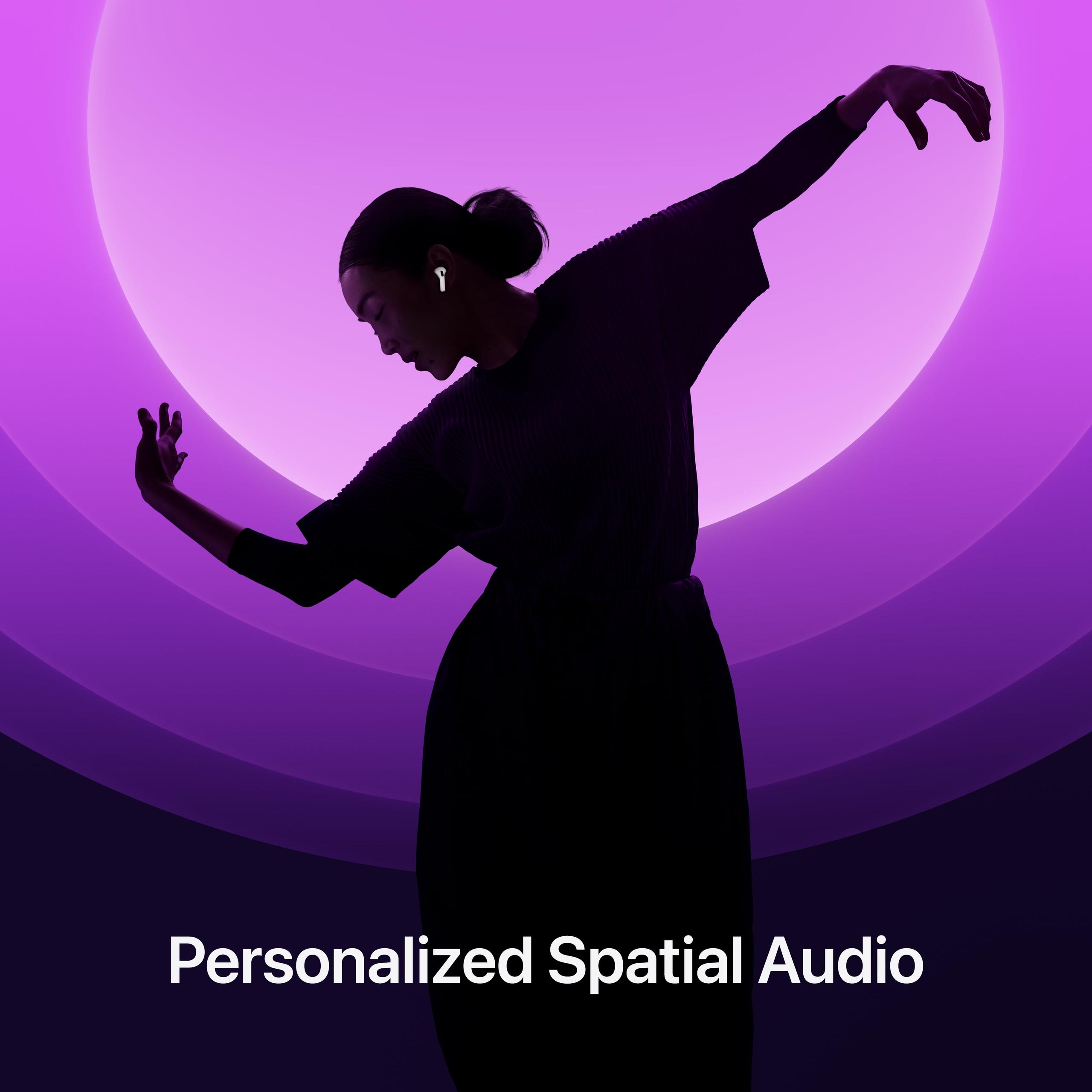
The standout feature is personalized spatial audio with dynamic head tracking. Using accelerometers and gyroscopes, the earbuds track your head movements and adjust the audio to maintain the illusion that sound is coming from fixed points in space around you. When watching movies or playing games, this creates an incredibly immersive surround-sound experience that follows you as you turn your head.
The open-ear design means less bass impact compared to sealed earbuds, but Apple has tuned the frequency response to maximize clarity in the midrange frequencies where vocals and most musical instruments live. The result is exceptionally clear dialogue and vocal reproduction, making them excellent for podcasts, audiobooks, and movie watching.
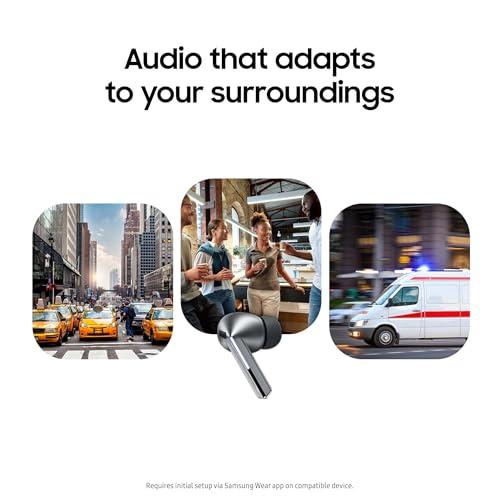
The Samsung Galaxy Buds 3 Pro use what Samsung calls Adaptive Noise Control, powered by Galaxy AI. This system automatically adjusts noise cancellation intensity based on your environment and listening patterns. Three microphones per earbud pick up external noise, and digital processing creates inverse sound waves to cancel it out.
Because they create a physical seal in your ear, the Galaxy Buds 3 Pro benefit from both passive isolation (the ear tips blocking sound mechanically) and active cancellation. This combination is most effective at blocking consistent, low-frequency noises like airplane engines, air conditioners, and traffic rumble.
However, our research shows that ANC performance on the Samsung Galaxy Buds 3 Pro can be inconsistent. The effectiveness depends heavily on achieving a proper seal with the ear tips, and some users report performance that varies based on individual ear anatomy. When they work well, they're excellent, but the variability is concerning for a premium product.
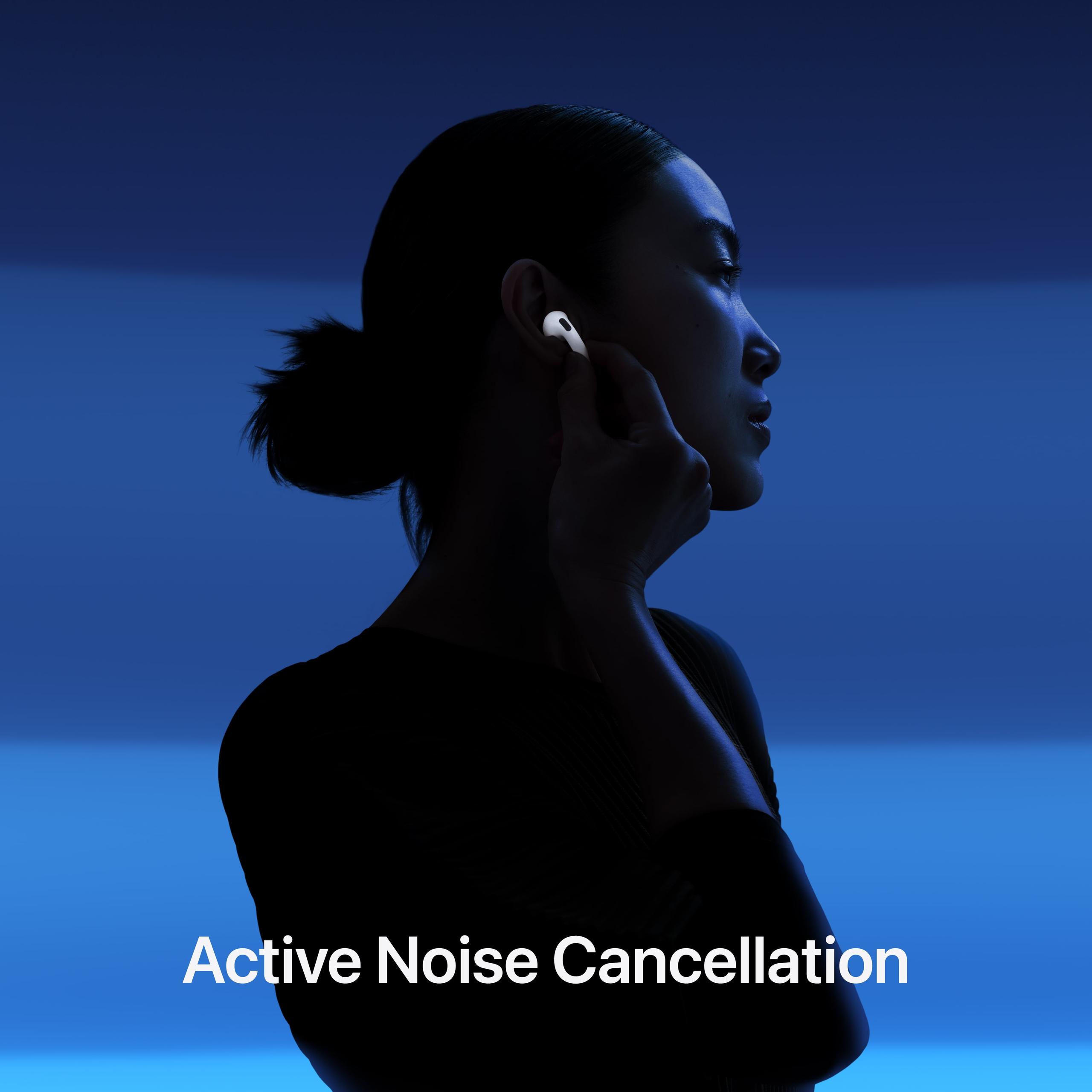
Apple's achievement with the AirPods 4 with ANC is genuinely impressive from an engineering standpoint. Creating effective noise cancellation without sealing the ear requires sophisticated processing and precise driver control. The H2 chip constantly monitors external noise through dual beamforming microphones and adjusts the audio output to counter specific frequencies.
The trade-off is that this open-ear ANC works best on mid and high-frequency noise—things like office chatter, keyboard typing, and air conditioning hum. It's less effective against low-frequency rumble like subway trains or airplane engines, simply because those long wavelengths are harder to cancel without a physical seal.
In practice, this makes the AirPods 4 with ANC excellent for office work, studying, or casual listening where you want to reduce distracting noises while maintaining some awareness of your surroundings. They're not ideal for airplane travel where you need maximum isolation from engine noise.
The comfort equation is where personal preference becomes most important. The Samsung Galaxy Buds 3 Pro offer multiple ear tip sizes to achieve a custom fit, but finding the right size and getting a proper seal can take some experimentation. Once dialed in, the secure fit makes them excellent for exercise, commuting, or any situation where you need the earbuds to stay put.
The sealed design can cause some ear fatigue during extended listening sessions—that feeling of pressure or "fullness" that some people experience with in-ear monitors. However, the secure fit means you can move around confidently without worrying about them falling out.
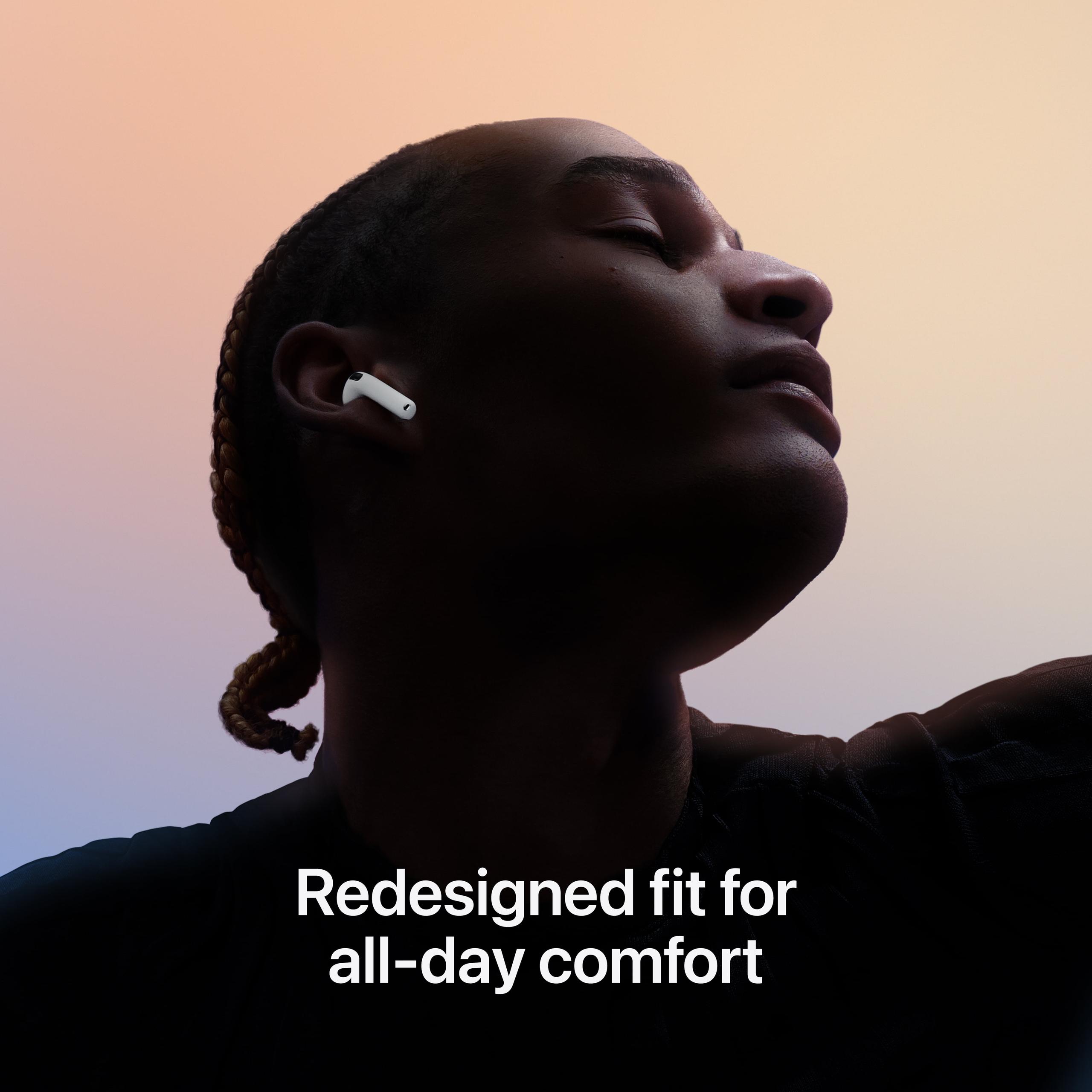
The AirPods 4 with ANC eliminate the fit guesswork entirely. At just 4.3 grams each, they're remarkably light and comfortable for all-day wear. The open design prevents the pressure sensation that bothers some users with sealed earbuds. Many people find them so comfortable they forget they're wearing them.
The downside is security. Without ear tips to anchor them in place, the AirPods 4 with ANC rely entirely on their shape to stay put. For some ear shapes, this works perfectly. For others, they may feel loose or fall out during physical activity. There's no way to know without trying them, which makes the fit more of a gamble.
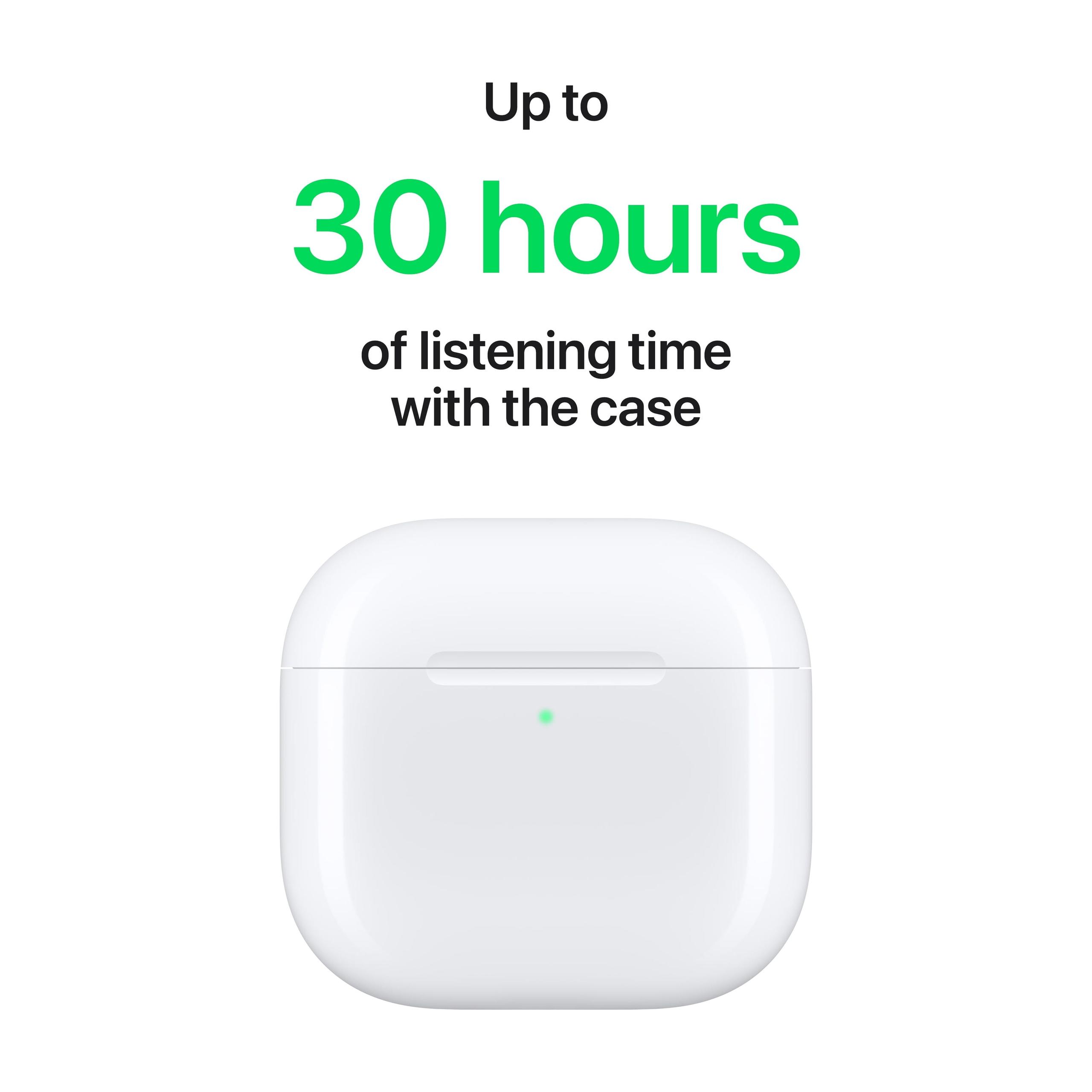
Battery performance reveals another key difference in design priorities. The AirPods 4 with ANC deliver impressive efficiency, providing up to 4-5 hours of listening per charge depending on ANC usage, with the charging case extending total playback to 20-30 hours.
The Samsung Galaxy Buds 3 Pro offer similar total capacity but with different usage patterns. Single-charge playback ranges from 5-7 hours depending on features used, with the case providing 26-30 hours total. While the numbers seem comparable, the AirPods 4 tend to be more consistent in real-world usage.
For home theater use, both offer enough battery life for movie marathons, but the Samsung Galaxy Buds 3 Pro might be preferable due to their superior low-frequency response, which makes movie soundtracks and action sequences more impactful. The spatial audio on the AirPods 4 is impressive for movies, but the reduced bass response compared to sealed designs can make action scenes feel less dynamic.
Here's where the Samsung Galaxy Buds 3 Pro clearly dominate. Their IP57 water resistance rating means they can handle everything from intense gym sessions to getting caught in heavy rain. You could theoretically swim with them (though Samsung doesn't officially recommend it), and they'll survive being dropped in a puddle.
The AirPods 4 with ANC carry a more modest IP54 rating, suitable for sweat and light splashes but not submersion. Their open design makes them inherently more vulnerable to moisture damage. If you're active or frequently use earbuds in challenging conditions, this difference matters significantly.
Both earbuds perform best within their respective ecosystems, but the limitations affect them differently. The Samsung Galaxy Buds 3 Pro lose significant functionality when used with non-Samsung devices. The high-resolution Seamless Codec, adaptive EQ, and many AI features simply don't work with other Android phones or iPhones. You're essentially buying a premium product and getting mid-tier functionality.
The AirPods 4 with ANC face similar limitations on Android, but they degrade more gracefully. Basic functionality like audio playback and noise cancellation work fine, though you lose spatial audio, seamless device switching, and easy setup features.
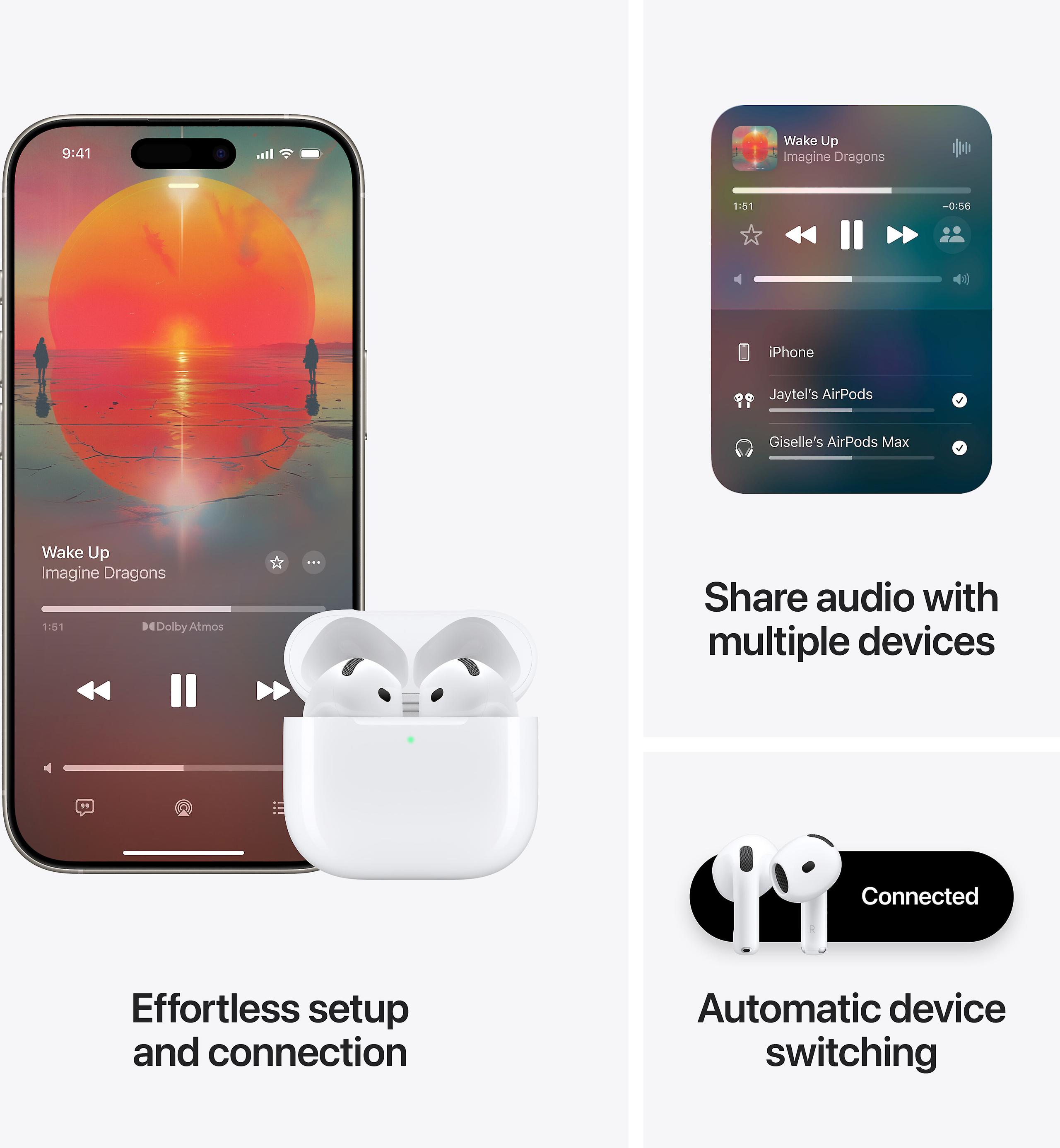
For home theater use, both can connect to any Bluetooth-enabled TV or streaming device, but you'll get the best experience pairing them with devices in their native ecosystems. Samsung users can take advantage of features like seamless switching between their phone and Samsung TV, while Apple users get automatic device switching across their iPhone, iPad, and Apple TV.
After extensive research and evaluation of expert and user consensus, the choice comes down to your priorities and device ecosystem.
Choose the Samsung Galaxy Buds 3 Pro if you own Samsung devices and prioritize customizable audio quality. Their dual-driver design, comprehensive EQ options, and superior bass response make them excellent for music lovers who want to fine-tune their listening experience. The exceptional water resistance makes them ideal for active users, and the secure fit works well for commuting or exercise. However, be prepared for inconsistent ANC performance and significantly reduced functionality if you're not fully invested in Samsung's ecosystem.
The Apple AirPods 4 with ANC represent better value for most users, especially considering their lower price point. The innovative open-ear ANC, superior battery life, and exceptional comfort make them ideal for all-day wear. They excel at office work, casual listening, and situations where you want noise reduction without complete isolation. The spatial audio feature is genuinely impressive for movies and immersive content. However, they're not suitable for users who prioritize maximum bass response or need secure fit for physical activities.
For home theater use specifically, I'd lean toward the Samsung Galaxy Buds 3 Pro if you're in Samsung's ecosystem, primarily for their fuller bass response that makes movie soundtracks more impactful. However, the AirPods 4's spatial audio creates an incredibly immersive surround-sound experience that many find more engaging than traditional stereo, even with reduced bass impact.
Ultimately, both represent significant technological achievements that push wireless audio forward in different directions. Your choice should align with your device ecosystem, listening preferences, and how you plan to use them most often. The good news is that either option will deliver a premium audio experience—they just do it in fundamentally different ways.
| Samsung Galaxy Buds 3 Pro | Apple AirPods 4 with ANC |
|---|---|
| Design Type - Fundamentally affects comfort, sound quality, and noise cancellation | |
| In-ear with silicone tips (sealed design) | Open-ear without tips (unsealed design) |
| Driver Configuration - Determines sound quality and frequency response | |
| Dual-driver: 10.5mm dynamic woofer + 6.1mm planar magnetic tweeter | Single custom driver with H2 chip processing |
| Active Noise Cancellation - Critical for blocking distracting sounds | |
| Adaptive ANC (performance varies by fit quality) | Innovative open-ear ANC (consistent but limited low-frequency blocking) |
| Battery Life (Single Charge) - Affects daily usability without charging | |
| 5-7 hours depending on features | 4-5 hours depending on ANC usage |
| Total Battery Life (with Case) - Important for travel and extended use | |
| 26-30 hours total | 20-30 hours total |
| Water Resistance - Essential for active use and durability | |
| IP57 (submersion resistant up to 1 meter) | IP54 (splash and sweat resistant only) |
| Weight Per Earbud - Affects comfort during extended wear | |
| 5.4g each | 4.3g each (notably lighter) |
| Audio Codecs - Determines maximum audio quality potential | |
| SBC, AAC, Samsung Seamless Codec (24-bit/96kHz on Samsung devices) | SBC, AAC with H2 chip optimization |
| Sound Customization - Important for personalizing audio preferences | |
| 9-band graphic EQ in Galaxy Wearable app | Adaptive EQ only (no manual adjustment) |
| Spatial Audio Support - Creates immersive surround sound experience | |
| 360 Audio support | Personalized Spatial Audio with dynamic head tracking |
| Microphone Array - Affects call quality and voice commands | |
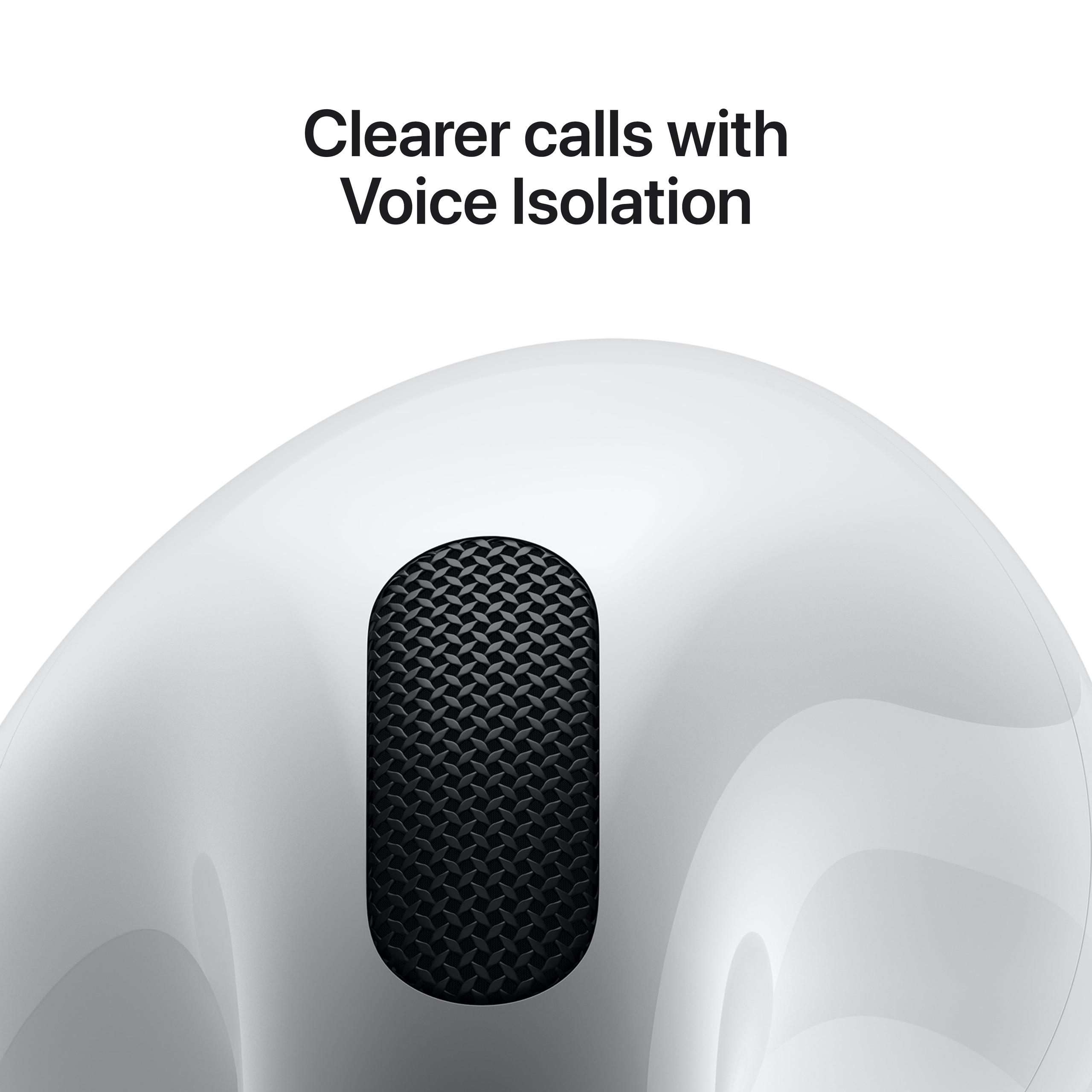
| 3 microphones per earbud with Voice Pickup Unit | Dual beamforming microphones with voice isolation |
| Ecosystem Dependency - Affects feature availability and value | |
| Best features require Samsung Galaxy devices (S23+ series) | Optimized for Apple devices but degrades gracefully on Android |
| Charging Options - Convenience for different user preferences | |
| USB-C and Qi wireless charging | USB-C and Qi wireless charging with Find My speaker in case |
| Unique Features - Standout capabilities that differentiate each product | |
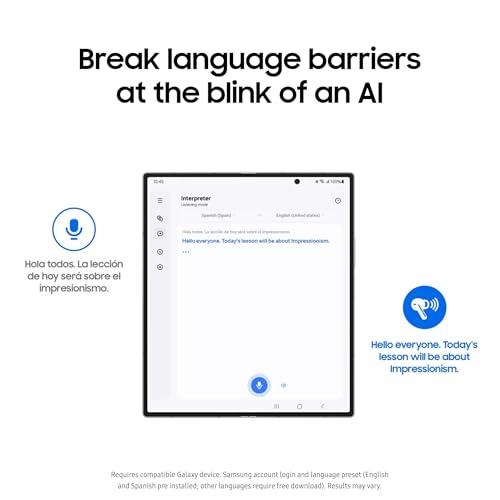
| Real-time AI translation, superior water resistance, customizable EQ | Innovative open-ear ANC, head gesture controls, spatial audio |
The Samsung Galaxy Buds 3 Pro deliver superior sound quality for most music genres, featuring a dual-driver system with 10.5mm dynamic woofers and 6.1mm planar magnetic tweeters. They provide richer bass response and more detailed highs compared to the Apple AirPods 4 with ANC, which use a single driver but excel at midrange clarity and vocal reproduction. The Samsung Galaxy Buds 3 Pro also support high-resolution 24-bit audio when paired with compatible Samsung devices.
The Apple AirPods 4 with ANC offer more consistent noise cancellation performance across different users due to their innovative open-ear design, though they're less effective against low-frequency sounds like airplane engines. The Samsung Galaxy Buds 3 Pro can provide superior noise isolation when properly fitted with the right ear tips, but performance varies significantly based on individual ear shape and fit quality.
The Apple AirPods 4 with ANC are generally more comfortable for extended wear due to their lightweight 4.3g design and open-ear approach that doesn't create pressure in the ear canal. Many users can wear them all day without fatigue. The Samsung Galaxy Buds 3 Pro may cause some ear pressure during long sessions due to their sealed in-ear design, though they offer a more secure fit for active use.
The Samsung Galaxy Buds 3 Pro are significantly better for workouts and active use, featuring IP57 water resistance that can handle heavy sweat and even brief submersion. Their in-ear design with silicone tips provides a secure fit that won't fall out during exercise. The Apple AirPods 4 with ANC have only IP54 rating and may not stay secure during vigorous physical activity due to their open-ear design.
Battery life is comparable between both models, with the Apple AirPods 4 with ANC offering 4-5 hours per charge and 20-30 hours total with the case. The Samsung Galaxy Buds 3 Pro provide 5-7 hours per charge and 26-30 hours total with the case. The AirPods 4 tend to be more consistent in real-world battery performance, while the Galaxy Buds 3 Pro battery life varies more based on which features are actively used.
The Apple AirPods 4 with ANC work reasonably well with Android phones, maintaining basic functionality like audio playback and noise cancellation, though you lose features like spatial audio and seamless device switching. The Samsung Galaxy Buds 3 Pro have more limited functionality on iPhones and non-Samsung Android devices, losing access to high-resolution audio codecs, adaptive EQ, and AI features.
Both earbuds perform well for phone calls, but the Samsung Galaxy Buds 3 Pro have a slight edge with their three-microphone array per earbud and Voice Pickup Unit technology that provides more natural voice reproduction. The Apple AirPods 4 with ANC offer excellent voice isolation through their H2 chip processing and dual beamforming microphones, making them more consistent across different environments.
The Samsung Galaxy Buds 3 Pro offer extensive sound customization through a 9-band graphic equalizer in the Galaxy Wearable app, allowing users to fine-tune their audio preferences. The Apple AirPods 4 with ANC only provide Adaptive EQ that automatically adjusts based on fit, with no manual customization options available for users who want to personalize their sound signature.
For home theater use, the Samsung Galaxy Buds 3 Pro provide more impactful bass response that enhances movie soundtracks and action sequences. However, the Apple AirPods 4 with ANC offer superior spatial audio with dynamic head tracking that creates an incredibly immersive surround-sound experience. The choice depends on whether you prioritize bass impact or spatial audio immersion for your movie watching.
The Samsung Galaxy Buds 3 Pro justify their higher price with superior audio hardware, better water resistance, and more customization options, but primarily for users within Samsung's ecosystem. The Apple AirPods 4 with ANC offer better value for most users due to their innovative technology, consistent performance, and lower price point, making them a more accessible premium option.
The Samsung Galaxy Buds 3 Pro accommodate different ear sizes through multiple silicone ear tip options, allowing users to find their ideal fit for comfort and sound quality. The Apple AirPods 4 with ANC use a one-size-fits-all approach that either works perfectly for your ear shape or doesn't, with no adjustment options available. Fit success with the AirPods 4 is more unpredictable but eliminates ear tip selection hassles.
Yes, both the Samsung Galaxy Buds 3 Pro and Apple AirPods 4 with ANC support Qi wireless charging in addition to USB-C wired charging. The Apple AirPods 4 charging case includes a built-in speaker for Find My location tracking, while the Samsung Galaxy Buds 3 Pro case is more compact and shares the earbuds' water resistance rating for added durability.
We've done our best to create useful and informative comparisons to help you decide what product to buy. Our research uses advanced automated methods to create this comparison and perfection is not possible - please contact us for corrections or questions. These are the sites we've researched in the creation of this article: techradar.com - soundguys.com - whathifi.com - loudnwireless.com - rtings.com - whathifi.com - youtube.com - youtube.com - soundguys.com - youtube.com - youtube.com - soundguys.com - eu.community.samsung.com - phonearena.com - loudnwireless.com - samsung.com - whatgear.net - samsung.com - devicesupport.three.co.uk - youtube.com - samsung.com - techradar.com - samsung.com - en.wikipedia.org - samsung.com - moneycontrol.com - youtube.com - bestbuy.com - eu.community.samsung.com - tomsguide.com - apple.com - youtube.com - apple.com - staples.com - support.apple.com - connection.com - support.apple.com - pcrichard.com - adorama.com - zones.com - cdw.com

Privacy Policy
Terms and Conditions - Affiliate Policy
Home Security
© Copyright 2008-2026.
11816 Inwood Rd #1211, Dallas, TX 75244