

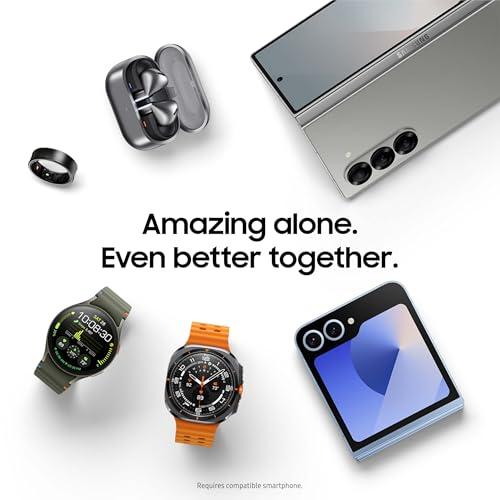

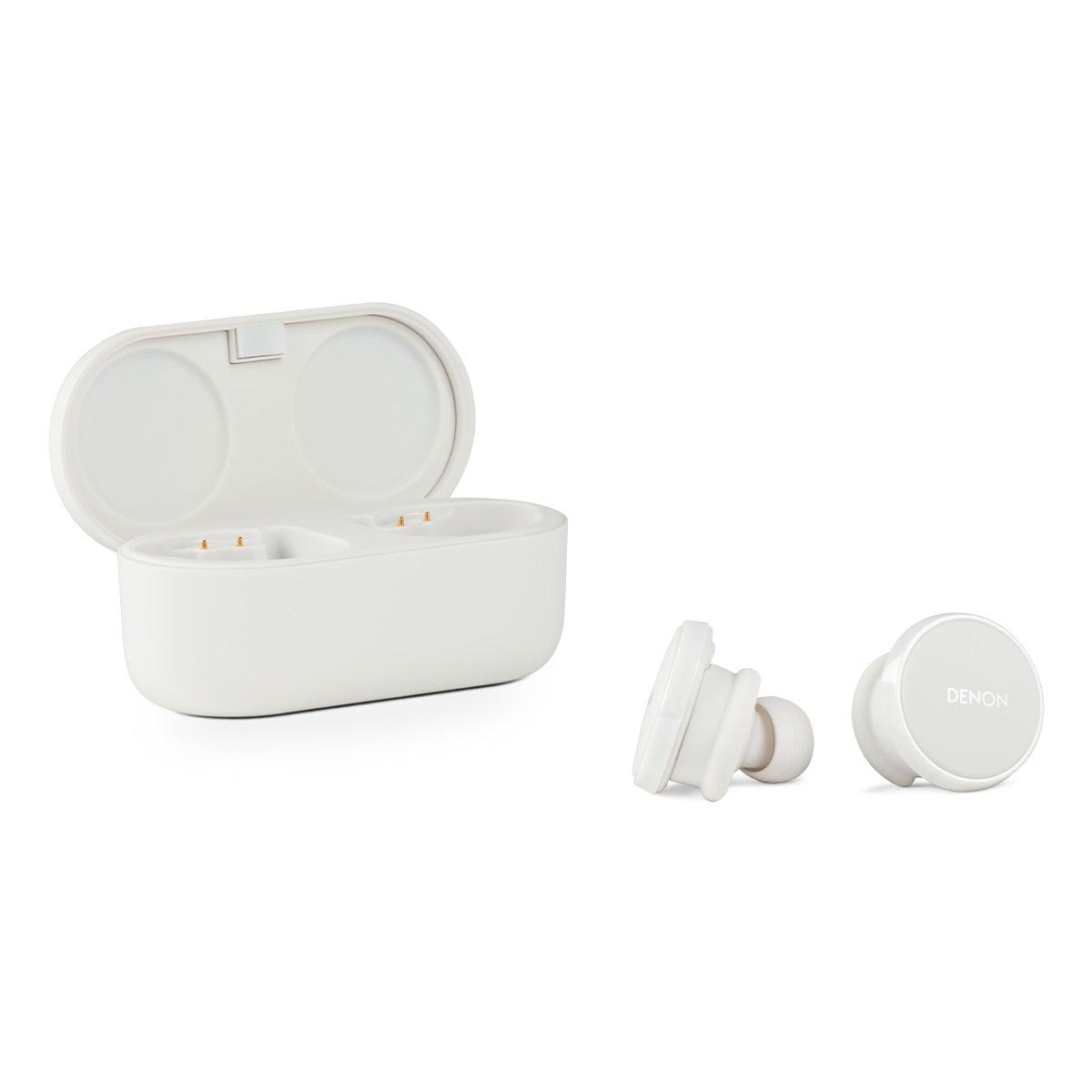
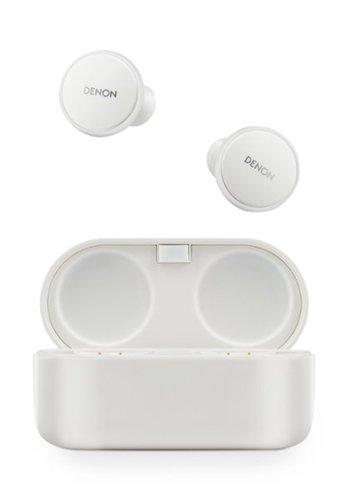
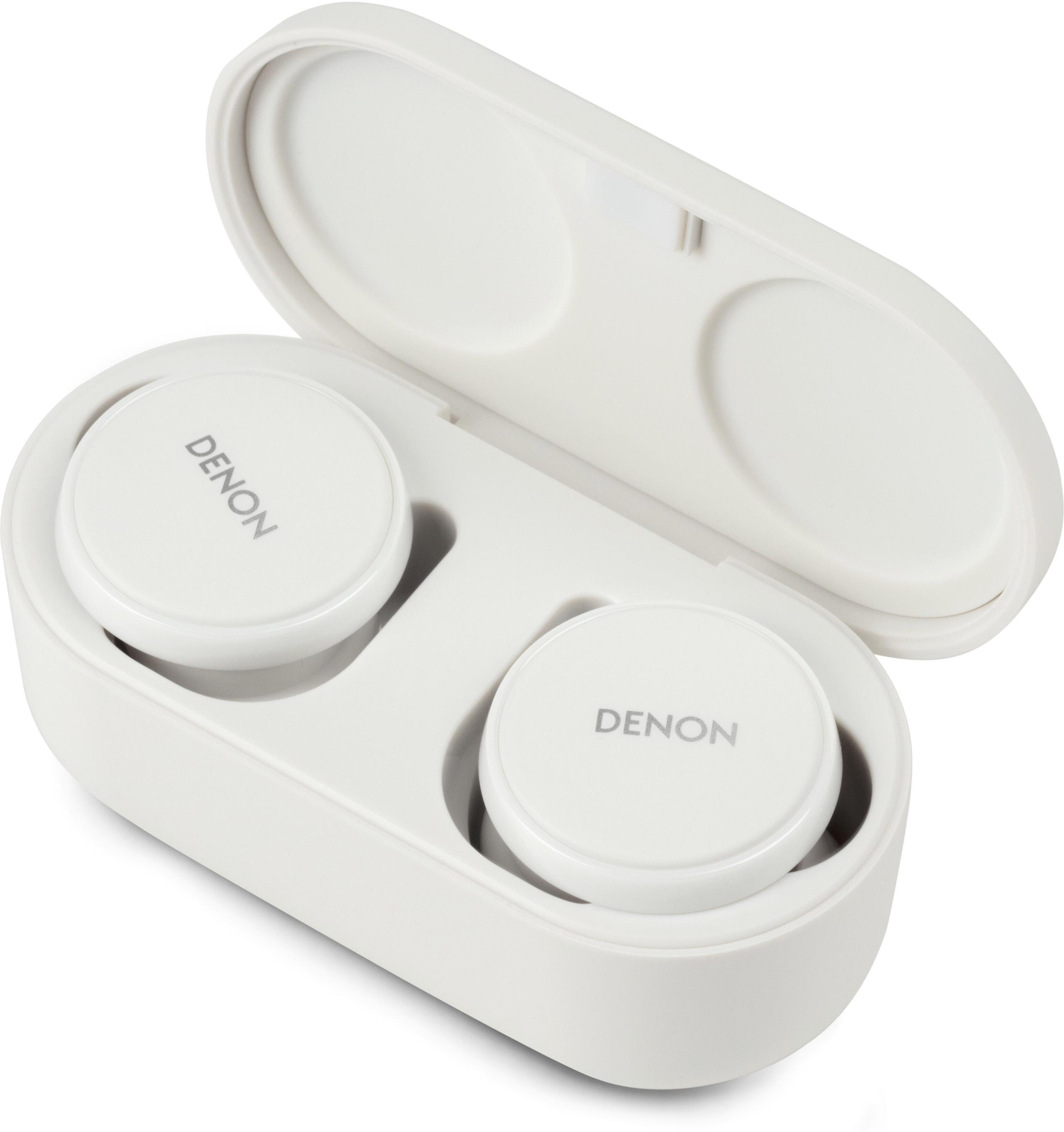
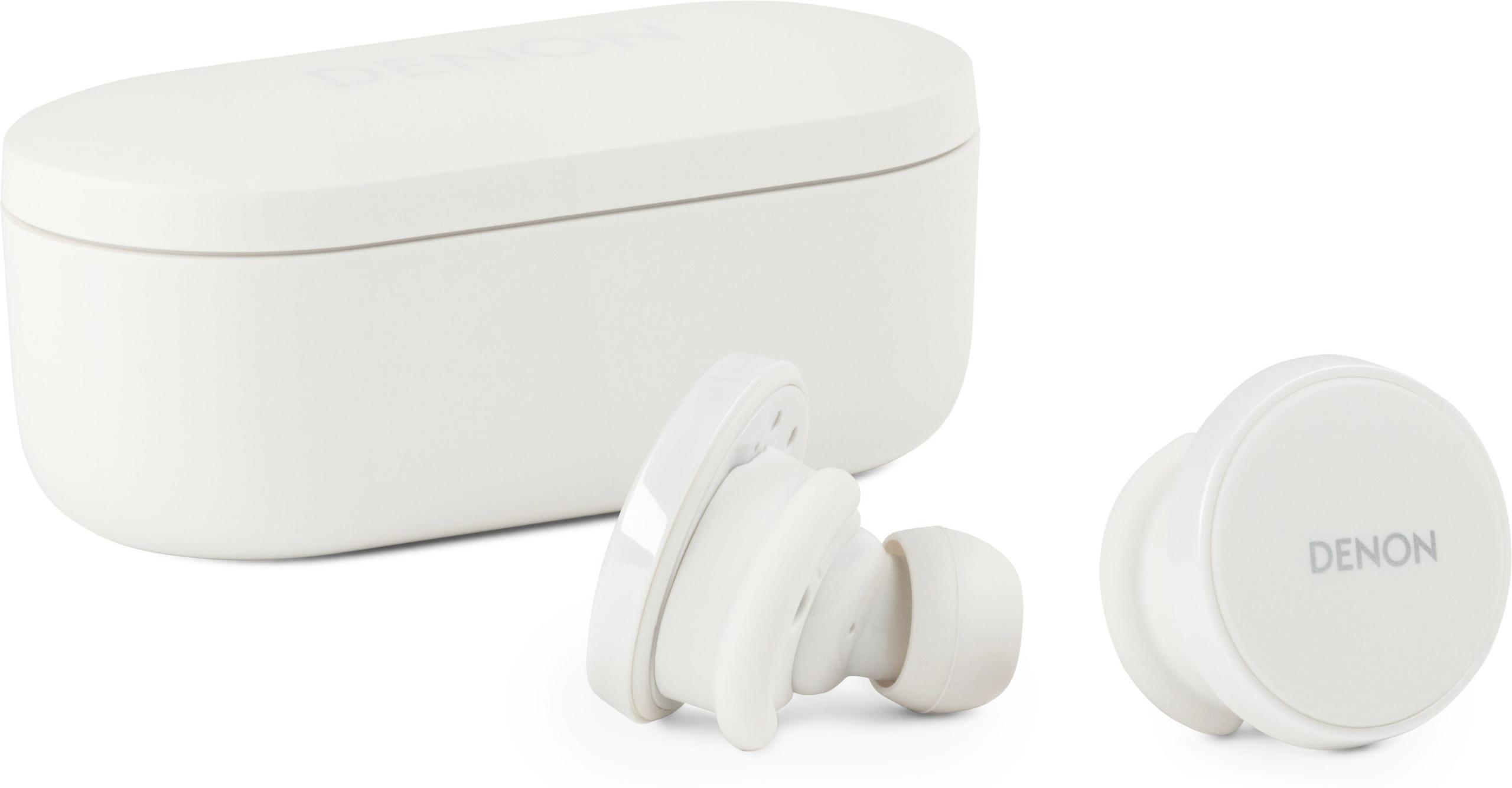
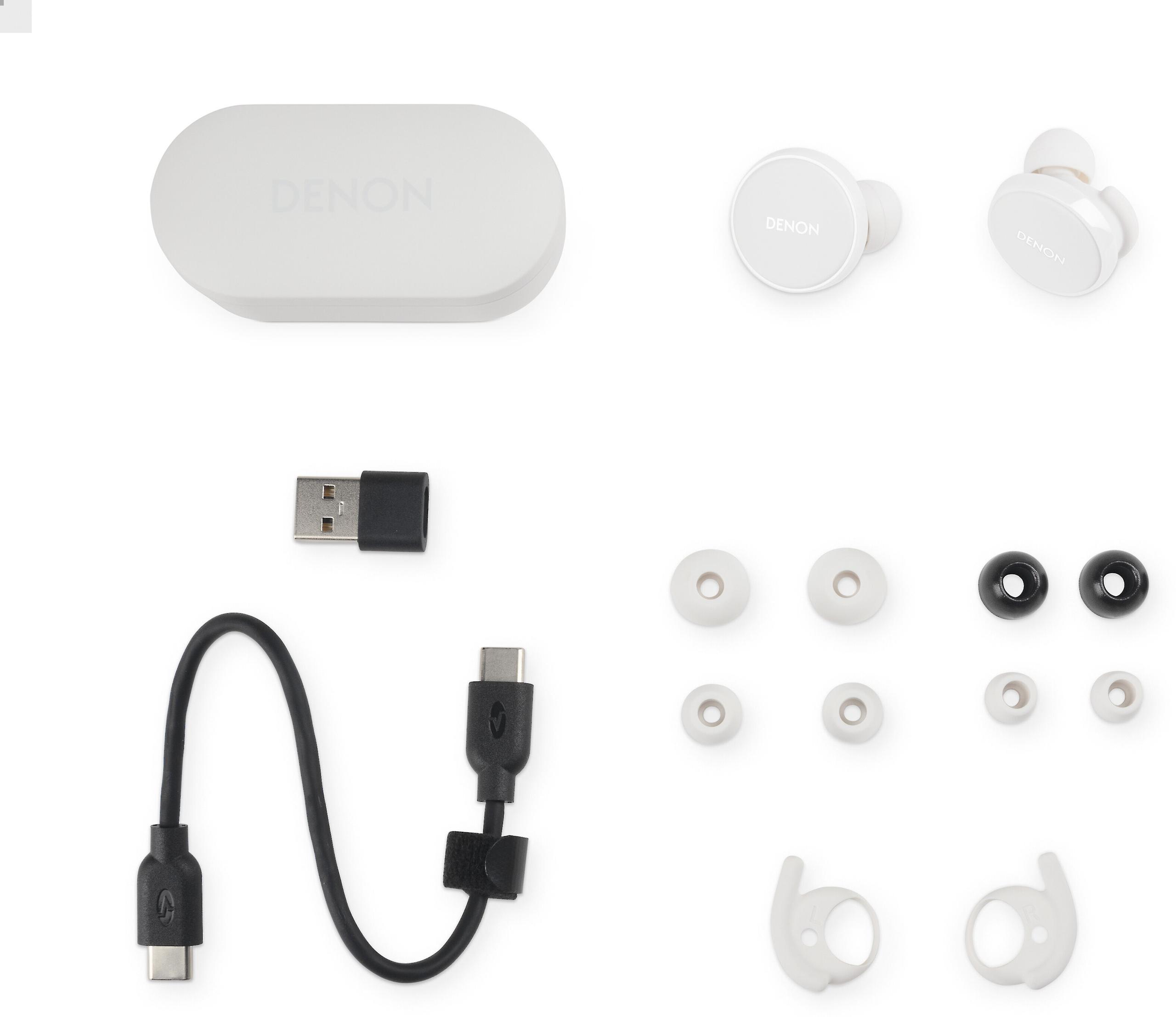
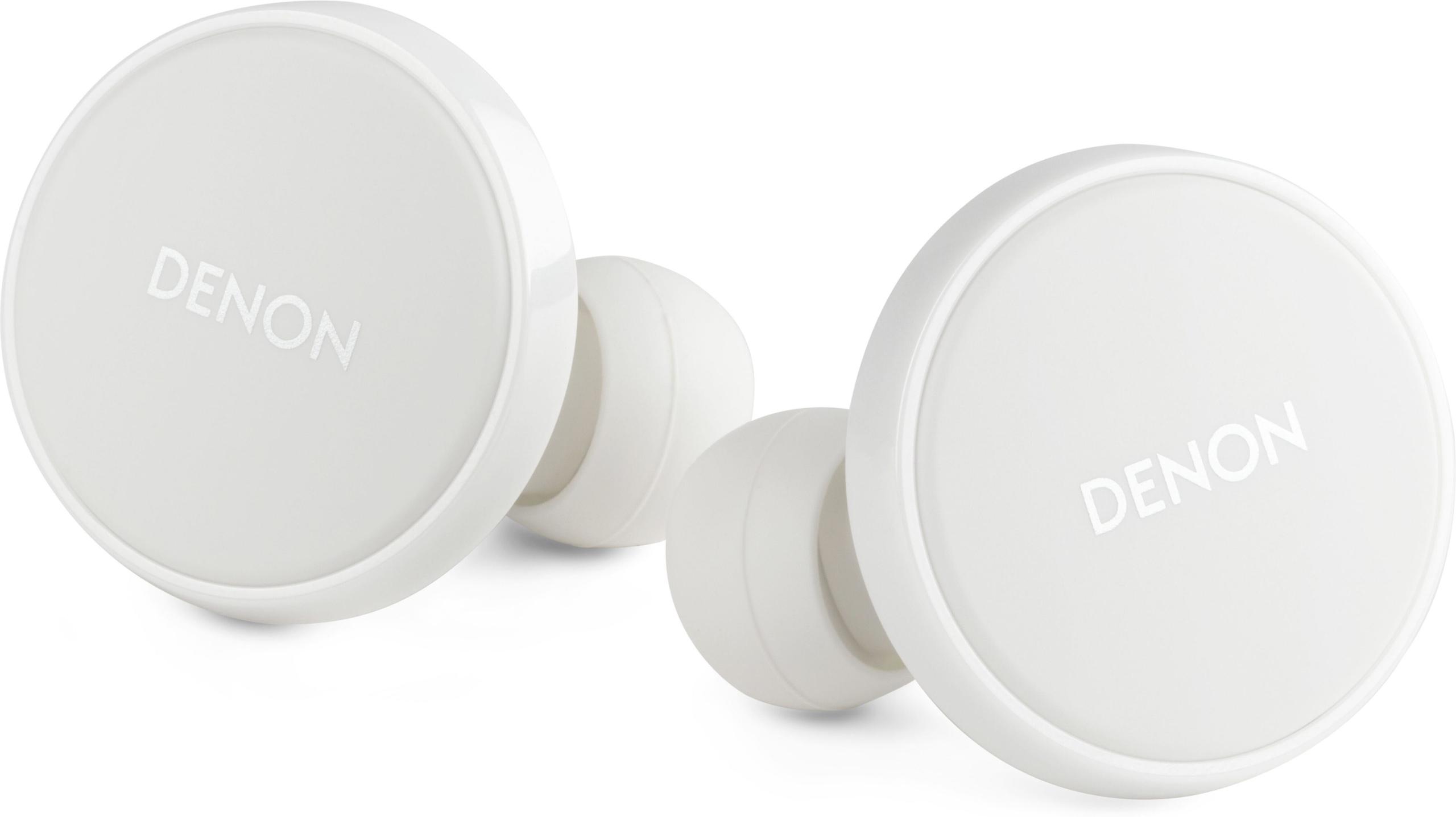
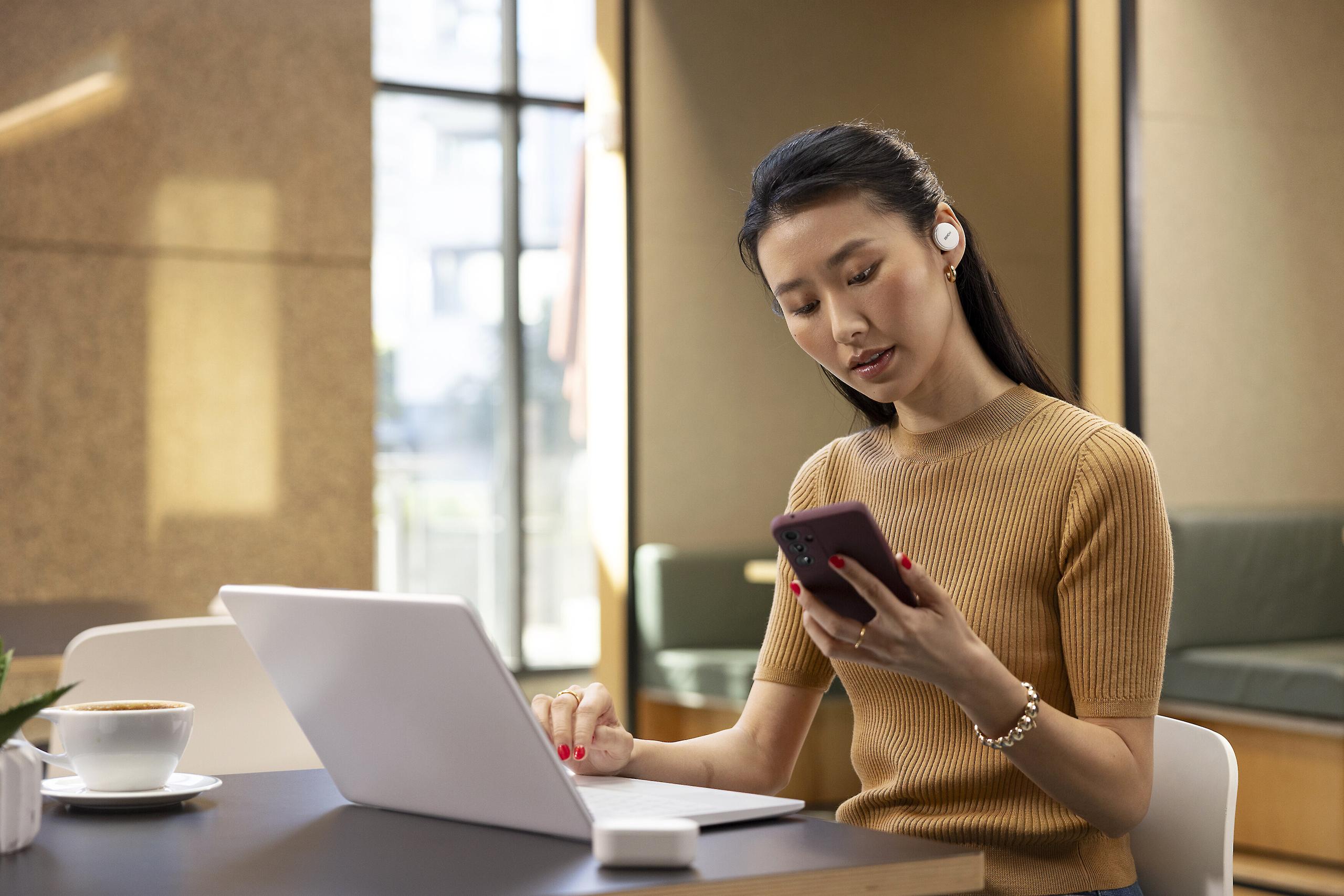
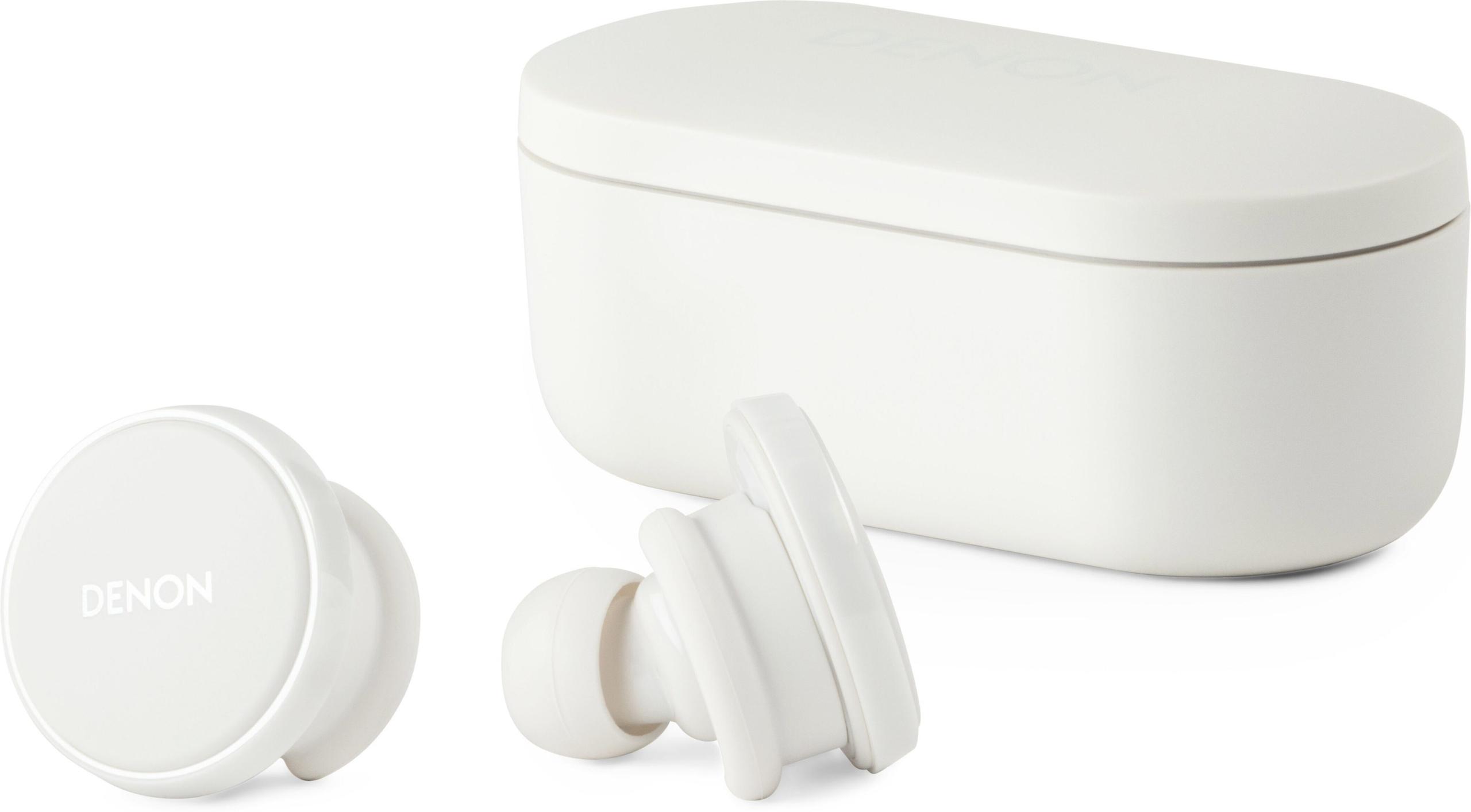

Premium wireless earbuds have evolved dramatically since their mainstream debut in the late 2010s. What started as simple Bluetooth audio devices have transformed into sophisticated mini-computers packed with advanced drivers, AI processing, and smart features that would have seemed like science fiction just a few years ago. The Samsung Galaxy Buds 3 Pro and Denon PerL Pro represent two compelling but distinctly different approaches to this technology in 2024.
Both earbuds launched in 2024, entering a market where consumers expect not just good sound, but intelligent features, all-day battery life, and seamless integration with their digital lives. At the time of writing, these models typically retail in the $250-$350 range, placing them squarely in premium territory where every feature and performance metric matters.
The fundamental question isn't whether these are good earbuds—they both are—but which philosophy better matches your needs. Do you want Samsung's AI-powered ecosystem integration, or Denon's audiophile-focused approach to pure sound quality?
Before diving into specifics, it's worth understanding what separates premium earbuds from budget options. Beyond the obvious price difference, premium models typically feature multiple high-quality drivers (the tiny speakers inside each earbud), advanced noise cancellation that actively counters outside sound, and sophisticated digital signal processing that can adapt audio in real-time.
The most important performance characteristics in this category are audio fidelity (how accurately the earbuds reproduce the original recording), noise cancellation effectiveness (measured as percentage of outside noise blocked), battery life under real-world conditions, and comfort during extended wear. Secondary considerations include call quality, smart features, and how well the earbuds integrate with your existing devices.
What's particularly interesting about the Samsung Galaxy Buds 3 Pro versus Denon PerL Pro comparison is how differently these companies approach the same fundamental challenge: delivering exceptional audio in a tiny, wireless package.
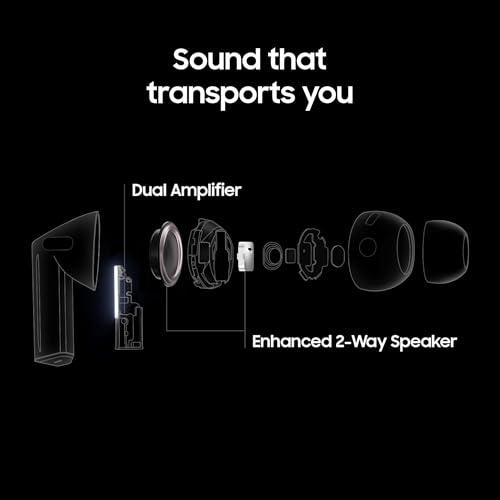
The Samsung Galaxy Buds 3 Pro uses what's called a dual-driver system—essentially two separate speakers in each earbud, each handling different frequency ranges. The 10.5mm dynamic driver (the larger one) handles bass and midrange frequencies, while a 6.1mm planar magnetic tweeter manages the high frequencies. Think of it like having a dedicated woofer and tweeter in a high-end home stereo system, just miniaturized.
What makes this setup particularly clever is that Samsung powers each driver with its own amplifier. This prevents the bass driver from interfering with the treble driver, which often happens in single-driver designs when complex music passages demand both deep bass and crisp highs simultaneously. The result is what audio engineers call a "V-shaped" sound signature—enhanced bass and treble with slightly receded midrange frequencies.
This tuning makes the Samsung Galaxy Buds 3 Pro incredibly engaging for modern music genres. Pop songs feel punchy and energetic, electronic music gets that satisfying bass thump, and rock tracks have excellent separation between instruments. However, this also means the earbuds can sometimes feel overly exciting for more delicate genres like classical or acoustic music.
The Denon PerL Pro takes the opposite approach with a single, meticulously engineered 10mm dynamic driver featuring a titanium coating. Denon's philosophy centers on reproducing audio exactly as the artist intended, without editorial enhancement. The titanium coating reduces distortion—those unwanted artifacts that muddy the sound—while the driver itself covers an impressive frequency range from 20Hz to 40,000Hz.
To put that frequency range in perspective, human hearing typically extends from 20Hz to 20,000Hz, meaning the Denon PerL Pro reproduces frequencies well beyond what most people can consciously hear. These ultra-high frequencies contribute to what audiophiles call "air" and "spaciousness" in recordings—subtle qualities that make music feel more natural and less confined.
The sound signature leans toward neutrality, meaning the earbuds don't artificially boost any particular frequency range. This makes them exceptional for genres where accuracy matters most: jazz recordings reveal subtle brush strokes on drums, classical pieces maintain proper instrument balance, and acoustic performances feel intimate and realistic.
Here's where things get technically interesting and practically important. Audio codecs are essentially compression algorithms that determine how much audio information gets transmitted over Bluetooth. Think of them as different sized highways for digital audio—some carry more information than others.
The Samsung Galaxy Buds 3 Pro supports Samsung's proprietary Seamless Codec, which can handle 24-bit/96kHz audio—essentially studio-quality resolution. However, there's a significant caveat: this only works with newer Samsung devices like the Galaxy S23 series and later. If you're using an iPhone or non-Samsung Android phone, you're limited to standard AAC and SBC codecs, which offer noticeably lower quality.
The Denon PerL Pro supports a broader range of codecs including aptX Classic, aptX Adaptive, and crucially, aptX Lossless. The aptX Lossless codec can transmit true CD-quality audio without any compression losses—something that works with any Android device that supports it. This universal compatibility means you get consistent high-quality audio regardless of your phone choice.
For home theater use, both earbuds support low-latency modes that minimize the delay between video and audio, though the Denon PerL Pro has a slight edge here due to its aptX Low Latency support.
Perhaps the most fascinating technical advancement in both models is their approach to personalizing sound. This goes beyond simple equalizer adjustments to actually adapting the audio to your individual ears and hearing characteristics.
The Samsung Galaxy Buds 3 Pro features Adaptive EQ powered by Galaxy AI, which learns your listening patterns and automatically adjusts the sound signature. It also uses sensors to detect how the earbuds sit in your ears and compensates for any acoustic variations. While clever, this feature works best within Samsung's ecosystem and may not function at all with non-Samsung devices.
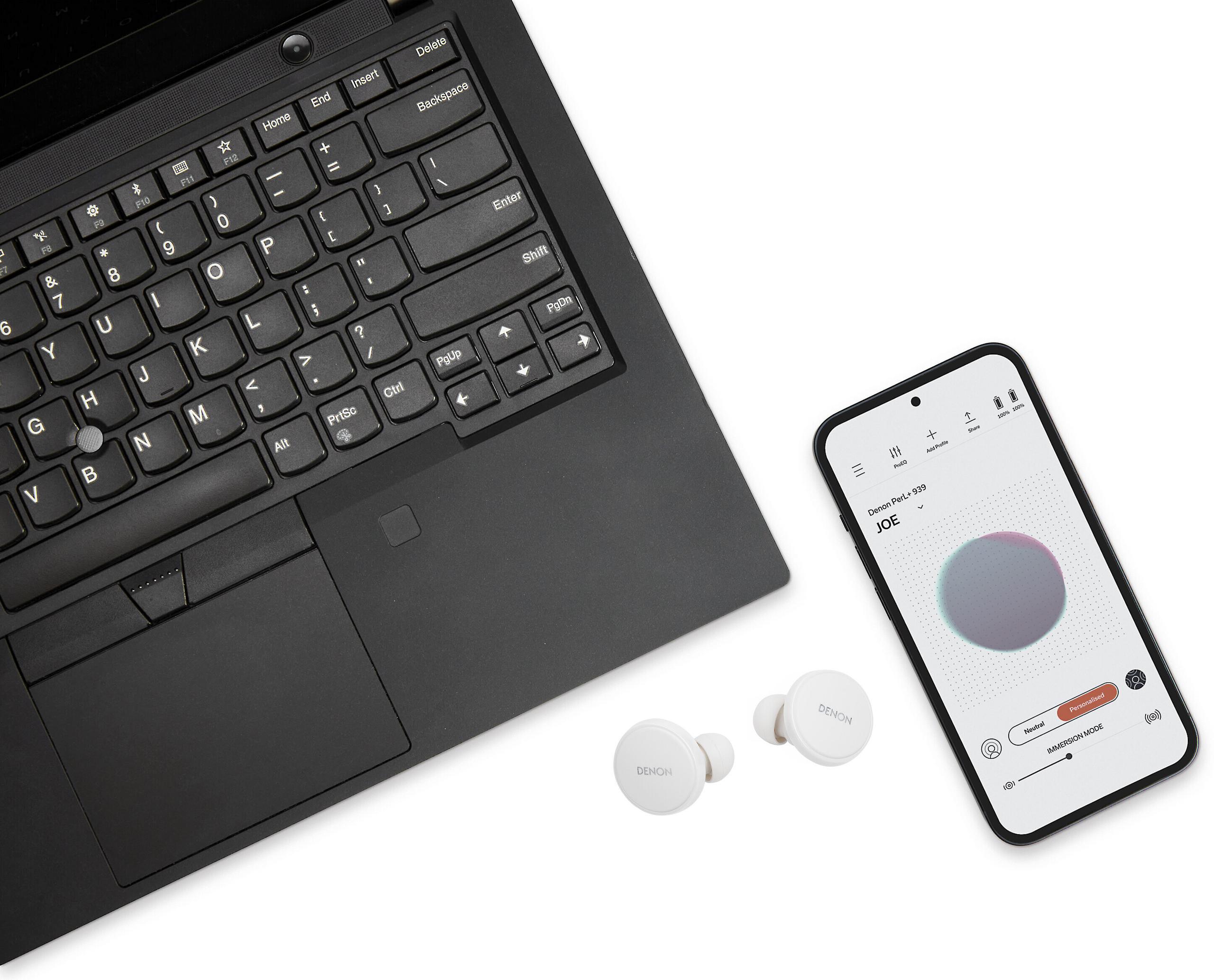
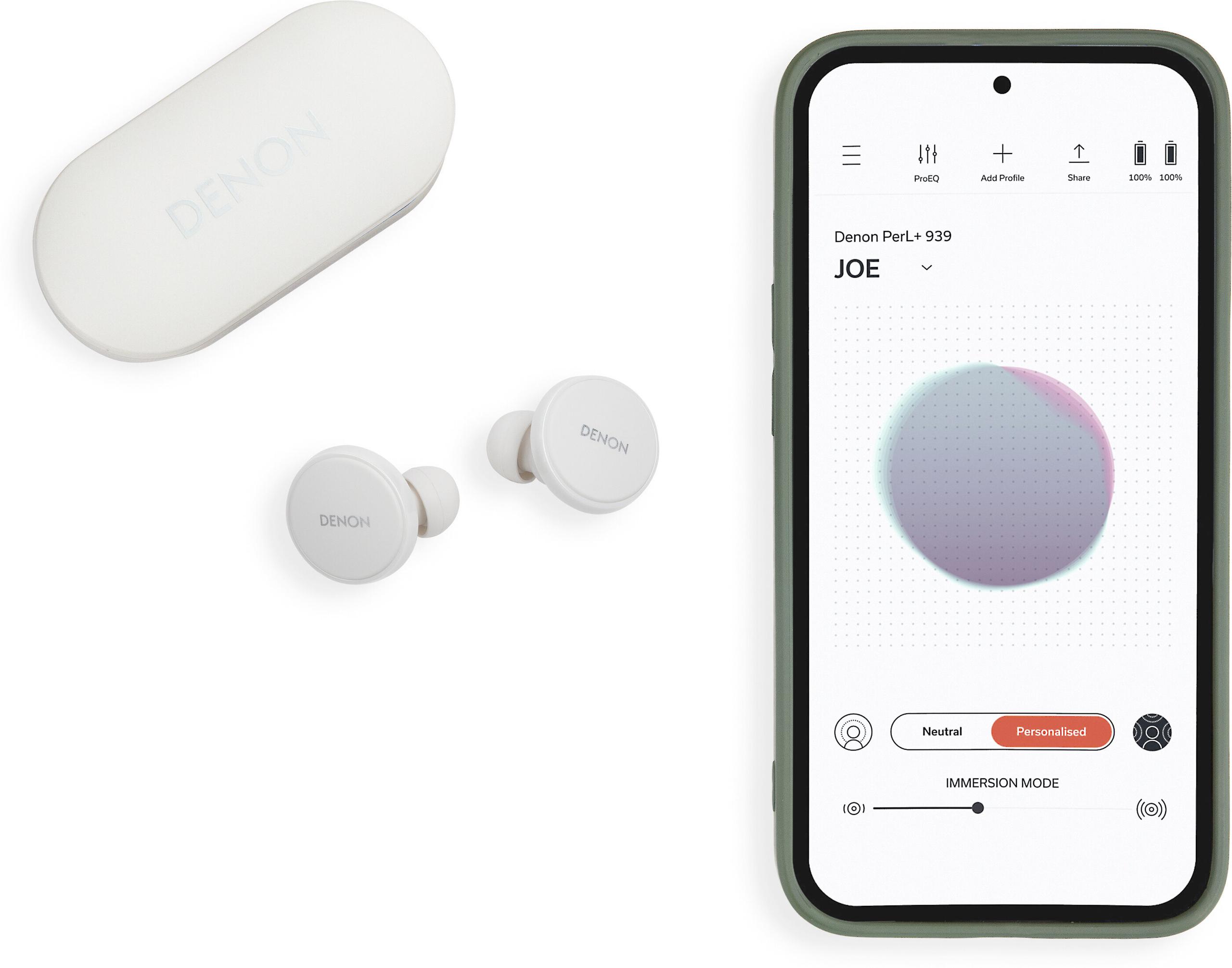
The Denon PerL Pro takes personalization to another level with Masimo Adaptive Acoustic Technology (AAT). This system plays a series of test tones at different frequencies and volumes, measuring how your ears respond to each one. It creates a visual "hearing blob" that maps your unique hearing characteristics, then adjusts the audio output to compensate for any deficiencies or sensitivities in your hearing.
From our research into user experiences, the Denon's personalization system often provides dramatic improvements in perceived sound quality, with many users reporting they could suddenly hear details in familiar songs they'd never noticed before. Samsung's system is more subtle but works continuously in the background.
Active Noise Cancellation (ANC) works by using microphones to detect outside noise, then generating "anti-noise" sound waves that cancel out unwanted sounds. It's most effective against consistent, droning noises like airplane engines or air conditioners, and less effective against sudden sounds like voices or car honks.
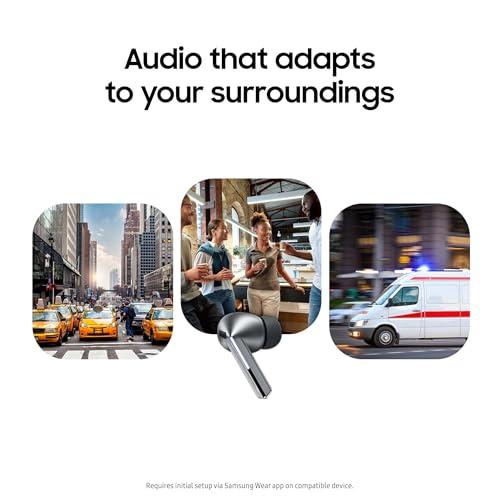
The Samsung Galaxy Buds 3 Pro employs what they call adaptive ANC, which automatically adjusts the noise cancellation strength based on your environment. In our evaluation of expert reviews, this system reduces outside noise by approximately 76%—solid performance that handles most real-world scenarios well. The earbuds also include intelligent features like Voice Detect, which automatically reduces ANC when someone speaks to you, and Siren Detect, which allows emergency vehicle sounds through for safety.
The Denon PerL Pro offers effective but more traditional ANC without the environmental adaptation features. While competent, it doesn't quite match the sophistication or effectiveness of Samsung's implementation.
For transparency modes (when you want to hear your surroundings), the Samsung Galaxy Buds 3 Pro offers multiple levels and smart activation, while the Denon PerL Pro includes a "Social Mode" that's functional but less refined.
Battery life claims can be misleading because they often assume optimal conditions that don't match real-world use. With ANC enabled and moderate volume levels, the Denon PerL Pro delivers approximately 8 hours of continuous playback per charge, with the charging case providing an additional 24 hours—32 hours total. This puts it among the leaders in the premium earbud category.
The Samsung Galaxy Buds 3 Pro provides 6-7 hours per charge with ANC enabled and 26-30 hours total with the case. While respectable, this difference becomes meaningful during long flights or extended listening sessions where you might not have access to charging.
Both models support fast charging—about 5 minutes of charging provides roughly an hour of playback—and both cases support wireless Qi charging in addition to USB-C. The Samsung case is notably more compact and pocket-friendly, though the Denon case's larger size accommodates the bigger battery.
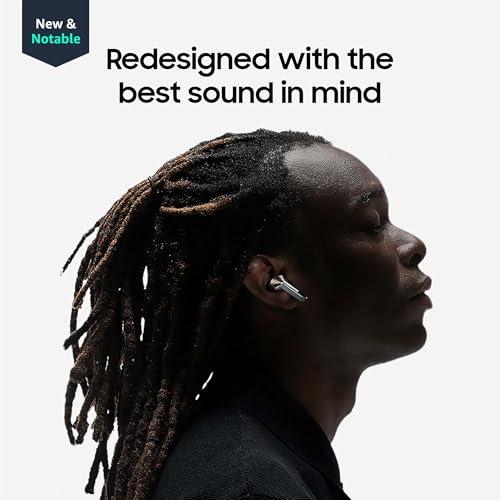
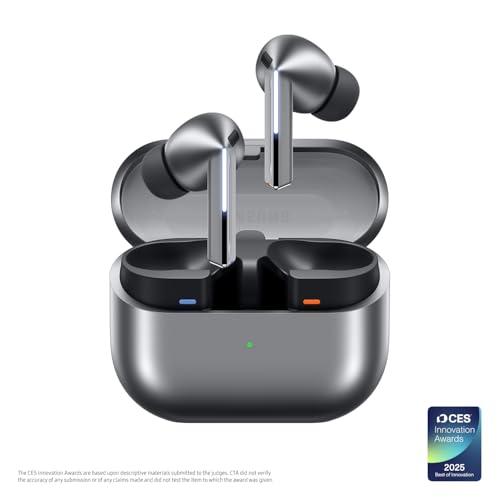
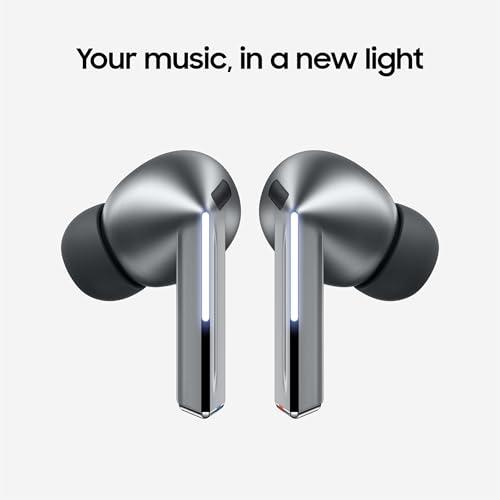
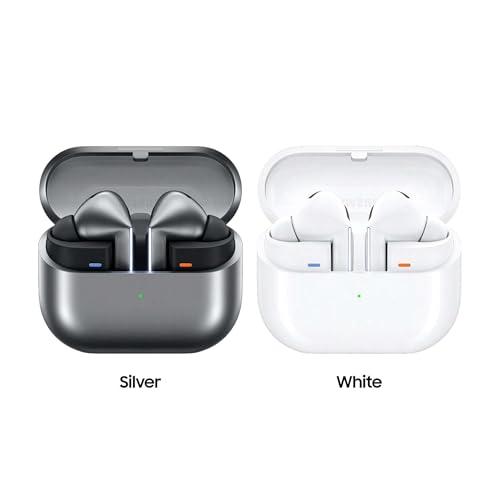
Physical design significantly impacts long-term satisfaction. The Samsung Galaxy Buds 3 Pro adopts a stem design similar to Apple's AirPods Pro, weighing just 5.4 grams per earbud. This makes them among the lightest premium earbuds available, contributing to excellent comfort during extended wear. The stem design also provides more surface area for touch controls and houses status indicator lights.
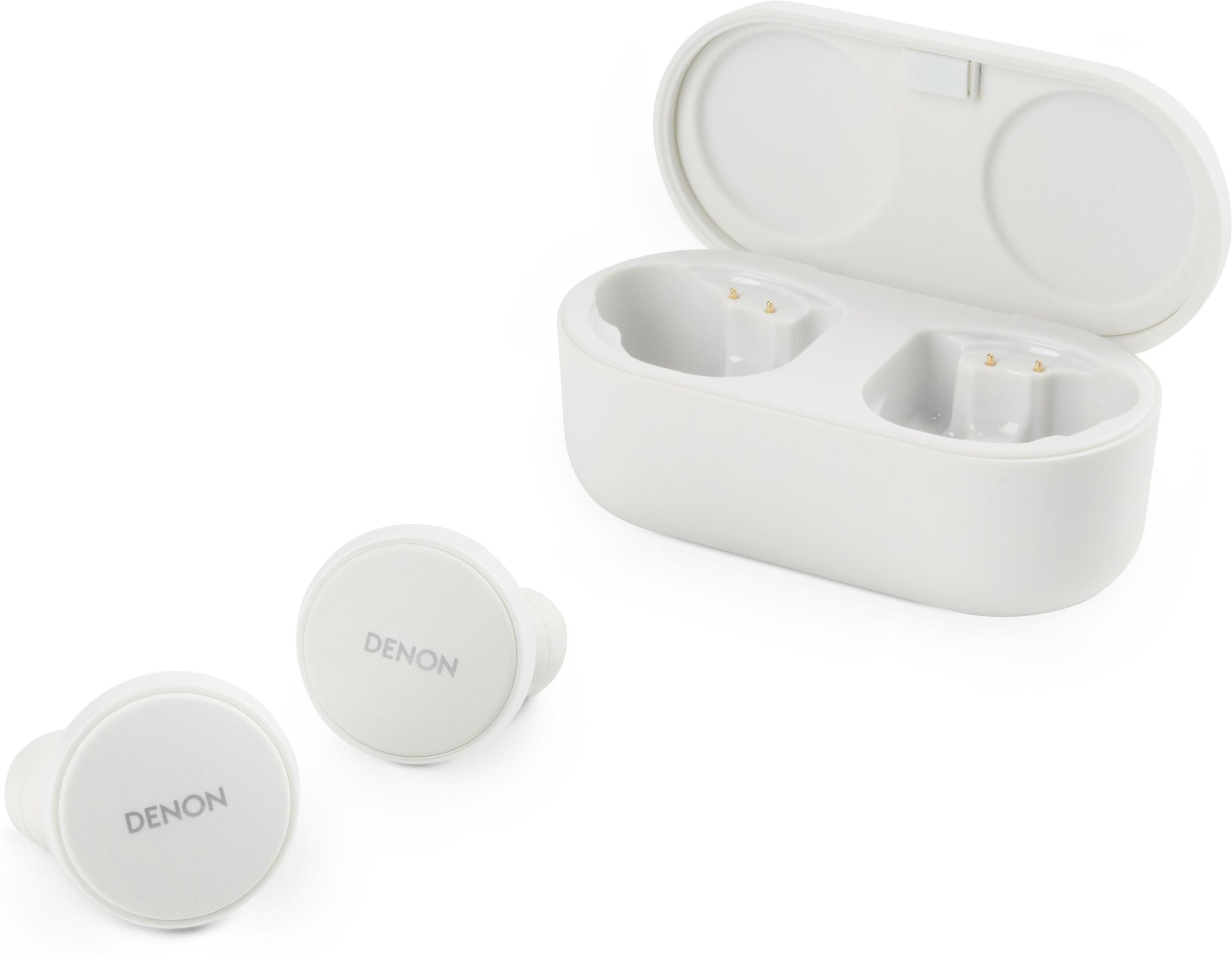
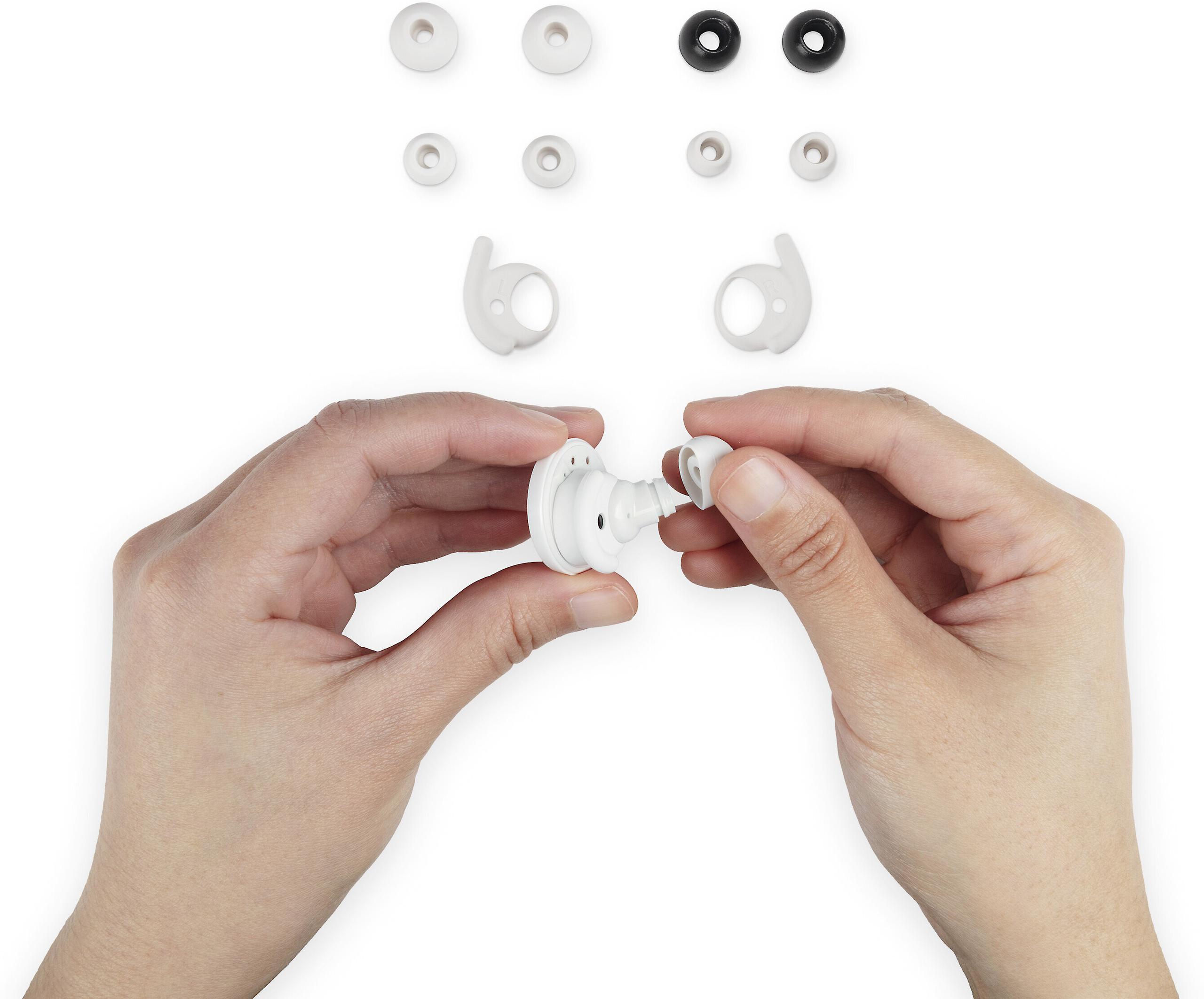
The Denon PerL Pro uses a more traditional in-ear design weighing 8.6 grams per earbud. While heavier, many users find the traditional form factor more secure during physical activity, and the weight is still reasonable for extended listening sessions.
Water resistance reveals a significant practical difference. The Samsung Galaxy Buds 3 Pro carries an IP57 rating, meaning complete protection against dust and the ability to withstand immersion in up to one meter of water for 30 minutes. This makes them suitable for swimming, intense workouts, and harsh weather conditions.
The Denon PerL Pro offers IPX4 protection—adequate for sweat and light rain but not suitable for swimming or heavy moisture exposure. If you're active or live in a humid climate, this difference matters considerably.
Modern premium earbuds increasingly function as wearable computers, and this is where the philosophical differences between these models become most apparent.
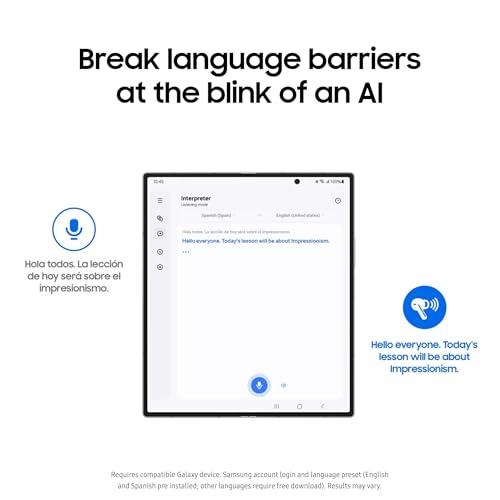
The Samsung Galaxy Buds 3 Pro heavily emphasizes smart features and ecosystem integration. The real-time translation feature is genuinely impressive—you can have conversations in foreign languages with translations delivered directly to your ears. The 360° Audio with head tracking creates a more immersive experience for movies and spatial audio content. Seamless device switching works brilliantly if you're entrenched in Samsung's ecosystem, automatically moving audio between your phone, tablet, and laptop as needed.
However, many of these advanced features require specific Samsung devices to function properly. Users with iPhones or non-Samsung Android phones miss out on significant functionality they're ostensibly paying for.
The Denon PerL Pro prioritizes universal compatibility over flashy features. The earbuds work identically well whether you're using a Samsung phone, iPhone, Windows laptop, or any other Bluetooth device. This consistency is valuable if you switch between different devices throughout the day or share the earbuds with family members who use different platforms.
With remote work becoming permanent for many people, call quality has become a crucial consideration. The Samsung Galaxy Buds 3 Pro excels here, using six microphones combined with AI-enhanced voice processing and a Voice Pickup Unit that isolates your voice from background noise. In our evaluation of user experiences, Samsung consistently outperformed competitors in noisy environments like busy offices or outdoor settings.
The Denon PerL Pro includes eight microphones but lacks the advanced AI processing. While call quality is acceptable, it doesn't match Samsung's performance in challenging acoustic environments.
For home theater use, both earbuds support low-latency audio modes that minimize the delay between video and sound. The Denon PerL Pro has a slight advantage with aptX Low Latency support, which provides better synchronization with a wider range of devices.
However, the Samsung Galaxy Buds 3 Pro offers 360° Audio and Dolby Atmos support when paired with compatible Samsung devices, creating a more immersive experience for movies and TV shows. The spatial audio processing can make action scenes feel more enveloping, though this requires Samsung ecosystem compatibility.
After extensive research and evaluation, both earbuds excel in their intended domains, but serve different user types optimally.
The Samsung Galaxy Buds 3 Pro represents the best choice for users invested in Samsung's ecosystem who want cutting-edge smart features alongside excellent audio quality. The AI-powered adaptations, superior water resistance, exceptional call quality, and ecosystem integration justify the premium pricing—at the time of writing, these often provide better value due to frequent promotions. They're ideal for busy professionals who need reliable call performance, fitness enthusiasts who require serious water resistance, and tech enthusiasts who appreciate intelligent features.
The Denon PerL Pro serves audiophiles and users with diverse device ecosystems who prioritize pure audio quality above smart features. The extended frequency response, personalized sound tuning, superior codec support, and longer battery life make these worth considering despite typically higher pricing. They're perfect for music lovers who frequently switch between different devices, users who want consistent performance regardless of their phone choice, and anyone who values the subtle details that make great audio reproduction special.
The deciding factor often comes down to your device ecosystem and priorities. Samsung users get significantly more value from the Galaxy Buds 3 Pro exclusive features, while users with mixed ecosystems or non-Samsung phones should strongly consider the Denon PerL Pro universal compatibility and audiophile-focused approach.
Both represent the current state of the art in wireless audio technology, just approaching that excellence from different philosophical directions. Choose based on whether you value smart integration or pure audio quality more highly—you'll be satisfied with either decision.
| Samsung Galaxy Buds 3 Pro | Denon PerL Pro |
|---|---|
| Driver Configuration - Determines sound quality and frequency separation | |
| Dual-driver: 10.5mm dynamic + 6.1mm planar magnetic tweeter | Single 10mm titanium-coated dynamic driver |
| Frequency Response - Higher range captures more audio detail | |
| 20Hz - 20,000Hz (standard human hearing range) | 20Hz - 40,000Hz (extended ultra-high frequencies) |
| Audio Codecs - Determines wireless sound quality | |
| Samsung Seamless Codec (24-bit/96kHz, Samsung devices only), AAC, SBC | aptX Lossless, aptX Adaptive, aptX Classic, AAC, SBC |
| Sound Personalization - Customizes audio to your hearing | |
| Adaptive EQ with Galaxy AI (Samsung devices only) | Masimo Adaptive Acoustic Technology (works with all devices) |
| Active Noise Cancellation - Blocks outside noise | |
| Adaptive ANC with Voice/Siren Detect (~76% noise reduction) | Traditional ANC (effective but not adaptive) |
| Battery Life Per Charge - Critical for long listening sessions | |
| 6-7 hours (ANC on) | 8 hours (ANC on) |
| Total Battery Life with Case - Determines days between charging | |
| 26-30 hours total | 32 hours total |
| Water Resistance - Protection level for workouts and weather | |
| IP57 (submersible up to 1m for 30 minutes) | IPX4 (splash resistant only) |
| Weight Per Earbud - Affects comfort during extended wear | |
| 5.4g (very lightweight) | 8.6g (heavier but still comfortable) |
| Microphones for Calls - More mics can mean better call quality | |
| 6 microphones with AI voice processing | 8 microphones with standard processing |
| Smart Features - AI and ecosystem integration | |
| Real-time translation, 360° Audio, device switching (Samsung ecosystem) | Universal compatibility, no ecosystem lock-in |
| Design Style - Affects fit preference and control methods | |
| Modern stem design with blade controls and status lights | Traditional in-ear design with touch controls |
| Device Compatibility - Which phones unlock full features | |
| Best with Samsung Galaxy S23+/Z Fold 5+/Tab S9+ | Works equally well with all Android/iOS devices |
Both the Samsung Galaxy Buds 3 Pro and Denon PerL Pro offer excellent sound quality, but with different approaches. The Samsung Galaxy Buds 3 Pro uses a dual-driver system with separate woofer and tweeter for precise frequency separation, creating an engaging V-shaped sound perfect for pop and electronic music. The Denon PerL Pro features a single premium titanium-coated driver with extended frequency response up to 40,000Hz, delivering audiophile-grade accuracy ideal for jazz, classical, and acoustic music.
The Samsung Galaxy Buds 3 Pro excels at phone calls with 6 microphones, AI voice processing, and advanced noise reduction that works exceptionally well in noisy environments. The Denon PerL Pro has 8 microphones but lacks the sophisticated AI processing, making it good but not exceptional for calls. For business calls and video conferences, the Samsung Galaxy Buds 3 Pro is the clear winner.
The Denon PerL Pro offers superior battery life with 8 hours per charge and 32 hours total with the case. The Samsung Galaxy Buds 3 Pro provides 6-7 hours per charge and 26-30 hours total with the case. For long flights or extended listening sessions, the Denon PerL Pro battery advantage is significant.
The Samsung Galaxy Buds 3 Pro is much better for workouts with IP57 water resistance that can handle submersion up to 1 meter and complete dust protection. The Denon PerL Pro only has IPX4 splash resistance, making it suitable for light workouts but not swimming or intense sweating. For fitness use, choose the Samsung Galaxy Buds 3 Pro.
The Denon PerL Pro works equally well with any Android phone or iPhone, offering consistent performance regardless of device. The Samsung Galaxy Buds 3 Pro unlocks premium features like high-resolution audio and smart functions only with newer Samsung Galaxy devices. Non-Samsung users miss significant functionality with the Samsung Galaxy Buds 3 Pro.
The Samsung Galaxy Buds 3 Pro features adaptive noise cancellation that automatically adjusts to your environment and blocks approximately 76% of outside noise, with smart features like voice detection. The Denon PerL Pro offers traditional but effective noise cancellation without environmental adaptation. For blocking noise, the Samsung Galaxy Buds 3 Pro has the edge.
The Samsung Galaxy Buds 3 Pro weighs just 5.4g per earbud with a lightweight stem design that many find comfortable for hours. The Denon PerL Pro weighs 8.6g per earbud with a traditional in-ear design that some prefer for security during movement. Comfort preference depends on whether you like stem-style or traditional earbud designs.
Both earbuds offer sound customization but through different methods. The Samsung Galaxy Buds 3 Pro provides AI-powered Adaptive EQ and a 9-band manual equalizer, though full features require Samsung devices. The Denon PerL Pro uses Masimo technology to create a personalized sound profile based on your unique hearing characteristics, working with any device.
The Denon PerL Pro supports aptX Lossless codec for CD-quality audio streaming with any compatible Android device. The Samsung Galaxy Buds 3 Pro supports Samsung's Seamless Codec for 24-bit/96kHz audio, but only with newer Samsung Galaxy devices. For universal high-quality audio, the Denon PerL Pro is more versatile.
Both earbuds work well for entertainment, but with different strengths. The Samsung Galaxy Buds 3 Pro offers 360° Audio and Dolby Atmos support for immersive movie experiences when paired with Samsung devices. The Denon PerL Pro provides aptX Low Latency for better audio-video synchronization across more devices. The Samsung Galaxy Buds 3 Pro creates more immersive experiences within Samsung's ecosystem.
The Samsung Galaxy Buds 3 Pro is packed with AI features including real-time translation, automatic device switching, and adaptive sound controls, though most require Samsung devices. The Denon PerL Pro focuses on universal compatibility and consistent performance across all devices rather than smart features. Choose Samsung Galaxy Buds 3 Pro for advanced features or Denon PerL Pro for simplicity.
Value depends on your device ecosystem and priorities. The Samsung Galaxy Buds 3 Pro offers excellent value for Samsung users who can access all premium features, superior water resistance, and smart functionality. The Denon PerL Pro provides better value for audiophiles and users with mixed device ecosystems who prioritize sound quality and universal compatibility over smart features.
We've done our best to create useful and informative comparisons to help you decide what product to buy. Our research uses advanced automated methods to create this comparison and perfection is not possible - please contact us for corrections or questions. These are the sites we've researched in the creation of this article: techradar.com - soundguys.com - whathifi.com - loudnwireless.com - rtings.com - whathifi.com - youtube.com - youtube.com - soundguys.com - youtube.com - youtube.com - soundguys.com - eu.community.samsung.com - phonearena.com - loudnwireless.com - samsung.com - whatgear.net - samsung.com - devicesupport.three.co.uk - youtube.com - samsung.com - techradar.com - samsung.com - en.wikipedia.org - samsung.com - moneycontrol.com - youtube.com - bestbuy.com - eu.community.samsung.com - techradar.com - zdnet.com - bestbuy.com - rtings.com - reviewed.com - youtube.com - pmamagazine.org - denon.com - youtube.com - whathifi.com - denon.com - loudnwireless.com - soundguys.com - stereonet.com - shop.masimo.com - crutchfield.com - bhphotovideo.com - denon.com - denon.com - manuals.denon.com - denon.com - headphones.com

Privacy Policy
Terms and Conditions - Affiliate Policy
Home Security
© Copyright 2008-2026.
11816 Inwood Rd #1211, Dallas, TX 75244