


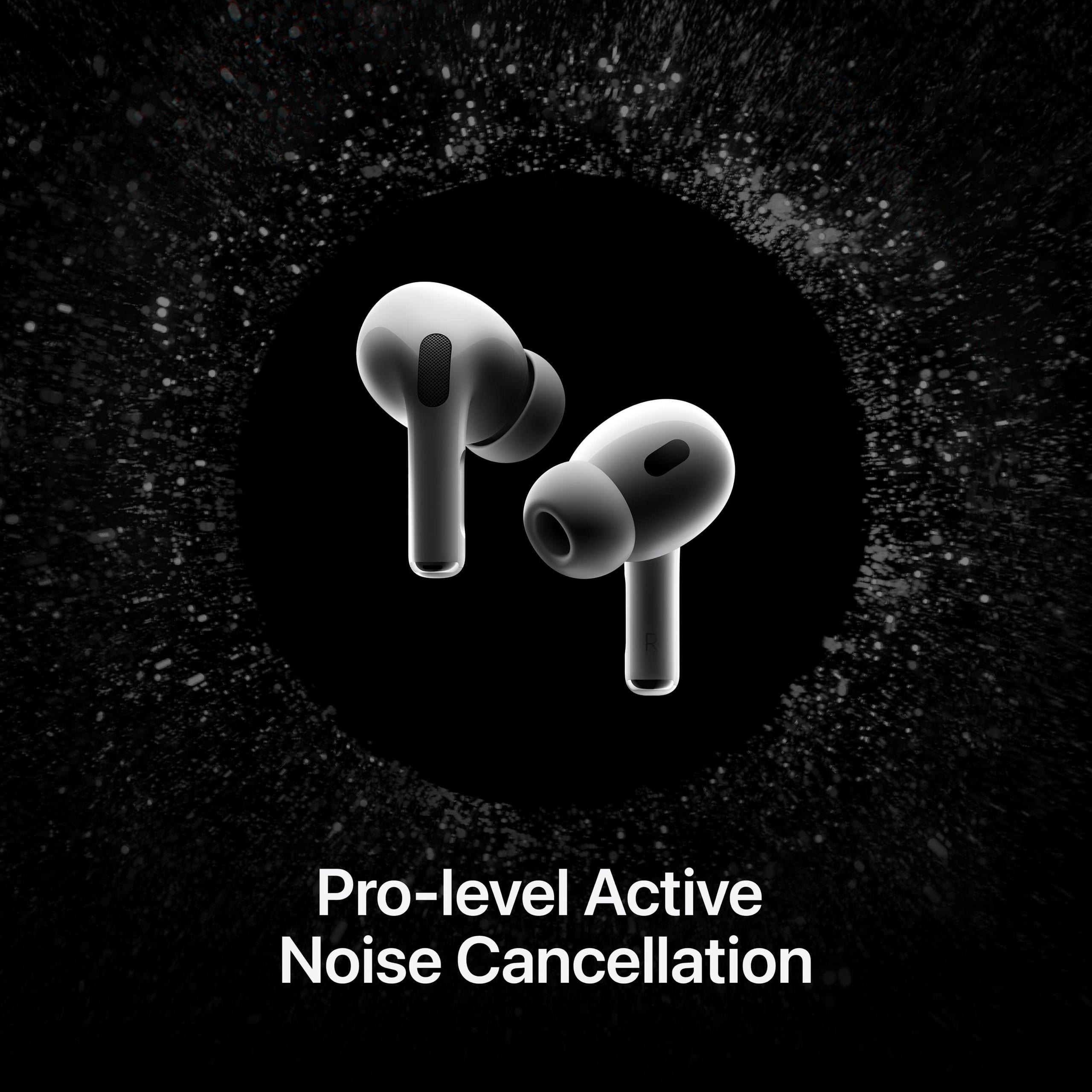
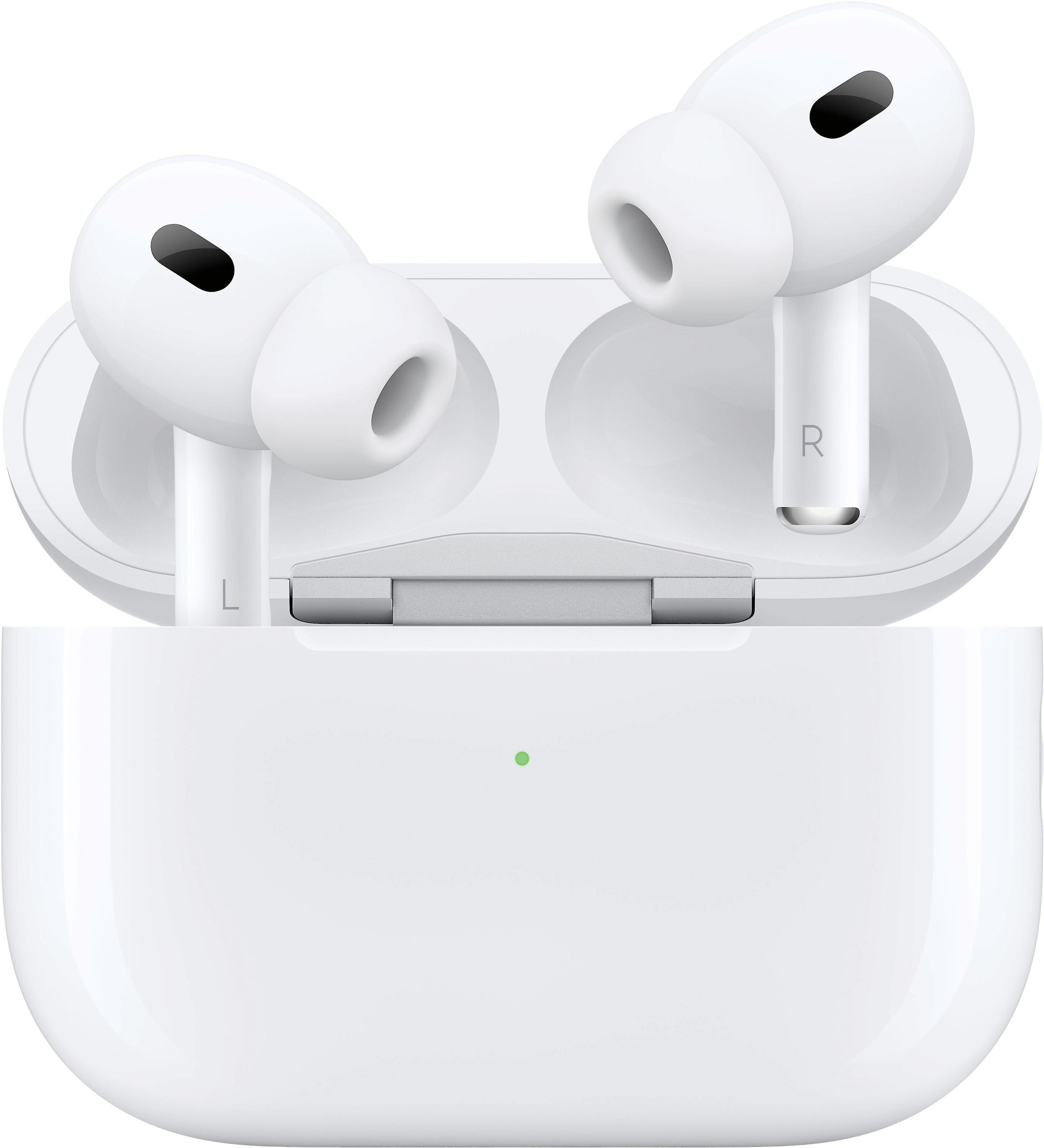
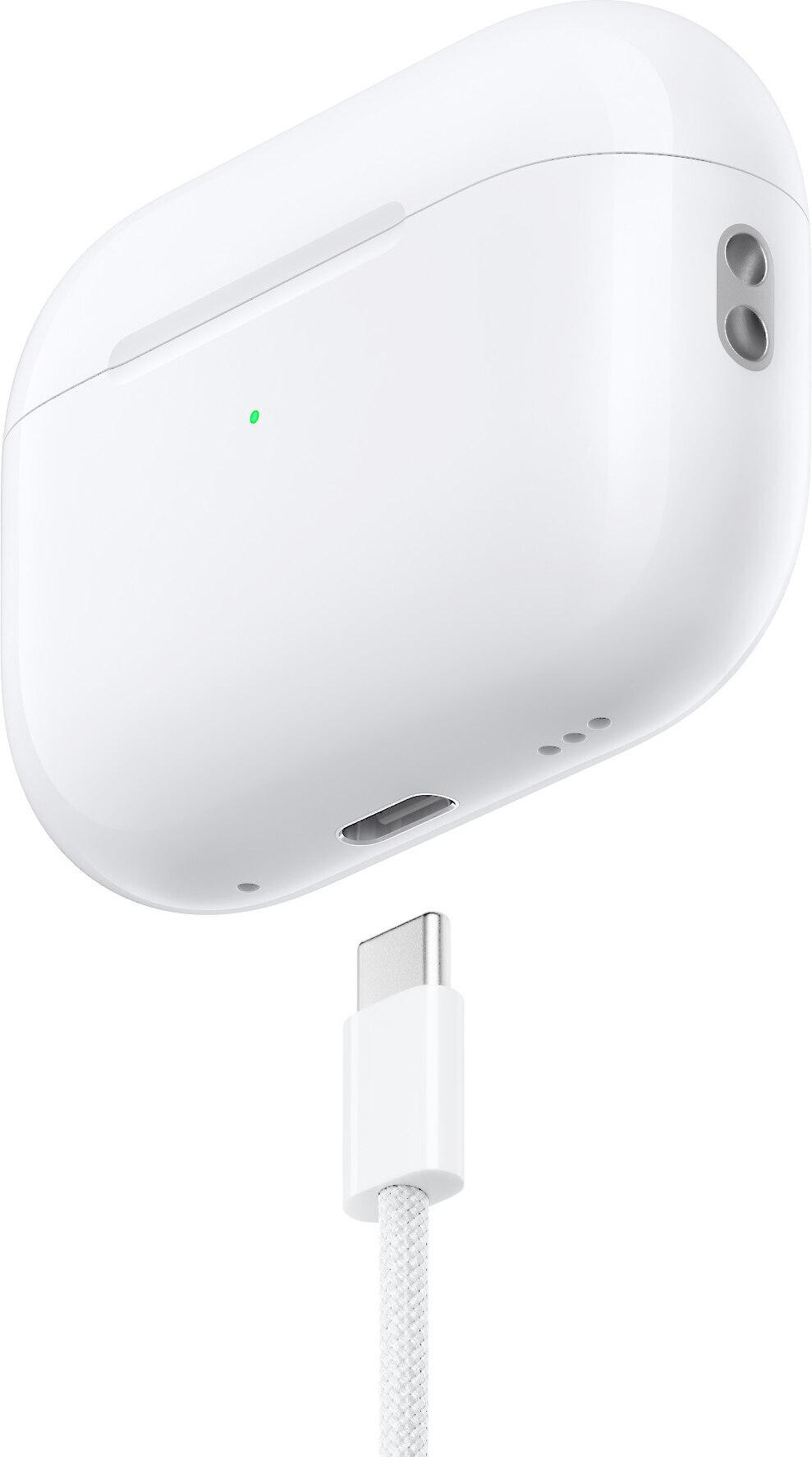
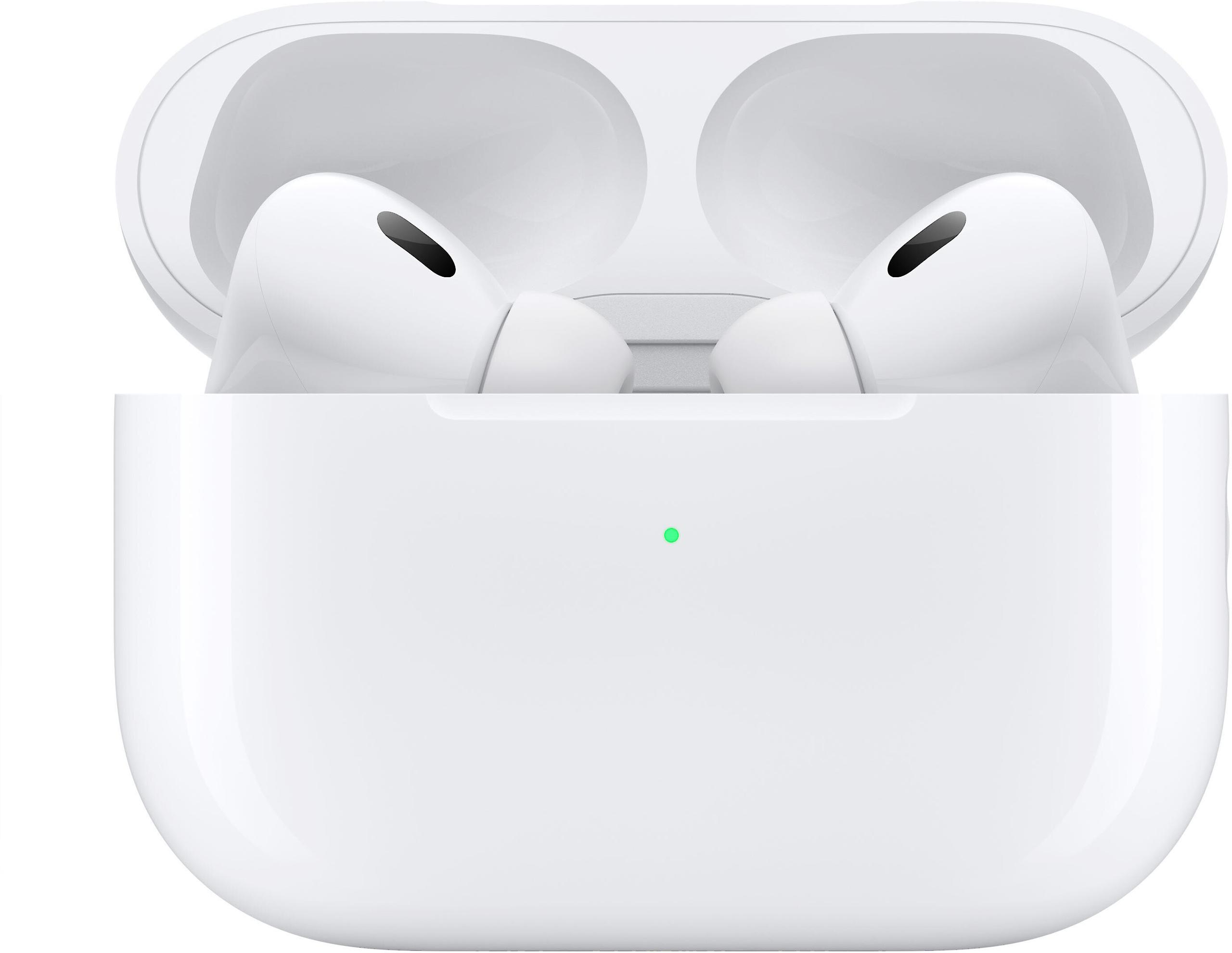
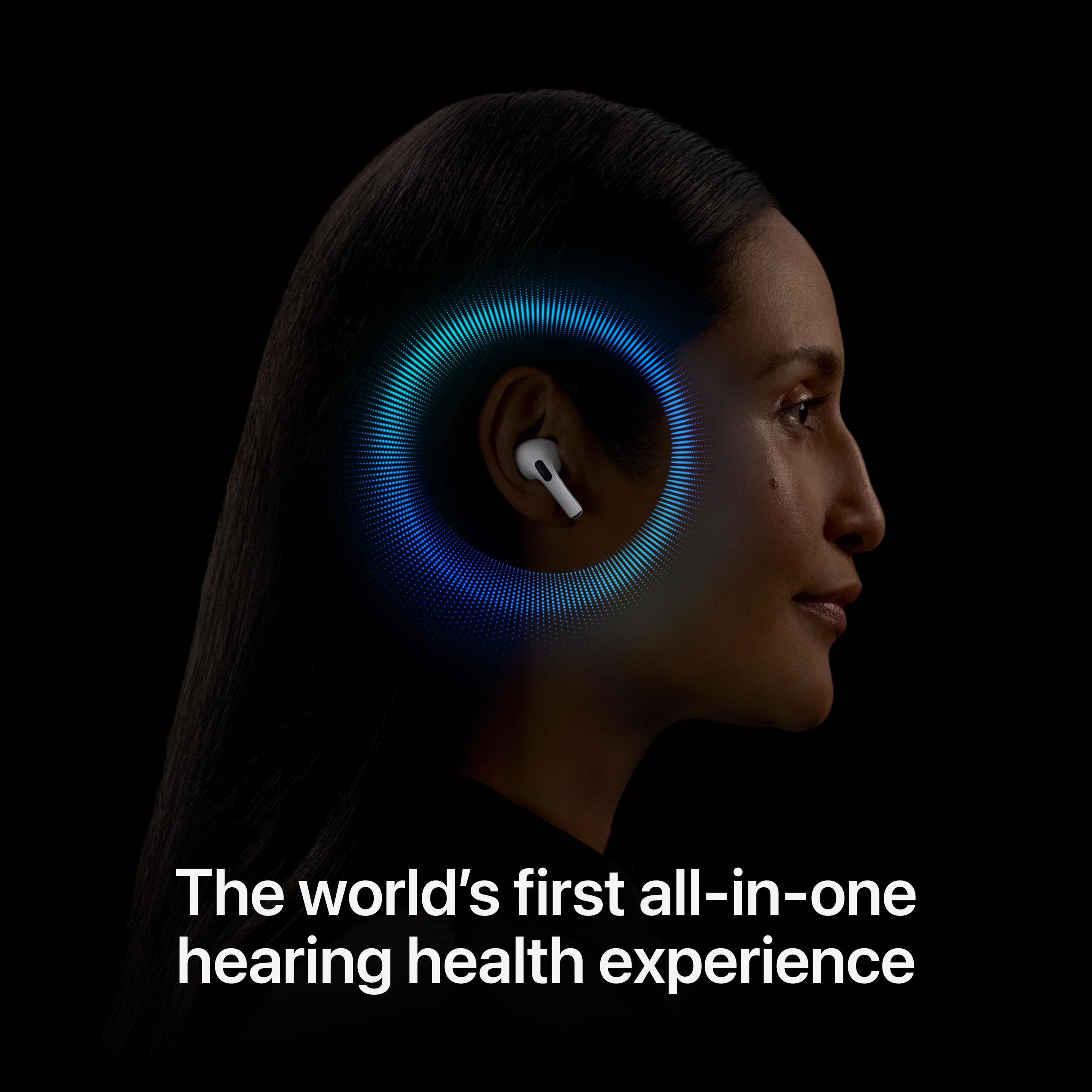
The premium true wireless earbud market has evolved dramatically since Apple popularized the category with their original AirPods in 2016. Today, we're looking at two flagship models that represent the current pinnacle of wireless audio technology: the Samsung Galaxy Buds 3 Pro, released in 2024, and the Apple AirPods Pro 2, which launched in 2022 but continues to receive major software updates that keep it competitive.
Both earbuds compete in the $200-300 price range (at the time of writing) and offer sophisticated features like active noise cancellation, spatial audio, and deep integration with their respective device ecosystems. However, they take notably different approaches to achieving premium audio performance, and understanding these differences is crucial for making the right choice.
When evaluating premium earbuds, several key factors determine whether you'll be satisfied with your purchase. Sound quality remains paramount—these products need to deliver audio that justifies their premium pricing across different music genres. Active noise cancellation (ANC) has become essential for blocking distracting background noise during commutes, flights, or focused work sessions.
Battery life directly impacts daily usability, while comfort and fit determine whether you can actually wear the earbuds for extended periods. Water resistance protects your investment during workouts or unexpected weather. Finally, ecosystem integration—how well the earbuds work with your existing devices—can make the difference between a seamless experience and constant frustration.
The most important performance metrics include frequency response (how accurately the earbuds reproduce different sound frequencies), noise cancellation effectiveness measured in decibels of reduction, battery life under real-world conditions, and codec support for high-quality audio streaming. Understanding these technical aspects helps you evaluate marketing claims against actual performance.
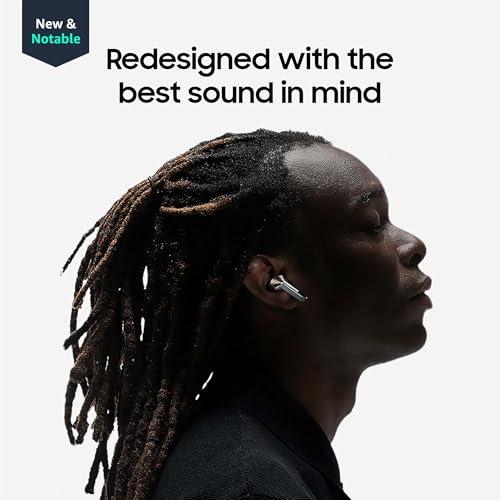
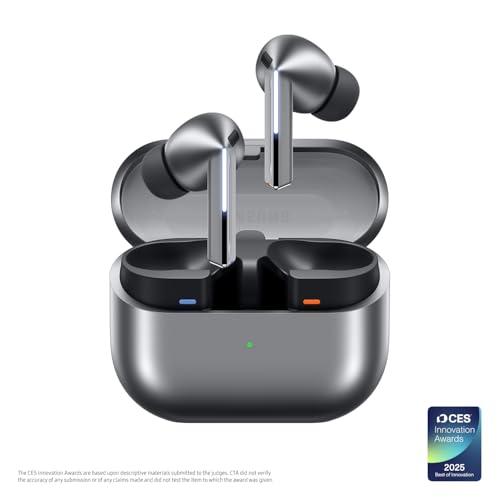
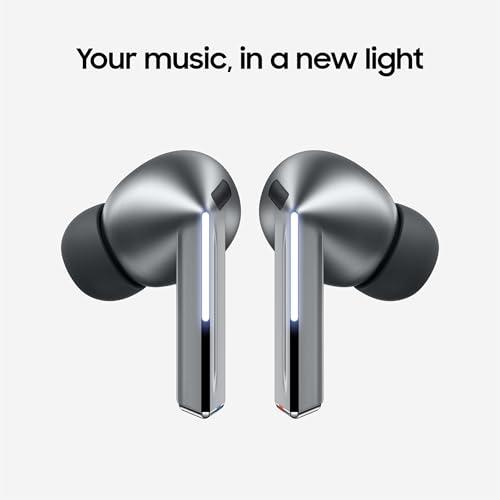
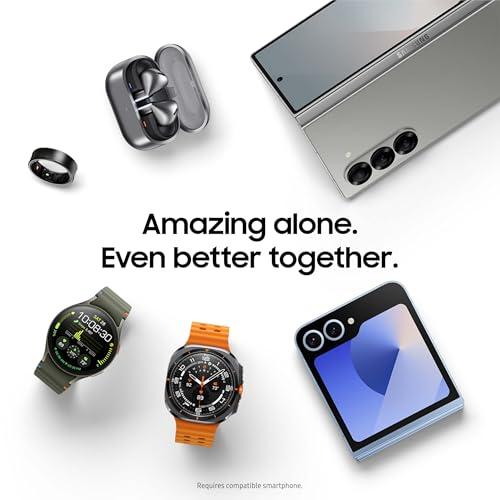
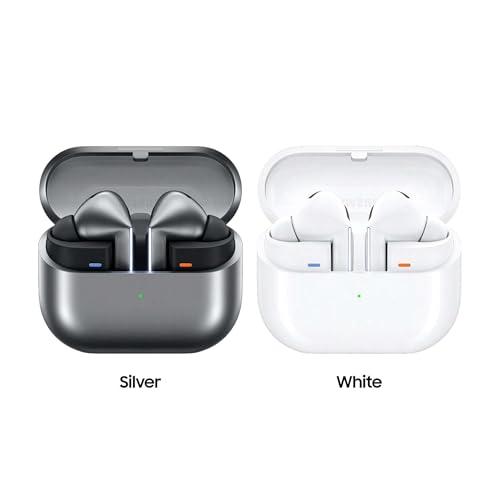
Samsung made a dramatic design shift with the Galaxy Buds 3 Pro, abandoning their signature rounded "bean" shape for a stem-based design that closely resembles Apple's approach. This isn't just aesthetic mimicry—the stem design provides better leverage for controls and improves microphone placement for voice calls.
The Galaxy Buds 3 Pro feature angular, prism-shaped stems with distinctive "Blade Lights" that indicate battery status and connectivity. At 5.4 grams per earbud, they're lightweight but feel slightly less premium than Apple's offering. Samsung's standout advantage is IP57 water and dust resistance, meaning these earbuds can survive submersion in up to one meter of water for 30 minutes. This makes them genuinely suitable for swimming or intense workouts where you might sweat heavily.
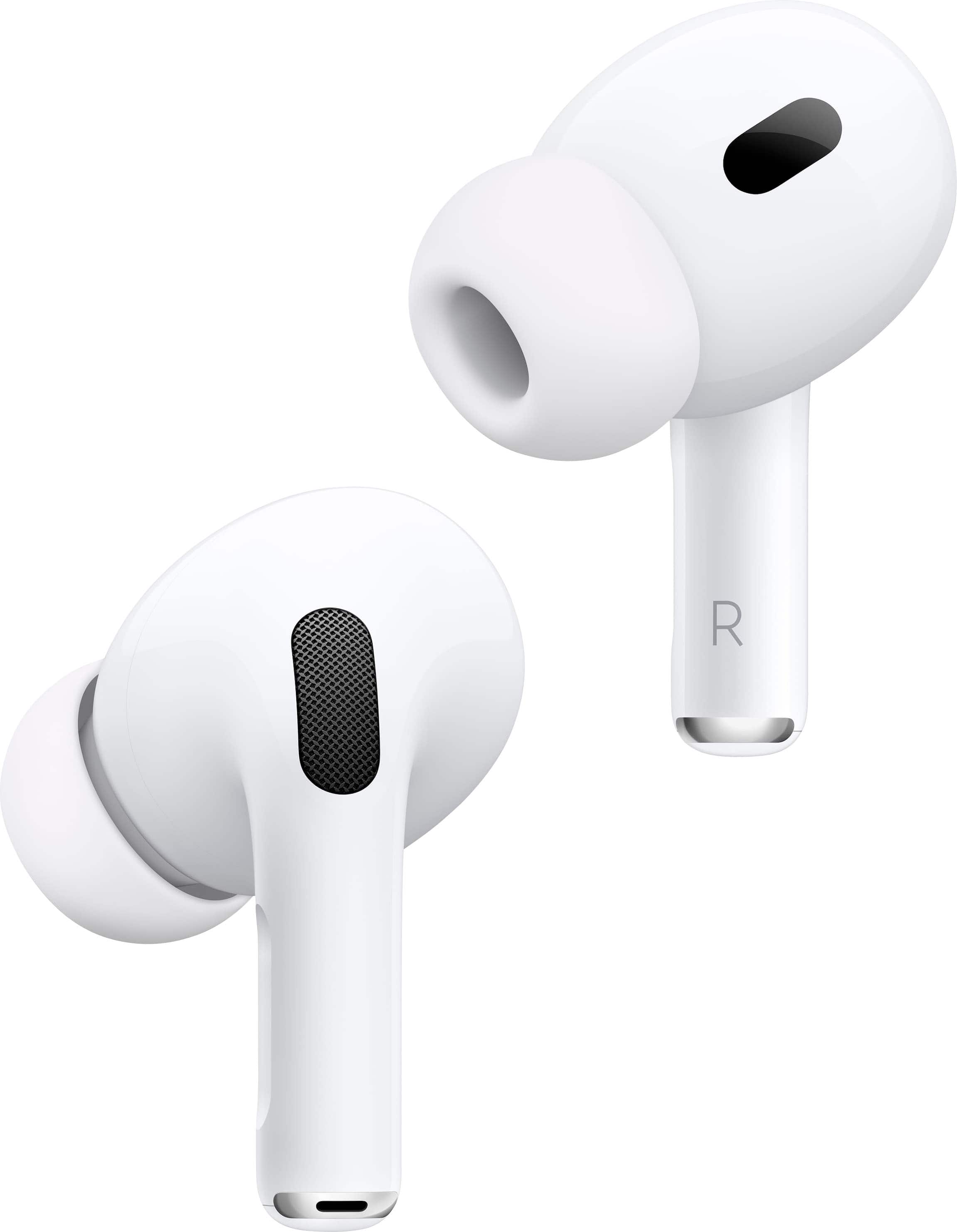
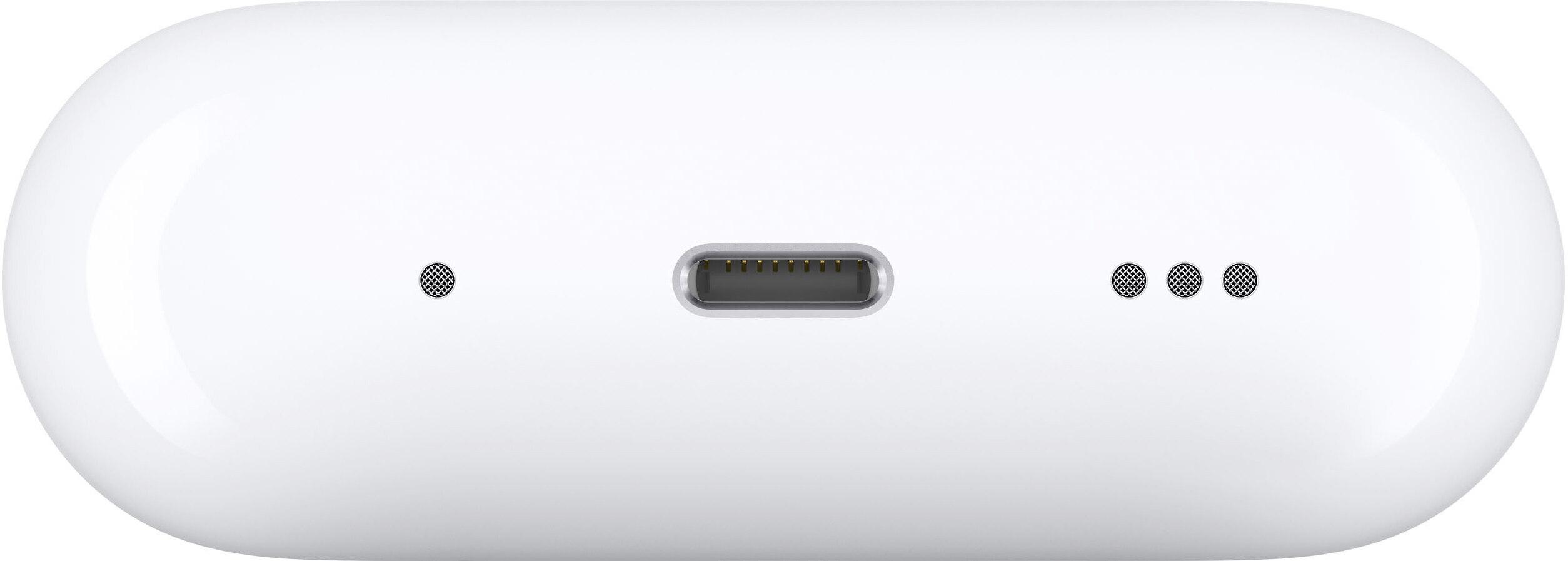
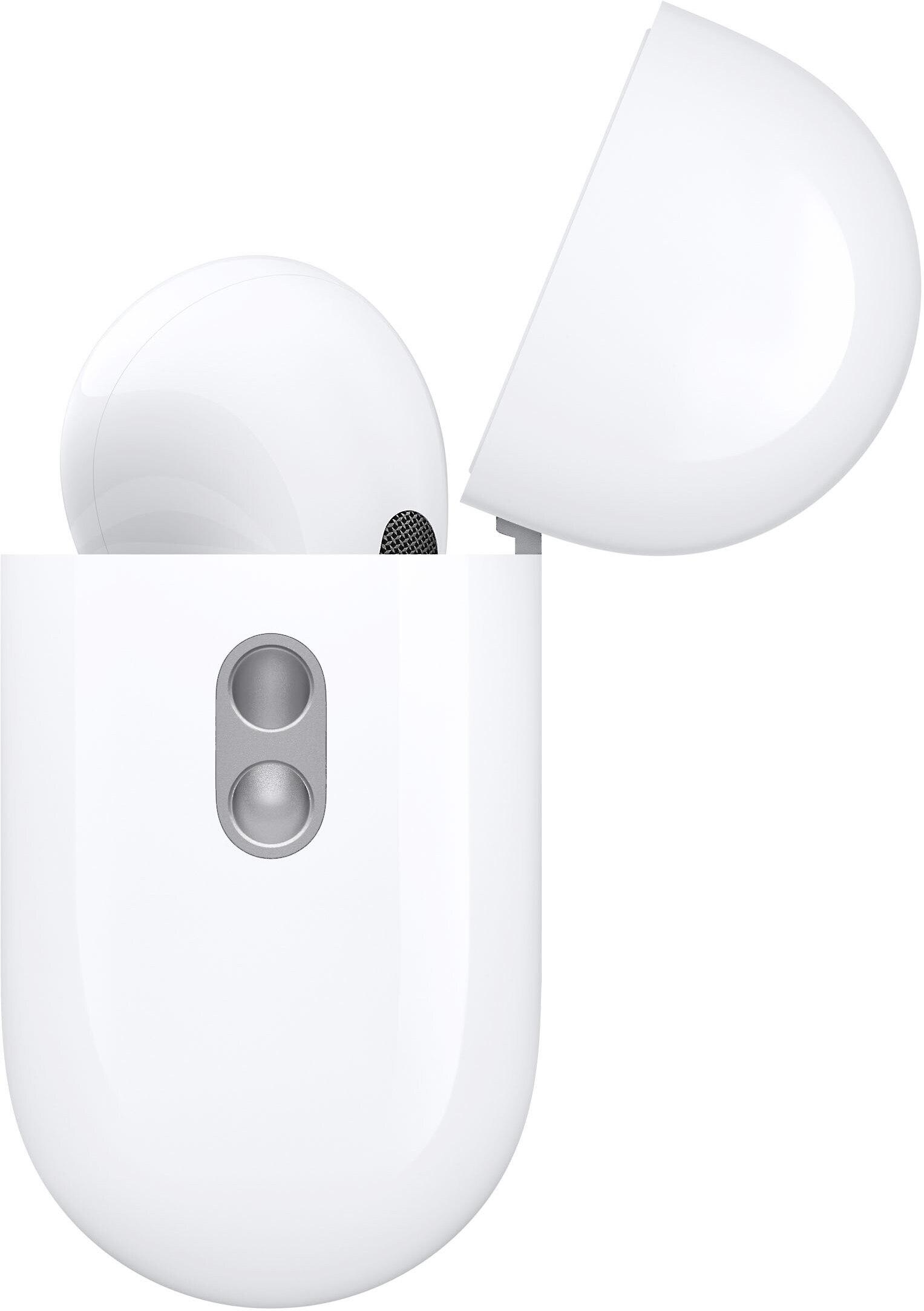
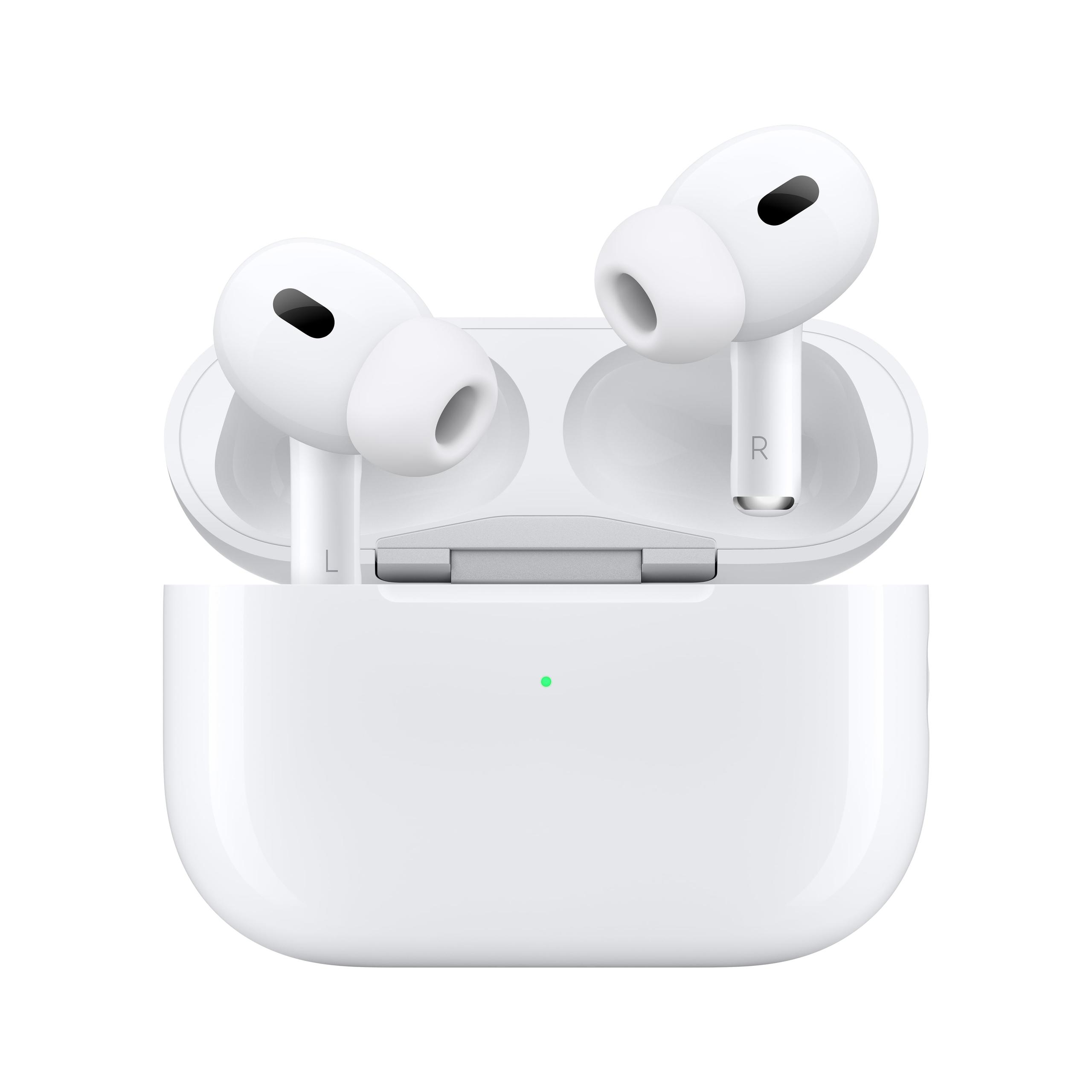
The Apple AirPods Pro 2 maintain Apple's refined stem design with smooth, rounded contours that feel more premium in hand. At 5.3 grams each, they're marginally lighter and consistently receive praise for build quality. However, their IPX4 rating only provides basic splash resistance—fine for light workouts but inadequate for serious athletic activities or wet conditions.
Both earbuds suffered initial quality control issues, but Samsung's problems were more severe, forcing them to pause shipments shortly after launch. Apple's manufacturing quality has proven more consistent over the long term, which matters for a product you'll use daily for years.
The Galaxy Buds 3 Pro employ what audio engineers call a "V-shaped" sound signature—this means bass frequencies and treble frequencies are emphasized while midrange frequencies (where most vocals sit) are slightly recessed. This tuning creates an exciting, energetic sound that makes pop, electronic, and hip-hop music feel more dynamic and engaging.
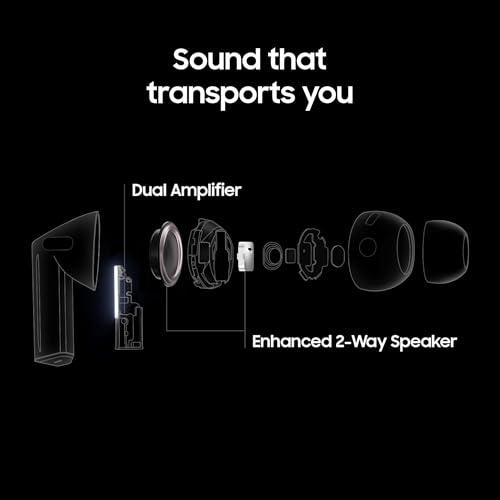
Samsung achieves this through an enhanced 2-way speaker system combining a 10.5mm dynamic woofer for bass reproduction with a 6.1mm planar magnetic tweeter for high frequencies. The dual amplifier system independently controls each driver, reducing interference and allowing for cleaner separation between bass and treble elements. The frequency response extends up to 40kHz—well beyond human hearing limits—which contributes to the overall sense of detail and airiness in the sound.
The Apple AirPods Pro 2 take a more balanced approach with stronger emphasis on midrange frequencies where vocals and most instruments naturally sit. Apple's custom high-excursion driver paired with a high dynamic range amplifier creates what many reviewers describe as a more natural, less fatiguing sound signature that works well across diverse music genres.
This difference in tuning philosophy has practical implications. The Galaxy Buds 3 Pro excel with bass-heavy genres like electronic dance music, hip-hop, and modern pop where the V-shaped tuning enhances the energy and impact. However, for acoustic music, jazz, classical, or podcasts, the AirPods Pro 2's balanced signature often sounds more natural and less artificially colored.
Audio customization represents another crucial difference. Samsung provides a comprehensive 9-band graphic equalizer through their Galaxy Wearable app, allowing you to completely reshape the sound signature to your preferences. This level of control appeals to audio enthusiasts who want to fine-tune their listening experience.
Apple offers no manual EQ controls, instead relying on Adaptive EQ that automatically adjusts sound based on how the earbuds fit in your ears. Inward-facing microphones measure what you're actually hearing and adjust low to high frequencies accordingly. While this sounds limiting, Apple's approach often produces more consistent results across different users and ear shapes.
Audio codecs determine how music gets compressed for Bluetooth transmission, then decompressed in your earbuds. The Galaxy Buds 3 Pro support multiple codecs including Samsung's proprietary Seamless Codec (SSC), which can stream audio up to 24-bit/96kHz quality—significantly higher resolution than standard CD quality.
However, this high-resolution capability only works with recent Samsung devices (Galaxy S23 series or later, Z Fold 5/Z Flip 5 or later, Tab S9 series). If you don't own one of these specific Samsung devices, you're limited to standard AAC and SBC codecs, which provide good but not exceptional quality.
The Apple AirPods Pro 2 support only AAC and SBC codecs, with no high-resolution audio capability despite Apple Music offering hi-res tracks. This seems like a significant limitation on paper, but Apple's H2 chip processing and acoustic optimization often produce better perceived sound quality than competitors with technically superior codec support.
This illustrates an important principle: specifications don't always correlate with real-world performance. Apple's integrated approach—controlling both the hardware and software—often produces more optimized results than competitors with seemingly superior technical specifications.
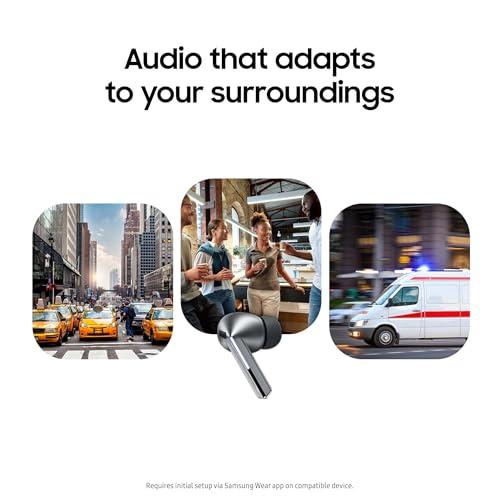
Both earbuds offer excellent active noise cancellation, but with different strengths. The Galaxy Buds 3 Pro feature Adaptive Noise Control powered by Galaxy AI that intelligently adjusts cancellation levels based on your environment. The system includes Voice Detect, which automatically reduces music volume and activates transparency mode when it detects you speaking, and Siren Detect, which allows emergency vehicle sounds through while blocking other noise.
Samsung's ANC effectively dampens ambient noise for travel and noisy environments, but some testing reveals occasional harsh sound penetration and struggles with specific frequency ranges, particularly low-frequency rumbles below 100Hz that are common in airplane cabins or city traffic.
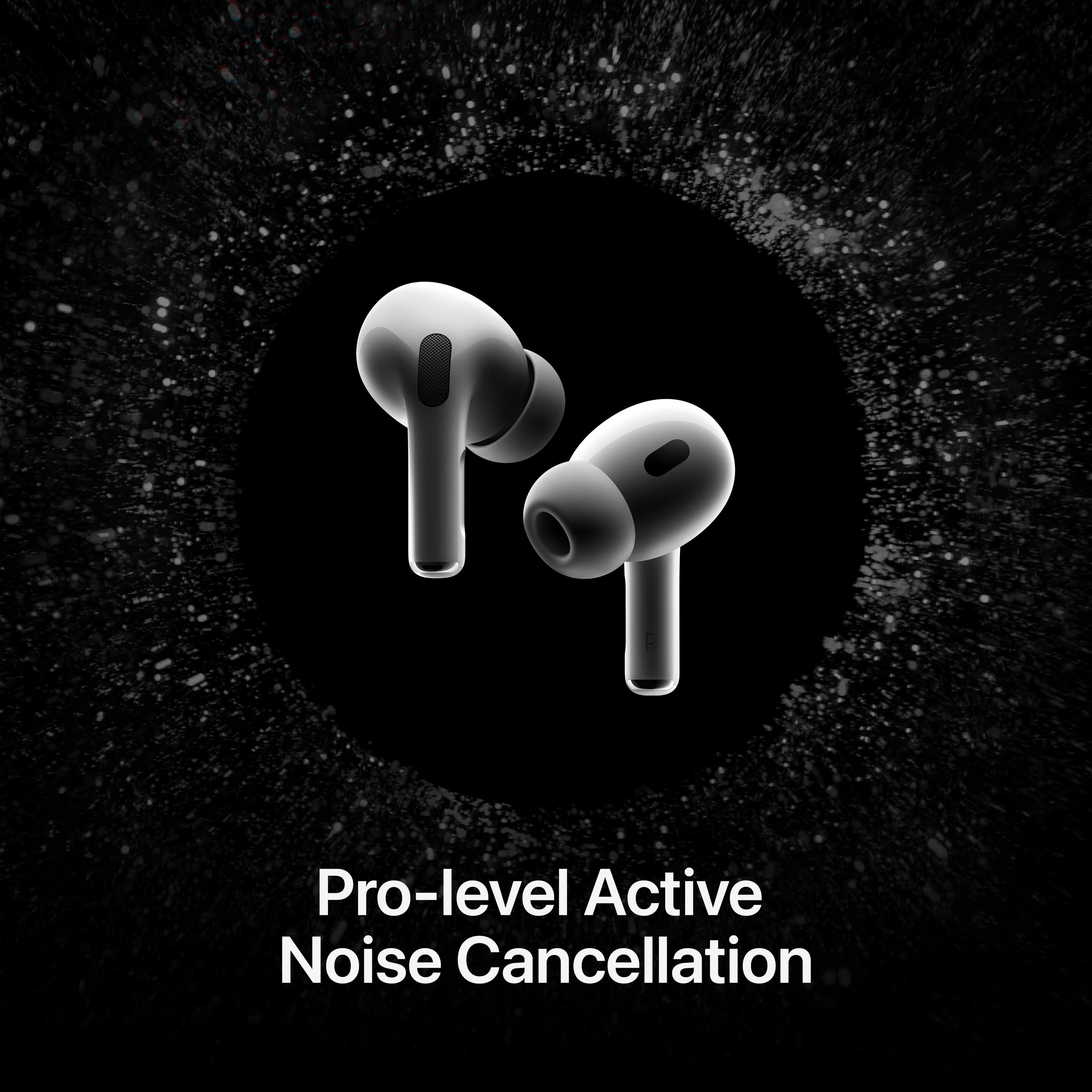
The Apple AirPods Pro 2 leverage the H2 chip with optimized acoustic vents and microphones for what Apple claims is twice the noise cancellation of the previous generation. The system processes sound 48,000 times per second—a rate fast enough to react to sudden noise changes almost instantaneously.
Professional reviews consistently rate Apple's ANC implementation among the best available, describing it as more naturally adaptive and effective across a broader range of frequencies. The AirPods Pro 2 maintain slight superiority in overall ANC performance, though both perform excellently for most real-world scenarios.
For home theater use, both earbuds offer spatial audio features that simulate surround sound positioning. However, this application has limitations—true surround sound systems provide much better positional audio for movies, and the compressed nature of Bluetooth audio doesn't match the dynamic range of dedicated home theater equipment.
Real-world battery testing reveals significant differences between these products. Independent testing shows the AirPods Pro 2 achieving approximately 5 hours and 43 minutes of playback with ANC enabled, while the Galaxy Buds 3 Pro lasted only about 4 hours and 31 minutes under identical conditions.
This 25% difference in actual performance contradicts Samsung's marketing claims and has practical implications. The shorter battery life means more frequent charging cycles, which can reduce the long-term health of the lithium-ion batteries. Both earbuds use non-replaceable batteries, so degraded battery performance eventually makes the product unusable.
Both offer quick charging with approximately one hour of listening time from five minutes of charging, and both support wireless charging options. The AirPods Pro 2 additionally support MagSafe and Apple Watch chargers, providing more charging flexibility within Apple's ecosystem.
For users who frequently travel or use earbuds for long work sessions, the battery life difference becomes particularly important. The AirPods Pro 2 are more likely to last through a full workday or long flight without requiring mid-day charging.
Microphone performance represents one area where the Galaxy Buds 3 Pro clearly outperform the competition. Samsung employs six microphones total (three per earbud) plus a Voice Pickup Unit (VPU) for voice capture. In direct comparisons with multiple competitors including the AirPods Pro 2, Bose, Sony, and Jabra models, the Samsung earbuds consistently demonstrate superior microphone pickup, particularly in noisy and windy conditions.
The noise gating system aggressively filters wind and background noise while maintaining natural voice quality. This makes the Galaxy Buds 3 Pro particularly suitable for users who take frequent calls in challenging acoustic environments—busy offices, outdoor locations, or while commuting.
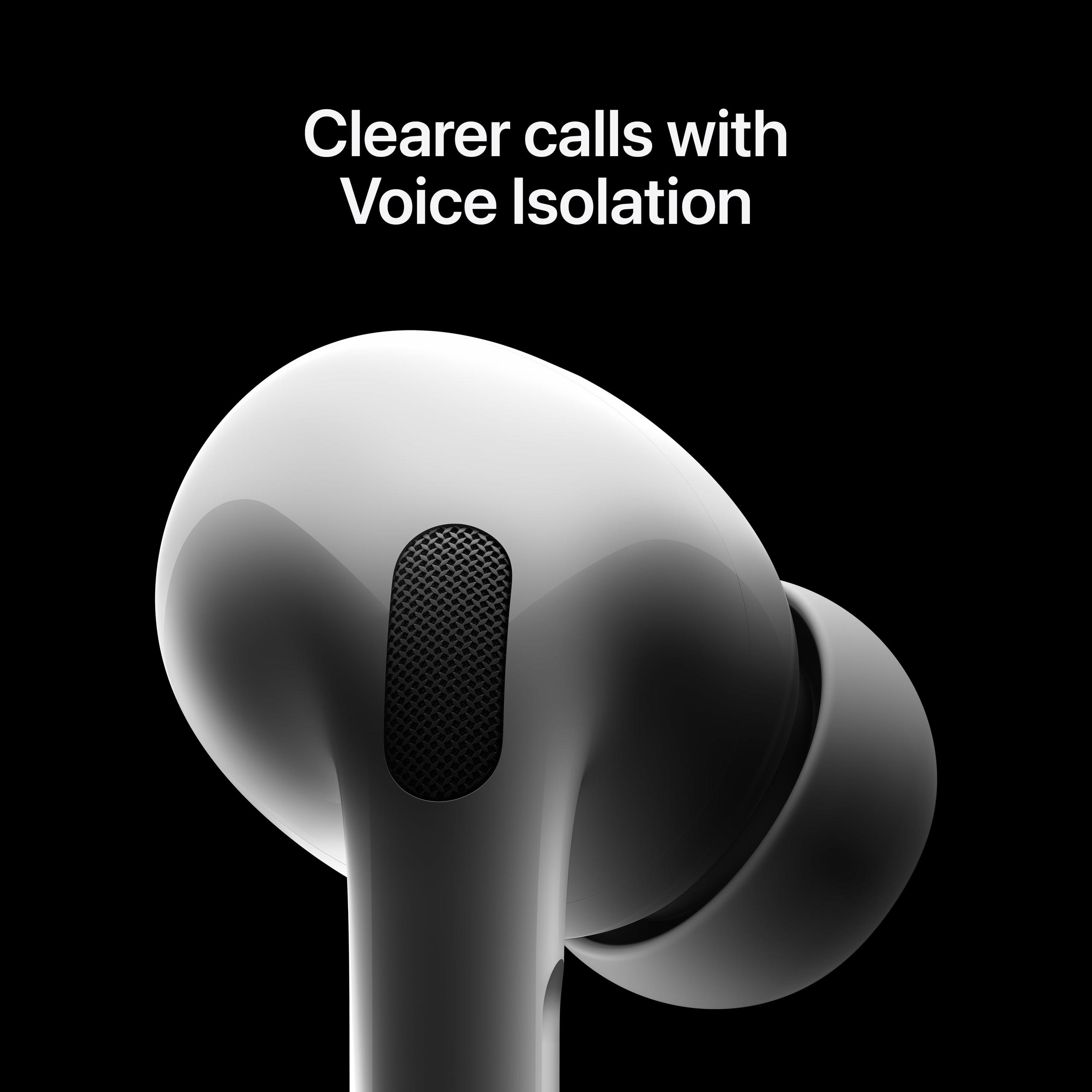
The AirPods Pro 2 utilize dual beamforming microphones with Voice Isolation technology that reduces background noise during calls. While call quality is very good and integrates seamlessly with iOS phone features, direct comparisons show the Samsung earbuds offering superior performance in challenging conditions.
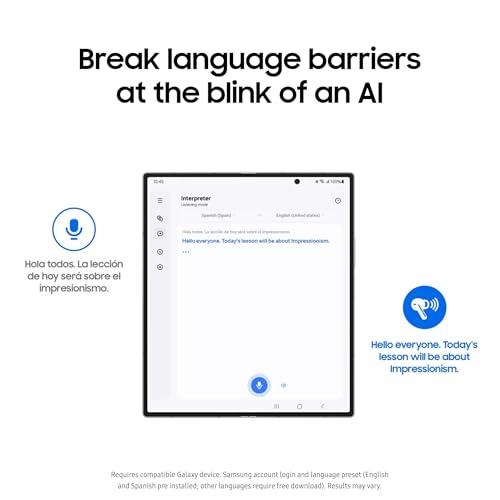
This factor often determines which earbuds will provide the best overall experience. The Galaxy Buds 3 Pro offer extensive smart features when paired with compatible Samsung devices, including Real-Time Interpreter for live translation, seamless device switching between Samsung products, and advanced AI-powered audio adjustments.
However, these premium features require recent Samsung Galaxy devices. iPhone users cannot access most features since Samsung provides no iOS app, making these earbuds poorly suited for Apple ecosystem users. The Galaxy Wearable app on Android provides comprehensive control and customization options for Samsung device owners.
The Apple AirPods Pro 2 integrate flawlessly within Apple's ecosystem with automatic device switching between iPhone, iPad, Mac, and Apple TV. Spatial audio with dynamic head tracking works across Apple's content ecosystem, while Siri integration enables voice control. The upcoming hearing health features, including scientifically validated hearing tests and clinical-grade hearing aid functionality, add significant long-term value.
Importantly, the AirPods Pro 2 maintain basic functionality when used with Android devices, though without access to advanced features. The Galaxy Buds 3 Pro lose most of their premium capabilities when used with non-Samsung devices.
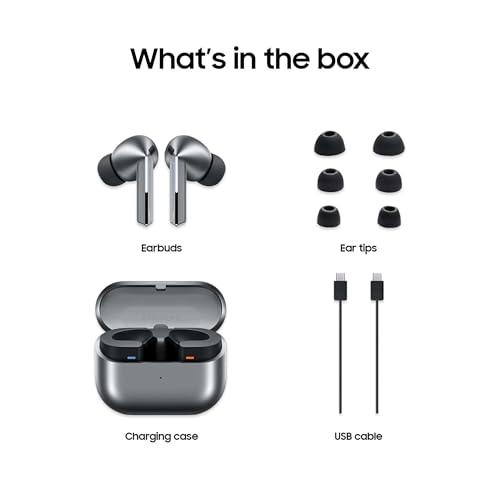
Both earbuds receive positive feedback for comfort during extended wear, but the AirPods Pro 2 generally achieve better fit consistency and seal quality. Apple includes four ear tip sizes (XS, S, M, L) compared to Samsung's three sizes, and the iOS ear tip fit test helps users optimize seal quality for both comfort and noise cancellation effectiveness.
The Galaxy Buds 3 Pro implement "blade" controls supporting touch, swipe, and pinch gestures on the stem. The Blade Lights provide visual status indication, though some users find this feature more gimmicky than useful. Controls are customizable through the Galaxy Wearable app with generally good responsiveness.
Apple uses pressure-sensitive stem controls that avoid accidental activation while providing tactile feedback. The force sensor technology proves more reliable than touch-based alternatives and integrates seamlessly with iOS. Volume adjustment via swipe gestures provides intuitive control without needing to reach for your phone.
Based on extensive research of professional reviews and user feedback, clear recommendations emerge for different user scenarios.
Choose the Samsung Galaxy Buds 3 Pro if:
Choose the Apple AirPods Pro 2 if:
Avoid the Galaxy Buds 3 Pro if:
At the time of writing, both products offer competitive value in their price range, but the decision ultimately hinges on your device ecosystem and usage priorities. Samsung device owners gain access to advanced features that can justify the premium price, while Apple users benefit from superior integration and reliability that extends the product's useful life.
The AirPods Pro 2, despite being two years older, continue receiving major software updates that add new features and maintain competitiveness. The Galaxy Buds 3 Pro represent Samsung's strongest attempt yet to compete with Apple's dominance, offering genuine advantages in specific areas while struggling with ecosystem limitations that affect their broad appeal.
For most users, the ecosystem compatibility question resolves the decision. Cross-platform users should strongly favor the AirPods Pro 2 for broader compatibility and maintained functionality across different devices, while Samsung ecosystem users can fully leverage the Galaxy Buds 3 Pro's advanced feature set.
| Samsung Galaxy Buds 3 Pro | Apple AirPods Pro 2 |
|---|---|
| Sound Signature - Determines which music genres sound best | |
| V-shaped (enhanced bass & treble, exciting for pop/electronic) | Balanced (natural midrange, works across all genres) |
| Audio Customization - Control over your sound preferences | |
| Full 9-band EQ + Adaptive EQ with Galaxy AI | Adaptive EQ only (no manual controls) |
| High-Resolution Audio Support - Better quality with compatible devices | |
| 24-bit/96kHz with Samsung Seamless Codec (Samsung devices only) | Standard AAC/SBC codecs only |
| Active Noise Cancellation - Blocking background noise | |
| AI-powered adaptive ANC (very good, some frequency gaps) | H2 chip ANC (excellent across all frequencies) |
| Battery Life (Real-World Testing) - Daily usability impact | |
| ~4.5 hours per charge with ANC | ~5.75 hours per charge with ANC |
| Water Resistance - Protection during workouts/weather | |
| IP57 (submersible up to 1 meter) | IPX4 (basic splash resistance) |
| Call Quality - Performance during phone calls | |
| Superior (6 mics + VPU, excellent noise filtering) | Very good (dual beamforming, Voice Isolation) |
| Ecosystem Integration - Feature access with your devices | |
| Full features require Samsung Galaxy devices only | Seamless with Apple devices, basic function on Android |
| Build Quality & Design | |
| Angular stems with Blade Lights, more plasticky feel | Rounded stems, premium materials, refined finish |
| Codec Compatibility - Audio streaming quality | |
| SBC, AAC, Samsung Scalable, Samsung Seamless | SBC, AAC |
| Cross-Platform Compatibility - Works with other brands | |
| Limited functionality outside Samsung ecosystem | Maintains core features on Android devices |
The Samsung Galaxy Buds 3 Pro deliver a V-shaped sound signature with enhanced bass and treble that makes pop, electronic, and hip-hop music sound more exciting. The Apple AirPods Pro 2 offer a more balanced sound that works well across all music genres. Both receive excellent reviews, but the Galaxy Buds 3 Pro provide more customization with a 9-band equalizer, while the AirPods Pro 2 use automatic tuning only.
The Samsung Galaxy Buds 3 Pro have very limited functionality with iPhone since Samsung doesn't provide an iOS app. You'll lose access to most premium features including the equalizer, advanced noise cancellation modes, and high-resolution audio codecs. iPhone users should choose the Apple AirPods Pro 2 for full feature compatibility and seamless integration.
The Apple AirPods Pro 2 significantly outperform the Samsung Galaxy Buds 3 Pro in battery life testing. Real-world tests show the AirPods Pro 2 lasting nearly 6 hours with noise cancellation enabled, compared to about 4.5 hours for the Galaxy Buds 3 Pro. This 25% difference means less frequent charging and better all-day usability.
The Samsung Galaxy Buds 3 Pro offer superior water resistance with an IP57 rating, meaning they can survive submersion in up to 1 meter of water for 30 minutes. This makes them suitable for swimming and intense workouts. The Apple AirPods Pro 2 only have IPX4 splash resistance, adequate for light exercise but not water activities.
The Samsung Galaxy Buds 3 Pro excel at call quality with six microphones and advanced noise filtering that outperforms most competitors in noisy environments. The Apple AirPods Pro 2 also provide very good call quality with Voice Isolation technology, but the Galaxy Buds 3 Pro consistently demonstrate superior microphone performance in challenging conditions like wind or traffic noise.
Yes, the Apple AirPods Pro 2 work with Android devices and maintain most core functionality including music playback, noise cancellation, and transparency mode. However, you'll lose some Apple-specific features like automatic device switching and Siri integration. The AirPods Pro 2 offer better cross-platform compatibility than the Samsung Galaxy Buds 3 Pro.
The Apple AirPods Pro 2 have slightly superior active noise cancellation that's more consistent across different frequency ranges. Both the AirPods Pro 2 and Samsung Galaxy Buds 3 Pro offer excellent noise blocking for travel and noisy environments, but Apple's H2 chip processing provides more natural and effective cancellation overall.
Yes, the Samsung Galaxy Buds 3 Pro offer extensive sound customization through a 9-band graphic equalizer in the Galaxy Wearable app, but only on Android devices. This allows complete control over bass, mids, and treble. The Apple AirPods Pro 2 don't provide manual EQ controls and instead use automatic Adaptive EQ that adjusts based on your ear shape.
Both the Samsung Galaxy Buds 3 Pro and Apple AirPods Pro 2 are lightweight and comfortable for extended wear. The AirPods Pro 2 generally achieve better fit consistency with four ear tip sizes compared to three for the Galaxy Buds 3 Pro. Apple also includes an ear tip fit test to optimize comfort and noise cancellation effectiveness.
The Samsung Galaxy Buds 3 Pro support 24-bit/96kHz high-resolution audio through Samsung's Seamless Codec, but only with recent Samsung Galaxy devices (S23 series or later). The Apple AirPods Pro 2 don't support high-resolution codecs but achieve excellent sound quality through optimized processing. Most users won't notice the difference in everyday listening.
The Samsung Galaxy Buds 3 Pro are better for intense workouts due to their IP57 water resistance rating that can handle heavy sweating or even accidental water exposure. The Apple AirPods Pro 2 have basic IPX4 splash resistance suitable for light exercise. Both offer good stability and comfort during movement, but the Galaxy Buds 3 Pro provide superior protection.
The Samsung Galaxy Buds 3 Pro are worth buying if you own recent Samsung devices and want features like high-resolution audio, extensive EQ customization, and superior water resistance. However, the Apple AirPods Pro 2 offer better battery life, build quality, and cross-platform compatibility. Choose the Galaxy Buds 3 Pro for Samsung ecosystem integration or the AirPods Pro 2 for broader device compatibility and proven reliability.
We've done our best to create useful and informative comparisons to help you decide what product to buy. Our research uses advanced automated methods to create this comparison and perfection is not possible - please contact us for corrections or questions. These are the sites we've researched in the creation of this article: techradar.com - soundguys.com - whathifi.com - loudnwireless.com - rtings.com - whathifi.com - youtube.com - youtube.com - soundguys.com - youtube.com - youtube.com - soundguys.com - eu.community.samsung.com - phonearena.com - loudnwireless.com - samsung.com - whatgear.net - samsung.com - devicesupport.three.co.uk - youtube.com - samsung.com - techradar.com - samsung.com - en.wikipedia.org - samsung.com - moneycontrol.com - youtube.com - bestbuy.com - eu.community.samsung.com - recordingnow.com - apple.com - apple.com - cnet.com - hearingreview.com - target.com - support.apple.com - costco.com - cnet.com - quill.com

Privacy Policy
Terms and Conditions - Affiliate Policy
Home Security
© Copyright 2008-2026.
11816 Inwood Rd #1211, Dallas, TX 75244