





Premium wireless earbuds have evolved dramatically over the past few years, transforming from simple Bluetooth accessories into sophisticated audio devices packed with sensors, AI features, and specialized capabilities. At the higher end of the market, you'll find two distinctly different approaches to premium audio: the mainstream flagship and the specialized niche product.
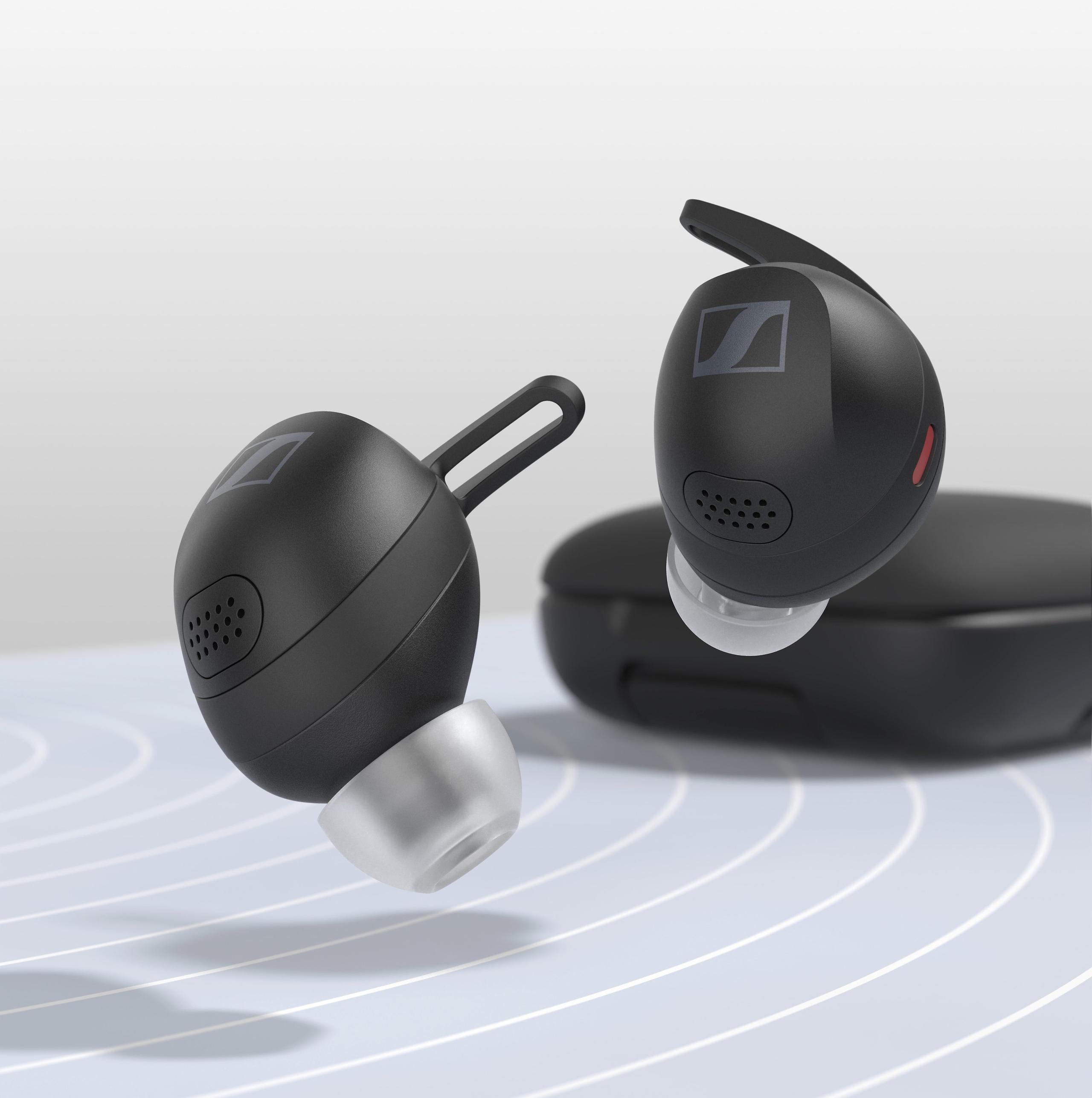
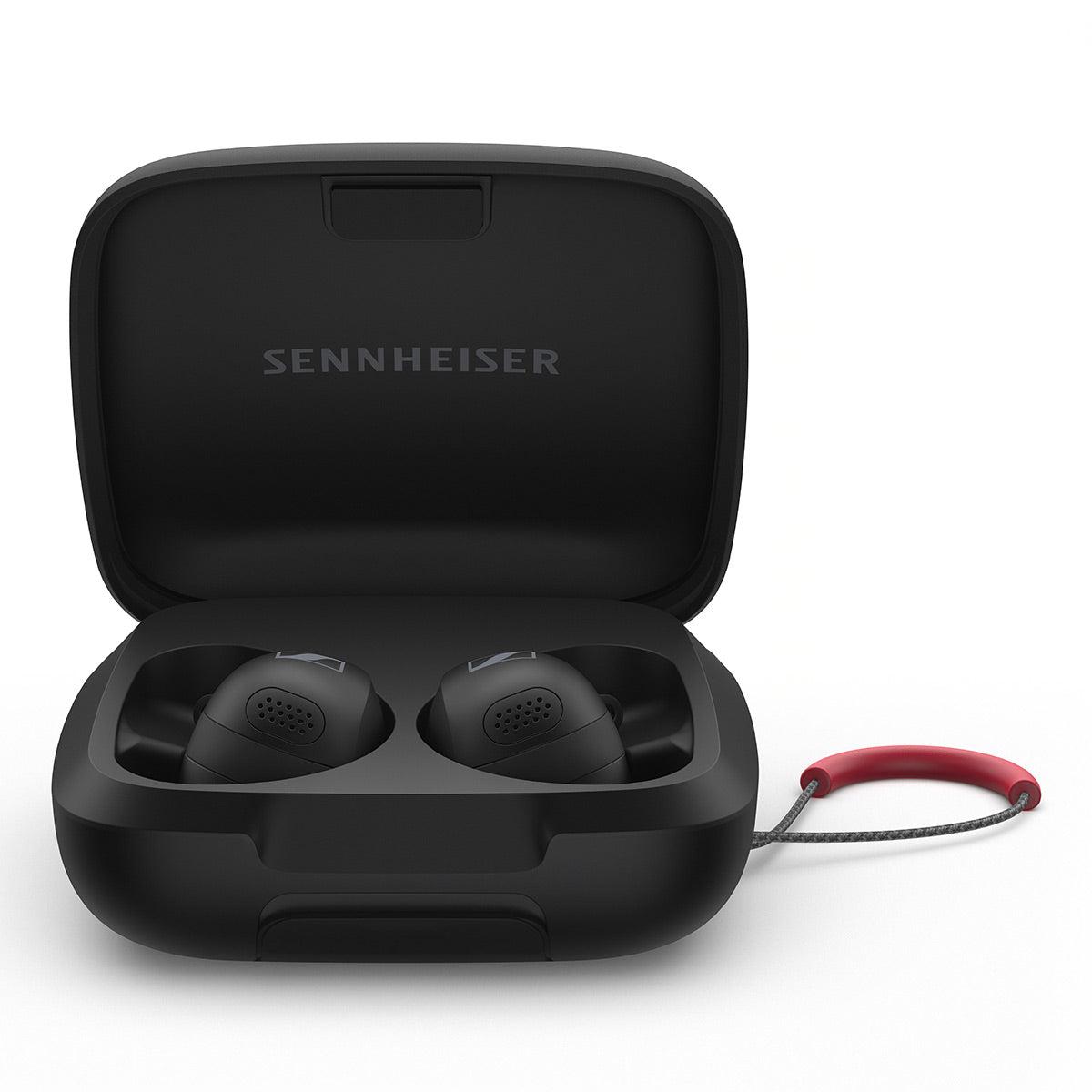
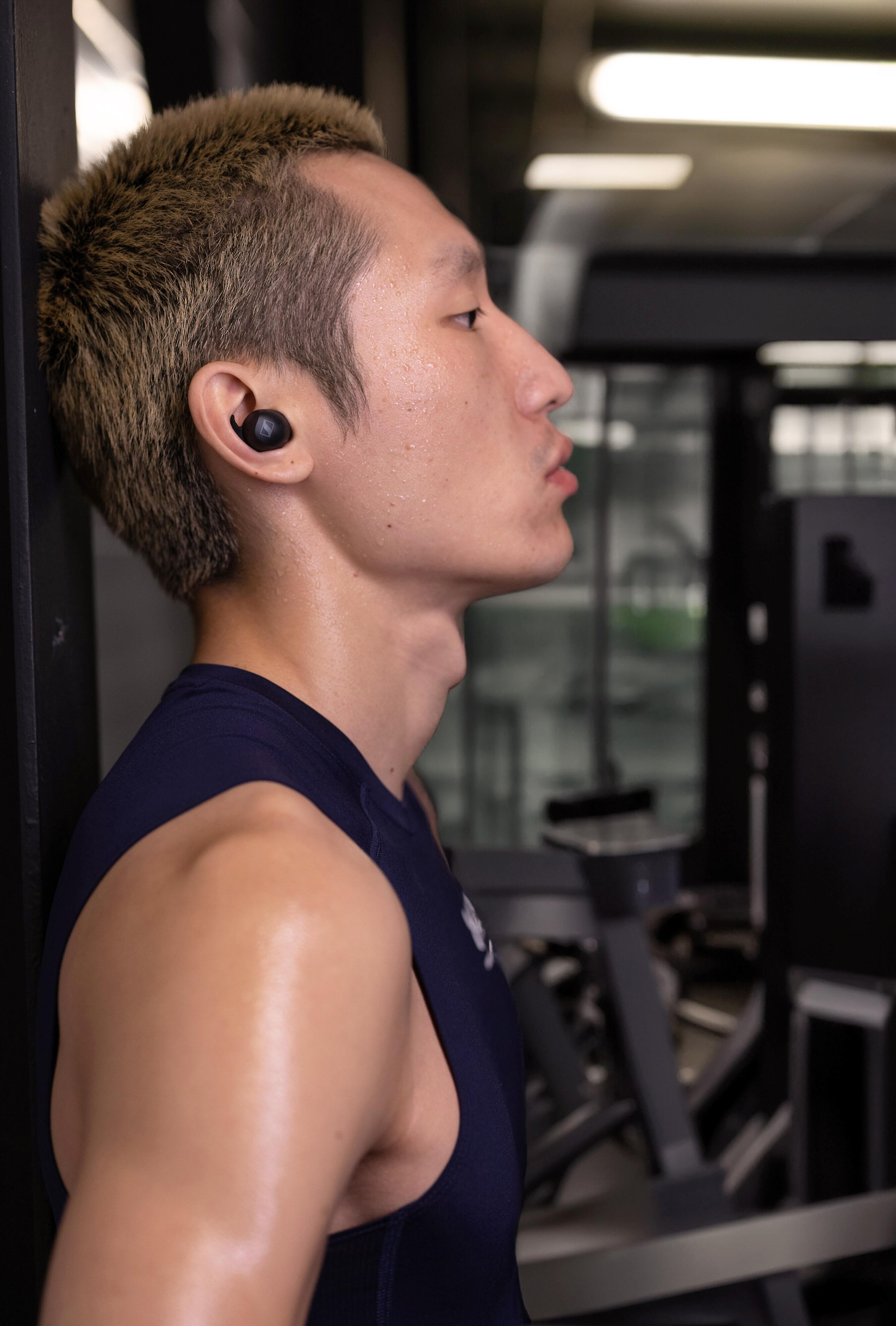
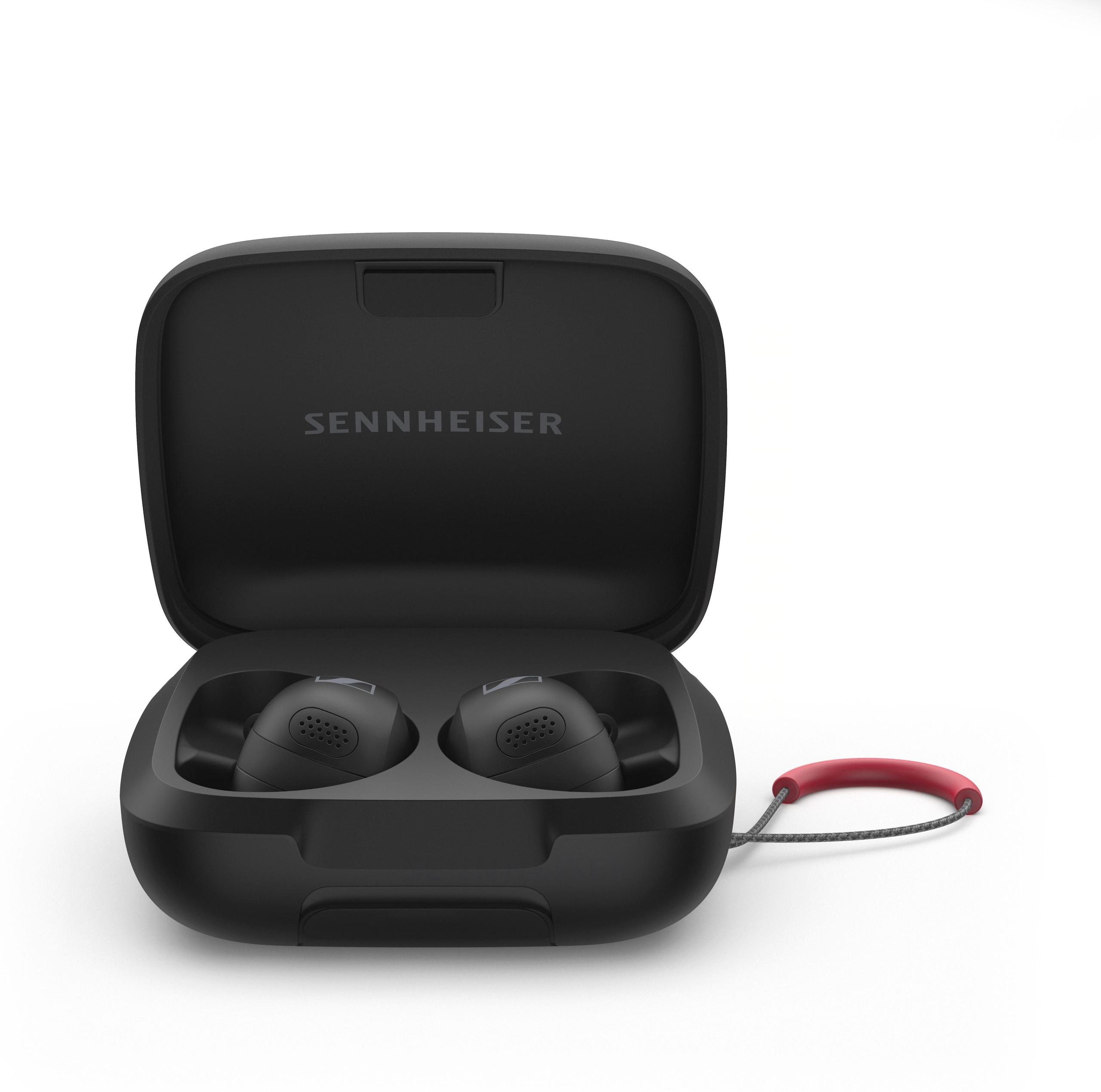
The Samsung Galaxy Buds 3 Pro, released in 2024, represents Samsung's most ambitious attempt yet to challenge Apple's dominance in the premium earbud space. Meanwhile, the Sennheiser Momentum Sport, also launched in 2024, takes a completely different approach by combining Sennheiser's renowned audio expertise with cutting-edge fitness tracking technology.
At the time of writing, there's roughly a $50-60 price difference between these earbuds, with the Samsung positioned as the more expensive option. But does that price difference translate to better value? The answer depends entirely on what you plan to do with your earbuds.
Before diving into specifics, it's worth understanding what separates premium earbuds from budget options. The key differentiators typically include driver quality (the tiny speakers inside each earbud), active noise cancellation technology, advanced connectivity features, and specialized capabilities that go beyond just playing music.
Driver technology has seen significant improvements in recent years. While budget earbuds often use single dynamic drivers—essentially tiny versions of traditional speakers—premium models increasingly feature multiple drivers or exotic technologies like planar magnetic drivers, which use a different method to create sound that can result in clearer, more detailed audio.
Active Noise Cancellation (ANC) has also evolved considerably. Early ANC systems were crude, often creating an unpleasant pressure sensation or introducing audible artifacts. Modern systems use machine learning and multiple microphones to create more natural, effective noise reduction that adapts to your environment in real-time.
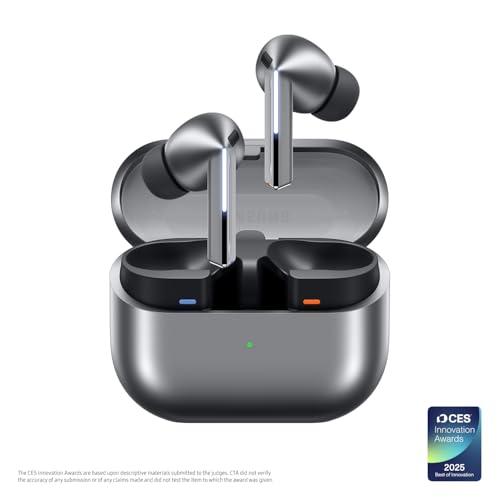
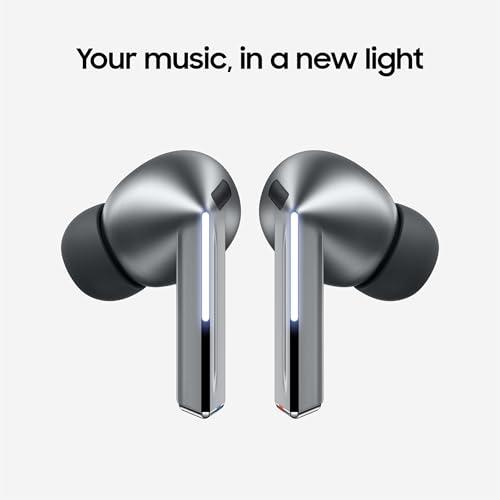
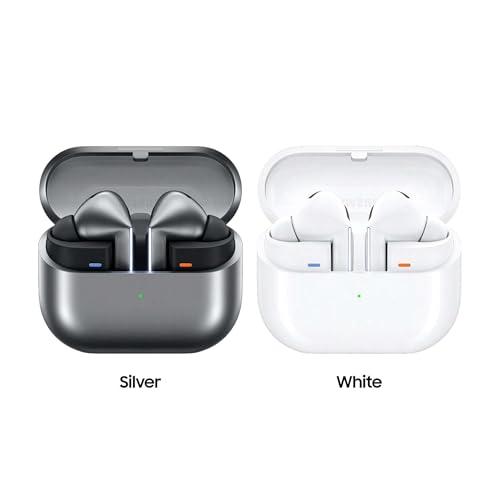
The Samsung Galaxy Buds 3 Pro represents a dramatic departure from Samsung's previous earbud designs. Instead of the distinctive bean-shaped form factor that characterized earlier Galaxy Buds, Samsung adopted a stem-based design that's unmistakably similar to Apple's AirPods Pro. This isn't just aesthetic copying—the stem design offers practical advantages for microphone placement and touch controls.
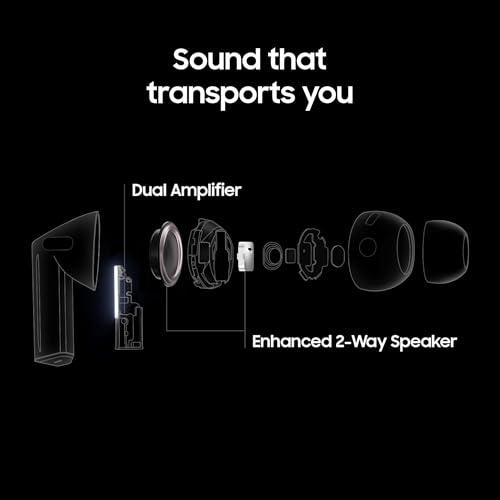
What sets the Galaxy Buds 3 Pro apart technically is Samsung's implementation of what they call a "dual amplifier system." This means each earbud has two separate amplifiers: one dedicated to driving the 10.5mm woofer (responsible for bass and mid-range sounds) and another for the 6.1mm planar magnetic tweeter (handling high frequencies). This separation reduces interference between the drivers and allows for more precise control over different frequency ranges.
The planar magnetic tweeter deserves special attention. Unlike traditional dynamic drivers that use a cone to push air, planar magnetic drivers use a thin membrane suspended between magnets. This design typically results in faster, more accurate reproduction of high-frequency sounds—the subtle details in vocals, the shimmer of cymbals, and the spatial cues that make music feel three-dimensional.
Samsung's Seamless Codec technology represents another significant technical achievement. Most Bluetooth audio uses compression to fit music data through the limited bandwidth of wireless connections, inevitably losing some detail. Samsung's codec can handle 24-bit audio at 96kHz sampling rates—essentially CD-quality resolution and beyond—but only when paired with newer Samsung devices. This ecosystem lock-in is both a strength and limitation, depending on your device preferences.
The Adaptive EQ feature uses artificial intelligence to analyze how the earbuds sit in your specific ears and automatically adjusts the sound signature accordingly. Everyone's ears are shaped differently, and these variations can significantly affect how earbuds sound. This personalization happens continuously and transparently, theoretically ensuring optimal sound quality regardless of how the earbuds settle during wear.
Based on professional reviews and user feedback, the Galaxy Buds 3 Pro delivers what's commonly described as a "V-shaped" sound signature. This means both the bass and treble frequencies are emphasized while mid-range frequencies—where most vocals sit—are slightly recessed. This tuning makes music sound exciting and detailed, with strong bass impact and crispy highs that reveal intricate details in recordings.
The active noise cancellation achieves approximately 76% noise reduction, which places it among the better-performing ANC systems available. More impressively, the earbuds provide 57% passive isolation even with ANC turned off, thanks to their effective seal in the ear canal. The adaptive nature of the ANC means it automatically adjusts based on your environment—stronger cancellation in noisy spaces, lighter touch in quieter environments.
One area where the Galaxy Buds 3 Pro struggles is battery life. Real-world testing suggests around 4.5-5 hours of continuous playback with ANC enabled, extending to roughly 23 hours total with the charging case. This falls short of many competitors and could be limiting for heavy users or long-travel days.
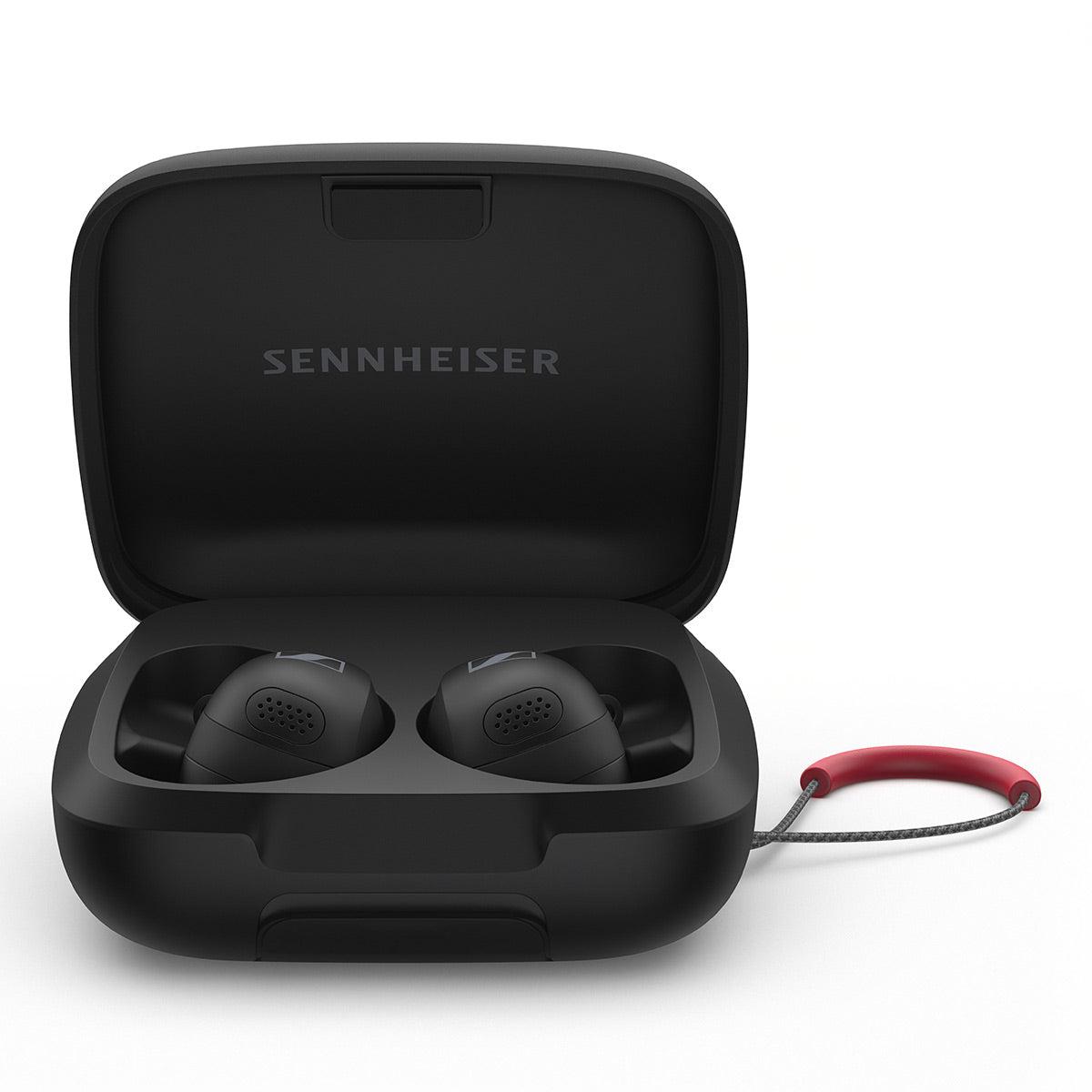
The Sennheiser Momentum Sport takes a fundamentally different approach, targeting the growing intersection between premium audio and fitness tracking. Sennheiser, a German company with decades of professional audio experience, recognized that many fitness enthusiasts were carrying both premium earbuds and separate fitness trackers—why not combine them?
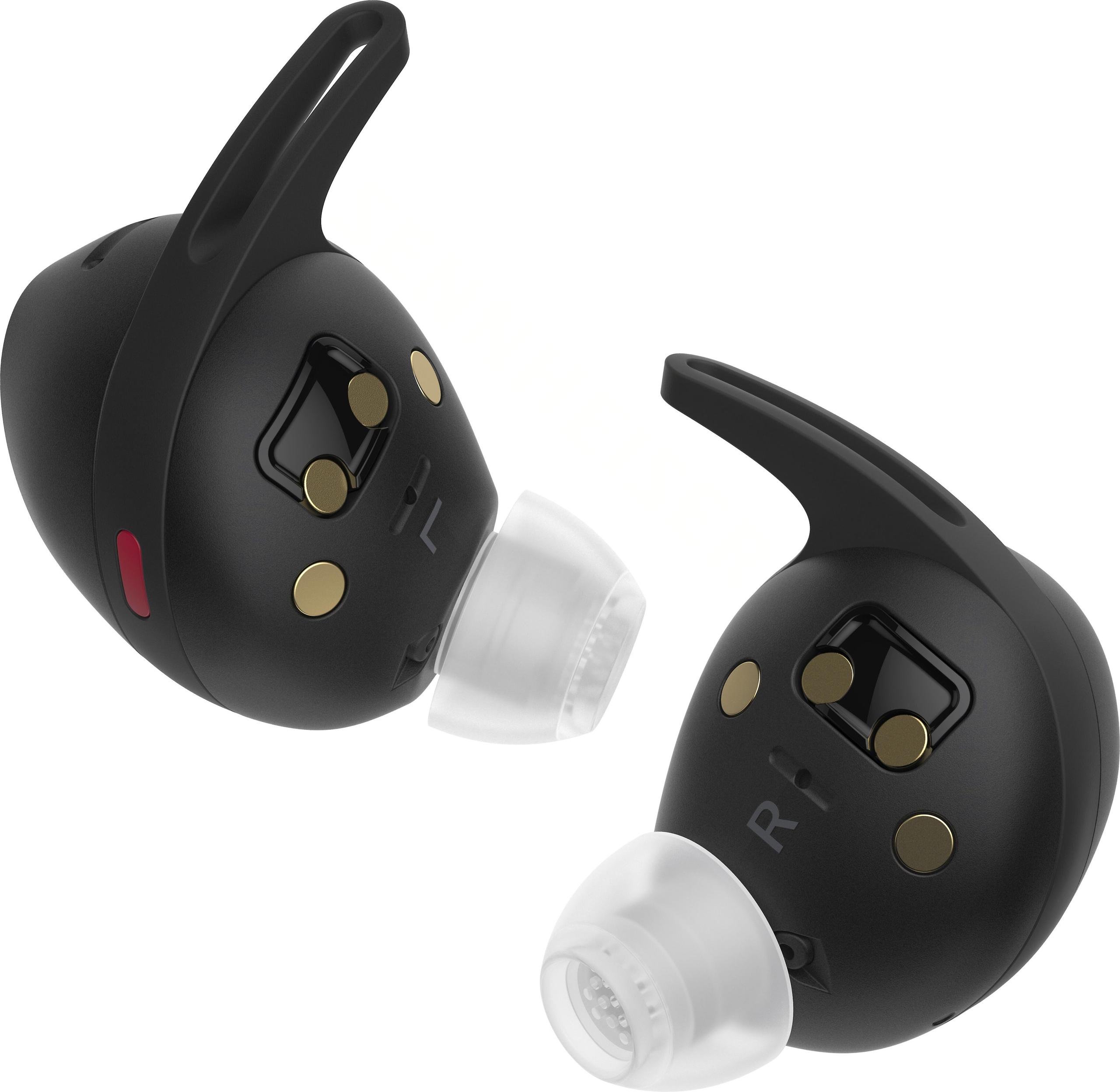
The standout technical feature of the Momentum Sport is its integrated photoplethysmography (PPG) sensor and body temperature monitoring. PPG technology uses light to detect blood volume changes in your ear, providing continuous heart rate monitoring that's remarkably accurate according to comparative testing against dedicated fitness watches.
The body temperature sensor adds another data point for serious athletes. Core body temperature affects performance and recovery, and having this data integrated with your audio device eliminates the need for additional wearables. The earbuds can transmit this biometric data to popular fitness apps like Polar Flow, Garmin Connect, and Strava, creating a seamless workout experience.
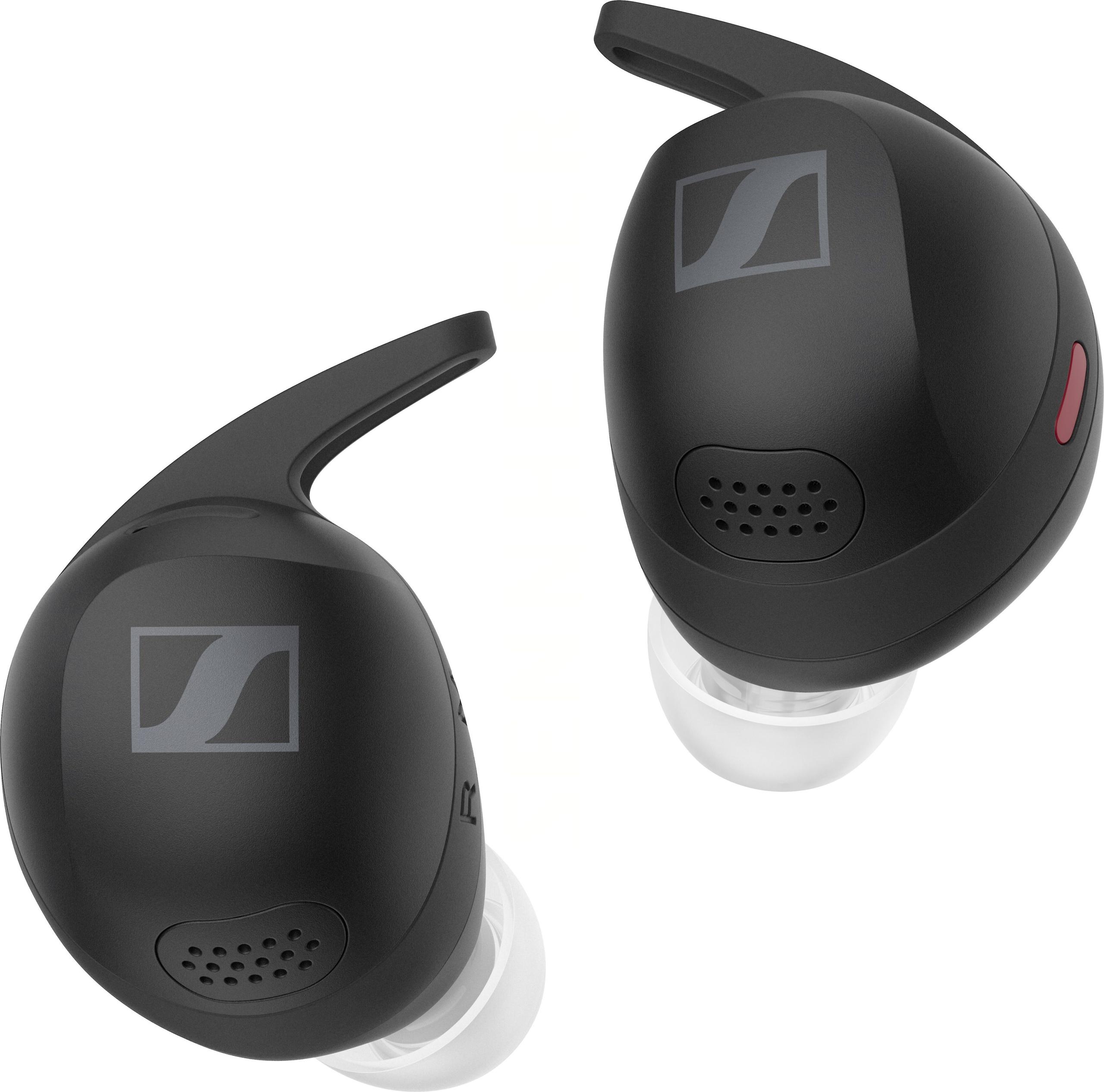
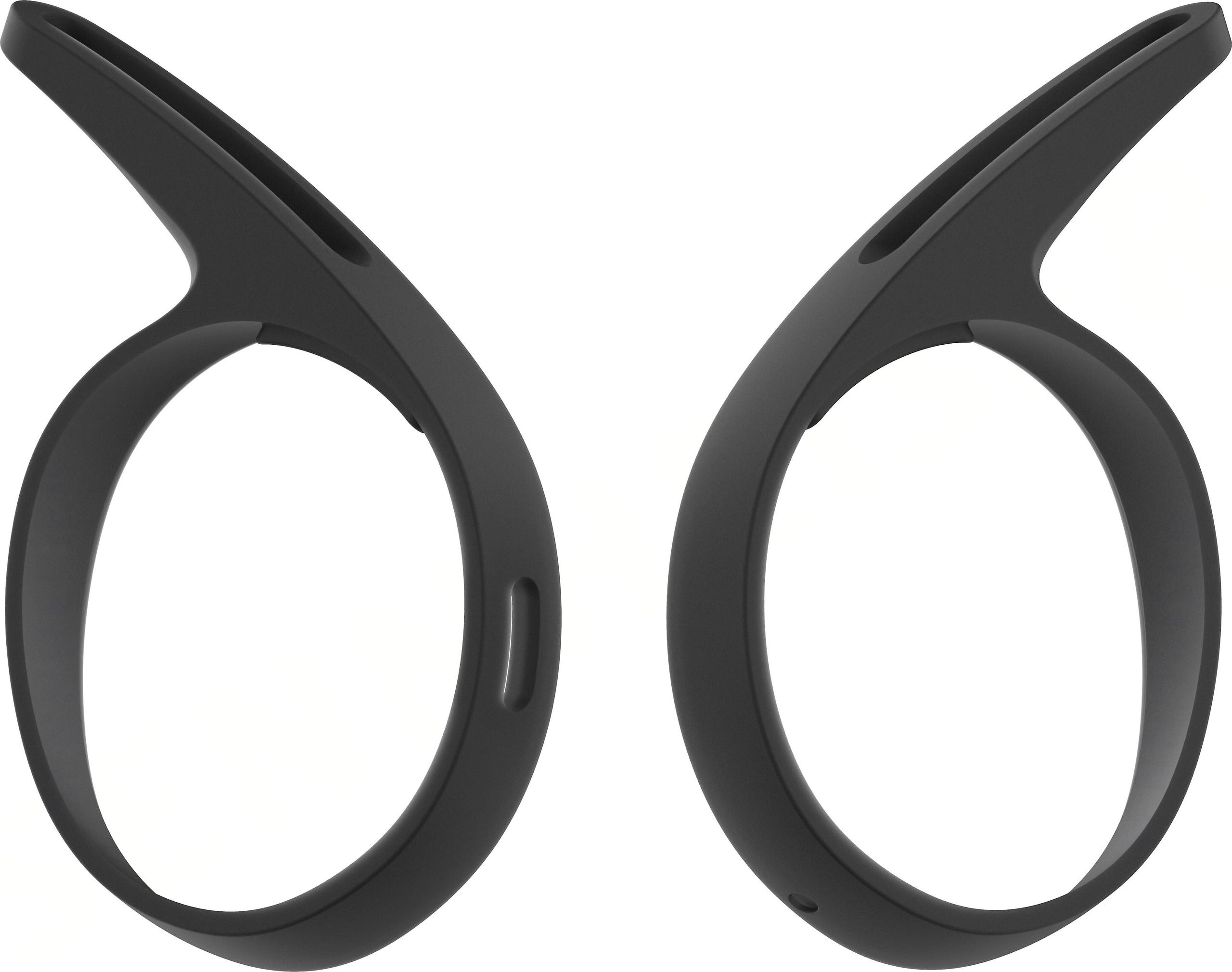
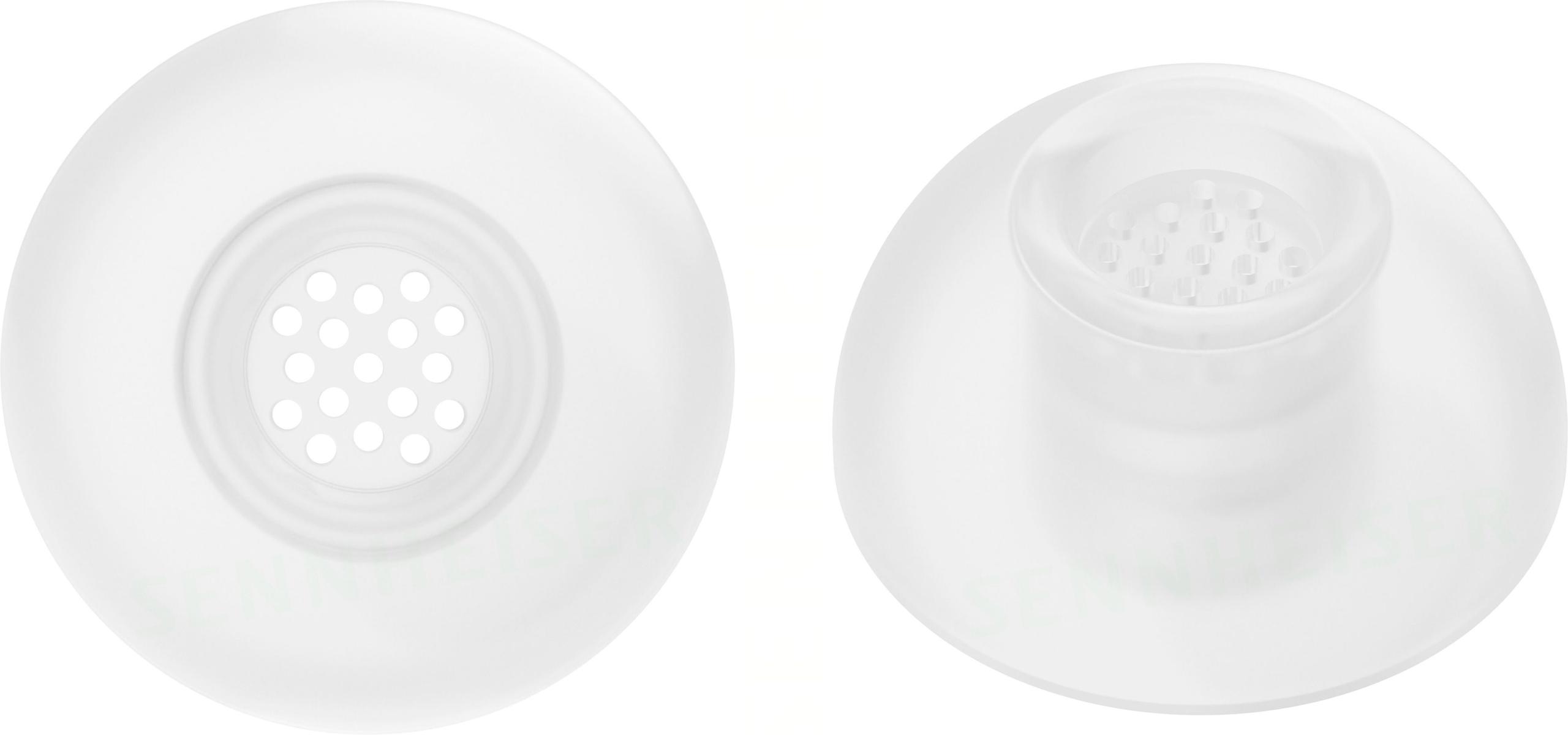
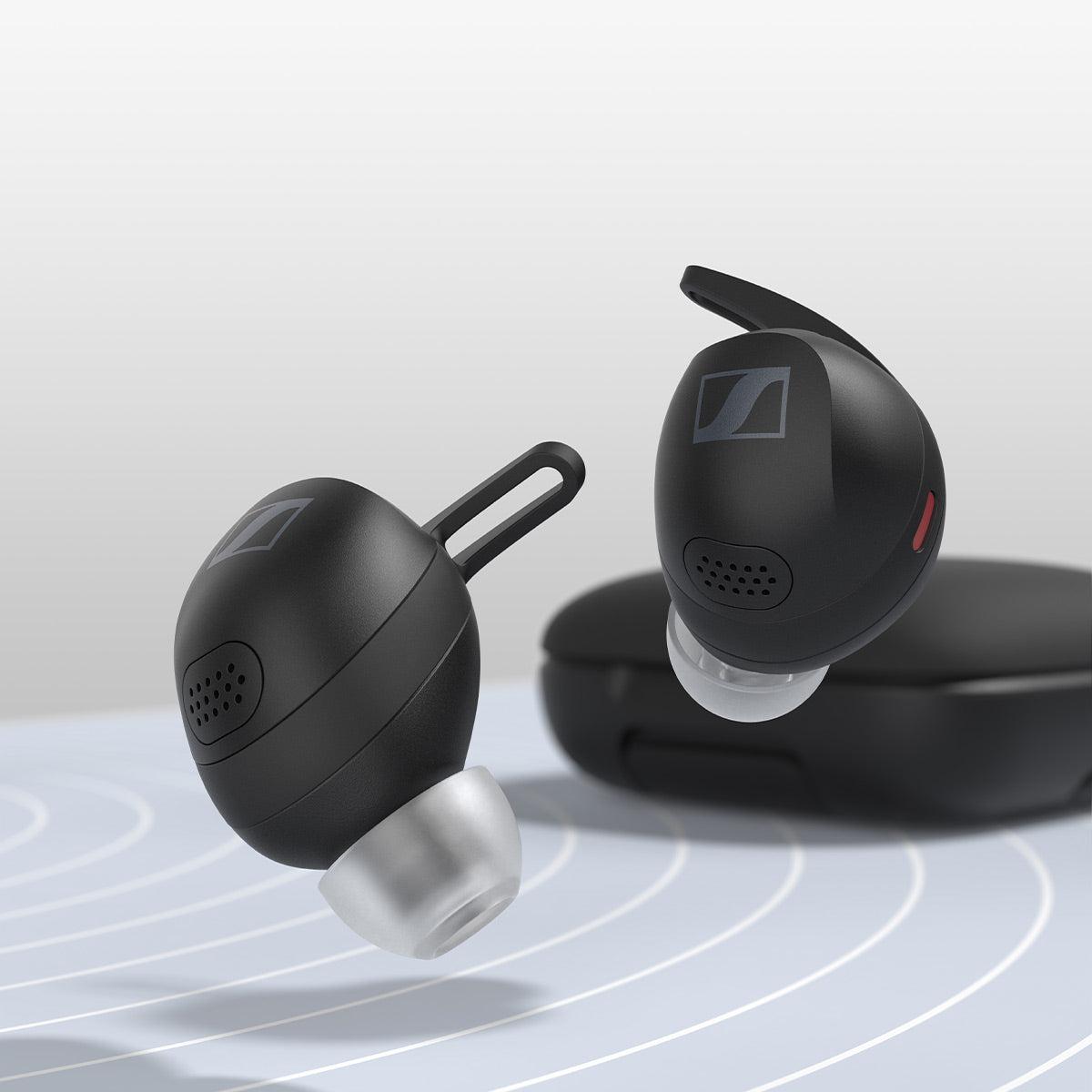
What makes this integration particularly clever is the semi-open acoustic design. Traditional sealed earbuds can create what's called the "occlusion effect"—where your own bodily sounds (heartbeat, breathing, footsteps) become amplified and distracting during exercise. The Momentum Sport features small vents that allow some air circulation, reducing this effect while maintaining enough seal for effective noise cancellation.
Sennheiser tuned the Momentum Sport specifically for active use, which means departing from their traditionally neutral sound signature. The 10mm dynamic drivers deliver a bass-forward response designed to provide motivation during workouts. This isn't the analytical, studio-monitor approach Sennheiser is known for—it's energetic, punchy sound that works well with electronic music, hip-hop, and other genres popular in fitness settings.
The earbuds support aptX Adaptive codec, which provides a good balance between audio quality and connection stability. While not as advanced as Samsung's proprietary codec, aptX Adaptive works across a broader range of devices and adapts its bitrate based on connection quality and content type.
One of the most practical features for outdoor athletes is the Anti-Wind mode. Anyone who's tried to use regular earbuds while running or cycling knows how wind noise can completely overwhelm both music and ANC systems. Sennheiser specifically engineered this mode to reduce wind interference while maintaining audio clarity—a small but crucial detail for serious outdoor athletes.
The Momentum Sport delivers approximately 75% noise reduction with ANC enabled, slightly less than Samsung but still highly effective. The semi-open design inherently limits maximum noise isolation, but this trade-off enables the transparent, natural-sounding ambient mode that's crucial for outdoor safety.
Battery performance is notably stronger, with real-world usage typically yielding 5.5-6 hours per charge and 24 hours total with the case. This represents a meaningful 20-25% improvement over the Galaxy Buds 3 Pro, which can be the difference between completing a long workout or running out of power mid-session.
The audio quality comparison isn't straightforward because these earbuds target different use cases. The Galaxy Buds 3 Pro aims for versatile, high-fidelity reproduction suitable for everything from classical music to podcast listening to movie watching. The planar magnetic tweeter technology provides exceptional detail retrieval and spatial imaging when listening to well-recorded music.
The Momentum Sport, by contrast, prioritizes energy and motivation over analytical accuracy. The bass emphasis provides the rhythmic drive that many people want during exercise, even if it means sacrificing some midrange clarity. For home theater use, the Samsung earbuds would be the clear choice, offering better dialogue clarity and more accurate reproduction of film soundtracks.
However, codec support plays a major role in the Samsung's ultimate sound quality. The Seamless Codec's 24-bit/96kHz capability can provide noticeably superior audio quality, but only with compatible Samsung devices. Users with iPhones, Google Pixels, or other Android phones are limited to standard AAC or SBC codecs, which significantly reduces the Galaxy Buds 3 Pro's technical advantages.
Both earbuds provide effective ANC, but they excel in different scenarios. The Galaxy Buds 3 Pro offers superior overall noise reduction and works particularly well in consistent noise environments like airplanes, coffee shops, or offices. The adaptive system genuinely improves the experience by automatically adjusting to different environments.
The Momentum Sport provides adequate ANC for most situations but really shines in its specialized Anti-Wind mode. If you're primarily using earbuds for outdoor activities, this specific optimization could be more valuable than slightly better overall noise reduction numbers.
Battery performance shows a clear advantage for the Momentum Sport. The extra hour-plus of listening time per charge cycle adds up significantly over time, and the slightly longer total battery life with the case provides better peace of mind for long days or travel.
The Galaxy Buds 3 Pro's shorter battery life feels particularly limiting given its premium positioning. This is an area where Samsung's focus on advanced features may have compromised practical usability.
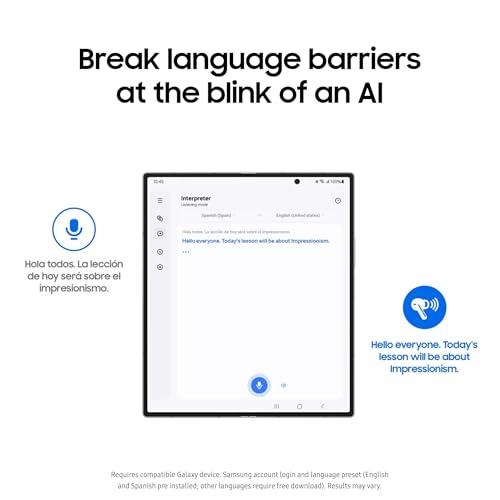
The Galaxy Buds 3 Pro truly excel when used within Samsung's ecosystem. Features like seamless device switching, real-time language translation, and the advanced Seamless Codec create a premium experience that justifies the higher price—but only for Samsung device owners. The AI-powered features, while sometimes gimmicky, can be genuinely useful in the right circumstances.
The Momentum Sport takes a more universal approach, working equally well with any smartphone while providing specialized value through fitness integration. The biometric monitoring eliminates the need for separate fitness trackers for many users, potentially offering better overall value despite the lower price point.
The Samsung Galaxy Buds 3 Pro makes the most sense for Samsung ecosystem users who want versatile, high-quality earbuds for daily use. If you own a recent Galaxy phone and frequently switch between music, calls, and media consumption, the seamless integration and premium audio quality justify the higher cost. They're also the better choice for home theater use or critical listening to high-quality music sources.
However, if you're not in Samsung's ecosystem, much of what makes these earbuds special becomes inaccessible. The limited battery life and average microphone performance in challenging conditions become more problematic when you're not benefiting from the exclusive features.
The Sennheiser Momentum Sport targets a more specific audience: active users who want premium audio during workouts while tracking fitness metrics. The biometric sensors, longer battery life, and workout-optimized features provide genuine utility that extends beyond just playing music. The lower price point makes them attractive for users who want premium audio quality without paying for features they won't use.
At the time of writing, the value equation generally favors the Sennheiser for most users, particularly given the significant price difference. The integrated fitness tracking, superior battery life, and universal device compatibility offer more practical benefits for the majority of users than Samsung's ecosystem-locked premium features.
Both earbuds represent sophisticated engineering and offer genuinely premium audio experiences. Your choice should depend primarily on your device ecosystem, primary use cases, and whether you value specialized fitness features or general-purpose premium capabilities. Neither choice will disappoint in terms of fundamental audio quality, but they'll excel in very different scenarios.
| Samsung Galaxy Buds 3 Pro | Sennheiser Momentum Sport |
|---|---|
| Driver Technology - Affects sound quality and detail reproduction | |
| 10.5mm woofer + 6.1mm planar magnetic tweeter with dual amplifiers | 10mm dynamic drivers with workout-optimized tuning |
| Battery Life - Critical for long listening sessions and workouts | |
| 4.5-5 hours per charge, 23 hours total with case | 5.5-6 hours per charge, 24 hours total with case |
| Water Resistance - Protection against sweat and weather | |
| IP57 (submersion resistant, excellent protection) | IPX4/IPX5 (sweat/splash resistant, adequate for workouts) |
| Weight Per Earbud - Impacts comfort during extended wear | |
| 5.4g (very lightweight for all-day comfort) | 6.4g (slightly heavier but includes fitness sensors) |
| Active Noise Cancellation - Blocks distracting ambient noise | |
| 76% noise reduction with adaptive adjustment | 75% noise reduction plus specialized Anti-Wind mode |
| Audio Codecs - Determines maximum sound quality over Bluetooth | |
| Samsung Seamless (24-bit/96kHz), AAC, SBC | aptX Adaptive, AAC, SBC |
| Special Features - Unique capabilities beyond basic audio | |
| Real-time translation, Dolby Atmos, AI adaptive EQ | Heart rate & temperature sensors, fitness app integration |
| Device Compatibility - Which phones unlock full features | |
| Best with Samsung Galaxy S23+/Z series (exclusive codec access) | Universal compatibility across all Android and iOS devices |
| Design Approach - Affects fit security and noise isolation | |
| Sealed stem design with blade controls and status lights | Semi-open vented design with interchangeable wingtips |
| Target Use Case - Primary intended audience and scenarios | |
| Daily versatile use with Samsung ecosystem integration | Fitness-focused users wanting integrated biometric tracking |
The Samsung Galaxy Buds 3 Pro generally offer superior sound quality for music listening, featuring a dual amplifier system with planar magnetic tweeters that provide exceptional detail and clarity. They support Samsung's Seamless Codec for 24-bit audio when paired with compatible Samsung devices. The Sennheiser Momentum Sport are tuned specifically for workouts with emphasized bass, making them energizing for exercise but less accurate for critical music listening.
The Sennheiser Momentum Sport offer significantly better battery life with 5.5-6 hours per charge and 24 hours total with the case. The Samsung Galaxy Buds 3 Pro provide only 4.5-5 hours per charge with 23 hours total, making the Sennheiser a better choice for long workouts or extended listening sessions.
The Sennheiser Momentum Sport are specifically designed for fitness use, featuring integrated heart rate and body temperature sensors, Anti-Wind mode for outdoor activities, and a semi-open design that reduces the occlusion effect during exercise. The Samsung Galaxy Buds 3 Pro have superior water resistance (IP57 vs IPX5) but lack specialized fitness features.
The Sennheiser Momentum Sport work universally across all devices with identical performance. The Samsung Galaxy Buds 3 Pro technically work with any phone but many premium features like the Seamless Codec, AI adaptive EQ, and seamless device switching only function with newer Samsung Galaxy devices, limiting their appeal for non-Samsung users.
Both offer similar noise cancellation performance, with the Samsung Galaxy Buds 3 Pro achieving about 76% noise reduction and the Sennheiser Momentum Sport reaching 75%. The Samsung model provides better overall ANC with adaptive adjustment, while the Sennheiser excels specifically in outdoor conditions with its specialized Anti-Wind mode for runners and cyclists.
Neither model excels at call quality, but the Samsung Galaxy Buds 3 Pro perform slightly better in quiet environments with their six-microphone array and Voice Pickup technology. Both struggle significantly in windy or noisy conditions, making them less ideal for frequent calls compared to dedicated business-focused earbuds.
The Sennheiser Momentum Sport typically offer better value, priced significantly lower while providing longer battery life, universal device compatibility, and unique fitness tracking features. The Samsung Galaxy Buds 3 Pro justify their higher price only for Samsung ecosystem users who can access exclusive features like the premium audio codec and AI enhancements.
The Samsung Galaxy Buds 3 Pro are better suited for media consumption, offering Dolby Atmos support, clearer dialogue reproduction, and more accurate sound reproduction for film soundtracks. The Sennheiser Momentum Sport have bass-heavy tuning that may overwhelm dialogue and aren't optimized for home theater use.
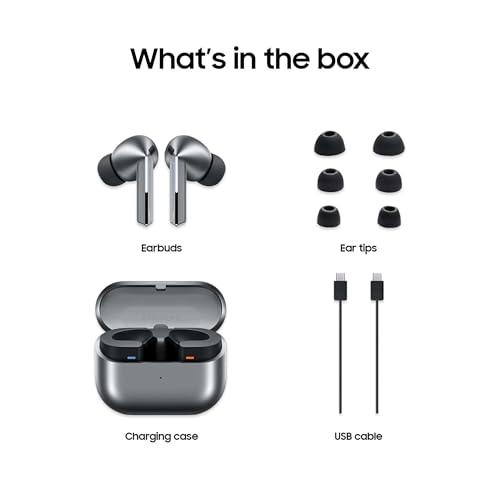
The Samsung Galaxy Buds 3 Pro are more comfortable for extended wear, weighing only 5.4g per earbud compared to 6.4g for the Sennheiser Momentum Sport. However, the Sennheiser model includes multiple ear tip sizes and wingtips for a more customizable and secure fit, which some users may prefer despite the extra weight.
The Samsung Galaxy Buds 3 Pro offer superior water protection with an IP57 rating that can handle brief submersion, making them better for intense workouts with heavy sweating. The Sennheiser Momentum Sport have IPX4/IPX5 rating that's adequate for normal exercise but not suitable for swimming or extreme water exposure.
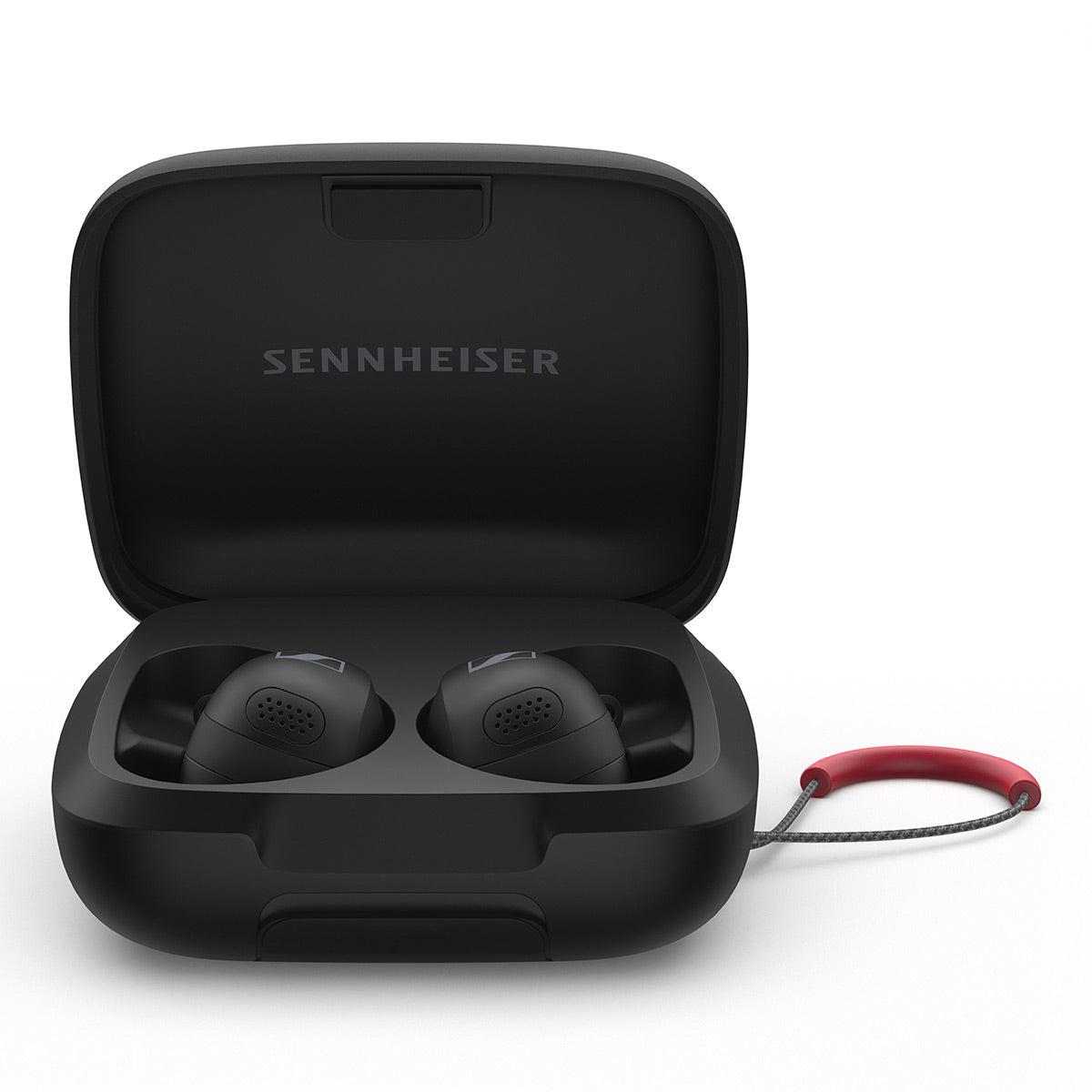
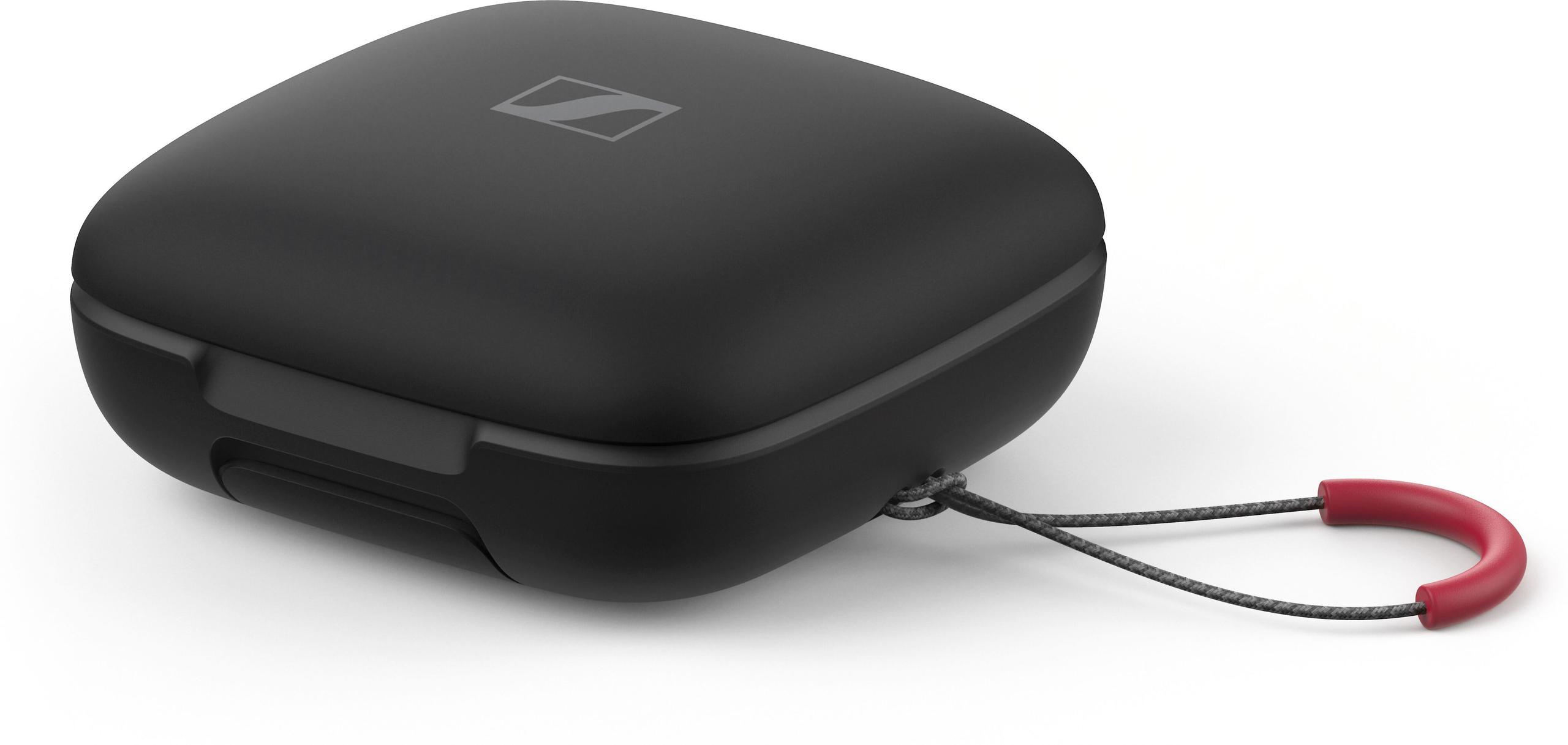
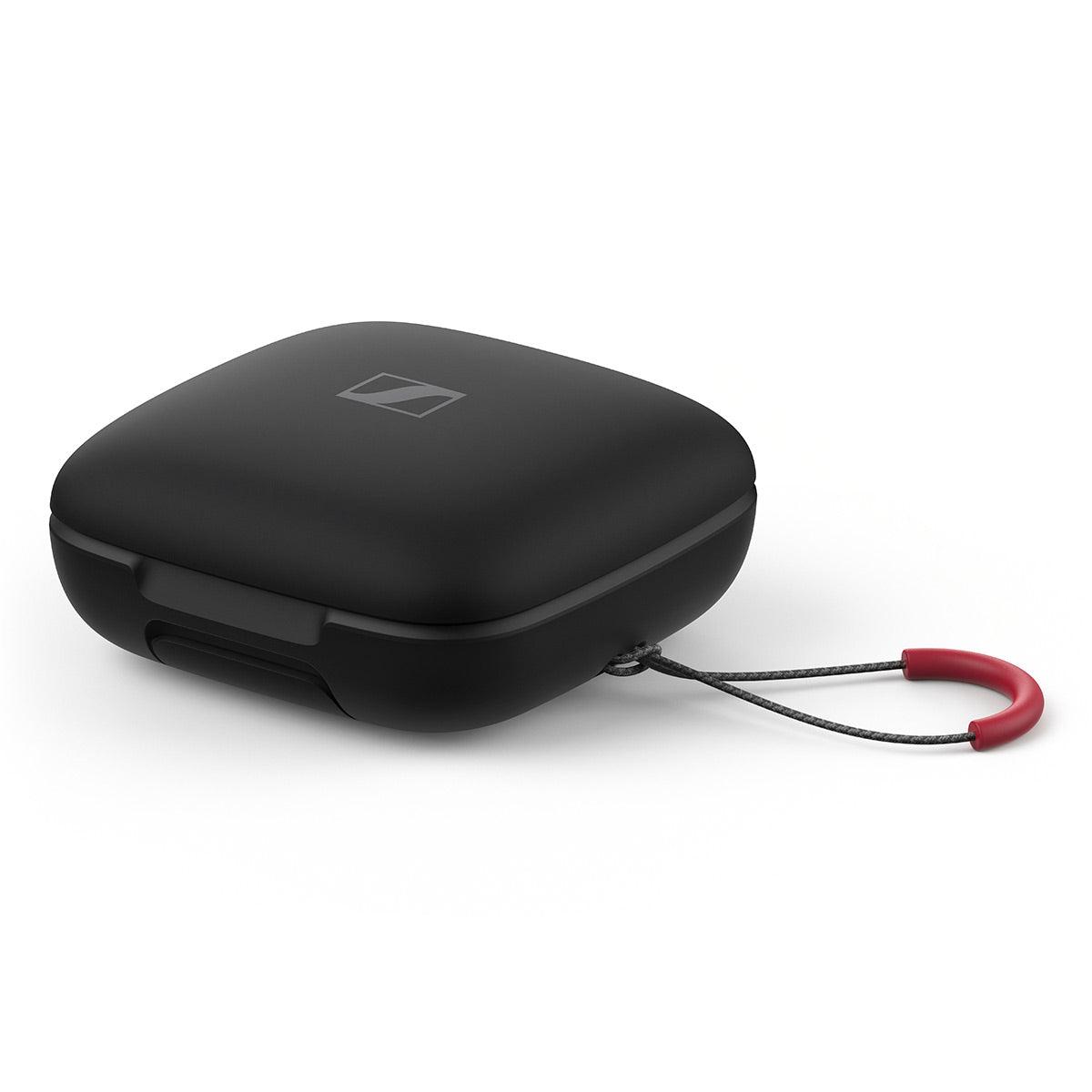
Yes, both the Samsung Galaxy Buds 3 Pro and Sennheiser Momentum Sport support Qi wireless charging in addition to USB-C wired charging. Both cases are compact and portable, though the Samsung case features a distinctive clear window design with status indicators.
The Samsung Galaxy Buds 3 Pro offer more cutting-edge features including real-time language translation, AI-powered adaptive EQ, voice detection, and premium audio codecs, but these mainly benefit Samsung device owners. The Sennheiser Momentum Sport provide unique biometric tracking features that eliminate the need for separate fitness wearables, offering practical innovation for active users regardless of their smartphone choice.
We've done our best to create useful and informative comparisons to help you decide what product to buy. Our research uses advanced automated methods to create this comparison and perfection is not possible - please contact us for corrections or questions. These are the sites we've researched in the creation of this article: techradar.com - soundguys.com - whathifi.com - loudnwireless.com - rtings.com - whathifi.com - youtube.com - youtube.com - soundguys.com - youtube.com - youtube.com - soundguys.com - eu.community.samsung.com - phonearena.com - loudnwireless.com - samsung.com - whatgear.net - samsung.com - devicesupport.three.co.uk - youtube.com - samsung.com - techradar.com - samsung.com - en.wikipedia.org - samsung.com - moneycontrol.com - youtube.com - bestbuy.com - eu.community.samsung.com - rtings.com - shop.prevention.com - youtube.com - techradar.com - sennheiser-hearing.com - youtube.com - dcrainmaker.com - head-fi.org - whathifi.com - youtube.com - youtube.com - head-fi.org - ecoustics.com - soundguys.com - audio46.com - moon-audio.com - newsroom.sennheiser.com - youtube.com - shop.menshealth.com - the5krunner.com - youtube.com - bloomaudio.com - eftm.com - soundguys.com - techradar.com - sennheiser-hearing.com

Privacy Policy
Terms and Conditions - Affiliate Policy
Home Security
© Copyright 2008-2026.
11816 Inwood Rd #1211, Dallas, TX 75244