





The wireless earbud market has exploded over the past few years, transforming from simple Bluetooth accessories into sophisticated audio devices packed with features. Today's earbuds can cancel noise, translate languages in real-time, and deliver audio quality that rivals full-sized headphones. But with so many options available, choosing the right pair can feel overwhelming.
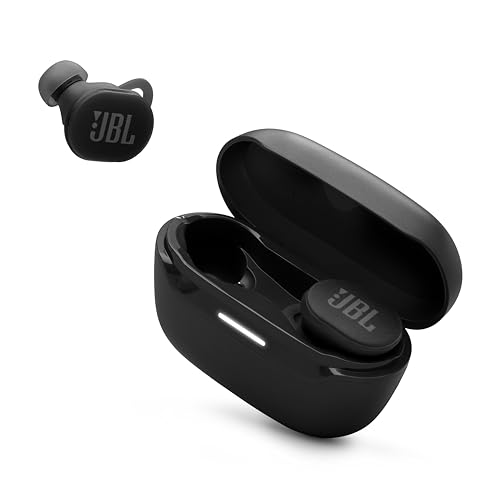
Two earbuds that represent distinctly different approaches are the JBL Endurance Race 2 and the Samsung Galaxy Buds 3 Pro. While both deliver wireless audio freedom, they target completely different users and priorities. The JBL focuses on sports performance, durability, and exceptional battery life at a budget-friendly price. Samsung takes the premium route with advanced audio technology, smart features, and sophisticated noise cancellation.
Understanding which approach suits your needs requires diving into what makes each unique. Let's explore how these earbuds compare and help you decide which deserves a spot in your ears.
Before comparing specific models, it's worth understanding what separates good earbuds from great ones. The most important factors include sound quality (how music actually sounds), battery life (how long they last between charges), fit and comfort (especially during extended use), durability (can they handle sweat and rain?), and features (noise cancellation, app integration, smart capabilities).
The earbud market generally splits into three categories: budget options under $100, mid-range models between $100-200, and premium offerings above $200. At the time of writing, the JBL Endurance Race 2 sits firmly in the budget category despite offering features typically found in pricier models, while the Samsung Galaxy Buds 3 Pro commands premium pricing with cutting-edge technology to match.
What's fascinating about these two models is how they prioritize completely different aspects of the earbud experience. This creates a clear choice between practical performance and advanced features—something we'll explore throughout this comparison.
The JBL Endurance Race 2 launched in 2025 as part of JBL's sports-focused Endurance series, building on years of feedback from athletes and fitness enthusiasts. JBL has consistently improved battery technology and water resistance across this line, with the Race 2 representing their most refined sports earbud to date. The "2" designation indicates this is a second-generation product, incorporating lessons learned from the original Race model.
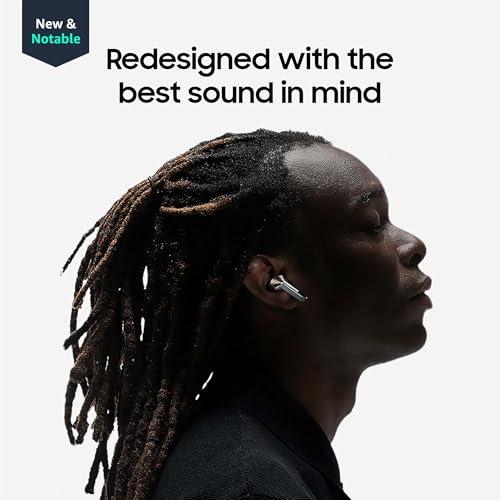
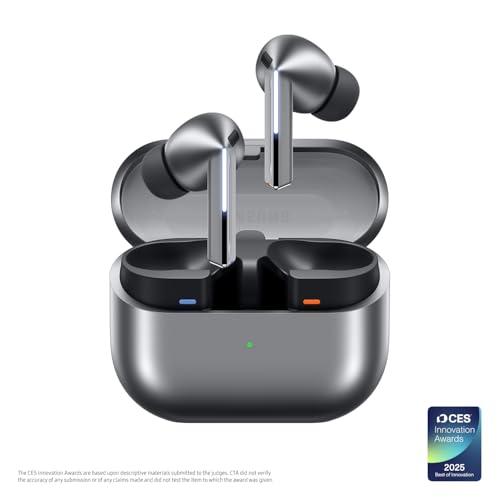
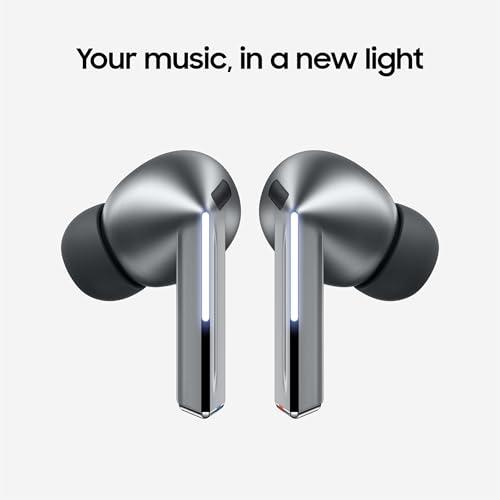
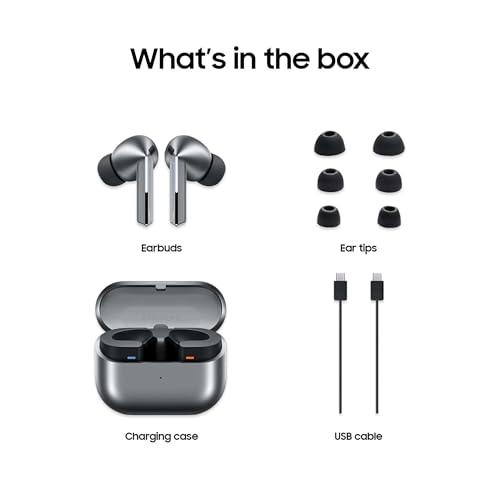
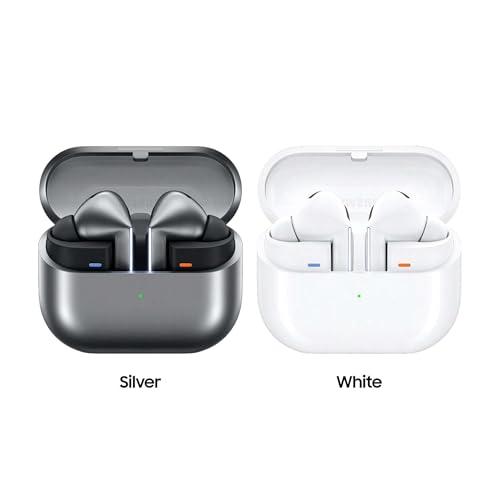
Samsung's Galaxy Buds 3 Pro arrived in 2024, marking a significant design departure for the company. Previous Galaxy Buds used a bean-shaped design, but the 3 Pro adopts a stem-based approach similar to Apple's AirPods Pro. This wasn't just aesthetic—the stem houses improved microphones and provides better leverage for touch controls. Samsung has also dramatically upgraded the audio technology, introducing their first dual-driver system (separate speakers for different frequency ranges) and proprietary high-resolution audio codec.
Since their respective launches, both products have received firmware updates improving connectivity and adding features, though the core hardware capabilities remain unchanged.
Sound quality represents the most significant technical gap between these earbuds, and understanding why requires looking at their internal components.
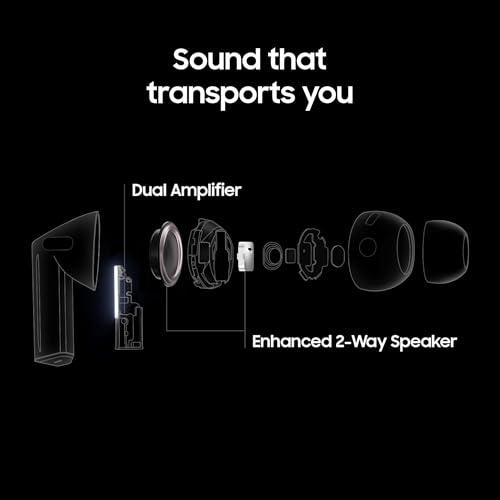
The Samsung Galaxy Buds 3 Pro uses what's called a dual-driver system—essentially two separate speakers in each earbud. A 10.5mm dynamic driver handles bass and mid-range frequencies (the thumping beats and vocal ranges), while a 6.1mm planar magnetic tweeter manages high frequencies (cymbals, guitar strings, vocal details). Think of it like having a dedicated subwoofer and tweeter in each ear. This separation allows each speaker to focus on what it does best without interference from the other frequencies.
Even more impressive, Samsung uses independent amplifiers for each driver. An amplifier boosts the audio signal to drive the speakers, and having separate ones means the bass driver can't steal power from the tweeter during intense musical passages. This technical approach results in cleaner sound with better separation—you can actually hear individual instruments positioned in space rather than everything mushing together.
The JBL Endurance Race 2 takes a simpler approach with a single 6.8mm dynamic driver handling all frequencies. While this might sound inferior on paper, JBL has tuned these drivers specifically for their signature "Pure Bass" sound that emphasizes the low-end frequencies that make workout music feel energizing. For pumping iron or pounding pavement, this bass-forward approach often feels more motivating than technically perfect audio.
Based on our research into professional reviews and user feedback, the Samsung clearly wins for pure audio fidelity. Reviewers consistently describe the sound as "fantastic" and "engaging," with the ability to reveal details in music that single-driver earbuds miss. However, the JBL's approach shouldn't be dismissed—its sound signature is specifically designed to energize during physical activity, and many users find it more exciting for their intended use case.
Codec support also differs significantly. A codec is essentially how audio gets compressed and transmitted from your phone to the earbuds. The Samsung Galaxy Buds 3 Pro supports Samsung's proprietary Seamless Codec, which can handle ultra-high-quality 24-bit/96kHz audio—essentially studio-quality files that preserve every detail the artist intended. However, this only works with recent Samsung Galaxy devices. The JBL Endurance Race 2 sticks to standard AAC and SBC codecs that work universally but don't reach those quality peaks.
For home theater use, neither earbud is ideal since they're designed for personal listening. However, if you must choose, Samsung's superior drivers and codec support would provide better performance for movie dialogue and soundtrack details.
Battery performance represents the JBL Endurance Race 2's most decisive advantage, and the difference is substantial enough to influence daily usage patterns.
The JBL delivers 12 hours of continuous playback per charge (10 hours with active noise cancellation enabled), with the charging case providing additional charges for 48 hours total. To put this in perspective, you could use these earbuds for a full workday, evening workout, and commute the next morning without needing to charge them.
The Samsung Galaxy Buds 3 Pro provides 6-7 hours per charge (5.2 hours with noise cancellation), totaling 26-30 hours with the case. While respectable for premium earbuds, this represents roughly half the endurance of the JBL option.
This difference stems from several factors. Sports-focused earbuds like the JBL typically house larger batteries since active users prioritize long usage over compact size. The JBL's simpler single-driver setup also consumes less power than Samsung's dual-driver system with independent amplifiers. Additionally, Samsung's advanced features like adaptive noise cancellation and real-time processing require more computational power, which drains batteries faster.
Quick charging capabilities differ too. The JBL Endurance Race 2 provides 4 hours of playback from just 10 minutes of charging—perfect for those "forgot to charge overnight" moments. The Samsung Galaxy Buds 3 Pro charges faster overall (full charge in about an hour versus two hours for JBL), but the quick-charge boost isn't as substantial.
For users who prioritize convenience and hate dealing with dead batteries, JBL's endurance advantage is hard to ignore. However, if you typically charge devices nightly and rarely use earbuds for extended periods, Samsung's battery life might be perfectly adequate.
Active Noise Cancellation (ANC) technology uses microphones to detect external sounds, then generates opposite sound waves to cancel them out. It's particularly effective against consistent noises like airplane engines or air conditioning hums.
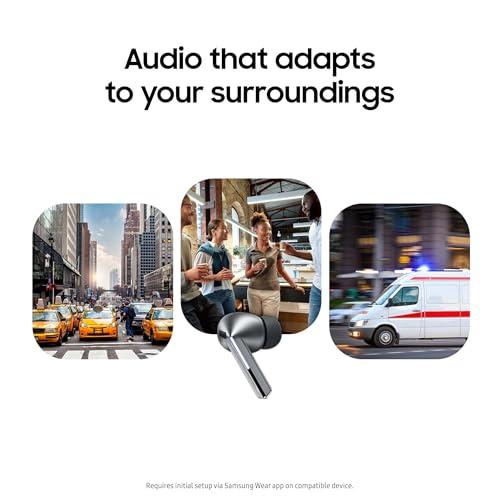
The Samsung Galaxy Buds 3 Pro incorporates what Samsung calls "Adaptive Active Noise Cancelling," powered by artificial intelligence that automatically adjusts cancellation levels based on your environment. This system goes beyond basic noise blocking—it includes Voice Detect (automatically lowering volume when someone speaks to you) and Siren Detect (allowing emergency vehicle sounds through for safety). Professional reviewers consistently praise Samsung's ANC as among the best available, describing it as "fantastic" and "thorough."
The JBL Endurance Race 2 offers more basic ANC with Smart Ambient technology that lets you control how much external sound you want to hear. This simpler approach works well for sports where you need some environmental awareness for safety, but it doesn't match Samsung's sophisticated processing.
Interestingly, the choice between these approaches depends heavily on intended use. Samsung's aggressive noise cancellation excels for commuting, office work, or travel where you want maximum isolation. JBL's more permeable approach actually benefits outdoor athletes who need to hear traffic, other runners, or gym trainers.
Both support transparency modes that amplify external sounds when you need full awareness, but Samsung's implementation is more refined and responsive to different situations.
Water resistance ratings use the IP (Ingress Protection) standard, with two numbers indicating protection against solids and liquids respectively. Higher numbers mean better protection.
The JBL Endurance Race 2 boasts an IP68 rating—the highest standard for consumer electronics. This means complete protection against dust and the ability to survive submersion in water deeper than one meter. You could theoretically swim with these earbuds, though Bluetooth doesn't work underwater. The charging case adds IPX2 protection, handling rain and sweat splashes.
The Samsung Galaxy Buds 3 Pro features IP57 rating—still excellent with dust protection and water resistance up to one meter for 30 minutes, but slightly less robust than JBL's offering.
Both exceed the needs of typical users, but JBL's extra protection matters for serious athletes who put earbuds through extreme conditions. The difference between IP57 and IP68 might seem small, but it represents the gap between "very water resistant" and "essentially waterproof."
Build quality reflects these different priorities. The JBL feels more rugged and chunky, designed to withstand drops and abuse. Samsung's construction feels more refined but potentially more fragile, prioritizing aesthetics over indestructibility.
Earbud fit determines not just comfort but also sound quality, since poor seal affects bass response and noise isolation.
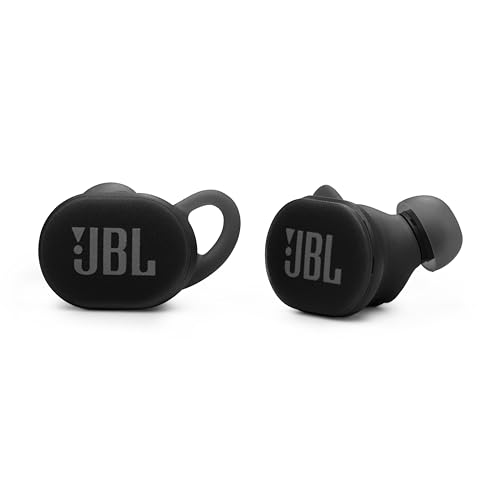
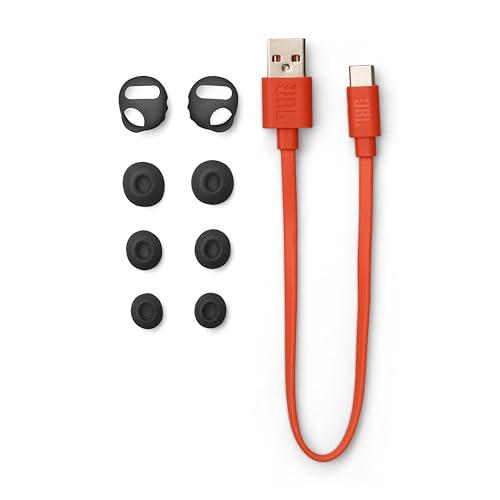
The JBL Endurance Race 2 uses what JBL calls "Twistlock technology" with ergonomic wing enhancers—small flexible fins that hook into your ear's contours. This system is specifically designed to prevent earbuds from falling out during vigorous movement. User reviews consistently praise the security of this fit, with runners and gym enthusiasts reporting the earbuds stay locked in place even during intense workouts.
The Samsung Galaxy Buds 3 Pro adopts a stem-based design weighing 5.4 grams each—relatively lightweight for premium earbuds. While comfortable for extended listening sessions, some users report less secure fit during exercise compared to sport-specific designs like JBL's approach.
The choice here depends on your primary activities. If you mainly use earbuds for commuting, office work, or casual listening, Samsung's refined comfort wins. If you need earbuds that won't budge during CrossFit, running, or cycling, JBL's sport-focused fit provides better security.
Comfort during extended wear also differs. The JBL's wing system can feel more intrusive initially but provides better long-term stability. Samsung's lighter design feels less noticeable but might require occasional adjustment during active use.
Modern premium earbuds increasingly function as tiny computers, and this is where the Samsung Galaxy Buds 3 Pro truly differentiates itself.
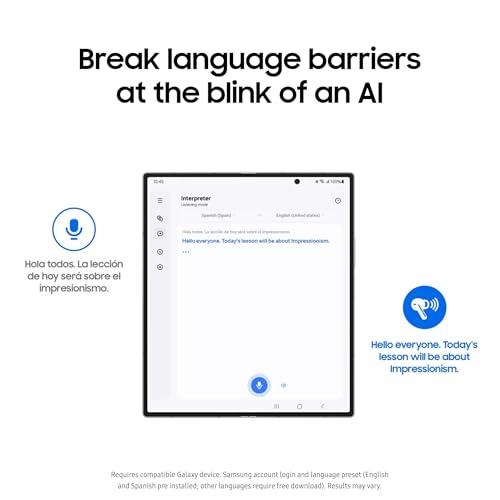
Samsung's most impressive feature is real-time interpreter mode, powered by artificial intelligence. This allows the earbuds to translate conversations in real-time, with you hearing the translation directly in your ears. While niche, this represents genuinely futuristic technology that could be invaluable for international travel or multilingual environments.
Adaptive EQ uses AI to analyze how the earbuds fit in your specific ears, then automatically adjusts the sound signature for optimal performance. This personalized tuning ensures consistent audio quality regardless of small fit variations from day to day.
The JBL Endurance Race 2 focuses on practical sports features instead of cutting-edge AI. Sports Mode offers six customizable workout presets that adjust noise cancellation, ambient sound, and EQ based on activity intensity. Relax Mode provides five soothing soundscapes (ocean waves, crackling fire, etc.) for post-workout recovery or meditation.
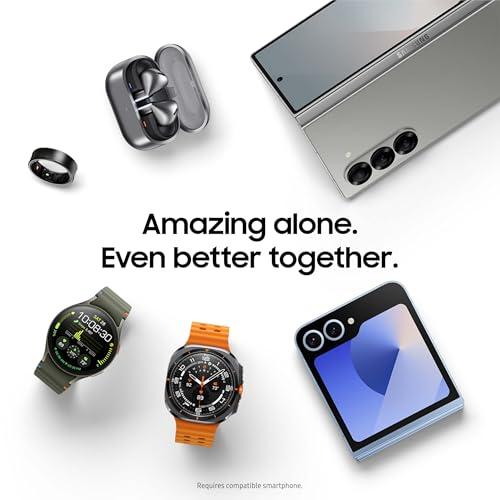
However, there's a significant caveat with Samsung's advanced features—many require recent Galaxy devices (S23 series or newer) to function fully. Users with iPhones or older Android devices can't access the premium codec, adaptive EQ, or some AI features. This ecosystem lock-in represents a major limitation for non-Samsung users.
JBL's features work universally across all Bluetooth devices, making them more accessible regardless of your phone choice.
Both earbuds include multiple microphones for voice calls and noise cancellation, but their implementations differ significantly.
The Samsung Galaxy Buds 3 Pro features three microphones per earbud plus a dedicated Voice Pickup Unit—essentially specialized hardware for voice capture. Professional testing indicates Samsung provides superior call quality compared to major competitors including Apple AirPods Pro and Sony's flagship models. The microphones excel at isolating your voice from background noise, making conversations clearer even in noisy environments.
The JBL Endurance Race 2 uses two beamforming microphones per earbud. Beamforming technology focuses on sound coming from your mouth while reducing pickup from other directions. While effective, this simpler setup doesn't match Samsung's more sophisticated voice processing.
For users who frequently take calls on earbuds—especially in noisy environments like commuter trains or busy offices—Samsung's superior microphone array provides noticeable benefits. If calls are occasional, JBL's implementation handles basic conversation needs adequately.
At the time of writing, these earbuds occupy very different price tiers, with the Samsung Galaxy Buds 3 Pro commanding roughly double the cost of the JBL Endurance Race 2. This price difference reflects their different approaches and target markets.
The JBL delivers exceptional value for active users who prioritize durability, battery life, and sports-specific features. You get flagship-level battery performance, superior water resistance, and specialized fitness features at a price point that competes with basic earbuds. For athletes, outdoor enthusiasts, or budget-conscious users seeking reliable performance, the JBL represents outstanding value.
Samsung targets users willing to pay premium prices for cutting-edge audio technology and advanced features. The dual-driver system, AI-powered features, and sophisticated noise cancellation justify higher costs for audio enthusiasts or technology early adopters. However, full value requires Samsung device ownership, limiting the target market.
Neither earbud is designed primarily for home theater use, since both prioritize portability over the spatial audio and extended comfort needed for movie watching. However, if forced to choose for occasional home viewing, the Samsung Galaxy Buds 3 Pro would provide better performance thanks to superior drivers, more detailed sound reproduction, and support for spatial audio formats.
For dedicated home theater use, over-ear headphones or a proper speaker system would serve you better than either earbud option.
The choice between these earbuds ultimately depends on your priorities, usage patterns, and ecosystem preferences.
Choose the JBL Endurance Race 2 if you prioritize maximum battery life, need earbuds primarily for sports and fitness activities, want excellent value under typical premium pricing, prefer simple reliable functionality over advanced features, or need the most secure fit for vigorous activities. The JBL also makes sense for users who want universal compatibility across all devices without ecosystem restrictions.
Choose the Samsung Galaxy Buds 3 Pro if you own recent Samsung Galaxy devices and want access to all premium features, prioritize top-tier audio quality and advanced noise cancellation, value sophisticated features like real-time translation and adaptive EQ, need the best possible call quality and microphone performance, or use earbuds primarily for commuting, office work, and general listening rather than intense sports.
For most users, the decision comes down to intended primary use case and budget constraints. Active users seeking reliable performance and exceptional battery life will find superior value in the JBL option. Users wanting premium audio technology and advanced smart features—particularly those already invested in Samsung's ecosystem—will appreciate the Galaxy Buds 3 Pro despite the higher cost.
The key consideration is that Samsung's most compelling features require specific device compatibility, making the JBL a safer choice for users outside Samsung's ecosystem or those who prioritize practical performance over cutting-edge technology. Both represent solid choices within their respective market segments, but understanding your specific needs and constraints will guide you toward the right decision.
| JBL Endurance Race 2 | Samsung Galaxy Buds 3 Pro |
|---|---|
| Driver Configuration - Determines sound quality and detail | |
| Single 6.8mm dynamic driver with JBL Pure Bass tuning | Dual-driver system: 10.5mm dynamic woofer + 6.1mm planar tweeter with independent amplifiers |
| Battery Life - Critical for daily use without constant charging | |
| 12 hours (10 with ANC) + 36 hours case = 48 hours total | 6-7 hours (5.2 with ANC) + 20-23 hours case = 26-30 hours total |
| Water Resistance - Essential for sports and weather protection | |
| IP68 (fully waterproof, submersible beyond 1 meter) | IP57 (waterproof to 1 meter for 30 minutes) |
| Active Noise Cancellation - Blocks distracting background noise | |
| Basic ANC with Smart Ambient control | Advanced adaptive ANC with AI, Voice Detect, and Siren Detect |
| Fit Design - Determines comfort and stability during activity | |
| Twistlock technology with ergonomic wing enhancers for sports | Stem-based design (5.4g each) optimized for general comfort |
| Audio Codec Support - Affects maximum sound quality from your device | |
| Standard AAC and SBC (universal compatibility) | Samsung Seamless Codec (24-bit/96kHz on Galaxy devices), AAC, SBC |
| Microphone Array - Important for call quality and voice features | |
| 2 beamforming mics per earbud (4 total) | 3 mics per earbud + Voice Pickup Unit (7 total) |
| Smart Features - Advanced functionality beyond basic audio | |
| Sports Mode (6 presets), Relax Mode (5 soundscapes), multi-point connection | Real-time interpreter, Adaptive EQ, 360 Audio, multi-device pairing |
| Quick Charging - How fast you get usable battery in emergency | |
| 10 minutes = 4 hours playback | 5 minutes = 1 hour playback |
| Device Compatibility - Which phones unlock full features | |
| Universal - all features work with any Bluetooth device | Premium features require Samsung Galaxy S23+/Z Fold 5+/Tab S9 series |
| Target Use Case - Who each product serves best | |
| Sports, fitness, outdoor activities, budget-conscious users | Audio enthusiasts, Samsung ecosystem users, premium feature seekers |
The Samsung Galaxy Buds 3 Pro deliver superior sound quality with their dual-driver system featuring a 10.5mm dynamic woofer and 6.1mm planar tweeter with independent amplifiers. This setup provides better detail, instrument separation, and frequency response compared to the JBL Endurance Race 2's single 6.8mm dynamic driver, though the JBL offers energizing bass-forward sound that's well-suited for workouts.
The JBL Endurance Race 2 significantly outperforms with 12 hours of playback per charge (10 hours with ANC) and 48 hours total with the case. The Samsung Galaxy Buds 3 Pro provides 6-7 hours per charge (5.2 hours with ANC) and 26-30 hours total with the case. JBL nearly doubles Samsung's endurance.
The JBL Endurance Race 2 is specifically designed for sports with IP68 waterproofing, Twistlock technology for secure fit, wing enhancers, and Sports Mode with customizable workout presets. While the Samsung Galaxy Buds 3 Pro has good water resistance (IP57), its stem design and premium focus make it less ideal for intense physical activities.
Yes, both earbuds work with iPhone and Android devices via standard Bluetooth. However, the Samsung Galaxy Buds 3 Pro requires recent Samsung Galaxy devices (S23 series or newer) to access premium features like 24-bit audio codec, Adaptive EQ, and AI-powered functions. The JBL Endurance Race 2 provides full functionality regardless of your phone brand.
The Samsung Galaxy Buds 3 Pro offers superior active noise cancellation with AI-powered adaptive features, Voice Detect, and Siren Detect that automatically adjust based on your environment. The JBL Endurance Race 2 provides basic ANC with Smart Ambient control, which is functional but less sophisticated than Samsung's implementation.
At the time of writing, the Samsung Galaxy Buds 3 Pro commands premium pricing that's roughly double the cost of the budget-friendly JBL Endurance Race 2. This significant price gap reflects their different target markets and feature sets, with Samsung focusing on advanced audio technology while JBL prioritizes sports performance and value.
The JBL Endurance Race 2 leads in durability with IP68 rating, meaning complete dust protection and waterproofing beyond 1 meter submersion. The Samsung Galaxy Buds 3 Pro offers IP57 rating, which is still excellent but slightly less robust. Both handle sweat and rain easily, but JBL provides extra protection for extreme conditions.
Both earbuds handle phone calls, but the Samsung Galaxy Buds 3 Pro excels with three microphones per earbud plus a Voice Pickup Unit, providing superior call quality that professional reviews rate as best-in-class. The JBL Endurance Race 2 uses two beamforming microphones per earbud, which work well for basic calls but don't match Samsung's advanced voice processing.
The JBL Endurance Race 2 provides more secure fit with Twistlock technology and ergonomic wing enhancers specifically designed to prevent earbuds from falling out during vigorous movement. The Samsung Galaxy Buds 3 Pro uses a lighter stem-based design that's comfortable for general use but may require occasional adjustment during intense activities.
The Samsung Galaxy Buds 3 Pro includes advanced features like real-time interpreter mode, Adaptive EQ powered by AI, 360 Audio, and seamless device switching within Samsung's ecosystem. The JBL Endurance Race 2 focuses on practical sports features including Sports Mode with six workout presets, Relax Mode with soothing soundscapes, and multi-point connection for two devices.
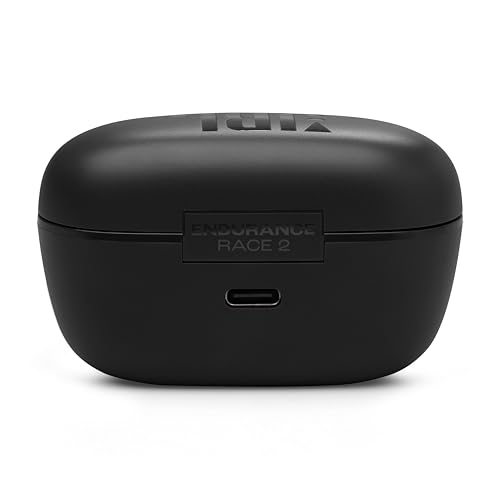
The JBL Endurance Race 2 takes about 2 hours for a full charge but provides 4 hours of playback from just 10 minutes of quick charging. The Samsung Galaxy Buds 3 Pro charges faster overall at about 1 hour for full charge, with 5 minutes providing roughly 1 hour of playback. Both support USB-C charging.
Choose the JBL Endurance Race 2 if you prioritize sports performance, maximum battery life, superior water resistance, and excellent value for money. Choose the Samsung Galaxy Buds 3 Pro if you want premium audio quality, advanced noise cancellation, smart AI features, and own recent Samsung devices to unlock all capabilities. Your decision should align with your primary use case and budget preferences.
We've done our best to create useful and informative comparisons to help you decide what product to buy. Our research uses advanced automated methods to create this comparison and perfection is not possible - please contact us for corrections or questions. These are the sites we've researched in the creation of this article: youtube.com - runnersworld.com - cashify.in - youtube.com - theruntesters.com - bestbuy.com - thegardensnowboard.com - versus.com - versus.com - jbl.com - adaytrip.com - youtube.com - bhphotovideo.com - target.com - crutchfield.com - jbl.com - bhphotovideo.com - bestbuy.com - nfm.com - walmart.com - techradar.com - soundguys.com - whathifi.com - loudnwireless.com - rtings.com - whathifi.com - youtube.com - youtube.com - soundguys.com - youtube.com - youtube.com - soundguys.com - eu.community.samsung.com - phonearena.com - loudnwireless.com - samsung.com - whatgear.net - samsung.com - devicesupport.three.co.uk - youtube.com - samsung.com - techradar.com - samsung.com - en.wikipedia.org - samsung.com - moneycontrol.com - youtube.com - bestbuy.com - eu.community.samsung.com

Privacy Policy
Terms and Conditions - Affiliate Policy
Home Security
© Copyright 2008-2026.
11816 Inwood Rd #1211, Dallas, TX 75244