

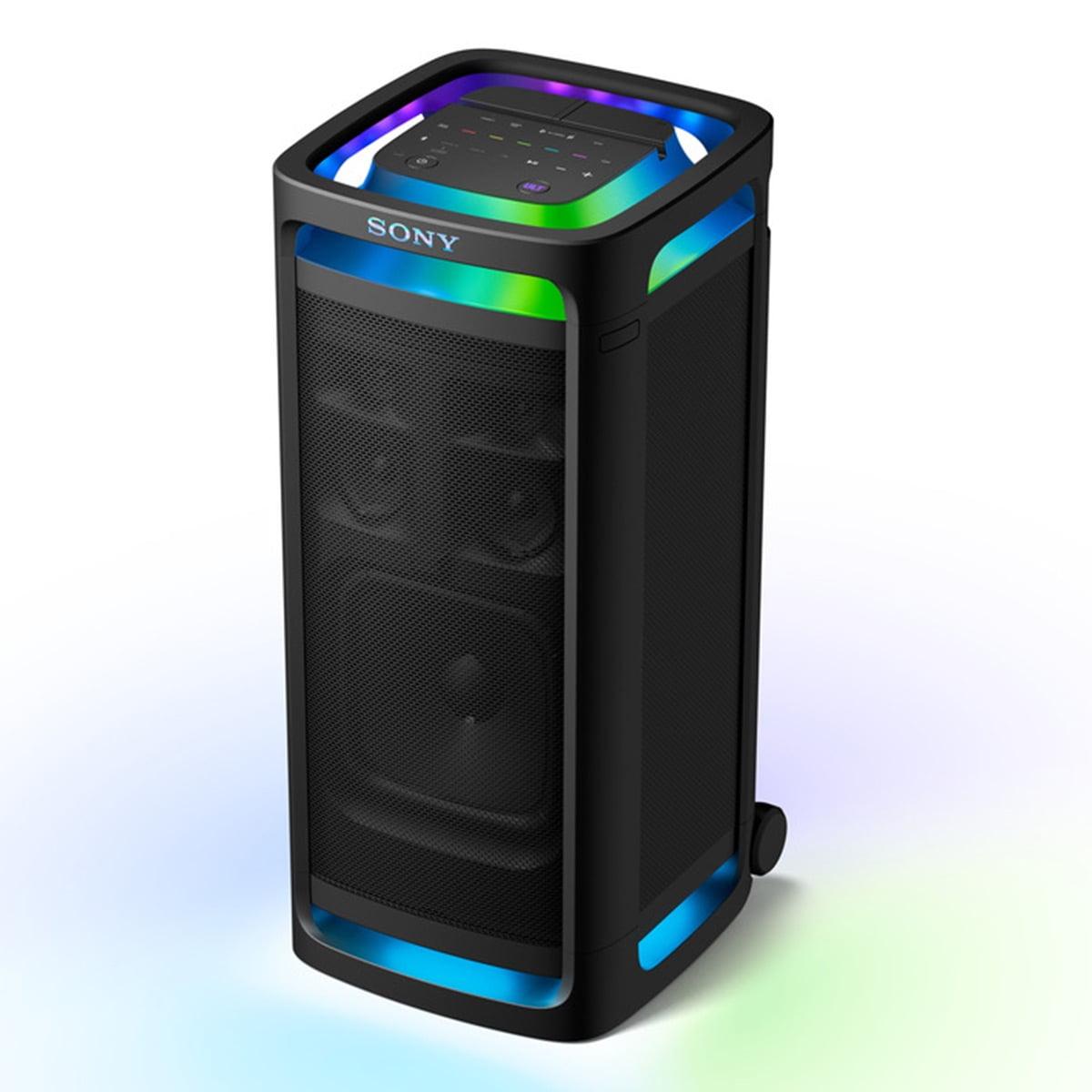
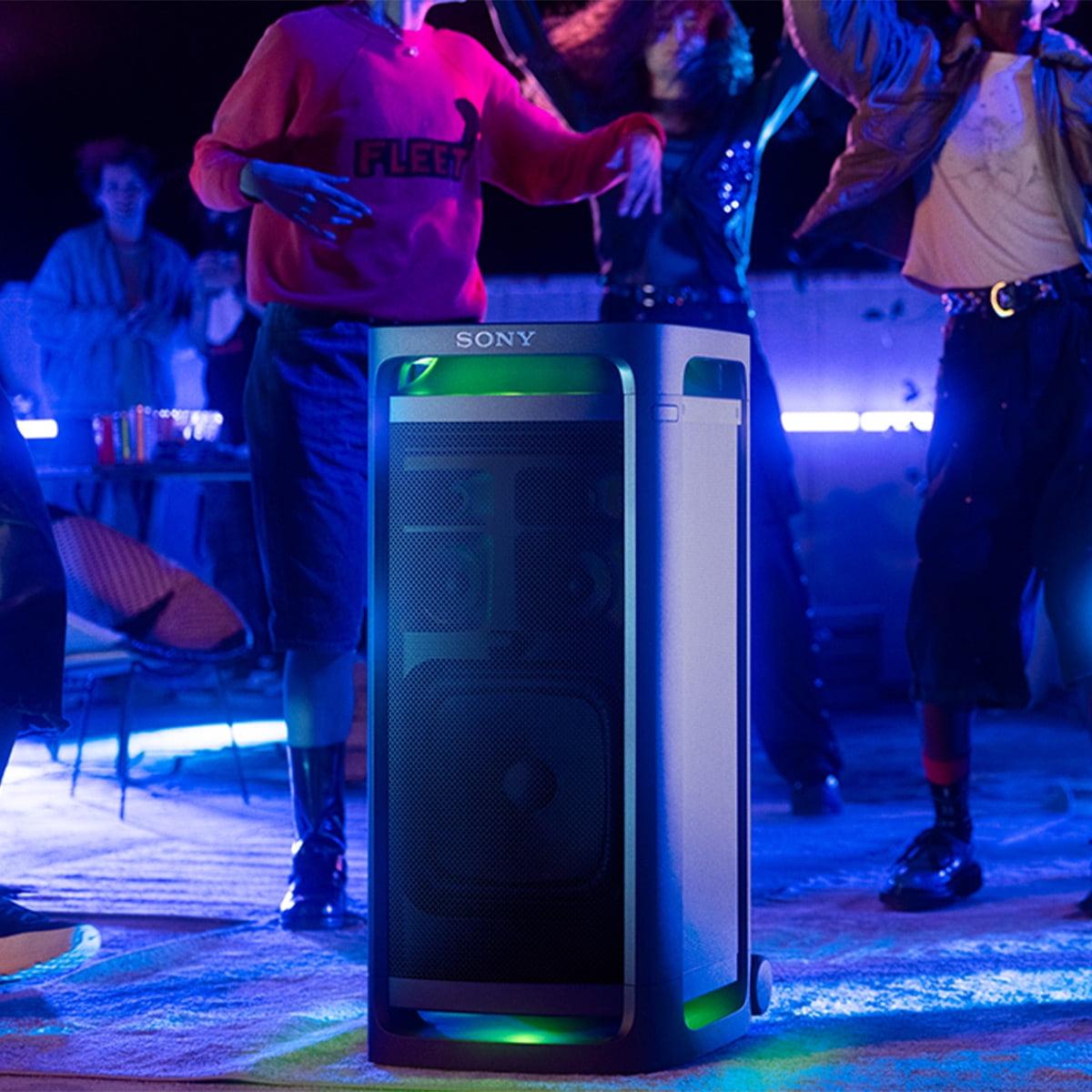
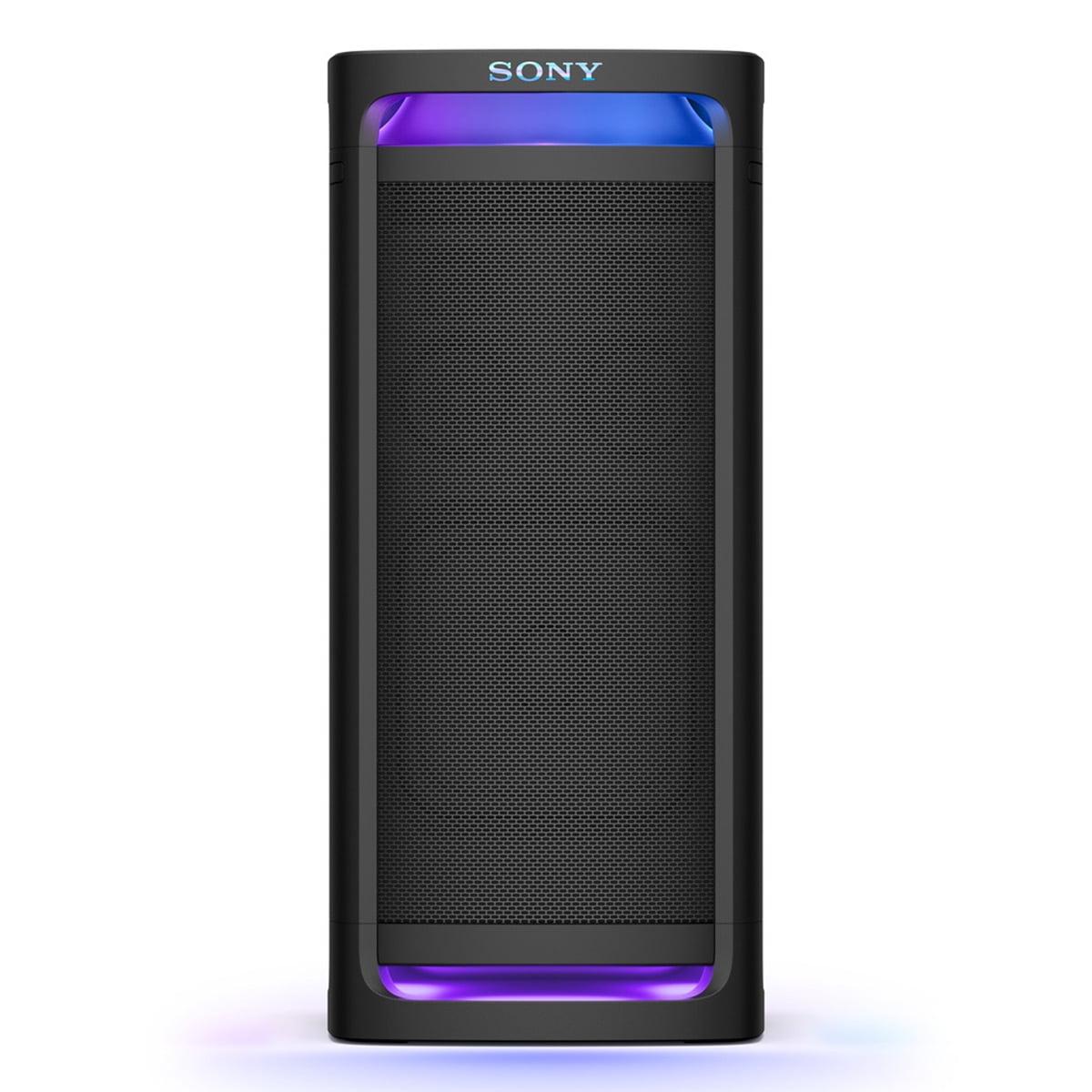
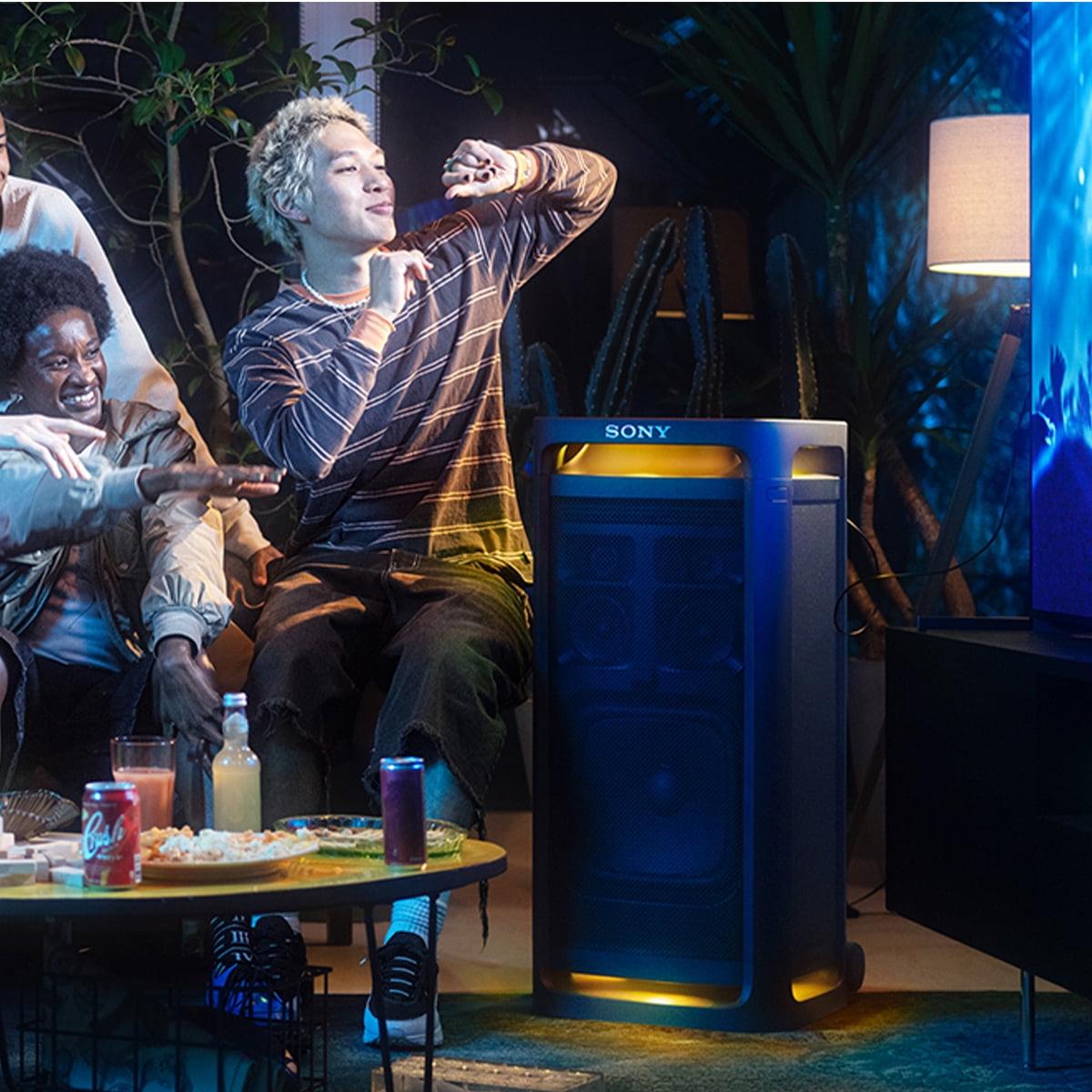
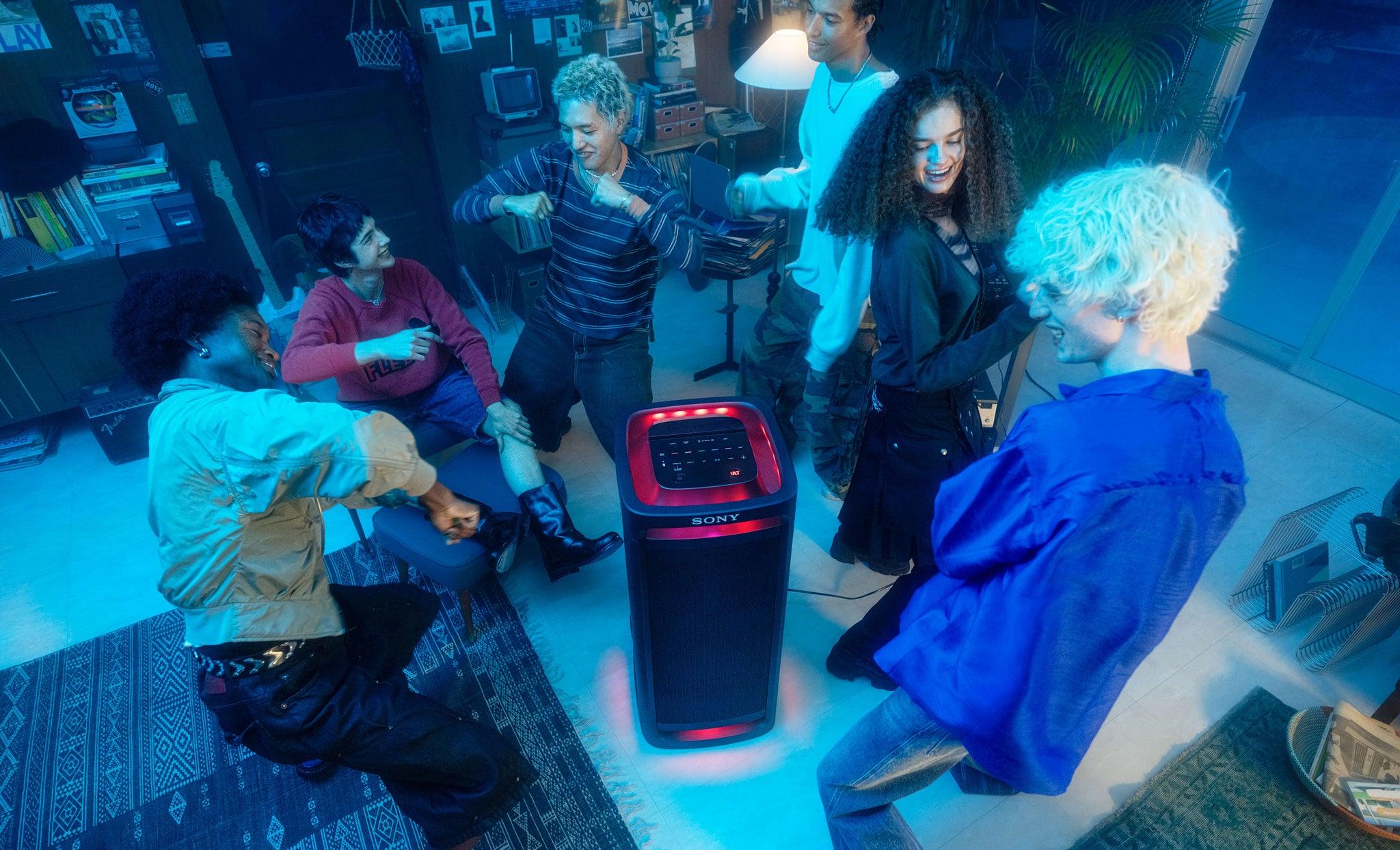
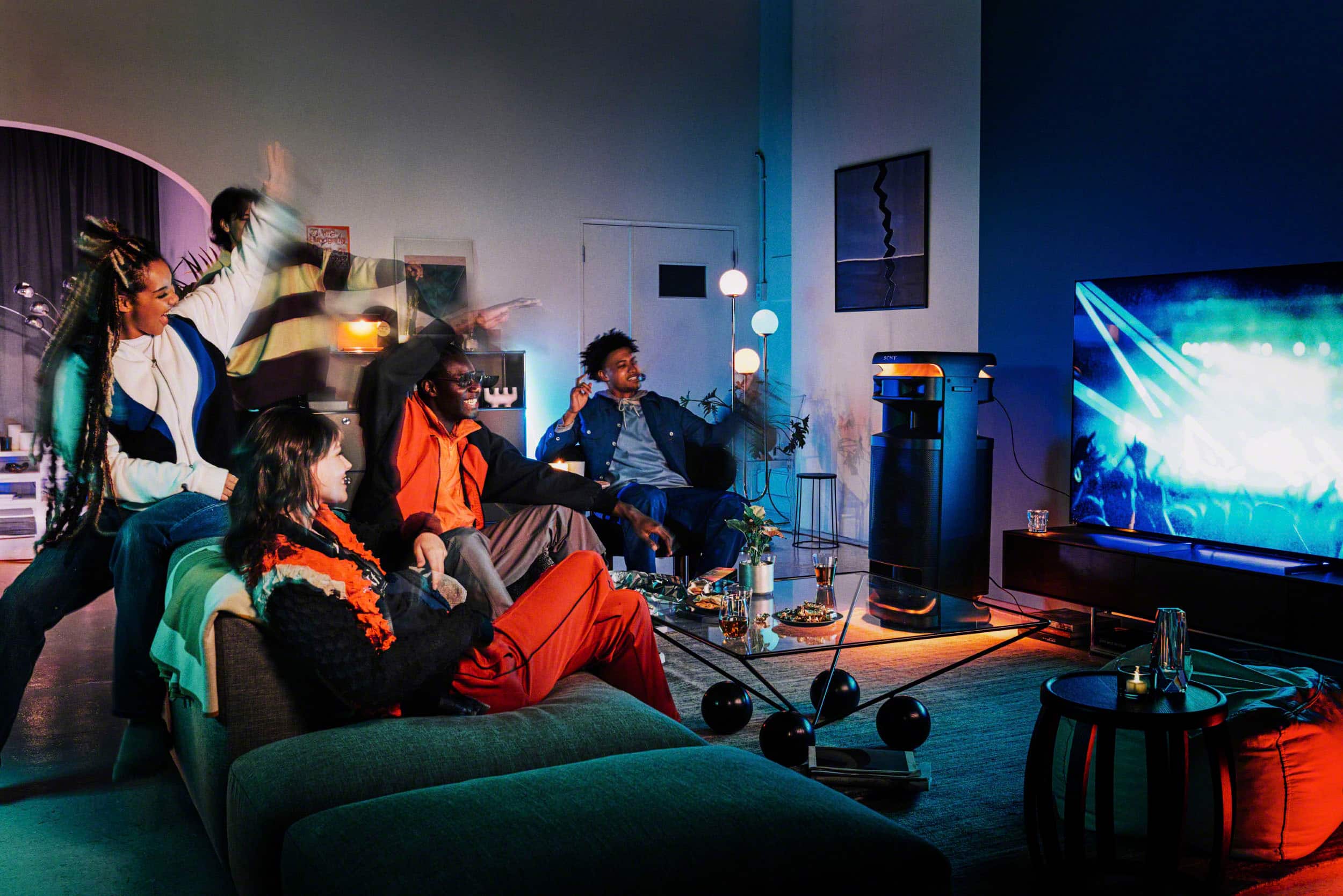
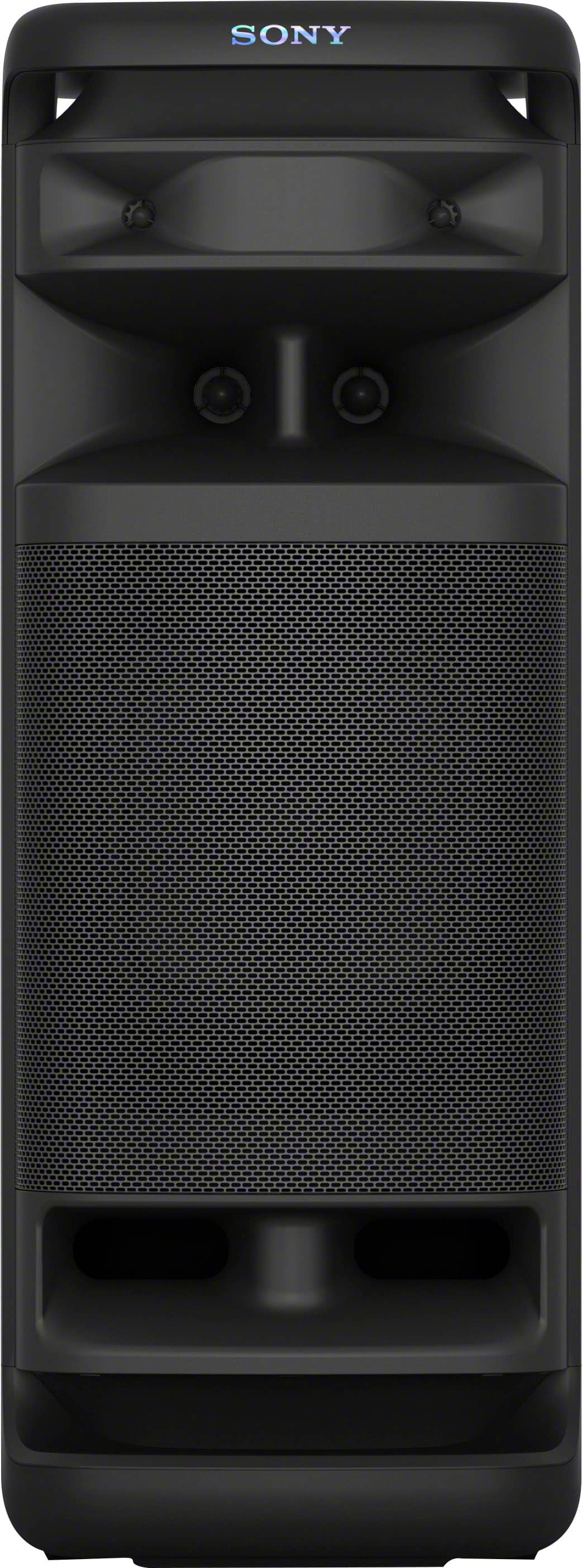
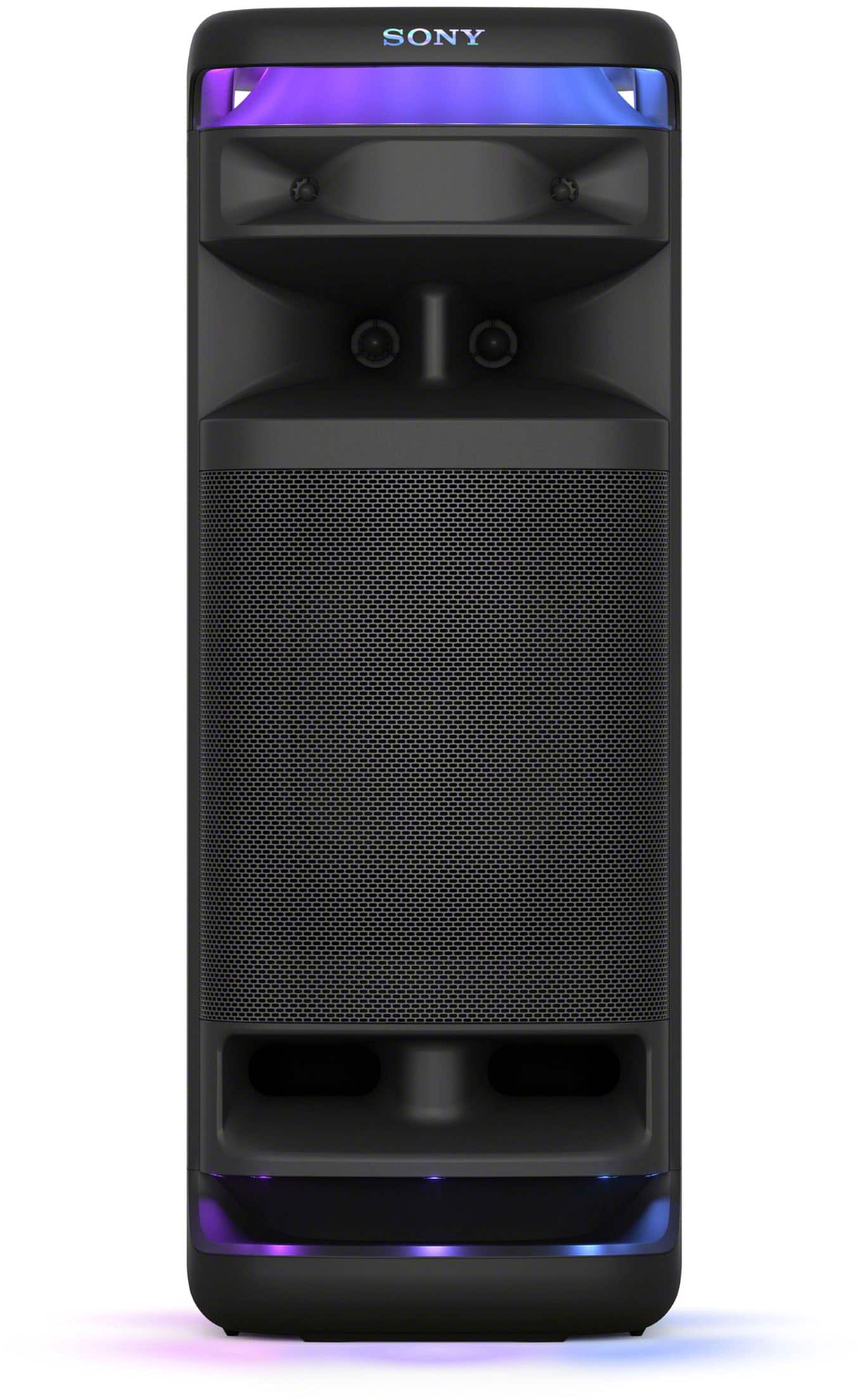
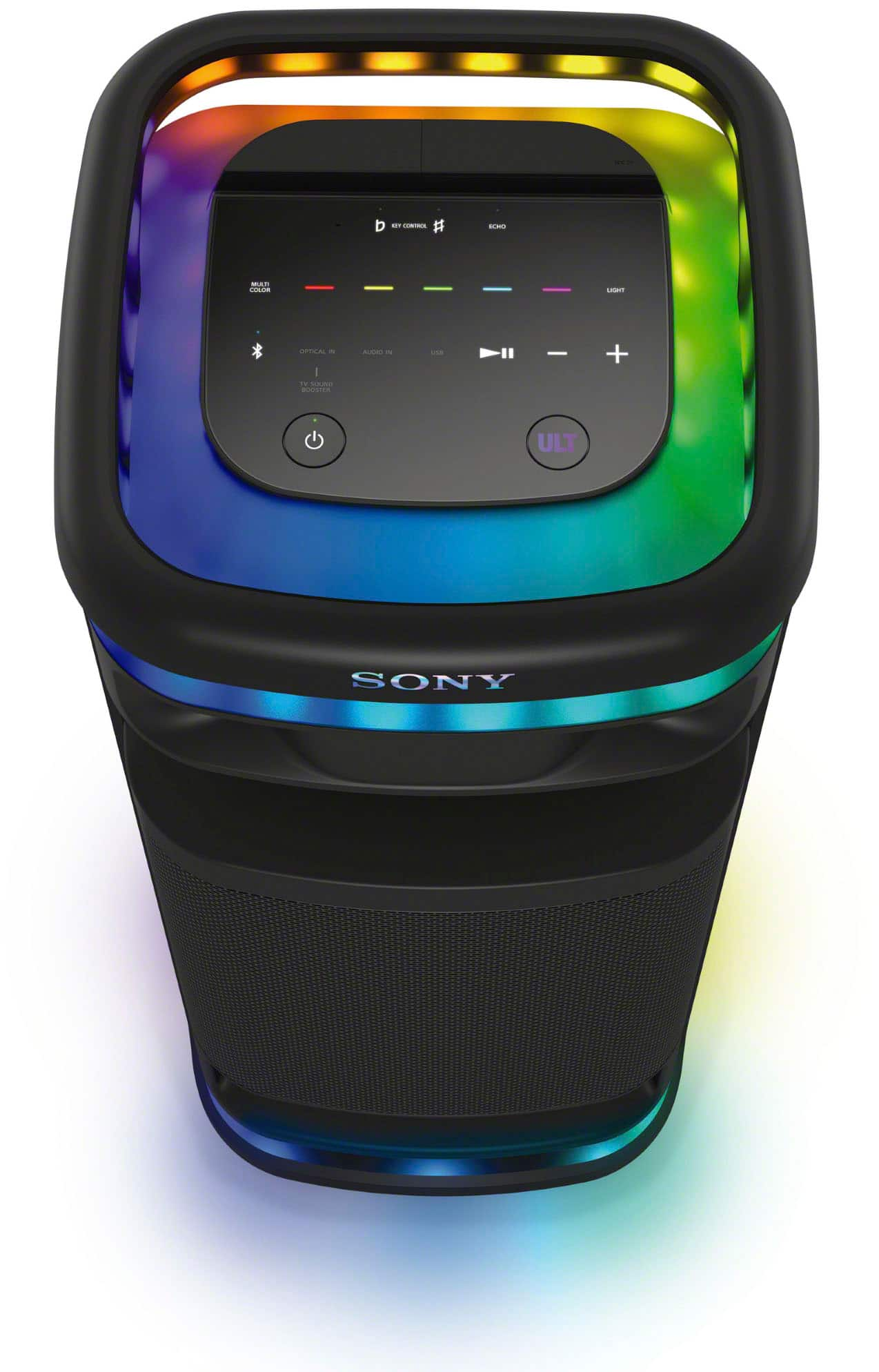
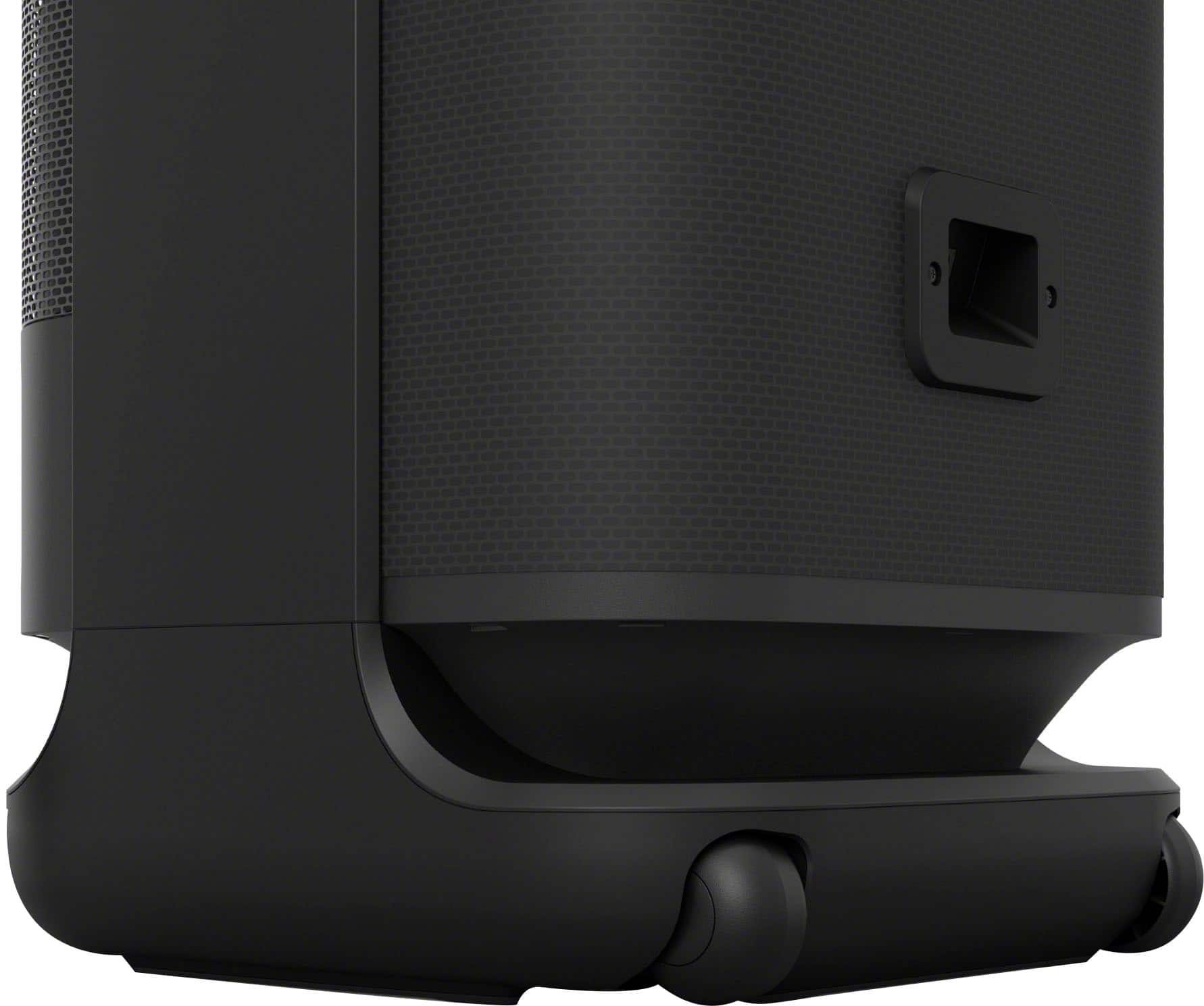
If you've ever been to a party where the music couldn't be heard over conversation, or worse, where the bass made your ears hurt while the vocals disappeared, you understand why choosing the right party speaker matters. Sony's ULT Tower series tackles these problems head-on, but deciding between the ULT Tower 9AC and the ULT Tower 10 isn't straightforward—especially when both cost serious money and neither has a battery for outdoor use.
Party speakers occupy a unique space in audio equipment. Unlike the portable Bluetooth speakers you might take to the beach, or the bookshelf speakers in your living room, party speakers prioritize three things: getting loud without distorting, filling large spaces with sound, and creating an engaging atmosphere through lights and interactive features.
The most important performance metrics for party speakers are maximum volume before distortion (measured in decibels), bass extension (how low the frequency response goes), and sound dispersion (how evenly sound spreads throughout a room). Secondary features like karaoke capabilities, lighting effects, and app control can make or break the party experience, but they're meaningless if the core audio performance isn't there.
Both the ULT Tower 9AC and ULT Tower 10 approach these challenges with Sony's signature attention to bass response and build quality, but they target different user needs and budgets. At the time of writing, the Tower 10 costs roughly 60% more than the 9AC—a significant premium that demands justification.
The ULT Tower 10 launched in 2024 as Sony's flagship party speaker, incorporating their latest X-Balanced woofer technology and advanced wireless protocols. The ULT Tower 9AC followed in 2025 as a more affordable option that maintains many of the same features while making strategic compromises to hit a lower price point.
This timeline matters because the 9AC benefits from a year of additional development and user feedback from the Tower 10's reception. Sony refined the feature set and addressed some connectivity issues, which is why the newer 9AC actually uses a more recent Bluetooth standard (5.3 versus 5.2) despite being the cheaper model.
The most significant performance difference between these speakers lies in their maximum clean volume output. The ULT Tower 10 can reach 110 decibels of undistorted sound pressure—loud enough to fill a large backyard party or small club venue. To put this in perspective, normal conversation happens at about 60 decibels, while 110 decibels approaches the volume of a live rock concert.
The ULT Tower 9AC, while still impressively loud for home use, can't quite match this peak output. Our research into user reviews suggests it performs excellently for gatherings of 30-50 people but starts to show its limitations in larger spaces or when competing with significant ambient noise.
This difference matters more than you might think. A party speaker that can't get loud enough forces people to crowd around it, destroying the social flow of a gathering. The extra headroom in the Tower 10 means it maintains clarity and composure even when pushed hard, while the 9AC may start to compress or distort at maximum volume.
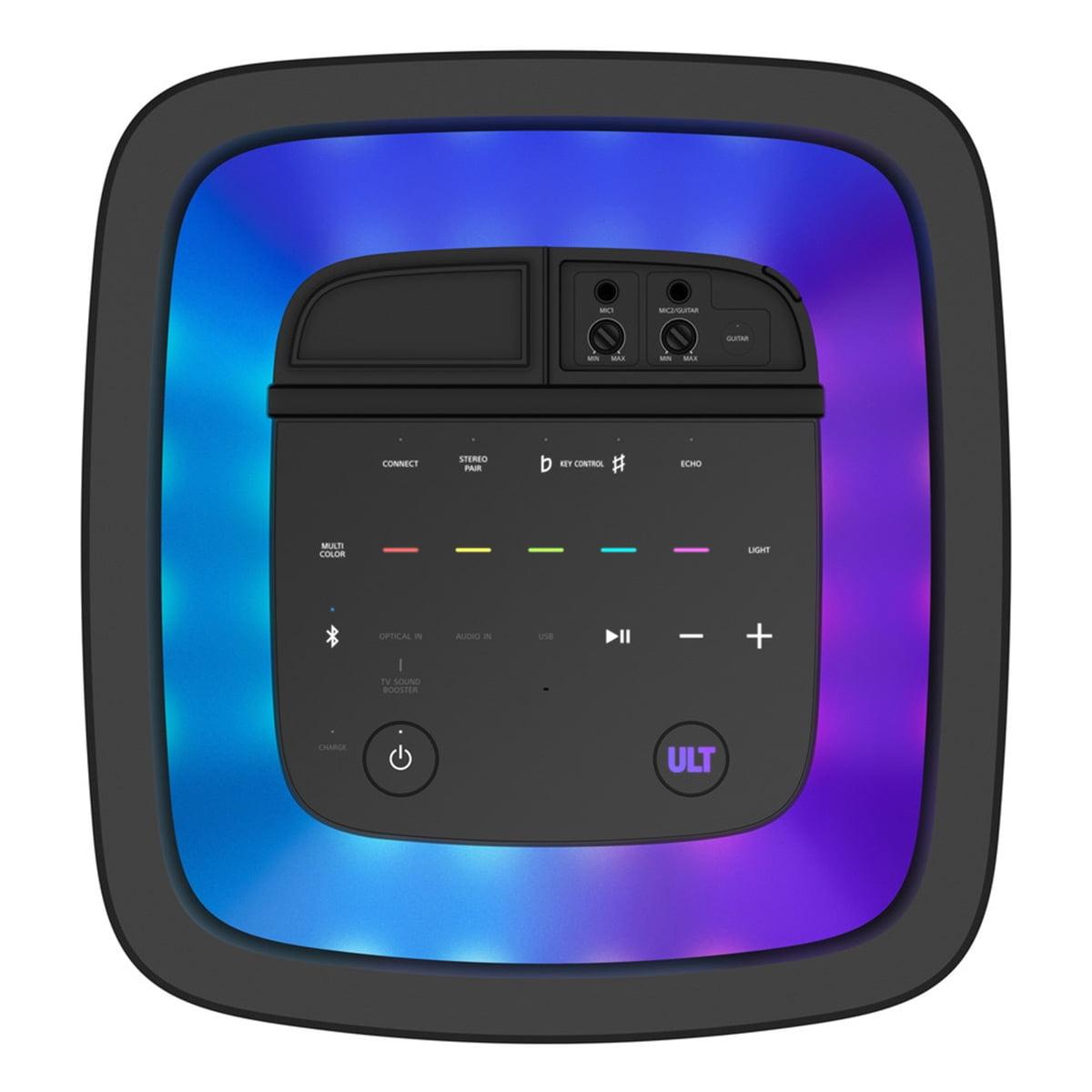
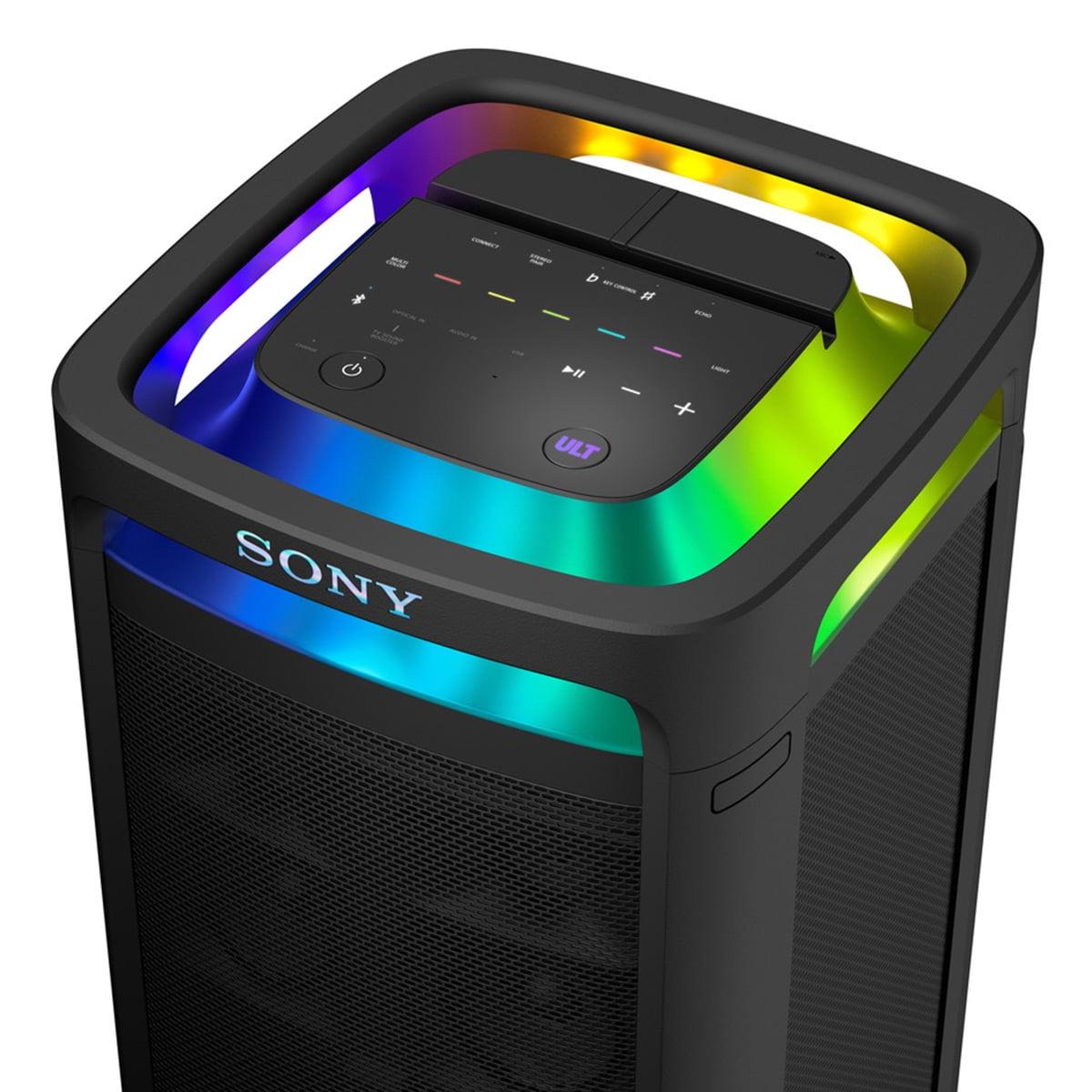
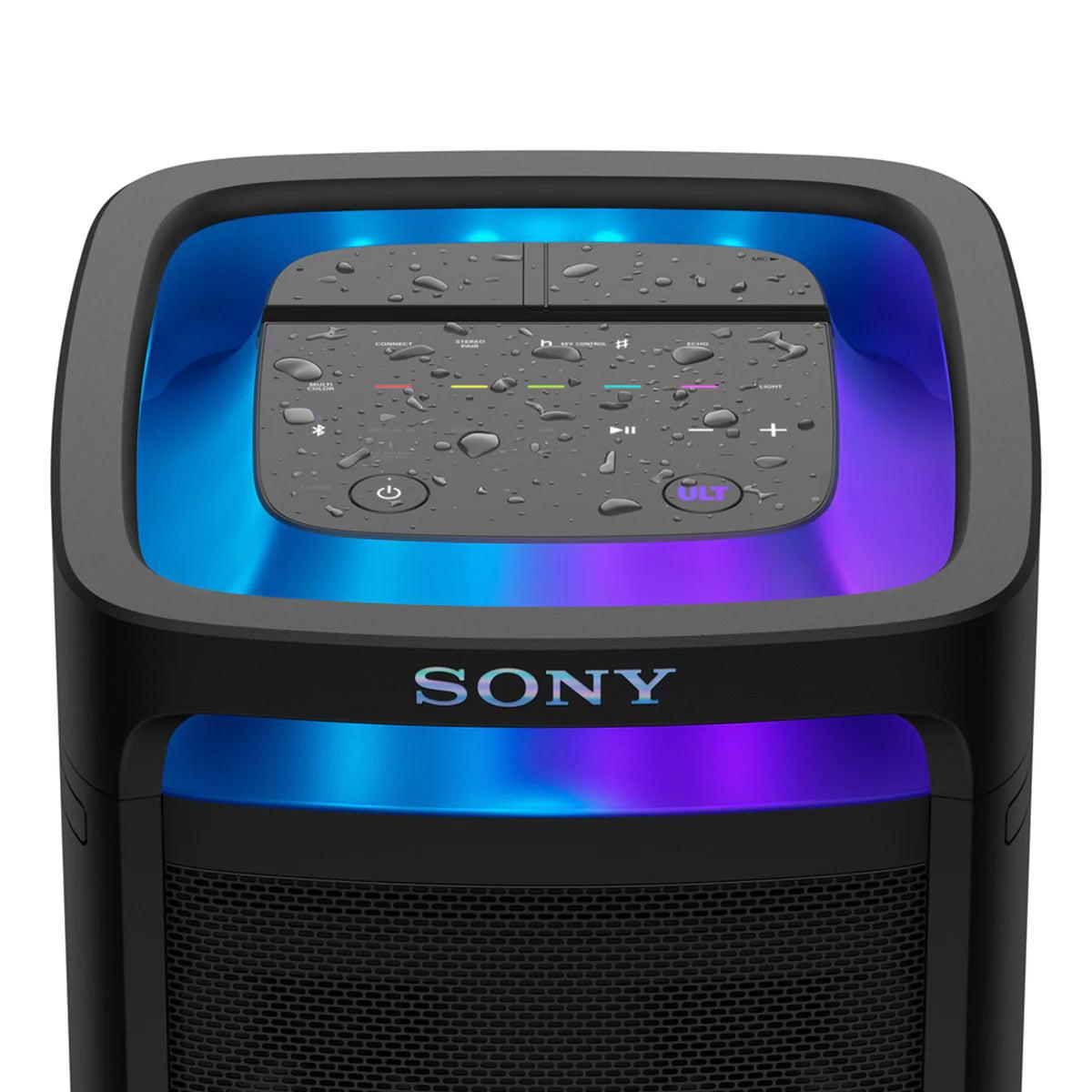
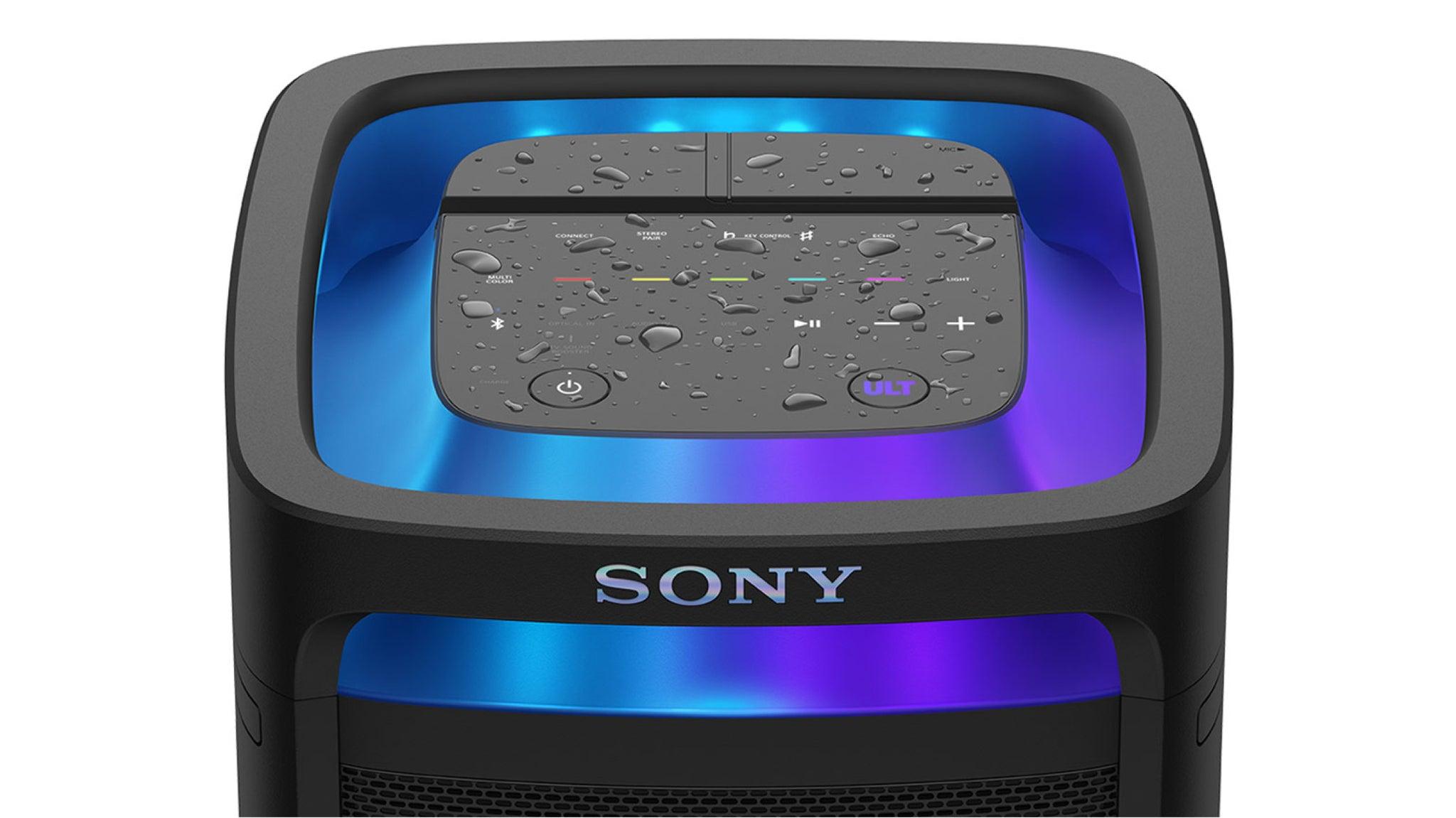
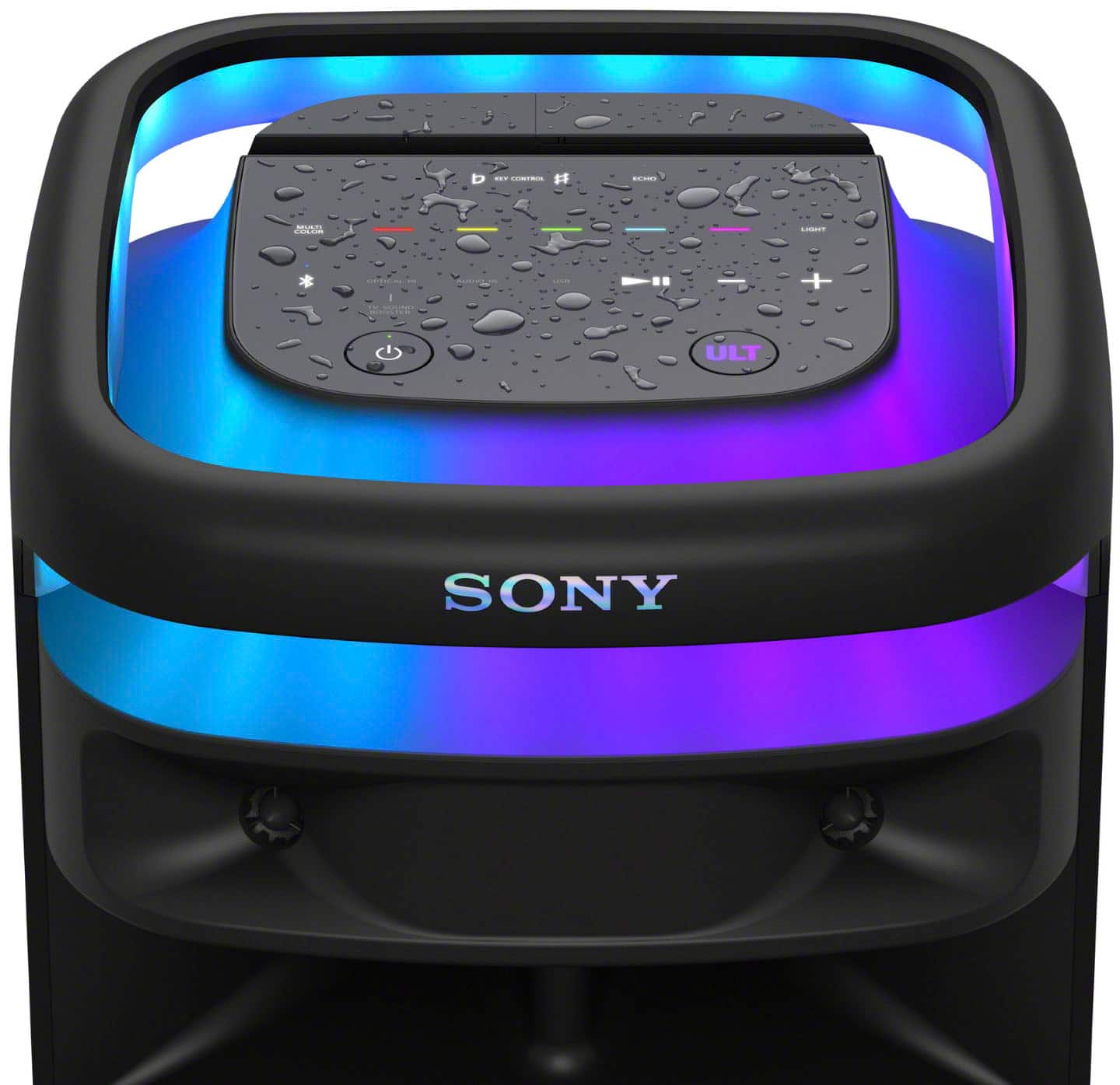
Both speakers feature Sony's ULT button technology, which provides two bass enhancement modes: ULT1 for deeper, rumbling bass that you feel in your chest, and ULT2 for tighter, more punchy bass that works better with electronic dance music. This instant bass customization is genuinely useful—being able to switch between modes based on the music genre or room acoustics makes these speakers more versatile than fixed-tuning alternatives.
However, the ULT Tower 10 has a crucial advantage in its X-Balanced woofer design. Traditional round woofers waste space in the corners of the speaker cabinet, but Sony's rectangular X-Balanced driver maximizes the diaphragm area within the same footprint. This translates to deeper bass extension with less distortion and clearer vocal reproduction—even when the bass is cranked up.
In practical terms, this means the Tower 10 can deliver that satisfying deep bass without making voices sound muddy or unclear. The ULT Tower 9AC produces plenty of bass impact, but user reviews consistently mention it can sound "boomy" in typical home environments and often requires EQ adjustment through the app to sound its best.
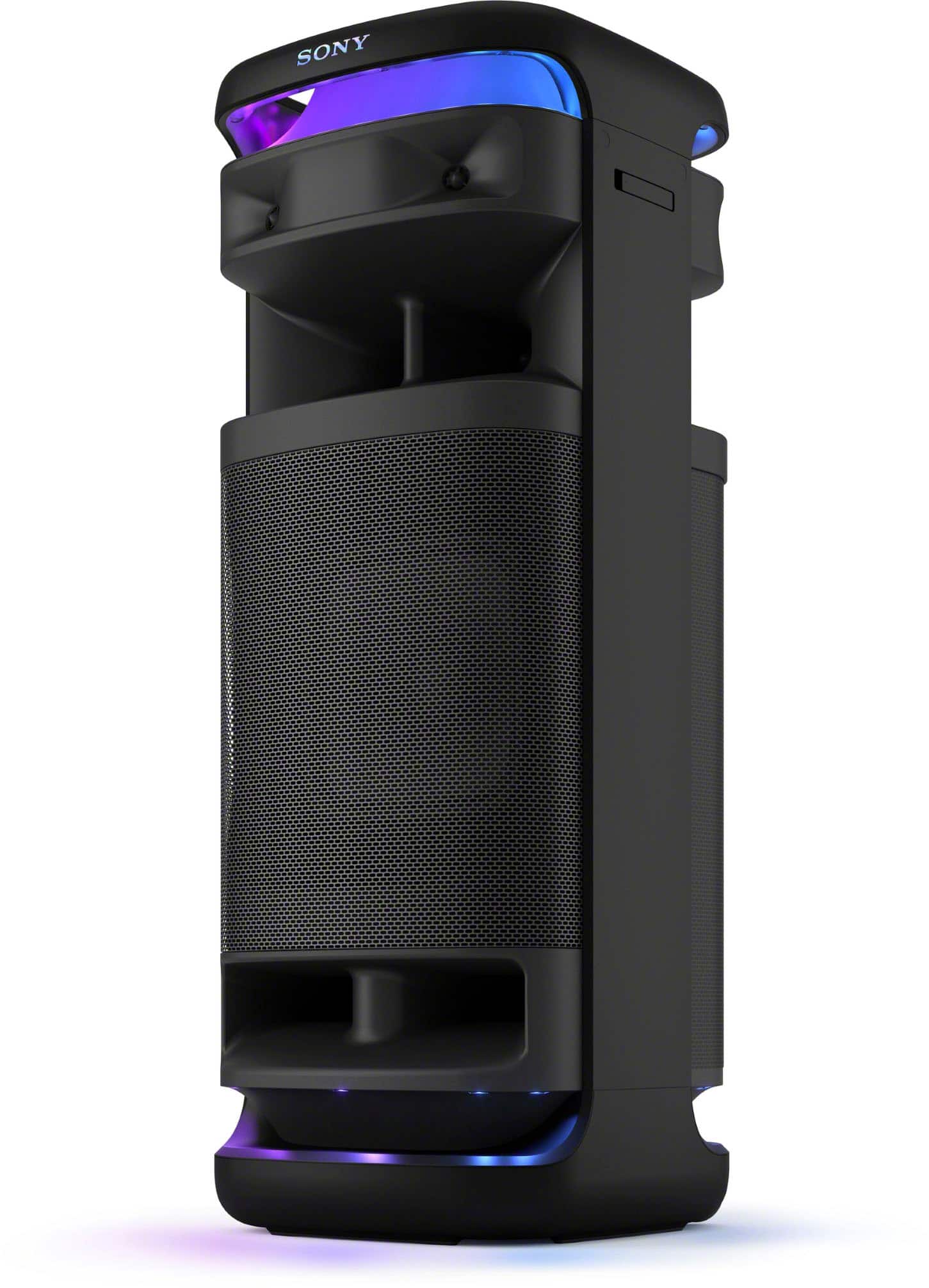
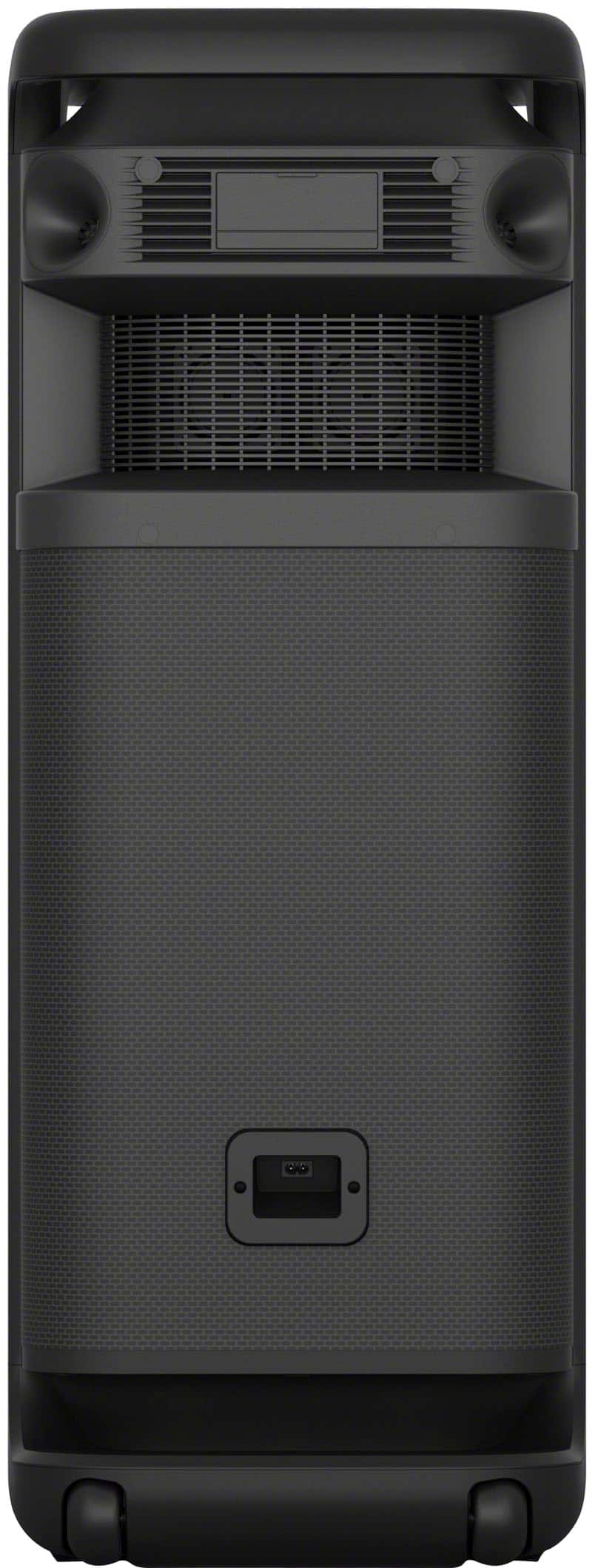
Both speakers claim 360-degree sound dispersion through rear-facing tweeters (the small drivers that handle high frequencies like cymbals and vocal clarity). The concept makes sense: instead of everyone needing to face the speaker directly, the sound radiates in all directions.
The reality is more nuanced. The ULT Tower 10 achieves more consistent omnidirectional coverage thanks to its optimized driver placement and cabinet design. Users report that it maintains similar sound quality whether you're standing in front, behind, or to the side of the speaker.
The ULT Tower 9AC attempts the same 360-degree concept but doesn't execute it as effectively. Reviews suggest it still has a "sweet spot" where it sounds best, and the rear sound isn't quite as balanced as the front. This isn't a deal-breaker for most home use, but it's a noticeable difference in larger spaces.
Here's where the ULT Tower 10 justifies part of its premium pricing. It supports Sony's LDAC codec, which can transmit high-resolution audio (up to 96kHz/24-bit) over Bluetooth. This matters if you stream music from services like Tidal or Apple Music's lossless tiers, or if you have high-quality music files stored on your phone.
The ULT Tower 9AC is limited to standard AAC and SBC codecs. These provide good quality for most listeners, but audiophiles will notice the difference when comparing the same track on both speakers using high-quality source material.
Interestingly, the 9AC uses the newer Bluetooth 5.3 standard versus the Tower 10's Bluetooth 5.2. This mainly affects connection stability and range rather than audio quality, giving the cheaper speaker a slight edge in wireless reliability.
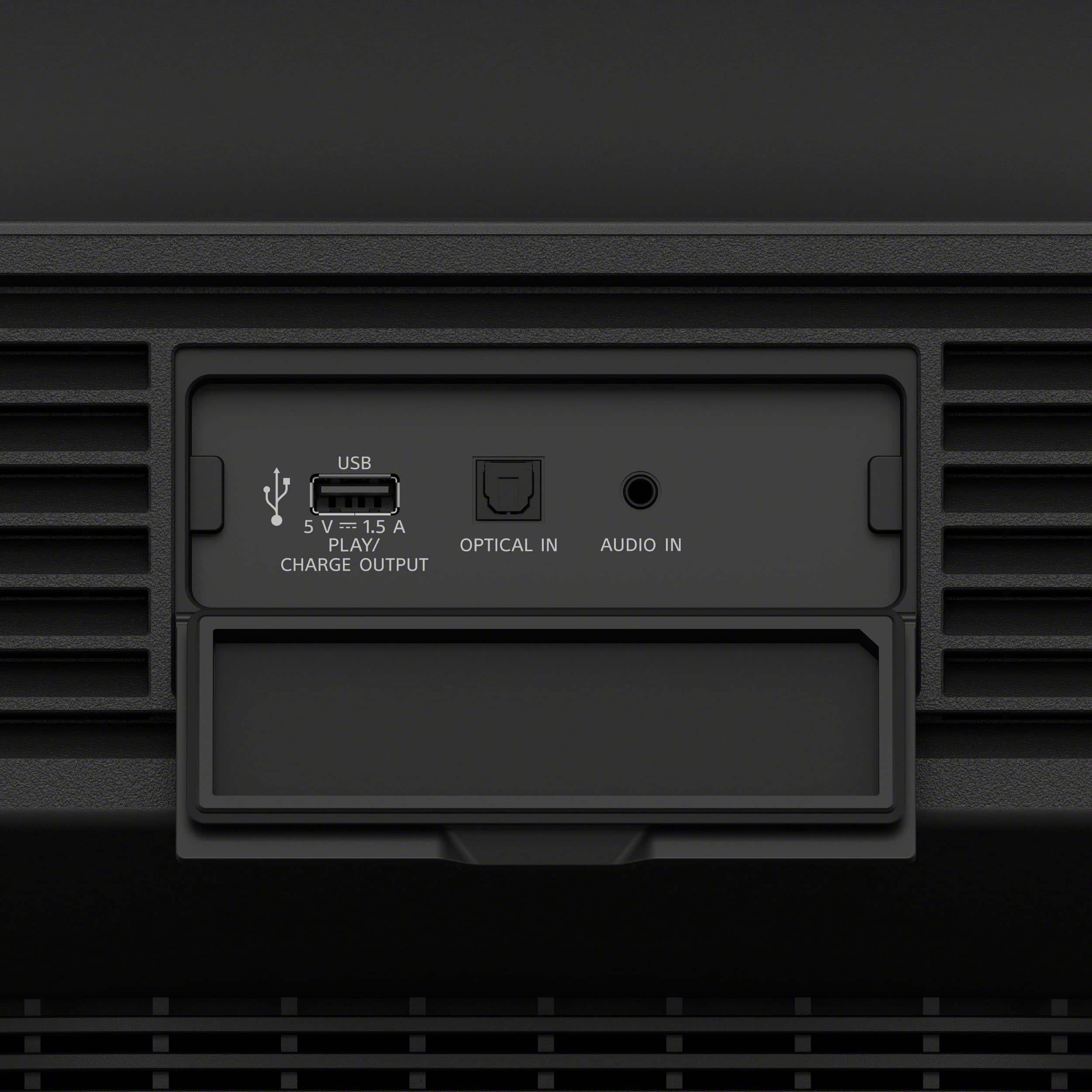
Both speakers excel as TV sound systems through their optical digital inputs. Sony's TV Sound Booster mode uses the rear tweeters to create a wider soundstage when watching movies, and the massive bass drivers add impact that most TV speakers or soundbars simply can't match.
For home theater use, the bass power of either speaker can be both a blessing and a curse. Action movies sound incredibly immersive, but you'll definitely need to adjust the bass levels for dialog-heavy content to avoid overwhelming the vocals. The ULT Tower 10's X-Balanced woofer maintains better vocal clarity even with strong bass, making it slightly better suited for mixed TV content.
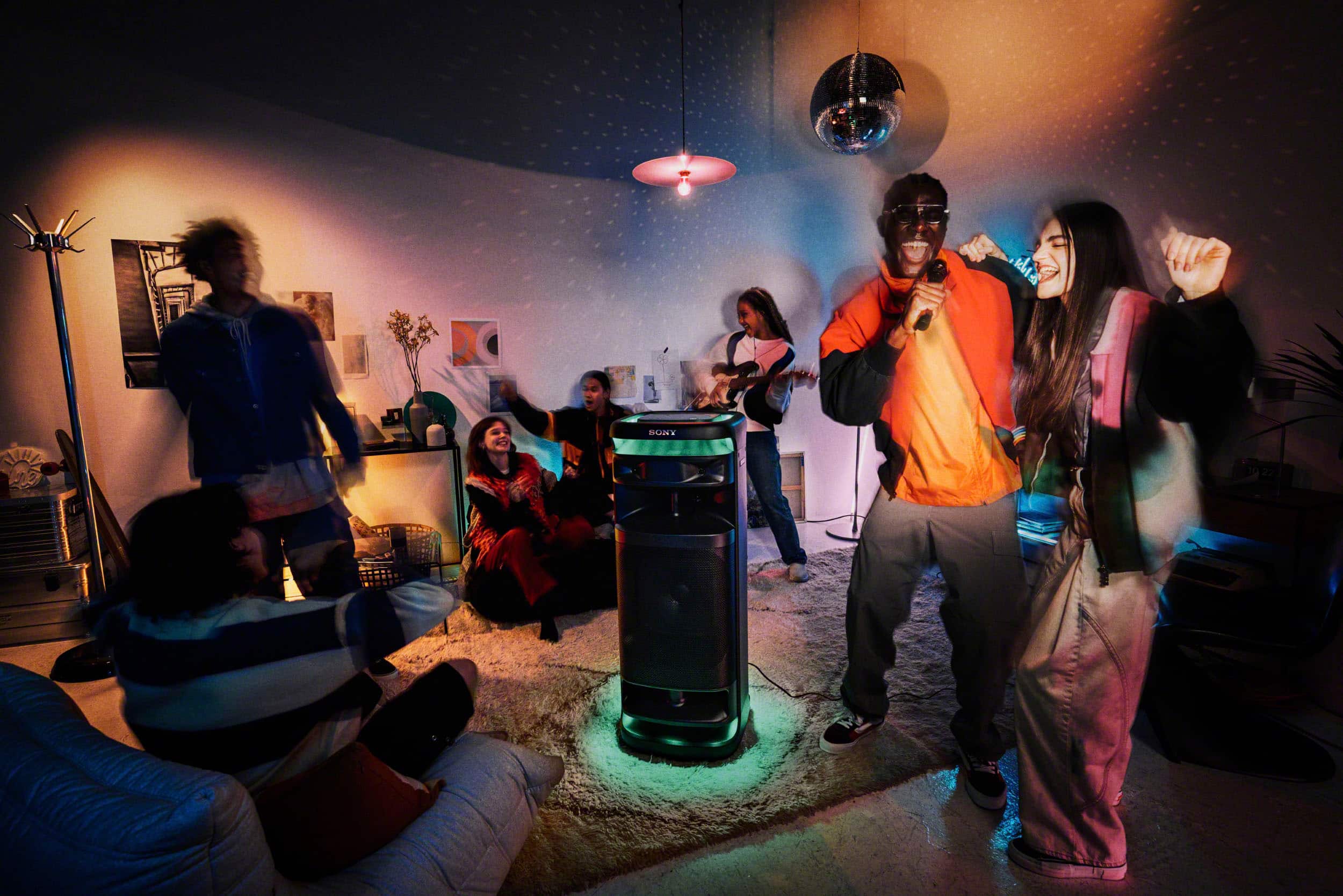
This is where the value proposition gets interesting. The ULT Tower 10 includes a wireless microphone right in the box—a convenience that immediately saves you $50-100 and eliminates compatibility guesswork. The wireless mic connects via Bluetooth and includes features like echo effects and key control (pitch adjustment) for karaoke songs.
The ULT Tower 9AC takes a different approach with more flexible wired inputs. It provides separate 1/4-inch inputs for both microphones and guitars, plus fold-out microphone holders built into the speaker. This setup is actually more versatile for mixed use—you can have a microphone and guitar connected simultaneously—but requires purchasing microphones separately.
For dedicated karaoke enthusiasts, the Tower 10's included wireless mic and streamlined setup win out. For users who might occasionally use microphones but want the flexibility to connect instruments or multiple audio sources, the 9AC's approach offers more possibilities.
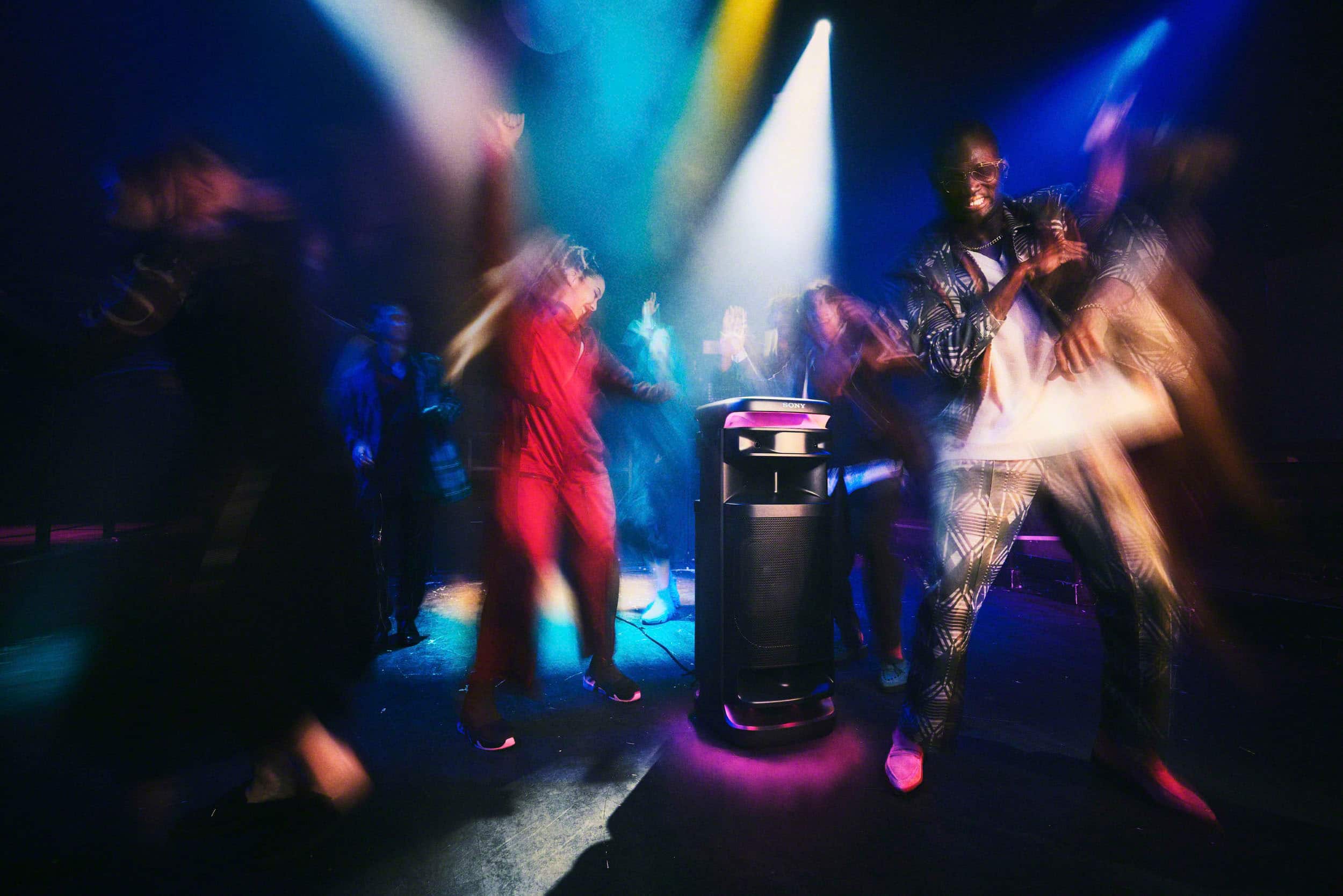
Both speakers feature programmable LED lighting rings that sync with music, but the ULT Tower 10 offers more sophisticated lighting control through Sony's Music Center app. You can customize colors, patterns, and effects, and even sync lighting across multiple speakers using Sony's Party Connect feature (which works with up to 100 compatible speakers).
The ULT Tower 9AC has similar lighting capabilities but with fewer customization options through the Sony Sound Connect app. The lighting still looks great and creates that essential party atmosphere, but power users who want to choreograph complex light shows will prefer the Tower 10's advanced controls.
The ULT Tower 9AC stands about 91 centimeters tall (roughly 3 feet), while the ULT Tower 10 reaches 110 centimeters (about 3.6 feet). Both weigh around 28-29 kilograms (about 63 pounds), making them substantial pieces of equipment that need dedicated space and careful placement.
The height difference matters more than you might expect. The taller Tower 10 projects sound over furniture and people more effectively in crowded spaces, but the more compact 9AC fits better in rooms with lower ceilings or when storage space is limited.
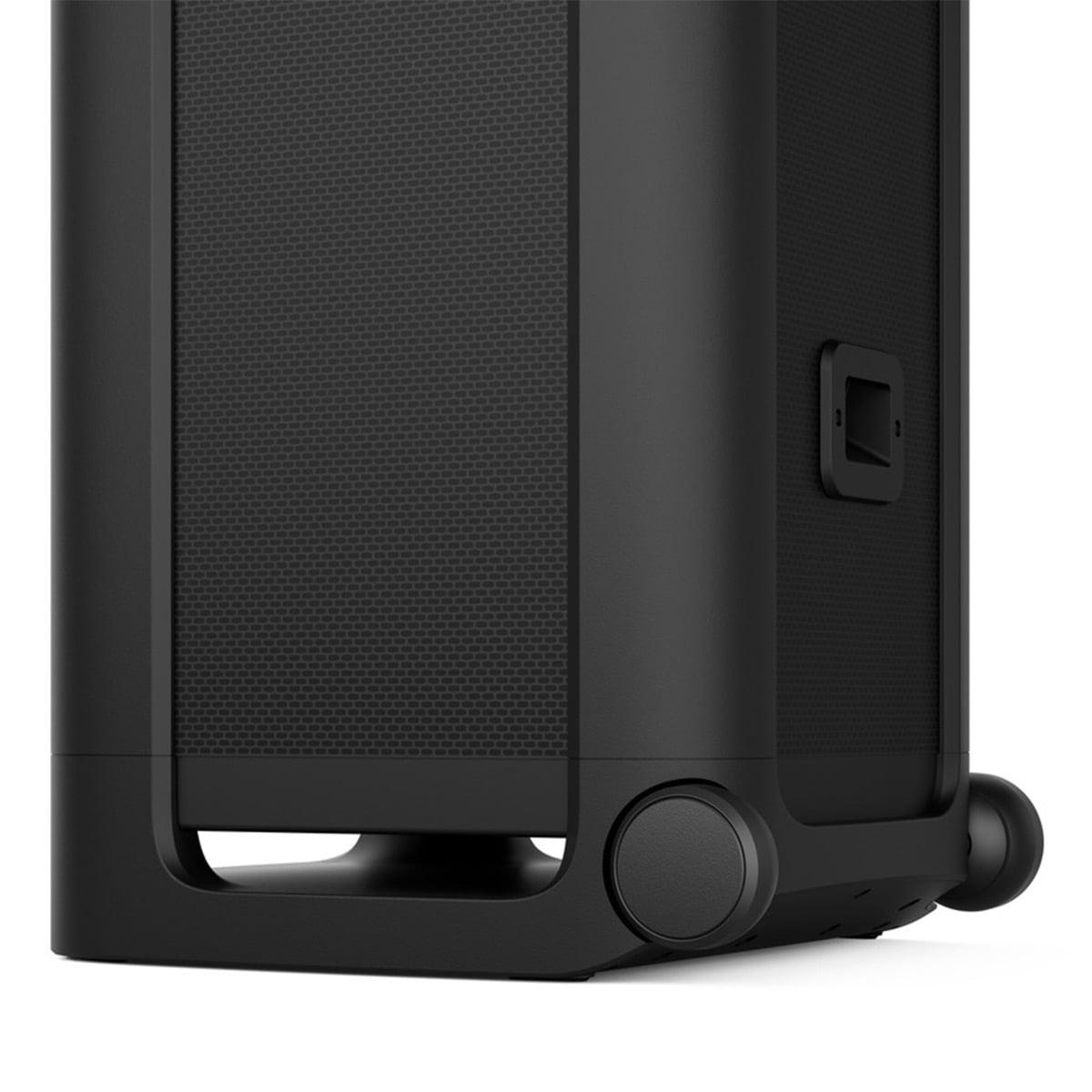
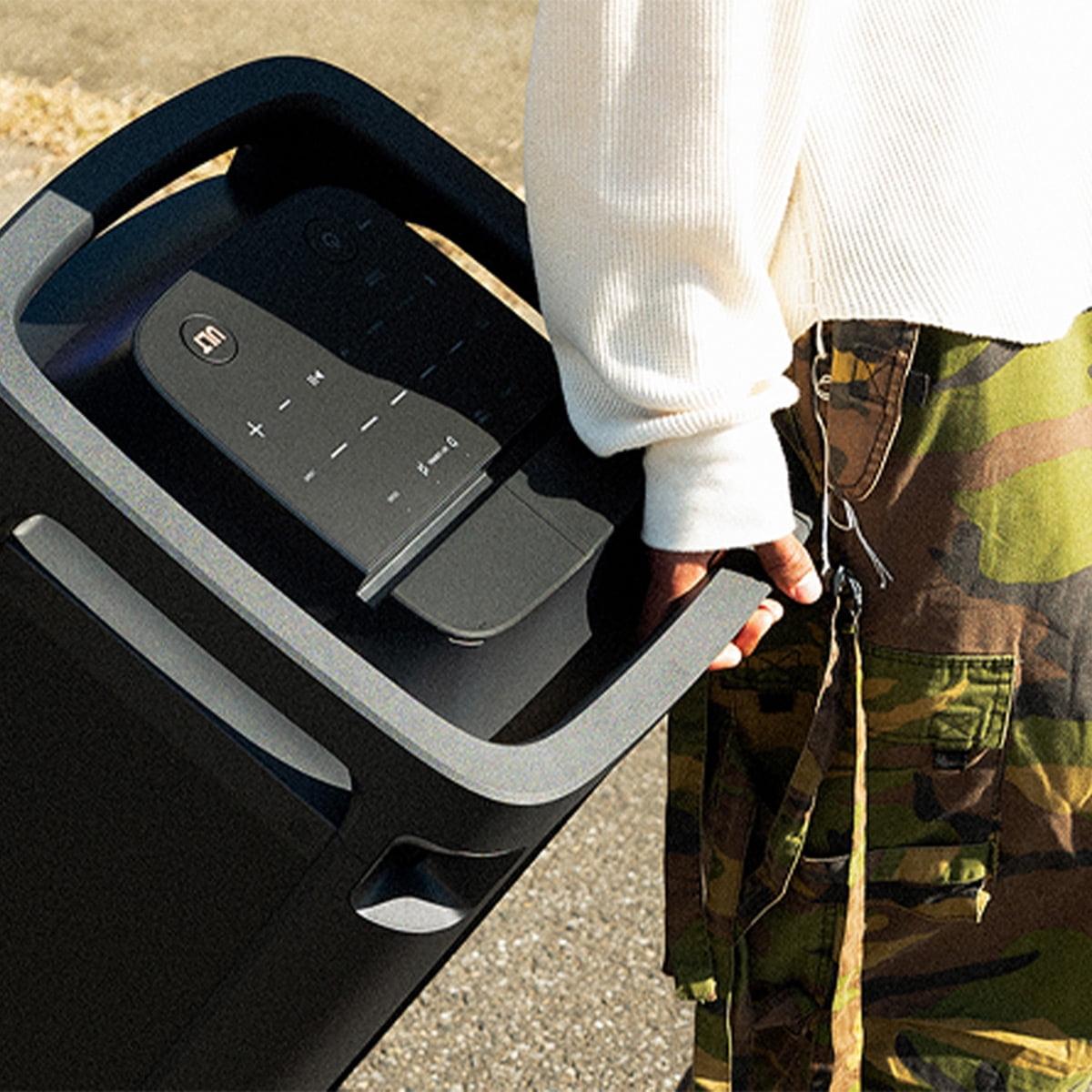
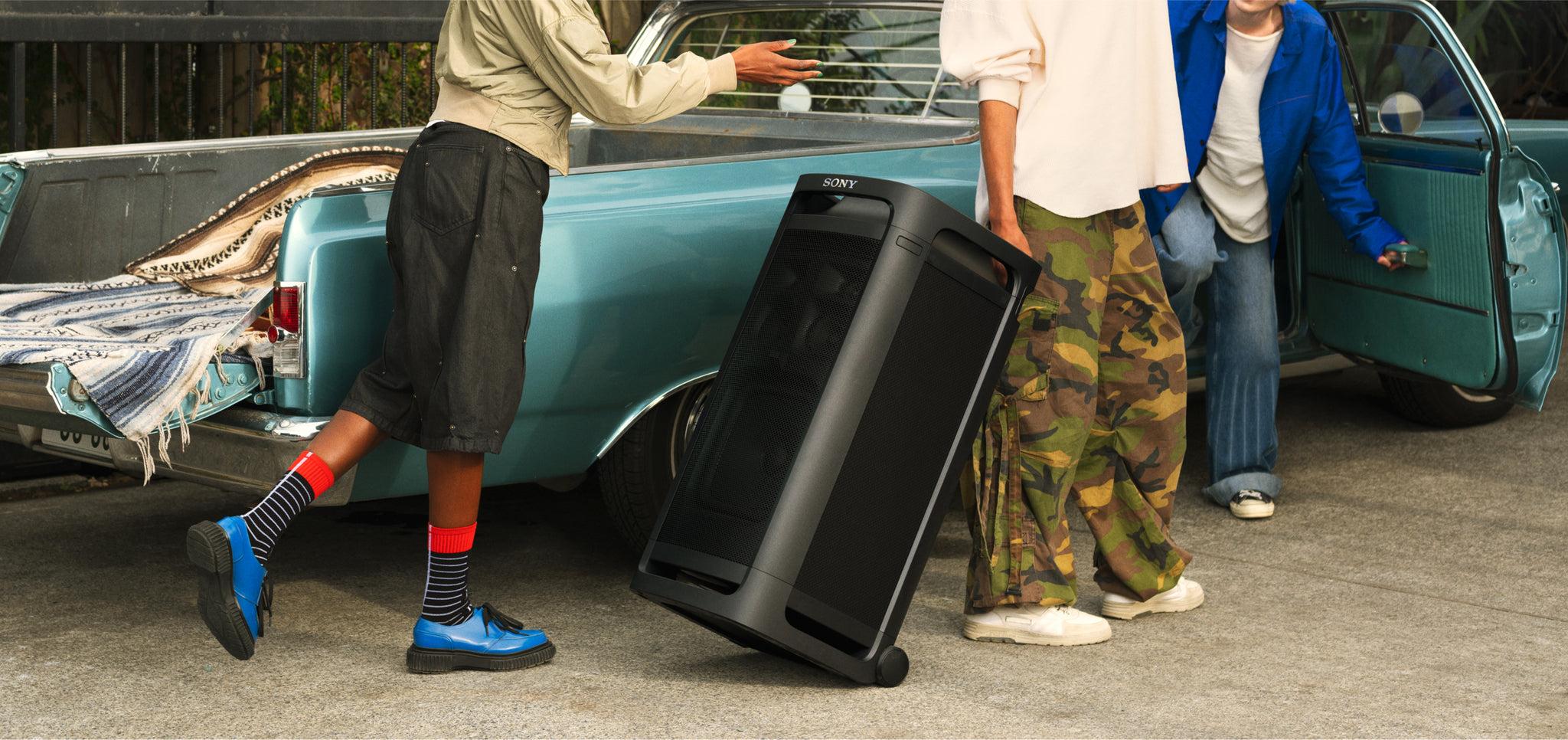
Both speakers include wheels and handles for moving them around, but let's be honest—at nearly 30 kilograms each, you're not casually relocating these speakers very often. They're designed to find a spot and stay there for the duration of the party.
Here's the biggest limitation of both speakers: they require AC power exclusively. No batteries, no outdoor freedom, no poolside parties unless you have electrical outlets nearby. This feels like a significant oversight in 2024-2025, especially when competitors offer battery operation at similar price points.
This limitation fundamentally shapes how you can use these speakers. They excel at house parties, garage gatherings, and any indoor event with power access, but they can't compete with truly portable options for outdoor adventures or spontaneous gatherings.
Both speakers do include USB charging ports, so you can at least keep your phone powered up during long party sessions.
The ULT Tower 9AC represents what I'd call the "smart money" choice for most users. At the time of writing, it costs roughly 40% less than the Tower 10 while delivering about 80-90% of the performance. For typical home parties with 20-50 people, the performance difference rarely matters in practice.
The 9AC makes particular sense if you need flexible connectivity options, plan to use it primarily as a TV speaker with occasional party duties, or if you already own microphones and prefer wired connections for reliability. The newer Bluetooth standard also means better wireless stability, which matters more for daily use than peak volume capability.
The ULT Tower 10 earns its higher price through three main advantages: significantly higher maximum volume, superior bass quality, and the complete karaoke package with included wireless microphone.
This speaker makes sense for users who regularly host large gatherings (50+ people), need maximum volume for challenging acoustic environments, or want the convenience of an all-in-one karaoke system. The LDAC support also appeals to audiophiles who prioritize wireless audio quality.
For semi-commercial use—DJs, small venue owners, or frequent party hosts—the Tower 10's extra performance headroom and professional features justify the investment.
Both speakers excel as TV sound systems, transforming the movie-watching experience with deep bass and wide soundstage effects that most soundbars can't match. The optical input provides clean digital connection, and both speakers can get loud enough to create genuine home theater impact.
The ULT Tower 10's X-Balanced woofer maintains better vocal clarity during bass-heavy scenes, making it slightly better for mixed content. However, both speakers benefit from bass adjustment for dialog-heavy content—their party-focused tuning emphasizes impact over subtlety.
For dedicated home theater use, consider whether you need the party features at all. Traditional tower speakers or a proper surround sound system might serve movie watching better, but if you want one speaker that handles both TV duty and party hosting, either ULT Tower delivers impressive versatility.
After evaluating both speakers through extensive research into user experiences and technical specifications, the ULT Tower 9AC emerges as the better value for most users. It provides the essential party speaker experience—loud, bass-heavy sound with customizable lighting and karaoke capabilities—at a significantly lower price point.
Choose the 9AC if you host typical house parties, want excellent TV sound enhancement, need flexible input options, or simply want maximum value for your investment. The performance limitations compared to the Tower 10 rarely matter in real-world home use.
The ULT Tower 10 justifies its premium pricing for users with specific needs: maximum volume capability, regular karaoke use (where the included wireless mic adds immediate value), audiophile-level wireless streaming, or semi-commercial applications.
Both speakers share the fundamental limitation of AC-only power, which significantly restricts their versatility compared to battery-powered alternatives. This makes them excellent choices for dedicated indoor party spaces but poor options for truly portable entertainment.
The party speaker market continues evolving rapidly, with new models addressing the battery limitation and improving wireless connectivity. However, at the time of writing, Sony's ULT Tower series represents the current state of the art for AC-powered party speakers, with the 9AC offering exceptional value and the Tower 10 delivering flagship performance for users who need maximum capability.
| Sony ULT Tower 9AC Party Speaker | Sony ULT Tower 10 Party Speaker |
|---|---|
| Maximum Volume Output - Critical for large gatherings and outdoor events | |
| High volume suitable for 30-50 people gatherings | 110 dB maximum - fills large venues and competes with ambient noise |
| Bass Technology - Determines sound quality and distortion levels | |
| 320mm conventional woofer (powerful but can sound boomy) | 320mm X-Balanced rectangular woofer (deeper bass, clearer vocals, less distortion) |
| Audio Codec Support - Affects wireless streaming quality | |
| AAC and SBC codecs (good quality for most users) | LDAC high-resolution audio up to 96kHz/24-bit (audiophile-level wireless quality) |
| Bluetooth Version - Impacts connection stability and range | |
| Bluetooth 5.3 (newer standard, better connectivity) | Bluetooth 5.2 (slightly older but still excellent) |
| Karaoke Setup - Convenience vs flexibility for entertainment | |
| Separate mic/guitar inputs, no wireless mic included | Wireless microphone included, single combo input |
| Physical Dimensions - Space requirements and portability | |
| 91cm tall, 28.5kg (more compact, easier to fit in smaller spaces) | 110.6cm tall, 29kg (taller profile, better sound projection) |
| Lighting Customization - Visual impact and party atmosphere | |
| 360° LED lighting with basic app control | Advanced programmable lighting with extensive customization options |
| Driver Configuration - Sound dispersion and frequency response | |
| 7 drivers: 1 woofer, 2×120mm mid-range, 4 tweeters | 7 drivers: 1 X-Balanced woofer, 2×80mm mid-range, 4 tweeters |
| App Control System - User interface and feature access | |
| Sony Sound Connect app (newer interface, basic features) | Sony Music Center app (mature platform, advanced DJ effects) |
| Power Requirements - Limits usage scenarios significantly | |
| AC power only (no battery operation) | AC power only (no battery operation) |
| Value Proposition - Performance per dollar spent | |
| Excellent value - flagship features at mid-tier pricing | Premium performance with complete accessory package |
The Sony ULT Tower 10 is better for large gatherings, delivering up to 110 dB of clean volume output that can fill large venues and compete with ambient noise. It's suitable for 100+ person events. The Sony ULT Tower 9AC works excellently for typical home parties of 30-50 people but may struggle in larger spaces or very noisy environments.
The key difference is the ULT Tower 10's X-Balanced rectangular woofer technology, which delivers deeper bass with less distortion and clearer vocal reproduction. The Sony ULT Tower 9AC uses a conventional round woofer that produces powerful bass but can sound "boomy" in typical rooms and often requires EQ adjustment through the app.
Both the Sony ULT Tower 9AC and ULT Tower 10 excel as TV speakers through their optical inputs, providing massive bass impact that most soundbars can't match. The ULT Tower 10 maintains better vocal clarity during bass-heavy movie scenes thanks to its X-Balanced woofer, making it slightly better for mixed TV content.
The Sony ULT Tower 9AC offers exceptional value, delivering about 80-90% of the ULT Tower 10's performance at roughly 40% less cost. For most home users, the 9AC provides all essential party features—loud bass-heavy sound, customizable lighting, and karaoke capabilities—without the premium price.
Neither the Sony ULT Tower 9AC nor ULT Tower 10 work for outdoor adventures since both require AC power exclusively—no batteries included. They're designed for indoor parties, garage gatherings, and any venue with electrical outlets, but can't compete with battery-powered speakers for poolside or camping use.
The Sony ULT Tower 10 includes a wireless Bluetooth microphone in the box, providing immediate karaoke capability with echo effects and key control. The Sony ULT Tower 9AC offers more flexibility with separate 1/4-inch inputs for microphones and guitars, plus fold-out mic holders, but requires purchasing microphones separately.
Both speakers feature 360° LED lighting that syncs with music, but the ULT Tower 10 offers more sophisticated control through Sony's Music Center app with extensive color and pattern customization. The Sony ULT Tower 9AC has similar lighting capabilities through the Sony Sound Connect app but with fewer advanced options for choreographing complex light shows.
The Sony ULT Tower 10 supports LDAC codec for high-resolution audio streaming up to 96kHz/24-bit, making it ideal for audiophiles using services like Tidal or Apple Music lossless. The Sony ULT Tower 9AC is limited to standard AAC and SBC codecs, which provide good quality for most listeners but not audiophile-level wireless streaming.
The Sony ULT Tower 9AC stands 91cm tall and fits better in rooms with lower ceilings or limited storage space. The ULT Tower 10 reaches 110.6cm tall and needs more vertical clearance but projects sound over furniture and people more effectively in crowded spaces. Both weigh around 28-29kg and include wheels for moving.
Both the Sony ULT Tower 9AC and ULT Tower 10 support Party Connect, allowing you to wirelessly link up to 100 compatible Sony speakers for synchronized music and lighting. You can also pair two identical speakers for true stereo separation, creating an even more immersive audio experience for large venues.
The Sony ULT Tower 9AC offers more flexible connectivity with separate dedicated inputs for microphones and guitars, plus newer Bluetooth 5.3 for better wireless stability. The ULT Tower 10 uses Bluetooth 5.2 and has a single combo mic/guitar input, but compensates with superior LDAC audio codec support for premium wireless streaming quality.
Choose the Sony ULT Tower 9AC if you host typical house parties, want excellent TV sound enhancement, or prioritize value—it delivers flagship features at mid-tier pricing. Pick the ULT Tower 10 if you need maximum volume for large gatherings, want the complete karaoke package with included wireless mic, or prioritize audiophile-level wireless streaming with LDAC support.
We've done our best to create useful and informative comparisons to help you decide what product to buy. Our research uses advanced automated methods to create this comparison and perfection is not possible - please contact us for corrections or questions. These are the sites we've researched in the creation of this article: stereoguide.com - videoandaudiocenter.com - bestbuy.com - electronics.sony.com - rtings.com - youtube.com - hindustantimes.com - helpguide.sony.net - soundguys.com - sony.com - youtube.com - bestbuy.com - youtube.com - youtube.com - youtube.com - shopjetson.com - youtube.com - sony.com - sonyworld.co.za - sony.com - stereoguide.com - crutchfield.com - youtube.com - electronics.sony.com - youtube.com - helpguide.sony.net - bestbuy.com - sony.com - us.community.sony.com - youtube.com - sony.com - nfm.com - sony.com - videoandaudiocenter.com - youtube.com

Privacy Policy
Terms and Conditions - Affiliate Policy
Home Security
© Copyright 2008-2026.
11816 Inwood Rd #1211, Dallas, TX 75244