




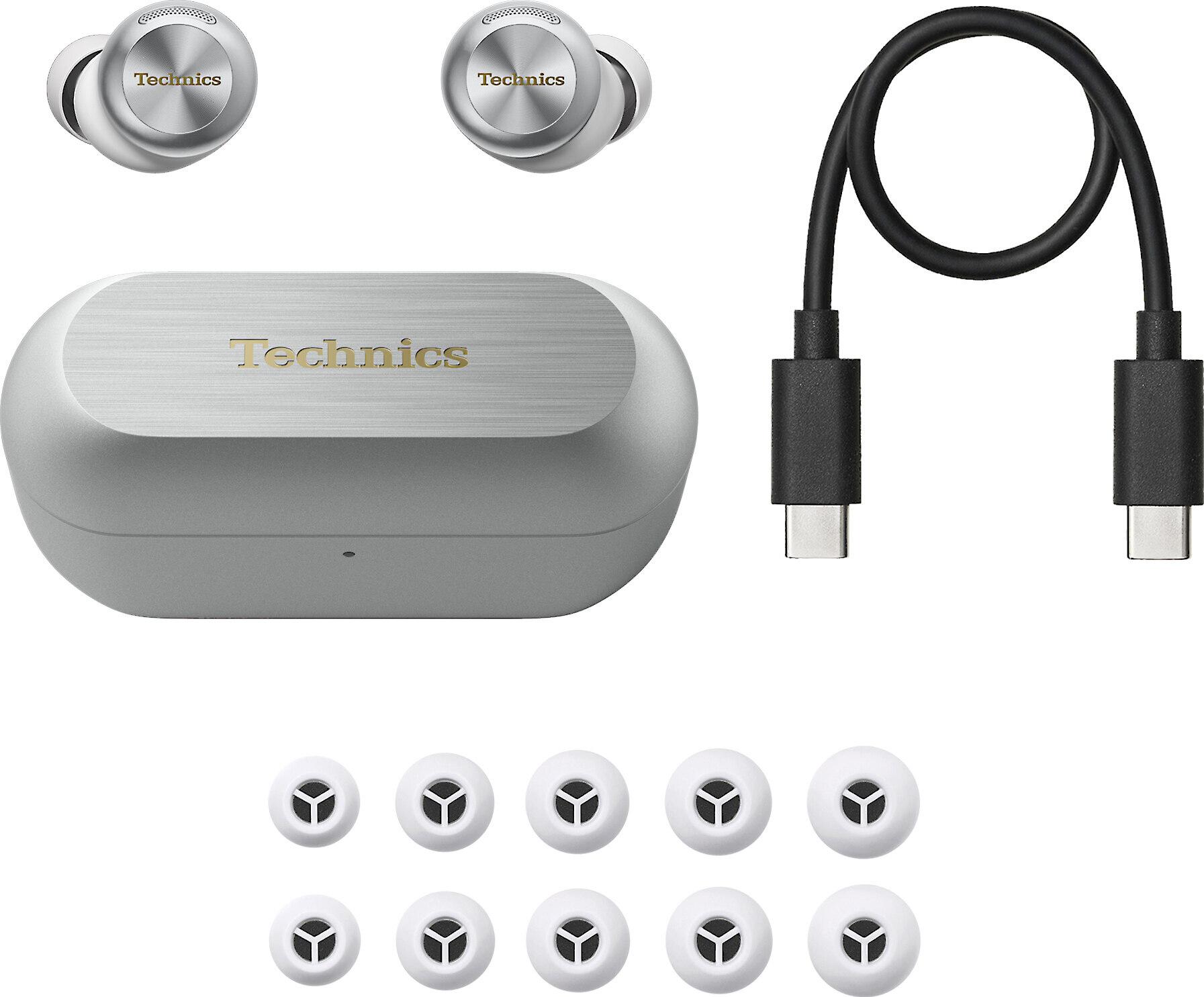

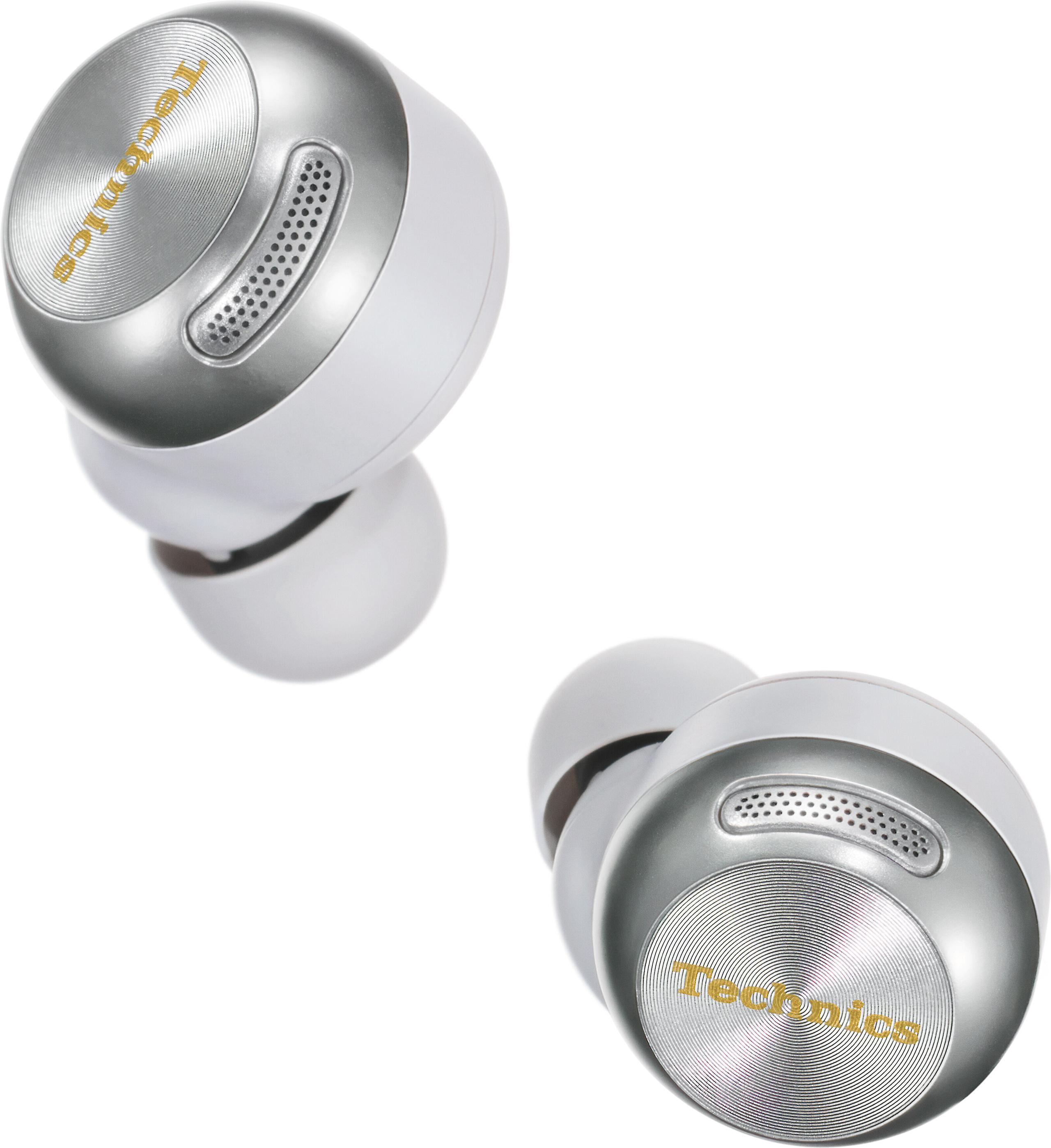
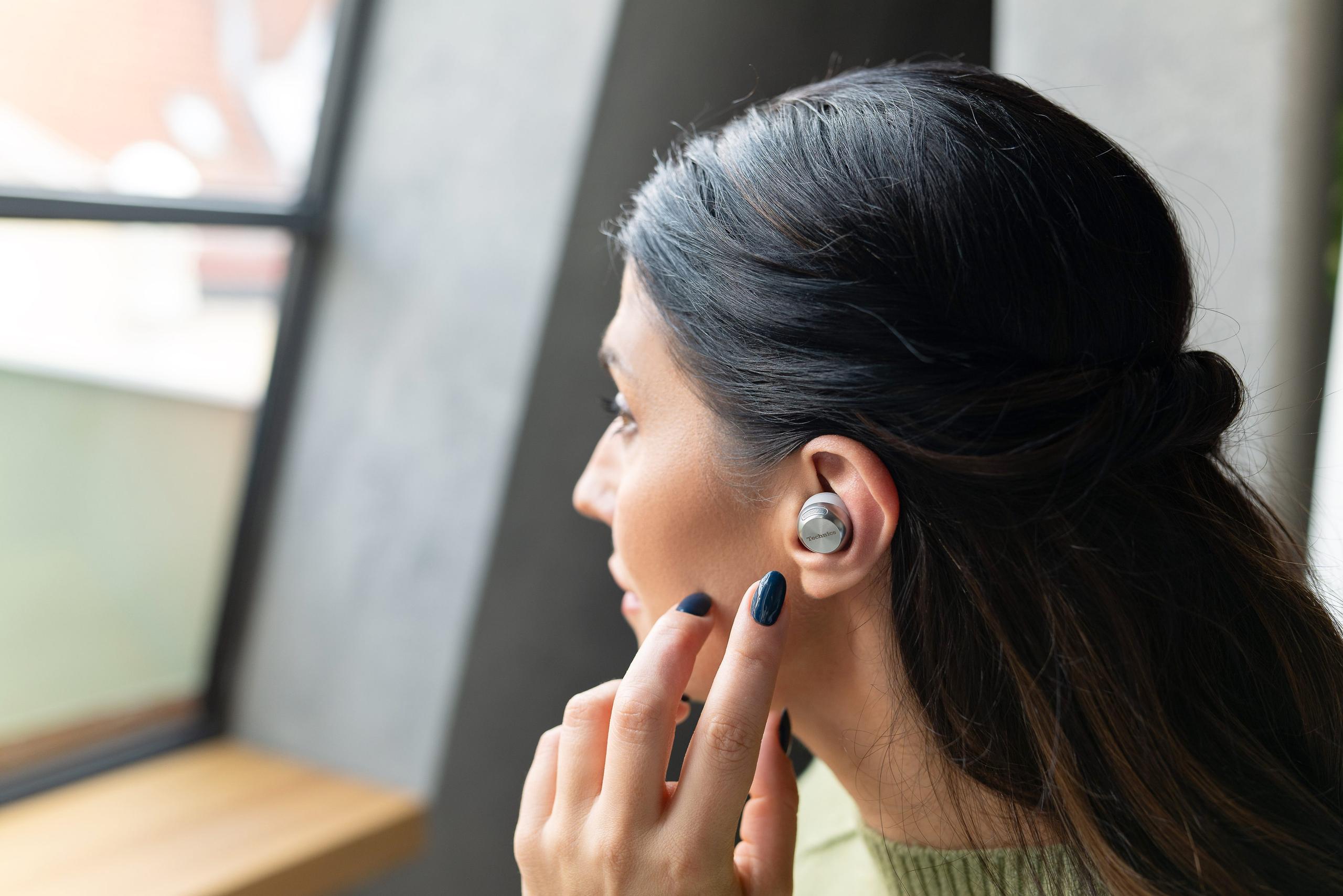
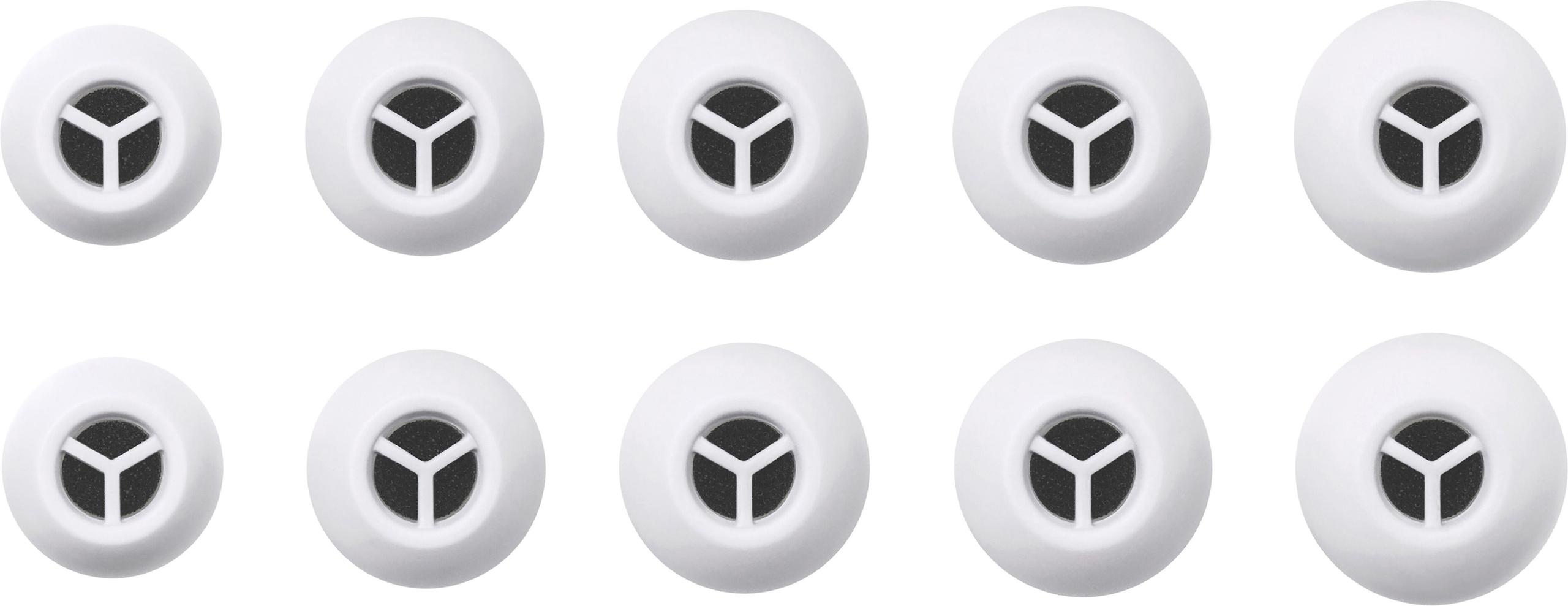
The true wireless earbud market has exploded over the past few years, creating a landscape where you can spend anywhere from $25 to $400 on what appears to be similar technology. But appearances can be deceiving. Today we're comparing two earbuds that represent opposite ends of this spectrum: the TOZO A1, a budget champion that launched in 2024, and the Technics AZ100, a premium audiophile option that also debuted in 2024.
Both products arrived during a particularly interesting time in the earbud market. By 2024, manufacturers had largely solved the basic connectivity and battery life problems that plagued early true wireless models. This allowed budget brands like TOZO to focus on refining the fundamentals, while premium brands like Technics could push into advanced territory with features like spatial audio and professional-grade call quality.
Before diving into our comparison, it's worth understanding what separates good earbuds from great ones. The heart of any earbud is its driver—the tiny speaker that converts electrical signals into sound waves. Driver size matters, but so does the technology behind it. Larger drivers typically produce better bass response and overall volume, while specialized driver technologies can improve clarity and reduce distortion.
Equally important is the digital signal processing (DSP), which is essentially the computer brain that processes audio before it reaches your ears. Advanced DSP can enable features like active noise cancellation (ANC), spatial audio that makes music feel three-dimensional, and call enhancement that makes your voice clearer during phone calls.
Battery technology and Bluetooth connectivity round out the core components. Modern earbuds use Bluetooth 5.3, which offers better connection stability and support for higher-quality audio codecs—the compression algorithms that determine how much detail is preserved when audio travels wirelessly from your phone to your ears.
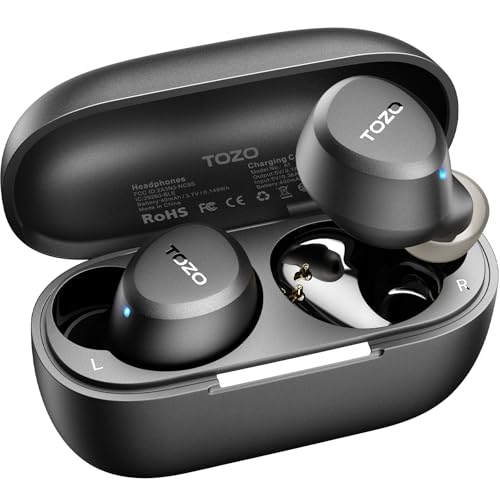
The TOZO A1 represents the democratization of decent audio technology. At the time of writing, it sits in the ultra-budget category, proving that you don't need to spend a fortune for solid everyday performance. TOZO has built its reputation on delivering surprisingly good value, and the A1 continues this tradition with thoughtful engineering focused on the essentials.
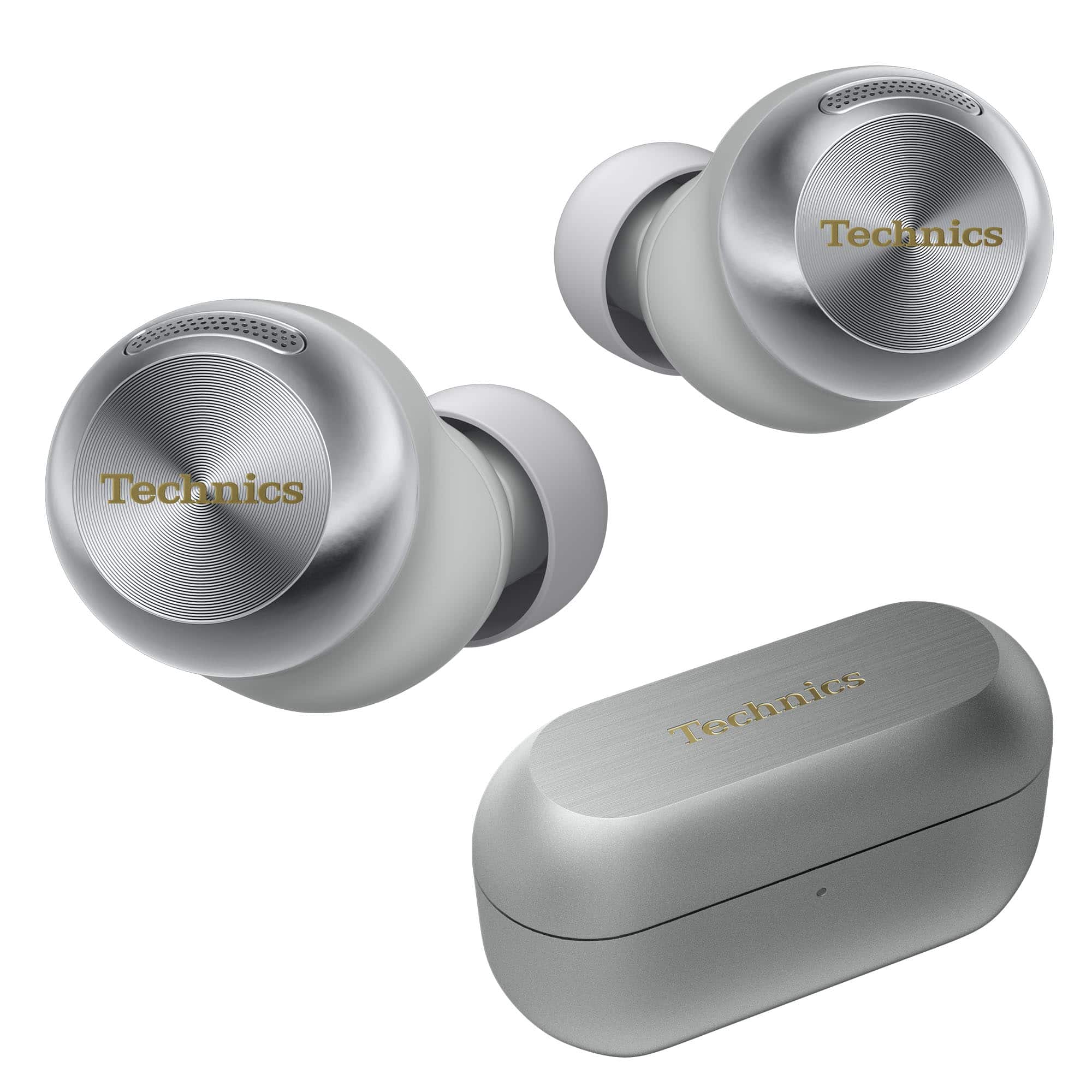
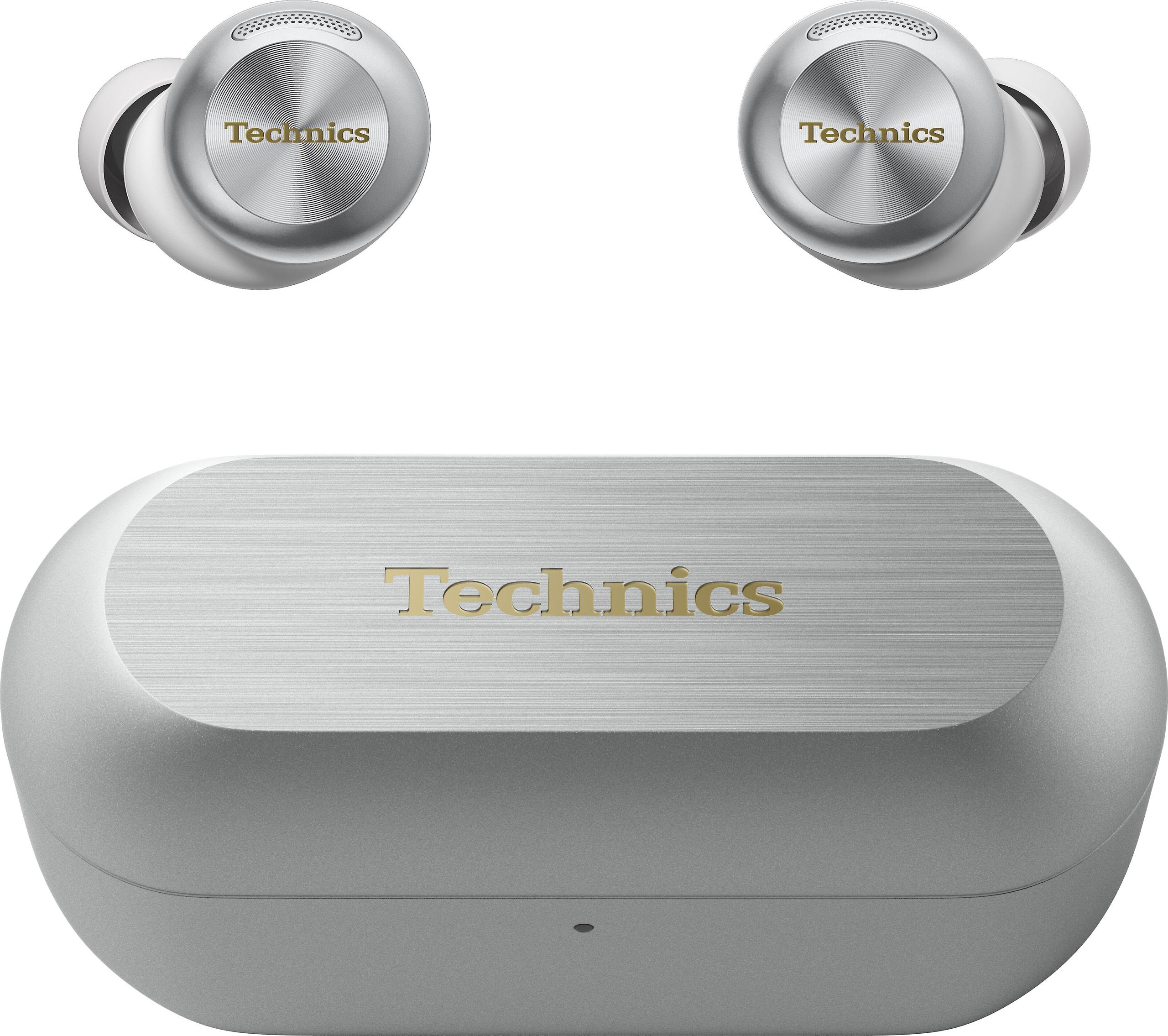
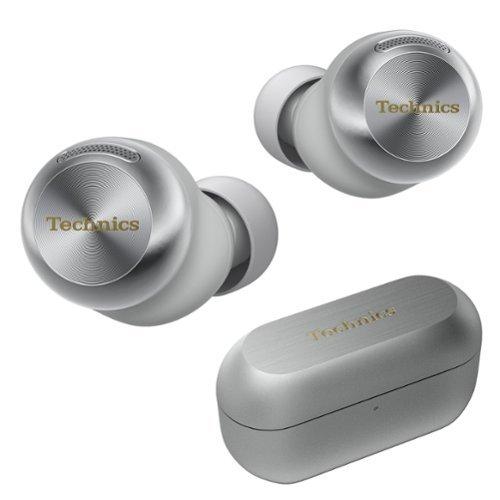
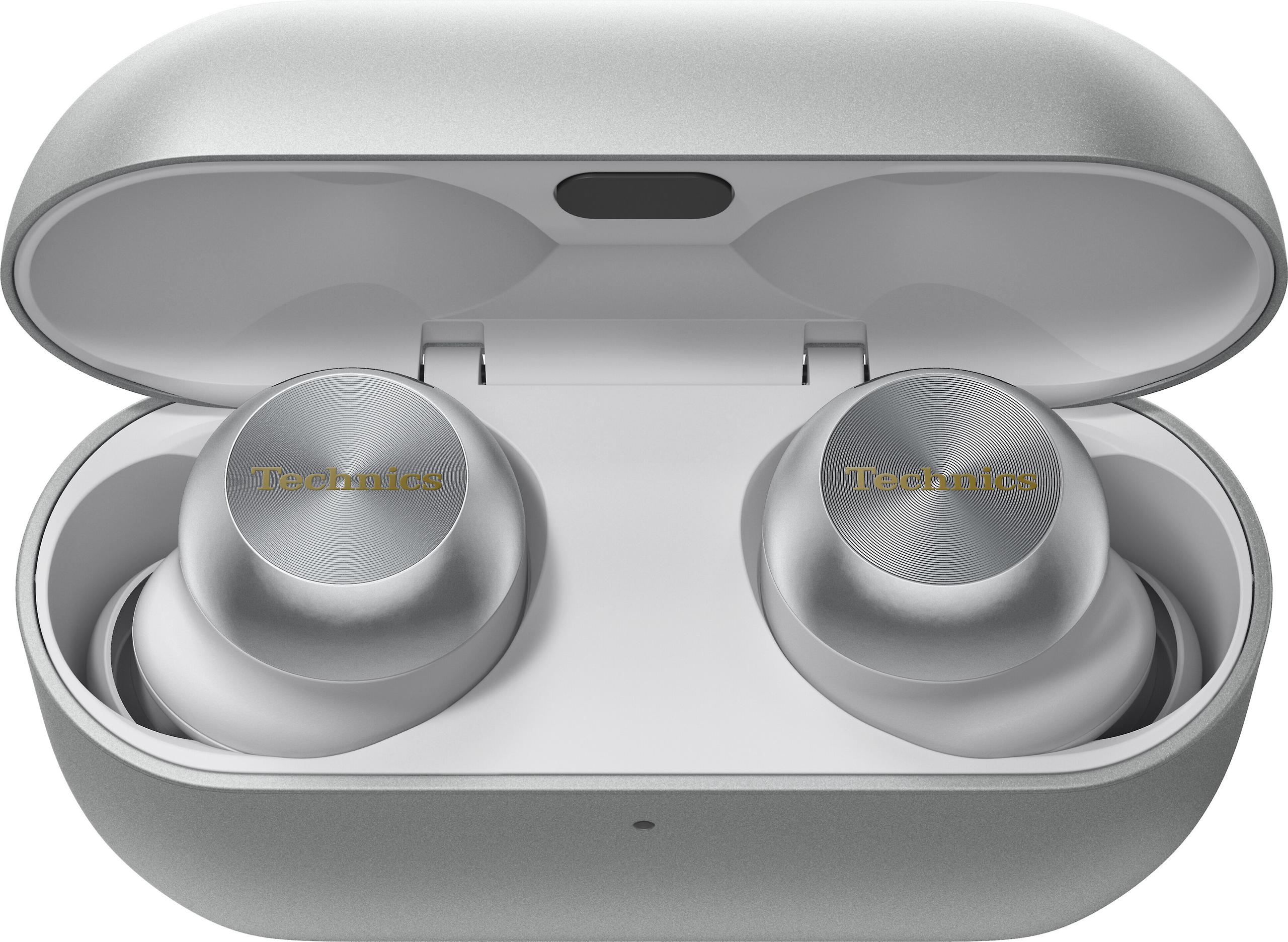
On the opposite end sits the Technics AZ100, a premium offering that costs roughly ten times more than the TOZO. Technics brings decades of audio engineering expertise from parent company Panasonic, and the AZ100 represents their attempt to create reference-quality sound in a true wireless package.
The price gap between these products reflects fundamentally different design philosophies and target markets, making this comparison particularly interesting for understanding what your money actually buys you in the earbud world.
This is where the differences become most apparent, and understanding these differences requires looking at both the hardware and the tuning philosophy behind each product.
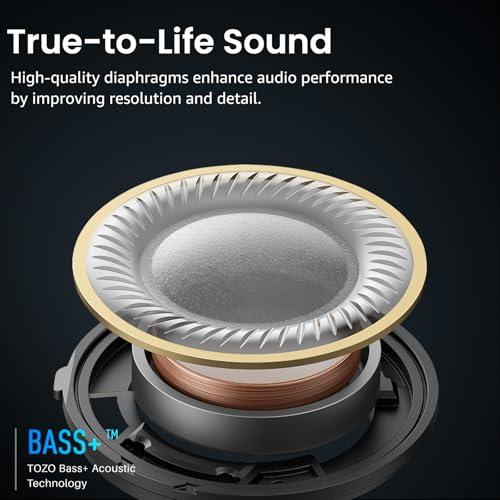
The TOZO A1 uses 6mm dynamic drivers—relatively small by earbud standards but typical for budget models. What's impressive is how TOZO has tuned these drivers. Unlike many budget earbuds that boost bass to impress in store demos, the A1 takes a more balanced approach. The sound signature is mid-forward, meaning vocals and instruments like guitars and pianos come through clearly without being overwhelmed by boomy bass.
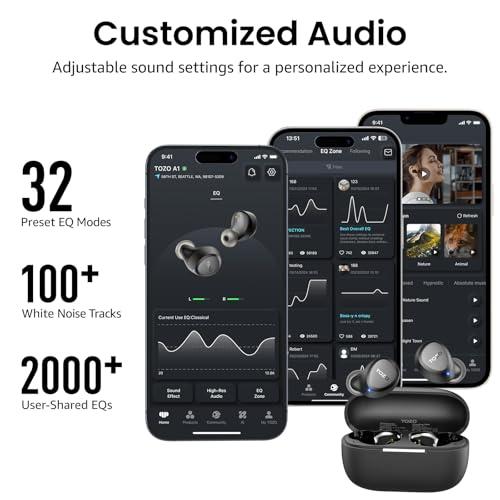
Our research into user feedback reveals this tuning choice pays dividends for everyday listening. Male voices sound natural rather than artificially warm, and the treble extends well enough to provide good detail without becoming harsh. The included app offers 32 preset EQ modes, though users report that pushing the bass too hard makes the sound muddy—a limitation of the smaller drivers and budget DSP.
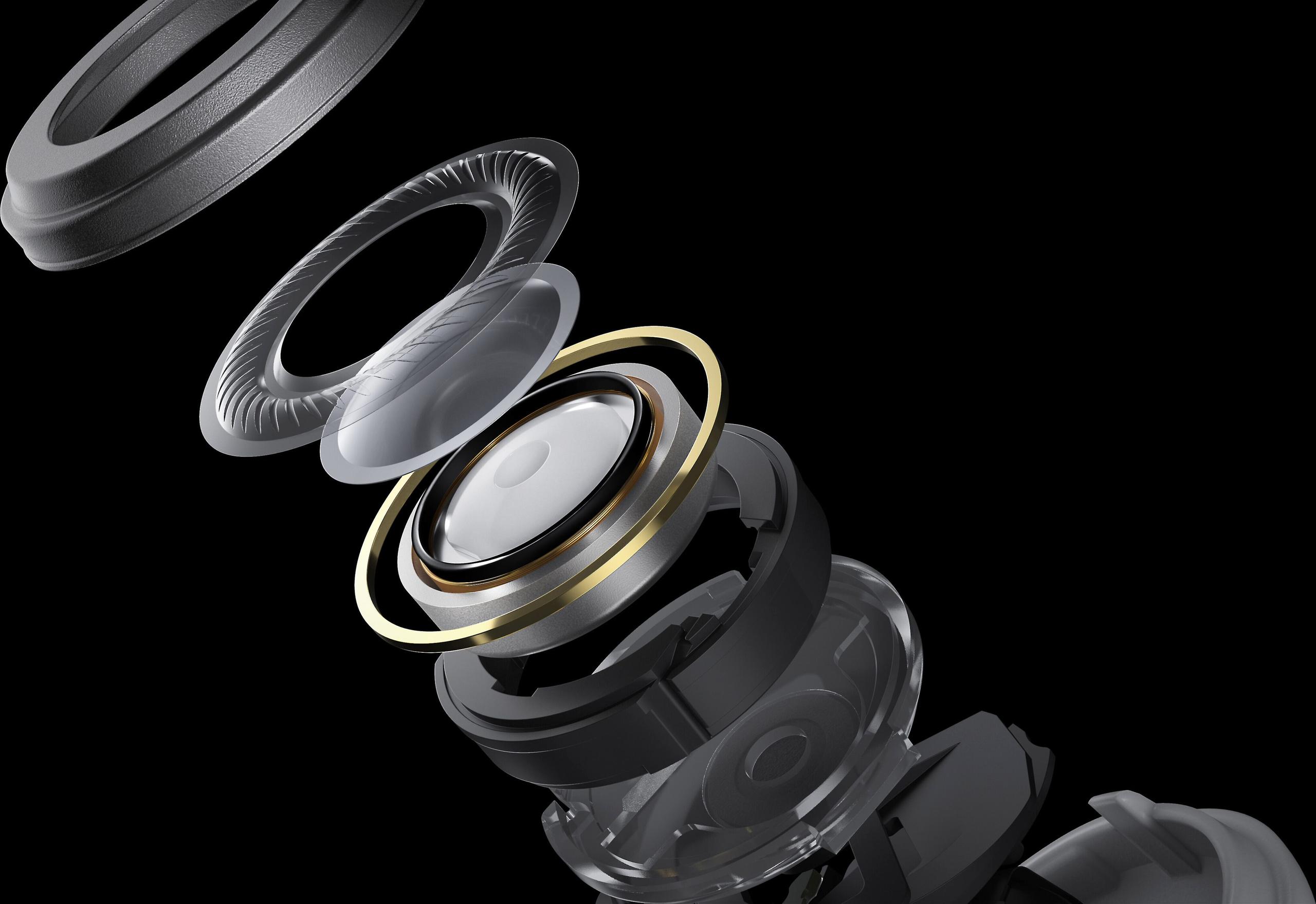
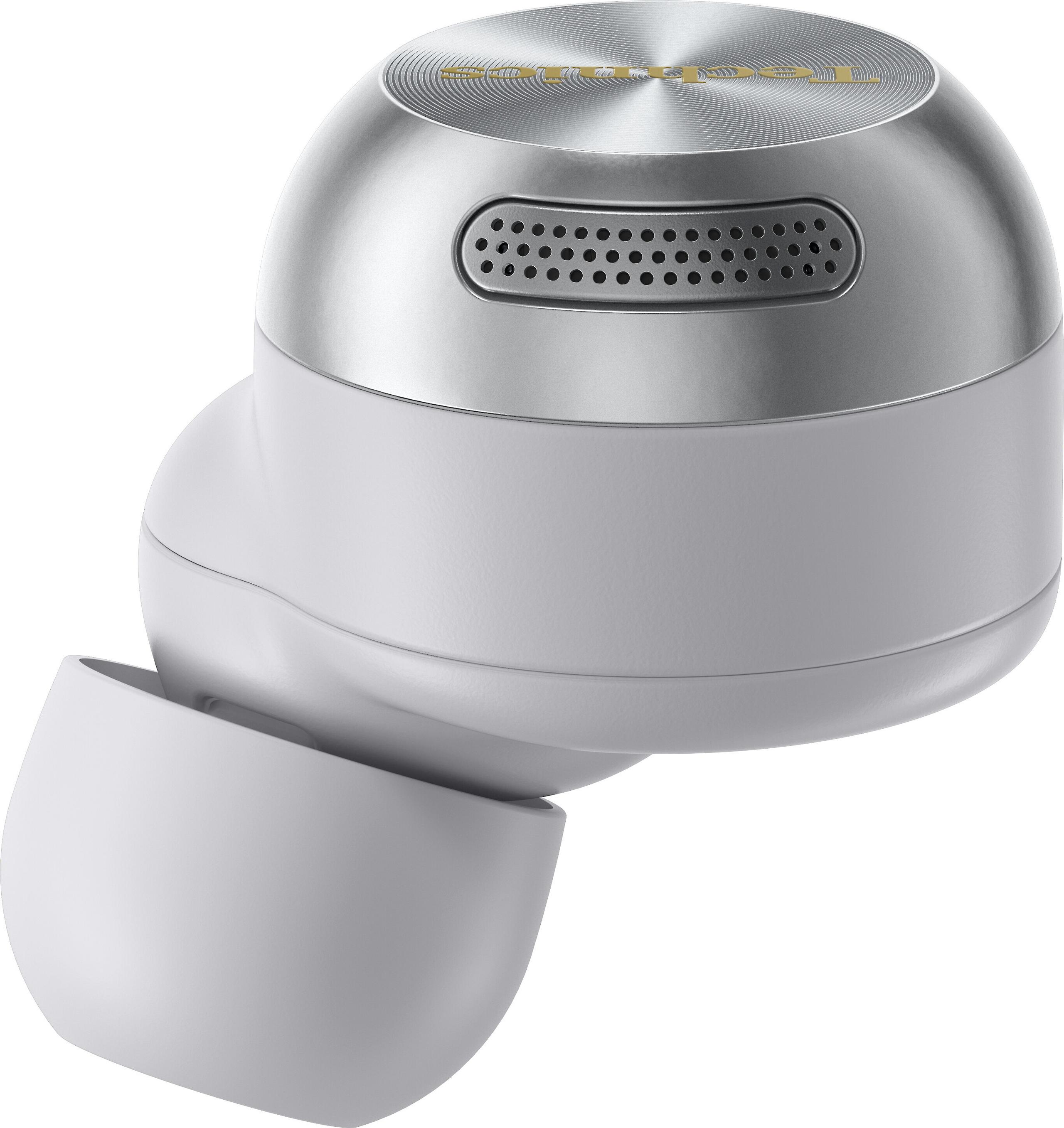
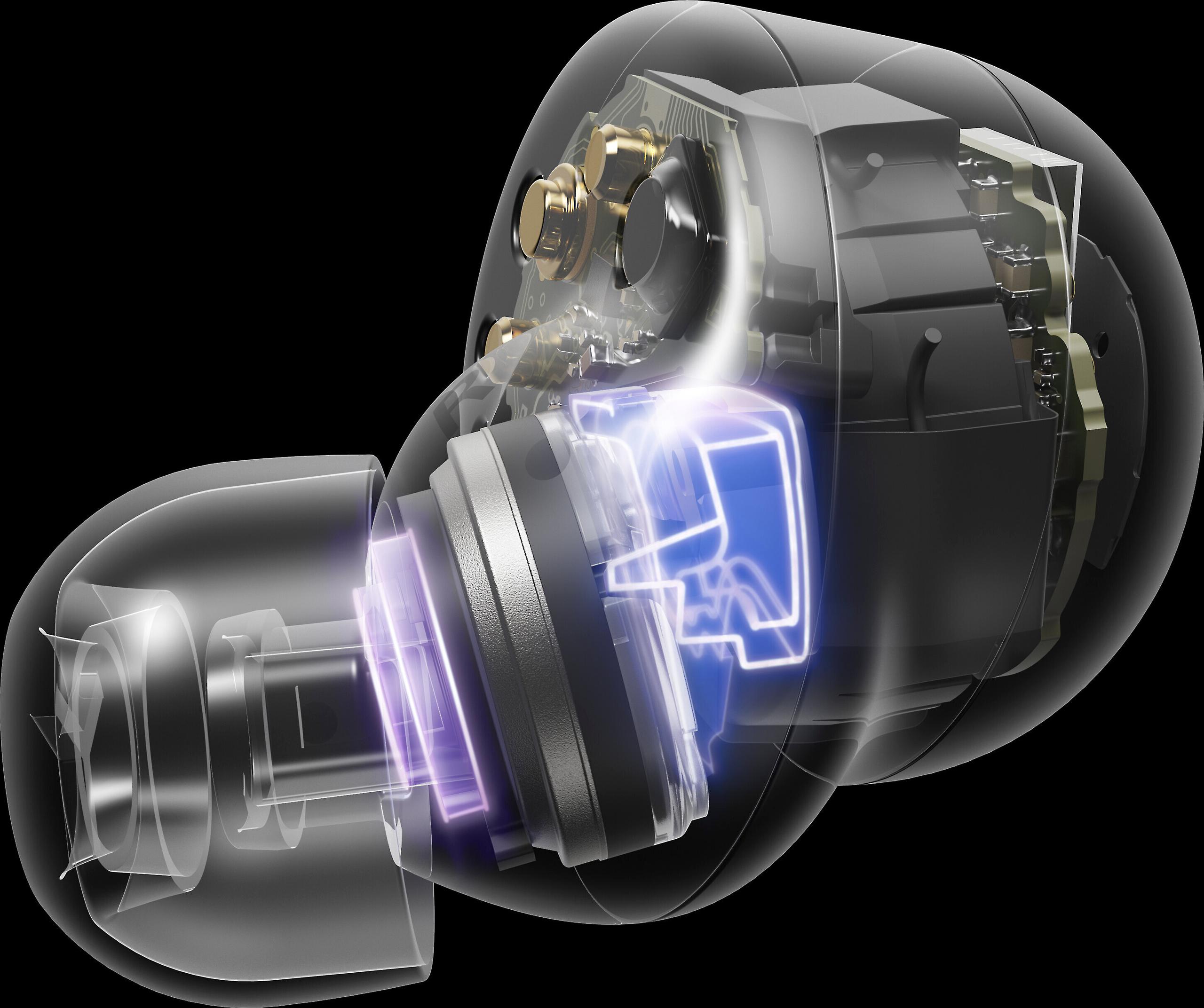
The Technics AZ100 operates in a different league entirely. Its 10mm magnetic fluid drivers represent genuinely advanced technology. Magnetic fluid is an oil-like substance infused with magnetic properties that sits between the driver's magnet and voice coil. This technology, miniaturized from Technics' high-end wired monitors, enables incredibly low distortion and precise control over the driver's movement.
The result is immediately apparent in the frequency response. Where the TOZO A1 covers the standard 20Hz to 20kHz range that encompasses human hearing, the Technics AZ100 extends to 40kHz. While you can't hear frequencies above 20kHz, this extended response indicates the drivers can handle complex musical passages with less distortion in the audible range.
More importantly, the AZ100 supports LDAC and LC3 codecs—advanced compression algorithms that preserve much more musical detail than the basic SBC and AAC codecs supported by the TOZO A1. When streaming high-quality music files, this difference becomes significant for trained ears.
Based on professional reviews, the Technics AZ100 delivers what audiophiles call "reference quality" sound—accurate reproduction that reveals exactly what the recording engineer intended. The bass extends deeper with more control, the midrange provides better instrument separation, and the treble offers crystalline detail without fatigue.
For home theater use, the Technics AZ100 includes spatial audio with Dolby Atmos support and head tracking technology. This means when you're watching movies, the soundstage adjusts as you turn your head, creating a more immersive experience. The TOZO A1 lacks these features entirely, positioning it as a music and podcast-focused option.
This represents perhaps the starkest difference between our contenders. The TOZO A1 relies entirely on passive noise isolation—the physical seal created by properly fitted ear tips blocking outside sound. While the included five sizes of ear tips help achieve a good seal, you're essentially relying on a cork-in-bottle approach to noise reduction.
The Technics AZ100 features adaptive active noise cancellation that automatically adjusts to your environment. ANC works by using external microphones to detect ambient noise, then generating inverse sound waves to cancel it out. The "adaptive" part means the system continuously monitors your surroundings and adjusts its noise-canceling algorithm accordingly.
User reports indicate the AZ100's ANC performs exceptionally well across different environments—from airplane cabins to busy coffee shops. The system effectively handles both constant sounds like air conditioning and intermittent noise like conversation. For frequent travelers or open-office workers, this feature alone can justify the price premium.
The TOZO A1, while lacking ANC, does provide decent passive isolation when properly fitted. For quiet environments like home offices or libraries, the difference may be negligible. However, in louder environments like public transportation or gyms, the absence of ANC becomes a significant limitation.
Modern earbuds serve double duty as headsets for phone calls and video conferences, making call quality increasingly important. The approaches taken by these products reflect their target markets.
The TOZO A1 includes dual ENC (Environmental Noise Cancellation) microphones with AI enhancement. ENC focuses specifically on improving call quality by identifying and suppressing background noise during phone conversations. User feedback suggests the A1 handles calls adequately in quiet environments, but struggles when background noise increases. Your voice comes through clearly but can sound soft, and nearby sounds often overpower your speech.
The Technics AZ100 takes call quality seriously with its Voice Focus AI system. Each earbud contains three microphones working together to create a sophisticated beamforming array—essentially focusing on your voice while actively canceling ambient sound. The AI processing analyzes incoming sound in real-time, distinguishing between your voice and background noise with impressive accuracy.
For remote workers or anyone who spends significant time on calls, the difference is substantial. The Technics AZ100 delivers professional-grade call quality that rivals dedicated headsets, while the TOZO A1 works fine for occasional personal calls but may frustrate colleagues during extended business conversations.
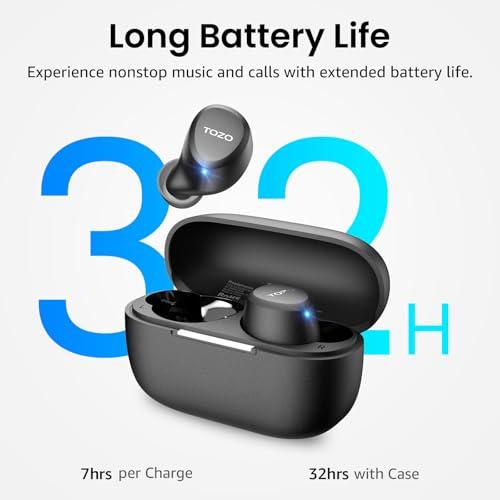
Both products deliver respectable battery performance, though with different strengths. The TOZO A1 provides 5.5 to 7 hours of continuous playback per charge, depending on volume levels, with the charging case extending total listening time to 32 hours. That's enough for most users to go several days between case charges.
The Technics AZ100 offers 10 hours per charge with ANC enabled—impressive given the power demands of active noise cancellation. The case provides an additional 18 hours, bringing the total to 28 hours. Where the AZ100 excels is quick charging: 15 minutes in the case provides 90 minutes of playback, perfect for those last-minute charging sessions.
Both products use USB-C for charging, with the Technics AZ100 offering optional wireless charging. For most users, either option provides sufficient endurance for daily use, with the TOZO A1 having a slight edge in total battery life and the Technics AZ100 winning on convenience features.
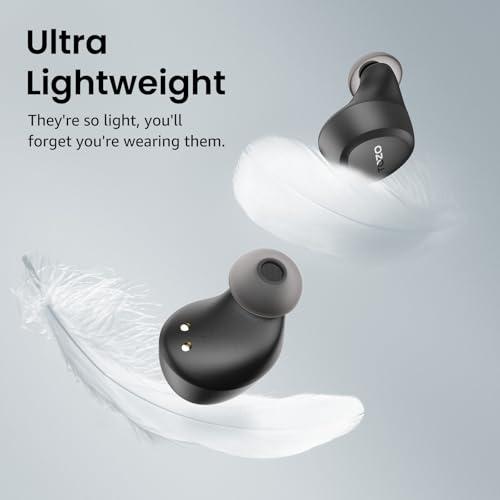
Comfort can make or break the earbud experience, especially for extended listening sessions. The TOZO A1 takes an ultra-minimalist approach, with each earbud weighing just 3.7 grams. For perspective, that's lighter than a penny. The compact, stem-free design sits flush with your ear, making them nearly invisible when worn.
This lightweight design pays dividends for users with smaller ears, who often struggle with bulkier earbuds. The included five sizes of ear tips ensure a proper fit for most ear shapes. However, some users report the lightweight design can lead to less secure retention during vigorous activities like running or wearing helmets.
The Technics AZ100 takes a different approach, prioritizing premium materials and engineering over pure weight savings. The concha-fit design—shaped to match your ear's natural contours—provides more secure retention while still maintaining reasonable comfort. The build quality feels substantially more premium, with better materials and tighter manufacturing tolerances.
For water resistance, the TOZO A1 offers IPX5 rating, meaning it can handle sweat, rain, and even water jets. The Technics AZ100 uses IPX4 rating on the earbuds only—adequate for sweat and light splashes but not as robust for heavy weather conditions.
Modern earbuds increasingly serve as tiny computers, and the feature gap between budget and premium models is substantial. The TOZO A1 covers the essentials: touch controls for play/pause, track skipping, and volume adjustment, all customizable through the TOZO app. You can use either earbud independently, and pairing is straightforward.
The Technics AZ100 enters smart device territory with multipoint connectivity supporting up to three devices simultaneously. This means you can have your phone, laptop, and tablet connected, with the earbuds intelligently switching audio sources based on what's playing. Wear detection automatically pauses music when you remove an earbud and resumes when you put it back.
The spatial audio implementation deserves special mention. Beyond simple surround sound processing, the AZ100's head tracking creates a convincing illusion that sound sources remain stationary as you move your head. For movie watching or immersive gaming, this feature transforms the experience from good to genuinely impressive.
After extensive research and analysis of user feedback, the choice between these products depends entirely on your priorities and budget constraints.
The TOZO A1 represents exceptional value engineering. At its price point—roughly equivalent to a nice lunch at the time of writing—it delivers surprisingly competent performance across all basic functions. The sound quality is genuinely good for casual listening, the battery life exceeds many premium competitors, and the ultra-light design makes them comfortable for extended wear.
Choose the TOZO A1 if you want reliable daily earbuds without premium pricing. They're ideal for podcasts, casual music listening, basic phone calls, and situations where losing or damaging your earbuds wouldn't be financially devastating. The lightweight design makes them perfect for users with smaller ears who struggle with bulkier options.
The Technics AZ100 justifies its premium positioning through genuinely advanced technology and superior performance. The magnetic fluid drivers deliver reference-quality sound that reveals details you won't hear with budget options. The adaptive ANC, professional call quality, and smart features like multipoint connectivity and spatial audio create a substantially more sophisticated user experience.
Choose the Technics AZ100 if you're serious about audio quality, frequently switch between devices, spend considerable time on calls, or want features like effective noise cancellation. They're also the clear choice for home theater use, where spatial audio and high-resolution codec support provide tangible benefits.
The reality is these products serve different needs rather than competing directly. The TOZO A1 democratizes decent audio technology for budget-conscious users, while the Technics AZ100 pushes the boundaries of what's possible in a true wireless package. Both succeed admirably at their intended purposes, making the choice more about matching your needs and budget than picking an objective winner.
At the time of writing, the price gap between these products reflects genuine technological differences rather than marketing manipulation. Whether those differences matter to you depends on how you plan to use your earbuds and what compromises you're willing to accept for significant cost savings.
| TOZO A1 Wireless Earbuds | Technics Reference Class AZ100 |
|---|---|
| Driver Technology - Determines overall sound quality and detail | |
| 6mm dynamic drivers with balanced tuning | 10mm magnetic fluid drivers with reference-quality sound |
| Active Noise Cancellation - Essential for noisy environments | |
| None (passive isolation only) | Adaptive ANC with environmental adjustment |
| Audio Codecs - Higher quality codecs preserve more musical detail | |
| SBC, AAC (standard quality) | SBC, AAC, LDAC, LC3 (high-resolution support) |
| Battery Life - Critical for daily use without frequent charging | |
| 7 hours + 25 hours with case (32 total) | 10 hours + 18 hours with case (28 total) |
| Weight Per Earbud - Impacts comfort for extended wear | |
| 3.7g (ultra-lightweight, ideal for small ears) | Heavier but premium materials with secure fit |
| Water Resistance - Important for workouts and weather | |
| IPX5 (sweat and rain resistant) | IPX4 earbuds only (splash resistant) |
| Call Quality - Matters for remote work and business calls | |
| Dual ENC mics (adequate for quiet environments) | Voice Focus AI with 3 mics per earbud (professional grade) |
| Smart Features - Convenience and connectivity options | |
| Basic touch controls, single device connection | Multipoint (3 devices), spatial audio, wear detection |
| App Customization - Sound personalization options | |
| 32 preset EQ modes, basic controls | Advanced EQ, spatial audio settings, comprehensive customization |
| Best Use Cases - Who should choose each product | |
| Budget buyers, casual listening, ultra-light comfort | Audiophiles, professionals, premium features, home theater |
The Technics AZ100 delivers significantly better sound quality with its 10mm magnetic fluid drivers and support for high-resolution LDAC codecs. The TOZO A1 offers surprisingly balanced sound for its price point but uses smaller 6mm drivers with basic codec support. If audio quality is your priority, the Technics AZ100 provides reference-grade sound that audiophiles will appreciate.
Only the Technics AZ100 features active noise cancellation with adaptive technology that adjusts to your environment. The TOZO A1 relies solely on passive noise isolation through its ear tip seal. For blocking ambient noise in offices, planes, or busy environments, the Technics AZ100 is the clear winner.
The TOZO A1 weighs just 3.7g per earbud, making it exceptionally comfortable for extended wear, especially for users with smaller ears. The Technics AZ100 is heavier but uses premium materials and ergonomic concha-fit design. Both offer good comfort, but the ultra-lightweight TOZO A1 edges out for pure comfort during marathon listening sessions.
The TOZO A1 provides 7 hours per charge plus 25 additional hours with the case (32 total), while the Technics AZ100 offers 10 hours per charge plus 18 hours with the case (28 total). The TOZO A1 wins on total battery life, but the Technics AZ100 offers longer single-charge performance and quick charging features.
The Technics AZ100 excels at call quality with Voice Focus AI and three microphones per earbud, making it ideal for professional use. The TOZO A1 has dual ENC microphones that work adequately in quiet environments but struggle with background noise. For business calls or remote work, choose the Technics AZ100.
The TOZO A1 has superior IPX5 water resistance compared to the Technics AZ100's IPX4 rating, making it more suitable for intense workouts and weather exposure. However, the ultra-light design of the TOZO A1 may not stay secure during vigorous activities. The Technics AZ100 offers better retention but less water protection.
The Technics AZ100 is designed for home theater use with spatial audio, Dolby Atmos support, and head tracking technology that creates an immersive viewing experience. The TOZO A1 lacks these features entirely. For movie watching and entertainment, the Technics AZ100 provides a substantially better experience.
Only the Technics AZ100 supports multipoint connectivity, allowing connection to up to three devices simultaneously with intelligent switching. The TOZO A1 connects to one device at a time, requiring manual switching. If you frequently switch between phone, laptop, and tablet, the Technics AZ100 is much more convenient.
The TOZO A1 provides exceptional value with solid performance across all basic functions at a budget-friendly price point. The Technics AZ100 justifies its premium cost with professional-grade features and superior audio quality. Choose TOZO A1 for best bang-for-buck, or Technics AZ100 if premium features are worth the investment.
The TOZO A1 app offers 32 preset EQ modes and basic customization options. The Technics AZ100 provides comprehensive app control with advanced EQ settings, spatial audio configuration, and detailed customization options. Both apps are functional, but the Technics AZ100 app offers significantly more features and control.
The TOZO A1 is specifically designed for smaller ears with its ultra-lightweight 3.7g design and five ear tip sizes including XS options. The stem-free design sits flush and doesn't protrude. While the Technics AZ100 includes multiple tip sizes, its larger size may be less comfortable for users with particularly small ears.
For casual everyday use including music, podcasts, and occasional calls, the TOZO A1 covers all essentials at an accessible price point. If you're an audio enthusiast, frequent traveler, or professional who values premium features like noise cancellation and superior call quality, the Technics AZ100 is worth the investment for daily use.
We've done our best to create useful and informative comparisons to help you decide what product to buy. Our research uses advanced automated methods to create this comparison and perfection is not possible - please contact us for corrections or questions. These are the sites we've researched in the creation of this article: bestbuy.com - izreview.com - tozostore.com - youtube.com - youtube.com - bestbuy.com - mryouwho.com - versus.com - walmart.com - scarbir.com - versus.com - youtube.com - youtube.com - youtube.com - tozostore.com - review-rating.com - us.smartprix.com - tozostore.com - newegg.com - tozostore.com - bestbuy.com - newegg.com - versus.com - tozostore.com - bestbuy.com - manuals.plus - walmart.com - independenttourist.com - whathifi.com - digitaltrends.com - bestbuy.com - techradar.com - popsci.com - stuff.tv - us.technics.com - instylehifi.com.au - techradar.com - youtube.com - head-fi.org - whathifi.com - ecoustics.com - crutchfield.com - head-fi.org - treoo.com - youtube.com - bestbuy.com - us.technics.com - crutchfield.com - cnet.com - us.technics.com - us.technics.com - na.panasonic.com - us.technics.com - help.na.panasonic.com - bestbuy.com - bhphotovideo.com - technics.com - technics.com - us.technics.com - twitteringmachines.com - stupiddope.com - bhphotovideo.com - techdogs.com - technics.com - techradar.com - yumpu.com - youtube.com

Privacy Policy
Terms and Conditions - Affiliate Policy
Home Security
© Copyright 2008-2026.
11816 Inwood Rd #1211, Dallas, TX 75244