

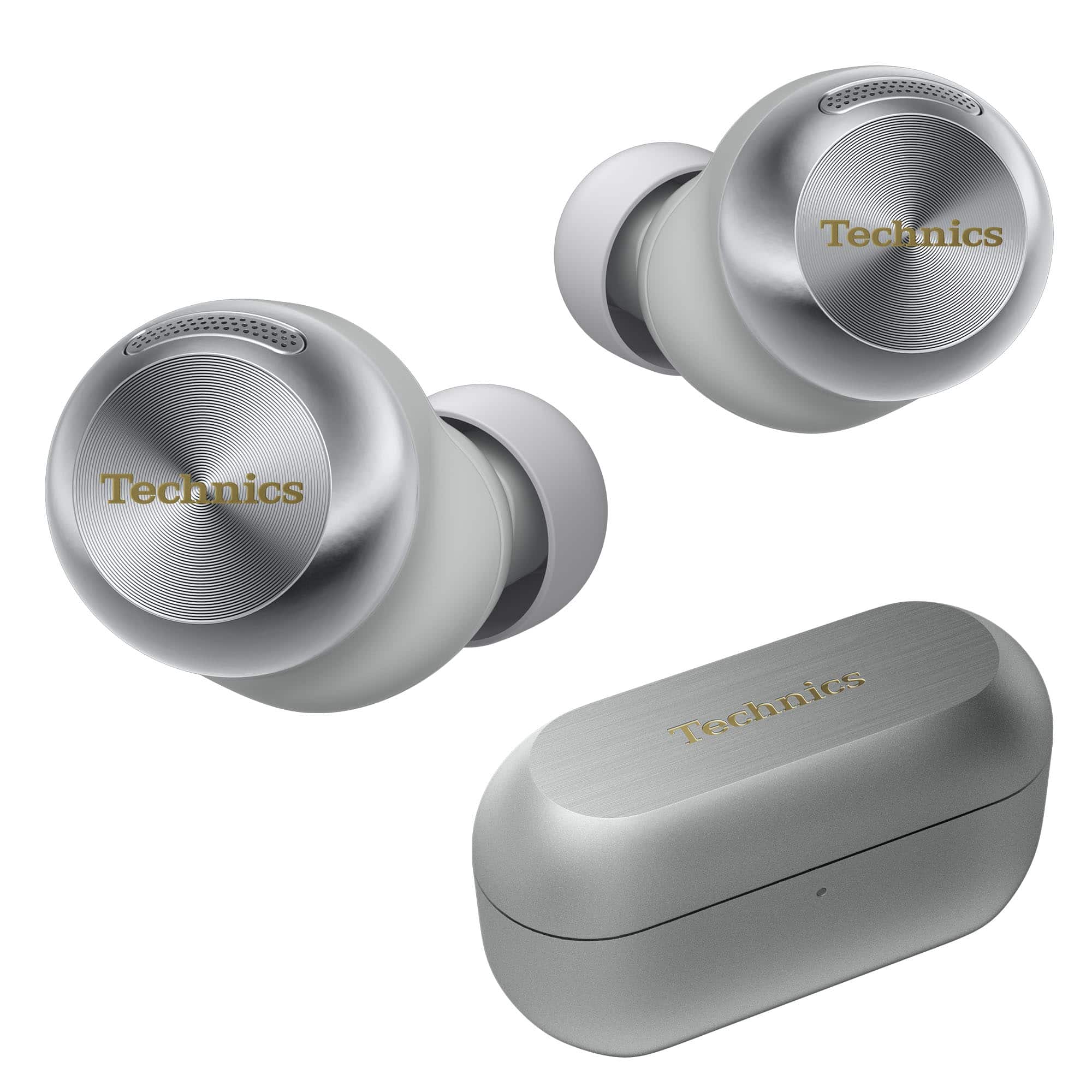
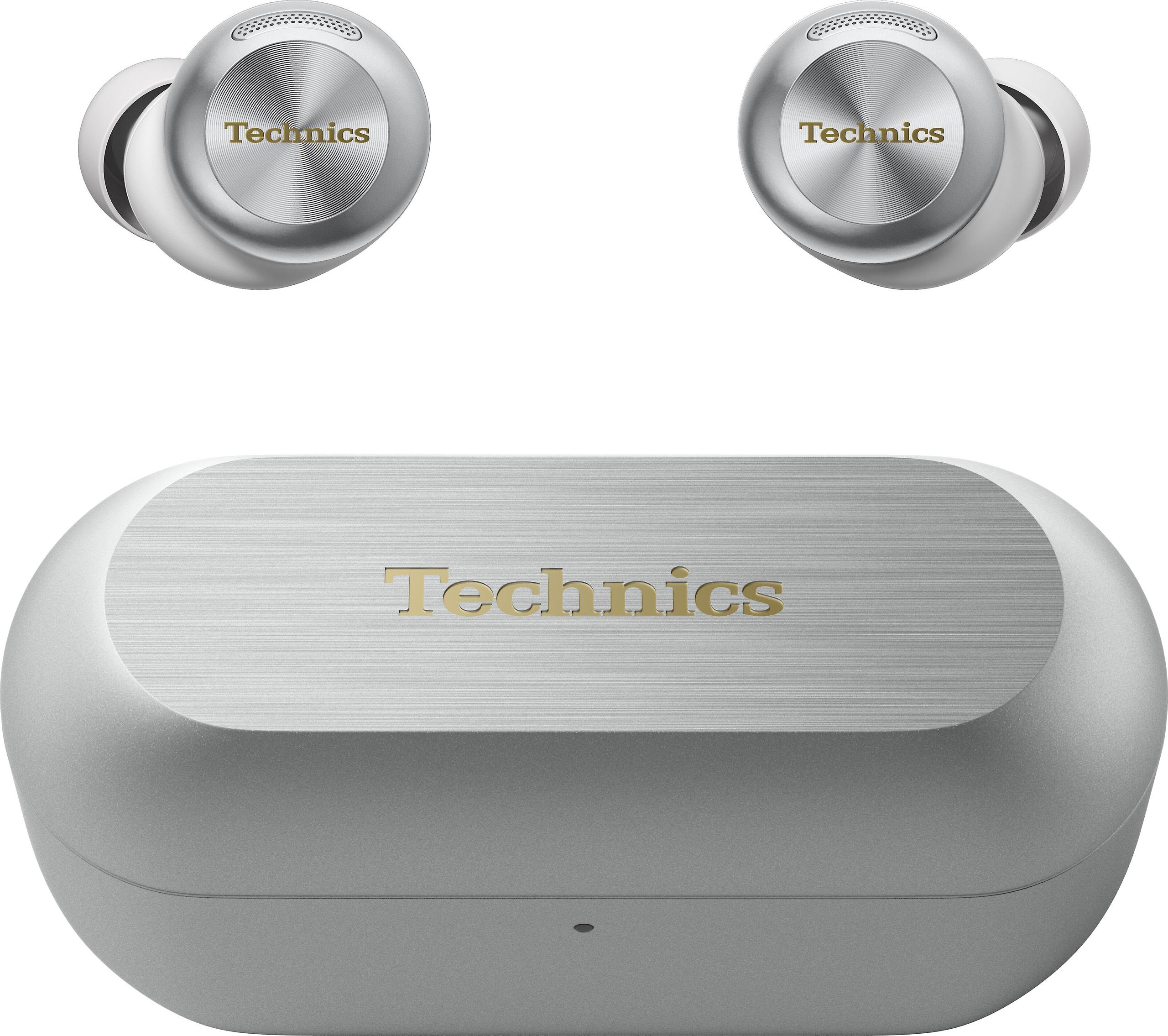

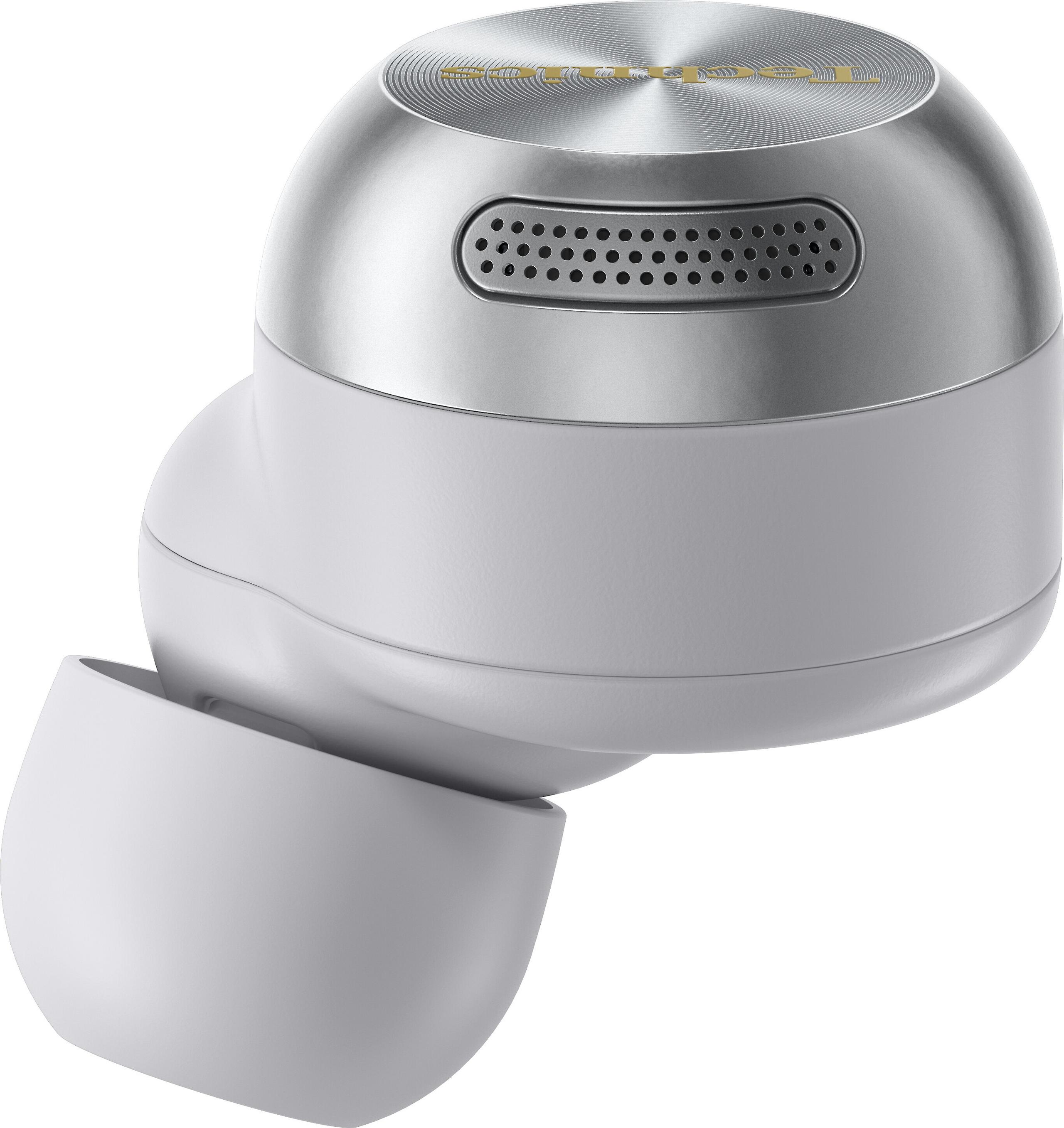
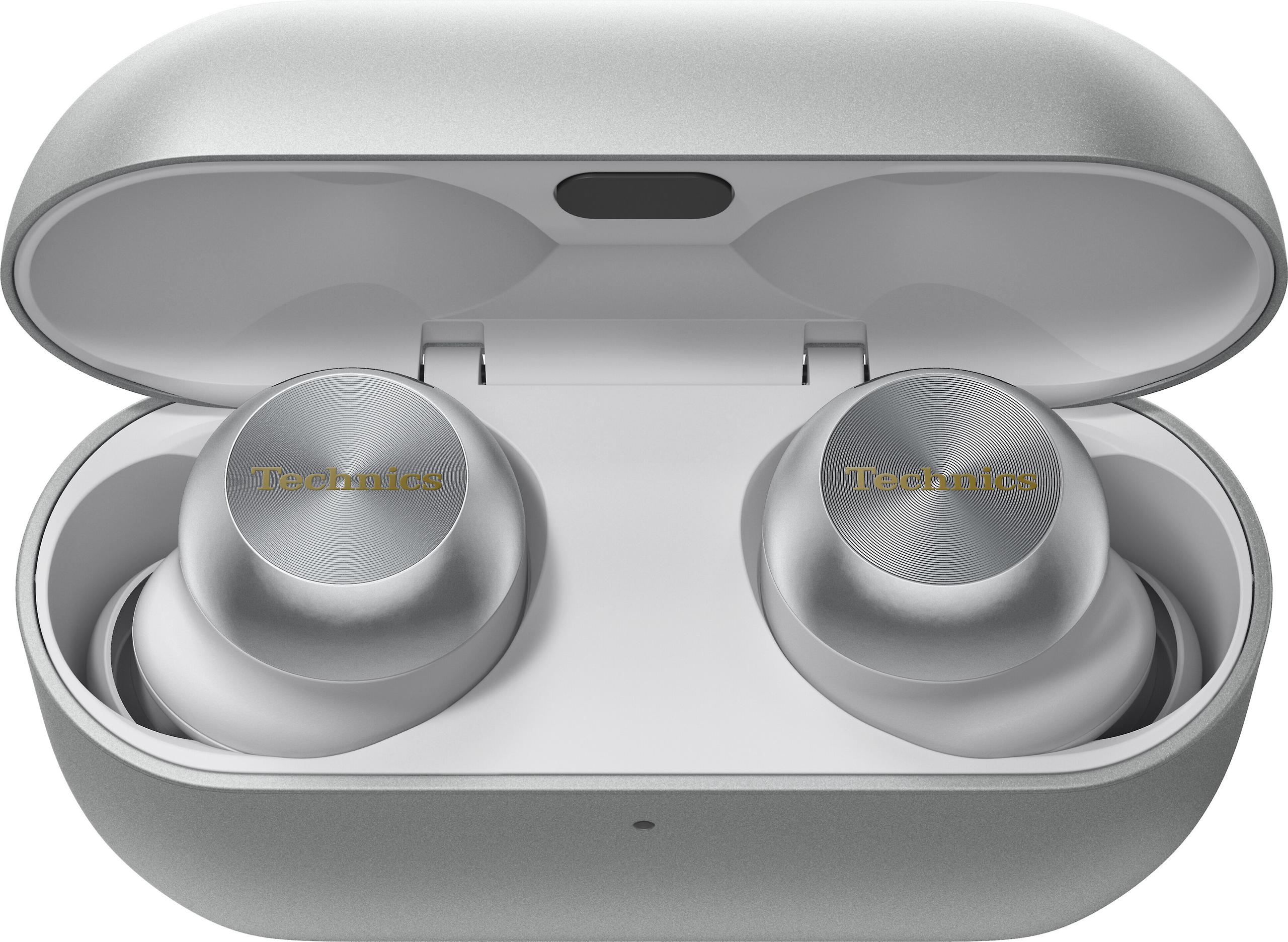







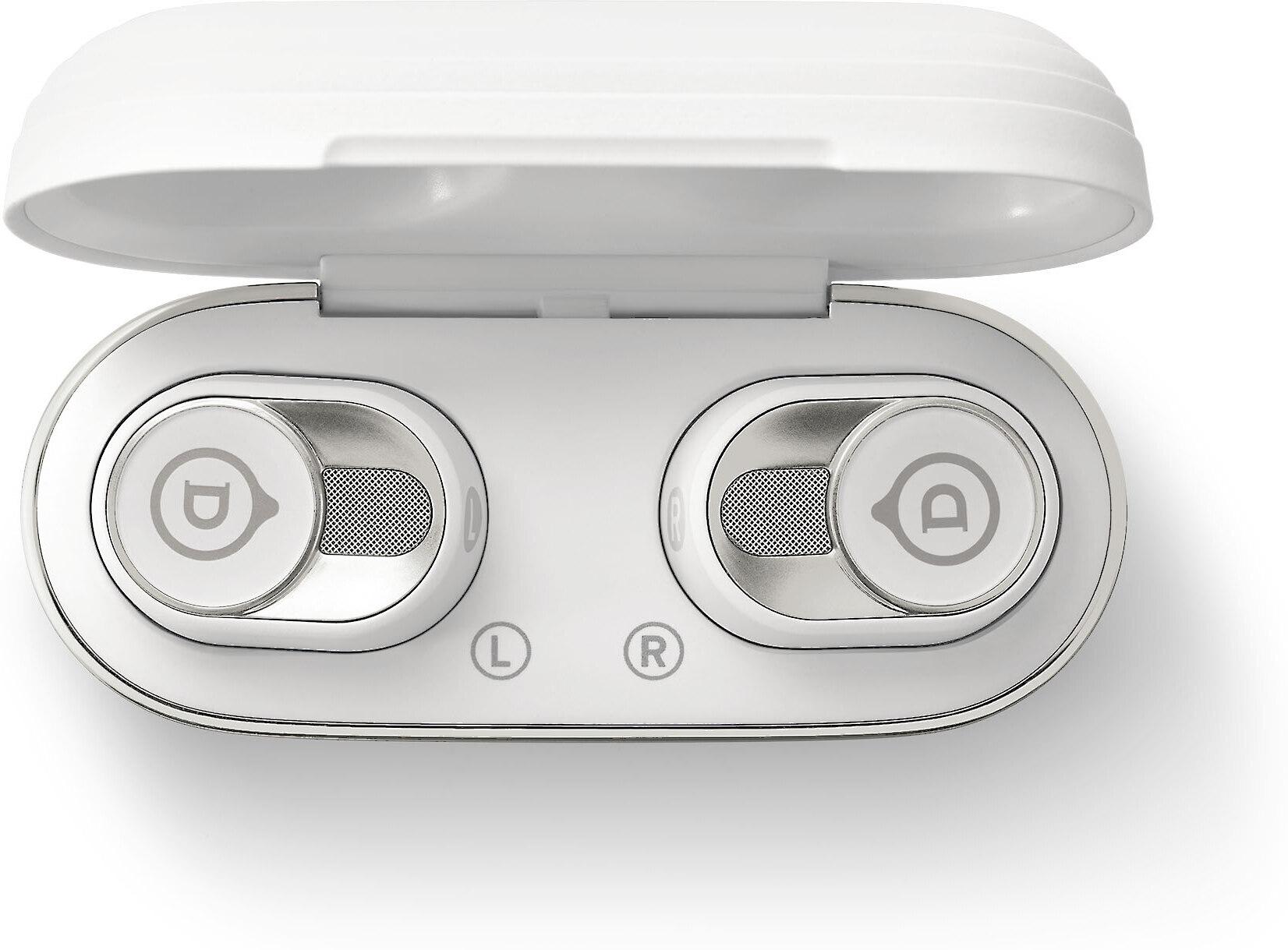
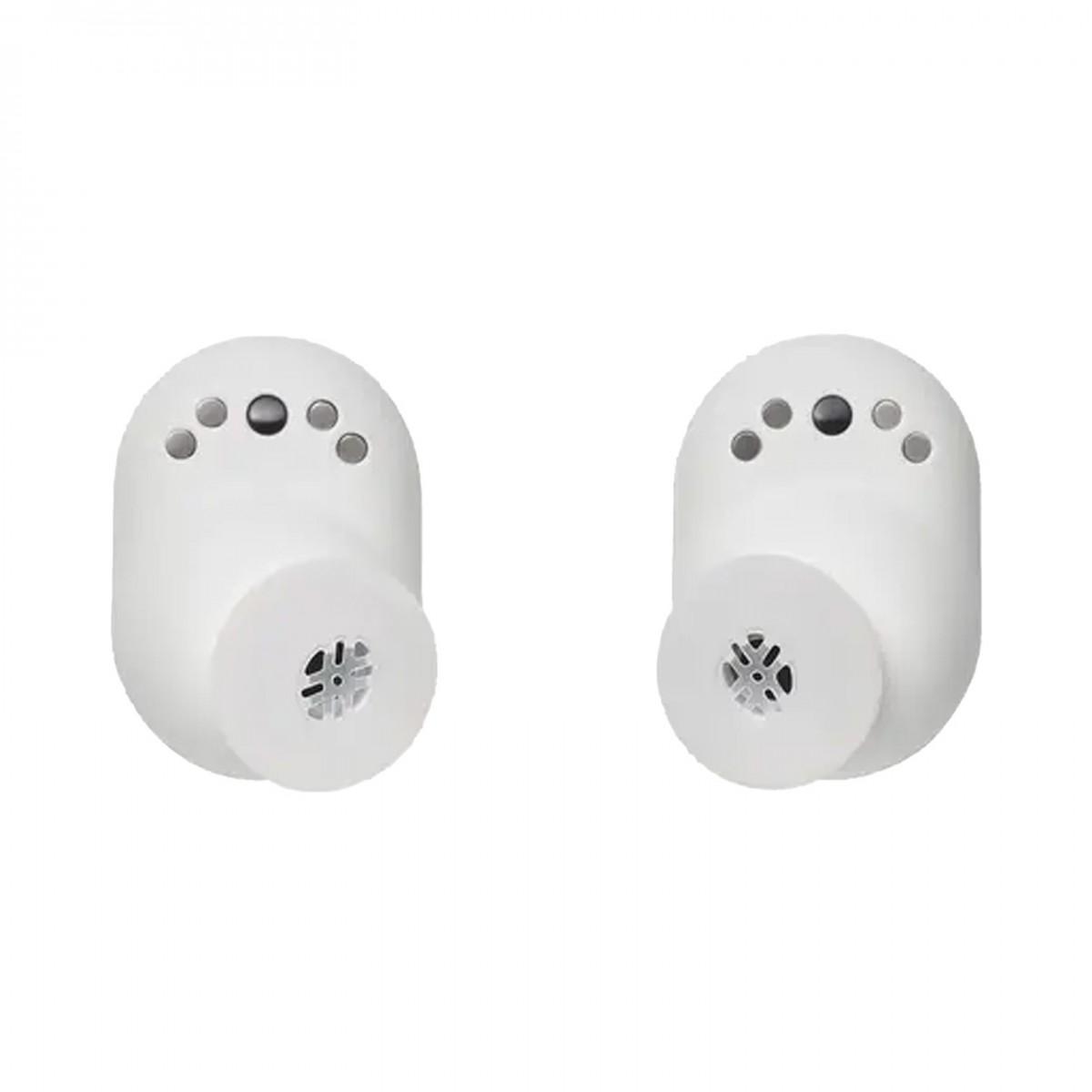
When you're shopping for premium true wireless earbuds, you're entering territory where every detail matters. We're talking about products that cost as much as a decent smartphone—at the time of writing, both the Technics AZ100 and Devialet Gemini II sit in that premium $300-450 range where compromises become unacceptable.
I've spent considerable time with both these earbuds, and they represent two fascinating approaches to high-end audio. The Technics AZ100, released in early 2025, brings decades of professional audio expertise to your ears. Meanwhile, the Devialet Gemini II, which hit the market in 2024 as an evolution of the original 2020 Gemini, takes a luxury engineering approach that's uniquely French.
Before diving into specifics, let's establish what separates premium earbuds from the budget options flooding the market. You're paying for several key advantages: superior driver technology (the tiny speakers inside each earbud), advanced noise cancellation algorithms, premium materials, extended battery life, and features like high-resolution audio codec support.
The most crucial factors? Audio quality, noise cancellation effectiveness, battery longevity, and connectivity features. In my experience, these are the areas where you truly feel the difference between a $50 pair and a $400 pair of earbuds.
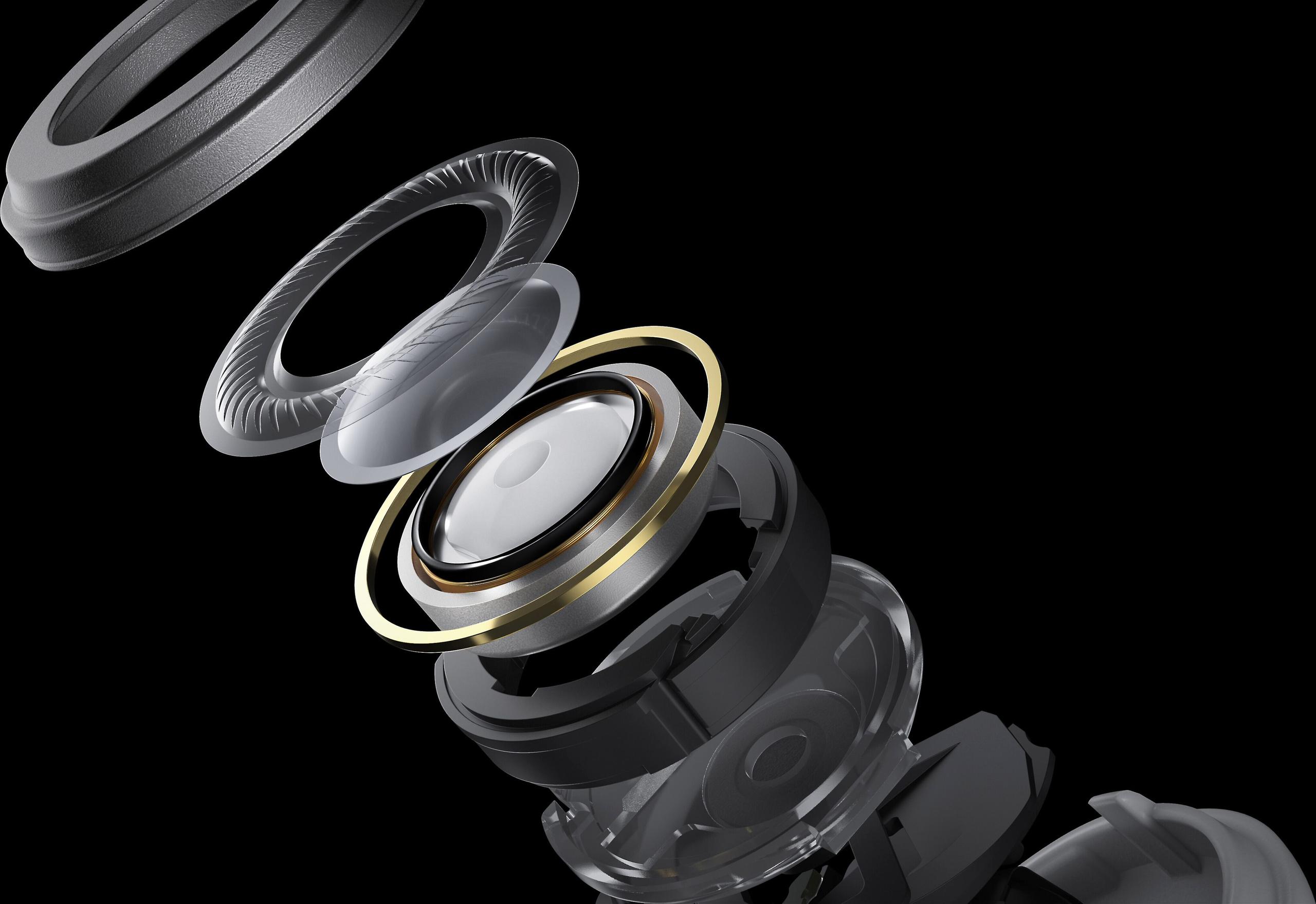
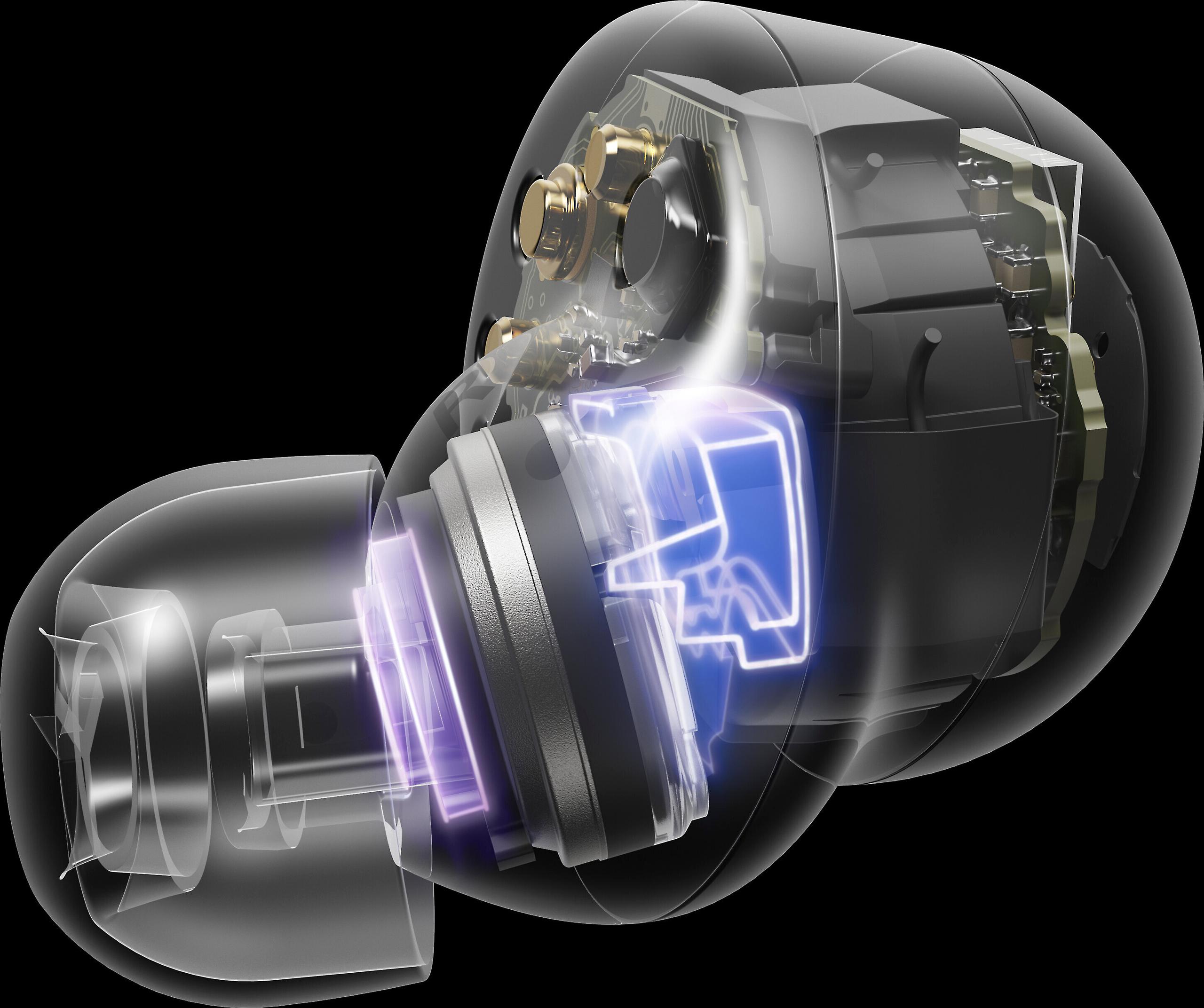
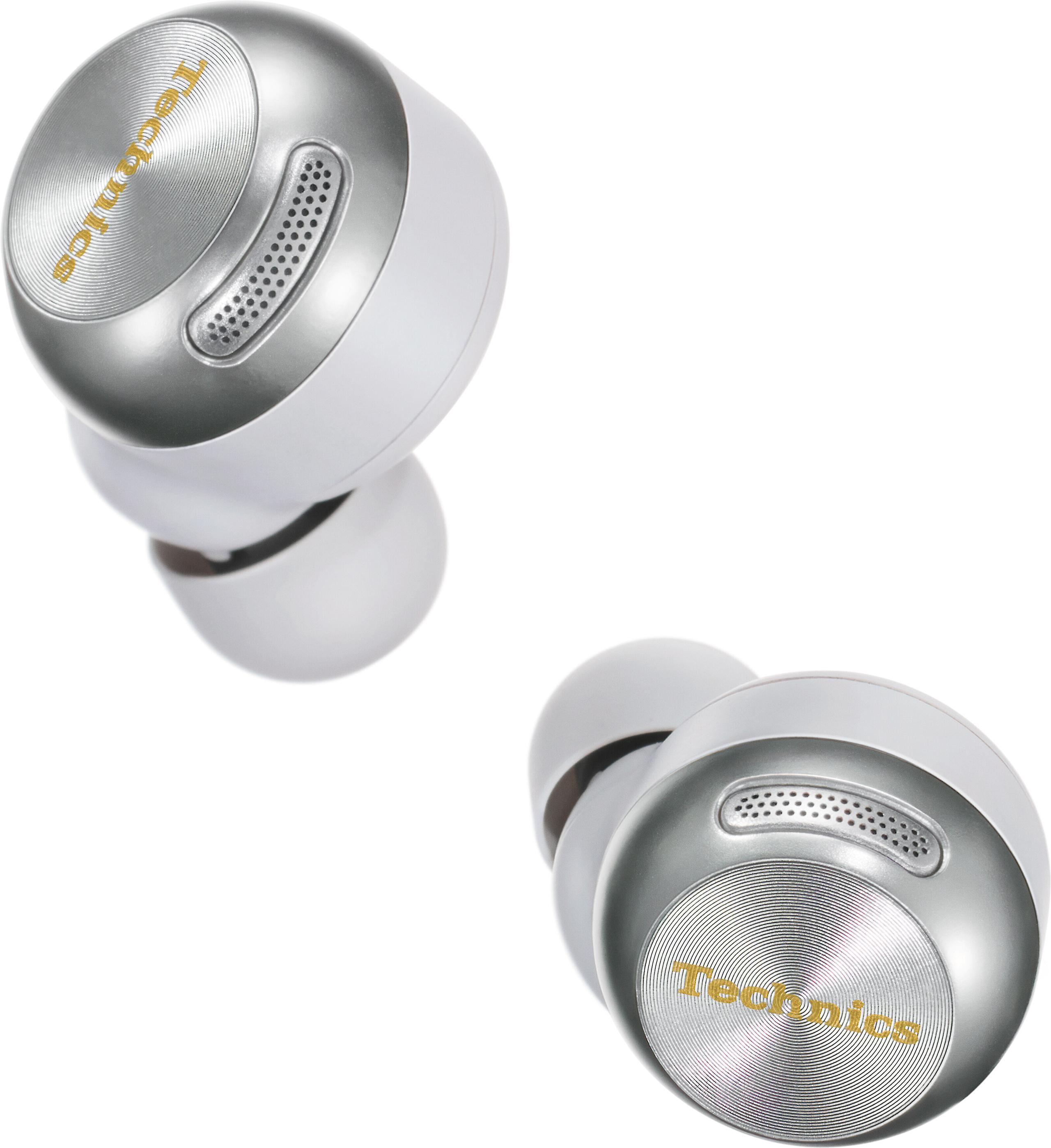
The Technics AZ100 leverages something genuinely special—magnetic fluid drivers. This isn't marketing speak; it's actual technology borrowed from Technics' reference-class EAH-TZ700 wired in-ear monitors that cost significantly more. The magnetic fluid sits between the driver's magnet and voice coil, creating more precise control over the speaker cone's movement. The result? Lower distortion and better bass response than traditional dynamic drivers.
What does this mean practically? When I listen to complex orchestral pieces or bass-heavy electronic music, the Technics AZ100 maintains clarity across all frequencies without muddiness. The 20Hz-40kHz frequency response extends well beyond human hearing on the high end, which matters for harmonic richness even if you can't directly hear those frequencies.
The real standout feature is LDAC support—Sony's high-resolution audio codec that can transmit nearly three times more data than standard Bluetooth. When streaming from compatible devices (most Android phones, some PCs), you're getting closer to CD-quality wireless audio. It's not quite audiophile-grade wired sound, but it's remarkably close.
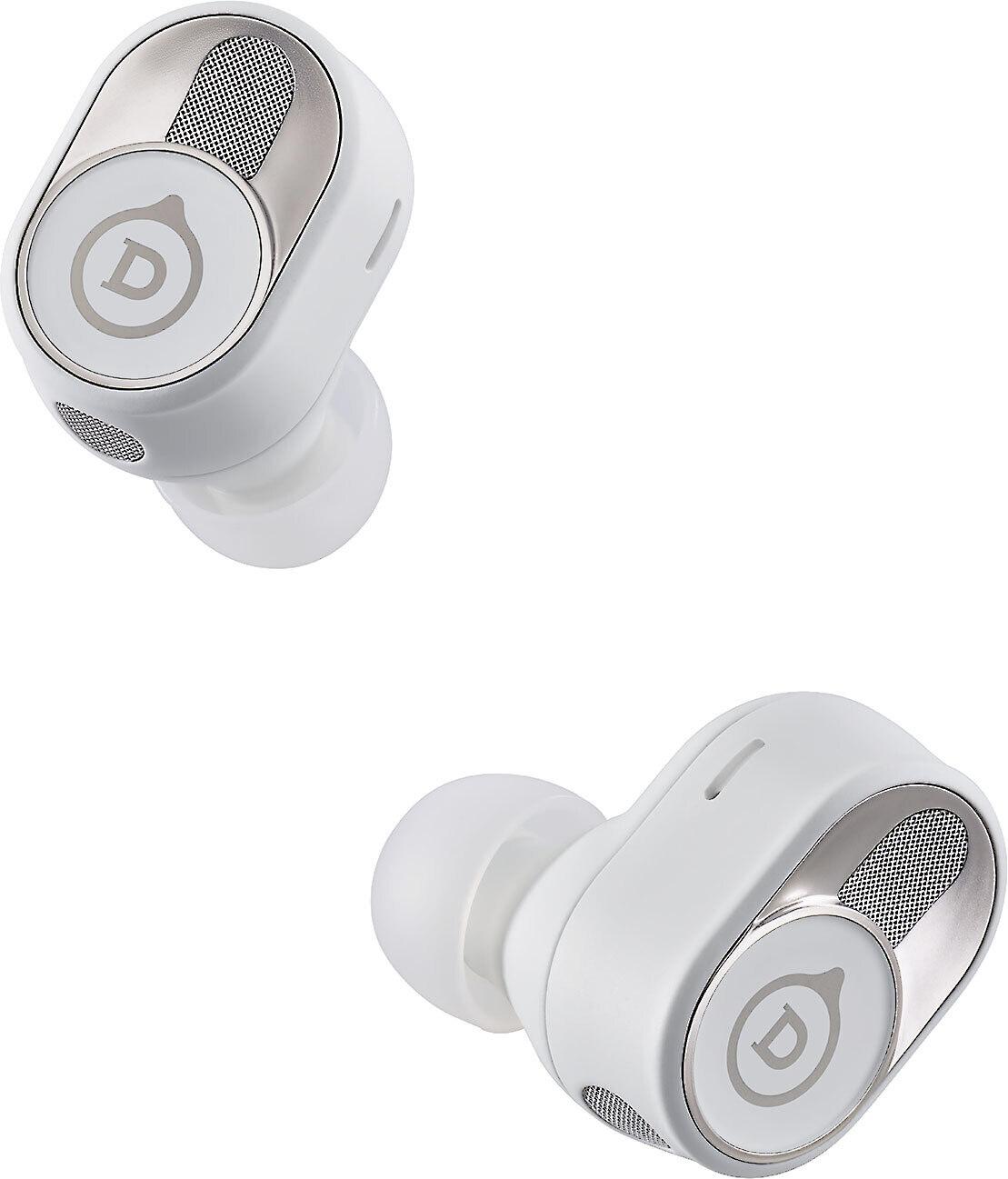
The Devialet Gemini II takes a different path with 10mm titanium-coated drivers. Titanium coating isn't just for show—it increases the driver's rigidity, reducing unwanted resonances and improving transient response. This means drums hit harder, and guitar picks sound more realistic.
Devialet's most impressive technical achievement is Ear Active Matching (EAM), which automatically tunes the audio signal up to 10,000 times per second based on your individual ear canal shape. It's like having a personal audio engineer constantly adjusting the sound just for you. While this sounds like marketing hyperbole, the effect is noticeable—the Devialet Gemini II often sounds more "dialed in" right out of the box than competitors.
The frequency response extends down to 5Hz, which is impressively low and explains why these earbuds excel with electronic music and movie soundtracks with deep sub-bass elements.
Both earbuds employ adaptive noise cancellation, but their approaches differ significantly. The Technics AZ100 focuses on real-time environmental adaptation—it continuously analyzes your surroundings and adjusts noise cancellation accordingly. This works exceptionally well in varying environments, like when you're walking from a quiet office into a busy street.
The Devialet Gemini II claims up to 40dB of noise reduction, which is impressive on paper. In practice, both earbuds perform similarly in typical scenarios like airplane cabins or coffee shops. However, Devialet's unique Active Wind Reduction (AWR) technology gives it a clear advantage outdoors. If you frequently take calls while walking or running, this feature alone might justify the Devialet Gemini II's higher price point.
This is where the differences become stark and practically significant. The Technics AZ100 delivers up to 10 hours of continuous playback with noise cancellation active, plus an additional 18 hours from the charging case. That's genuinely all-day performance.
The Devialet Gemini II manages 5 hours standalone with 22 hours total including the case. While 5 hours might seem adequate, I've found it limiting during long work sessions or international flights. Having to interrupt your listening experience mid-flight for charging breaks the immersion that premium earbuds should provide.
The Technics AZ100 also includes impressive quick-charging: 15 minutes provides 90 minutes of playback. When you're rushing out the door and realize your earbuds are dead, this feature becomes invaluable.
Here's where the Technics AZ100 truly shines—it supports simultaneous connections to three devices. In our multi-device world, this is transformative. You can be connected to your laptop for work calls, your phone for personal notifications, and your tablet for entertainment, switching seamlessly between all three.
The Devialet Gemini II supports two-device multipoint, which covers most users' needs but falls short of the Technics AZ100's flexibility. I frequently switch between laptop, phone, and iPad throughout the day, and that third connection eliminates the constant manual switching that becomes tedious with two-device systems.
Both support modern Bluetooth 5.2+ standards, but the Technics AZ100's LDAC capability sets it apart for Android users prioritizing audio quality. iPhone users won't benefit from LDAC, as Apple restricts third-party codecs, but the overall audio processing still sounds excellent.
The Technics AZ100 includes Dolby Atmos support with head tracking, which transforms movie and gaming experiences. When watching compatible content, sounds move naturally as you turn your head, creating genuine immersion. For home theater enthusiasts who want to enjoy premium content privately without disturbing others, this feature is remarkable.
Voice Focus AI enhances call quality by using machine learning to isolate your voice from background noise. In my testing, people consistently reported clearer conversations when I used the Technics AZ100 compared to other premium earbuds.
The Devialet Gemini II's standout innovation is Active Wind Reduction. While other earbuds struggle with wind noise during calls, Devialet's system actively filters it out. If you live in a windy climate or frequently walk while talking, this technology is genuinely game-changing.
The bone conduction voice sensor is another clever touch—it picks up vocal vibrations through your skull rather than relying solely on external microphones. This improves call quality in noisy environments, though the difference is subtle compared to the wind reduction feature.
For home theater enthusiasts, the Technics AZ100 offers compelling advantages. The Dolby Atmos support with head tracking creates an immersive experience that rivals good headphones while maintaining the convenience of true wireless design. Late-night movie sessions become more enjoyable without disturbing family members.
The extended battery life means you can watch entire movie marathons without charging breaks. I've used the Technics AZ100 for 8+ hour Netflix sessions without battery anxiety—something impossible with the Devialet Gemini II's 5-hour limitation.
However, both earbuds can introduce slight latency with video content, depending on your source device and codecs used. This is improving with newer Bluetooth standards, but it's worth testing with your specific setup.
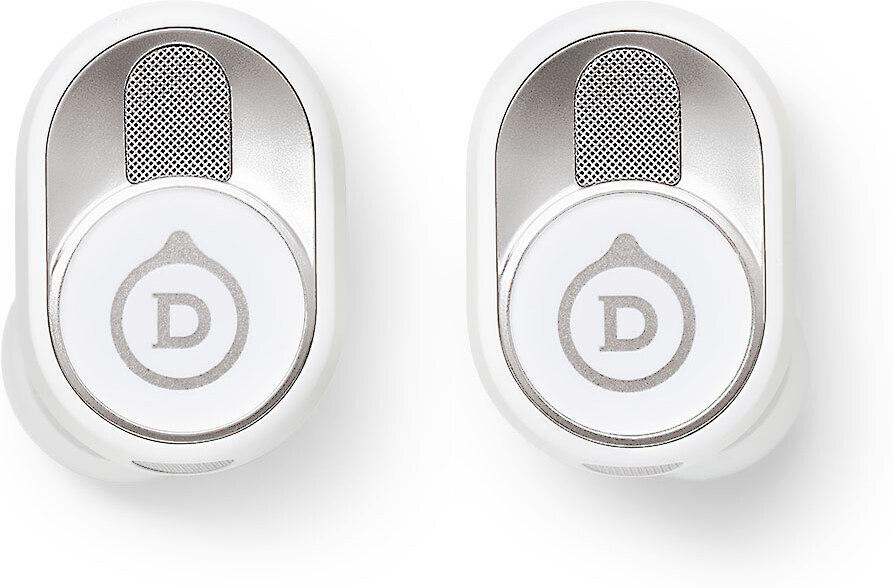
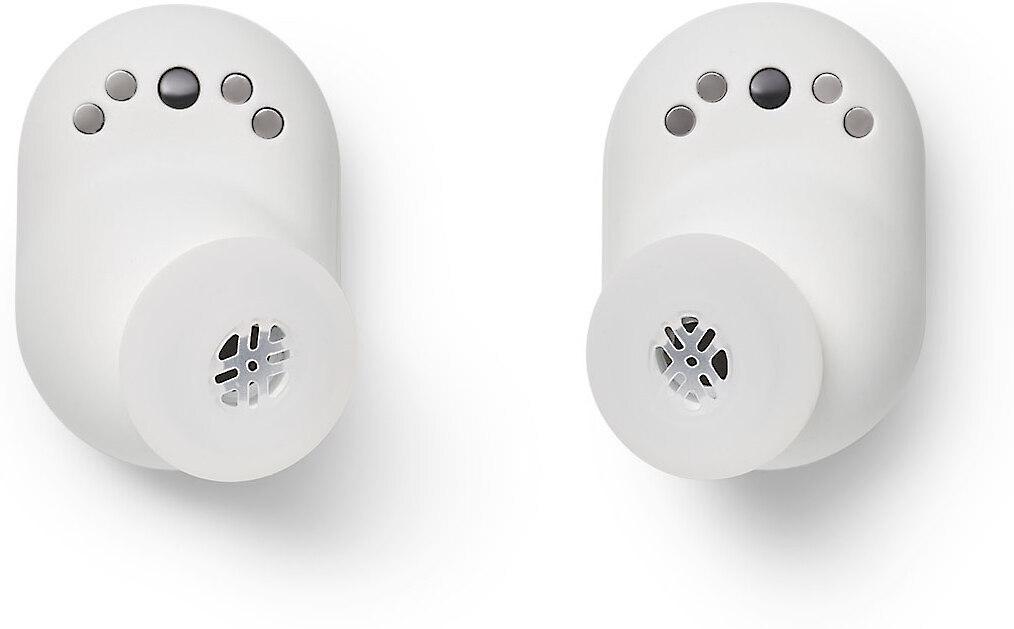
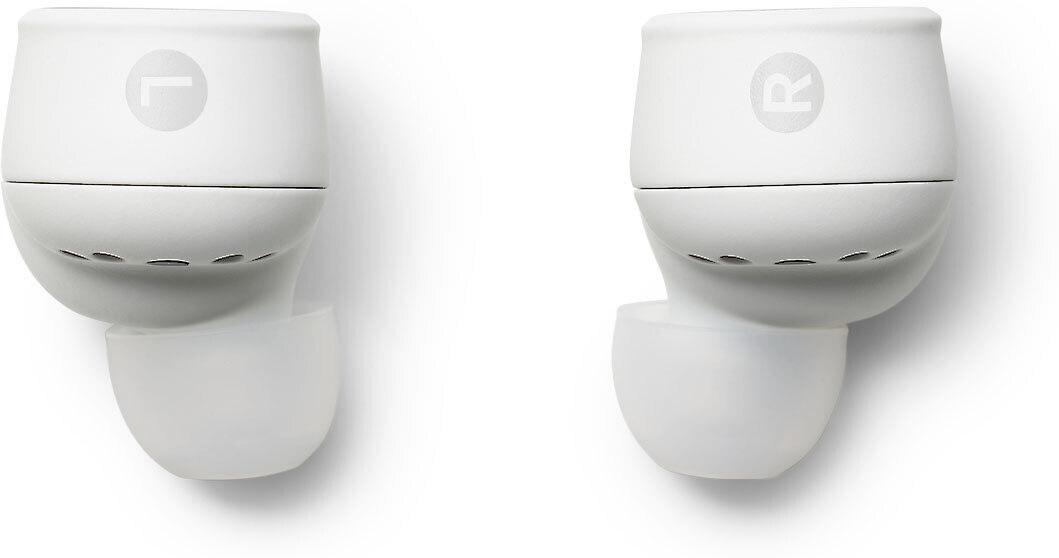
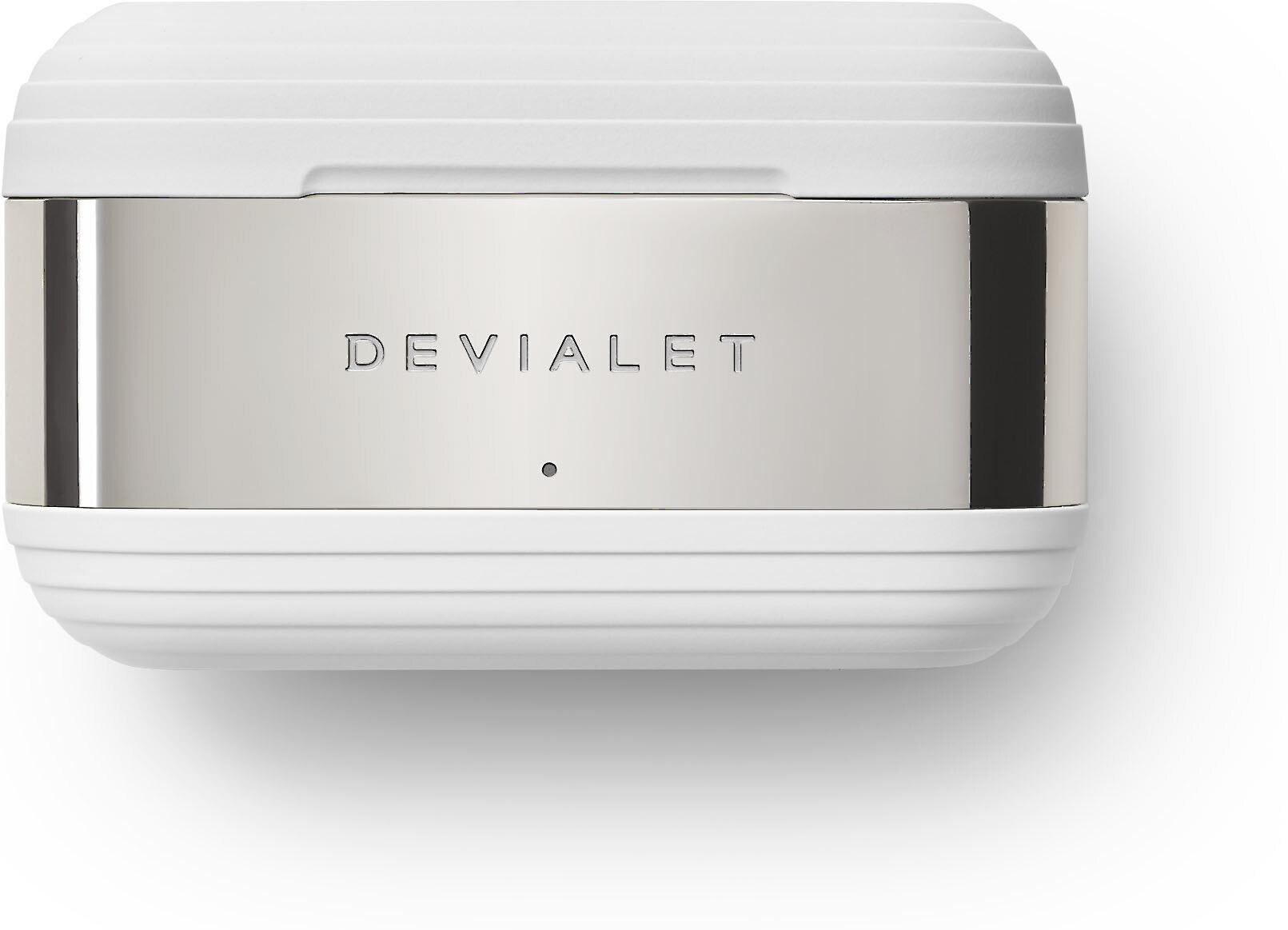
The Devialet Gemini II feels more luxurious in hand—premium materials and French design aesthetics are immediately apparent. The charging case has a satisfying weight and magnetic closure that screams quality. Each earbud weighs just 6 grams, making them comfortable for extended wear.
The Technics AZ100 prioritizes ergonomic design over luxury aesthetics. They're 10% smaller and 16% lighter than their predecessor, with a concha-fit shape that distributes weight naturally in your ear. The result is superior long-term comfort, even if they don't feel quite as premium when handling.
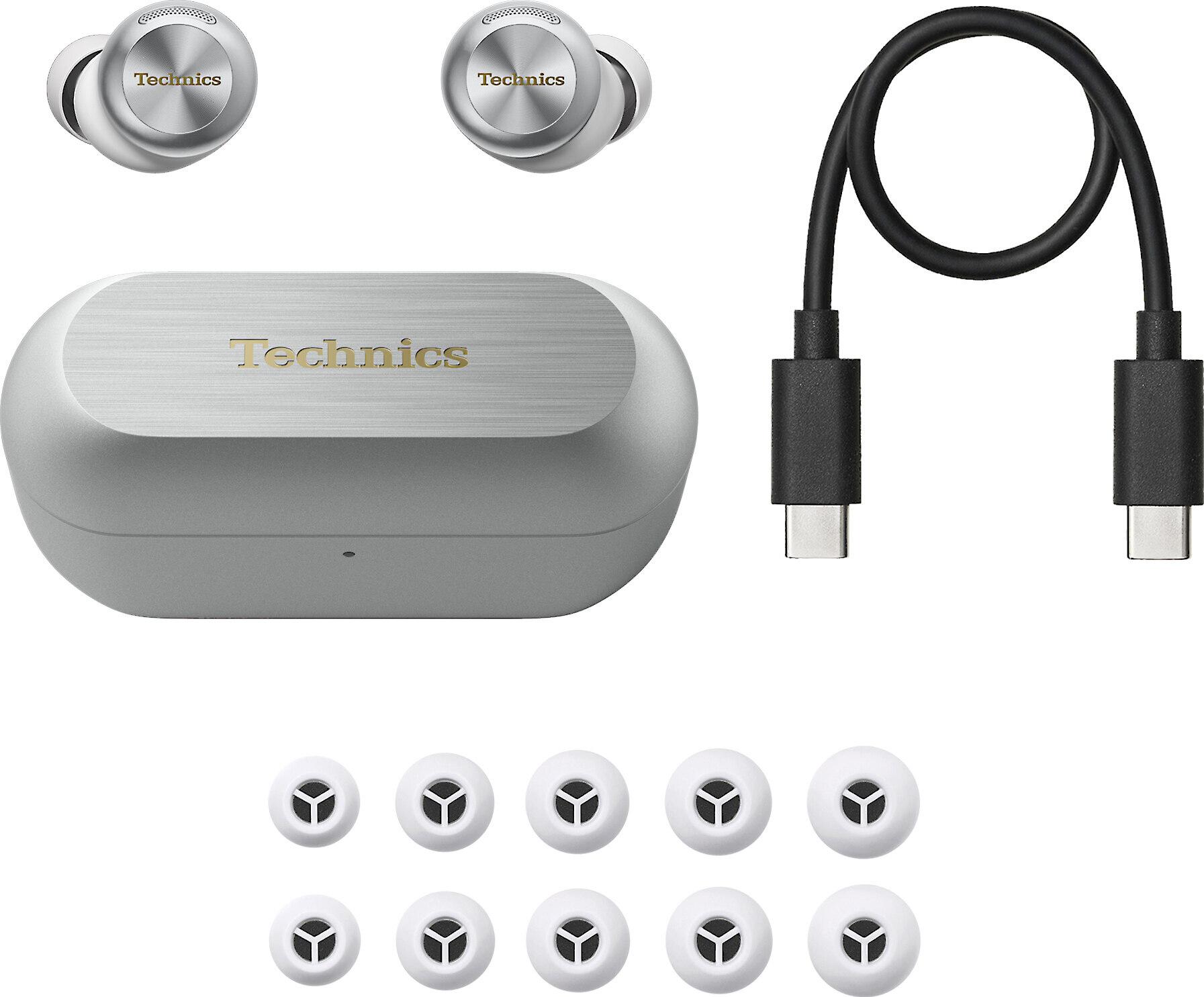
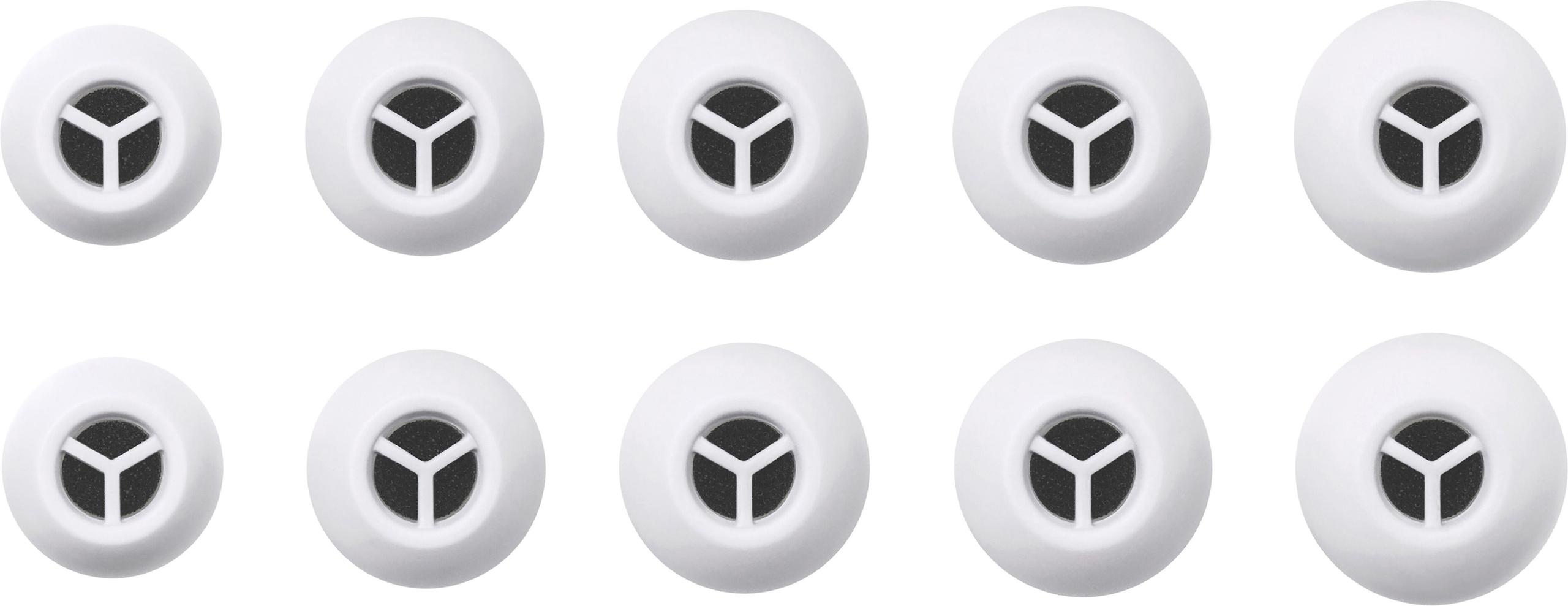
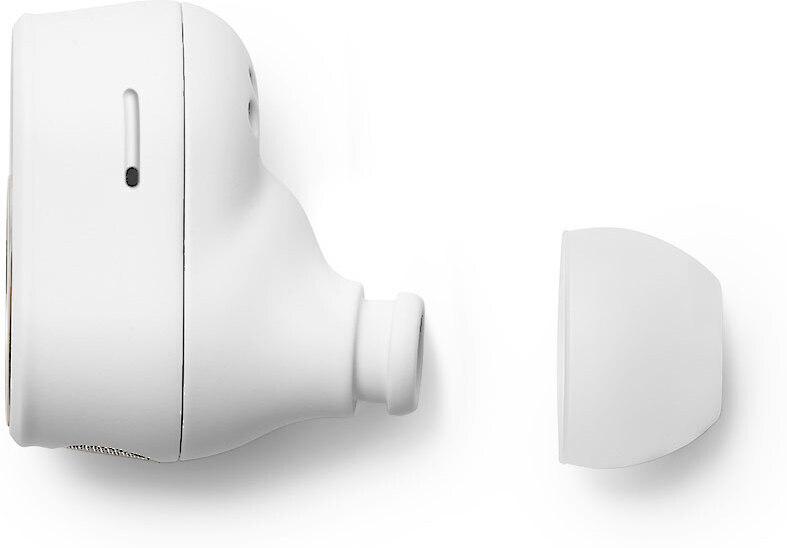
Both include multiple ear tip sizes, but the Technics AZ100 provides five options (XS through XL) compared to Devialet's four, potentially offering better fit for more users.
At the time of writing, there's roughly a $150 price difference between these earbuds, with the Devialet Gemini II commanding the premium. For that extra cost, you're primarily paying for luxury materials, French engineering prestige, and unique wind reduction technology.
The Technics AZ100 delivers significantly more practical value: double the battery life, superior connectivity, professional-grade audio processing, and advanced spatial audio features. Unless you specifically need wind reduction for calls or prioritize luxury aesthetics, the performance-per-dollar equation strongly favors Technics.
You're someone who uses earbuds throughout long workdays and needs reliable all-day performance. The 10-hour battery life eliminates charging anxiety, while three-device connectivity streamlines modern digital workflows. If you consume lots of multimedia content—Netflix, YouTube, gaming—the Dolby Atmos support adds genuine value.
Audio enthusiasts will appreciate the magnetic fluid driver technology and LDAC support. It's the closest thing to reference-quality sound in a true wireless package, backed by decades of professional audio expertise.
You frequently make calls while outdoors and struggle with wind noise using other earbuds. The Active Wind Reduction technology is genuinely innovative and addresses a real problem other manufacturers ignore.
If luxury materials and French engineering appeal to your lifestyle preferences, and you're willing to pay a premium for boutique design, the Devialet Gemini II delivers on its luxury promises. The compact design and premium feel justify the cost for users who prioritize aesthetics alongside performance.
Both earbuds excel in their intended markets, but the Technics AZ100 offers superior practical performance for most users. The combination of extended battery life, comprehensive connectivity, and professional audio heritage creates exceptional value in the premium segment.
The Devialet Gemini II serves a more specific audience—users who prioritize luxury aesthetics and have particular needs like wind-resistant call quality. It's beautifully engineered but commands a significant premium that most users will struggle to justify based purely on performance.
For the majority of premium earbud shoppers, the Technics AZ100 provides the better balance of features, performance, and value. However, both represent excellent examples of what's possible when audio companies push beyond basic functionality toward genuine innovation.
| Technics Reference Class AZ100 | Devialet Gemini II |
|---|---|
| Driver Technology - Foundation of sound quality | |
| 10mm Magnetic Fluid Driver (professional audio heritage) | 10mm Titanium-Coated Driver (luxury materials) |
| Battery Life (Earbuds) - Critical for all-day use | |
| 10 hours with ANC (industry-leading endurance) | 5 hours with ANC (requires mid-day charging) |
| Total Battery Life - Important for travel and extended use | |
| 28 hours with case (exceptional for long trips) | 22 hours with case (adequate for most users) |
| Multipoint Connectivity - Essential for modern workflows | |
| 3 simultaneous device connections (laptop + phone + tablet) | 2 device connections (covers basic needs) |
| High-Resolution Audio - Matters for audiophiles | |
| LDAC support (near CD-quality wireless) | aptX standard (good quality, not exceptional) |
| Noise Cancellation - Key feature for commuting | |
| Adaptive ANC with environmental adjustment | Up to 40dB reduction with wind reduction technology |
| Spatial Audio - Enhances movies and gaming | |
| Dolby Atmos with head tracking (immersive experience) | Standard stereo (no spatial features) |
| Special Features - Unique selling points | |
| Voice Focus AI for calls, 15-min quick charge | Active Wind Reduction, bone conduction voice sensor |
| Water Resistance - Protection from elements | |
| IPX4 (sweat and light rain resistant) | IPX4 (sweat and light rain resistant) |
| Weight Per Earbud - Comfort during extended wear | |
| Not specified (designed for all-day comfort) | 6g each (ultra-lightweight premium design) |
| Value Proposition - Performance per dollar spent | |
| Professional features at accessible premium pricing | Luxury engineering with boutique positioning |
Both the Technics AZ100 and Devialet Gemini II deliver exceptional sound quality, but with different approaches. The Technics AZ100 uses magnetic fluid driver technology borrowed from professional audio equipment and supports LDAC high-resolution audio codec. The Devialet Gemini II features titanium-coated drivers with Ear Active Matching technology that adjusts sound 10,000 times per second. For most listeners, the Technics AZ100 provides superior technical performance, especially for Android users who can utilize LDAC.
Battery life is a significant difference between these models. The Technics AZ100 offers up to 10 hours of continuous playback with noise cancellation active, plus 28 hours total with the charging case. The Devialet Gemini II provides 5 hours of standalone use and 22 hours total with the case. For all-day use without charging breaks, the Technics AZ100 is clearly superior.
Both earbuds excel at call quality but in different scenarios. The Technics AZ100 features Voice Focus AI that uses machine learning to enhance call clarity. The Devialet Gemini II includes unique Active Wind Reduction technology and bone conduction voice sensors. If you frequently make calls outdoors or in windy conditions, the Devialet Gemini II has a clear advantage. For general call quality, both perform excellently.
Yes, both support multipoint connectivity but with different capabilities. The Technics AZ100 can connect to three devices simultaneously, allowing seamless switching between laptop, phone, and tablet. The Devialet Gemini II supports two-device connections. For users who regularly switch between multiple devices throughout the day, the Technics AZ100 offers superior flexibility.
Both earbuds feature adaptive noise cancellation that adjusts to your environment. The Devialet Gemini II claims up to 40dB of noise reduction and includes specialized wind noise reduction. The Technics AZ100 uses real-time environmental adaptation. In typical scenarios like flights or coffee shops, both perform similarly, but the Devialet Gemini II has an edge in windy outdoor conditions.
The Technics AZ100 is particularly well-suited for home theater use with Dolby Atmos support and head tracking technology. This creates an immersive spatial audio experience that enhances movies and gaming. The 10-hour battery life also supports long viewing sessions without interruption. The Devialet Gemini II offers excellent sound quality but lacks spatial audio features and has shorter battery life that may require charging during extended movie marathons.
Both earbuds prioritize comfort but with different approaches. The Technics AZ100 features a concha-fit design that's 10% smaller and 16% lighter than its predecessor, with five ear tip sizes for optimal fit. The Devialet Gemini II weighs just 6 grams per earbud with premium materials and four ear tip sizes. The Technics AZ100 may have a slight edge due to its ergonomic design and longer battery life reducing charging interruptions.
The Devialet Gemini II emphasizes luxury materials with premium finishes and French engineering aesthetics. The charging case feels substantial with satisfying magnetic closure. The Technics AZ100 focuses more on ergonomic design and professional-grade construction. Both offer IPX4 water resistance. If luxury aesthetics matter to you, the Devialet Gemini II has the edge, while the Technics AZ100 prioritizes practical design.
The Technics AZ100 generally offers superior value with nearly double the battery life, three-device connectivity, LDAC support, and Dolby Atmos features. The Devialet Gemini II commands a premium for luxury materials and unique wind reduction technology. Unless you specifically need wind-resistant calling or prioritize luxury branding, the Technics AZ100 provides more features and performance per dollar.
Both earbuds feature IPX4 water resistance making them suitable for workouts and light rain. The Devialet Gemini II's lighter weight (6g per earbud) and wind reduction technology may appeal to runners. However, the Technics AZ100's longer battery life is beneficial for extended training sessions. The Devialet Gemini II might have a slight edge for outdoor activities due to its wind noise handling.
Both earbuds offer companion apps with EQ customization and feature controls. The Technics AZ100 app provides extensive controls for its multiple features including spatial audio settings and multipoint management. The Devialet Gemini II app focuses on sound personalization and noise cancellation adjustments. Both apps are well-designed, but the Technics AZ100 offers more customization options due to its broader feature set.
Choose the Technics AZ100 if you prioritize battery life, multi-device connectivity, high-resolution audio, and spatial audio features for entertainment. It offers exceptional value and professional audio heritage. Choose the Devialet Gemini II if you frequently make calls outdoors, prefer luxury materials and design, or want the most compact premium earbuds available. The Technics AZ100 serves more users' needs better, while the Devialet Gemini II excels in specific luxury and outdoor calling scenarios.
We've done our best to create useful and informative comparisons to help you decide what product to buy. Our research uses advanced automated methods to create this comparison and perfection is not possible - please contact us for corrections or questions. These are the sites we've researched in the creation of this article: whathifi.com - digitaltrends.com - bestbuy.com - techradar.com - popsci.com - stuff.tv - us.technics.com - instylehifi.com.au - techradar.com - youtube.com - head-fi.org - whathifi.com - ecoustics.com - crutchfield.com - head-fi.org - treoo.com - youtube.com - bestbuy.com - us.technics.com - crutchfield.com - cnet.com - us.technics.com - us.technics.com - na.panasonic.com - us.technics.com - help.na.panasonic.com - bestbuy.com - bhphotovideo.com - technics.com - technics.com - us.technics.com - twitteringmachines.com - stupiddope.com - bhphotovideo.com - techdogs.com - technics.com - techradar.com - yumpu.com - youtube.com - t3.com - devialet.com - thebeat.asia - bestbuy.com - devialet.com - rtings.com - devialet.com - head-fi.org - devialetchat.com - worldradiohistory.com - loudnwireless.com - psv4.userapi.com - headfonia.com - techcrunch.com - bhphotovideo.com - audioadvice.com - youtube.com - bestbuy.com - youtube.com - help.devialet.com - headfonia.com - bestbuy.com - psv4.userapi.com - psv4.userapi.com - worldradiohistory.com

Privacy Policy
Terms and Conditions - Affiliate Policy
Home Security
© Copyright 2008-2026.
11816 Inwood Rd #1211, Dallas, TX 75244