






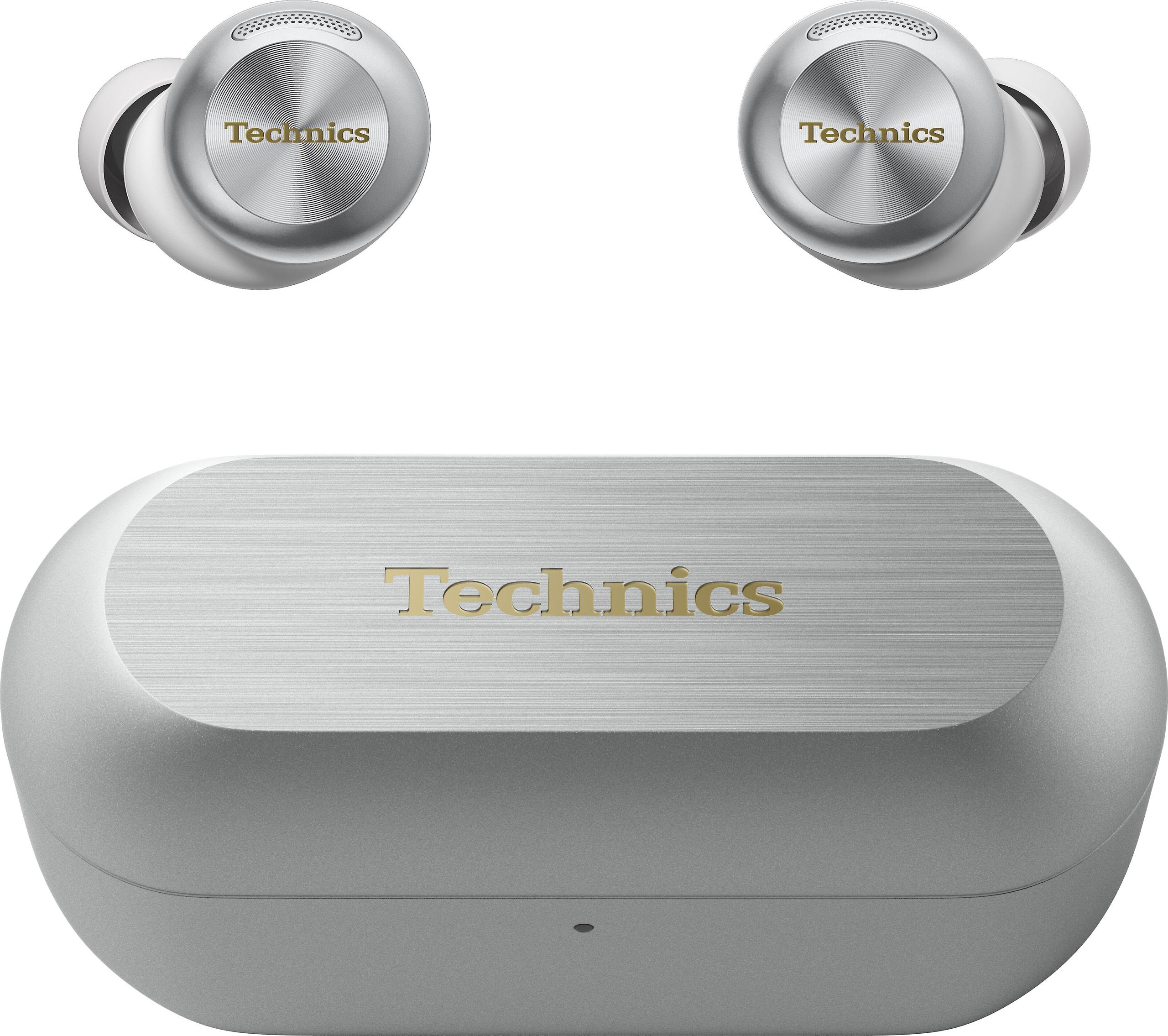

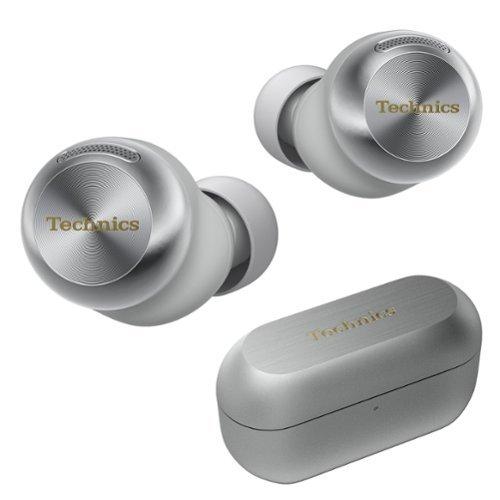
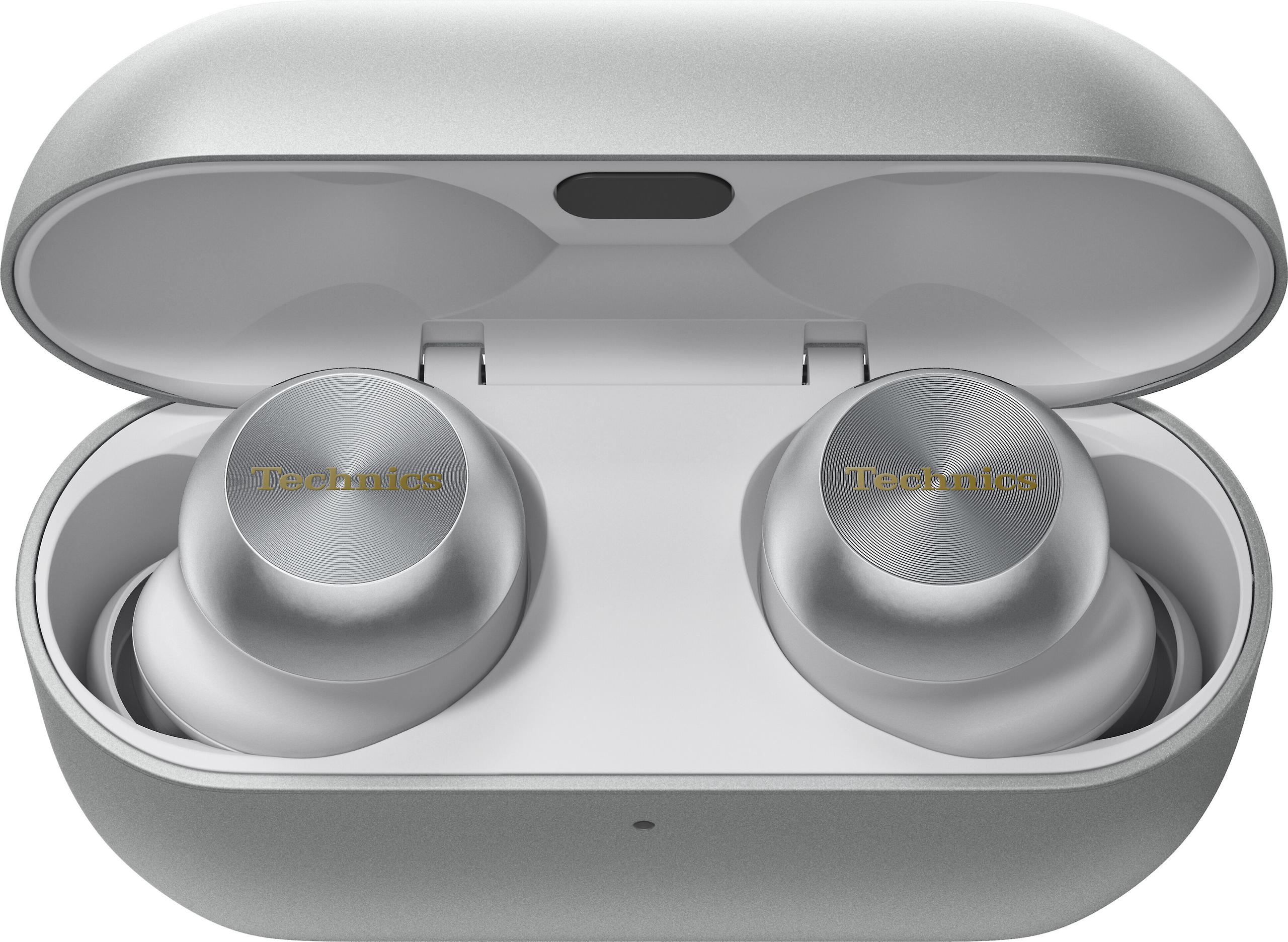

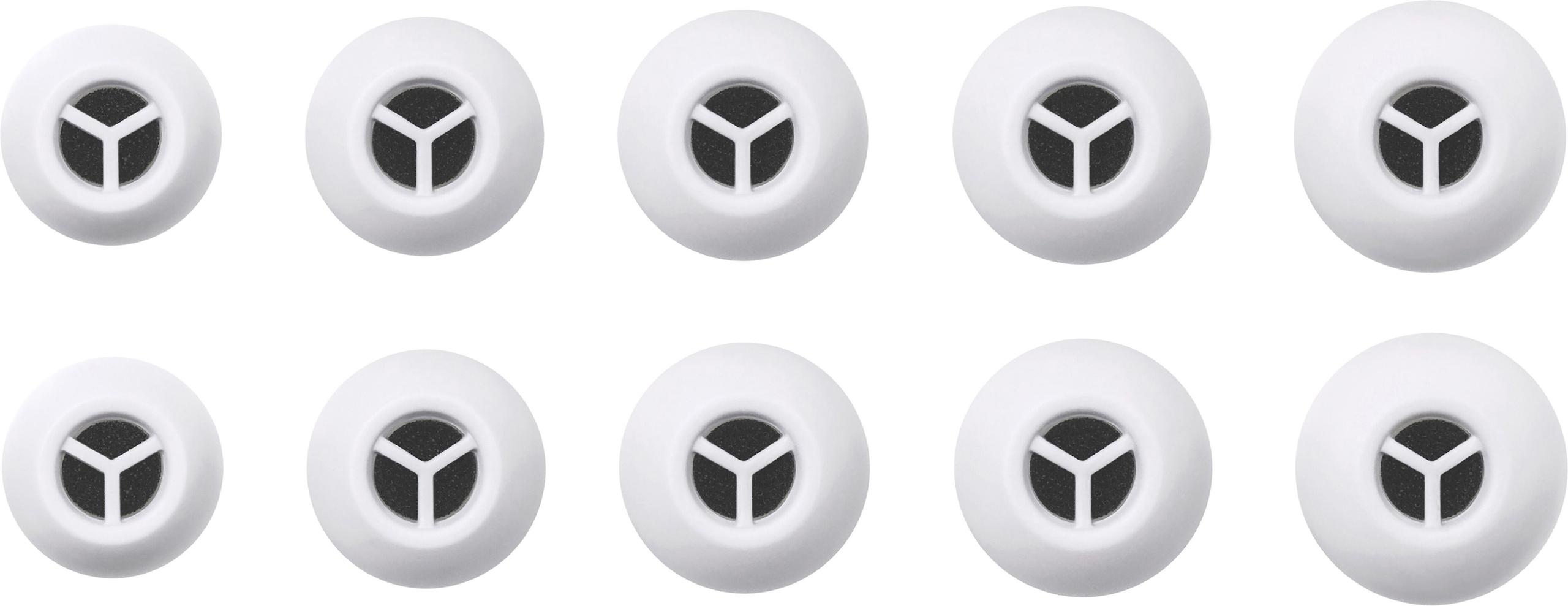
The world of true wireless earbuds has exploded into one of the most diverse tech categories imaginable. On one end, you have ultra-budget options that cost less than a dinner out. On the other, premium models that rival the price of a decent laptop. Today we're diving deep into this fascinating divide by comparing two earbuds that couldn't be more different: the JLab Go Pop+ and the Technics Reference Class AZ100.
This isn't your typical "apples to apples" comparison—it's more like comparing a reliable Honda Civic to a luxury BMW. Both will get you where you're going, but the experience and capabilities are worlds apart. Understanding these differences will help you figure out where your money should go and what compromises you're comfortable making.
Before we dig into these specific models, let's establish what separates good earbuds from great ones. The core considerations haven't changed much since true wireless technology matured around 2020, but the execution has gotten dramatically better.
Sound quality remains king, determined by driver size and technology, frequency response (the range of sounds they can reproduce), and how well the manufacturer has tuned them. Battery life has become increasingly important as we rely on these devices throughout long workdays and travel. Comfort can make or break your experience—the best-sounding earbuds are useless if they hurt after an hour.
Then there are the modern essentials: active noise cancellation (ANC), which uses microphones and processing to cancel out background noise, connectivity features like the ability to pair with multiple devices simultaneously, and build quality that determines whether your investment lasts months or years.
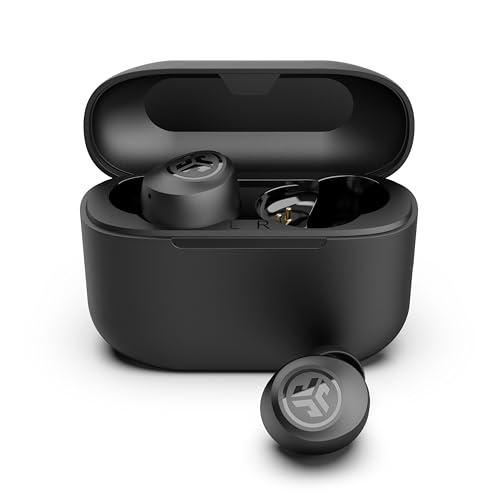
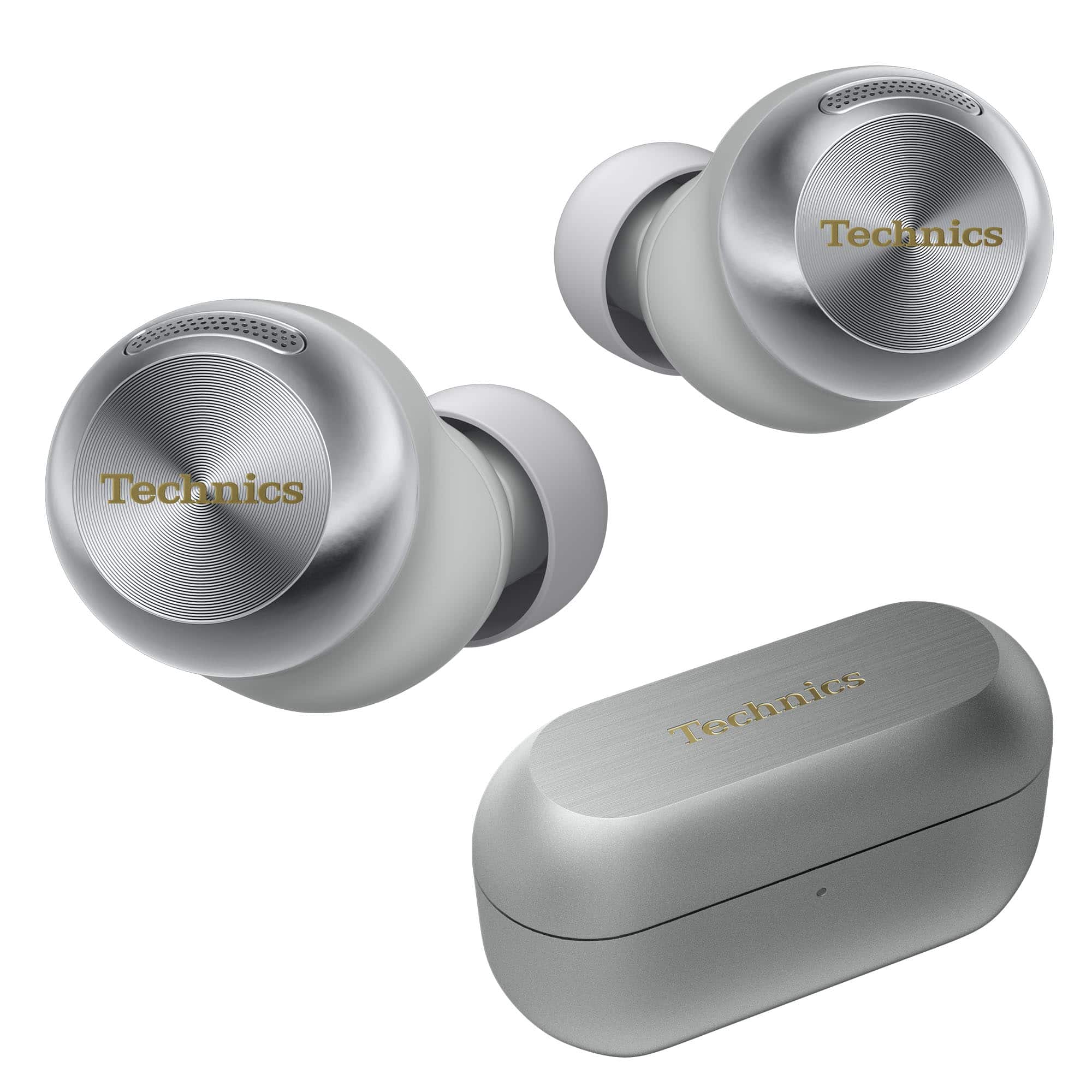
The JLab Go Pop+, released in 2024, represents the current state of ultra-budget earbuds—what you can get when manufacturers strip away every non-essential feature but nail the basics. The Technics EAH-AZ100, also from 2024, showcases how far premium audio technology has advanced, incorporating magnetic fluid drivers and adaptive noise cancellation that would have been impossible in consumer products just a few years ago.
This is where the biggest gap between our contenders becomes apparent, and it's largely down to driver technology—the tiny speakers inside each earbud.
The JLab Go Pop+ uses straightforward 6mm dynamic drivers. These are essentially miniature versions of traditional speakers, with a diaphragm (thin membrane) that vibrates to create sound waves. At 6mm, they're quite small, which limits how much air they can move and consequently how full and dynamic the sound can be. The frequency response spans 20Hz to 20kHz, which covers the full range of human hearing, but the quality of reproduction across that range is where budget constraints show up.
Based on our research into user and expert reviews, the Go Pop+ delivers what most describe as "surprisingly clear" sound for the price point. However, reviewers consistently note a "hard-edged" quality that lacks the warmth and smoothness you'd expect from pricier models. The bass is present but not particularly deep or controlled, and complex musical passages can sound compressed or thin. Think of it like watching a movie on your phone versus a high-end TV—you can follow the plot just fine, but you're missing layers of detail and richness.
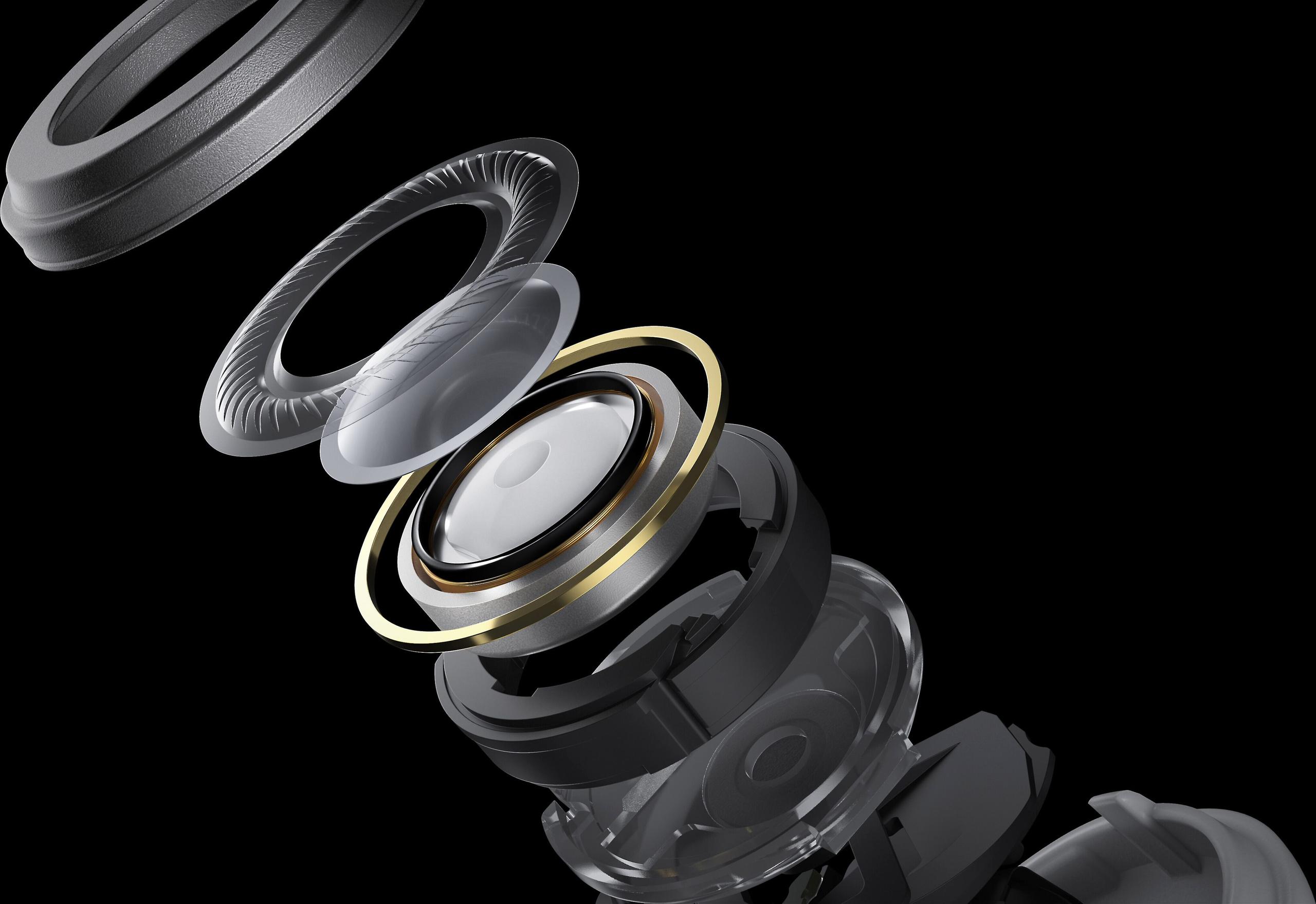
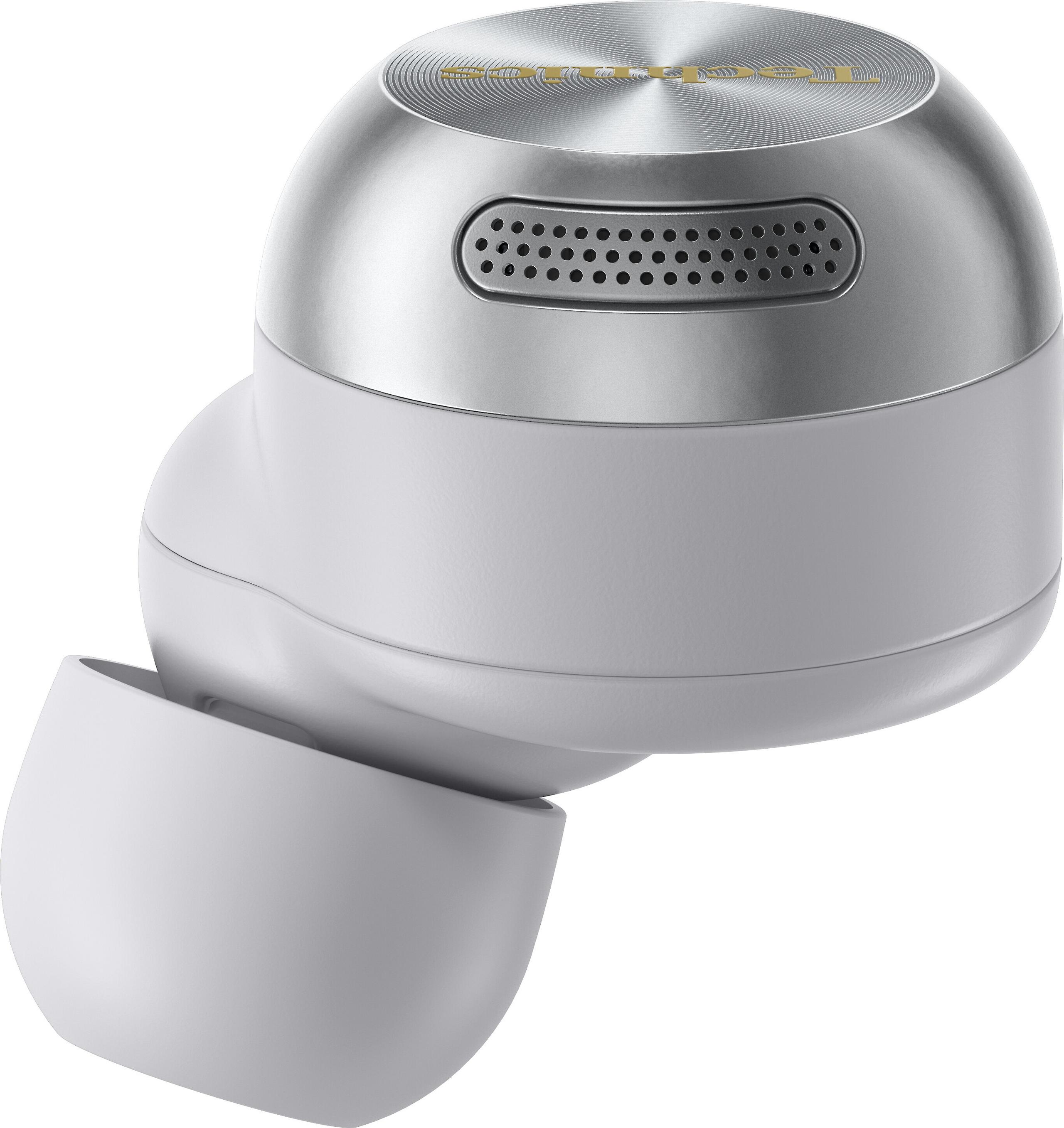
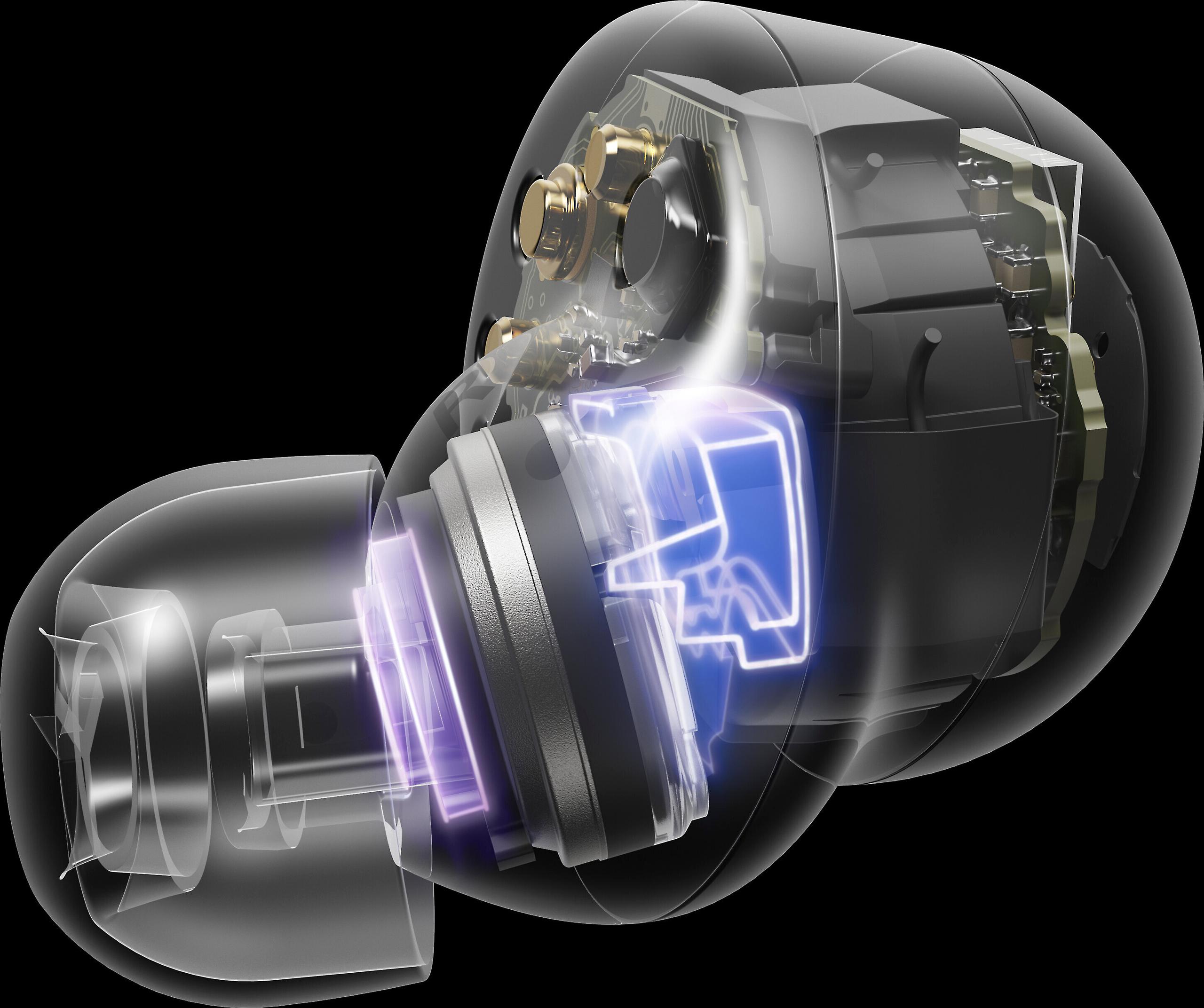
The Technics AZ100 takes a completely different approach with its 10mm magnetic fluid drivers. This is genuinely cutting-edge technology adapted from Technics' reference-class wired earbuds. The "magnetic fluid" is an oil-like substance with magnetic properties that sits between the driver's magnet and voice coil (the part that actually moves to create sound). This allows for incredibly precise control of the diaphragm movement, resulting in lower distortion and more accurate sound reproduction.
The larger 10mm size means these drivers can move more air, creating fuller bass response and better dynamics—the difference between quiet and loud passages that makes music feel alive. The frequency response extends all the way to 40kHz, well beyond human hearing, which suggests the drivers maintain their accuracy even at the highest frequencies we can perceive.
Reviews consistently praise the AZ100's sound as "reference-quality" with a slightly V-shaped signature. This means the bass and treble are slightly emphasized compared to the midrange, which many listeners find engaging and exciting. The bass is described as rich and deep without being boomy, while the highs remain crisp and detailed.
For home theater use, the Technics AZ100 includes Dolby Atmos spatial audio with head tracking—a feature that creates a more immersive surround sound experience by adjusting the audio as you move your head. The Go Pop+ lacks any spatial audio features, limiting its home theater utility to basic stereo listening.
This might be the single most important differentiator between budget and premium earbuds today. Active noise cancellation uses microphones to detect outside noise and then generates "anti-noise" to cancel it out. It's particularly effective against constant, low-frequency sounds like airplane engines, air conditioning, or traffic rumble.
The JLab Go Pop+ simply doesn't have ANC. Period. This isn't unusual at its price point—the technology requires additional microphones, processing chips, and software development that would push costs well beyond the ultra-budget category. Instead, it offers a "Be Aware" mode that does the opposite, intentionally letting outside sound in for safety during activities like jogging or cycling.
The Technics AZ100 features what Technics calls "Adaptive Noise Cancelling Technology," and based on expert testing, it performs exceptionally well. The "adaptive" part means the earbuds automatically adjust the level of noise cancellation based on your environment—stronger cancellation in noisy places like airports, lighter cancellation in quieter spaces where you might want to hear some ambient sound.
Reviews consistently rate the AZ100's ANC performance around 9.5 out of 10, noting particular effectiveness against low-frequency noise like engine rumble and crowd chatter. Users report being able to focus in open offices, enjoy music during flights without cranking the volume, and even use them for concentration during work-from-home scenarios.
For anyone who travels frequently, works in noisy environments, or simply values peace and quiet, this feature alone can justify the price difference. The ability to eliminate distracting background noise transforms how you experience audio content and can significantly reduce listening fatigue since you don't need to turn up the volume to overcome ambient noise.
Battery life has become one of the most practical considerations for earbud buyers, especially as we use them throughout increasingly long workdays and travel schedules.
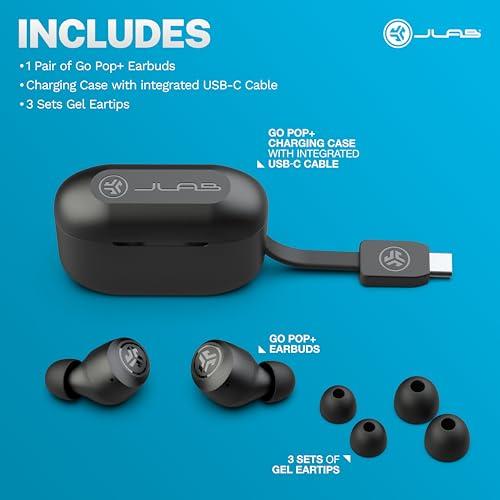
The JLab Go Pop+ absolutely excels here, offering 9 hours per earbud and 35+ hours total with the charging case. This is genuinely impressive performance that rivals earbuds costing several times more. The quick charge feature provides an hour of listening from just 10 minutes in the case, and the case itself features an integrated USB-C cable—a clever touch that eliminates the common problem of lost charging cables.
The Technics AZ100 delivers 10 hours per earbud with noise cancellation active and 28 hours total with the case. While the total capacity is lower than the Go Pop+, achieving 10 hours with ANC running is actually exceptional performance for premium earbuds. Most competing models with similar noise cancellation manage only 6-8 hours.
For most users, both options provide more than enough daily battery life. The Go Pop+ has the edge for extended travel or situations where charging opportunities are limited, while the AZ100 offers sufficient capacity for daily use with the bonus of longer per-charge performance with power-hungry ANC running.
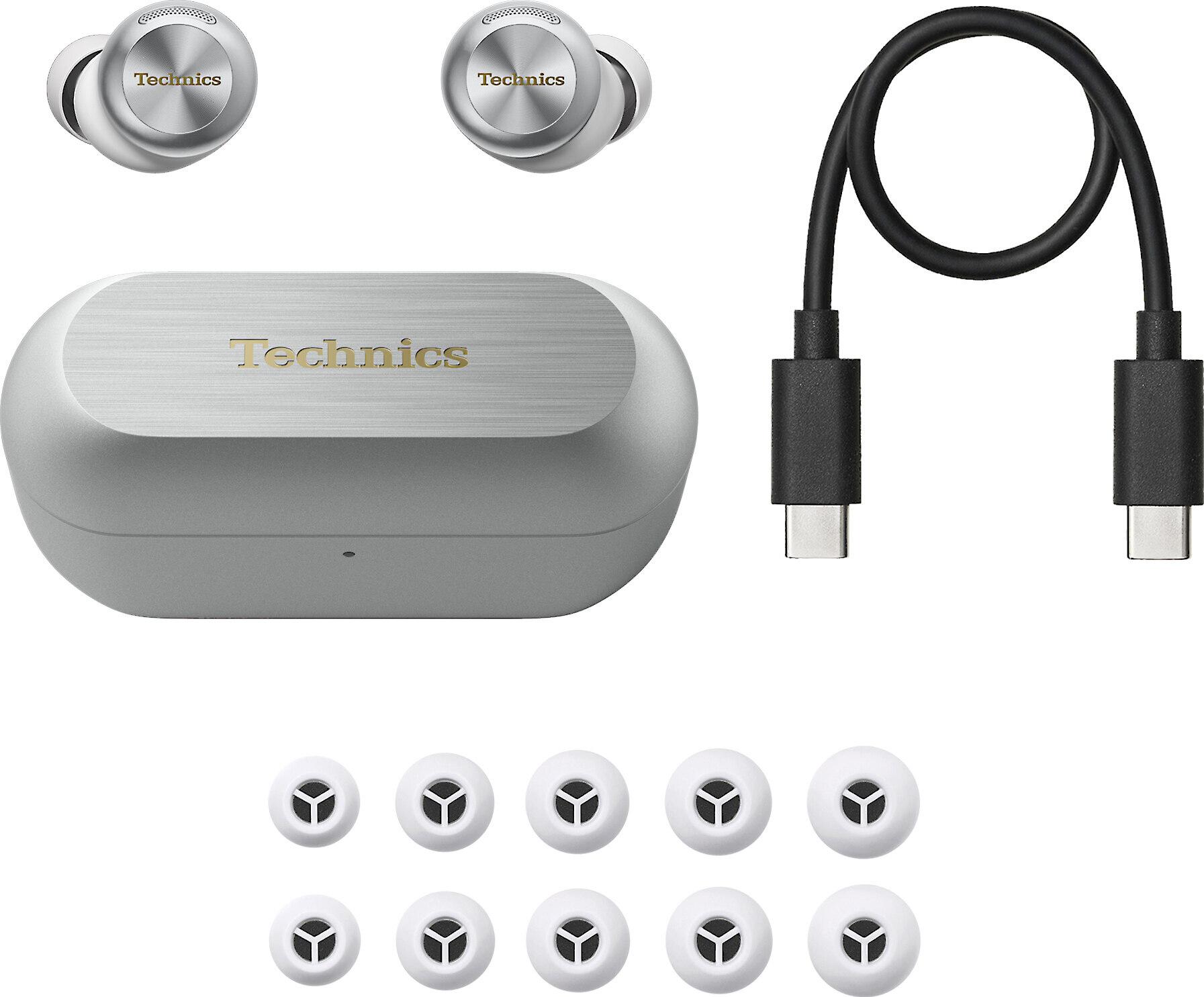
The AZ100 also supports wireless charging, which adds convenience for users with compatible charging pads, though this is more of a nice-to-have than a necessity.
Both earbuds use Bluetooth 5.3, the current standard that provides stable connections and improved battery efficiency compared to older versions. However, their capabilities diverge significantly beyond the basics.
The JLab Go Pop+ supports SBC and AAC codecs—the standard audio compression formats that work with virtually all phones and devices. AAC provides better quality than SBC, especially with Apple devices. The earbuds can connect to one device at a time and feature Google Fast Pair for quick setup with Android phones.
The Technics AZ100 supports those same codecs plus LDAC, Sony's high-resolution audio codec that can transmit much more audio data than standard Bluetooth. LDAC can theoretically transmit up to 990 kilobits per second compared to AAC's 256 kbps, preserving more of the original recording's detail. However, LDAC primarily benefits Android users with compatible devices and high-resolution audio files.
More importantly for daily use, the AZ100 supports multipoint connectivity—the ability to connect to three devices simultaneously. This means you can be listening to music on your laptop while staying connected to your phone for calls and your tablet for notifications. When a call comes in, the earbuds automatically switch to your phone; when the call ends, they switch back to your music. This feature transforms how you work and consume media in our multi-device world.
The JLab Go Pop+ carries an IPX4 rating, meaning it can handle sweat and light rain splashes. The construction is basic but functional, with a lightweight design (7.8g total) that makes them comfortable for extended wear. At this price point, they're almost disposable—if you lose or break them, replacement isn't a major financial hit.
The Technics AZ100 represents a significant investment in premium materials and construction. The magnetic fluid drivers require precision manufacturing, and the overall build quality reflects professional audio equipment standards. While specific durability ratings weren't detailed in our research, Technics backs these with a three-year warranty—unusual confidence in the consumer audio space.
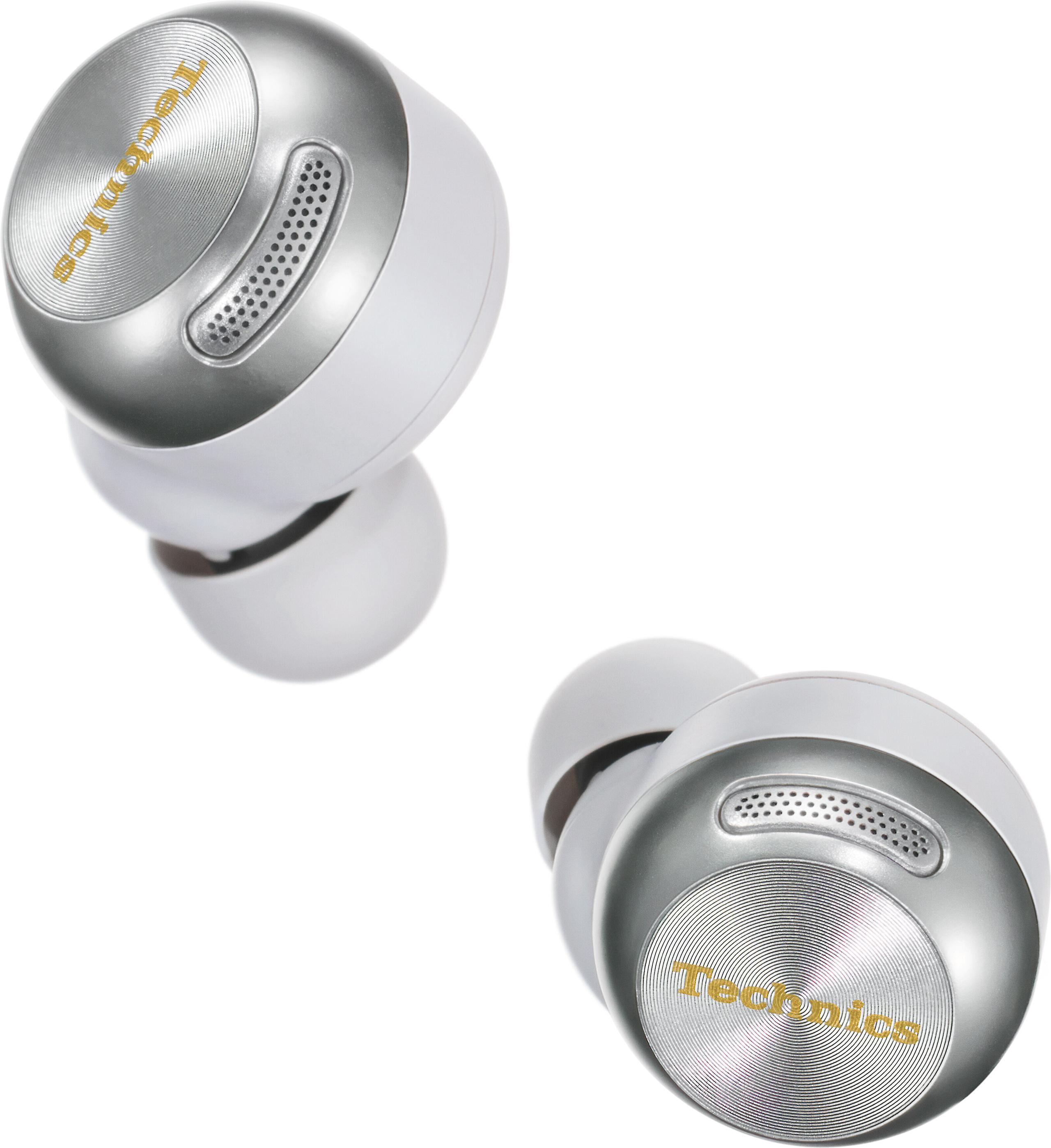
The AZ100 is also 10% smaller and 16% lighter than its predecessor, showing how the technology has matured to pack more features into a more comfortable package.
At the time of writing, these earbuds represent vastly different value propositions that serve distinct market segments.
The JLab Go Pop+ offers remarkable value for users seeking basic true wireless functionality. For roughly the cost of a large pizza, you get genuinely usable earbuds with exceptional battery life and app customization features that were premium-only options just a few years ago. The tradeoffs in sound quality and missing features like ANC are significant, but for casual listening, gym use, or as backup earbuds, they're hard to beat.
The Technics AZ100 commands a premium price—roughly 10 times more than the Go Pop+—but delivers proportionally more sophisticated technology and performance. The magnetic fluid drivers, adaptive noise cancellation, high-resolution audio support, and multipoint connectivity represent genuine technological advances that enhance the listening experience in meaningful ways.
Choose the JLab Go Pop+ if you:
The Go Pop+ excels as an entry point into wireless audio and handles basic listening tasks admirably. They're perfect for someone who spends more time thinking about battery percentage than audio quality.
Choose the Technics AZ100 if you:
The AZ100 transforms how you experience audio content and provides professional-grade tools for serious listeners. They're an investment in daily quality of life for anyone who spends significant time with audio.
For home theater use, the differences become even more pronounced. The Go Pop+ provides basic stereo audio that works fine for casual TV watching but offers no special features for cinematic experiences.
The AZ100 includes Dolby Atmos spatial audio with head tracking, which creates a more immersive surround sound experience when watching compatible content. The superior sound quality and noise cancellation also make them excellent for late-night viewing when you can't use speakers.
However, both face the fundamental limitation of Bluetooth latency—the slight delay between video and audio that can create lip-sync issues. The AZ100 likely handles this better with more advanced processing, but dedicated gaming/TV earbuds with low-latency dongles remain the gold standard for home theater use.
These earbuds represent two completely different philosophies about wireless audio. The JLab Go Pop+ proves that you can get surprisingly capable wireless earbuds without breaking the bank, making them perfect for budget-conscious users or specific use cases where premium features aren't necessary.
The Technics AZ100 showcases what's possible when cost isn't the primary constraint, delivering professional-grade audio technology that was unimaginable in consumer wireless earbuds just a few years ago.
Your choice ultimately comes down to your priorities, budget, and how much you value audio quality in your daily life. Both earbuds succeed brilliantly at what they're designed to do—the key is understanding which philosophy aligns with your needs and expectations.
Consider the Go Pop+ as a gateway drug to wireless audio or a practical tool for specific situations. Consider the AZ100 as a long-term investment in premium audio experiences that will enhance everything you listen to. Neither choice is wrong—they're just optimized for very different users and use cases.
| JLab Go Pop+ | Technics Reference Class AZ100 |
|---|---|
| Driver Technology - The heart of sound quality and the biggest differentiator | |
| 6mm dynamic drivers with basic construction | 10mm magnetic fluid drivers with aluminum diaphragm |
| Active Noise Cancellation - Essential for travel, work, and concentration | |
| None (only "Be Aware" transparency mode) | Adaptive ANC with 9.5/10 performance rating |
| Battery Life - Critical for daily use and travel | |
| 9 hours earbuds + 35+ hours case (44 total) | 10 hours earbuds + 28 hours case with ANC on |
| Audio Codecs - Determines sound quality potential | |
| SBC, AAC (standard quality) | SBC, AAC, LDAC (high-resolution audio capable) |
| Connectivity Features - Modern workflow essentials | |
| Single device connection, Google Fast Pair | Multipoint (3 devices), spatial audio with head tracking |
| Frequency Response - Range of sounds the earbuds can reproduce | |
| 20 Hz - 20,000 Hz (human hearing range) | 20 Hz - 40,000 Hz (beyond human hearing for accuracy) |
| Water Resistance - Protection for workouts and weather | |
| IPX4 (sweat and splash resistant) | Not specified but premium build quality |
| Quick Charge - Emergency power when you're rushing | |
| 10 minutes = 1 hour playback | 15 minutes = 90 minutes playback |
| App Features - Customization and control options | |
| Basic EQ presets, custom touch controls | Advanced EQ, noise control, custom settings |
| Call Quality Technology - Important for work and communication | |
| 2 MEMS mics with basic noise reduction | Voice Focus AI with 3 microphones per earbud |
| Special Features - What sets each apart | |
| Integrated USB-C cable in case, 14 color options | Dolby Atmos, wireless charging case, 3-year warranty |
| Best For - Target user and use cases | |
| Budget users, gym/sports, backup earbuds, casual listening | Audiophiles, professionals, travelers, serious music listeners |
The Technics Reference Class AZ100 delivers significantly better sound quality with its 10mm magnetic fluid drivers and high-resolution audio support. The JLab Go Pop+ provides clear sound for its budget category but lacks the depth and detail of premium drivers.
No, only the Technics AZ100 features active noise cancellation with adaptive technology that adjusts to your environment. The JLab Go Pop+ has no active noise cancellation, only a "Be Aware" transparency mode for safety.
The Technics AZ100 lasts 10 hours per charge with ANC enabled, while the JLab Go Pop+ provides 9 hours per charge. However, the Go Pop+ offers more total battery life with 35+ hours from the case versus 28 hours for the AZ100.
Only the Technics AZ100 supports multipoint connectivity, allowing connection to up to 3 devices simultaneously. The JLab Go Pop+ can only connect to one device at a time, requiring manual switching between devices.
Both earbuds work for exercise, but serve different needs. The JLab Go Pop+ has IPX4 water resistance and is budget-friendly if damaged. The Technics AZ100 offers superior sound and call quality but represents a larger investment risk during intense workouts.
The Technics AZ100 excels at call quality with Voice Focus AI technology and three microphones per earbud for superior noise reduction. The JLab Go Pop+ has basic call functionality with two MEMS microphones but limited noise canceling performance.
The Technics AZ100 is better suited for home theater use with Dolby Atmos spatial audio and head tracking technology for immersive sound. The JLab Go Pop+ provides basic stereo audio suitable for casual TV watching but lacks advanced home theater features.
This depends on your budget and priorities. The JLab Go Pop+ offers exceptional value for basic wireless functionality at an ultra-budget price. The Technics AZ100 provides premium features and sound quality that justify its higher cost for serious audio enthusiasts.
The JLab Go Pop+ features a unique integrated USB-C cable in the case, eliminating lost cable issues. The Technics AZ100 offers wireless charging capability and faster quick-charge performance (90 minutes from 15 minutes charging versus 60 minutes from 10 minutes).
Both earbuds prioritize comfort, but differently. The JLab Go Pop+ is extremely lightweight at 7.8g total weight. The Technics AZ100 is 10% smaller and 16% lighter than its predecessor with premium ergonomic design for extended professional use.
Only the Technics AZ100 supports high-resolution audio through LDAC codec, which can transmit significantly more audio data than standard Bluetooth. The JLab Go Pop+ is limited to standard SBC and AAC codecs, which don't support high-resolution audio files.
For travel, the Technics AZ100 is the clear winner with its adaptive noise cancellation that effectively blocks airplane engines and crowd noise. The JLab Go Pop+ offers longer total battery life but lacks the noise cancellation essential for comfortable travel listening.
We've done our best to create useful and informative comparisons to help you decide what product to buy. Our research uses advanced automated methods to create this comparison and perfection is not possible - please contact us for corrections or questions. These are the sites we've researched in the creation of this article: whathifi.com - jlab.com - soundguys.com - avrilmarieaalund.com - jlab.com - bestbuy.com - jlab.com - shop.ncsu.edu - jlab.com - techgearlab.com - youtube.com - manuals.plus - jlab.com - jlab.com - versus.com - help.jlab.com - bestbuy.com - whathifi.com - digitaltrends.com - bestbuy.com - techradar.com - popsci.com - stuff.tv - us.technics.com - instylehifi.com.au - techradar.com - youtube.com - head-fi.org - whathifi.com - ecoustics.com - crutchfield.com - head-fi.org - treoo.com - youtube.com - bestbuy.com - us.technics.com - crutchfield.com - cnet.com - us.technics.com - us.technics.com - na.panasonic.com - us.technics.com - help.na.panasonic.com - bestbuy.com - bhphotovideo.com - technics.com - technics.com - us.technics.com - twitteringmachines.com - stupiddope.com - bhphotovideo.com - techdogs.com - technics.com - techradar.com - yumpu.com - youtube.com

Privacy Policy
Terms and Conditions - Affiliate Policy
Home Security
© Copyright 2008-2026.
11816 Inwood Rd #1211, Dallas, TX 75244