

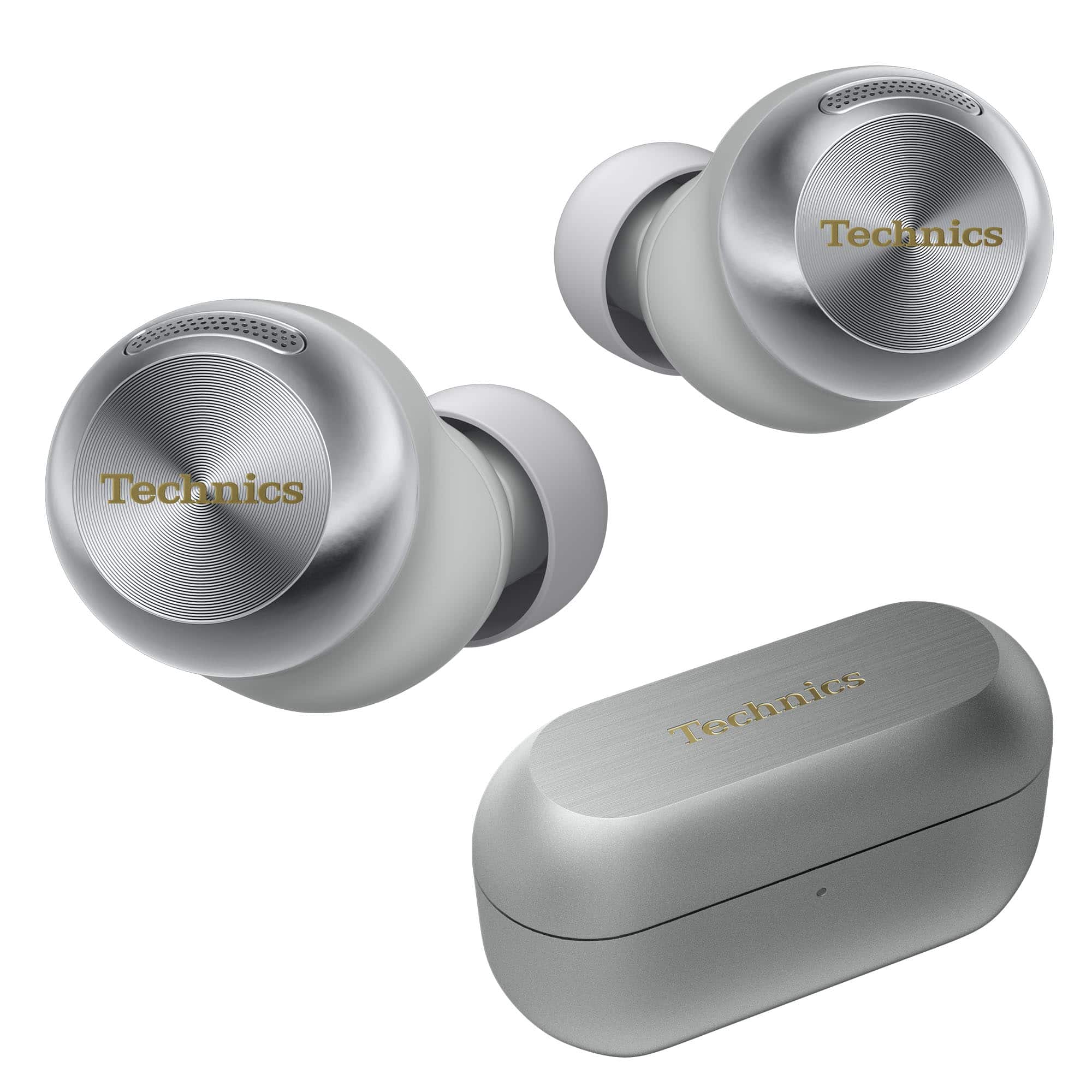
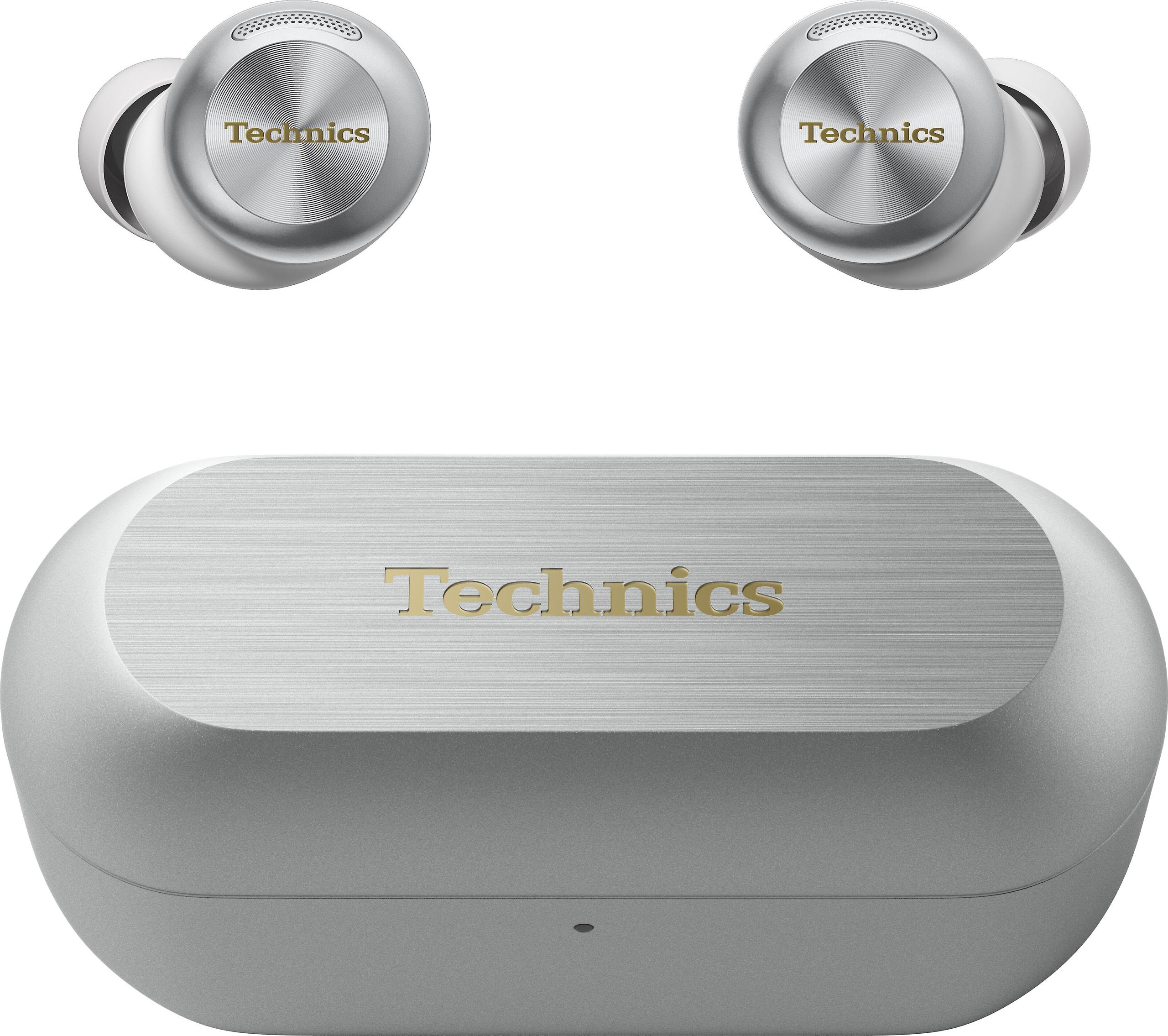

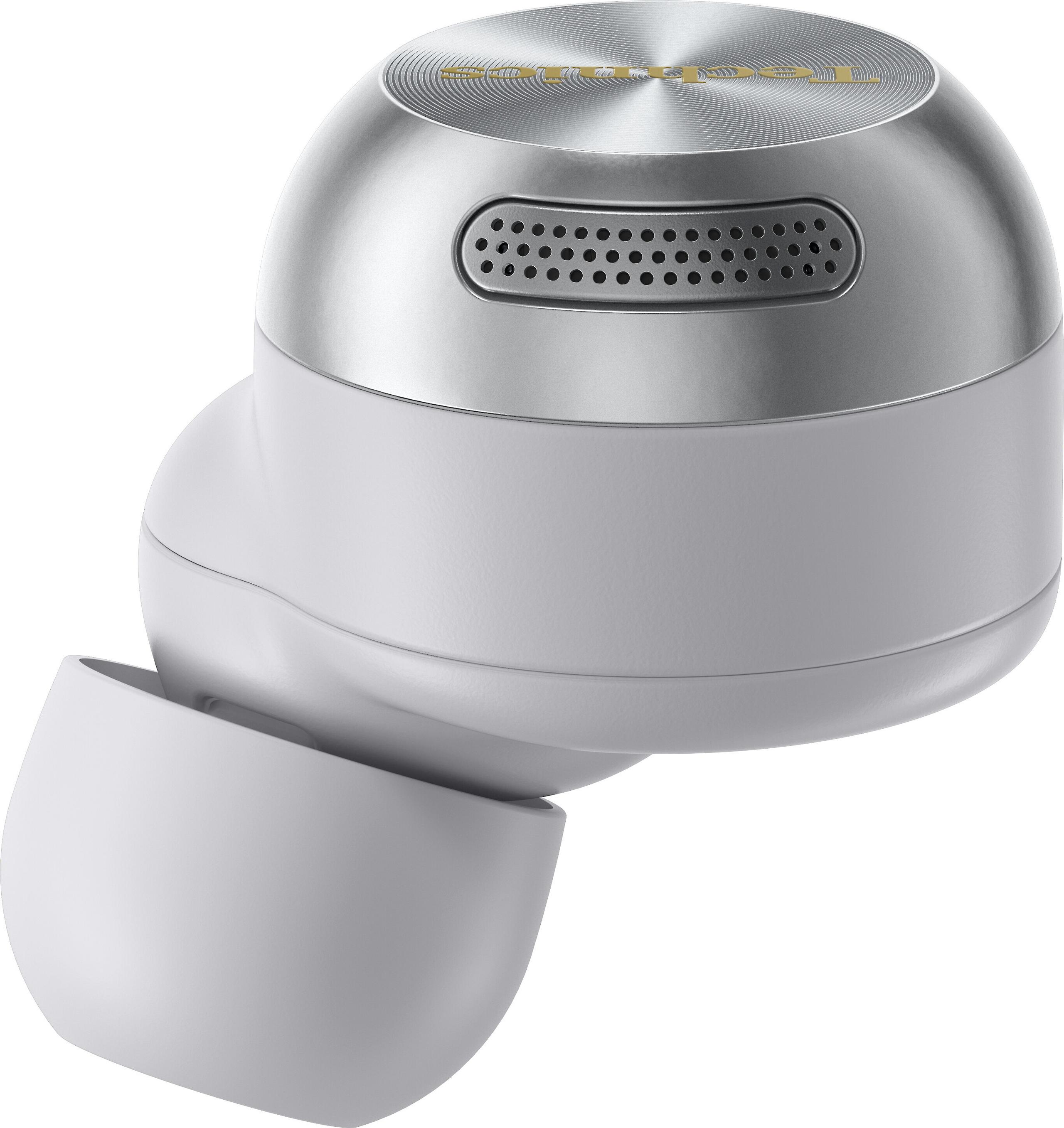
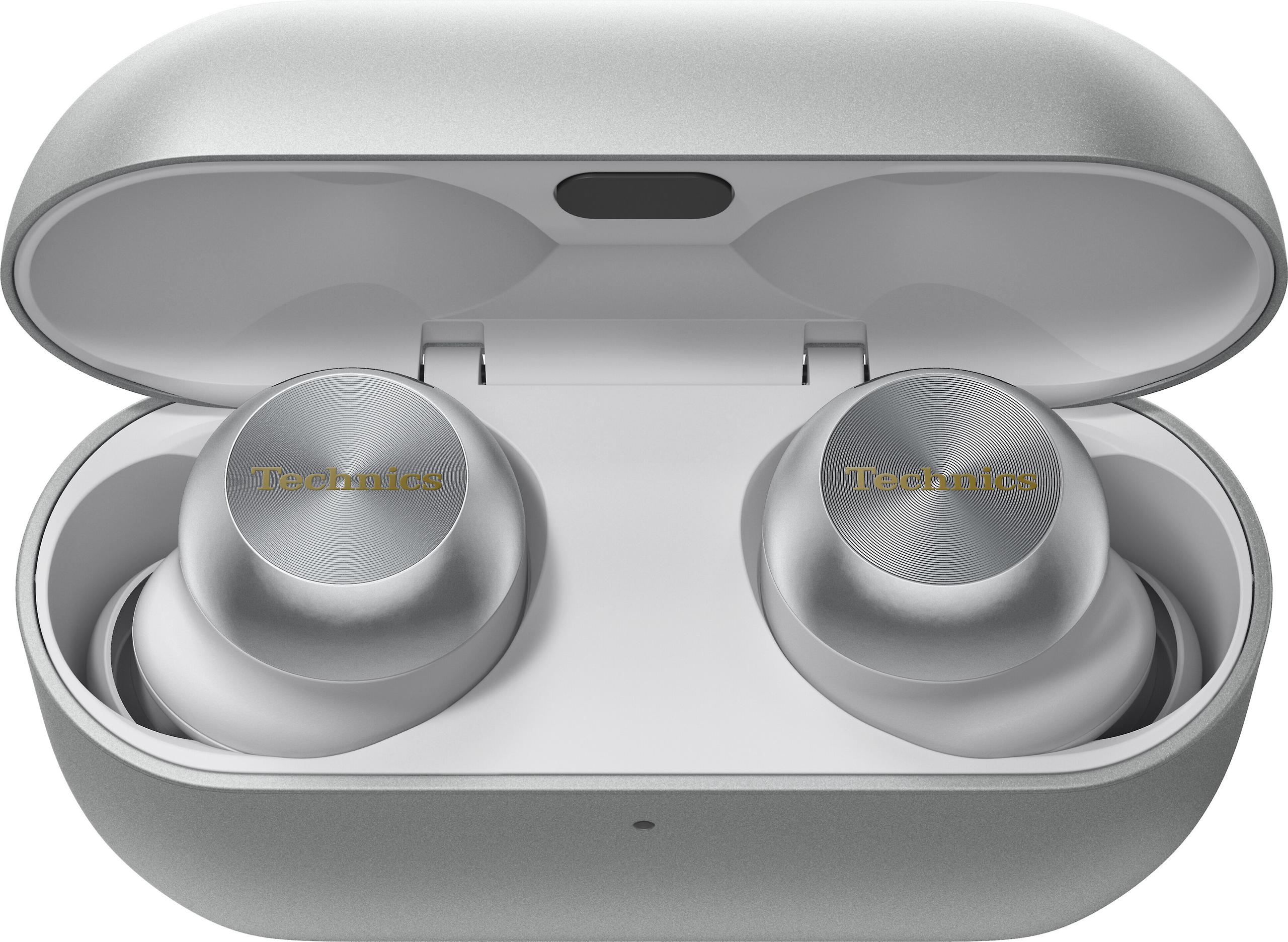

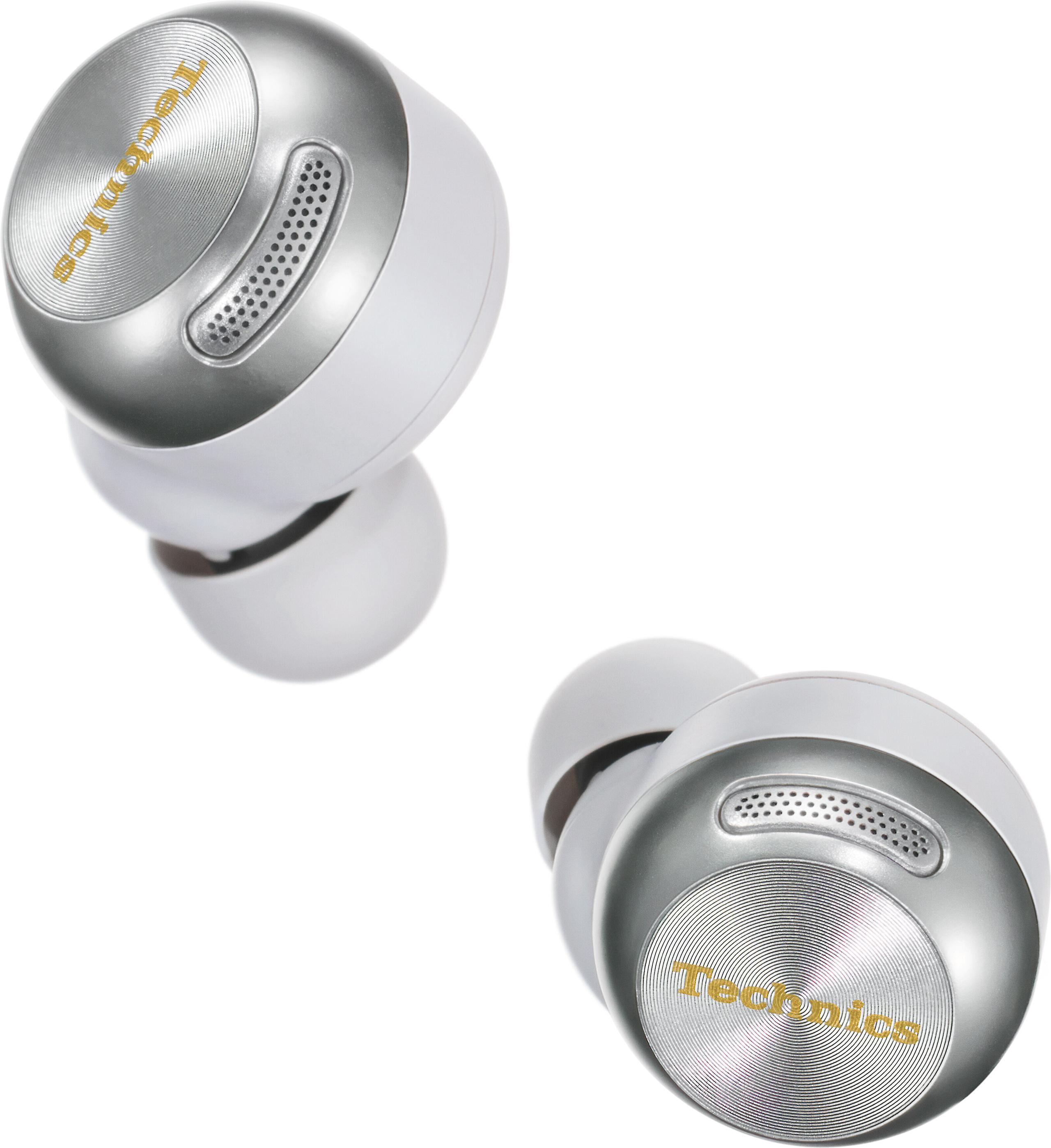
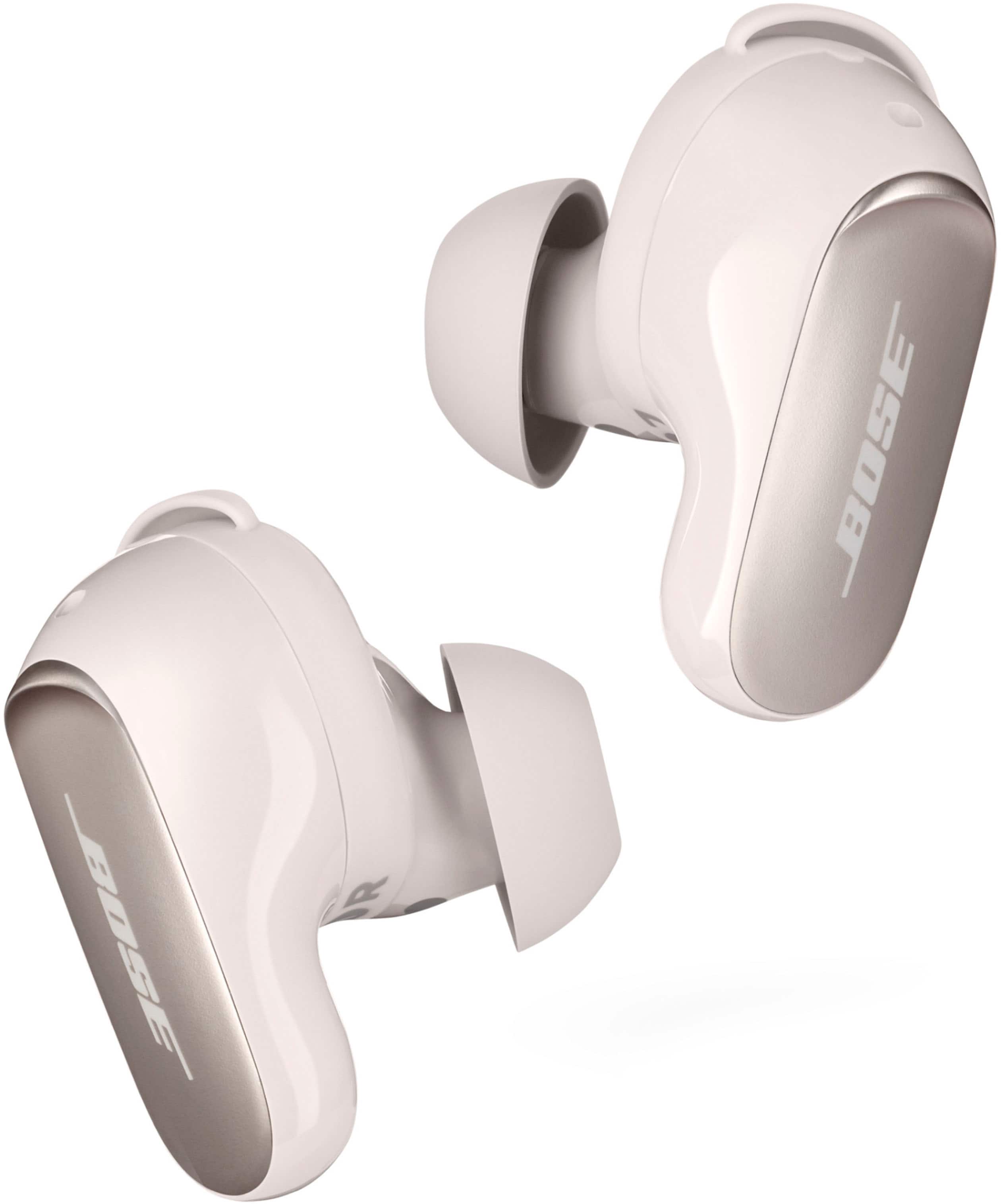
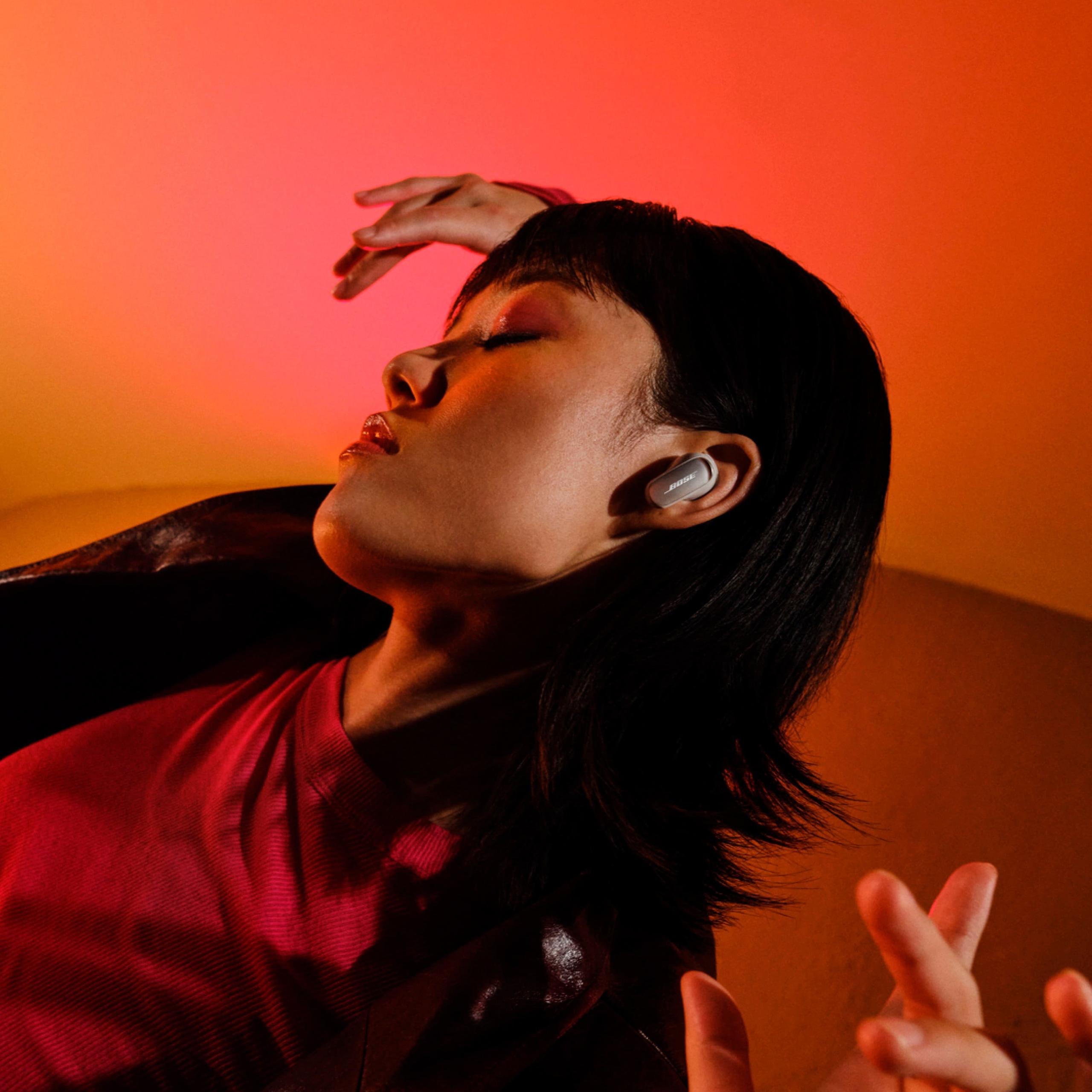
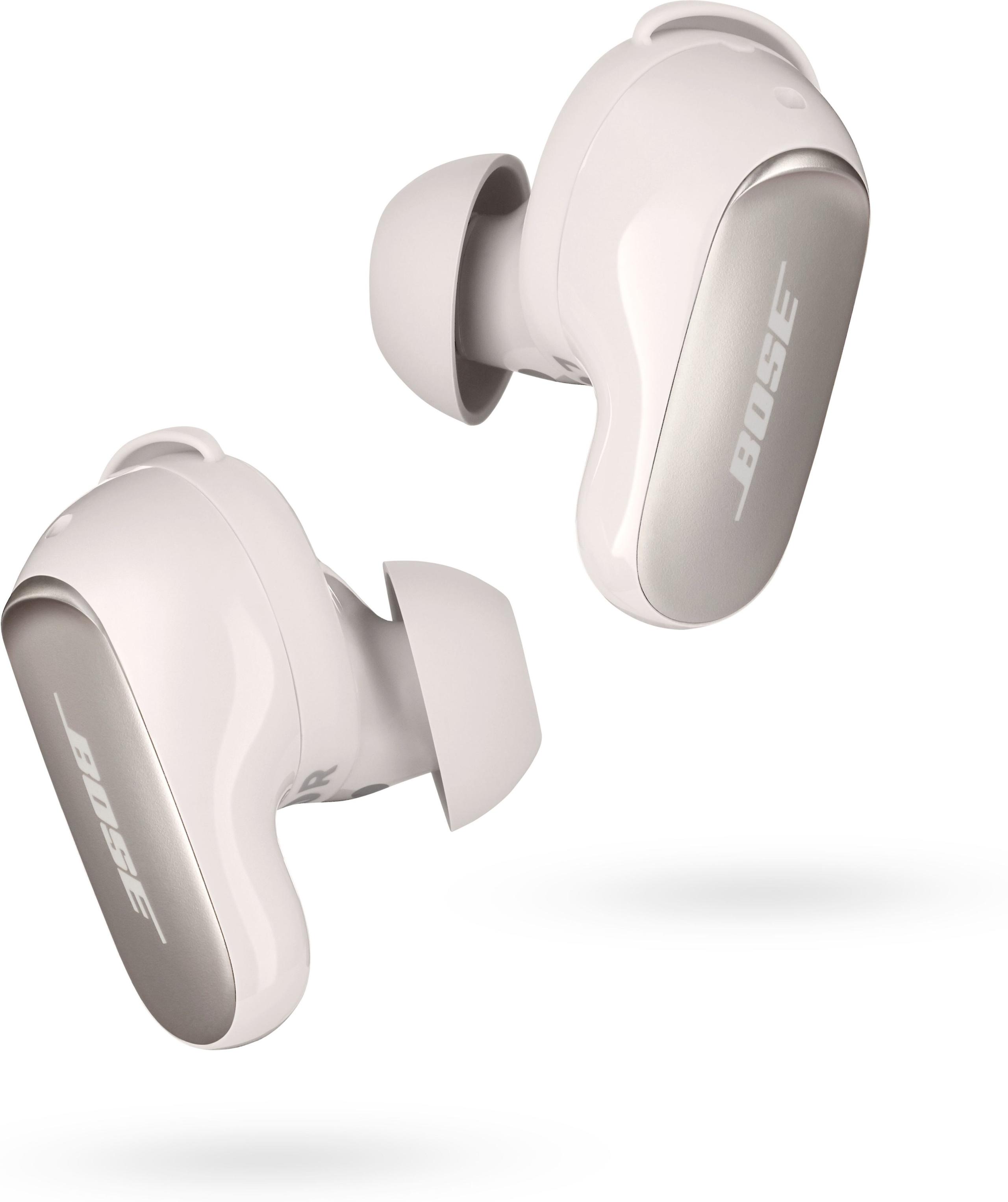
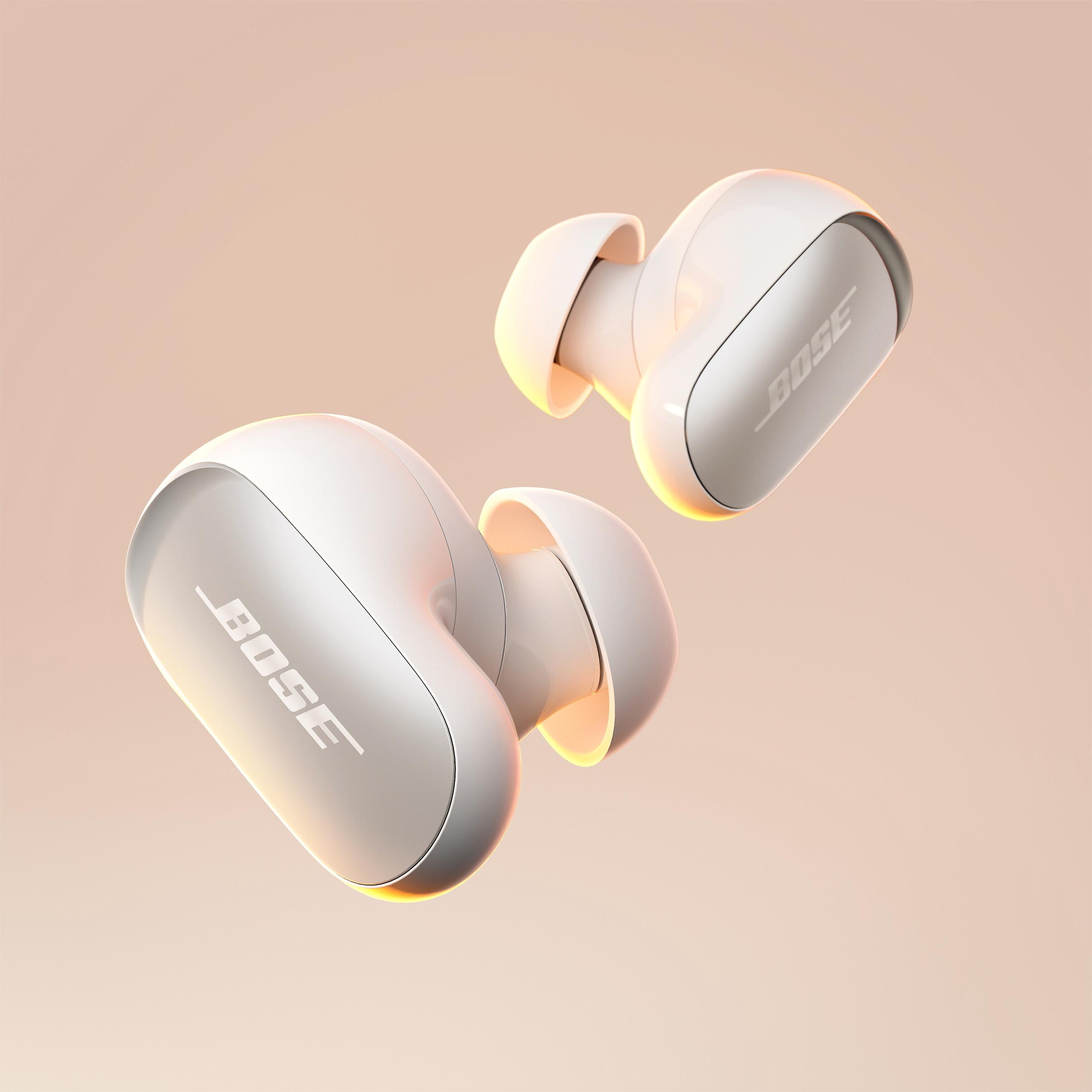
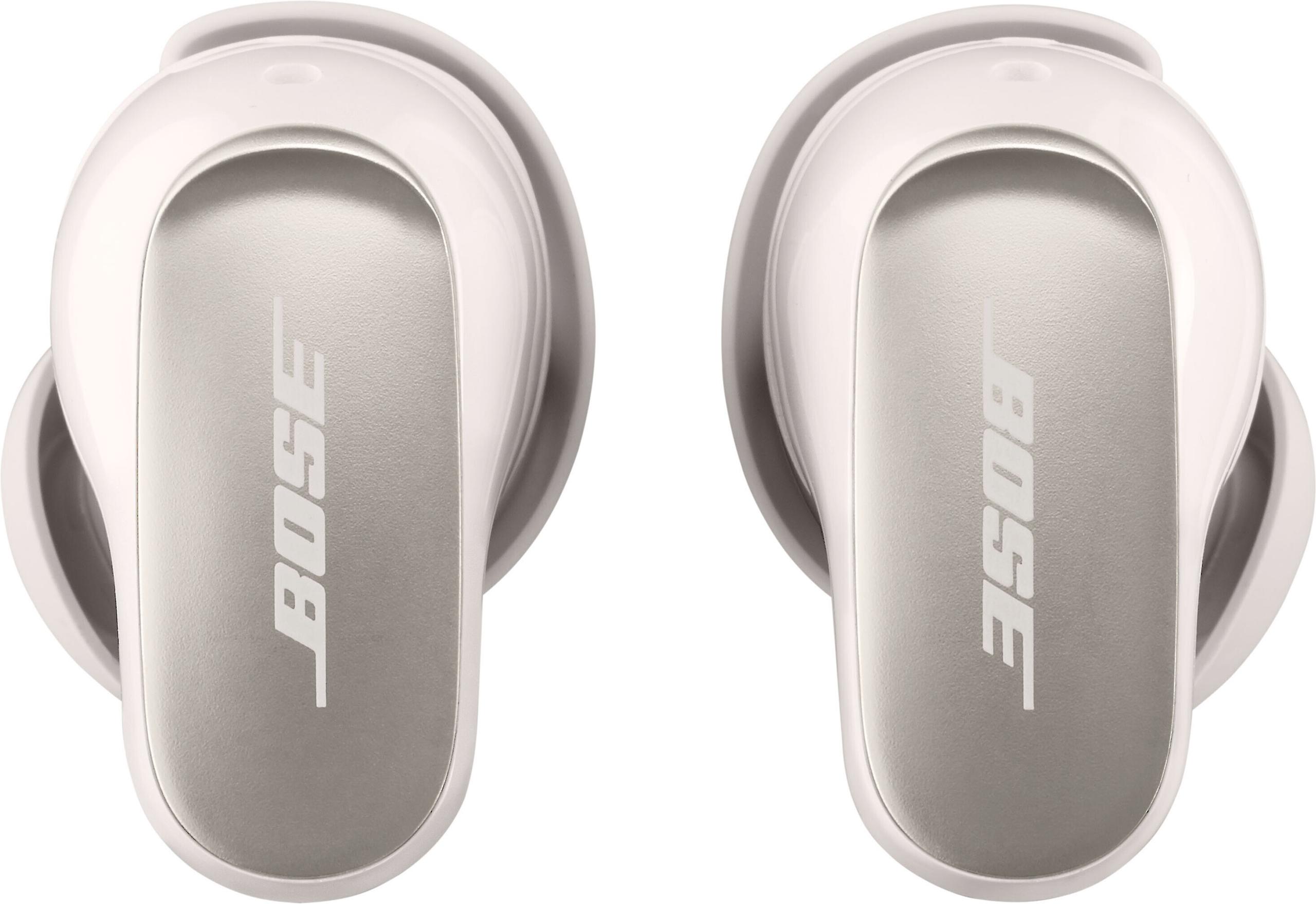
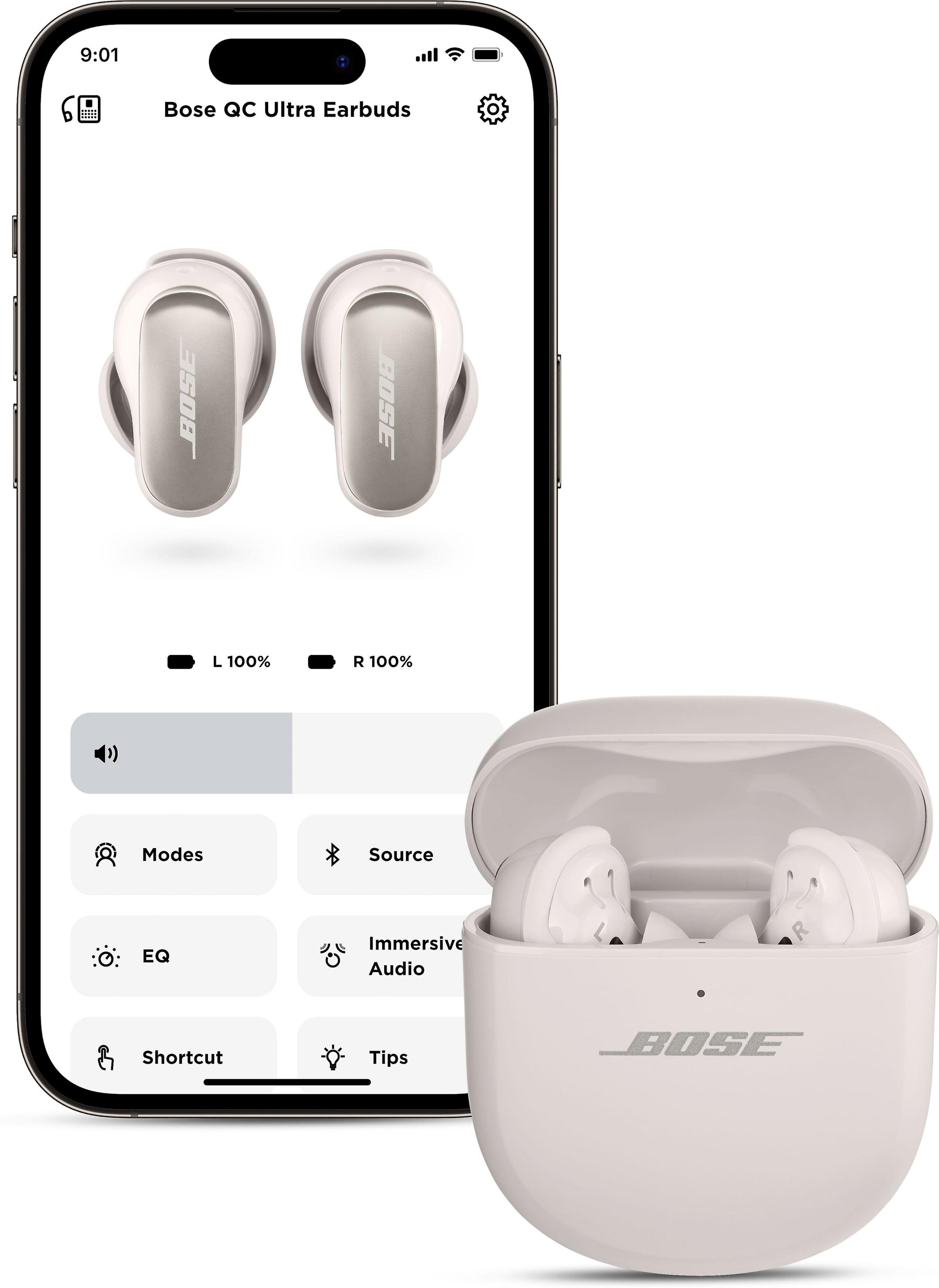
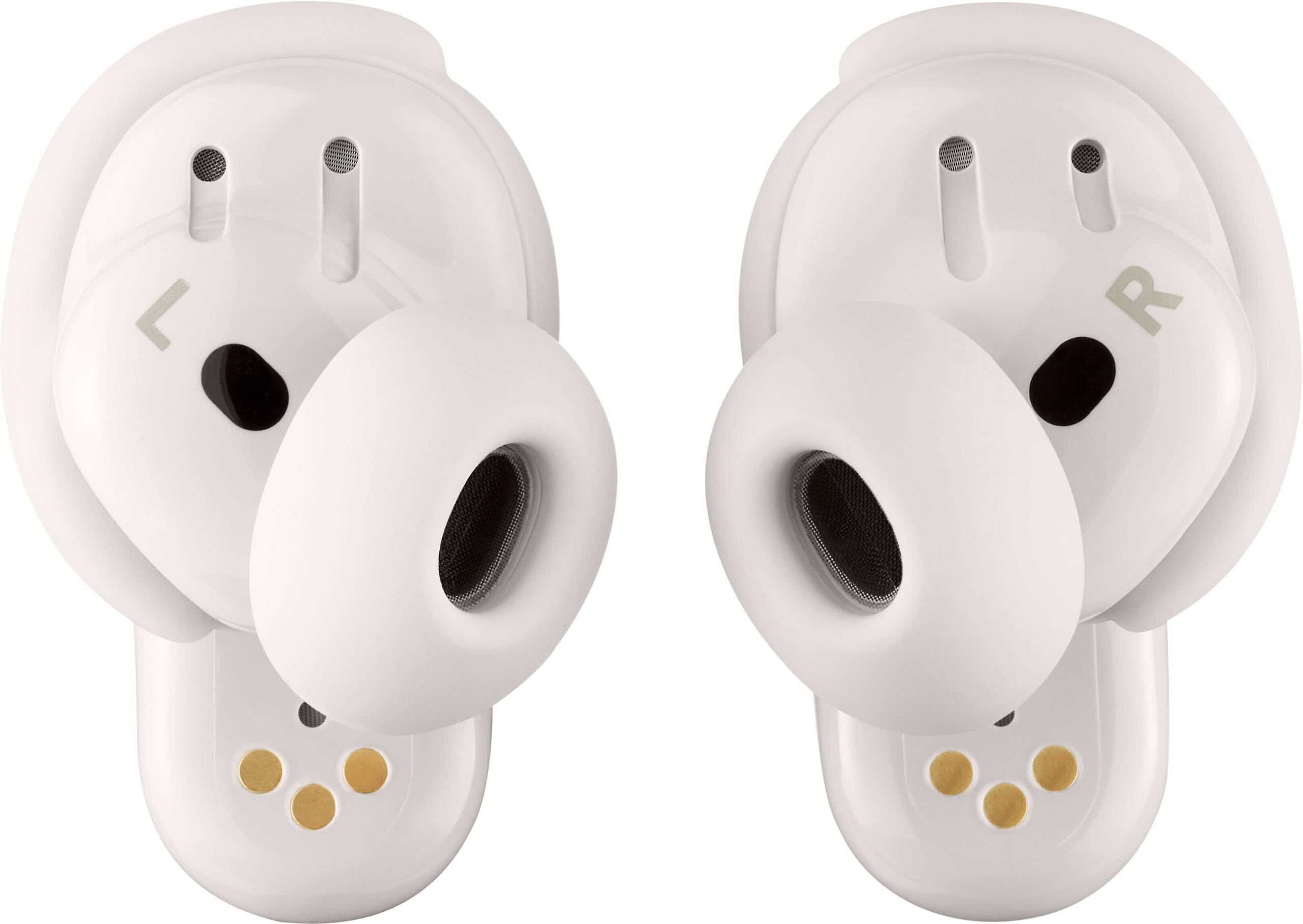
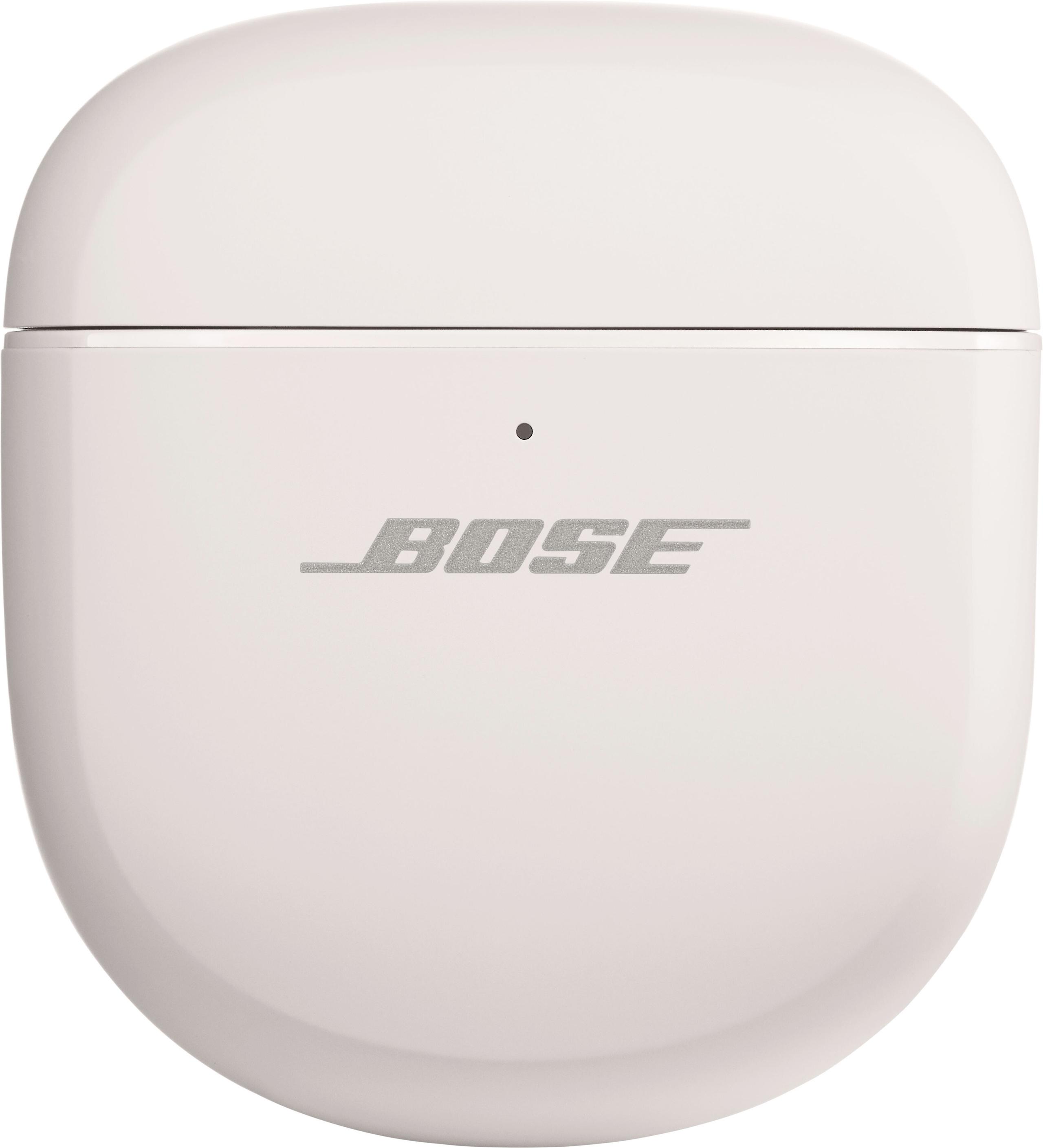
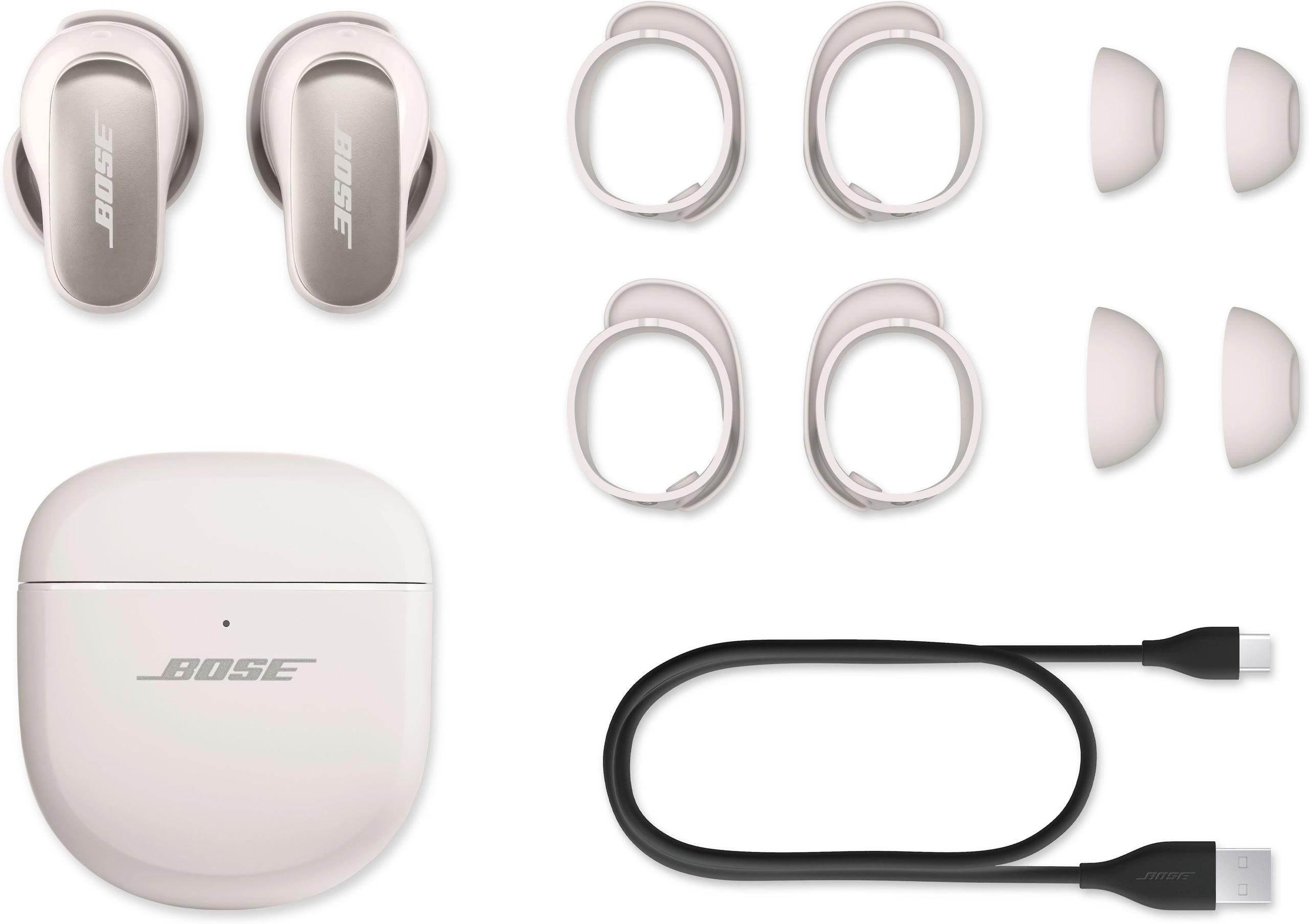
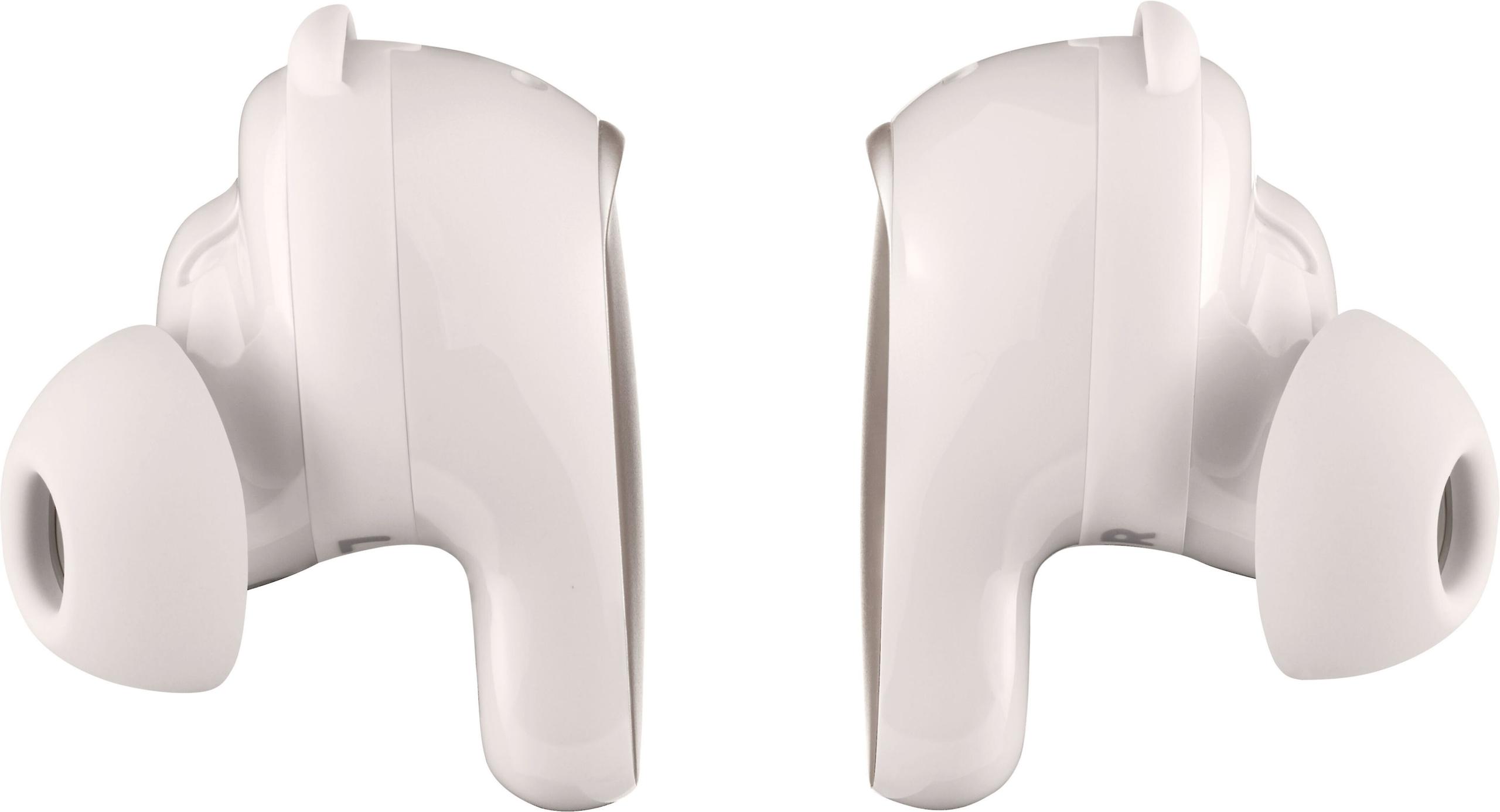
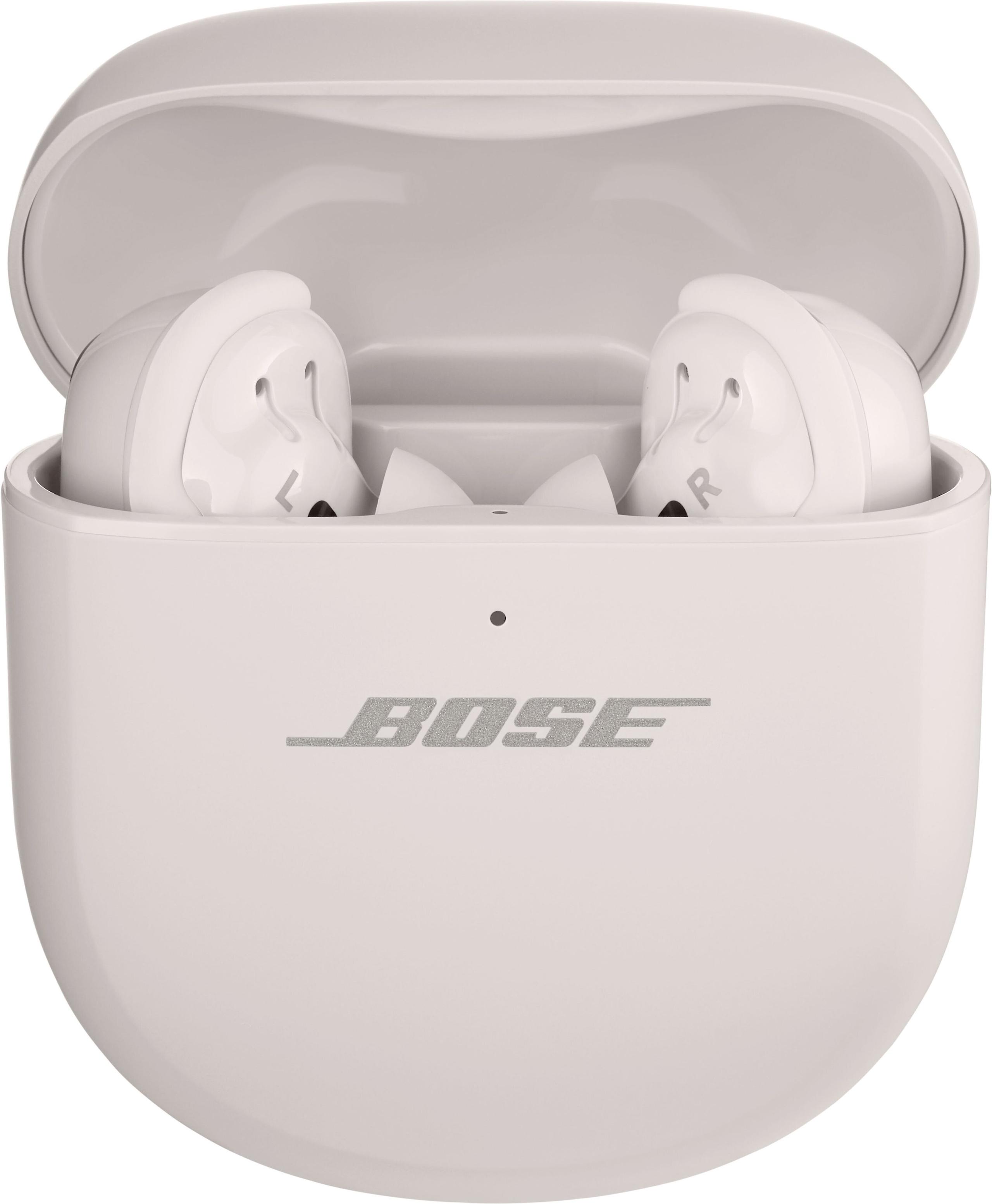
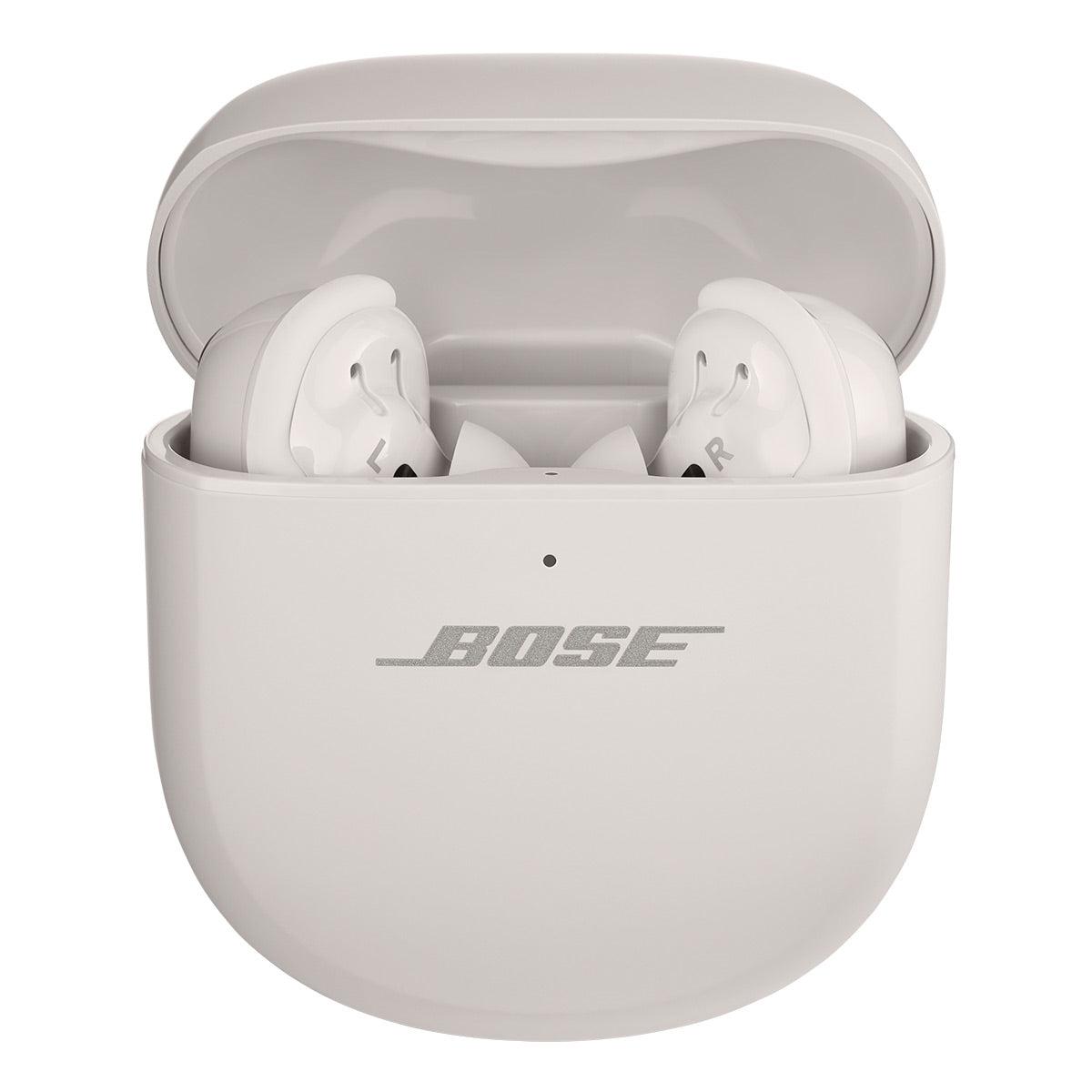
The premium true wireless earbuds market has exploded over the past few years, with manufacturers pushing the boundaries of what's possible in such tiny packages. At the top of this competitive landscape sit two compelling options: the Technics Reference Class AZ100 and the Bose QuietComfort Ultra. Both command premium prices – typically hovering around the $250-$300 range at the time of writing – but they take notably different approaches to delivering flagship-level performance.
Understanding what makes these earbuds special requires looking beyond simple marketing claims. We're talking about sophisticated audio engineering, advanced noise cancellation algorithms, and cutting-edge features that would have been impossible just a few years ago. The question isn't whether these earbuds are good – they both are – but rather which one aligns better with your specific needs and preferences.
When you step into the premium earbud tier, you're not just buying better sound. You're investing in a complete audio ecosystem that includes advanced driver technology, sophisticated digital signal processing (the computer chips that manipulate audio signals in real-time), premium build materials, and often years of research and development.
The key considerations at this level go well beyond basic functionality. Sure, any decent pair of wireless earbuds can play music and take calls, but premium models distinguish themselves through superior audio fidelity, more effective noise cancellation, longer battery life, better comfort for extended use, and innovative features that enhance the overall experience.
The Technics EAH-AZ100, released in early 2025, represents the latest evolution in Technics' Reference Class lineup. Meanwhile, the Bose QuietComfort Ultra, which hit the market in 2023, builds on Bose's decades of noise cancellation expertise while introducing their take on spatial audio technology.
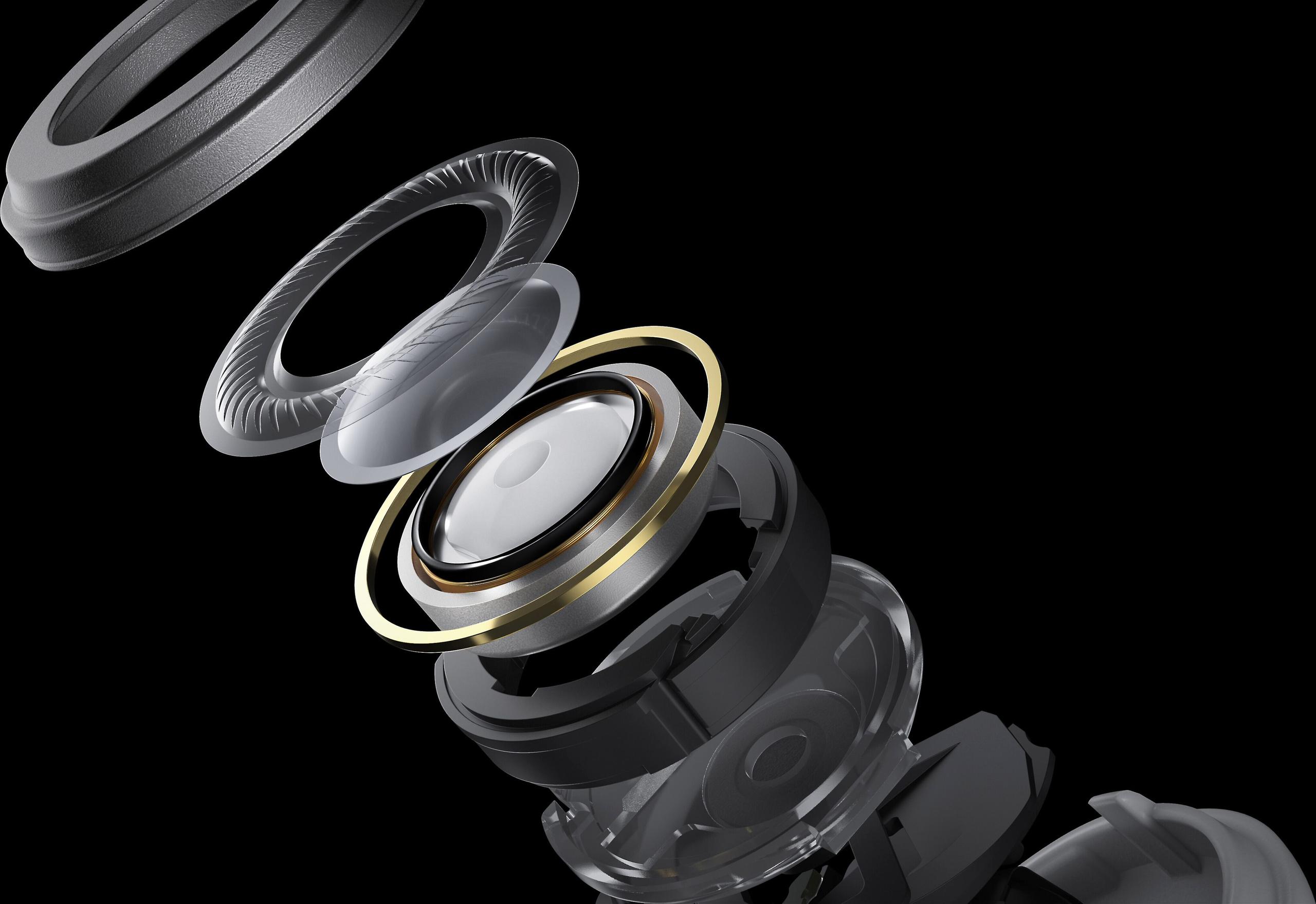
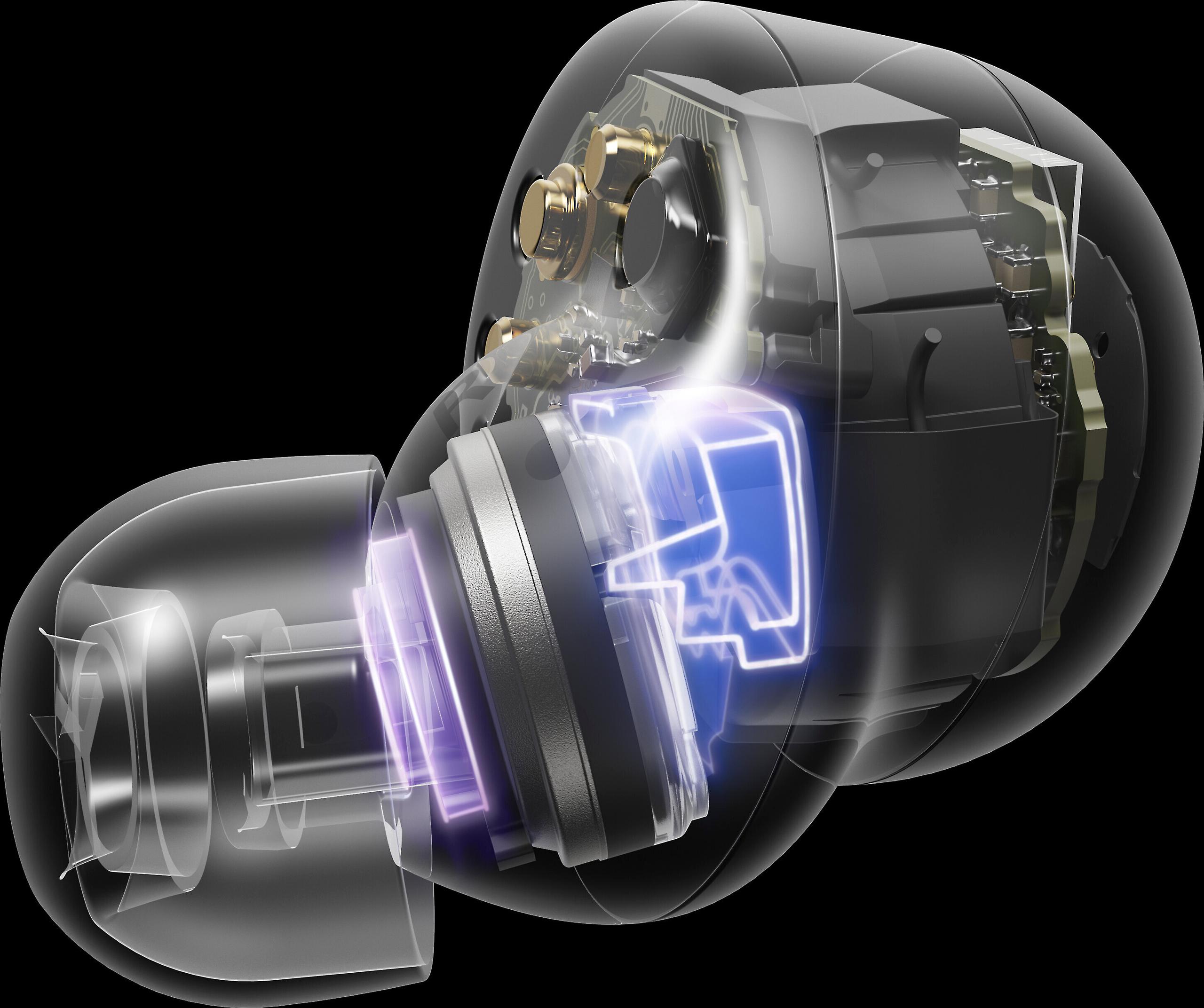
The Technics AZ100 employs what might be the most interesting driver technology in any wireless earbud today: magnetic fluid drivers. This isn't just marketing speak – it's genuine engineering innovation borrowed from Technics' high-end wired monitors.
Here's how it works: traditional dynamic drivers use a magnet and voice coil (essentially a tiny electromagnet) to move air and create sound. The Technics earbuds add a special oil-like substance with magnetic properties between these components. This magnetic fluid acts as a damper, reducing distortion and allowing for more precise driver movement, especially at higher volumes.
The result is immediately apparent when you listen. The bass response is substantial but controlled – you get that satisfying low-end punch without the muddy bloat that plagues many consumer-oriented earbuds. Mid-range frequencies, where vocals and most instruments live, come through with remarkable clarity and natural tonality. The high frequencies extend well beyond what most people can hear (up to 40kHz), which contributes to an overall sense of airiness and detail.
I've found the Technics earbuds particularly impressive with complex musical arrangements. Jazz recordings with multiple instruments playing simultaneously maintain separation and clarity. Electronic music with deep synthesizer work sounds powerful but refined. Even compressed streaming audio benefits from the superior driver technology, though you'll really hear the difference with high-resolution sources.
The Bose QuietComfort Ultra takes a different approach, prioritizing what Bose calls their "house sound" – a fuller, slightly bass-emphasized signature that many listeners find immediately appealing. Rather than pursuing absolute neutrality, Bose aims for a sound that's engaging and fatigue-free during long listening sessions.
The standout feature here is Bose Immersive Audio, their proprietary spatial audio technology. Unlike traditional stereo, which creates a soundstage inside your head, Immersive Audio attempts to place sounds in front of you, creating a more natural listening experience. It offers two modes: "Still" for stationary listening and "Motion" for when you're moving around.
When it works well – particularly with acoustic music and well-produced pop recordings – the effect can be genuinely impressive. Vocals seem to float in space ahead of you, and instrumental arrangements gain a sense of width and depth that's missing from conventional earbud playback. However, this processing does come at a cost: battery life drops from 6 hours to 4 hours with Immersive Audio enabled.
Both earbuds support the standard SBC and AAC codecs that work with any Bluetooth device. However, the Technics AZ100 goes further with LDAC support (Sony's high-resolution wireless codec) and LC3 (the next-generation Bluetooth standard). The Bose earbuds counter with aptX Adaptive support, which dynamically adjusts quality based on interference and device capabilities.
In practical terms, if you have an Android phone with LDAC support or high-resolution music files, the Technics earbuds will deliver noticeably better audio quality. For iPhone users or those streaming from services like Spotify, the difference becomes less significant, though the superior driver technology in the Technics models still provides advantages.
Active Noise Cancellation (ANC) works by using microphones to detect external sounds, then generating opposite sound waves to cancel them out. It's most effective against consistent, low-frequency noise like airplane engines or air conditioners, though modern systems have improved significantly at handling mid-range sounds too.
The Technics AZ100 employs a three-microphone array in each earbud, creating what I'd describe as comprehensive noise cancellation. It's particularly effective in the mid-range frequencies where human voices and office chatter live. During my testing on flights, the Technics earbuds virtually eliminated engine drone while also significantly reducing passenger conversations and other ambient noise.
The adaptive system automatically adjusts cancellation strength based on your environment, but you can also manually control the intensity through the app. This flexibility is valuable – sometimes you want maximum isolation, while other times you need to stay aware of your surroundings.
Bose essentially invented consumer noise cancellation, and that expertise shows in the QuietComfort Ultra. The four-microphone array provides excellent cancellation, particularly for low-frequency rumble. Where Bose really shines is in the implementation details – the transition between ANC modes is seamless, and the "Aware" mode for environmental awareness sounds remarkably natural.
The CustomTune technology is genuinely innovative. When you first put the earbuds in, they play a brief tone sequence and measure how sound reflects in your specific ear canal. This allows the system to optimize both sound quality and noise cancellation for your unique ear shape. It's the kind of personalization that feels almost magical when it works.
Between the two, the Technics earbuds provide slightly more effective overall noise cancellation, particularly in challenging environments like busy offices or city streets. However, the Bose models offer a more refined user experience with smoother transitions and more natural-sounding transparency modes.
Battery performance often determines whether premium earbuds live up to their potential in daily use. There's a significant difference between these two models that could influence your decision.
The Technics AZ100 delivers up to 10 hours of playback with noise cancellation enabled, extending to 28 hours with the charging case. This is genuinely impressive performance that puts them among the best in class. For frequent travelers or people who use earbuds throughout long workdays, this battery life provides real peace of mind.
The Bose QuietComfort Ultra manages 6 hours from the earbuds themselves, dropping to 4 hours with Immersive Audio activated. The charging case provides 24 hours total. While this isn't terrible by industry standards, it feels conservative for a flagship product released in 2023.
Quick charging partially mitigates the difference – both models can provide significant playback time from just 15-20 minutes in the case. However, if you're someone who frequently forgets to charge devices or needs all-day reliability, the Technics earbuds offer a clear advantage.
Even the best-sounding earbuds are useless if they're uncomfortable or don't stay in your ears. Both manufacturers have invested heavily in fit optimization, but they've taken different approaches.
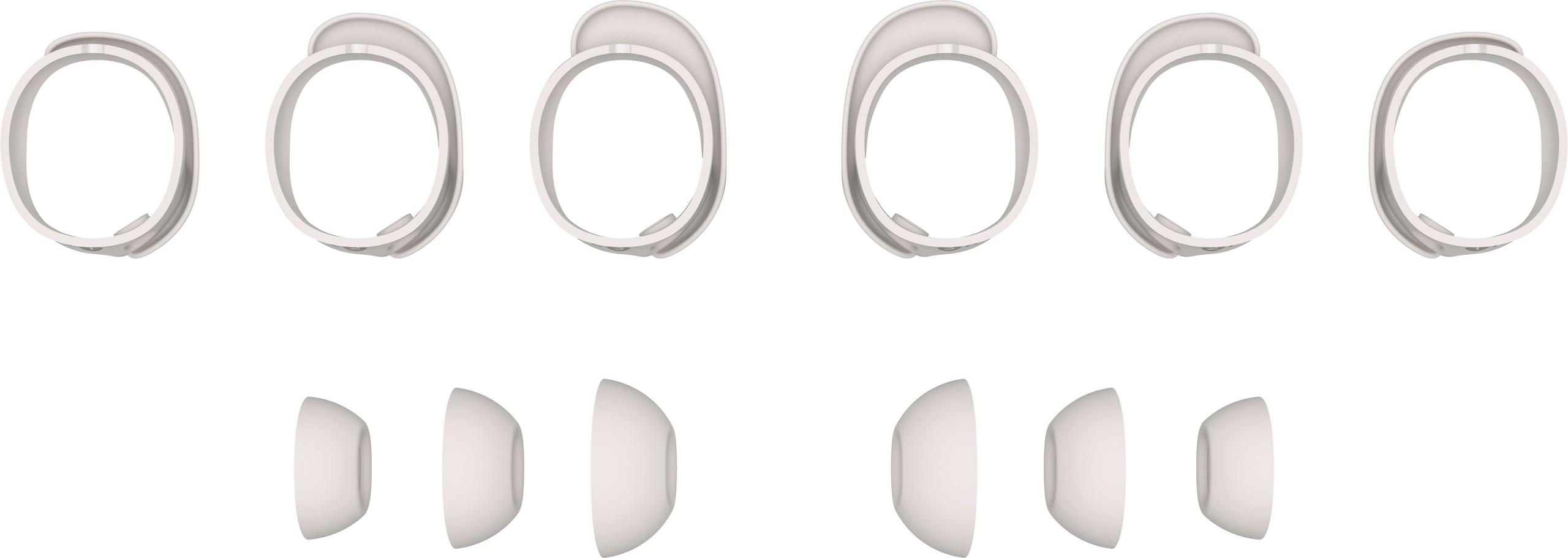
The Bose QuietComfort Ultra provides nine different fit combinations using three sizes of ear tips and three sizes of stability bands. This system accommodates a wide range of ear shapes, and the earbuds themselves use a less invasive design that doesn't push as deeply into the ear canal. For people who struggle with earbud fit or experience discomfort during extended wear, the Bose models are often more accommodating.
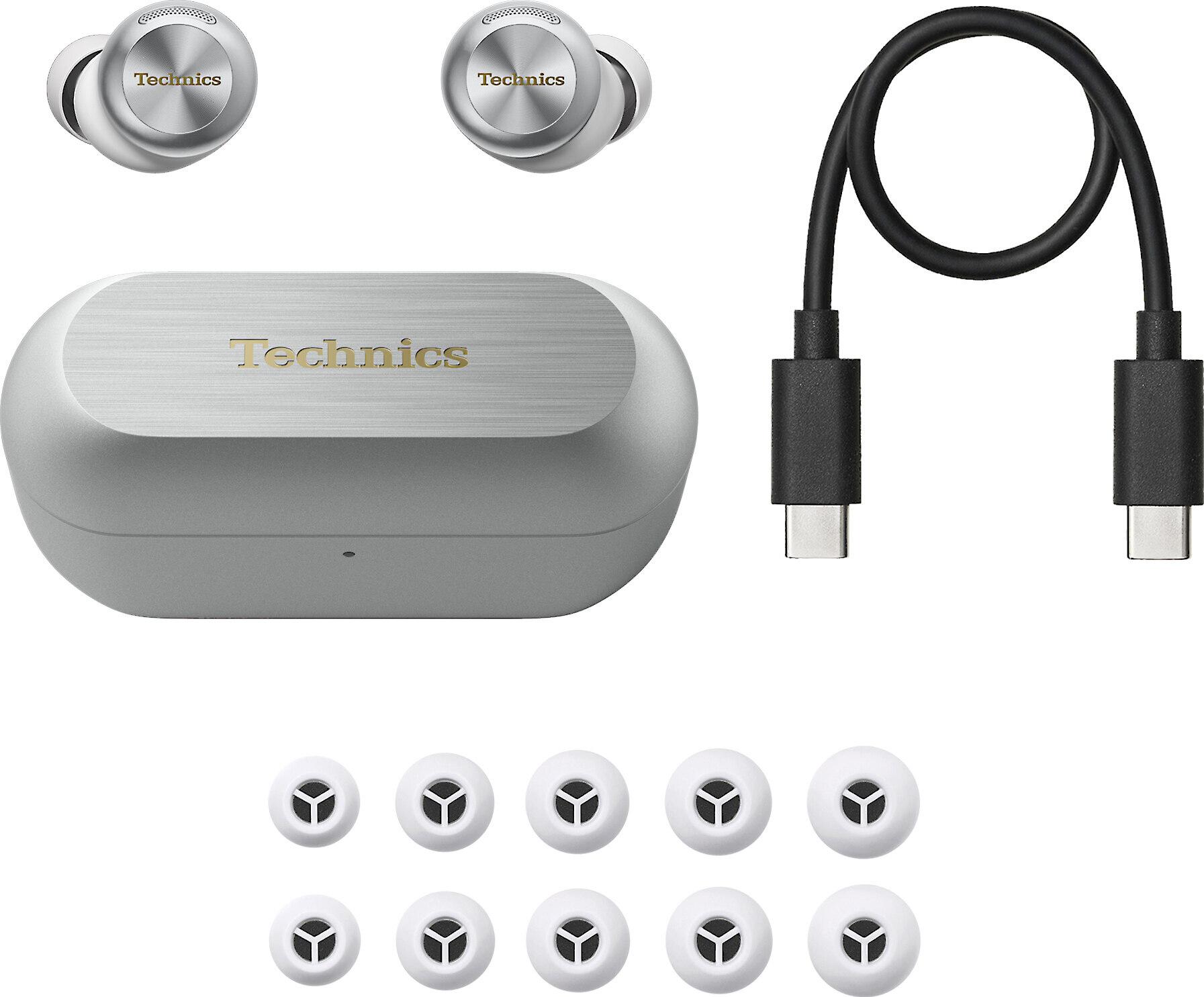
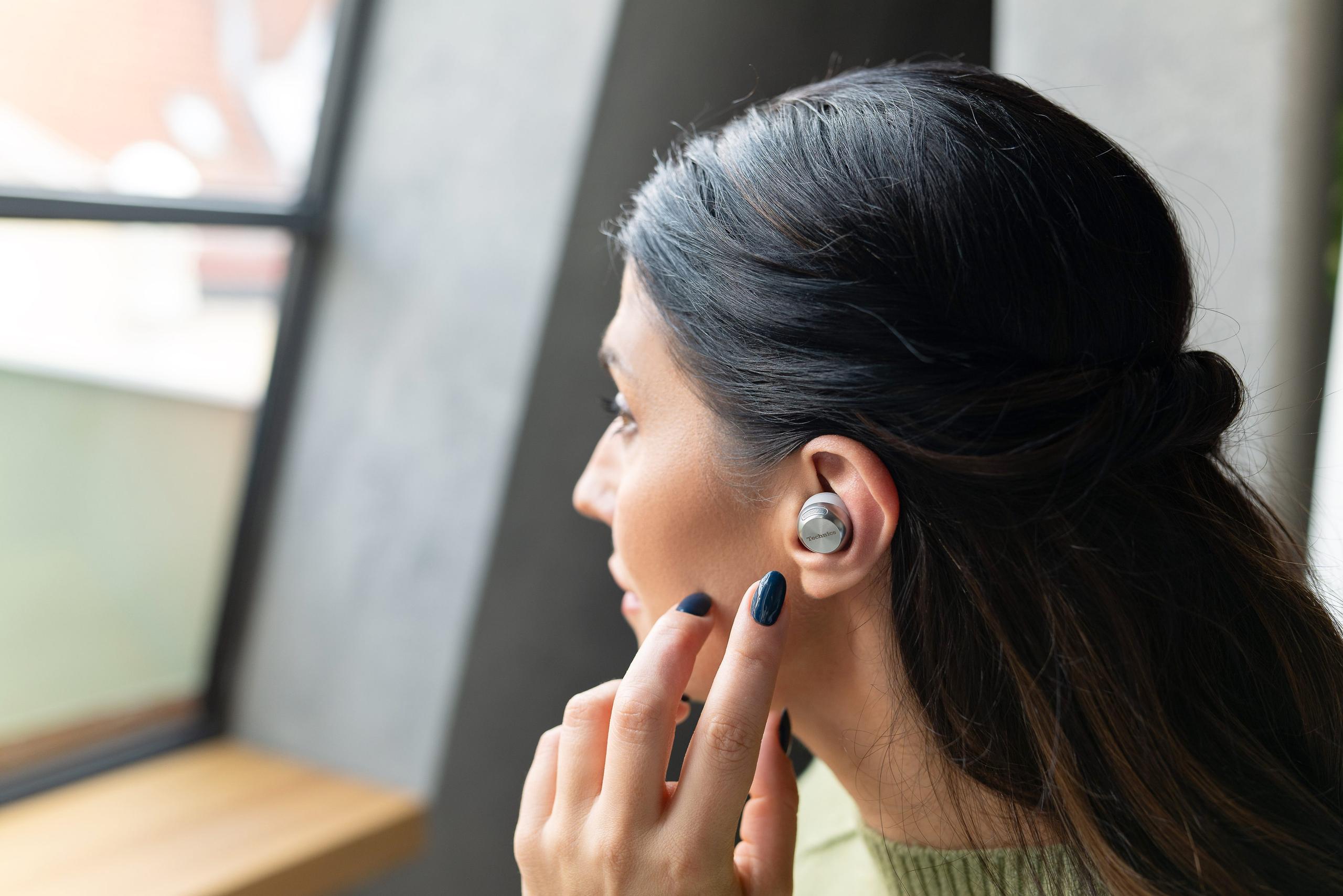
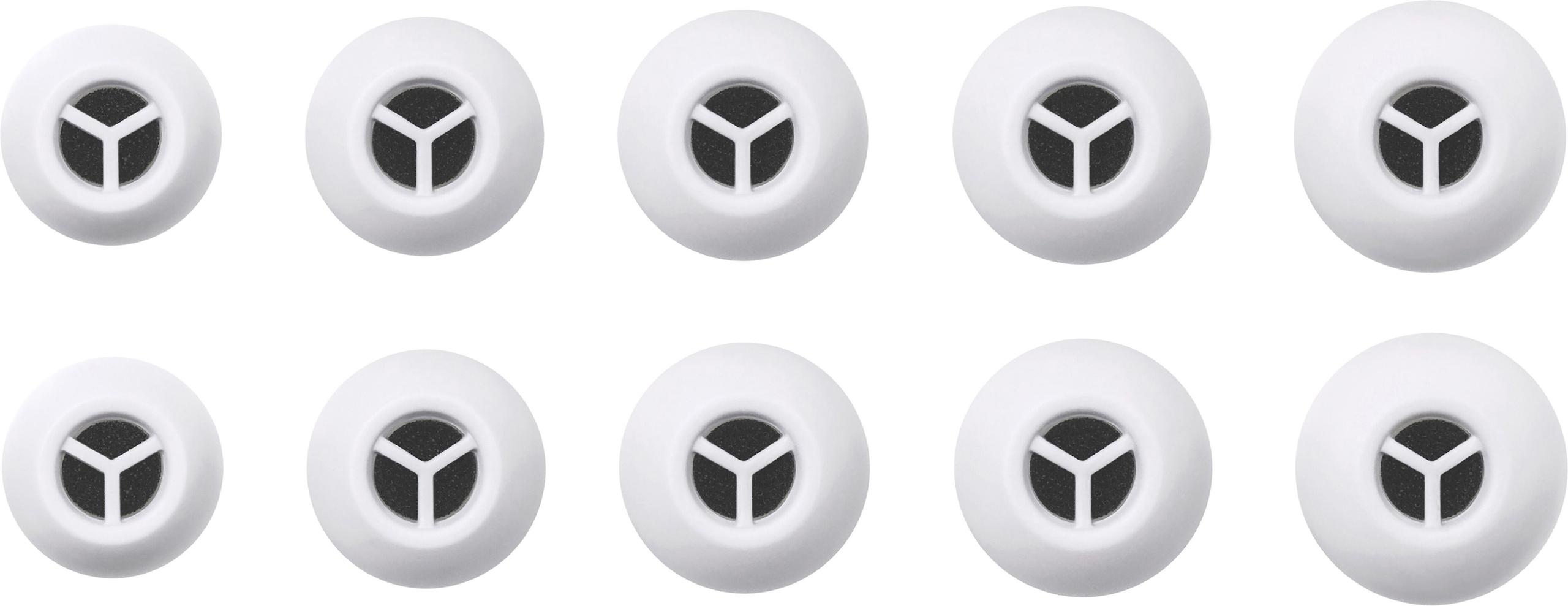
The Technics AZ100 uses a more traditional approach with five ear tip sizes, including an unusual "ML" size that falls between medium and large. The earbuds themselves are 10% smaller and 16% lighter than their predecessors, and they use what Technics calls a "concha-fit" design that nestles into the outer ear structure.
When properly fitted, the Technics earbuds provide excellent seal and stability. However, the more invasive fit might not work for everyone. I've found them extremely comfortable for multi-hour listening sessions, but they do require finding the right ear tip size for optimal performance.
Both models carry IPX4 water resistance ratings, making them suitable for workouts and light rain exposure.
The approach to spatial audio represents one of the key philosophical differences between these products. The Technics AZ100 supports Dolby Atmos with head tracking, working with content that's already been mixed for spatial audio. When you watch a movie or listen to music that supports Atmos, the earbuds can create a convincing sense of three-dimensional sound placement.
The Bose Immersive Audio takes a different approach, using proprietary processing to create spatial effects from any stereo content. This means it works with your entire music library, not just specially formatted tracks. The "Motion" mode even adjusts the soundstage as you move your head, which can create a more natural listening experience.
Both technologies have their merits. The Technics implementation is more technically pure and works better for home theater applications where you might be watching Atmos-encoded movies. The Bose approach is more universally applicable but can sometimes feel artificially processed.
The Technics AZ100 can connect to three devices simultaneously, making it easy to switch between your phone, laptop, and tablet without manually reconnecting. This multipoint connectivity has become increasingly important as people work with multiple devices throughout the day.
The Bose models support connection to two devices with seamless switching. They also include Google Fast Pair for quick setup with Android devices and comprehensive app control through the Bose Music app.
Both earbuds offer customizable touch controls, wear detection (they pause when removed from your ears), and integration with voice assistants. The Technics earbuds include Voice Focus AI for improved call quality, while the Bose models rely on their four-microphone array for clear conversations.
If you plan to use these earbuds for home theater applications, there are specific considerations worth discussing. The Technics AZ100 with their Dolby Atmos support and superior codec compatibility make them better suited for watching movies and TV shows. The longer battery life also means fewer interruptions during extended viewing sessions.
The lower latency possible with LDAC and LC3 codecs can help reduce the lip-sync issues that sometimes plague wireless earbuds when watching video content. However, both models include automatic latency compensation that works well with most devices.
For gaming, the Technics earbuds again have the edge due to potentially lower latency and more precise spatial audio reproduction. However, serious gamers might want to consider dedicated gaming headphones rather than either of these music-focused options.
At the time of writing, both earbuds typically retail in the same price range, though the Bose QuietComfort Ultra can often be found at significant discounts. This pricing reality affects the value equation considerably.
The Technics AZ100 represents better long-term value for several reasons. The superior battery life means they'll remain useful longer as batteries naturally degrade over time. The three-year warranty (compared to one year for the Bose models) provides additional peace of mind. Most importantly, the audio quality advantages are likely to remain satisfying for years to come.
However, value isn't just about specifications. If the Bose earbuds fit your ears better or you prefer their sound signature, they could provide better practical value despite any technical disadvantages. Comfort and usability often matter more than benchmark measurements.
After extensive testing with both models, here's my assessment of who should choose each option:
Choose the Technics Reference Class AZ100 if you're primarily interested in audio quality and don't mind spending time optimizing the fit. They're ideal for music enthusiasts who appreciate technical excellence and want earbuds that will remain impressive years from now. The longer battery life makes them perfect for frequent travelers or anyone who uses earbuds heavily throughout the day.
The Bose QuietComfort Ultra makes more sense for users who prioritize immediate comfort and ease of use. They're excellent for people who have struggled with earbud fit in the past or who want the most polished, consumer-friendly experience. The Immersive Audio feature, while not perfect, offers a unique listening experience that many people genuinely enjoy.
For home theater use, the Technics earbuds are the clear choice due to their Dolby Atmos support and better codec compatibility. For office work where comfort during long meetings matters most, the Bose models might be preferable.
Both represent excellent choices within the premium earbud category. Your decision should ultimately come down to whether you prioritize technical performance and longevity (Technics) or comfort and user experience (Bose). Either way, you're getting a genuinely premium product that showcases the current state of wireless audio technology.
The rapid pace of innovation in this category means both manufacturers will likely introduce successors within the next year or two. However, both the Technics AZ100 and Bose QuietComfort Ultra represent mature, refined products that should provide years of satisfying use regardless of what comes next.
| Technics Reference Class AZ100 | Bose QuietComfort Ultra |
|---|---|
| Driver Technology - Core foundation for sound quality | |
| 10mm Magnetic Fluid Driver (superior control and low distortion) | Traditional dynamic driver (proven but less advanced) |
| Battery Life (ANC On) - Critical for daily usability | |
| 10 hours earbuds + 28 hours case (best-in-class endurance) | 6 hours earbuds + 24 hours case (average for premium tier) |
| Noise Cancellation Approach - Determines isolation effectiveness | |
| Adaptive ANC with 3-mic array per earbud (excellent mid-range performance) | CustomTune ANC with 4-mic array per earbud (personalized to ear shape) |
| Audio Codec Support - Affects streaming quality | |
| SBC, AAC, LDAC, LC3 (future-proof high-res support) | SBC, AAC, aptX Adaptive (solid but limited high-res options) |
| Spatial Audio Technology - Immersive listening experience | |
| Dolby Atmos with head tracking (works with native Atmos content) | Bose Immersive Audio (proprietary processing for any stereo content) |
| Multipoint Connectivity - Device switching convenience | |
| 3 devices simultaneously (superior for multi-device users) | 2 devices simultaneously (adequate for most users) |
| Fit System - Comfort and seal quality | |
| 5 ear tip sizes including ML (precise but potentially invasive) | 9 combinations with stability bands (more accommodating for difficult fits) |
| Frequency Response - Audio reproduction range | |
| 20Hz - 40kHz (extended range for high-resolution audio) | Not specified (likely standard 20Hz - 20kHz range) |
| Quick Charge Performance - Emergency power boost | |
| 15 minutes = 90 minutes playback (decent recovery time) | 20 minutes = 2 hours playbook (slightly better quick charge ratio) |
| Water Resistance - Durability for active use | |
| IPX4 earbuds only (case not water resistant) | IPX4 earbuds only (standard protection level) |
| Warranty Coverage - Long-term value protection | |
| 3 years parts and labor (exceptional coverage for electronics) | 1 year parts and labor (industry standard) |
| Call Quality Enhancement - Professional communication | |
| Voice Focus AI with 3-mic noise reduction (advanced processing) | 4-microphone array (good but no specialized AI enhancement) |
The Technics Reference Class AZ100 deliver superior overall sound quality thanks to their innovative magnetic fluid driver technology. These drivers provide more controlled bass, clearer mids, and extended high-frequency response up to 40kHz. The Bose QuietComfort Ultra offer Bose's signature warm, full-bodied sound that many listeners find immediately appealing, but they don't match the technical precision of the Technics AZ100.
The Technics Reference Class AZ100 significantly outperform the Bose QuietComfort Ultra in battery life, offering 10 hours per charge with ANC enabled versus just 6 hours from the Bose models. Including the charging case, you get 28 hours total from the Technics earbuds compared to 24 hours from the Bose QuietComfort Ultra.
The Bose QuietComfort Ultra generally provide better comfort for extended wear due to their less invasive ear canal fit and nine different fit combinations using ear tips and stability bands. The Technics Reference Class AZ100 are 10% smaller and lighter than previous models but use a more traditional in-ear design that may not suit all ear shapes as well as the Bose models.
Both models handle calls well, but with different approaches. The Technics Reference Class AZ100 use Voice Focus AI technology with three microphones per earbud for enhanced call clarity. The Bose QuietComfort Ultra rely on a four-microphone array for good call quality, though they lack the specialized AI processing found in the Technics earbuds.
The Technics Reference Class AZ100 provide slightly more effective overall noise cancellation, particularly excelling at mid-range frequencies like office chatter and ambient voices. The Bose QuietComfort Ultra offer excellent noise cancellation with their CustomTune technology that personalizes the experience to your ear shape, but they don't quite match the comprehensive isolation of the Technics models.
Both the Technics Reference Class AZ100 and Bose QuietComfort Ultra feature IPX4 water resistance, making them suitable for workouts and light rain. The Bose earbuds may have an advantage for fitness use due to their stability bands and more secure fit options, while the Technics AZ100 offer longer battery life for extended training sessions.
The Technics Reference Class AZ100 can connect to three devices simultaneously, making them superior for users who frequently switch between phones, laptops, and tablets. The Bose QuietComfort Ultra support connection to two devices at once, which covers most users' needs but offers less flexibility than the Technics earbuds.
The Technics Reference Class AZ100 offer superior codec support including LDAC and LC3 for high-resolution wireless audio, in addition to standard SBC and AAC. The Bose QuietComfort Ultra support SBC, AAC, and aptX Adaptive, providing good quality but without the high-resolution capabilities of the Technics models.
The Technics Reference Class AZ100 are better suited for home theater use thanks to their Dolby Atmos support with head tracking and superior codec compatibility that reduces audio delay. The longer battery life also means fewer interruptions during extended viewing sessions compared to the Bose QuietComfort Ultra.
The Technics Reference Class AZ100 use Dolby Atmos with head tracking that works with natively mixed spatial audio content for movies and music. The Bose QuietComfort Ultra feature proprietary Bose Immersive Audio that can create spatial effects from any stereo content, though this reduces battery life to 4 hours when enabled.
The Technics Reference Class AZ100 provide better long-term value with their three-year warranty compared to one year for the Bose QuietComfort Ultra, superior battery life that degrades less over time, and future-proof codec support. However, the Bose models often available at discounted prices, which can affect the value equation.
Both the Technics Reference Class AZ100 and Bose QuietComfort Ultra justify their premium pricing through advanced features like adaptive noise cancellation, spatial audio, extended battery life, and superior build quality. The Technics earbuds offer better technical performance for audiophiles, while the Bose QuietComfort Ultra provide a more accessible premium experience with better comfort for most users.
We've done our best to create useful and informative comparisons to help you decide what product to buy. Our research uses advanced automated methods to create this comparison and perfection is not possible - please contact us for corrections or questions. These are the sites we've researched in the creation of this article: whathifi.com - digitaltrends.com - bestbuy.com - techradar.com - popsci.com - stuff.tv - us.technics.com - instylehifi.com.au - techradar.com - youtube.com - head-fi.org - whathifi.com - ecoustics.com - crutchfield.com - head-fi.org - treoo.com - youtube.com - bestbuy.com - us.technics.com - crutchfield.com - cnet.com - us.technics.com - us.technics.com - na.panasonic.com - us.technics.com - help.na.panasonic.com - bestbuy.com - bhphotovideo.com - technics.com - technics.com - us.technics.com - twitteringmachines.com - stupiddope.com - bhphotovideo.com - techdogs.com - technics.com - techradar.com - yumpu.com - youtube.com - rtings.com - recordingnow.com - youtube.com - runnersworld.com - whathifi.com - soundguys.com - cnet.com - bestbuy.com - techgearlab.com - youtube.com - techgearlab.com - youtube.com - youtube.com - loudnwireless.com - soundguys.com - bose.com - bestbuy.com - youtube.com - cdw.com - assets.bose.com - bose.com - staples.com - youtube.com - bhphotovideo.com - shoplineusa.com - insight.com - screenmoove.com - boselatam.com - abt.com - bhphotovideo.com - whathifi.com - bose.com - youtube.com - bose.com - tomsguide.com - boselatam.com - youtube.com

Privacy Policy
Terms and Conditions - Affiliate Policy
Home Security
© Copyright 2008-2026.
11816 Inwood Rd #1211, Dallas, TX 75244