

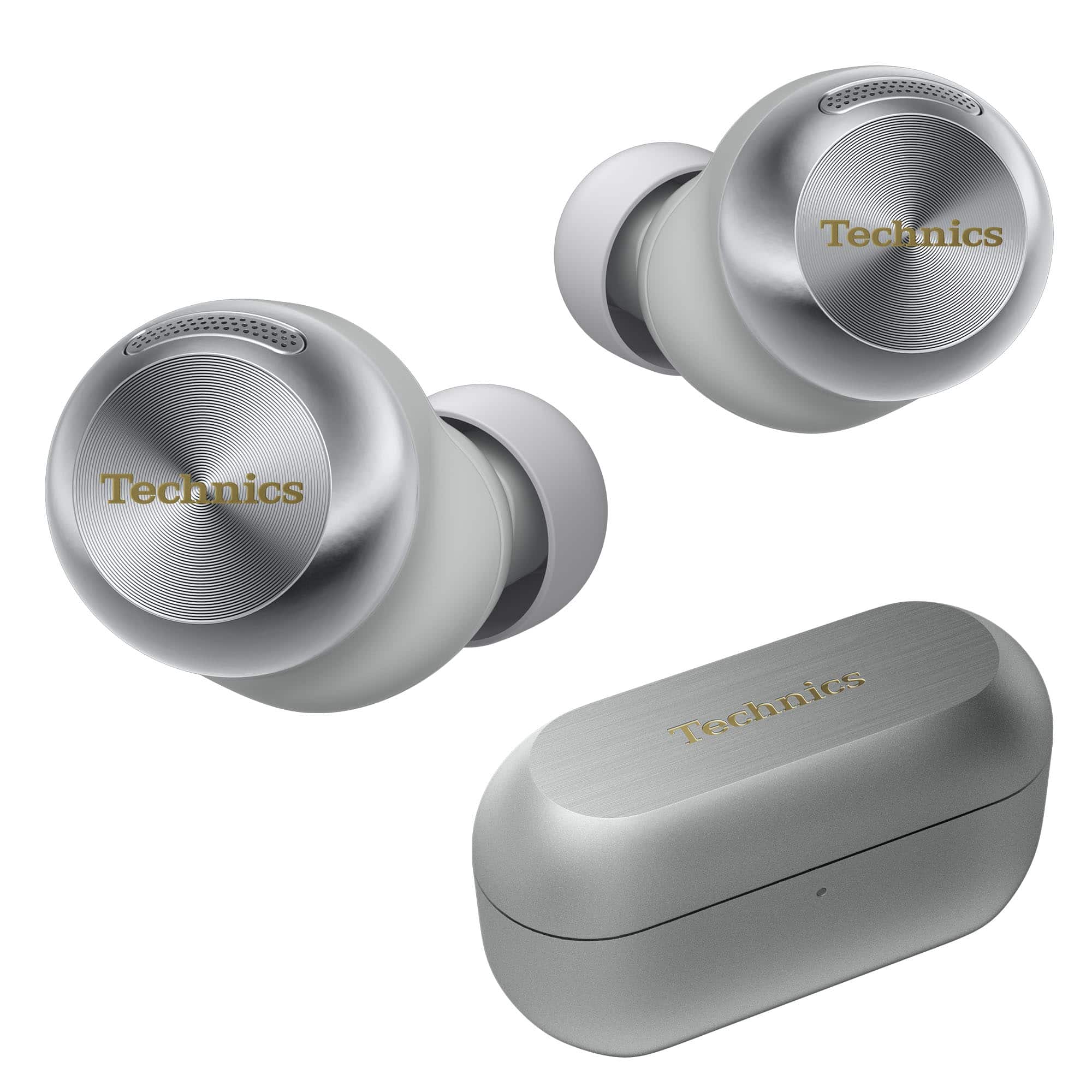
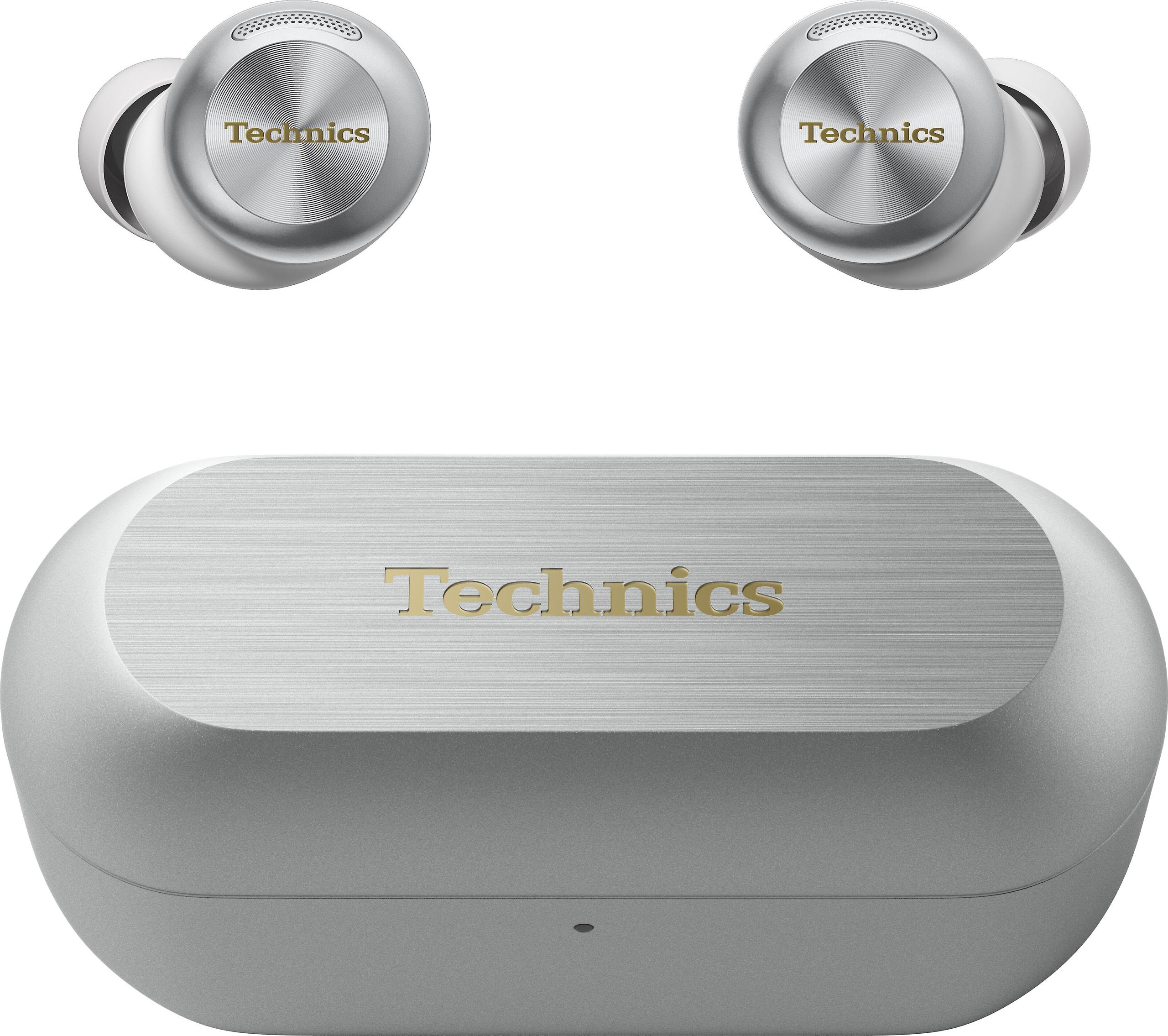

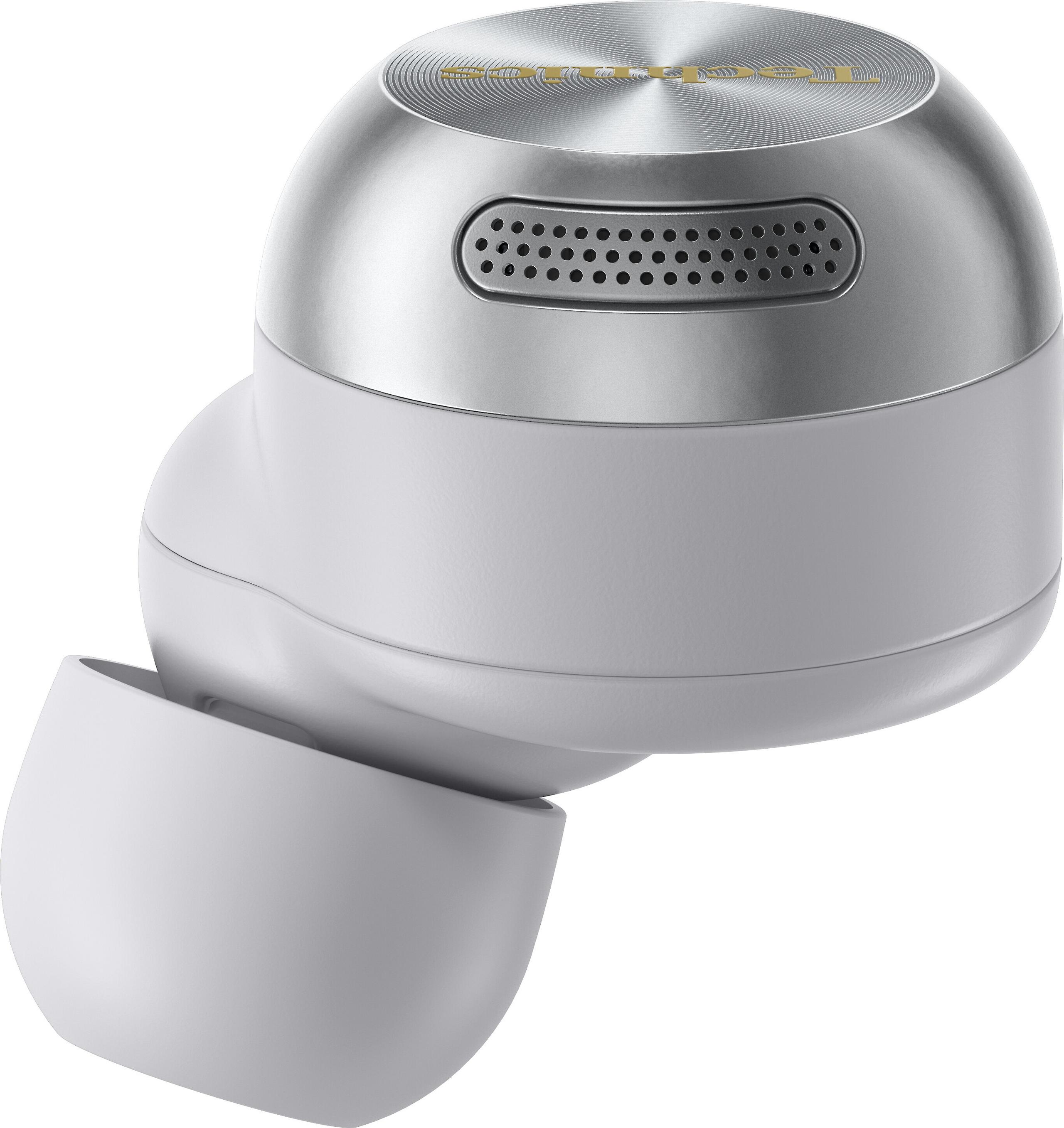
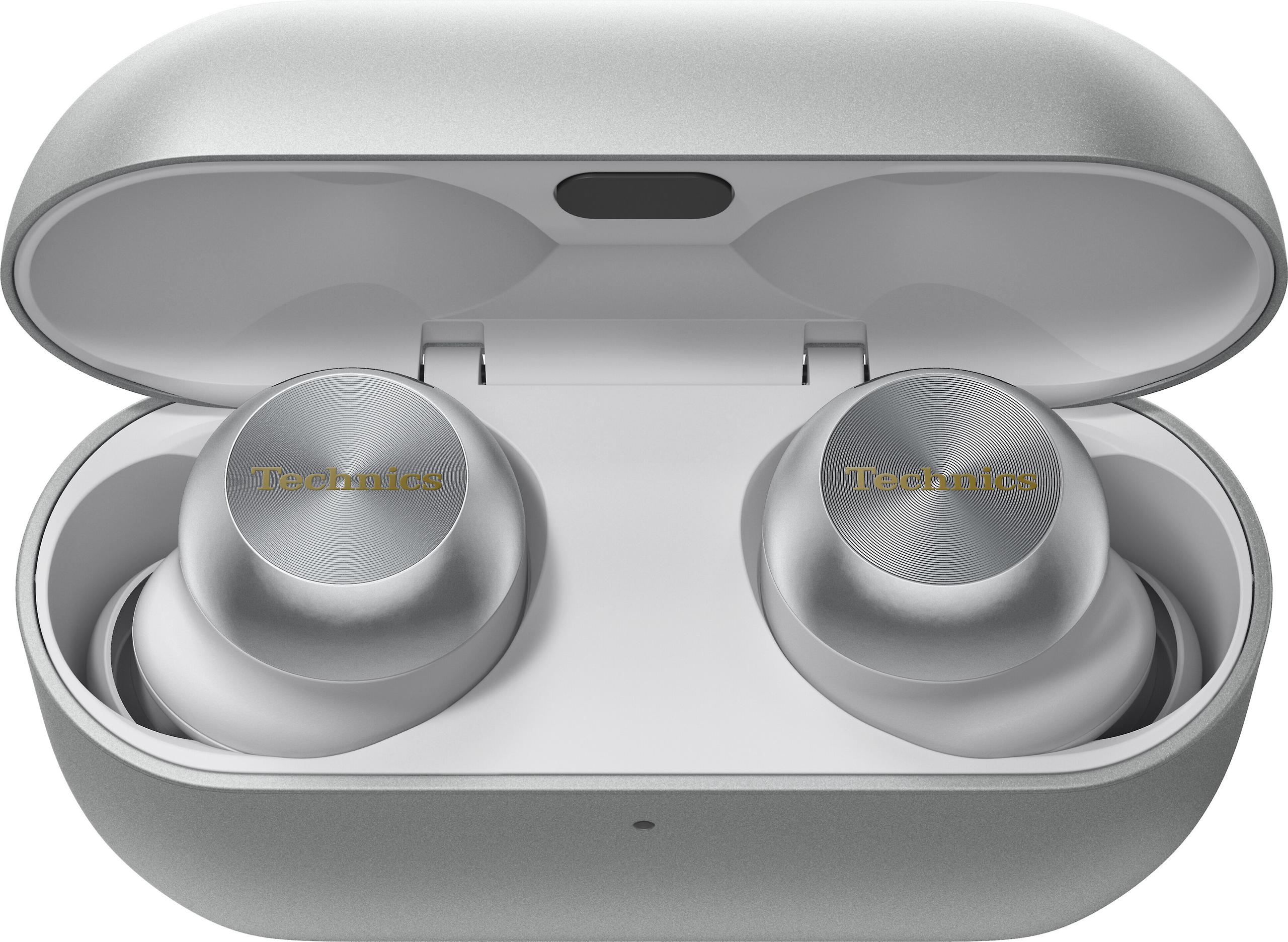

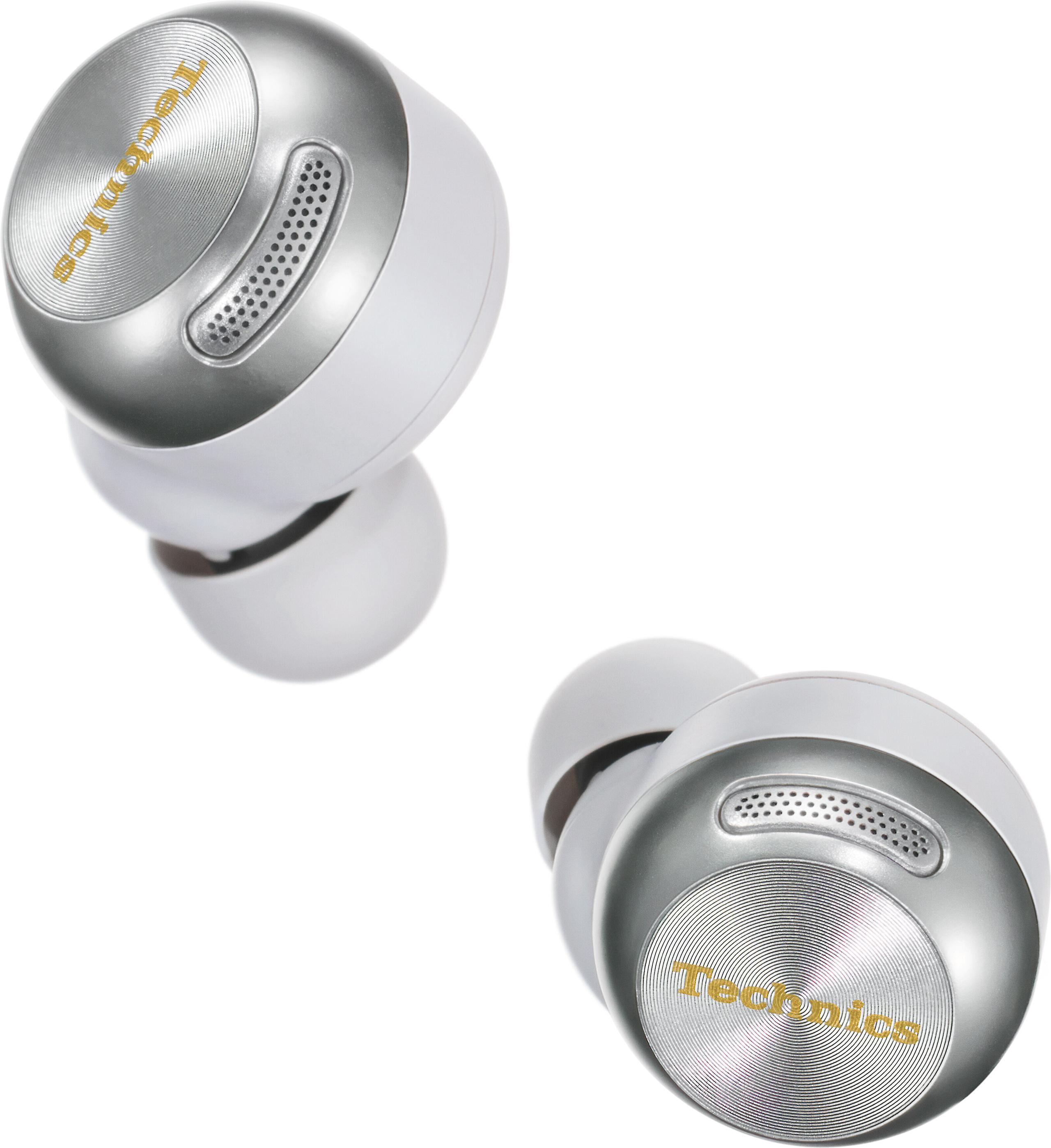
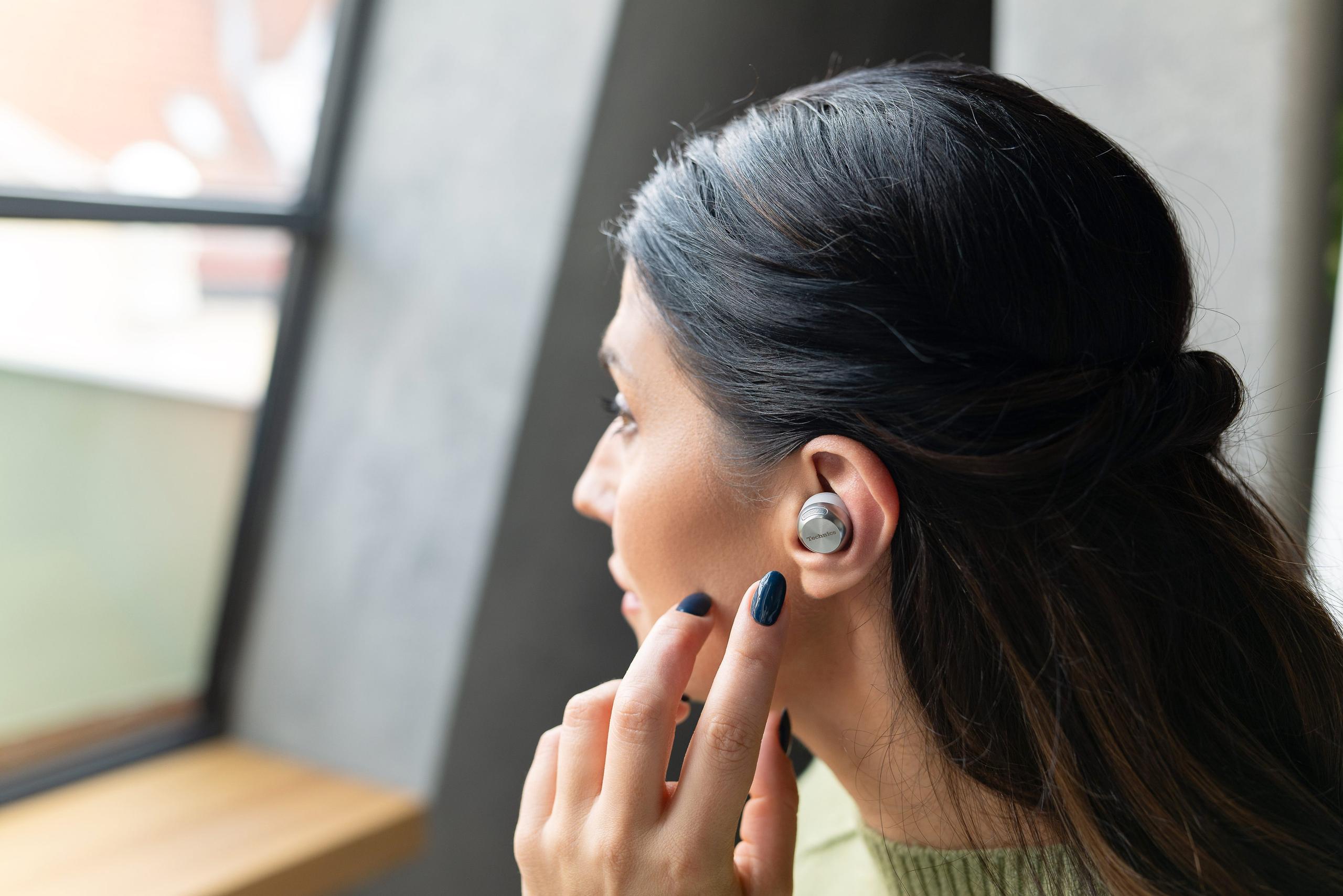

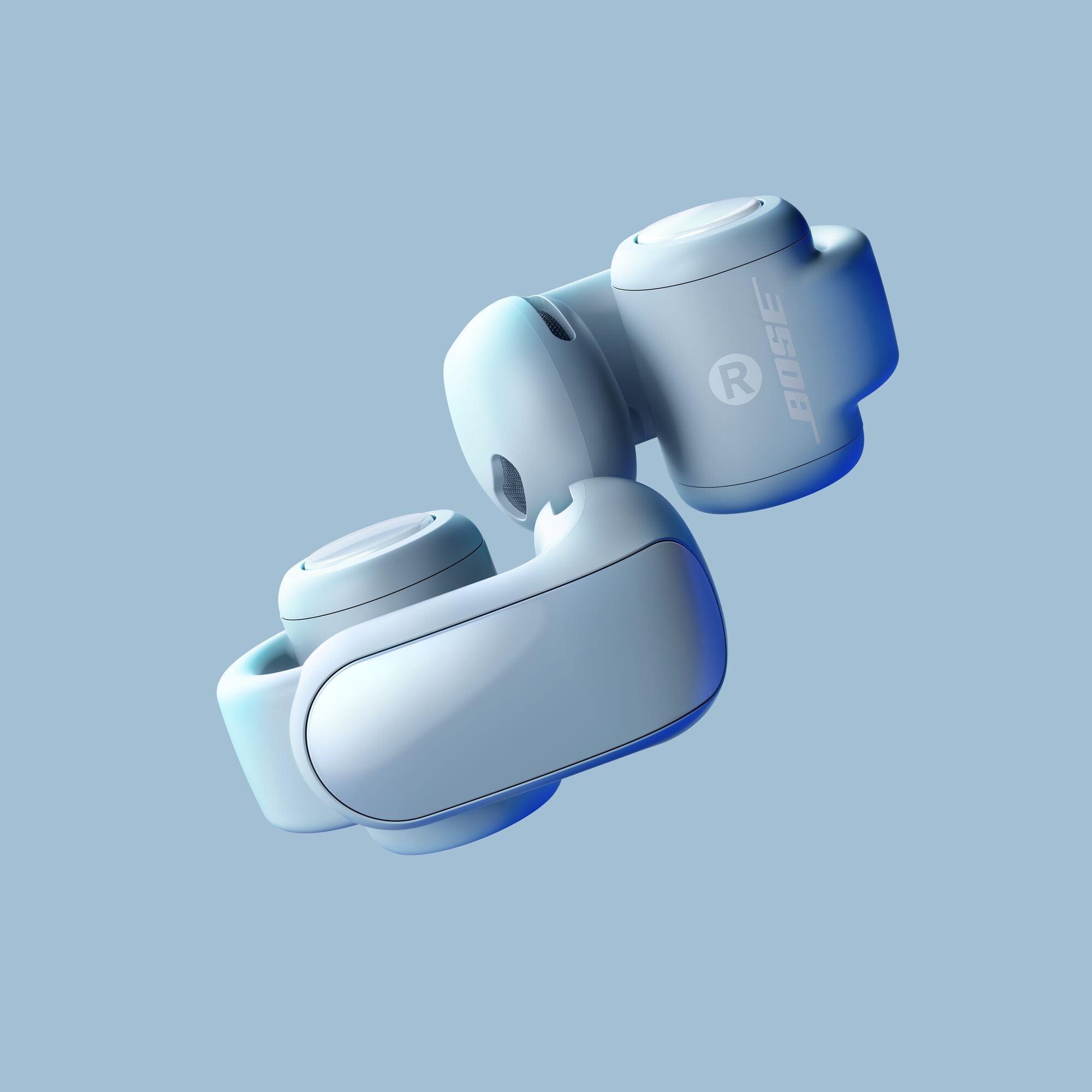
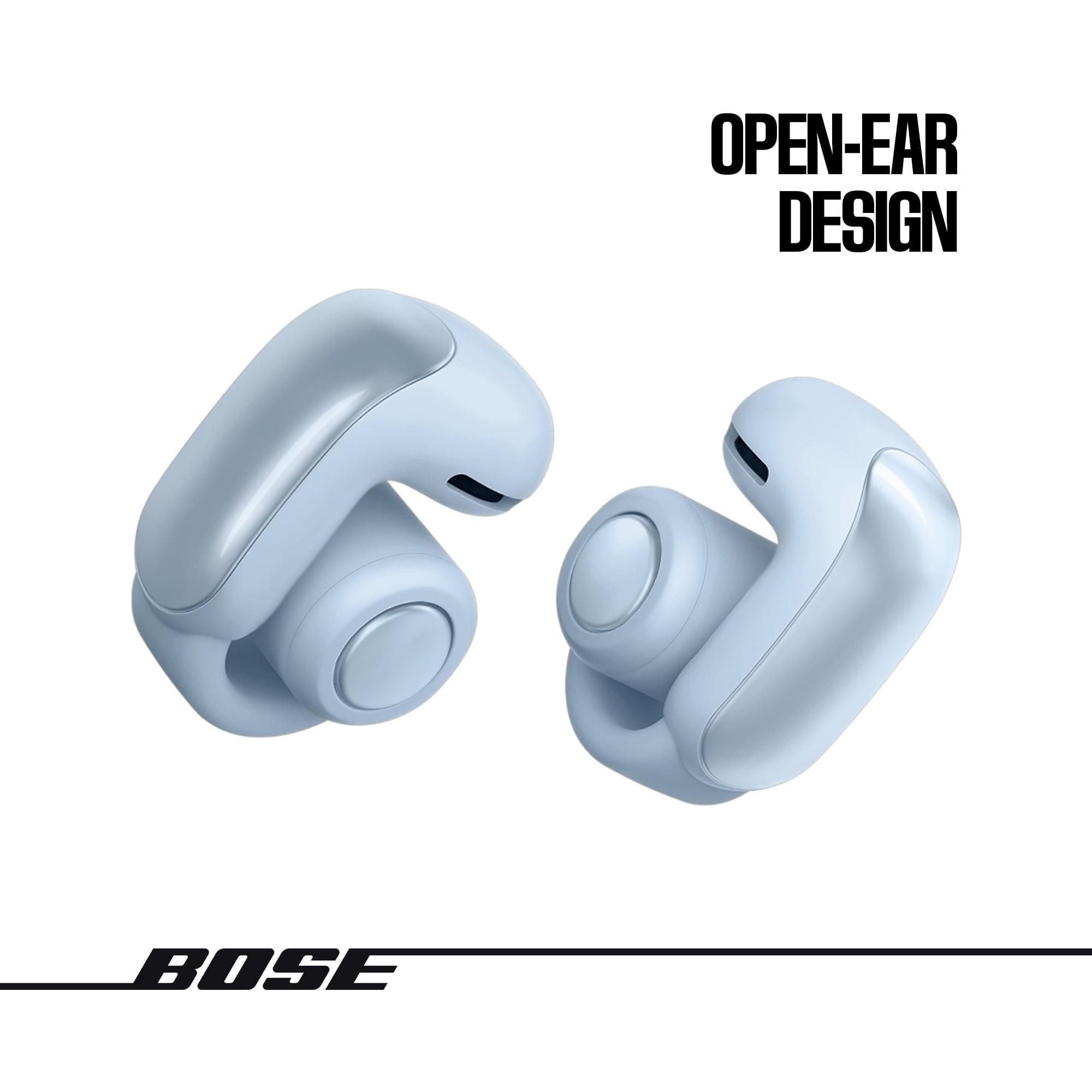




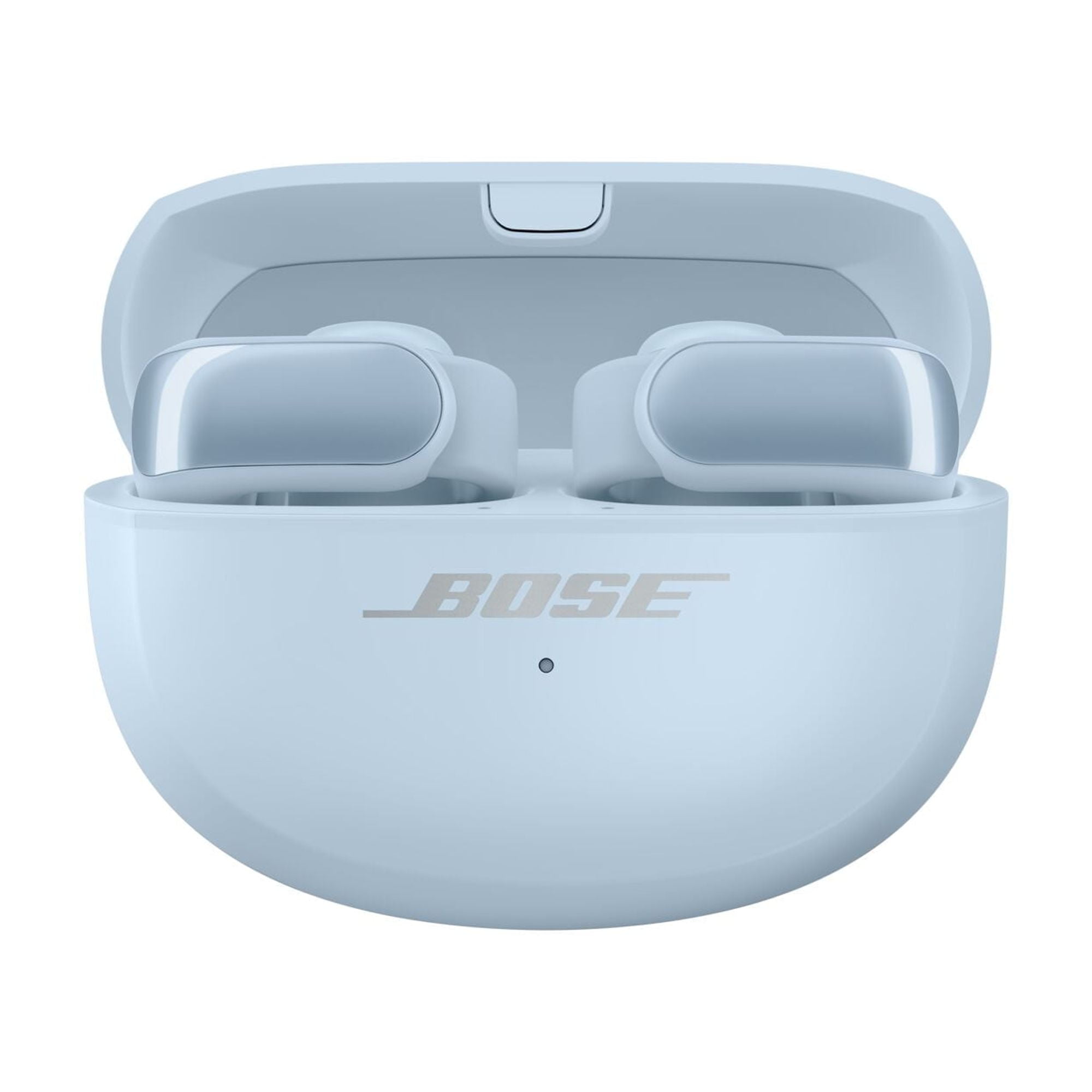
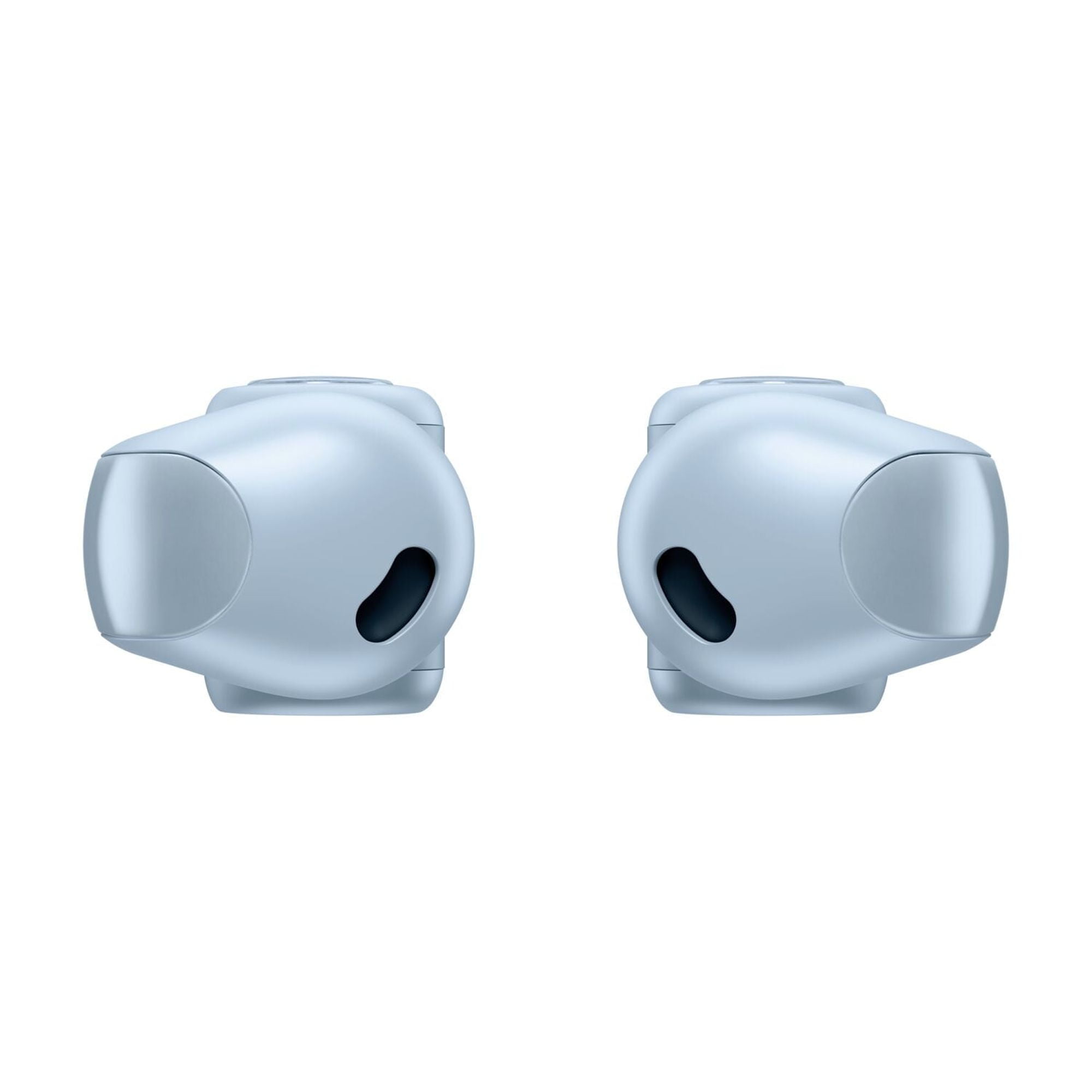
The world of true wireless earbuds has evolved into two completely different philosophies, and choosing between them can feel overwhelming. On one side, you have traditional closed-ear designs like the Technics Reference Class AZ100 that seal your ears for maximum audio quality. On the other, innovative open-ear models like the Bose Ultra Open Earbuds keep your ears completely open to the world around you.
I've spent considerable time with both approaches, and the choice isn't just about sound quality—it's about how you live your life. Let me walk you through everything you need to know to make the right decision.
Traditional earbuds work by creating a seal in your ear canal. This isolation is crucial for proper bass response and allows features like active noise cancellation (ANC) to work effectively. ANC uses microphones to detect outside noise and creates "anti-noise" to cancel it out—think of it like noise-canceling headphones shrunk down to earbud size.
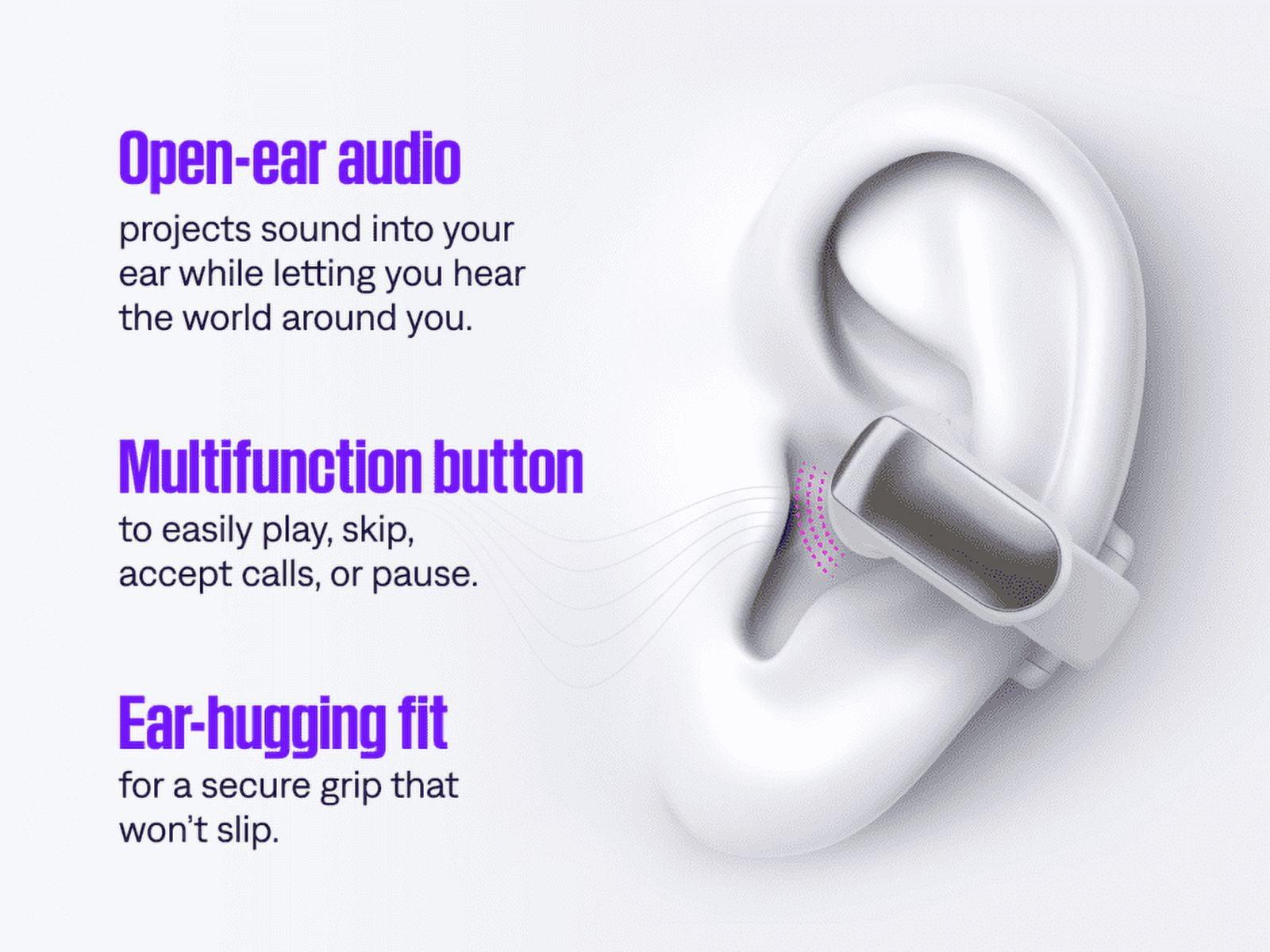
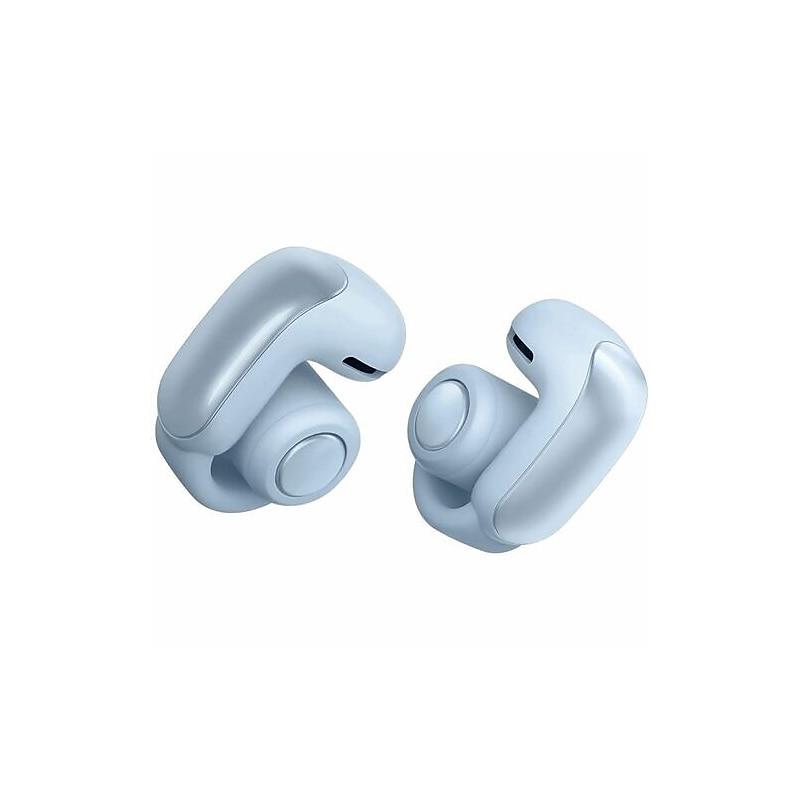
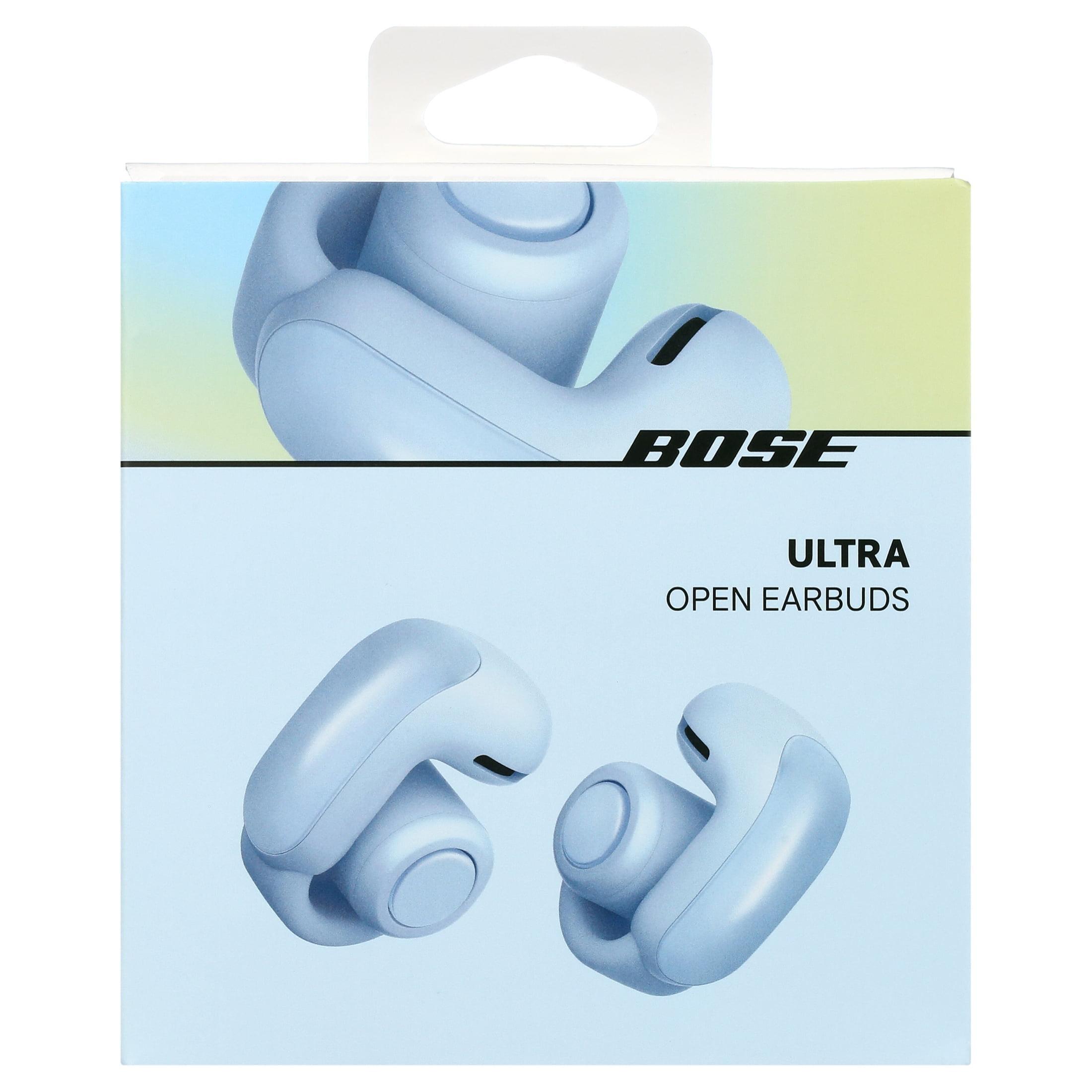
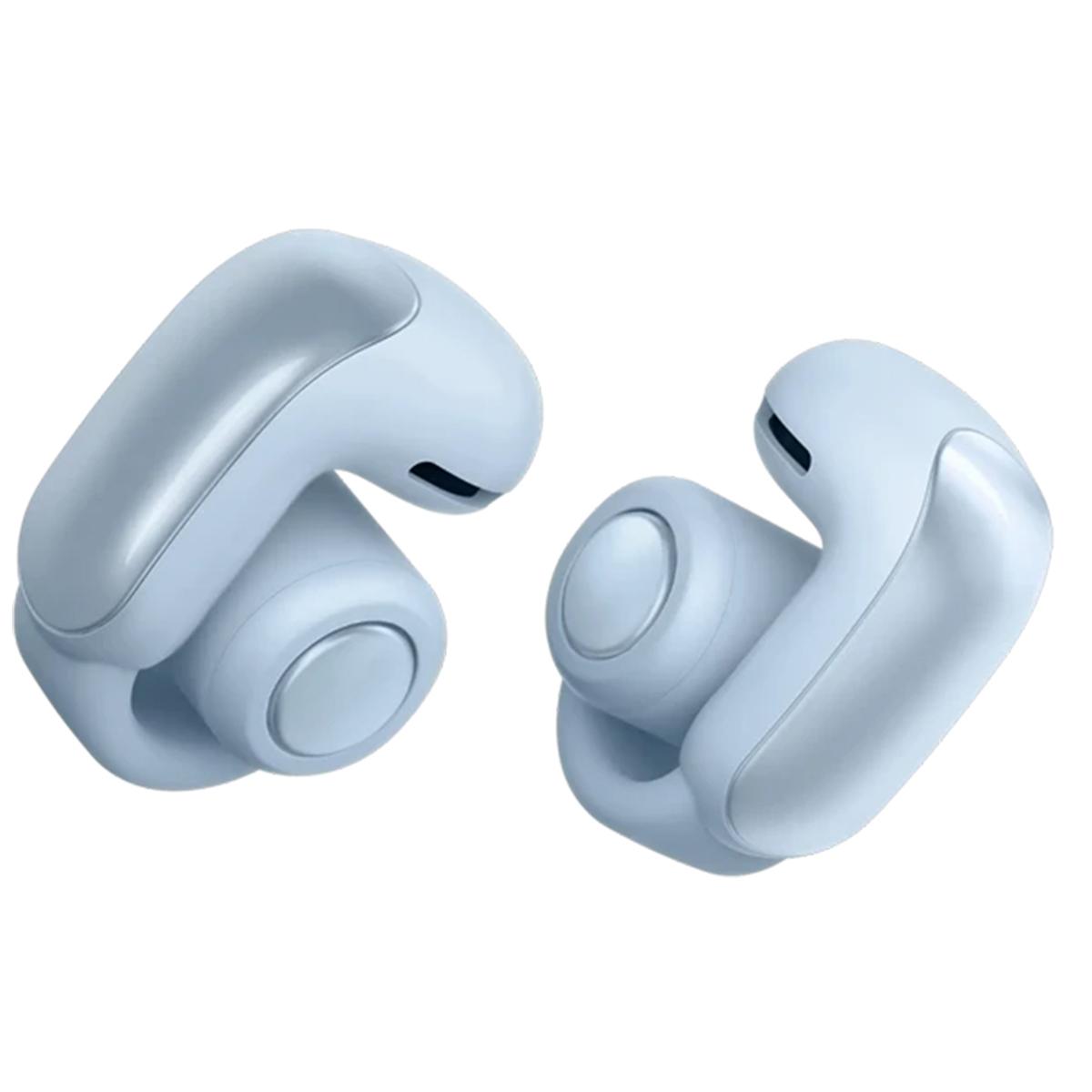
Open-ear earbuds take the opposite approach. They rest on or clip to your ear without blocking the ear canal at all. Instead of fighting ambient noise, they work with it, using directional audio technology to beam sound toward your eardrums while minimizing what others around you can hear.
When the Technics AZ100 launched in 2025, it represented the latest evolution of traditional earbud technology, building on decades of acoustic research. The Bose Ultra Open, which arrived in 2024, pioneered a completely new category that prioritizes situational awareness over pure audio fidelity.
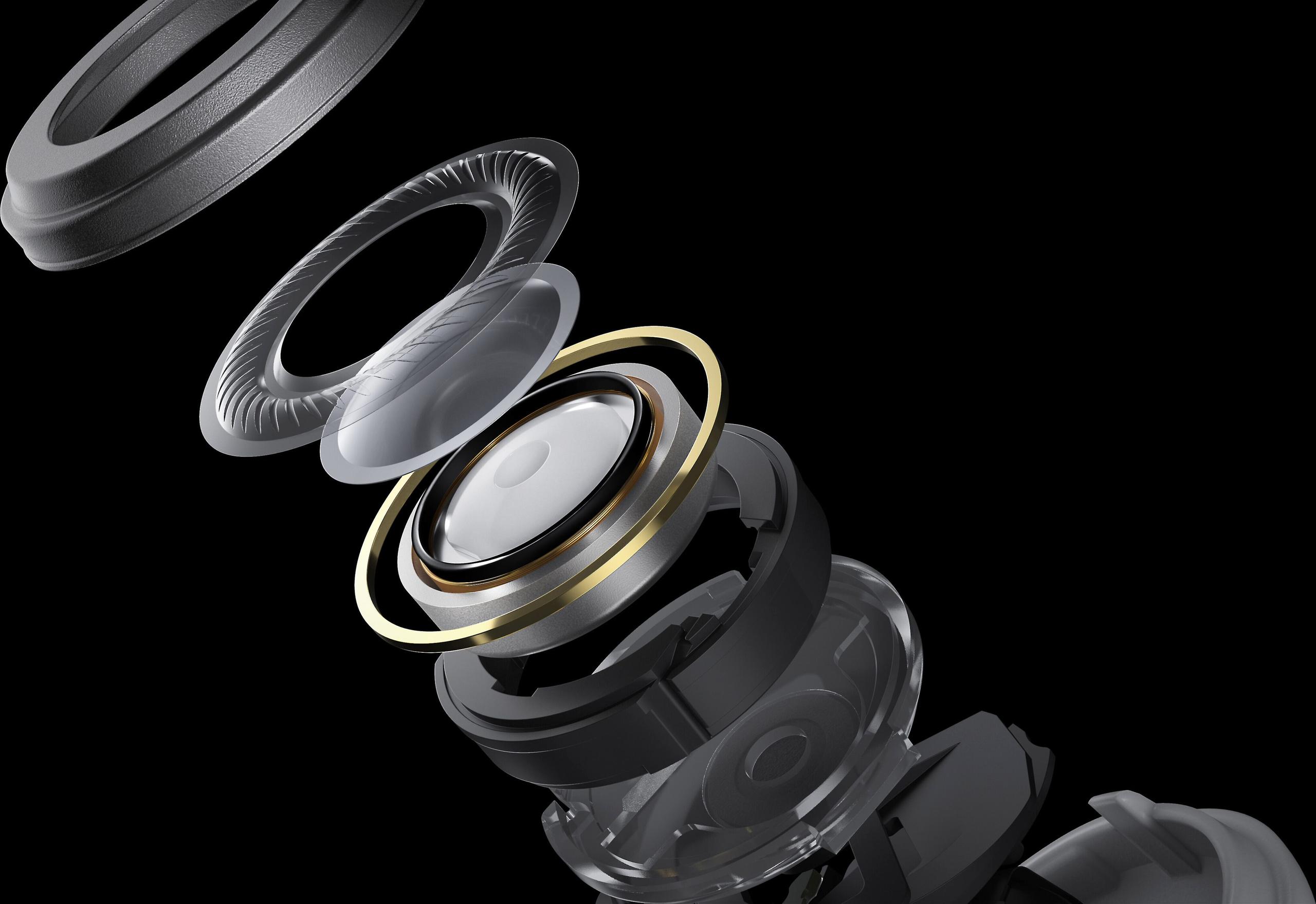
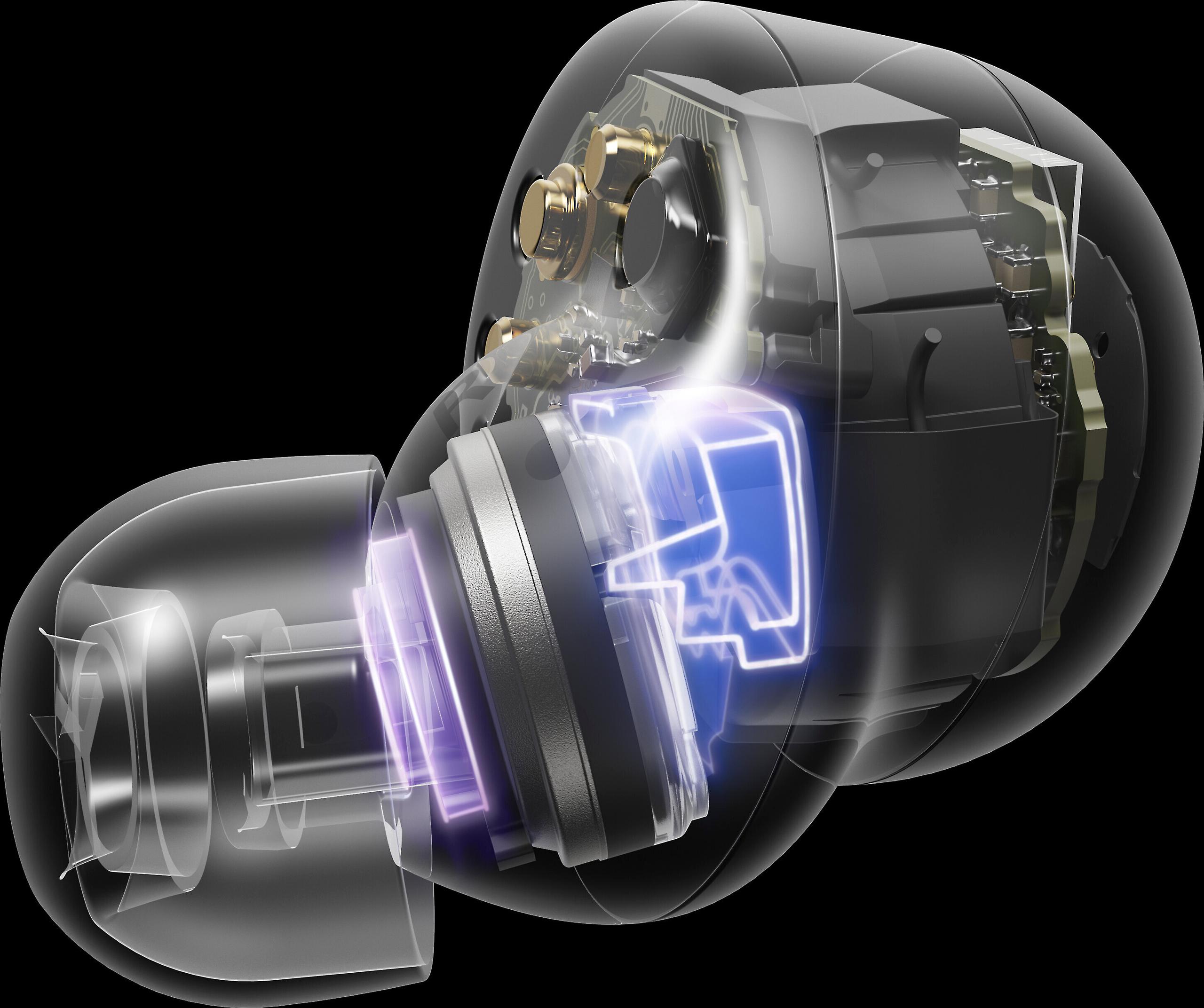
Here's where the fundamental differences become crystal clear. The Technics AZ100 features what the company calls "magnetic fluid drivers"—a technology that uses a special magnetic liquid between the driver components to reduce distortion. Think of it like having tiny, precision-engineered speakers custom-built for your ears.
These 10mm drivers (that's the diameter of the speaker cone) can reproduce frequencies from 20 Hz all the way up to 40 kHz. For context, human hearing typically maxes out around 20 kHz, so this extended range captures audio details that contribute to the overall sense of "air" and spaciousness in music, even if you can't consciously hear those ultra-high frequencies.
The Technics earbuds also support LDAC, a high-resolution audio codec that can transmit nearly three times more data than standard Bluetooth audio. It's like the difference between watching a compressed YouTube video and a 4K Blu-ray—both show the same content, but one captures far more detail.
In contrast, the Bose Ultra Open faces inherent physics limitations. Without a seal around your ear, bass frequencies—which require air pressure to be effective—simply escape into the environment. No amount of engineering wizardry can completely overcome this fundamental acoustic challenge.
During my testing, bass-heavy tracks that sound punchy and energetic on the Technics AZ100 become thin and distant on the Bose Ultra Open. It's not that Bose did something wrong—it's that they chose a different priority entirely.
The Technics AZ100 employs what's called "adaptive noise cancellation." The earbuds constantly monitor your environment using multiple microphones and adjust their noise-canceling intensity accordingly. Walking from a quiet coffee shop onto a busy street? The earbuds automatically ramp up the cancellation to maintain your audio experience.
This system works in conjunction with Voice Focus AI for calls—technology that can distinguish your voice from background noise using machine learning algorithms. Having taken calls while walking next to construction sites, I can attest that the difference is remarkable. Your voice comes through clearly while jackhammers and traffic fade into the background.
The Bose Ultra Open takes the completely opposite approach. These earbuds use OpenAudio technology, which focuses sound waves directly into your ears while minimizing spillage to people around you. It's clever engineering, but it means you'll hear every car, conversation, and air conditioning unit in your vicinity.
At the time of writing, this creates an interesting value proposition. You're paying premium prices for earbuds that intentionally don't isolate you from noise—something that goes against decades of audio engineering principles.
The Technics AZ100 delivers up to 10 hours of playback with noise cancellation active, plus another 18 hours from the charging case. That's genuinely impressive for earbuds packed with this much technology. The 15-minute quick charge feature provides 90 minutes of listening time—perfect for those "oh no, I forgot to charge them" moments.
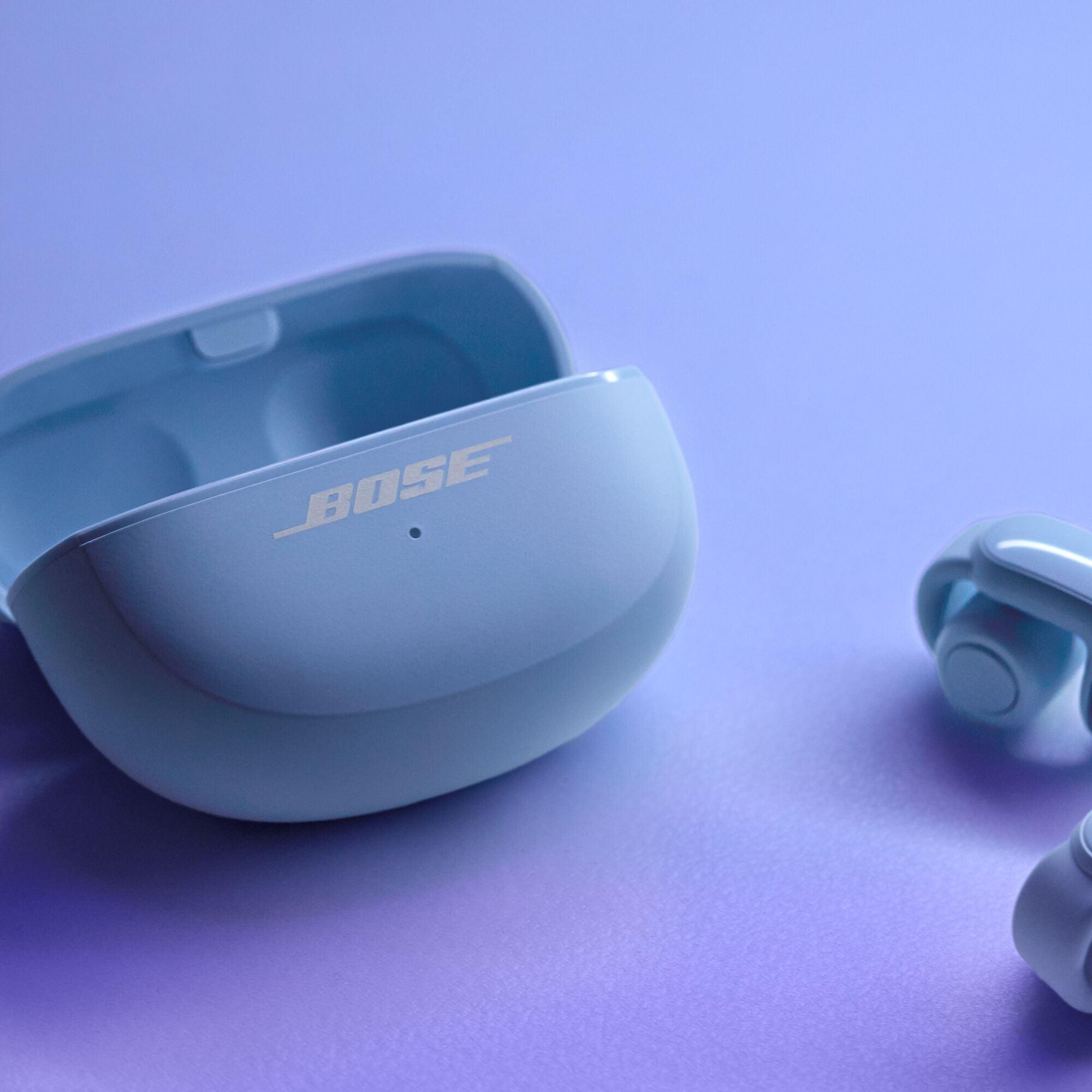
The Bose Ultra Open manages up to 7.5 hours of playback, which is respectable given their unique design constraints. However, with Immersive Audio (Bose's spatial audio feature) enabled, that drops to 4.5 hours. The physics of keeping earbuds secure without ear canal insertion requires different battery placement, which affects capacity.
Both earbuds support multipoint connectivity, meaning they can connect to multiple devices simultaneously. The Technics AZ100 handles three devices at once—your phone, laptop, and tablet can all be connected, with the earbuds automatically switching to whichever device starts playing audio. The Bose Ultra Open manages two devices, which covers most people's needs.
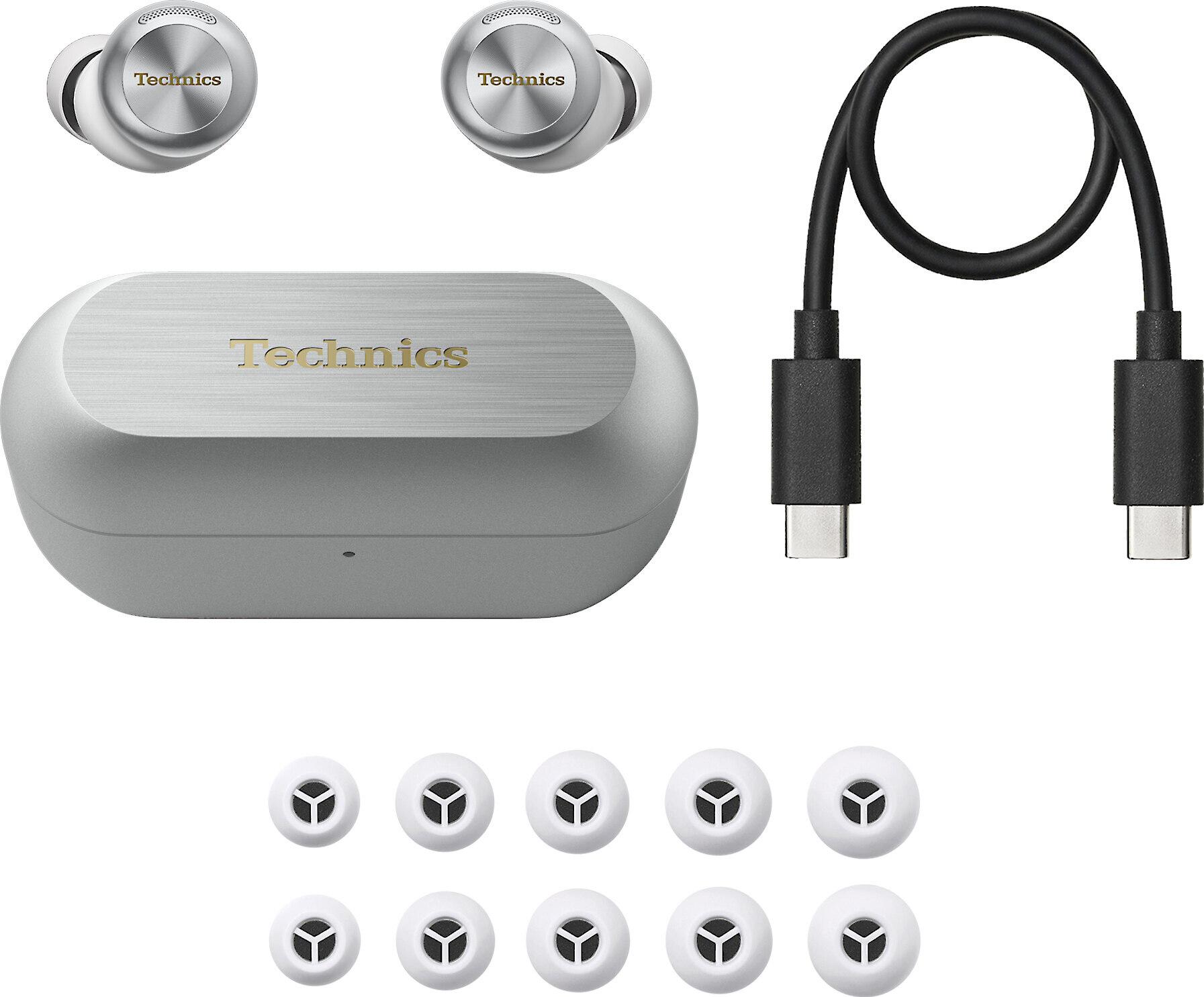
After wearing both for extended periods, the comfort difference is striking but not necessarily in the way you'd expect. The Technics AZ100 has been redesigned to be 10% smaller and 16% lighter than its predecessor, with five different ear tip sizes including an "ML" size that fills the gap between medium and large.
But here's where the Bose Ultra Open truly shines. The complete absence of anything in your ear canal means zero pressure, zero fatigue, and no need to worry about ear tips creating a proper seal. I've worn them for entire workdays and genuinely forgotten they were there—something that's simply impossible with any in-ear design, no matter how well-engineered.
The cuff-shaped design clips onto your ear like jewelry, and Bose clearly spent considerable effort making them look elegant rather than obviously technological. For users who find traditional earbuds uncomfortable or who have difficulty with ear canal insertion (due to hearing aids, medical conditions, or simple preference), this design is revolutionary.
Both earbuds support Bluetooth 5.3, the latest standard that offers improved connection stability and power efficiency. The Technics AZ100 goes further with support for the emerging LC3 codec and Auracast technology—features that will become more important as the audio ecosystem evolves over the next few years.
Auracast, in particular, represents the future of shared audio experiences. Imagine walking into a gym where you can instantly connect to the TV audio, or joining a guided tour where everyone receives crystal-clear audio directly to their earbuds. It's still early technology, but the Technics earbuds are future-proofed for these scenarios.
The Bose Ultra Open includes Auto Volume, a feature that automatically adjusts playback level based on ambient noise. While clever, it highlights the fundamental challenge of open-ear designs—constantly fighting against environmental sound.
For home theater use, the Technics AZ100 offers spatial audio with Dolby Atmos support and head tracking. When watching movies, the audio field remains anchored to your TV even as you turn your head—creating a more immersive experience than traditional stereo earbuds.
The Bose Ultra Open includes SimpleSync technology, allowing them to pair with compatible Bose soundbars. This creates an interesting use case where you can have personalized audio levels without disturbing others in the room. However, the open design means you'll still hear the TV's speakers and any other household noise, which can create a confusing audio mix.
In my experience, the Technics earbuds are far better for serious movie watching or gaming, where audio isolation and detail matter. The Bose Ultra Open work better for casual viewing where you might need to respond to family members or hear important household sounds.
At the time of writing, these earbuds occupy similar price ranges in the premium segment, but they deliver completely different value propositions. The Technics AZ100 commands its price through cutting-edge audio technology—those magnetic fluid drivers, advanced noise cancellation, and high-resolution codec support represent genuine technological advancement.
The Bose Ultra Open asks you to pay premium prices for intentionally compromised audio quality in exchange for situational awareness and exceptional comfort. Whether that's worth it depends entirely on your priorities and use cases.
For commuting: The Technics AZ100 excels on planes, trains, and buses where noise isolation is crucial. The Bose Ultra Open is better for walking or biking where traffic awareness is a safety concern.
For work: In open offices, the Bose Ultra Open allows you to hear colleagues and phone calls while enjoying background music or podcasts. The Technics AZ100 is better for deep focus work where isolation helps concentration.
For exercise: Runners and cyclists often prefer the Bose Ultra Open for safety reasons—hearing approaching vehicles or other people is crucial. Gym workouts work well with either, though the Technics earbuds provide more motivating bass response for high-energy workouts.
For music appreciation: There's no contest here. The Technics AZ100 delivers the audio quality that music deserves, while the Bose Ultra Open makes too many compromises for serious listening.
Choose the Technics AZ100 if you're an audio enthusiast who values sound quality above all else. If you frequently travel, work in noisy environments, or simply want the best possible wireless audio experience, these earbuds justify their premium pricing through superior technology and performance.
The Bose Ultra Open makes sense for active individuals who prioritize safety and environmental awareness. Parents who need to hear their children, outdoor enthusiasts, or anyone who finds traditional earbuds uncomfortable will appreciate what Bose has created here.
However, I'd strongly caution music lovers against the Bose Ultra Open. If you primarily listen to bass-heavy genres like hip-hop, electronic music, or rock, the open design will leave you disappointed. These work best for podcasts, audiobooks, classical music, or vocal-heavy tracks where bass response is less critical.
These earbuds represent two valid but incompatible philosophies. The Technics AZ100 pushes the boundaries of what's possible in wireless audio technology, delivering reference-quality sound in a tiny package. The Bose Ultra Open prioritizes safety, comfort, and situational awareness over pure audio performance.
Neither approach is inherently better—they serve different needs and lifestyles. The key is honestly assessing how you'll actually use your earbuds and choosing the philosophy that aligns with your priorities. At the time of writing, both represent the pinnacle of their respective approaches, making this decision more about your values and use cases than about which product is objectively superior.
If you're still unsure, consider your primary use case. Do you want to escape into your music, or stay connected to the world around you? Your answer to that fundamental question will guide you toward the right choice.
| Technics Reference Class AZ100 | Bose Ultra Open Earbuds |
|---|---|
| Design Philosophy - Fundamentally different approaches to wireless audio | |
| Traditional sealed in-ear design with active noise cancellation | Open-ear design that clips onto ear without blocking ear canal |
| Audio Quality - Most important factor for music enjoyment | |
| 10mm magnetic fluid drivers with 20Hz-40kHz frequency response, LDAC support | Compromised bass response due to open design, good for vocals/podcasts |
| Noise Management - Critical for different use scenarios | |
| Industry-leading adaptive noise cancellation blocks ambient sound | Zero noise isolation by design - maintains full environmental awareness |
| Battery Life - Important for daily usability | |
| 10 hours (earbuds) + 28 hours (case) with ANC on | 7.5 hours (earbuds) + 19.5 hours (case) total |
| Comfort - Affects long-term wearability | |
| Traditional in-ear fit with 5 ear tip sizes, potential fatigue | Exceptional all-day comfort with no ear canal pressure |
| Water Resistance - Protection for active use | |
| IPX4 rating (earbuds only) | IPX4 rating for sweat and splash protection |
| Connectivity Features - Modern wireless capabilities | |
| 3-device multipoint, Bluetooth 5.3, LDAC/LC3/Auracast support | 2-device multipoint, Bluetooth 5.3, SimpleSync with Bose products |
| Call Quality - Important for work and communication | |
| Voice Focus AI with 3 microphones per earbud for superior clarity | Standard call quality with environmental noise interference |
| Best Use Cases - Who should choose each product | |
| Audiophiles, commuters, office workers, home entertainment | Runners, cyclists, parents, safety-conscious users, all-day office wear |
| Value Proposition - What you're paying for | |
| Premium audio technology and reference-quality sound | Innovative comfort and safety features with audio trade-offs |
The Technics Reference Class AZ100 delivers significantly better sound quality with 10mm magnetic fluid drivers, LDAC high-resolution audio support, and full frequency response from 20Hz to 40kHz. The Bose Ultra Open Earbuds sacrifice audio quality due to their open design, which prevents proper bass reproduction and allows environmental noise to interfere with your music.
Yes, the Bose Ultra Open Earbuds are much safer for outdoor activities because they don't block your ear canal, allowing you to hear traffic, other runners, and environmental sounds. The Technics AZ100 with active noise cancellation blocks ambient noise, which can be dangerous when situational awareness is critical.
The Bose Ultra Open Earbuds are exceptionally comfortable for extended wear since they clip onto your ear without inserting into the ear canal, eliminating pressure and fatigue. While the Technics AZ100 has been redesigned to be smaller and lighter, any in-ear design can cause discomfort during very long listening sessions.
The Technics Reference Class AZ100 excels at call quality with Voice Focus AI technology and three microphones per earbud that suppress background noise. The Bose Ultra Open provides decent call quality but environmental noise can interfere since your ears remain open to surrounding sounds.
The Technics AZ100 offers superior battery life with 10 hours from the earbuds plus 28 hours total with the charging case. The Bose Ultra Open Earbuds provide 7.5 hours from the earbuds and up to 27 hours total with the case, which is still respectable but shorter overall.
Both work for exercise but serve different needs. The Bose Ultra Open are ideal for outdoor workouts where you need to hear your surroundings, while the Technics AZ100 are better for gym workouts where you want isolation and motivating bass response. Both offer IPX4 water resistance for sweat protection.
The Technics Reference Class AZ100 features industry-leading adaptive noise cancellation that automatically adjusts to your environment, providing excellent isolation from ambient noise. The Bose Ultra Open Earbuds offer zero noise cancellation by design since they keep your ears completely open to environmental sounds.
Yes, both support multipoint connectivity. The Technics AZ100 can connect to three devices simultaneously, while the Bose Ultra Open connects to two devices. Both allow seamless switching between your phone, laptop, and other Bluetooth devices.
The Technics Reference Class AZ100 are superior for home entertainment with Dolby Atmos spatial audio support, head tracking technology, and the audio isolation needed for immersive viewing. The Bose Ultra Open Earbuds work for casual viewing but environmental noise can interfere with the experience.
The Bose Ultra Open Earbuds are worth it if safety, comfort, and environmental awareness are your priorities, but not if audio quality matters most. The Technics AZ100 better justifies premium pricing through advanced audio technology, noise cancellation, and superior sound reproduction.
Parents often prefer the Bose Ultra Open because they can hear their children while listening to music, podcasts, or taking calls. The Technics Reference Class AZ100 with noise cancellation can isolate you too much from important household sounds and conversations.
The Technics AZ100 supports premium audio codecs including LDAC for near-lossless quality, plus emerging standards like LC3 and Auracast for future compatibility. The Bose Ultra Open Earbuds support standard codecs but the open design limits their ability to deliver high-fidelity audio regardless of codec quality.
We've done our best to create useful and informative comparisons to help you decide what product to buy. Our research uses advanced automated methods to create this comparison and perfection is not possible - please contact us for corrections or questions. These are the sites we've researched in the creation of this article: whathifi.com - digitaltrends.com - bestbuy.com - techradar.com - popsci.com - stuff.tv - us.technics.com - instylehifi.com.au - techradar.com - youtube.com - head-fi.org - whathifi.com - ecoustics.com - crutchfield.com - head-fi.org - treoo.com - youtube.com - bestbuy.com - us.technics.com - crutchfield.com - cnet.com - us.technics.com - us.technics.com - na.panasonic.com - us.technics.com - help.na.panasonic.com - bestbuy.com - bhphotovideo.com - technics.com - technics.com - us.technics.com - twitteringmachines.com - stupiddope.com - bhphotovideo.com - techdogs.com - technics.com - techradar.com - yumpu.com - youtube.com - bose.com - youtube.com - consumerreports.org - rtings.com - head-fi.org - youtube.com - tomsguide.com - bestbuy.com - youtube.com - bose.com - cnet.com - youtube.com - soundguys.com - applevis.com - techgearlab.com - purewow.com - bose.com - bose.com - assets.bose.com - youtube.com - techradar.com - whathifi.com - bose.com - bose.com - youtube.com - bose.com

Privacy Policy
Terms and Conditions - Affiliate Policy
Home Security
© Copyright 2008-2026.
11816 Inwood Rd #1211, Dallas, TX 75244