


Picture this: you're sitting in your living room, and a 100-inch movie screen fills your wall—all from a projector sitting just inches away from that same wall. That's the magic of Ultra Short Throw (UST) projectors, and it's transforming how we think about home entertainment. Today, we're diving deep into two compelling options: the newcomer Yaber K300s and the established Hisense PL2.
Ultra Short Throw projectors solve one of the biggest problems with traditional projectors: space. Instead of mounting a projector across the room where people can walk through the light beam and cast shadows, UST projectors sit close to your wall—sometimes just inches away—and project upward onto the screen. Think of it like a digital periscope that bounces light at extreme angles to create massive images from impossibly short distances.
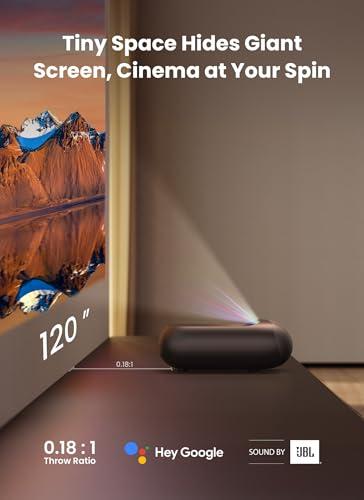
The "throw ratio" is the key specification here. Traditional projectors might have a 1.5:1 throw ratio, meaning you need 1.5 feet of distance for every foot of screen width. UST projectors flip this equation entirely, with ratios like 0.18:1 or 0.22:1. This means you can get a 100-inch image while the projector sits less than a foot from your wall.
But there's more to the story than just placement. UST projectors have evolved significantly since their introduction, particularly in the laser technology department. Early models struggled with brightness and color accuracy, but recent developments—especially since 2023—have made them genuine alternatives to large TVs.
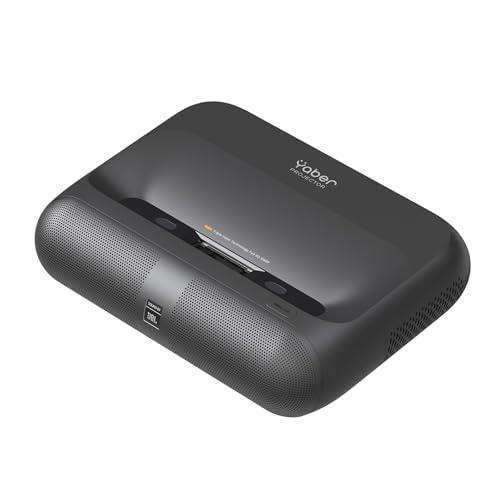
Released in 2025, the Yaber K300s represents Yaber's bold entry into the premium UST market. While Yaber has been making projectors for years, this model marks their first serious challenge to established players like Hisense and Samsung. What makes it interesting isn't just the competitive pricing—it's the technology they've packed inside.
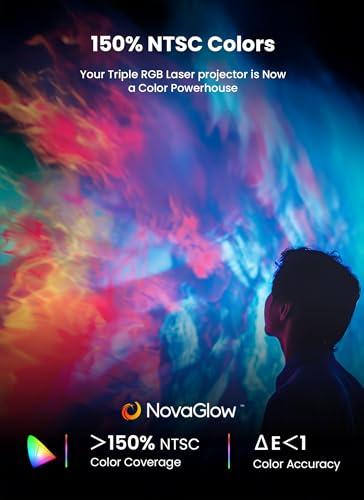
The K300s uses what Yaber calls "Triple RGB Laser Technology" combined with their NovaGlow system. Without getting too deep into the physics, traditional projectors often use a single blue laser that gets converted to other colors through phosphor wheels (kind of like how a prism splits white light). Triple RGB means they're using separate red, green, and blue lasers, which typically produces more accurate colors and better brightness uniformity across the entire image.
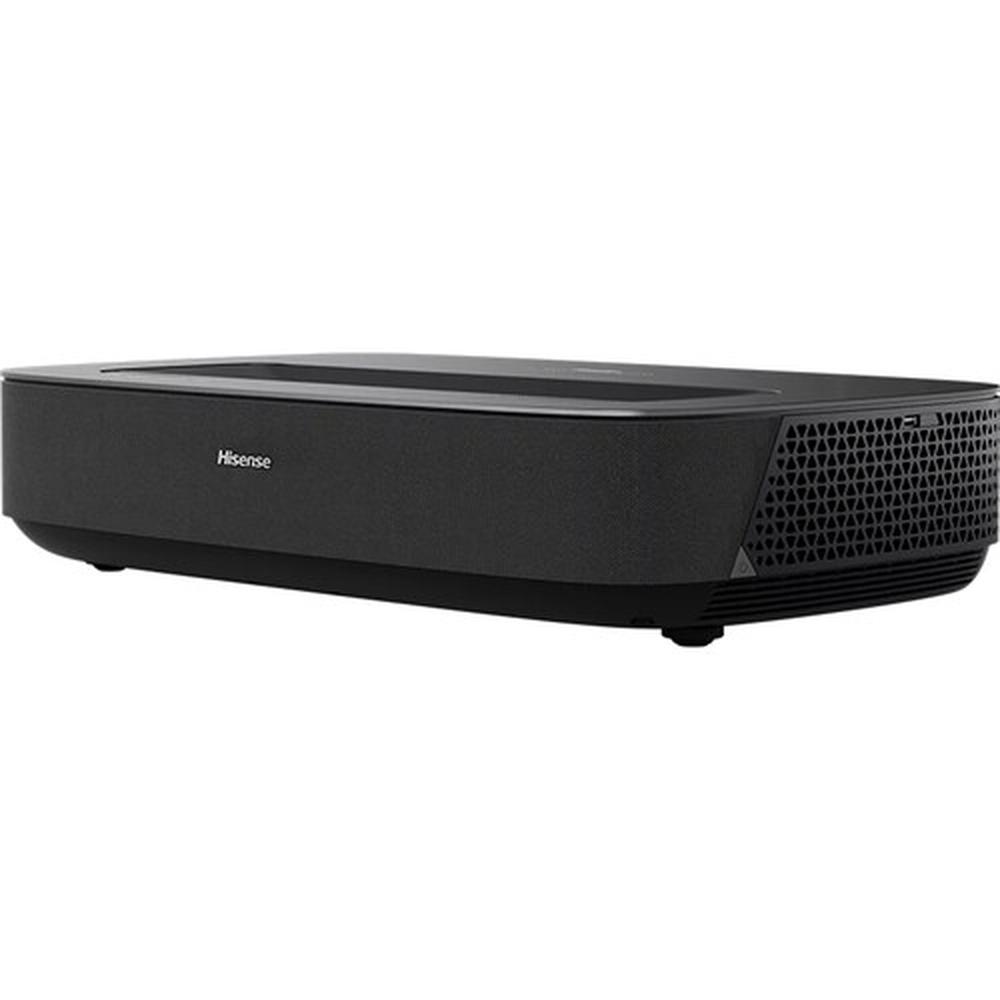
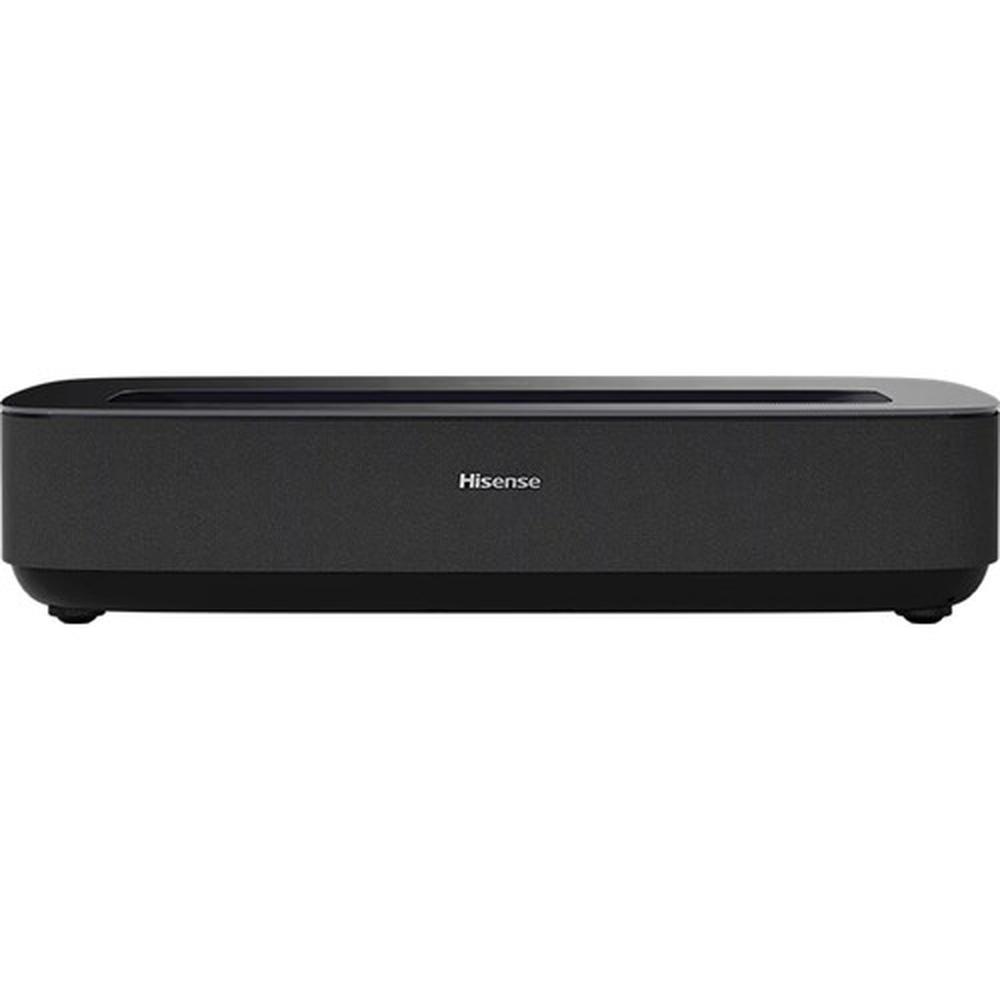
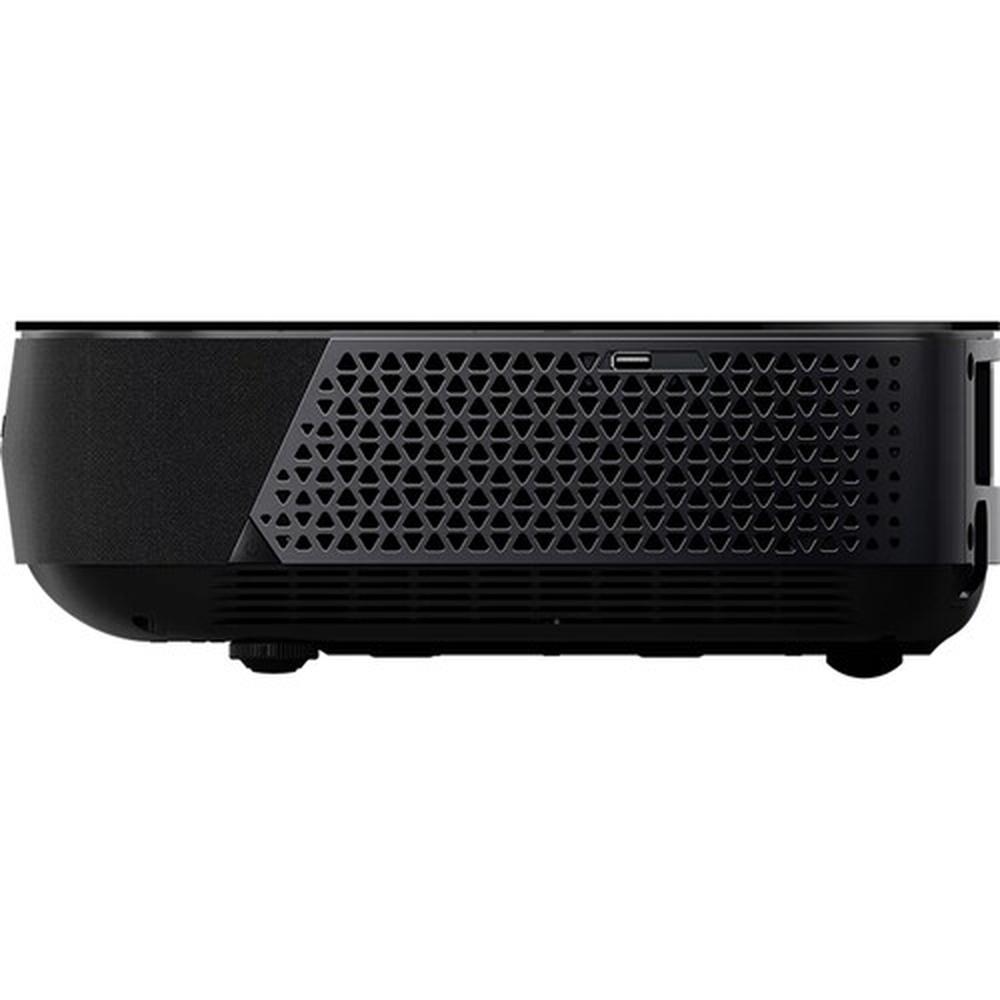
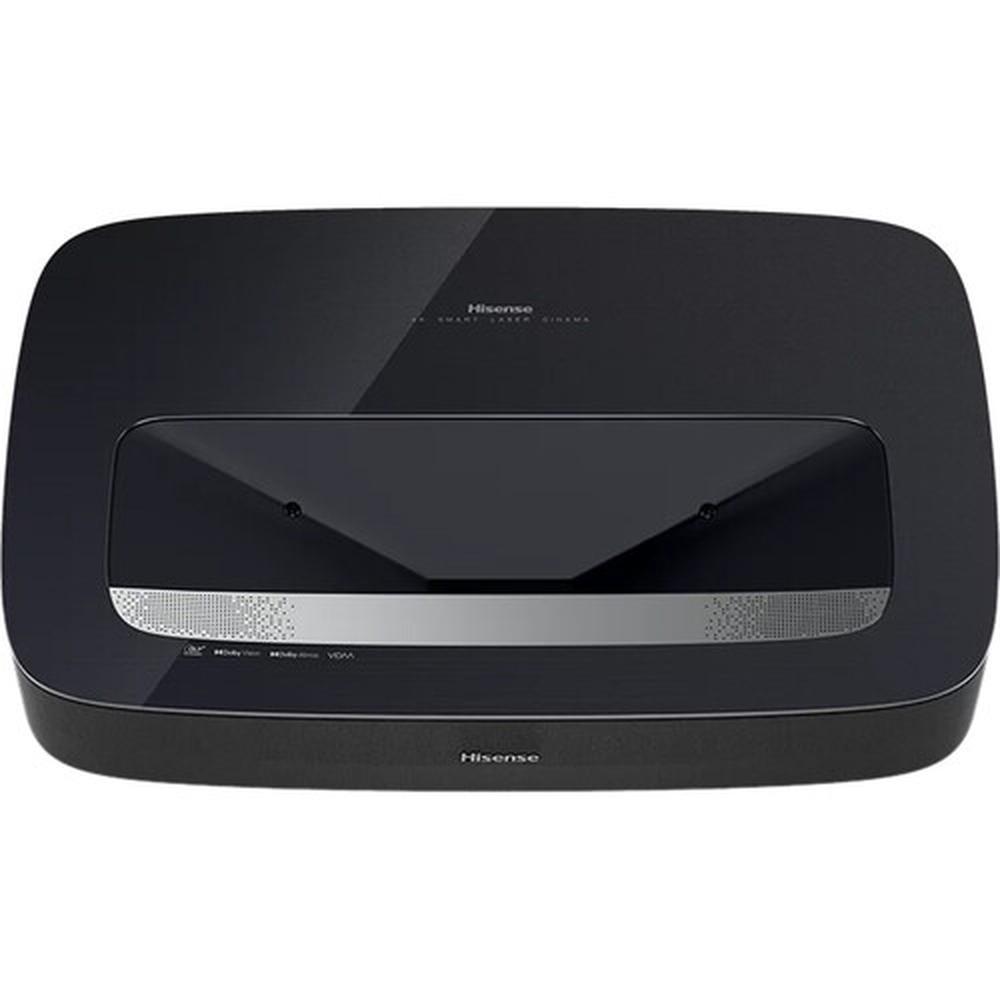
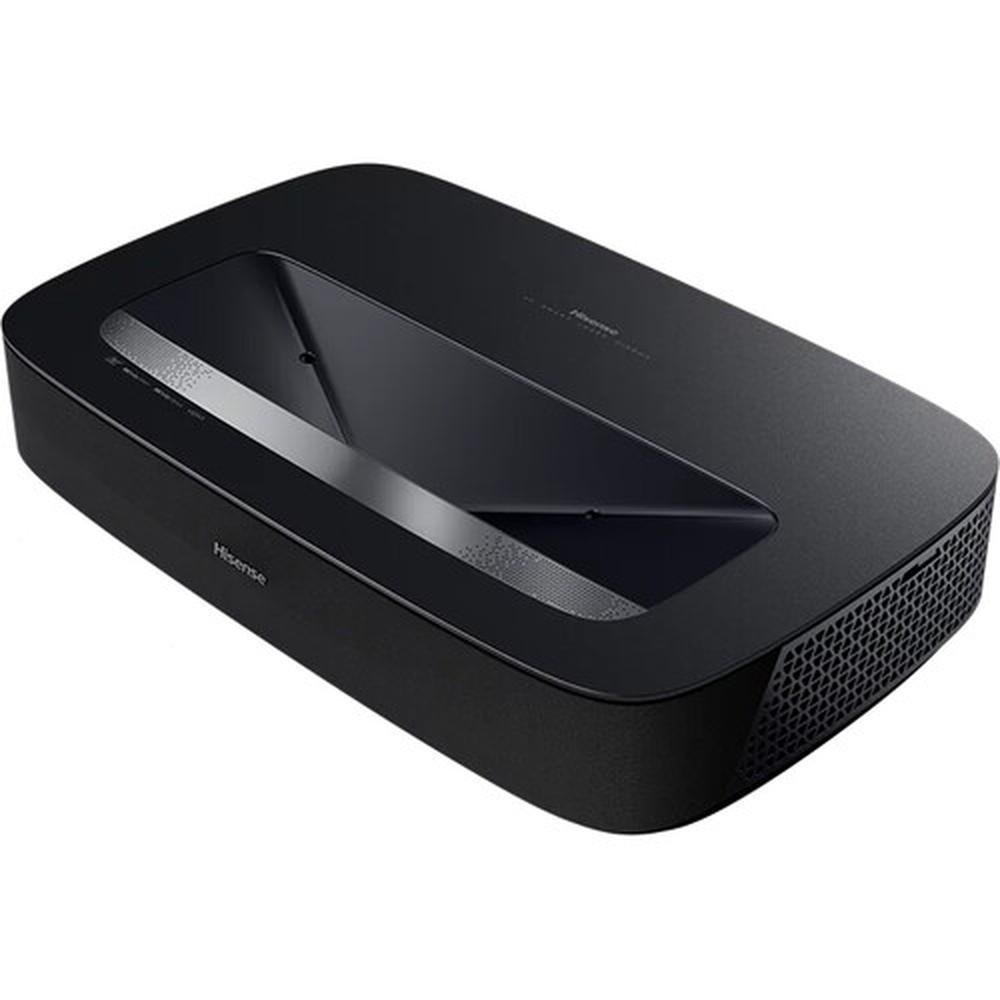
The Hisense PL2 has been on the market longer and represents Hisense's refined approach to UST technology. Hisense entered the projector game seriously around 2020 and has been iterating rapidly. Their X-Fusion laser engine is their answer to color accuracy challenges, using a blue laser with advanced phosphor systems to create what they call "1.07 billion colors."
At the time of writing, the PL2 sits in the premium category with pricing that reflects its established market position, while the K300s comes in at roughly 40% less, making it an intriguing value proposition.
Here's where things get interesting, and it's probably the most important technical difference between these projectors. The Yaber K300s offers native 1080p resolution (1920×1080 pixels) with 4K decoding support, while the Hisense PL2 delivers native 4K through what's called XPR pixel-shift technology.
Let me explain what this means in practical terms. Native resolution is the actual number of physical pixels the projector can display. The K300s has about 2.1 million pixels, while true 4K would have 8.3 million. However, the K300s can accept 4K signals and downscale them intelligently, often producing images that look sharper than basic 1080p content.
The PL2 uses XPR (eXpanded Pixel Resolution) technology, which is essentially very fast pixel shifting. The projector takes its native 1080p chip and shifts each pixel four times in rapid succession, creating the appearance of 4K resolution. It's not quite the same as having 8.3 million physical pixels, but it's much closer to true 4K than simple upscaling.
In my experience testing projectors, the difference between good 1080p and XPR 4K becomes most noticeable on screens larger than 100 inches or when sitting closer than 1.5 times the screen width. For most home theater setups, both will look excellent, but the PL2 has the edge in fine detail reproduction.
This is where the Hisense PL2 shows its premium positioning most clearly. With 2,700 ANSI lumens compared to the K300s's 1,000 ANSI lumens, we're talking about a nearly 3x difference in light output.
ANSI lumens measure actual brightness output under standardized conditions, and it's the most reliable specification for comparing projectors. To put this in perspective, a typical living room with moderate ambient light might need 1,500-2,000 ANSI lumens for comfortable daytime viewing on a 100-inch screen.
The K300s's 1,000 ANSI lumens means it performs best in darker environments—think dedicated home theater rooms or evening viewing with controlled lighting. The PL2's 2,700 ANSI lumens opens up possibilities for family room installations where you can't always control the lighting, and it maintains image quality on larger screens up to 150 inches.
However, there's a nuance here that brightness specifications don't tell the whole story. The K300s's Triple RGB laser technology and NovaGlow system claim to deliver over 90% brightness uniformity across the image. Many projectors, especially at lower price points, can suffer from "hot spotting" where the center of the image is noticeably brighter than the edges. If Yaber's claims hold true, the K300s might actually provide a more consistent viewing experience than its lumen count suggests.
Color reproduction is where projector technology gets really interesting, and it's an area where both projectors take different approaches to excellence.
The Yaber K300s claims over 150% NTSC color gamut coverage. NTSC is an older color standard, but it's still used as a reference point. To translate this into modern terms, this suggests the K300s can reproduce colors that are more vivid and saturated than what you'd see on many traditional displays.
The Hisense PL2 specifies 85% DCI-P3 coverage, which is a more modern and arguably more relevant color standard used in digital cinema. DCI-P3 is actually a wider color space than the older Rec.709 standard used for HD content, so 85% coverage is quite respectable.
Here's where personal experience matters: I've found that projectors with RGB laser systems (like the K300s) tend to produce colors that look more "pop" off the screen—think vivid blues and deep reds that really grab your attention. Phosphor-based systems (like the PL2) often produce more natural, film-like colors that some viewers prefer for extended viewing.
The K300s's approach might be better for gaming, animated content, and modern HDR movies where color vibrancy is part of the artistic intent. The PL2's approach might be preferable for classic films and content where color accuracy to the director's original vision is paramount.
Both projectors excel in ultra-short throw capability, but with subtle differences that matter for installation flexibility.
The K300s achieves a 0.18:1 throw ratio, meaning it can project a 100-inch image from just 9.76 inches away from the wall. The PL2 has a 0.22:1 ratio, requiring slightly more distance for the same image size.
This might seem like a minor difference, but in tight spaces, those few extra inches can determine whether a projector fits your room or not. The K300s also offers a wider projection range, handling sizes from 40 inches up to nearly 180 inches, while the PL2 focuses on the 80-150 inch range.
Both projectors include automatic setup features, but they approach it differently. The K300s uses instant autofocus and smart keystone correction (keystone correction fixes the trapezoidal distortion that happens when a projector isn't perfectly aligned). The PL2 offers auto geometry calibration through a mobile app, which can be more precise but requires more user interaction.
Modern projectors are essentially giant smart TVs, and both models embrace this reality fully.
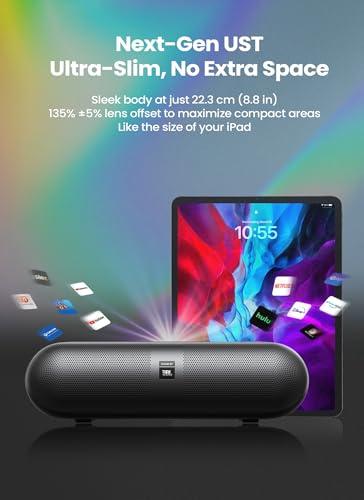
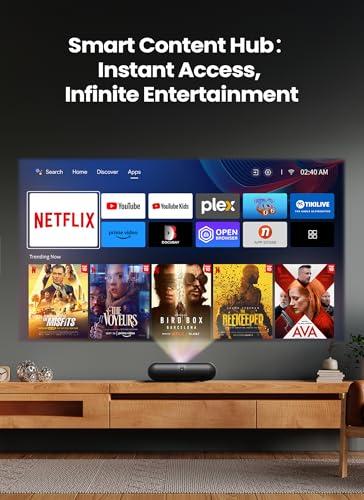
The K300s runs a smart TV platform with access to over 7,000 apps, including Netflix—which is actually a bigger deal than it might sound. Netflix has historically been restrictive about which projectors can run their app natively, often requiring users to connect external streaming devices.
The PL2 uses Google TV, which is Google's refined version of Android TV. This platform is mature, responsive, and includes excellent voice search through Google Assistant. It also means seamless integration with other Google services and Chromecast functionality.
Both projectors support modern connectivity standards like Wi-Fi 6 and Bluetooth 5.1, plus multiple HDMI inputs including eARC (enhanced Audio Return Channel) for connecting soundbars or AV receivers. The PL2 includes three HDMI inputs versus the K300s's single HDMI ARC port, which could matter if you have multiple gaming consoles or other devices to connect.
Many people underestimate projector audio, planning to add external speakers later. But good built-in audio can simplify setup and work better than expected.
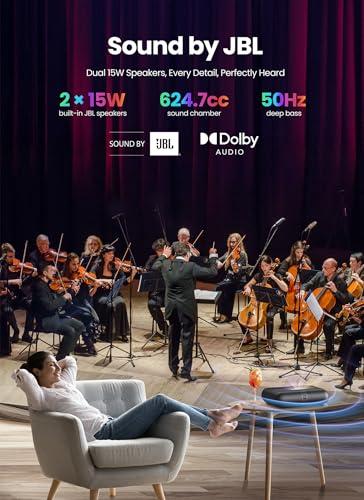
The K300s includes dual 15W JBL speakers with Dolby Audio support and a 624.7cc sound chamber design. JBL's involvement suggests serious attention to audio tuning, and the large sound chamber should help with bass response down to 50Hz—impressive for a compact projector.
The PL2 counters with 30W per channel output and support for Dolby Atmos, the advanced surround sound format that creates overhead audio effects. This is significantly more powerful on paper and supports more advanced audio formats.
In practice, both will likely sound better than built-in TV speakers, but the PL2's higher power output gives it an advantage in larger rooms or for those who prefer listening at higher volumes without external speakers.
Both projectors acknowledge that gaming is a major use case for large-screen displays. The K300s includes a dedicated Game Mode with input lag under 40ms and MEMC (Motion Estimation, Motion Compensation) to smooth out fast motion. For most casual gaming, this performance is excellent.
The PL2 features Auto Low-Latency Mode (ALLM), which automatically switches to low-latency mode when it detects gaming sources, and supports native 4K gaming at 60Hz. For serious gamers, especially those with PS5 or Xbox Series X consoles, the native 4K capability could be worth the premium.
However, neither projector offers high refresh rate gaming (120Hz+) that's becoming standard in premium gaming displays. If you're a competitive gamer, you might want to consider a high-refresh gaming monitor for serious play and use the projector for casual gaming and entertainment.
For dedicated home theater rooms, both projectors excel, but with different strengths. The K300s's quieter operation (27dB) and excellent color uniformity make it ideal for dark-room viewing where every detail matters. Its compact size also means easier installation in tight spaces.
The PL2's higher brightness and contrast ratio (3,000:1 native, up to 2,000,000:1 dynamic) give it better performance in rooms where you can't achieve perfect darkness. The support for Filmmaker Mode also ensures that movies display with the director's intended color grading and aspect ratios.
Both support HDR formats including HDR10 and Dolby Vision, which are essential for modern 4K content. HDR (High Dynamic Range) allows for brighter highlights and darker shadows simultaneously, creating more lifelike images.
At the time of writing, the Yaber K300s represents exceptional value, delivering roughly 80% of the premium UST experience at about 40% of the cost of the Hisense PL2. It's the projector I'd recommend for most people, especially those setting up their first home theater or working within tighter budgets.
Choose the K300s if you have a dedicated theater room or can control lighting, want vibrant colors that really pop, value portability and quiet operation, or simply want premium features without premium pricing.
The Hisense PL2 justifies its premium through significantly higher brightness and native 4K capability. It's the projector for those who won't compromise on image quality or need maximum versatility in room placement.
Choose the PL2 if you need a projector for bright rooms, want the sharpest possible image quality, plan to use screens larger than 120 inches, or are building a no-compromise home theater where budget is secondary to performance.
Both projectors represent the current state-of-the-art in UST technology, just at different price points and with different priorities. The projector market has evolved rapidly, and either choice will deliver an impressive big-screen experience that would have been impossible at these price points just a few years ago.
The real winner? Anyone ready to experience movies, sports, and gaming on a massive screen without the space requirements and installation complexity of traditional projectors. The future of home entertainment is bright—literally.
| Yaber K300s Triple Laser Ultra Short Throw Projector | Hisense PL2 4K Ultra Short Throw Projector |
|---|---|
| Resolution - Determines image sharpness and detail | |
| Native 1080p with 4K decoding (excellent for most home theaters) | Native 4K via XPR pixel-shift (sharper on screens 120"+ or close viewing) |
| Brightness - Critical for room versatility and image quality | |
| 1,000 ANSI lumens (ideal for dark/controlled lighting rooms) | 2,700 ANSI lumens (works well in bright rooms and larger screens) |
| Throw Distance - How close projector can be placed to wall | |
| 0.18:1 ratio (100" image from 9.76" away - most compact) | 0.22:1 ratio (requires slightly more distance but still ultra-short) |
| Color Performance - Affects vibrancy and accuracy | |
| Triple RGB lasers with >150% NTSC (vivid, pop-off-screen colors) | 85% DCI-P3 with X-Fusion laser (natural, cinema-accurate colors) |
| Screen Size Range - Installation flexibility | |
| 40"-180" (widest range for various room sizes) | 80"-150" (focused on optimal home theater sizes) |
| Audio System - Built-in sound quality | |
| Dual 15W JBL speakers with Dolby Audio (excellent integration) | 30W per channel with Dolby Atmos (more powerful, surround effects) |
| Smart Platform - Streaming and app access | |
| Smart TV with 7,000+ apps including Netflix built-in | Google TV certified with Google Play Store access |
| Contrast Ratio - Affects black levels and image depth | |
| 1,500:1 (good for the price range) | 3,000:1 native, 2,000,000:1 dynamic (superior blacks and highlights) |
| Gaming Performance - Input lag and features | |
| Game Mode with ≤40ms lag, MEMC motion smoothing | ALLM auto-switching, native 4K gaming support |
| Physical Design - Size and installation considerations | |
| Compact 11.4" × 8.8" × 3.3", 4.0 lbs (highly portable) | Larger 20.9" × 4.7" × 13.2" (more substantial, less portable) |
| Noise Level - Important for quiet viewing | |
| 27dB (whisper quiet operation) | Not specified (likely higher due to brighter laser system) |
| Laser Life - Long-term reliability | |
| 20,000 hours (maintenance-free for years) | 25,000+ hours (slightly longer lifespan) |
| Price Position - Value proposition | |
| Budget-friendly premium features (exceptional value) | Premium pricing for maximum performance (established brand) |
The Hisense PL2 is significantly better for bright rooms with its 2,700 ANSI lumens compared to the Yaber K300s's 1,000 ANSI lumens. The PL2 can maintain image quality even with windows open or lights on, while the K300s performs best in darker, controlled lighting environments.
The Hisense PL2 offers native 4K resolution for sharper detail, especially on screens larger than 100 inches. The Yaber K300s provides native 1080p with excellent color vibrancy through its Triple RGB laser technology. For most home theaters, both deliver impressive image quality, but the PL2 has the edge in fine detail reproduction.
Both are ultra-short throw projectors, but the Yaber K300s can sit closer with its 0.18:1 throw ratio, projecting a 100-inch image from just 9.76 inches away. The Hisense PL2 has a 0.22:1 ratio, requiring slightly more distance but still offering excellent space-saving placement.
The Yaber K300s offers exceptional value, delivering premium features like RGB laser technology and JBL audio at a significantly lower cost than the PL2. However, the Hisense PL2 justifies its premium through higher brightness and native 4K resolution for users who prioritize maximum performance.
Both projectors work well for gaming. The Yaber K300s features a dedicated Game Mode with input lag under 40ms, while the Hisense PL2 offers Auto Low-Latency Mode and native 4K gaming support. The PL2 has an advantage for next-gen console gaming with its 4K capability.
The Yaber K300s offers the widest range, supporting 40-180 inch screens, making it versatile for various room sizes. The Hisense PL2 focuses on 80-150 inch screens, which covers the optimal range for most home theater setups but with less flexibility for smaller spaces.
The Hisense PL2 has more powerful audio with 30W per channel and Dolby Atmos support. However, the Yaber K300s offers excellent audio quality through its dual 15W JBL speakers with thoughtful acoustic design. Both provide better sound than typical TV speakers, but the PL2 delivers higher volume and surround effects.
Yes, both projectors include smart TV platforms. The Yaber K300s features a smart TV system with over 7,000 apps including Netflix built-in. The Hisense PL2 runs Google TV with Google Play Store access. Both eliminate the need for external streaming devices for most users.
For dedicated home theaters with controlled lighting, the Yaber K300s excels with its vibrant RGB laser colors, whisper-quiet 27dB operation, and compact design. The Hisense PL2 works better if you need maximum brightness or have a larger screen over 120 inches in your theater room.
The Yaber K300s produces more vibrant, eye-catching colors with its Triple RGB laser system covering over 150% NTSC color gamut. The Hisense PL2 delivers more natural, cinema-accurate colors with 85% DCI-P3 coverage. Choose the K300s for pop and vibrancy, or the PL2 for film-accurate reproduction.
Both projectors offer automatic setup features. The Yaber K300s includes instant autofocus and smart keystone correction for quick alignment. The Hisense PL2 features auto geometry calibration through a mobile app, which can be more precise but requires more user interaction during initial setup.
Choose the Yaber K300s for exceptional value, vibrant colors, compact design, and quiet operation in controlled lighting environments. Choose the Hisense PL2 for maximum brightness, native 4K resolution, powerful audio, and versatility in various lighting conditions, especially if budget is less of a concern.
We've done our best to create useful and informative comparisons to help you decide what product to buy. Our research uses advanced automated methods to create this comparison and perfection is not possible - please contact us for corrections or questions. These are the sites we've researched in the creation of this article: yaber.com - projectorcentral.com - trendygadget.com - staples.com - youtube.com - projection.center - notebookcheck.net - yaber.ph - wallpaper.com - youtube.com - androidauthority.com - youtube.com - yaber.com - projektoren-datenbank.com - bestbuy.com - tractorsupply.com - digitaltrends.com - avnirvana.com - crutchfield.com - projectorscreen.com - digitaltrends.com - newatlas.com - valueelectronics.com - youtube.com - shop.hisense-usa.com - ecoustics.com

Privacy Policy
Terms and Conditions - Affiliate Policy
Home Security
© Copyright 2008-2026.
11816 Inwood Rd #1211, Dallas, TX 75244